





















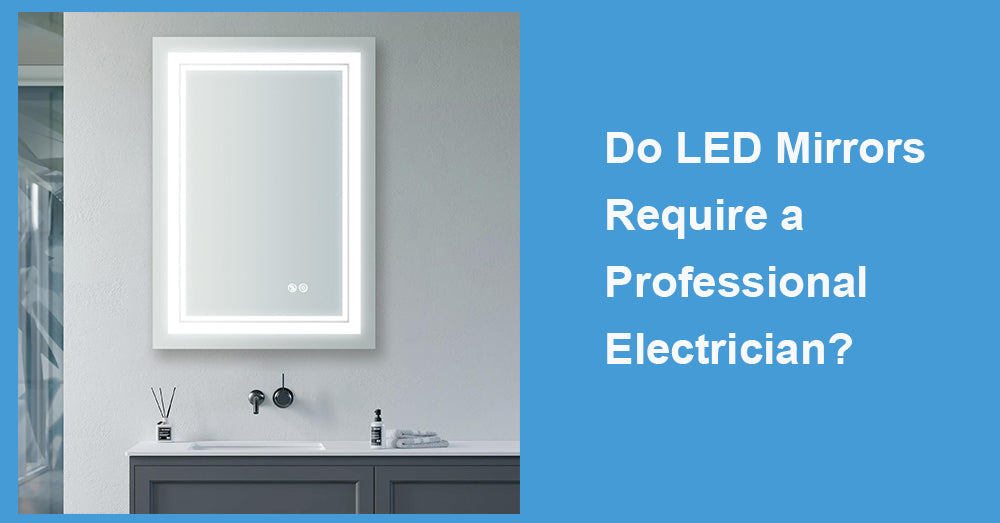
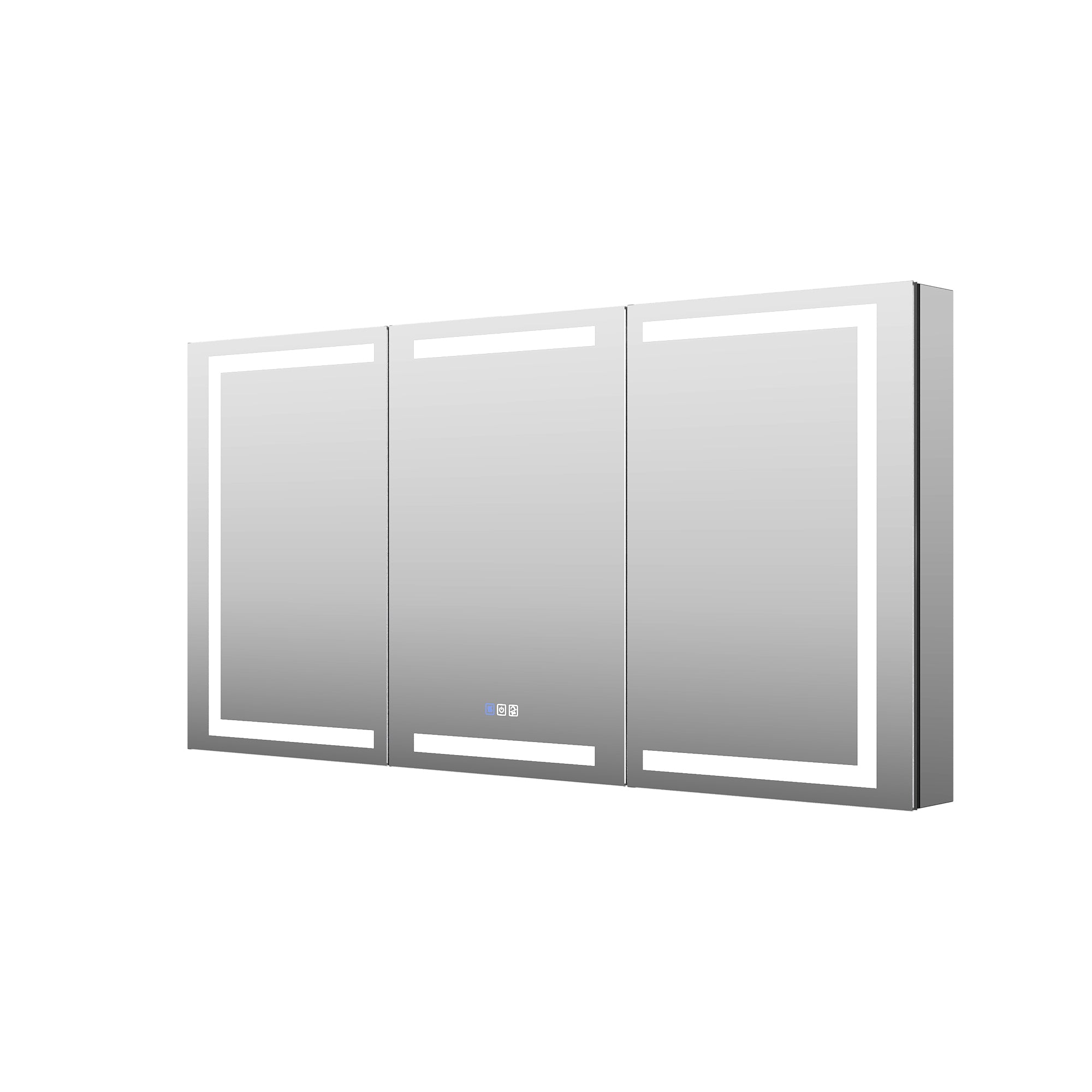
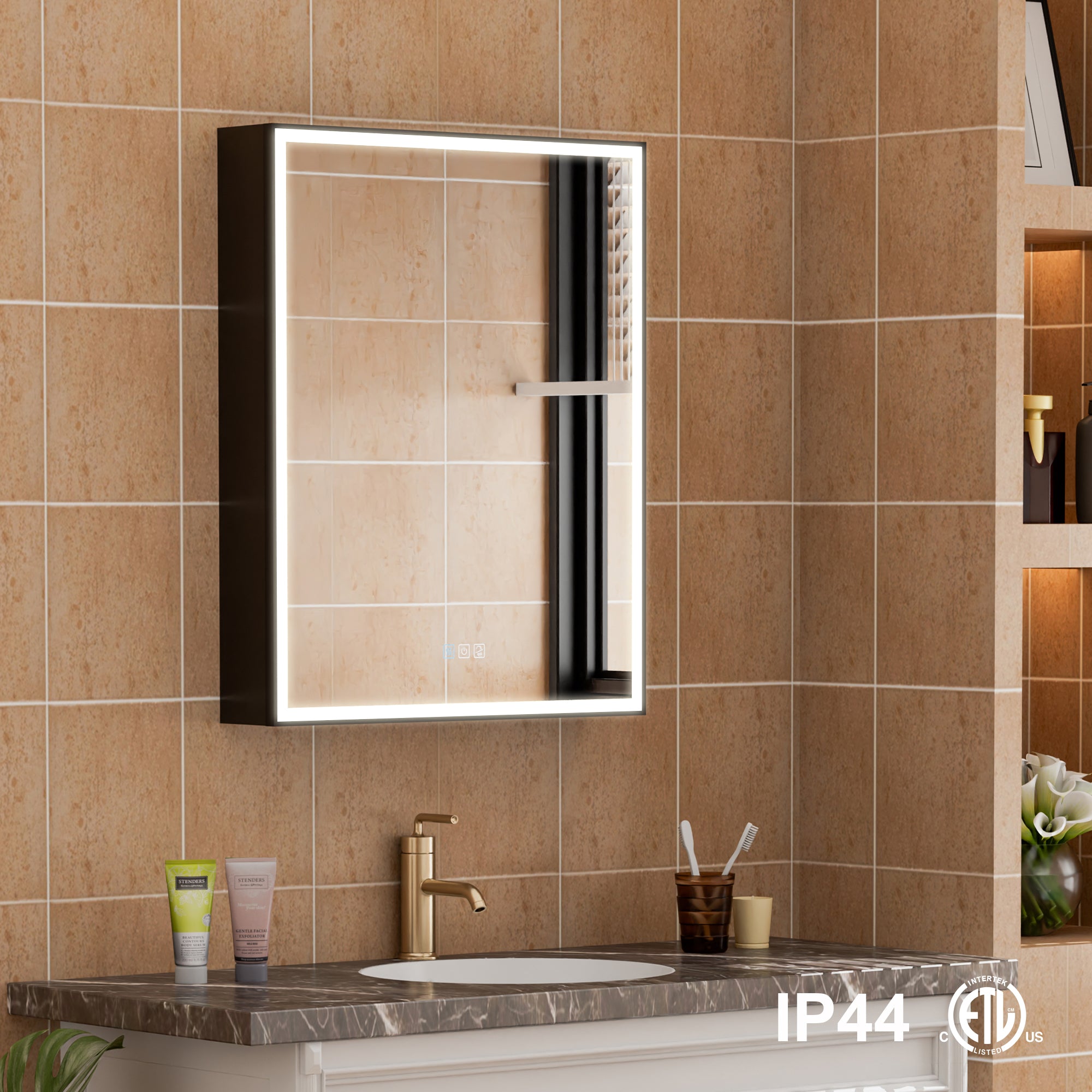
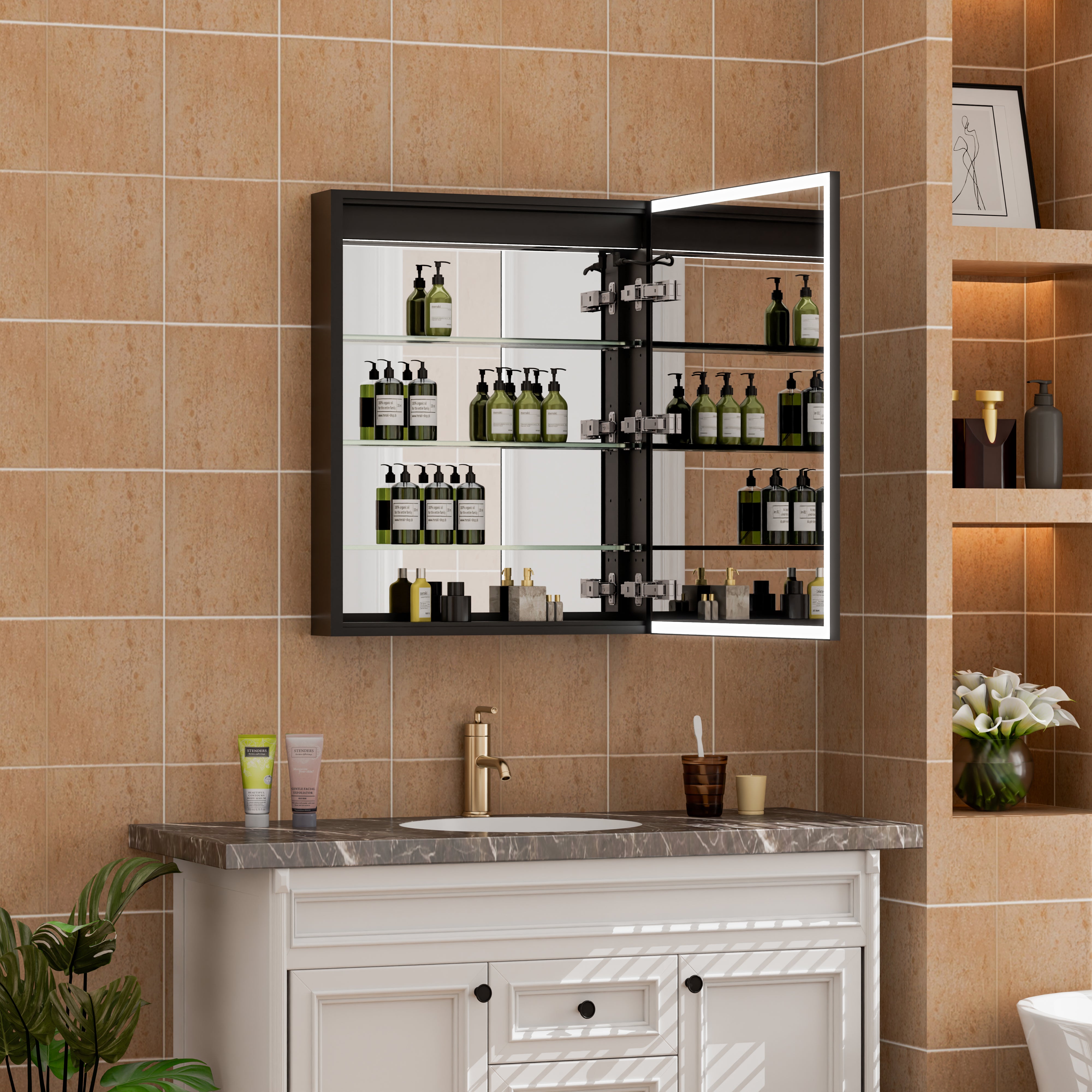
If you are installing an LED bathroom mirror, whether you need a professional electrician depends on one thing more than anything else: how the mirror is powered. Some LED mirrors are true plug-in products that install like a standard mirror with an added cord. Others are hardwired fixtures that connect directly to household wiring, often in a damp area where safety rules and workmanship matter. In many cases, the safest and least stressful approach is to hire a licensed electrician whenever wiring, junction boxes, or new circuits are involved.
This guide explains the common installation types, the safety reasons behind the recommendations, and a practical checklist to help you decide when DIY is reasonable and when it is smarter to call a pro.
1. The Two Main Installation Types
Plug-in LED mirrors
Plug-in mirrors have a cord and a standard plug. If you already have a correctly located receptacle (often a GFCI-protected outlet) and the manufacturer allows cord routing in that spot, installation can be fairly straightforward: mount the mirror securely and plug it in.
Plug-in installations are most DIY-friendly when:
· A receptacle already exists where the mirror can reach it without stretching the cord.
· The outlet is protected appropriately for bathroom use (often GFCI).
· You are not modifying wiring, adding outlets, or opening walls.
· You can mount the mirror into studs or use anchors rated for the mirror’s weight.
Even with plug-in mirrors, the “electrical part” may be easy, but the “mounting part” can still be serious. Large LED mirrors can be heavy, and improper mounting is a real safety risk.
Hardwired LED mirrors
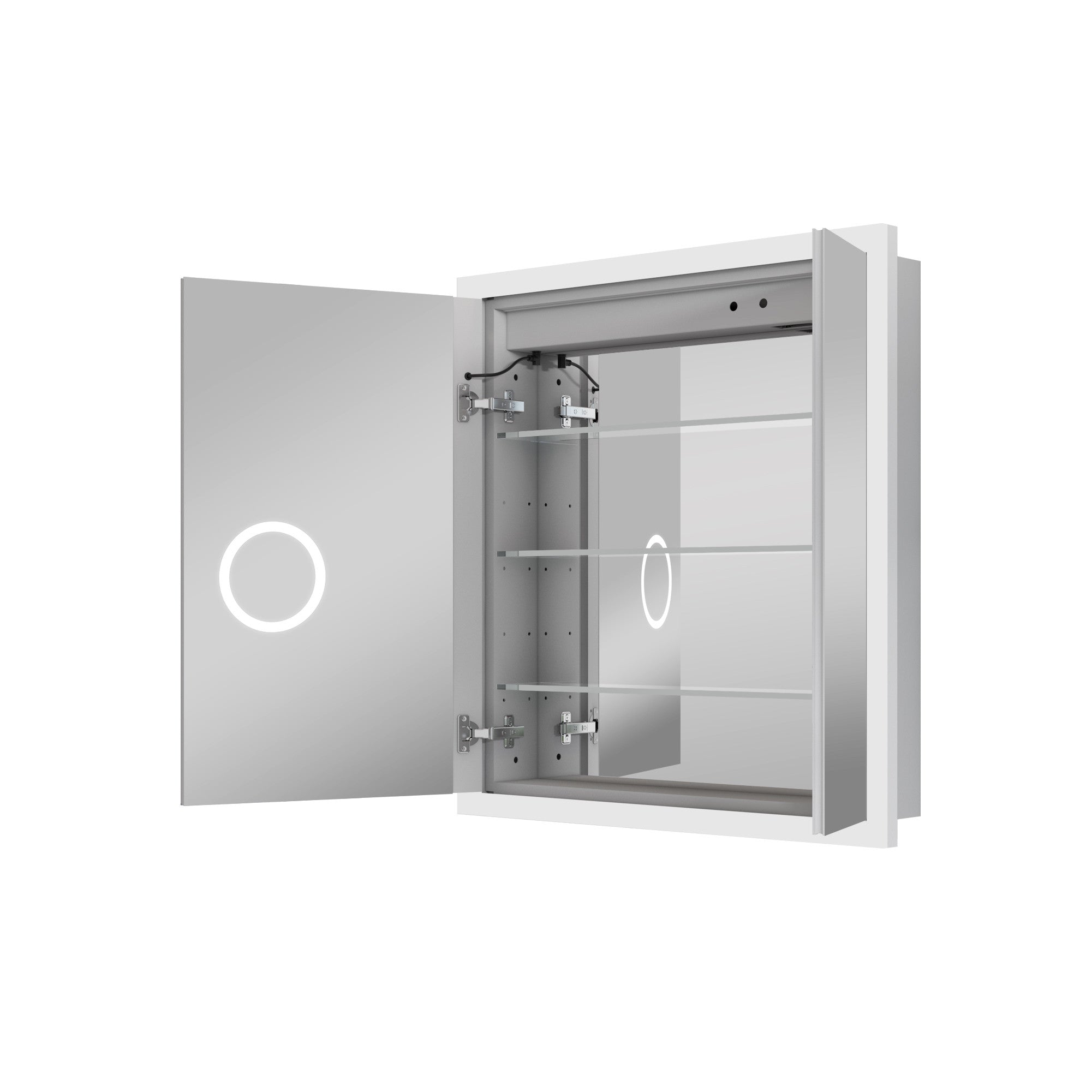
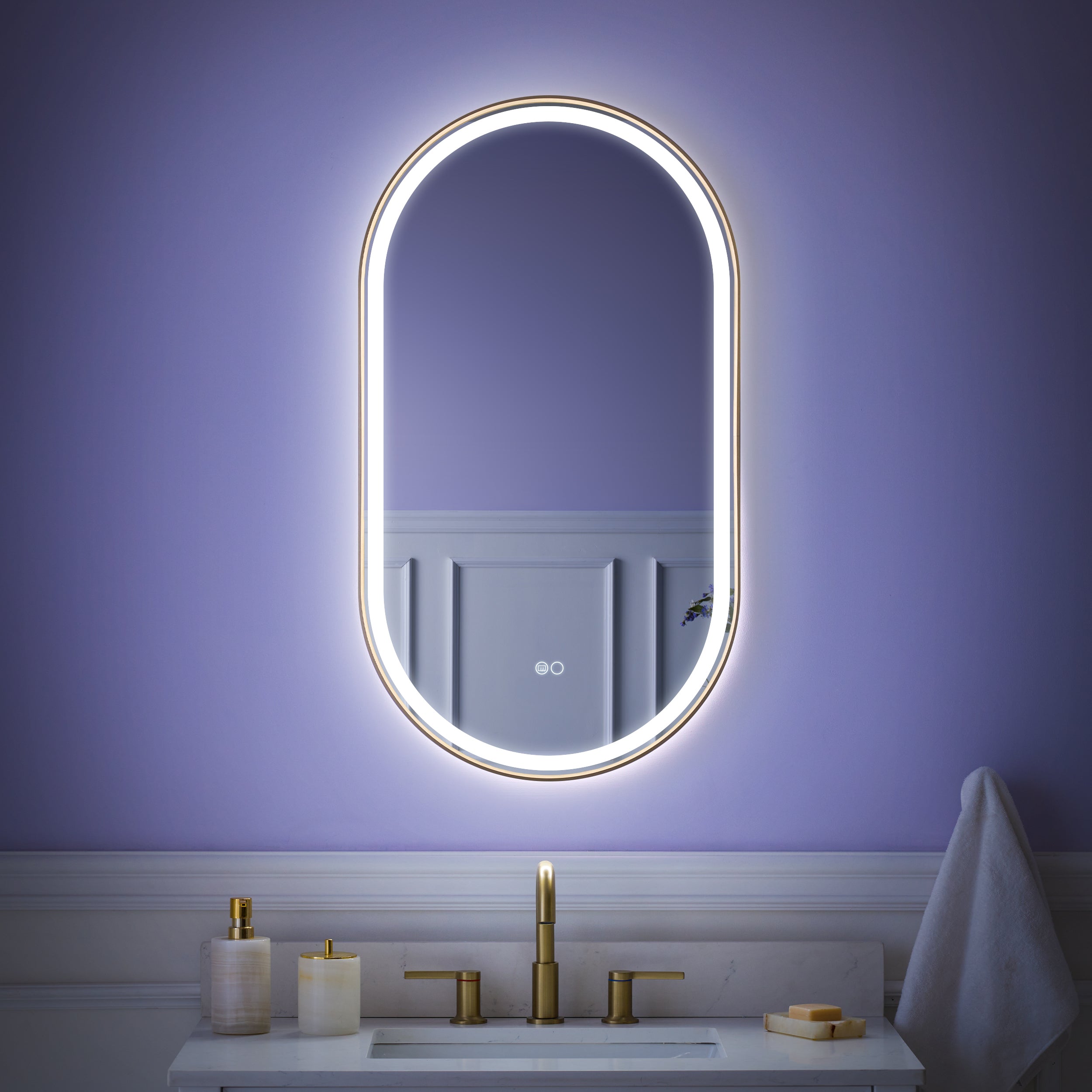
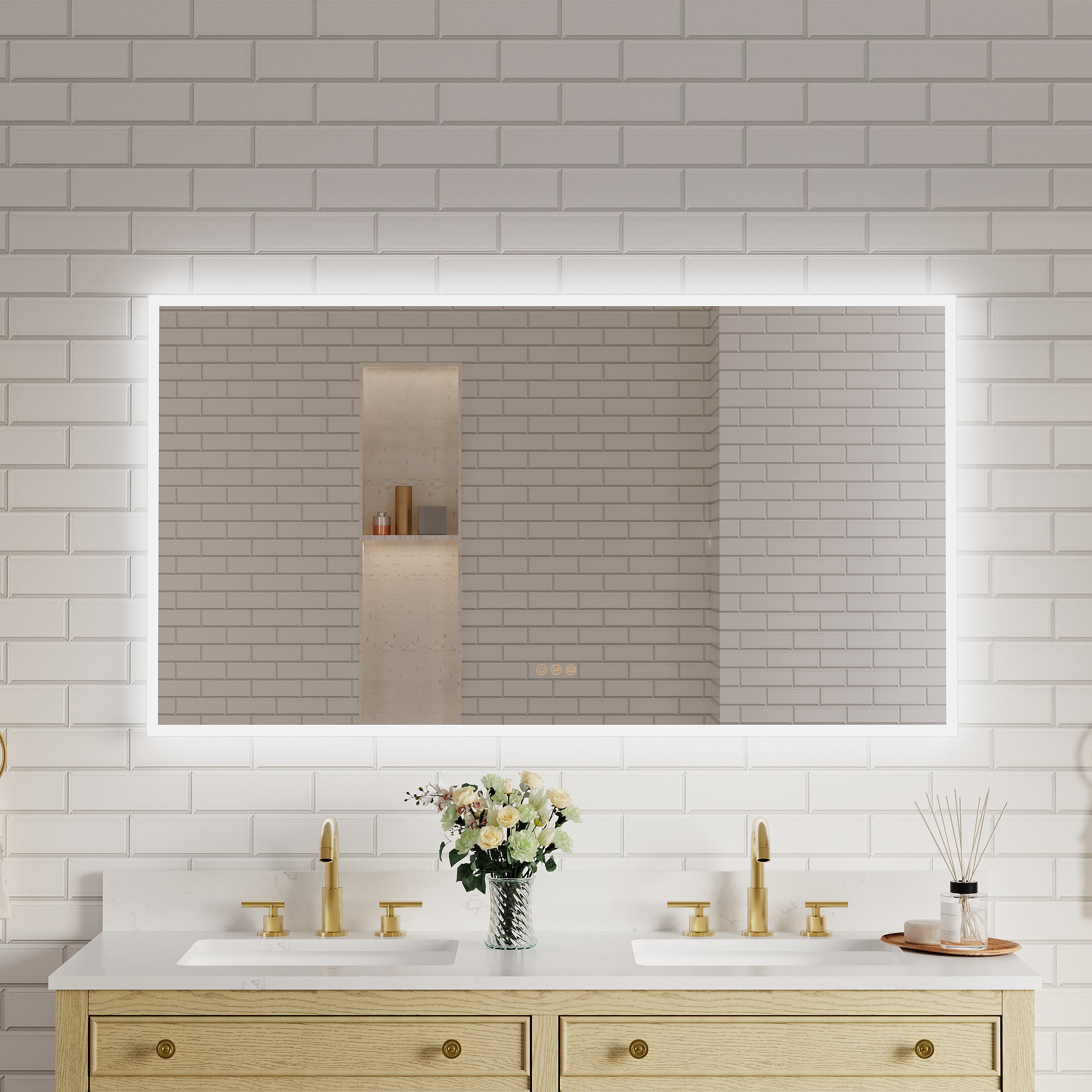
Hardwired mirrors connect to the home’s electrical wiring, typically through a junction box. These are closer to a light fixture than a decorative mirror. Hardwired models may also include a defogger, dimming, tunable color temperature, or touch controls that require correct wiring and compatible switches.
Hardwired installation usually points to hiring a professional electrician because it can involve:
· Installing or relocating a junction box.
· Running cable behind the wall.
· Connecting to a switch, dimmer, or timer.
· Ensuring proper circuit protection in a bathroom environment.
2. Why Bathrooms Raise the Safety Stakes
Bathrooms combine electricity, moisture, and frequent bare-skin contact. That combination increases shock risk and makes good installation practices more important than in many other rooms.
Electrical safety organizations and regulators consistently emphasize the same hazards: electric shock, electrocution, and electrical fires. OSHA’s electrical safety resources highlight those risks as core reasons for electrical standards and safe work practices. (Source: OSHA, Electrical Safety overview.)
A data point that puts risk into perspective: the Electrical Safety Foundation International (ESFI) summarizes workplace fatality data involving contact with electricity across multiple years. While those are occupational statistics and not bathroom-specific, they reinforce that electrical contact can be lethal and is not something to treat casually. (Source: ESFI, workplace electrical fatality statistics summaries.)
The practical takeaway is simple: if your installation requires touching household wiring, the cost of a mistake is high, and the “pro” route becomes the safer choice.
3. Product Listings Matter, but They Do Not Replace Correct Installation
Many LED mirrors are advertised as “UL Listed” or “ETL Listed.” That is important because it typically indicates the product was evaluated against recognized safety standards for electrical equipment. For lighted mirrors, manufacturers commonly reference luminaire standards such as UL 1598. UL describes UL 1598 as a standard for luminaires intended for installation on branch circuits within specified voltage ranges and non-hazardous locations. (Source: UL, UL 1598 information and explanations. Source: manufacturer safety pages referencing UL 1598 for lighted mirrors.)
However, a listed product is only part of the safety story. A listed mirror can still be unsafe if it is wired incorrectly, installed on the wrong circuit, connected with improper methods, or placed in a way that violates clearance and moisture requirements.
In other words:
· Listing helps product safety.
· Professional installation helps system safety.
4. When DIY Is Usually Reasonable
DIY installation is usually reasonable when all of the following are true:
1. The mirror is a true plug-in model with a factory plug and cord.
2. A properly located receptacle already exists where the mirror can plug in without unsafe cord routing.
3. You are not adding or relocating outlets, junction boxes, or switches.
4. You can mount the mirror securely into studs or use manufacturer-approved anchors rated for the mirror’s weight.
5. The manufacturer’s instructions allow your exact setup and do not require hardwiring.
If any one of these is not true, DIY becomes riskier and may not be code-compliant depending on your local rules.
5. When You Should Hire a Professional Electrician
Hiring an electrician is strongly recommended if any of the following applies:
A. The mirror is hardwired
Hardwired installation requires working with household wiring and proper connections in a junction box. This is the most direct “yes, hire a pro” scenario.
B. You need to add or move power
If there is no power source behind the mirror and you want a clean look, you may need a new junction box or a recessed receptacle. That usually means opening the wall and tying into a circuit correctly.
C. You want a switch, dimmer, or timer control
Many LED mirrors include features like defoggers or tunable lighting that owners prefer to control separately from the main light. Wiring these controls cleanly and safely is often best handled by an electrician. It also helps avoid issues like dimmer incompatibility, flicker, or buzzing.
D. The bathroom has older wiring or unclear circuits
If your bathroom wiring is older, poorly labeled, or you have had tripped breakers or flicker issues, it is safer to have a professional evaluate the circuit before adding a powered mirror.
E. You want permit-and-inspection confidence
In many areas, new electrical work may require a permit or inspection. A licensed electrician is more likely to handle the installation in a way that meets local requirements and avoids future headaches during a home sale or renovation.
Electrical codes are widely treated as the baseline for safe installation practices, and many jurisdictions adopt the National Electrical Code (NEC) as a foundation. (Source: NFPA, National Electrical Code overview. Source: NECA, NEC overview.)
6. The Most Common Reasons LED Mirror Projects Go Wrong
Even when people are careful, a few issues show up repeatedly:
· No proper box or improper connection method behind the mirror.
· Incompatible dimmer causing flicker or noise.
· Poor mounting leading to wall damage or a dangerous loose mirror.
· Moisture exposure to unprotected electronics or connections.
· Cord hiding done incorrectly (for plug-in models), which sometimes leads to unsafe routing or unapproved modifications.
An electrician reduces these risks because they understand box requirements, connection methods, circuit protection, and compatibility issues.
7. A Simple Decision Checklist
Use this quick checklist before you decide:
1. Is the mirror plug-in or hardwired?
2. Is there already a safe power source exactly where the manufacturer allows it?
3. Will you modify wiring, add a junction box, or add a receptacle?
4. Do you want the mirror on a wall switch, dimmer, or timer?
5. Does the product clearly state a recognized safety listing (UL or ETL)?
6. Do local rules require permits for new electrical work?
If you answer “hardwired,” “no power source,” or “yes” to any wiring changes, hiring a professional electrician is typically the right choice.

Conclusion
LED mirrors do not always require a professional electrician, but many installations do. If the mirror is plug-in and you already have a properly located, protected receptacle and you are only mounting the mirror, DIY can be reasonable. If the mirror is hardwired, you need new power behind the mirror, or you want switches, dimmers, or timers, a licensed electrician is strongly recommended for safety, reliability, and long-term peace of mind. Bathrooms are damp, high-risk environments for electrical mistakes, and the cost of doing it right is usually far lower than the cost of troubleshooting, repairs, or unsafe outcomes.






























Leave a comment
This site is protected by hCaptcha and the hCaptcha Privacy Policy and Terms of Service apply.