














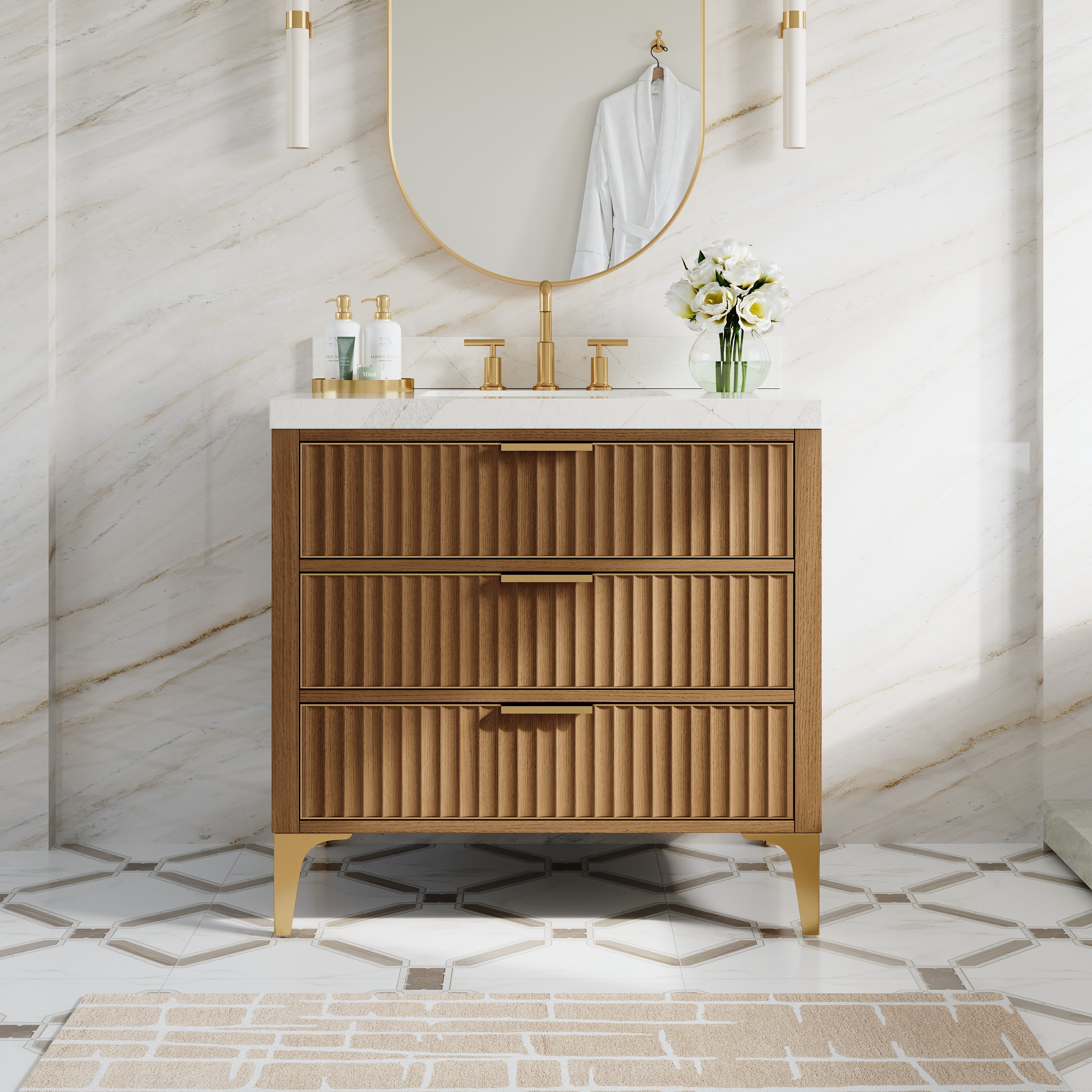
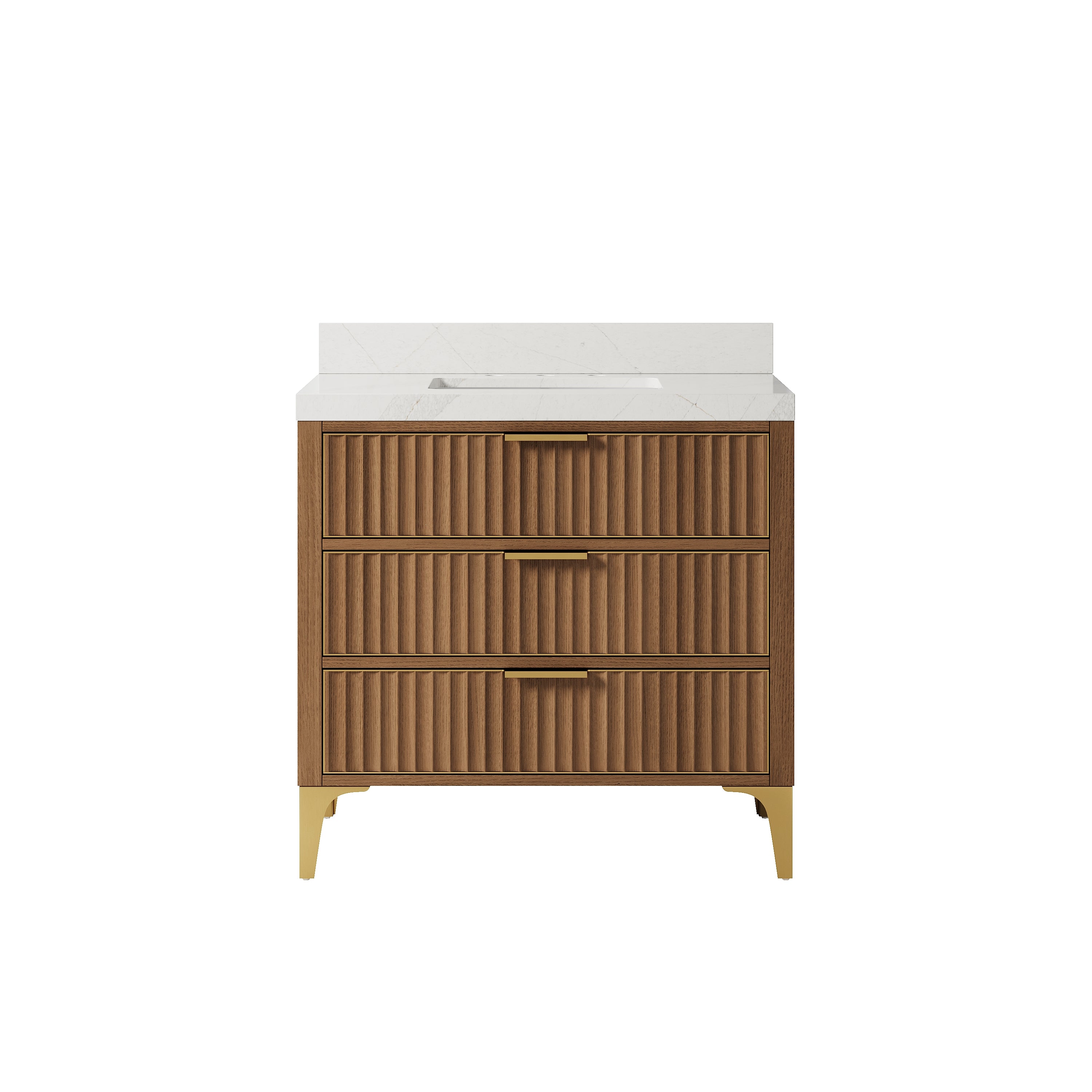
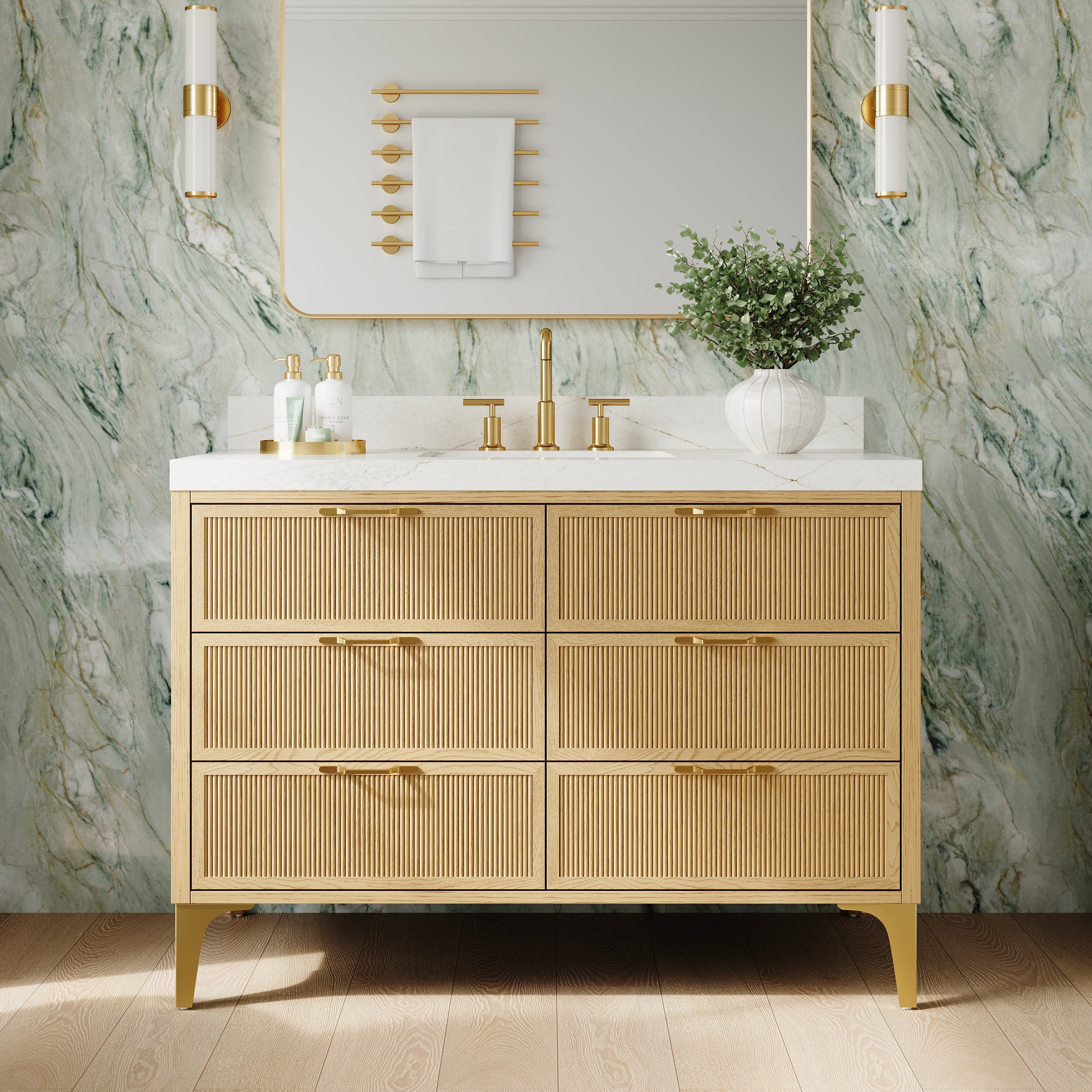
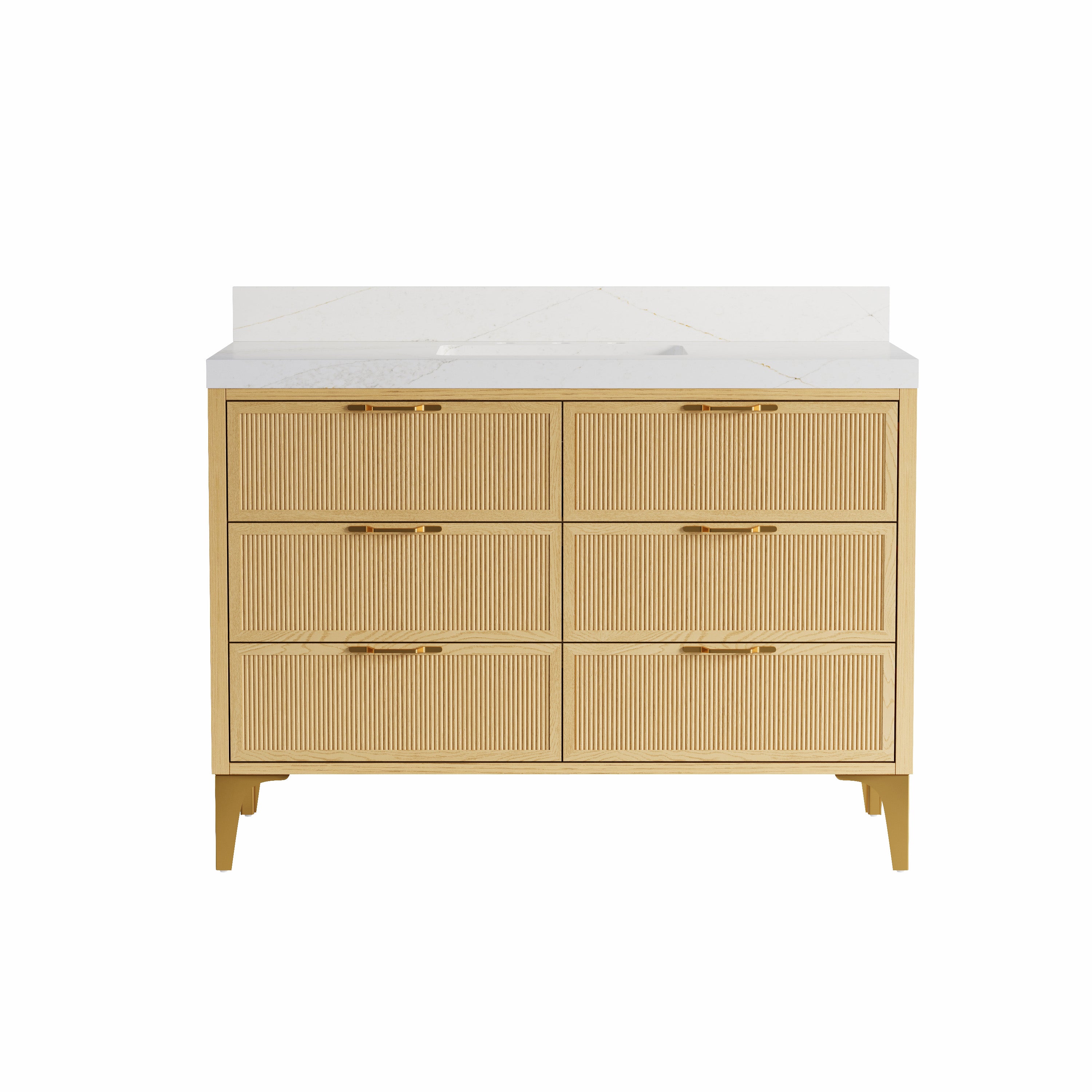


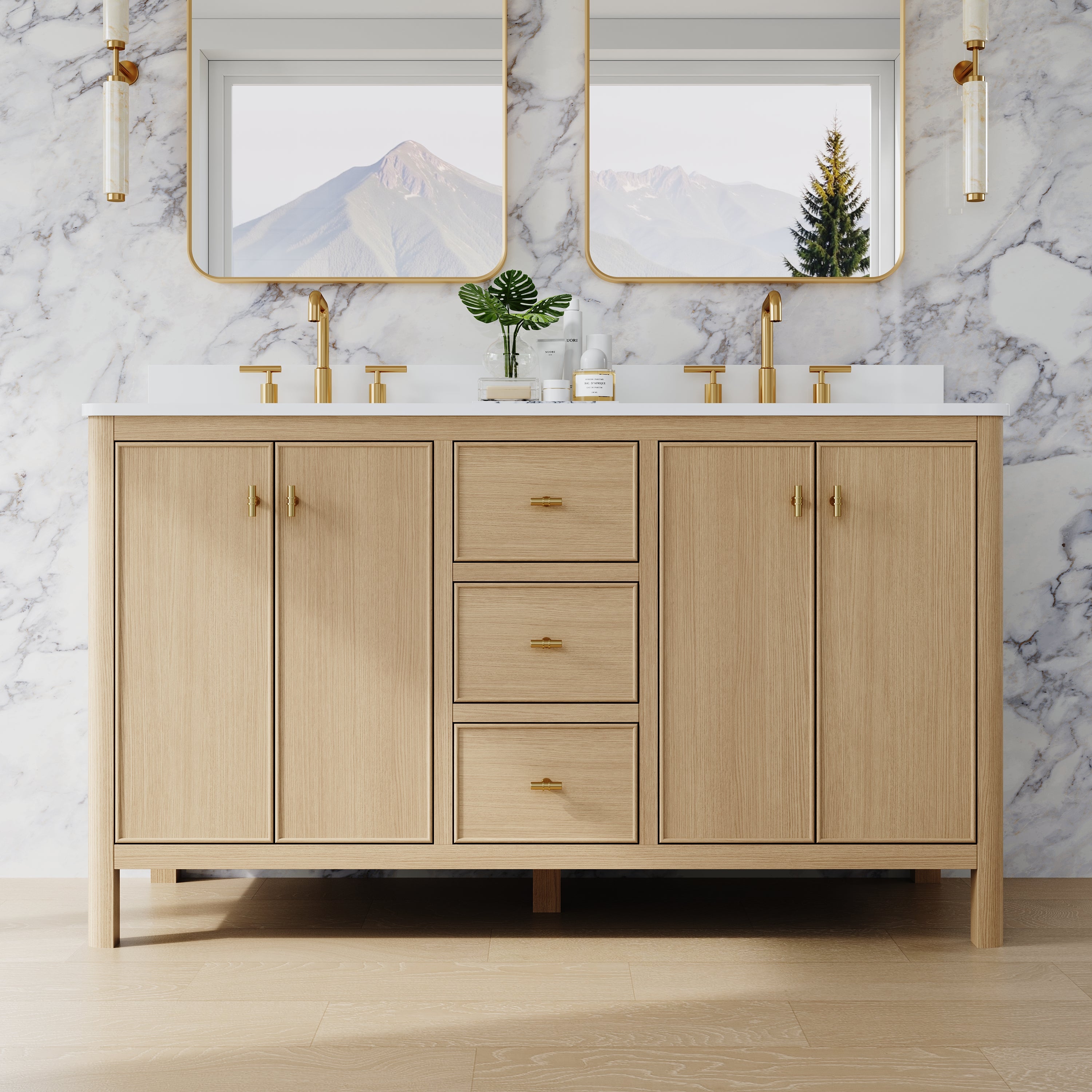
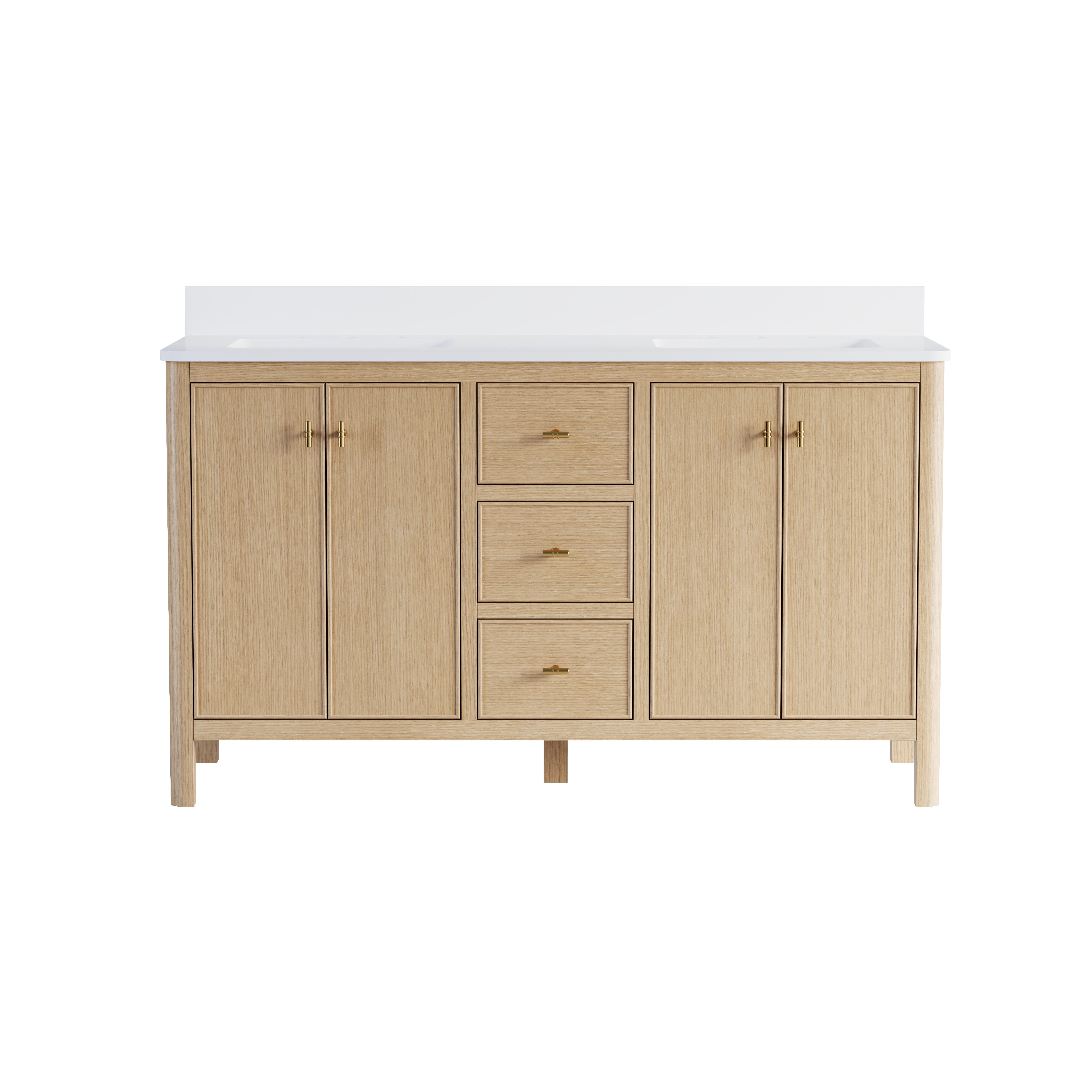
Wood bathroom vanities have become a standout choice in modern design because they solve a common bathroom challenge: how to make a space feel clean and contemporary without feeling cold or sterile. Wood adds warmth, texture, and visual depth that balances tile, stone, glass, and metal. Beyond style, a well-built wood vanity can deliver excellent everyday durability, smart storage, and long-term satisfaction when the right species, construction methods, and finish systems are selected.
1. Wood Adds Warmth Without Adding Visual Clutter
Modern bathrooms often lean on crisp geometry and simple surfaces. That minimal approach can look striking, but it can also feel flat if every surface is glossy white, gray, or black. Wood brings natural grain variation that reads as quiet luxury, even when the vanity design is simple. Because the visual interest comes from the material itself, you do not need extra ornamentation, busy patterns, or heavy decorative hardware to make the vanity feel premium. In modern design terms, wood functions like a “softening layer” that keeps the space calm while still feeling intentional.
2. It Creates Better Material Balance With Stone and Metal
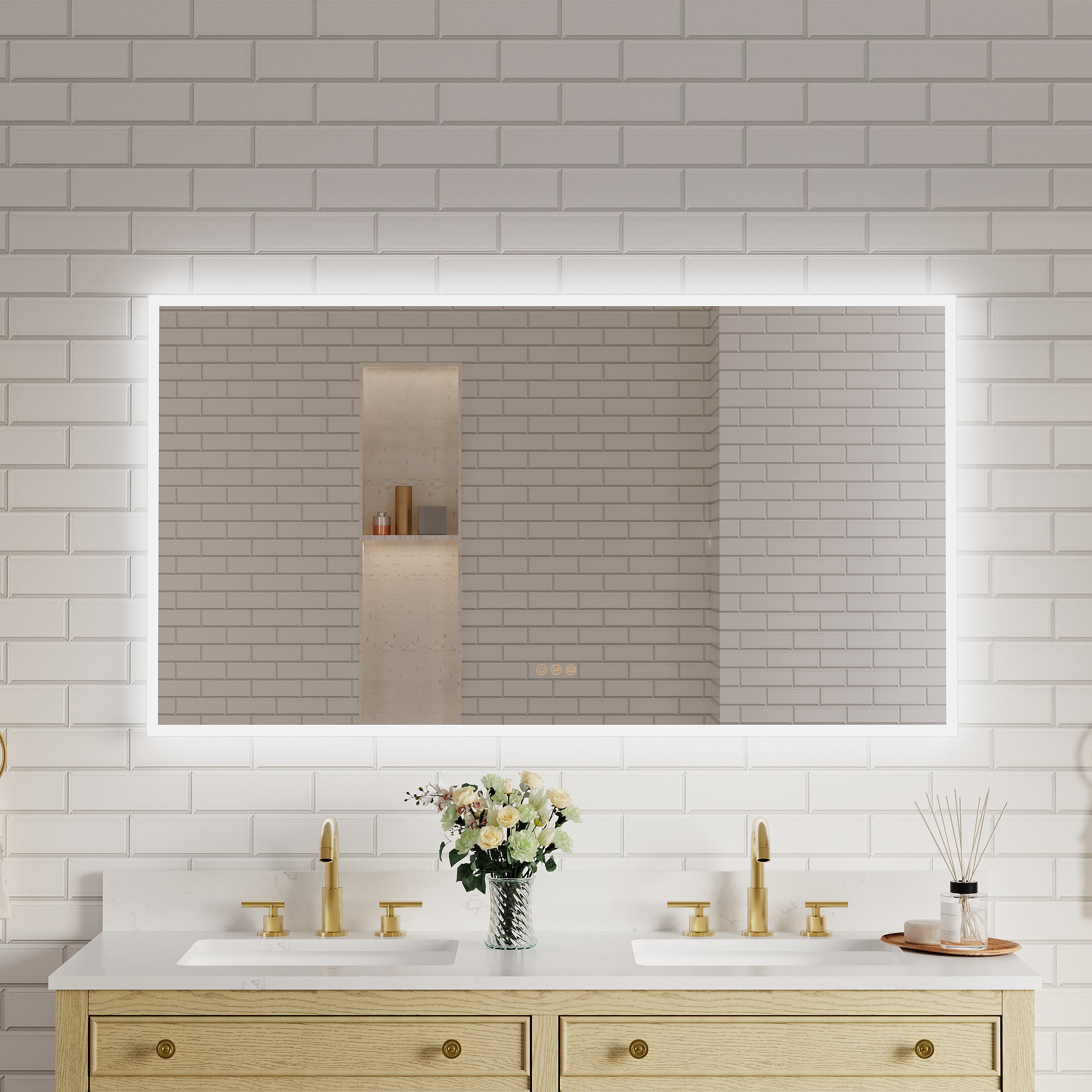
Wood works especially well with modern favorites like quartz tops, stone-look surfaces, matte fixtures, and minimal mirrors. The reason is contrast. Stone and metal provide crispness, while wood provides warmth. This balance prevents the bathroom from becoming overly clinical and helps each element look more purposeful. A wood vanity can also bridge styles, so you can pair a modern slab door with warm wood grain, or a shaker-style door with a more contemporary stain and thin hardware. That flexibility is one reason wood remains a safe choice even when trends shift.
3. Wood Can Be Highly Durable When You Use Hardness Data
Durability is not guesswork. One practical way to compare wood species is the Janka hardness test, which measures the force required to embed a steel ball into wood (Source: Bell Forest Products, Janka hardness explanation). Higher numbers generally indicate better resistance to dents and wear.
Common benchmarks often referenced in woodworking and cabinetry discussions include:
· Hard Maple: 1,450 lbf (Source: Osborne Wood, Janka chart article).
· White Oak: 1,360 lbf (Source: Osborne Wood, Janka chart article).
· Red Oak: 1,290 lbf (Source: Osborne Wood, Janka chart article).
In a bathroom, dent resistance matters because vanities take daily micro-impacts: hair tools bump corners, drawers close repeatedly, and cleaning routines add abrasion. A harder species helps the vanity keep crisp edges and a cleaner appearance over time. Practical buying tip: ask what parts are hardwood (door fronts, drawer fronts, face frames) versus engineered panels. Many high-quality vanities use hardwood where you see and touch it most and stable panels where flat surfaces need extra dimensional stability.
4. Modern Wood Vanities Can Be Built to Handle Humidity Movement
Bathrooms are humid environments, and wood naturally expands and contracts with moisture changes. The best vanities do not “fight” this reality; they are engineered to accommodate it. A Purdue Extension reference explains that wood movement is greatest in the tangential direction, about half as much radially, and very small longitudinally, often around 0.1% to 0.2% (Source: Purdue Extension, FNR-163). This is why frame-and-panel door construction is common in quality cabinetry: the panel can move slightly within the frame without splitting or warping the entire door.
Modern design often uses larger, flatter door faces, which can look sleek but can also be more prone to movement issues if built poorly. When shopping, look for construction details that support stability: strong joinery, properly engineered panels, and cabinet boxes that resist racking.
5. Wood Supports a “Spa Clean” Look Through Better Storage
Modern bathrooms feel luxurious when surfaces are clear. A vanity is the main tool for making that happen. Wood vanities often come with cabinet-style storage options that help maintain a calmer counter: deep drawers for bottles and hair tools, full-extension slides for access, and soft-close hardware that reduces slamming wear.
Even a small functional detail can change daily behavior. When drawers open fully, you can see and reach items in the back without digging, which reduces clutter piles. When storage is convenient, the countertop becomes a clean workspace instead of a staging area. That visual calm is one of the biggest modern design advantages.
6. Finish Systems Make the Difference Between “Pretty” and “Long-Lasting”
In a bathroom, finish quality is part of performance. The finish protects wood from splashes, humidity, and cleaning chemicals. A modern vanity often gets wiped frequently, so you want a finish that can handle repetition without dulling or peeling. Practical selection factors include:
· Moisture resistance around sink edges and corners.
· Easy-clean characteristics that do not require special products.
· Realistic repairability if scratches happen.
If your bathroom is high traffic, prioritize finishes that are designed for wipe-down durability. If you prefer a more furniture-like look, choose a premium painted or stained finish with clear care guidance and accept that gentle cleaning habits will extend its life.
7. Humidity Control Protects Both Vanity and Bathroom Design
Wood vanities perform best when the bathroom does not stay damp for hours. EPA moisture guidance recommends keeping indoor relative humidity below 60%, ideally between 30% and 50%, to reduce moisture-related issues (Source: U.S. EPA Mold Course, Chapter 2). Bathrooms will spike during showers, but good ventilation helps the room return to a safer baseline. This matters for wood because persistent humidity can accelerate finish wear, encourage swelling, and corrode hardware.
Simple habits that support longevity:
· Run the exhaust fan during showers and for a period after.
· Wipe standing water near sink edges and backsplash seams.
· Avoid leaving wet towels piled against the vanity face.
These are small actions, but they directly support the long-term “modern clean” appearance.
8. Wood Fits Modern Value Thinking in Remodeling
A vanity is one of the most visible and frequently used elements in a bathroom, so it strongly shapes how “complete” a remodel feels. Remodeling benchmarks also show bathrooms are meaningful upgrade categories. The 2025 Cost vs. Value report lists a “Bath Remodel | Universal Design” at 61% cost recouped in its published averages (Source: JLC, 2025 Cost vs. Value Report). A vanity alone is not a full remodel, but the takeaway is clear: durable, timeless materials in high-touch areas support long-term satisfaction and overall project value perception.
9. A Practical Checklist for Choosing a Modern Wood Vanity
To get the advantages without the common mistakes, use this checklist:
· Choose a species with appropriate hardness if dent resistance matters, using Janka values as a guide (Source: Osborne Wood; Source: Bell Forest Products).
· Look for construction that tolerates wood movement, such as frame-and-panel doors and stable cabinet boxes (Source: Purdue Extension, FNR-163).
· Prioritize storage features that keep counters clear: full-extension drawers, soft-close hardware, and usable organizers.
· Select a finish designed for humid rooms and frequent wiping.
· Support performance with ventilation habits aligned to keeping humidity below 60% when possible (Source: U.S. EPA Mold Course, Chapter 2).

Conclusion
Wood bathroom vanities bring a rare combination to modern design: warmth without clutter, strong compatibility with stone and metal, and real-world durability when built and finished correctly. Data like Janka hardness ratings helps you compare species for wear resistance (Source: Osborne Wood; Source: Bell Forest Products), while construction principles and humidity guidance explain how to keep wood stable over time (Source: Purdue Extension, FNR-163; Source: U.S. EPA Mold Course). When you pair those fundamentals with smart storage and a finish that matches bathroom reality, a wood vanity becomes more than a style choice. It becomes a long-term design anchor that improves both the look and the daily function of the entire bathroom.










Leave a comment
This site is protected by hCaptcha and the hCaptcha Privacy Policy and Terms of Service apply.