














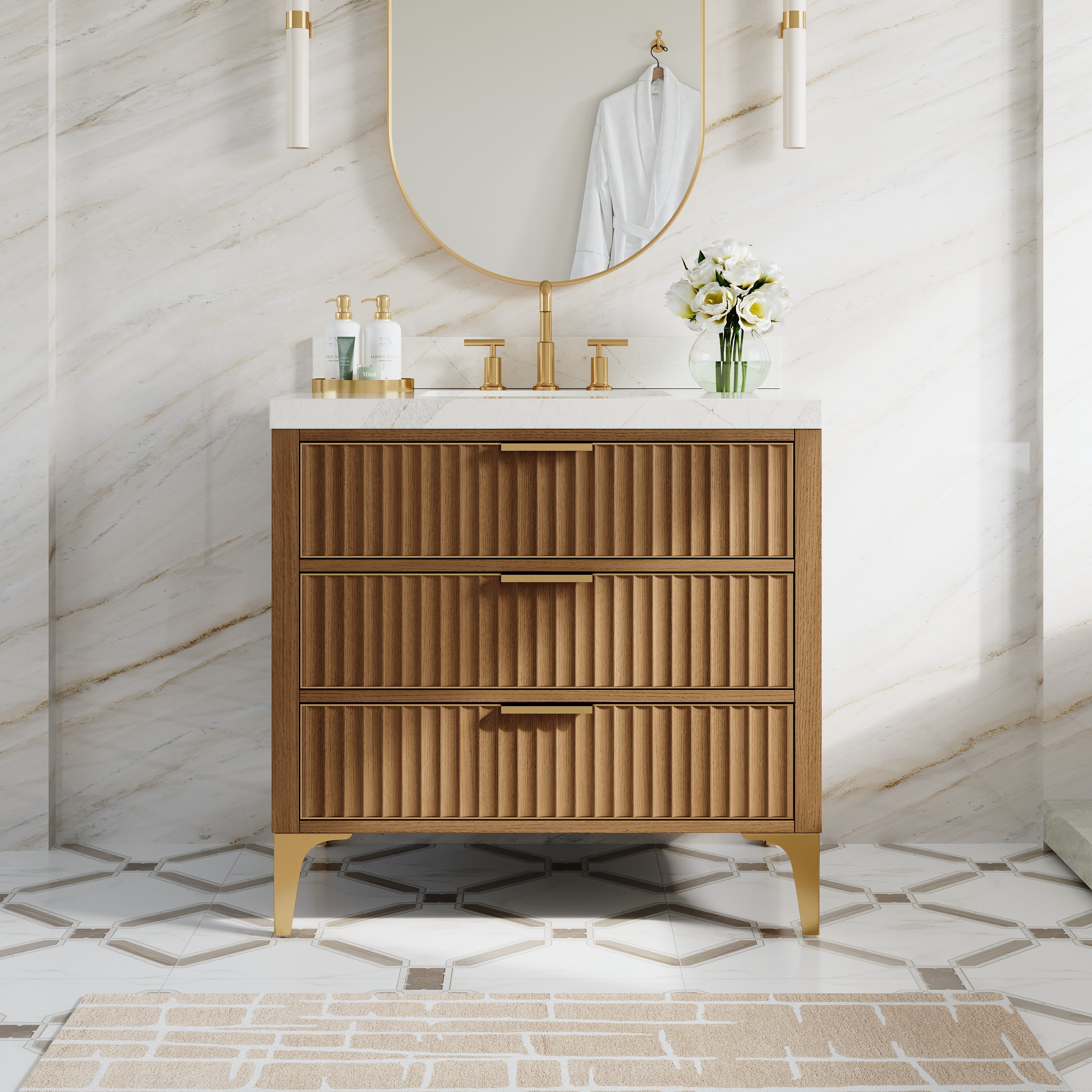
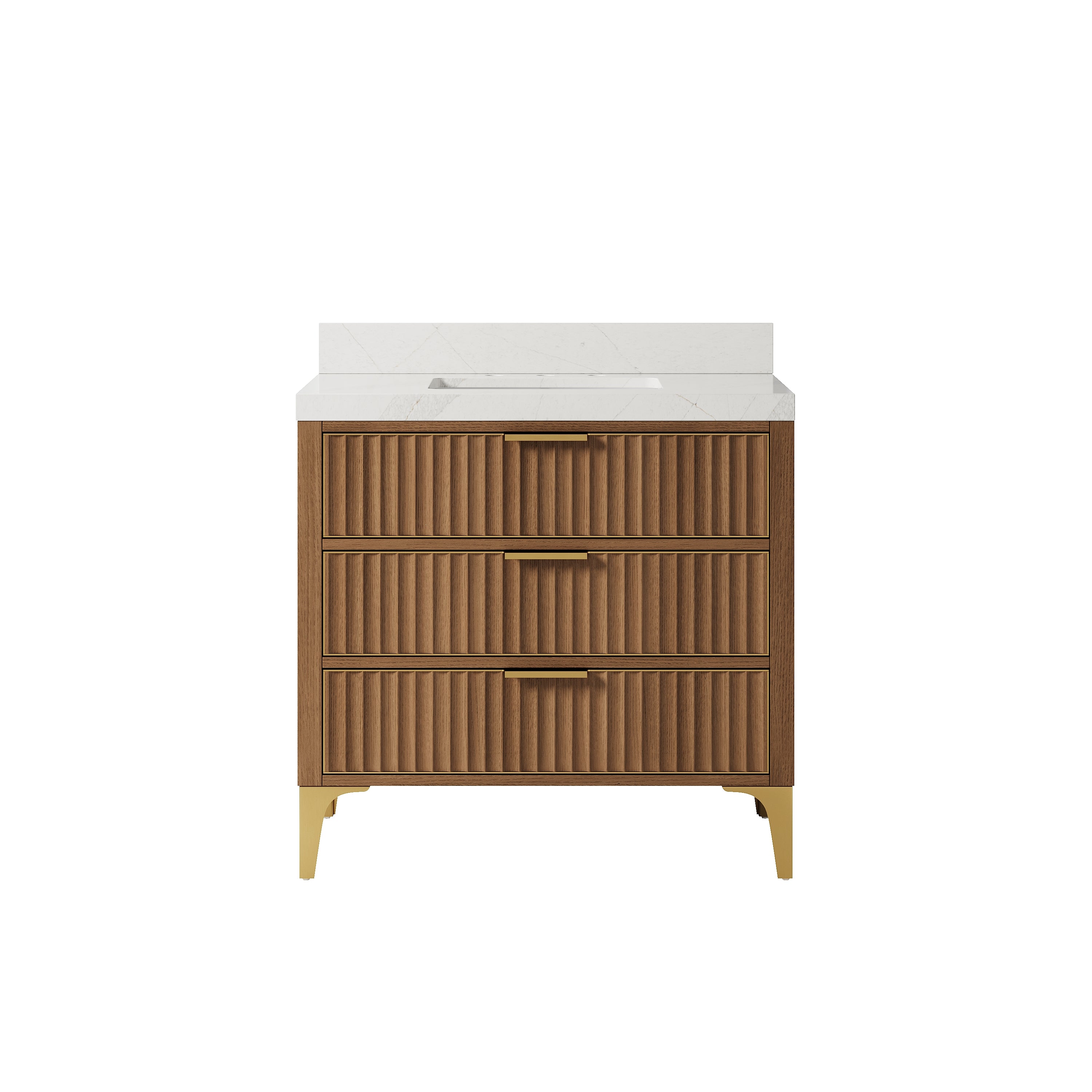
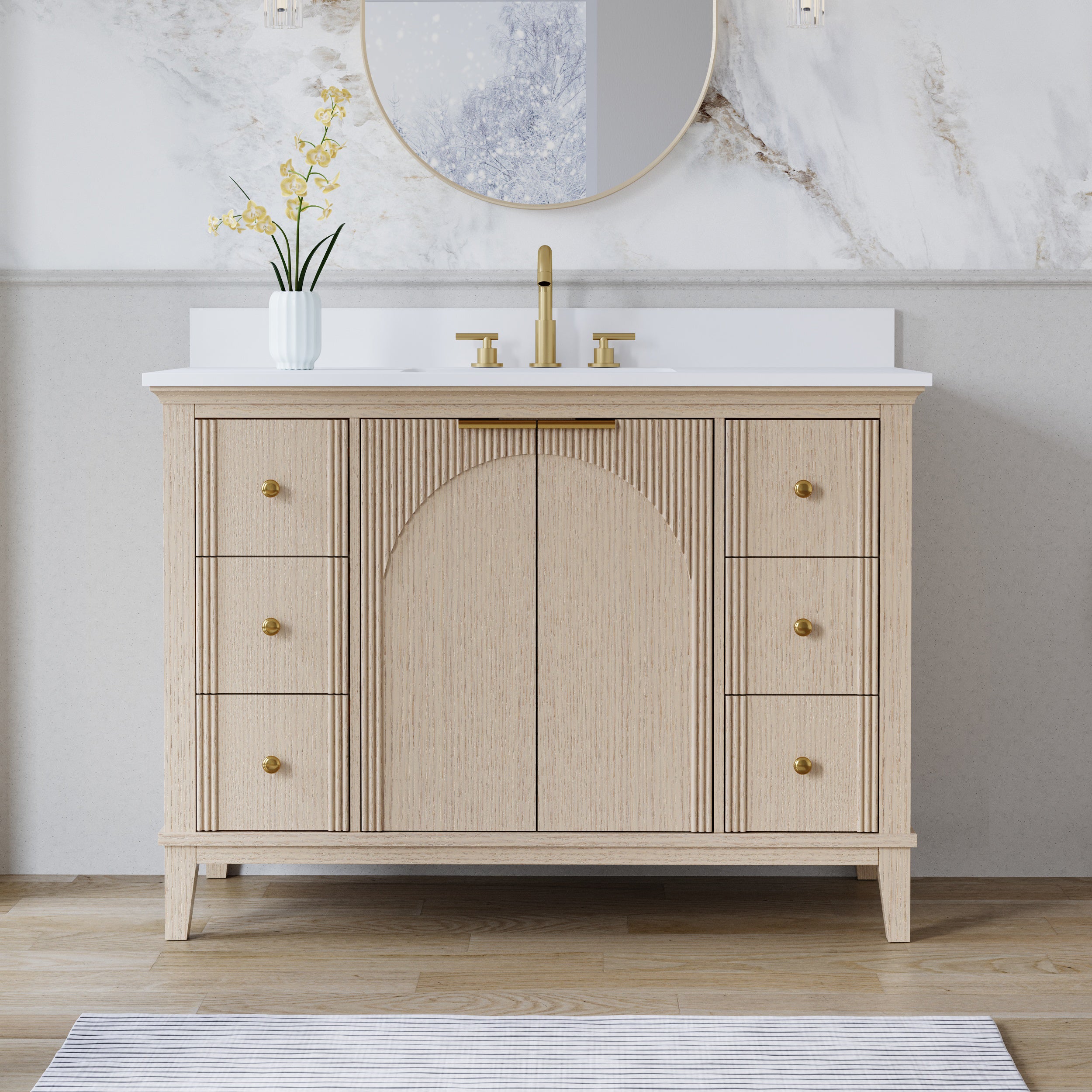
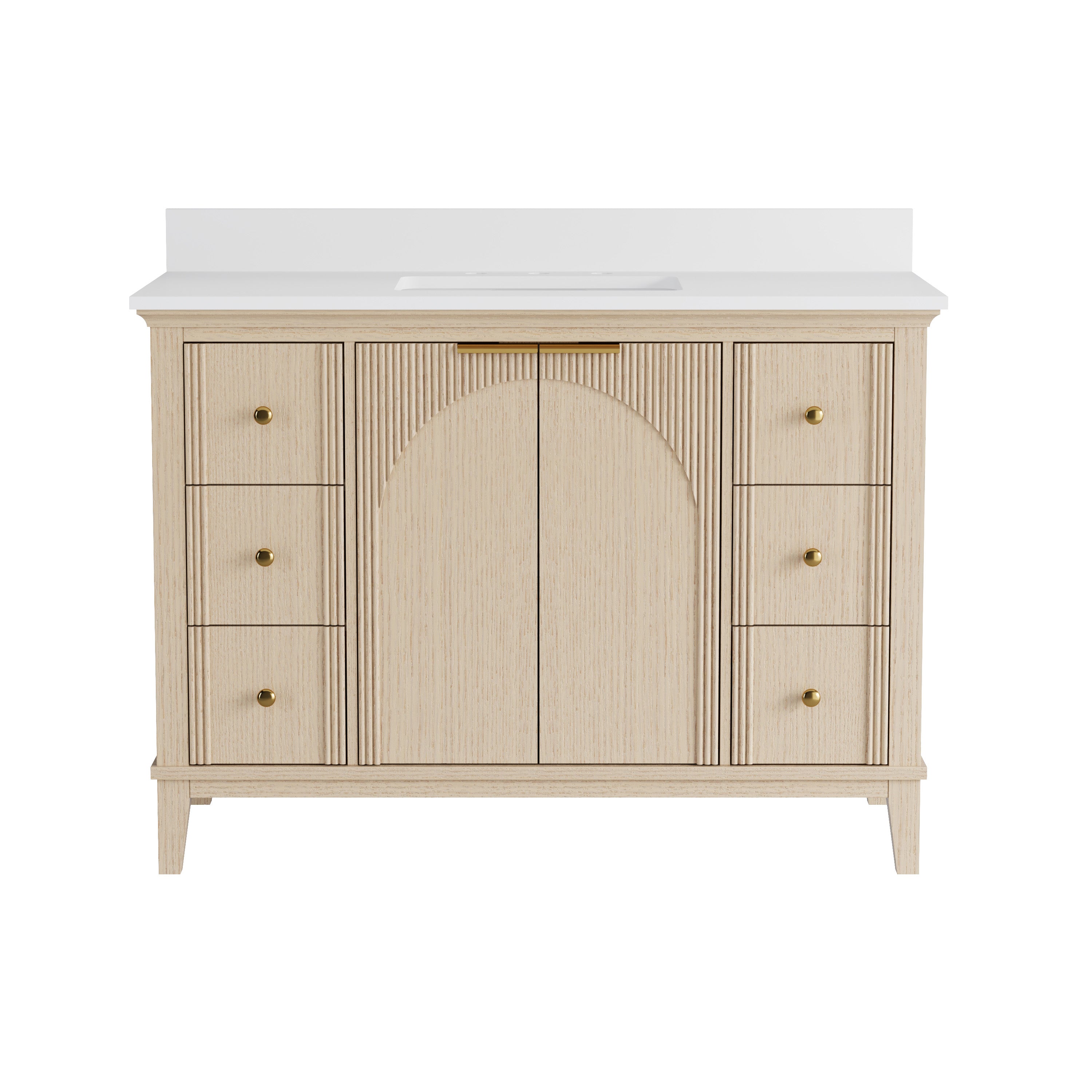


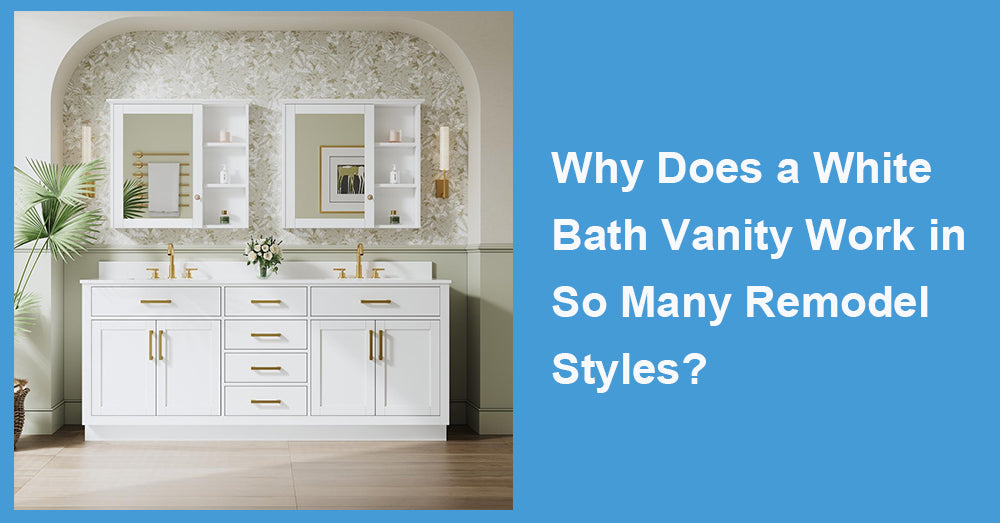
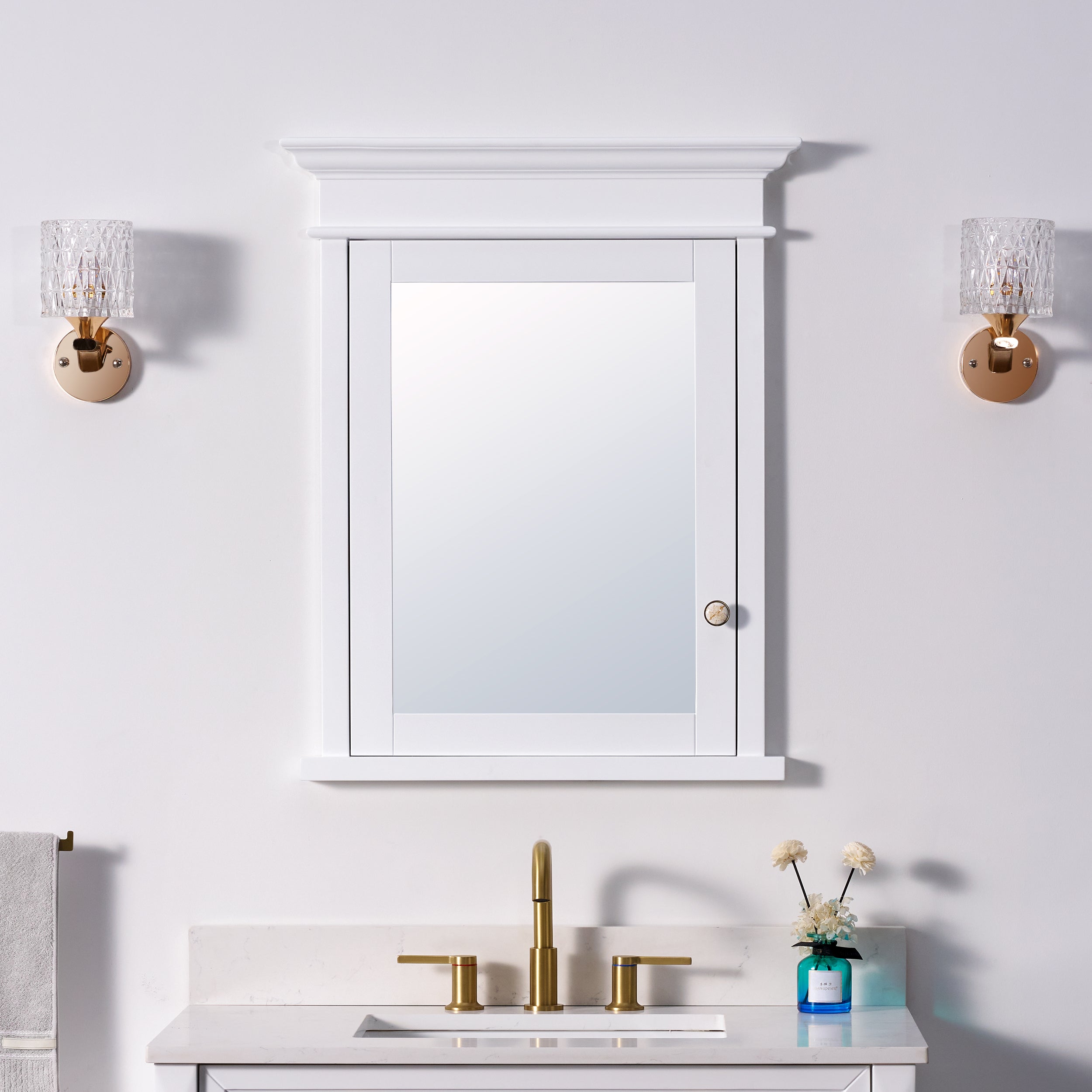
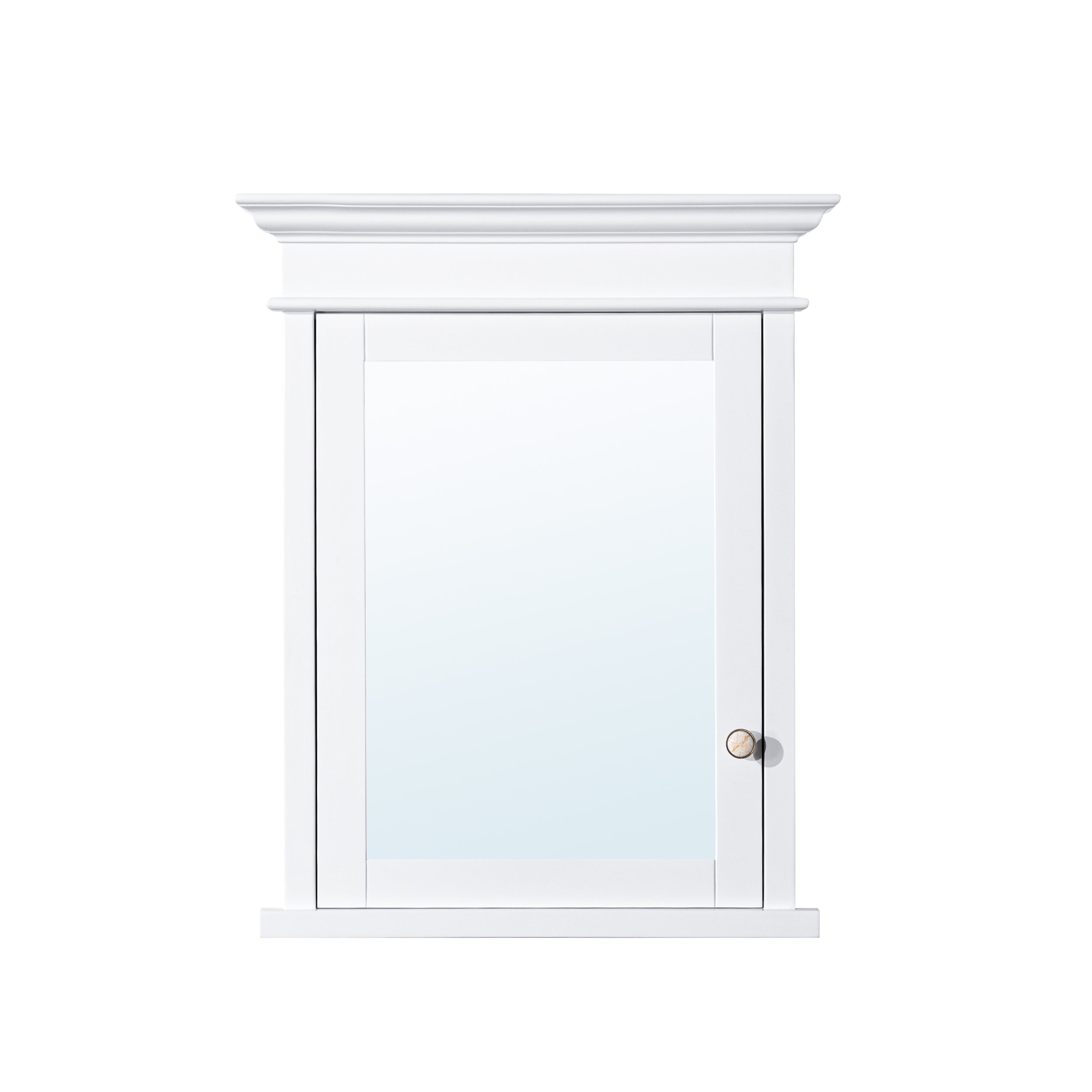
Against the backdrop of residential renovation and the continued rise in home consumption, bathroom vanities, as the core furniture of bathroom spaces, are becoming an important focus of design and consumption upgrades. Although recent design trends have increasingly moved away from stark white aesthetics and toward greater personalization, an interesting reality remains: The white bath vanity continues to dominate the market and demonstrate remarkable versatility across a wide range of styles.
Behind this phenomenon is not only an aesthetic issue but also the combined effects of market structure, material technology, and spatial psychology.

1. Market data: White is still the 'core market.'
According to industry data, the dominance of white bathroom cabinets has not wavered.
According to research from the Kitchen and Bath Association (NKBA), white bathroom cabinets have long dominated the mainstream market, with about 60% of products adopting white designs, especially in mid-range and mass-market products. At the same time, the global bathroom cabinet market is rapidly expanding in size:
The global market size is expected to reach $50.6 billion by 2026
By 2033, it is expected to grow to $83.4 billion, with a compound annual growth rate of approximately 7.4%
The North American market occupies a core position, accounting for nearly 40% of the global market share, and the United States itself is one of the most active regions in terms of decoration demand. Data shows that the demand for residential renovation and bathroom renovation is the main driving force behind the consumption of bathroom cabinets.
In such a market environment, white can persist for a long time because of its "low-risk, high compatibility" commercial attributes.
2. Design Logic: What Makes White Universally Adaptable Across Design Styles?
1. Neutral color advantage: Suitable for all design systems
White is a typical "neutral color" and has strong compatibility in design theory. Whether it's modern minimalism, Nordic style, industrial style, or American traditional or light luxury style, white can exist as the "base color".
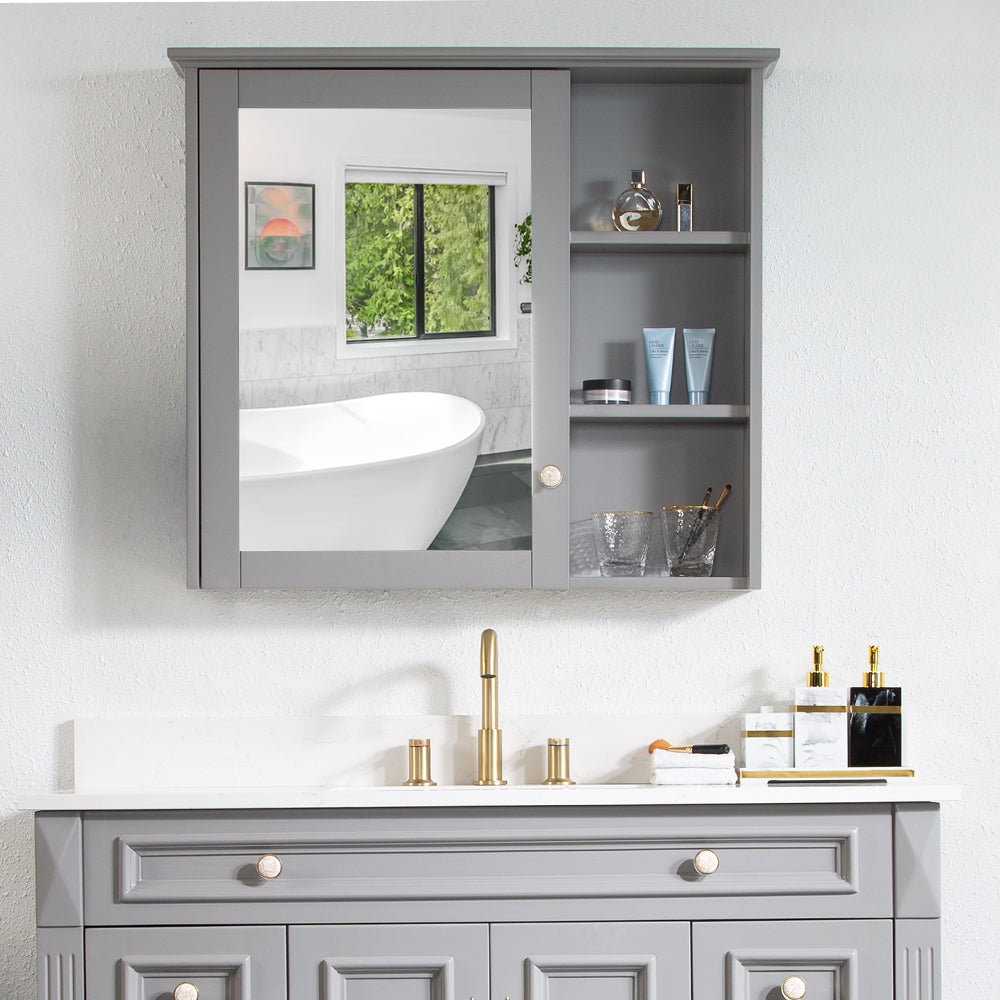
Industry observers point out that white bathroom cabinets can easily be paired with materials such as black, gray, wood, or metal, visually creating a "blank space" where other elements become the focus.
This "stackability" makes it the preferred choice for developers in high-end apartments, chain hotels, and large-scale residential projects.
2. Spatial amplification effect: suitable for residential structures
Residential buildings generally have multiple bathrooms, but there are also many small and medium-sized bathrooms (especially in apartment and old-house renovations). Research shows that the 38-47-inch medium-sized bathroom cabinet is the most popular, mainly because of its "compact and visually lightweight" design.
White plays a crucial role here:
Enhance spatial brightness
Reduce visual pressure
Enhance the sense of cleanliness
This makes it a "safe solution" for small spaces and an important tool for developers to standardize design.
3. Psychological cognition: cleanliness, hygiene, and "hotel feeling."
In consumer perception, white has long been associated with "cleanliness," "hygiene," and "high-end hotel experience.
Especially after the epidemic, consumers' sensitivity to sanitary spaces has increased, and white bathroom cabinets have further strengthened this psychological association.
Although the latest design trend suggests that "all white spaces may appear cold or lacking in personality," this has not weakened the position of white as a "basic safety option.
4. Cost and supply chain advantages
From the manufacturing perspective, white bathroom cabinets have significant industrial advantages:
High degree of standardization in painting
Strong material adaptability (MDF, PVC, composite board, etc.)
Large-scale production with low cost
Data shows that a large number of white bathroom cabinets in the current market are manufactured using engineered panels, mainly due to "price advantage and stability".
This makes white a "universal solution" for product lines ranging from entry-level to mid- to high-end.
3. Trend Shift: White Is Receding Into a Supporting Role—Not Disappearing
It is worth noting that the industry trends from 2025 to 2026 are undergoing subtle changes.
Multiple design media and industry reports indicate that:
The 'all-white minimalist bathroom' is cooling down
Warmer beige, wood, and earth colors are emerging
Emphasize personalization, layering, and natural materials
But the key is:
The eliminated space is the 'all white space', not the 'white bathroom cabinet itself'.
In fact, white is transitioning from the "protagonist" to the "background":
White cabinet+wooden countertop
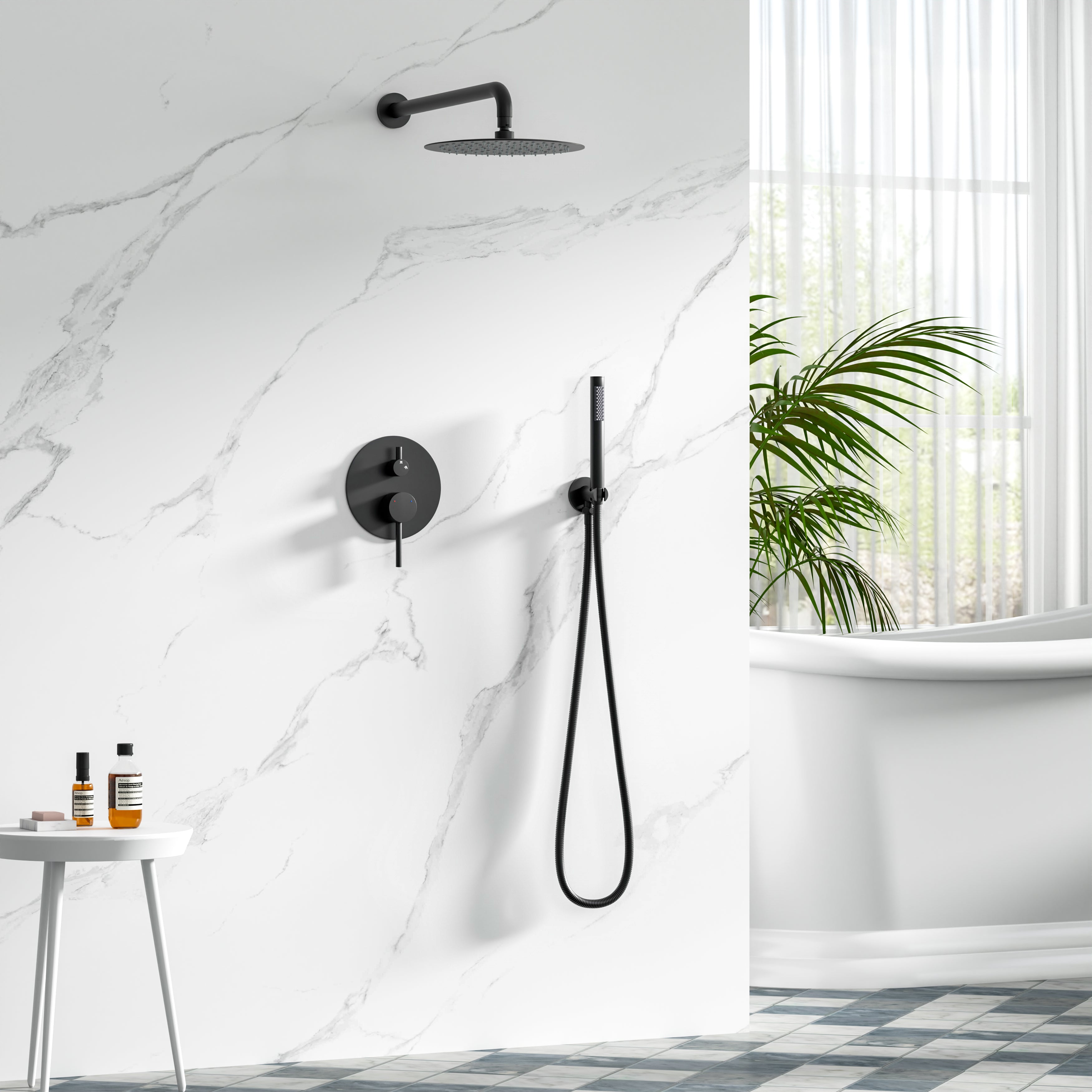
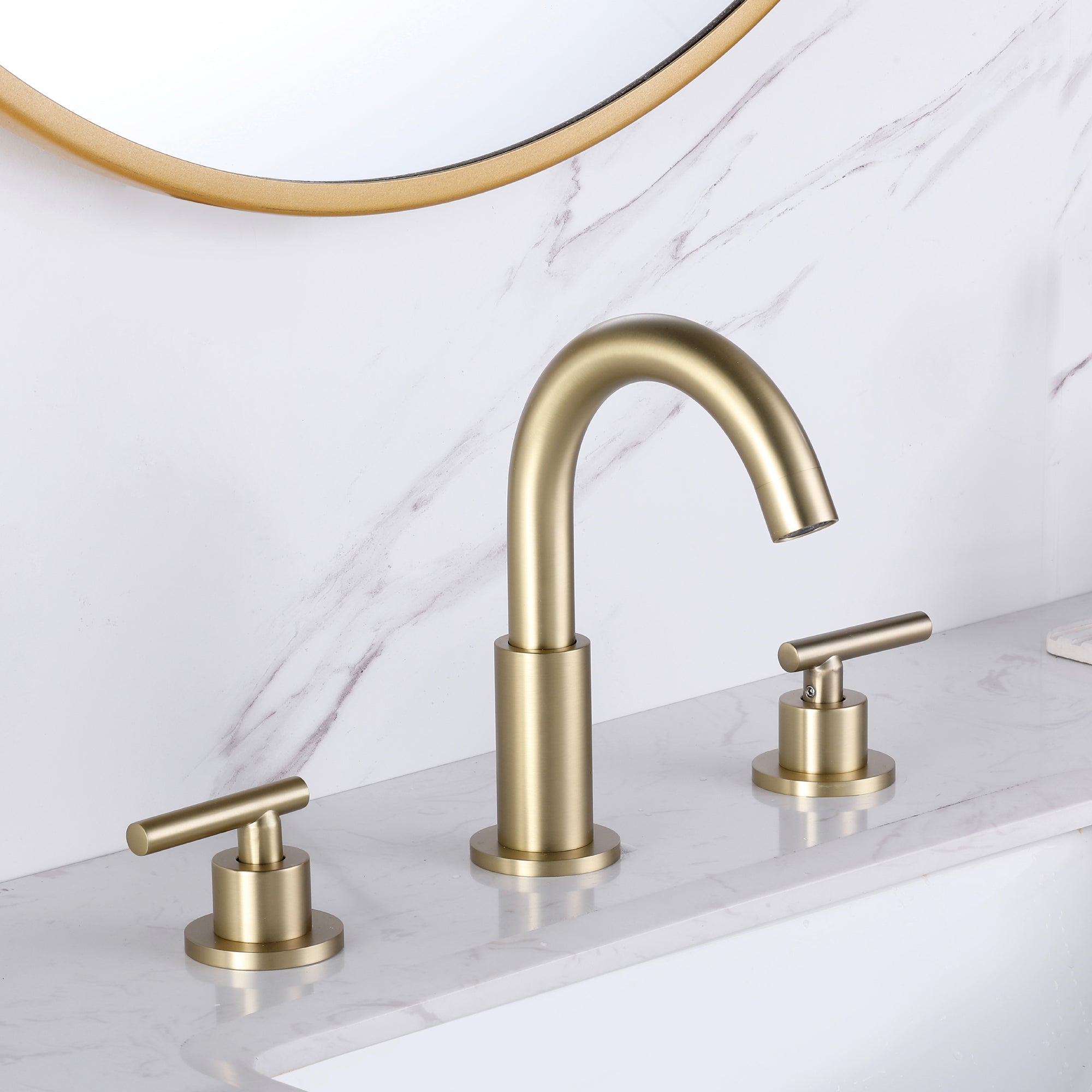
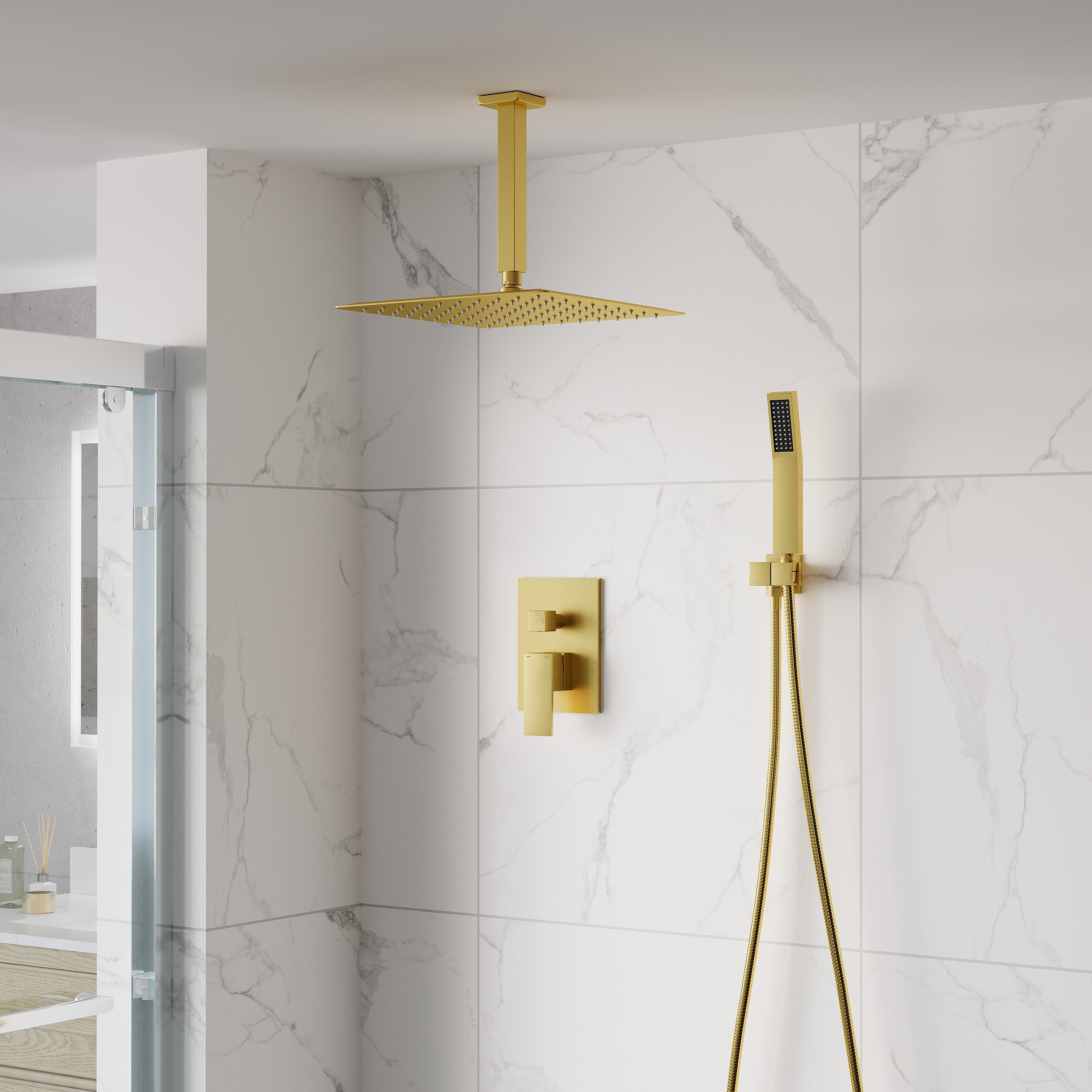
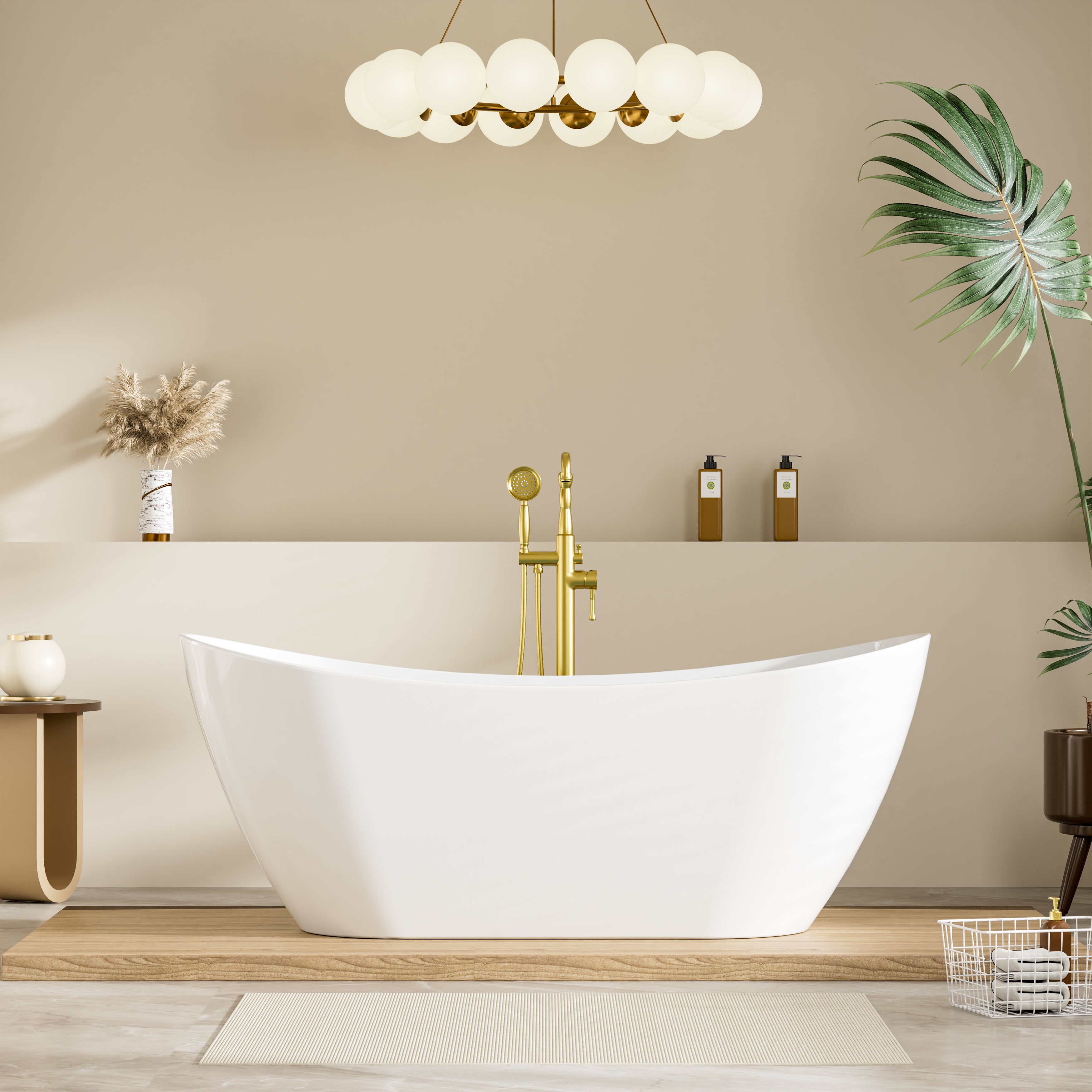
White cabinet+brass hardware
White cabinet+colored wall tiles
This' mix and match strategy 'further enhances the adaptability of white.
4. Commercial Applications: Why Developers and Brands Still Prefer White?
From the perspective of real estate and home retail, white bathroom cabinets have three major commercial advantages:
1. Improve the resale appeal of houses
Neutral colors are more easily accepted by different buyers and help shorten the sales cycle.
2. Reduce design decision costs
Developers do not need to make complex customizations based on different customer preferences.
3. Extend the product lifecycle
Compared to popular colors, white is less likely to go out of style, reducing the frequency of renovations.
That's also why white is still the "default option" in the new residential and renovation markets.
5. Future judgment: White will not disappear, but will 'evolve'
Based on the comprehensive market and design trends, three judgments can be made about the future development of white bathroom cabinets:
From "single color" to "combination color."
White will serve more as the foundation, mixed with wood, stone, and metal.
From "Minimalist Cold White" to "Warm White"
More warm tones, such as beige and cream white, will replace pure cool white.
From 'standardized products' to' style carriers'
The white cabinet will enhance the design with its retro, furniture-like aesthetic.
Conclusion
In a global bathroom cabinet market with a scale of billions of dollars and continuous growth, the reason why white can occupy a core position for a long time is not that it is "timeless", but because it has a deeper ability, as a connector and amplifier between styles.
As design trends continue to change and consumer preferences become increasingly diverse, white bathroom cabinets have become the least replaceable due to their "neutral, stable, and malleable" characteristics.
This also explains a seemingly contradictory industry phenomenon:
Even though the trend of "all-white design" is receding, white bathroom cabinets are still ubiquitous.










Leave a comment
This site is protected by hCaptcha and the hCaptcha Privacy Policy and Terms of Service apply.