
















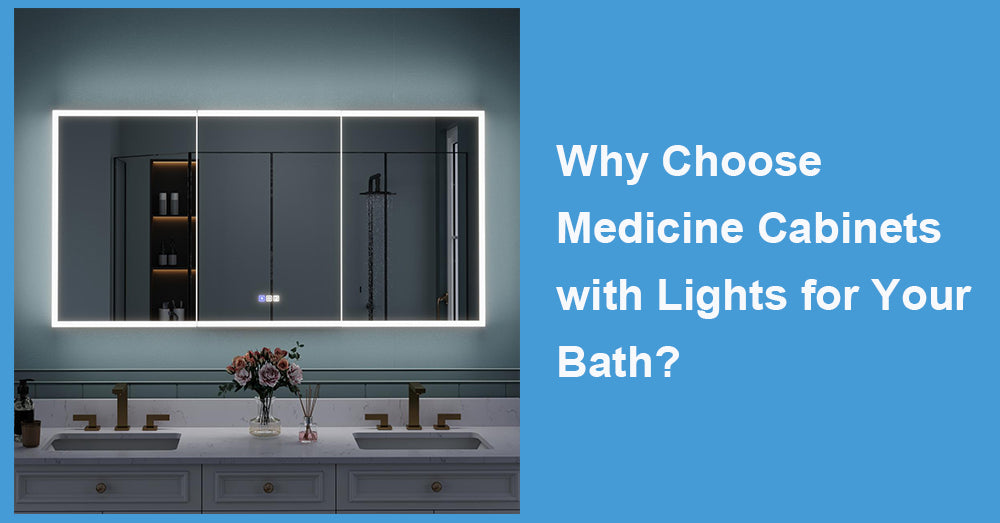
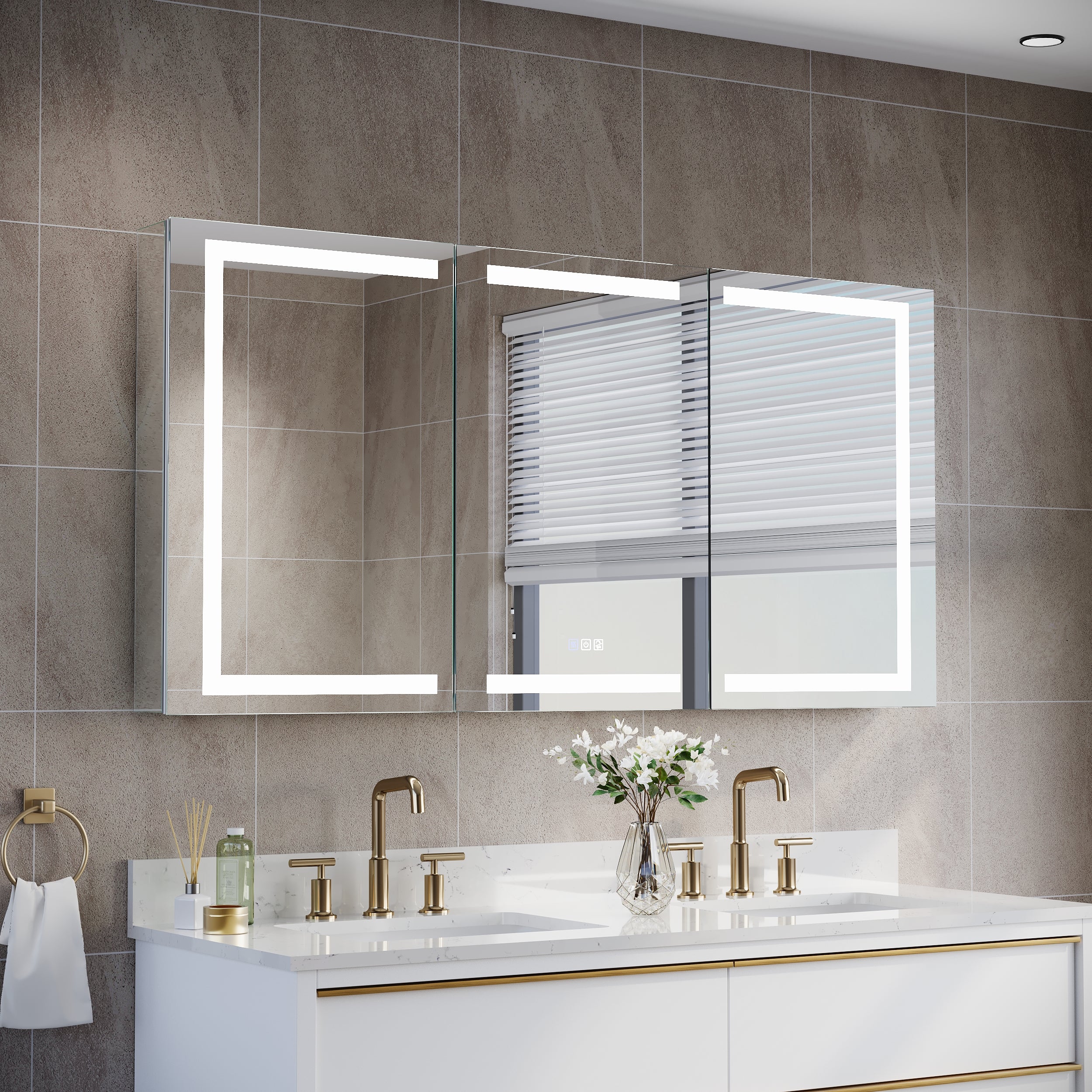
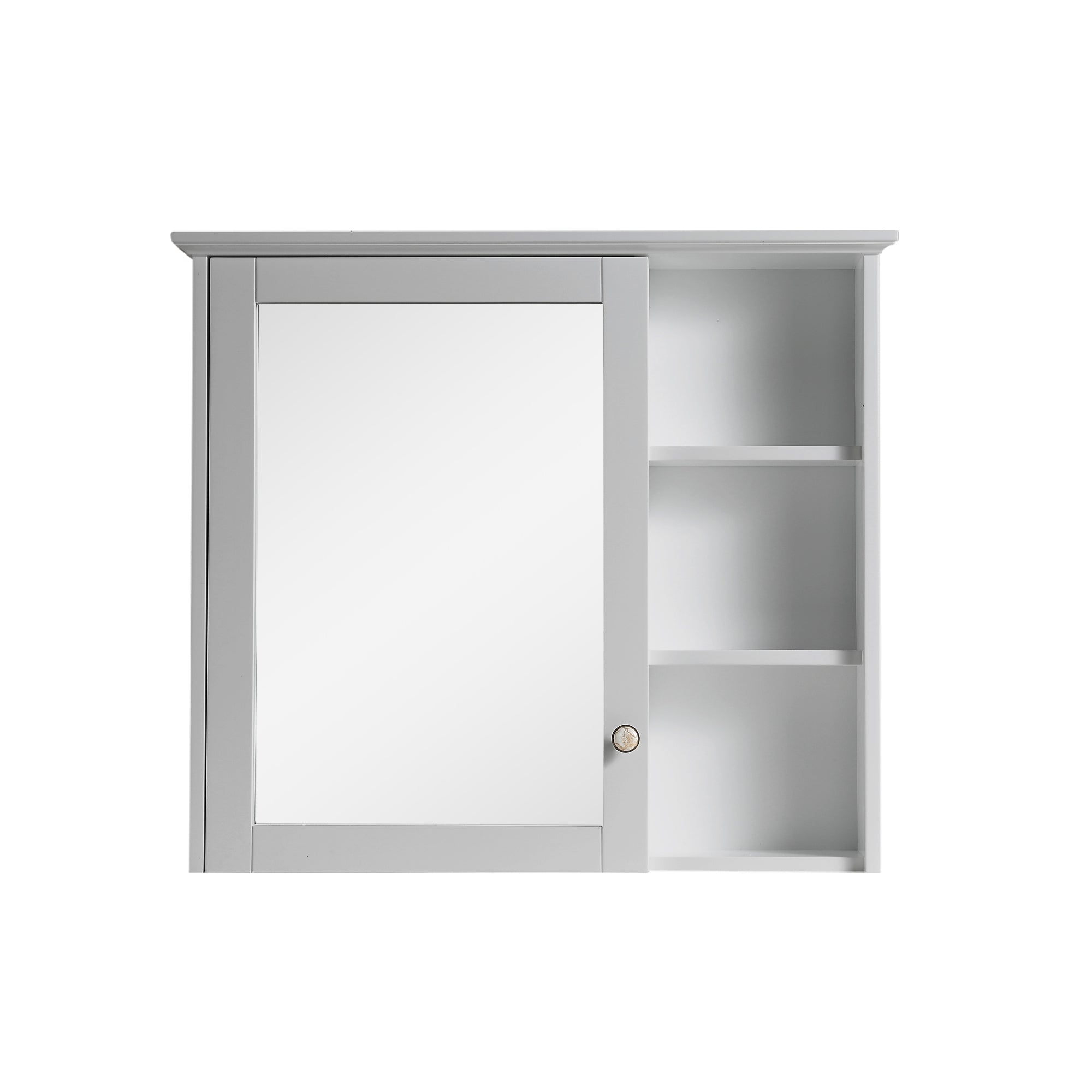
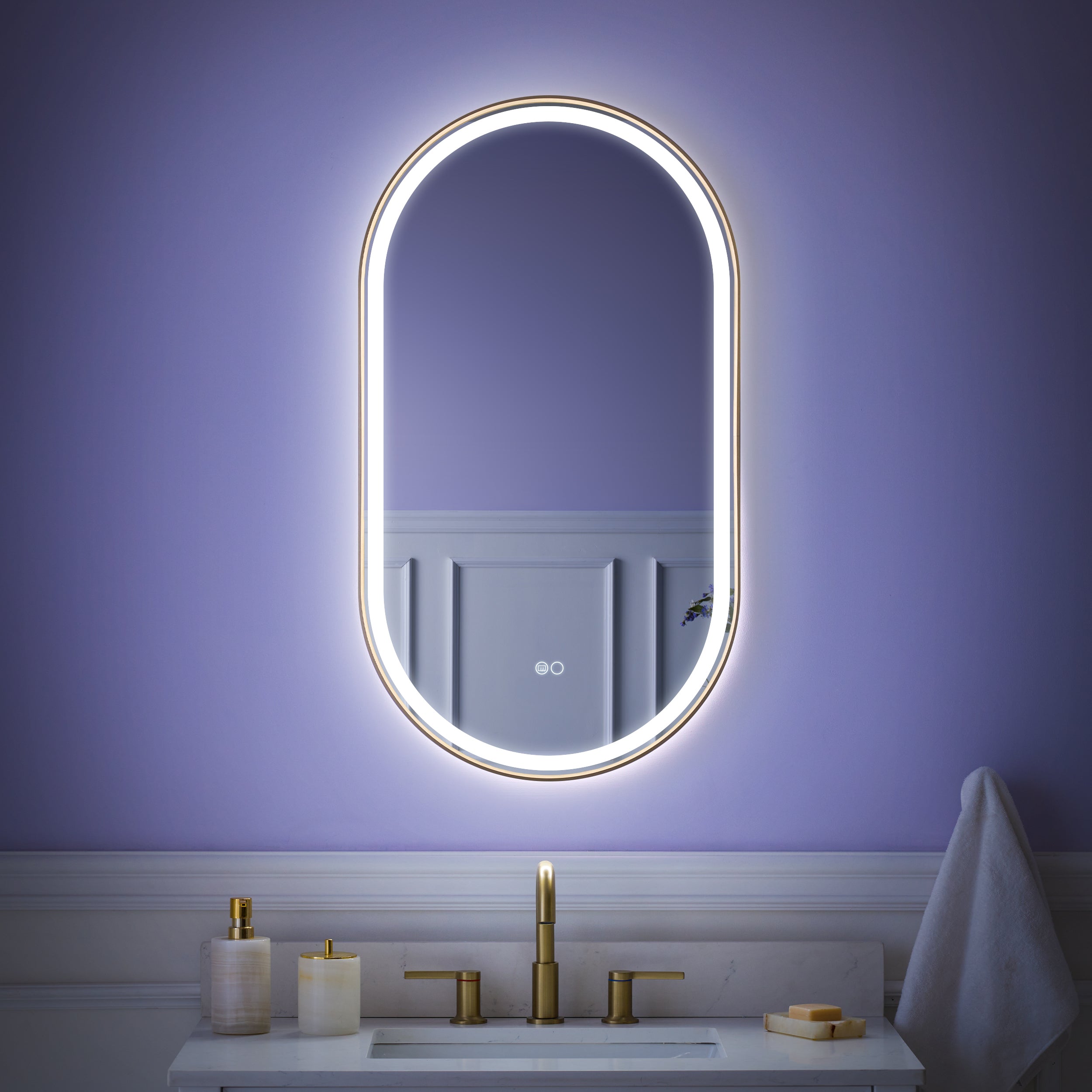
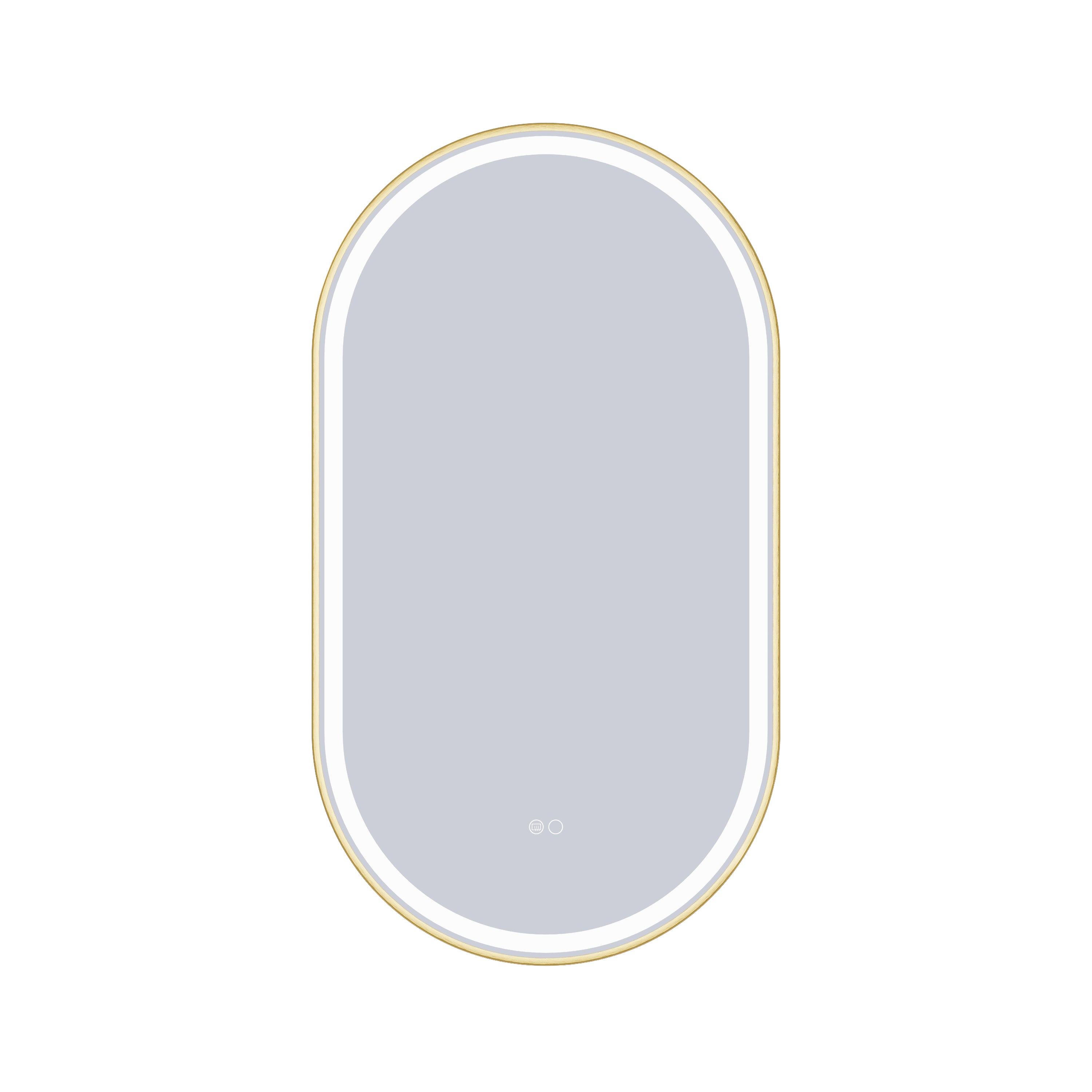
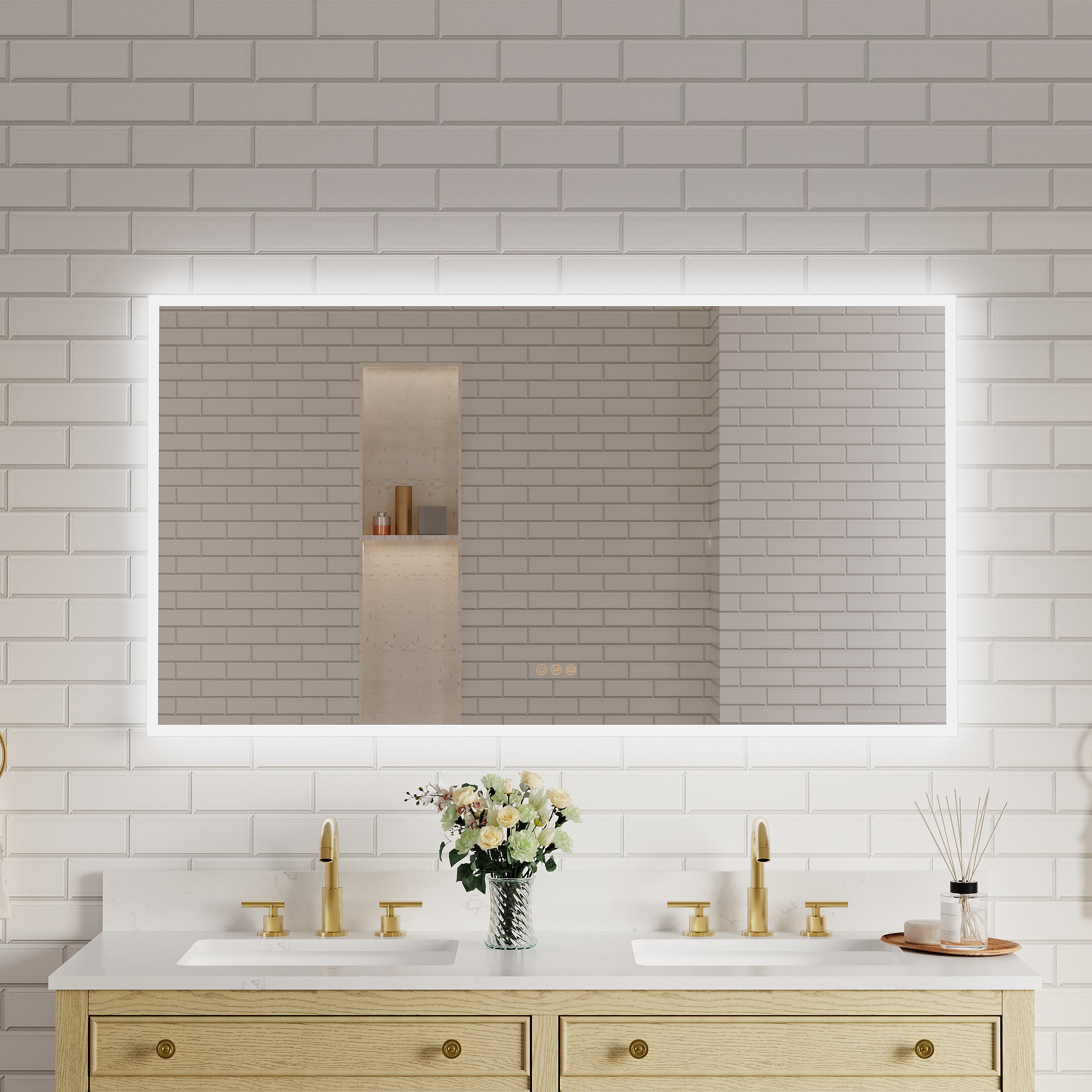
In this round of bathroom upgrades, the reason why medicine cabinets with lights are becoming more and more worthy of serious consideration is not that they look more "sophisticated", but because they combine mirrors, storage, and front lighting into one system. Houzz's 2025 bathroom trend study shows that most mirror cabinet doors are still installed on the outside, accounting for 64%, and mirror cabinets with lighting are on the rise: 26% with external lighting, 20% with internal lighting. Compared to 2024, these two proportions are 21% and 17%, respectively. This indicates that the illuminated mirror cabinet is no longer a marginal feature, but is continuously entering the mainstream.
1. The most direct value of this product lies not in "shining", but in getting the area in front of the mirror right in one step.
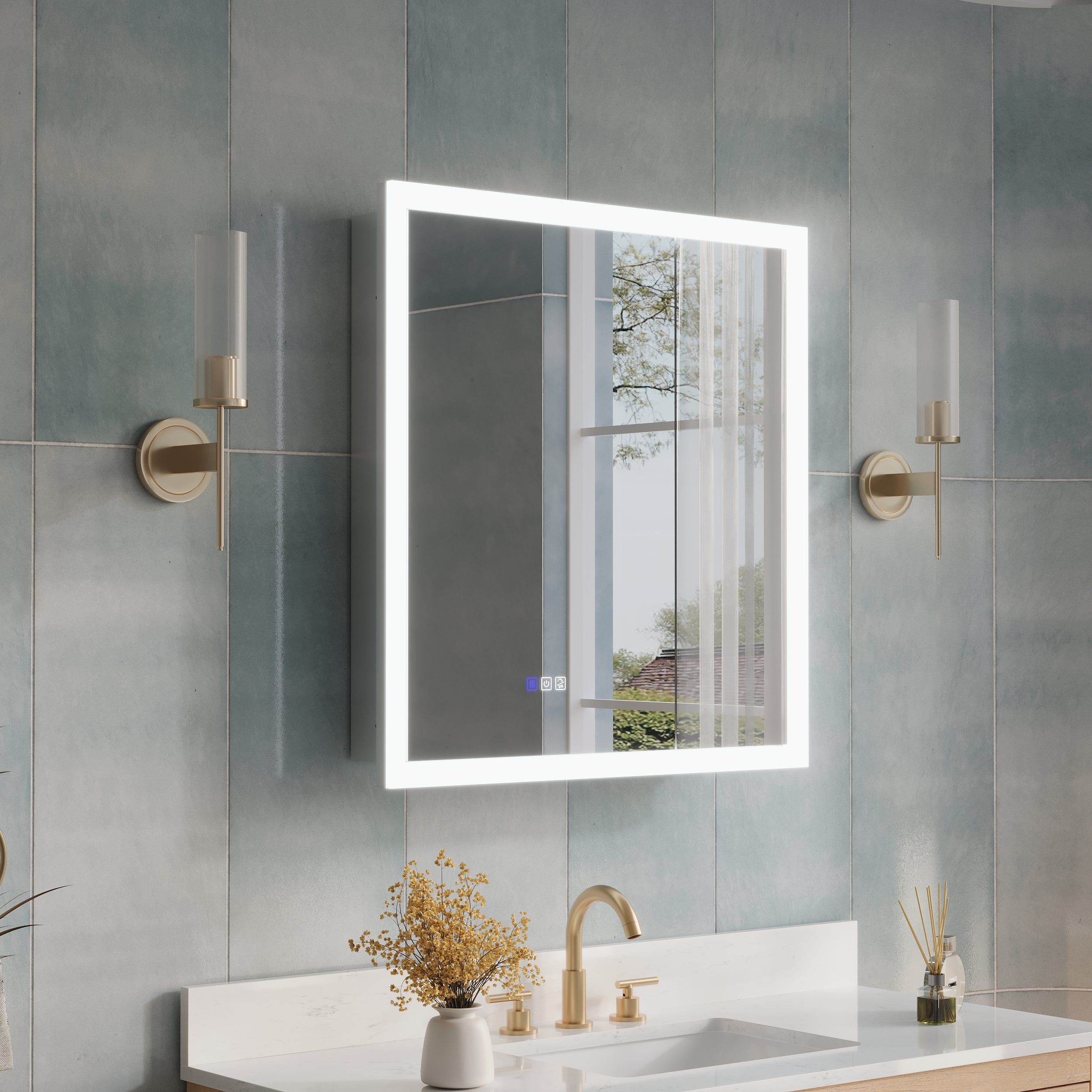
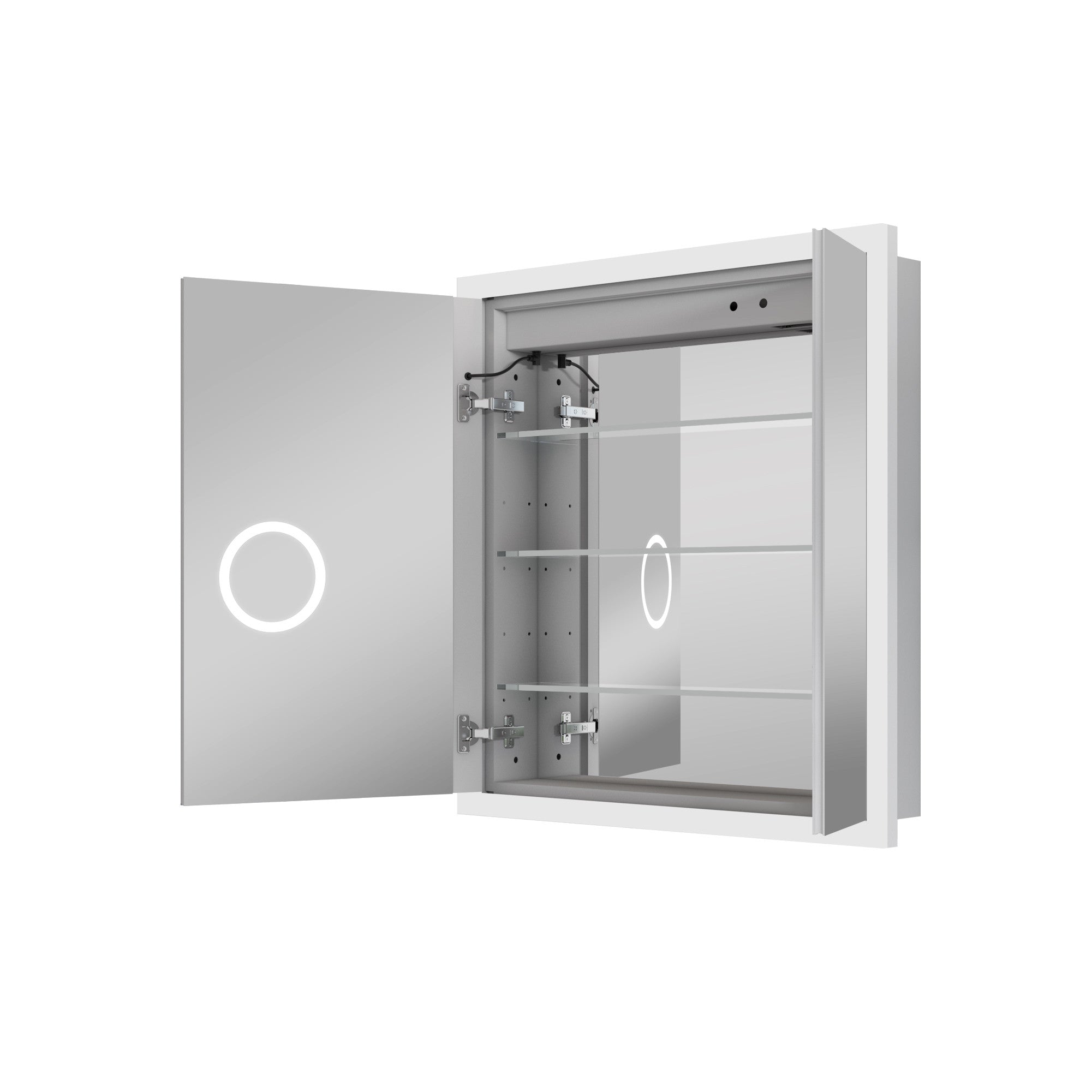
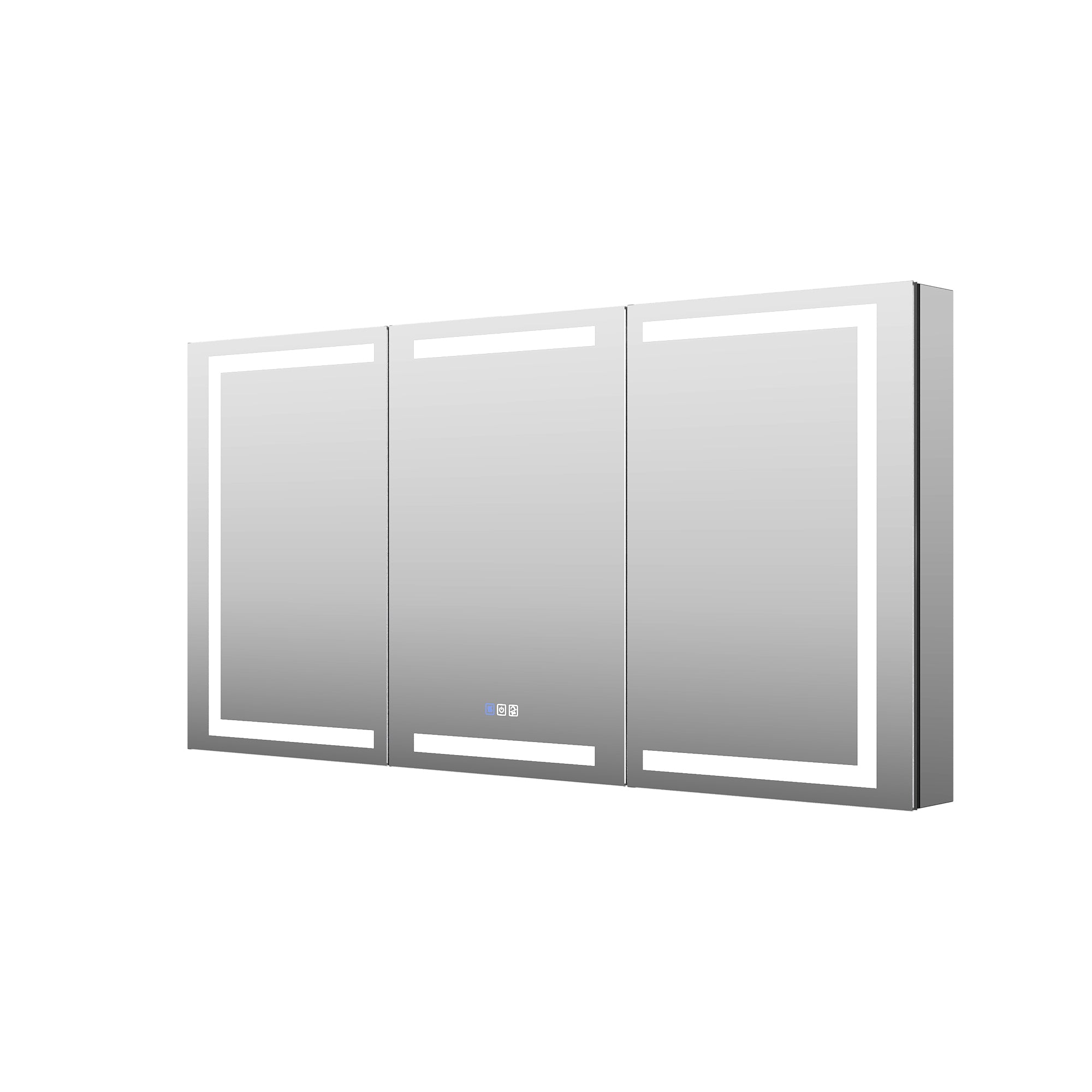
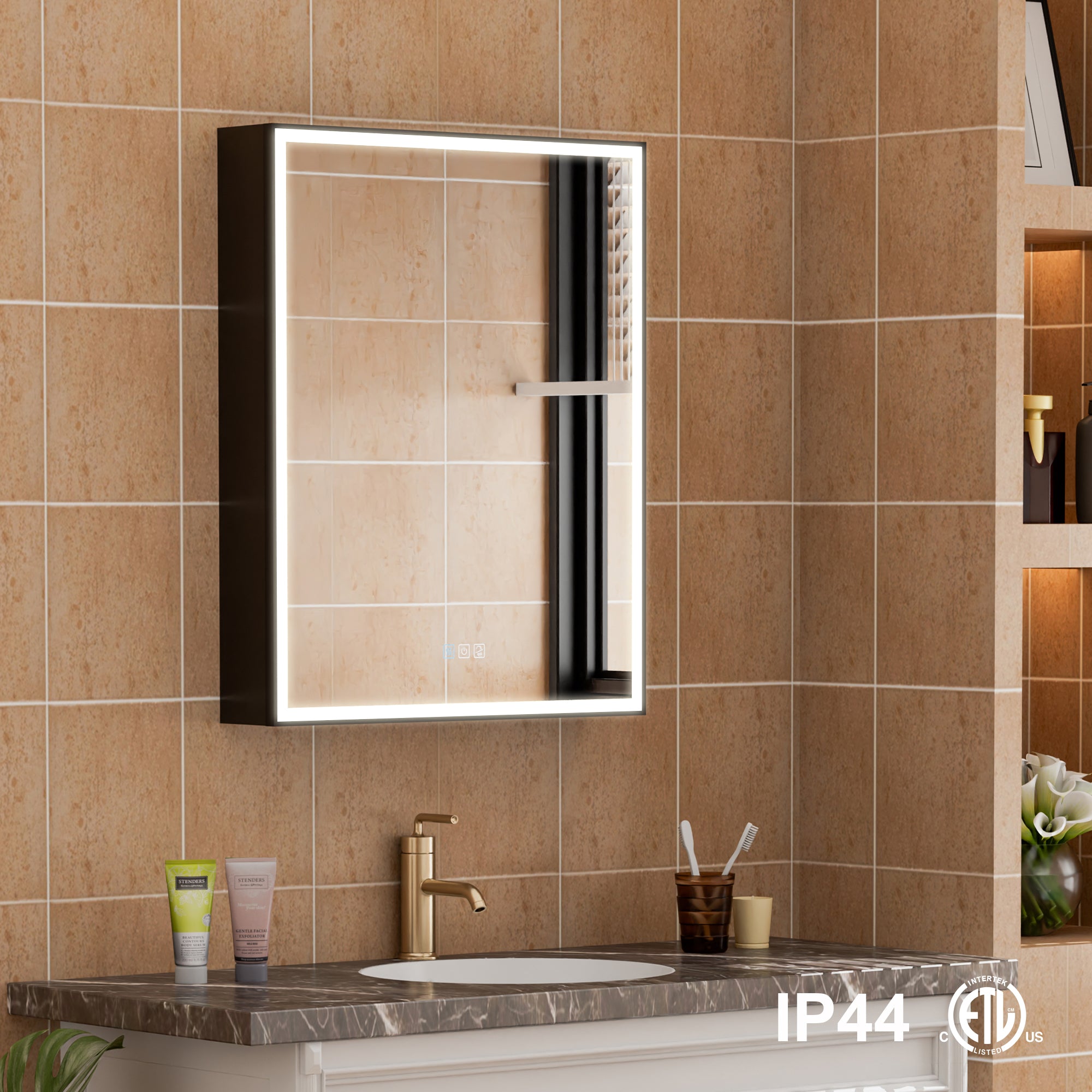
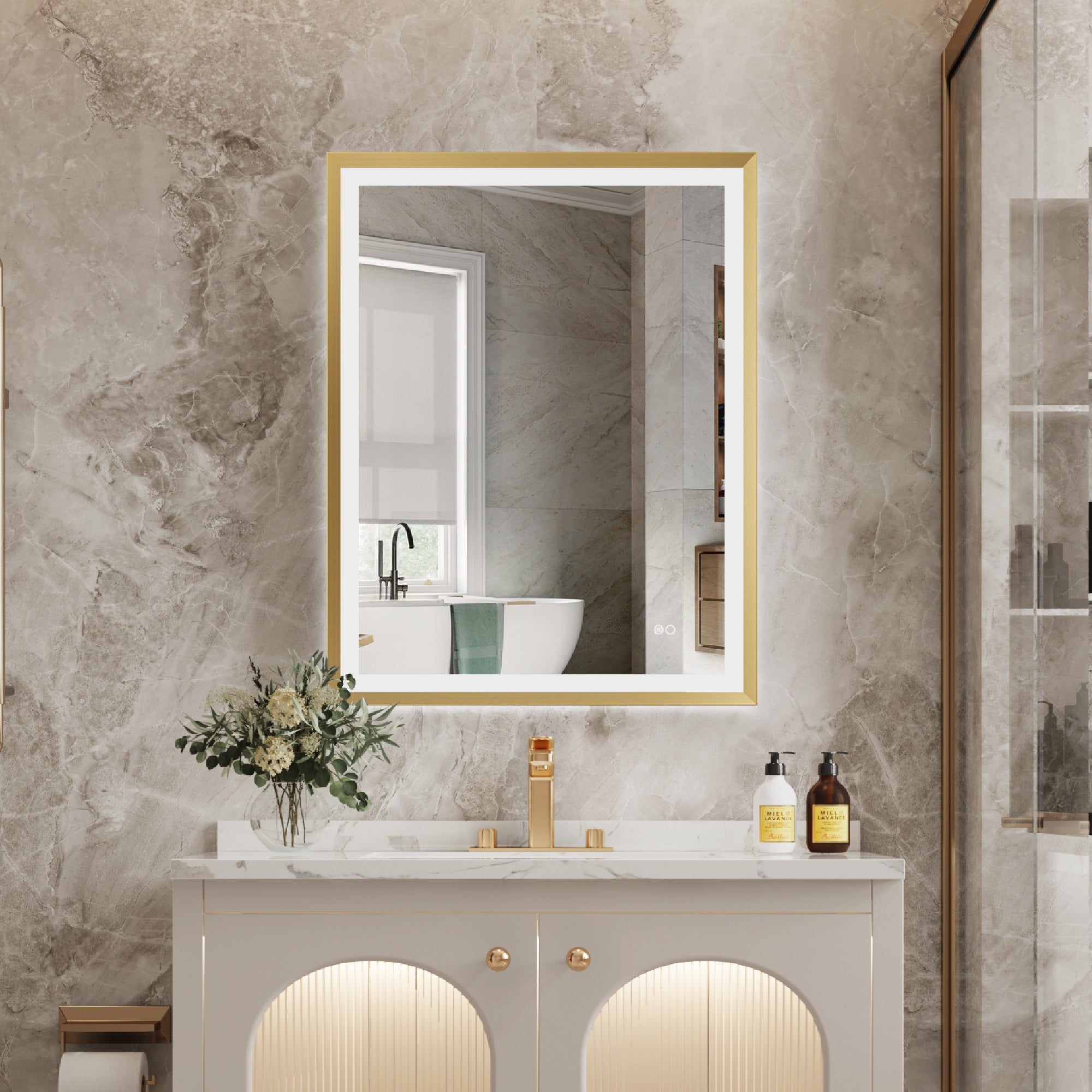
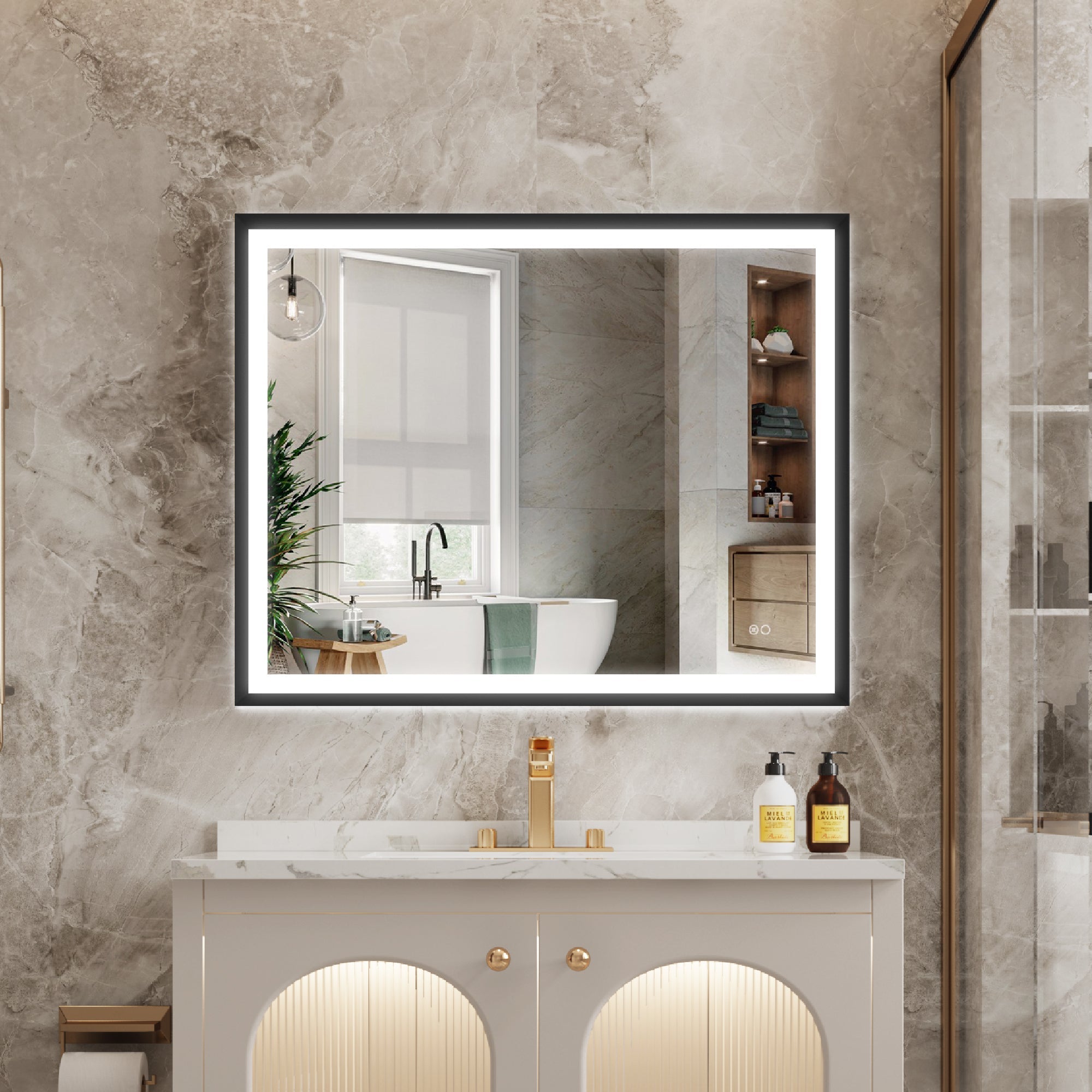
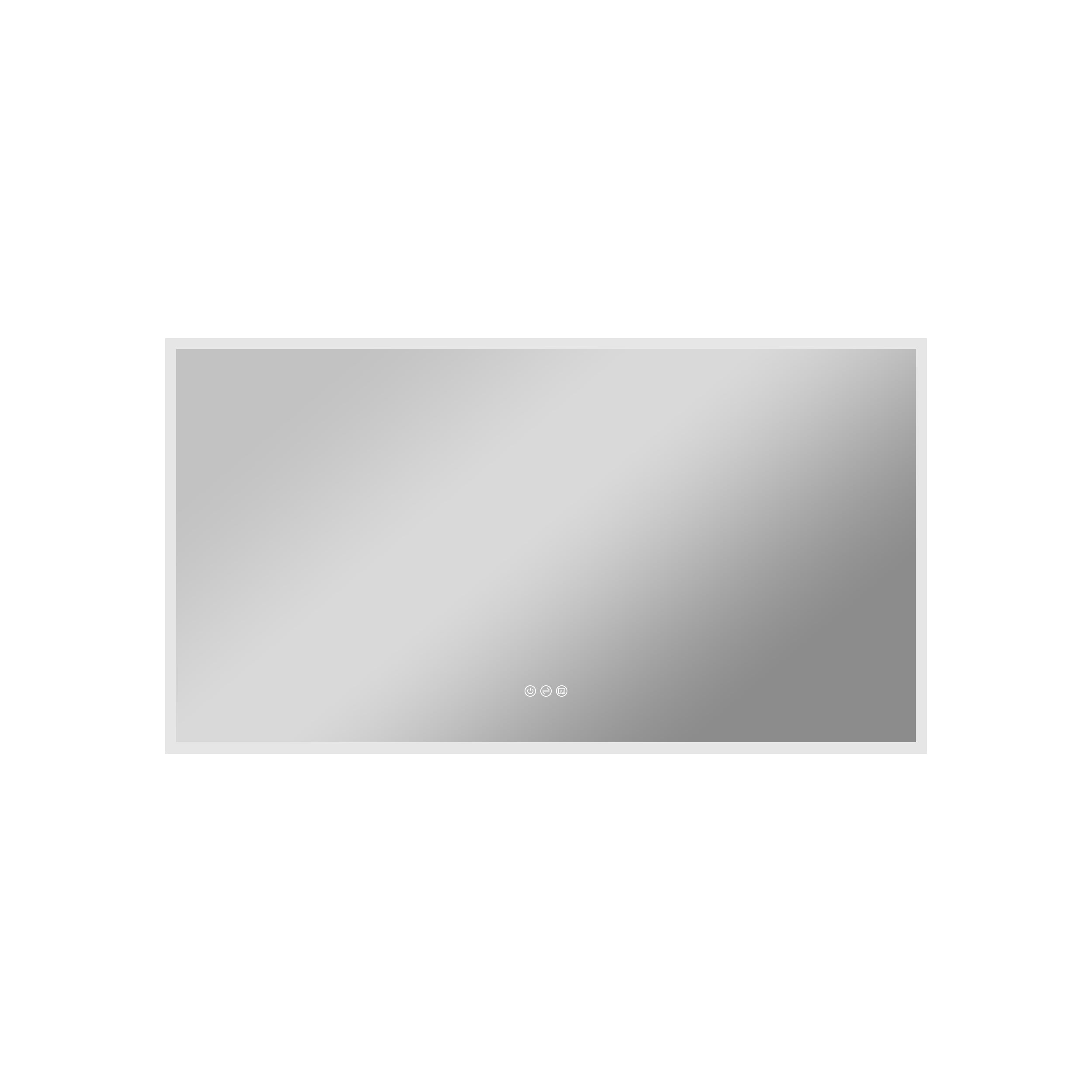
The common practice is often to treat mirrors, wall lights, and storage cabinets as separate decisions, which can lead to problems such as a fragmented wall, uneven light placement, and messy countertops. The advantage of a mirror cabinet with lights is that it can solve the three high-frequency tasks of mirror use, small-item storage, and front lighting without adding too many wall elements. Especially for bathrooms that are already small in the vanity area, this integrated approach is usually more stable than assembling them separately. This judgment is based on Houzz's continuous observation of the upward trend in mirror cabinet functionality and lighting configuration.
2. From a lighting perspective, a mirror cabinet with lights is closer to real-world usage needs than relying solely on overhead lighting.
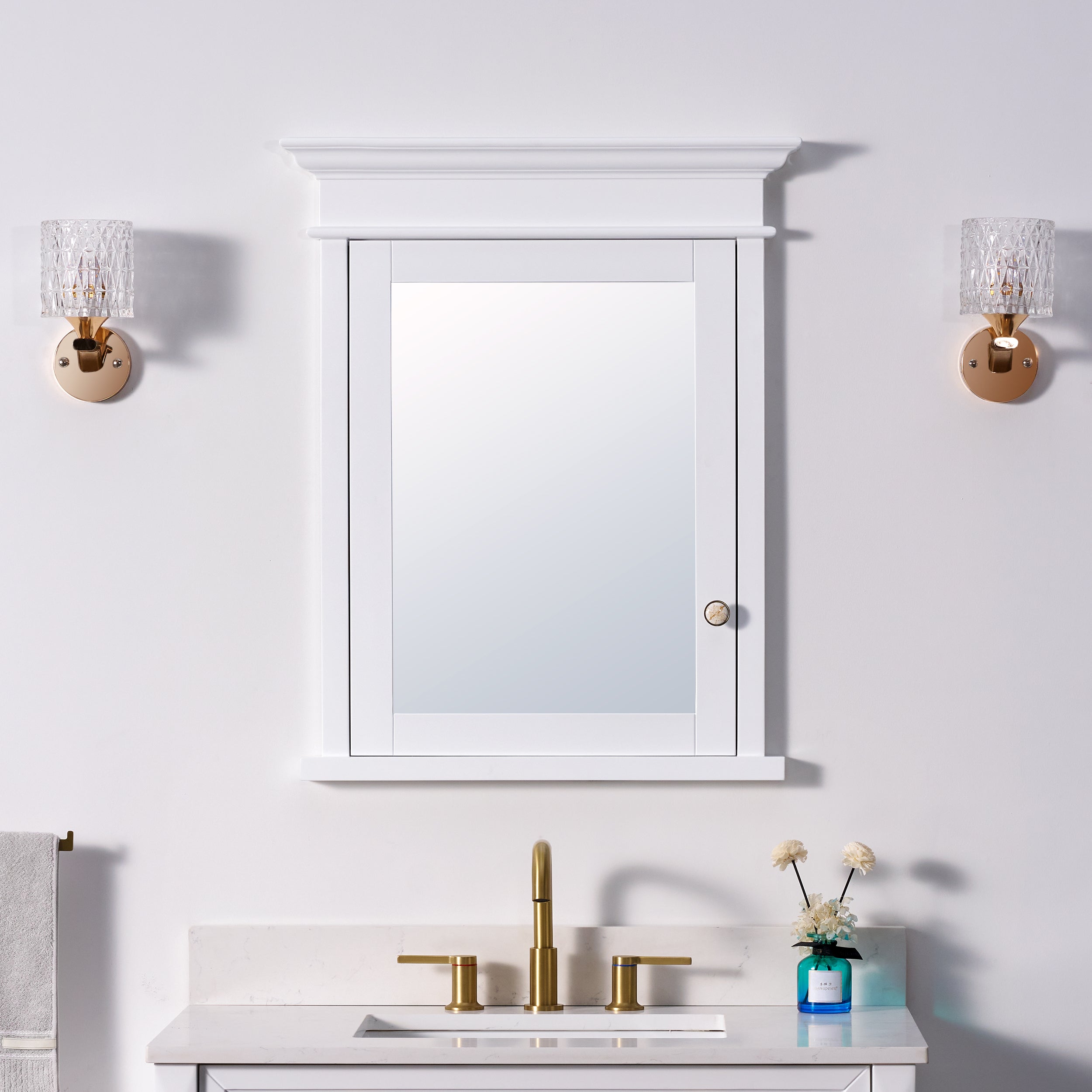
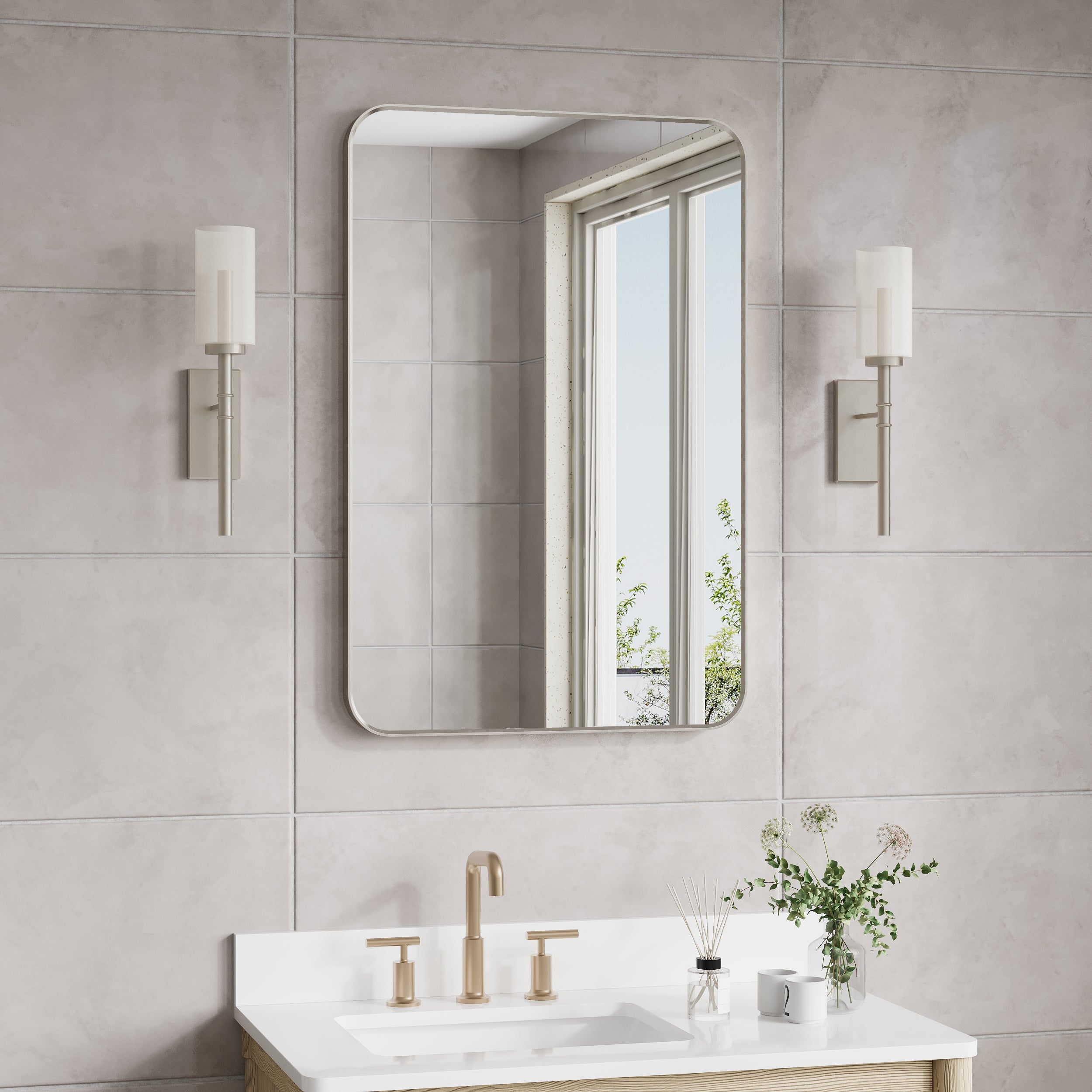
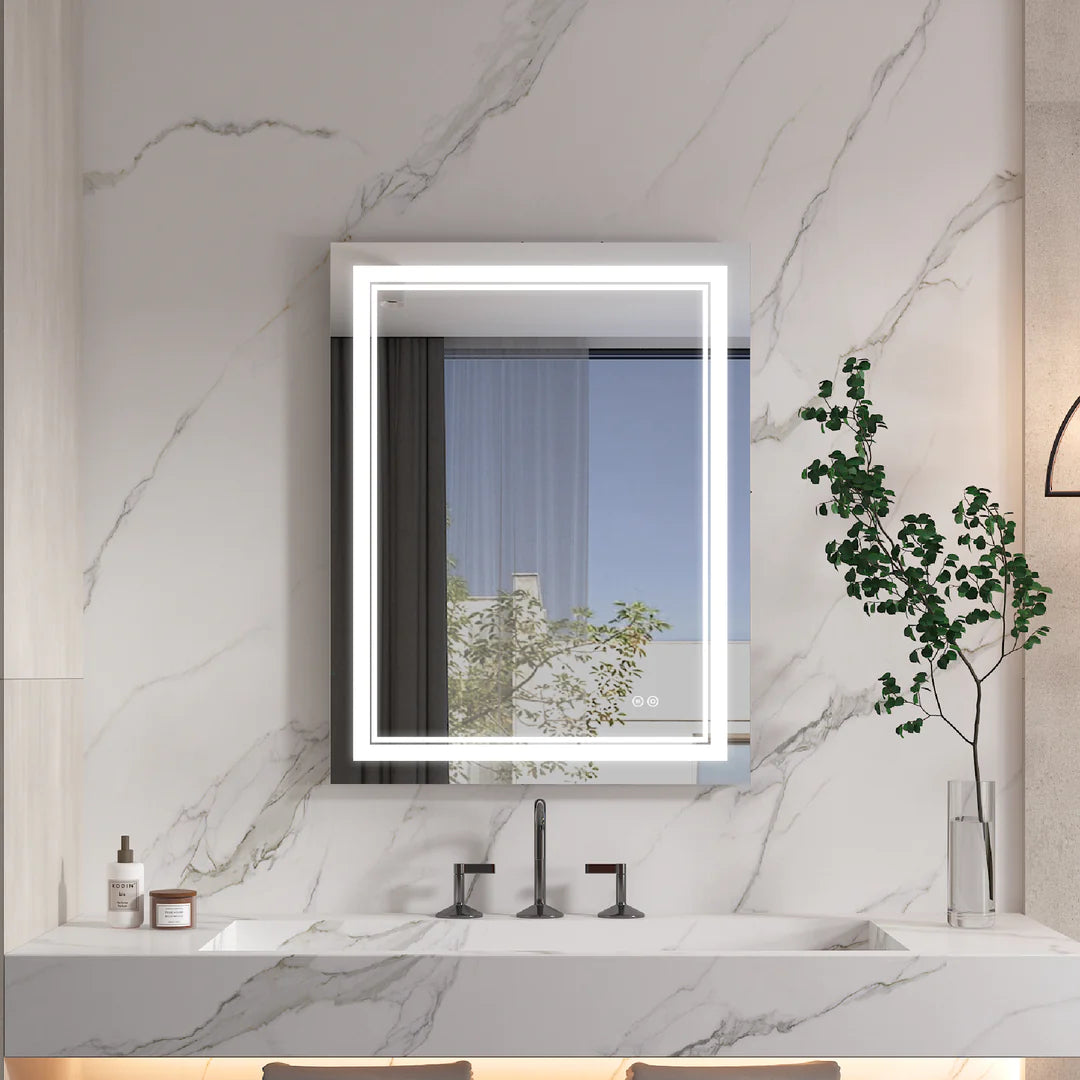
NKBA's bathroom planning suggestion is very clear: vanity task lighting should be located on both sides of the mirror, close to eye level, and the lamp body itself should not directly enter the line of sight. The meaning behind this suggestion is simple: the closer and more uniform the light in front of the mirror is to the face, the less shadow there will be for shaving, skincare, makeup, and styling. In many bathrooms, the problem is not that the mirrors are not good enough, but that the lighting direction is wrong; the value of a mirror cabinet with lights is precisely that it makes it easier to concentrate and unify the supplemental lighting in front of the mirror.
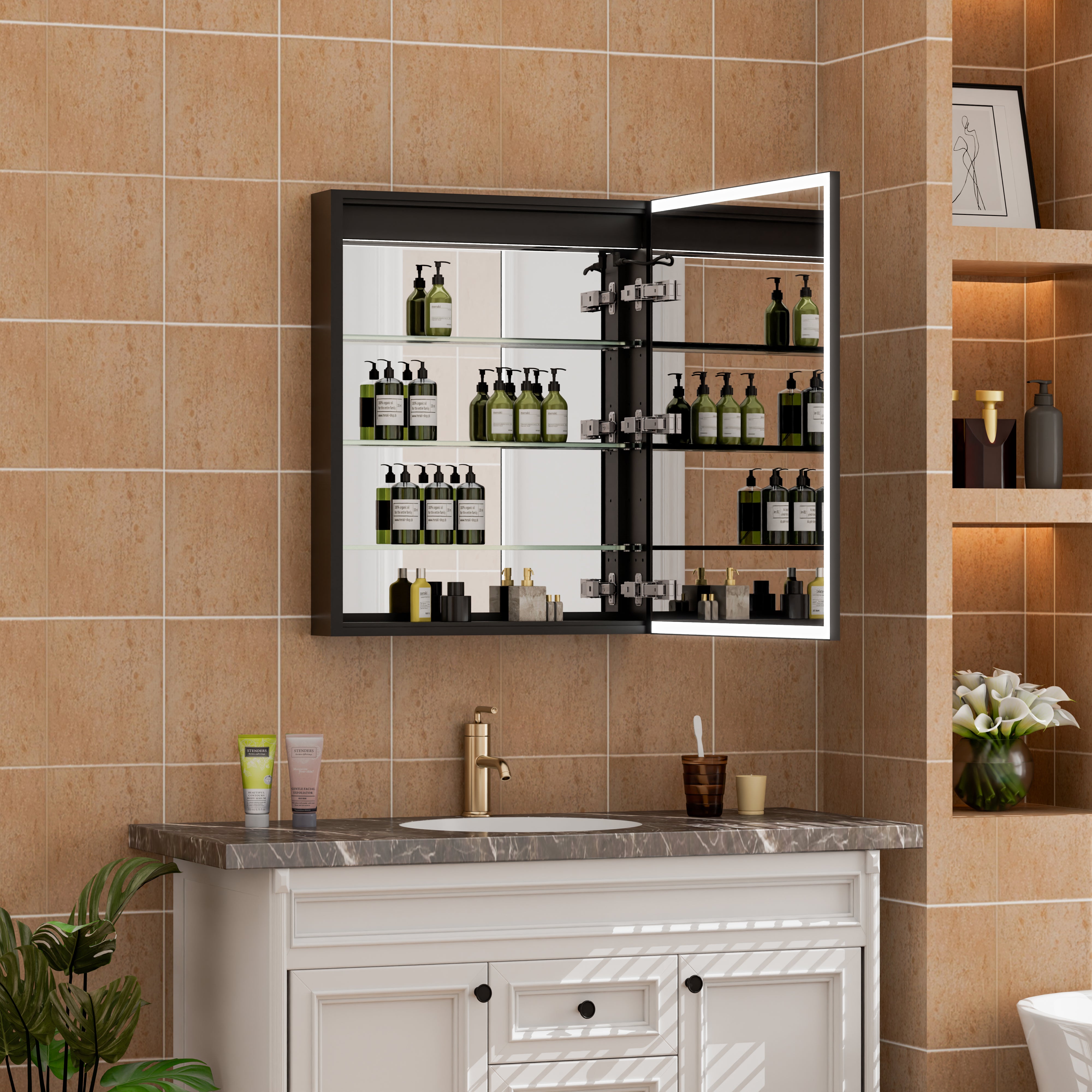
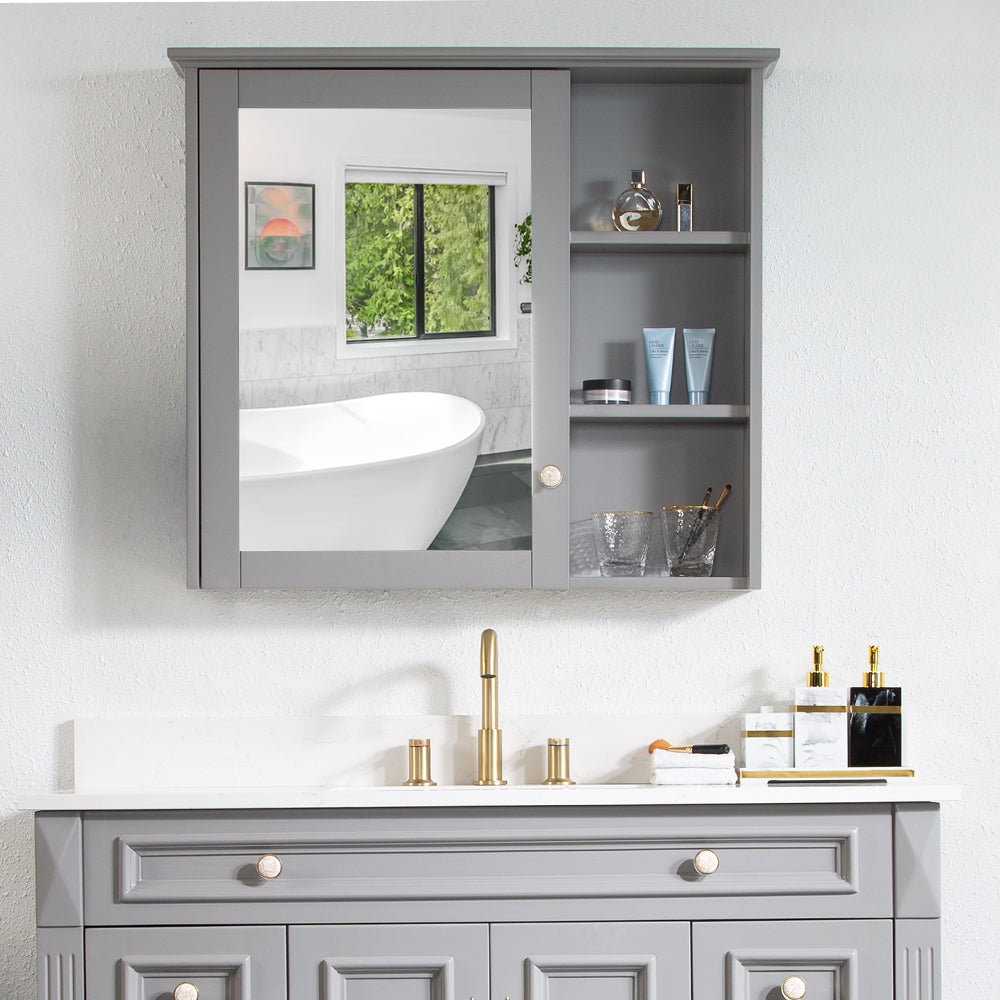
3. If your bathroom countertop often appears messy, then a mirror cabinet with lights is more practical than a regular mirror.
According to Houzz data from 2025, the most common additional features when upgrading mirror cabinets are hidden outlets at 22% and anti-fog at 17%; the corresponding proportions for 2024 are 23% and 14%, respectively. These two numbers are crucial because they indicate that what people are truly willing to pay for now is not complex smart features, but fewer exposed wires, clearer mirrors, and less cluttered countertops. That is to say, the core value of a mirror cabinet with lights is not just to "light up", but to make the countertop cleaner and the mirror-use experience more seamless.
4. In terms of installation method, the mirror cabinet with lights is also more suitable for combining with the current mainstream renovation logic.
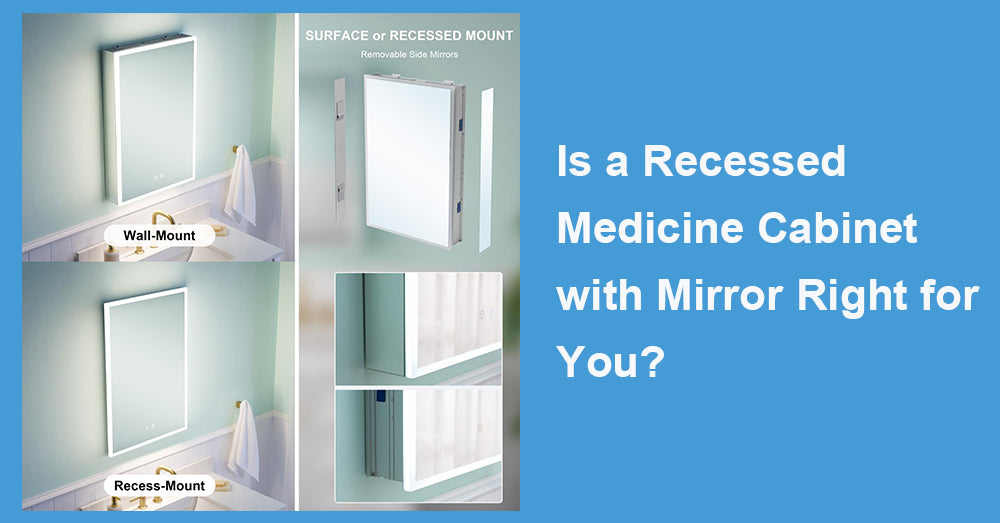
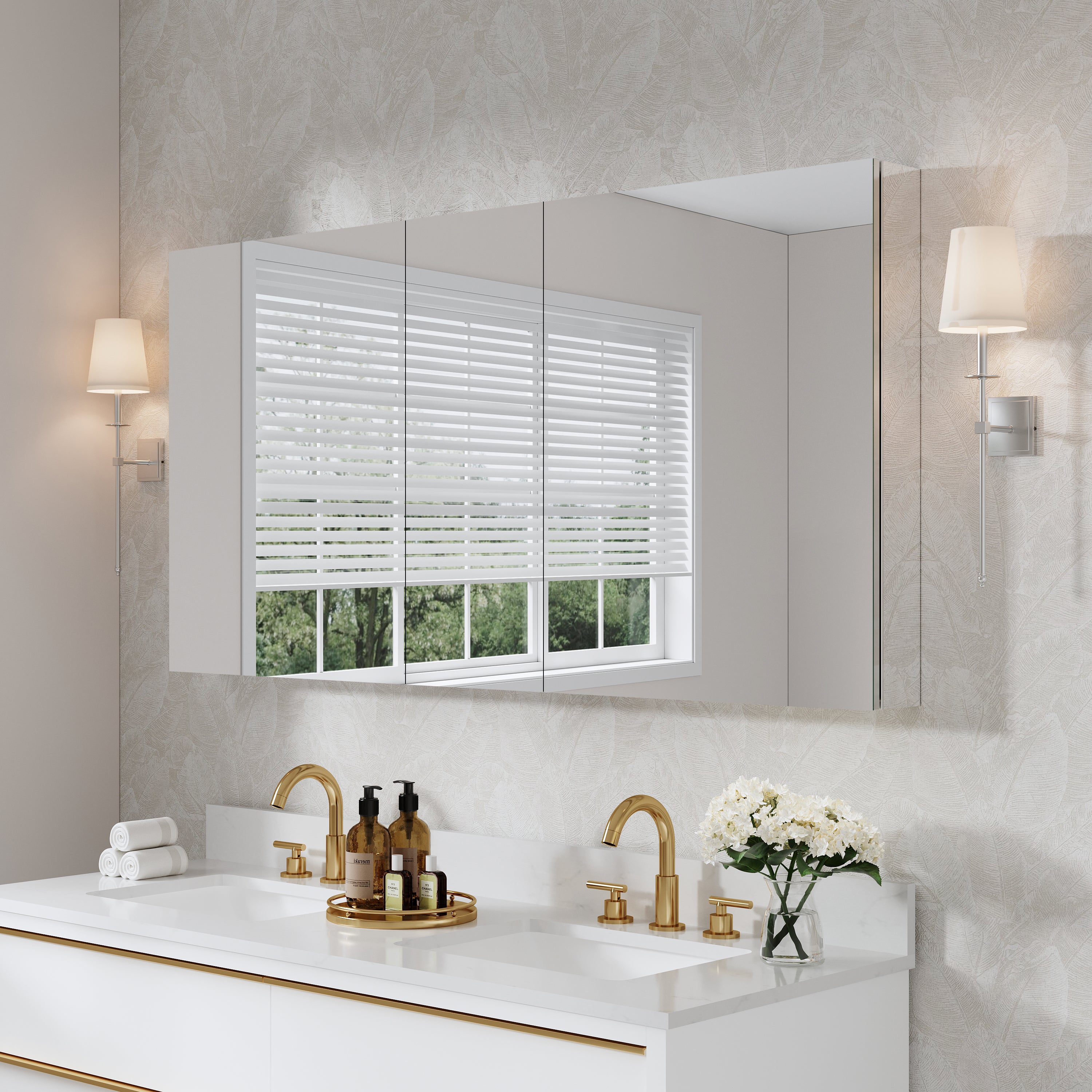
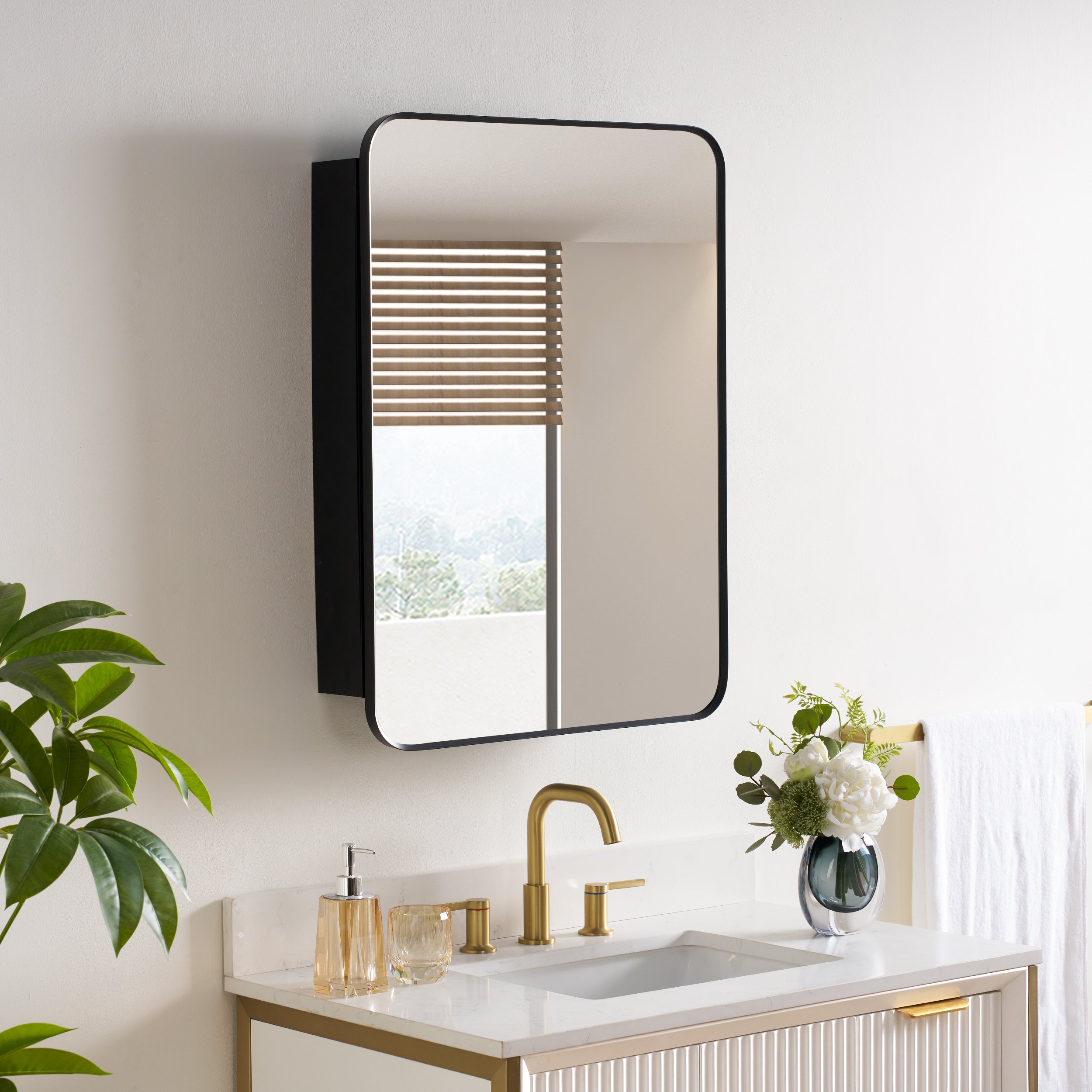
According to Houzz's 2025 research, 66% of mirror cabinet upgrades choose the recessed type, and this proportion will be even higher in 2024, reaching 71%. This means that most projects still tend to keep the mirror cabinet as close to the wall as possible and reduce the sense of heaviness. For mirror cabinets with lights, this is particularly important: once the lights, mirrors, and storage are integrated into one block, if the appearance is still too thick, it can appear bulky; the recessed design can precisely reduce that sense of bulk. In other words, the mirror cabinet with lights is truly suitable not for "stacking configurations", but for consolidating the configurations into a cleaner wall structure.
5. From the perspective of long-term usage costs, the LED solution in the mirror cabinet with lights is also more reasonable than traditional lighting.
According to official data from the US Department of Energy, residential LEDs, especially those that meet the ENERGY STAR standard, typically consume at least 75% less energy than incandescent bulbs and can last up to 25 times longer. This means that the value of a mirror cabinet with lights is not only to make it neater at the moment of renovation, but also to reduce the need for changing lights, lower power consumption, and fewer repeated adjustments due to scattered light positions over many years. For high-frequency use of the main bathroom, such sustained returns are more tangible than short-term visual stimuli.
6. However, not all bathrooms require this type of product.
If your bathroom already has reasonable side wall lights, sufficient countertop storage, and is a low-frequency guest bathroom, then a regular mirror with independent lighting may not be much worse than a mirror cabinet with lights. On the contrary, if this is the main bathroom, with high frequency of use in front of the mirror, and the countertop wants to be as simple as possible, and also wants to hide the toothbrush, shaver, beauty device, and small bottles together, then the value of the mirror cabinet with lights will be significantly amplified. The data is already clear: external lighting, internal lighting, hidden outlets, and anti-fog are all being continuously selected, indicating that it is more suitable for high-frequency, comprehensive, and integrated needs, rather than a one-size-fits-all approach for all scenarios.

7. Conclusion
To put it bluntly, choosing medicine cabinets with lights doesn't really mean buying a glowing mirror, but a more complete workspace in front of the mirror.
Its advantage lies in integrating storage, lighting, anti-fog, and mirror use, making the bathroom less fragmented, with less exposed wiring, less fogging, and less need for extra lighting. For a new bathroom or the main bathroom, these products are often not fancy upgrades but rather highly practical solutions that make the most commonly used area work smoothly all at once. Only when used at low frequencies, with minimal storage pressure, and when the original lighting layout is already well planned, may it not necessarily be the highest return on investment.












Leave a comment
This site is protected by hCaptcha and the hCaptcha Privacy Policy and Terms of Service apply.