














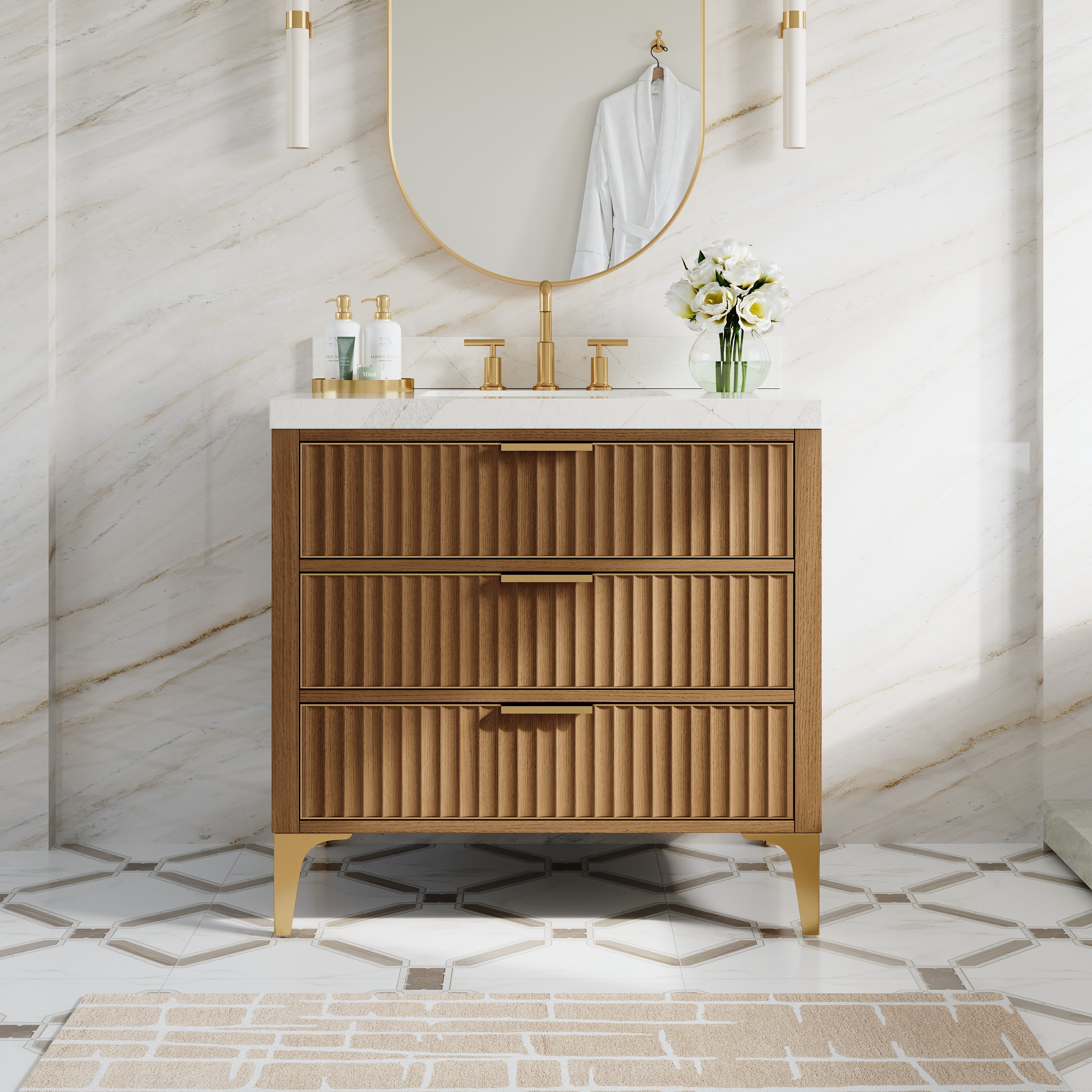
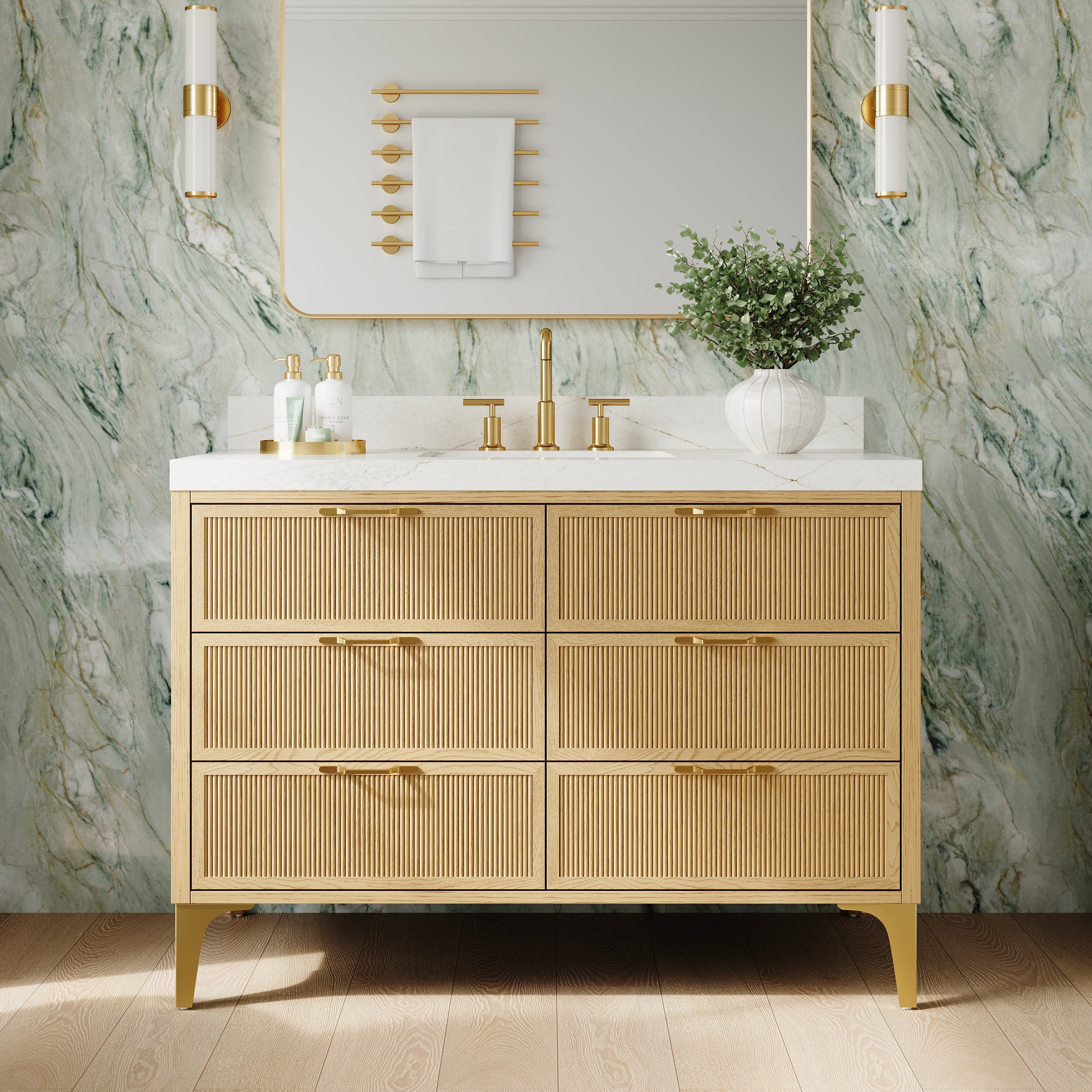


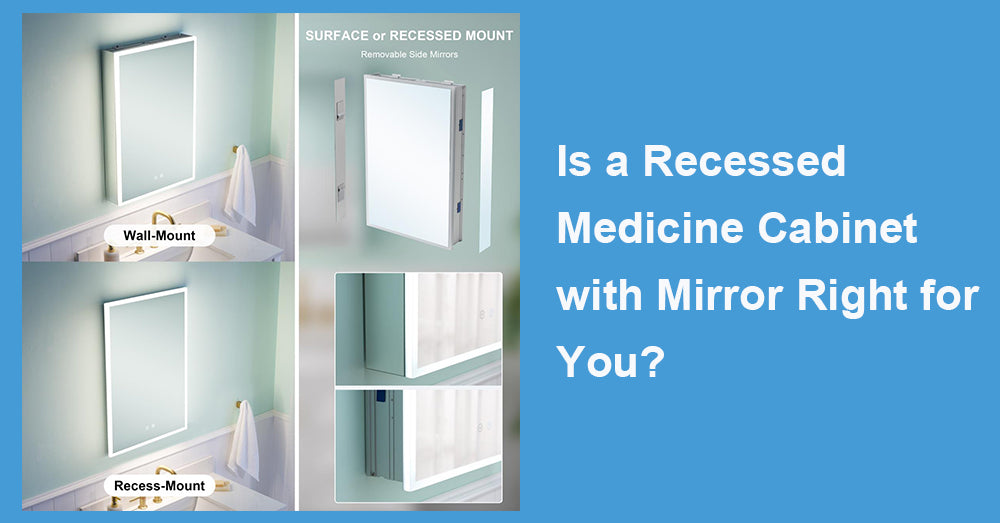
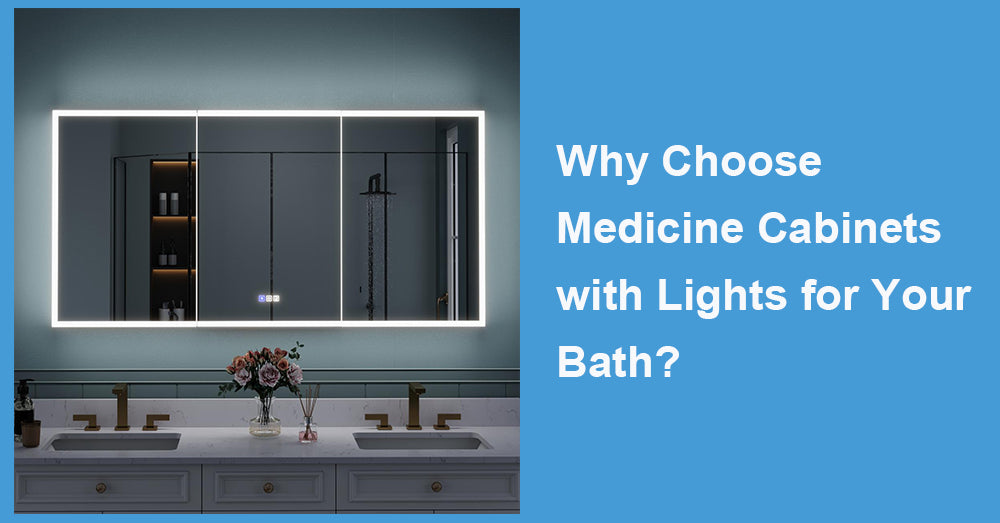
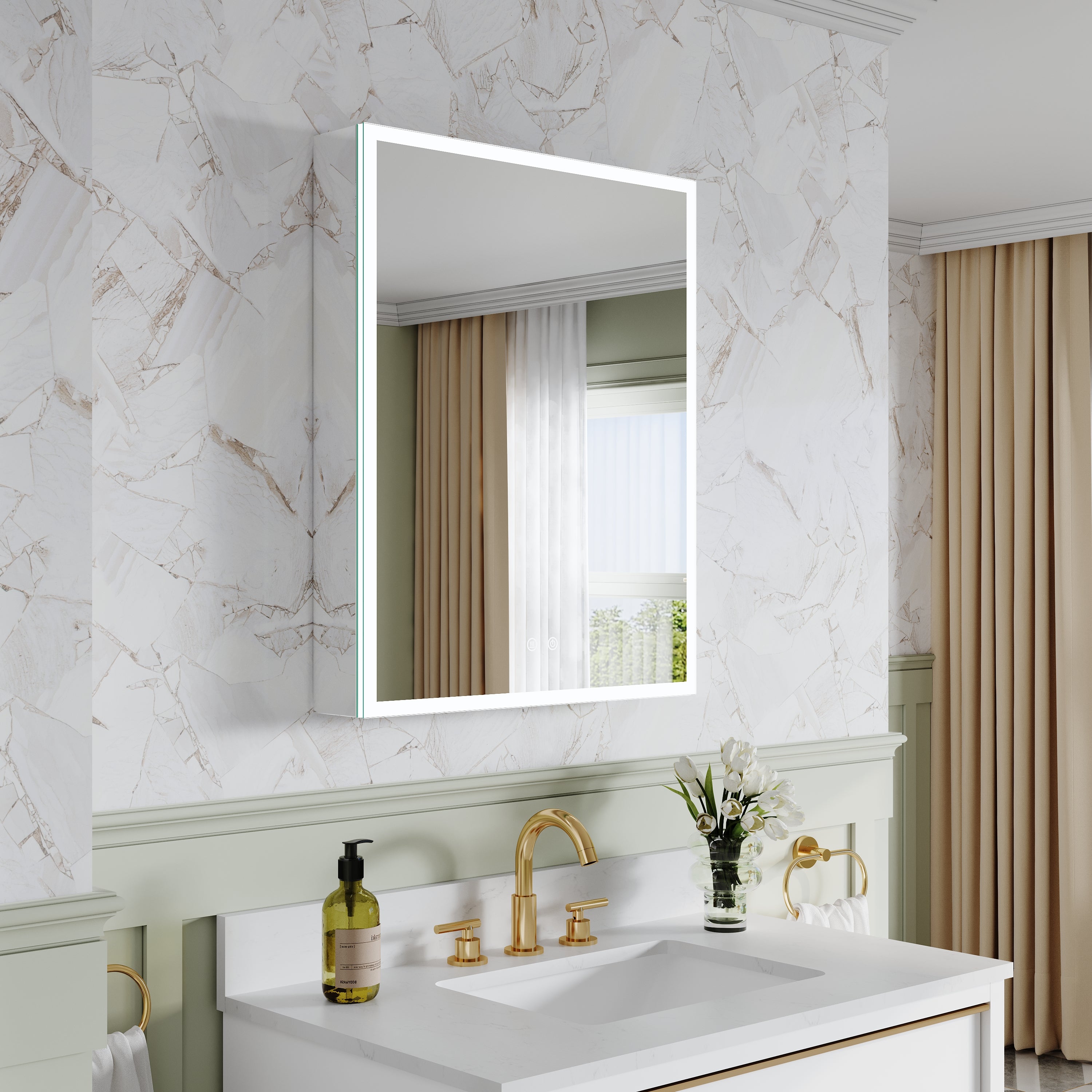
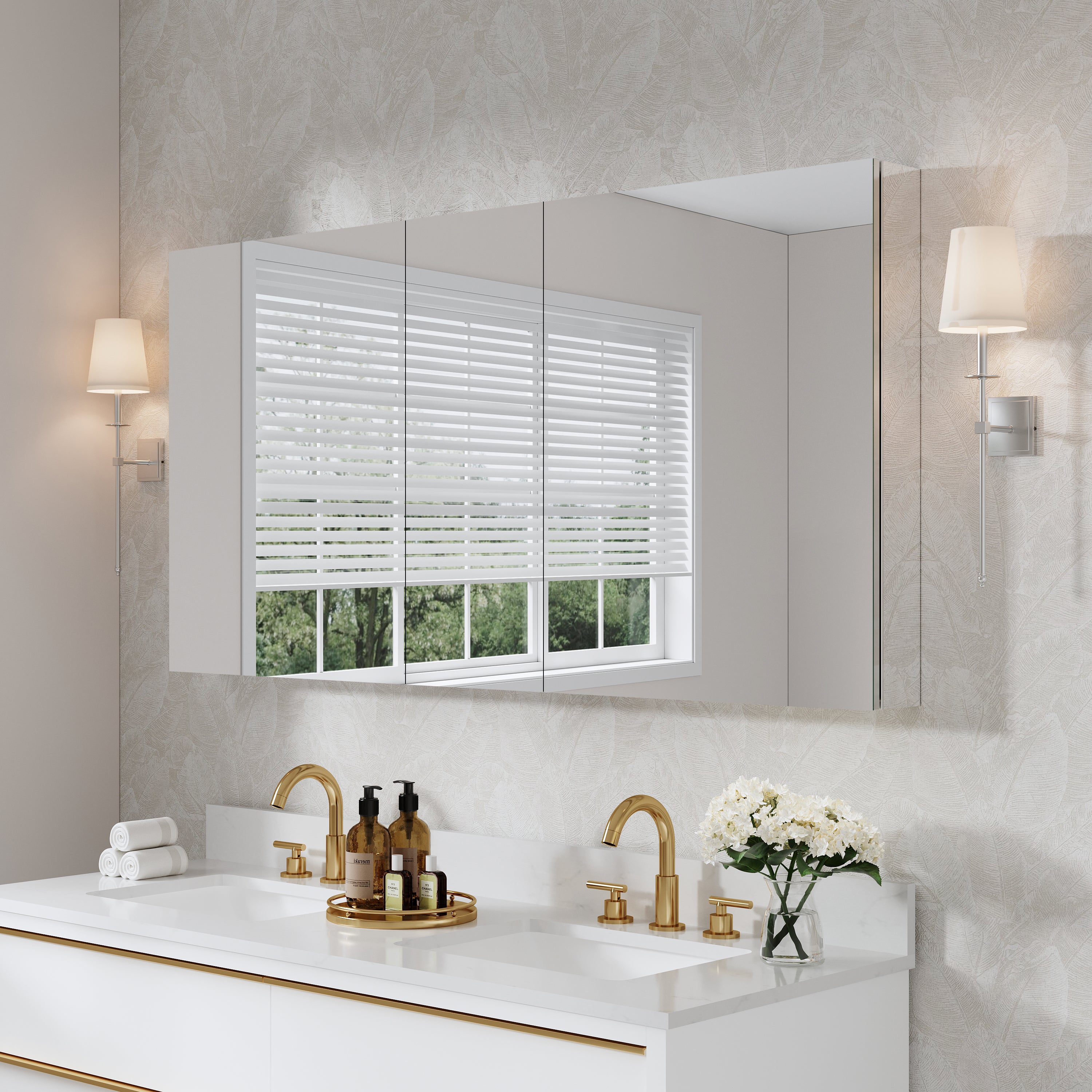
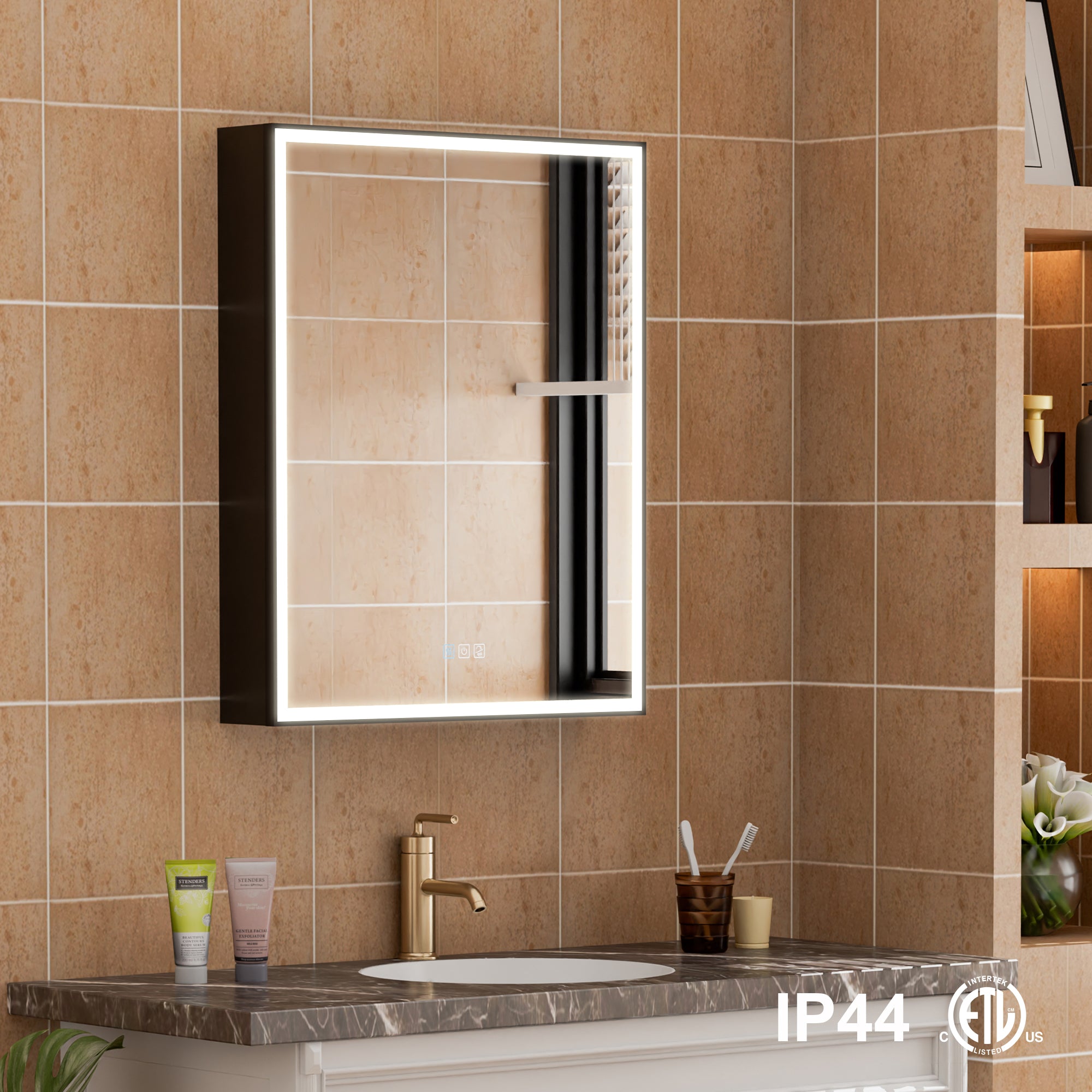
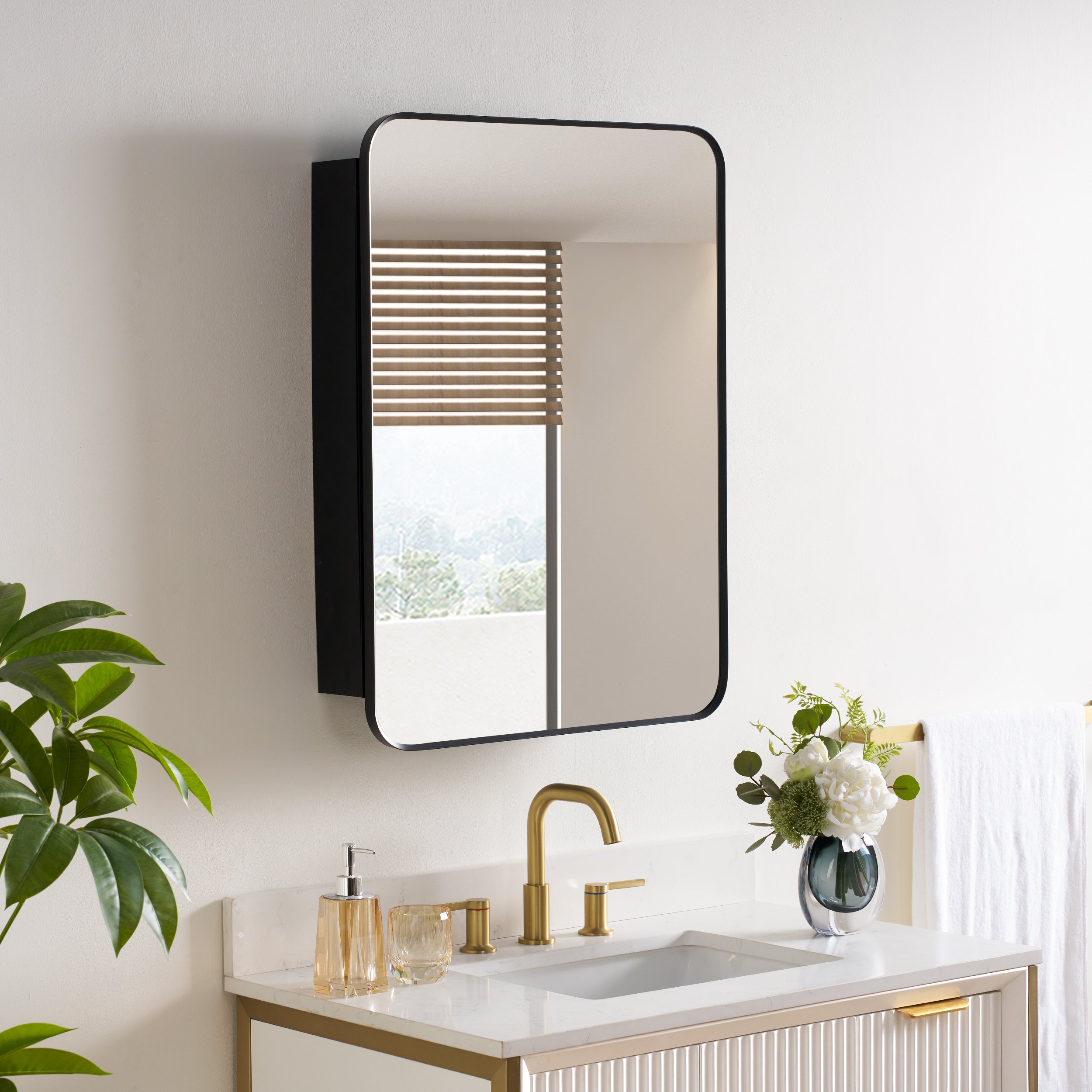
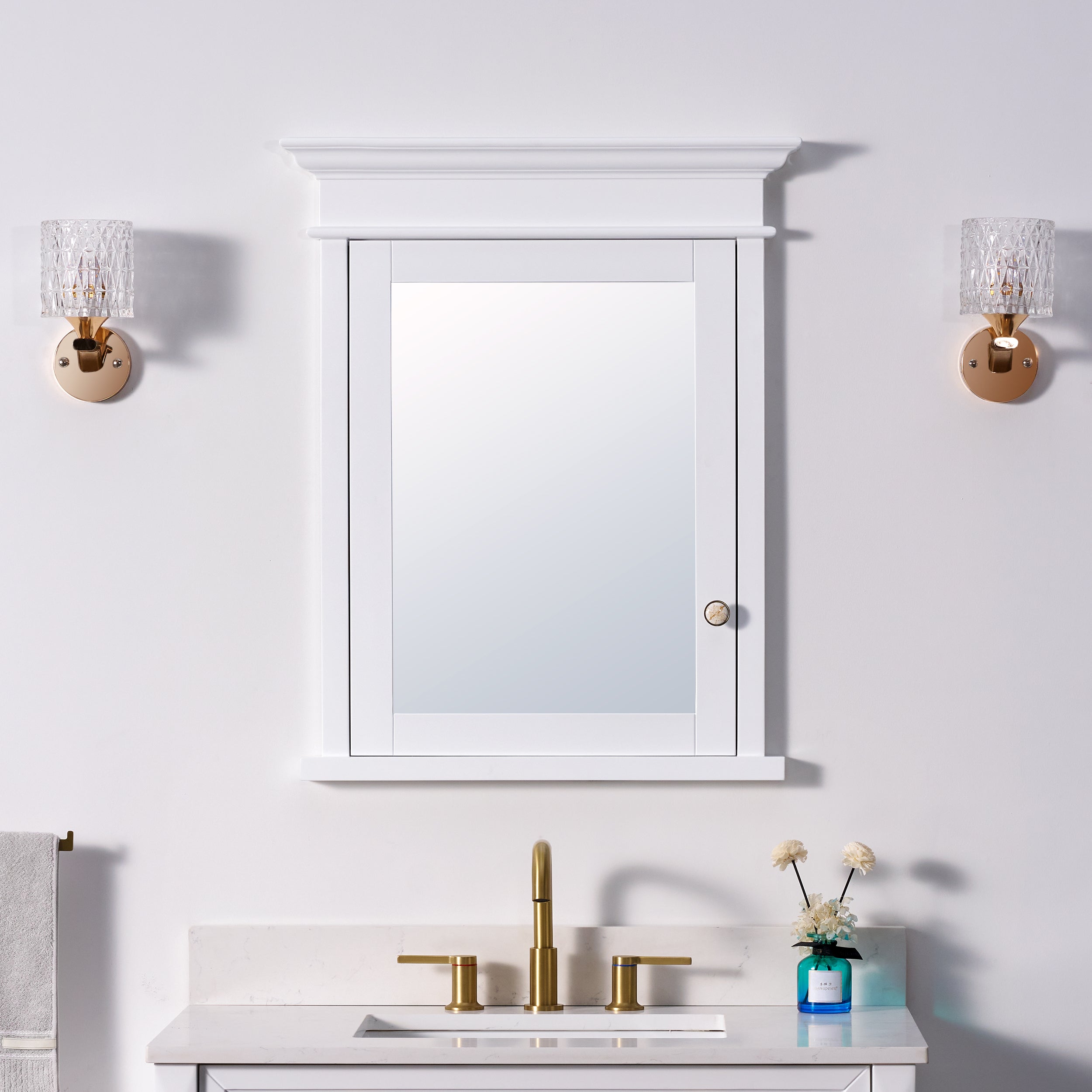
In the trend of bathroom upgrades, the medicine cabinet is increasingly popular, emphasizing a clean, well-organized space and wall integration. For many homeowners, a recessed medicine cabinet with mirror is especially appealing because it combines practical storage with a cleaner wall profile. It can also make the vanity area look more integrated without adding extra visual bulk. Compared to the surface-mounted mirror cabinet, the recessed structure uses the wall's internal cavity to make the mirror cabinet flush with the wall, reducing the depth of external protrusions and making it visually more concise. But this design is not suitable for all spaces. Whether it is worth installing depends on the wall structure, storage requirements, construction conditions, and budget planning. The following analysis will be conducted from multiple key dimensions.
1. Does the wall structure support recessed installation
Most residential walls use a 16-inch on-center stud structure, with an internal cavity depth of about 3.5 inches. This means the depth of the mirror cabinet body must be controlled between 3 inches and 4 inches to ensure full embedment.
If the width of the mirror cabinet is between 20 inches and 30 inches, it can usually be installed between two studs; If it exceeds 30 inches, local structural adjustments or reinforcement may be required.
Data shows that during wall renovations, about 20% of installation locations will encounter interference with water pipes or wires. Therefore, it is crucial to use scanning tools to confirm the internal structure before construction.
2. How much space can be saved?
Surface-mounted mirror cabinets usually protrude by 4 to 5 inches, while recessed designs typically have protruding parts less than 1 inch. For bathrooms with a width close to 36 inches, reducing wall protrusions by 3 inches or more can significantly improve circulation comfort.
Design data show that in spaces with an area less than 90 square feet, reducing wall overhang by more than 2 inches can increase perceived width by approximately 15%.
For small bathrooms, this spatial optimization is particularly evident.
3. Is the storage capacity sufficient?
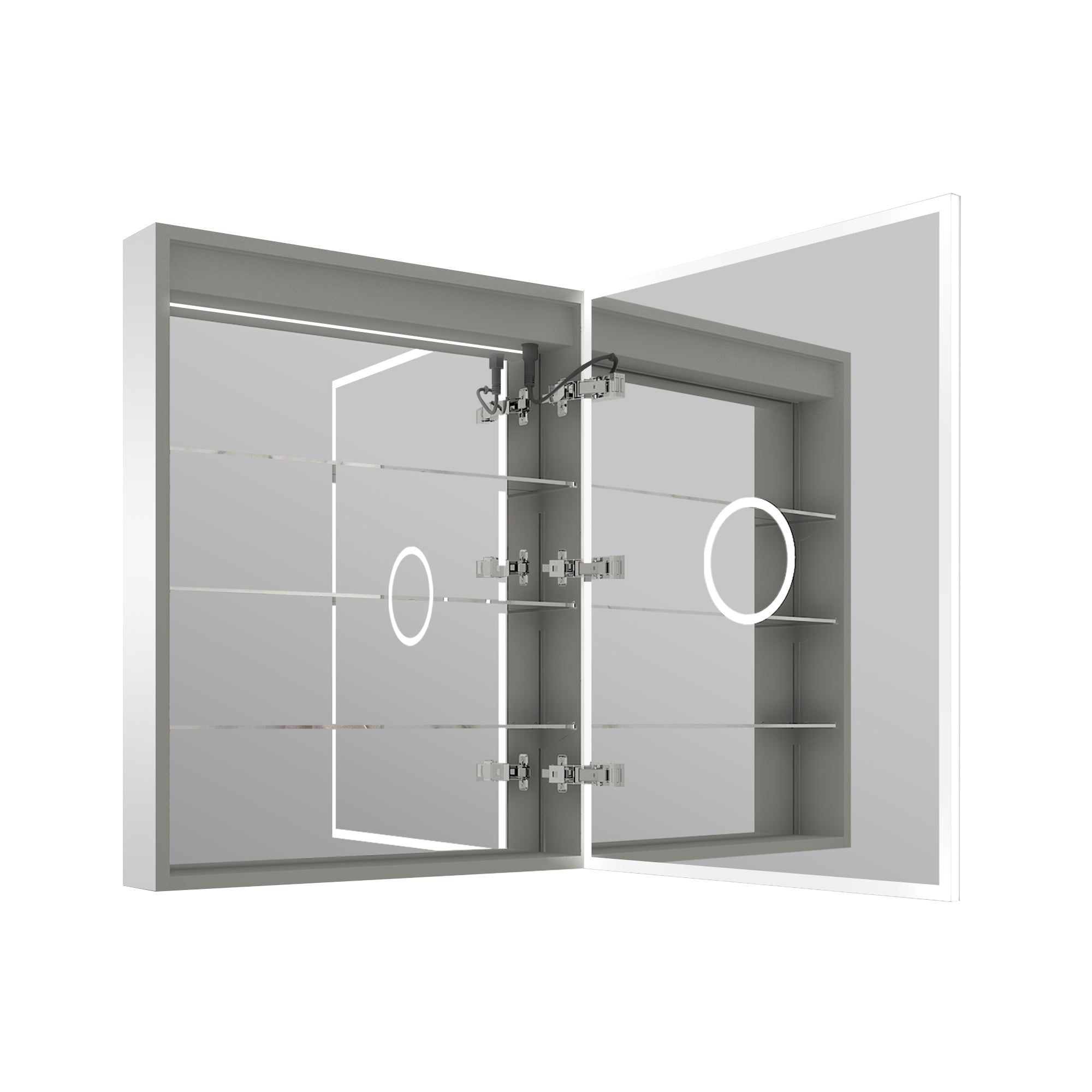
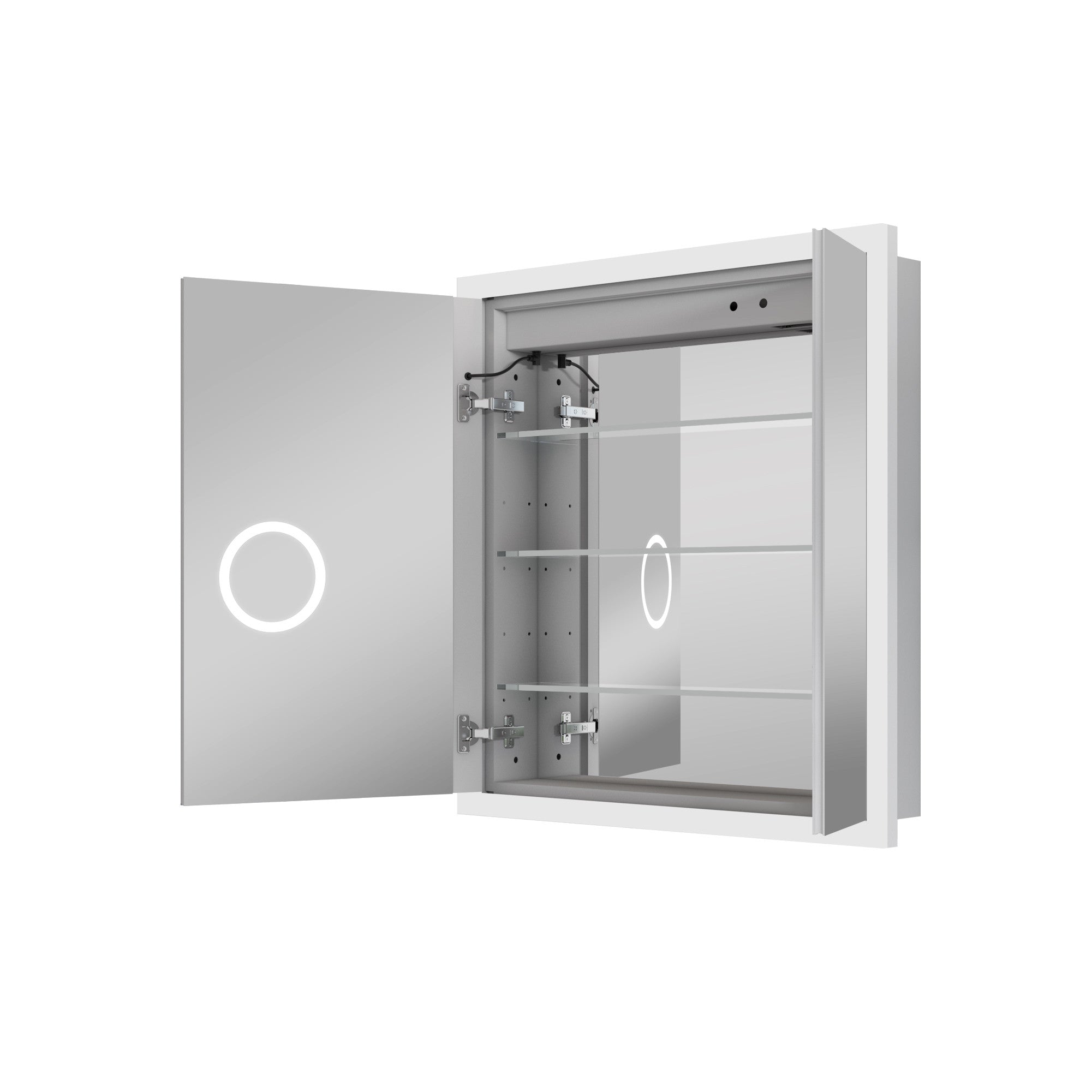
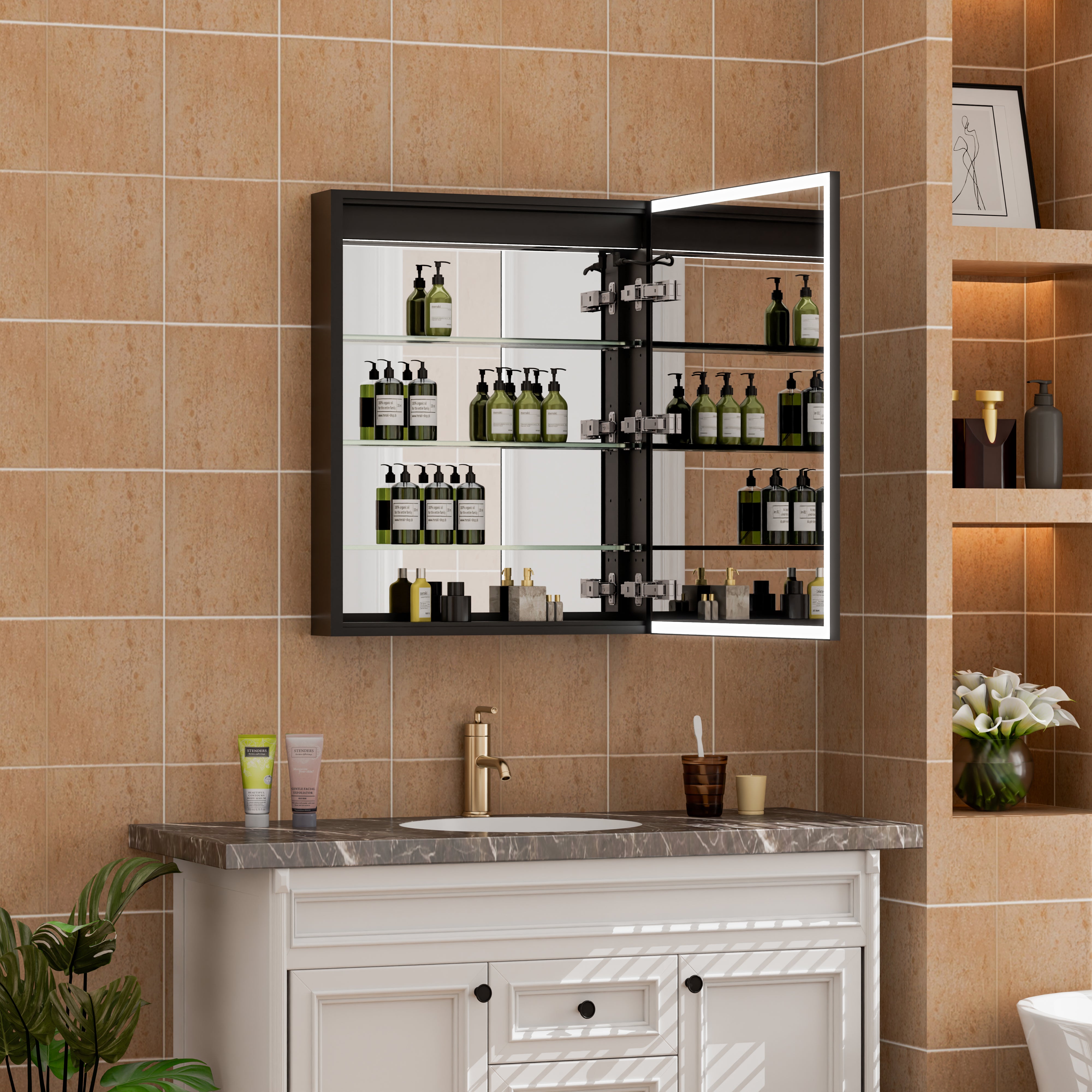
The internal depth of the recessed mirror cabinet is typically 3.5 to 5 inches, making it suitable for storing toothbrushes, skincare products, and commonly used medicines.
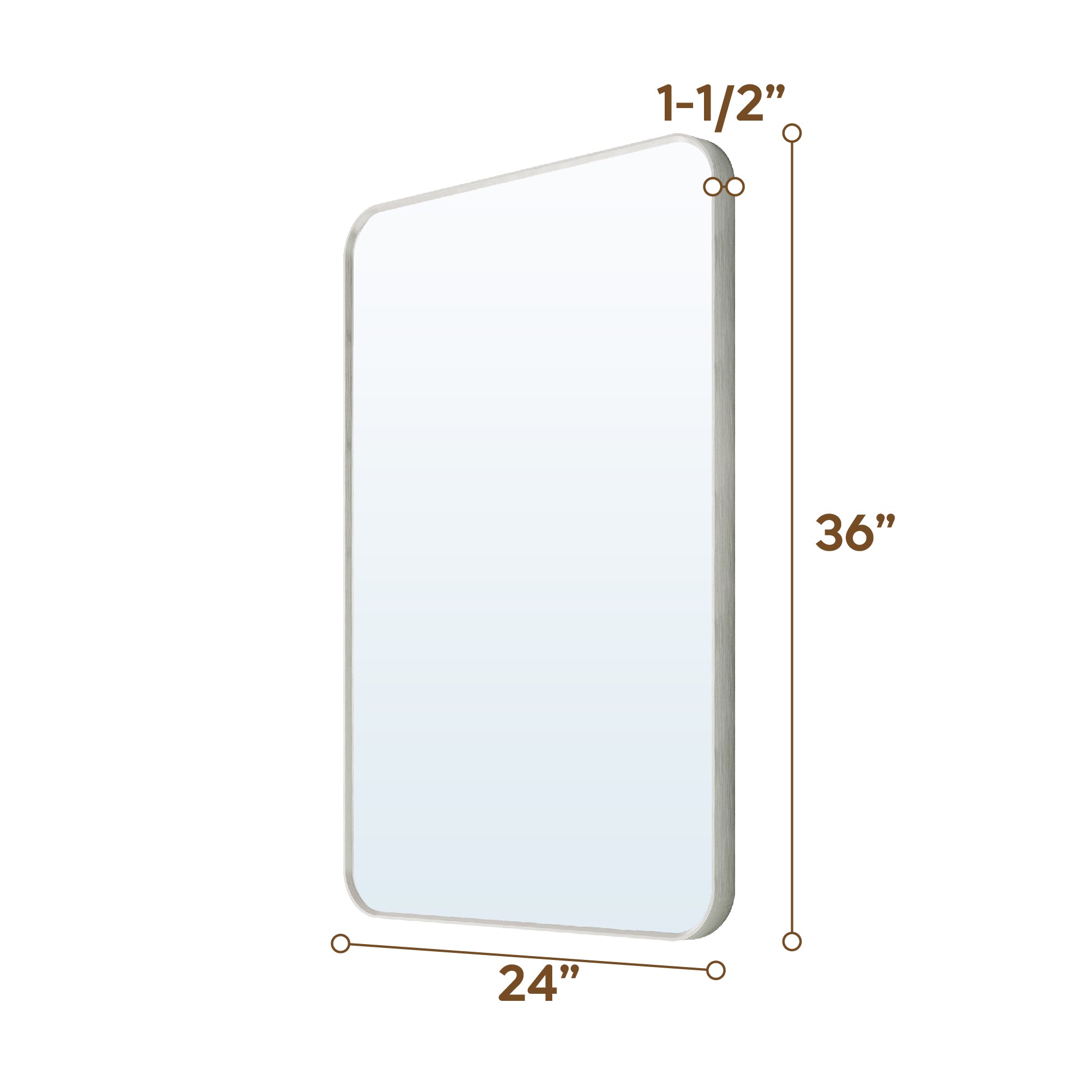
A mirror cabinet measuring 24 inches wide by 30 inches high, with adjustable shelves, can accommodate over 20 commonly used small items.
The data show that after installing the mirror cabinet, the average number of items on the countertop decreased by about 25%, and visual cleanliness improved significantly.
But if there is high demand for household storage, relying solely on mirror cabinets may not be enough; drawers or side cabinets may be needed as well.
4. Installation complexity and construction cost
Recessed installation requires steps such as wall opening, cutting, and reinforcement. Compared to surface installation, construction costs are usually 20% to 40% higher.
If installed during the new construction or comprehensive renovation phase, the increased cost is relatively manageable; if it is a space that already has wall decoration, the construction difficulty will significantly increase.
Data shows that reserving recessed positions during the planning phase can reduce rework rates by approximately 30%.
5. Is the proportion of the vanity coordinated
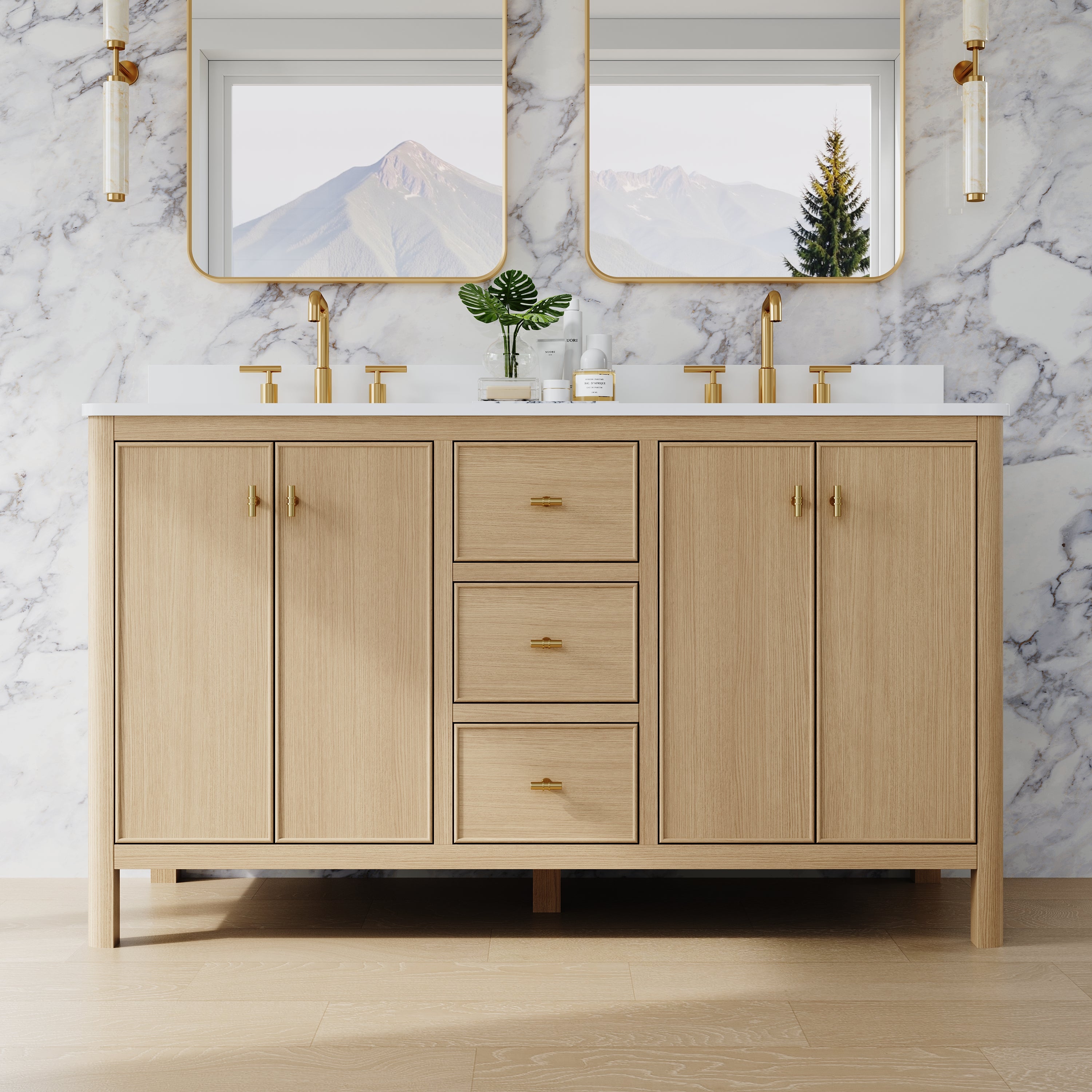
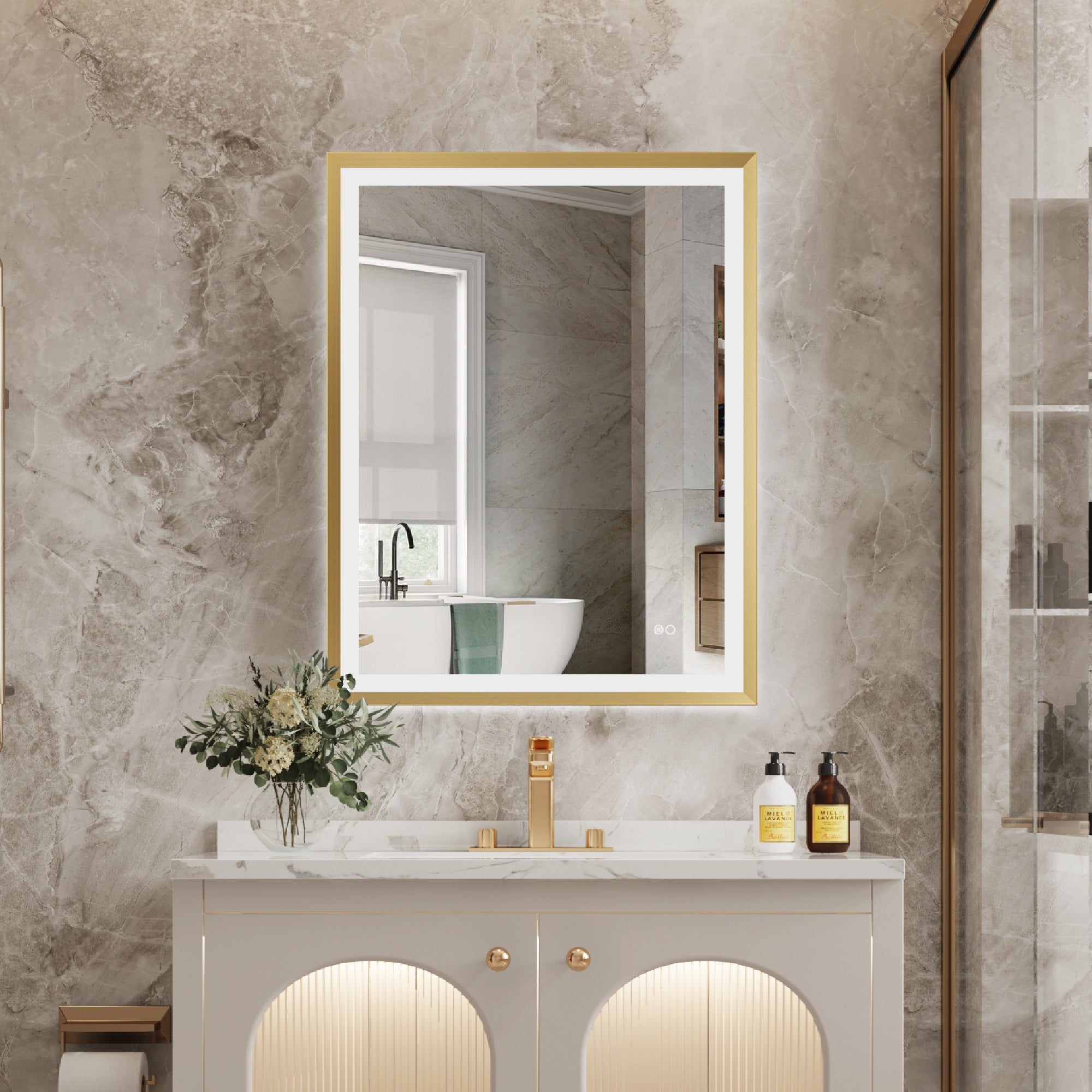
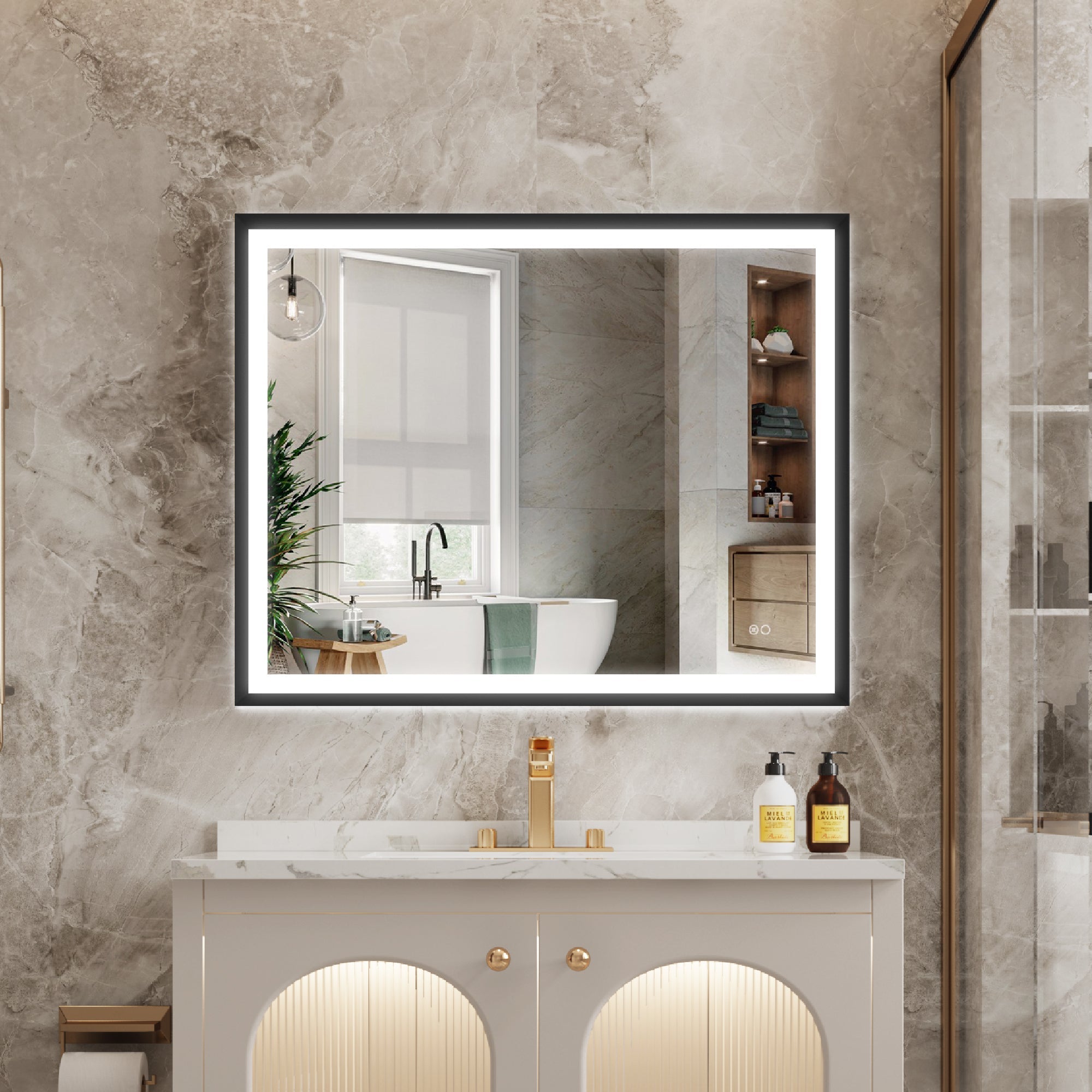
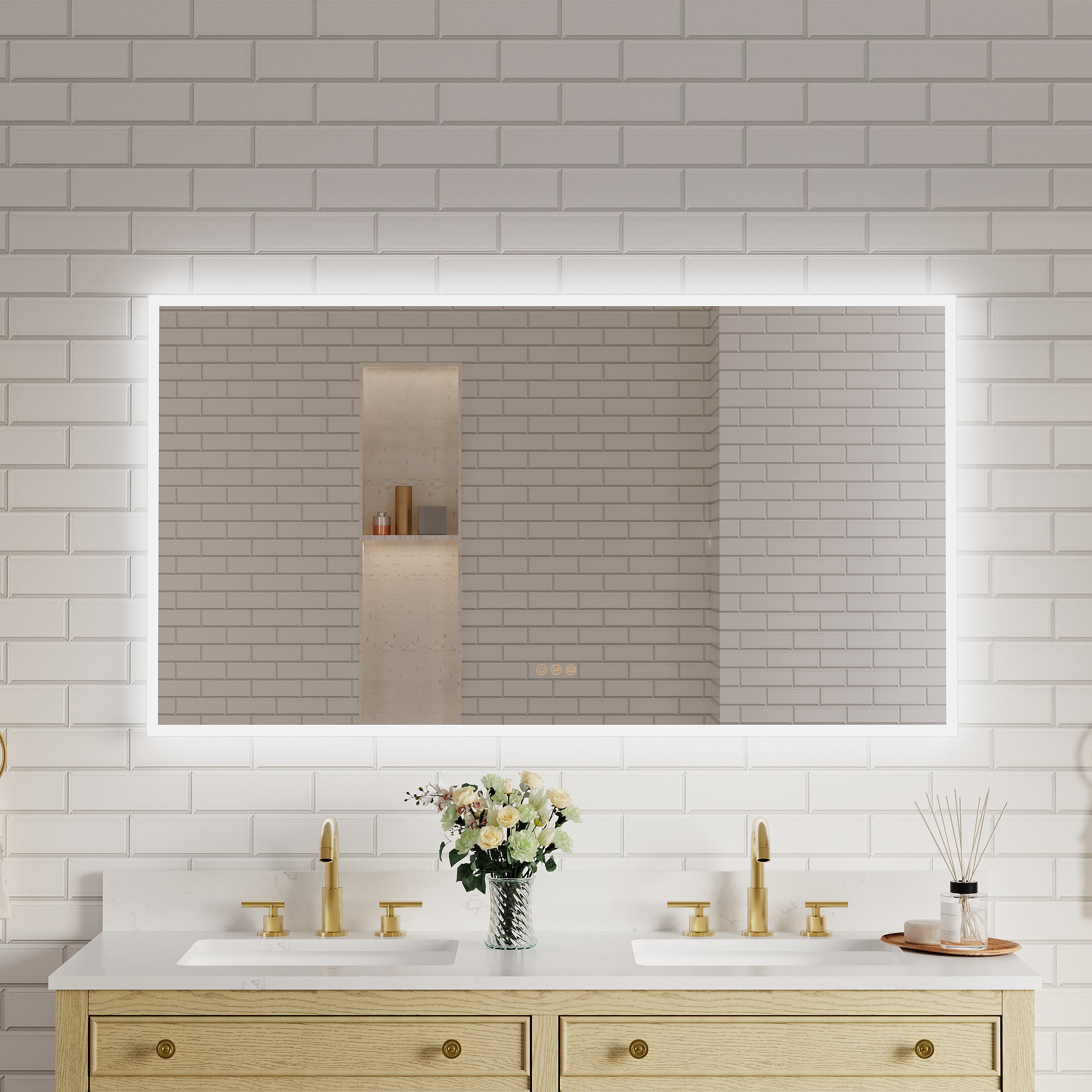
The mirror cabinet should be the same width as the vanity. It is usually recommended that the mirror cabinet width be 70% to 90% of the countertop width.
For example, a 36-inch countertop can be paired with a 28-inch to 32-inch mirror cabinet; the 60-inch double-basin vanity can use two 24-inch to 30-inch mirror cabinets.
The lower edge of the mirror cabinet is usually installed between 5 inches and 10 inches above the countertop, with the center of the mirror surface about 60 inches to 65 inches from the ground.
The data shows that under reasonable proportions, the spatial coordination score significantly improves.
6. Do you need built-in lighting and defogging functions
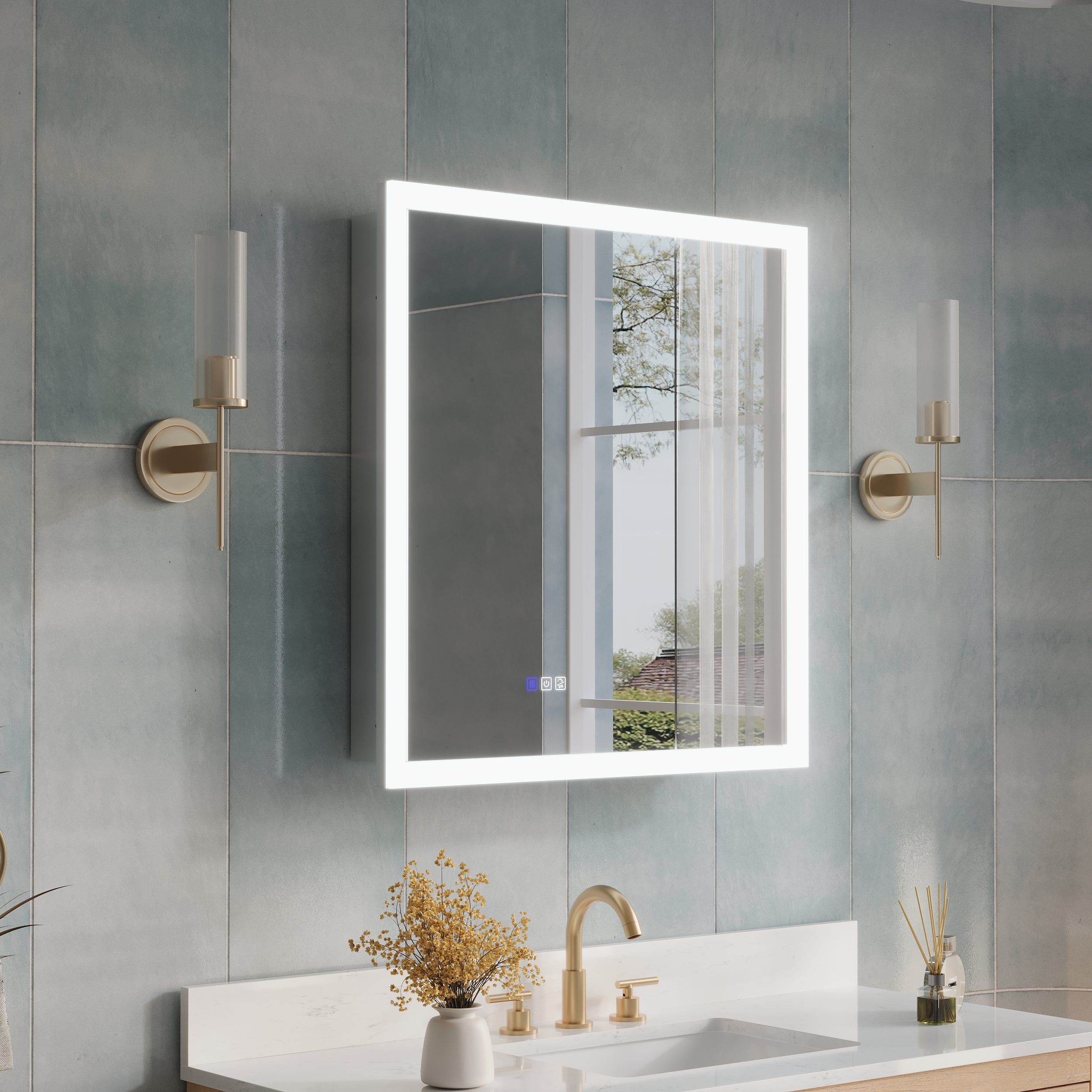
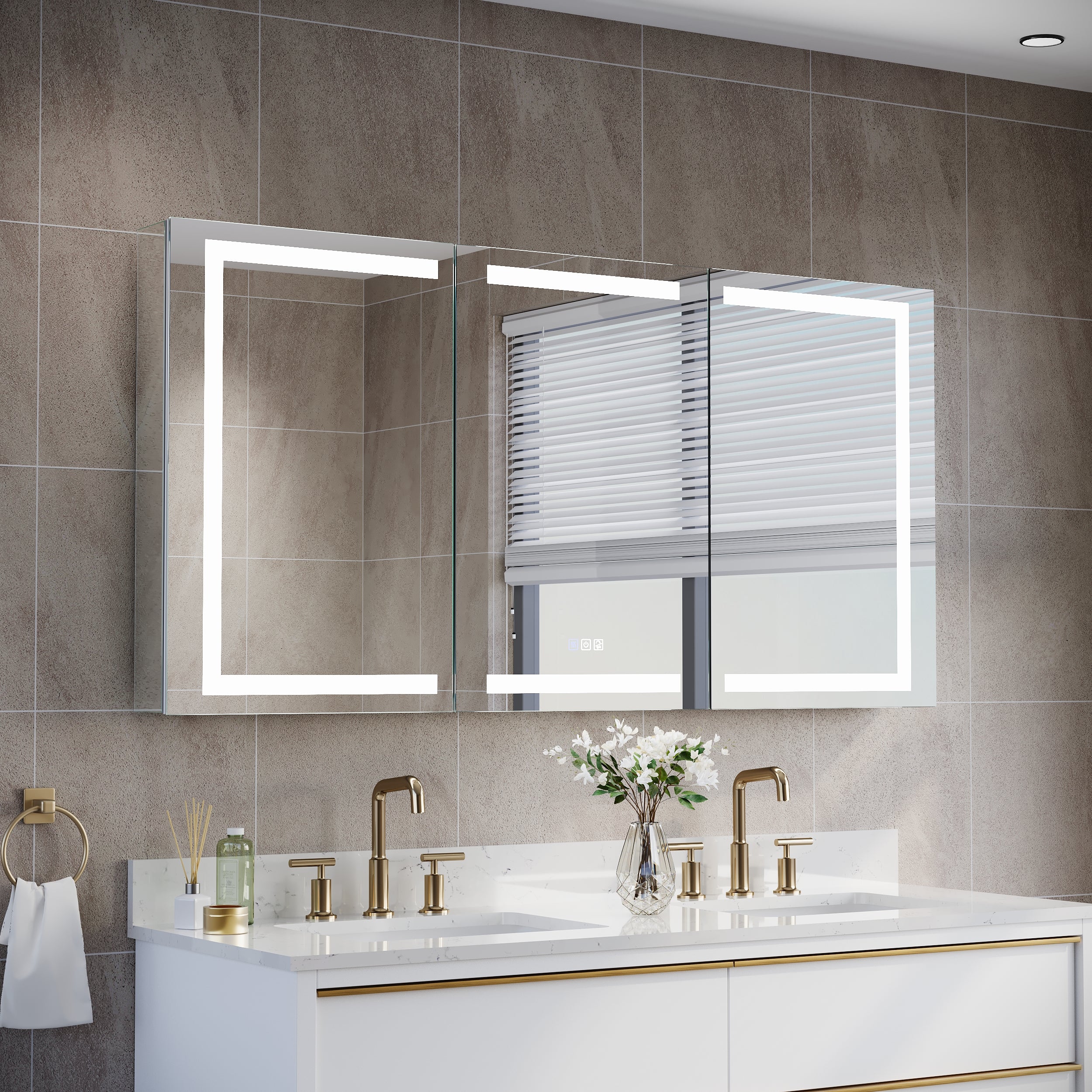
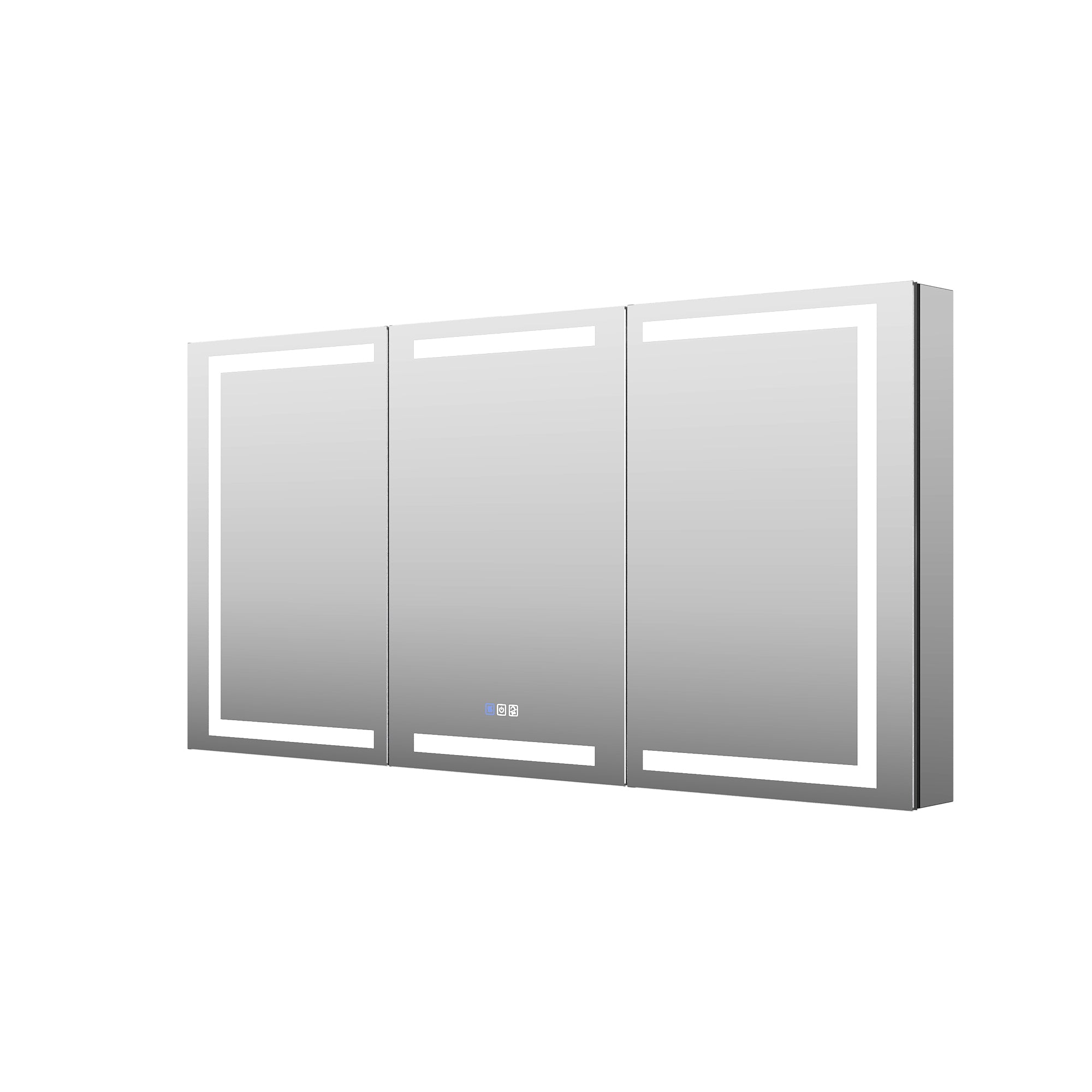
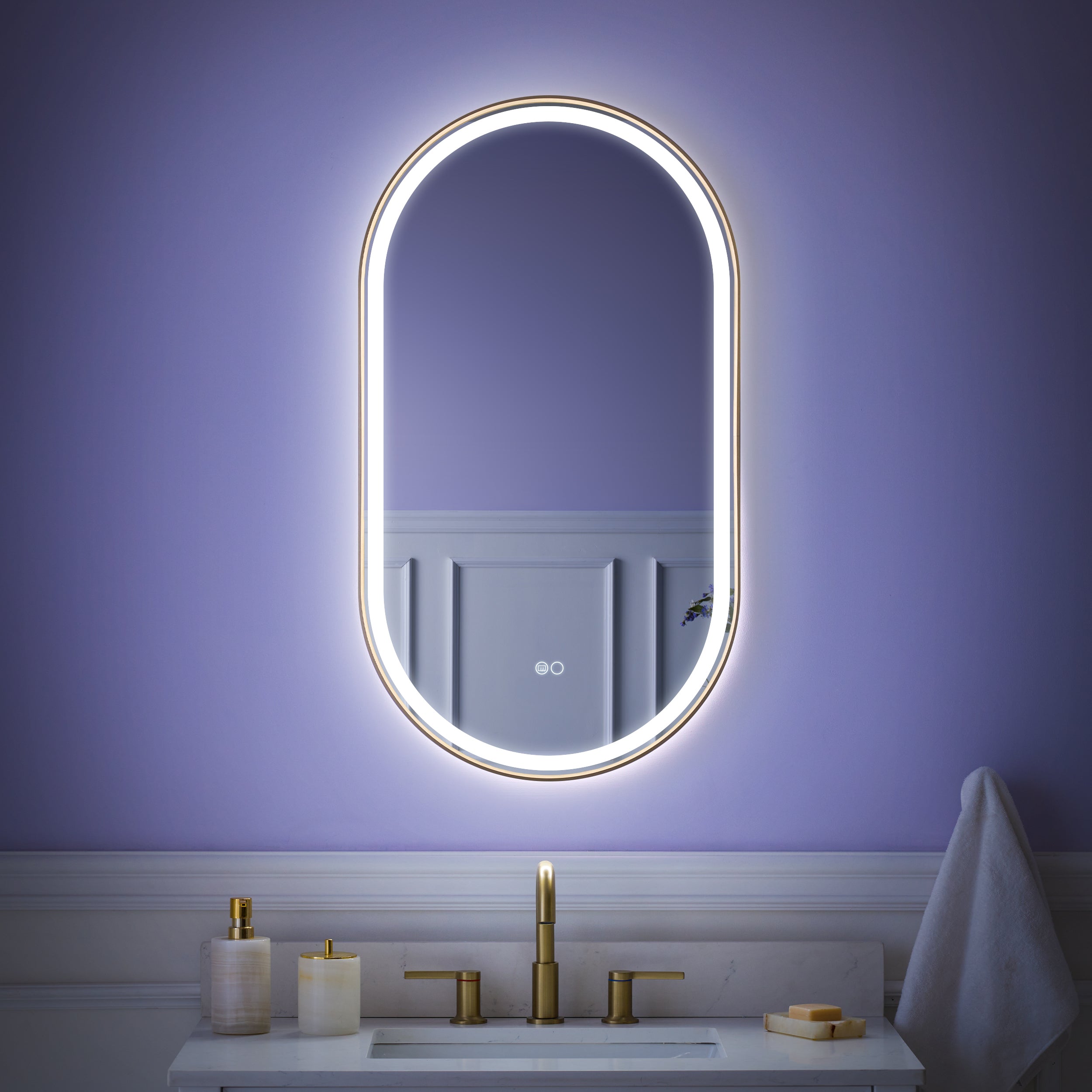
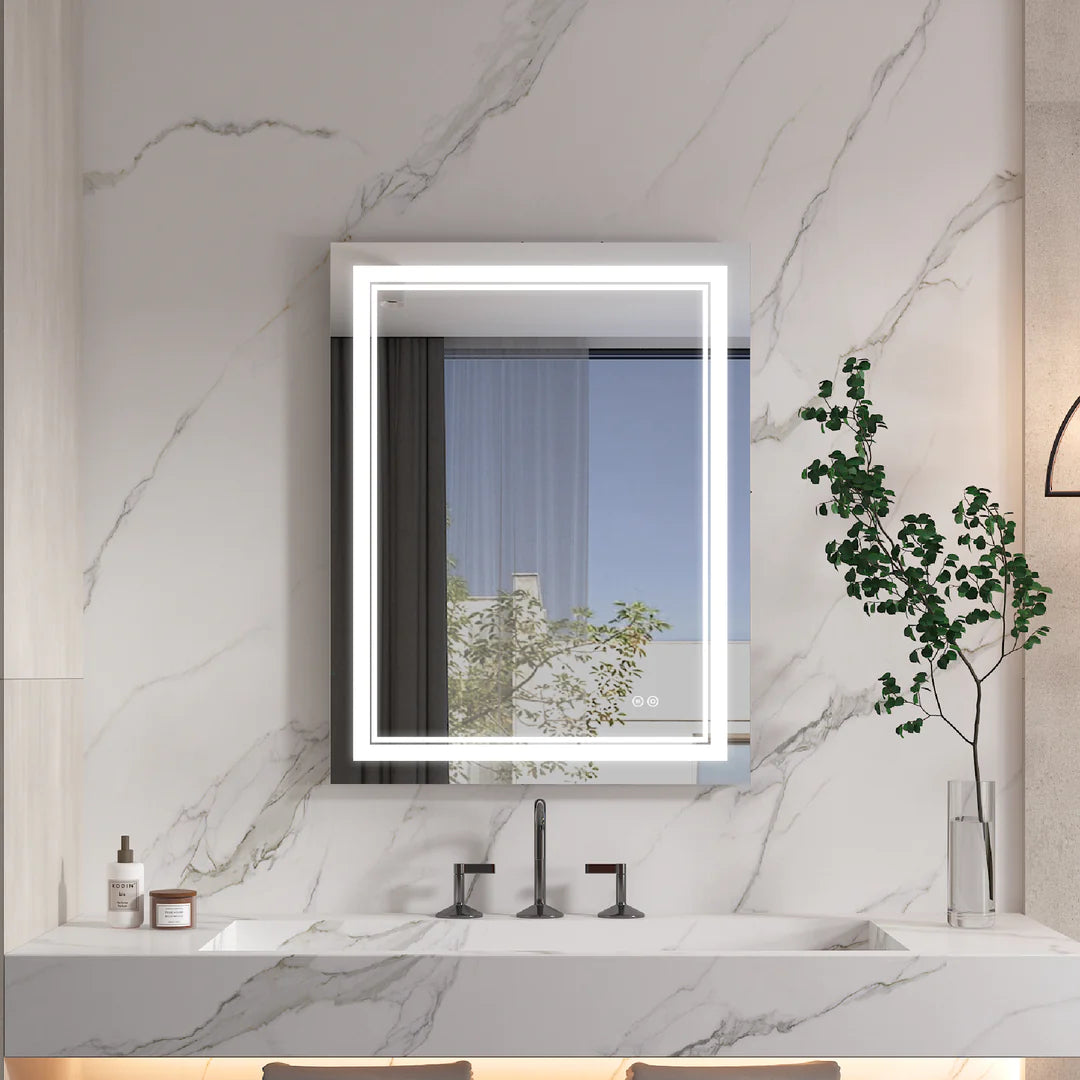
Modern recessed mirror cabinets are often equipped with LED lighting and defogging features. 36-inch models with lights typically output 1200 to 2000 lumens.
Test data shows that in environments with humidity exceeding 70%, the clarity retention rate of mirrors with defogging function exceeds 90%.
If the bathroom ventilation is average or the frequency of use is high, a mirror cabinet with enhanced features is more practical.
7. Long-term maintenance and durability
Recessed structures tend to experience slower temperature changes because of their large contact area with the wall, which helps reduce condensation.
Maintaining indoor humidity between 40% and 55% can help extend the lifespan of cabinets and hardware.
Data shows that under stable humidity conditions, the lifespan of the mirror cabinet can exceed 10 years.
8. Is it suitable for all styles?
Recessed design emphasizes wall flatness and a minimalist style, making it suitable for modern and transitional spaces.
If the spatial style leans toward tradition or features many decorative lines, a surface-mounted mirror cabinet may better align with the overall atmosphere.
In an 8-foot-high space, the top of the mirror cabinet should usually not exceed 78 to 80 inches to maintain proportional coordination.

9. Conclusion
The key to choosing a recessed medicine cabinet lies in the available space and usage requirements. From 3.5-inch wall depth to common sizes of 24-inch or 30-inch, each inch matters. Recessed design offers obvious advantages in saving space and improving cleanliness, but it requires that wall conditions and construction planning are in place. By comprehensively evaluating the structure, storage requirements, and budget, you can determine whether this design is truly suitable for your bathroom layout. It can also be a practical way to create a cleaner, more integrated bathroom while making better use of limited wall space.








Leave a comment
This site is protected by hCaptcha and the hCaptcha Privacy Policy and Terms of Service apply.