














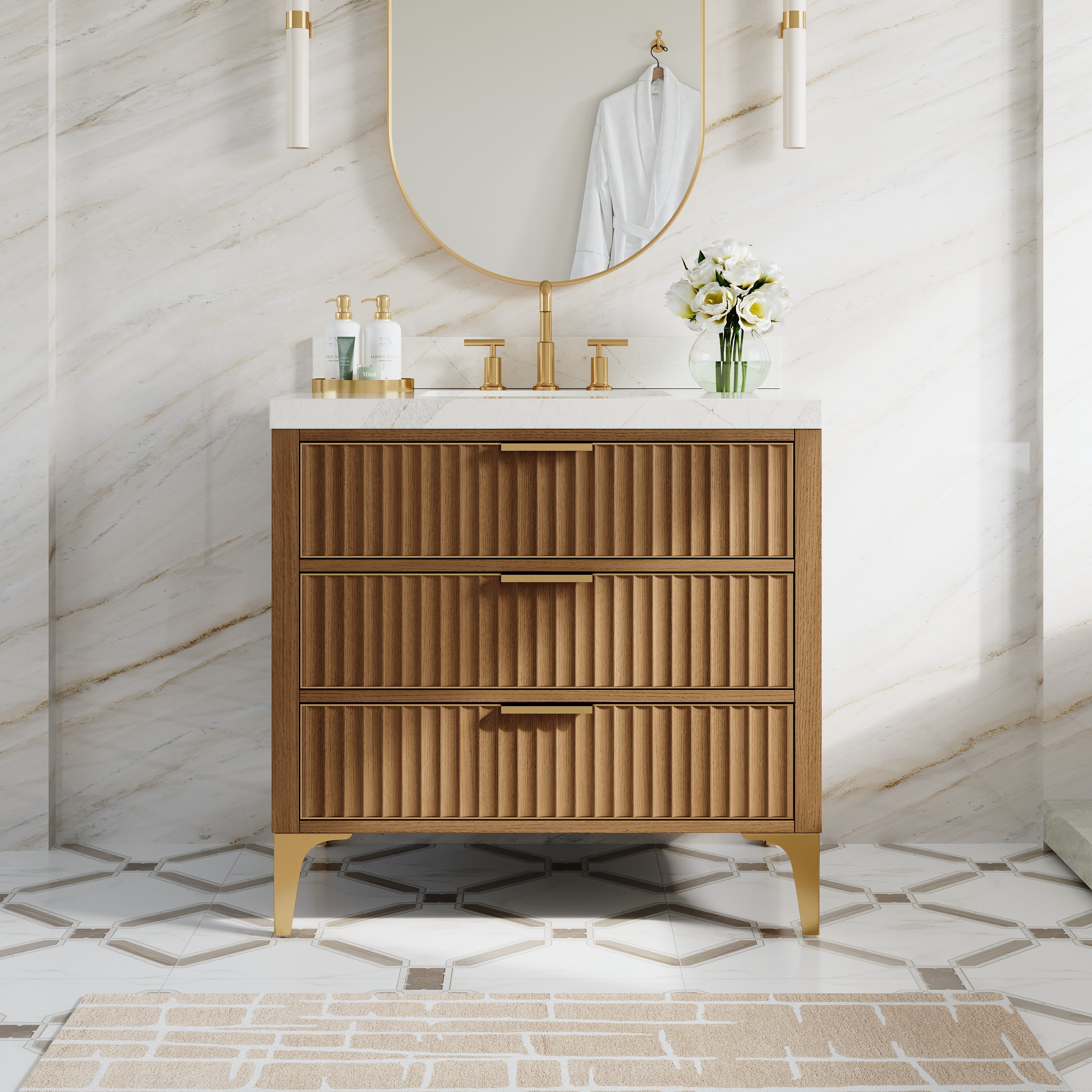
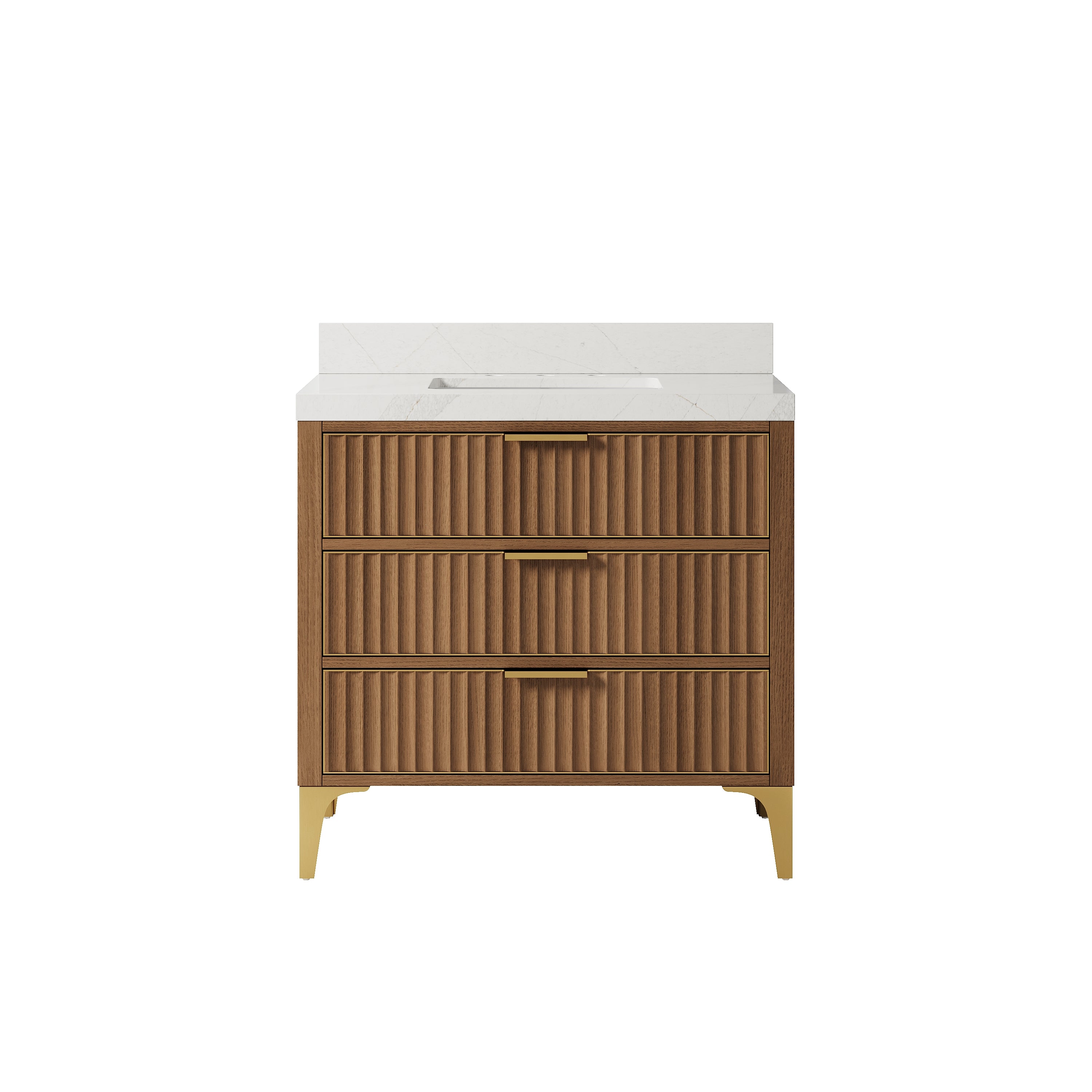
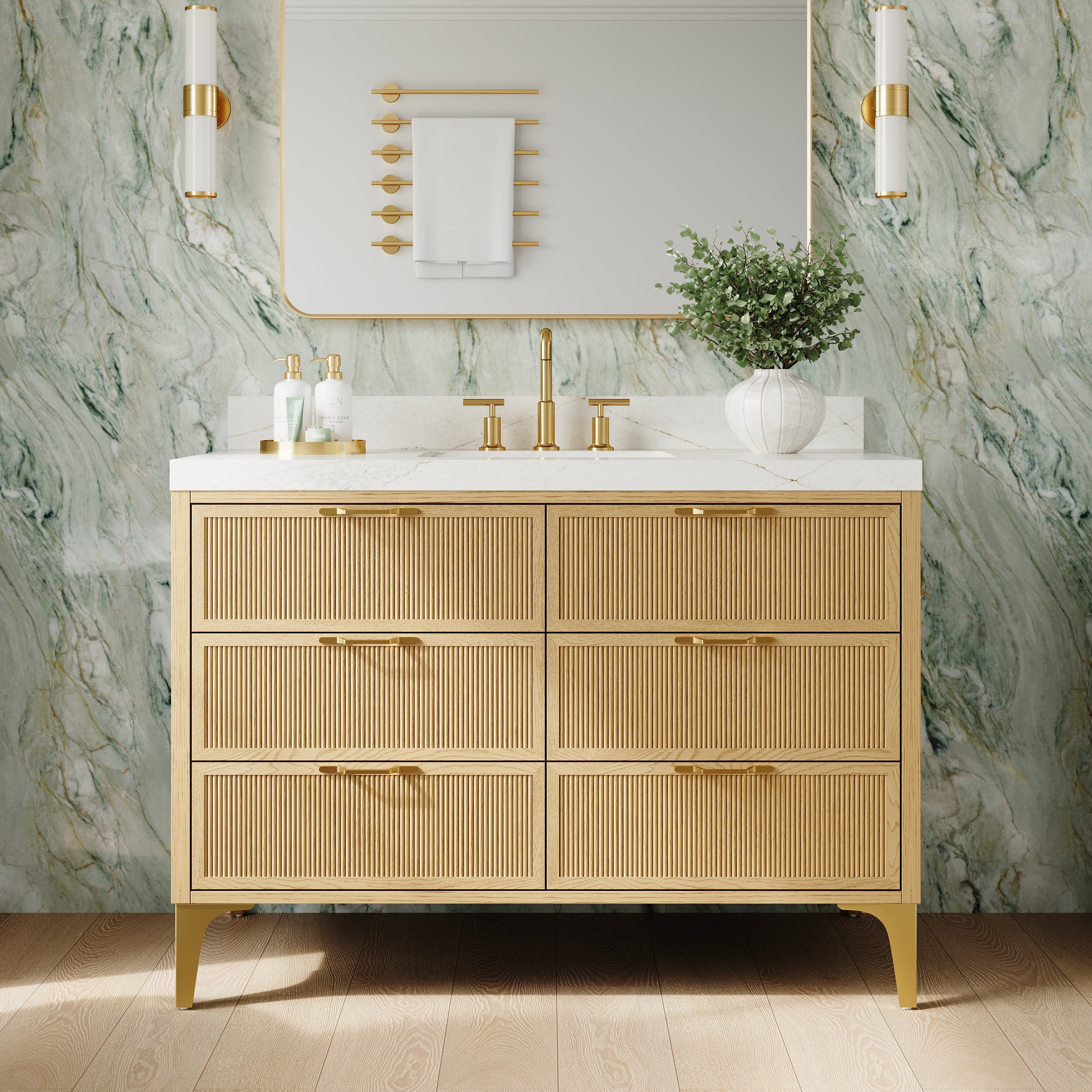
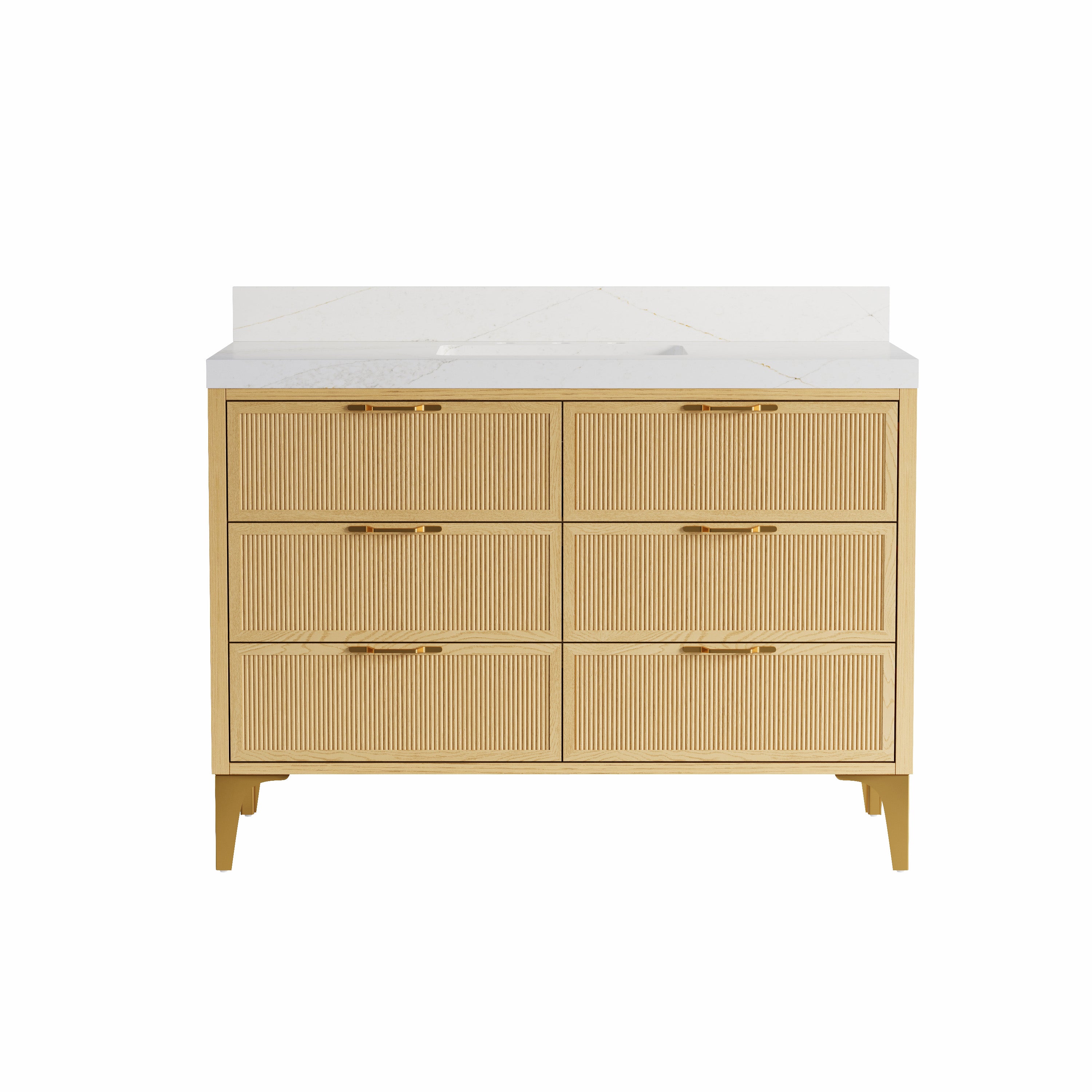


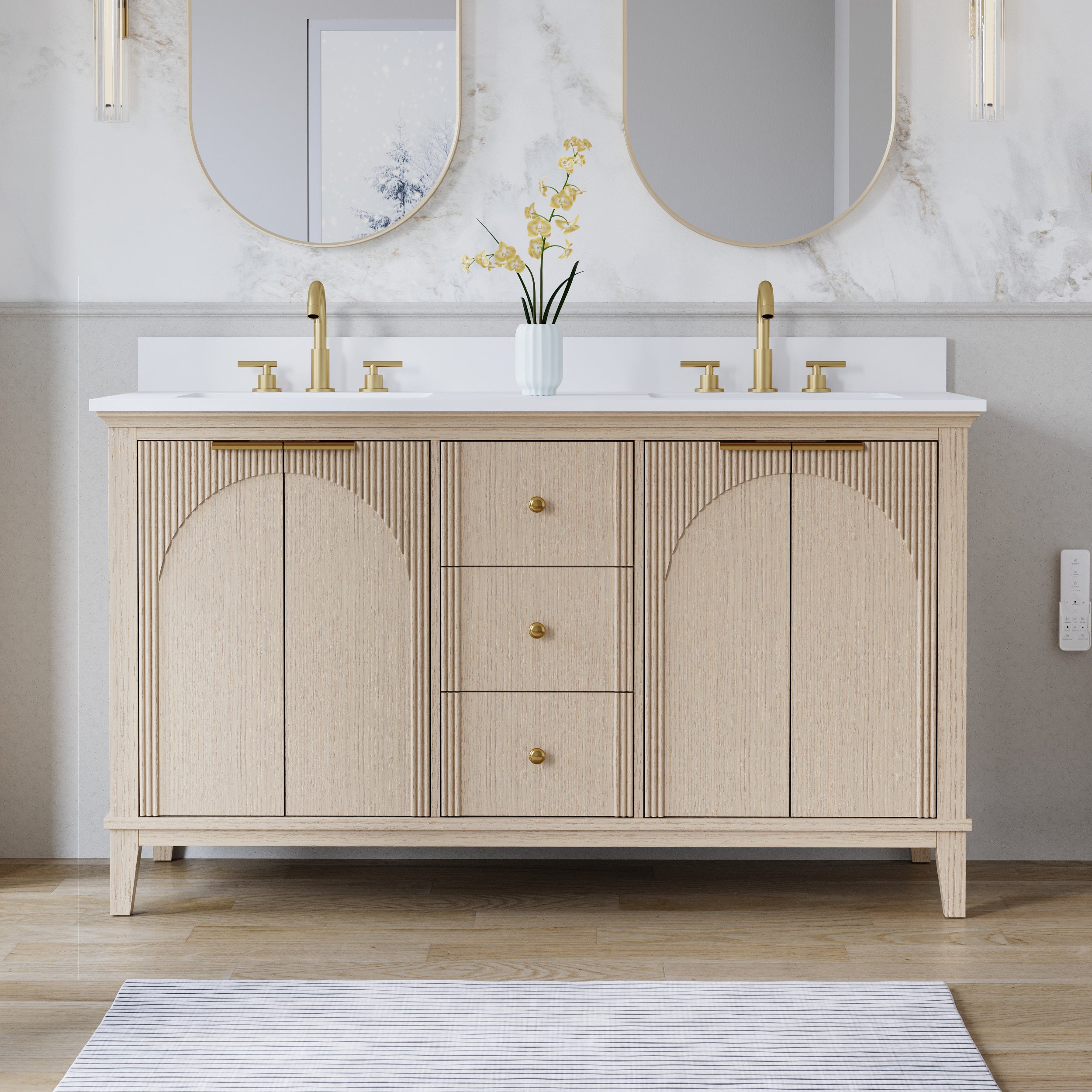
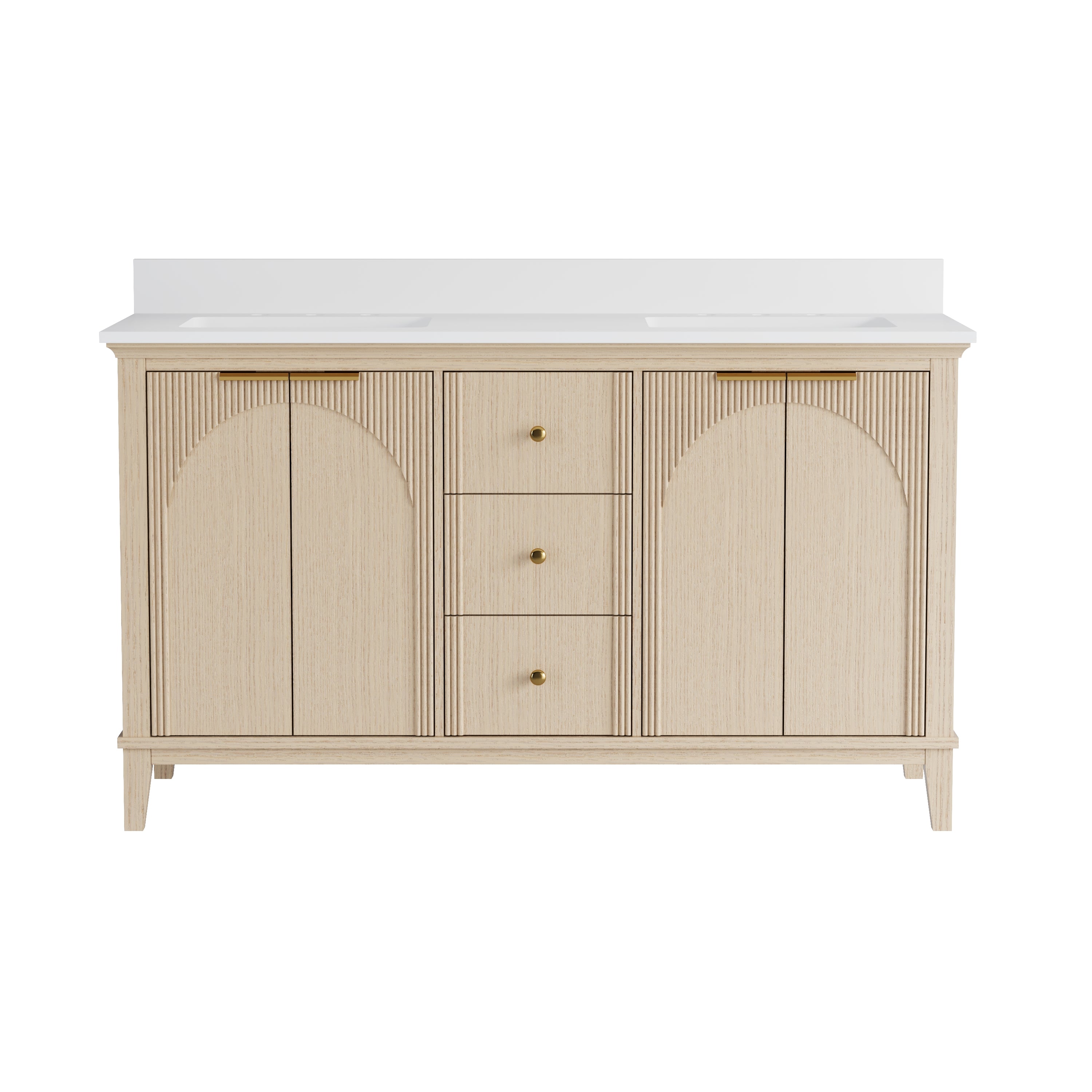
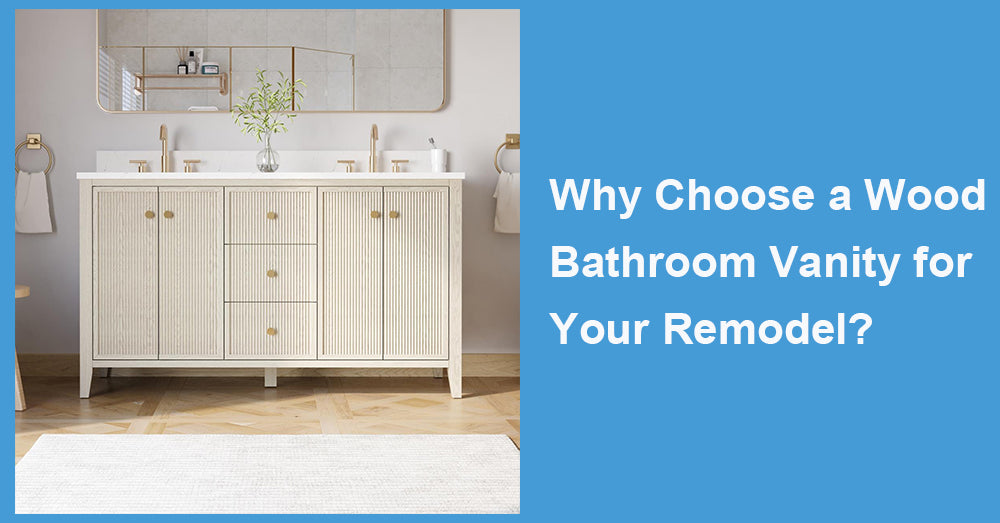
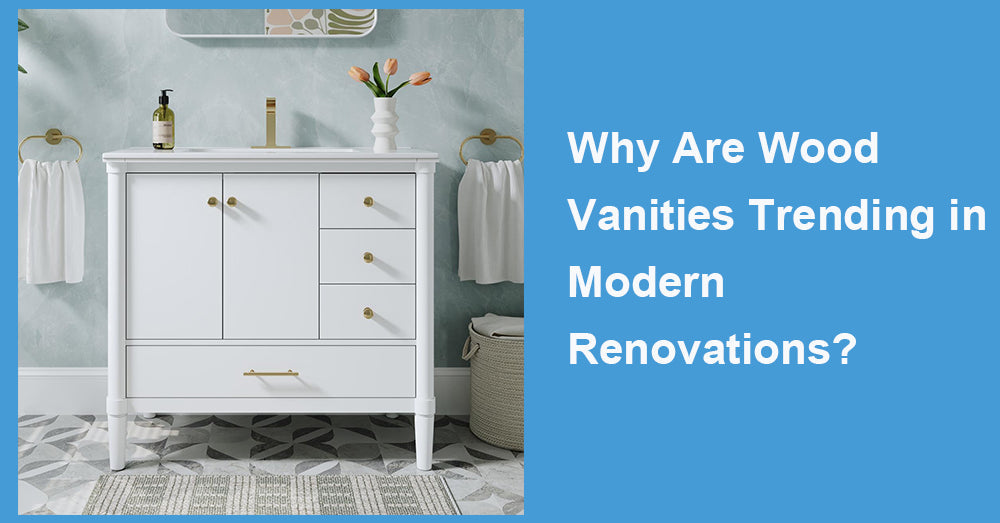
A remodel is full of decisions that look small on paper but shape how your bathroom feels every single day. The vanity is one of them. A wood bathroom vanity can bring warmth, texture, and longevity to a space that is otherwise dominated by tile, glass, and metal. Beyond aesthetics, wood also offers practical advantages in durability, repairability, and design flexibility, as long as you choose the right construction and protect it from moisture.
Wood Adds Warmth That “Hard” Materials Cannot
Bathrooms often lean cold visually: porcelain, stone, mirrors, chrome. Wood counters that with natural grain and depth, creating balance without needing extra decor. Designers continue to lean into organic finishes and wood tones in bath spaces (Source: NKBA 2025 Bath Trends Report). That matters because “timeless” is not just a style goal, it is a budget strategy: the less you feel the need to redo in five years, the better your remodel performs.
Remodeling Value: Vanities Are a Smart Place to Invest
Most remodel budgets have to prioritize. If you are deciding where to spend for impact, the vanity is a strong candidate because it sits at eye level and gets daily use.
Industry cost-and-value tracking shows that bathroom remodels typically recoup a meaningful portion of their cost at resale, depending on scope and finish level (Source: Journal of Light Construction, 2025 Cost vs. Value Report). Even if resale is not your immediate goal, these numbers reflect something simple: buyers and appraisers notice updated baths, and a well-chosen vanity anchors the entire room.
Wood Is Durable, and It Can Be Repaired Instead of Replaced
One underrated advantage of wood is that it is serviceable. When a finish gets scratched, a corner gets dinged, or a door alignment drifts over time, wood components are often easier to fix than many laminated or low-density materials.
A practical way to think about it:
· Solid wood frames and doors can often be refinished or spot-repaired.
· Quality plywood boxes hold fasteners well and stay stable when properly sealed.
· Lower-grade particleboard or unsealed fiberboard tends to swell when water finds an edge or seam, and swelling is rarely reversible.
If you have ever seen a vanity toe-kick puff up after a slow leak, you already understand the difference.
Moisture Is the Real Enemy, and You Can Manage It
Bathrooms are tough environments. Steam, splashes, and condensation test every material. The good news is that moisture risk is manageable with the right choices and habits.
Guidance on indoor moisture control commonly recommends keeping indoor humidity below 60% relative humidity, ideally in the 30% to 50% range when possible (Source: U.S. Environmental Protection Agency). In a bathroom context, that translates into three practical moves:
1. Ventilation that actually works. Run the exhaust fan during showers and for a period afterward.
2. Finishes that seal edges. Water damage often starts at exposed seams, not on the face.
3. Smart layout details. Keep the vanity a little away from direct shower spray, and use a backsplash to protect the wall and rear edge.
Wood does not need a “perfect” bathroom. It needs a normal, well-ventilated one.
What to Look for in a High-Quality Wood Vanity
Not all “wood” vanities are built the same. Shopping by appearance alone is how people end up with a vanity that looks great for six months and then starts to fail at the edges.
1) Construction: Solid Wood vs. Plywood vs. “Wood-Look”
A strong, common structure is solid wood for doors and face frames, paired with plywood for the cabinet box. This combination offers stability, screw-holding strength, and good long-term performance.
2) Joinery and Hardware
Look for signs of sturdier build choices:
· Dovetail or strong drawer joinery.
· Soft-close hinges and glides.
· Thick back panels and solid mounting points.
These are not luxury details. They reduce sagging, racking, and alignment issues over years of use.
3) The Finish Matters More Than the Species
A well-applied finish protects wood from daily humidity swings and splashes. Pay attention to:
· Fully finished edges and corners (especially around sink cutouts).
· Sealed interiors and backs, not just the visible front.
· A finish that feels consistent, not thin or chalky.
Indoor Air Considerations: Ask About Compliance for Composite Components
Even if you choose a wood-forward vanity, many products include engineered components such as plywood, MDF, or particleboard in hidden areas. It is reasonable to ask about material compliance for formaldehyde emissions.
Composite wood products sold as finished goods may be subject to formaldehyde emission standards under TSCA Title VI, and compliant products are labeled accordingly (Source: U.S. Environmental Protection Agency, Formaldehyde Emission Standards for Composite Wood Products). This is not something to panic about, it is simply a quality checkpoint, similar to asking what kind of finish or hardware is used.
Sustainability: Choose Responsible Wood When You Can
Wood can be a renewable material, but sourcing matters. If sustainability is part of your decision, consider vanities made with certified wood from responsibly managed forests. FSC certification is a widely recognized standard used to support responsible forestry practices (Source: Forest Stewardship Council).
Even if you are not selecting solely on sustainability, certified sourcing can be a useful proxy for supply chain discipline, which often correlates with better manufacturing consistency.
Styling Flexibility: Wood Works With More Than One “Look”
A wood vanity is not limited to rustic or farmhouse style. Depending on finish and hardware, it can support:
· Modern: flat-panel doors, lighter oak tones, minimal pulls.
· Transitional: warm stains, simple shaker lines, mixed metals.
· Classic: deeper finishes, furniture legs, detailed door profiles.
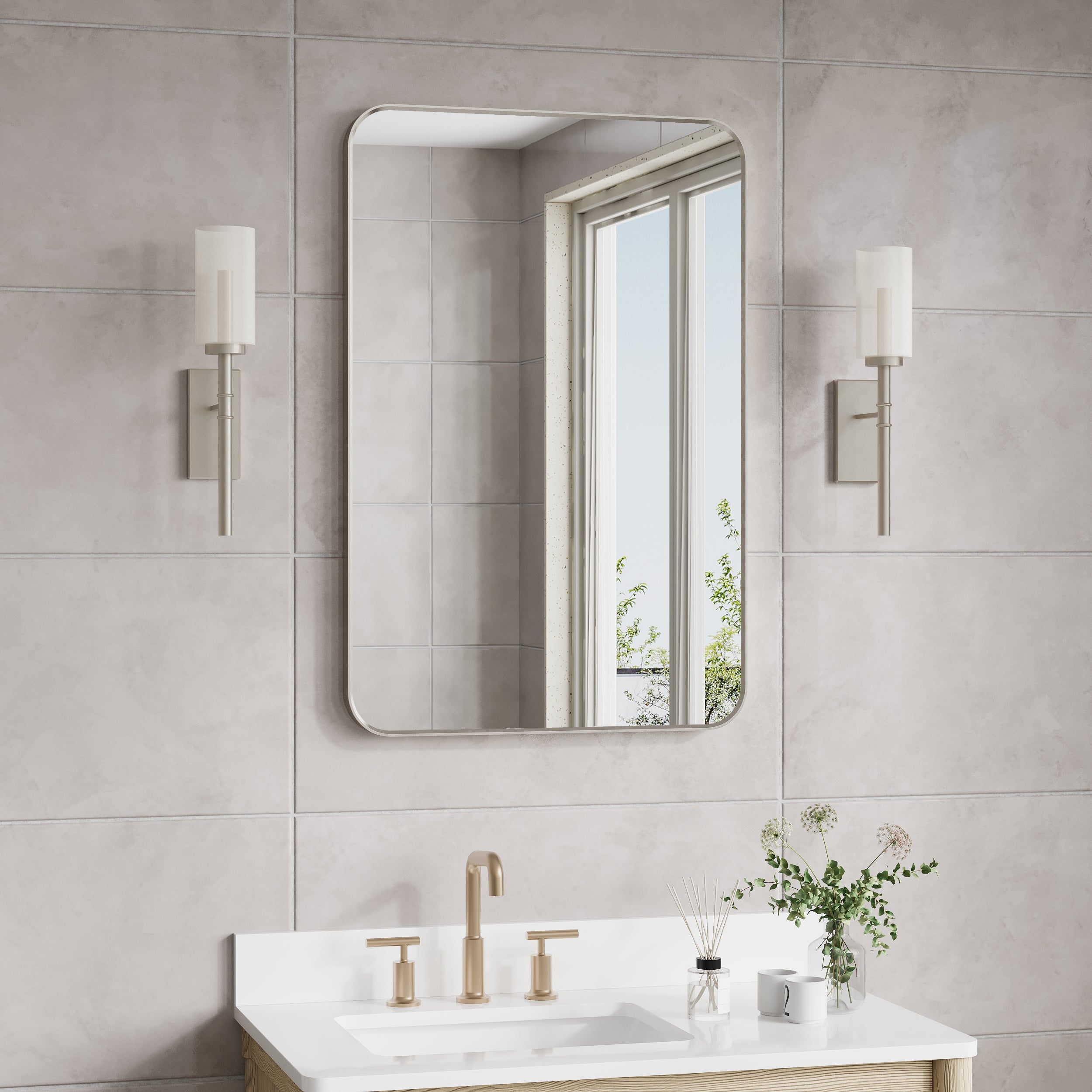
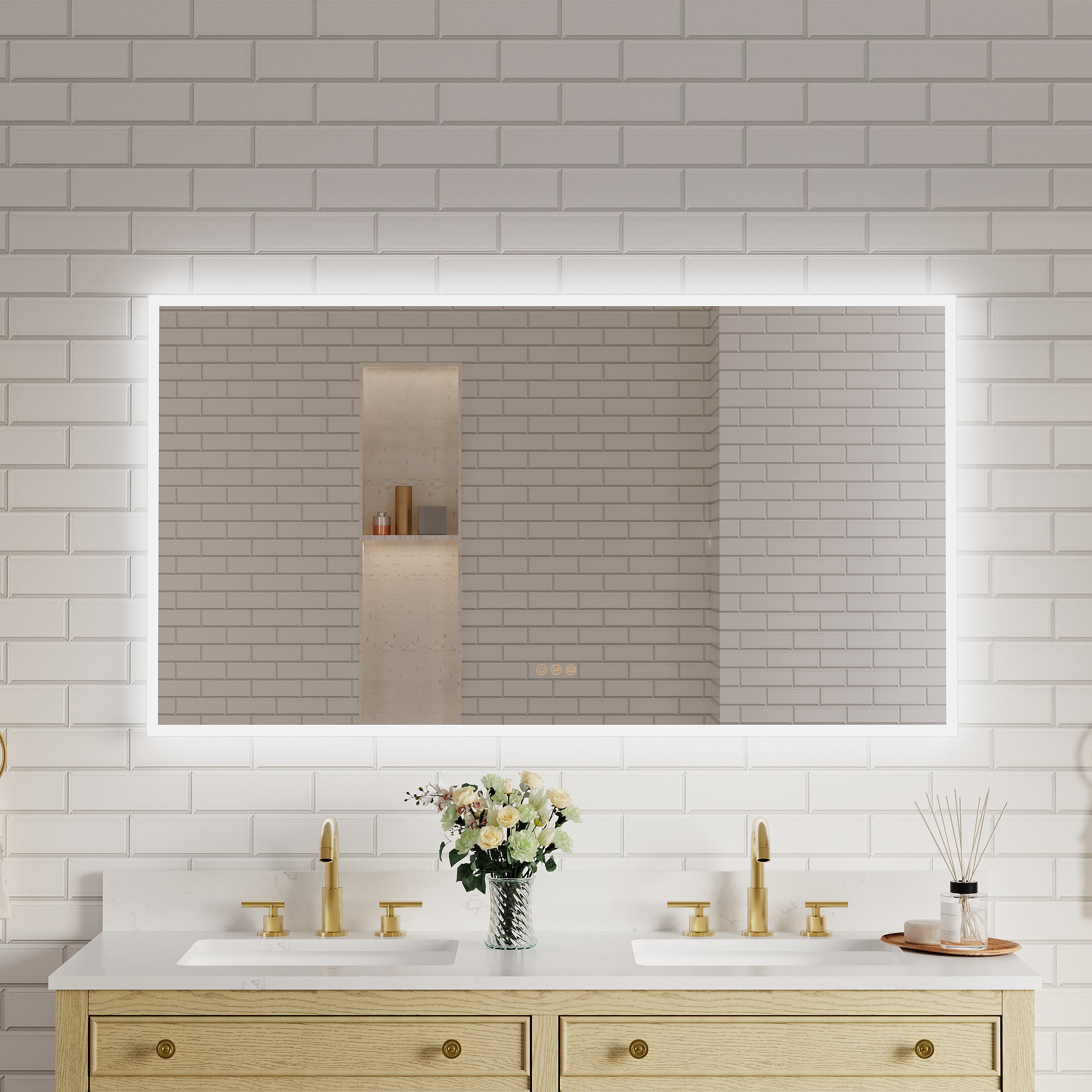
· Spa-inspired: natural wood tones paired with matte white, soft lighting, and greenery.
If your remodel goal is to feel calm and intentional, wood is one of the fastest ways to get there.
When Wood Might Not Be the Best Choice
Wood is not automatically right for every situation. Consider alternatives if:
· The bathroom has chronic ventilation problems you cannot fix.
· The vanity will be routinely exposed to direct shower spray.
· You want a fully waterproof cabinet for a high-splash environment (rare, but it happens).
In most standard bathrooms with decent ventilation, wood is a solid choice. In a persistently damp room, you may need to solve moisture first.

Bottom Line
Choose a wood bathroom vanity if you want a remodel that feels warmer, looks more refined, and holds up to daily use with the possibility of repair rather than replacement. Prioritize solid construction, sealed finishes, and moisture control. If you also check for composite-wood emissions compliance and responsible sourcing, you end up with a vanity that supports comfort, longevity, and a bathroom that still looks good years after the excitement of “new” fades.













Leave a comment
This site is protected by hCaptcha and the hCaptcha Privacy Policy and Terms of Service apply.