
















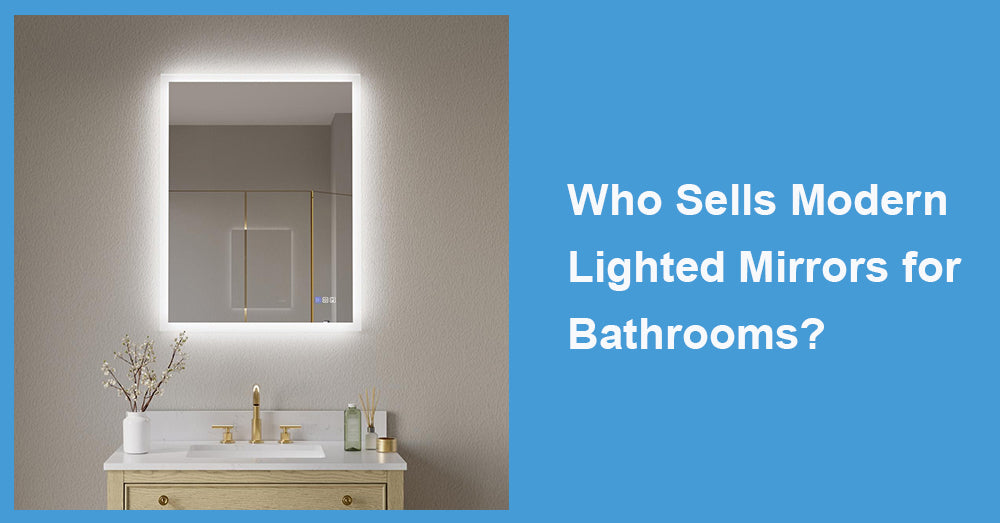
Modern lighted mirrors for bathrooms are now sold far beyond luxury bath showrooms. The category has moved into big-box home improvement stores, online marketplaces, specialty bath brands, lighting retailers, and vanity-focused furniture sellers. What was once treated as a decorative upgrade is now part of the everyday bathroom lighting plan. Houzz reported that lit mirrors accounted for 22% of renovated bathroom projects in 2025, up 3 percentage points from the previous year. The same study also found that 36% of renovated bathrooms included wellness-oriented features, with upgraded lighting leading that group at 30%.
1. Home Improvement Retailers Sell the Most Accessible Options
Large home improvement retailers are usually the first stop for shoppers looking to compare modern illuminated bathroom mirrors. Stores such as The Home Depot, Lowe’s, Menards, and Floor & Decor typically carry LED mirrors in practical vanity sizes, including 24, 30, 36, 48, 60, and 72 inches wide.
These retailers appeal to shoppers who want clear specifications, visible reviews, installation documents, and return support. That matters because lighted mirrors are not just decor. They include glass, wiring, LED strips, sensors, and sometimes anti-fog heating pads. A buyer may need to know whether the mirror is hardwired, plug-in compatible, wall-switch controlled, dimmable, or suitable for horizontal and vertical mounting.
This channel also benefits from broader remodeling demand. NKBA projects kitchen and bath industry revenue to reach $228 billion in 2026, while repair and remodeling spending is expected to grow 2.9%. That continued renovation activity gives major retailers a strong reason to expand bathroom mirror assortments.
2. Online Marketplaces Offer the Broadest Selection
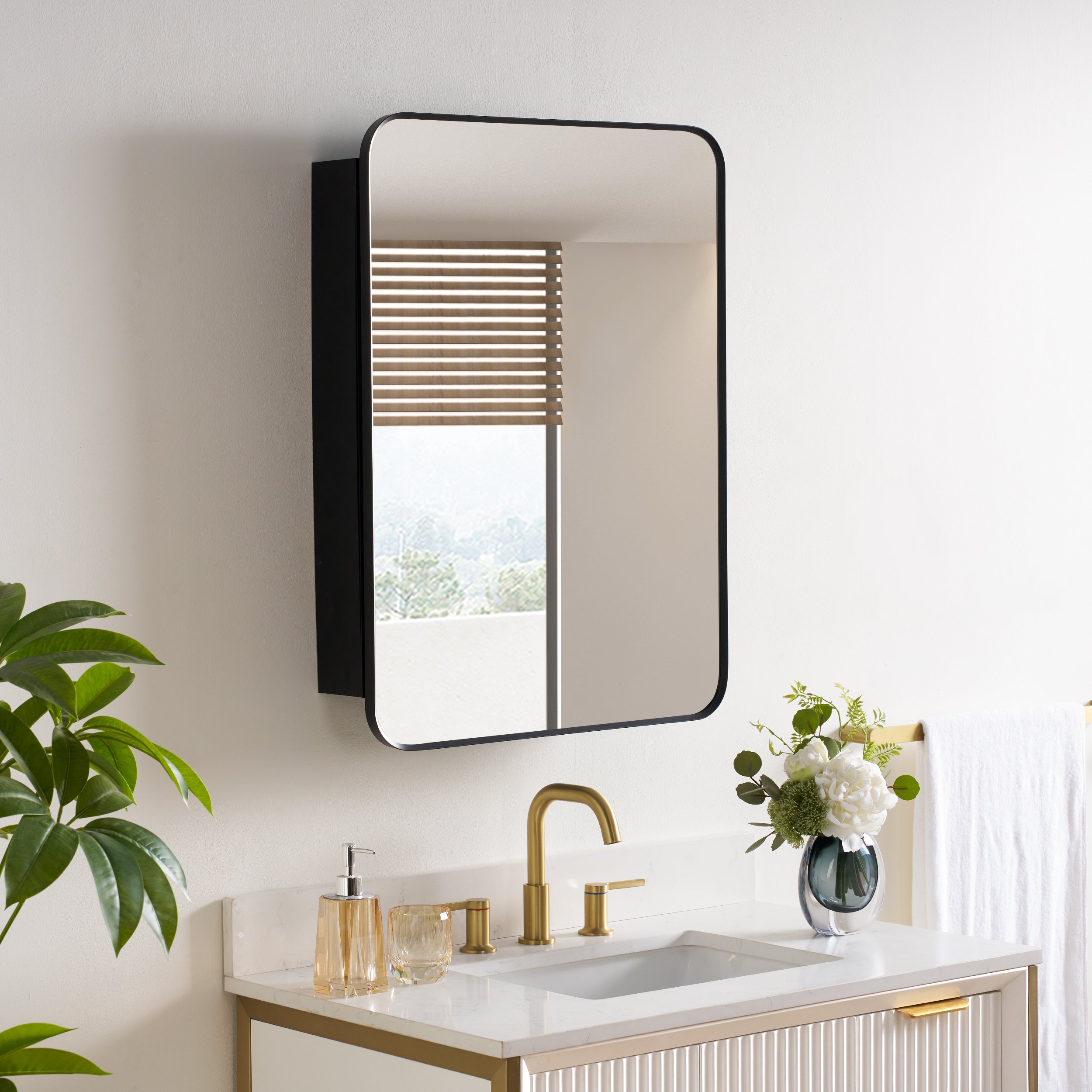
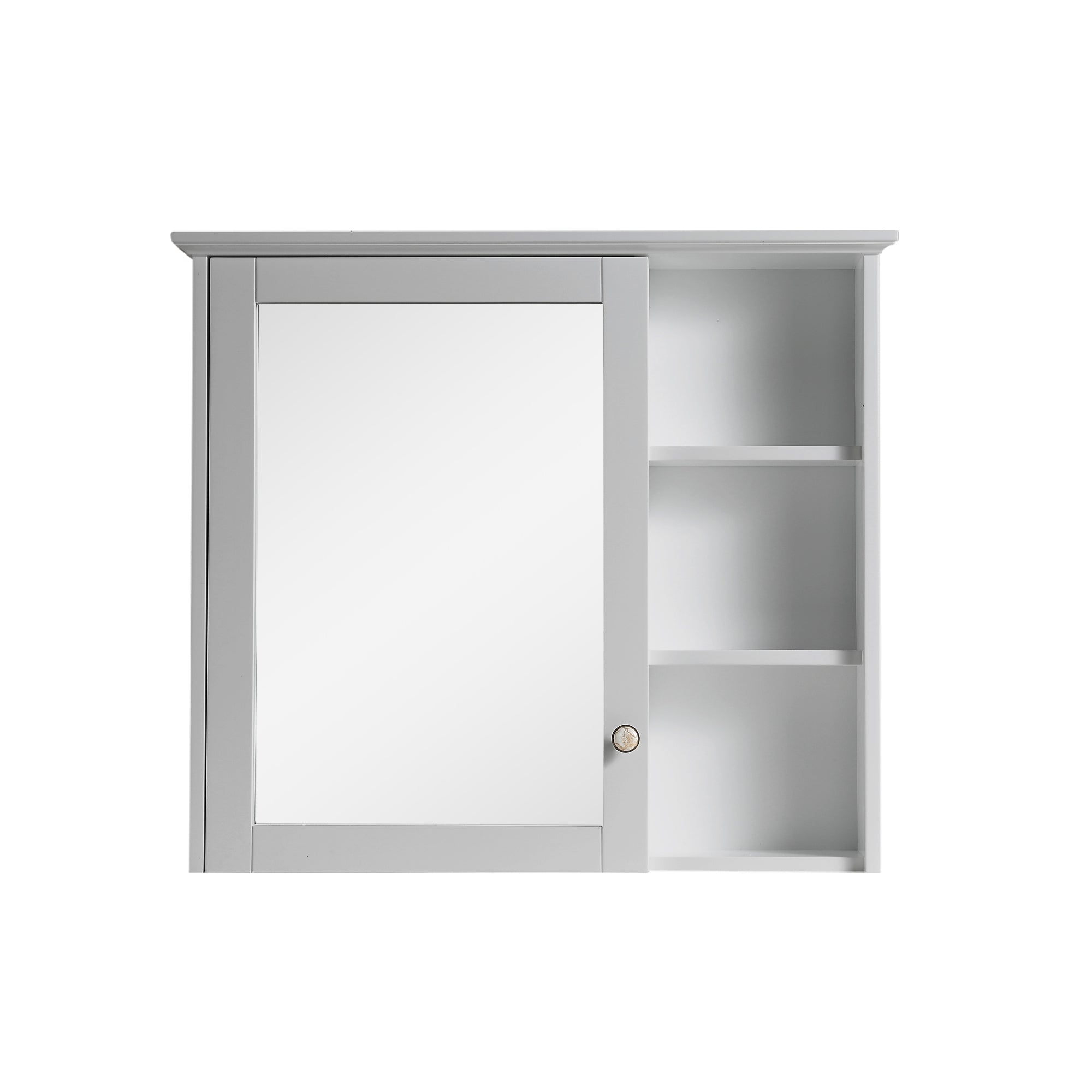
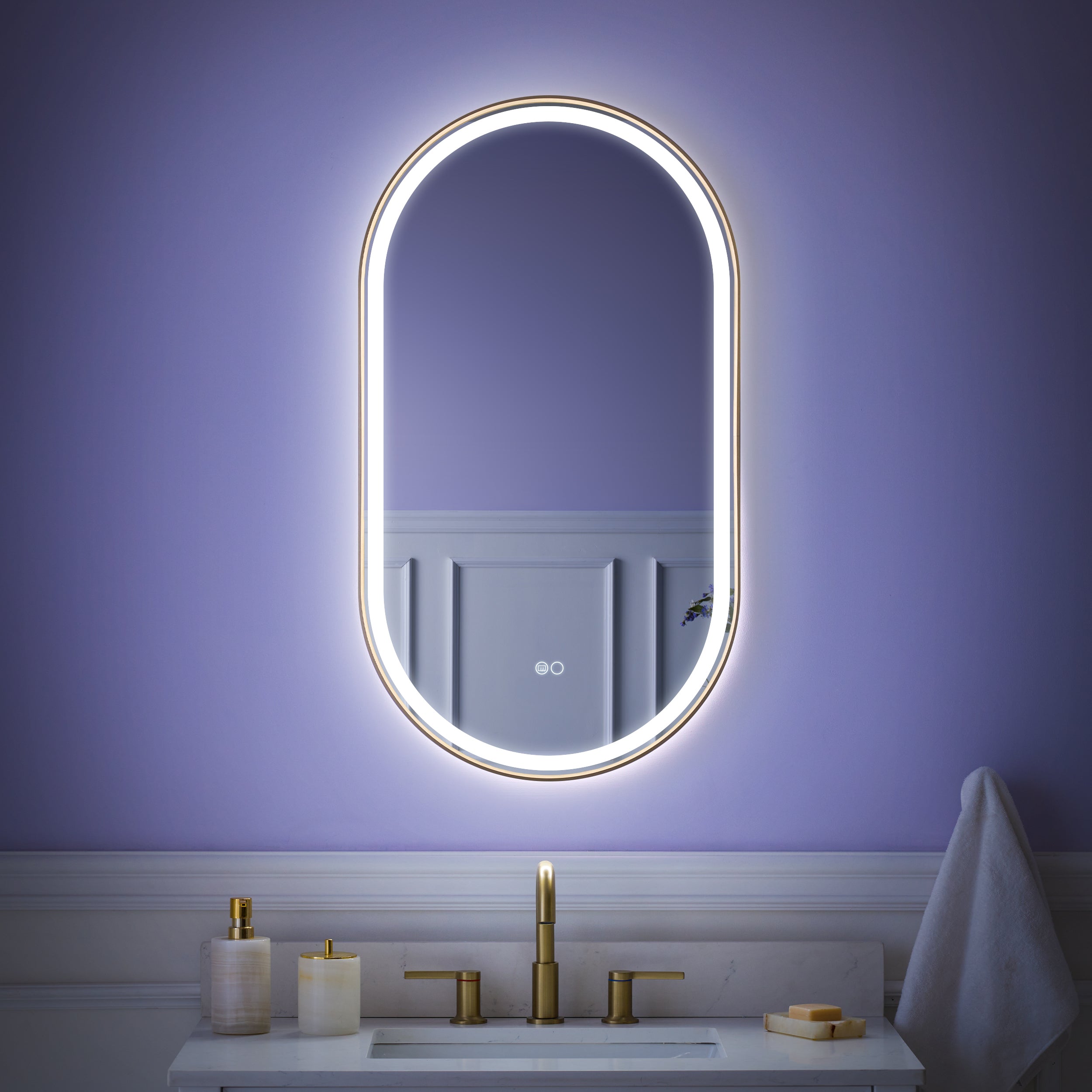
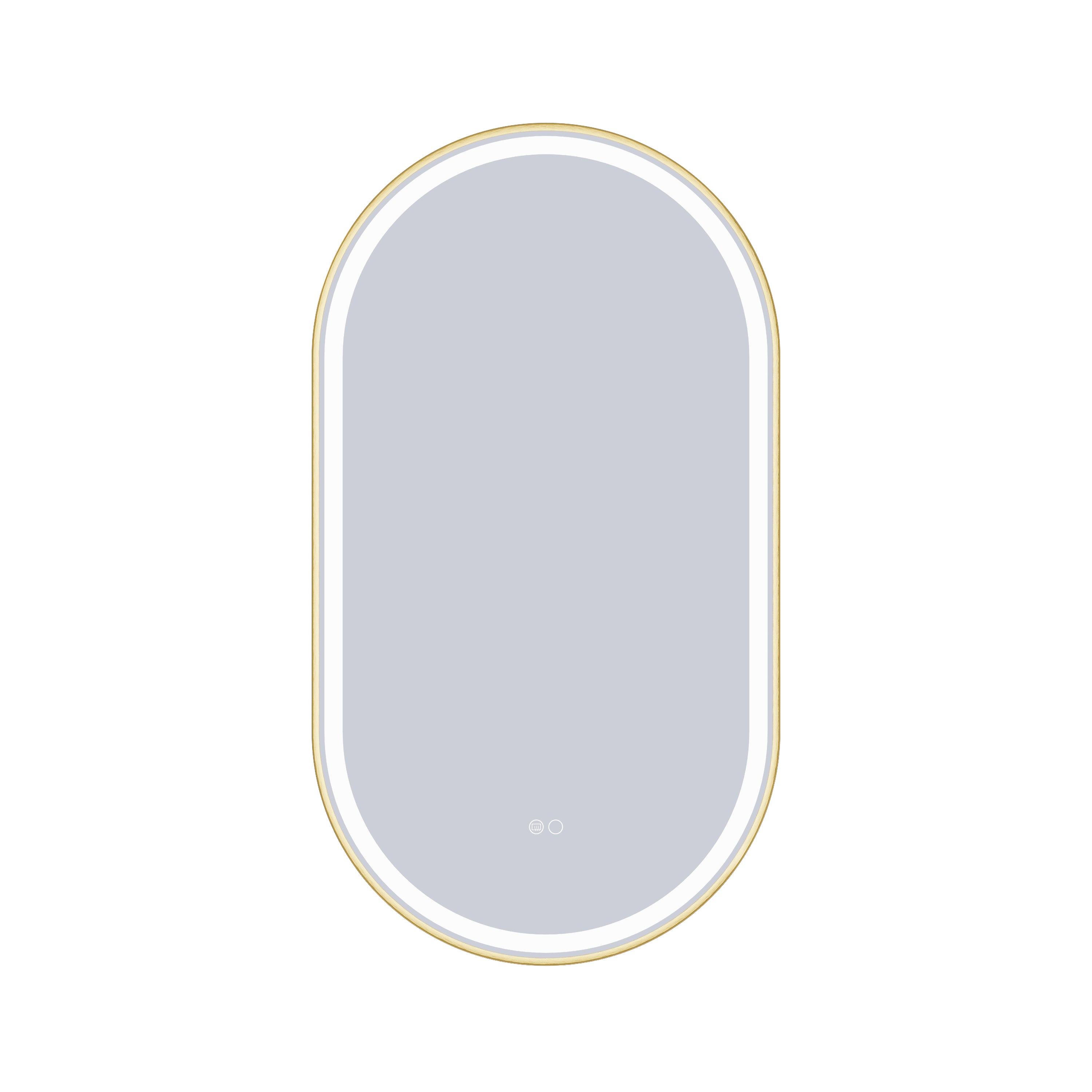
Online marketplaces often provide the widest variety of modern lighted mirrors. Amazon, Wayfair, Walmart Marketplace, Overstock, and similar platforms list rectangular LED mirrors, round mirrors, arch mirrors, pill-shaped mirrors, medicine cabinet mirrors, and models with built-in outlets, USB ports, or Bluetooth speakers.
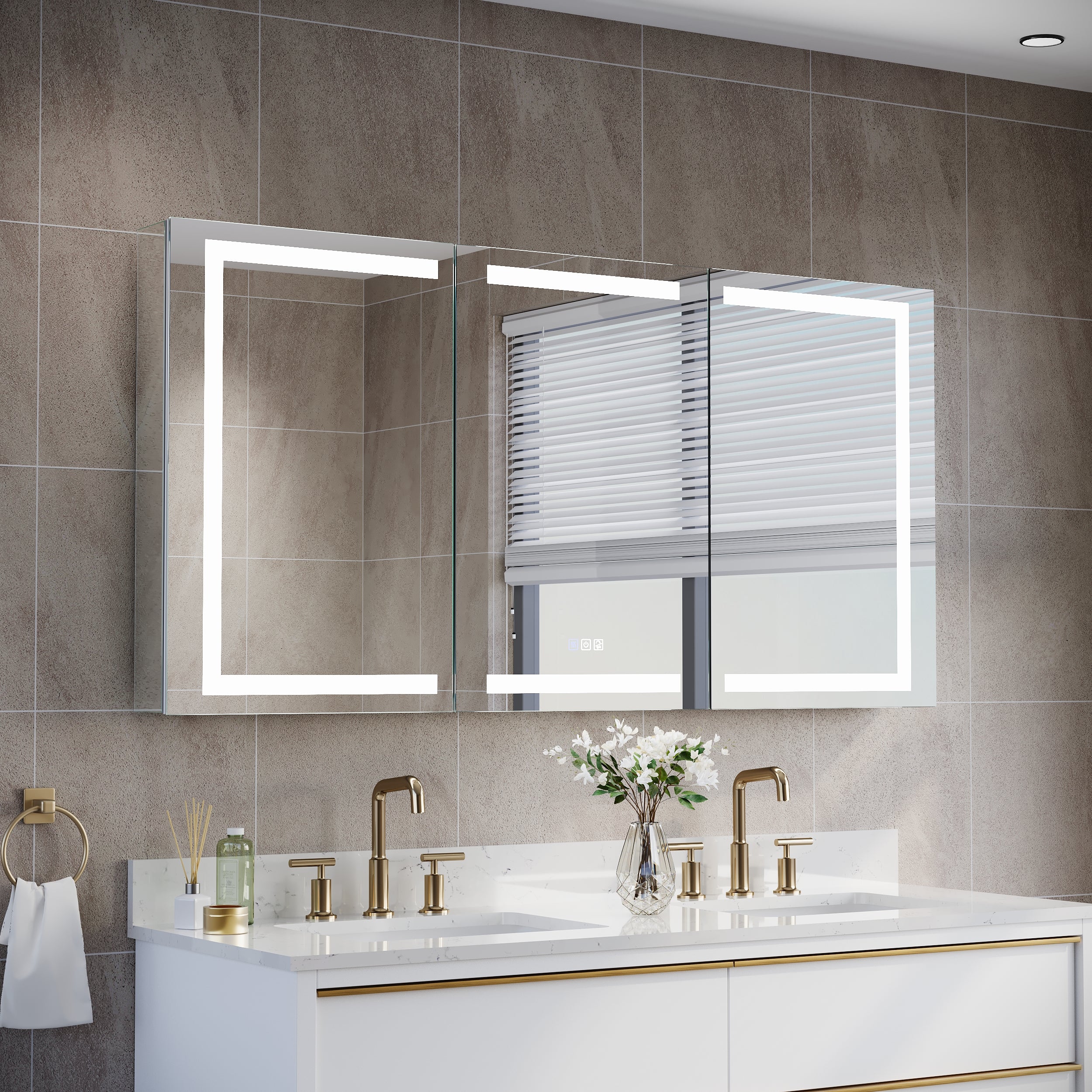
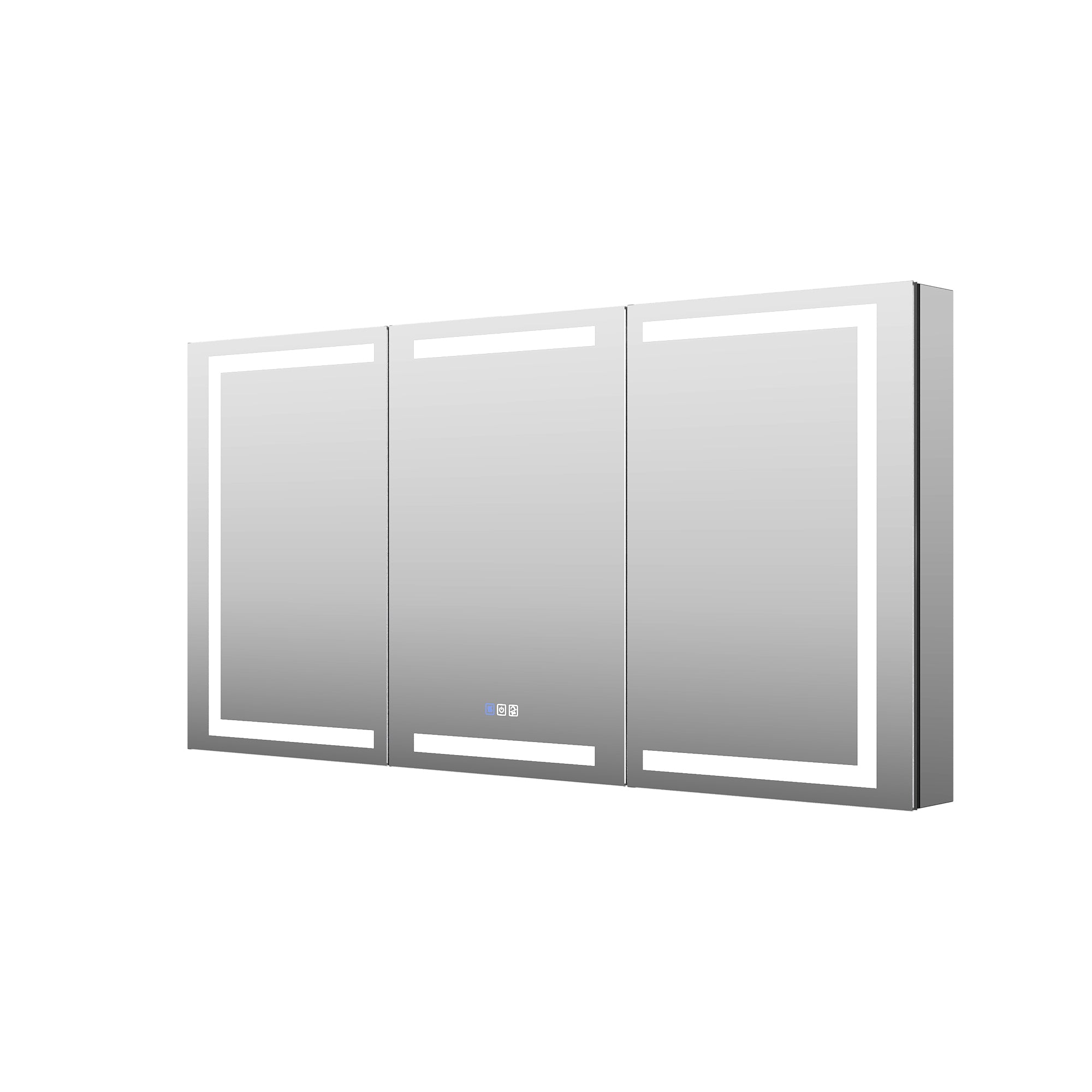
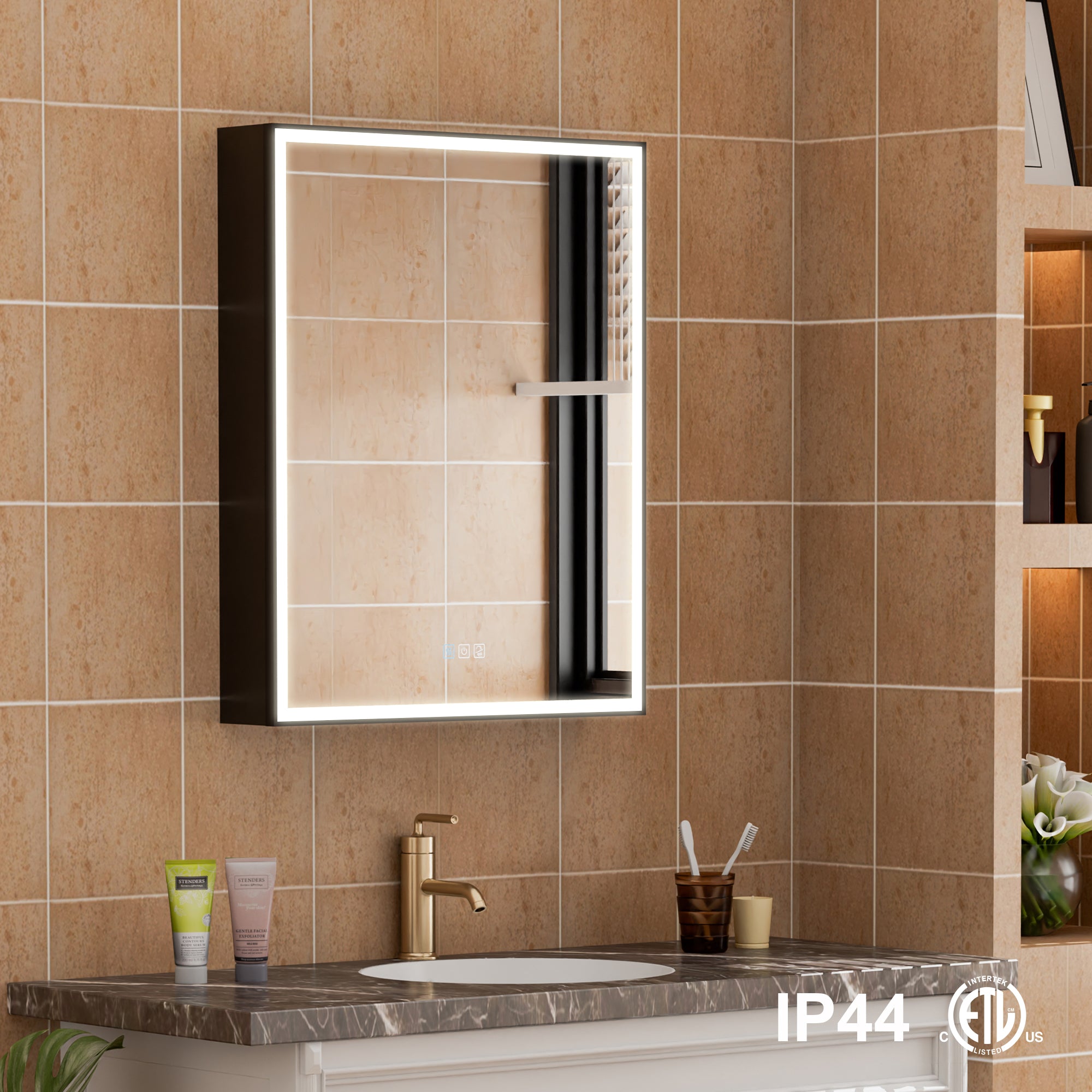
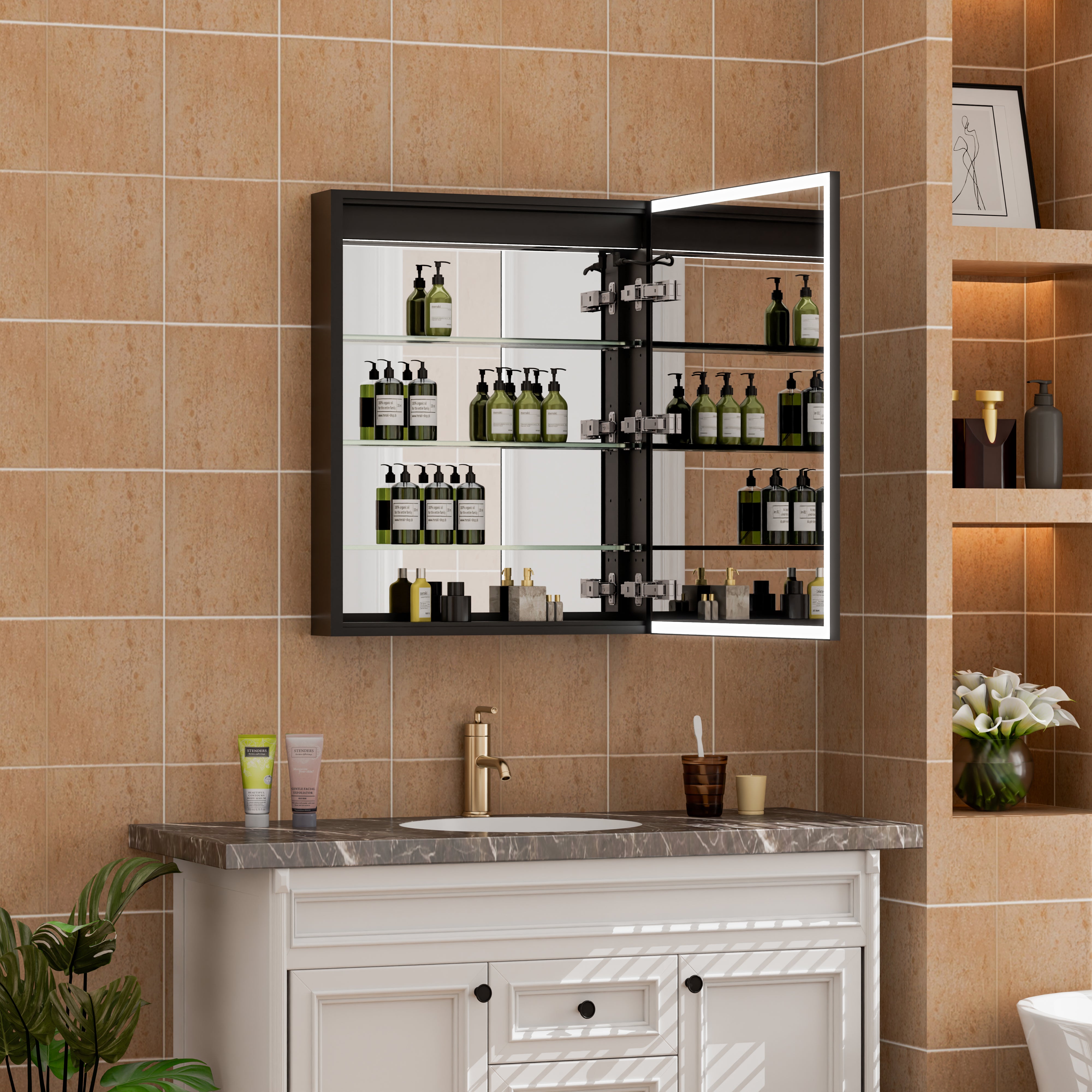
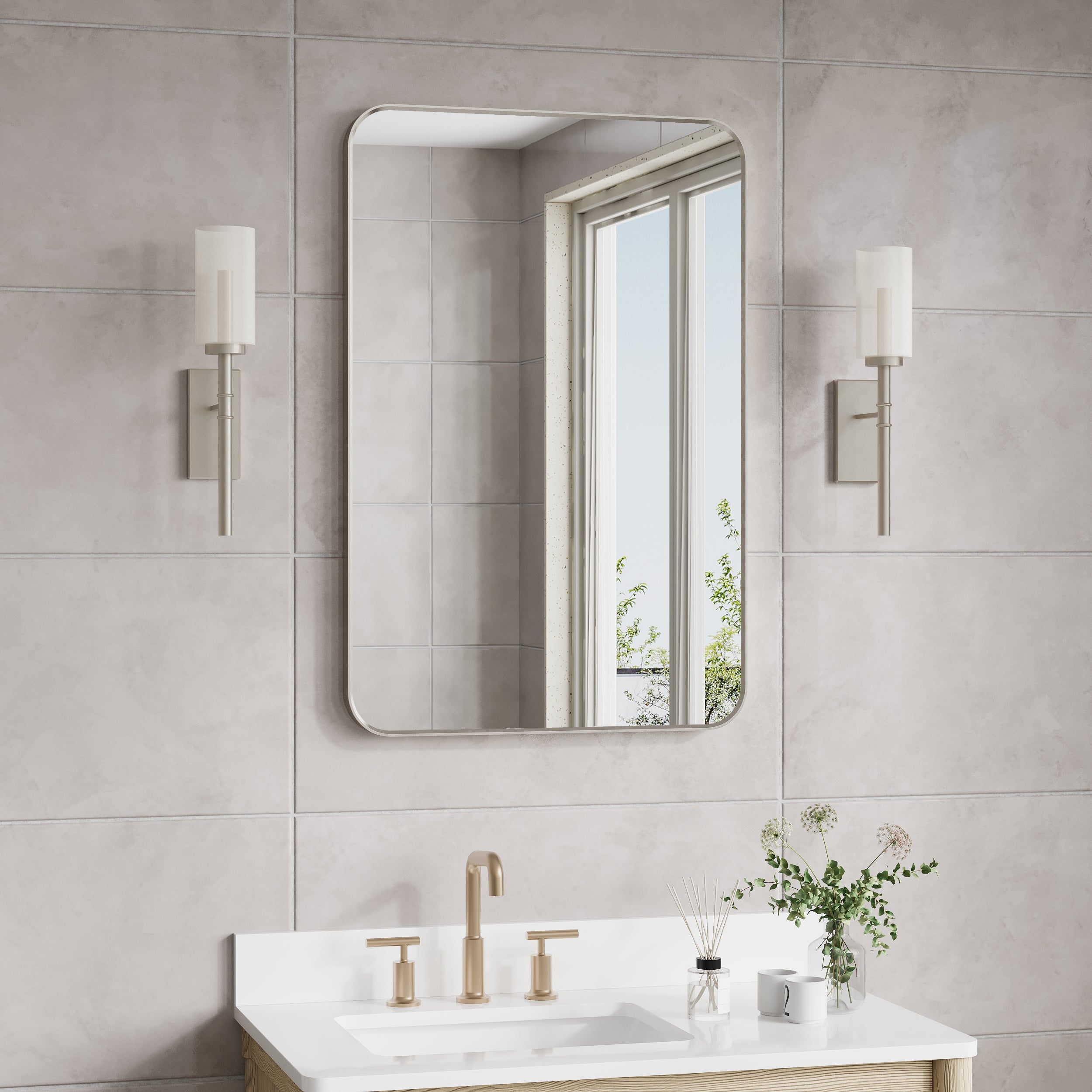
The appeal is selection. A shopper looking for a 36 x 36 inch round LED mirror, a 48 x 32 inch backlit mirror, or a 60 x 36 inch double-vanity mirror can quickly compare dozens of options. Product pages usually include styled bathroom images, installation graphics, close-up function callouts, and customer photos.
Digital buying continues to support categories like this. The Census Bureau reported that fourth-quarter 2025 retail e-commerce sales reached $316.1 billion on an adjusted basis. Its report also showed e-commerce accounting for 18.3% of total retail sales on a not-adjusted basis for that quarter. This helps explain why mirror brands continue to invest in online product pages, image content, and marketplace reviews.
3. Specialty Bath Brands Compete Through Features
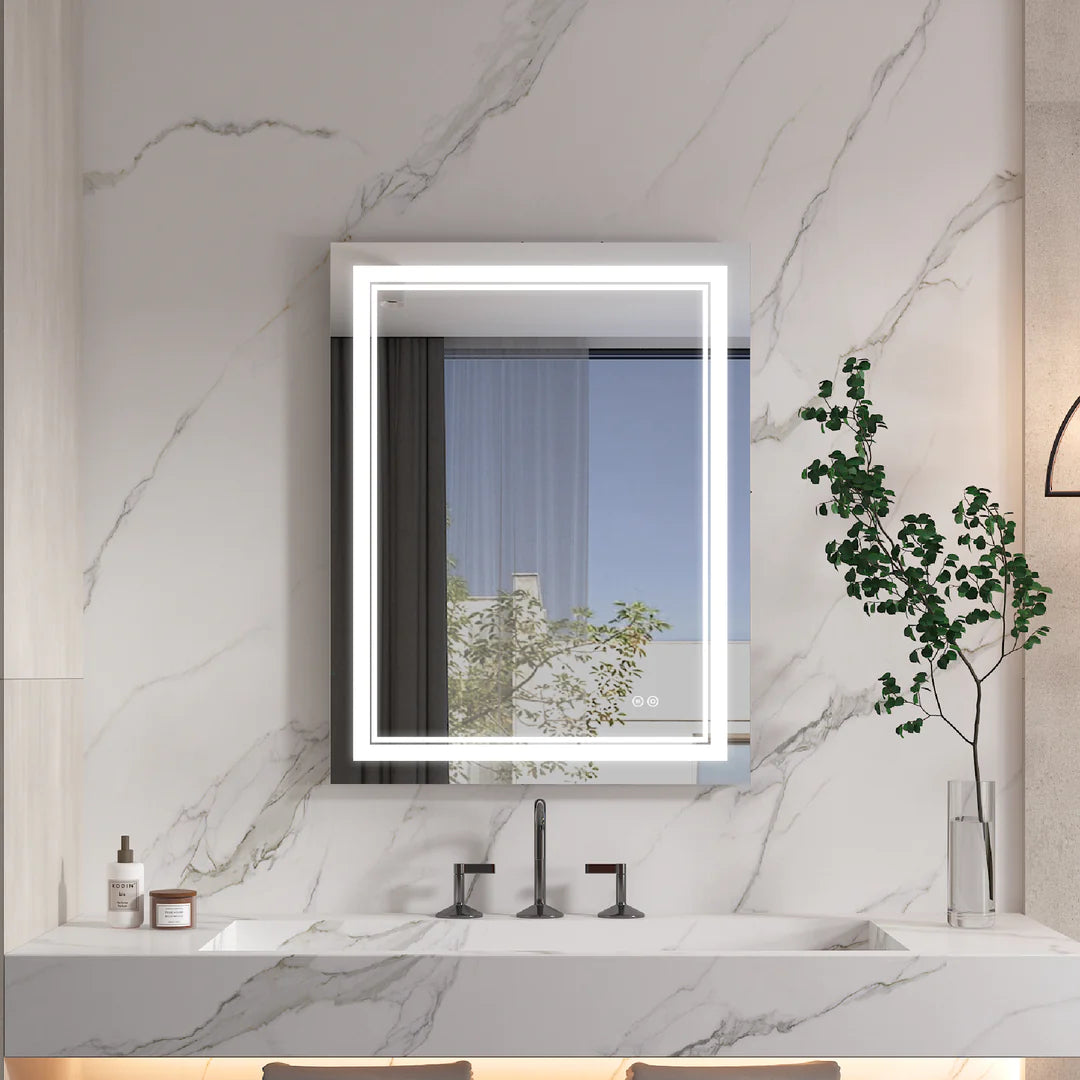
Specialty bath brands are important because they often focus on product performance rather than appearance alone. These brands may sell through their own websites, through dealers, or through marketplace storefronts. Their products often feature copper-free silver mirror glass, CRI 90+ lighting, touch control, stepless dimming, color temperature adjustment from 3000K to 6000K, anti-fog pads, memory function, and aluminum framing.
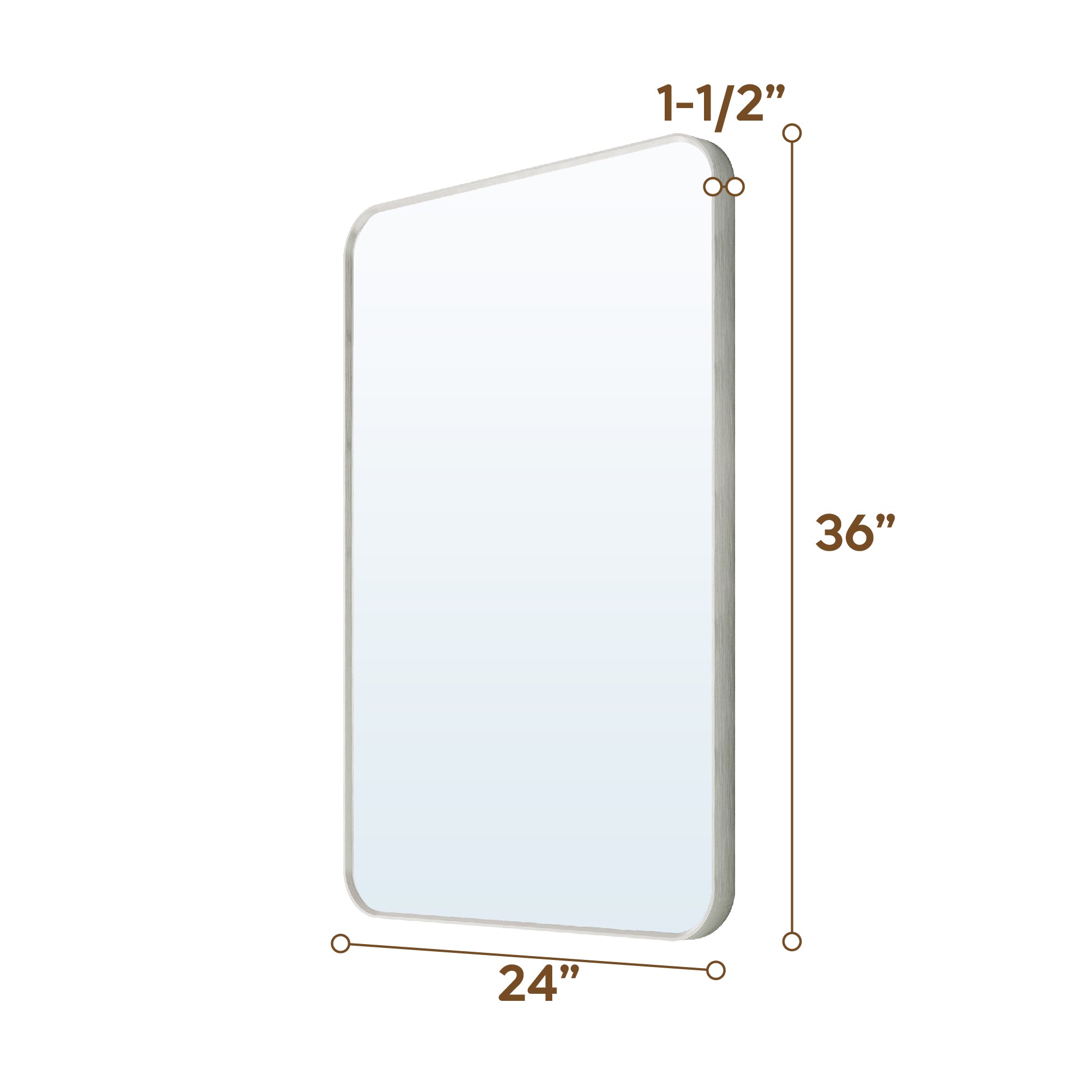
For many buyers, these details make the difference between a basic LED mirror and a premium bathroom mirror. A simple front-lit mirror may work for a small powder room. A larger primary bathroom may need front and back lighting, stronger illumination, separate anti-fog control, and a more durable frame. Common vanity-friendly sizes include 24 x 32 inches, 30 x 36 inches, 36 x 36 inches, 48 x 36 inches, and 60 x 36 inches.
Specialty sellers also have more room to explain installation, warranty coverage, replacement parts, and electrical requirements. That extra detail can build trust when the product is shipped directly to the buyer.

4. Lighting Retailers Sell to Design-Focused Buyers
Lighting retailers and design showrooms sell modern lighted mirrors to shoppers who care about brightness quality, glare control, color temperature, and layered lighting. In a well-planned bathroom, a lighted mirror may work alongside recessed lights, sconces, ceiling fixtures, and shower lighting.
Houzz found that upgraded bathroom lighting choices remain diverse. Recessed lighting appeared in 40% of renovated bathrooms, ceiling or sconce lighting in 34%, wall fixtures in 33%, shower lights in 29%, and lighted mirrors in 22%. This shows that lighted mirrors are becoming part of a larger lighting conversation, not just a stand-alone accessory.
Lighting-focused sellers often explain why LED quality matters for grooming, makeup, shaving, and skincare. They may also promote softer night lighting, warmer color settings, and cleaner mirror edges for a more polished bathroom look.
5. Vanity and Furniture Sellers Build Complete Bathroom Looks
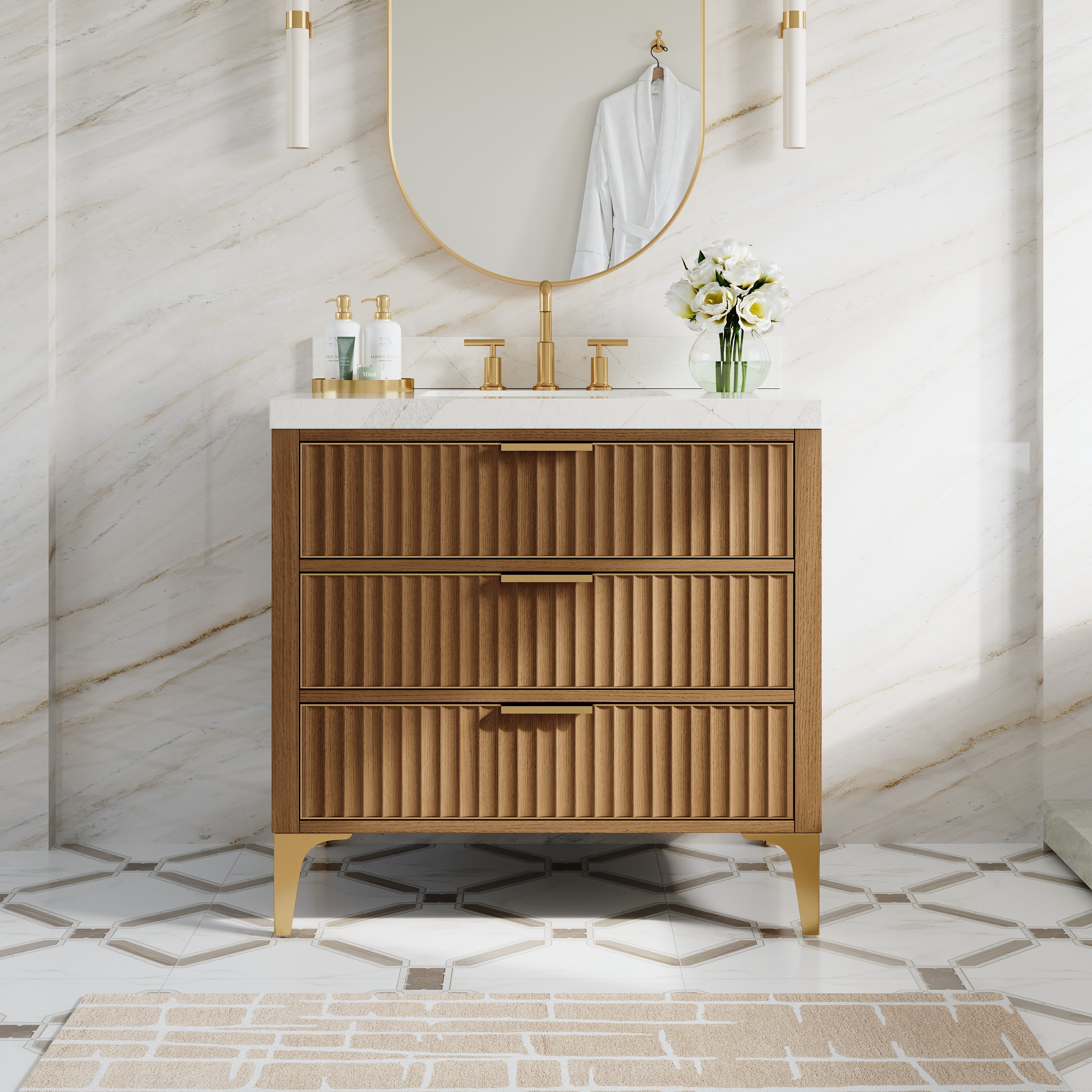
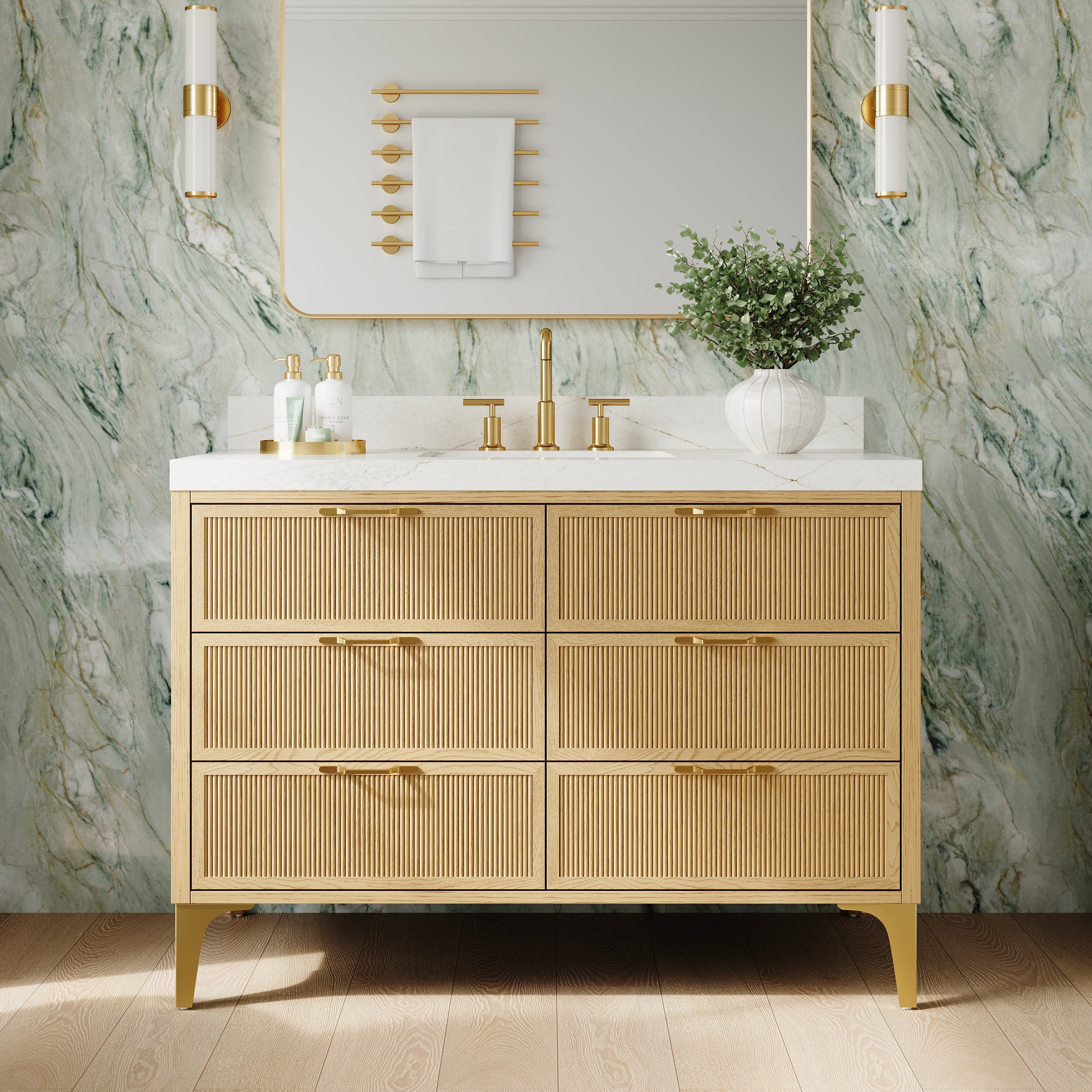
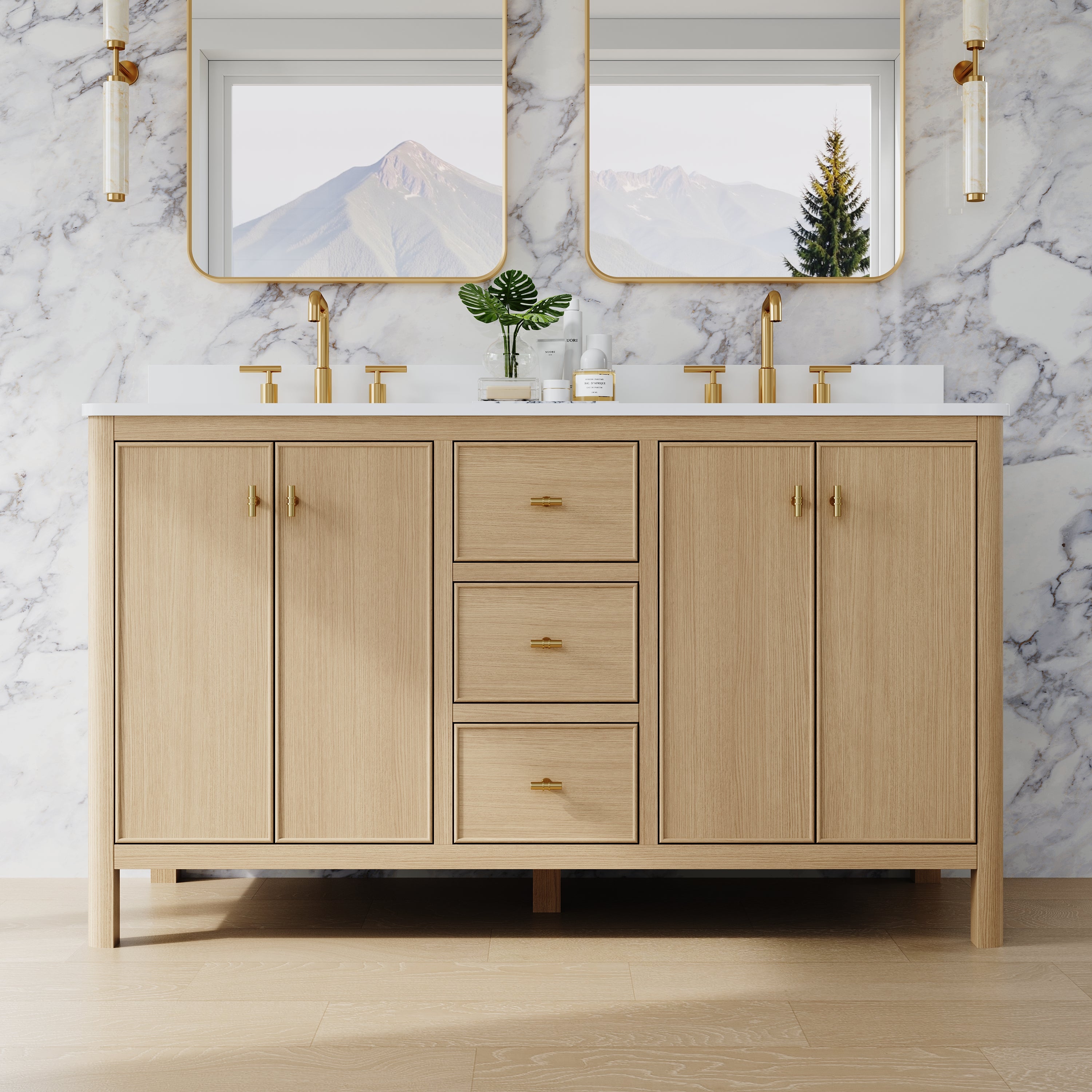
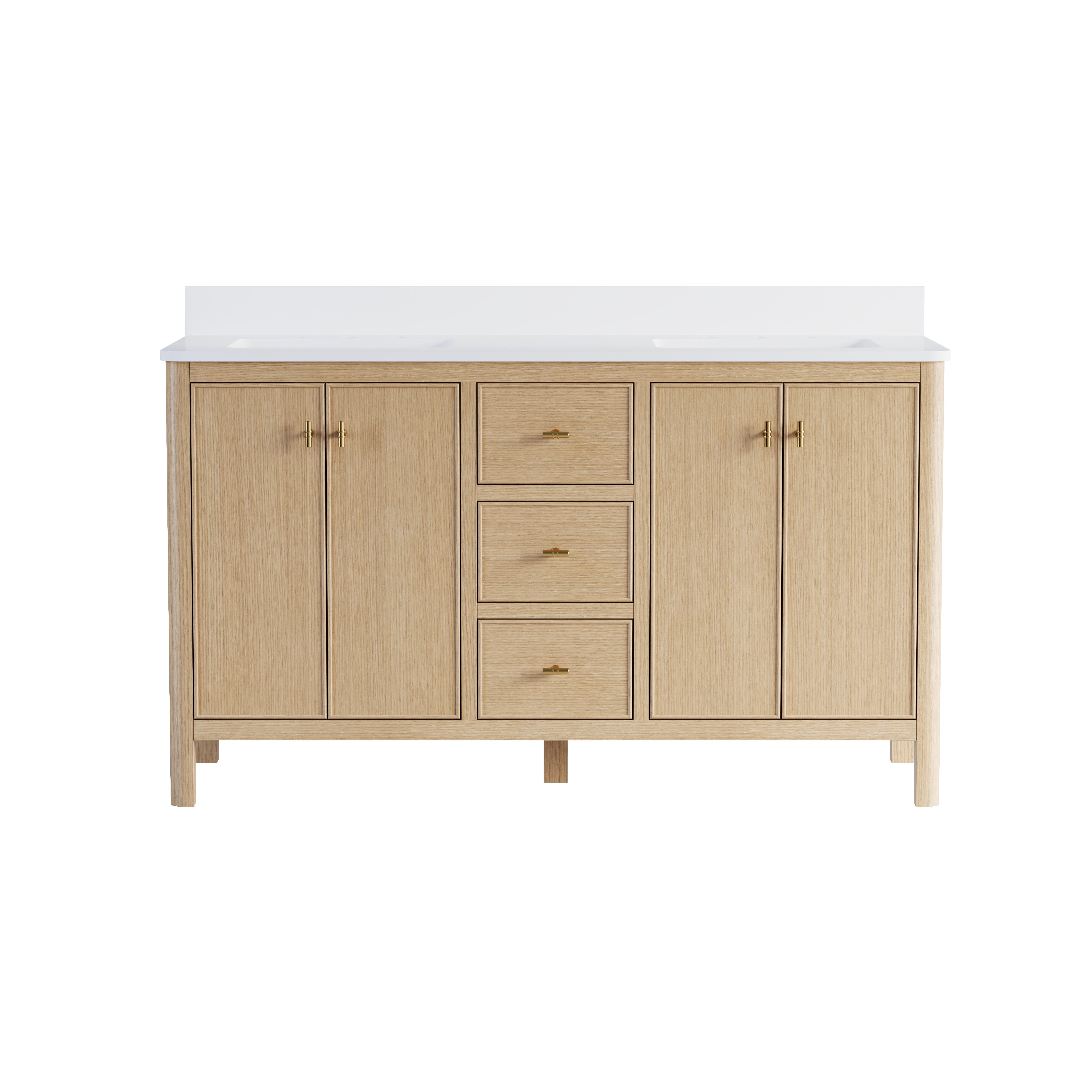
Bathroom vanity and furniture sellers also sell modern lighted mirrors, especially as part of coordinated bath collections. A shopper purchasing a 36-inch, 48-inch, or 60-inch vanity may prefer a mirror that matches the scale and design language of the cabinet.
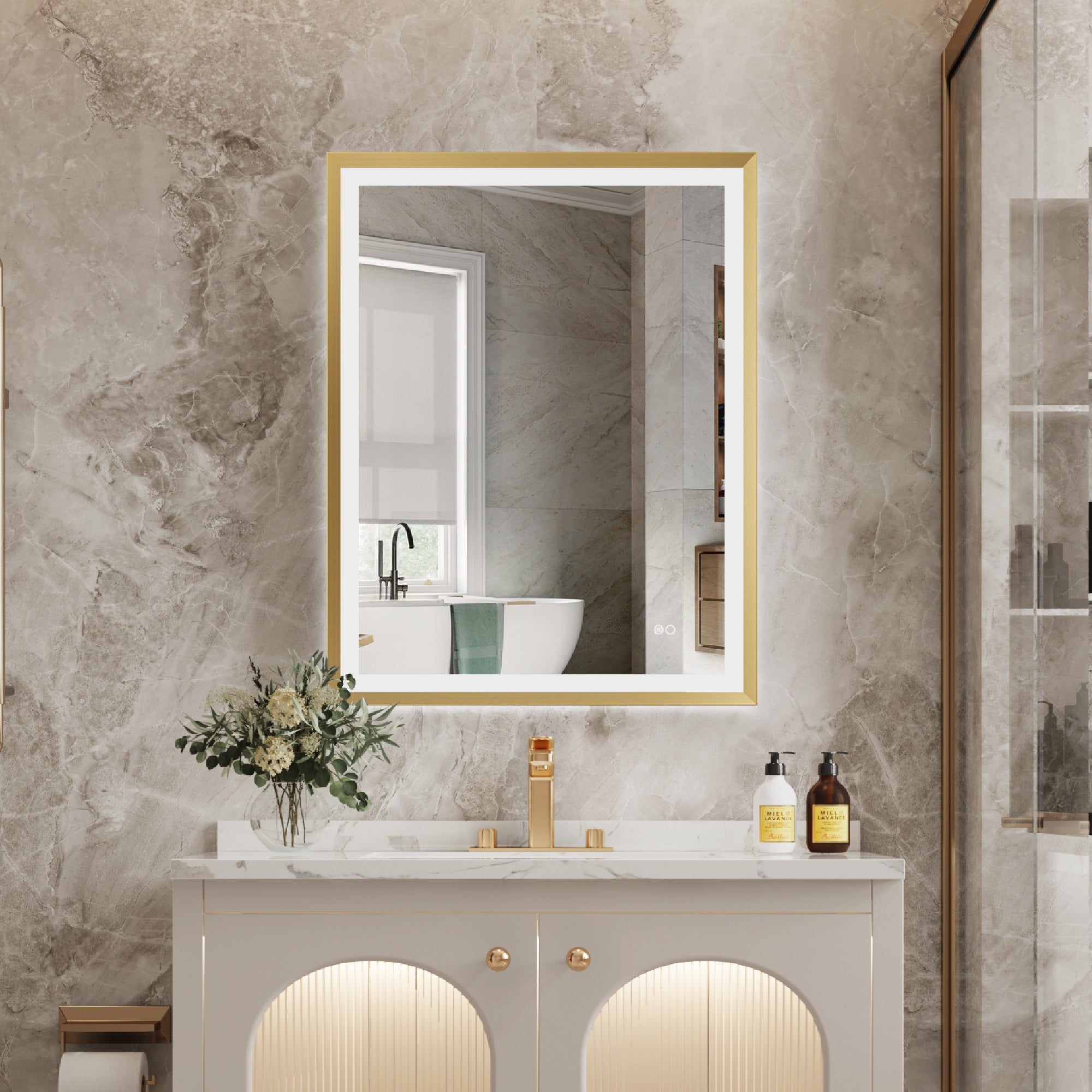
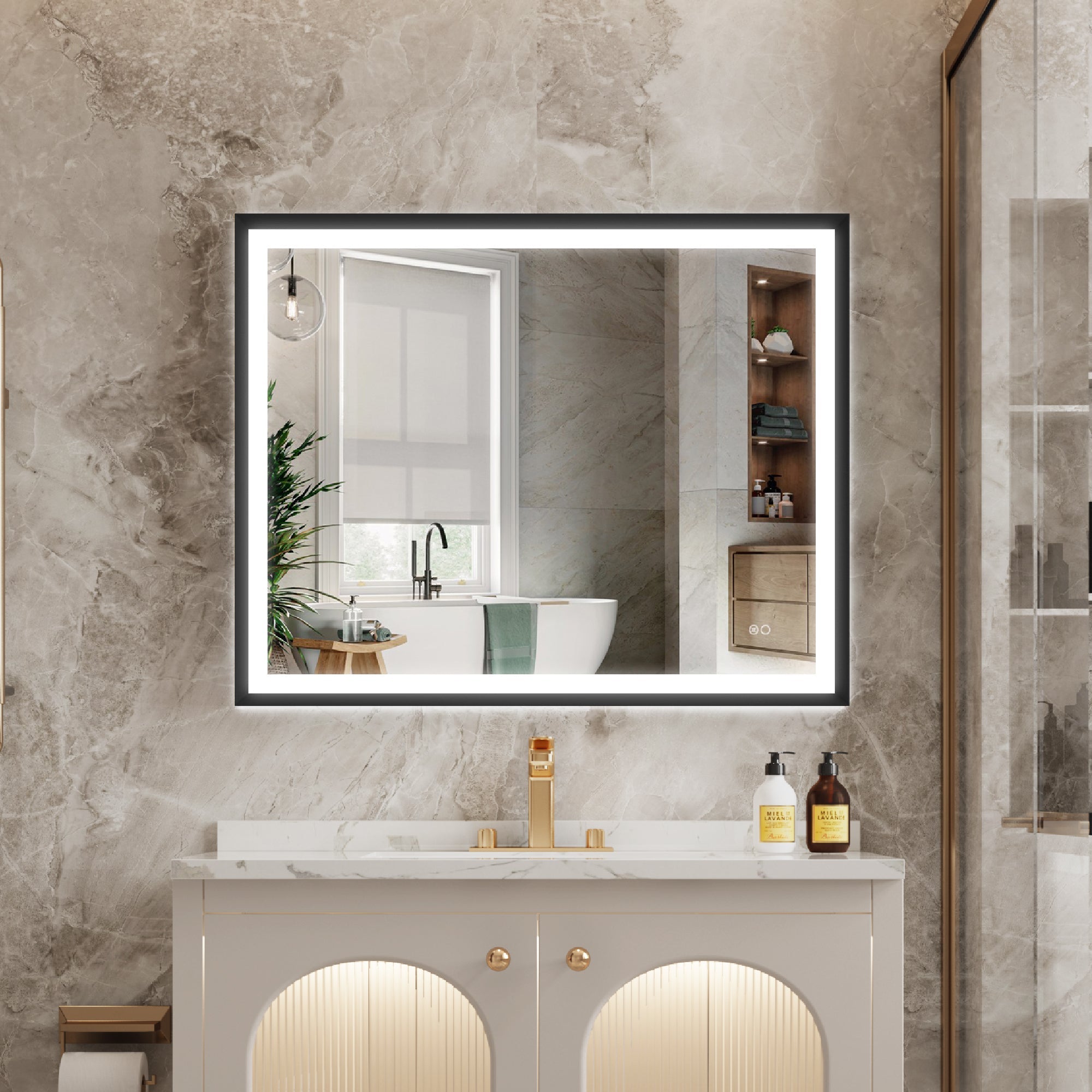
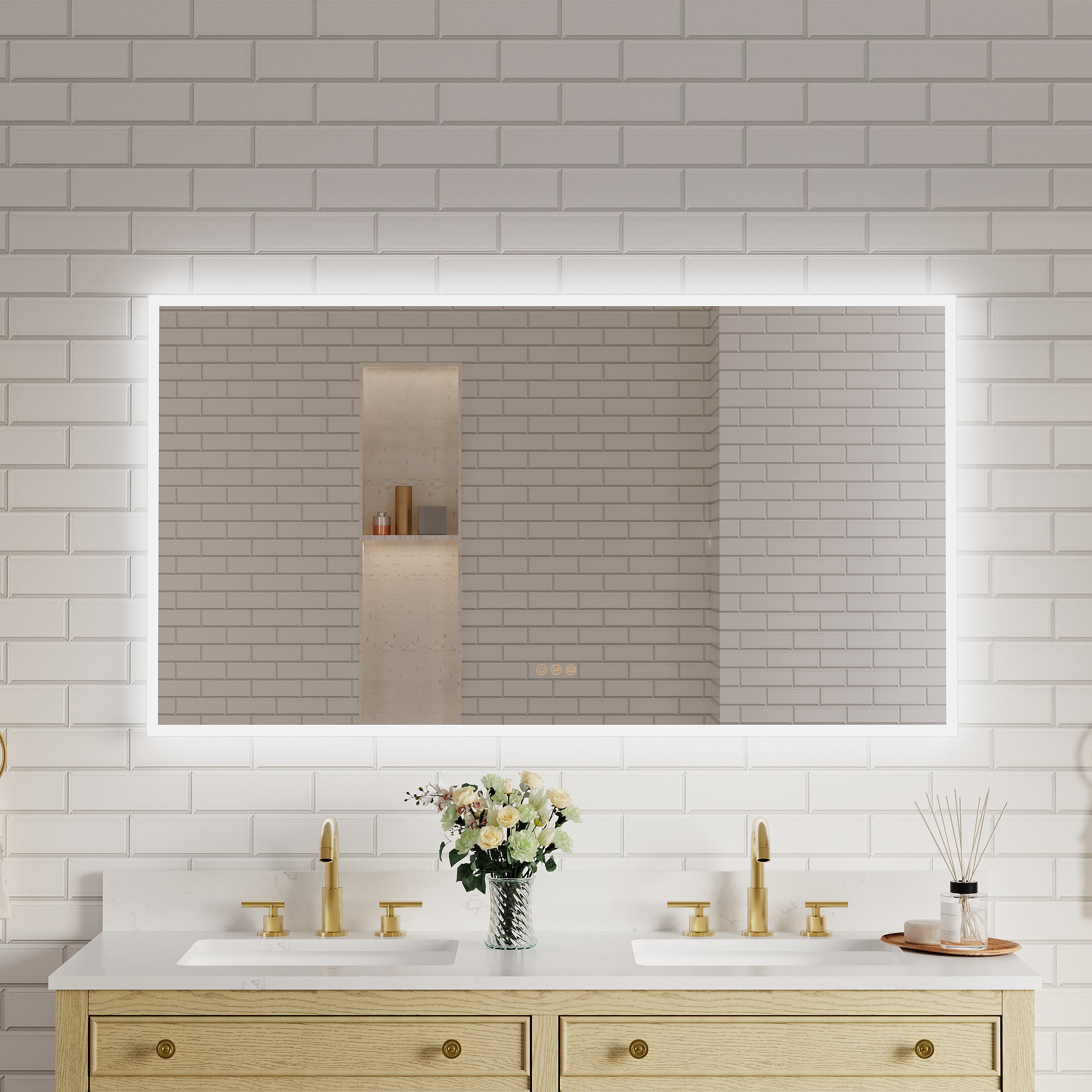
This channel is strong because it simplifies decision-making. A walnut vanity can be paired with a warm backlit arch mirror. A white double vanity can be matched with a wide rectangular LED mirror. A floating vanity may look best with a frameless mirror, keeping the wall clean and open.
For sellers, the mirror is more than an add-on. It helps complete the room image, increases order value, and gives the product page a stronger lifestyle presentation.
6. Why Sellers Are Expanding the Category
The strongest sellers are the ones that clearly explain size, brightness, installation, anti-fog function, glass quality, and warranty support. Big-box retailers provide accessibility, marketplaces provide variety, specialty bath brands provide advanced features, lighting retailers provide design guidance, and vanity sellers provide complete room styling.
For buyers asking who sells modern lighted mirrors for bathrooms, the answer is now broad. The best choice depends on whether the priority is price, selection, premium features, lighting quality, or a fully coordinated bathroom design.












Leave a comment
This site is protected by hCaptcha and the hCaptcha Privacy Policy and Terms of Service apply.