














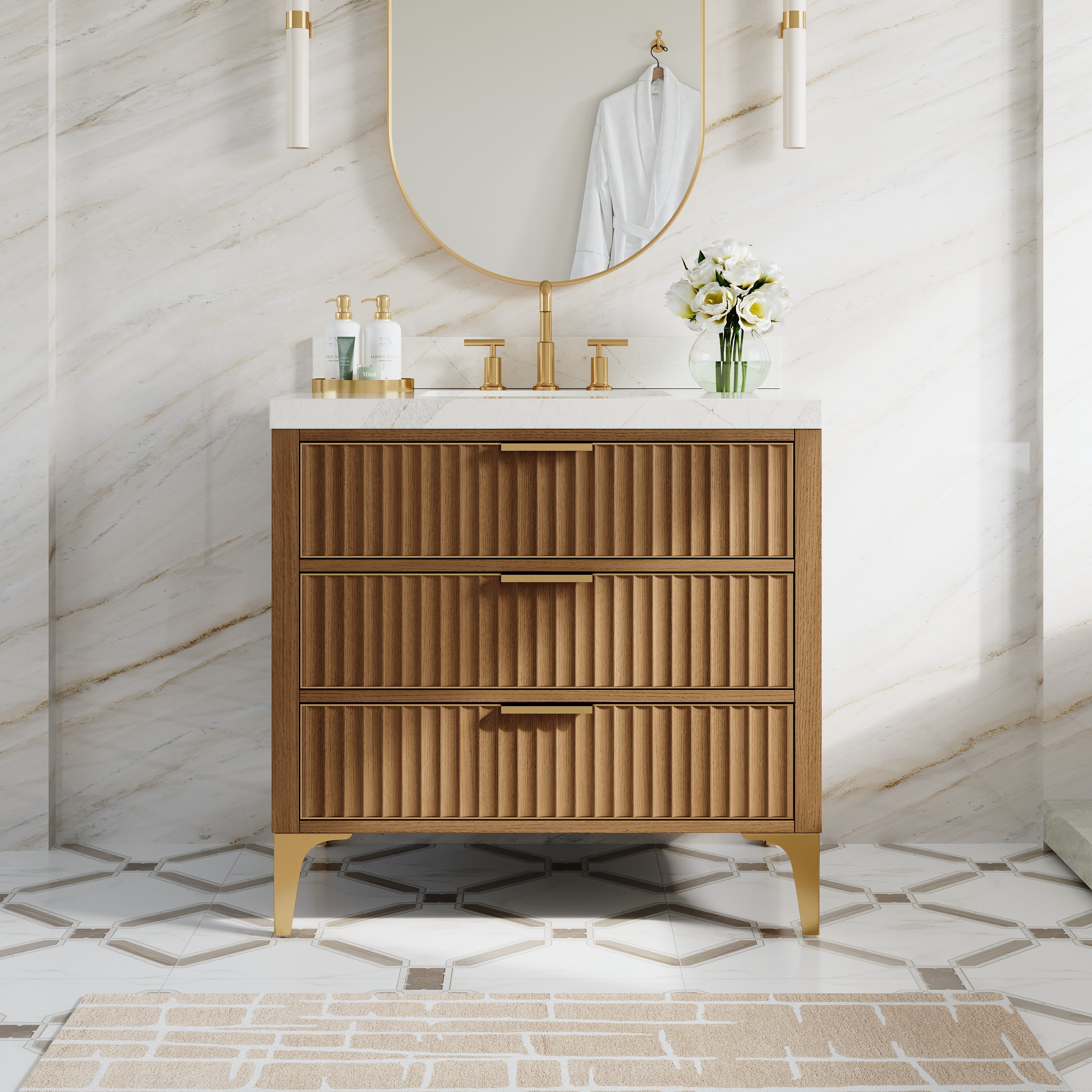
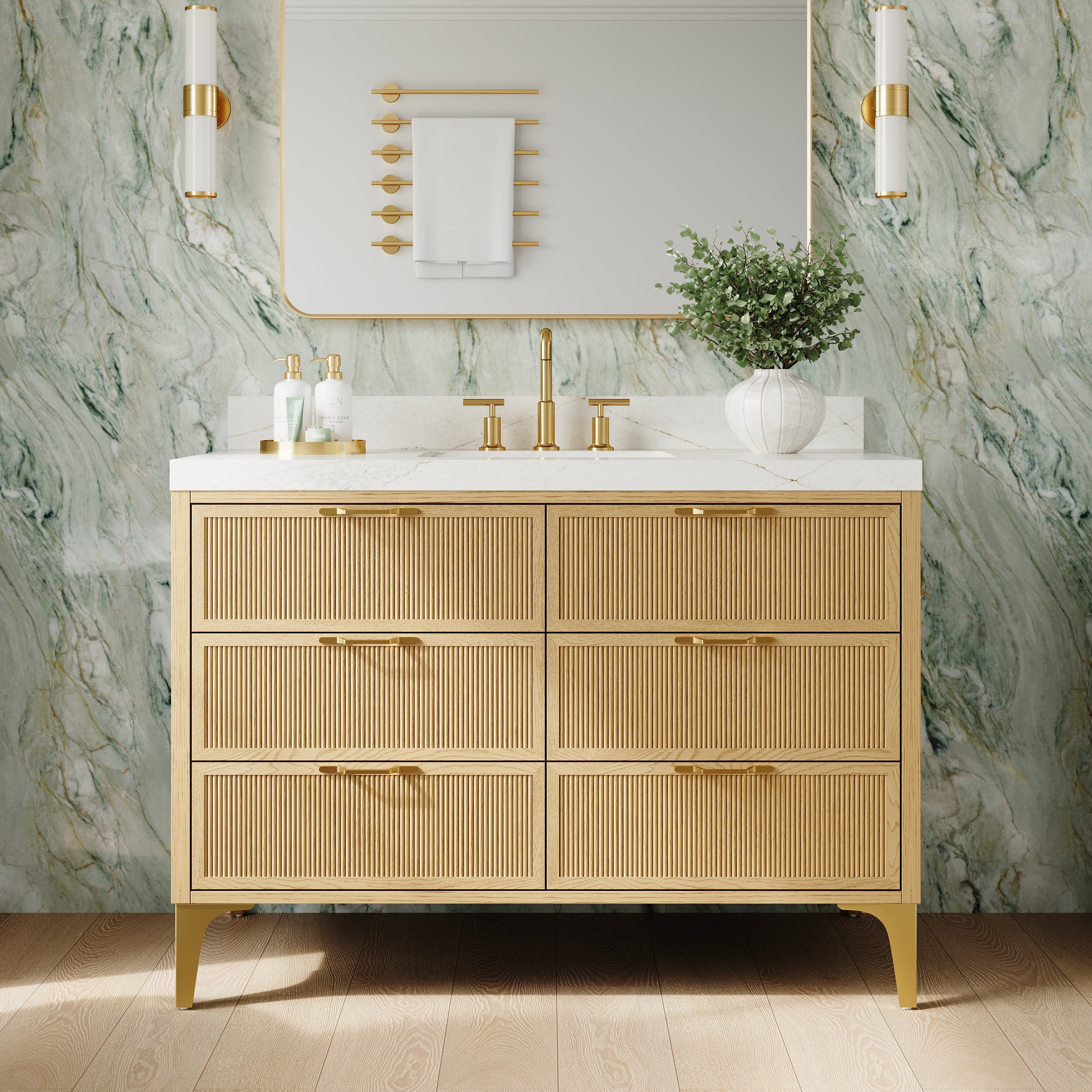


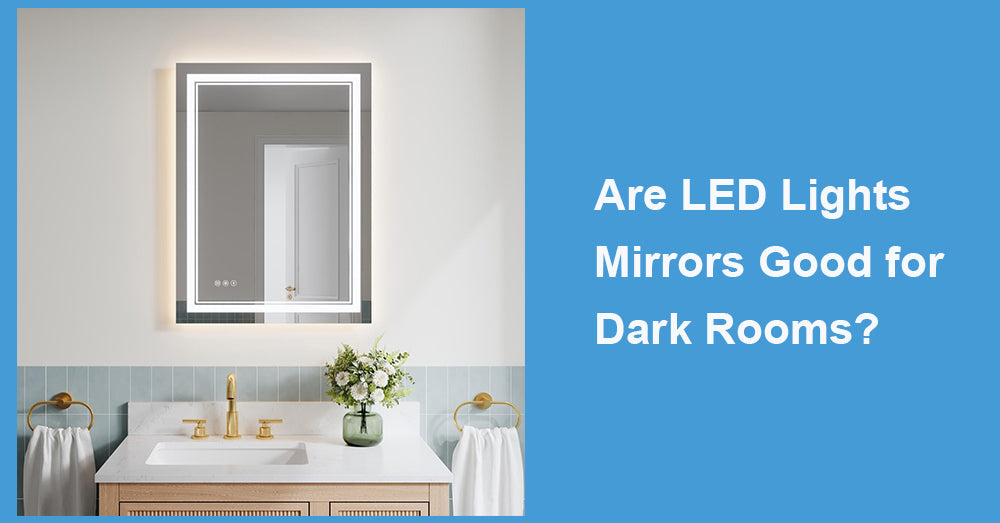
For anyone asking whether led lights mirrors are good for dark rooms, the practical answer is yes, but with an important condition. They work very well as task lighting, especially around the face, sink, and vanity zones, but they are usually most effective when part of a layered lighting plan rather than the only light source in the room. That is one reason the category continues to gain traction in bathroom remodeling. Houzz reported that lighted mirrors accounted for 22% of renovated bathroom projects in 2025, up 3 percentage points from the previous year, indicating that integrated mirror lighting is moving further into the mainstream.
1. Why LED Mirror Lighting Works Better Than Many People Expect
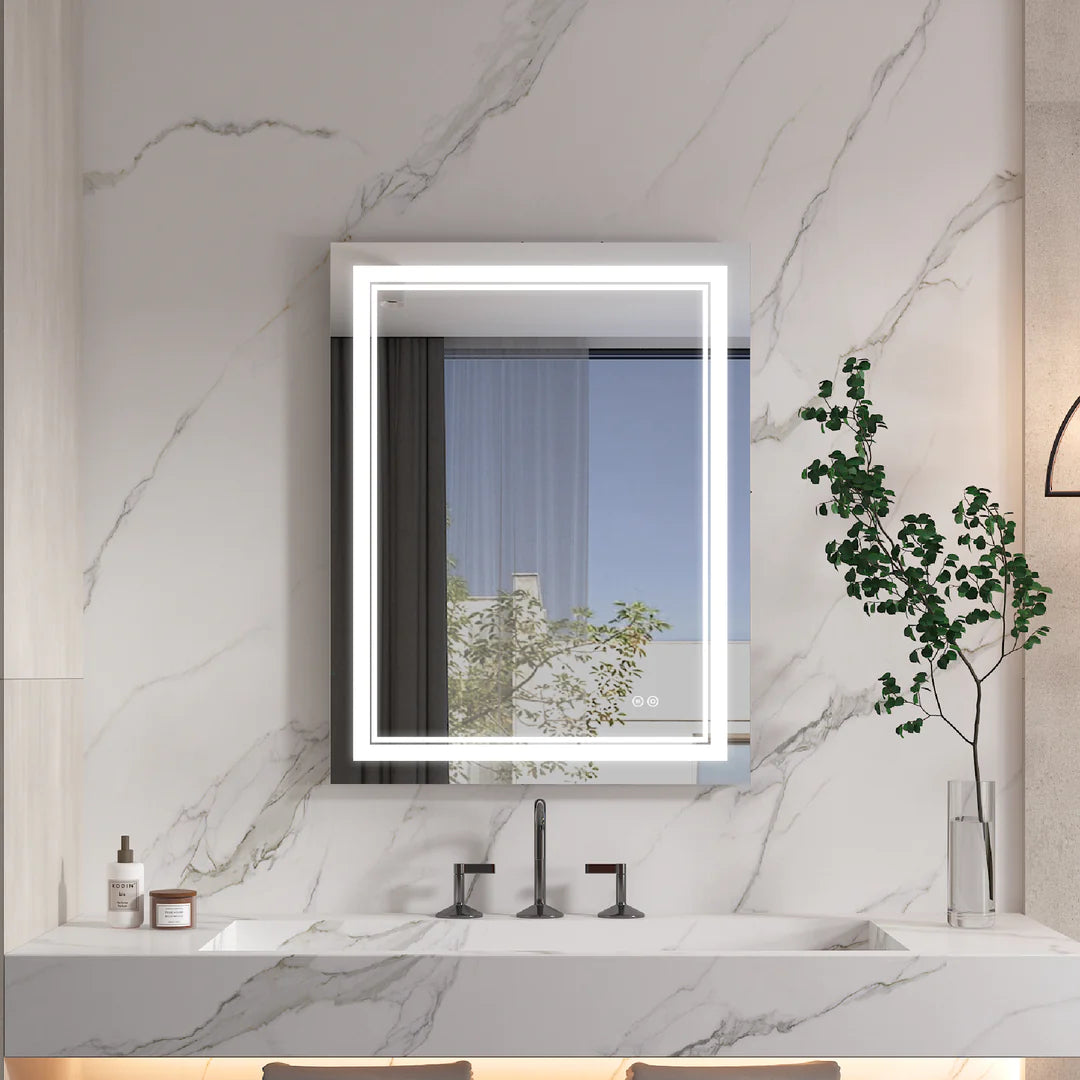
Dark rooms usually fail in two places: overall brightness and face-level visibility. A standard overhead light can brighten the floor and ceiling, but still leave shadows on the face. That is where an LED mirror has a real advantage. Because the light is positioned around or behind the mirror, it can direct illumination toward the user instead of only from above. For grooming, skincare, shaving, or makeup, that placement matters more than many shoppers realize.
This shift also lines up with broader bath design priorities. NKBA’s 2026 Bath Trends Report says 91% of respondents view lighting quality as a top priority, and 92% agree that task lighting should always be included in the primary bath. In other words, better bathroom lighting is no longer treated as a decorative extra. It is part of the core function, and LED mirrors fit that need well in darker spaces.
2. They Brighten the Vanity Zone, Not Always the Entire Room
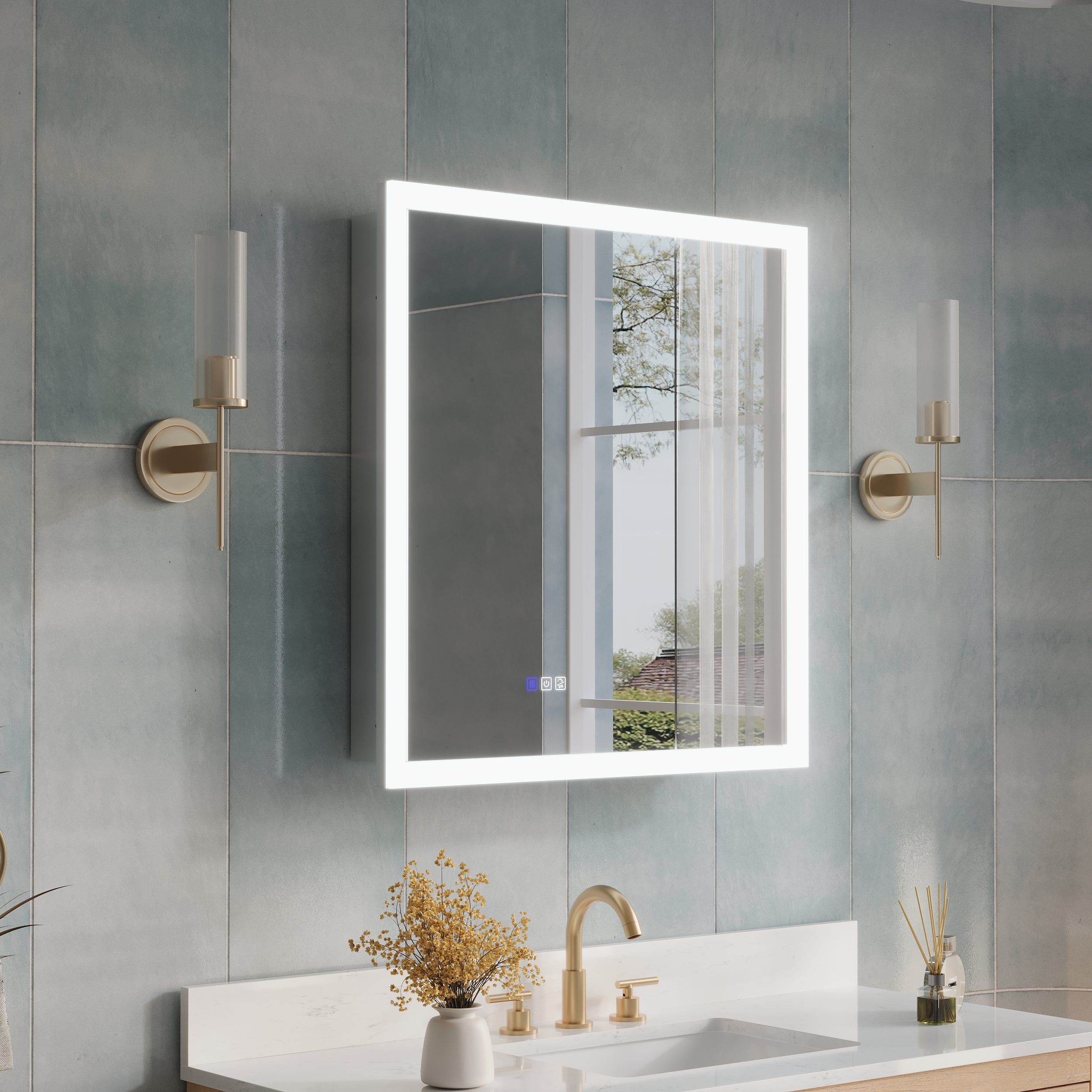
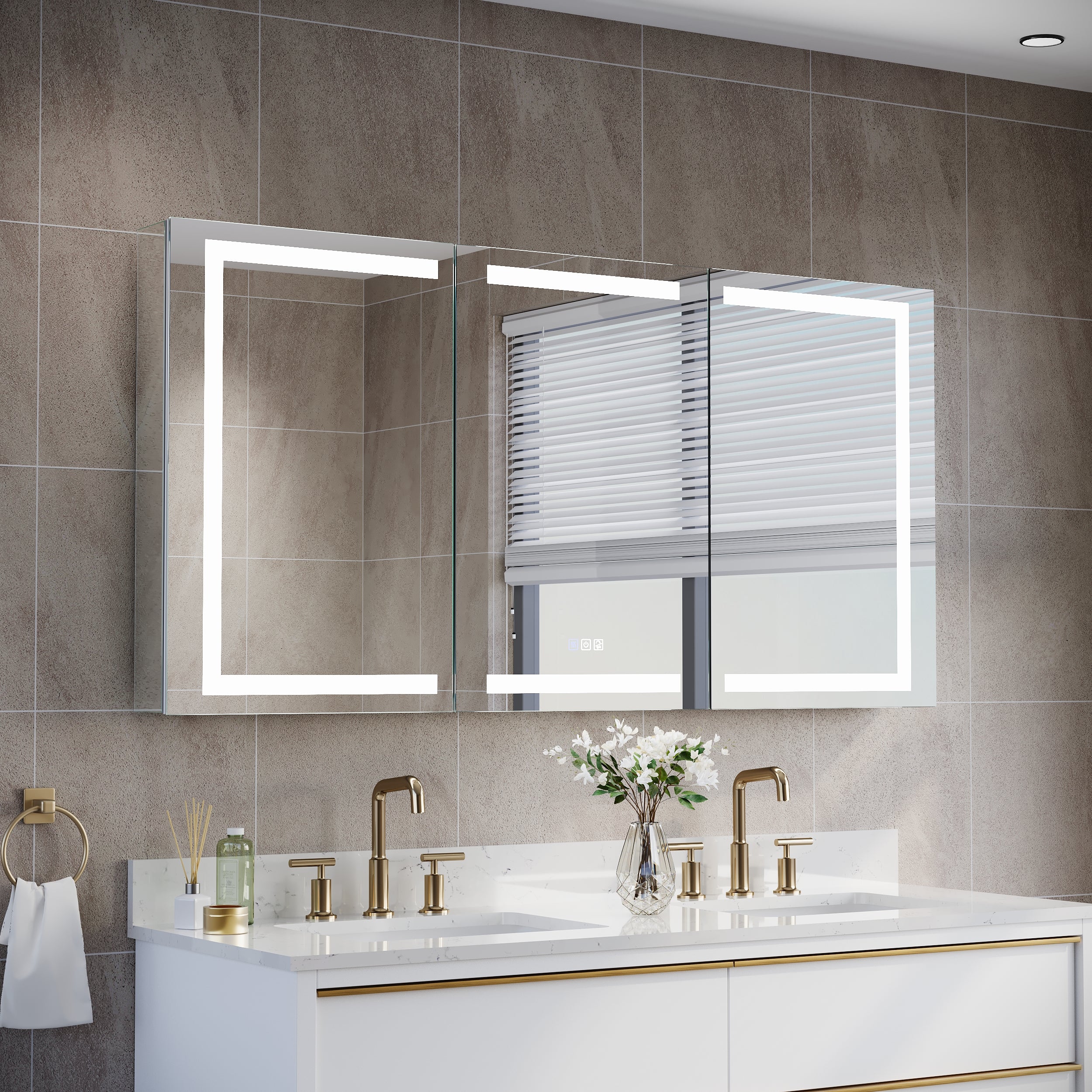
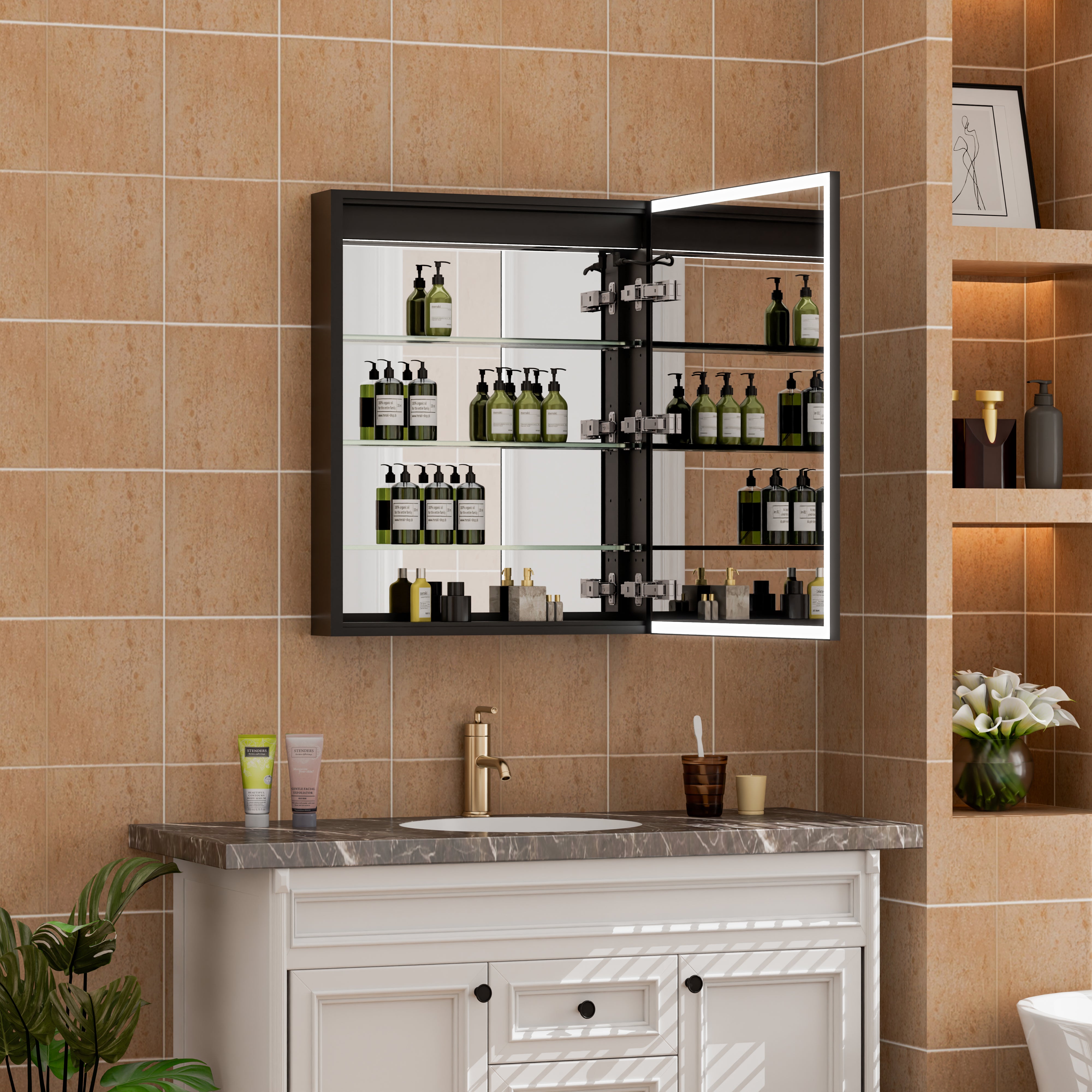
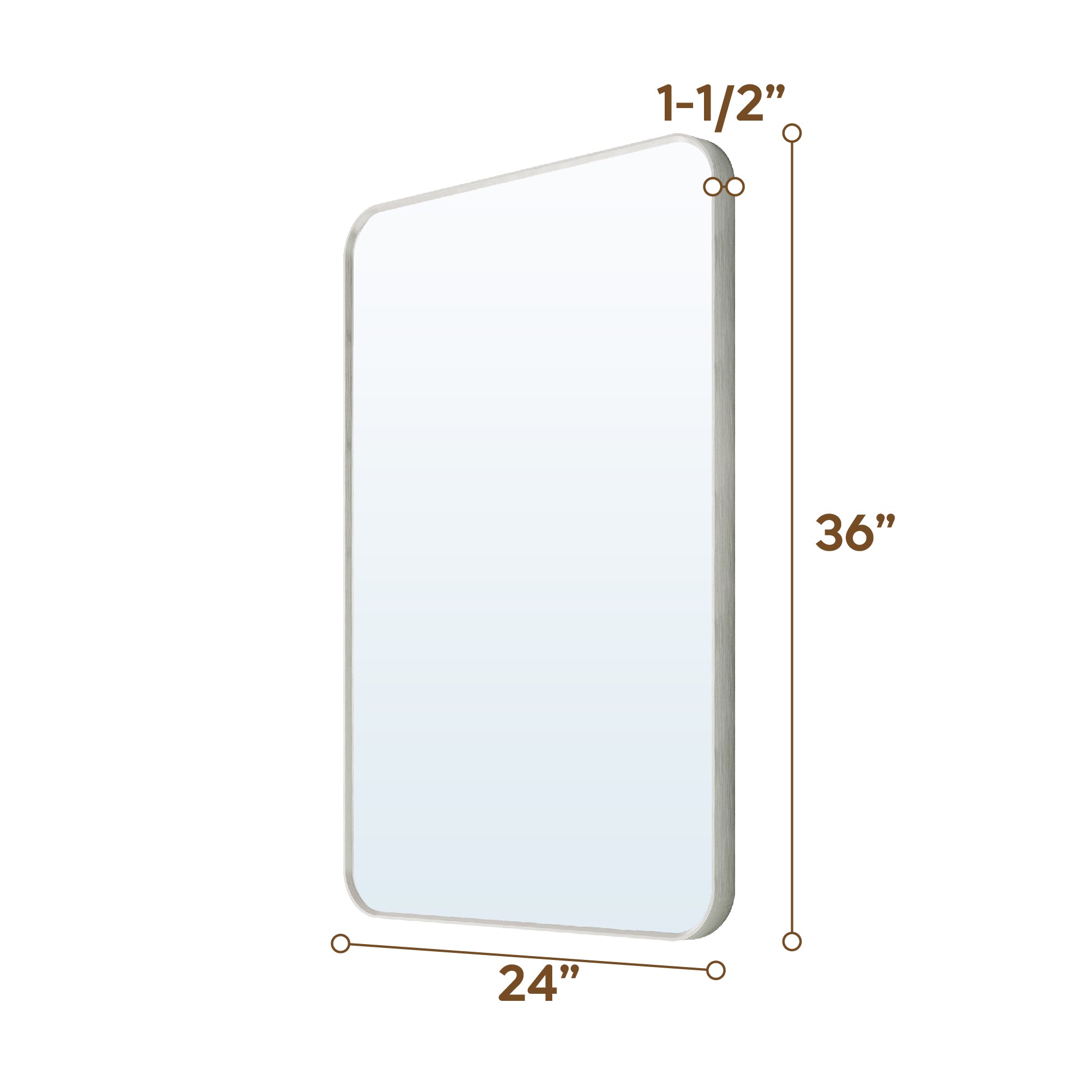
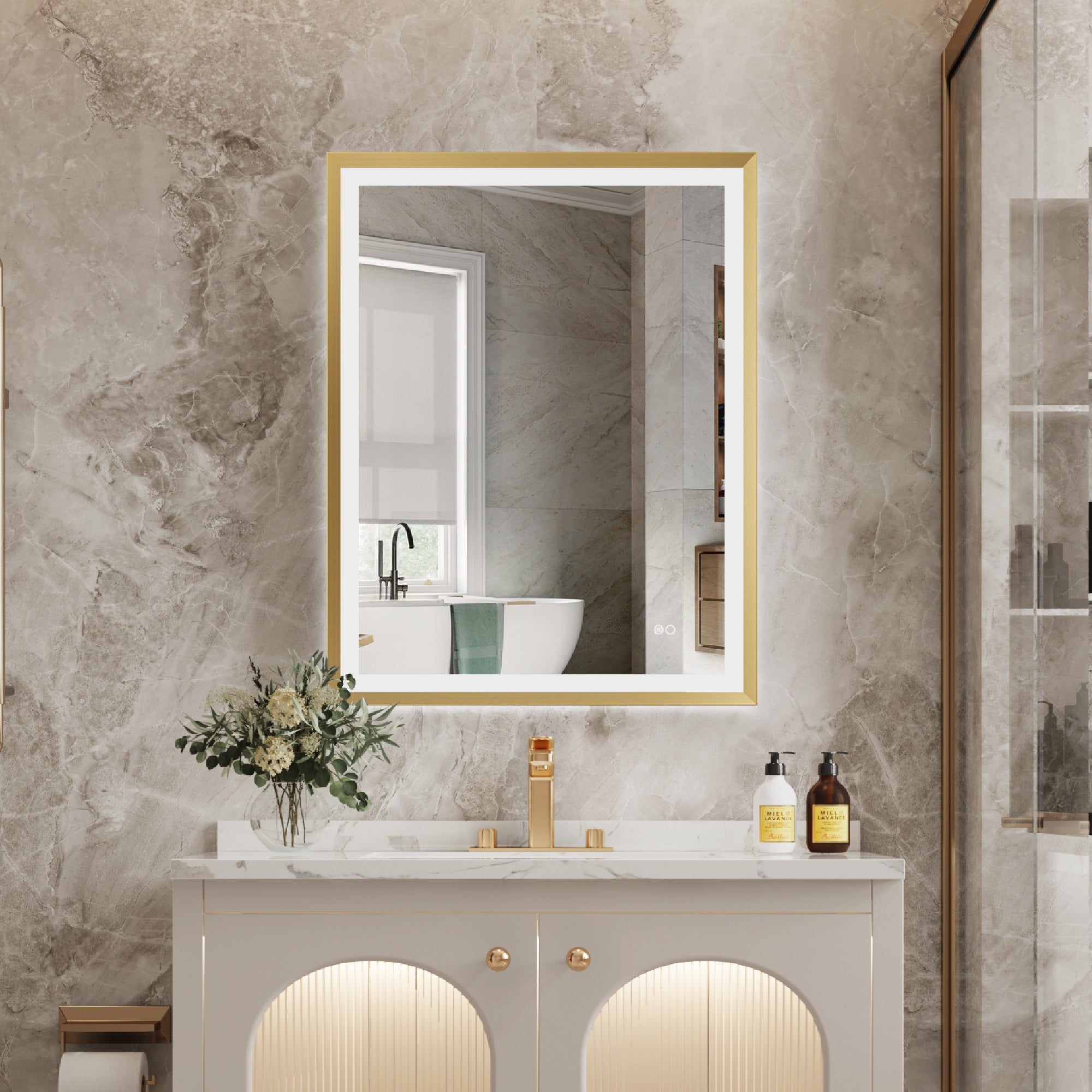
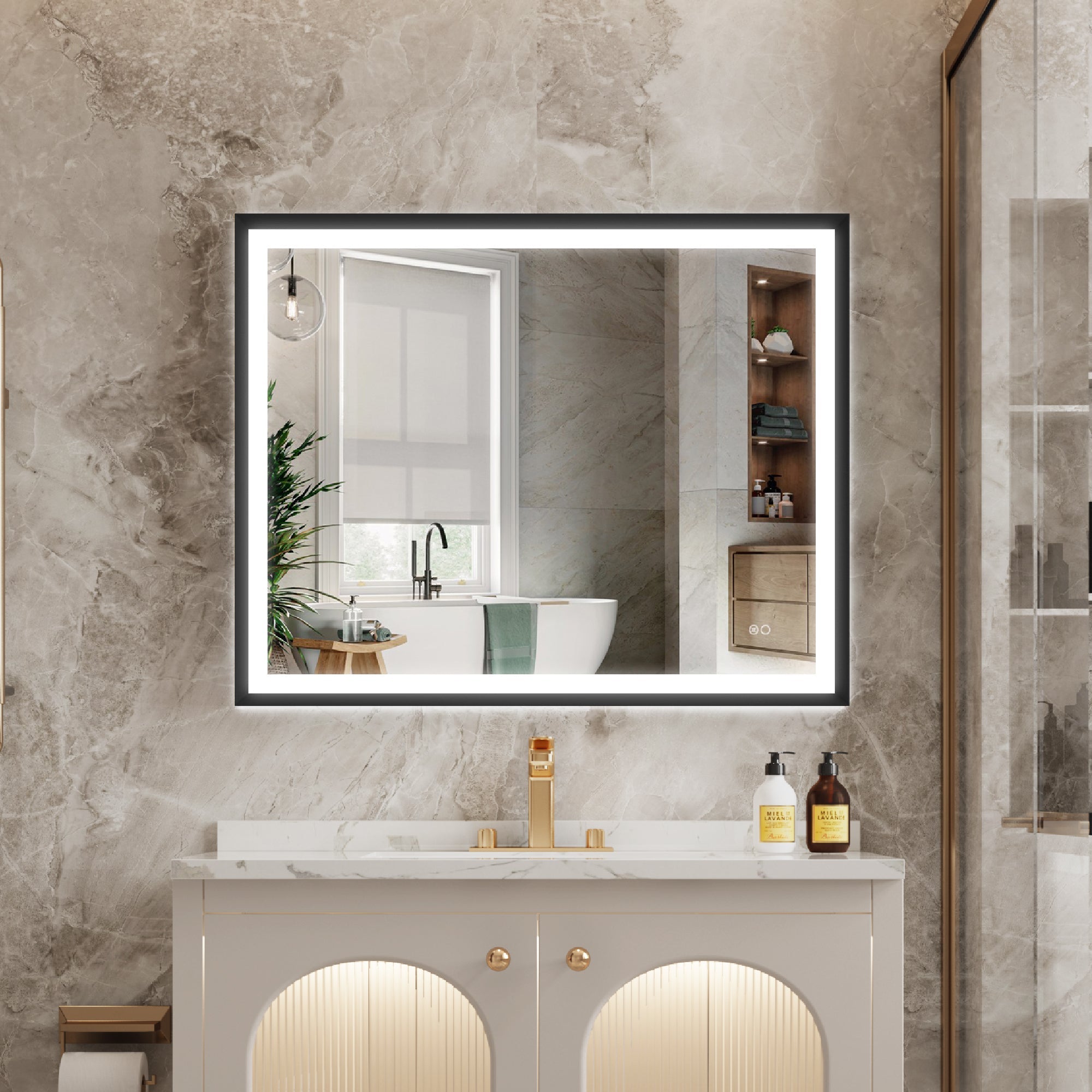
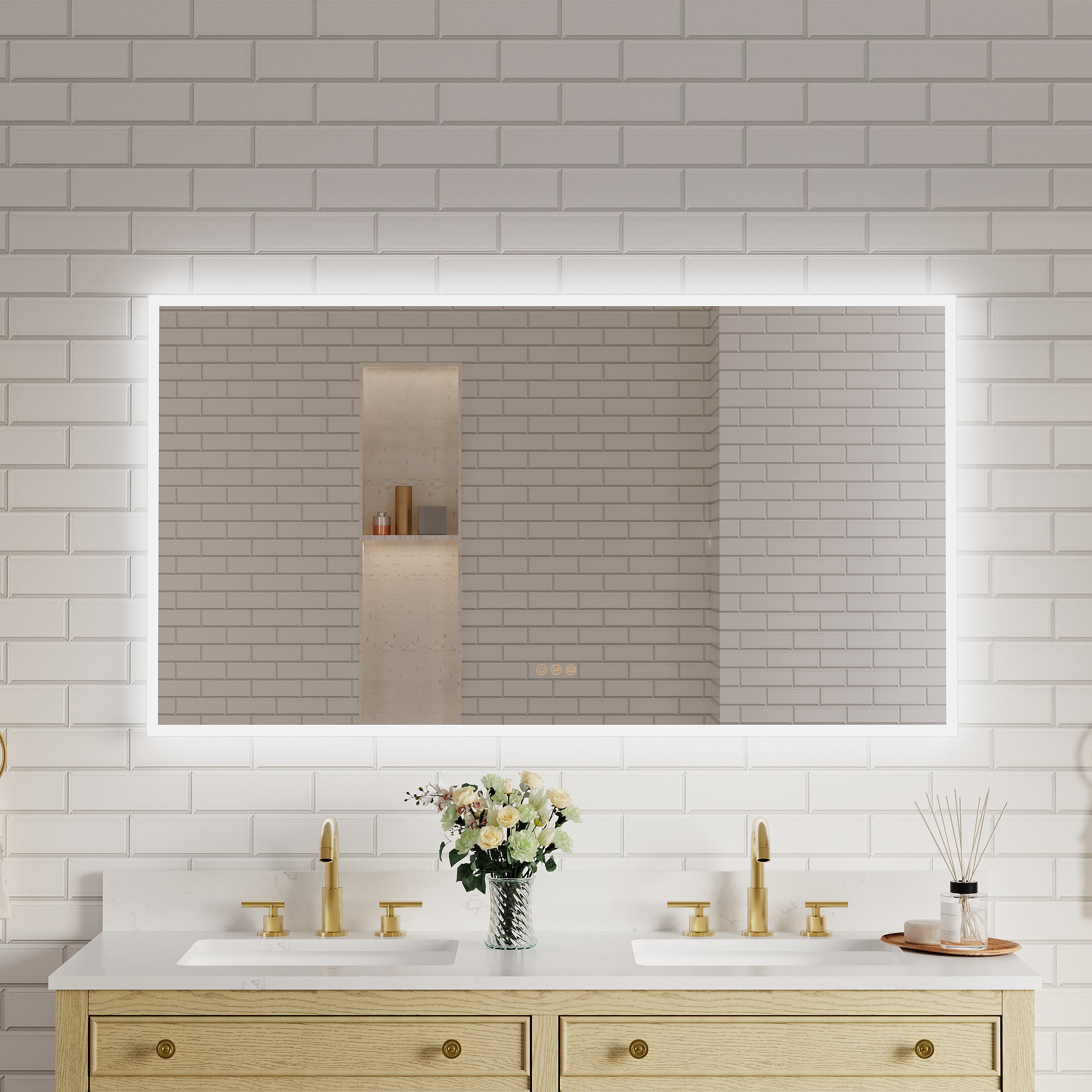
The biggest strength of an LED mirror in a dark room is targeted brightness. If the room has limited natural light, a narrow window, deep wall colors, or a layout where the vanity sits in a shadowed corner, a lighted mirror can make the sink area feel dramatically more usable. This is especially true in common sizes such as 24 inch x 32 inch, 30 inch x 36 inch, 36 inch x 36 inch, 48 inch x 36 inch, and 60 inch x 36 inch, where the lit surface spans a meaningful portion of the wall.
Still, buyers should not expect a single mirror to replace every other fixture in a poorly lit bathroom. The latest Houzz bathroom study shows that remodeled spaces continue to use multiple lighting types at once. Recessed lighting appeared in 40% of projects, ceiling or sconce lighting in 34%, wall fixtures in 33%, shower lights in 29%, and lighted mirrors in 22%. That mix strongly suggests a market preference for layered lighting rather than one all-purpose fixture. In a dark room, that is the smartest interpretation: an LED mirror can solve facial shadows and improve the vanity experience, but ceiling lights or sconces still help carry the room.
3. LED Mirrors Also Make Dark Rooms Feel Cleaner and More Modern
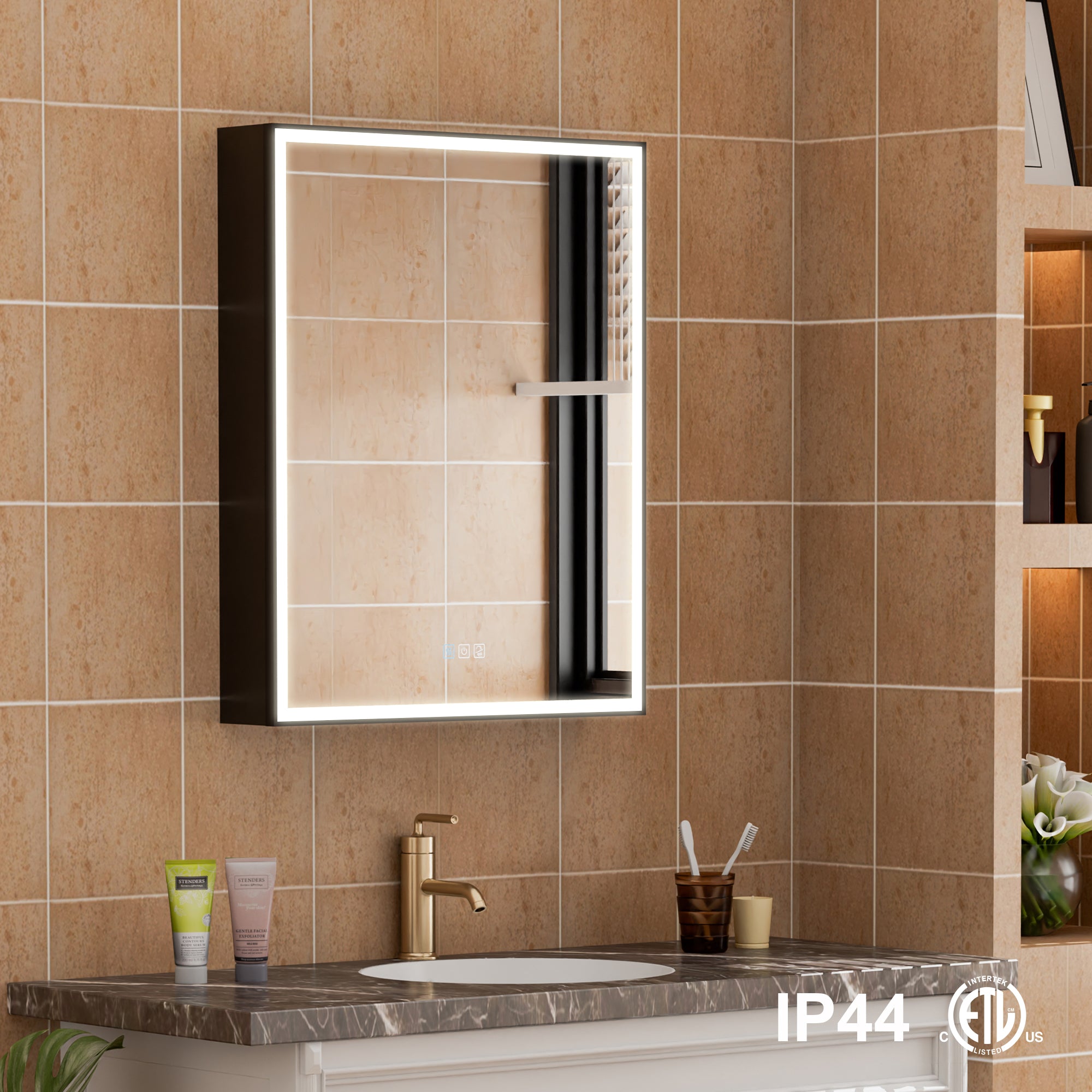
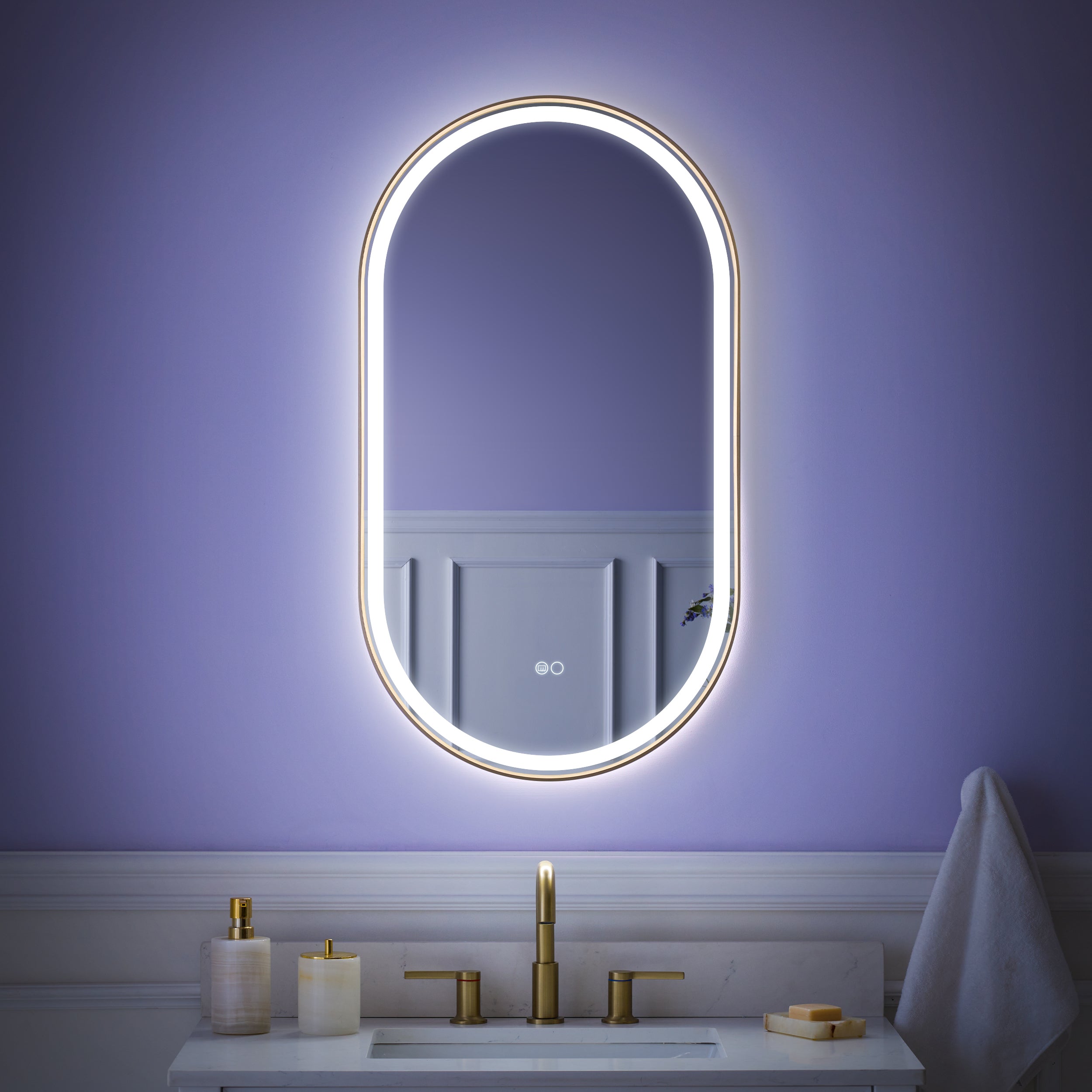
There is another reason LED mirrors work well in darker bathrooms: they alter the room's visual mood. A backlit or front-lit mirror can make the wall feel lighter, cleaner, and more open, even when the room itself is compact. That effect is especially noticeable in bathrooms with black fixtures, matte tile, walnut vanities, or enclosed layouts where daylight is weak.
Design momentum supports that direction. NKBA noted in late 2025 that 47% of respondents favored integrated lighting in mirrors over the next three years, while 80% planned to include nighttime-specific lighting in bath design. Those numbers point to a broader move toward softer, more controlled illumination rather than relying on a single harsh overhead fixture. For dark rooms, that is useful because the best lighting rarely looks flat or clinical. It looks balanced, layered, and intentional.

4. Energy Efficiency Makes the Upgrade Easier to Justify
One reason LED mirrors continue to gain share is that they are easier to justify on operating costs than older lighting approaches. The Department of Energy says residential LEDs, especially ENERGY STAR-rated products, use at least 75% less energy and last up to 25 times longer than incandescent lighting. DOE also notes that lighting accounts for about 15% of an average household’s electricity use. That means a mirror with integrated LED lighting is not only a style upgrade for a dark bathroom, but also a relatively efficient alternative to older bulb-based solutions.
That efficiency matters even more in rooms where lighting is heavy. A dark primary bath, powder room, or window-limited ensuite often needs longer lighting hours in the mornings, evenings, and on overcast days. In those situations, long-life LED performance is not just a technical advantage. It also becomes a maintenance advantage, especially when homeowners want a clean, built-in look without frequent bulb changes.
5. The Best LED Mirrors for Dark Rooms Have the Right Features
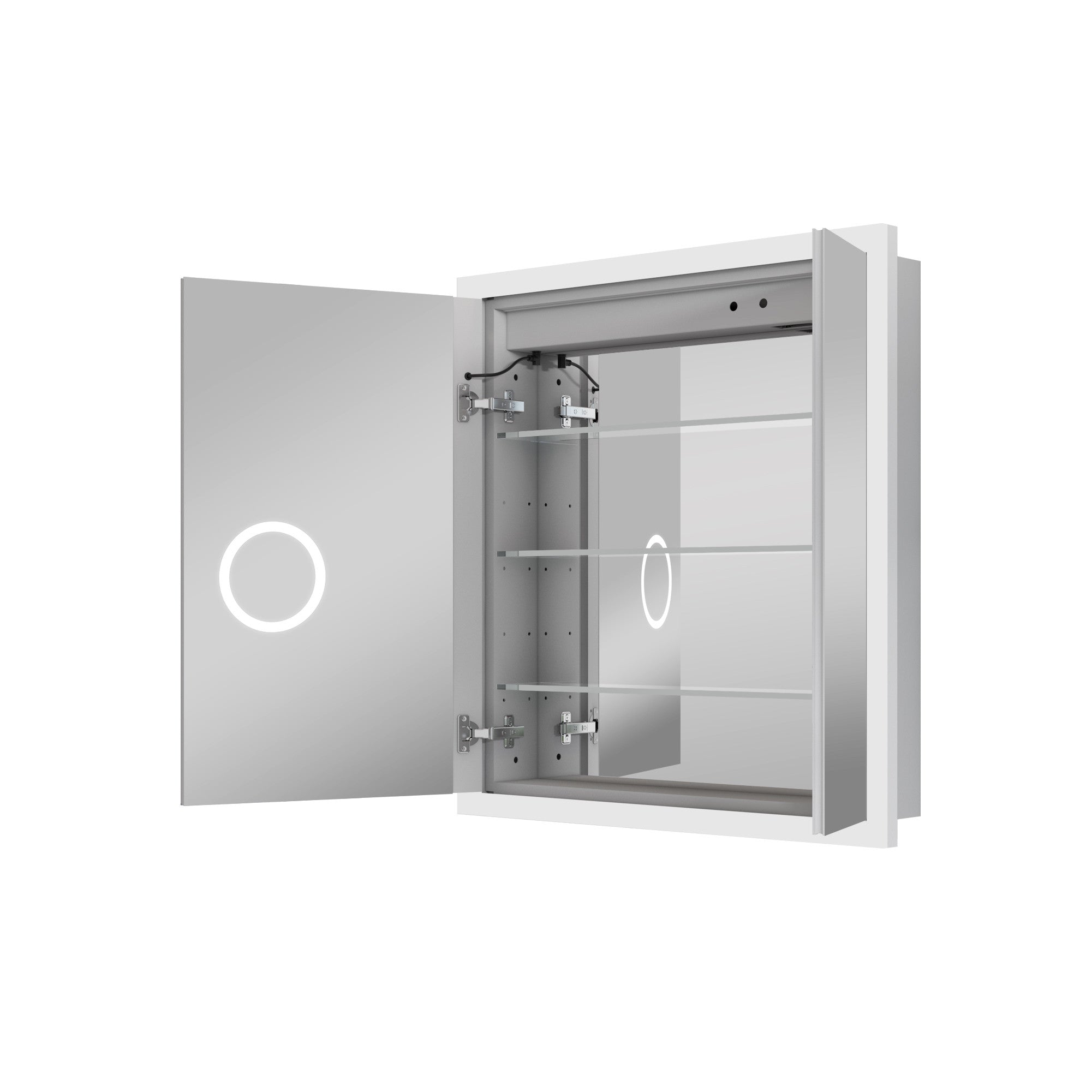
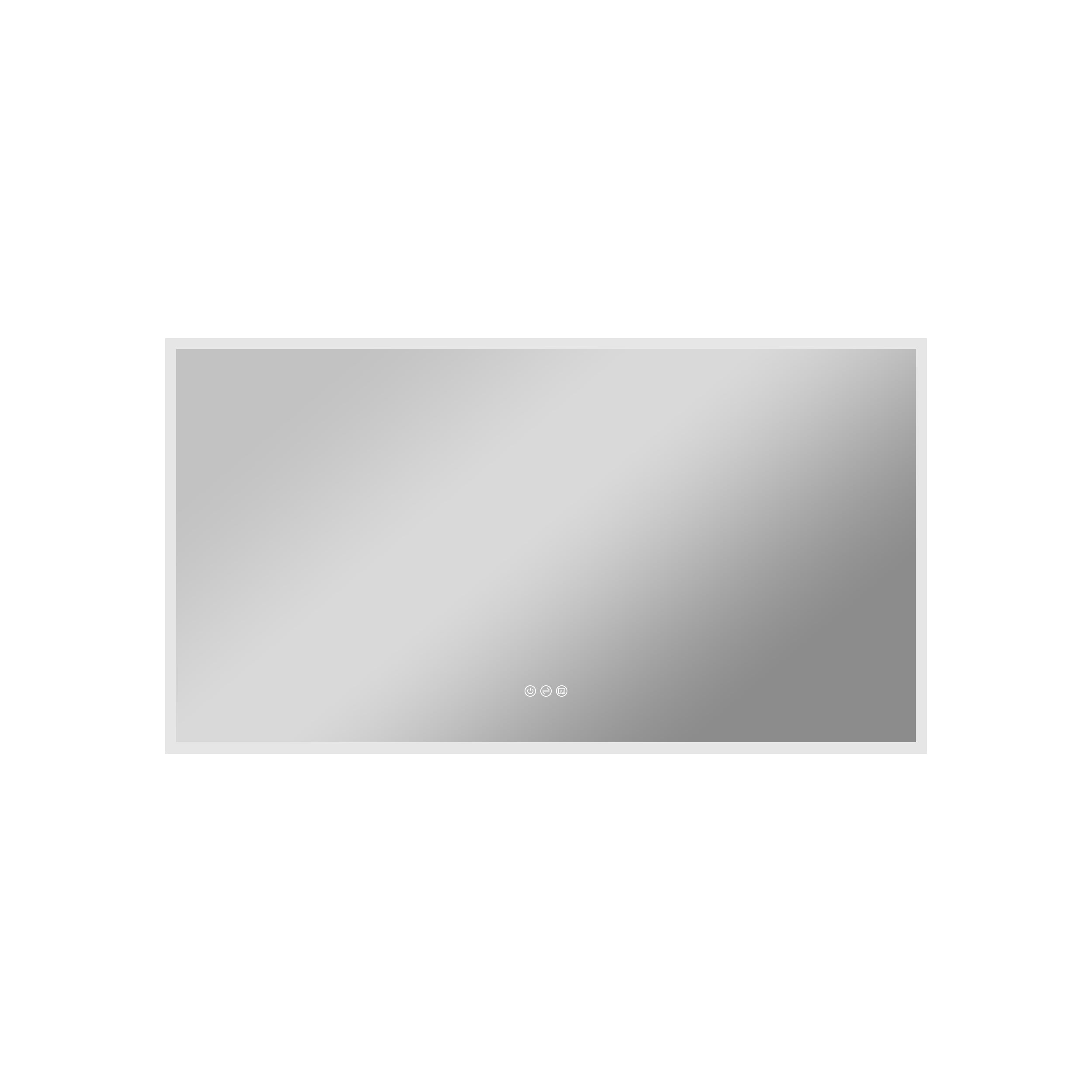
Not every LED mirror performs equally well in a darker bathroom. The most useful models usually combine several features: front-facing lighting for the face, dimmable brightness, adjustable color temperature, anti-fog controls, and a mirror size that matches the vanity width. In practice, a 48-inch or 60-inch mirror can do much more to lift a dark double-sink wall than a small decorative mirror with a thin light border.
Feature quality matters because dark rooms quickly expose lighting weaknesses. If the light output is too cool, too weak, or poorly diffused, the room can still feel shadowy. If the mirror allows dimming and color tuning, users can shift from brighter daytime grooming light to a softer evening setting. That direction aligns with what the industry is already showing: lighting is being treated as an experience, not just a utility. NKBA’s reporting on nighttime-specific lighting and mirror-integrated illumination supports that move clearly.
6. So, Are They Good for Dark Rooms?
Yes, LED-lit mirrors are good for dark rooms, and in many cases, they are among the smartest bathroom upgrades available right now. They improve face-level visibility, reduce overhead shadows, modernize the wall, and add efficient task lighting exactly where people need it most. The category’s growth in remodeling data shows that buyers increasingly see them as functional rather than just decorative.
The more honest conclusion, though, is that they are best seen as part of a complete lighting strategy. In a mildly dim bathroom, a good LED mirror may be enough to transform the vanity area on its own. In a very dark room, it works best with recessed lights, sconces, or other layered fixtures. That is where the product performs at its highest level: not as a gimmick or a single miracle fix, but as a strong, modern solution to one of the most common bathroom lighting problems.














Leave a comment
This site is protected by hCaptcha and the hCaptcha Privacy Policy and Terms of Service apply.