
















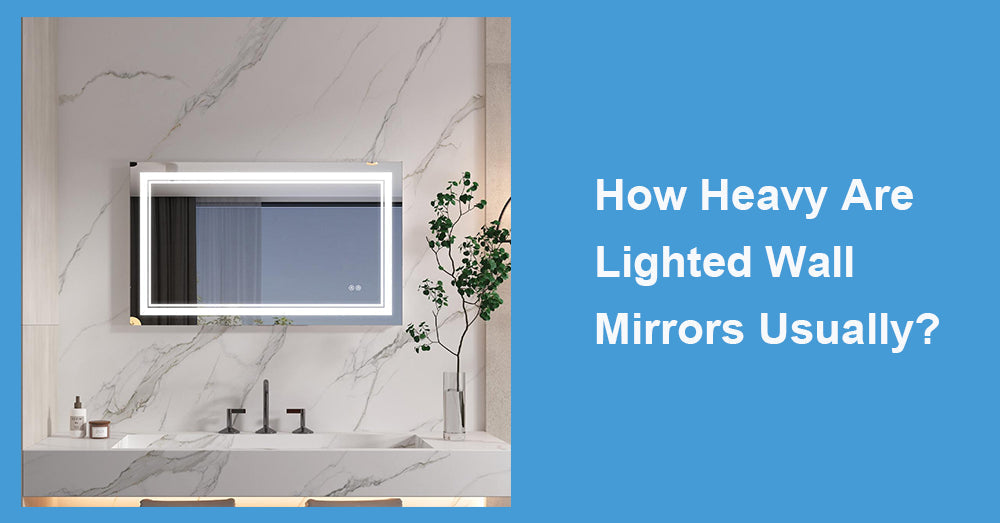
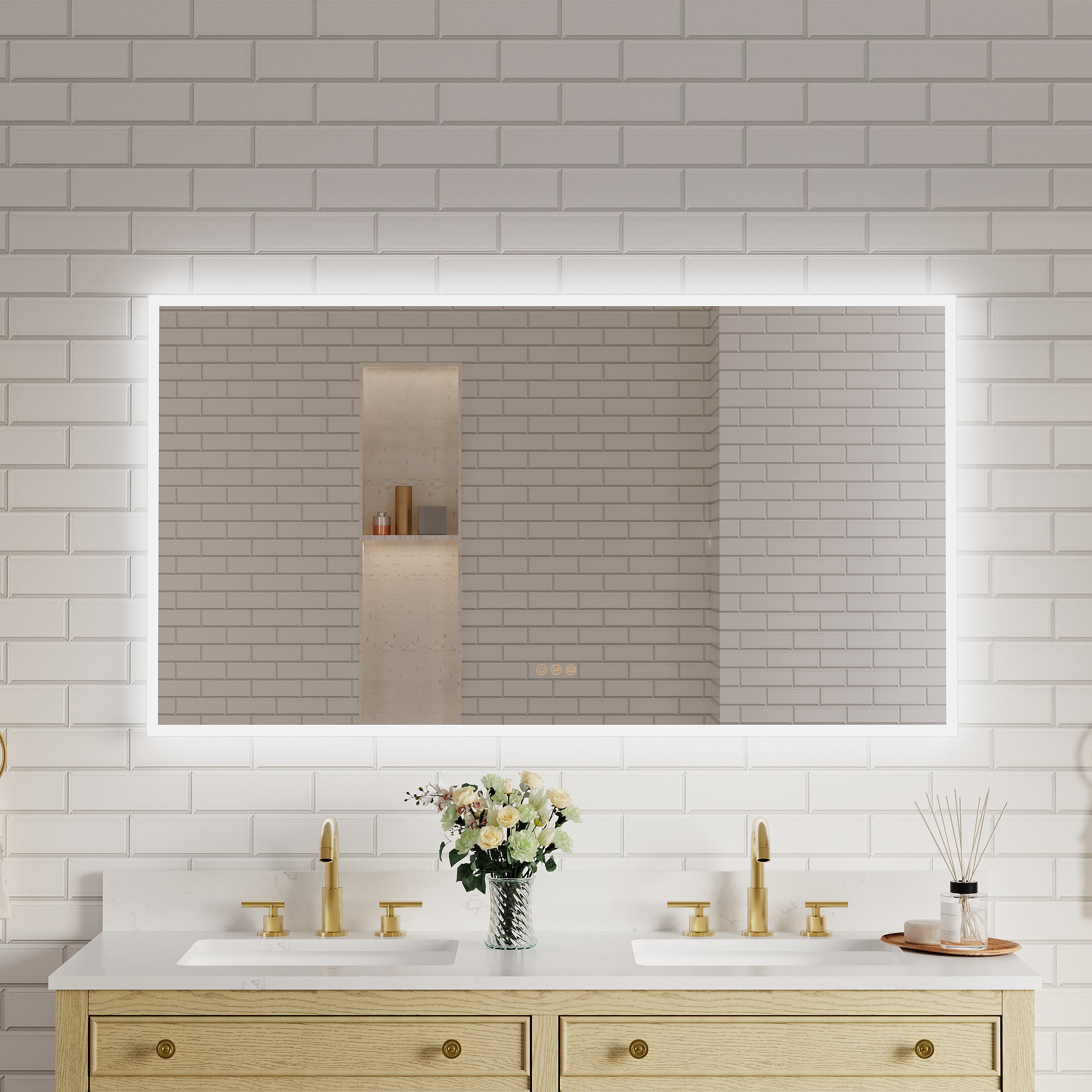
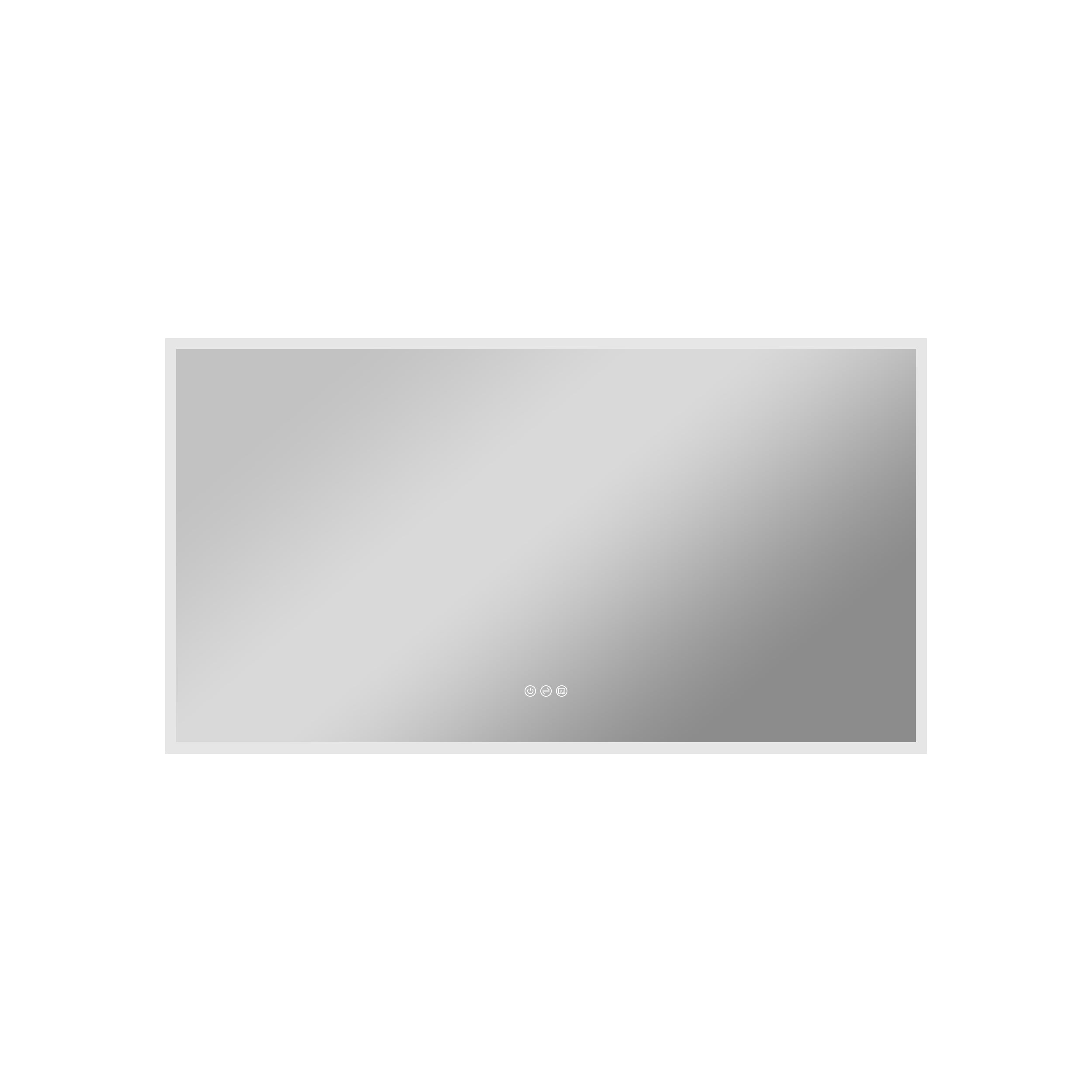
When people ask how heavy lighted wall mirrors usually are, the most accurate answer is that most standard residential models fall into a broad middle range of about 20 lb to 55 lb. At the same time, larger or more feature-heavy versions can move well beyond that. Current retail listings show how wide the spread can be. A 24-inch x 36-inch frameless LED mirror from ExBrite is listed at 20.83 lb, while a 24-inch x 36-inch framed model from Keonjinn is listed at 22.66 lb. At the larger end, a 60-inch x 36-inch framed LED mirror from Bayfeve is listed at 47 lb, a 60-inch x 36-inch frameless Lexora mirror at 49 lb, and a 60-inch x 36-inch frameless Elegant Lighting model at 53 lb. One 60-inch x 36-inch frameless tilting mirror from Vacolite is listed at 85 lb, showing that construction details can dramatically change the number.
1. Why Mirror Weight Matters More Than It Used To
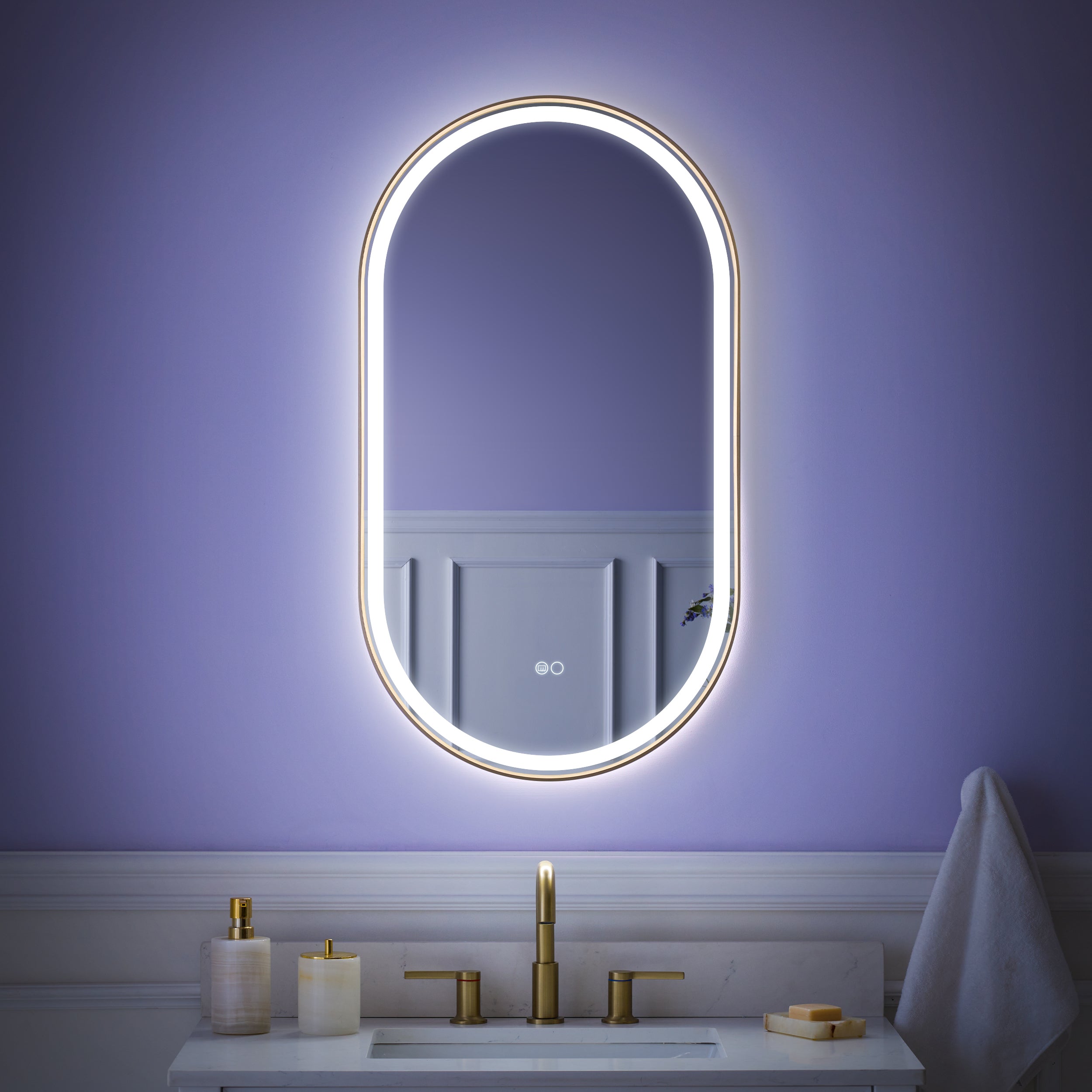
Lighted mirrors are no longer treated as simple wall accents. They now sit at the intersection of lighting, décor, and daily grooming, which means the product often includes more than just a sheet of reflective glass. Depending on the model, buyers may get integrated LED strips, defogging pads, touch controls, dimming electronics, color temperature adjustment, aluminum framing, and safety backing. That growing feature set is one reason mirror weight has become a more practical buying question. Industry trend reports also show that lighting is now a major design priority. NKBA reported that 91% of respondents see lighting quality as a top priority in bath design, 92% believe task lighting should always be included in the primary bath, and 47% favor integrated lighting in mirrors over the next three years.
2. Small and Mid-Size Lighted Mirrors Usually Stay in a Manageable Range
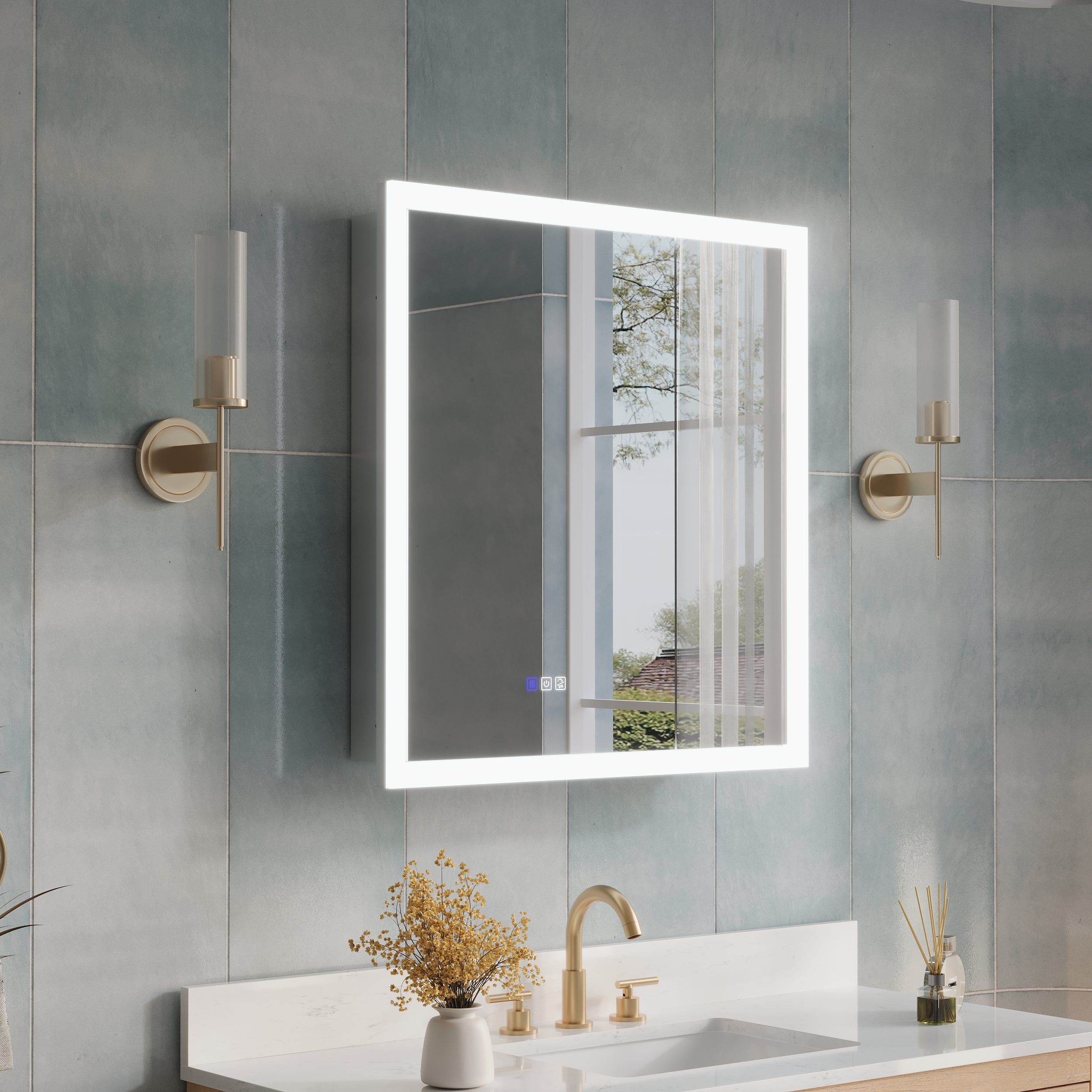
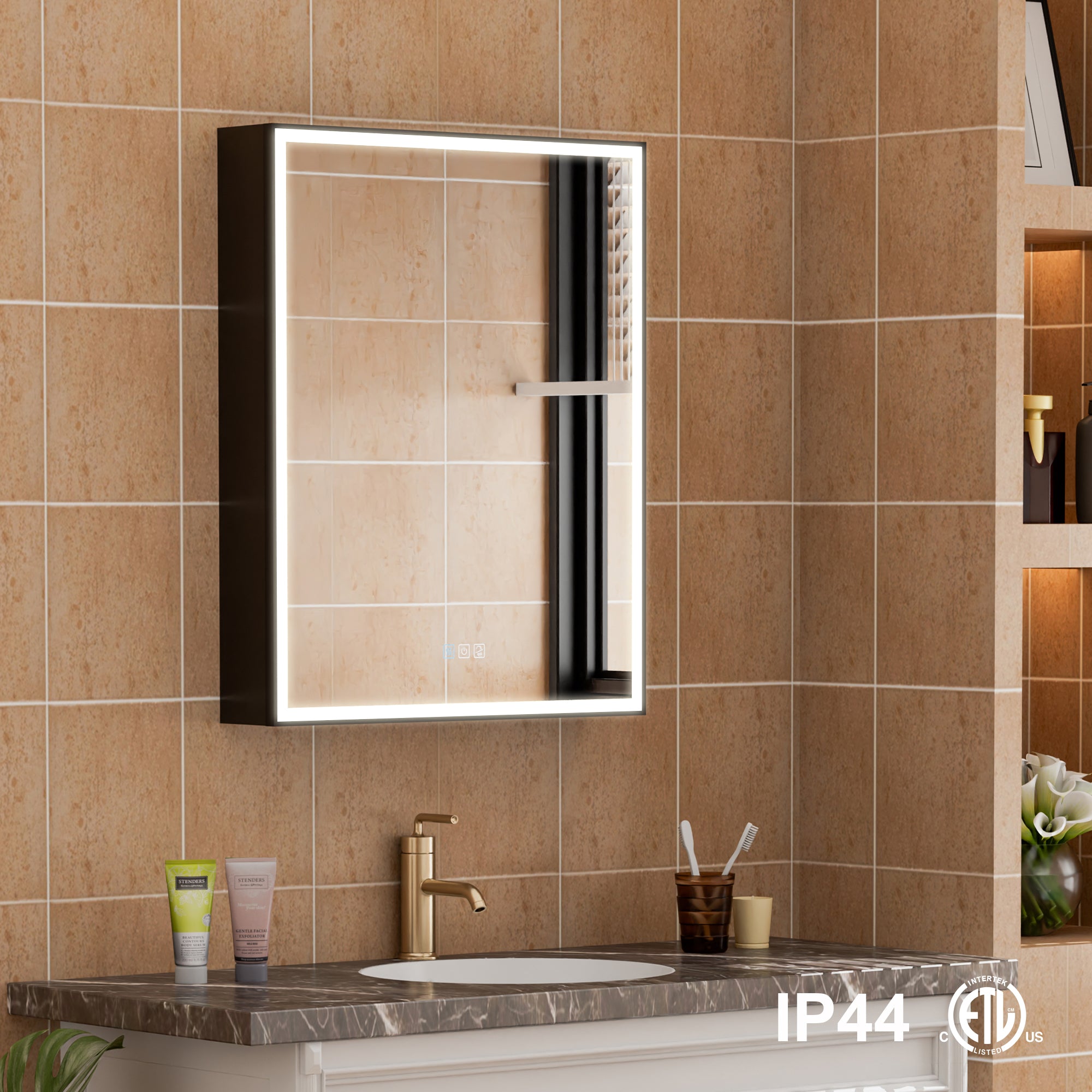
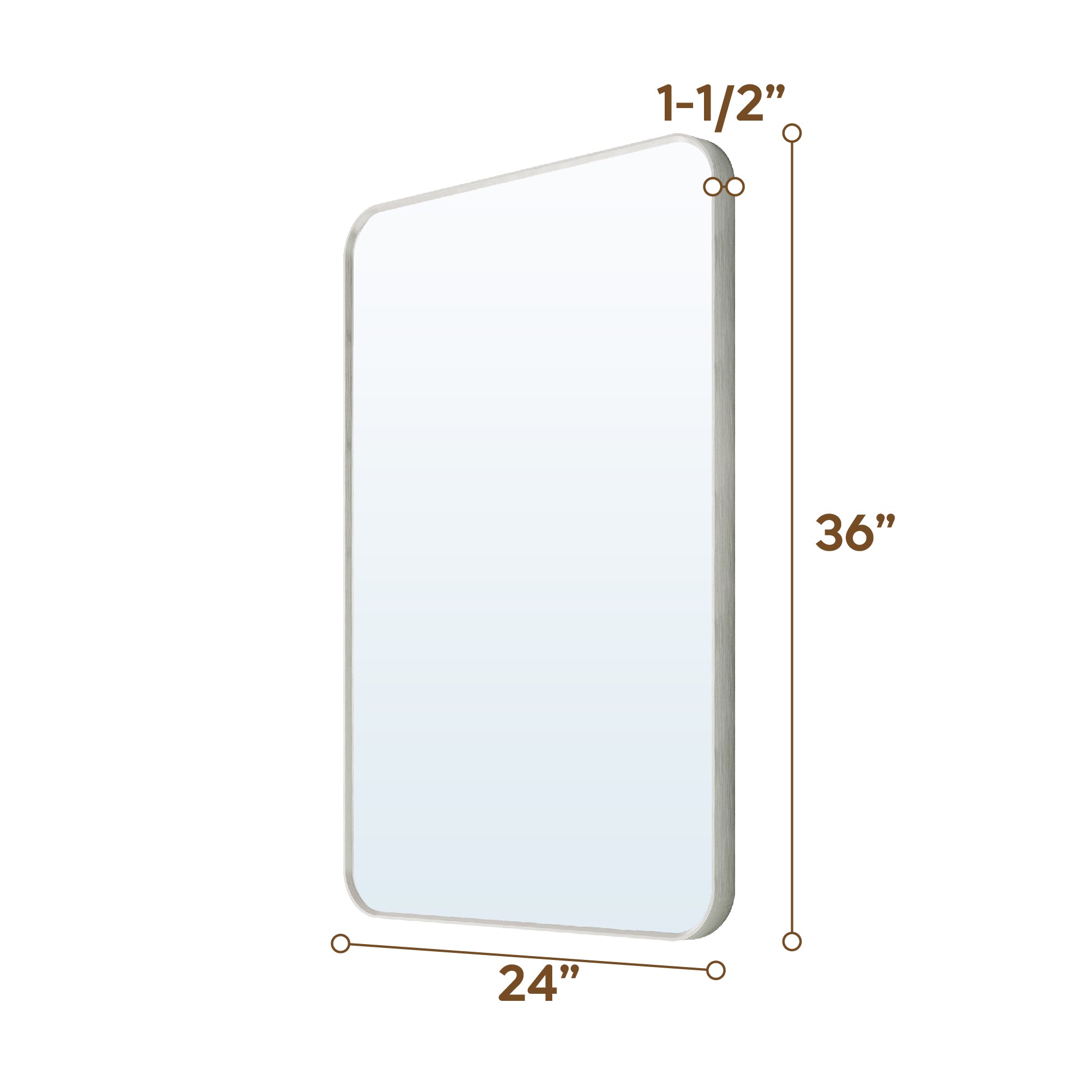
For common single-vanity sizes, lighted mirrors are often heavy enough to feel substantial, but not so heavy that the number becomes shocking. A 24-inch x 36-inch ExBrite LED mirror at Lowe’s is listed at 20.83 lb. A similarly sized 24-inch x 36-inch Keonjinn framed LED mirror is listed at 22.66 lb. At Home Depot, a 36-inch x 24-inch HOMLUX frameless LED mirror is listed at 19.65 lb, while another 36-inch x 24-inch TOOLKISS anti-fog LED mirror is listed at 36 lb. That range shows that even mirrors with nearly identical face dimensions can differ sharply in weight depending on glass thickness, lighting layout, electrical components, and whether the product uses a frame or a heavier backing system.
3. Once You Reach 48 Inch and 60 Inch Widths, Weight Climbs Fast
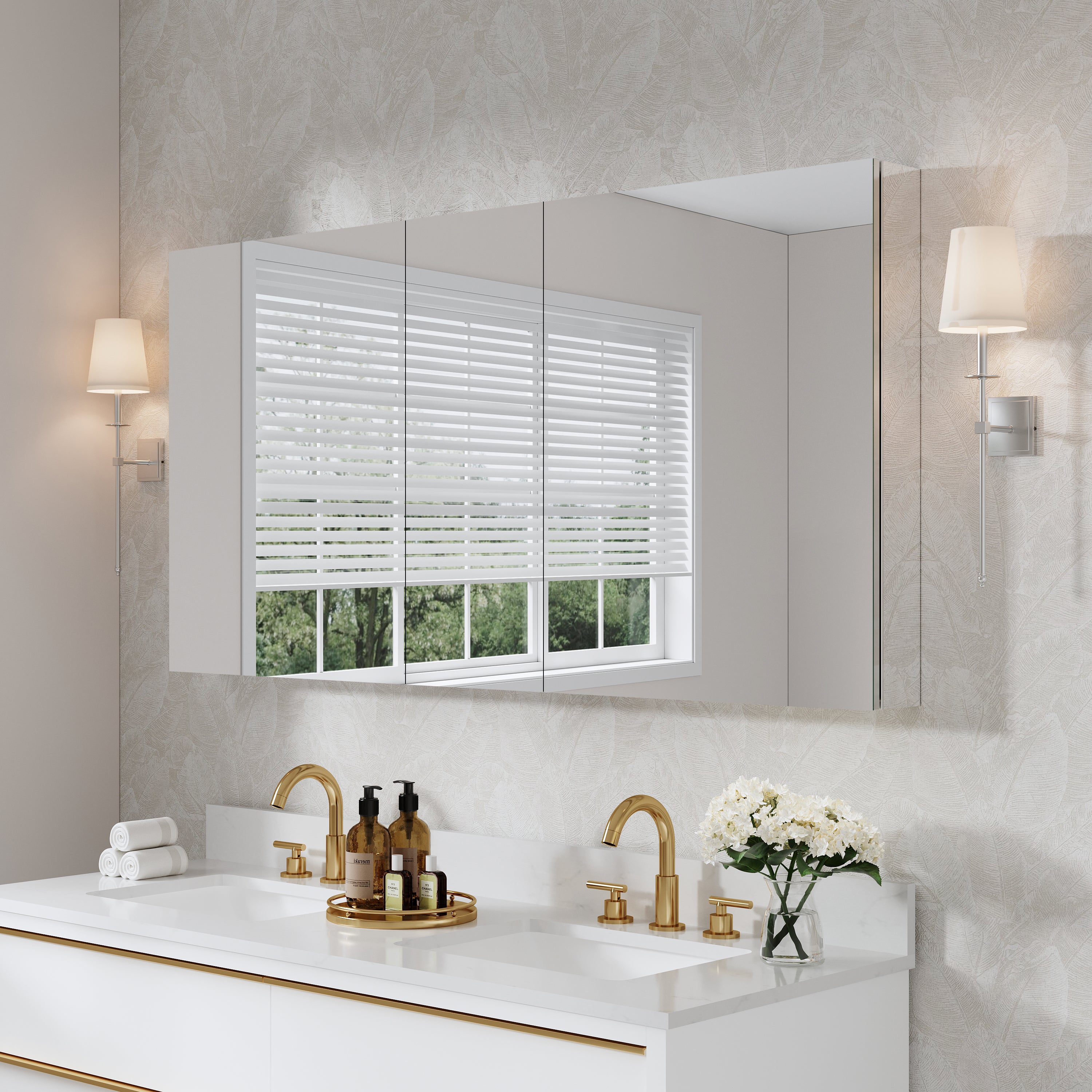
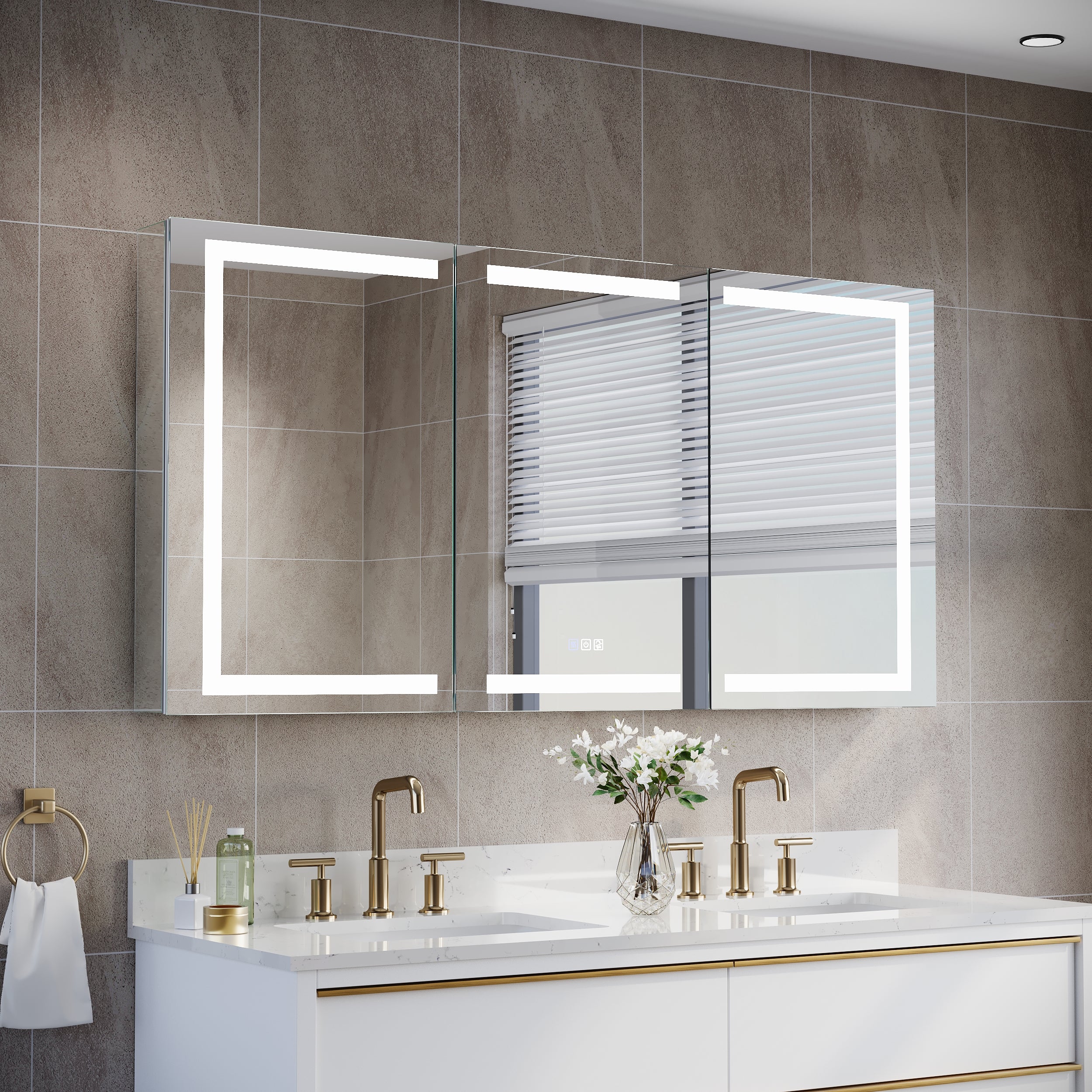
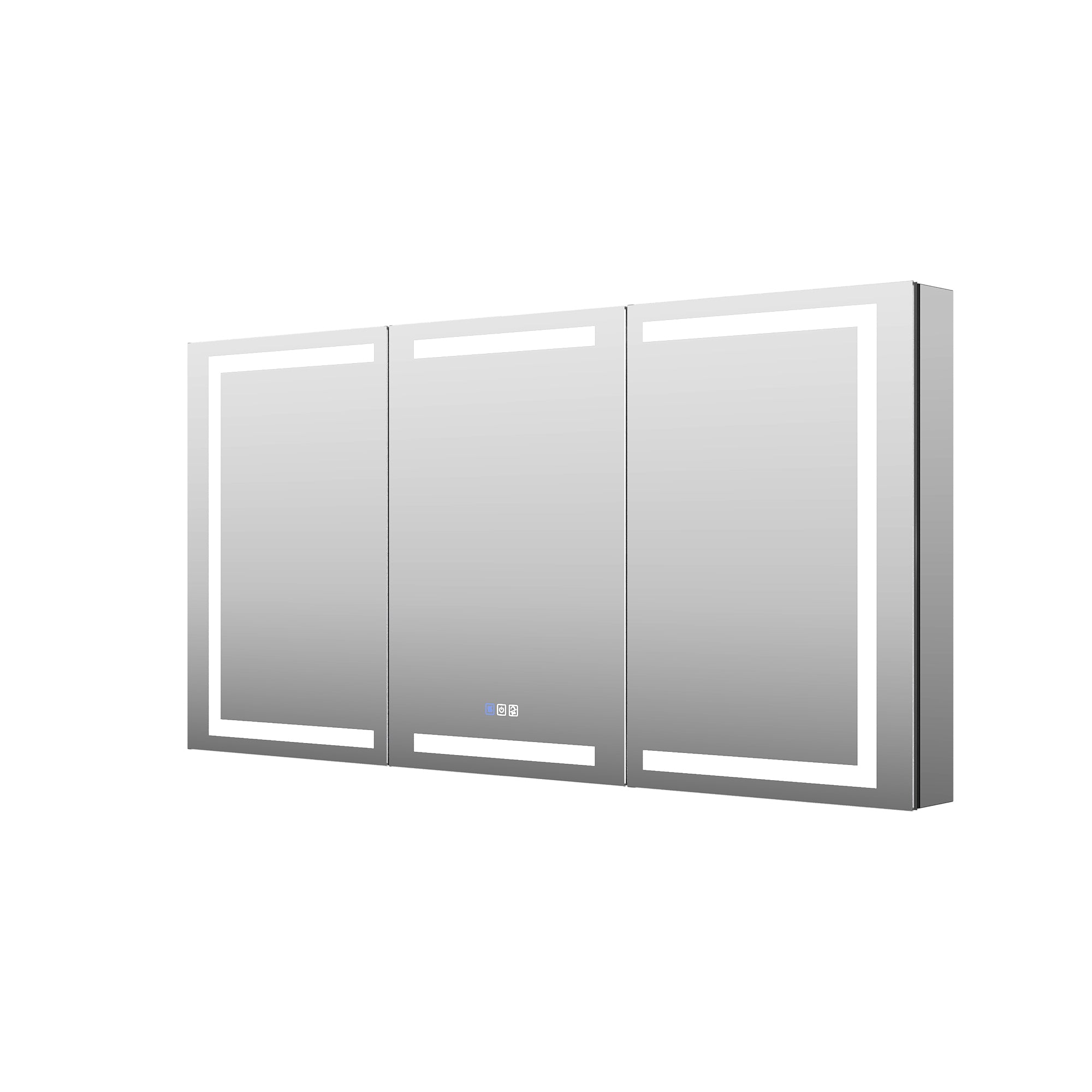
The weight jump becomes much more noticeable as the mirror width increases. A 48-inch x 36-inch Electric Mirror model sold through Ferguson Home is listed at 42.55 lb, while a 48-inch x 36-inch Craftmade LED mirror is listed at 54.01 lb. Another 48-inch x 36-inch LED mirror on Wayfair is listed at 36.19 lb, which again shows that product architecture can make a major difference even at the same size. Move up to 60 inches by 36 inches, and the category clearly shifts into heavier wall-mounted territory. Current examples range from 47 lb to 53 lb, with one 60-inch x 36-inch tilting model reaching 85 lb. That makes oversized mirrors much closer to a mounted fixture than a simple decorative mirror.
4. Why Two Mirrors of the Same Size Can Weigh So Differently
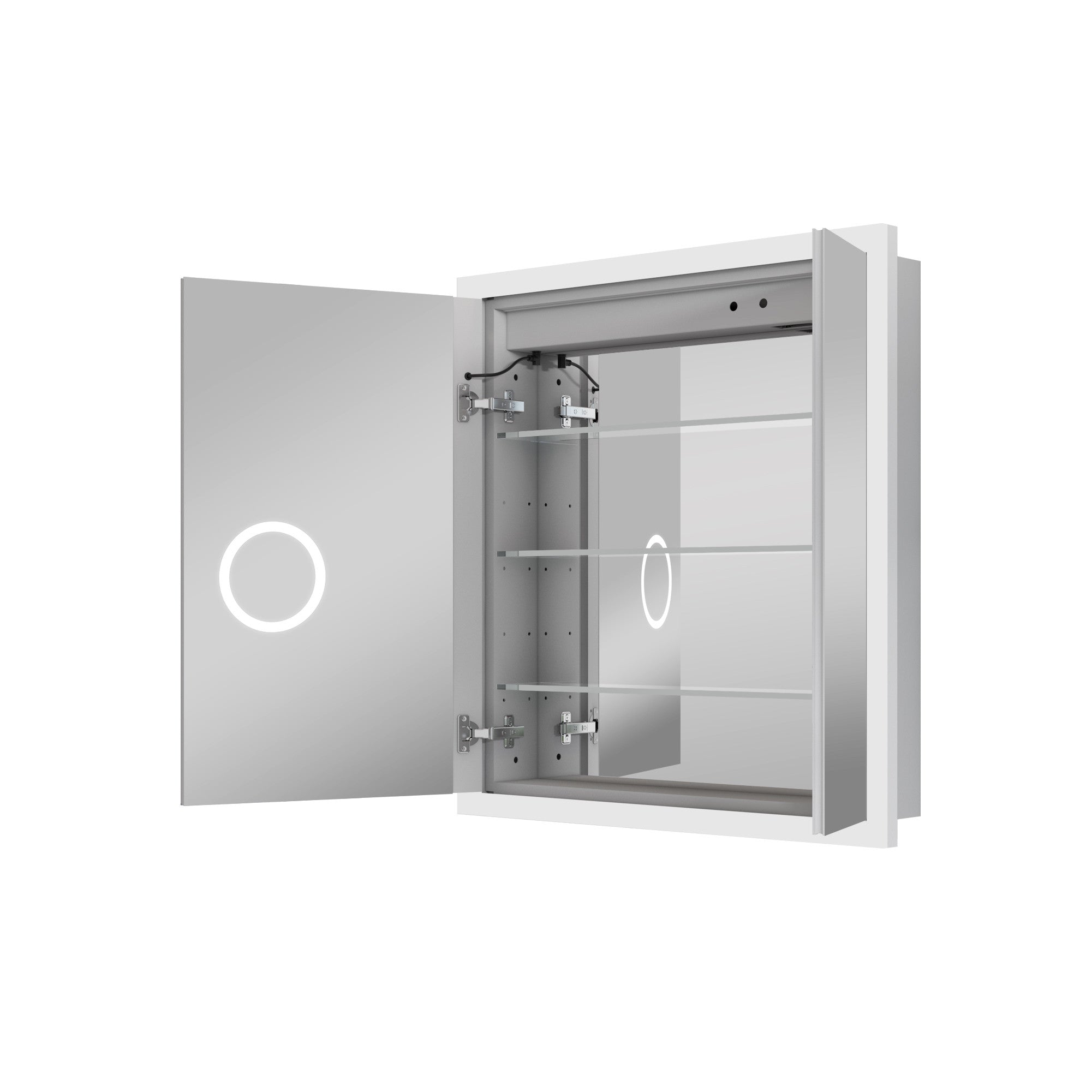
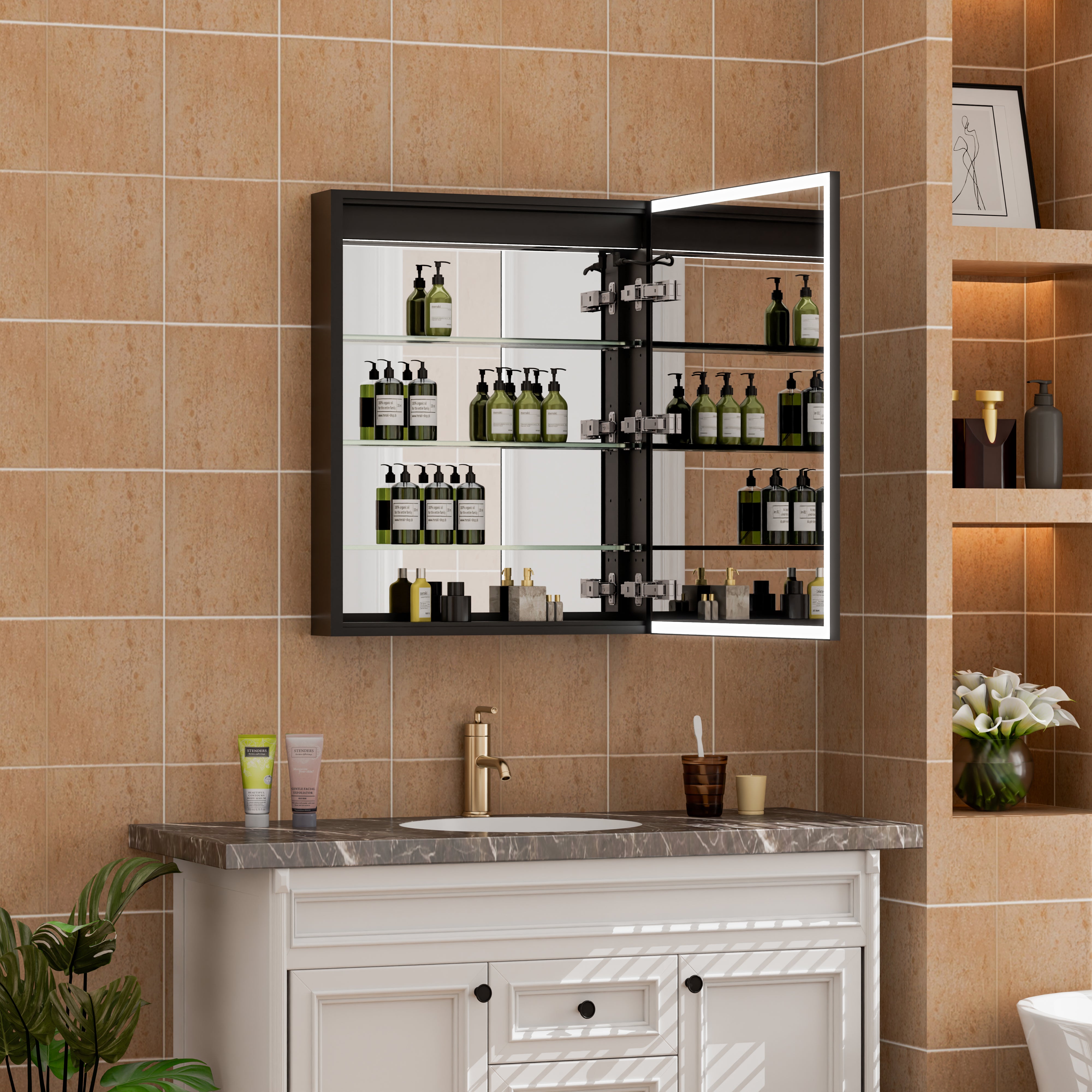
The size printed on the carton never tells the whole story. Weight varies with the type of glass, the presence or absence of a metal frame, the backing thickness, the LED system used, and whether the mirror includes extras such as anti-fog pads or tilt hardware. Current product listings reflect that. The ExBrite 24-inch x 36-inch model is frameless and weighs 20.83 lb, while the Keonjinn 24-inch x 36-inch framed model weighs 22.66 lb. On the larger side, Bayfeve’s 60-inch x 36-inch framed aluminum model is listed at 47 lb, while a frameless 60-inch x 36-inch Vacolite mirror with a tilting design is listed at 85 lb. In plain terms, width and height matter, but the build method matters almost as much.

5. The Category Is Growing, and That Usually Means More Weight Options
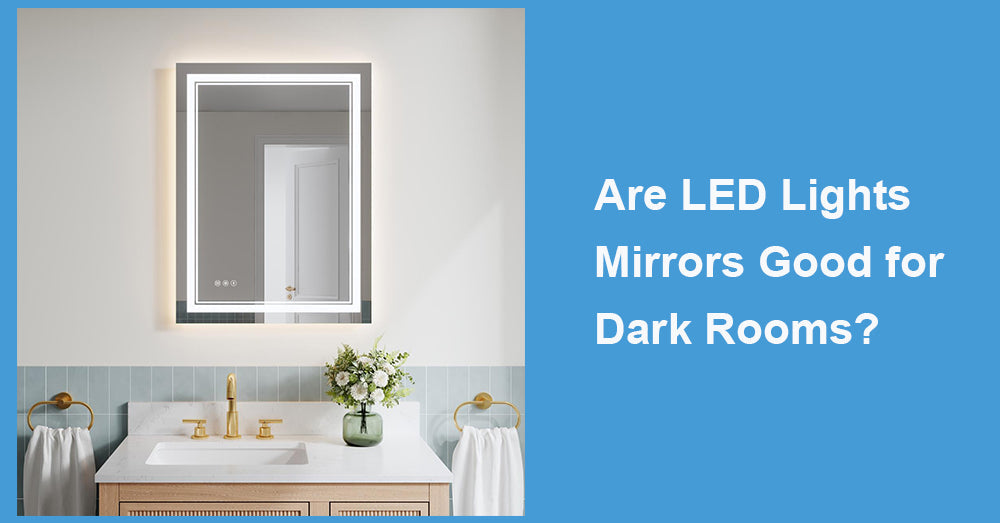
The reason shoppers now see such a wide spread is simple: the category itself is expanding. Houzz reported that lighted mirrors appeared in 22% of renovated bathroom projects in 2025, up 3 percentage points from the year before. As more homeowners and designers treat the mirror as both a lighting source and a design element, sellers respond with more shapes, more electronics, and more size options. Some buyers want a slim 24-inch or 30-inch mirror for a compact powder room. Others want a large 48-inch or 60-inch statement mirror with front and back lighting, dimming, memory, and anti-fog controls. As a product moves up the function ladder, it often increases in weight, too.
6. So, How Heavy Are They Usually?
In practical buying terms, most lighted wall mirrors sold for everyday residential bathrooms usually weigh 20 to 55 lb, with small and mid-size models often in the low 20s to low 40s, and larger 48-inch to 60-inch models commonly in the upper 40s or low 50s. Once extra-thick construction, tilt hardware, or a more robust backing is factored in, the weight can go much higher. That is why product specs matter so much. The category looks sleek on the wall, but behind that clean appearance is a product that often behaves more like an installed lighting fixture than a standard mirror.












Leave a comment
This site is protected by hCaptcha and the hCaptcha Privacy Policy and Terms of Service apply.