














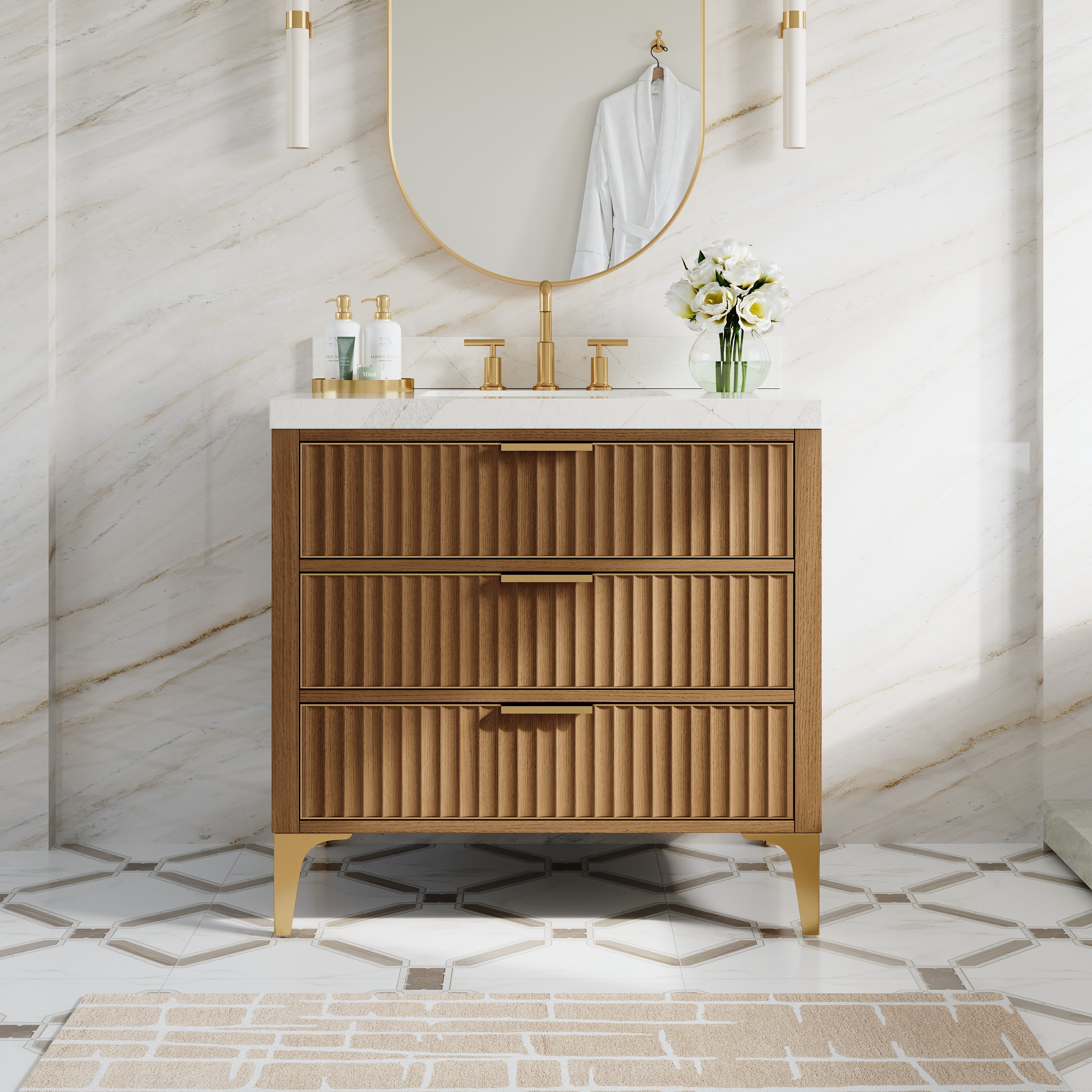
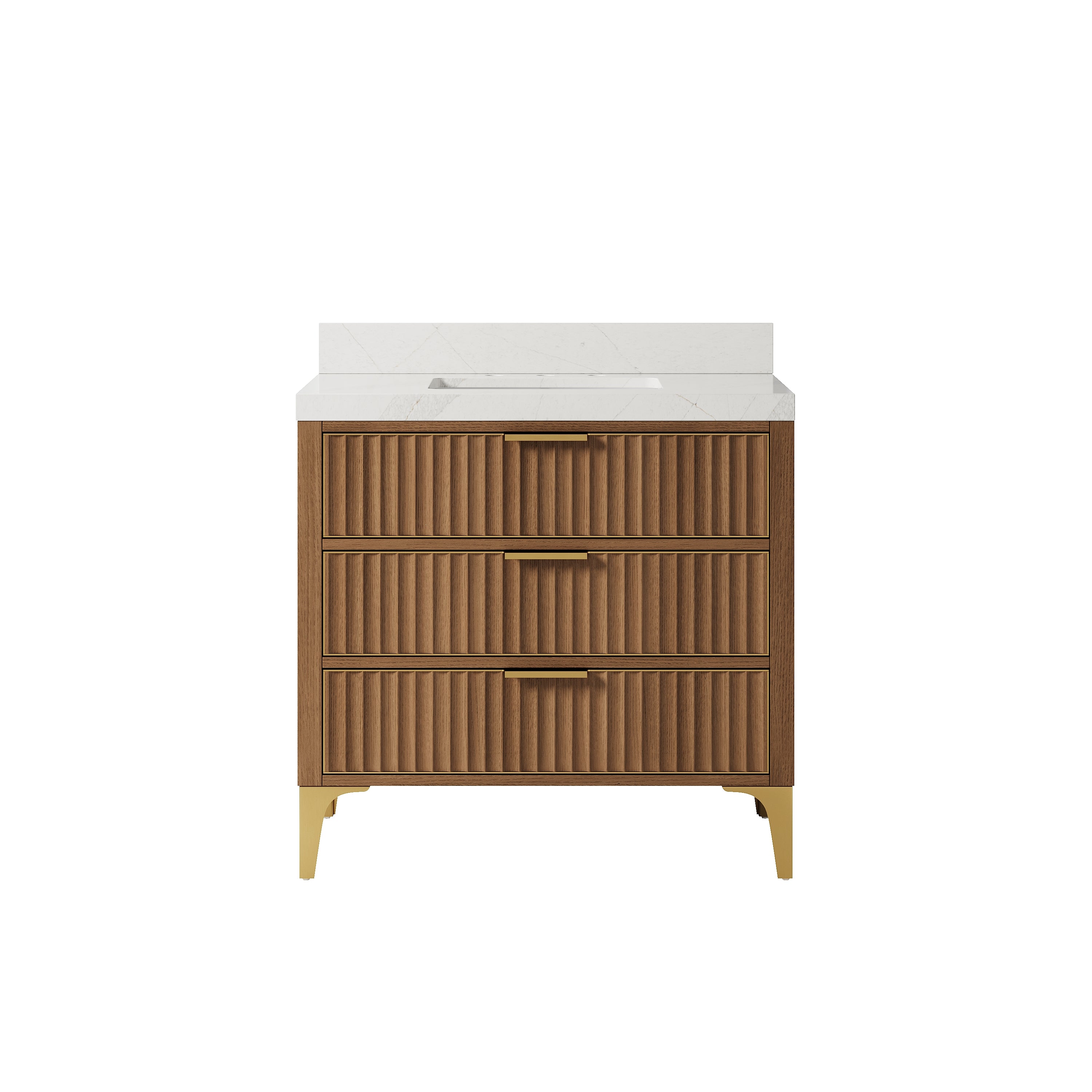
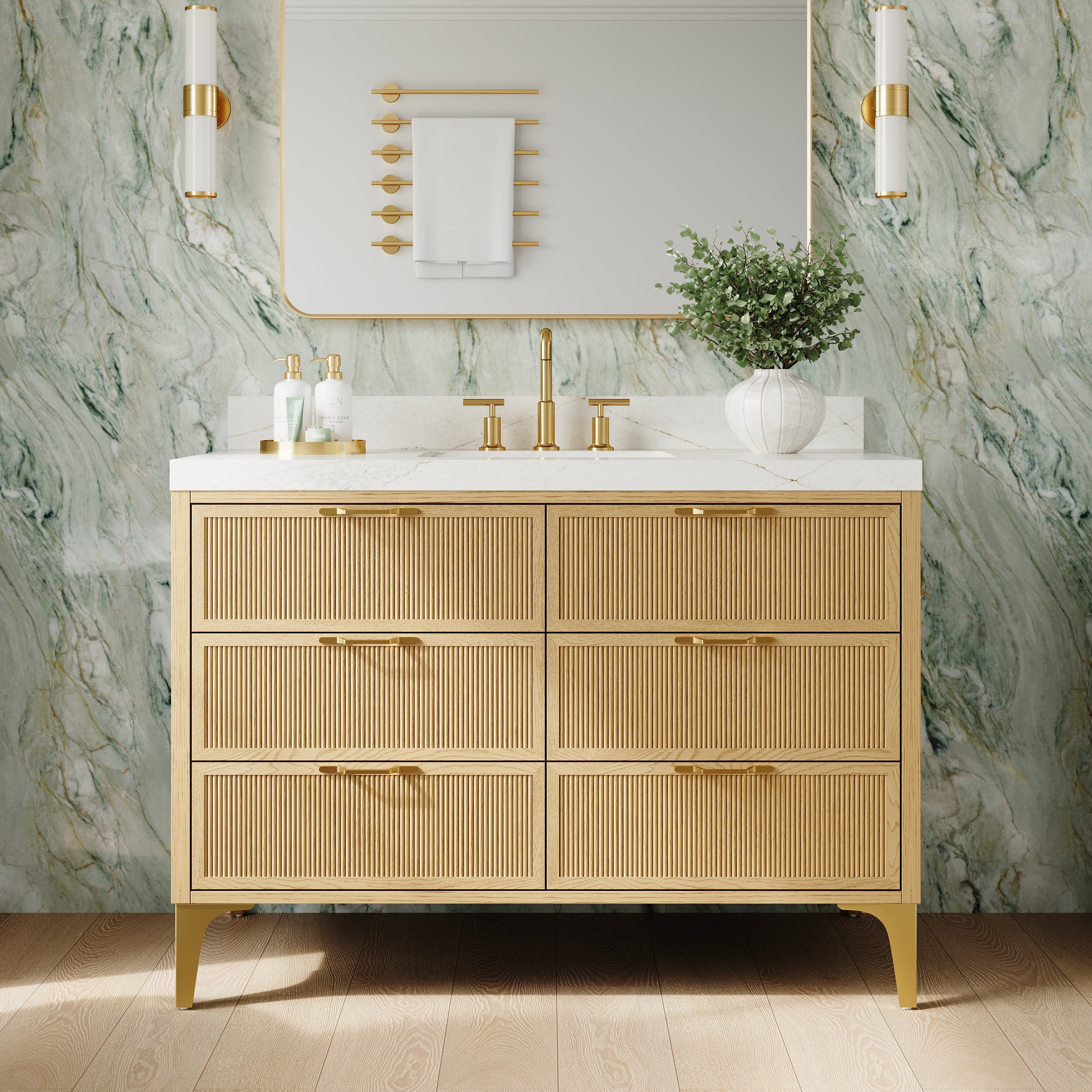
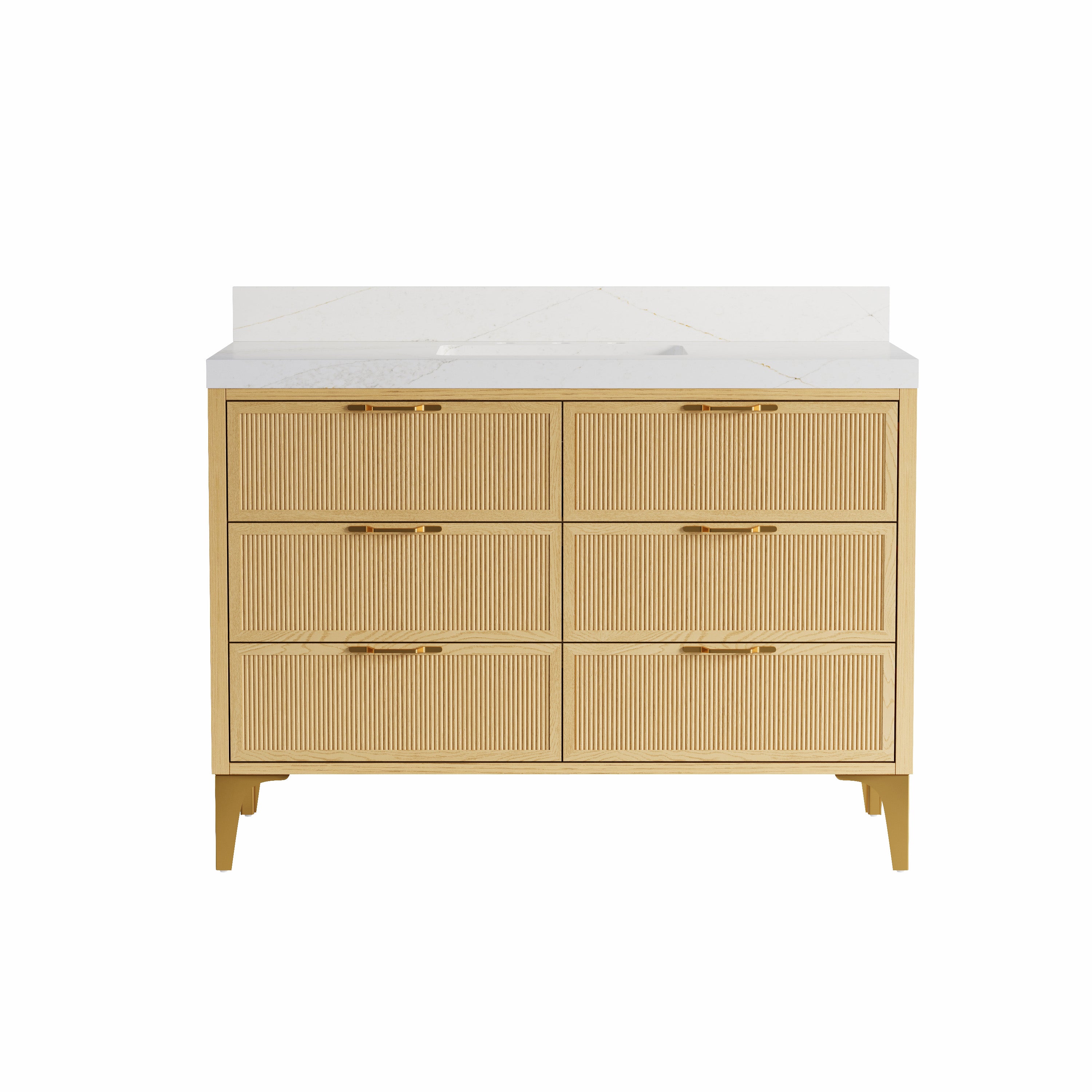


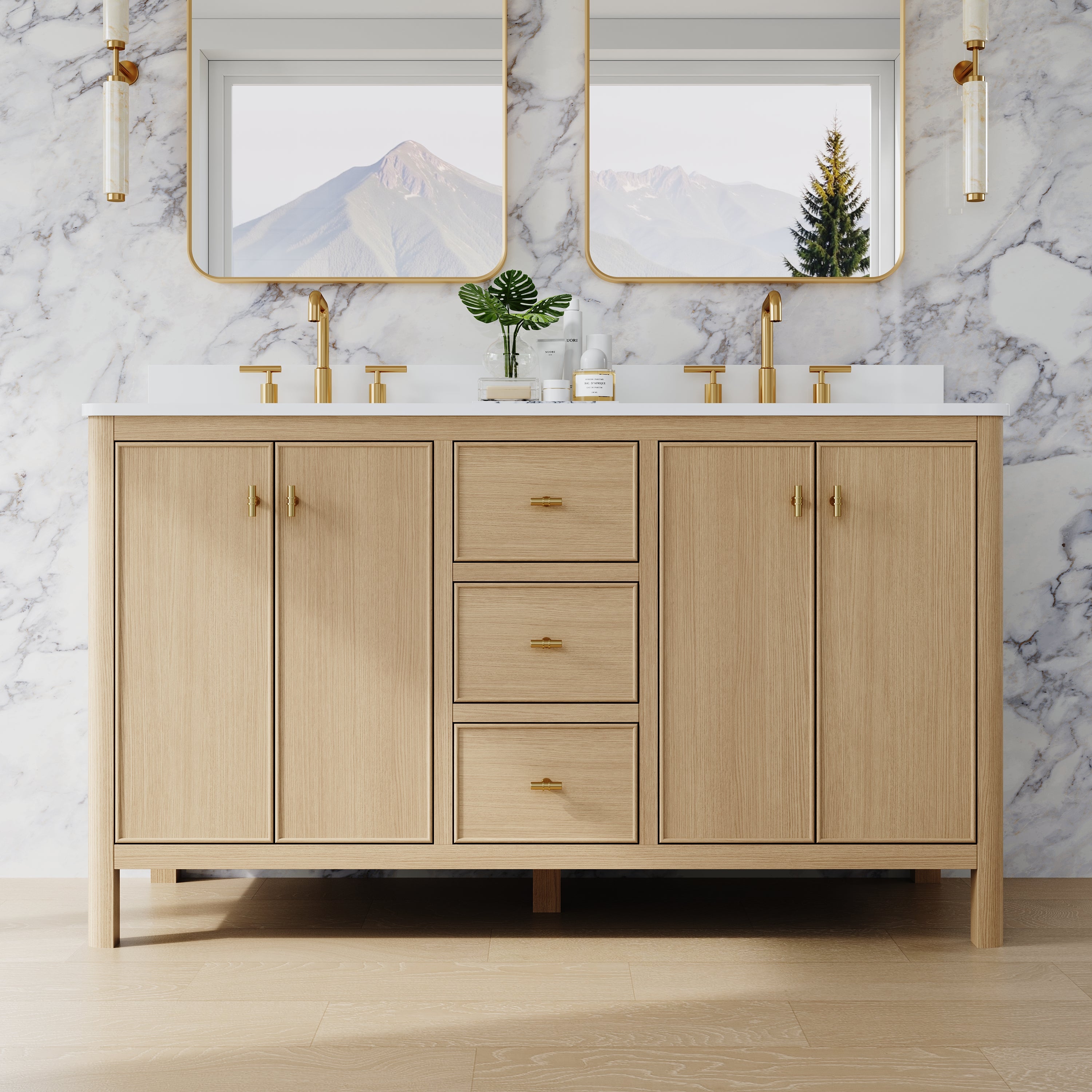
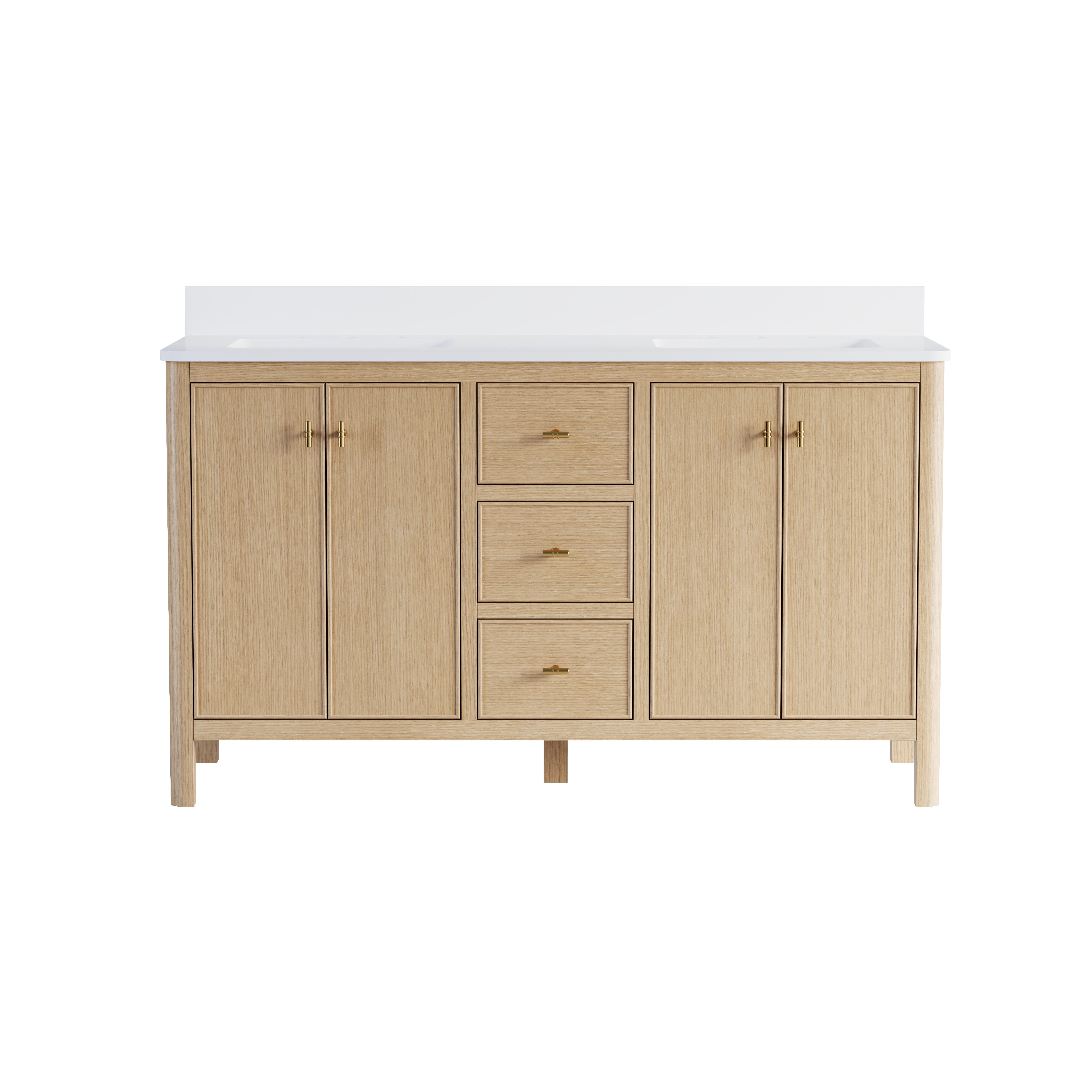
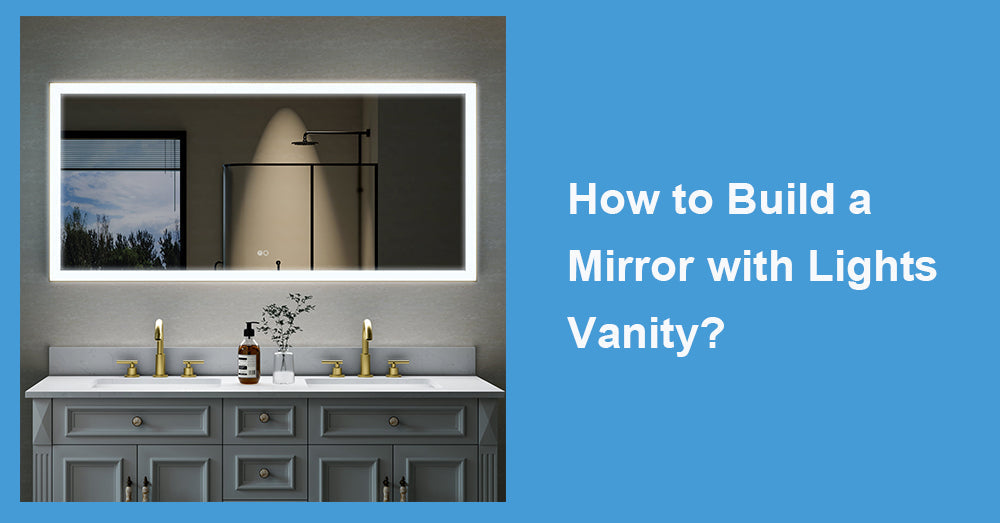
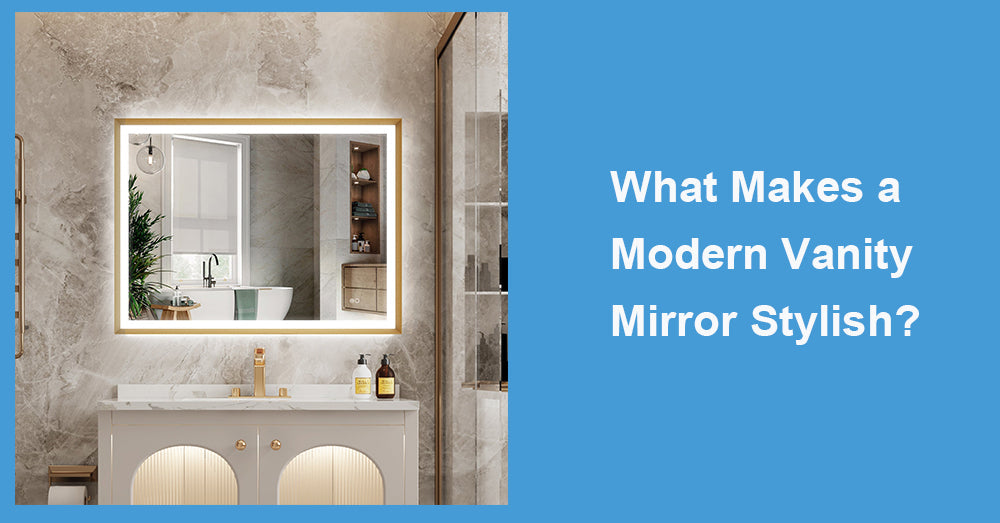
The mirror with lights vanity is no longer a niche upgrade reserved for high-end remodels. It has become one of the clearest signs of where bathroom design is heading: cleaner lines, better task lighting, smarter functionality, and stronger everyday value. That shift is happening at a moment when renovation activity remains substantial. Harvard’s Joint Center for Housing Studies projected home renovation and repair spending to rise 1.2% in 2025, with the market size revised to $509 billion, while Census data shows the median age of owned homes is 41 years, a reminder that many baths are overdue for more practical lighting and storage upgrades.
Why This Category Is Growing So Fast
Recent bathroom research shows that mirrors and lighting are now being specified together, not as separate decisions. In Houzz’s 2024 bathroom trends study of 1,247 renovating homeowners, 59% said they upgraded their mirrors, and 30% chose mirrors with specialty features. Among upgraded mirrors, LED lighting was the most selected feature at 21%, followed closely by anti-fog systems at 20%. Houzz also found that 19% of renovators chose lighted mirrors as part of their updated bath lighting plan. At the same time, NKBA’s 2025 bath trends report highlighted two themes that strongly support this category: smarter tech that personalizes the space, and layered lighting designed around different needs throughout the day.
That matters because buyers no longer want a plain sheet mirror plus a separate bar light that solves only one problem. They want one central piece that brightens the face evenly, reduces shadow, feels more architectural, and often adds defogging, dimming, or power access. In other words, the mirror is moving from a passive surface to an active fixture. That is exactly why the mirror-with-light vanity format is gaining momentum across both renovation projects and new product development.
Start With Proportion Before You Think About Features
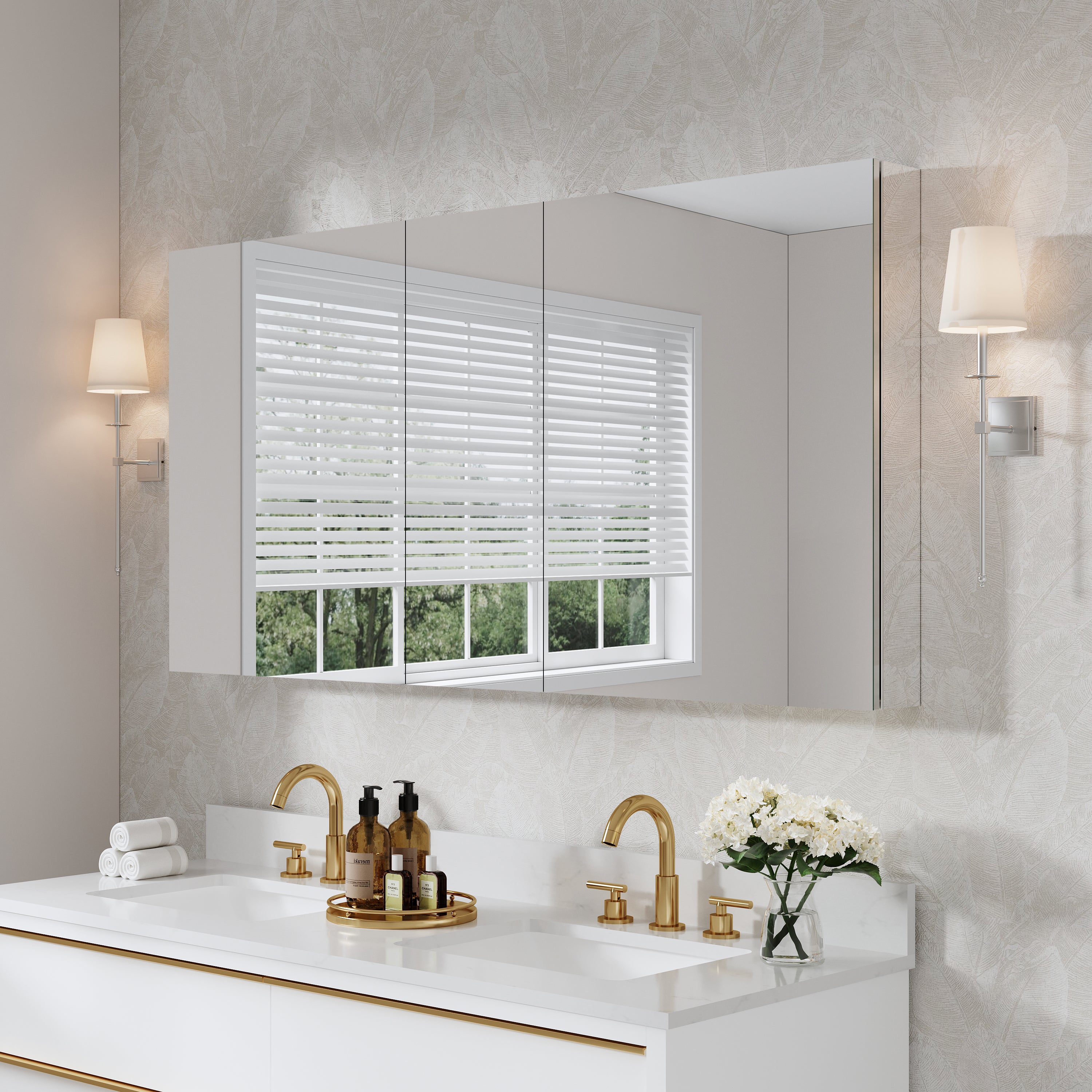
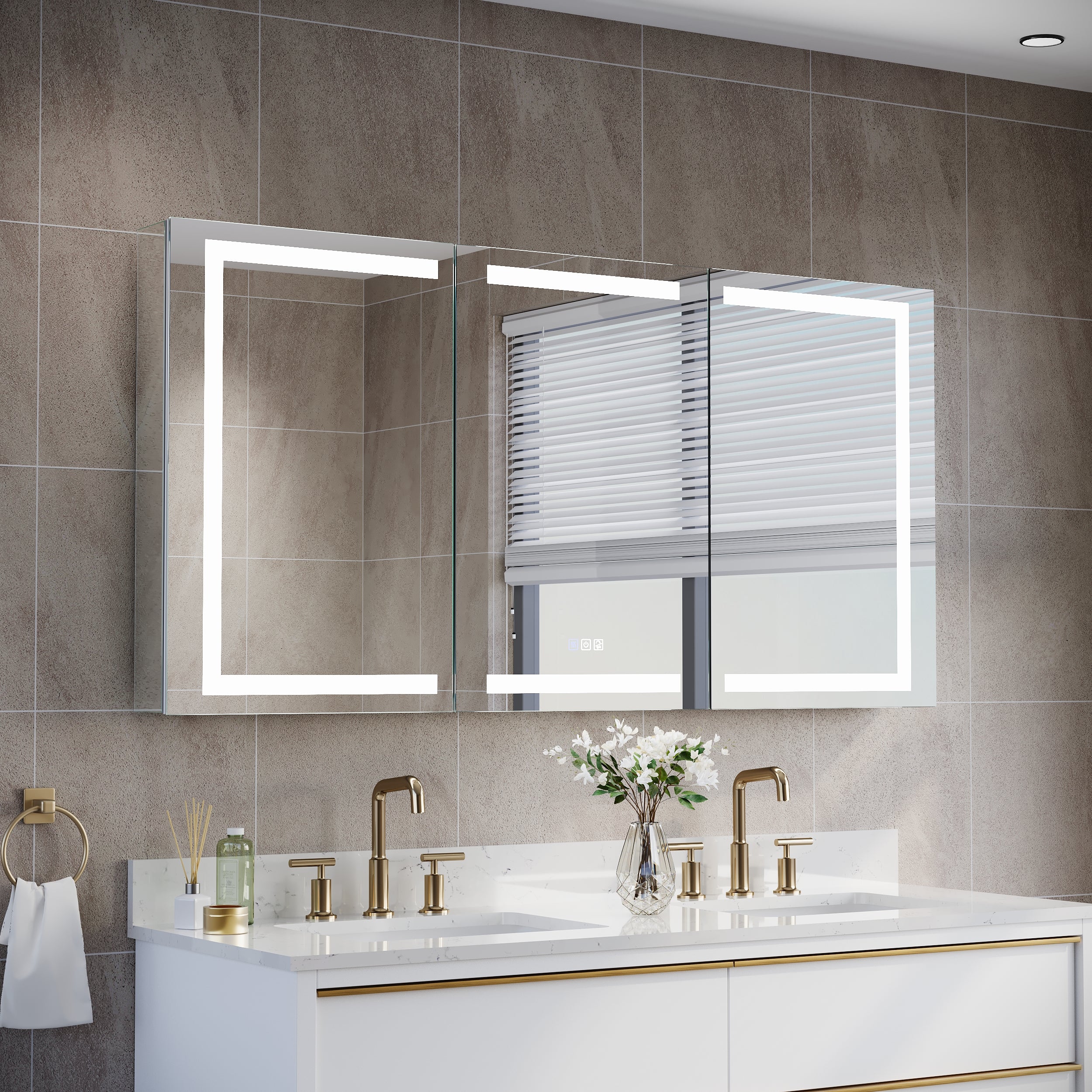
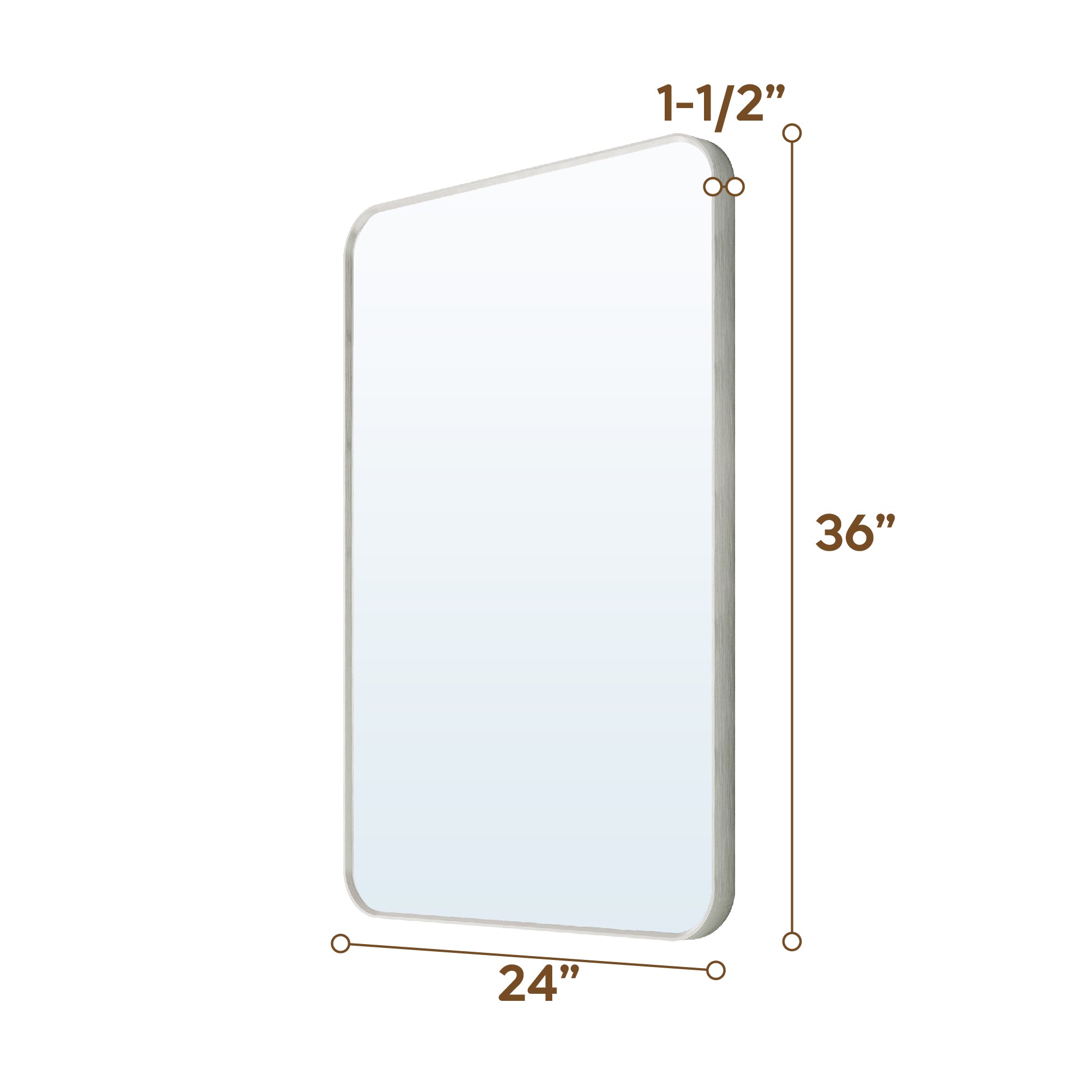
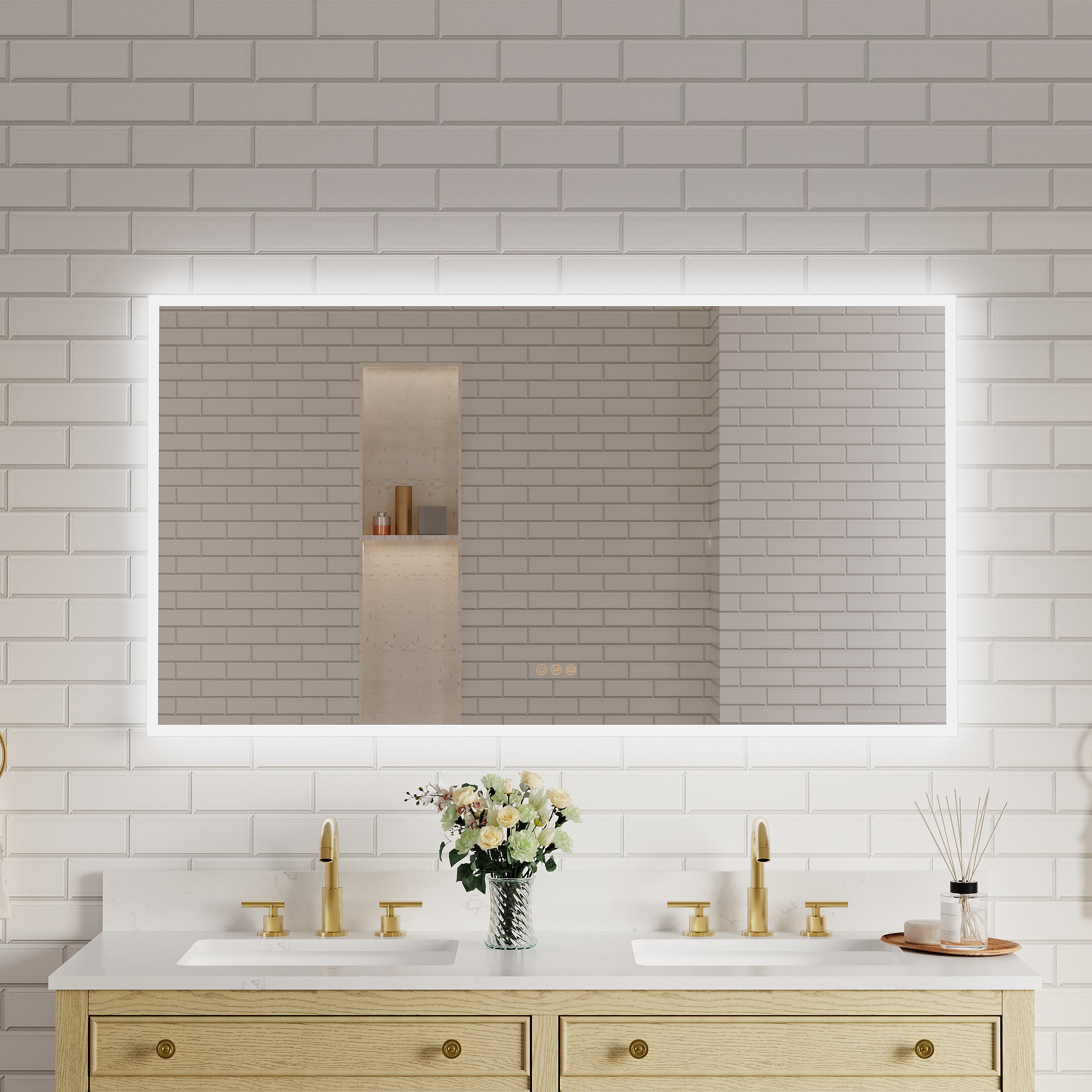
A strong build starts with scale. The vanity sets the footprint, but the mirror determines visual balance. As a practical design rule, the mirror should usually sit a little narrower than the vanity, leaving a clean reveal at both sides rather than stretching edge to edge. For a 24-inch vanity, a mirror around 20 to 22 inches wide often feels balanced. For a 36-inch vanity, many builders prefer a height of 30 to 34 inches. For a 48-inch double-sink setup, the choice often comes down to a single, larger mirror or two separate mirrors, depending on the faucet spacing and wall layout.
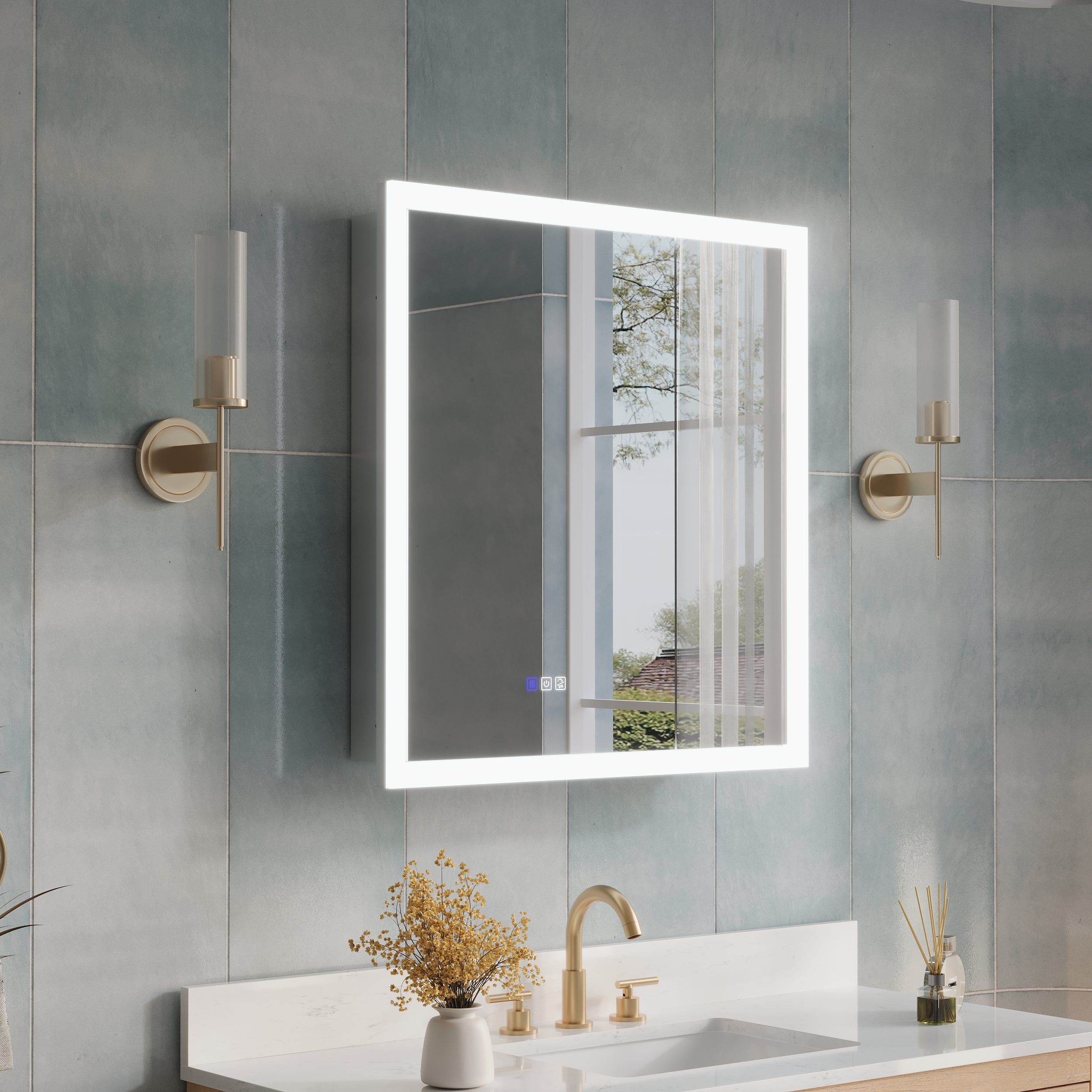
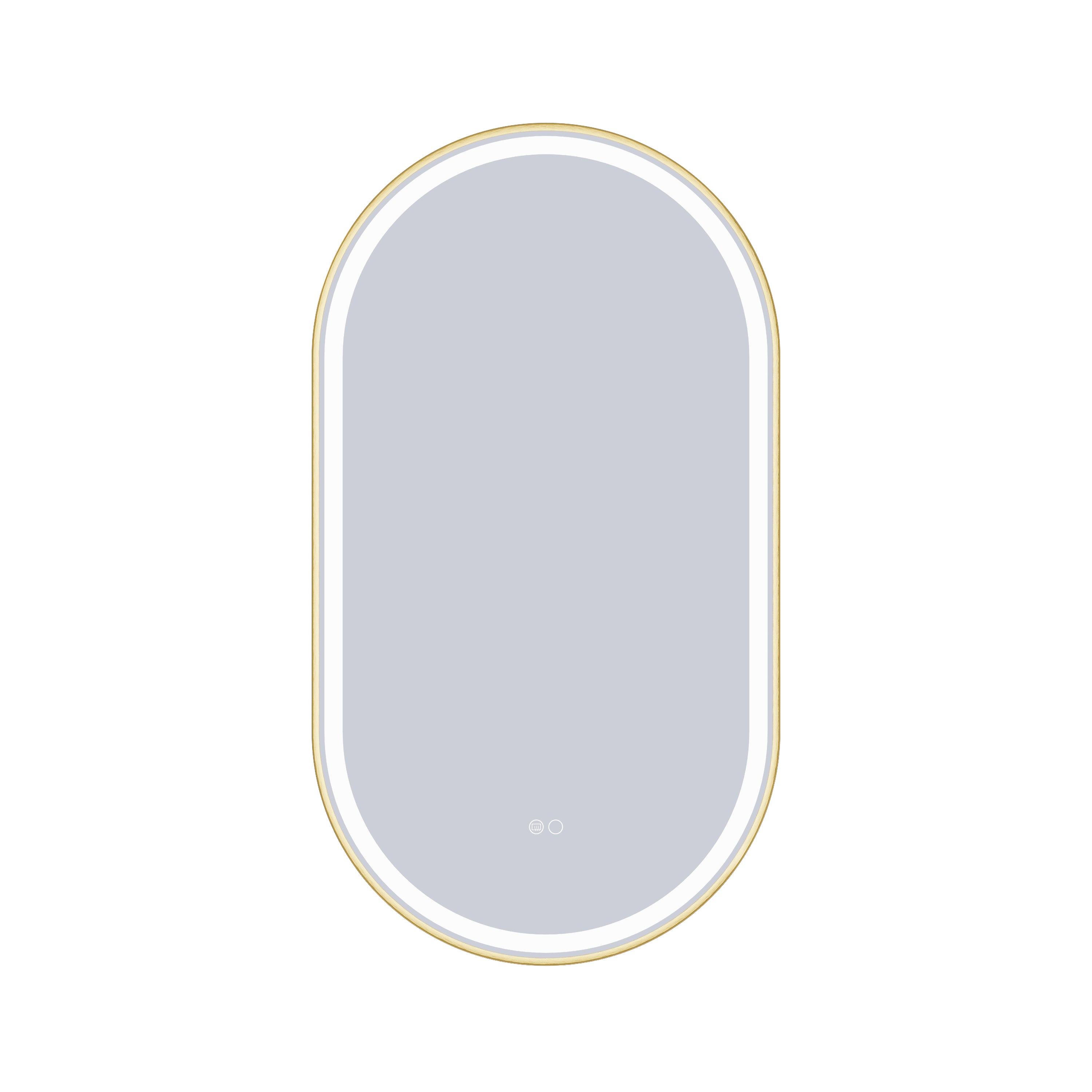
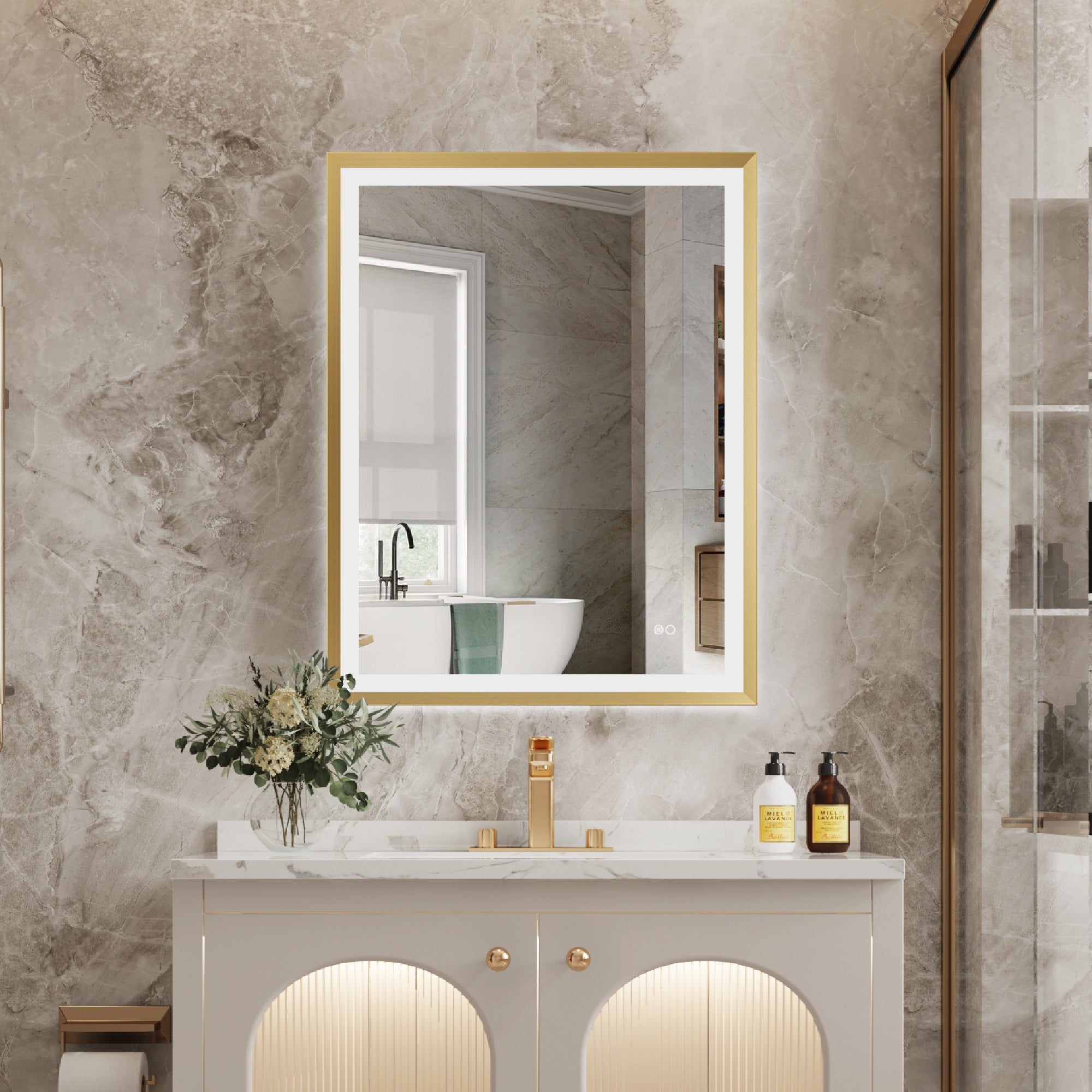
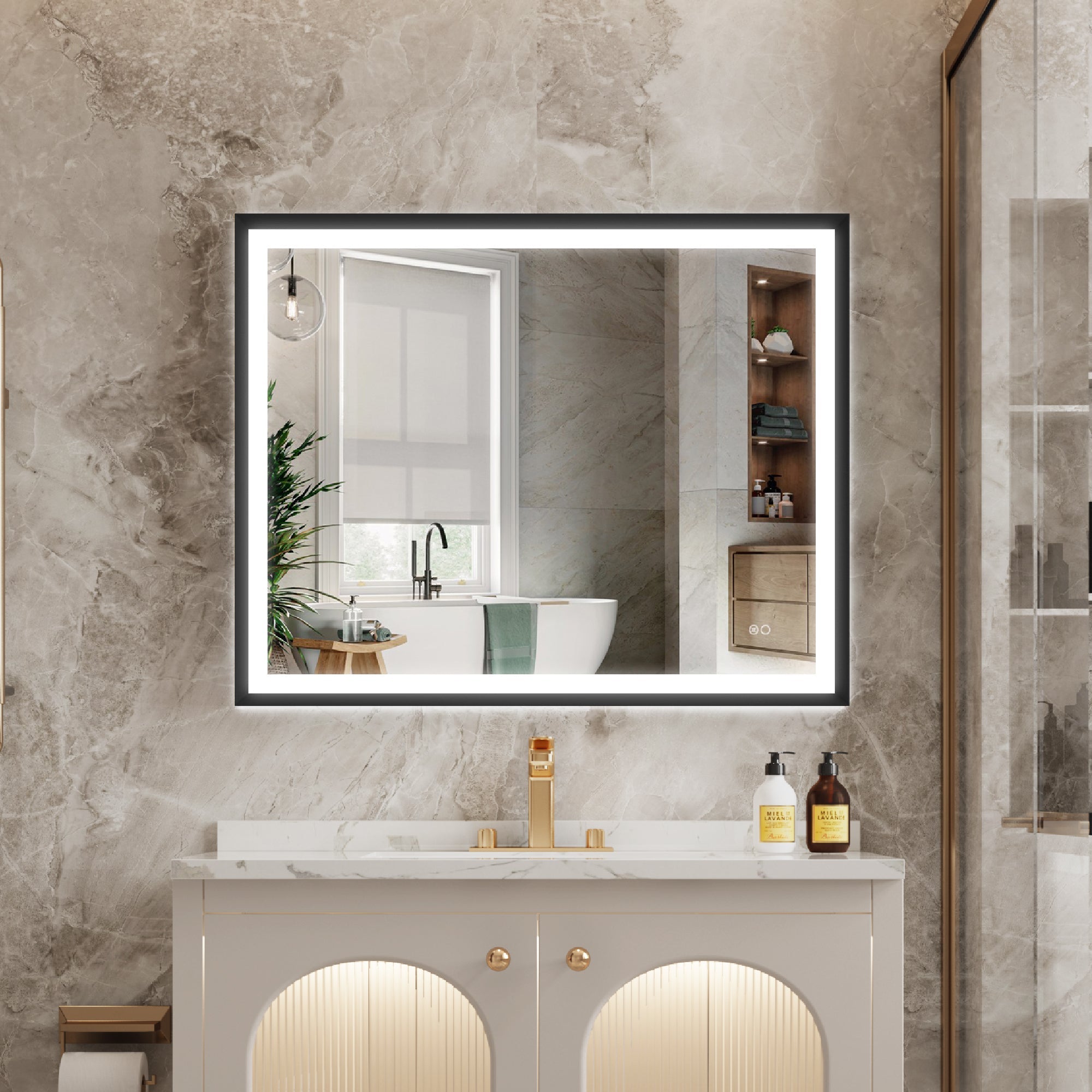
Height matters just as much. A mirror that is too short can make integrated lighting feel decorative instead of useful. A taller mirror gives the LED system greater vertical reach, improving facial illumination and making the entire vanity wall feel more premium. If the goal is a clean, floating look, slim-framed or frameless mirrors with integrated LEDs usually outperform bulky top-light combinations. This is not a code rule but a practical product-building principle: get the proportions right first, then layer in the technology.
Build the Lighting System Around Real Daily Use
The best lighted vanity mirrors are not just bright. They are controlled, even, and flattering. That is why LED remains the dominant choice. According to the U.S. Department of Energy, residential LEDs use at least 75% less energy and last up to 25 times longer than incandescent lighting. DOE also notes that LEDs are today’s most energy-efficient lighting technology and are rapidly advancing. For manufacturers and spec writers, that makes LED the obvious foundation for a vanity mirror that needs to deliver strong performance without adding excess heat or energy cost.
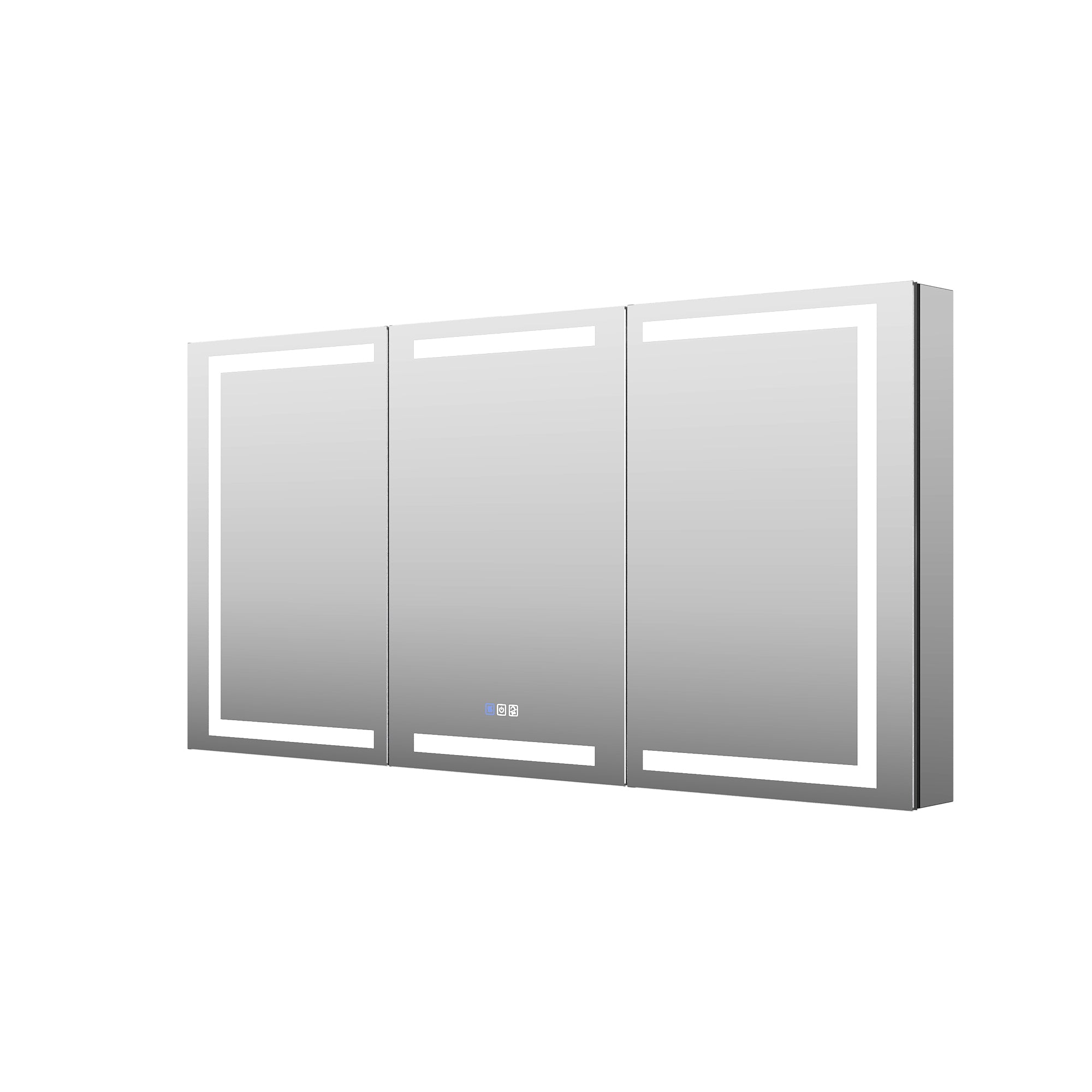
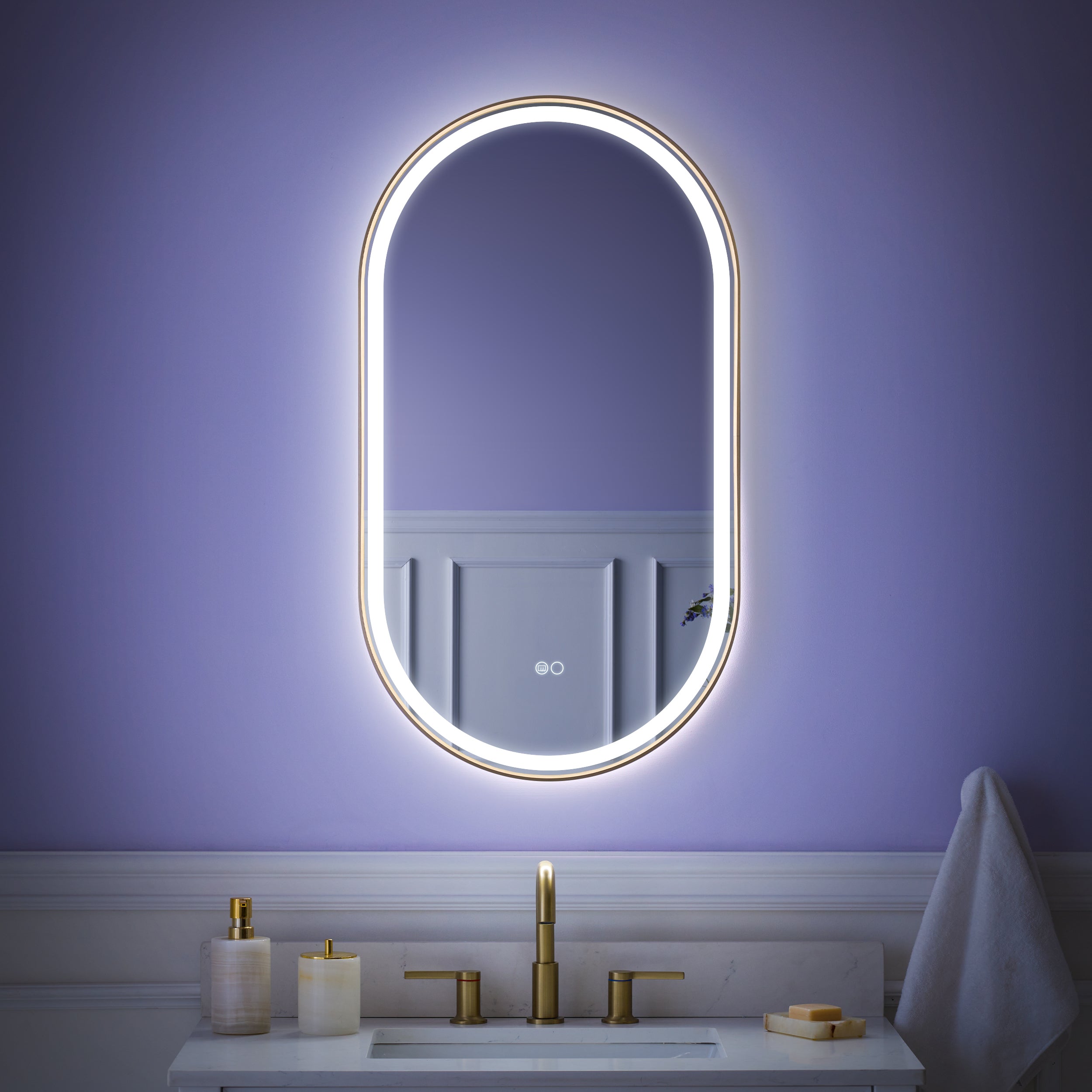
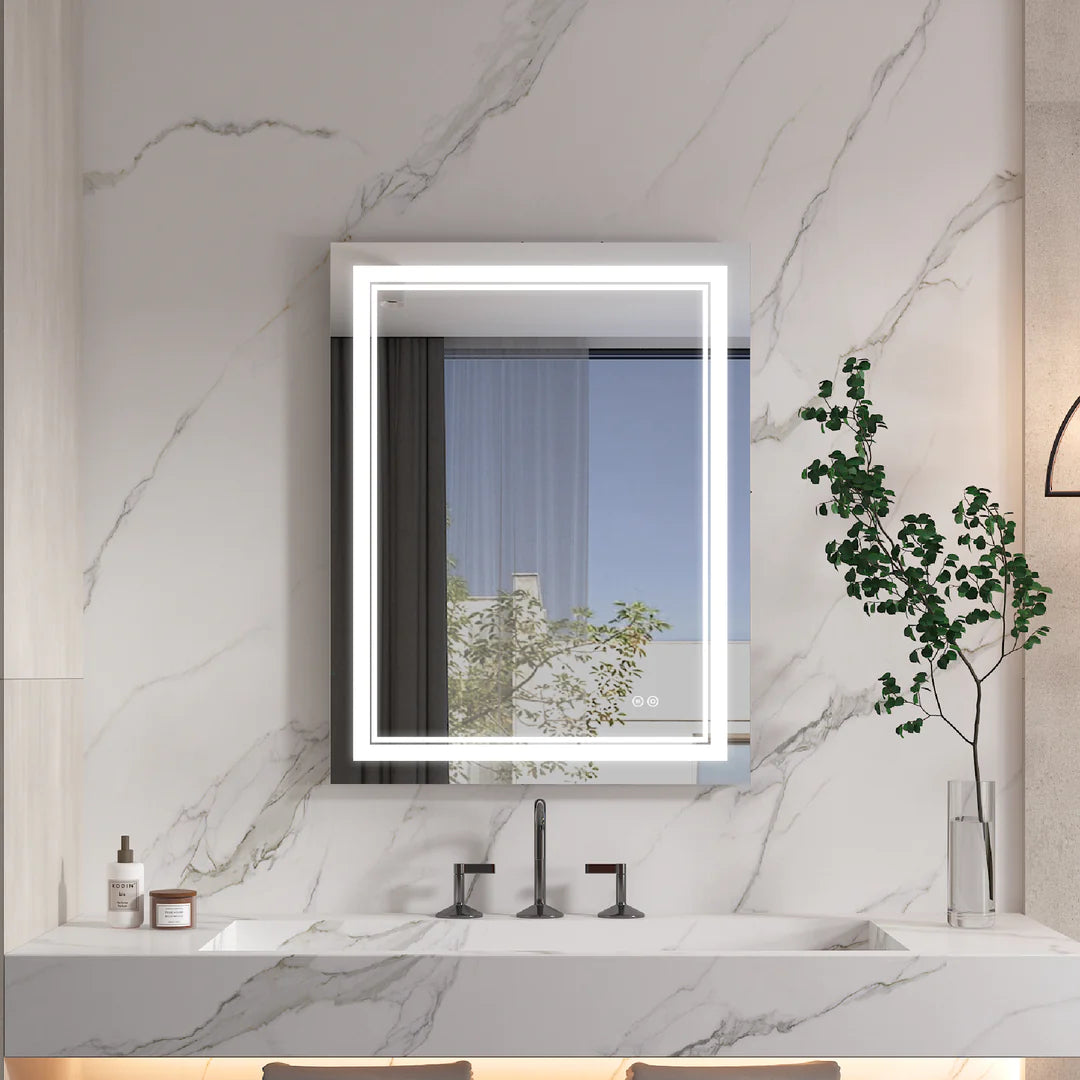
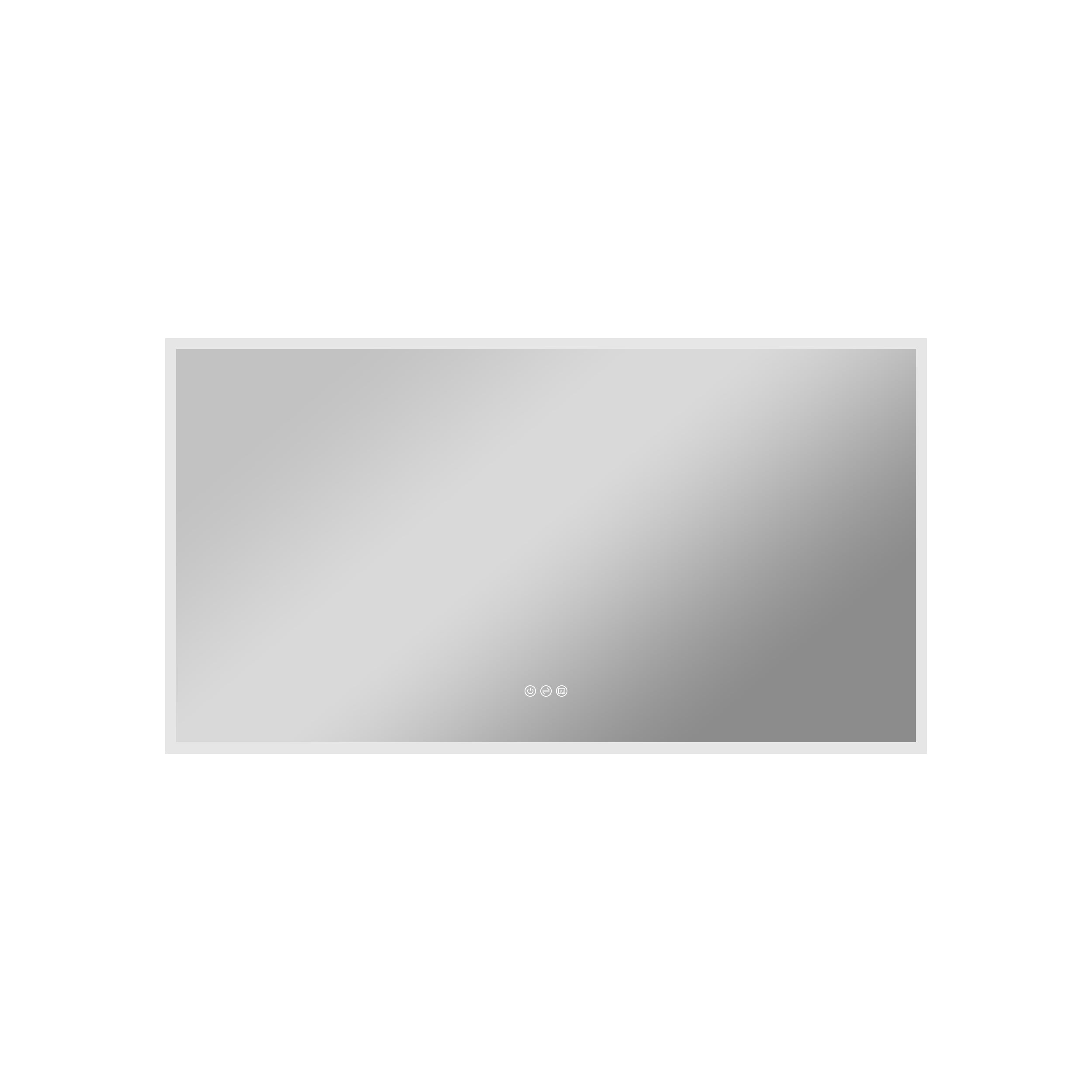
In practice, the strongest setups use one of three formats: front-lit mirrors for direct task visibility, backlit mirrors for a softer halo effect, or combined front-and-back systems that reduce harsh facial shadows. Dimming is especially important because a vanity must do more than one job. Morning grooming needs stronger, clearer light. Evening use often benefits from a softer setting. Houzz also found that 6% of homeowners upgrading mirrors chose a feature that allows changing color temperature, showing that tunable light is moving from a premium option to a relevant mainstream upgrade.

Moisture Safety and Electrical Planning Cannot Be an Afterthought
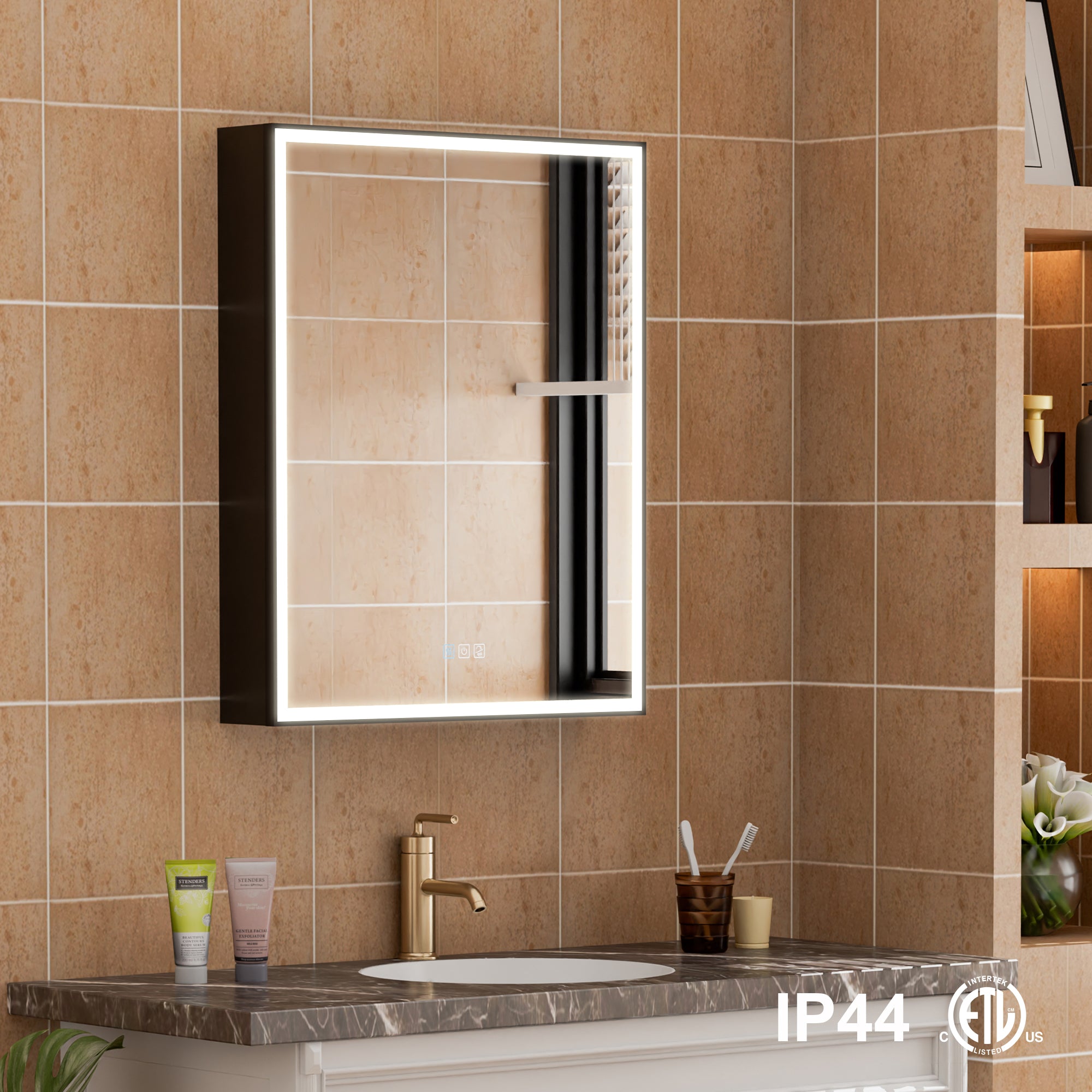
A lighted vanity mirror sits in one of the most demanding environments in the home: heat, steam, splashing, and frequent daily use. That means moisture rating matters. UL’s guidance is clear that luminaires installed in damp locations must be marked “Suitable for Damp Locations” or “Suitable for Wet Locations.” In contrast, wet locations require fixtures specifically marked for use in wet areas. For a vanity zone outside direct water spray, damp-location suitability is the baseline checkpoint many builders should be looking for.
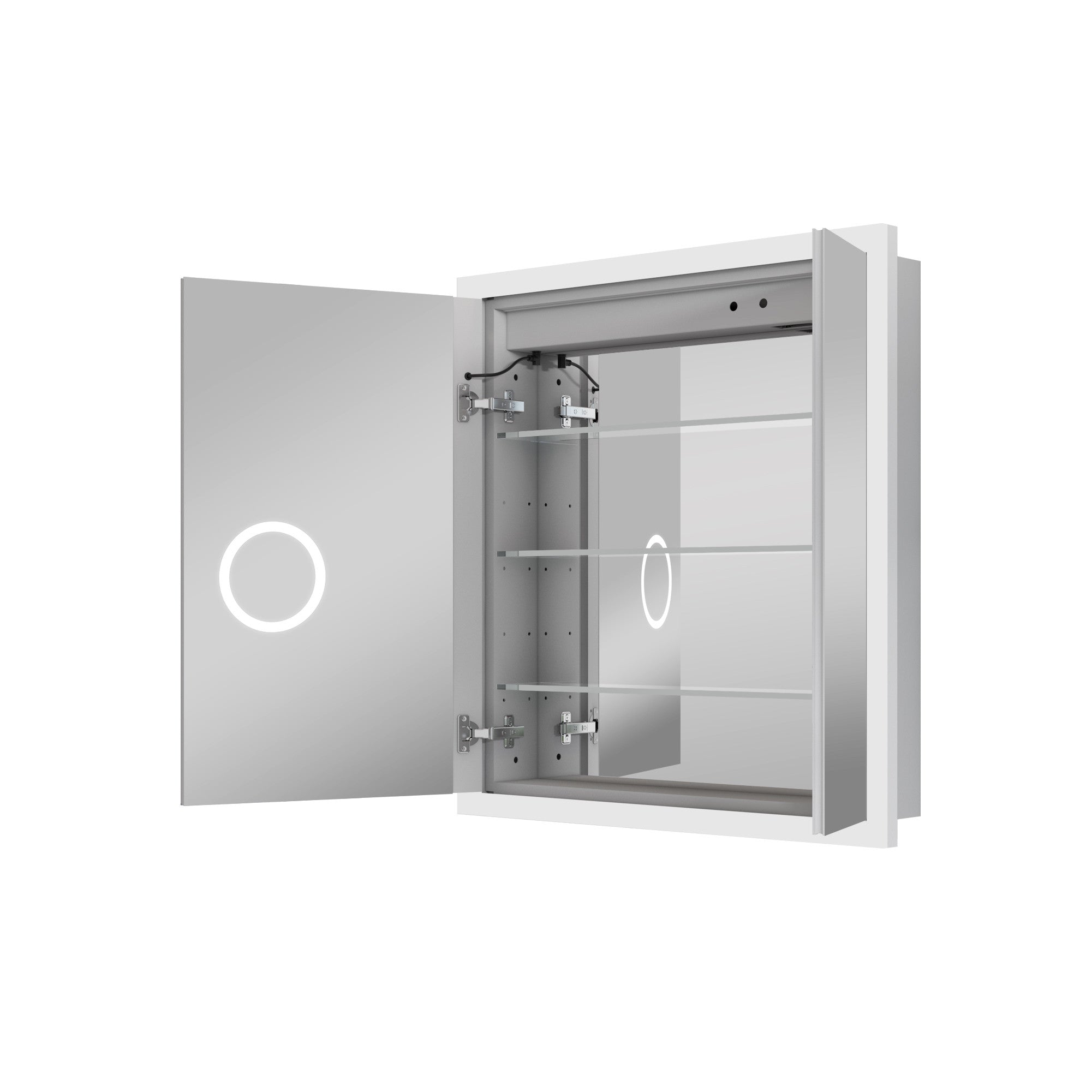
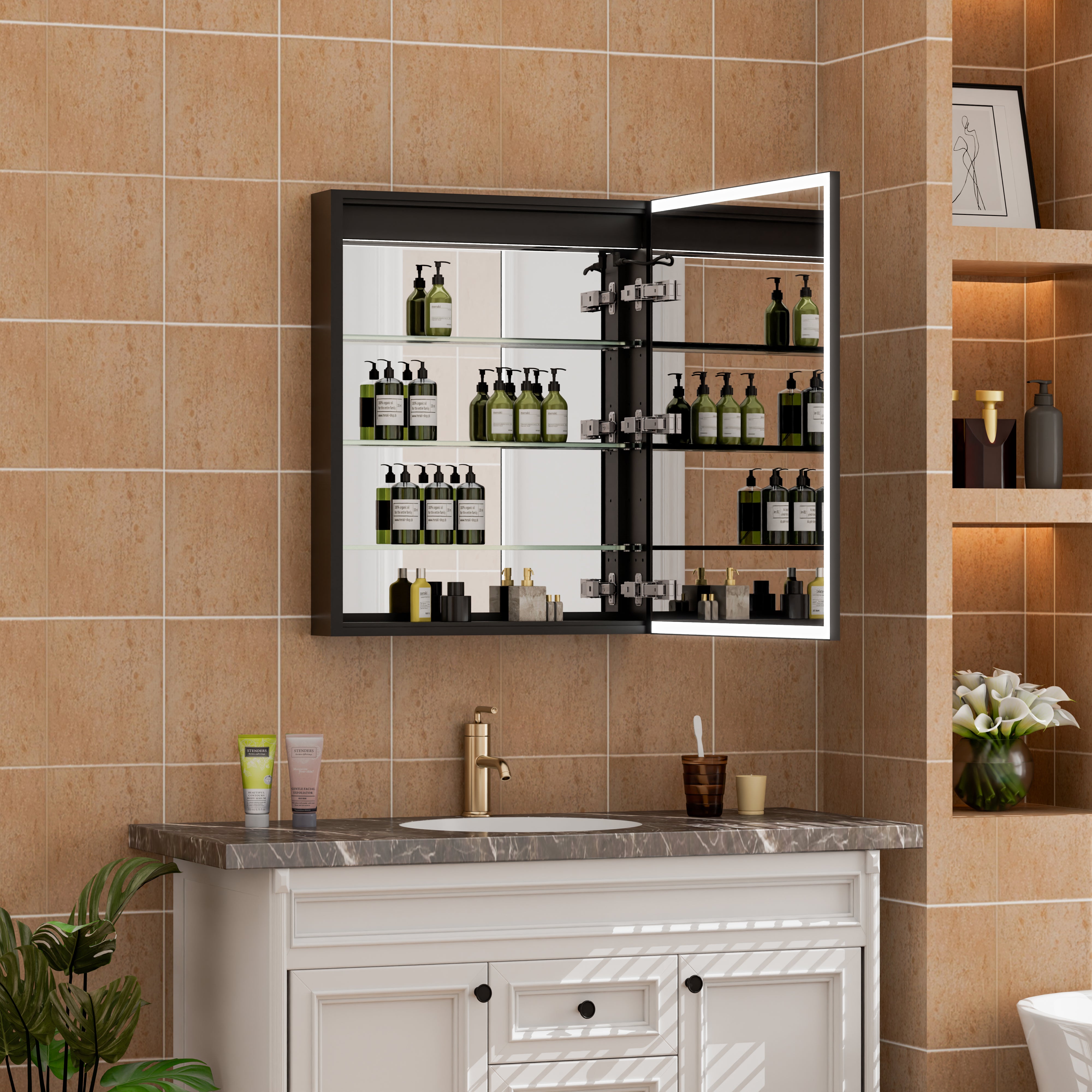
This is also why the build process should involve electrical planning from day one, not after the mirror size is finalized. If the design includes a hidden outlet, touch switch, defogger, or memory control, the back plate, wire routing, and wall prep must be considered early. Houzz found that 6% of upgraded mirrors include hidden outlets, while 20% include anti-fog systems. Those are still specialty features, but they are significant enough to influence how new products are engineered and marketed.
Material Selection Is Quietly Becoming a Bigger Selling Point
As the category matures, finish and construction details are playing a larger role in how products are judged. Houzz reports that for upgraded bath lighting, metal and glass is the leading fixture material combination at 65%, far ahead of all-metal at 20% and mostly glass at 12%. That preference lines up with what buyers tend to notice visually: crisp edges, reflective surfaces, and a cleaner architectural language around the vanity wall.
For product development, that pushes builders toward durable, refined materials such as anodized aluminum frames, copper-free mirror glass, sealed backing, and components that can withstand repeated humid cycles. Even when those details are invisible once installed, they shape long-term performance. A mirror with premium lighting but weak edge sealing or a poorly finished frame can lose its value very quickly. The category is becoming less forgiving, which means build quality now matters almost as much as lighting output.
What a Strong 2026 Product Spec Looks Like
A competitive mirror with lights vanity today usually succeeds because it combines several functions without making the product feel crowded. The strongest direction is not “more features at any cost,” but “the right features with a clean interface.” Current trend data support that view. Houzz shows that homeowners continue to prioritize upgraded mirrors, LED lighting, anti-fog performance, and targeted lighting, while NKBA highlights smarter personalization and layered illumination as defining bath themes.
So what should builders prioritize first? Start with the right width in inches. Pair it with integrated LED lighting, dimming, a clear switch logic, and a moisture-appropriate rating. Then consider anti-fog, hidden outlet access, or tunable white settings if the product position supports them. This approach creates a vanity mirror that looks modern on the wall, solves genuine user pain points, and feels current without relying on gimmicks.
The Real Takeaway for the Industry
The category’s direction is now hard to miss. Remodeling demand remains large, much of the housing stock still needs practical upgrades, and bathroom trend research keeps pointing toward smarter lighting and more functional mirrors. That makes the mirror with lights vanity more than a styling story. It is a product type sitting at the intersection of design, efficiency, daily convenience, and renovation value.
For brands, designers, and merchants, the winning formula is straightforward: build around proportion, use LED intelligently, respect moisture conditions, and add only the features that improve real routines. When those elements come together, the result is not just a prettier bathroom wall. It is a better-performing product that aligns with where the category is headed next.












Leave a comment
This site is protected by hCaptcha and the hCaptcha Privacy Policy and Terms of Service apply.