
















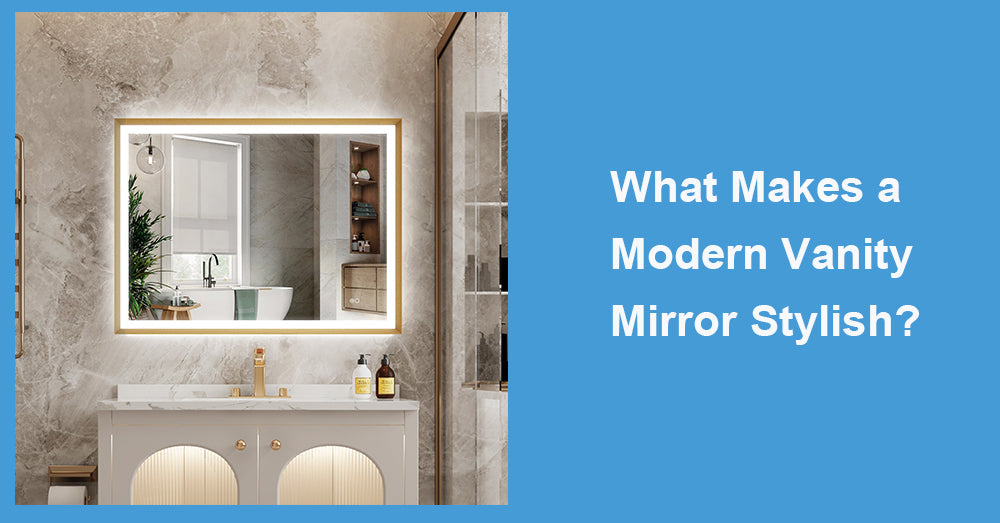
A modern vanity mirror is no longer judged only by shape or frame color. In today’s bathroom pipeline, “stylish” increasingly means the mirror looks calm on the wall while quietly doing more work: better facial lighting, clearer visibility after showers, cleaner cable management, and tighter alignment with the vanity and hardware. That shift shows up in renovation research, where mirrors are upgraded at scale, and features like integrated lighting and anti-fog are becoming common selection criteria.
1. Stylish Starts With Performance, Not Decoration
Industry trend data points to function as the new driver of “style.” Houzz’s 2024 bathroom trends study reports that 59% of renovating homeowners upgrade their mirrors, and among upgraded mirror features, LED lighting leads at 21%, followed by anti-fog systems at 20%. Smaller but telling shares also add hidden outlets (6%) and other specialty systems.
When a mirror becomes a daily-use tool, style shifts from ornament to usability. The cleanest-looking designs tend to be the ones that reduce visual noise: fewer add-on fixtures, fewer exposed cords, and fewer mismatched finishes. A “stylish” mirror is often the one that makes the entire vanity wall look intentional.
Lighting Quality Is Now a Style Requirement
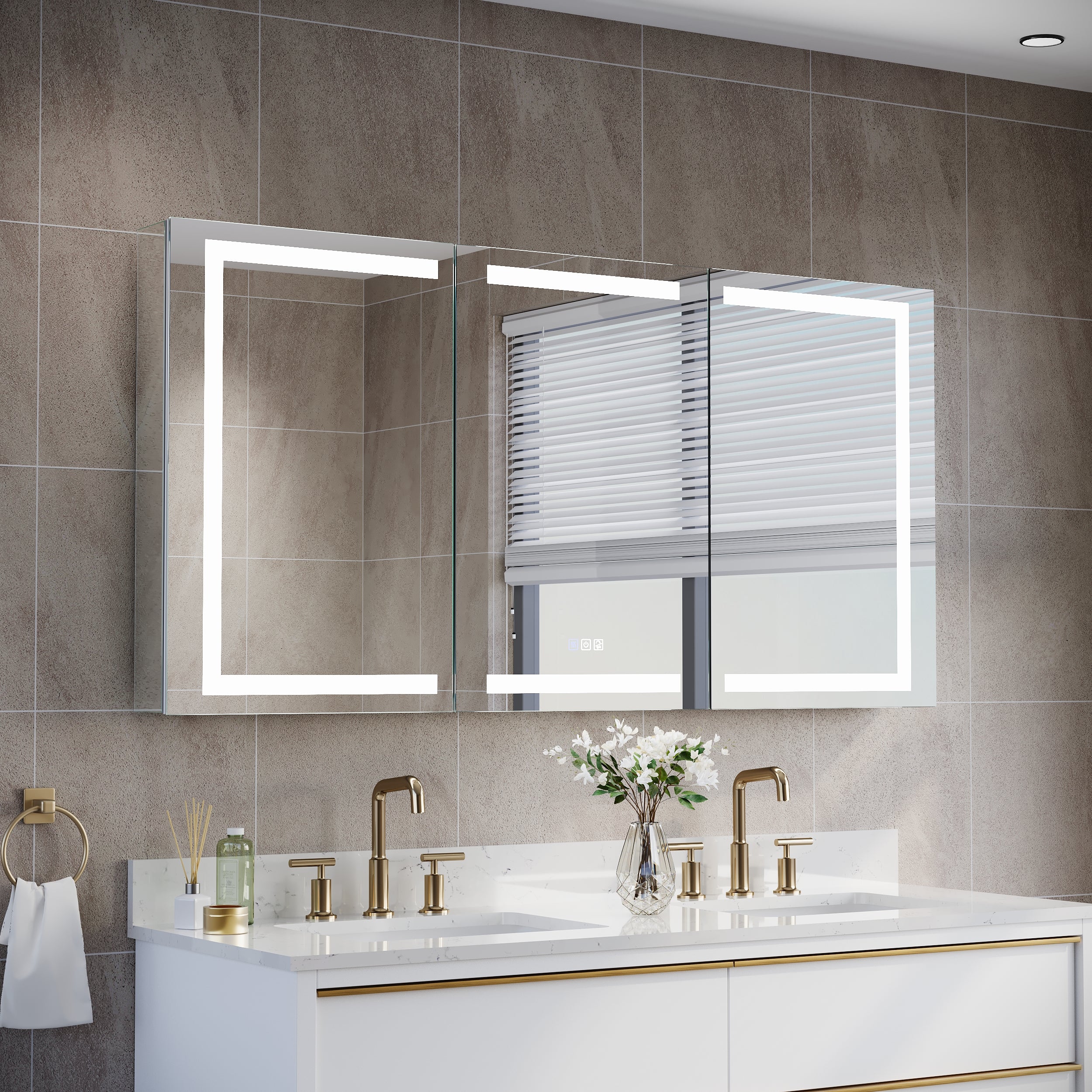
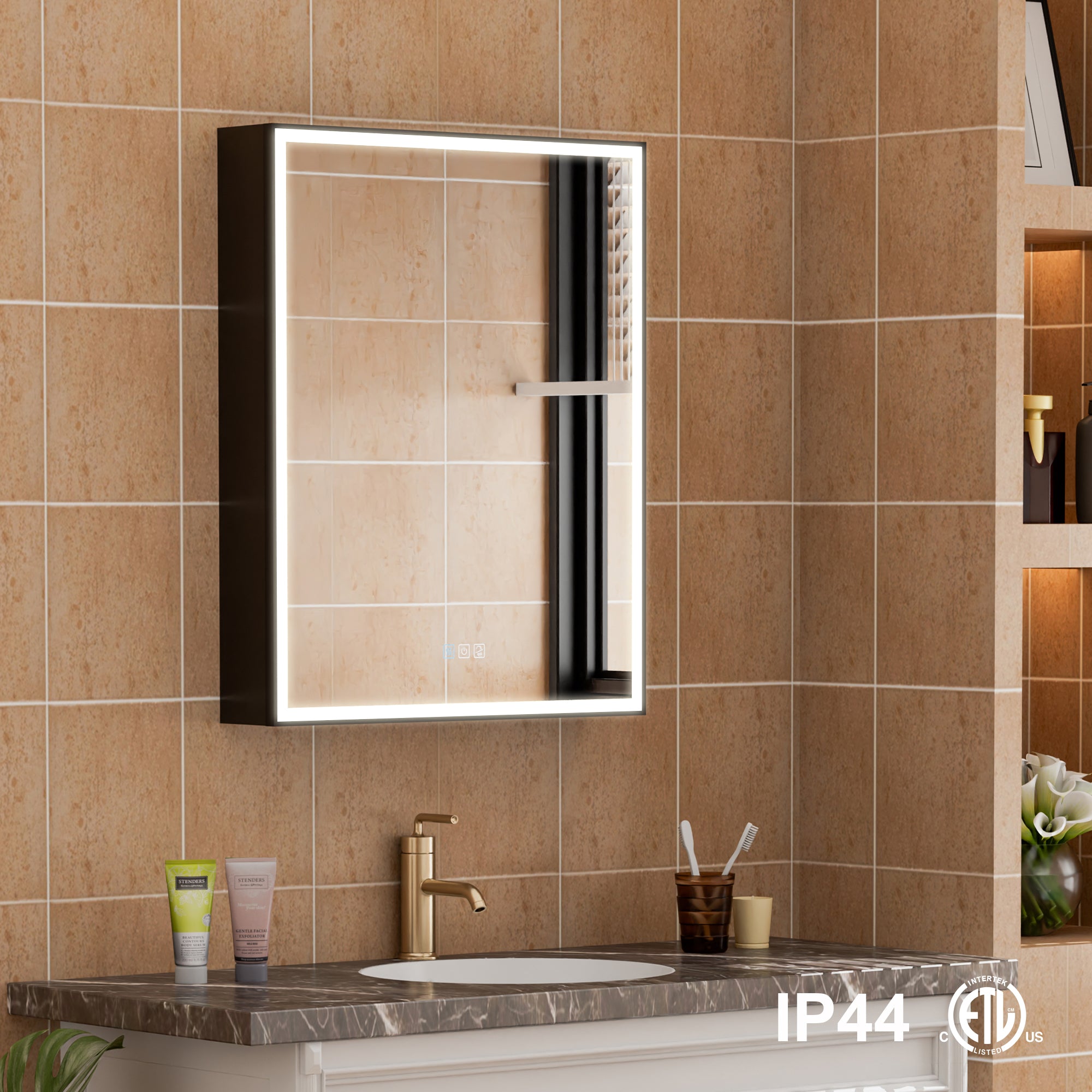
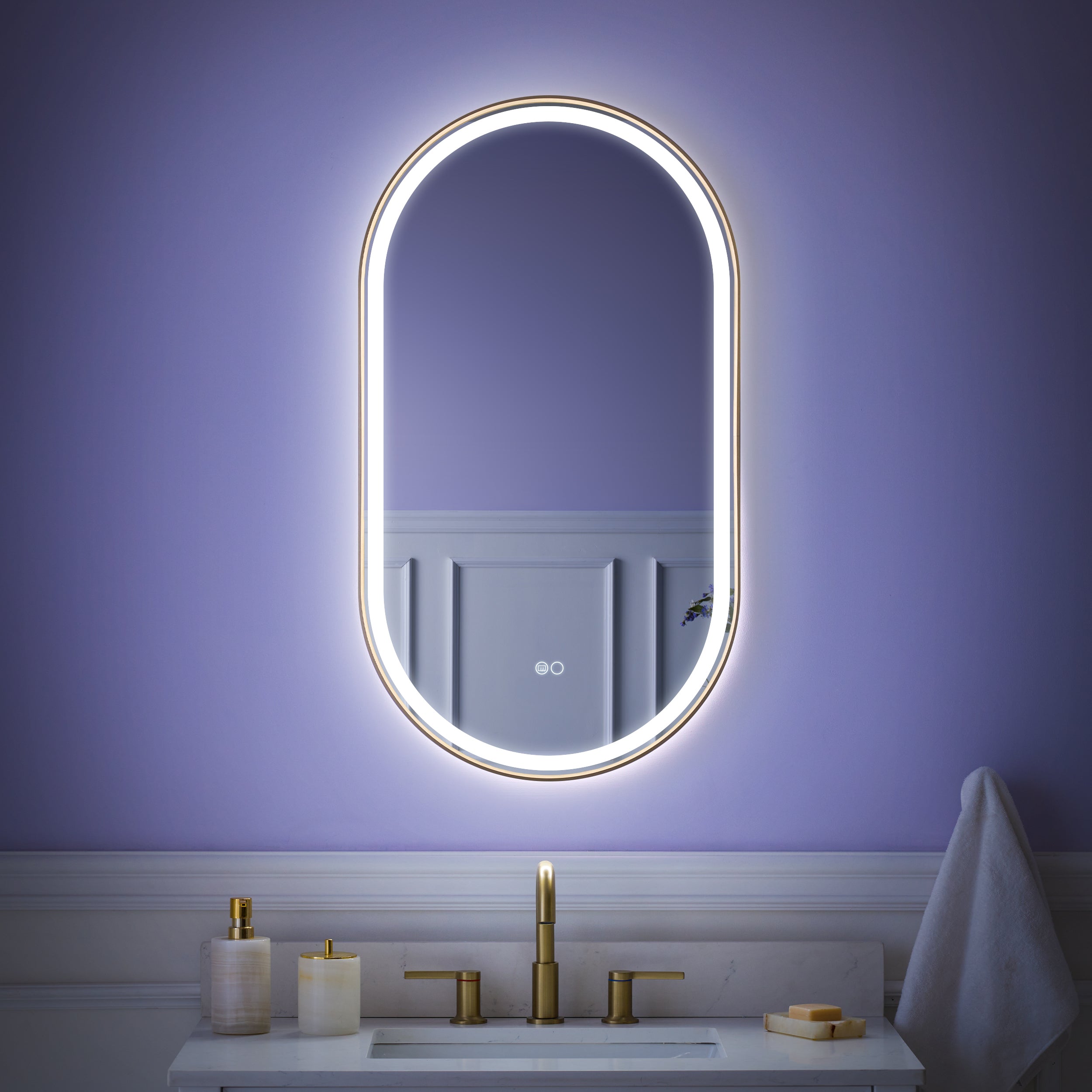
Lighting is one of the fastest ways to make a bathroom look expensive or cheap. NKBA trend reporting underscores how central lighting has become: 91% cite lighting quality as a top consideration, and 92% agree task lighting should always be included in the primary bath. The same trend release notes 47% favor integrated lighting in mirrors over the next three years, and 80% are including nighttime-specific lighting.
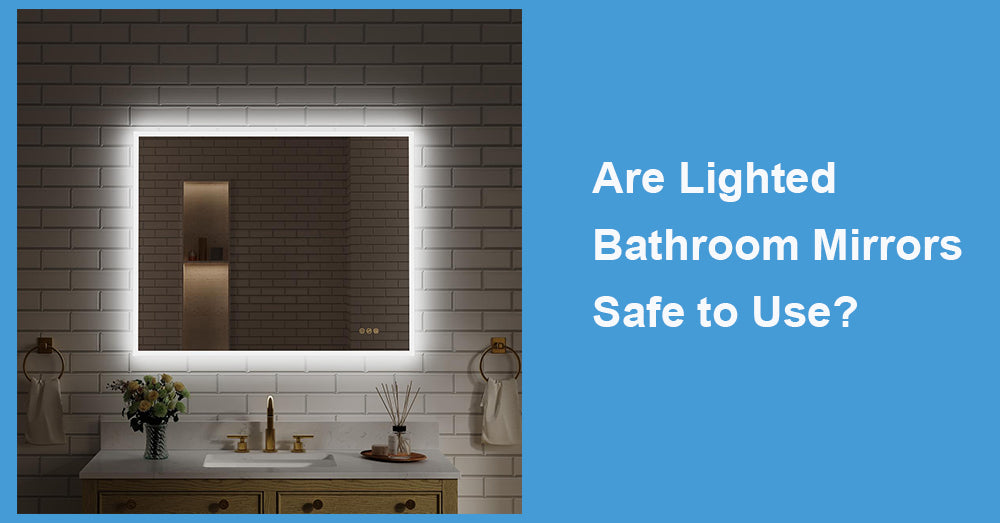
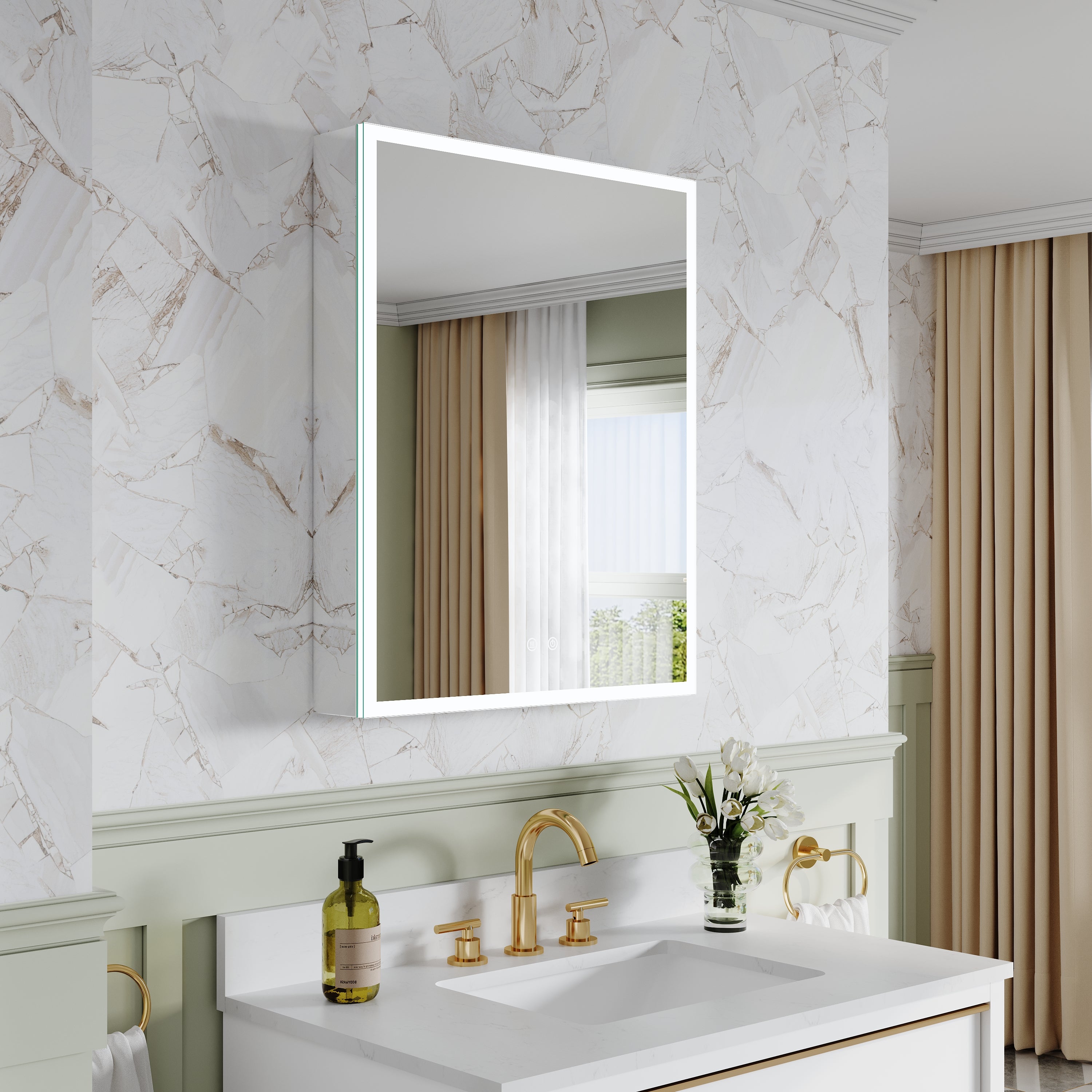
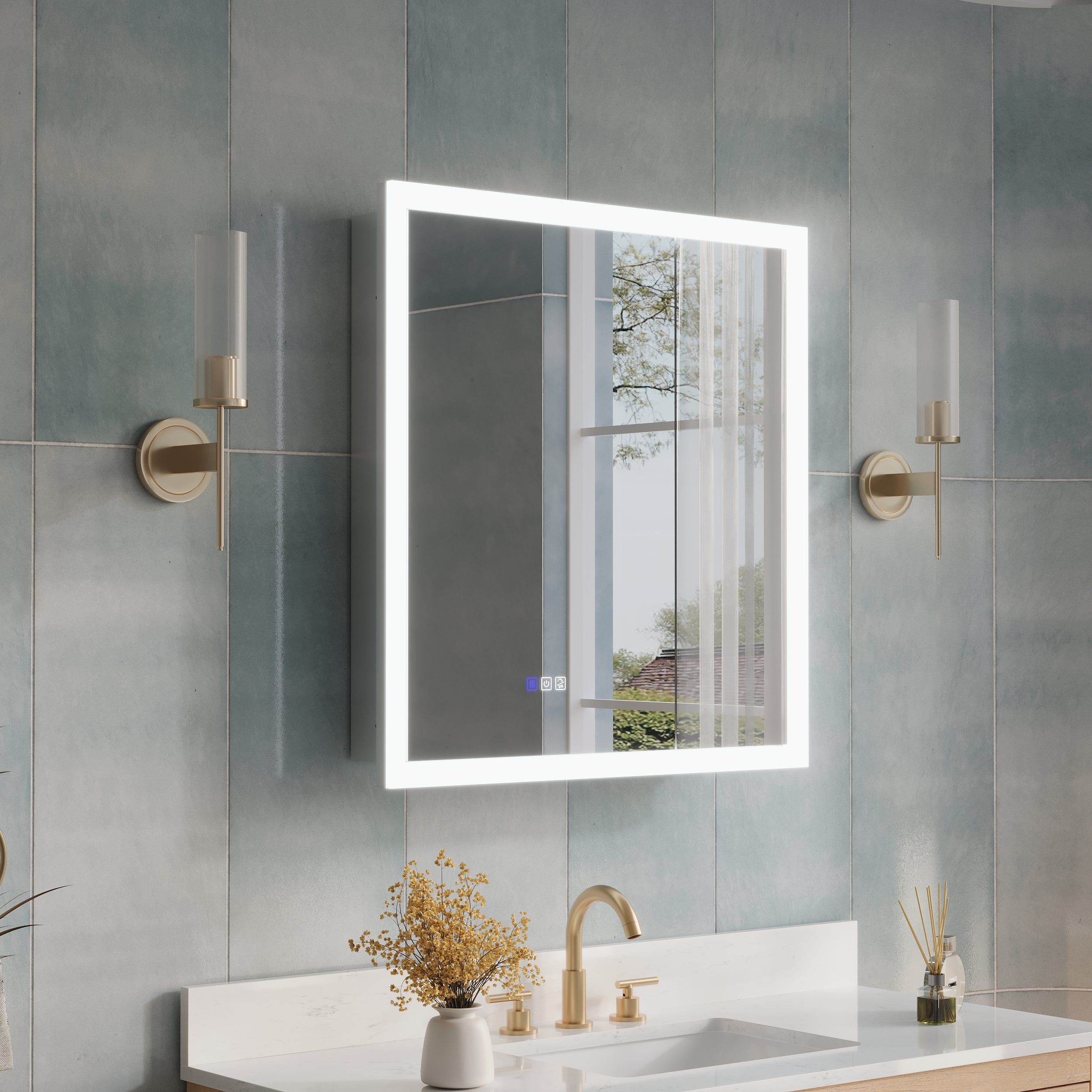
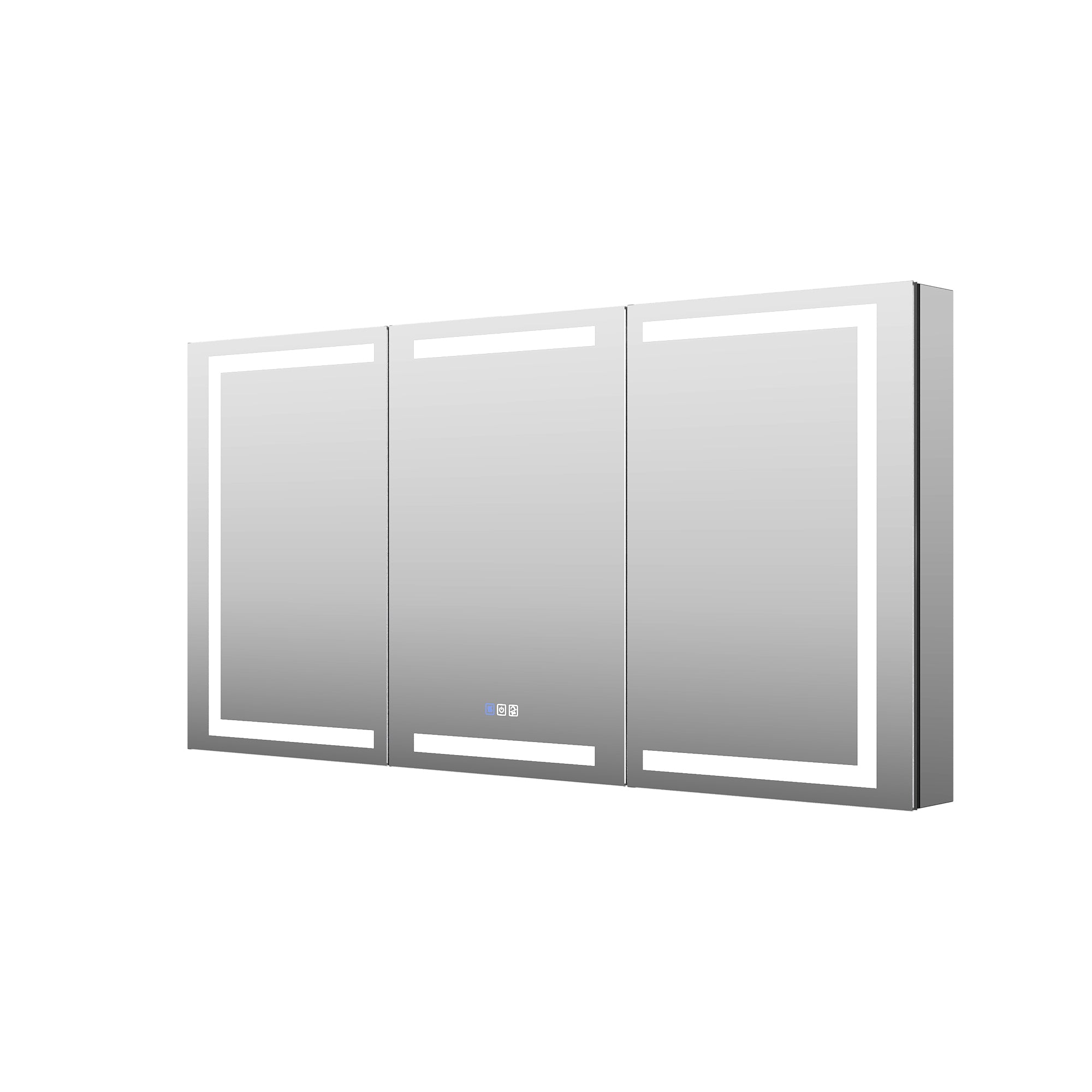
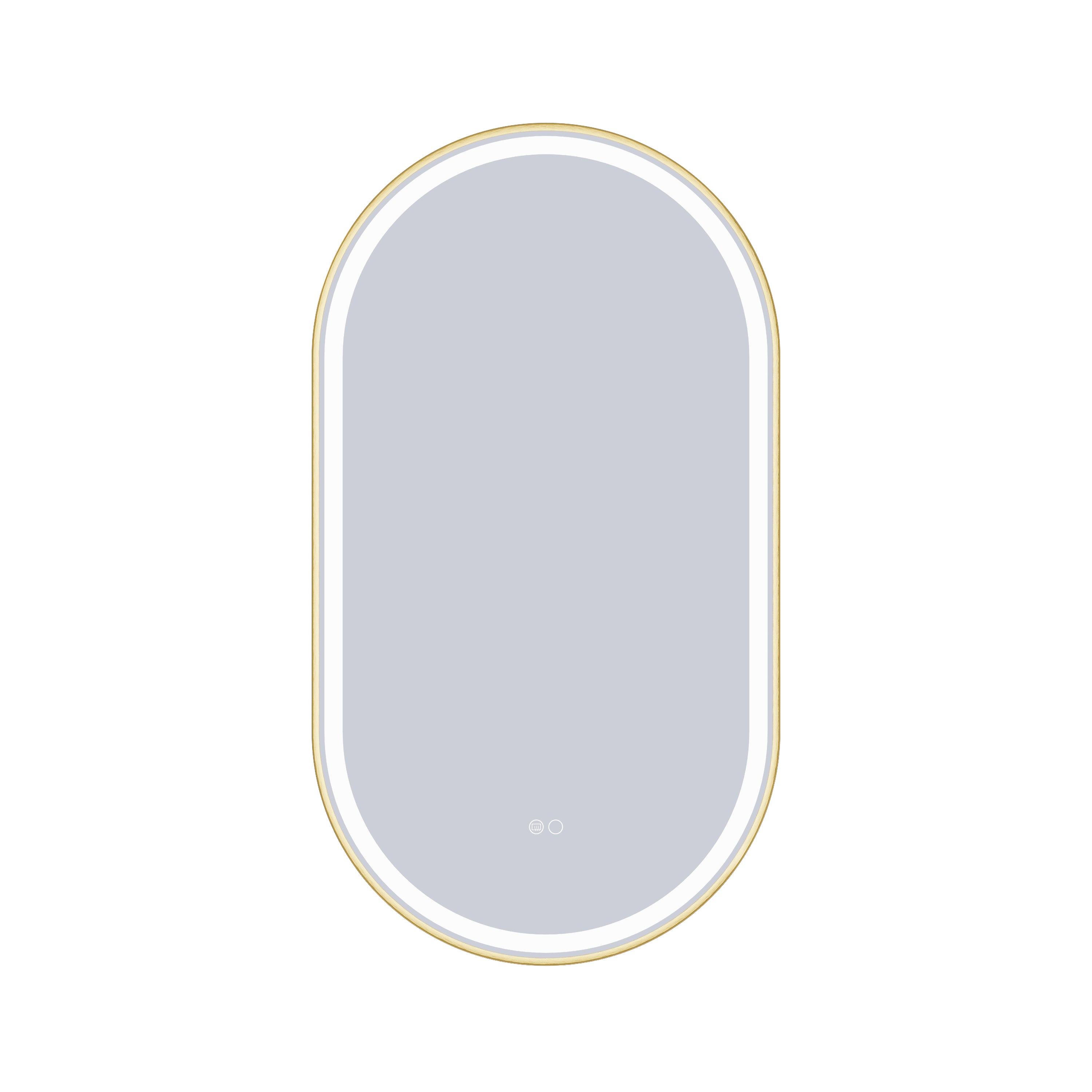
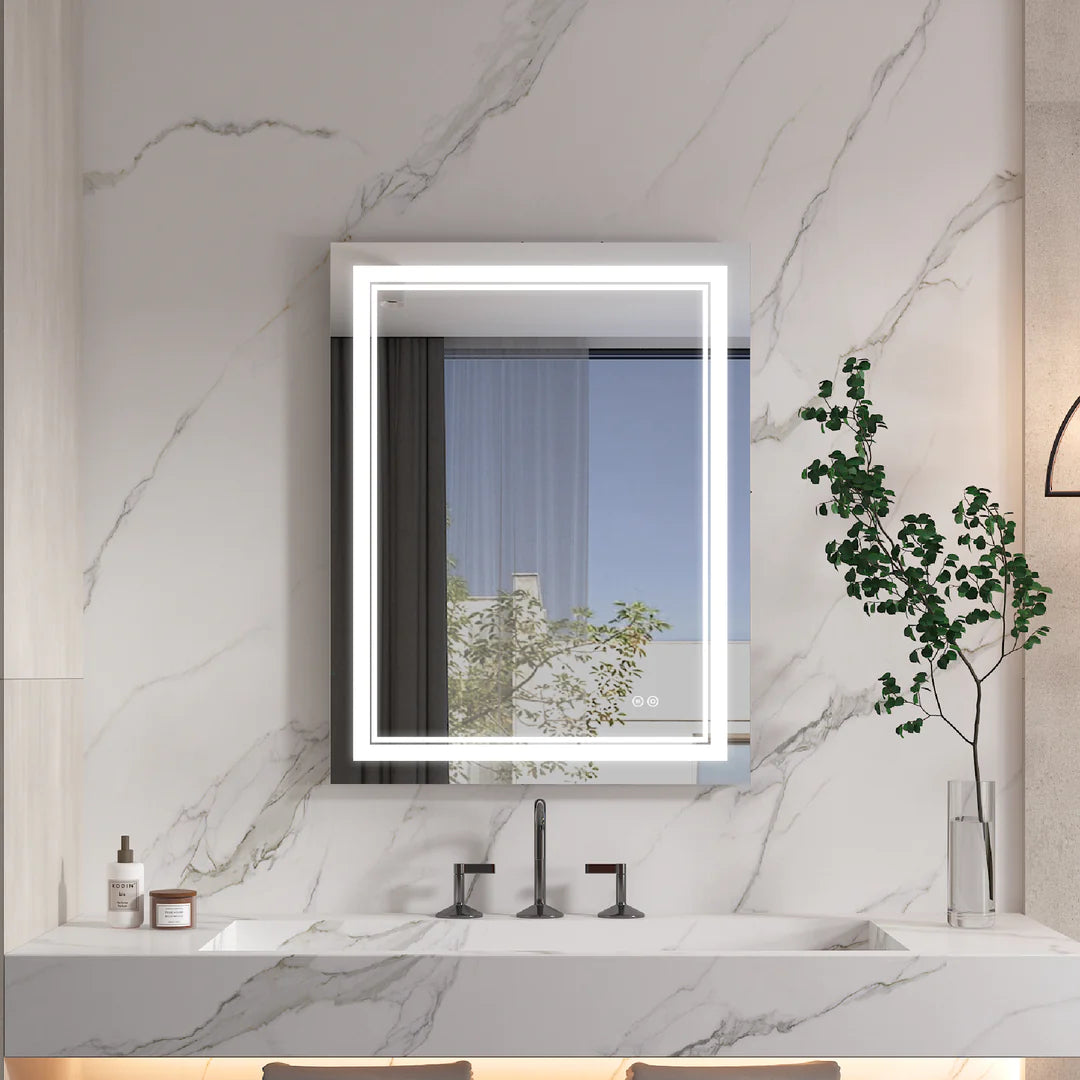
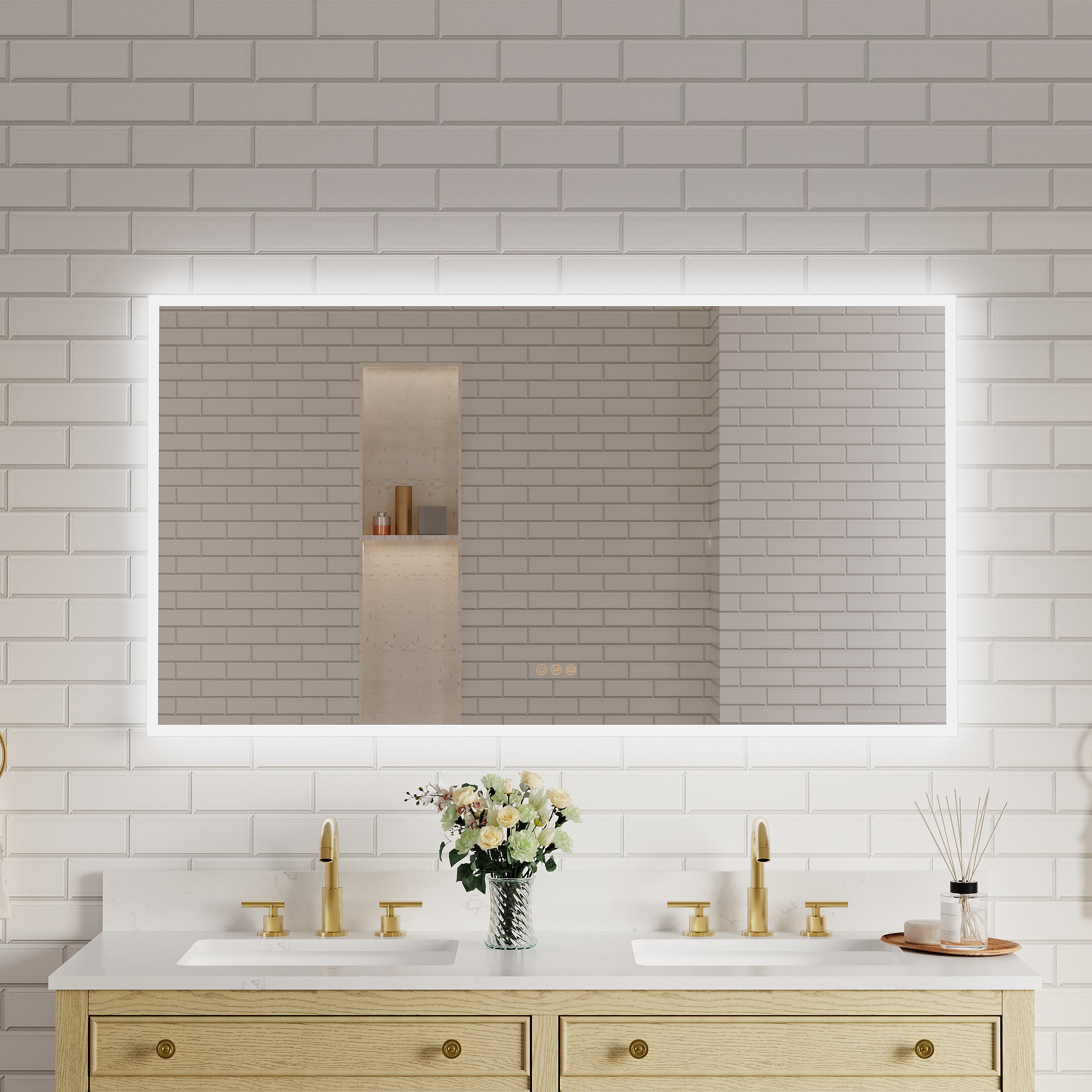
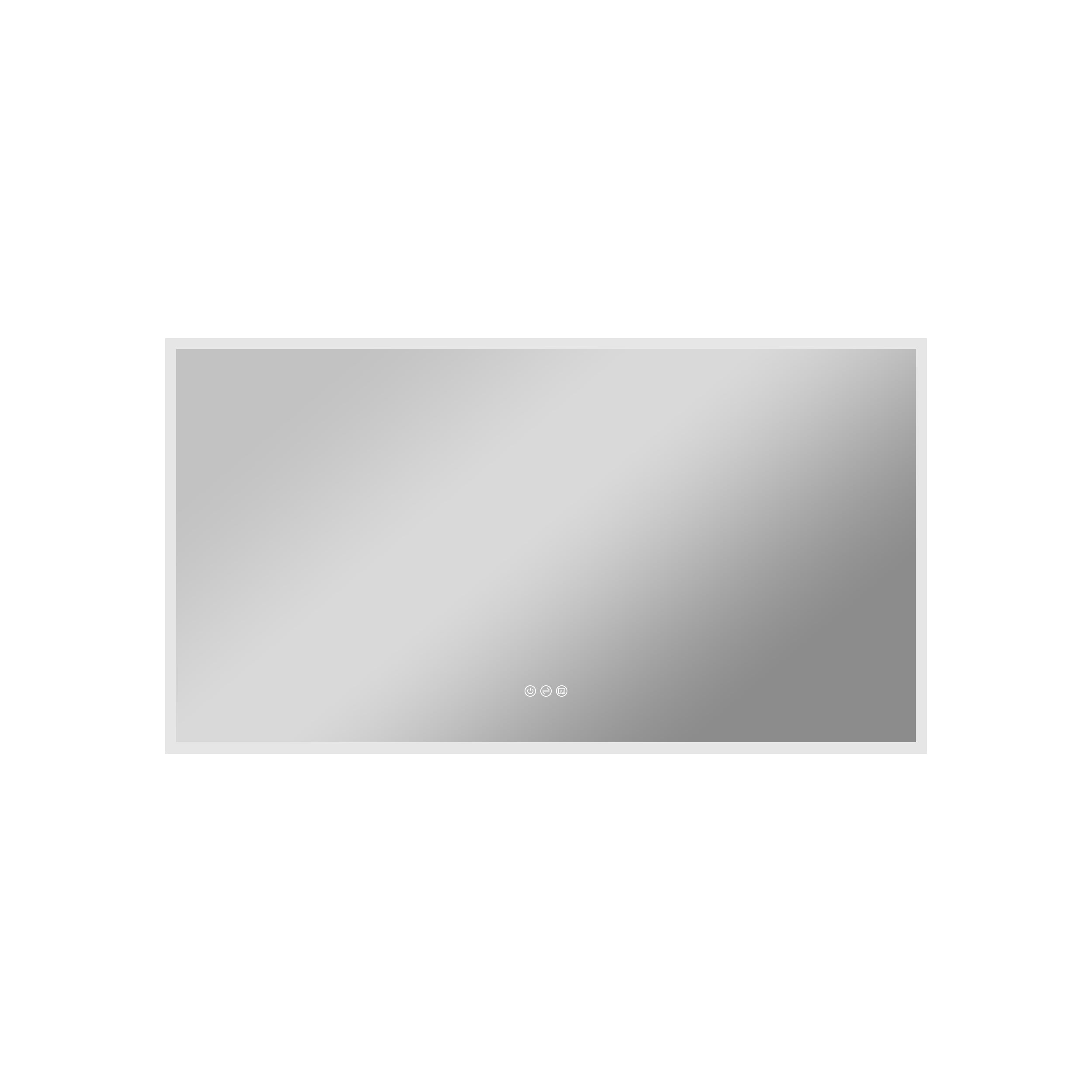
This is why modern mirrors skew toward front-lit, backlit, or hybrid designs with even diffusion. Harsh hotspots read dated because they look like an LED strip pasted on. Even illumination, soft edges, and clean controls read modern because they feel designed as a system.
Proportion: The Quiet Detail That Separates “Modern” From “Random.”
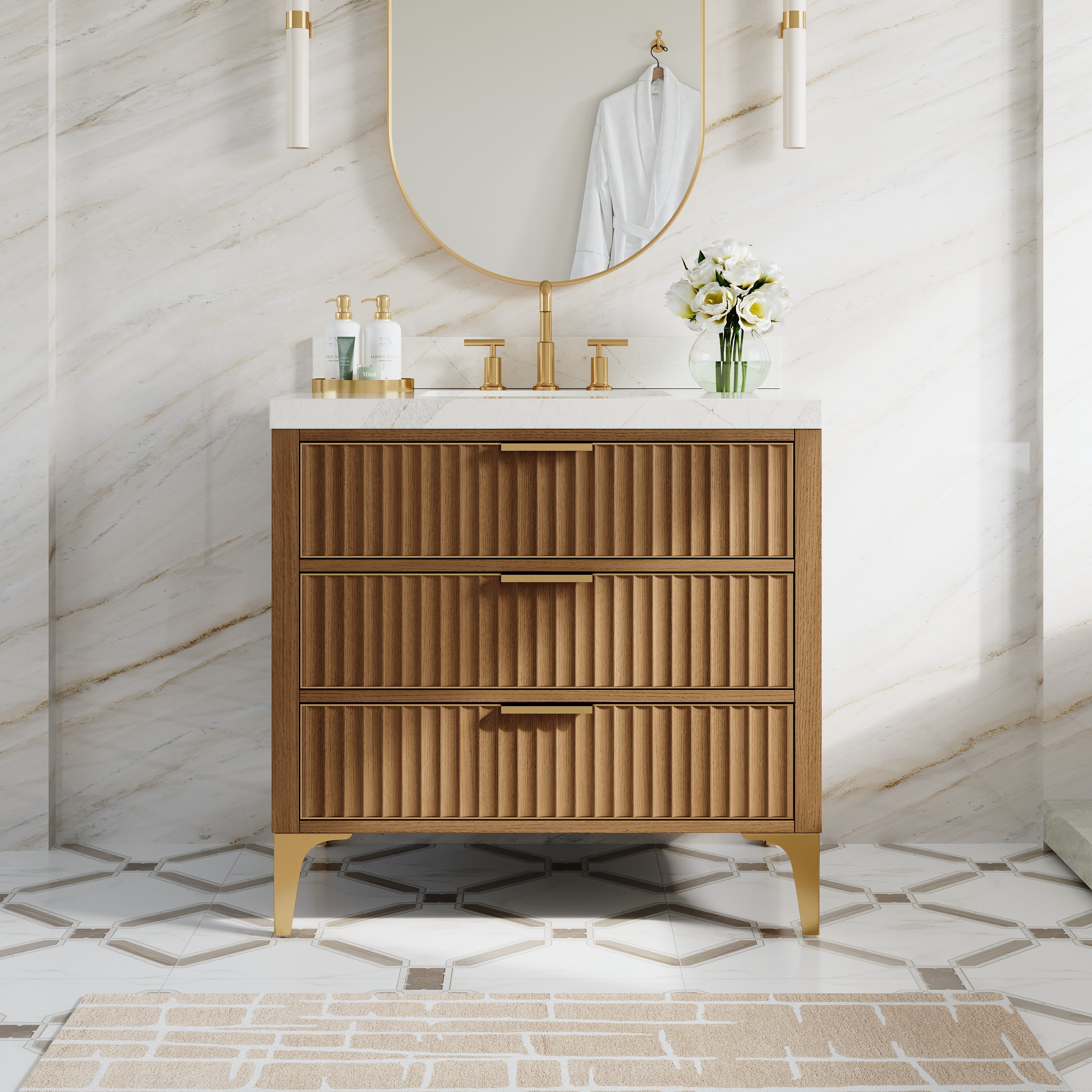
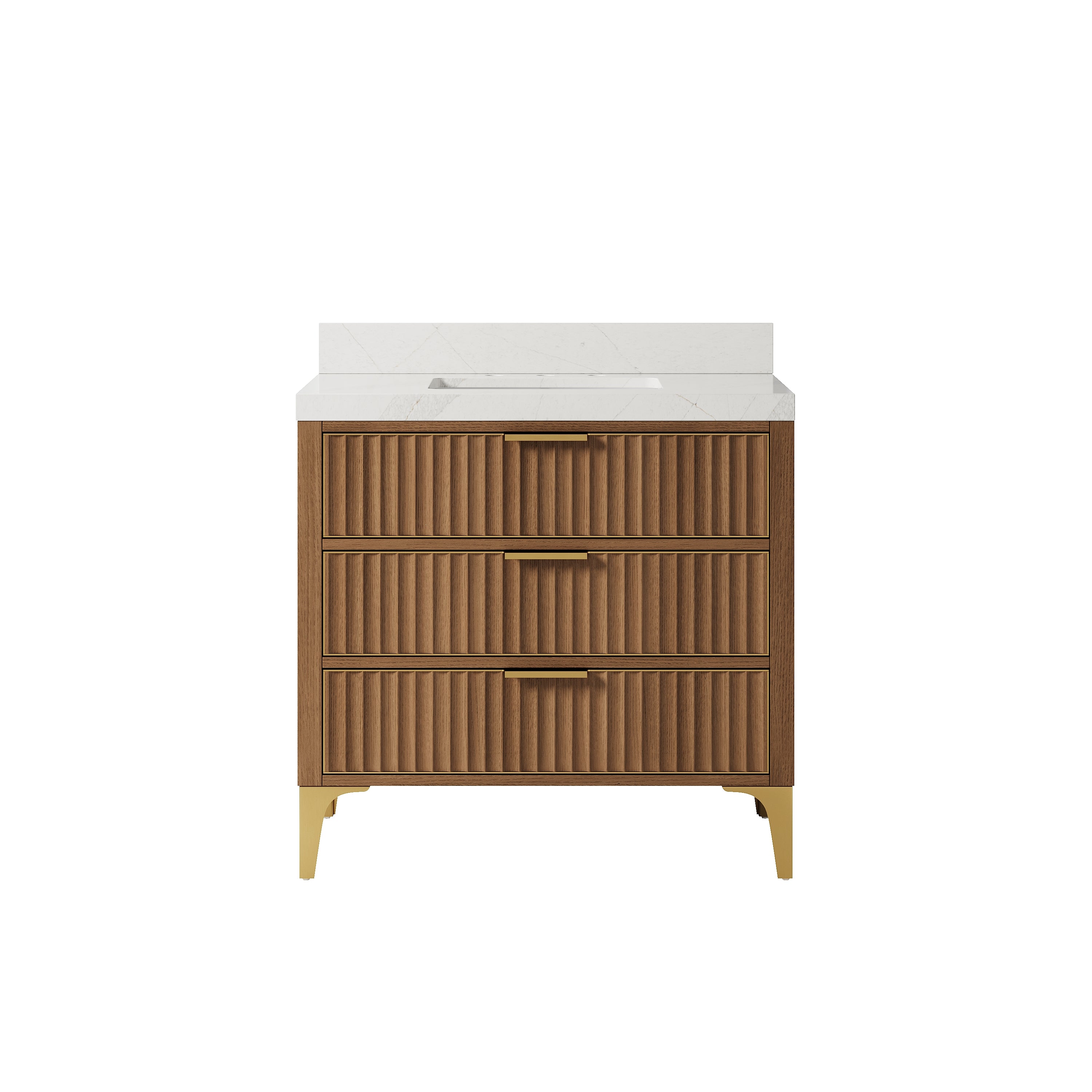
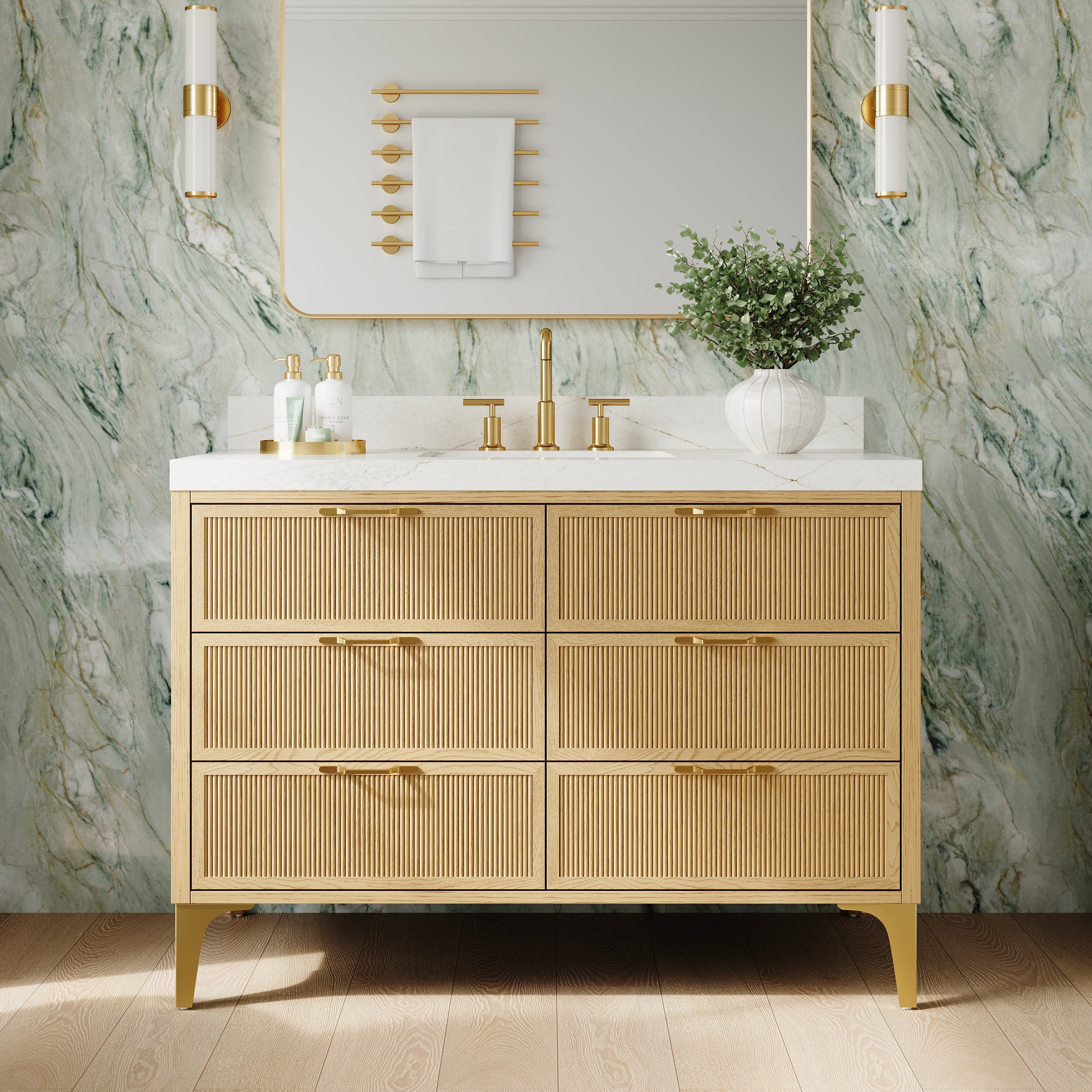
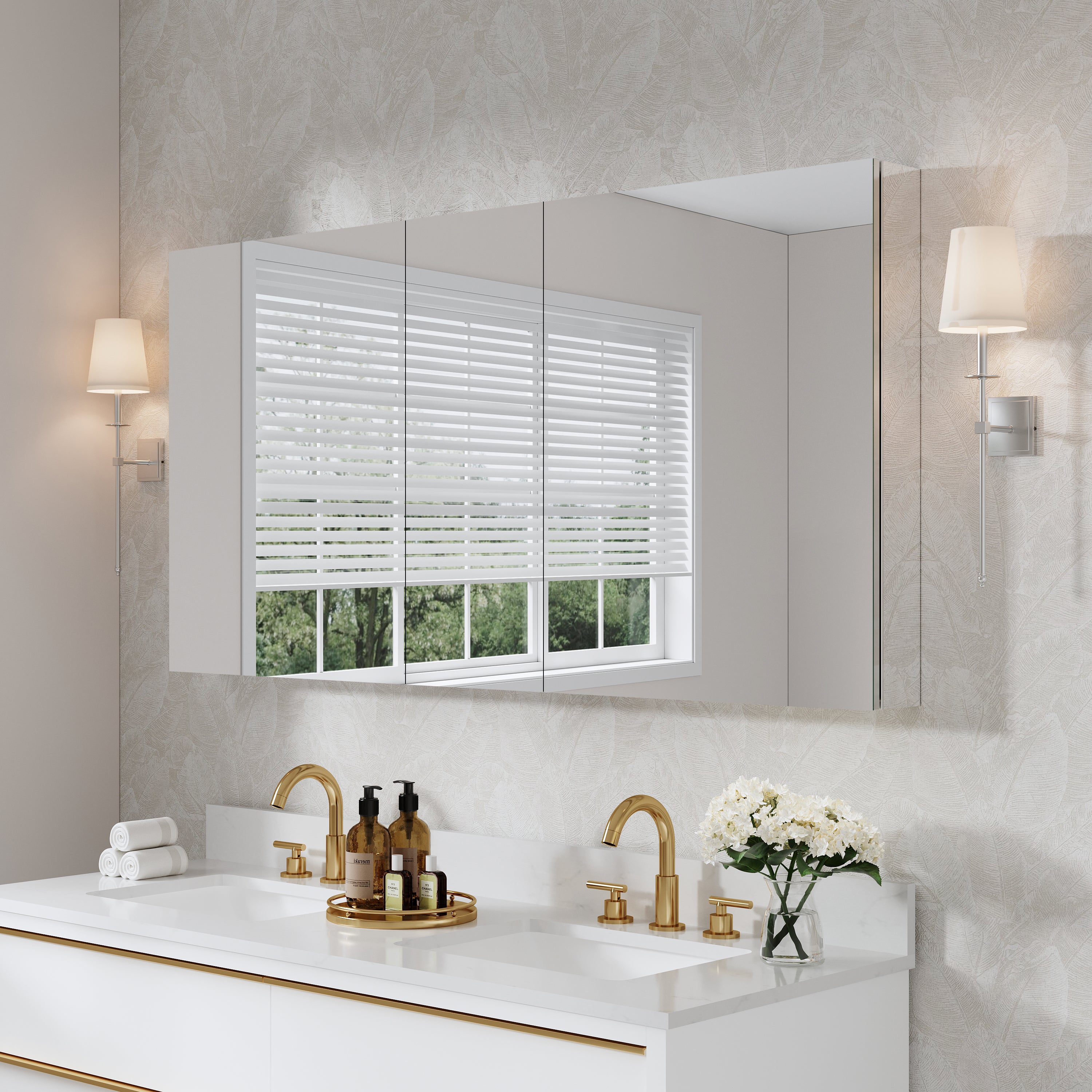
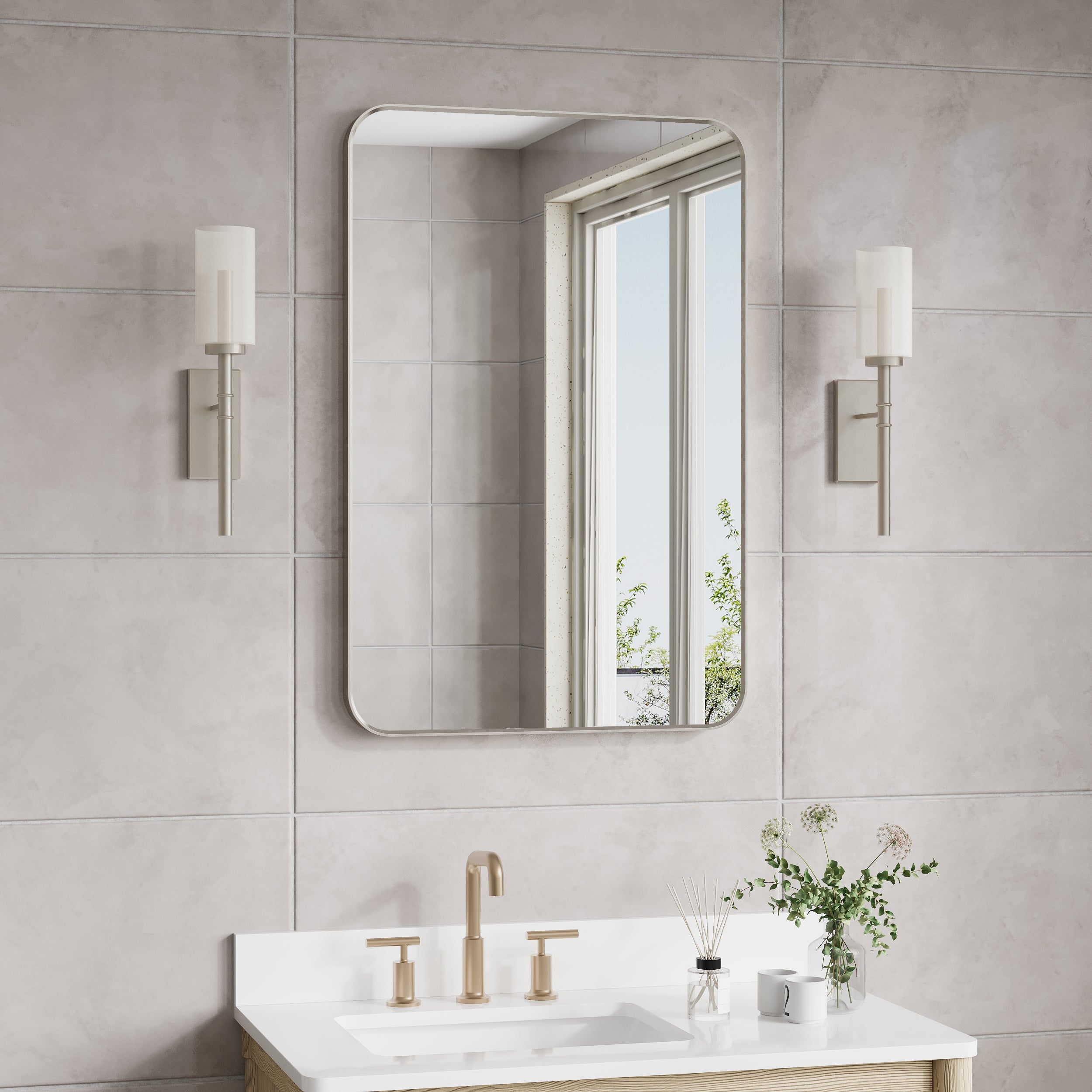
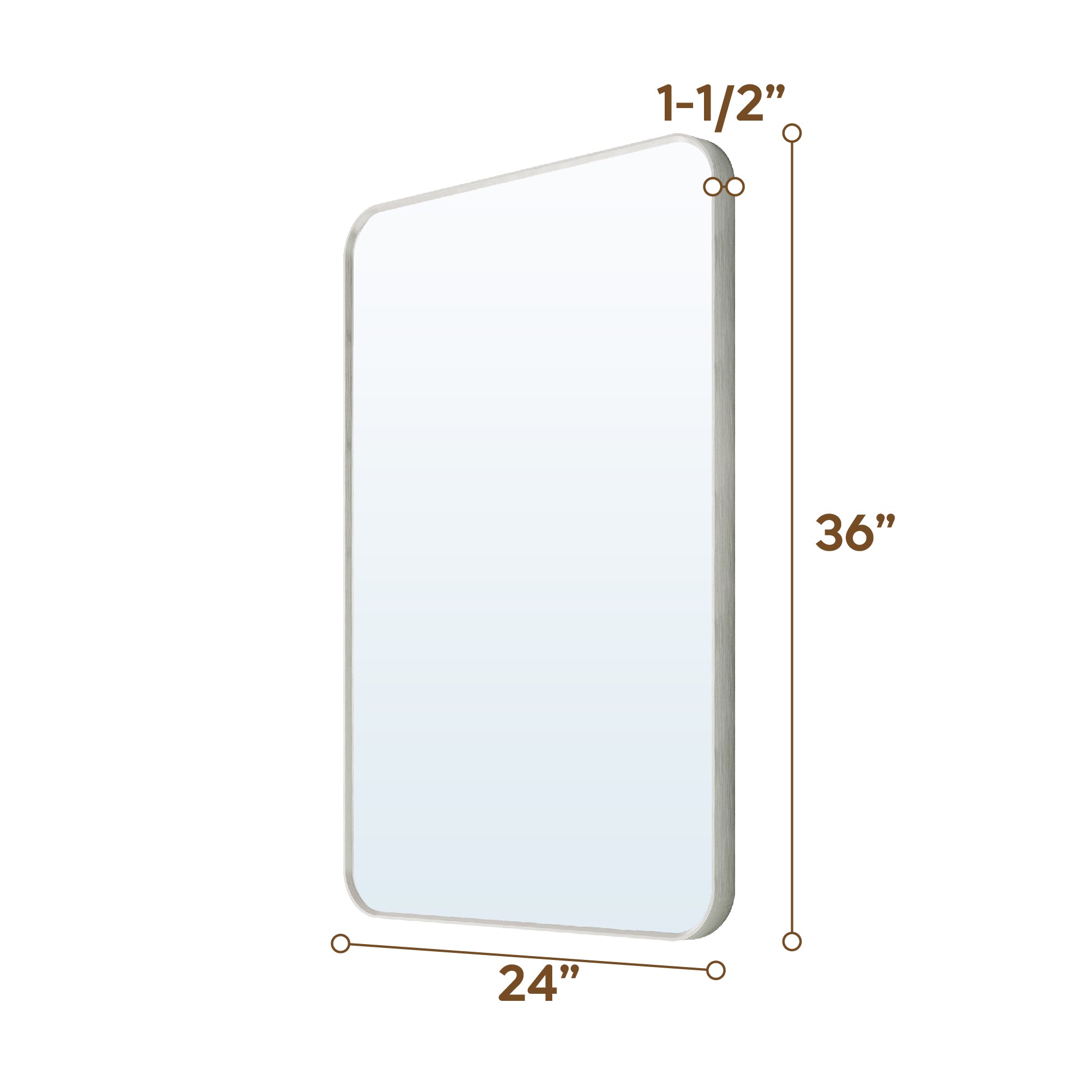
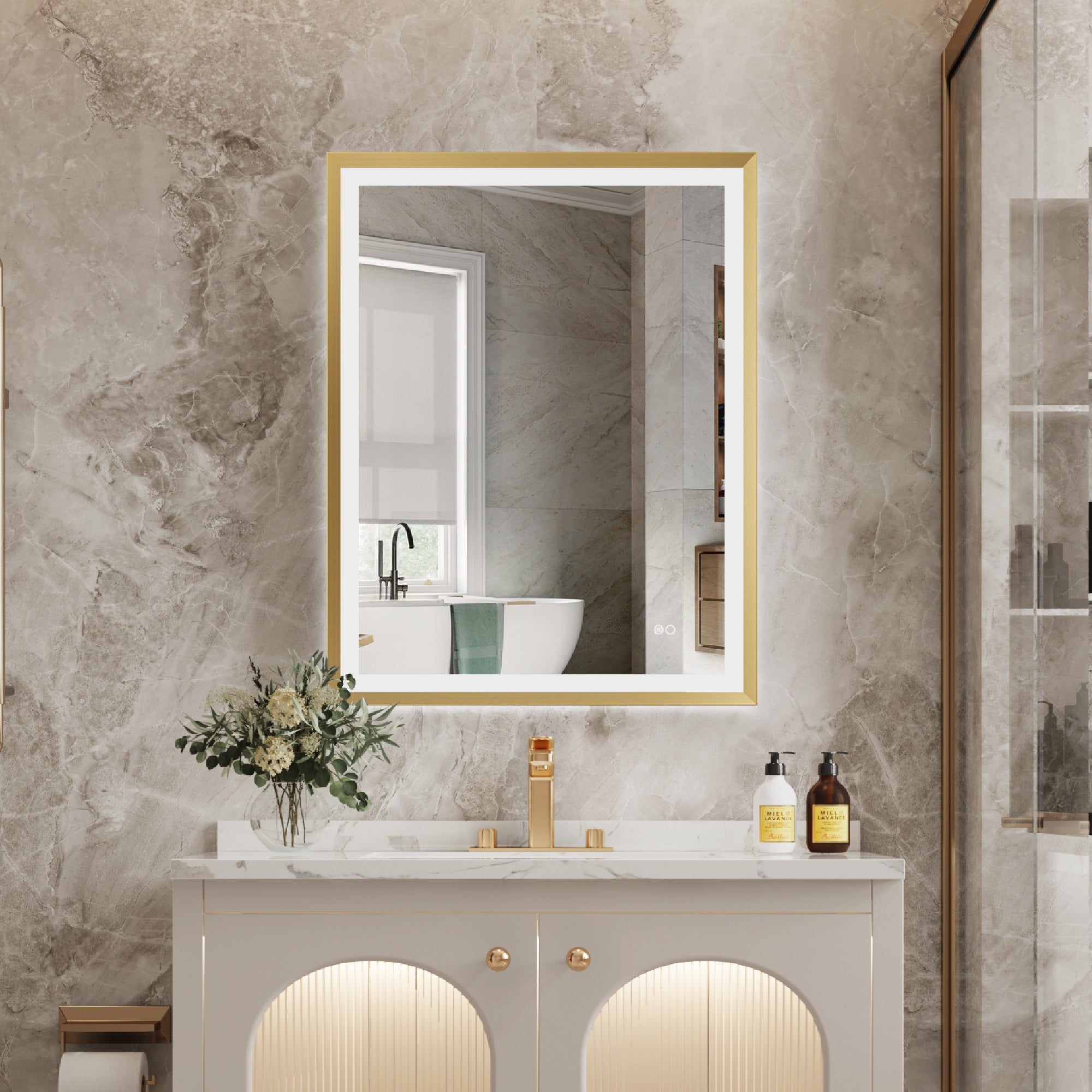
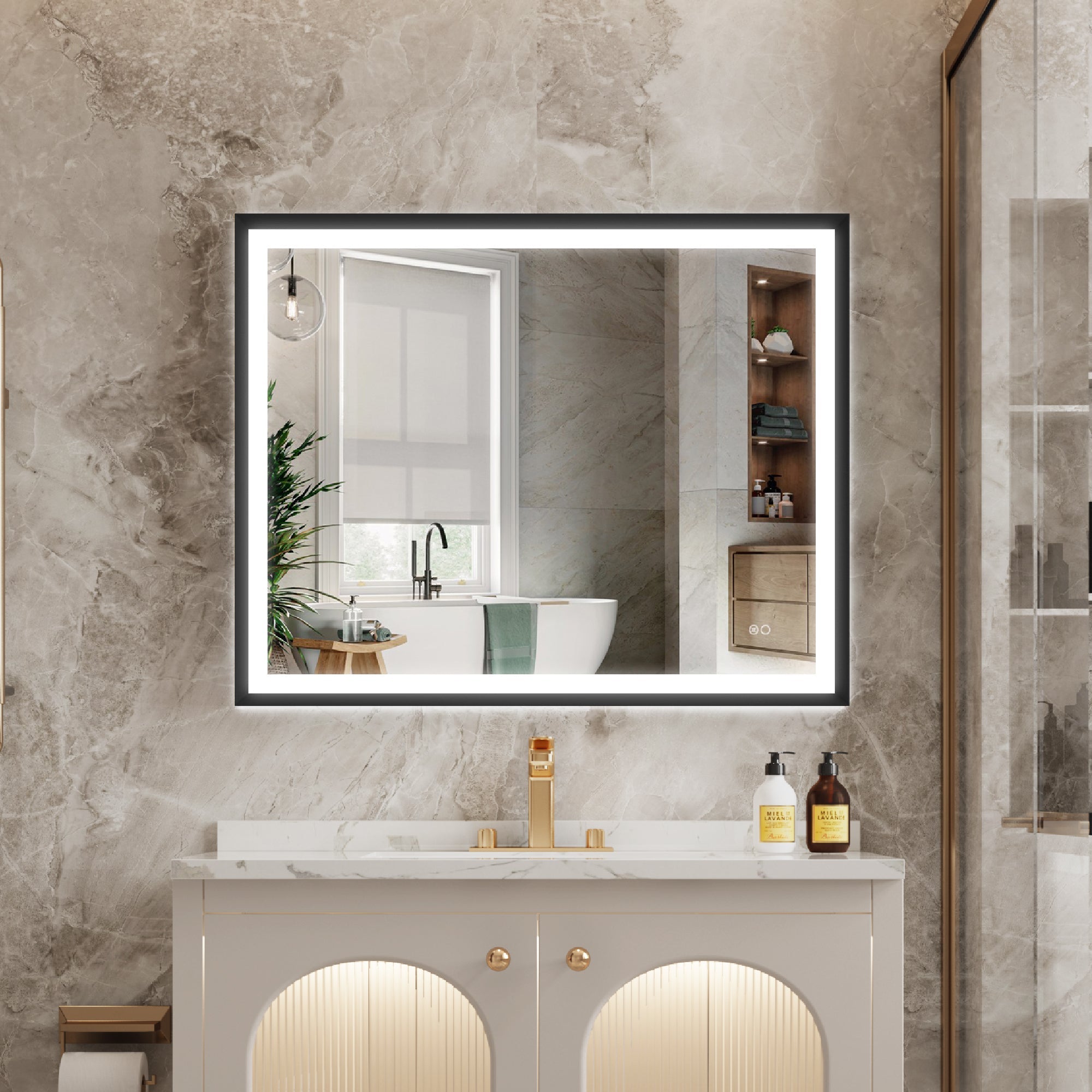
Modern style is often just about the right proportions. A practical rule that consistently looks tailored is to keep the mirror slightly narrower than the vanity, so there is a small reveal on both sides. Examples that typically feel balanced:
l A 24-inch vanity often pairs well with a 20-inch to 22-inch mirror.
l A 36-inch vanity often pairs well with a 30-inch to 34-inch mirror.
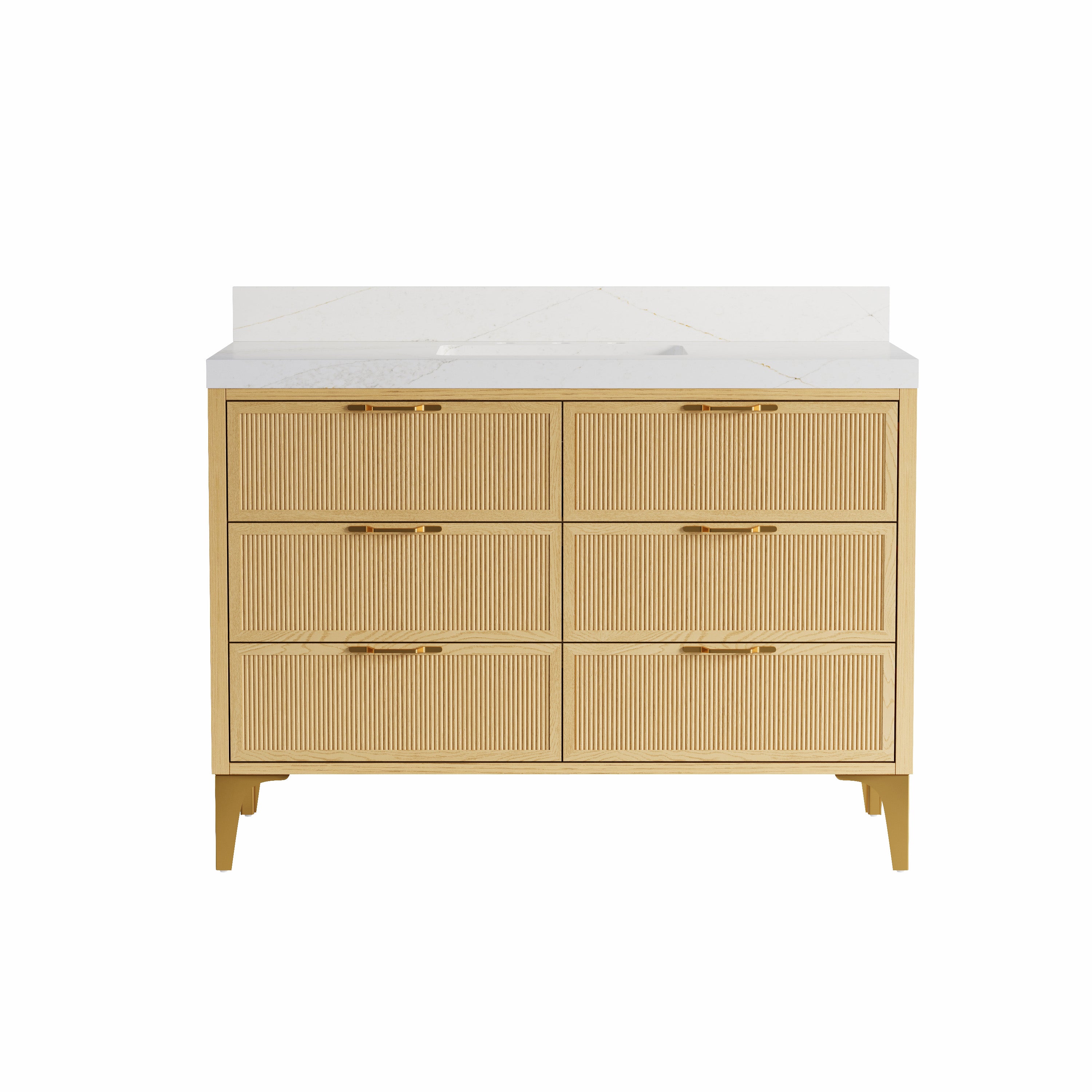
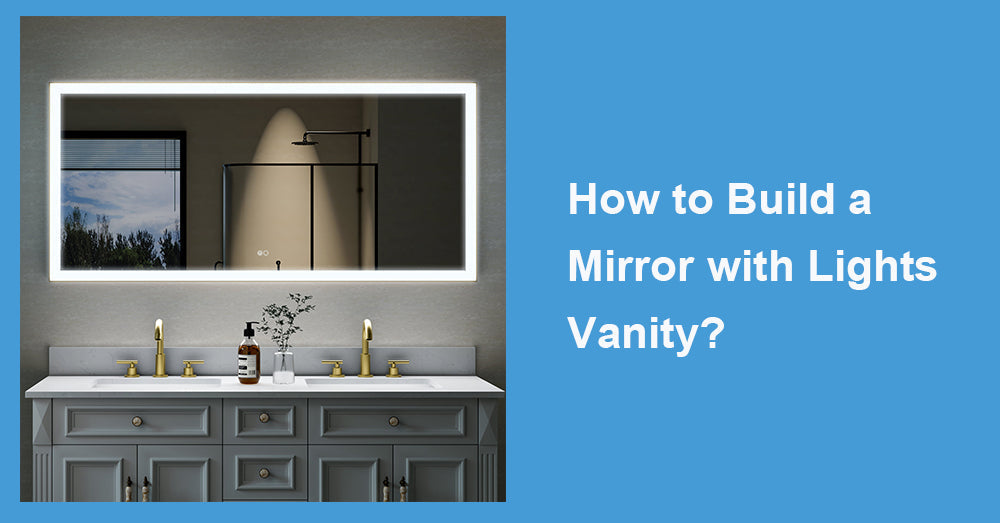
l For 48-inch double-sink layouts, either a single wider mirror or two separate mirrors can work, depending on faucet spacing and wall symmetry.
Height matters too. Taller mirrors create a calmer wall plane and make integrated lighting feel “built-in.” Short mirrors can look like an afterthought, especially when paired with large vanities or high backsplashes. The most stylish mirrors tend to look like they belong to the architecture, not like they were added later.
Finishes and Materials: Modern Means Softer Sheen and Cleaner Matching
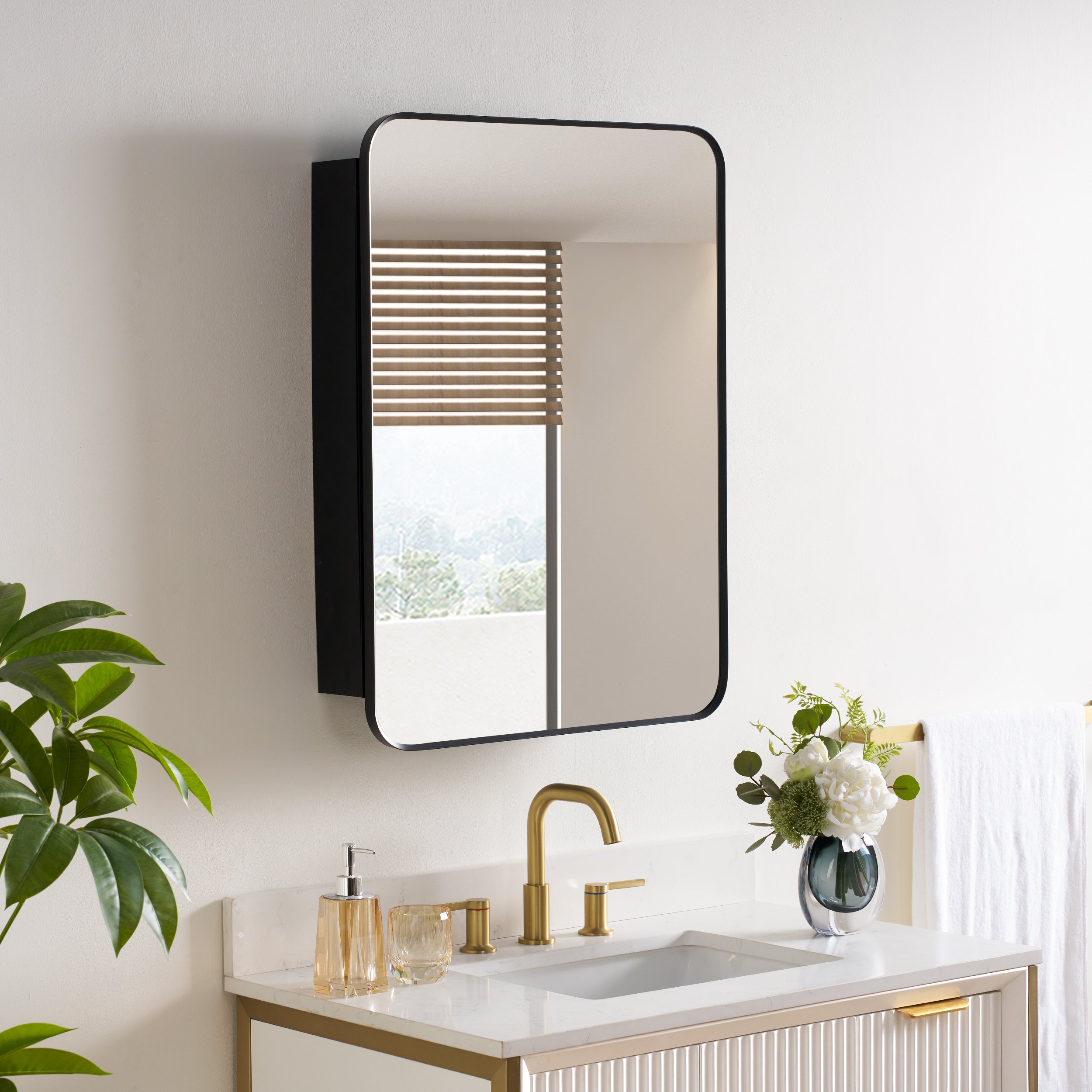
Modern style has moved toward quieter finishes. NKBA reporting shows matte and brushed finishes are heavily favored in bath design, reinforcing why thin matte frames and brushed-metal accents feel current and easy to coordinate with faucets and hardware.
Material pairing also plays into “stylish.” Houzz data shows metal-and-glass combinations dominate for upgraded fixtures, which aligns with what works visually on a vanity wall: a crisp reflective surface (glass) plus a stable, understated structure (metal).
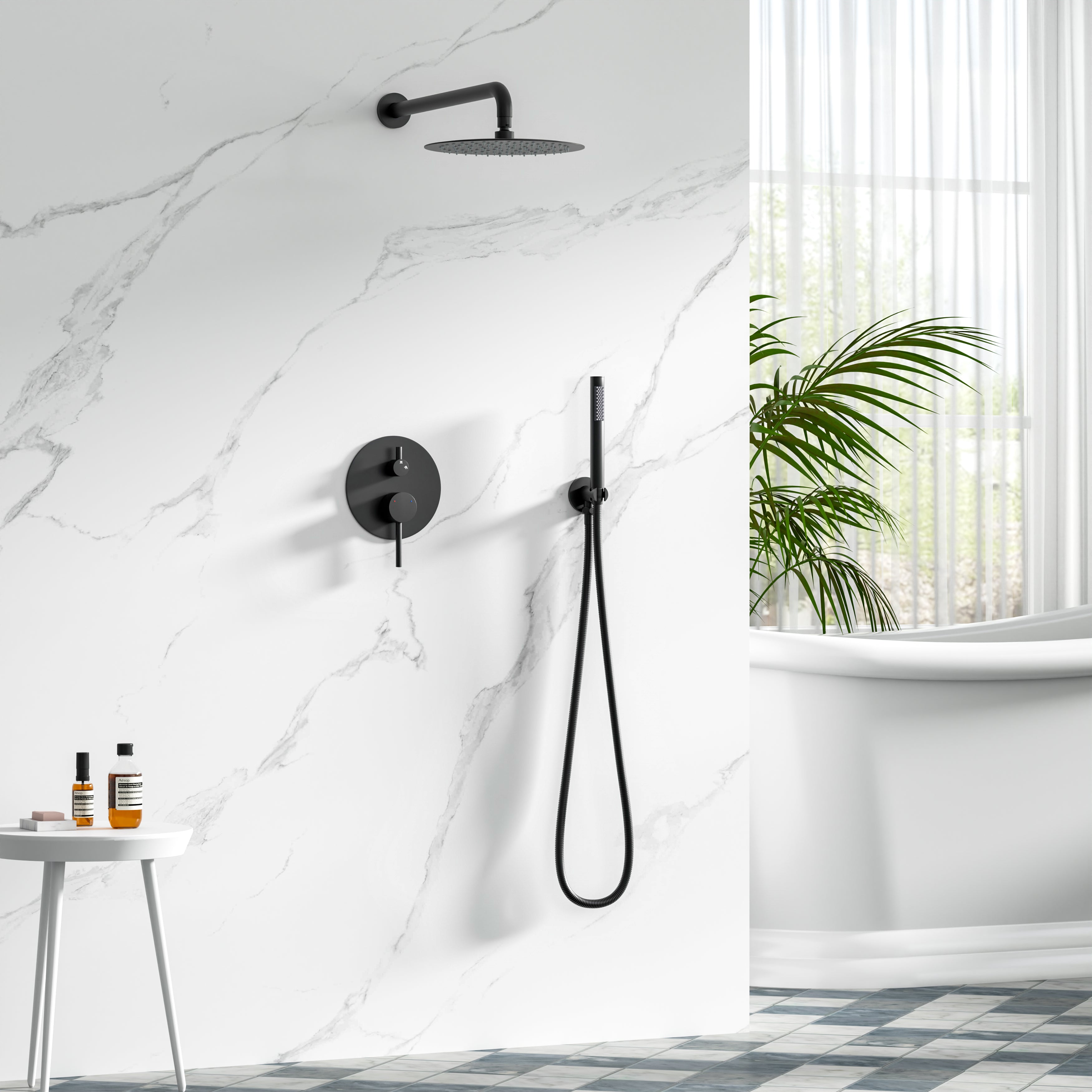
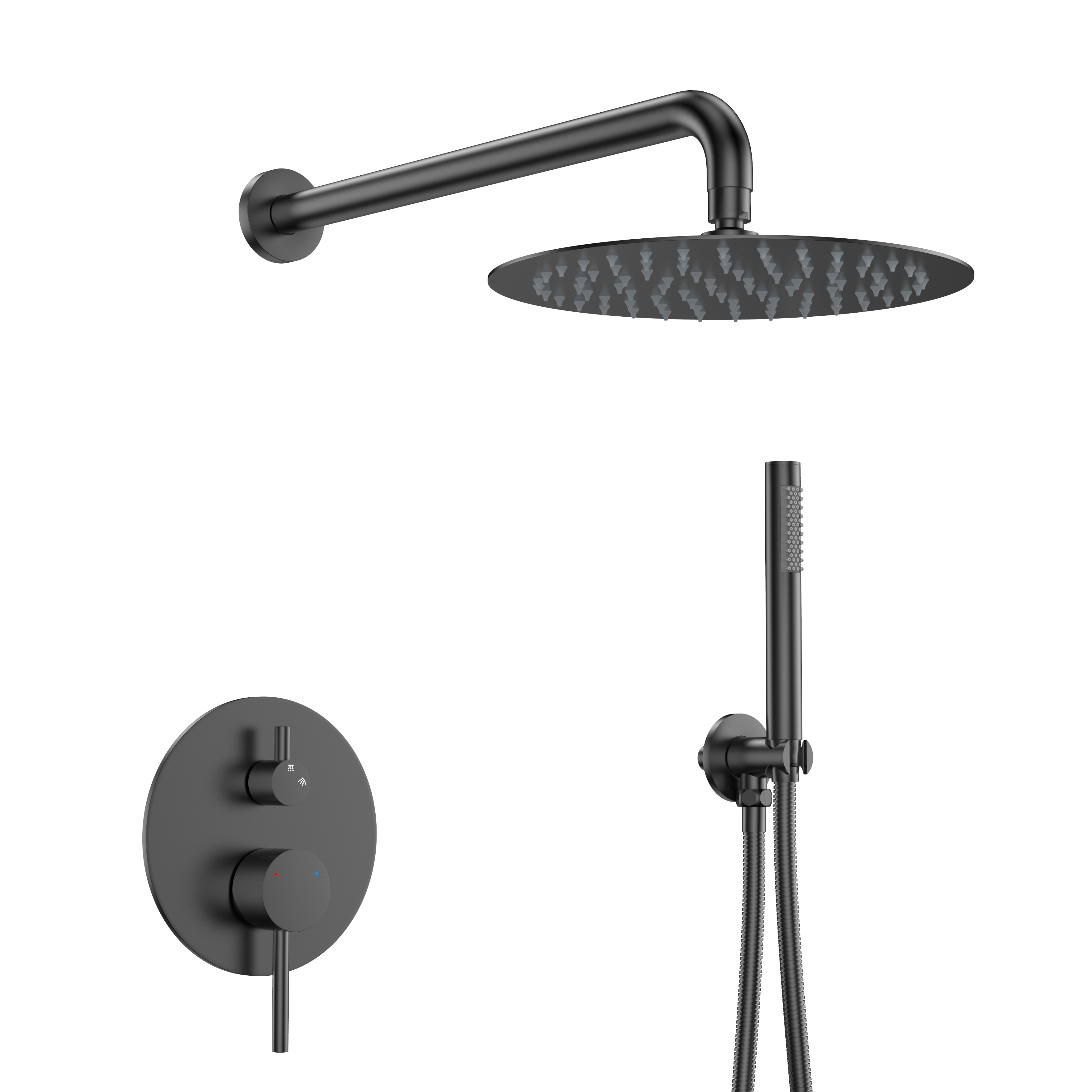
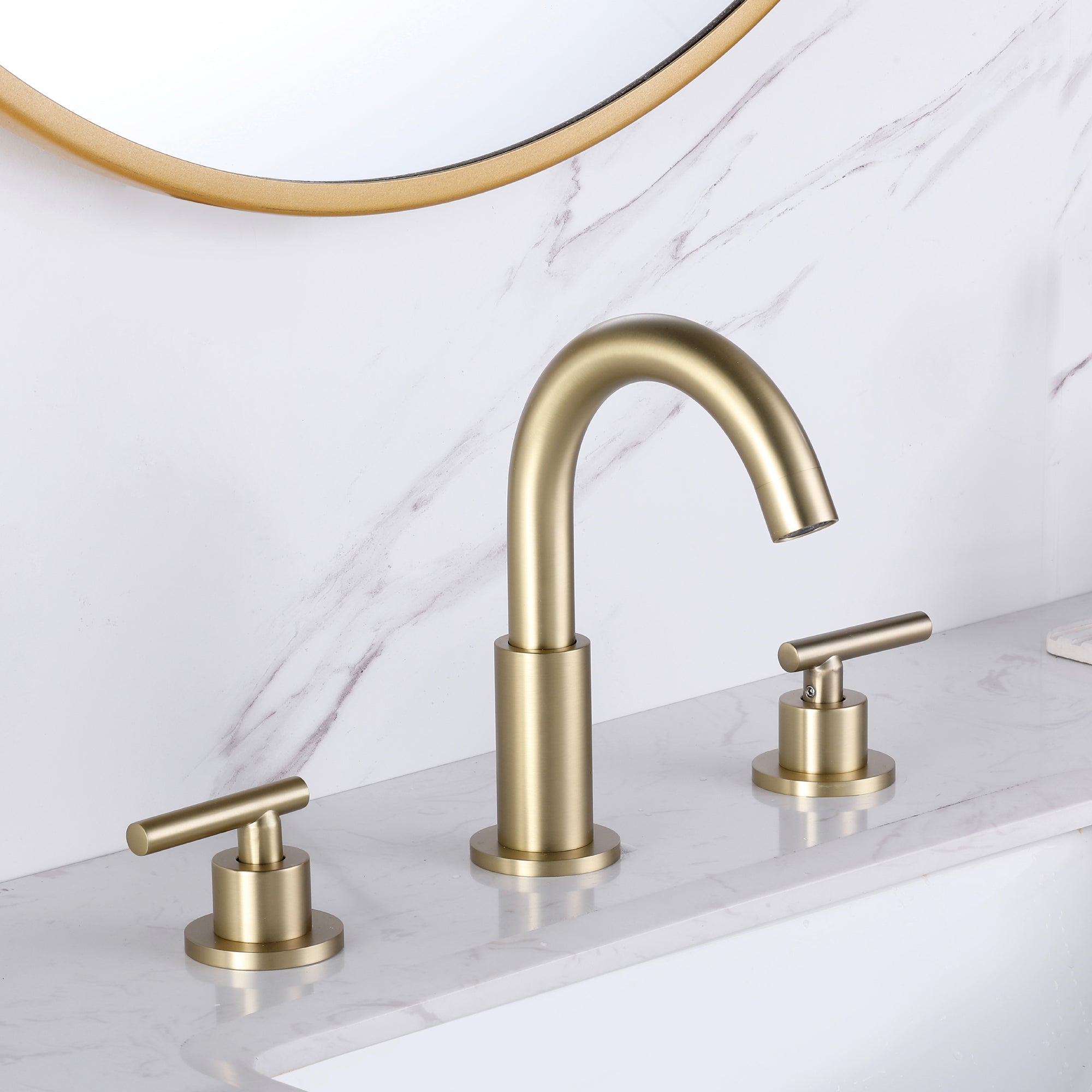
The modern approach is consistent: one metal family, one sheen level, and clean transitions. The mirror should not conflict with the faucet finish, shower hardware, or cabinet pulls.
“Smart” Looks Stylish Only When It Stays Invisible
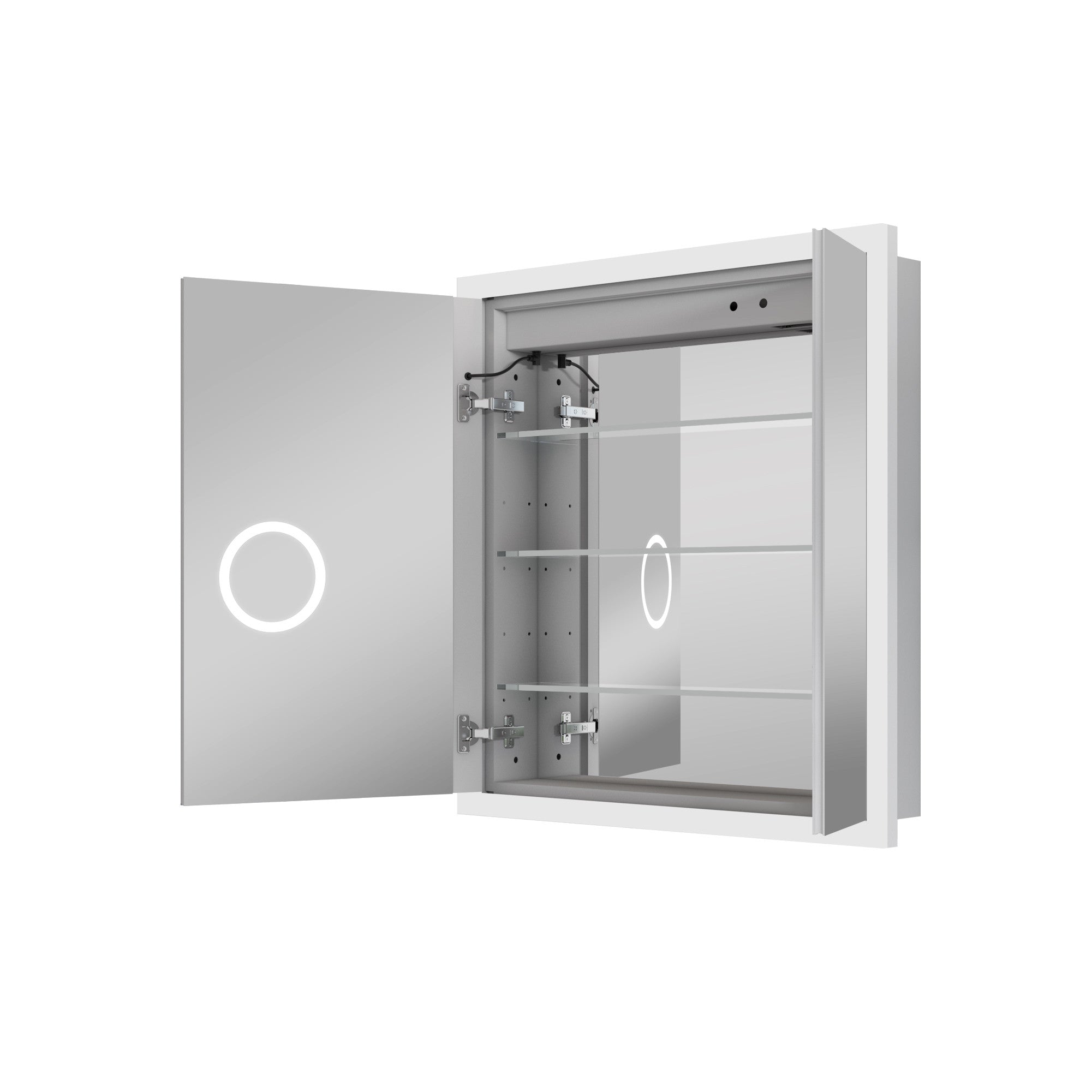
A mirror packed with features can still look modern, but only if the interface is restrained. Anti-fog is a perfect example: it improves daily comfort without adding visible clutter, which helps explain why it ranks near the top of upgraded mirror features.
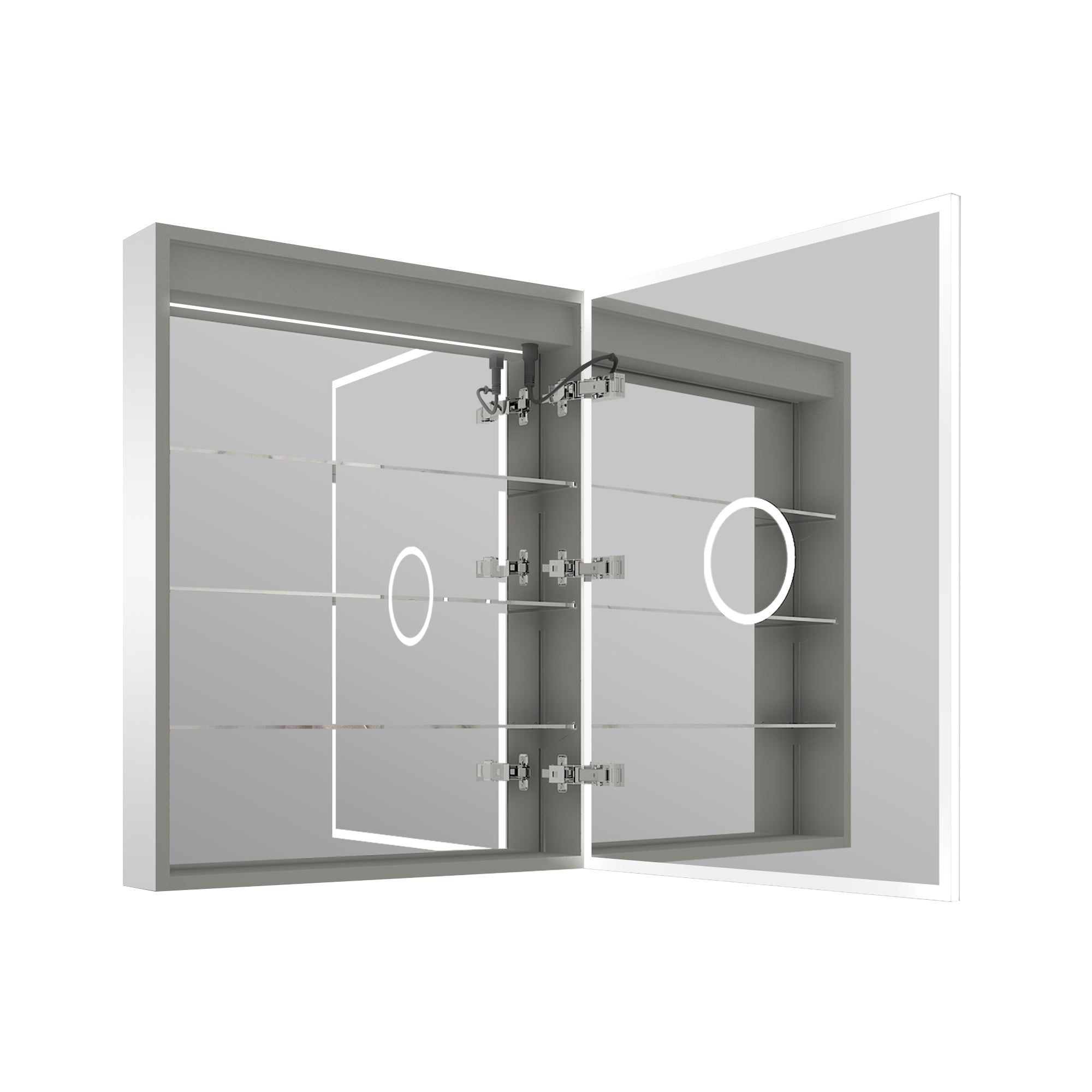
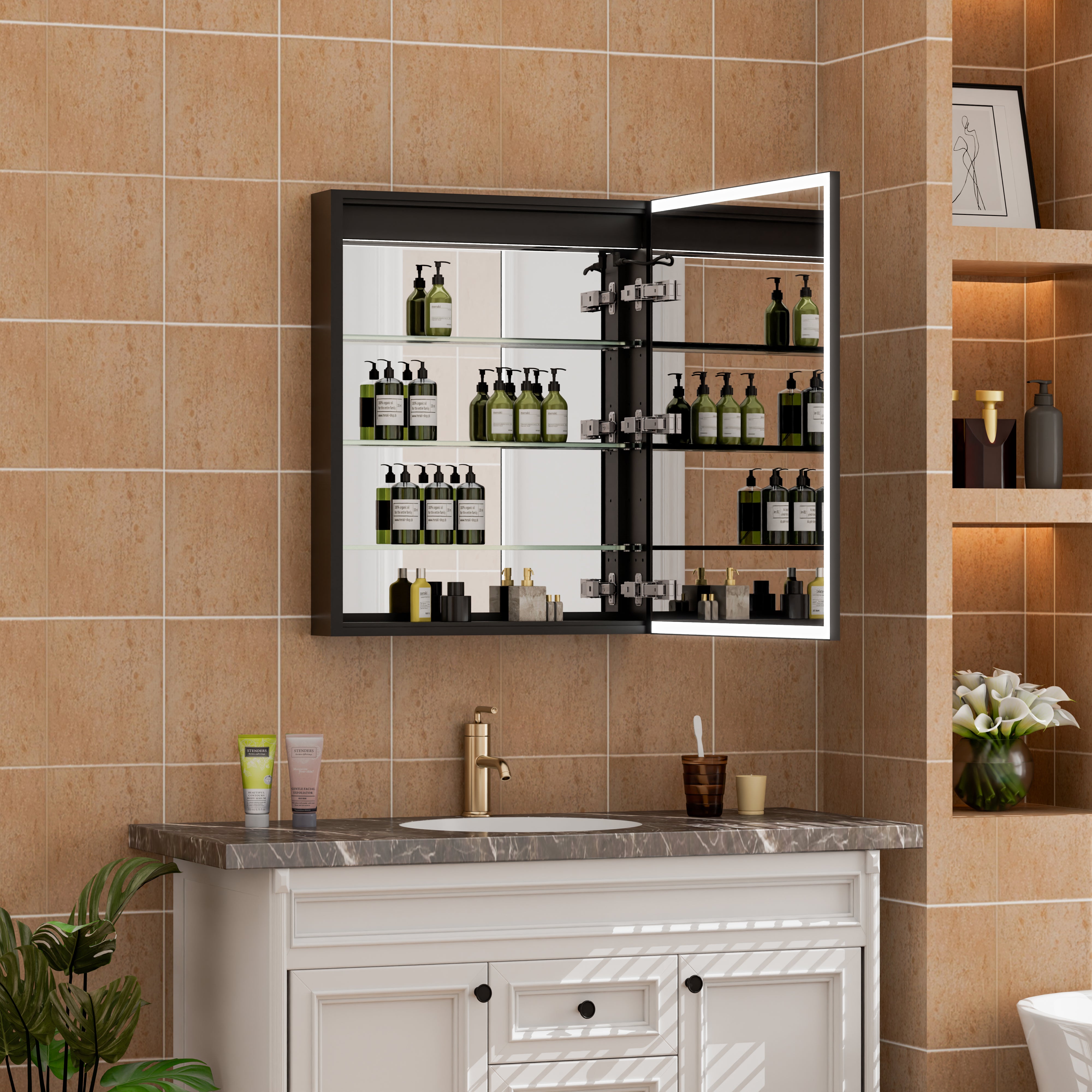
Hidden outlets and discreet touch controls work the same way. They are “style” upgrades because they remove countertop mess and reduce the need for extra accessories. The modern mirror trend is less about showing tech and more about hiding it.

Energy Efficiency Is Part of the New Definition of “Premium.”
Integrated LED mirrors are not only a design preference; they also align with efficiency expectations. The Department of Energy notes that residential LEDs use at least 75% less energy and can last up to 25 times longer than incandescent lighting.
That performance advantage influences styling decisions. Long-life LEDs make it easier to build slimmer profiles, reduce heat concerns, and support features like dimming and adjustable lighting modes without bulky fixtures. As a result, the “stylish” mirror silhouette keeps getting thinner and cleaner.
Moisture-Smart Design: The Safety Detail That Also Protects the Look
A bathroom mirror lives in humidity, steam, and condensation. A modern mirror that degrades at the edges quickly stops looking modern. UL guidance states that luminaires intended for damp locations should be marked “Suitable for Damp Locations” (or “Suitable for Wet Locations” where applicable), and that wet locations require the “Suitable for Wet Locations” marking.
From a style standpoint, moisture resistance keeps the mirror looking crisp over time. Better sealing, appropriate ratings, and stable electronics help prevent premature failures and visual aging. The most “stylish” mirrors are often the ones that still look new after daily steam cycles.
Cost Pressure Is Raising the Value of High-Impact Visual Upgrades
Renovation costs have been rising, which makes high-visibility upgrades more strategic. AP reporting based on Verisk’s Repair and Remodeling Index notes a 3.4% year-over-year increase (in the referenced quarter) and that repair and remodeling costs are nearly 62% higher than a decade ago.
In that environment, a vanity mirror becomes a powerful lever: it changes the “face” of the bathroom without requiring a full layout change. That is one reason modern mirrors are being treated like a centerpiece, not a finishing touch.
The Updated Definition of “Stylish” in 2026
l Put the signals together, and the category direction is clear. Stylish is:
l Correctly scaled to the vanity in inch dimensions.
l Designed with layered, controllable lighting (not just “bright”).
l Finished with coordinated, soft-sheen materials that match the room.
l Feature-rich, but visually quiet (anti-fog, dimming, clean controls).
l Built for bathroom conditions, so it stays sharp-looking over time.
That is why the modern vanity mirror is becoming a design anchor. It is not only what you see when you walk in. It is what makes the whole space feel more intentional, more comfortable, and more current.










Leave a comment
This site is protected by hCaptcha and the hCaptcha Privacy Policy and Terms of Service apply.