
















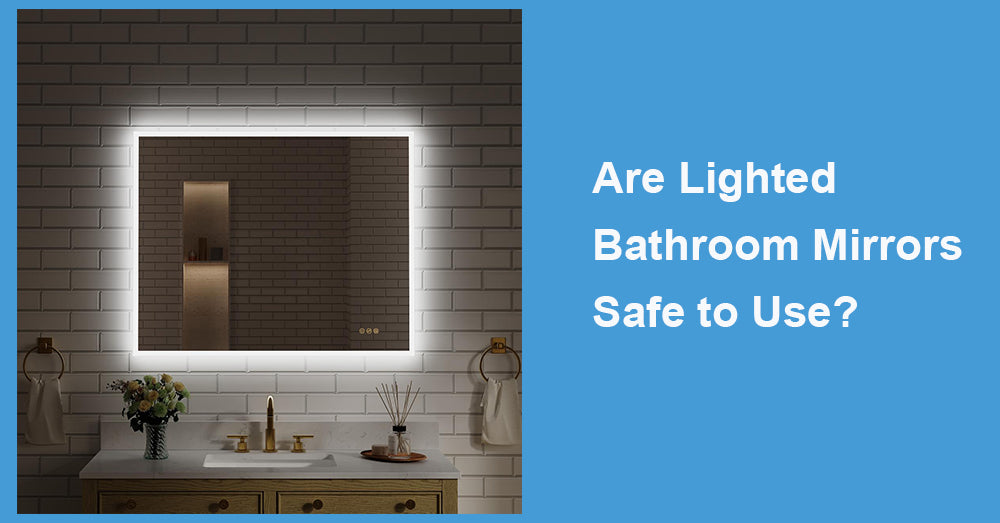
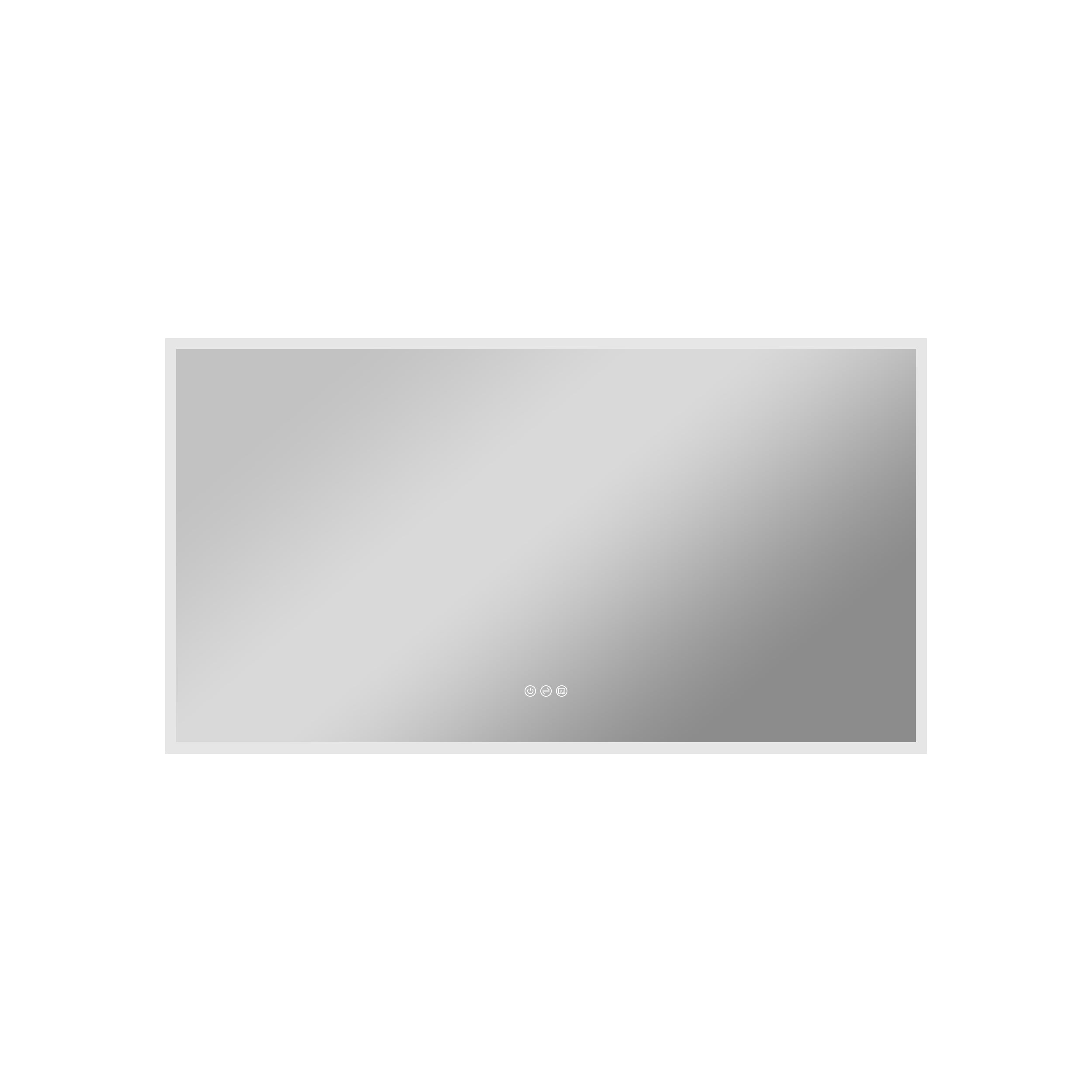
Many people worry about two things when buying an lighted bathroom mirror for the first time: Will the bathroom be damp, and will it leak electricity? Will the lamp heat up, catch fire, or short-circuit after prolonged use in the mirror?
Conclusion: Under the conditions of compliant products, correct installation, and reasonable use of electricity, bathroom mirrors with lights are a safe and mature category; The real risks usually come from "failure to wire according to specifications, lack of leakage protection, purchase of products without certification/false parameters, and aging of details in long-term humid environments".
Below, using the more commonly used security logic in the industry, break down "security" into a checklist that you can check yourself.
1. First, let's take a look at "compliance": what's more important than functionality is certification and the level of the usage environment
The safety standard for bathroom mirrors with lights is not about slogans. Instead, it depends on third-party certifications, proper testing, and environmental labeling.
You will often see:
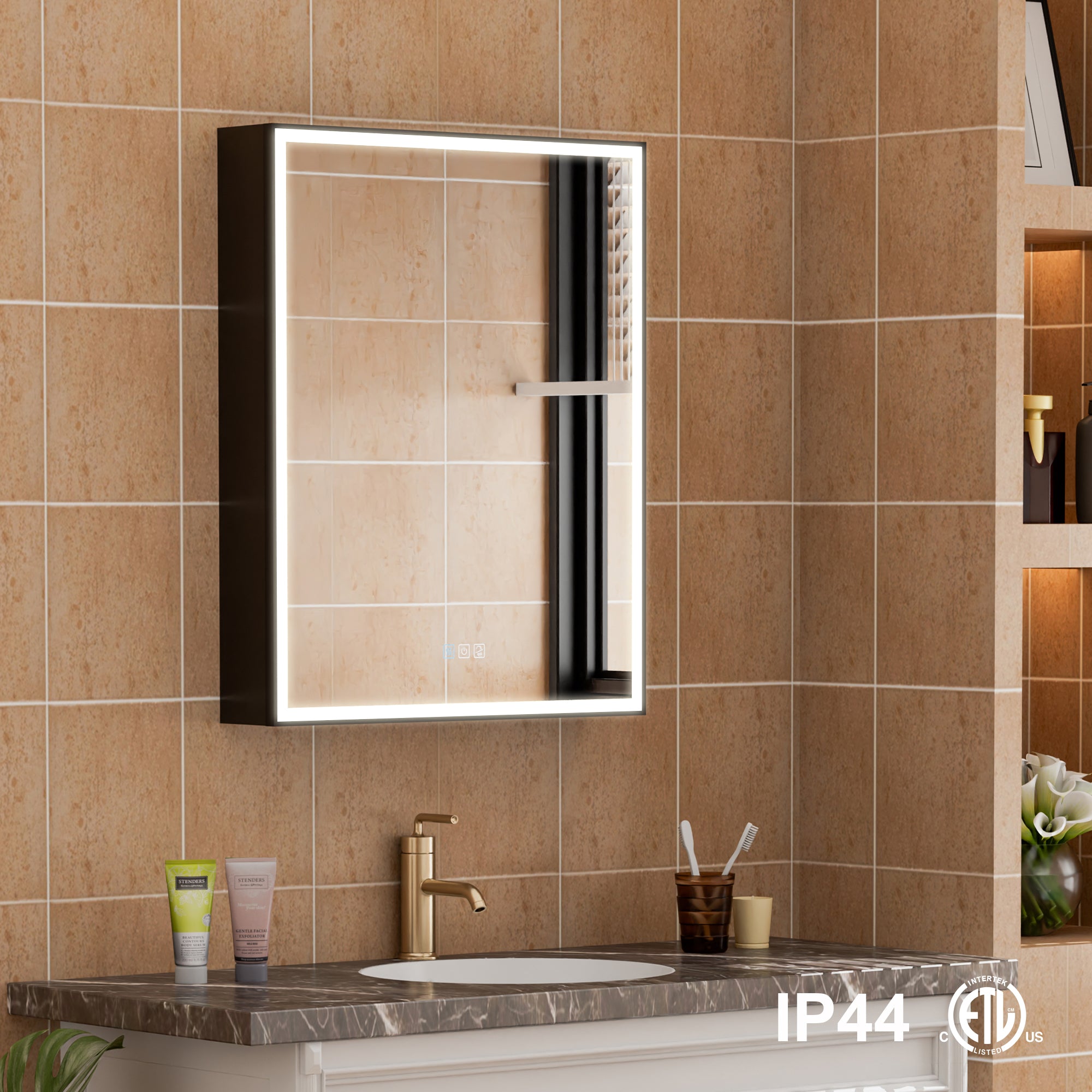
UL/ETL/CSA and other similar certification marks mean that the electrical structure, insulation, temperature rise, durability, etc., have passed standard tests. Many mirror cabinets/lamps in the industry are labeled with UL 962 and other relevant requirements, indicating that they are suitable for damp environments.
Applicable instructions for Damp/Wet location: The bathroom is in a high-humidity environment, and "suitable for damp locations" at least indicates that it is not a light fixture made casually in a dry room.
(Optional but highly valued) IP rating: For example, IP44 can help you determine splash-proofing (note: different brands/regions may use different labeling methods, but the core is "clearly stating waterproof and moisture-proof ability").
Quick judgment: If there is no certification or environment instruction in the details page or manual, or only generic terms like 'waterproof' or 'safe'—skip these products, even if they are cheap.
2. The truly life-saving configuration: leakage protection (GFCI) and bathroom electricity standards
The main issue in bathroom safety is not the mirror, but circuit protection. Authoritative institutions say that GFCI (ground-fault circuit interrupter) devices play a key role in reducing the risk of electrocution.
GFCI devices also reduce many electric shock or burn injuries. Since their promotion in homes, electrocution deaths have dropped significantly. Proper GFCI protection could have prevented many incidents.
What you need to do is not memorize standard clauses, but focus on three points:
• Bathroom circuits or sockets should be protected by GFCI protection. This is especially important if mirror cabinets have sockets or if you use appliances like hair dryers or razors in front of the mirror.
• Use hardwired, professionally installed wiring. Hard wiring is usually best for lighted mirrors, especially mirror cabinets, to reduce the risk of plug exposure or loosening in humid environments.
• Ensure switches, junction boxes, and waterproofing are standardized. Moisture build-up does not happen overnight. The biggest risk comes when joints oxidize or become damp after several months, even if they initially work.
If you live in an older house, lack a test button for sockets, or often have tripping issues, first fix the bathroom's electrical foundation before considering a lighted mirror upgrade.
3. Will it cause 'fever and fire'? Pay attention to temperature control and power quality
Many think lights in mirrors are unsafe. In fact, most modern illuminated mirrors use LEDs with controlled heat output. Data from energy agencies says LEDs save energy and have longer lifespans, so they do not rely on high heat for the same brightness.
The real 'fever risk' comes from these situations:
• Poor-quality power drives: Cheap drives can overheat, flicker, and have shorter lifespans when run under high loads for long periods.
• Unreasonable sealing: Excessive sealing can cause heat buildup. Poor sealing causes moisture and short circuits. Both increase risk.
• Voltage changes or loose wiring: Loose connectors can overheat. This is a typical electrical hazard.
What you can do to check: After using for a period of time, feel with the back of your hand whether the mirror frame/power compartment is abnormally hot (normal warmth is acceptable, continuous hot hands are not correct); Is there frequent flashing, odor, or obvious abnormalities in certain gears?
4. Moisture+Glass "also involves physical safety: explosion-proof film, tempered steel, edge technology
Bathroom safety is not just about electrical safety; glass is also crucial. You can follow:
• Tempered: Tempered glass has a more controllable form of breakage.
• Is there a safety backing film? Some mirror cabinets emphasize the backing film to reduce the risk of rupture and splashing.
• Edge treatment: Whether the edge cutting and polishing are standardized, and whether they may be pushed to stress points by cabinet doors or hardware after installation.
Especially for large-sized lamp mirrors or mirror cabinets, the transportation and installation process is more prone to "invisible micro cracks/stresses", so receiving inspection and correct fixing are very important.
5. The '5 Bottom Line Checklist' for Safe Use (Follow it, and it's Stable)
• Only purchase products with third-party certification and clearly labeled as suitable for humid environments (UL/ETL/CSA, etc.).
• The bathroom must have GFCI leakage protection; If unsure, use a tester or ask an electrician to check.
• Prioritize hard wiring and professional installation; do not make do with random connectors behind the mirror.
• Stay away from direct spraying and from locations with long-term exposure to direct water vapor. When approaching the shower area, confirm that it is suitable for a higher environmental level.
• If there is flickering, odor, abnormal heating, or frequent tripping, immediately stop using and troubleshoot (most of which are not mirror failures, but power/wiring/circuit issues).

6. Conclusion: Whether it is safe or not depends more on how you buy, install, and use it
The bathroom mirror with lights itself is not a high-risk product - under the premise of compliant manufacturing and standardized installation, it belongs to the same mature electrical product category as bathroom exhaust fans and lighting fixtures.
What you need to do is prioritize safety decisions: certification and environmental conditions set the lower limit, GFCI and installation quality determine long-term safety, and daily abnormal signals determine whether you can cut losses in advance.













Leave a comment
This site is protected by hCaptcha and the hCaptcha Privacy Policy and Terms of Service apply.