
















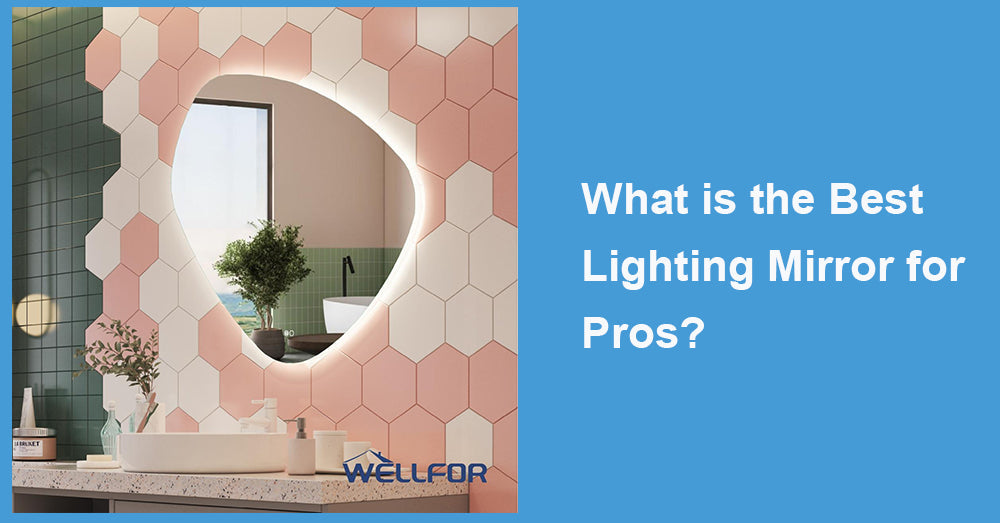
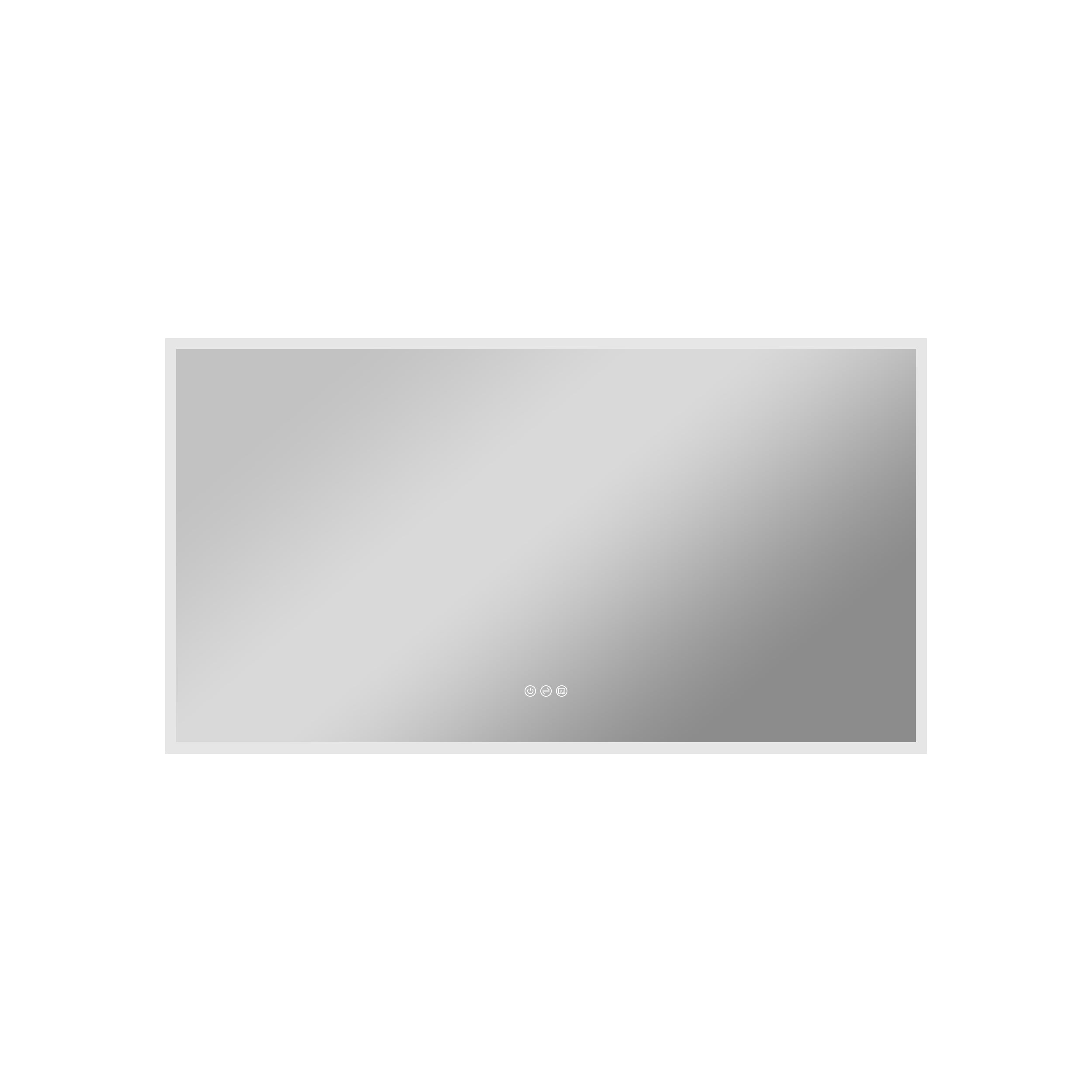
A lighting mirror that works for professionals is less about decoration and more about repeatable performance: accurate color, even facial illumination, reliable controls, and safety in a humid room. That focus is showing up in renovation data, too. In the Houzz 2025 Bathroom Trends Study, upgraded lighting is the most common wellness-related upgrade at 30%, and 84% of renovating homeowners hire professionals, making lighting decisions increasingly influenced by contractor and designer standards rather than impulse décor picks.
1. Why Pros Are Specifying Lighted Mirrors More Often
The vanity zone has become the “task center” of the bathroom. Houzz reports that 24% of homeowners use the primary bath for beauty and pampering routines, which raises expectations for clear, flattering, low-shadow lighting at the mirror.
On the design side, NKBA’s 2026 trend reporting frames lighting as foundational: 91% cite lighting quality as a top priority, and 92% agree task lighting should always be included in primary bath design. That mindset aligns perfectly with integrated lighted mirrors, which combine reflection and task lighting in one fixture.
2. The Pro Definition of “Best” Starts With Color Accuracy
Professionals who work close to faces (makeup artists, stylists, estheticians, photographers, content creators) care about color fidelity because it directly affects decisions such as foundation matching, skin tone appearance, hair color evaluation, and even wardrobe checks.
Many product listings still lean on CRI as the headline metric, but CRI is not the whole story. NIST notes that CRI mainly evaluates color fidelity and ignores other aspects of color quality that matter to human perception.
That is why more spec-focused pros increasingly reference TM-30. The Illuminating Engineering Society describes TM-30 as a more robust set of metrics than earlier approaches, giving a clearer view of color rendition beyond a single score.
What this looks like in real buying criteria:
· High fidelity: Look for high CRI (often 90+) and, when available, TM-30 metrics (Rf/Rg) to understand color better rendering behavior.
· Skin tone confidence: Pros often ask for better red rendering (commonly discussed as “R9” in extended CRI conversations), because skin and cosmetics can look “flat” under poor red performance. (When brands publish it, it is a useful tell.)
3. Even Illumination Beats “Bright” Every Time
Pros care less about a mirror being “super bright” and more about where the light lands. Uneven lighting creates shadows under the the eyes and the chin, and strong, hot spots can blow out detail.
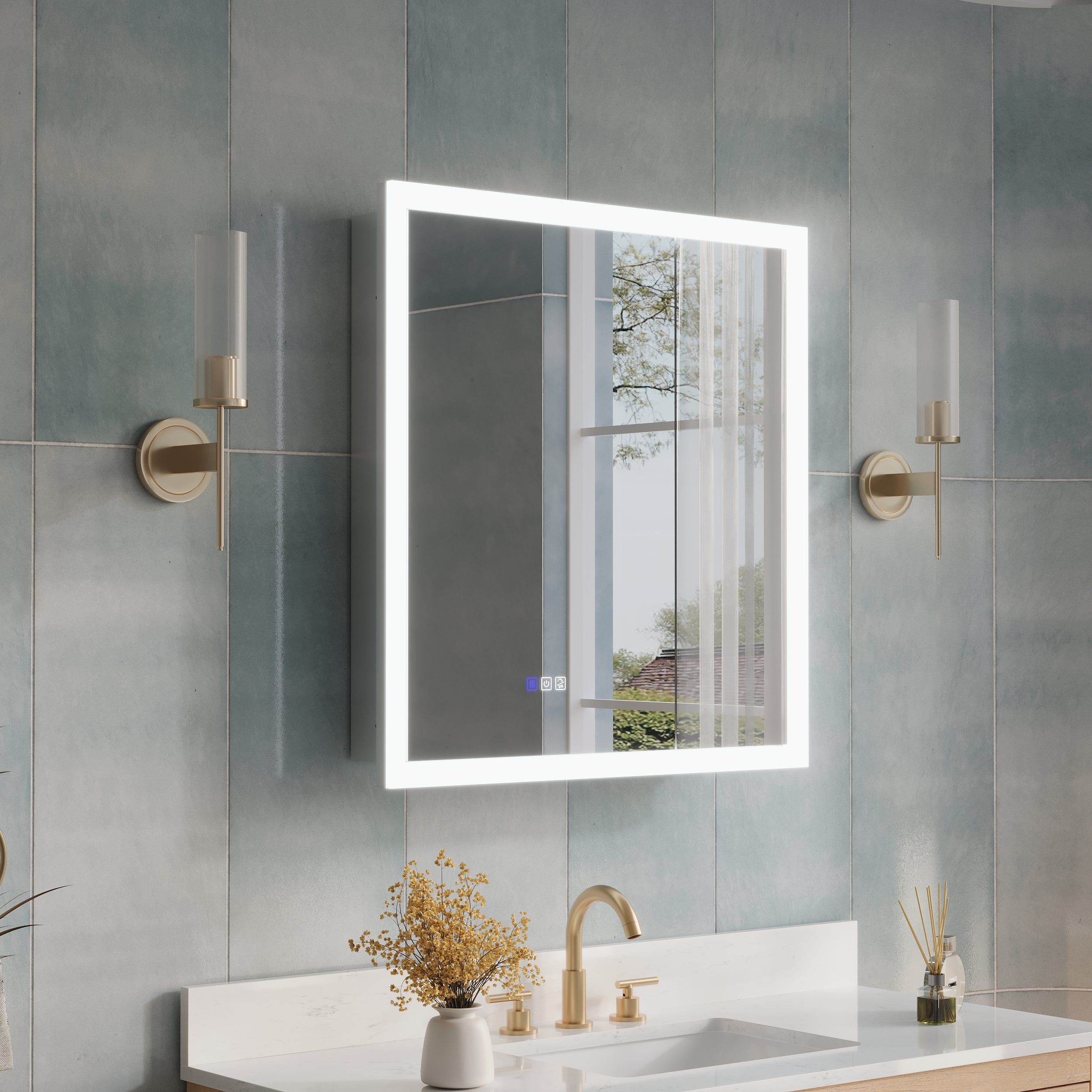
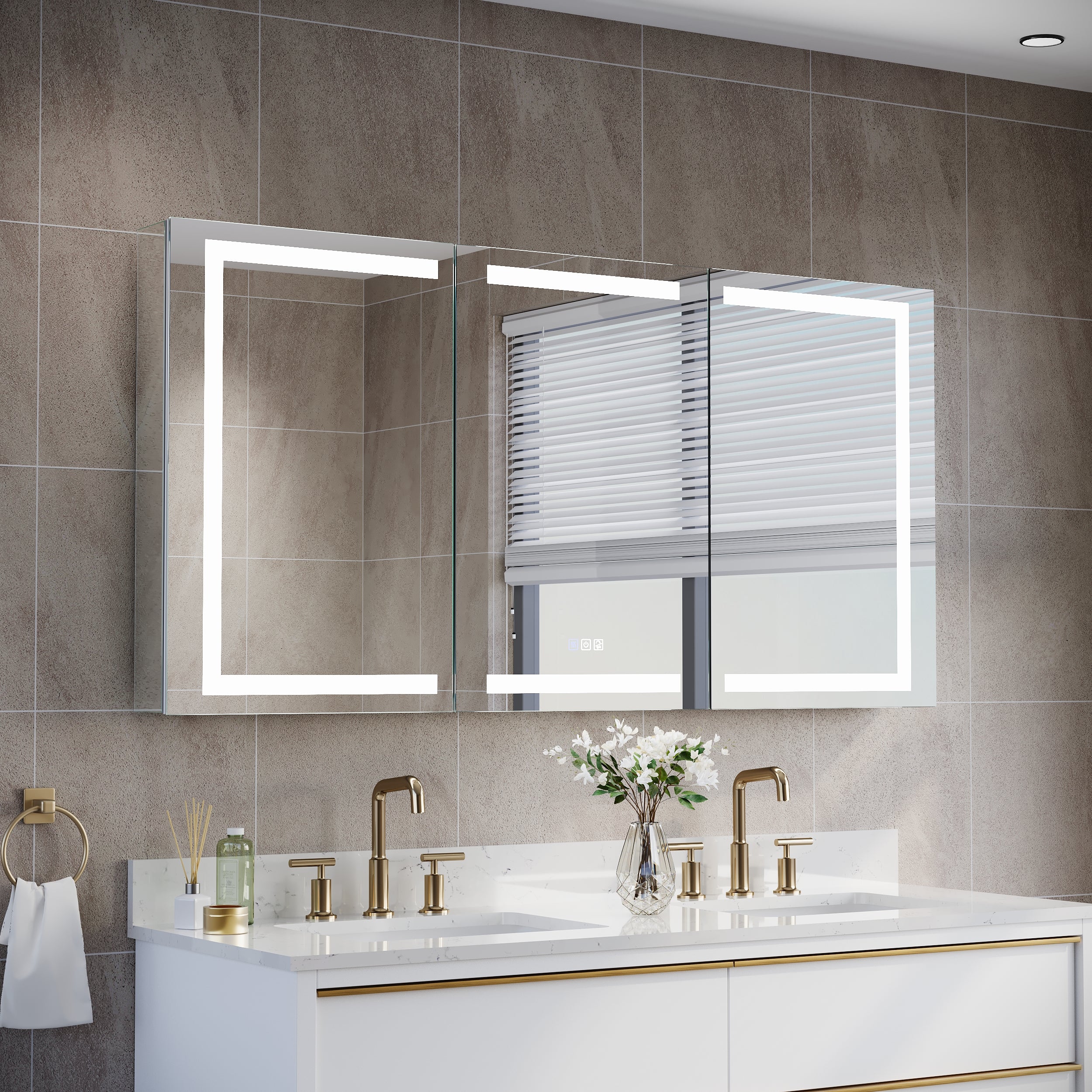
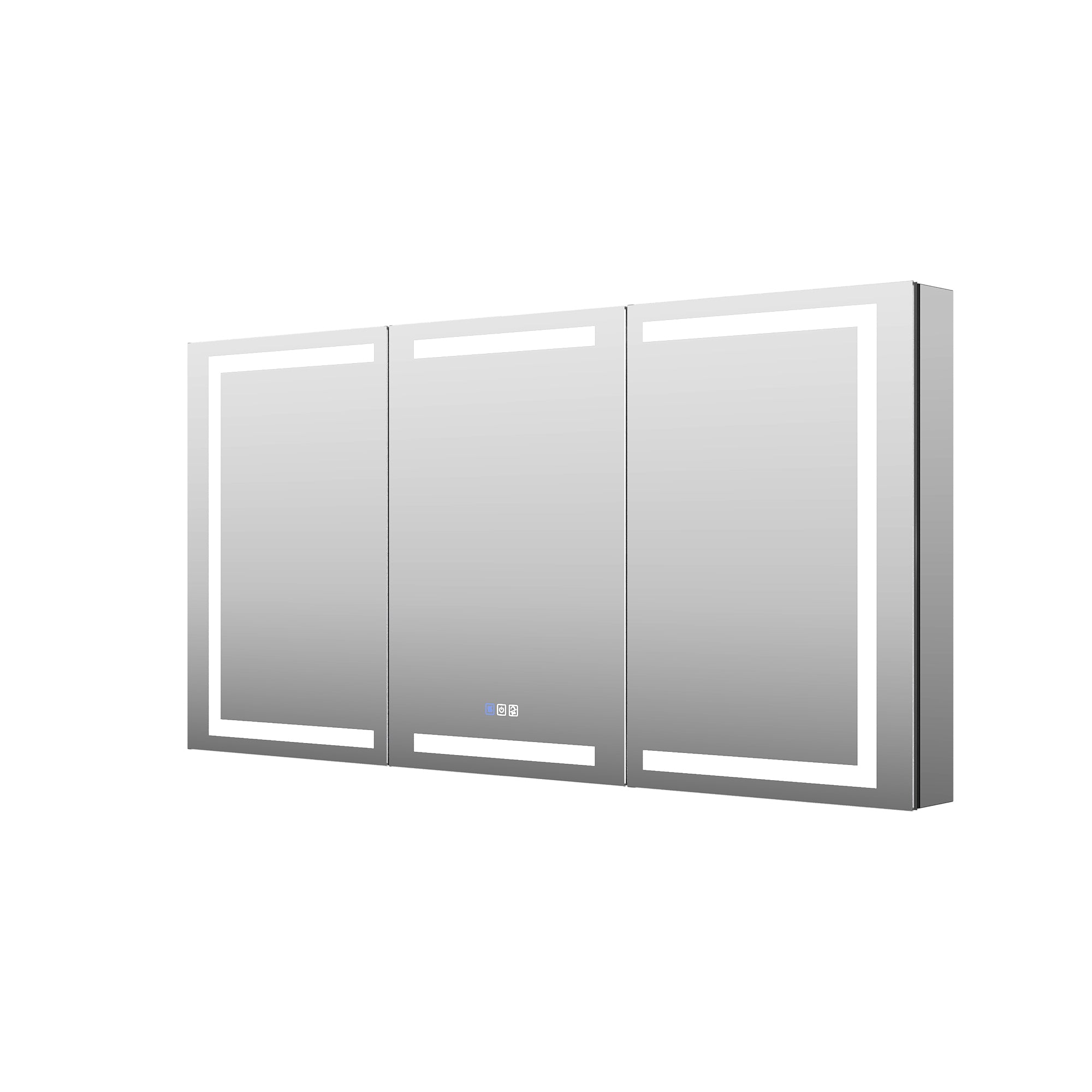
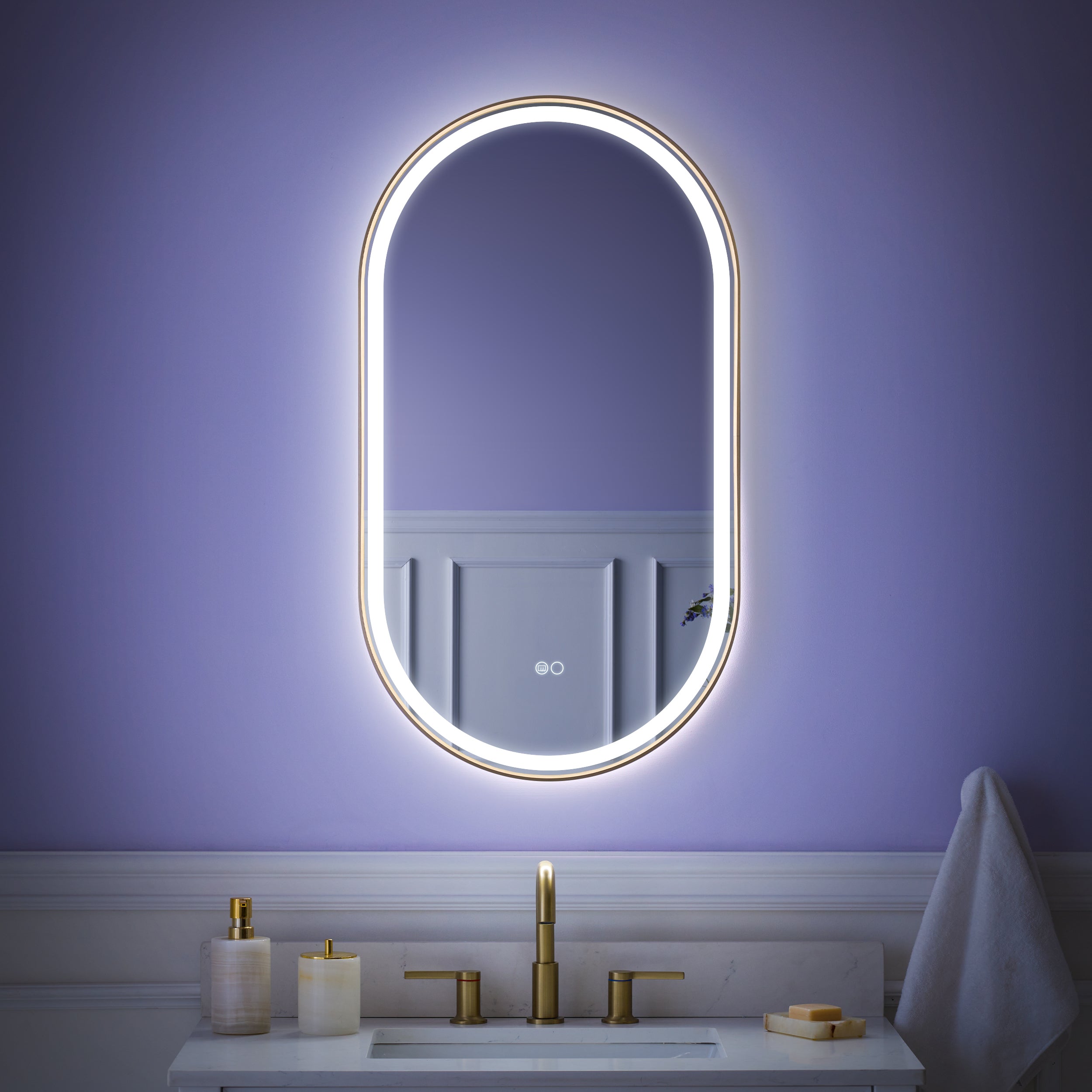
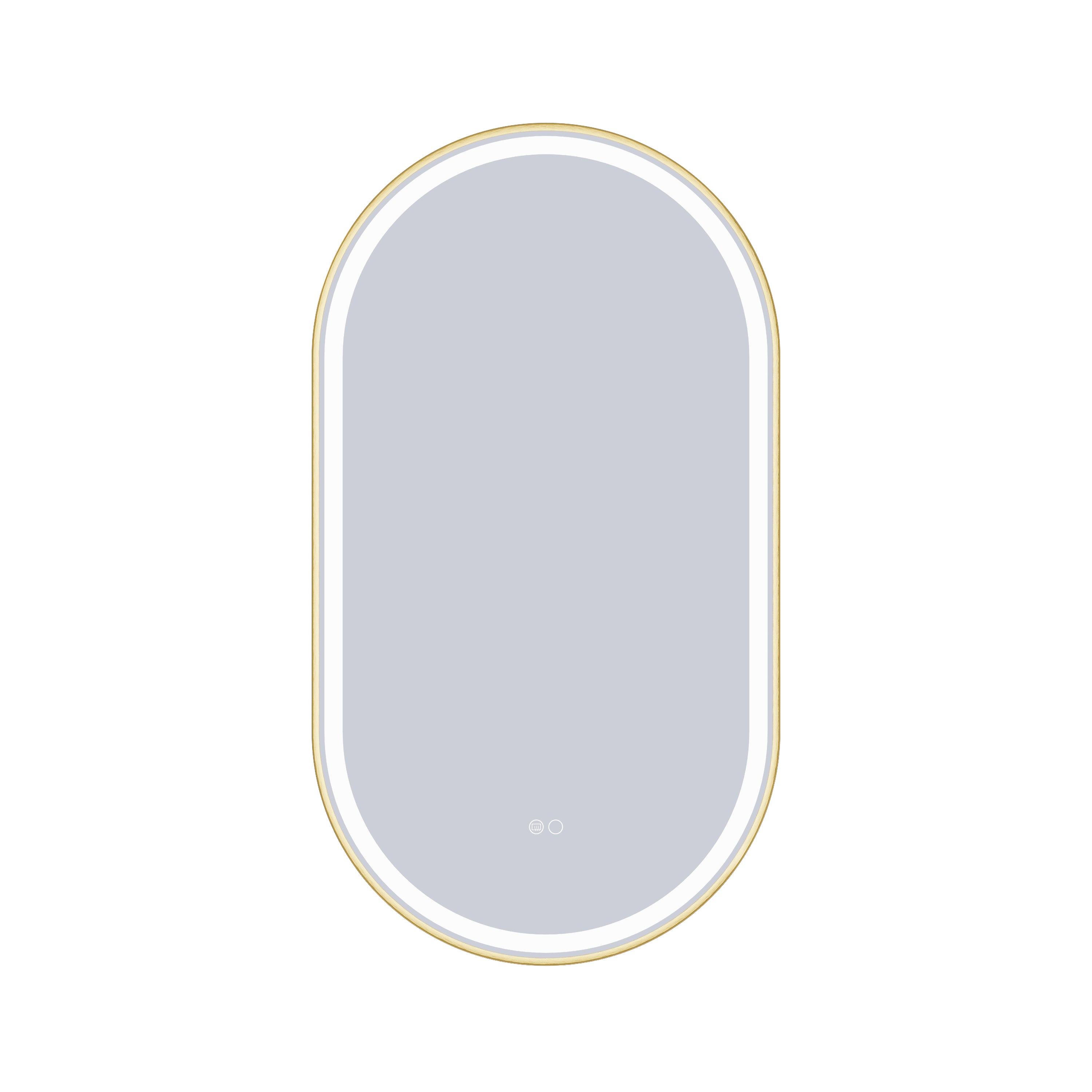
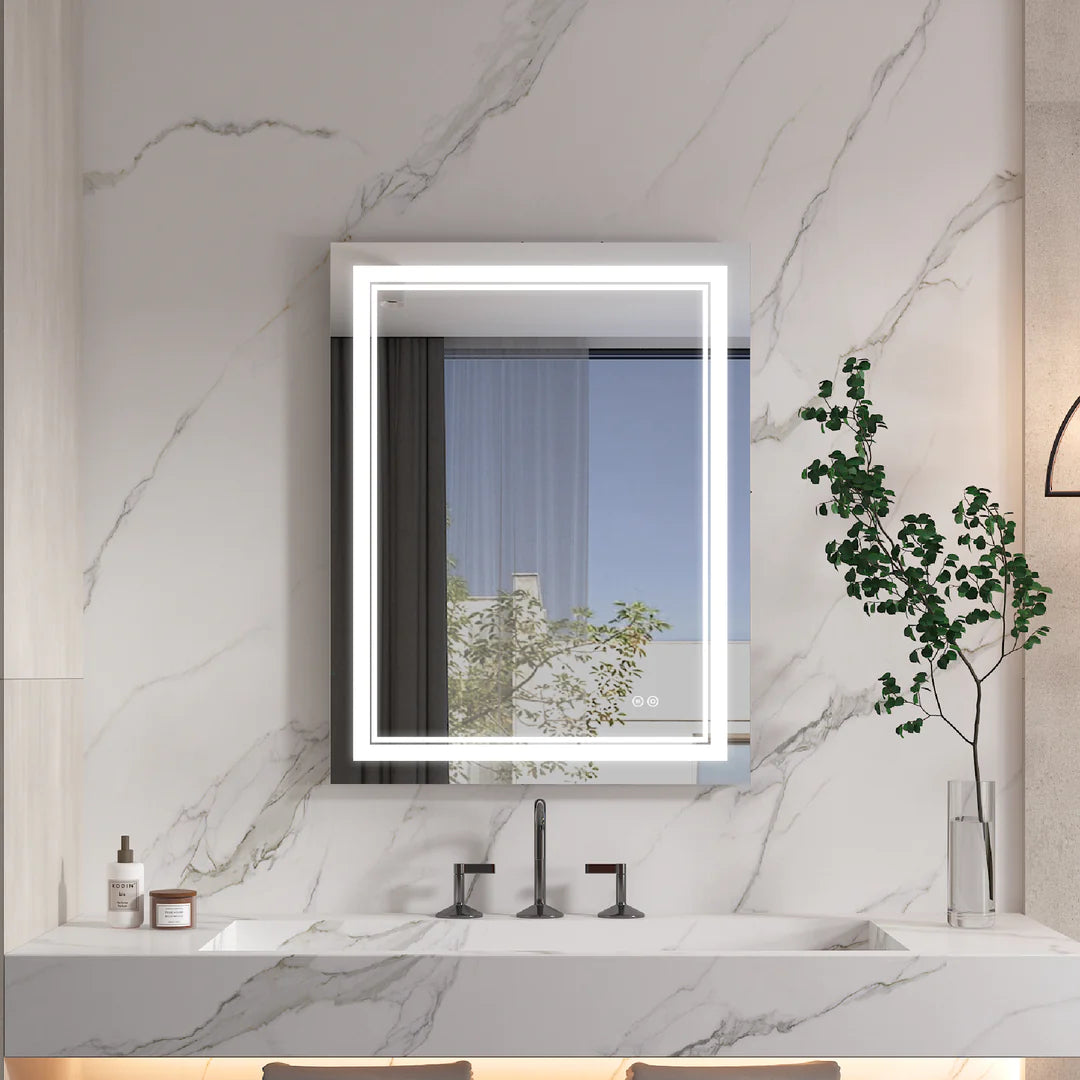
A useful reference from the performance world is theatrical makeup lighting guidance. ANSI’s theatrical makeup mirror lighting standard highlights balanced illumination, using vertical lamps on each side and a horizontal row on top to reduce common errors such as shadows and distortion. Translating that idea to today’s LED mirrors: perimeter or side-forward illumination tends to perform better for faces than a pure backlit halo.
Practical pro preference (in plain terms):
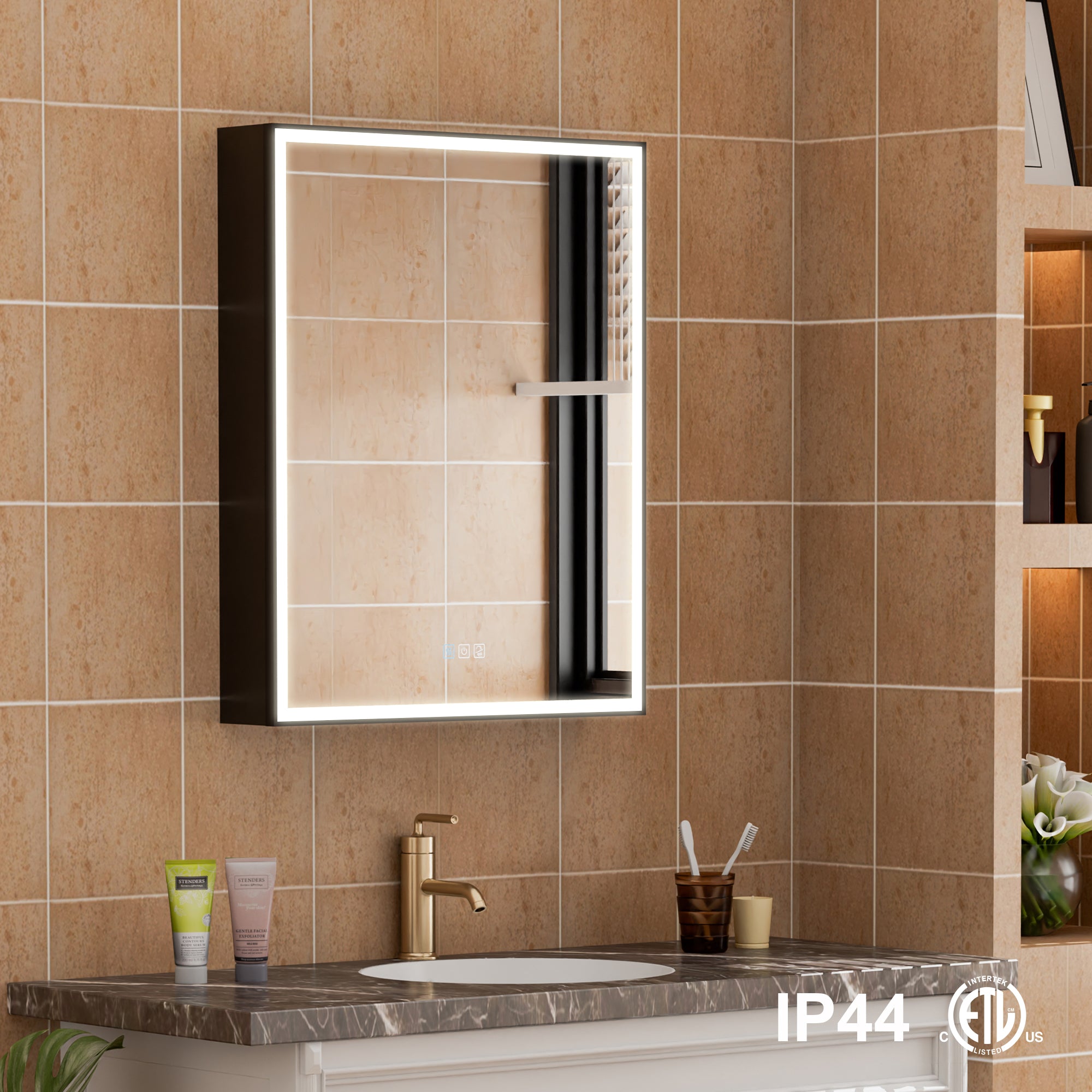
· Front-lit or perimeter-lit mirrors tend to be better for grooming accuracy.
· Backlit-only mirrors can look beautiful, but may not provide enough direct facial light unless the bathroom already has strong side sconces.
4. Control Features Pros Actually Use
The best lighting mirror for pros is controllable, not just “on/off.” NKBA notes the rise of nighttime-specific lighting and layered lighting plans. That demand shows up in mirror specs as dimming, tunable color temperature, and predictable memory settings.
Features that matter in real work:
· Dimming for camera work, early mornings, and late-night use.
· Adjustable color temperature so the mirror can shift between warm, neutral, and cooler task lights depending on the task.
· True memory function (returns to last setting) so the mirror behaves consistently session after session.
5. Specialty Features Are Becoming Normal, Not Niche
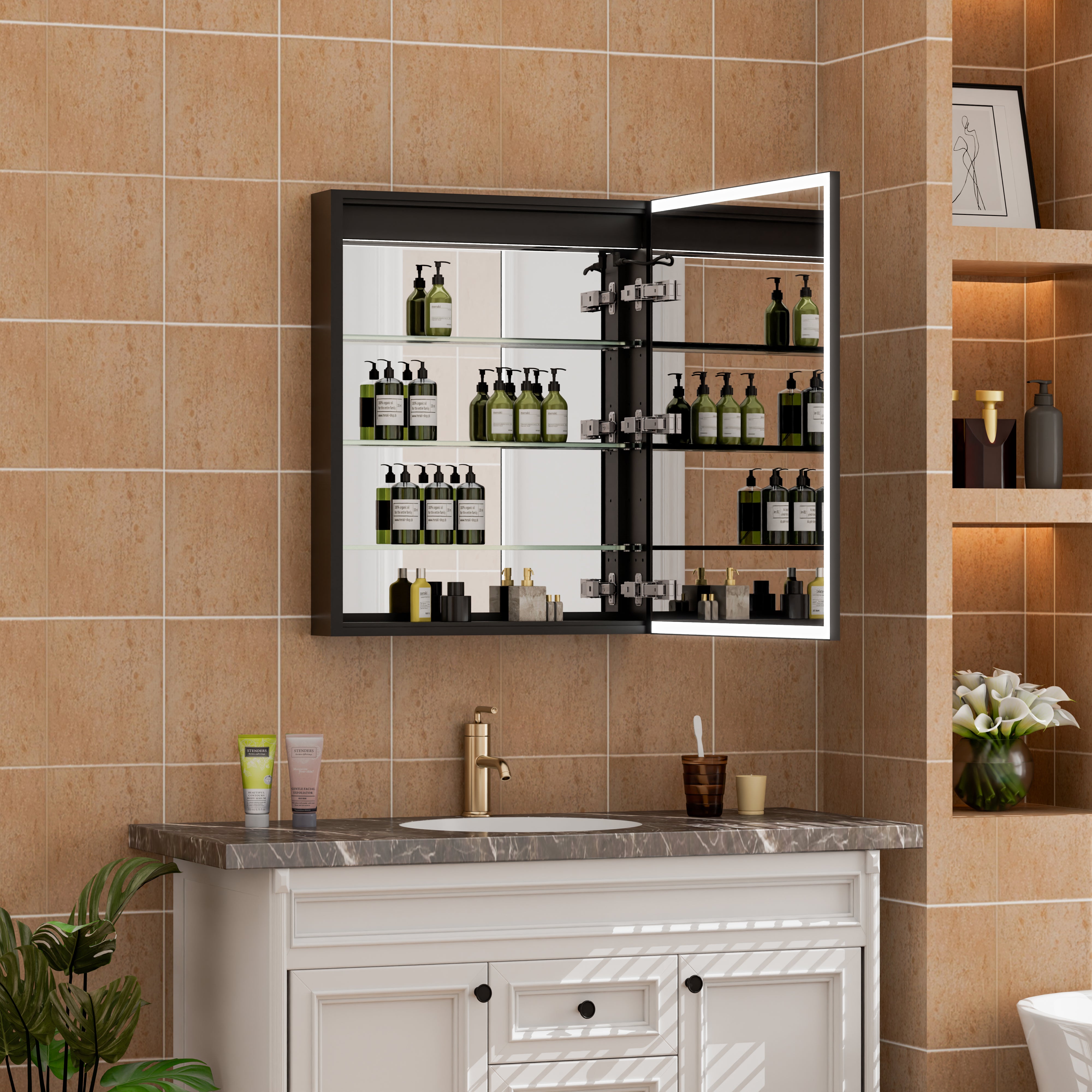
Specialty mirrors are moving into the mainstream. Houzz reports that 34% of renovating homeowners choose mirrors with specialty features, including LED lighting (24%) and anti-fog systems (22%).
For pros, anti-fog is not just about comfort. A foggy mirror ruins workflow in shared baths, post-shower routines, and humid climates. If the mirror is near a shower, anti-fog is often considered a “no debate” feature.
6. Safety and Damp-Room Reliability Are Part of “Professional Grade.”
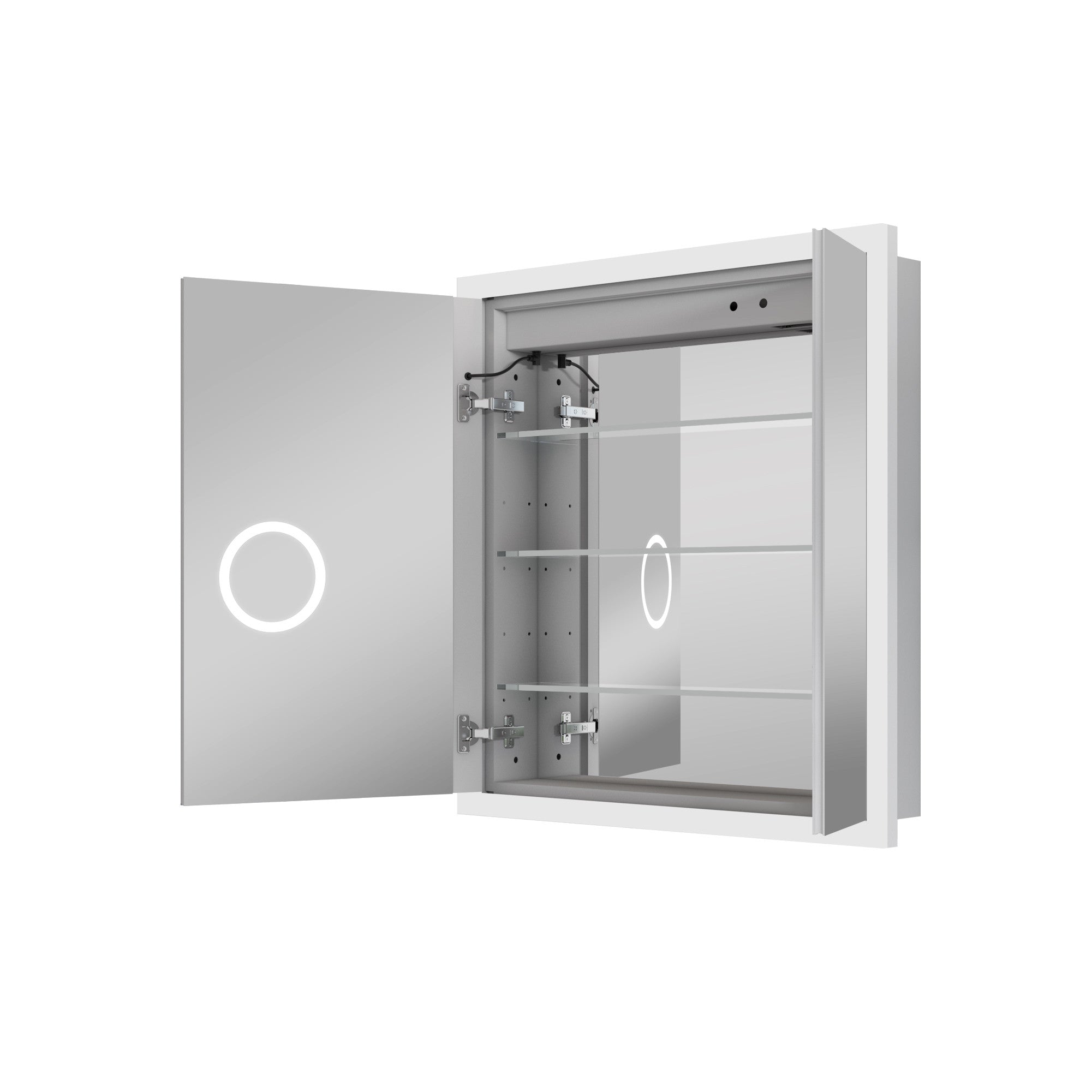
In a bathroom, a lighted mirror is an electrical product operating in a moist environment. Pros typically look for:
· A recognized safety listing (commonly evaluated under luminaire safety frameworks such as UL 1598 categories, depending on how the product is classified and intended to be installed).
· A suitability rating for moisture exposure (often described as “damp location” in product documentation).
This is not just paperwork. It correlates with better driver protection, better sealing practices, and fewer early failures.
7. Size and Placement Specs Pros Use in the Field
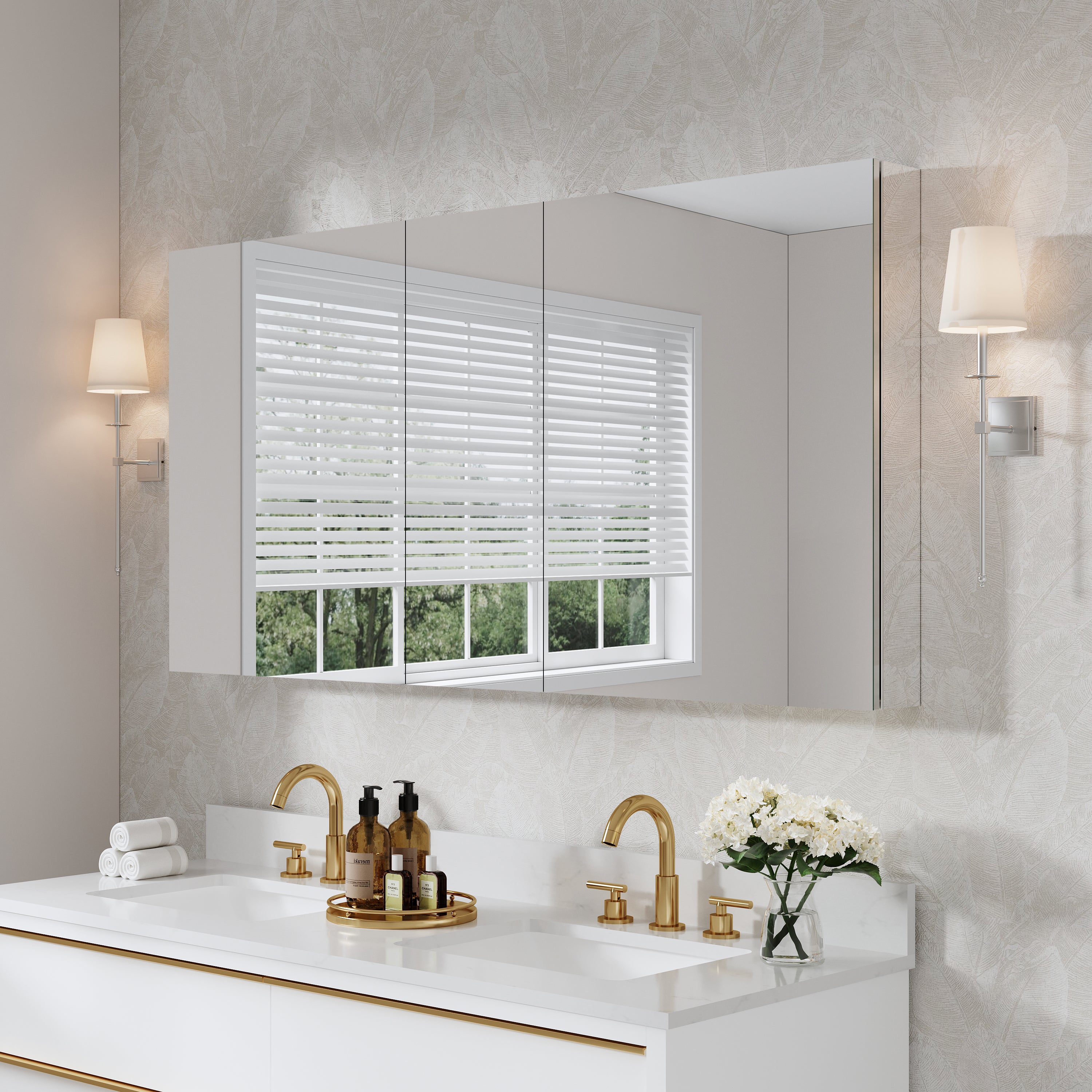
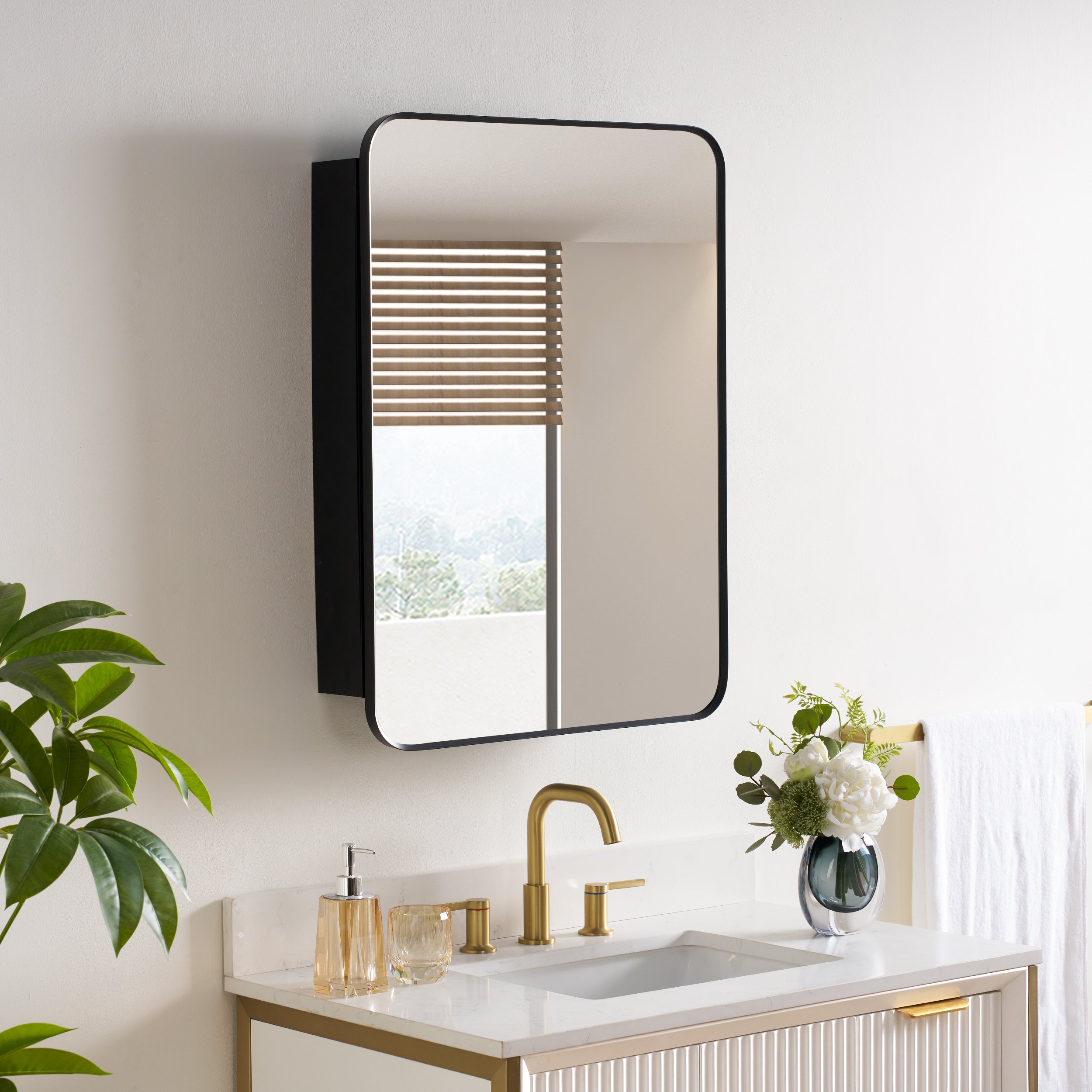
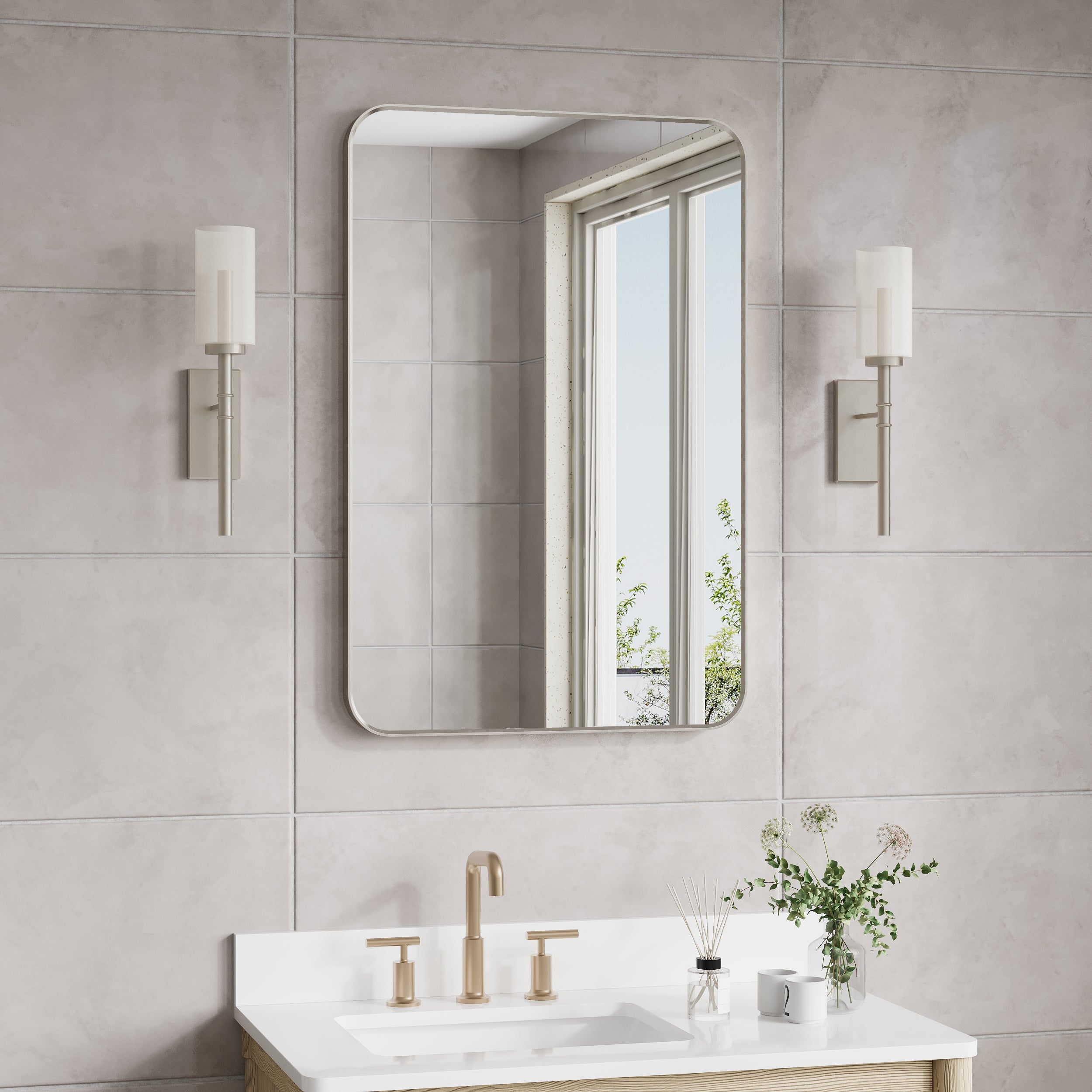
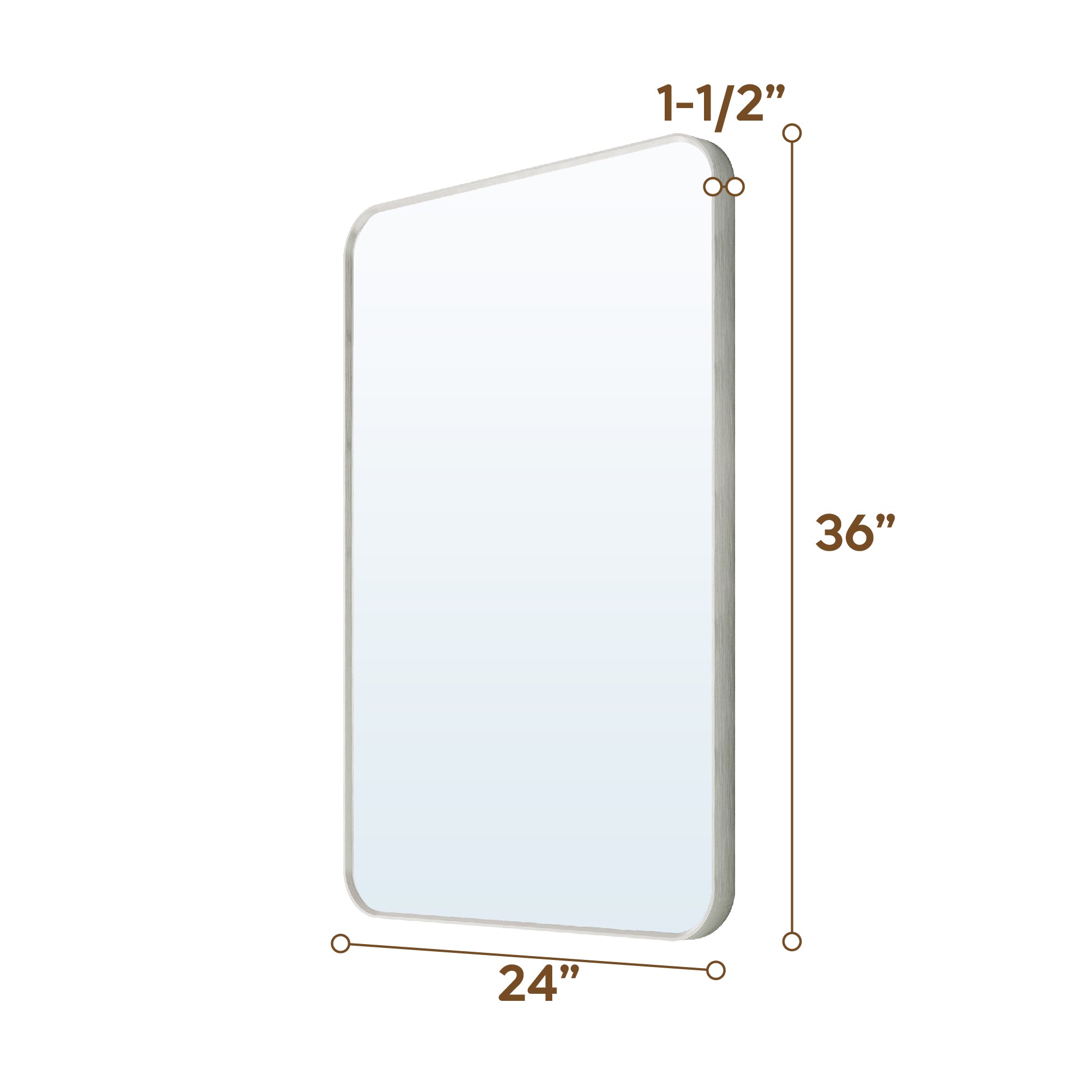
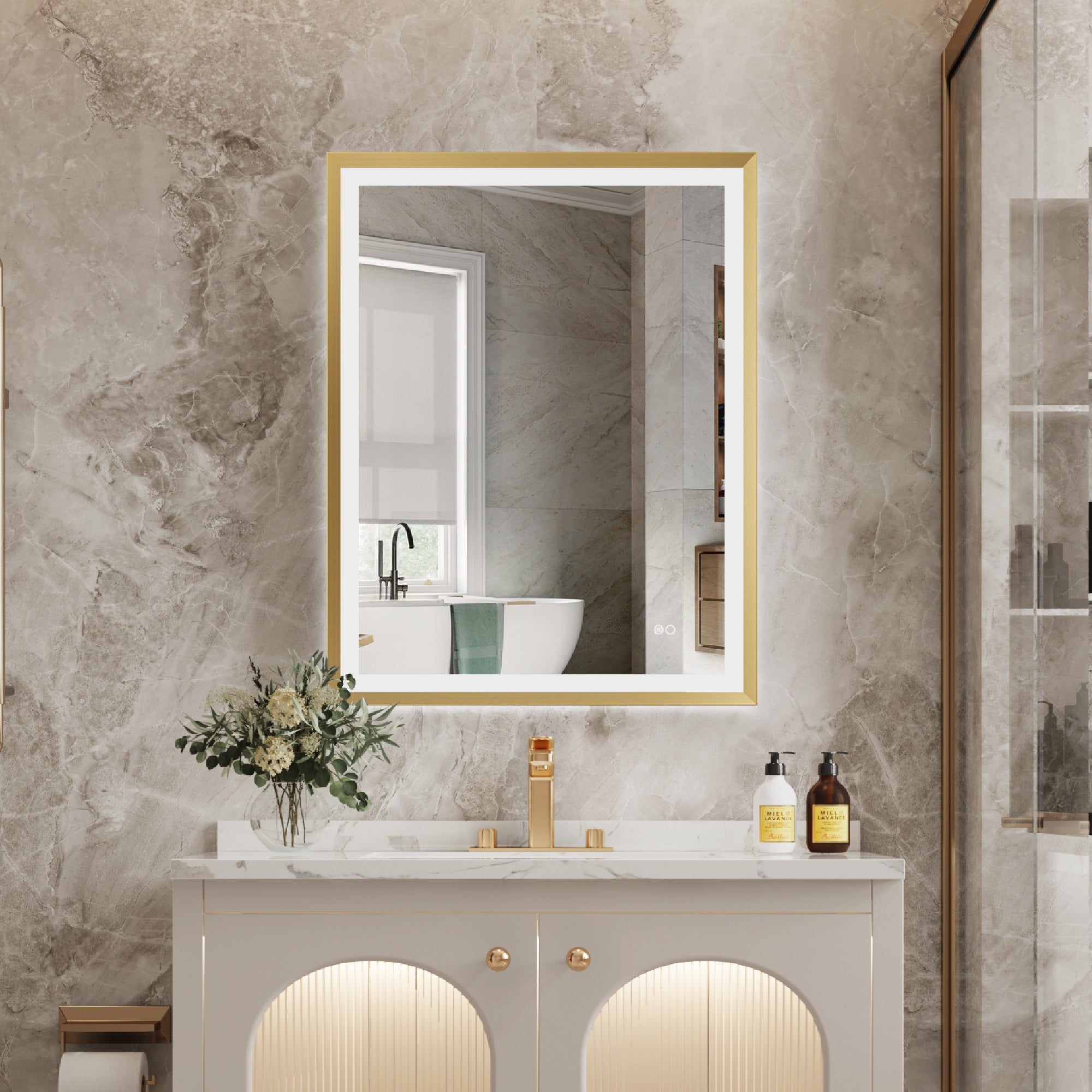
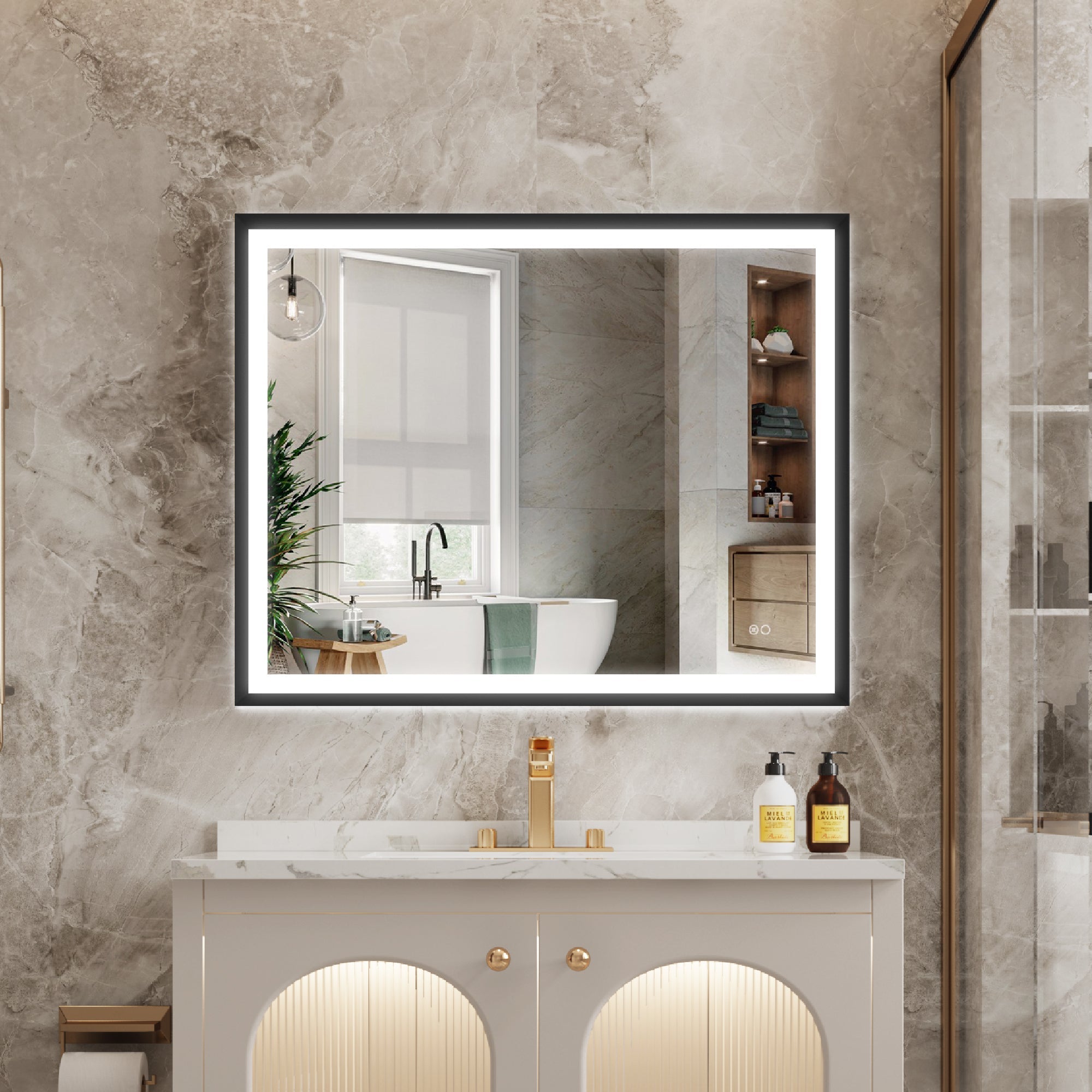
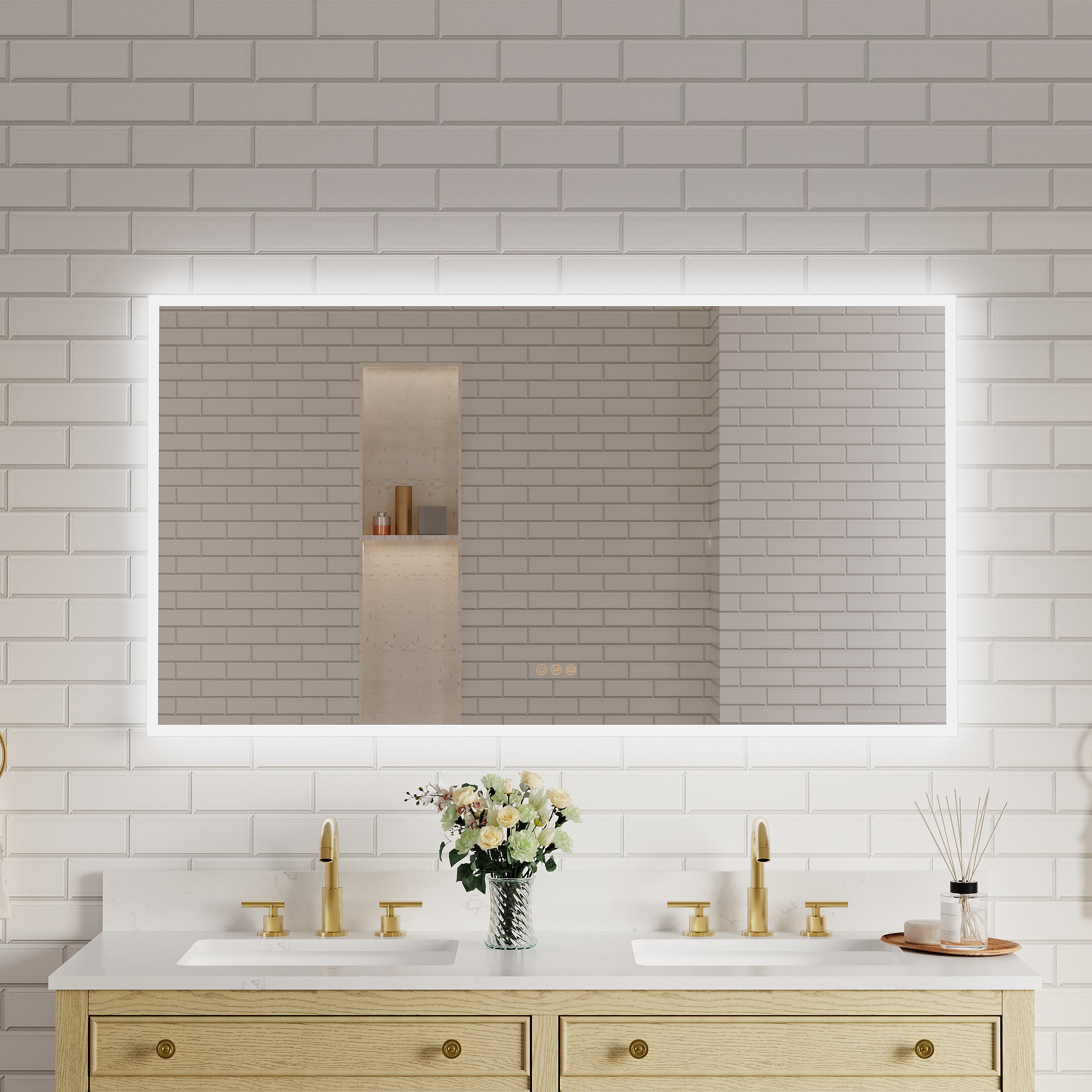
Pros rarely pick a mirror size randomly. They start with the vanity width and sightlines. A common approach is to choose a mirror slightly narrower than the vanity to keep proportions clean and avoid edge crowding. For example, on a 30-inch vanity, many installations look balanced with a mirror around 24 inches to 28 inches wide. On a 36-inch vanity, 30-inch to 34-inch wide is often a safe visual range.
Mounting height matters too. Accessibility guidance provides a helpful reference point: when mirrors are located above lavatories or countertops, the bottom of the reflecting surface should be no more than 40 inches above the finished floor in accessible configurations. Even when a space is not built to accessibility standards, this reference helps avoid mirrors mounted so high that they feel awkward in daily use.

8. The “Best” Lighting Mirror for Pros: A Spec, Not a Brand
If you define “best” the way professionals do, it typically means a mirror that checks these boxes:
· Face-first light distribution (front/perimeter emphasis, minimal hotspots).
· Strong color quality (high CRI and, when available, TM-30 metrics).
· Dimming + tunable color temperature + reliable memory, supporting layered lighting plans.
· Anti-fog when the room steams, so workflows don't depend on wiping glass.
· Safety-listed and moisture-appropriate build, designed for real bathrooms, not showroom-only conditions.
One final note: energy performance is becoming part of professional spec decisions. DOE guidance highlights that LEDs can use up to 90% less energy and last up to 25 times longer than traditional incandescent bulbs, which supports lower maintenance and more consistent output over time.













Leave a comment
This site is protected by hCaptcha and the hCaptcha Privacy Policy and Terms of Service apply.