














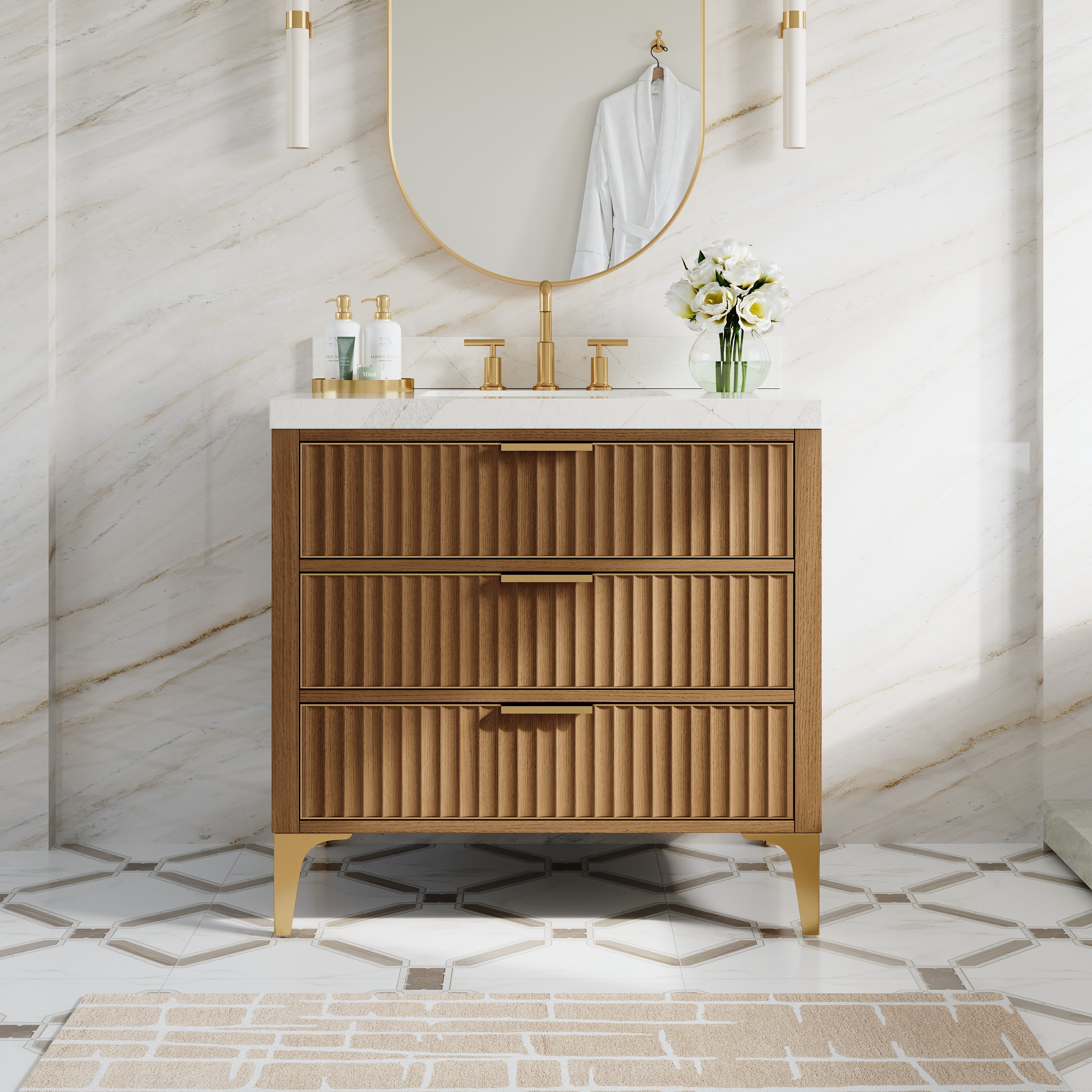
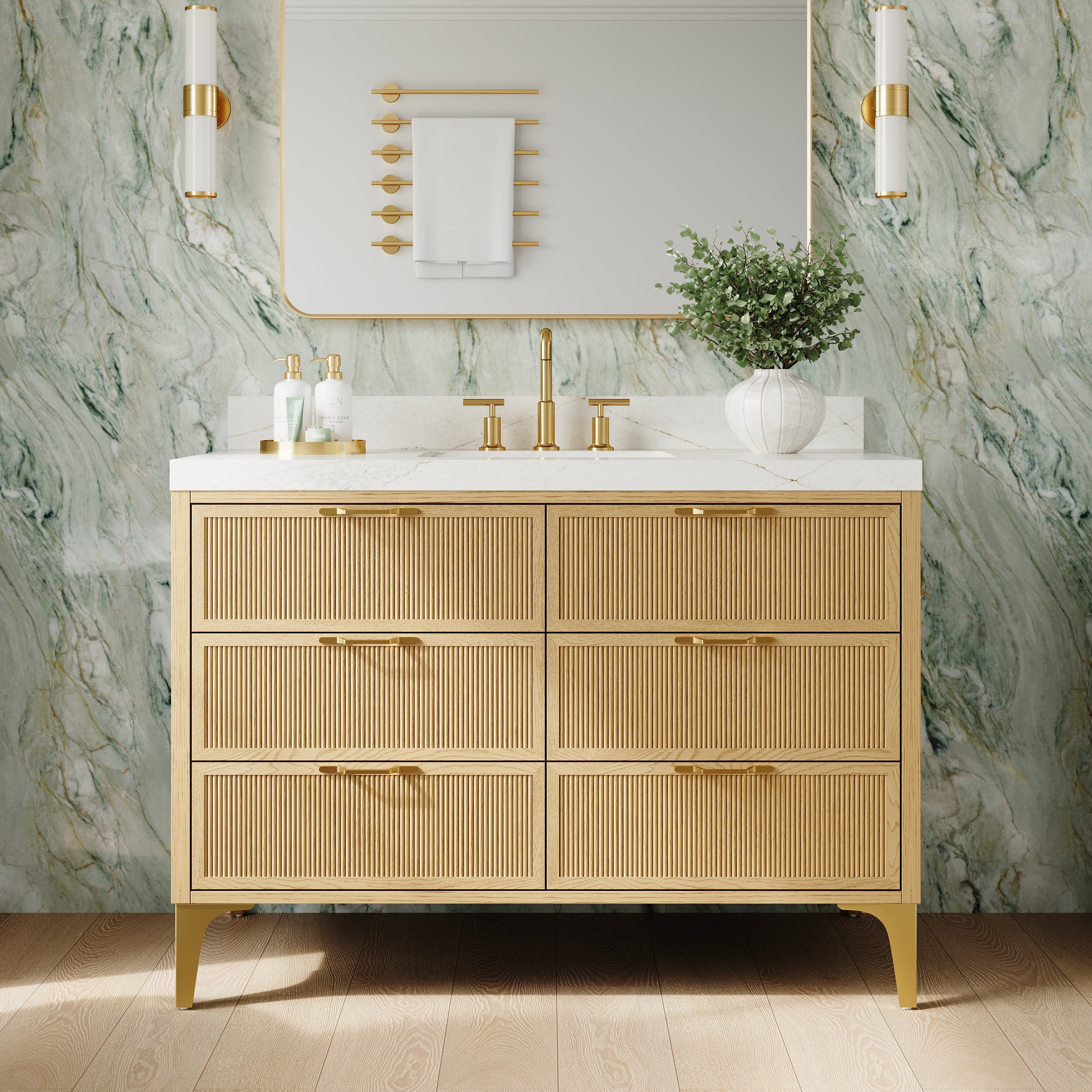


In the US home market in 2025, green energy saving is no longer a future trend, but a core value at present. As the concept of environmental protection is deeply ingrained in people's hearts and the pressure on water resources is increasing, consumers are paying more attention to water-saving performance and environmental certification when purchasing bathroom products. As one of the primary outlets for bathroom water, the balance between energy efficiency and performance of bathtub faucets is becoming a key decision point in modern home decor.
(The rise of water-saving awareness: dual drive of regulations and market)
States in the United States are gradually promoting stricter water use regulations. For example, California, New Jersey and other regions have clearer flow restrictions on bathtubs and showers, requiring that the maximum flow rate per minute should not exceed 2.0 GPM (gallons per minute). This has prompted manufacturers to accelerate product upgrades and consumers to actively look for more environmentally friendly and efficient bathroom solutions.
(Core standards for efficient bathtub faucets)
To choose a bathtub faucet that combines water saving and performance, you need to pay attention to the following core parameters:
• Maximum flow rate (GPM): Most water-saving bathtub faucets have a flow rate controlled between 1.5 and 2.0 GPM, which helps conserve water while maintaining a smooth water flow.
• Aerator design: A high-quality aerator can achieve air-water mixing without affecting water pressure, thereby enhancing water output and reducing water consumption.
• Material safety: Made of lead-free brass or SUS304 stainless steel, it is not only more corrosion-resistant, but also more in line with drinking water safety standards.
• Temperature control and anti-scalding function: Energy-saving faucets are often equipped with a constant temperature adjustment system to reduce water waste waiting for hot water and improve bathing safety.
• Certification standards: US EPA WaterSense certification, cUPC certification, and NSF certification are all important indicators of high-performance water-saving faucets.
(Water saving ≠ low performance: new technology makes energy saving smarter)
Many consumers still harbour prejudices against water-saving faucets, believing that the water pressure is insufficient and the experience is subpar. In fact, with the advancement of manufacturing technology, high-performance water-saving faucets can not only adjust the water volume and water temperature, but also provide a stable and soft water output experience in conjunction with the bathtub bathing mode. For example:
• Smart induction faucet: It can sense the presence of a human body and automatically dispense water to prevent waste.
• Multi-stage water flow adjustment: adjust the water flow intensity and mode according to the bathing stage.
• Hot water return system compatible: shorten the arrival time of hot water and further reduce water consumption.

(Popular types and suitable styles in the market)
In the US home improvement market, the following types of water-saving bathtub faucets are particularly popular:
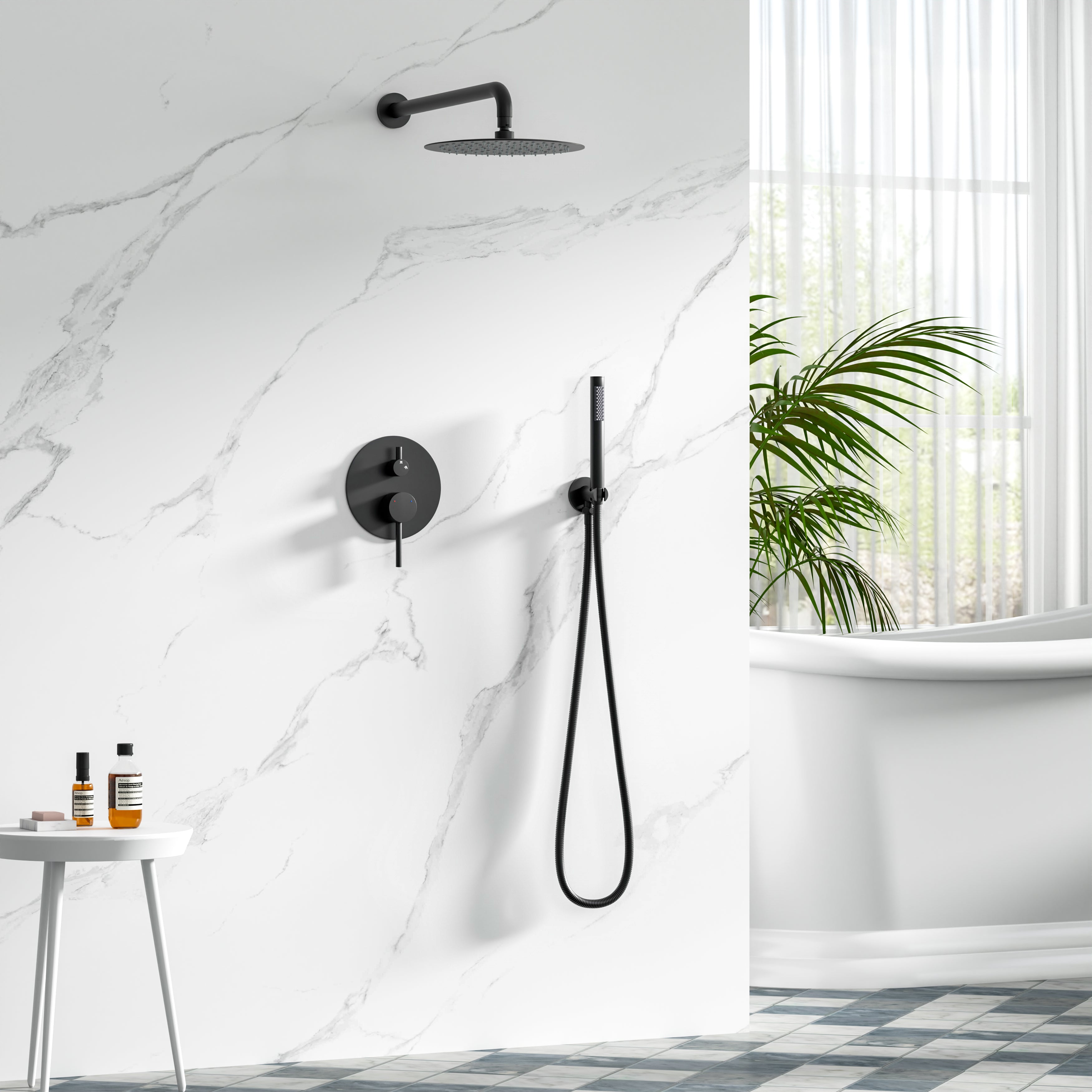
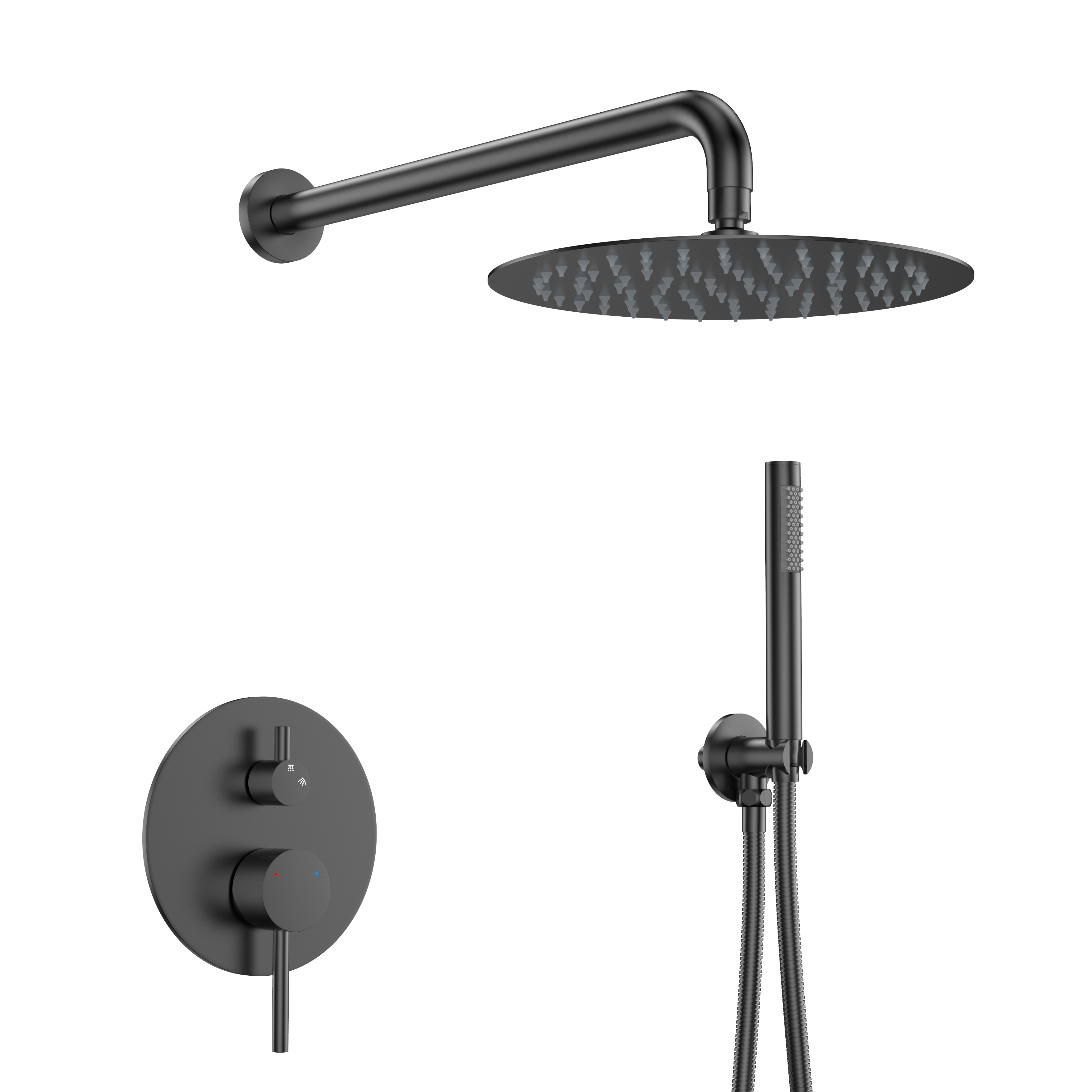
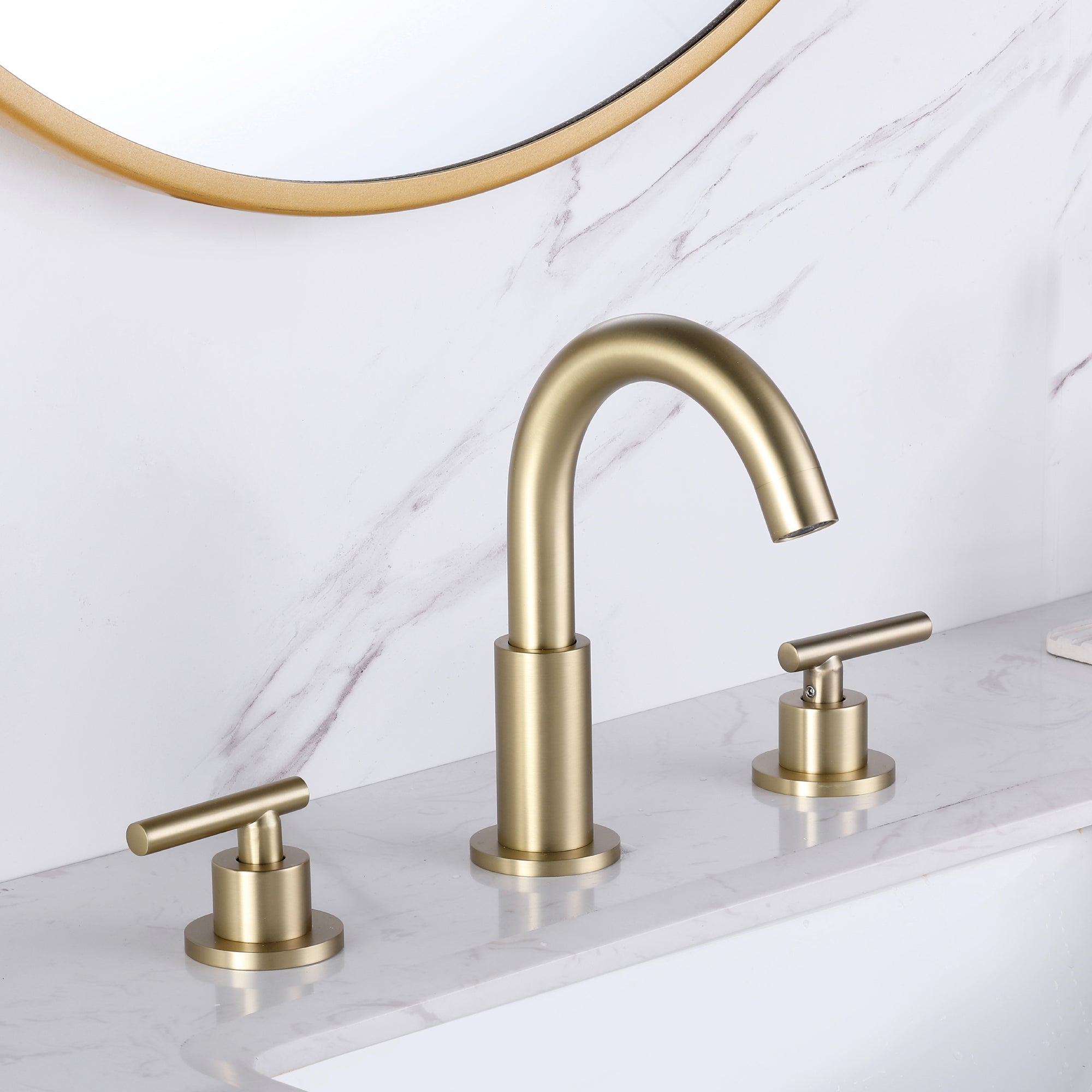
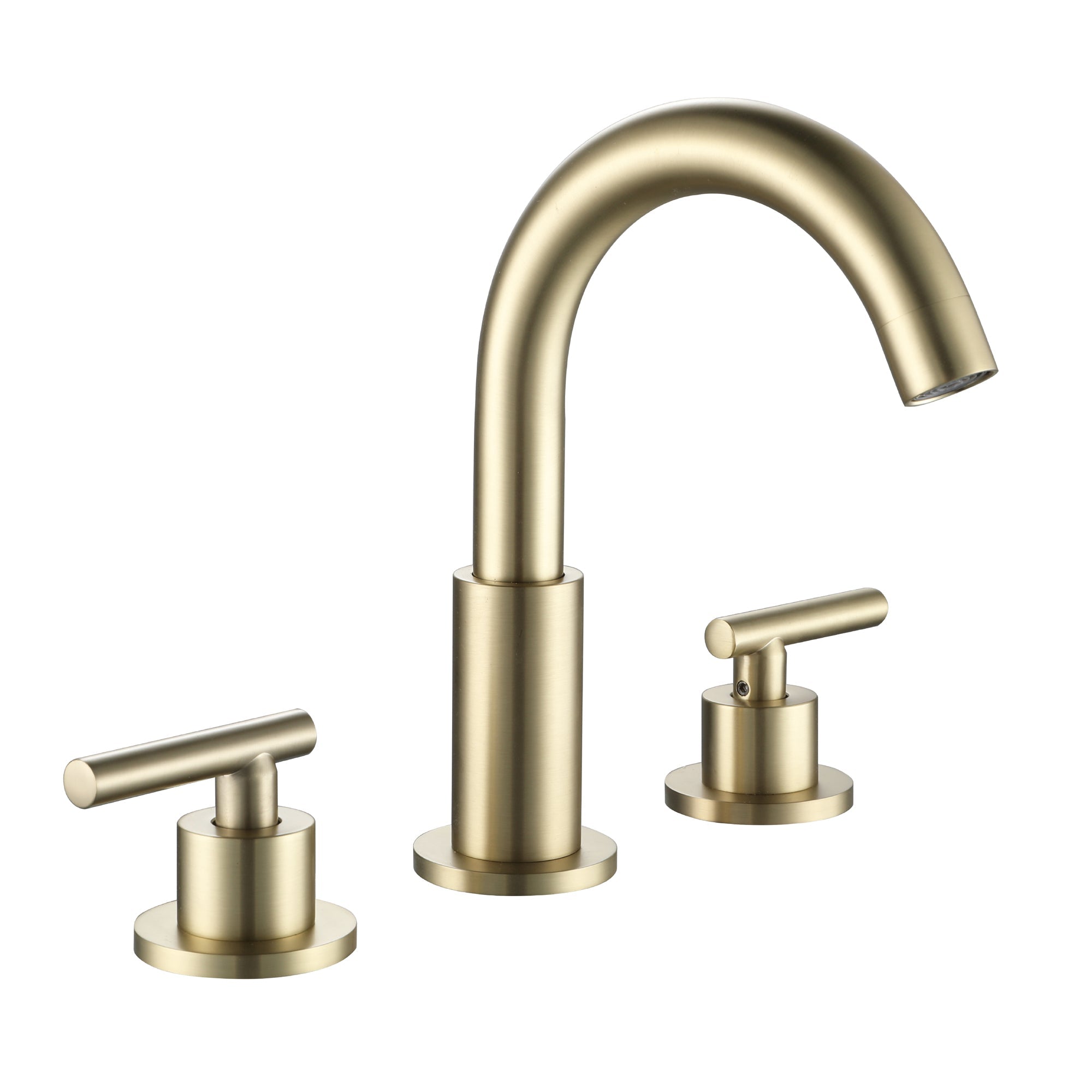
• Wall-mounted faucets: Simple installation, suitable for modern, minimalist-style bathrooms.
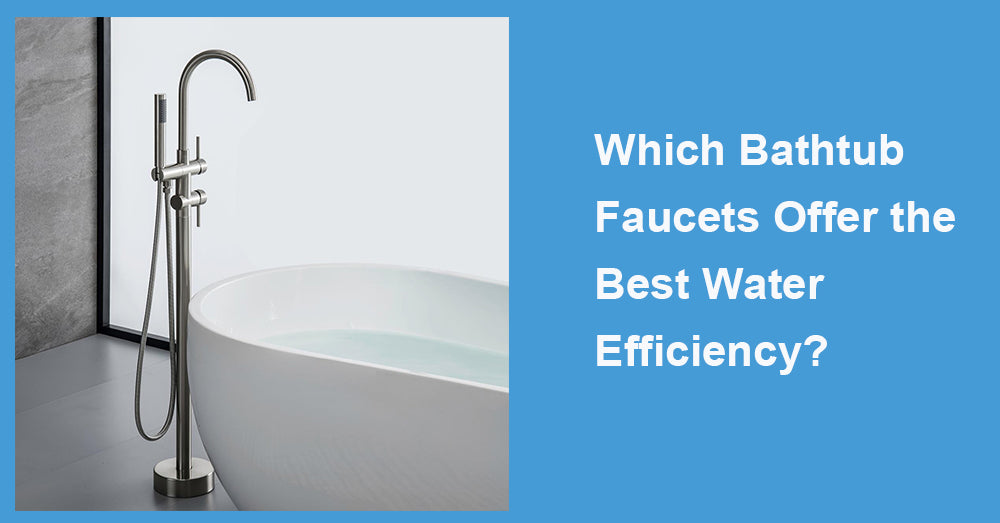
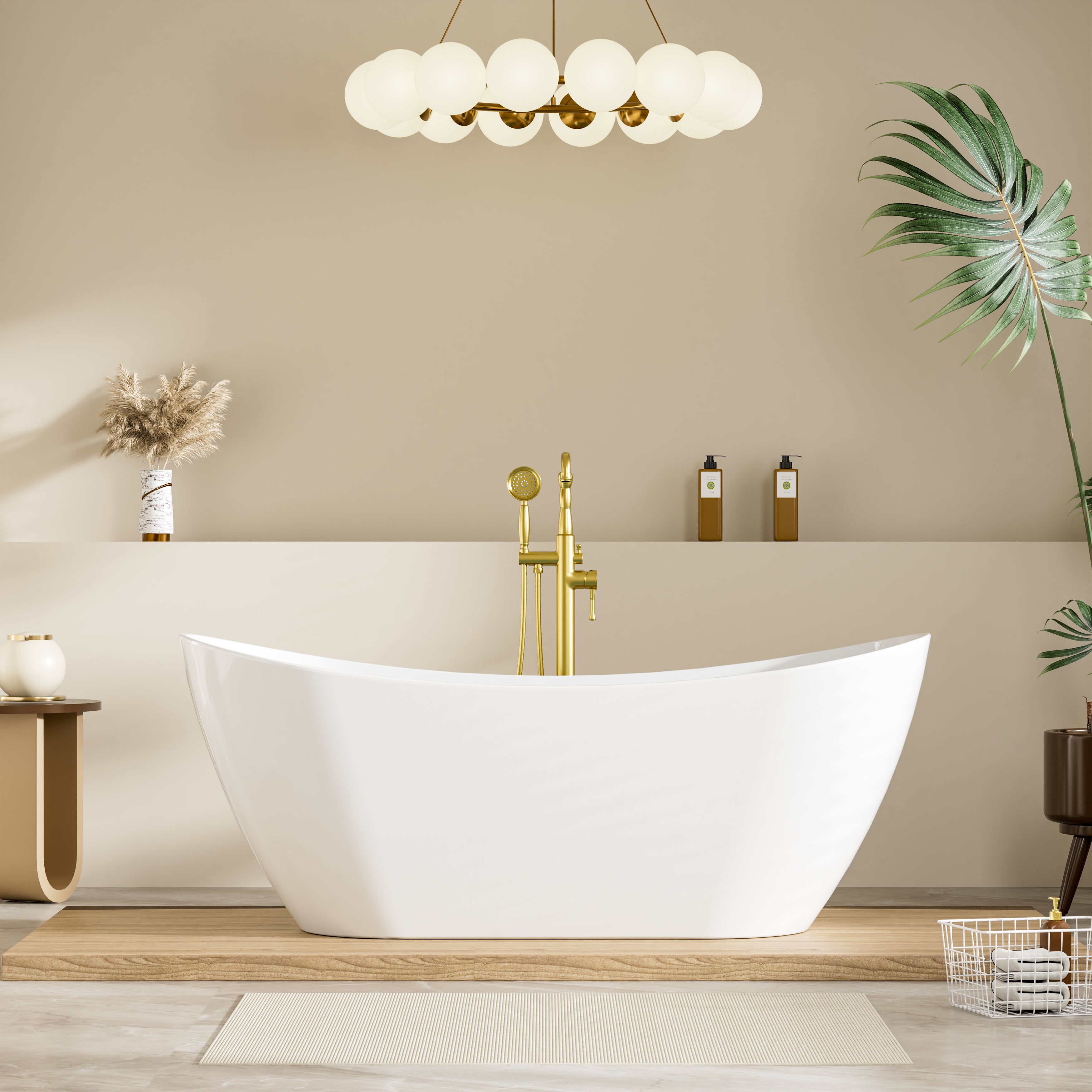
• Vertical faucets: typically paired with free-standing bathtubs, offering a strong sense of shape and suitability for mid-to-high-end decoration.
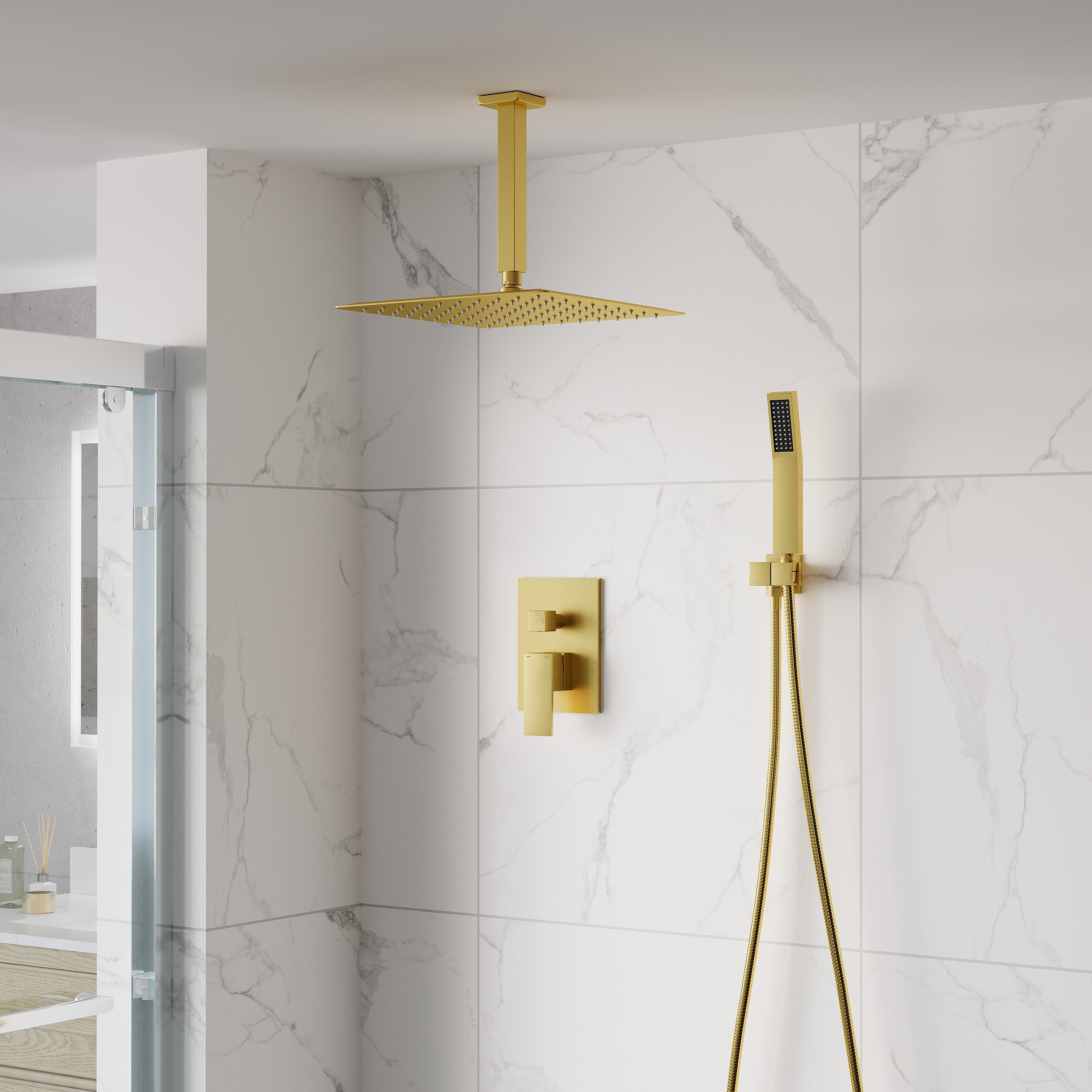
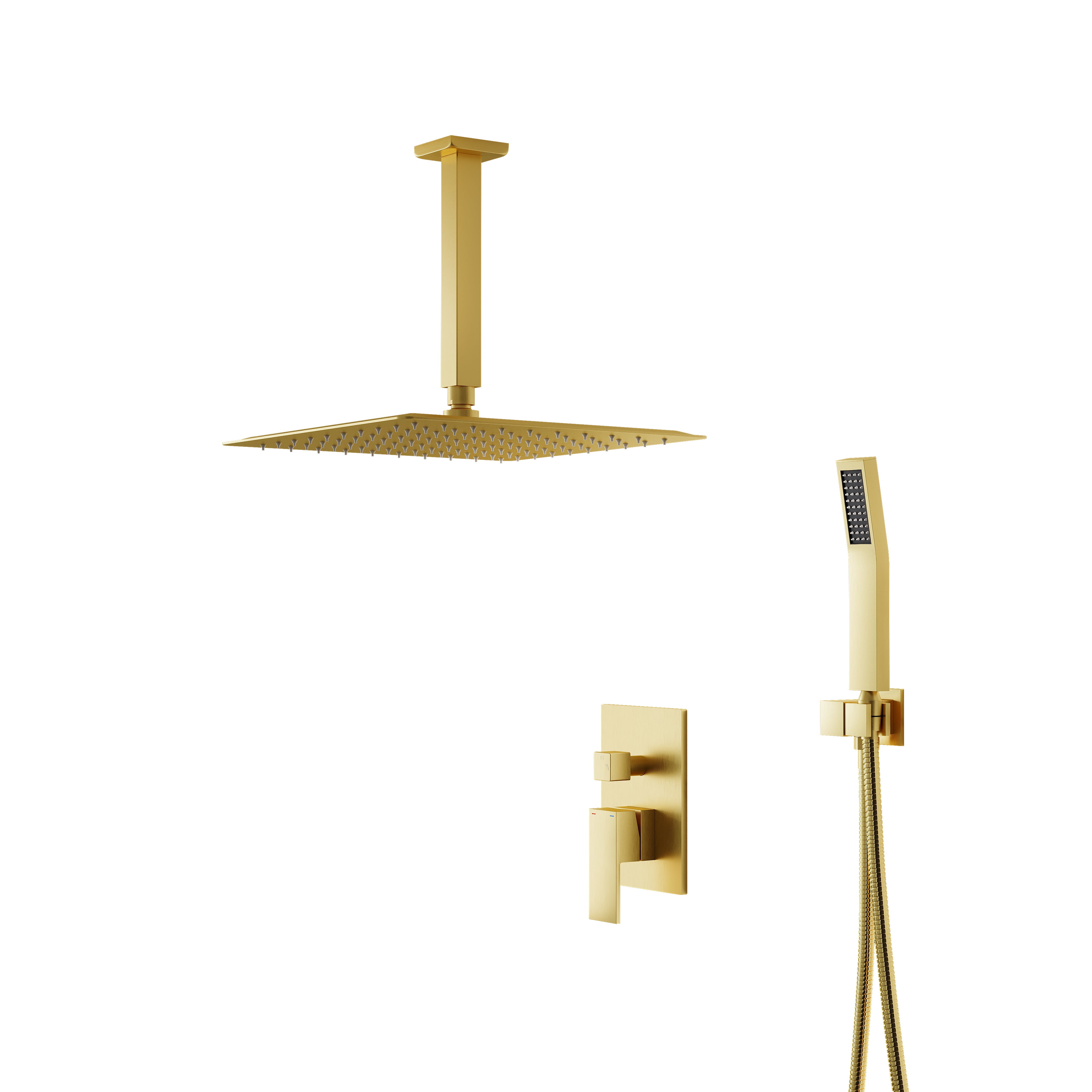
• In-wall thermostatic faucets: suitable for users with water pressure requirements, easy to install in embedded form.
According to the trend in US housing structures, small-sized users prefer compact and functionally integrated faucet styles, while villas or high-end residences prefer products with a strong sense of design and customised functions.
(Energy-saving benefit analysis: How much water bill can be saved each year?)
Take a family of three as an example. They use the bathtub about once a day. The traditional faucet consumes about 2.5 GPM, and the water-saving faucet consumes 1.8 GPM. Calculated based on 10 minutes of use each time:
• Annual water saving: [(2.5-1.8) x 10 x 365] = 2555 gallons
• If the local water fee is $0.015/gallon, the annual water saving is about $38.32
Although the number is not large, from an environmental perspective, this is equivalent to saving nearly 100 barrels of standard drinking water, which is more realistic for arid areas.
(Purchase suggestions: What brands and services should consumers pay attention to)
In the US market, well-known brands such as Moen, Kohler, Delta, and Grohe have launched a variety of water-saving certified bathtub faucets. When purchasing, it is recommended to focus on the following factors:
• Is it WaterSense certified?
• Is there a clear product warranty and after-sales service?
• Are the flow rate (GPM) parameters and water saving rate marked?
• Does it support DIY installation or provide professional installation support?
At the same time, you can also pay attention to the direct sales of emerging brands on independent stations, such as some North American e-commerce platforms that focus on energy-saving bathrooms, which offer a more cost-effective product portfolio with technical integration advantages.
(Future trend forecast: energy saving, intelligence, and personalization trinity)
According to the 2025 North American bathroom industry report, high-efficiency and energy-saving faucets will develop in the following directions:
• Stronger intelligent integration: such as connecting to mobile phone apps for water management.
• Modular design: convenient replacement of different functional components to extend the product life cycle.
• Personalized customization: parameters such as water temperature, water pressure, and water outlet angle can be adjusted according to the user's bathing habits.
(Conclusion: Green water use starts with bathtub faucets)
As consumers' recognition of the concept of green living continues to deepen, a water-saving, efficient, and durable bathtub faucet that combines aesthetics and technology is not only the starting point for home energy savings, but also a symbol of a sustainable lifestyle.
Choosing an excellent energy-saving bathtub faucet is a way to inject sustainable power into the future of household water use. In 2025, green bathroom is no longer just a trend, it has become a new lifestyle.












Leave a comment
This site is protected by hCaptcha and the hCaptcha Privacy Policy and Terms of Service apply.