
















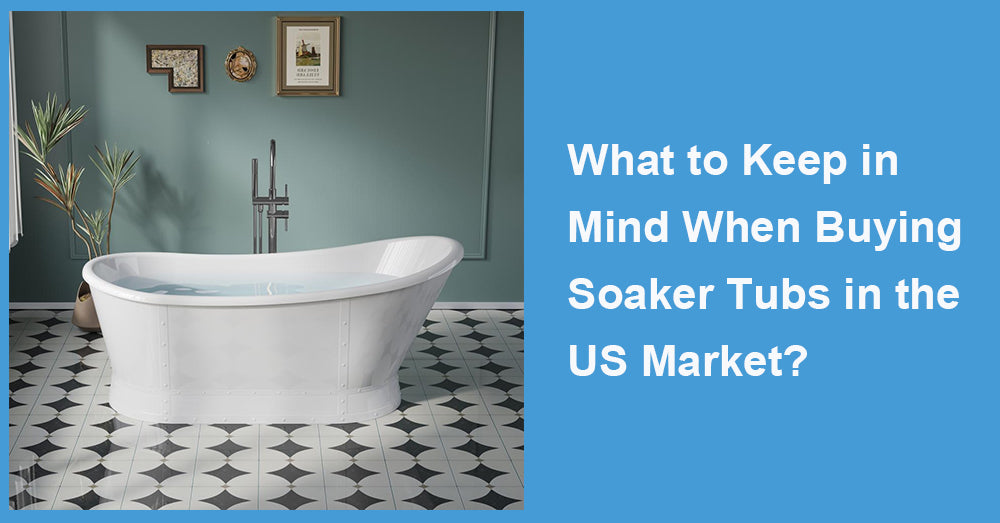
A soaker tub offers more comfort and visual beauty than a few products when remodelling a bathroom. Soaker tubs are an increasingly popular way to turn a bathroom space into a spa-like respite with their deep basins and luxury features. As interest in soaker tubs peaks, the US market is filled with options—from space-saving urban tubs to full-on, freestanding statement tubs.
So, how do you pick one? If you have been looking at bathtubs for sale online or at local showrooms, you have probably figured out that not all soaker tubs are created equal. Whether you are a contractor, a designer, or a homeowner about to do a significant renovation on a bathroom, this article will guide you through what to think about before purchasing.
1. Understand What a Soaker Tub Is
Before you get into shopping mode, defining what separates a soaker tub from other bathtubs is helpful.
In short, depth is the key.
Unlike standard tubs, which hold about 12 inches of water, soaker tubs are designed to keep water 14–20 inches deep or more. The goal is full-body immersion, allowing you to soak your body without exposing your knees or shoulders. Some soaker tubs include ergonomic features like sloped backs, armrests, or built-in lumbar support.
Quick Tip:
If you're evaluating bathtubs for sale and you see any labeled "soaking" but less than 14 inches deep, it is time to keep searching—it probably will not give you the full soaking tub experience you desire.
2. Know the Main Types of Soaker Tubs
Soaker tubs aren't one-size-fits-all. Understanding the types available will help narrow your search more efficiently:
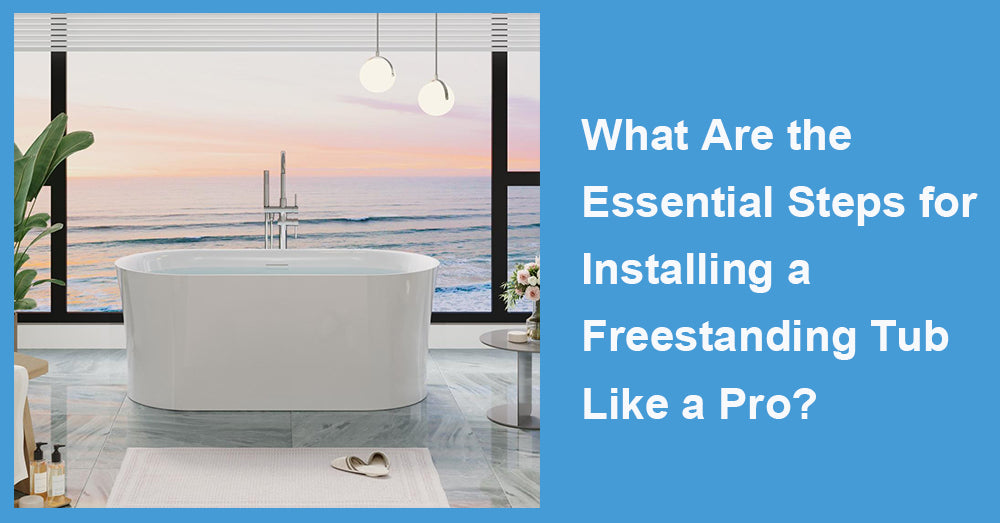
• Freestanding Soaker Tubs
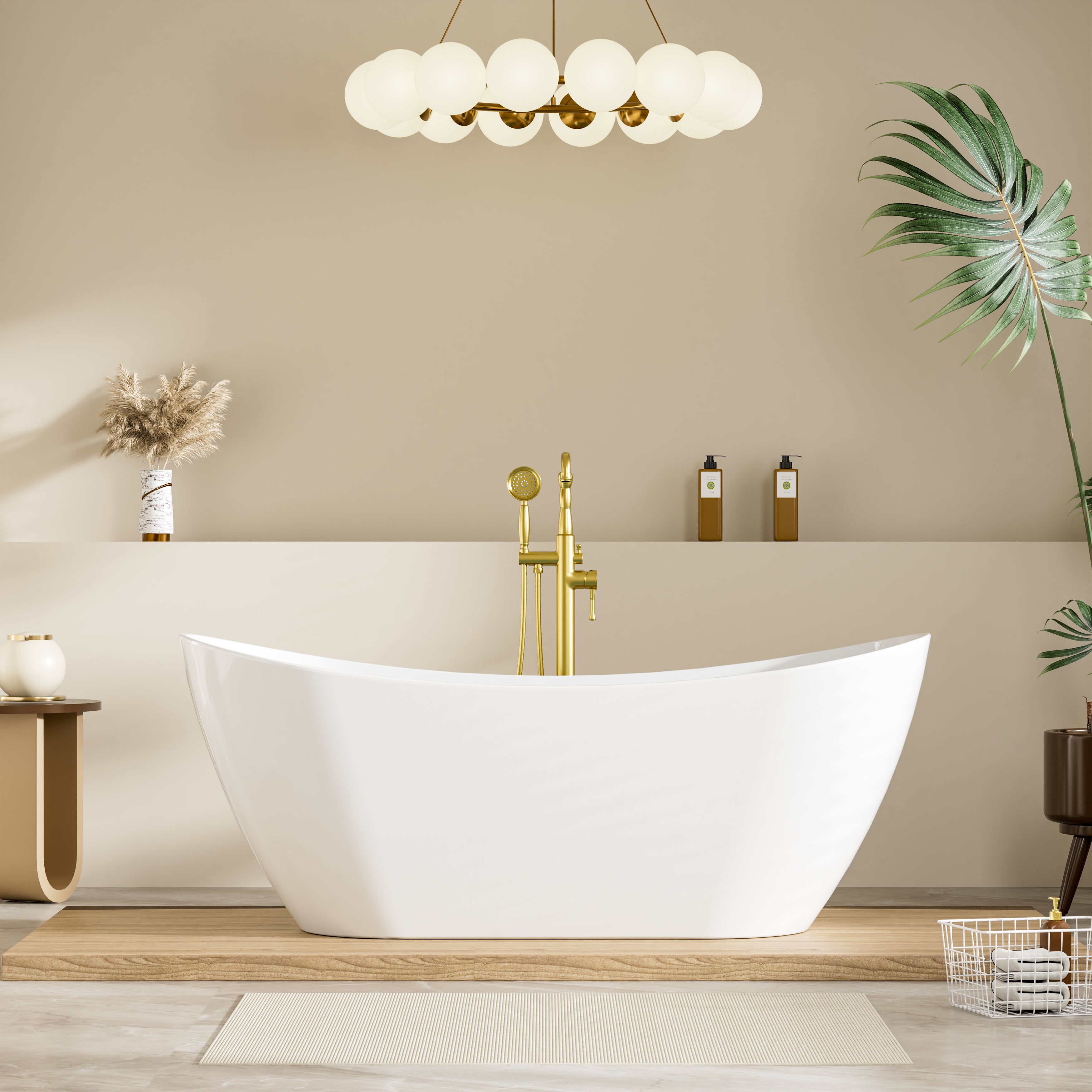
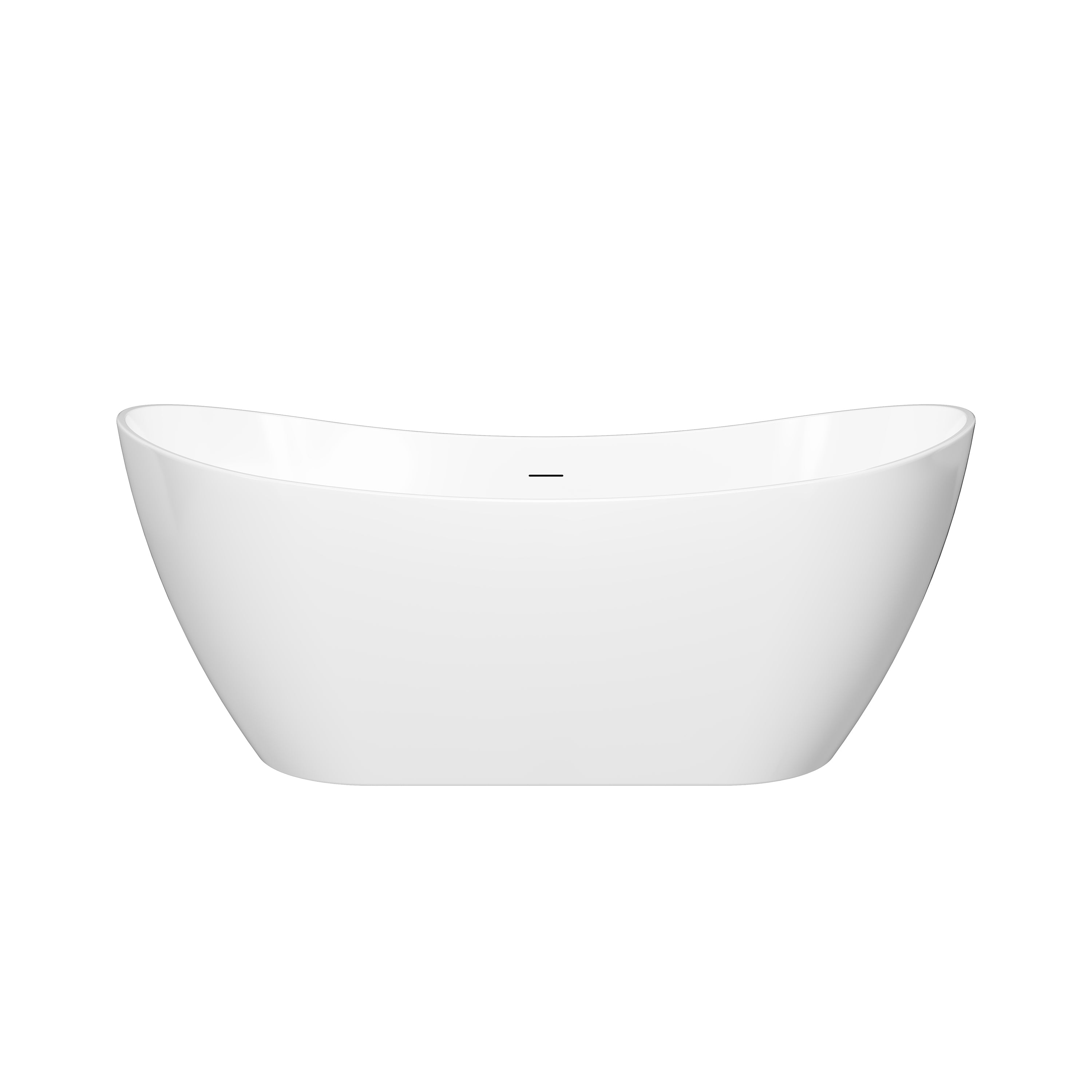
Here are the showstoppers. They sit right on the floor and are always prominent in any bathroom. They are most common in open-concept luxury spaces.
• Alcove Soaker Tubs
These are designed to fit into a three-wall enclosure. Great for bathrooms with limited available space or where a shower combo is also required.
• A Drop-In Soaker Tubs
This type of tub is placed within a designed frame or "deck." YIt offers more options regardingplacement and design considerations
• An Undermount Soaker Tub
An under-mount tub functions similarly, but instead of being trimmed along the edge, it has a clean, seamless edge that rests under the deck surface. This type of tub is excellent for high-end, minimalistic styles.
3. Choose the Right Material
When browsing bathtubs for sale, you'll notice various materials. Each one impacts the tub's weight, price, heat retention, and maintenance.
· Acrylic: Lightweight, affordable, and retains heat reasonably well. A common choice for DIY installations.
· Cast Iron: Extremely durable and retains heat better than most. But it's heavy—often requiring floor reinforcement.
· Stone Resin: A modern, luxurious option. Warm to the touch and visually stunning, but typically more expensive.
· Copper or Stainless Steel: A niche market for those wanting a bold, rustic, or industrial design. Excellent heat retention but pricey.
Important Consideration:
If you live in an upper-floor apartment or older home, always consider the weight of the tub when filled with water. Heavier materials may need structural support.
4. Consider Size and Space
This seems obvious, but it is one of the most overlooked steps. It is so easy to find an amazing freestanding tub online and love it, only to discover that it doesn't even fit through your bathroom door
Measure twice, buy once. Take careful measurements of:
· Bathroom layout and square footage
· Doorways and hallway access
· Existing plumbing locations
· Ceiling height (especially with pedestal tubs)
In the US market, the most common soaker tubs are 55 to 72 inches long and around 30 inches wide. However, smaller or deeper options are available for tighter spaces.
5. Plumbing Compatibility
Not every tub is compatible with your current plumbing setup. This is where it pays to think ahead.
Ask yourself:
· Will your drain location line up with the new tub?
· Are your water lines compatible with a floor-mounted faucet (if needed)?
· Will you need to hire a plumber to reroute pipes?
If you're moving from an alcove model to a freestanding model, more often than not (and depending on your carpentry skills), you will need a plumber's help. You want to factor plumbing into your total spend--not just the cost of your tub.
6. Think About Heat Retention
A soaker tub is meant for relaxation. Now, just picture this: the water goes lukewarm in five minutes after finally getting into a nice, hot bath. It is not good.
Heat retention depends on both tub material and room temperature. Cast iron and stone resin perform the best, while acrylic does a decent job for its price point. If installing in a cooler climate or near drafty windows, consider adding insulation or a heated floor system for comfort.

7. Pay Attention to Style and Aesthetics
It's not just about function—soaker tubs are visual centrepieces. Whether you're flipping a home or remodelling your dream master bath, style matters.
Current design trends in the US market include:
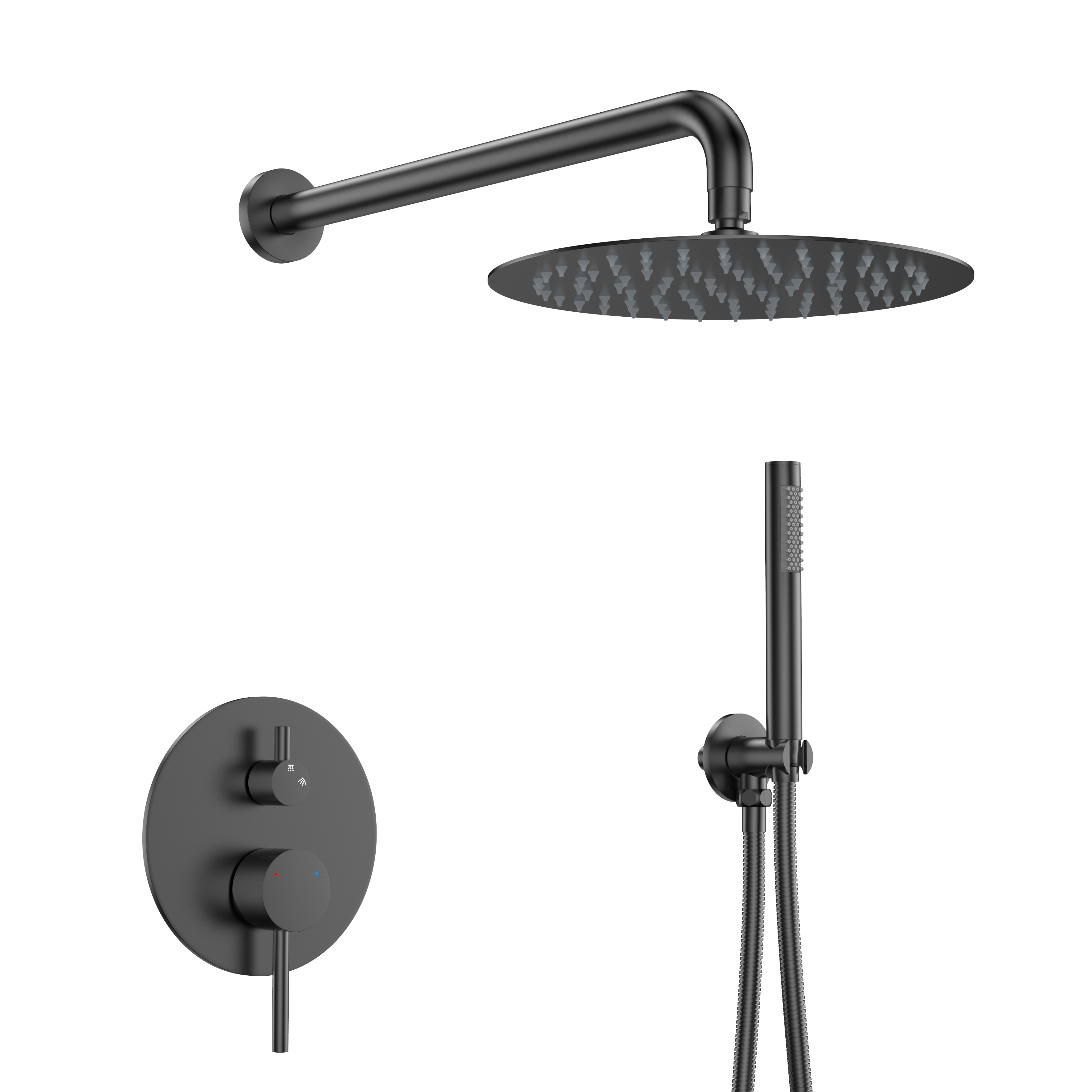
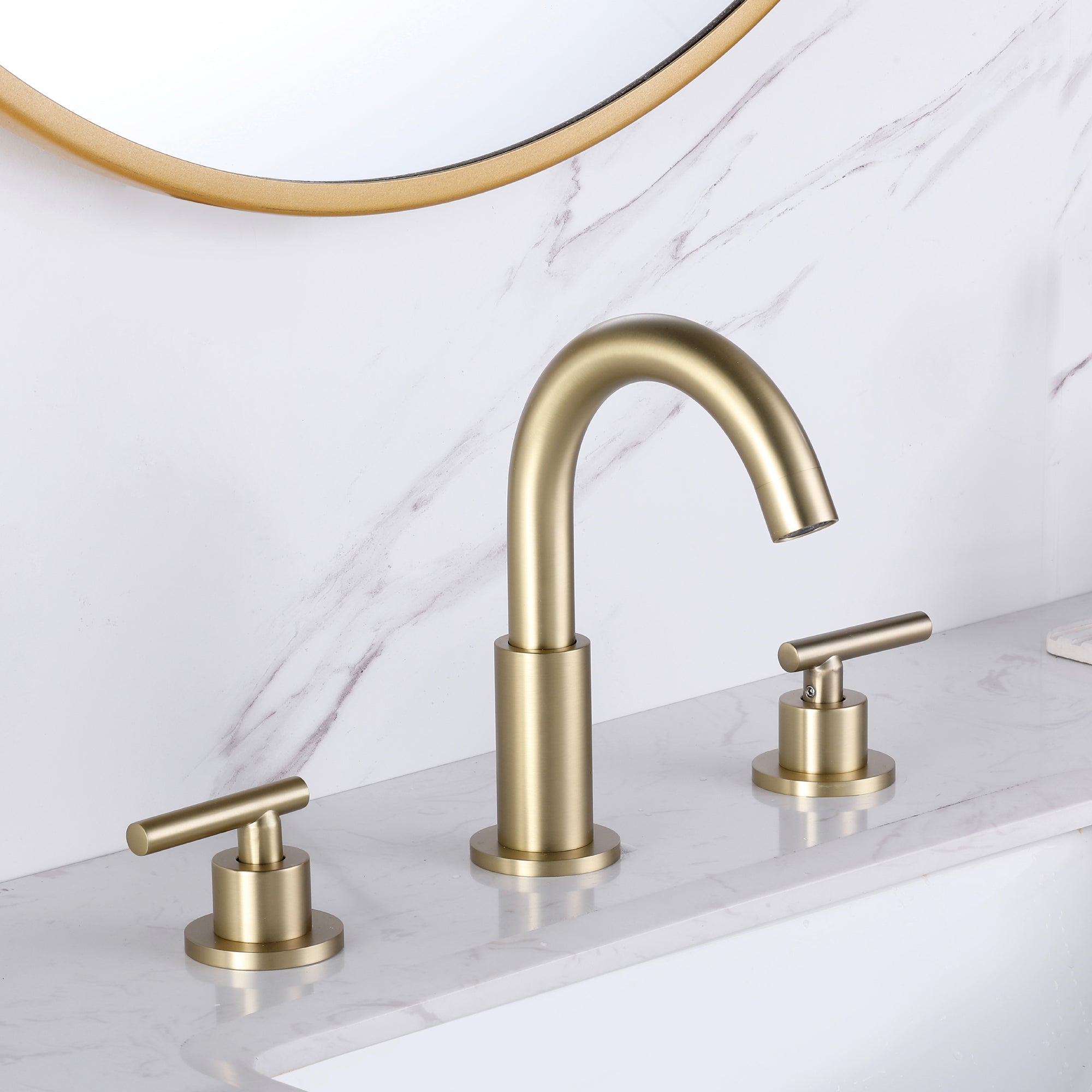
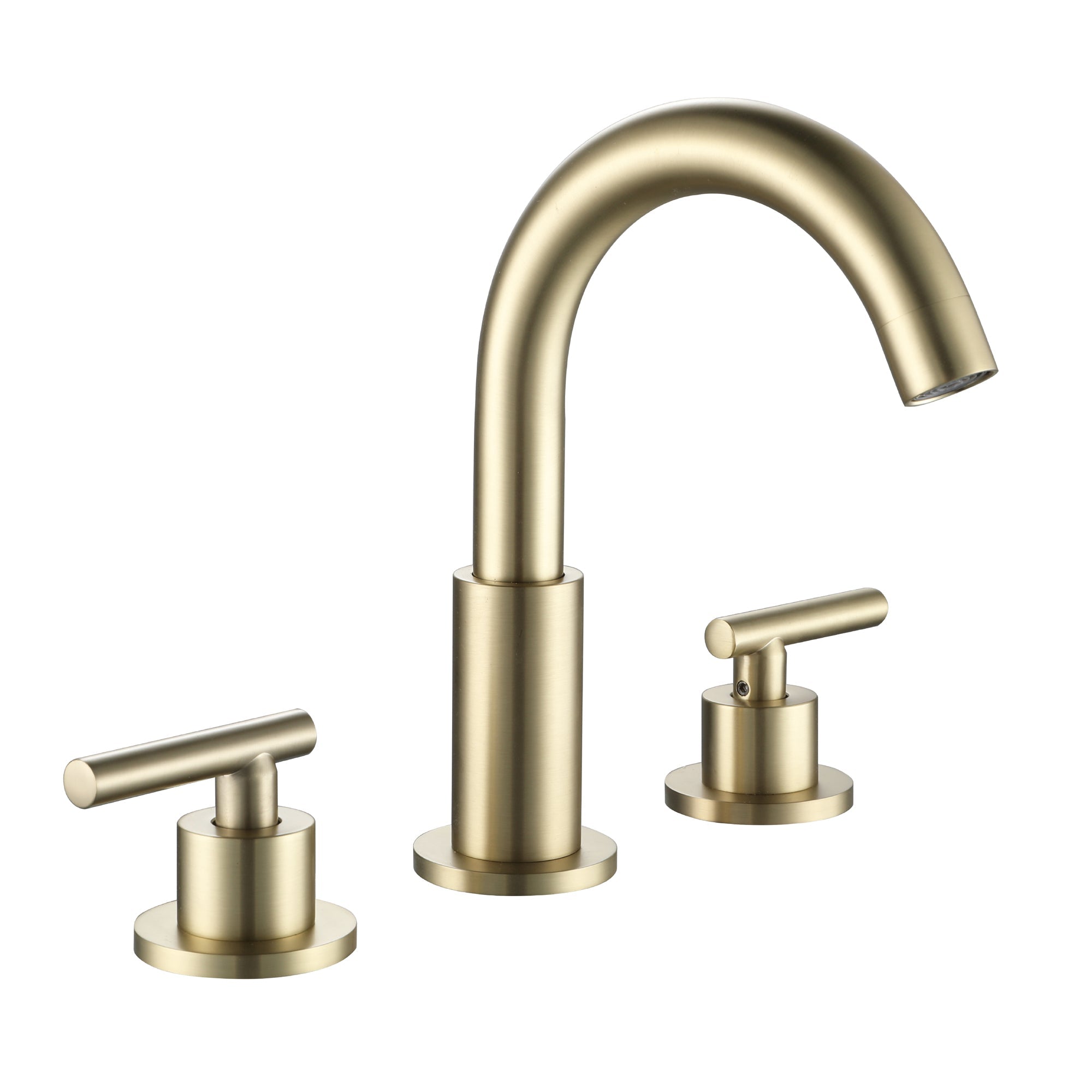
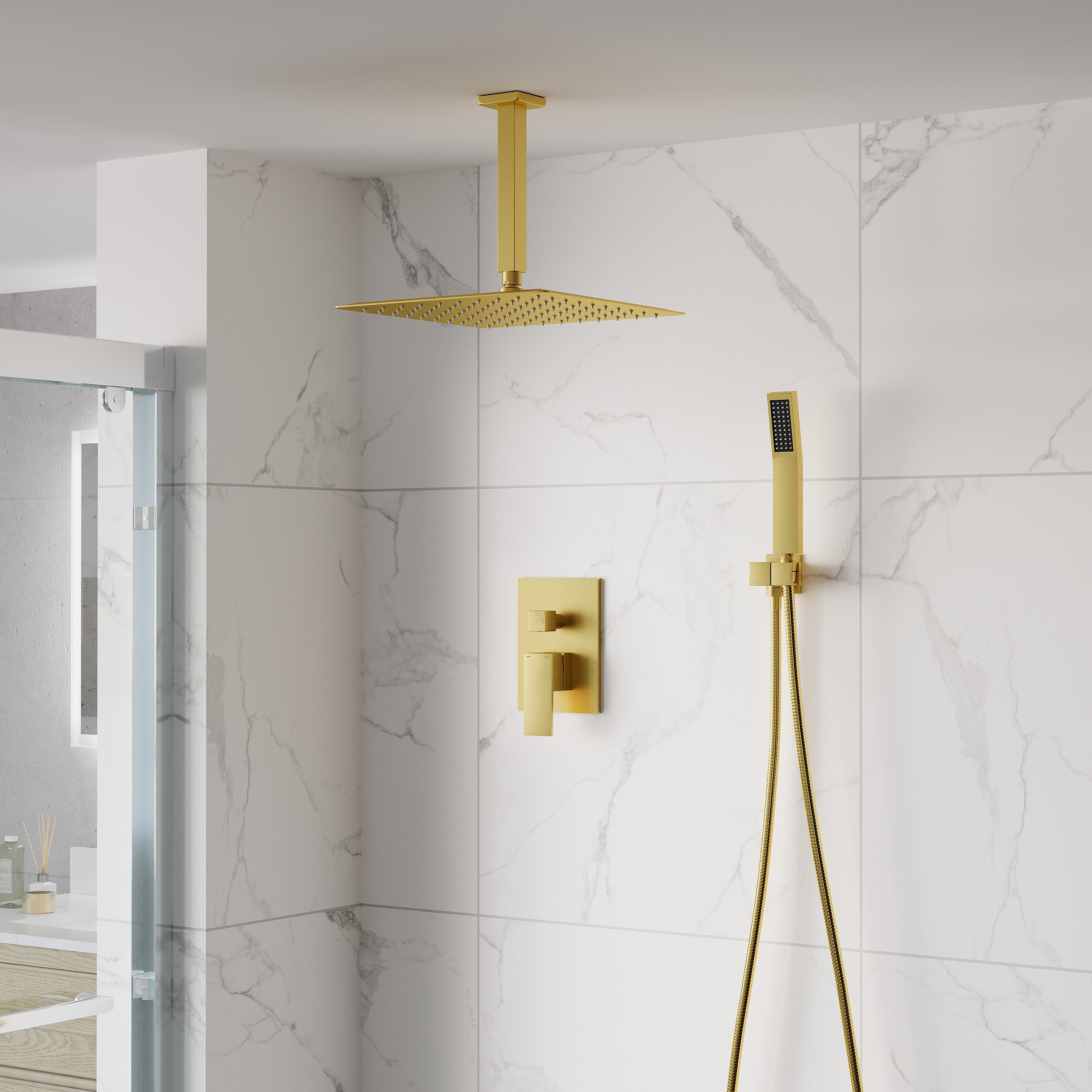
· Matte black or brushed gold finishes
· Contemporary shapes (oval, rectangular, or asymmetrical)
· Japanese-inspired deep soaking tubs
· Minimalist, spa-like setups
Remember, a stunning tub can increase the resale value of your home—especially if the bathroom has a cohesive, high-end look.
8. Budget Wisely
Like any home improvement project, costs can quickly escalate. The US market offers bathtubs from $600 to $6,000 or more, depending on materials, brand, and features.
Here's a sample breakdown:
· Entry-level acrylic soaker tub: $600–$1,200
· Mid-range drop-in or alcove: $1,200–$2,500
· High-end freestanding or stone tubs: $3,000–$6,000+
· Plumbing & installation: $500–$2,000 depending on complexity
Don't forget to factor in accessories like faucets, drain kits, and waterproofing materials.
9. Shop from Reputable Sources
With so many bathtubs for sale online, it's easy to be tempted by the lowest price. Just be prepared for the downsides, such as having nothing more than a generic import with no warranty or customer service.
Look for brands that offer:
· Transparent specs and sizing
· Certified materials and safety standards (like UPC/cUPC)
· Return policies and warranties
· Verified customer reviews
· Responsive customer support
You might pay a bit more, but you'll get peace of mind—and usually better installation support.
10. Consider Installation Complexity
Not all soaker tubs are created equally in terms of being "DIY-friendly." If you are using a contractor for your project, you don't have to worry about this at all. But if you install the soaker tub yourself, watch the installation instructions closely.
Freestanding tubs:
· Typically, it is easier to place
· It may require exact drain alignment
· Some models have hidden levelling feet
Alcove or drop-in tubs:
· Require custom framing and more waterproofing work
· Typically tied into a shower system
Either way, be realistic about your skill level. A botched install can lead to leaks, structural damage, and extra costs later on.
Final Thoughts: Comfort Comes First
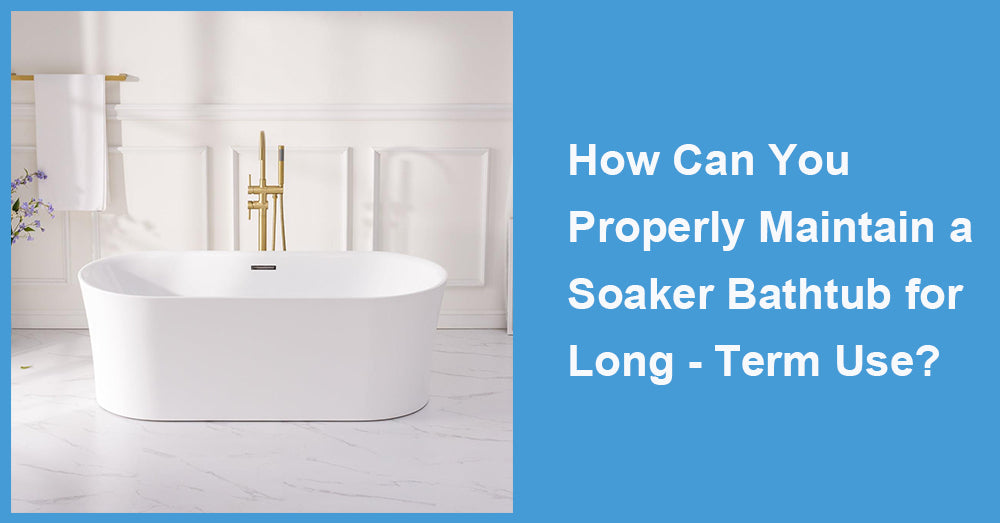
The best soaker tub feels perfect for you. It's not just a purchase—it's an investment in your self-care, home value, and the overall comfort of your environment. Whether you are searching for luxury bathtubs for sale or buying them economically, take your time and research. If you are not sure, ask a professional.











Leave a comment
This site is protected by hCaptcha and the hCaptcha Privacy Policy and Terms of Service apply.