
















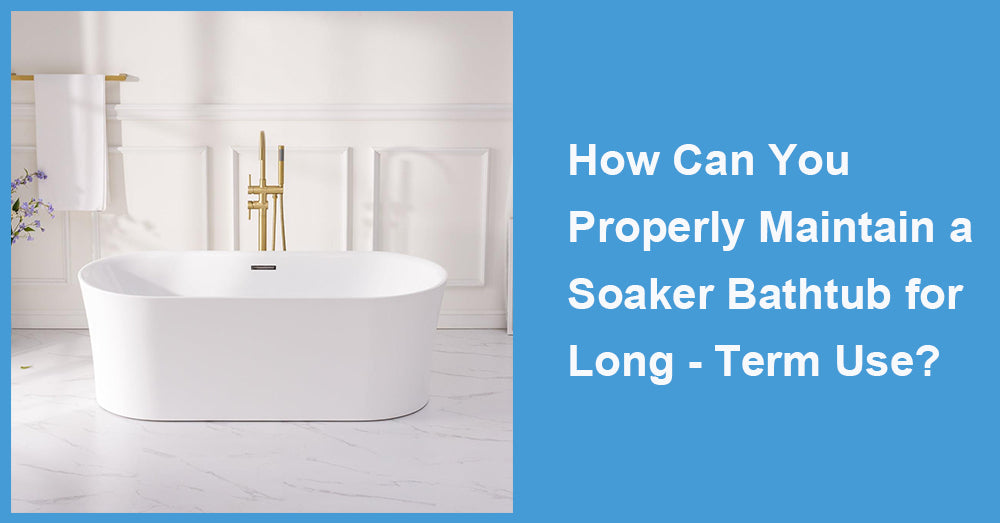
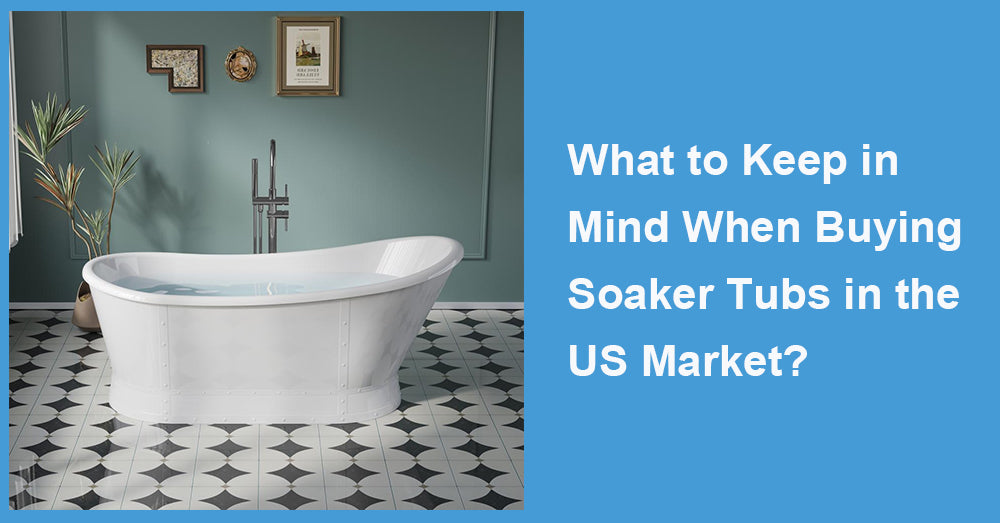
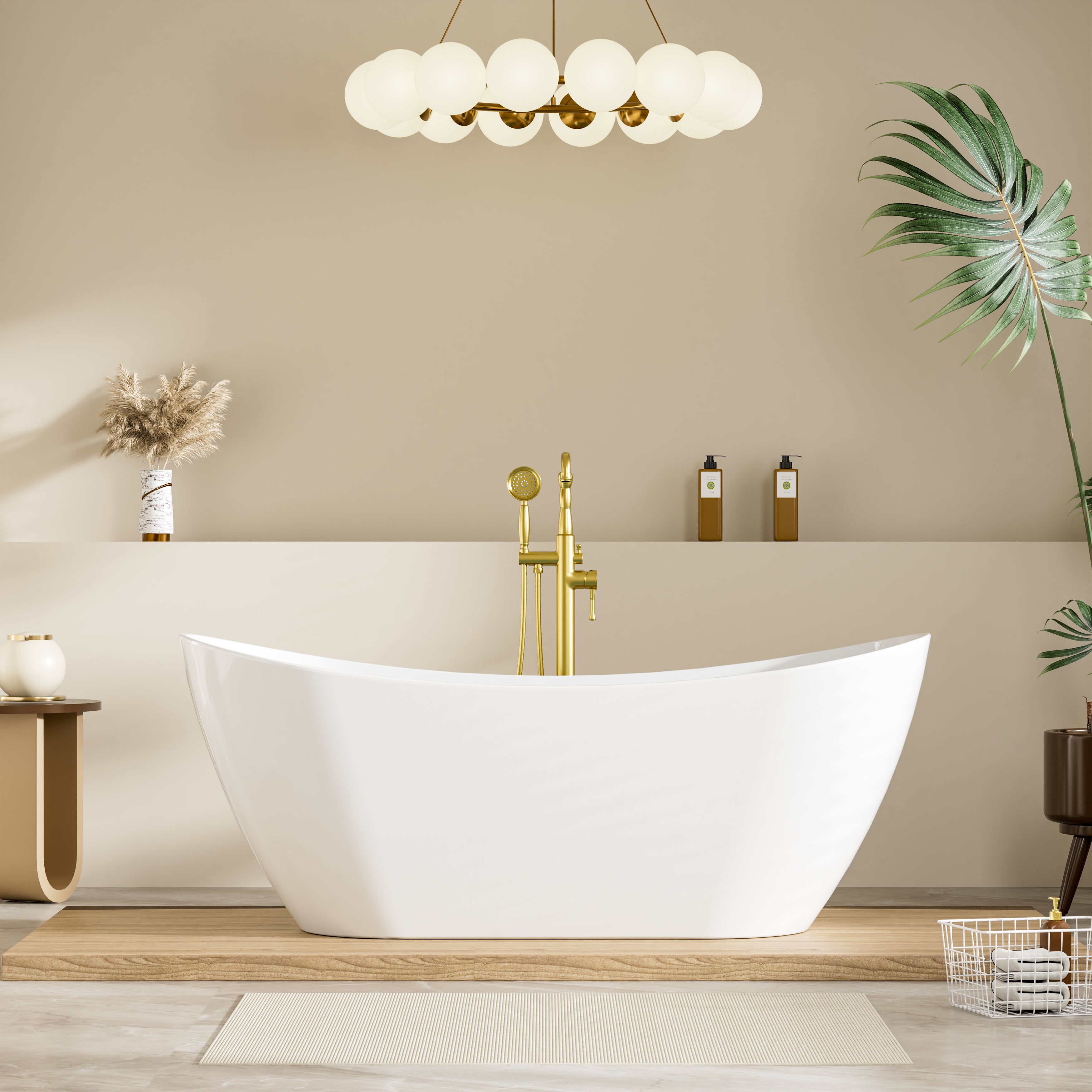
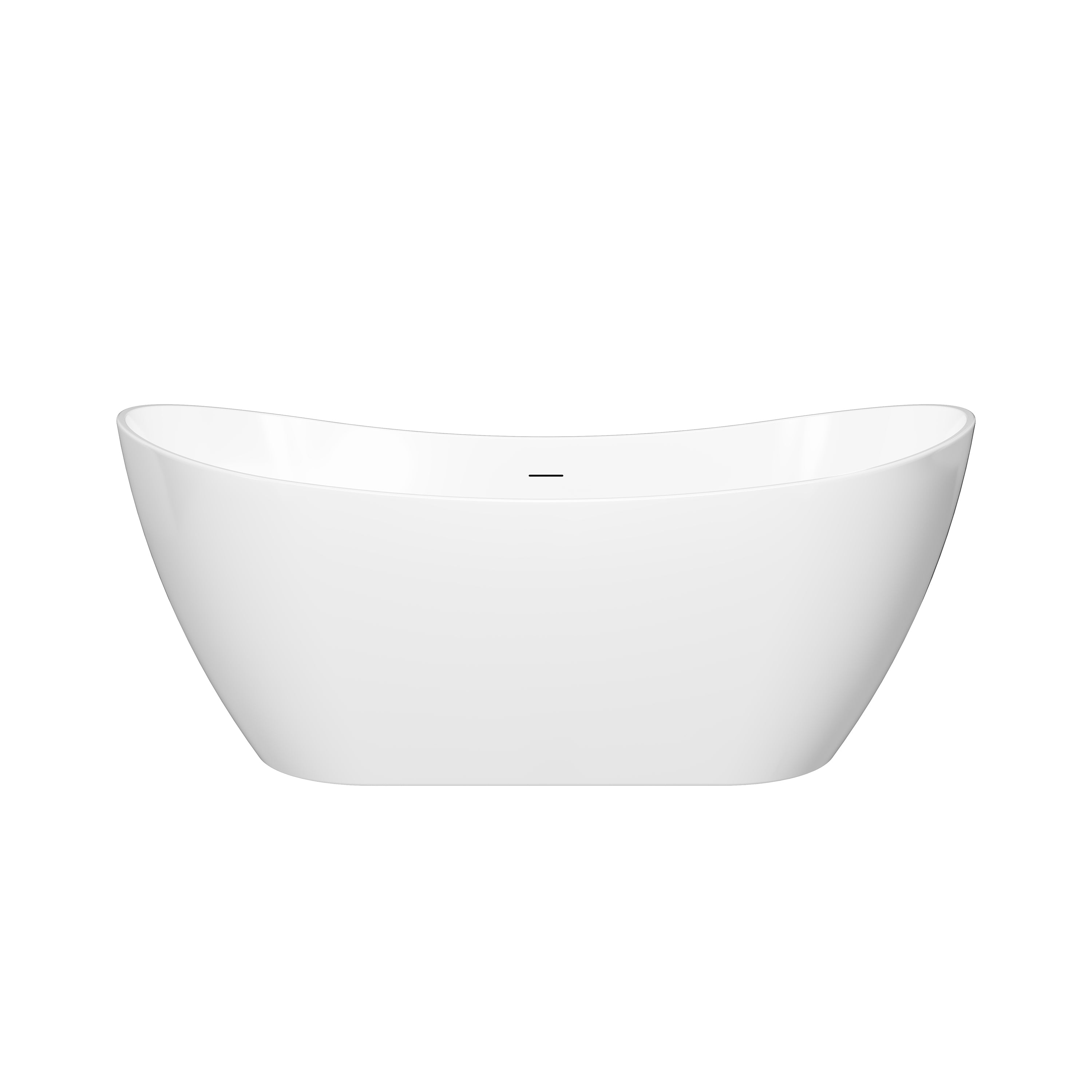
As people's pursuit of a comfortable home experience continues to increase, soaker tubs are becoming a standard feature of high-end bathroom spaces. Unlike traditional bathtubs, which are mainly functional, soaking tubs are widely welcomed by consumers who prioritize quality of life, thanks to their deep water design, ergonomic structure, and emphasis on an immersive relaxation experience. However, because the cost of soaking tubs is relatively high, their long-term stability and maintenance are crucial.
This article will begin with an analysis of market trends, material technology, and user behaviour, combined with practical maintenance suggestions, to provide a comprehensive guide for consumers and practitioners seeking to extend the service life of soaking tubs.
The soaking tub market has become a new focus.
According to the "Global Bathroom Market Outlook 2025" research report, the global bathtub market is expected to exceed $12 billion by 2025, with soaking tubs as the leading force in the mid-to-high-end market, continuing to account for an increasing proportion. In first-tier cities in North America, Europe, and Asia, the penetration rate of bathtubs has increased year by year, especially among the elderly and young people who seek a spa experience.
The main driving forces include:
Families have strengthened their recognition of the concept of "healthy bathing";
High-end real estate development projects have listed bathtubs as standard;
Consumers' demand for "relaxing at home" has risen sharply in the late stage of the epidemic.
On e-commerce platforms and social media, the search popularity of keywords such as "soaker tubs", "freestanding bathtubs", and "deep soaking tubs" has also continued to rise. It can be foreseen that in the future, bathtubs will no longer be exclusive to high-end hotels but will become the new favourite of an increasing number of families.
Different materials of bathtubs have different maintenance focuses.
At present, the mainstream bathtubs in the market mainly use the following materials, and the daily maintenance methods of different materials are different:
1. Acrylic bathtub
The advantages include lightness, good heat retention, and adjustable shapes. It is common in modern home decoration. The surface is easy to scratch, but it is also easy to repair.
Maintenance suggestions:
Wipe the surface with a soft cloth and neutral detergent after each use;
Avoid using strong detergents containing alcohol or ammonia;
Regularly use toothpaste to rub away minor scratches and maintain smoothness gently.
2. Cast Iron Bathtub (Cast Iron)
Known for its durability, the exterior is usually covered with enamel coating. It is expensive, but it has an excellent texture and is suitable for retro-style bathrooms.
Maintenance suggestions:
Avoid complex objects colliding with the enamel layer to prevent porcelain from falling off;
Regularly use professional enamel care agents for waxing and maintenance;
Avoid using steel wool or scouring powder when cleaning to prevent scratches.
3. Stone/composite stone bathtub (Stone Resin)
With its elegant shape, warm texture, and excellent thermal insulation performance, it is the ideal choice for luxury bathrooms.
Maintenance suggestions:
Use special stone care agents for cleaning;
It is not recommended to use acidic cleaners;
Avoid long-term water accumulation to prevent water stains from depositing.
Misunderstandings about the use of bathtubs
Although bathtubs are becoming increasingly popular, many users still have some misunderstandings in actual use, which affects the product's service life and experience quality:
Misunderstanding 1: Using detergents too frequently or improperly
Surveys show that more than 65% of users will clean the bathtub after each use, but some people use improper cleaning products, such as heavy detergents containing chlorine, acid and alkali. Although such detergents can improve cleaning efficiency in the short term, they may damage the surface in the long term.
Suggestion: Insist on using pH-neutral or natural detergents and avoid frequent use of corrosive solutions.
Misunderstanding 2: Ignoring the maintenance of drains and overflow holes
Many users focus on surface cleaning but overlook the cleaning of the drainage system, resulting in poor drainage during bathing and even unpleasant odours.
Suggestion: Check the drain pipe monthly to ensure it remains unobstructed. You can clean the scale by adding baking soda and white vinegar.
Misconception 3: Over-reliance on bath oils or bath salts
Although adding bath products can enhance relaxation, if the residue is not thoroughly rinsed, it will cause long-term corrosion to the bathtub.
Recommendation: Be sure to rinse the bathtub thoroughly after use. It is not recommended to use additives every day.

Practical tips for extending the life of bathtubs
Keep dry: Drain and wipe dry after each use to prevent water stains;
Wax regularly: Especially for cast iron and acrylic bathtubs, apply maintenance wax every 3 months;
Use non-slip mats: Avoid metal objects or sharp objects from scratching the bottom of the bathtub;
Inspect seals: Check the drainage system and joints every year for ageing or looseness;
Avoid exposure: Especially for bathtubs near windows, ultraviolet rays may cause discolouration of the surface.
Brand and after-sales become new considerations for purchases
In terms of bathtub after-sales service, consumers are paying increasing attention to the brand's warranty period, repair response speed, and whether regular maintenance recommendations are provided.
Some leading brands, such as Kohler, TOTO, WELLFOR, and American Standard, have launched customized after-sales maintenance services and user manuals to enhance customer loyalty. Consumers also tend to choose manufacturers that provide more than 5 years of warranty, as well as an after-sales consultation hotline or an online customer service system.
Future Trends: Smart Bathing Experience + Sustainable Design
With the development of smart homes, future bathtubs will also integrate more smart elements, such as:
One-click water filling and temperature setting;
Automatic cleaning and drying system;
Water-saving bathing mode;
Mobile App remote control.
At the same time, the improvement of environmental awareness has also prompted manufacturers to adopt recyclable materials, low-carbon processes, and energy-saving and heat-insulating designs, in line with the trend of green consumption.
Summary
Bathtubs are not only a luxury configuration in the home but also a reflection of modern people's pursuit of a sense of ritual in life. Proper daily maintenance can not only extend the service life of soaker tubs but also allow users to continue to enjoy a comfortable and relaxing bathing experience. For brands, strengthening after-sales maintenance education and services will also become the key to winning the market competition.
Whether you are a consumer or an industry practitioner, now is a good time to re-examine the value and maintenance of bathtubs. Only by soaking well and maintaining them for a long time can bathing become a long-lasting and beautiful thing.












Leave a comment
This site is protected by hCaptcha and the hCaptcha Privacy Policy and Terms of Service apply.