














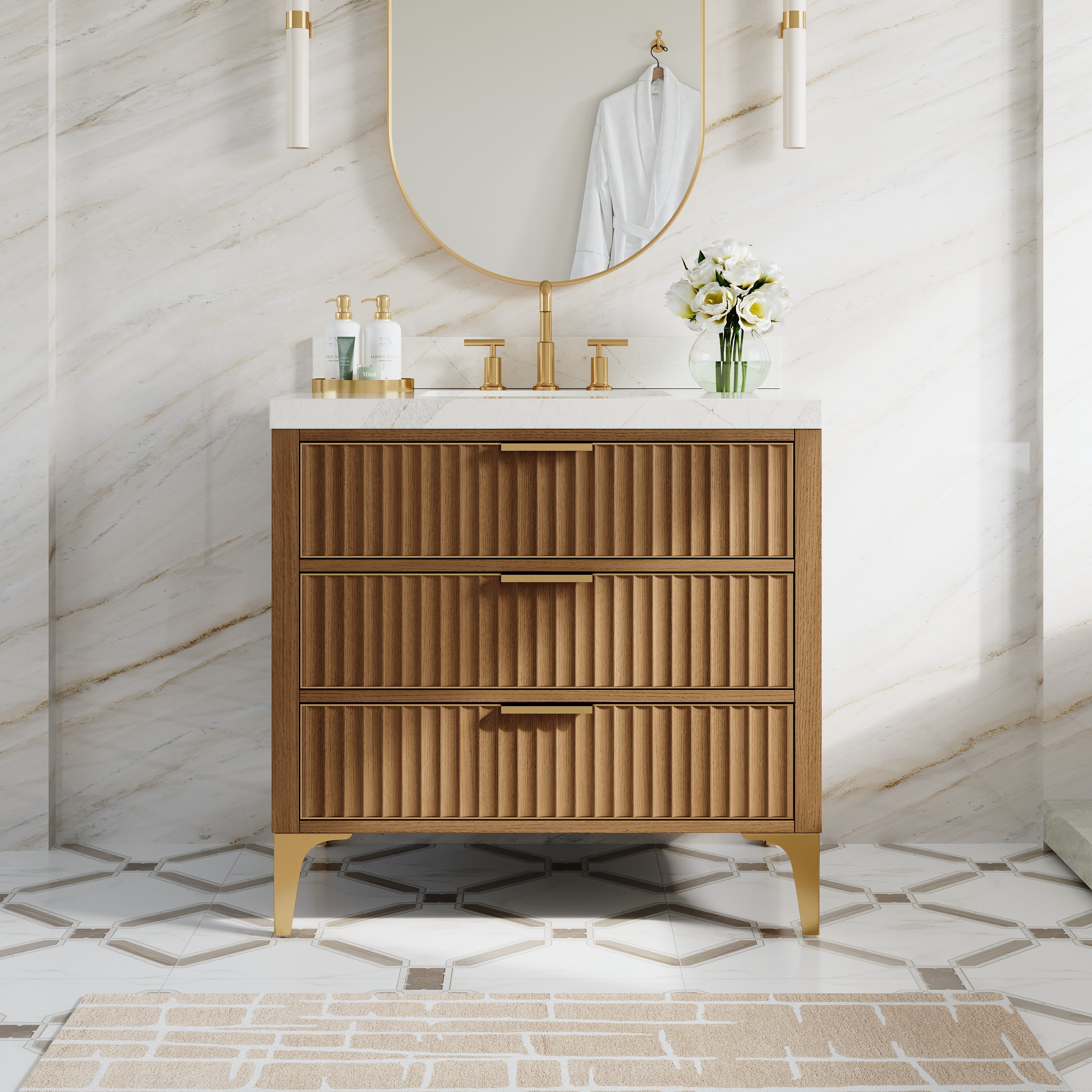
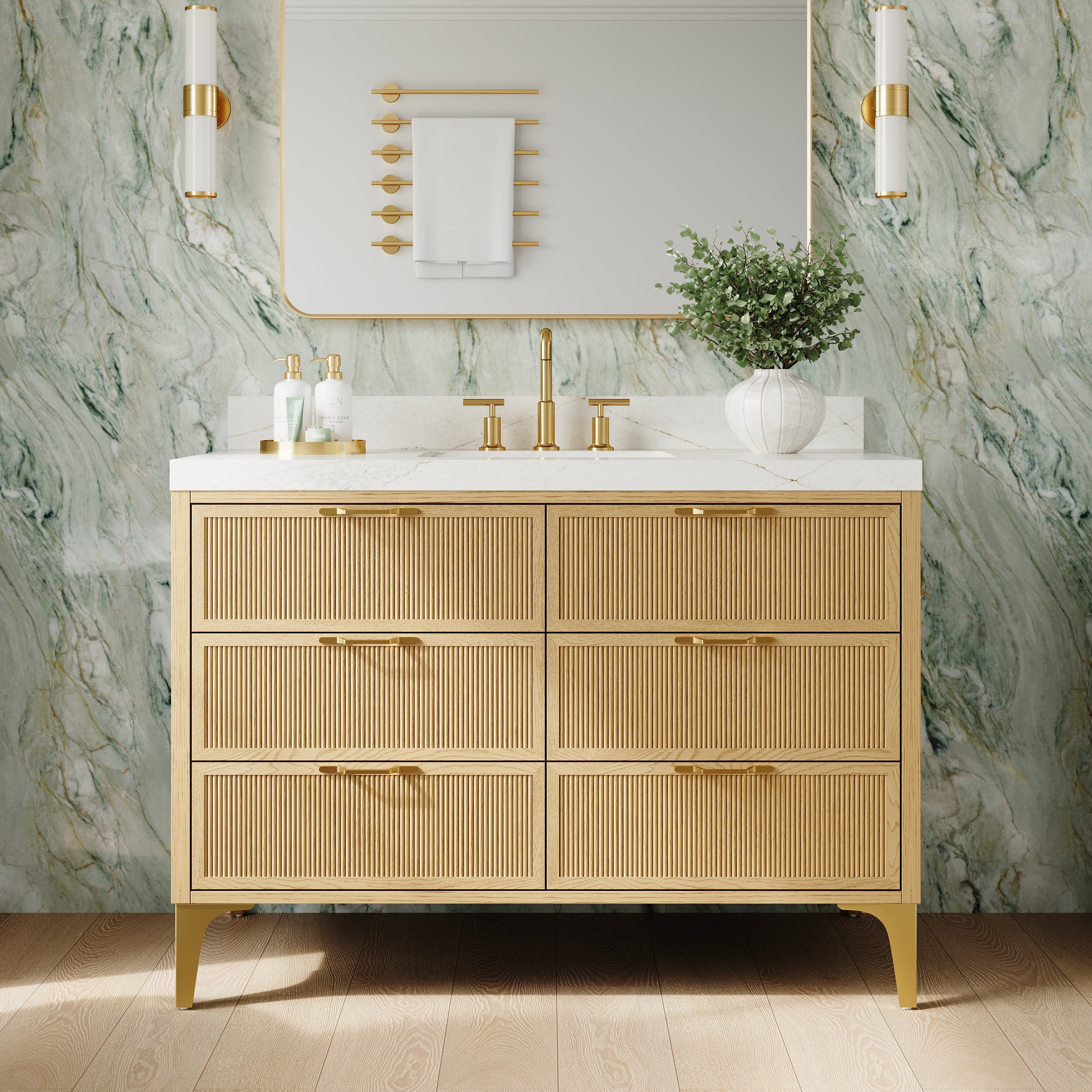


In bathroom design, bathroom mirror serve daily functions and are also key elements of visual proportion and spatial hierarchy.
In recent years, with the upgrading of the overall bathroom space design concept, the selection of mirror sizes has shifted from "being able to see oneself" to a careful consideration of proportion, lighting, comfort, and style unity.
Industry research shows that in bathroom renovation projects, over 70% of homeowners replace mirrors and vanities simultaneously, and mismatched mirror sizes are among the most common design errors.
Finding the most suitable mirror size for 24-inch, 30-inch, 36-inch, or even 72-inch widths is an important step in improving the texture of space.
1. Principle of proportionality between mirror width and Vanity width
In the field of professional design, the common rule of thumb is that the mirror width should be between 70% and 90% of the vanity width.
For a set of 36-inch single-basin vanities, common mirror widths range from 24 to 32 inches.
If the mirror is the same width or slightly narrower than the countertop by 2-4 inches, the overall visual effect will be more coordinated.
Data shows that in single basin configurations ranging from 30 inches to 42 inches, using mirrors that are 2-6 inches narrower than the countertop results in significantly higher space satisfaction ratings than designs that are the same width or too narrow.
The reason is that a certain amount of wall space is reserved on both sides, which can create a visual sense of breathing and is also more conducive to the arrangement of wall lamps or pendant lights.
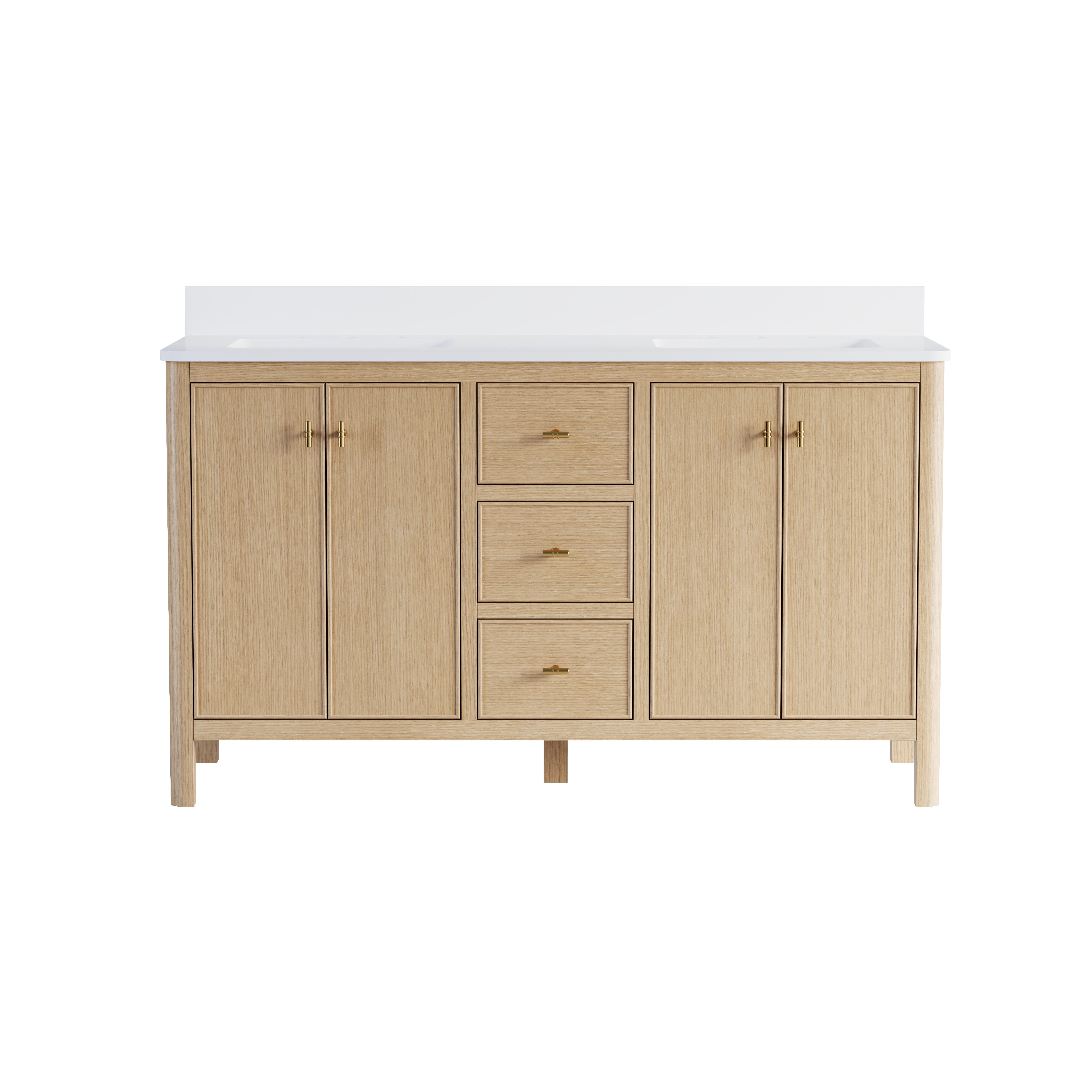
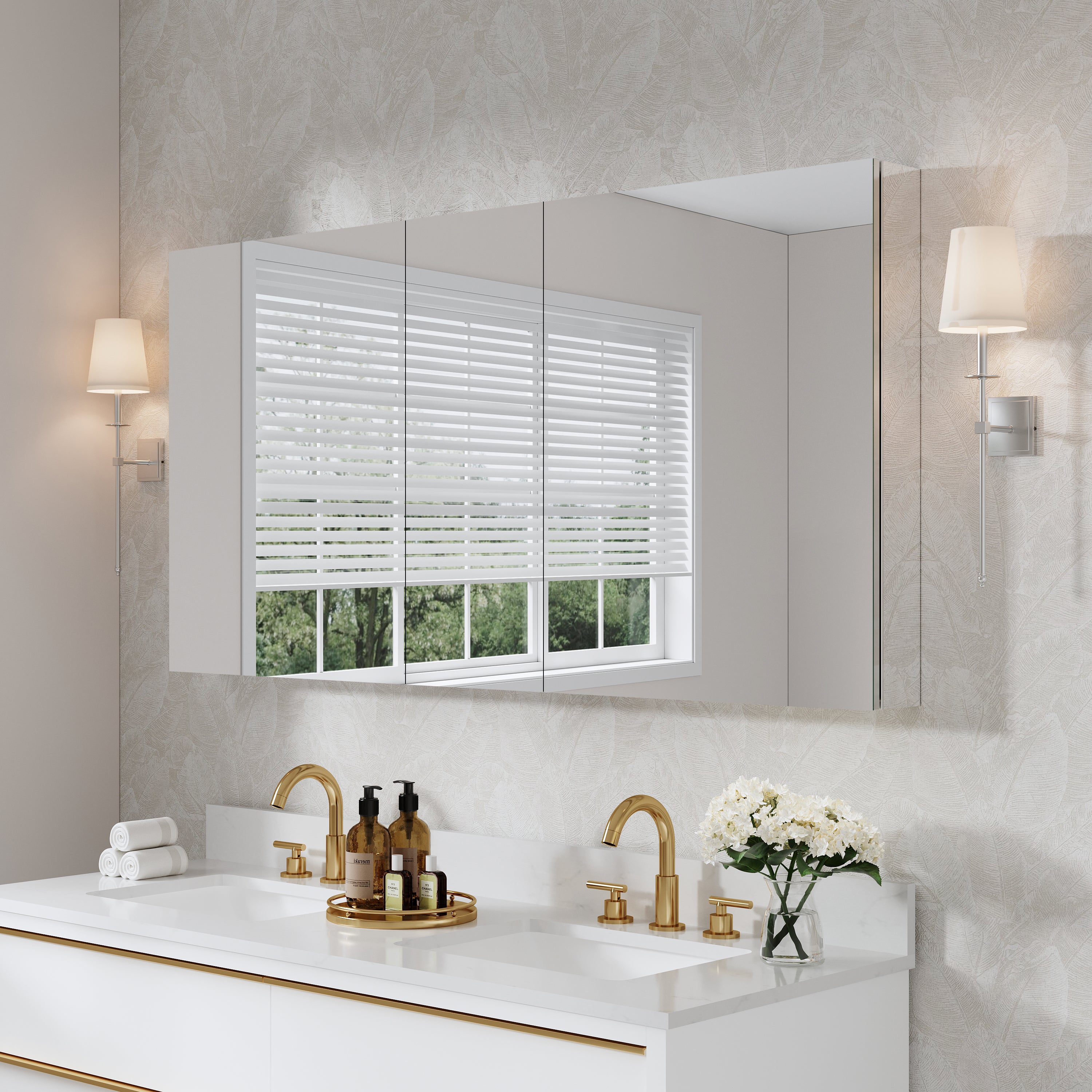
For 60-inch or 72-inch dual bowl vanities, there are two mainstream solutions:
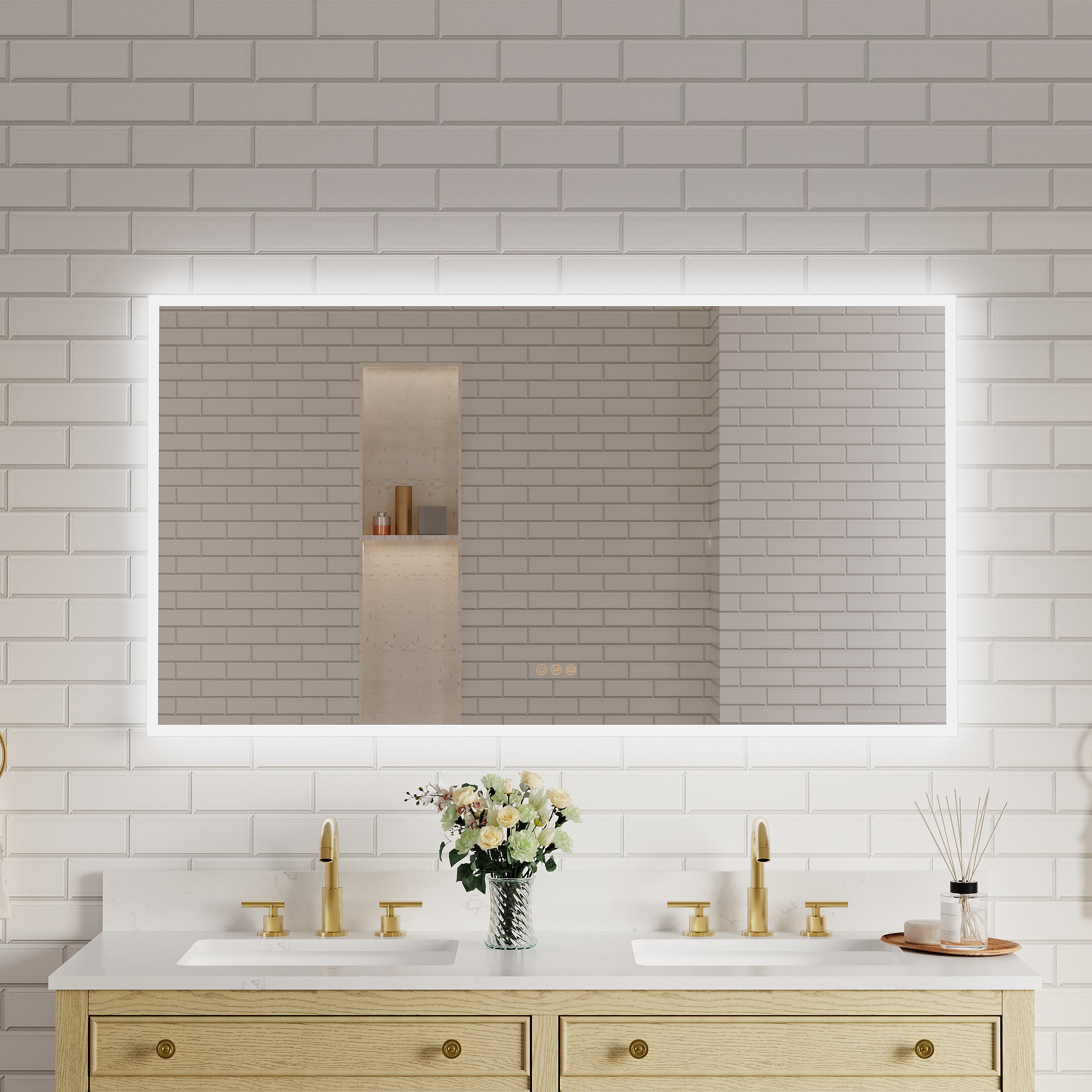
One is to use an ultra-wide integral mirror with a width of about 54 inches to 68 inches
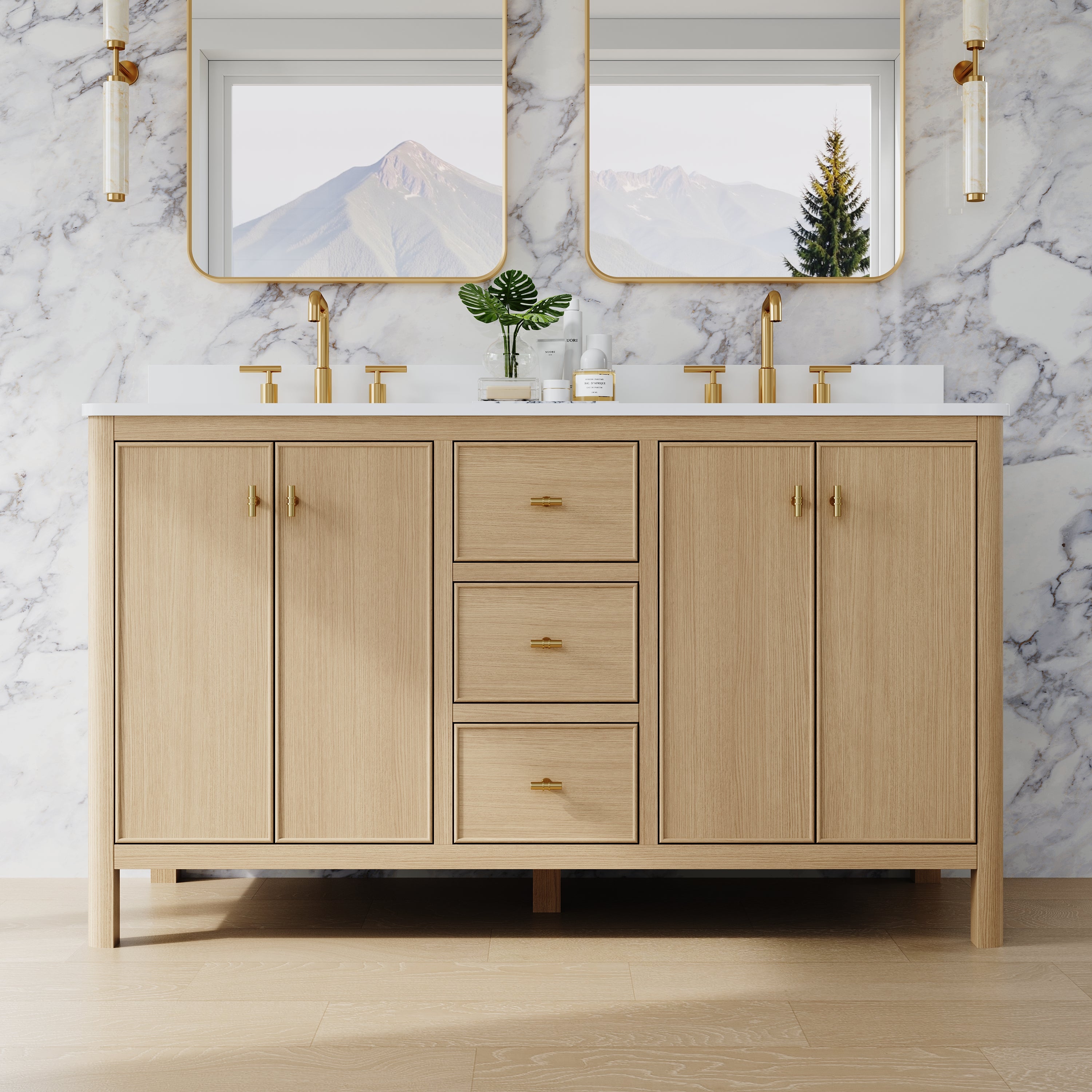
The second is to use two independent mirrors, each with a width of about 20 inches to 30 inches, corresponding to two hand washing areas
In recent years, the proportion of dual-mirror layouts has gradually increased, especially in modern and transitional-style spaces.
2. How does mirror height determine comfort
The height of the mirror directly affects the user experience.
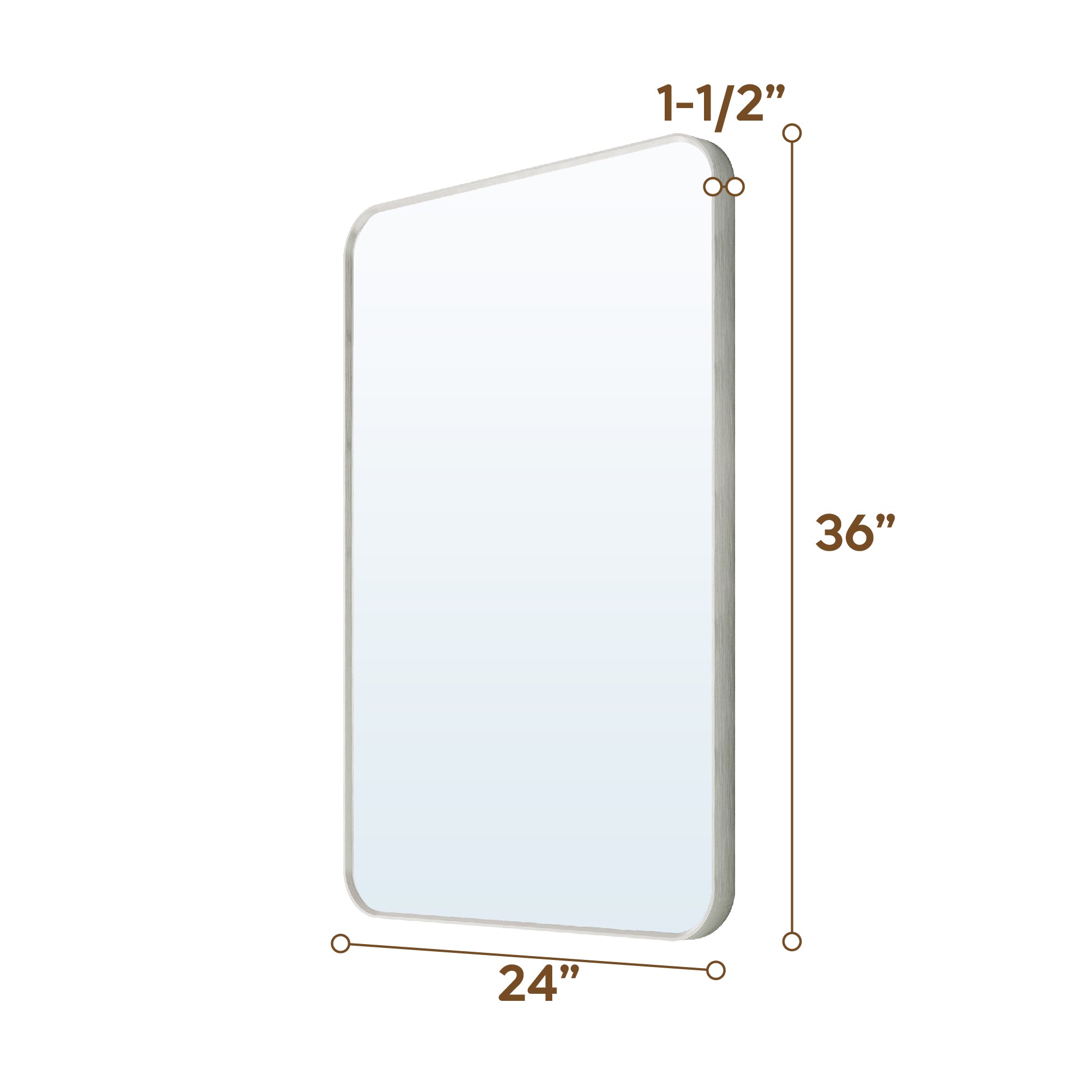
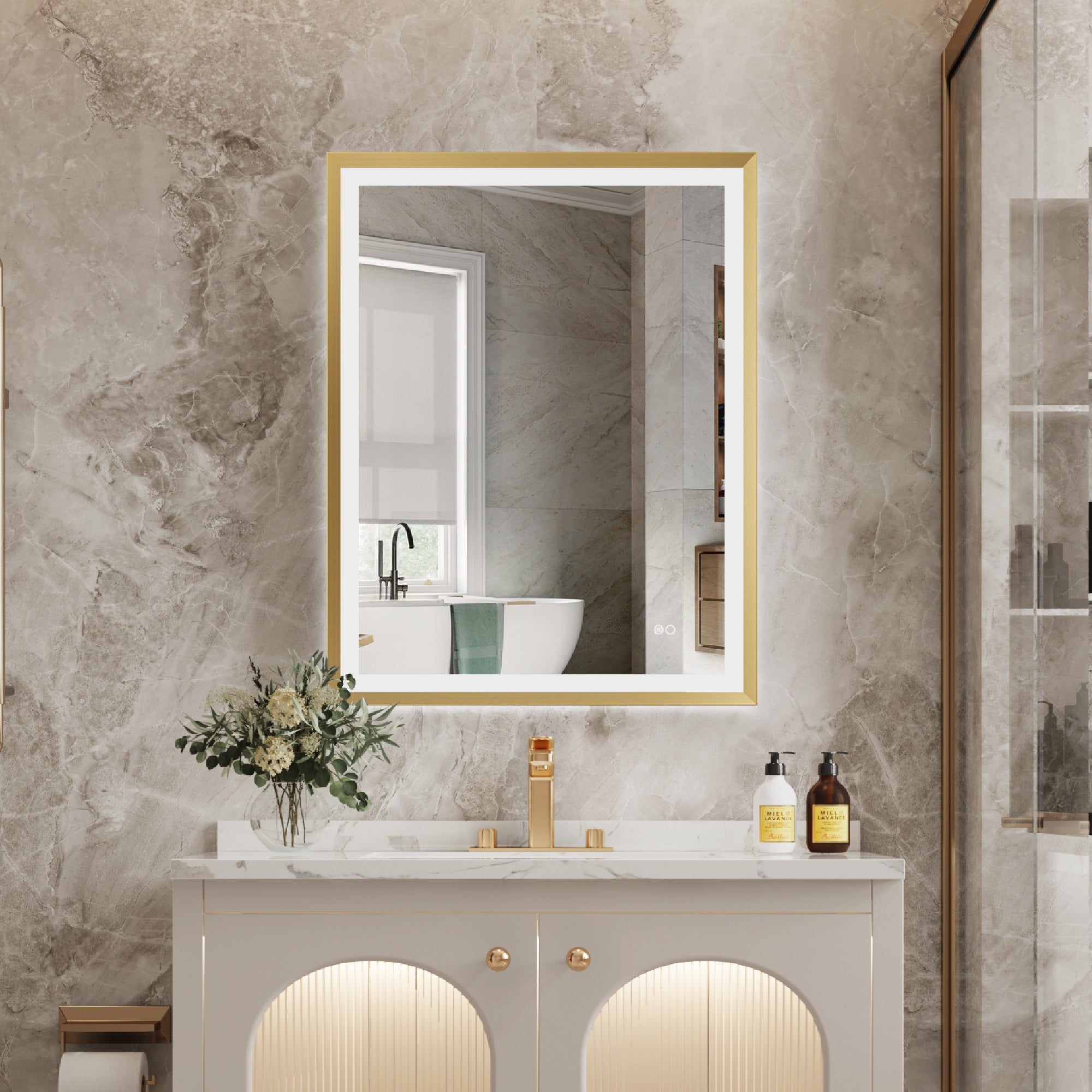
Conventional bathroom mirrors typically measure 30 to 36 inches high, while styles with frames or decorative lines may reach 40 inches or higher.
According to ergonomic data, the ideal installation height for mirrors should place the center of the mirror approximately 60 to 65 inches above the ground.
For vanities with a standard tabletop height of approximately 34 to 36 inches, the lower edge of the mirror is usually installed 5 to 10 inches above the tabletop to avoid water splashes and ensure visual proportion.
If there is a significant height difference among family members, it is more reasonable to adjust the mirror's height accordingly.
For example, in a 72-inch72-inch mirror, it can almost cover most adult heights while enhancing the sense of vertical spatial extension.
3. The size logic of small space and large space
In small van configurations ranging from 24 inches to 30 inches, mirrors should generally not be too large.
An excessively wide mirror will compress the wall's proportions, making the space appear crowded.
Design data show that in compact bathrooms, mirror width is typically set to around 75% of the vanity width, resulting in the highest visual comfort.
In the main bathroom or an open layout, a 60-inch or larger vanity paired with a large mirror can enhance the overall feel of the space.
Especially in 8- or 9-foot-high floor spaces, taller mirror surfaces are more conducive to visual extension.
If the floor height is low, choosing mirrors with longer vertical proportions can visually elevate the space.
If the floor height is sufficient, a mirror with a wider horizontal ratio can be considered to enhance the space's width.
4. Size difference between illuminated mirrors and regular mirrors
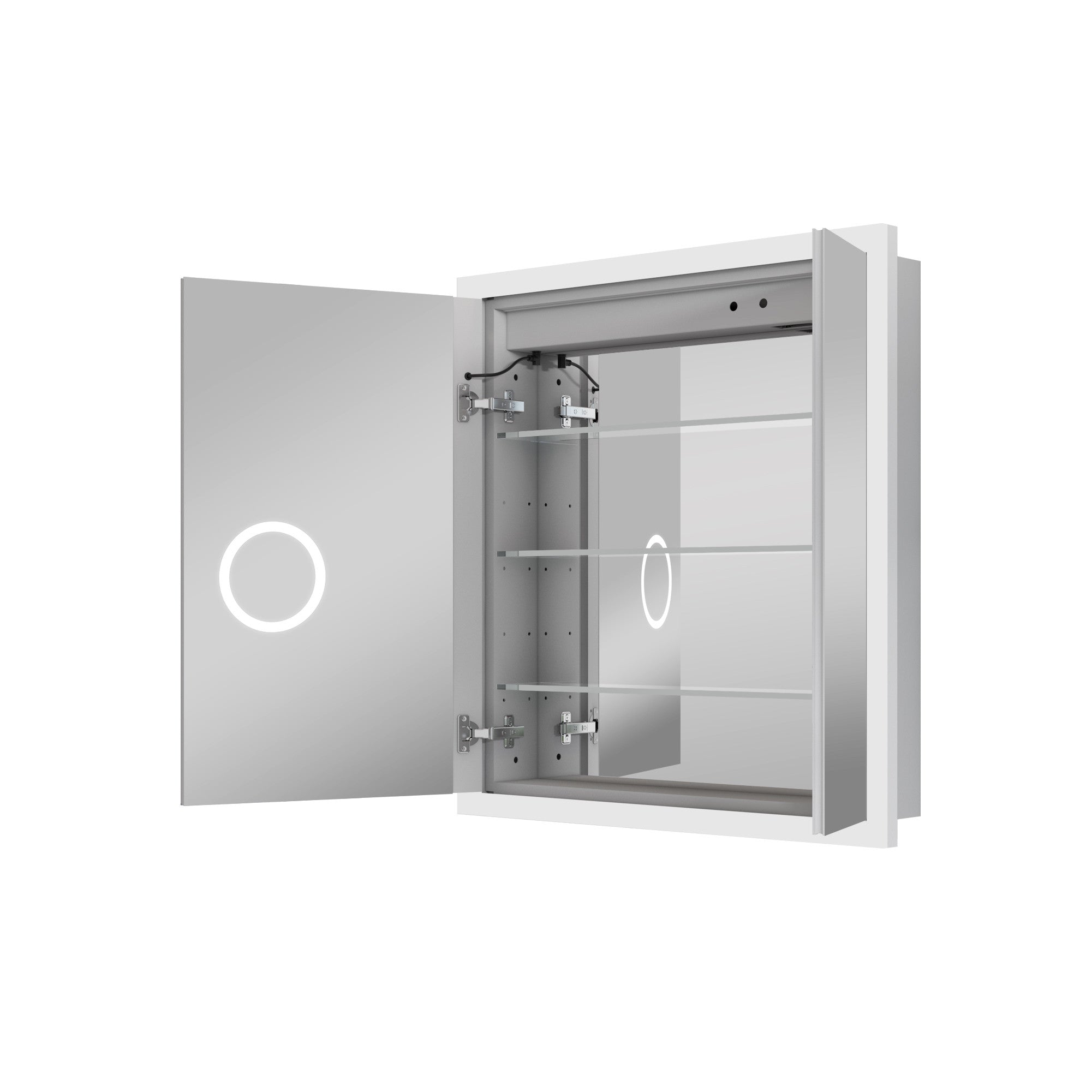
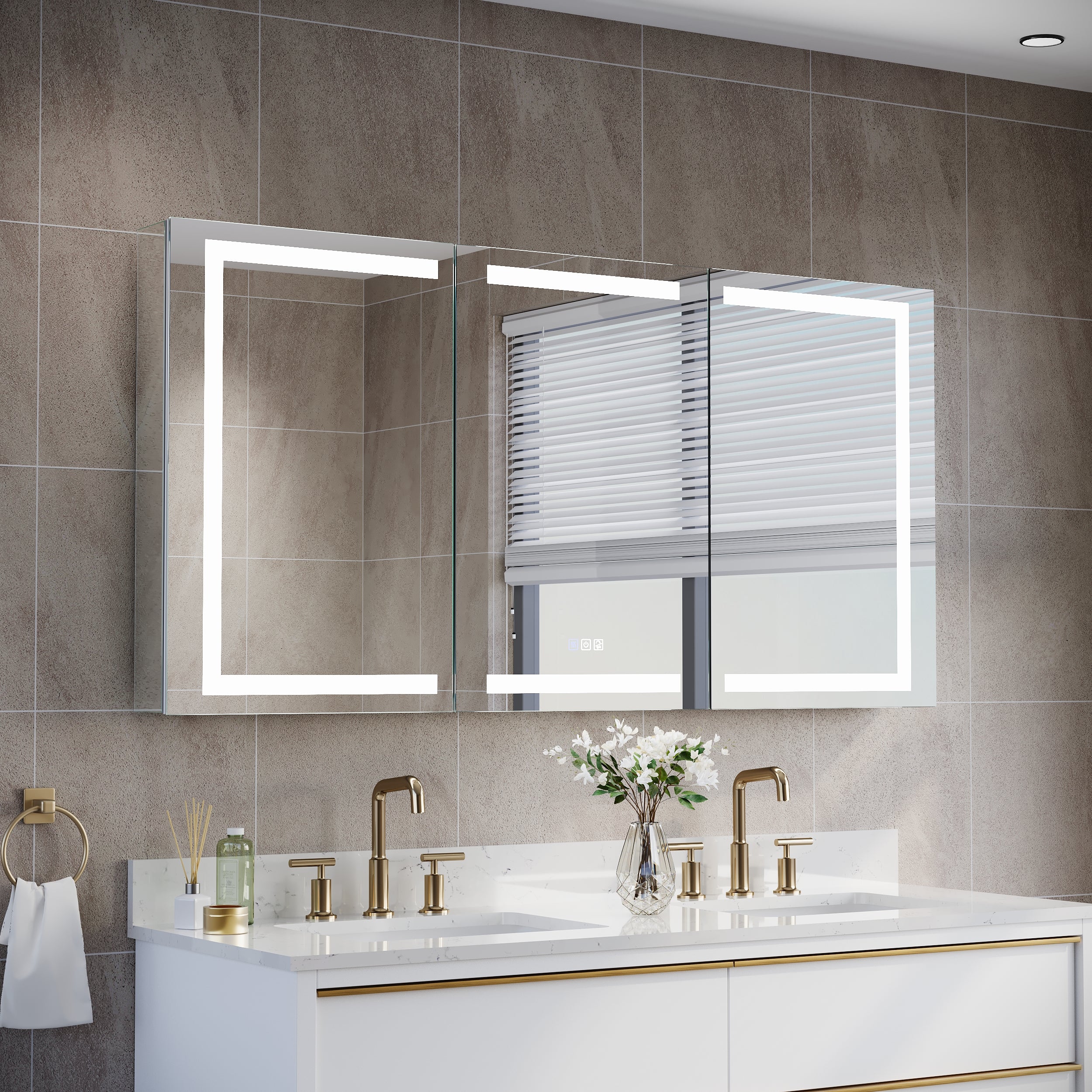
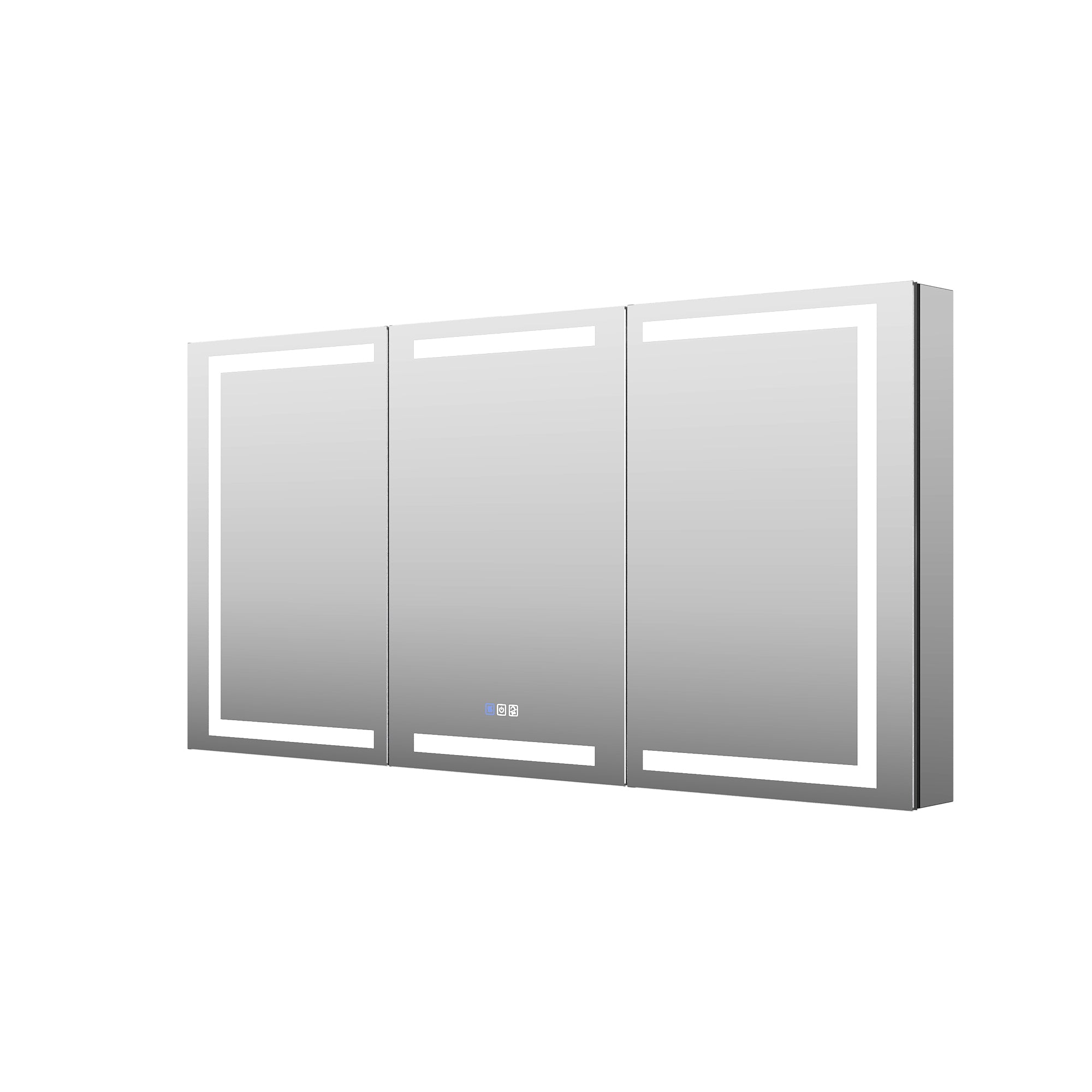
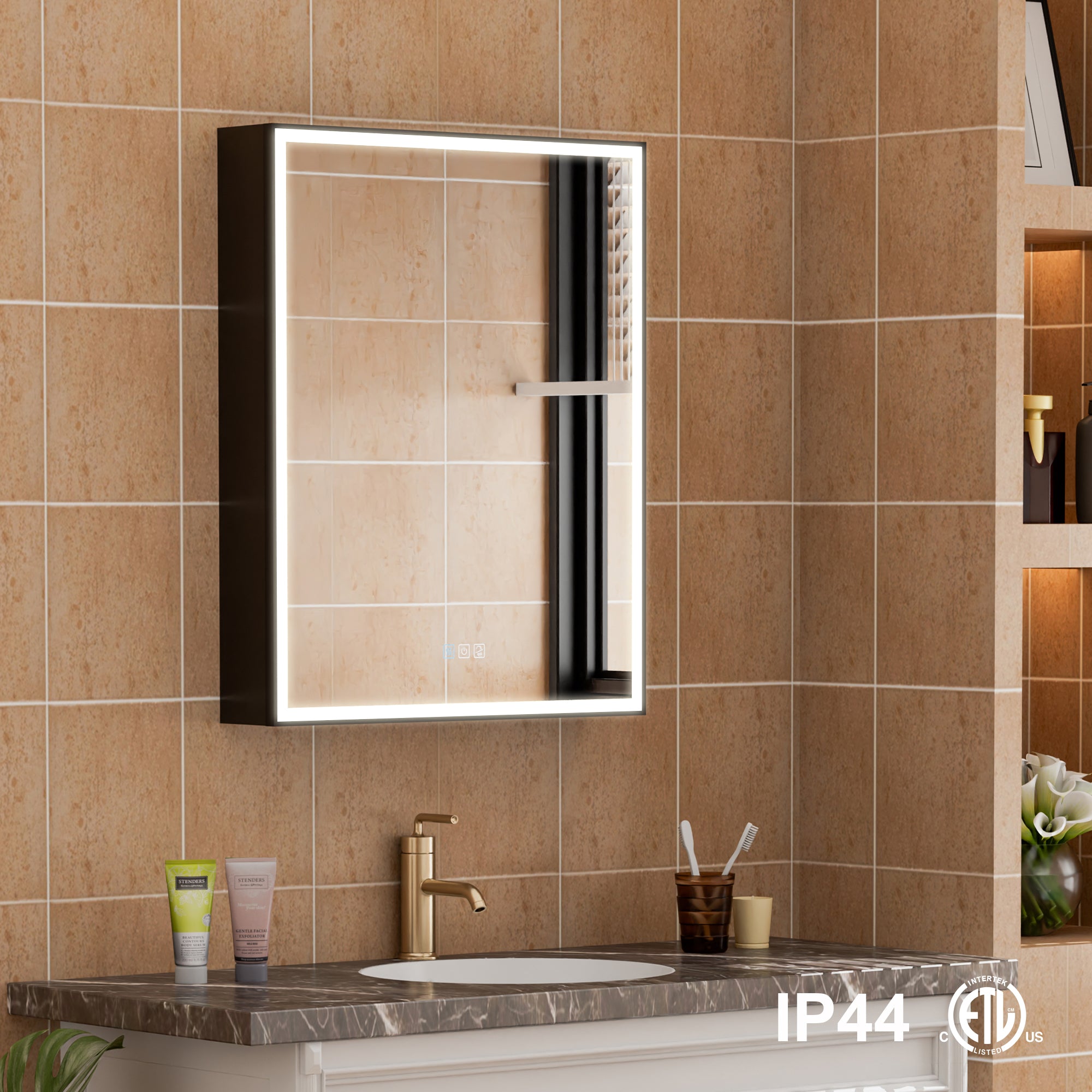
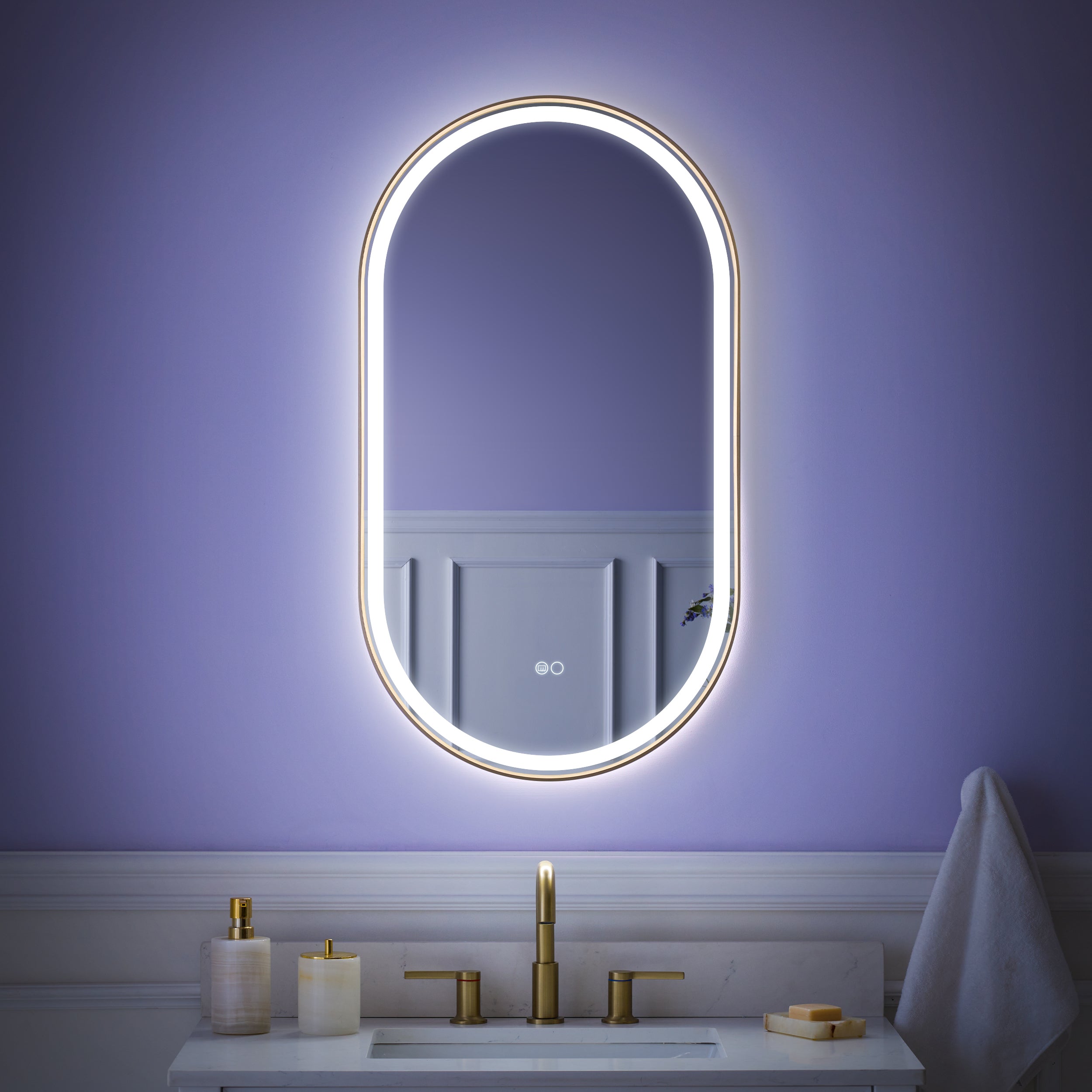
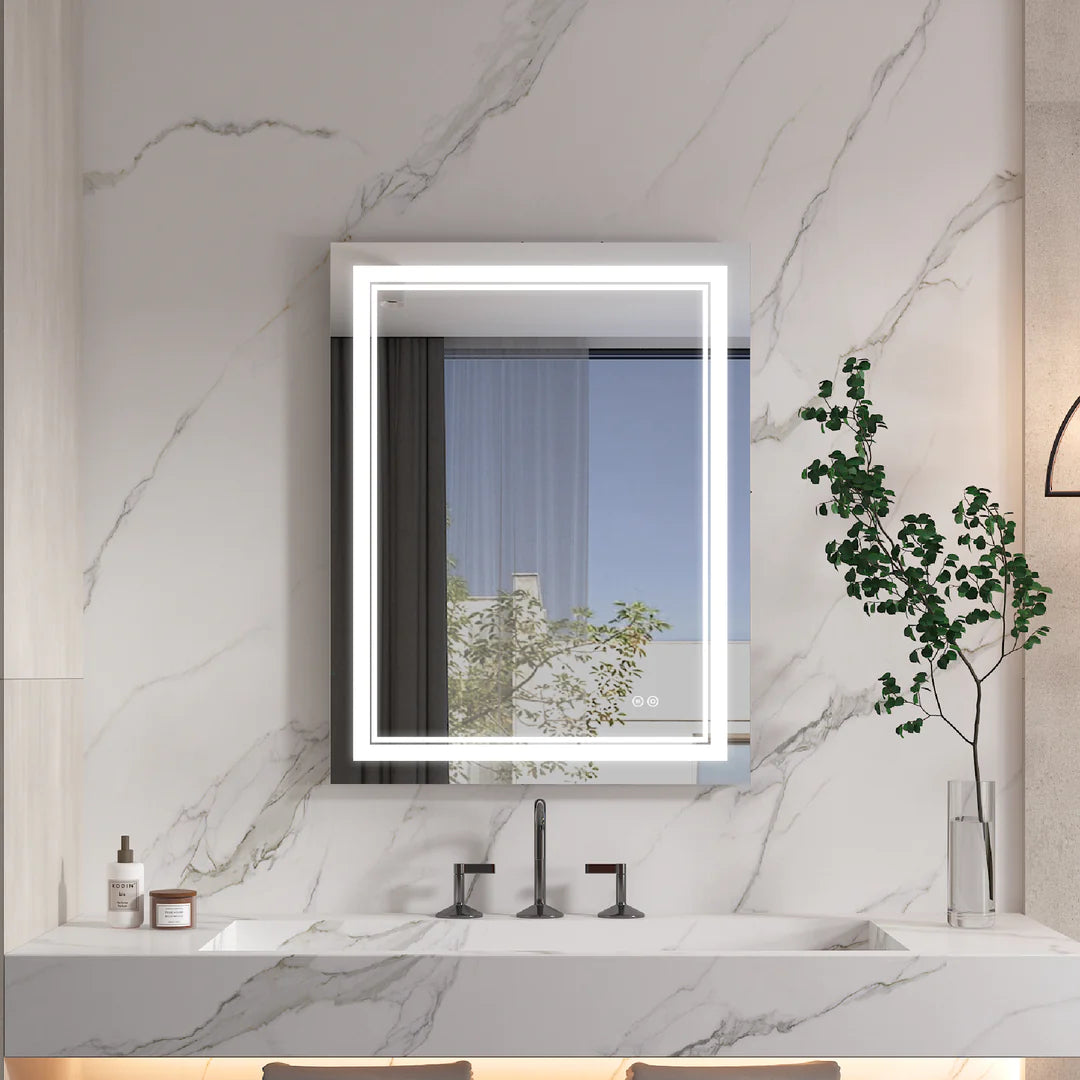
With the popularity of LED technology, illuminated bathroom mirrors have become a mainstream choice.
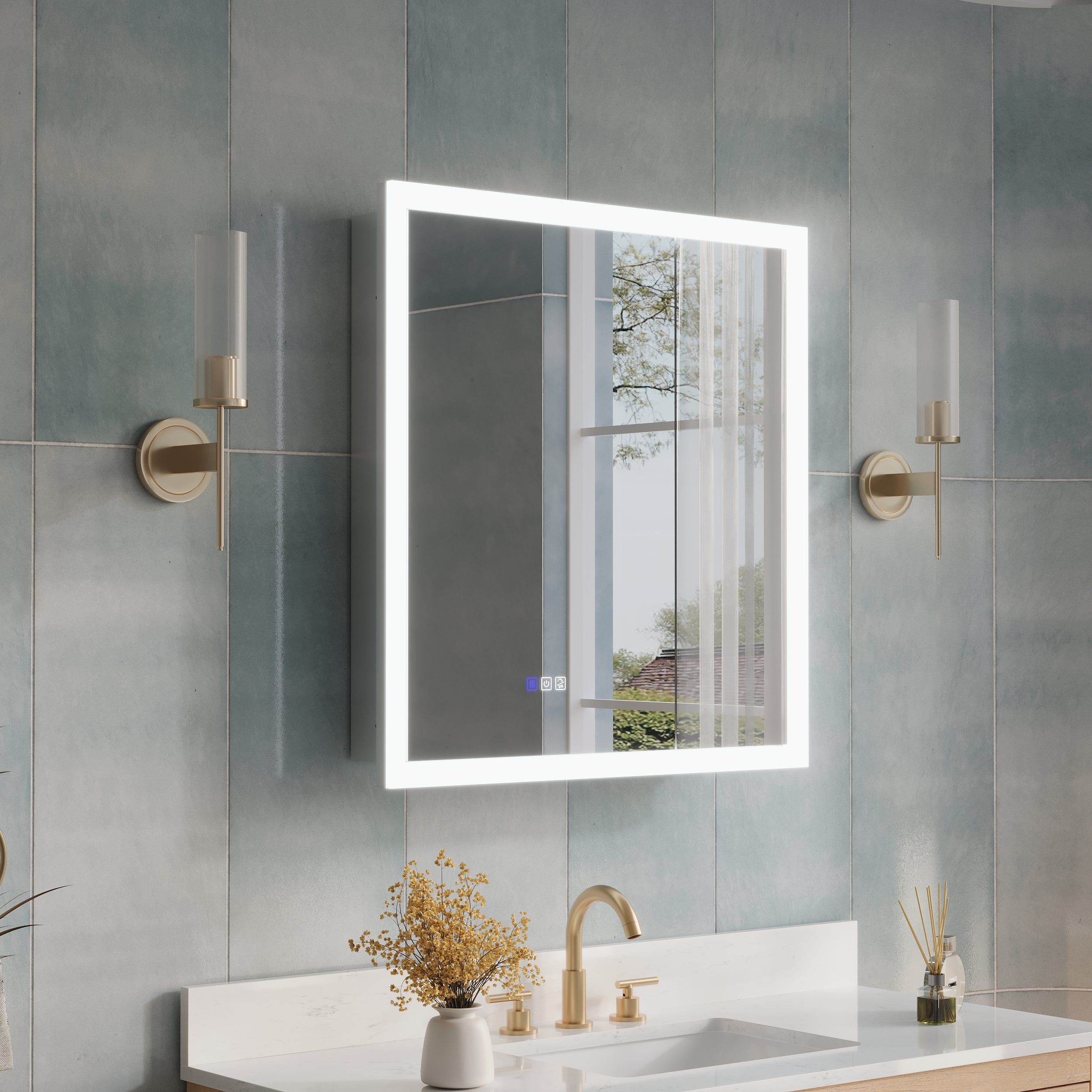
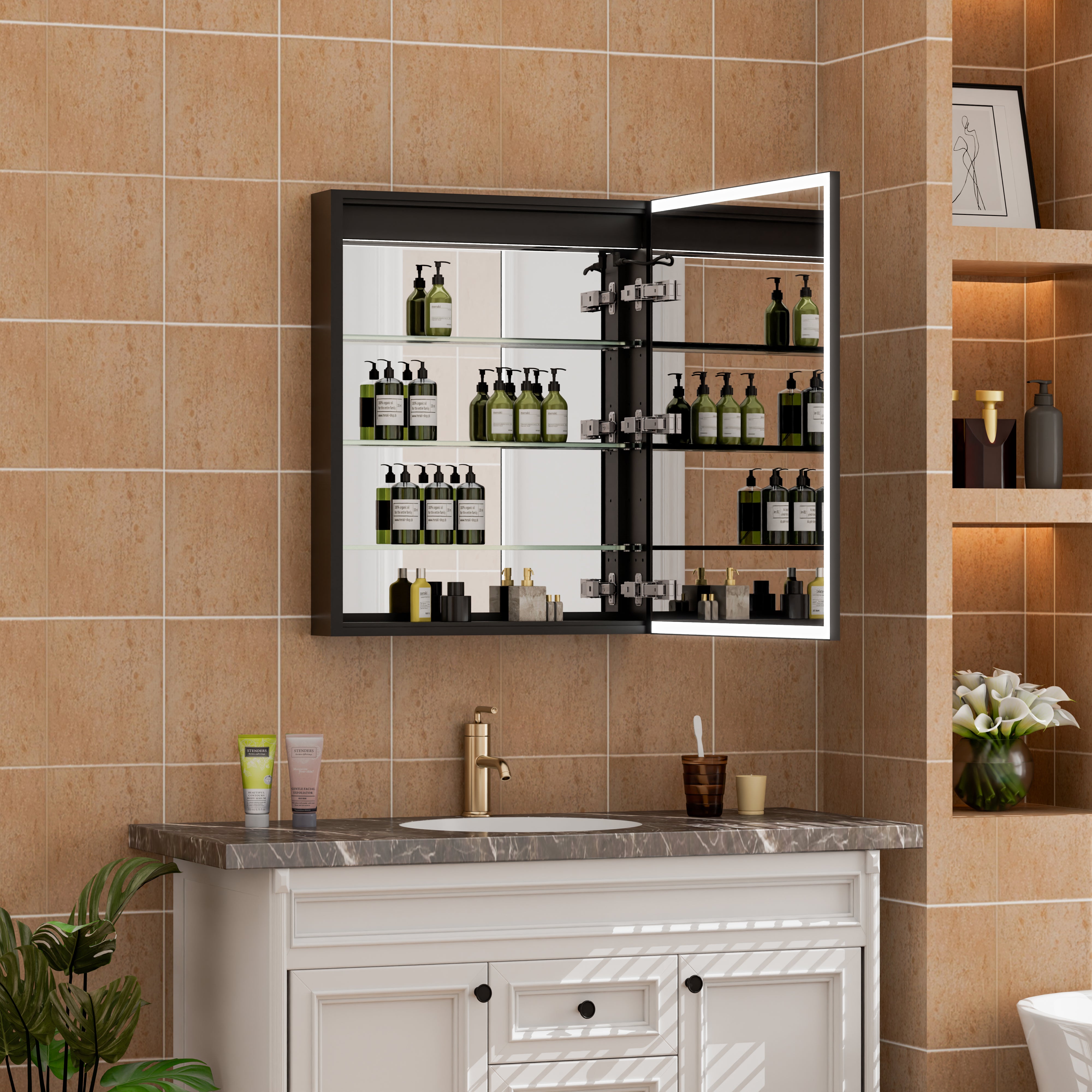
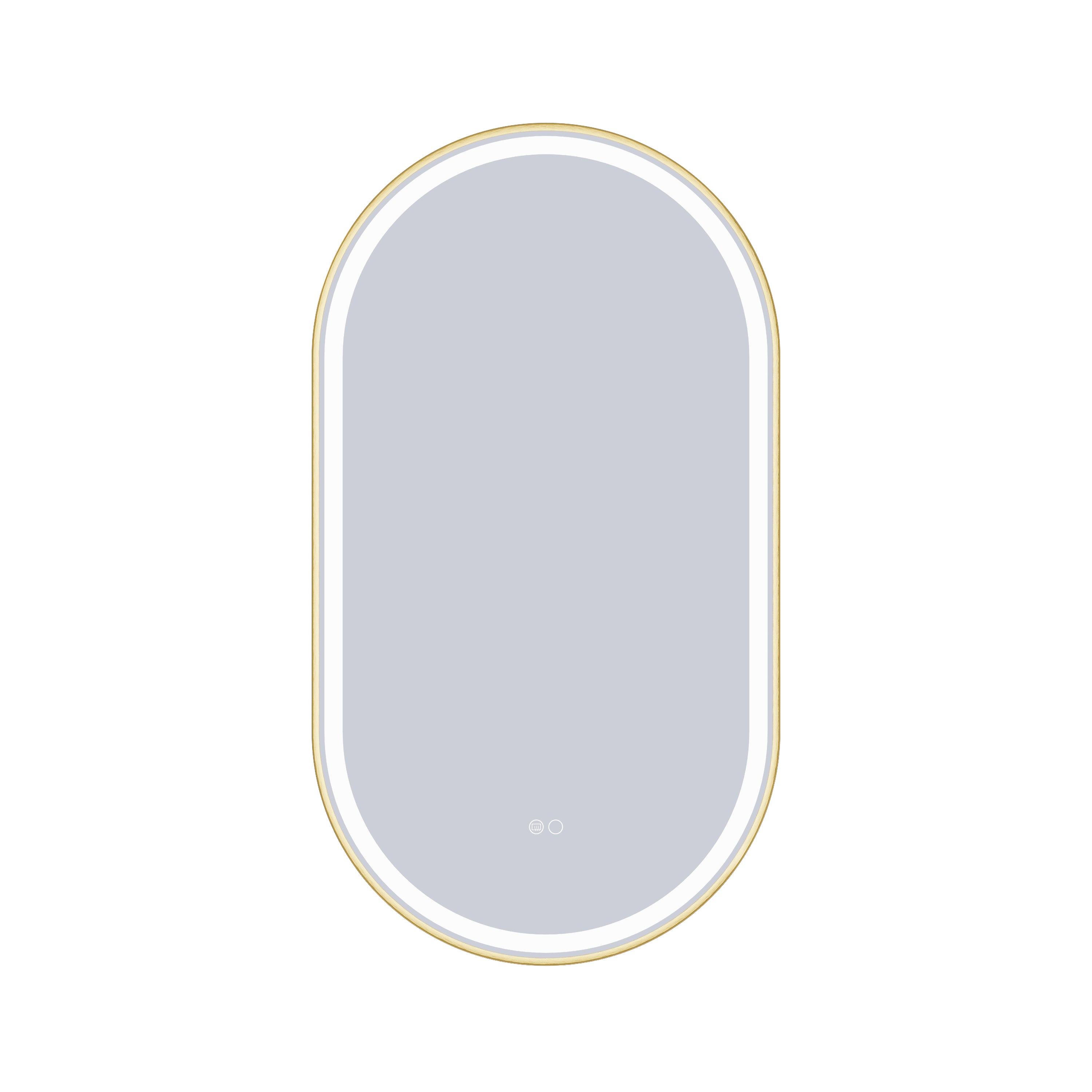
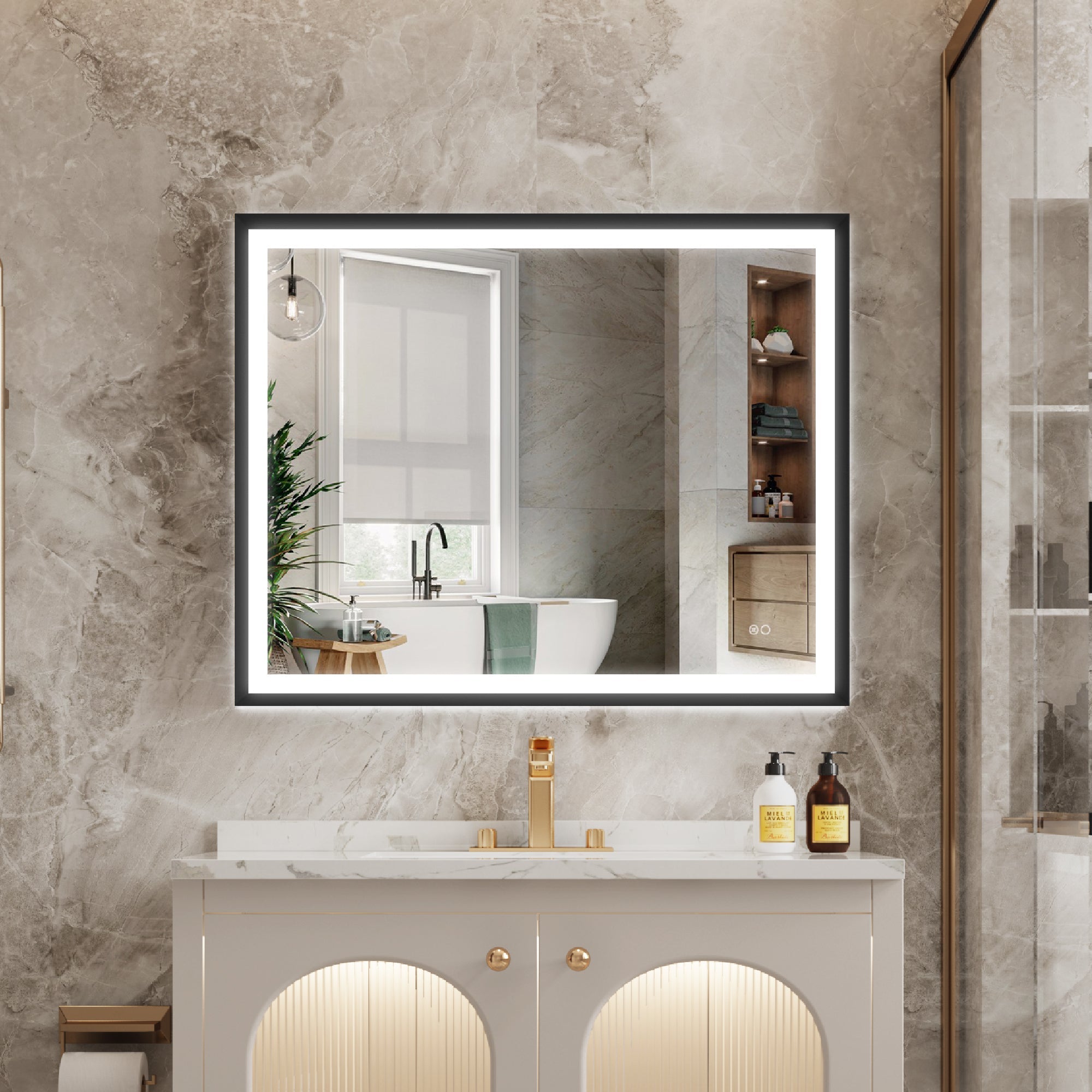
Mirrors with lights are usually slightly thicker than ordinary mirrors, measuring about 1.5 to 2 inches, so more wall space needs to be reserved during size selection.
For a 36-inch width, common LED mirror widths range from 28 inches to 3 inches.
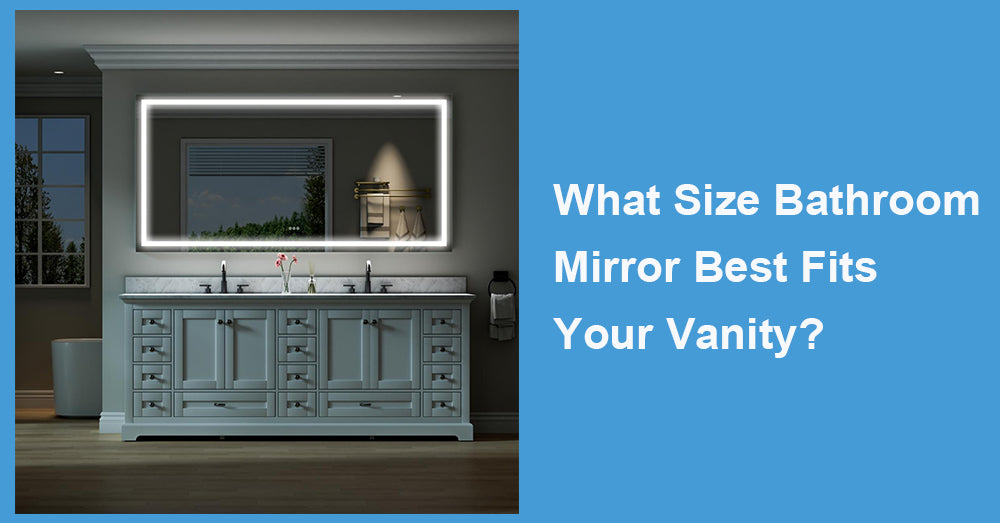
In a 60-inch double-basin structure, it is more common to choose an integrated lamp mirror measuring 48 to 60 inches.
Due to edge halos caused by lighting, a mirror slightly narrower than the tabletop can help avoid visual overload.
Data shows that in mirrors equipped with backlighting or border lighting, users are approximately 20% more satisfied with light uniformity than with traditional wall light structures.
Therefore, when choosing the size, not only should the proportion be considered, but also the lighting requirements should be taken into account.
5. The selection trend of single mirrors and double mirrors
For double basin vanities over 60 inches, both integral and double mirrors have their own advantages.
The overall mirror brings a sense of continuity and modern minimalist style, suitable for minimalist design.
Double mirrors emphasize partitioning and symmetry, giving a sense of hierarchy.
In recent years, the proportion of 72-inch vans with mirrors approximately 24 to 30 inches wide on both sides has gradually increased.
This layout leaves about 8 to 12 inches of wall space in the middle, which can be used to install wall lights or decorative elements to enhance the overall design.
In the main bathroom with a spatial area exceeding 100 square feet, satisfaction with the dual-mirror design is significantly higher.
In smaller spaces, integrated mirrors can enhance the sense of openness.
6. The influence of frame and frameless design on size
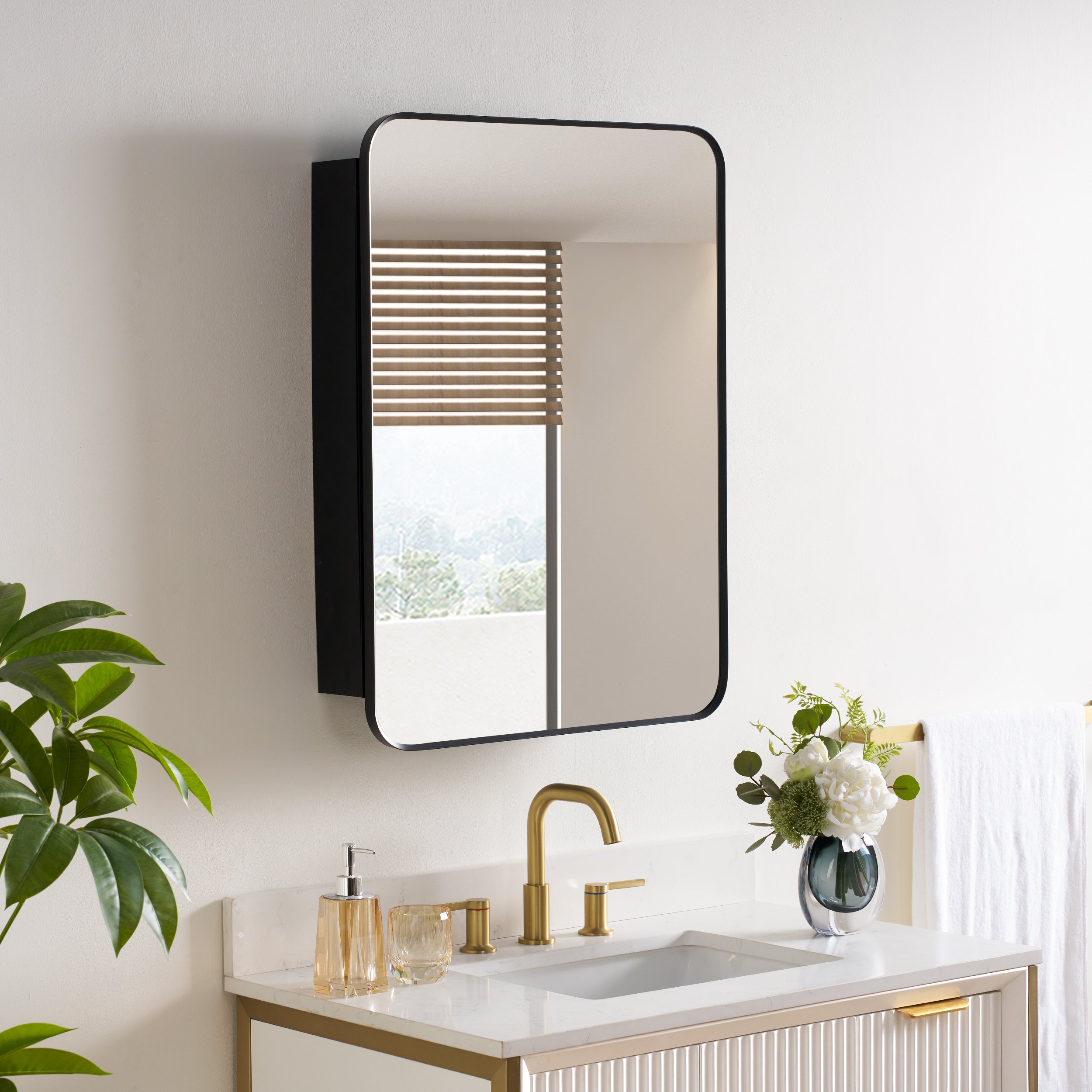
Framed mirrors have a stronger visual weight, so it is usually recommended to make them slightly narrower for the same width.
For example, on a 48-inch countertop, choosing a 40-inch framed mirror would be more coordinated than a 44-inch one.
Frameless or extremely narrow-framed mirrors offer greater visual extension and can be placed closer to the countertop.
In recent years, the proportion of frameless design in modern style spaces has exceeded 60%.
7. Comprehensive judgment from proportion to function
The selection of mirror size should not only consider the countertop width, but also account for floor height, lighting layout, available space, and daily usage habits.
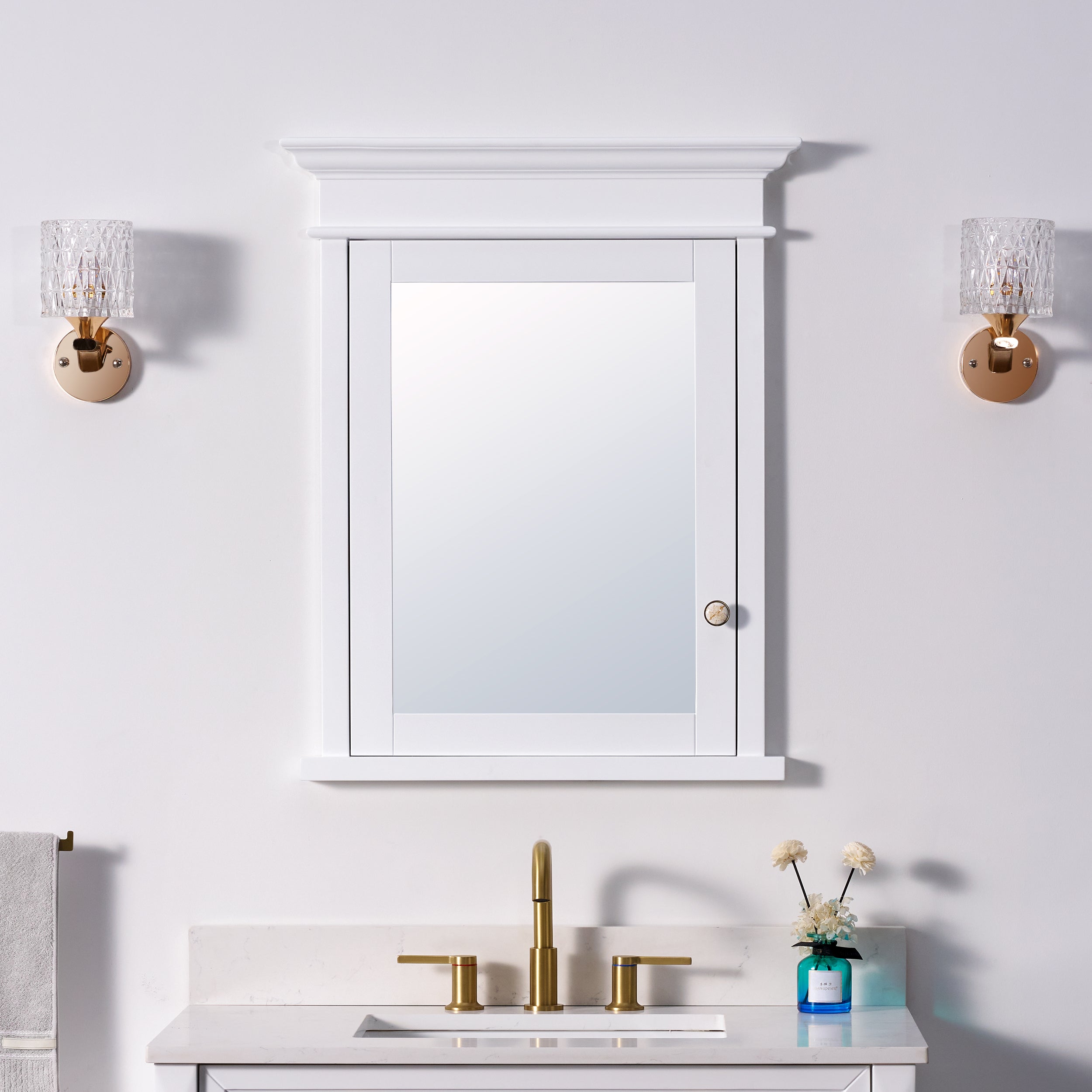
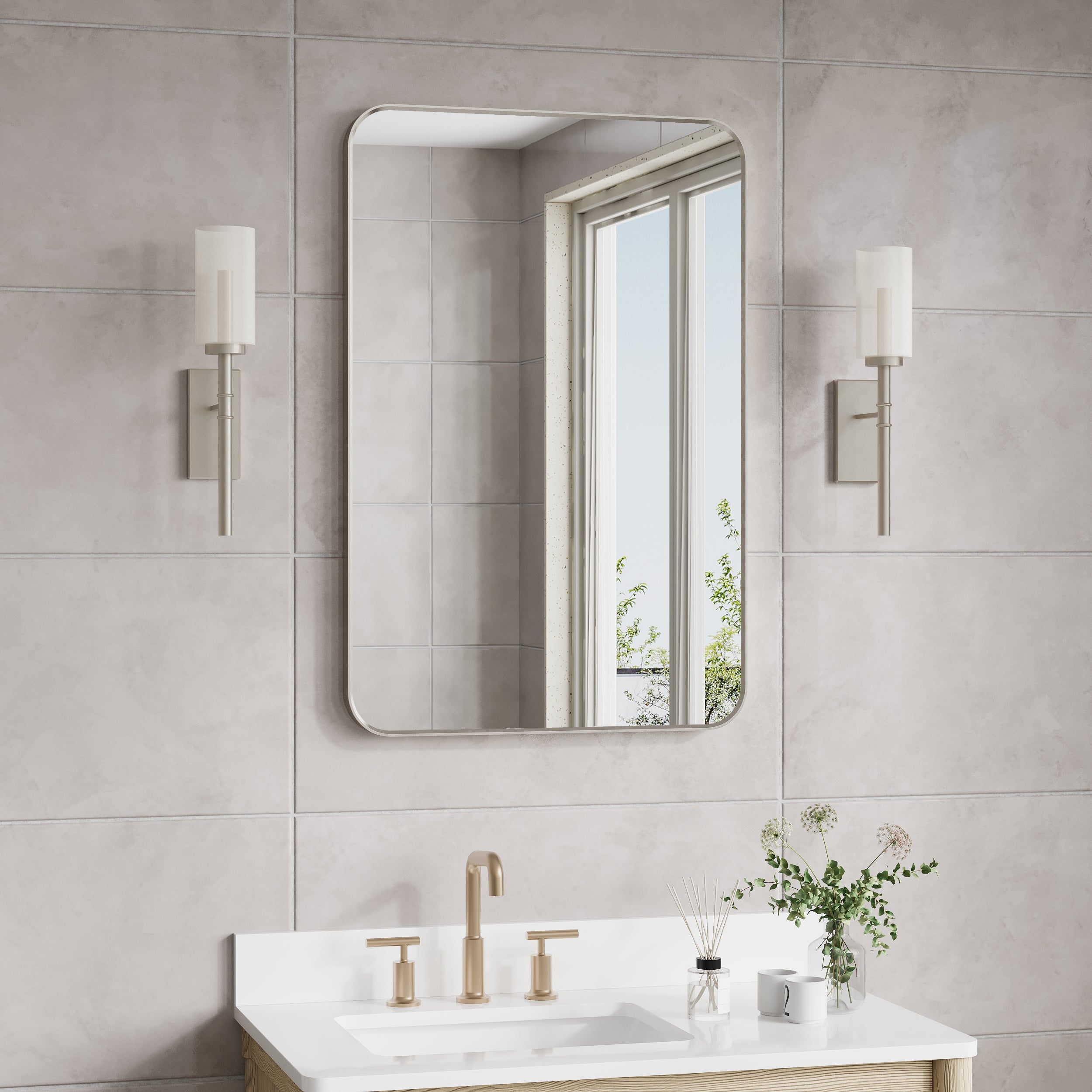
A 36-inch vanity paired with a 32-inch mirror and side wall lights is a classic balance.
The 60-inch double-basin structure paired with two 28-inch mirrors emphasizes symmetry and practicality.
Industry trends indicate that mirror size selection is evolving towards more precise proportions and functional integration.
Consumers consider lighting, power supply, and wall structure during the design phase, which can effectively prevent mismatched dimensions in the later stage.

8. Conclusion
The selection of size for a bathroom mirror is a comprehensive assessment of proportion, comfort, and spatial aesthetics.
From a 24-inch24-inch compact space to a 72-inch72-inch-wide dual-basin layout, different vanity sizes correspond to different mirror layouts.
Only by understanding the width-to-height ratio, installation standards, and spatial structural characteristics can we achieve a truly coordinated and practical design.
For families pursuing a high-quality of life, a mirror of an appropriate size not only enhances the visual experience but also directly affects daily comfort.















Leave a comment
This site is protected by hCaptcha and the hCaptcha Privacy Policy and Terms of Service apply.