
















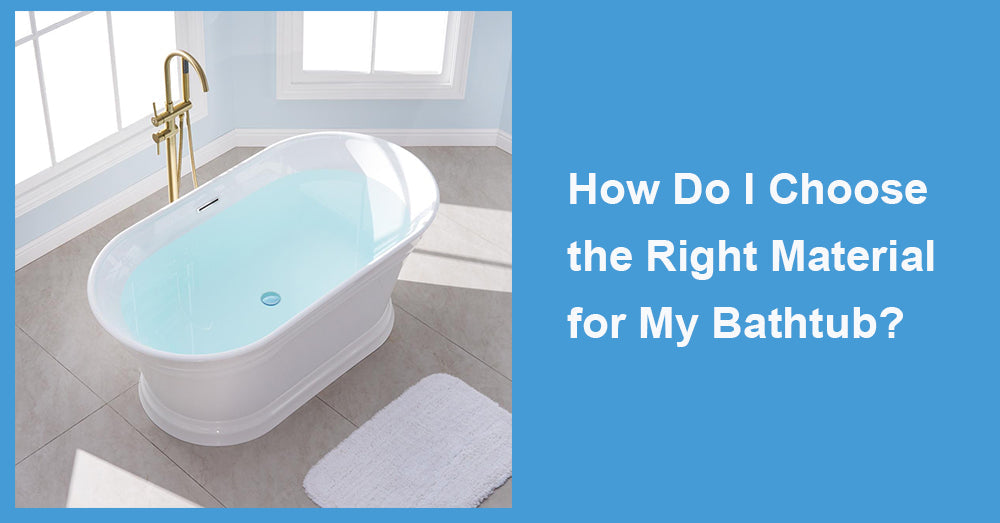
When upgrading a bathroom or renovating a new house, the bathtub is often the visual focus and functional core of the space.
In recent years, with the increasing demand for a high-quality home life, bathtubs have once again become a high-frequency concern.
Industry data shows that over 60% of households prioritize replacing or upgrading their bathtubs when renovating their main bathroom.
In the selection process, materials often have a greater impact on the long-term user experience than size and shape.
From the common 60-inch standard size to 67-inch, 72-inch, and even larger freestanding structures, the insulation, durability, maintenance difficulty, and overall texture differences brought by different materials directly determine the comfort of use and post-production costs.
1. Acrylic material: a representative of lightweight and cost-effectiveness
Acrylic is currently one of the most widely used bathtub materials.
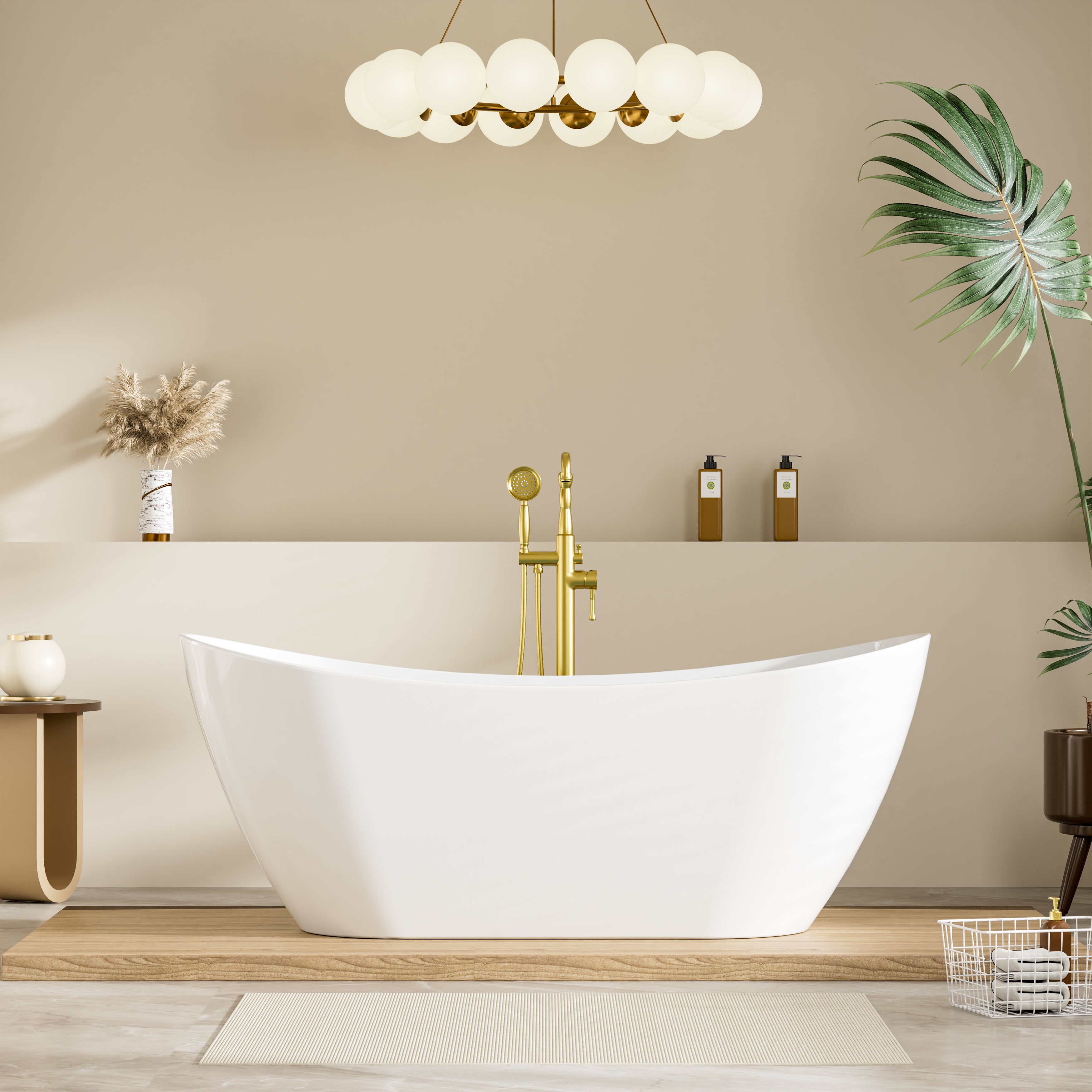
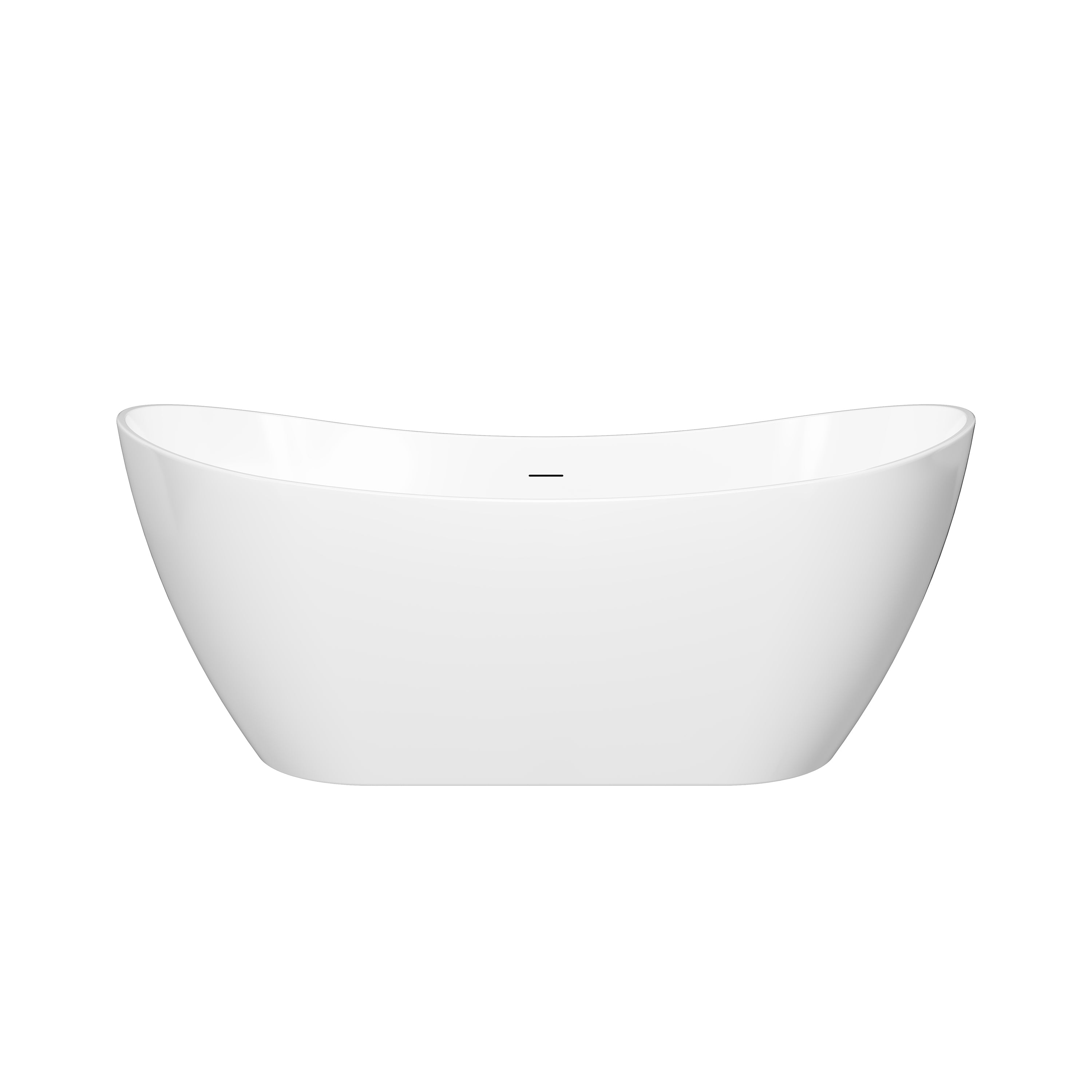
Its advantage lies in its lightweight, with a 60-inch standard freestanding bathtub typically weighing between 70 and 100 pounds, making it easy to transport and install.
This is a clear advantage for projects with limited floor load-bearing capacity or renovation.
In terms of insulation performance, acrylic material has low thermal conductivity, and the water temperature drops relatively slowly after water injection.
Experimental data show that at an ambient temperature of about 70 ° F, the average decrease in water temperature in acrylic bathtubs within 30 minutes is about 4-6 ° F, which is better than that of ordinary steel plate structures.
In addition, the acrylic surface is smooth, easy to clean, and easy to maintain.
However, it should be noted that its hardness is relatively low, and long-term use of hard cleaning tools may result in minor scratches.
Therefore, it is recommended to use a soft cloth and a neutral cleaning agent during Maintenance.
2. Cast iron material: a symbol of stability and durability
Cast Iron bathtubs are known for their thickness and durability.
A 60-inch cast-iron bathtub typically weighs between 300 and 400 pounds, while some 72-inch models can exceed 500 pounds.
This weight provides strong structural stability and better insulation.
In thermal retention testing, cast iron materials typically experience a water temperature drop of less than 3 °F within 30 minutes under the same water-injection conditions.
The glaze layer is fired at high temperatures, resulting in high hardness and strong wear resistance, and can be maintained for decades under normal use.
However, weight is also its biggest limitation.
Before installation, it is necessary to confirm the floor slab's load-bearing capacity, especially in older buildings or upstairs bathroom renovations, which may require a structural evaluation.
3. Fiberglass material: entry-level choice
Fiberglass bathtubs are relatively inexpensive and typically weigh between 60 and 80 pounds.
Its advantages include cost-effectiveness, ease of installation, and suitability for projects with limited budgets.
However, from a long-term use perspective, its surface strength and durability are inferior to those of acrylic and cast iron.
Industry testing data show that in high-frequency-use environments, the proportion of glass fiber surfaces that age or exhibit gloss reduction after 3-5 years is significantly higher than for other materials.
Therefore, it is more suitable for rental housing or short-term renovation projects.
4. Stone and Composite Materials: High-end Texture and Modern Design
In recent years, composite materials such as Solid Surface and Stone Resin have gradually attracted attention from the high-end market.
This type of material is usually composed of natural mineral powder and resin composite, with a warm touch and an appearance closer to natural stone.
A 67-inch Stone Resin freestanding bathtub typically weighs between 250 and 350 lbs, combining stability and shape flexibility.
Its advantage is that the surface can be polished and repaired as a whole, and small scratches can be restored through polishing treatment.
In terms of insulation performance, the temperature drop of composite stone materials over 30 minutes is usually 3-4 °F, which is similar to cast iron, but with a relatively controllable weight.
For spaces that pursue modern minimalist or sculptural design styles, it is an ideal choice.
5. Steel plate enamel: a balanced solution for traditional structures
The porcelain-on-steel bathtub uses a steel plate substrate with an enamel coating.
The weight is usually between 150 and 200 lbs, lighter than cast iron, but more stable than acrylic.
Its advantages are a hard surface and scratch resistance.
But steel's thermal conductivity is relatively high, and its insulation performance is slightly inferior.
In the same testing environment, the water temperature drops by approximately 6-8 °F within 30 minutes.
Therefore, it is more suitable for quick bathing rather than prolonged soaking.
6. Material selection logic based on usage scenarios
If family members prefer long baths and space allows, cast iron or Stone Resin offers more advantages.
If emphasis is placed on lightweight and easy installation, acrylic is a better balance.
If the budget is limited or used for secondary hygiene, fiberglass can be a phased option.
In addition, the size and material of the bathtub are closely related.
Taking the 72-inch freestanding structure as an example, if cast iron is used, the overall weight may exceed 600 lbs (including water and users).
In contrast, an acrylic structure is better suited for load-bearing control.
Therefore, the comprehensive evaluation of materials and floor conditions should be combined in the design phase.
7. Maintenance and long-term cost considerations
The difficulty of maintaining materials directly affects the long-term cost of ownership.
Acrylic and composite materials can be repaired with local polishing for minor damage.
Although cast iron is durable, if the glaze is severely damaged, the repair cost is relatively high.
Fiberglass is usually replaced as a whole after aging.
From the perspective of comprehensive maintenance costs over a 10-15-year service life, acrylic and Stone Resin are usually a better balance.
At the same time, cast iron is more suitable for projects that prioritize long-term stability and a sufficient budget.

8. Conclusion
The choice of bathtub material is not just a matter of style or price, but a careful consideration of comfort, durability, installation conditions, and long-term maintenance costs.
Different materials emphasize insulation performance, weight structure, and service life differently.
Understanding the physical properties and practical application scenarios of each material is necessary to make more rational judgments in different size schemes, such as 60-inch, 67-inch, or 72-inch.
For those planning a bathroom upgrade, material selection is a crucial step in determining the overall quality of the experience.


















Leave a comment
This site is protected by hCaptcha and the hCaptcha Privacy Policy and Terms of Service apply.