














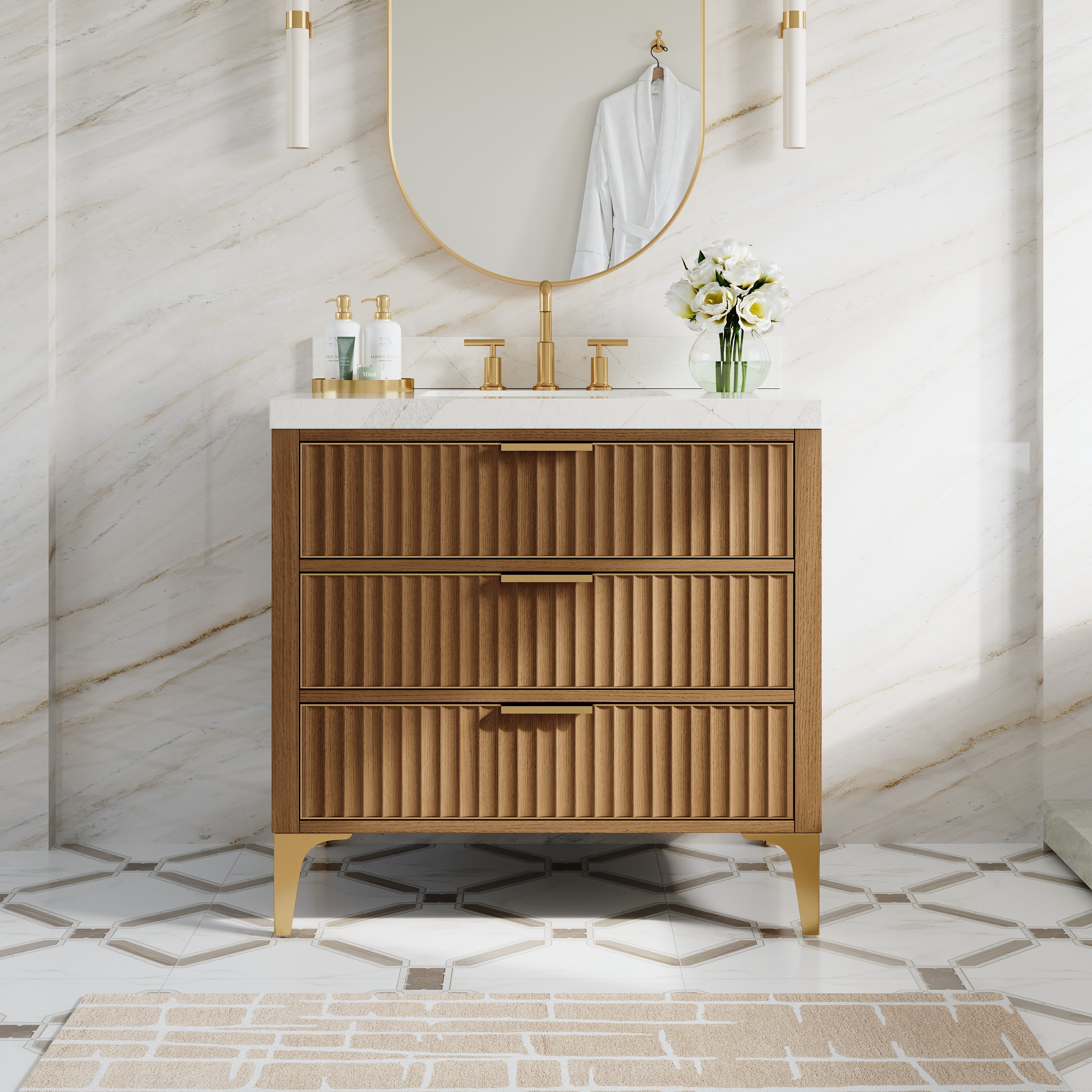
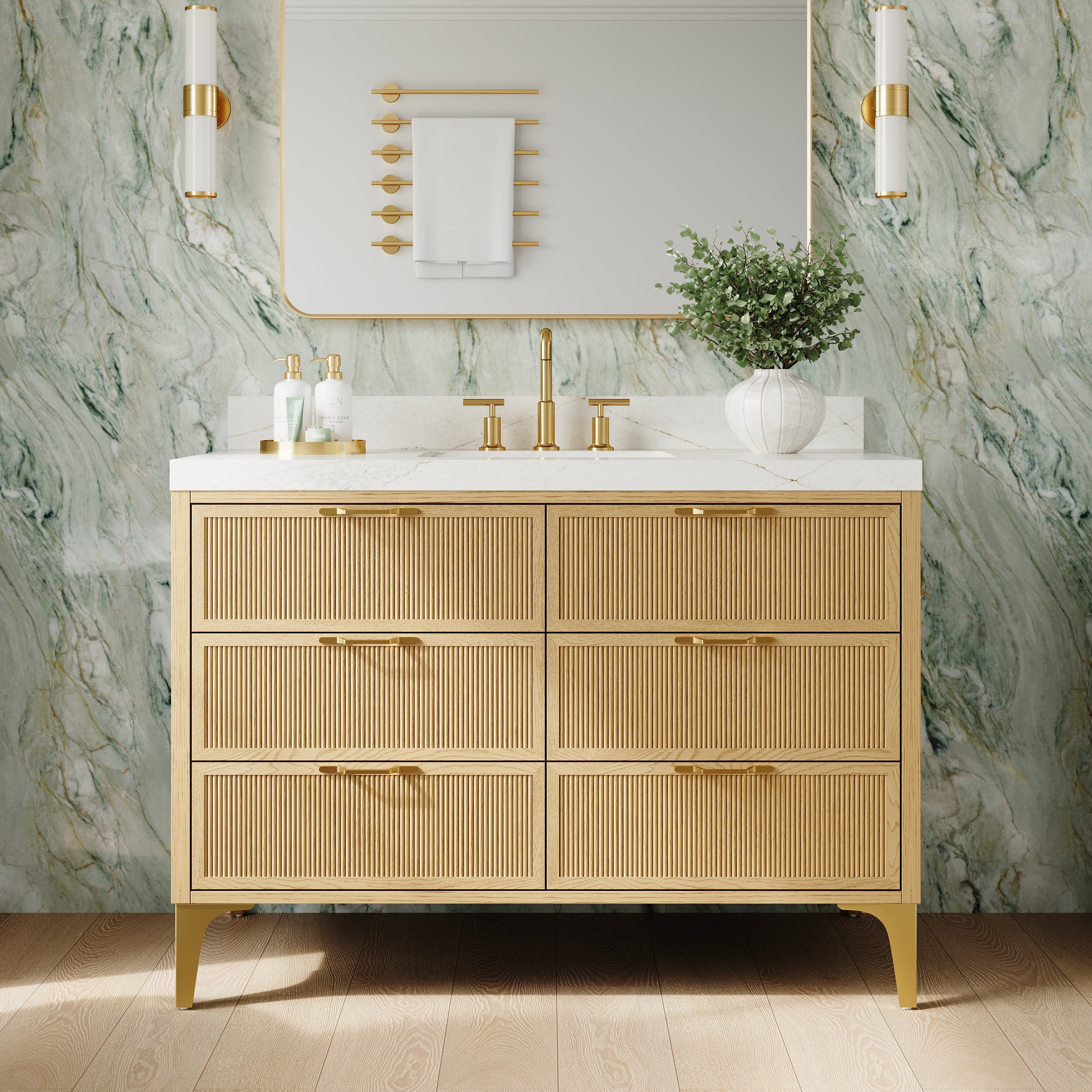


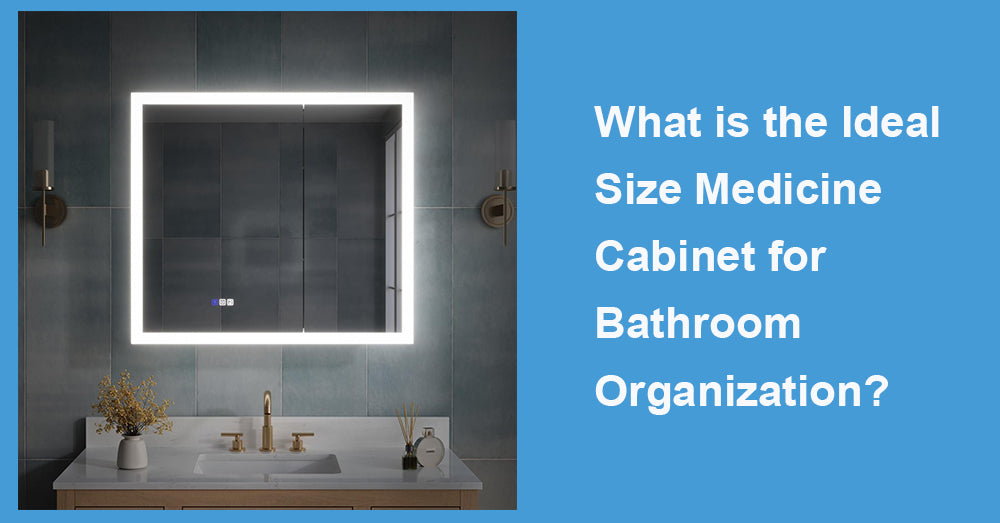
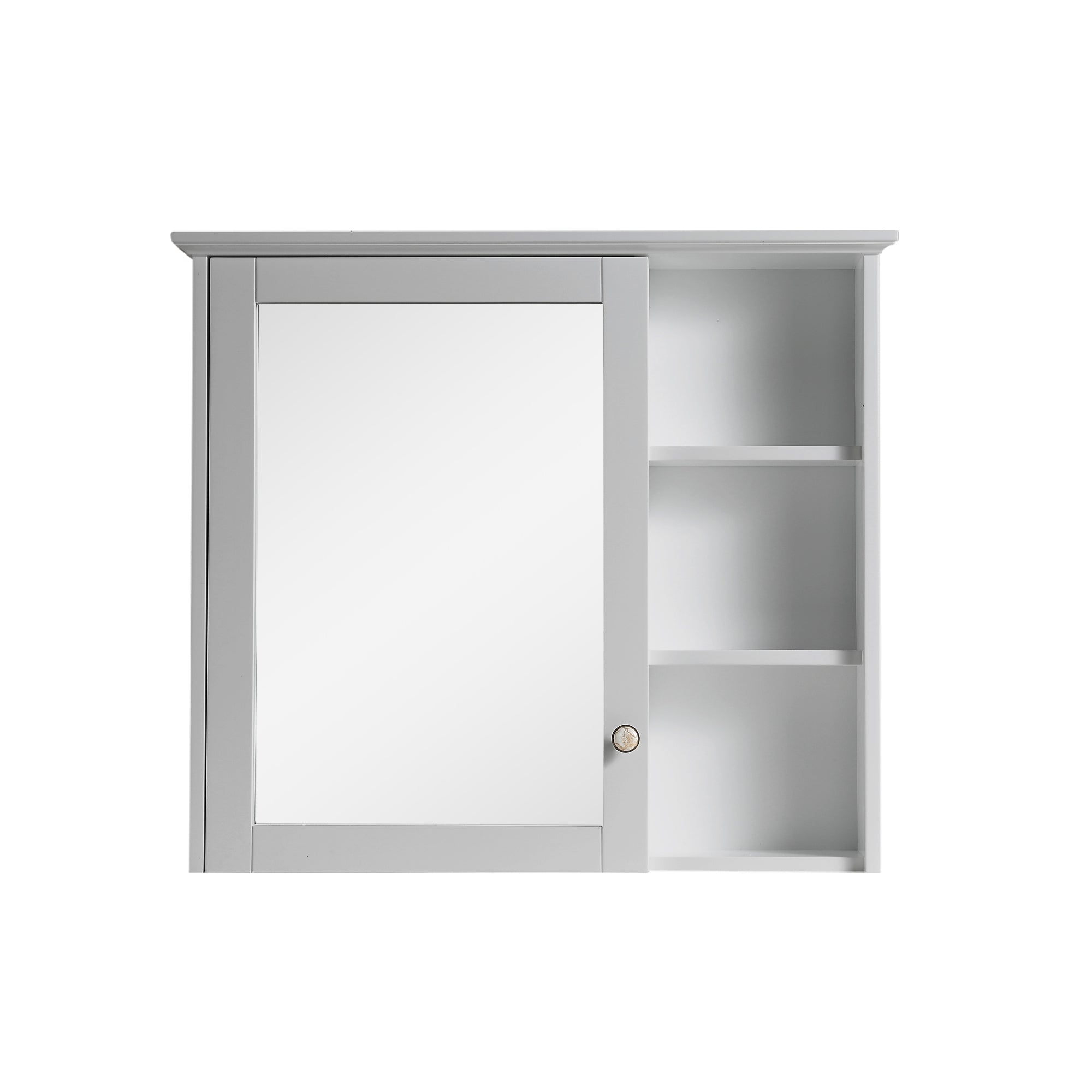
In modern bathroom storage systems, the medicine cabinet for bathroom has evolved from a simple mirror storage space to an essential component that affects cleanliness, efficiency, and space ratio.
According to industry-wide long-term spatial planning data, a considerable proportion of bathroom clutter problems are caused by "incorrect storage locations" rather than "insufficient storage space".
Choosing the right size for the mirror cabinet often improves the daily user experience more than simply increasing the number of cabinets.
1. The core logic of ideal size: matching space, not pursuing maximization
Many people tend to fall into the mindset of "the bigger the mirror cabinet, the more it can fit" when choosing a mirror cabinet, but the actual feedback is precisely the opposite.
Industry research shows that mirror cabinets with mismatched dimensions and spatial ratios often lead to visual crowding, inconvenient use, and ultimately lower overall satisfaction.
The truly ideal size of a mirror cabinet should meet three requirements simultaneously:
Covering the main usage areas.
Not compressing the flow space.
Create visual balance with bathroom cabinets or washbasins.
2. Width selection: the most critical first parameter
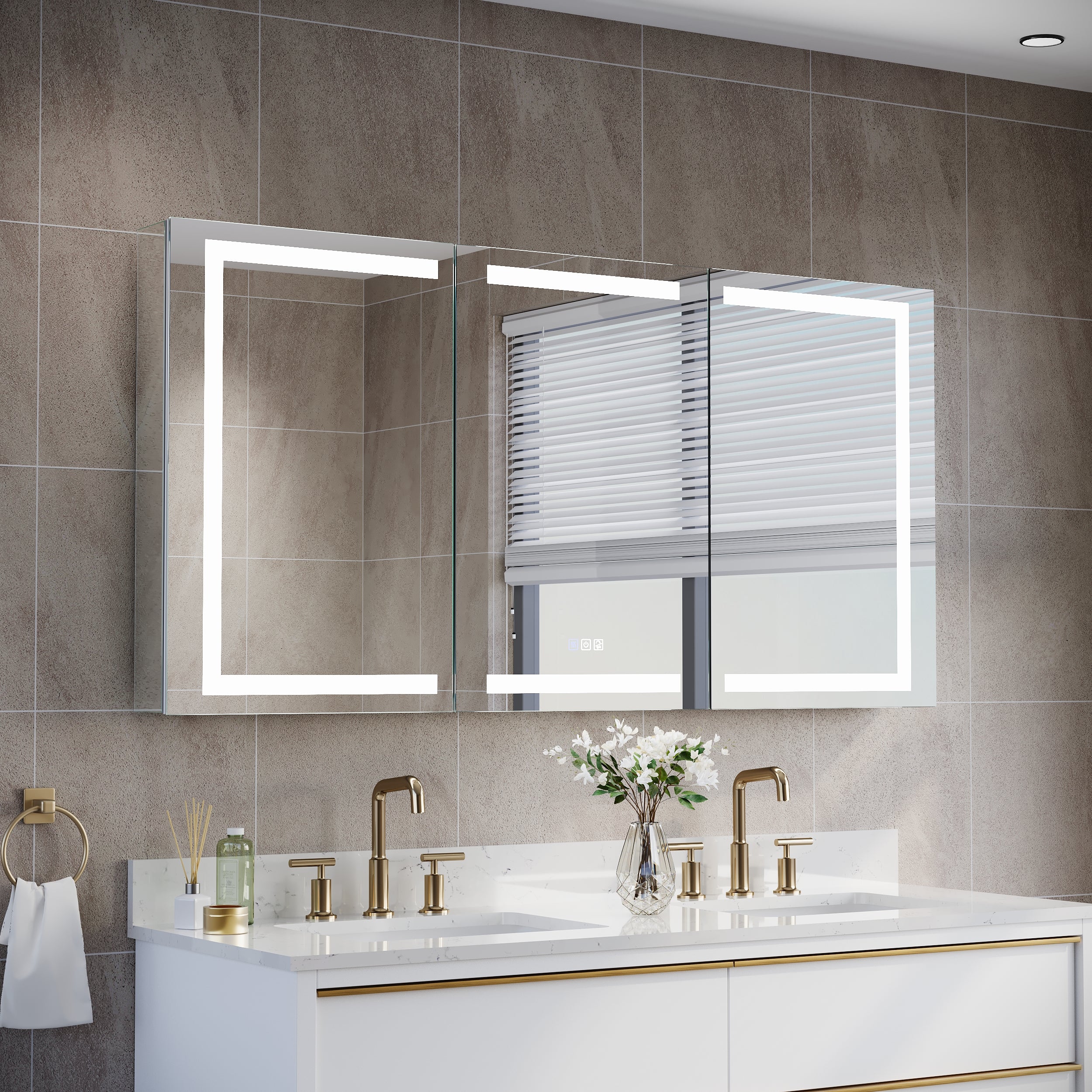
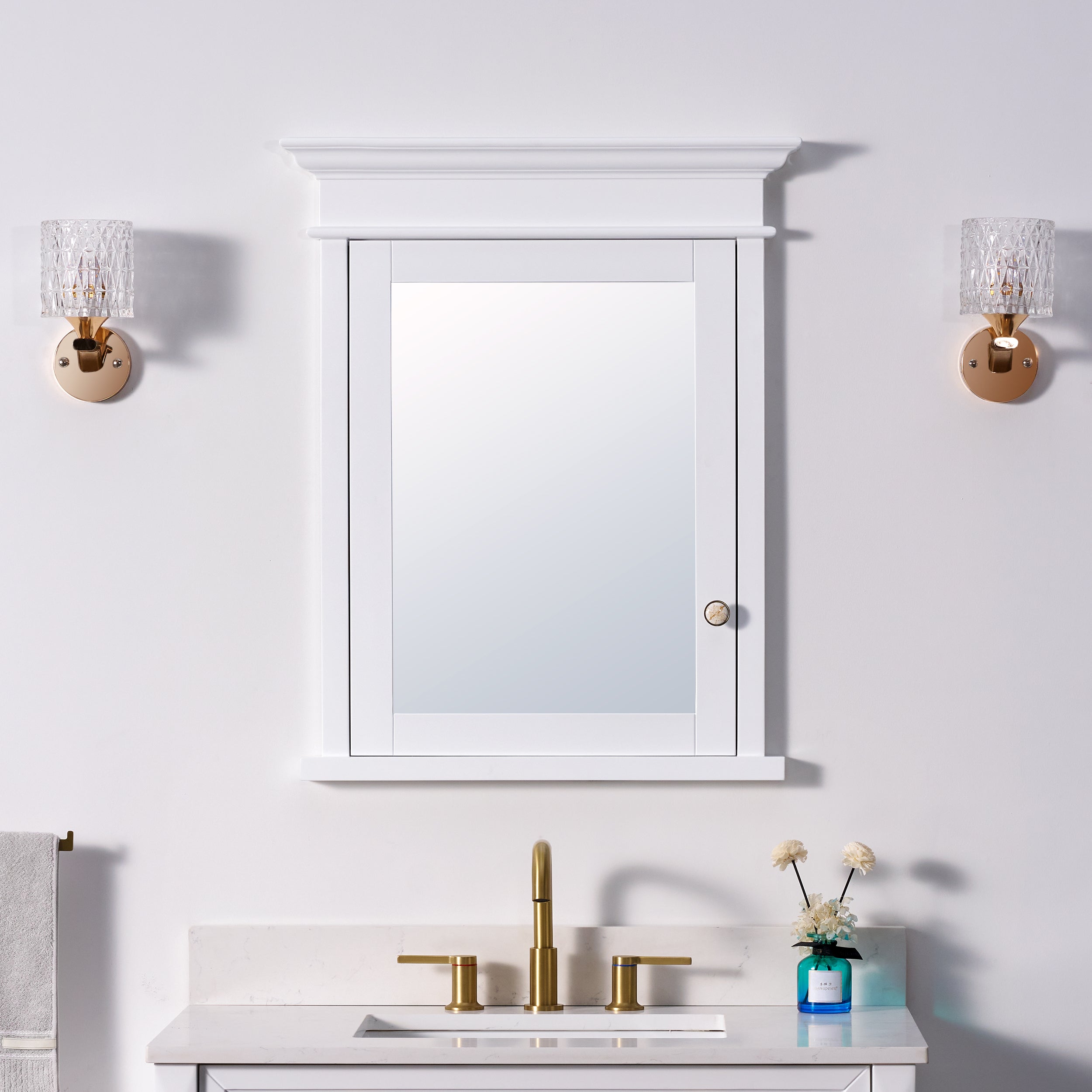
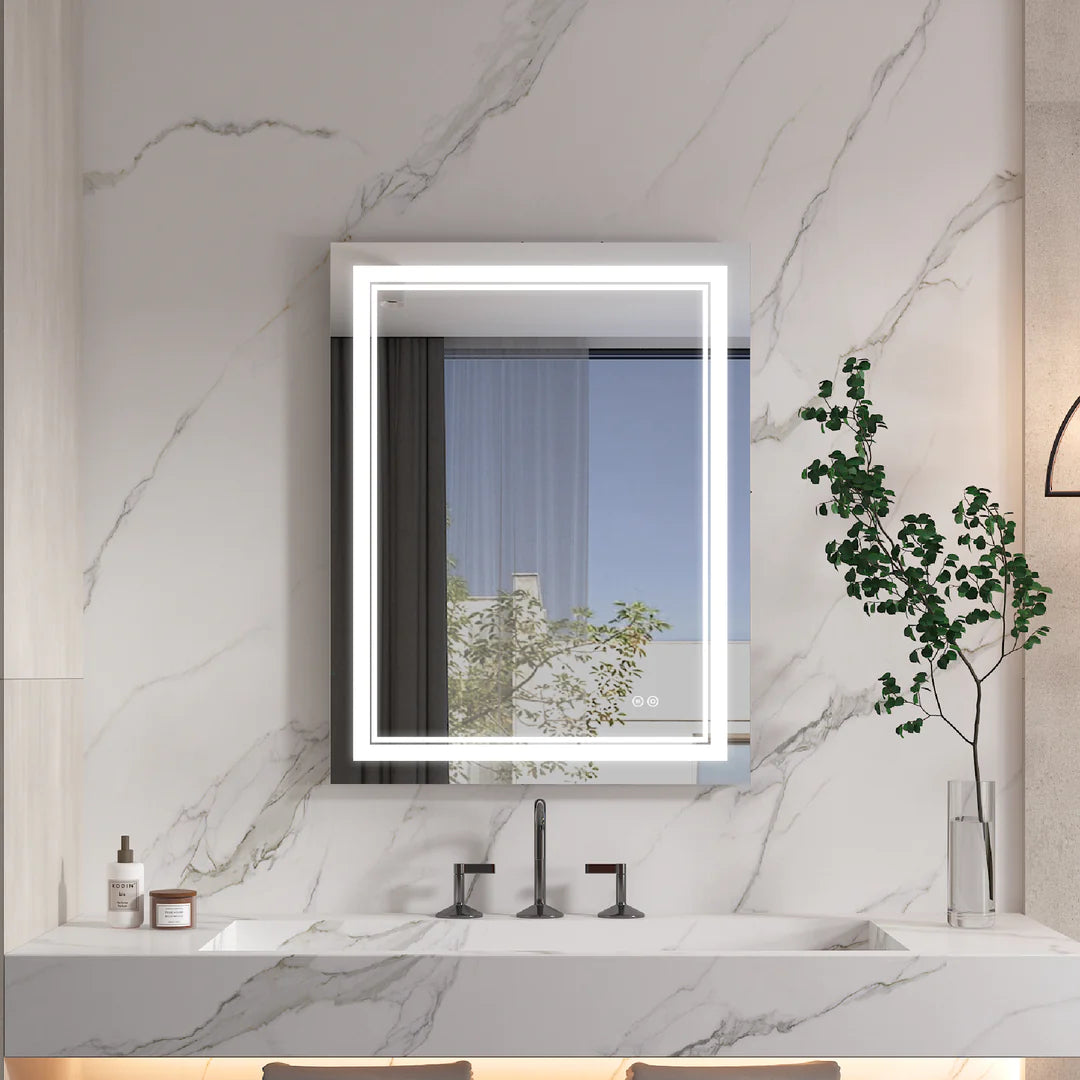
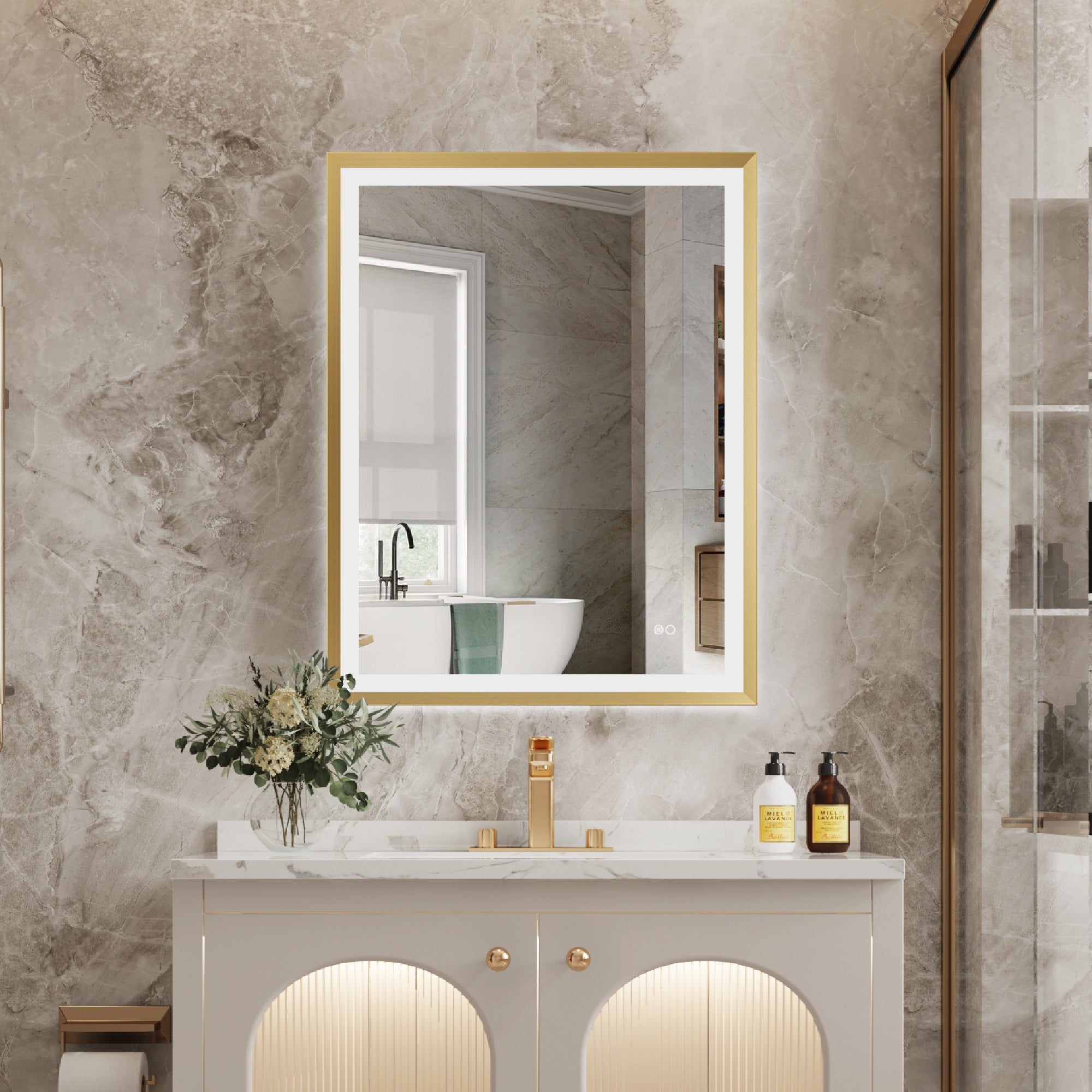
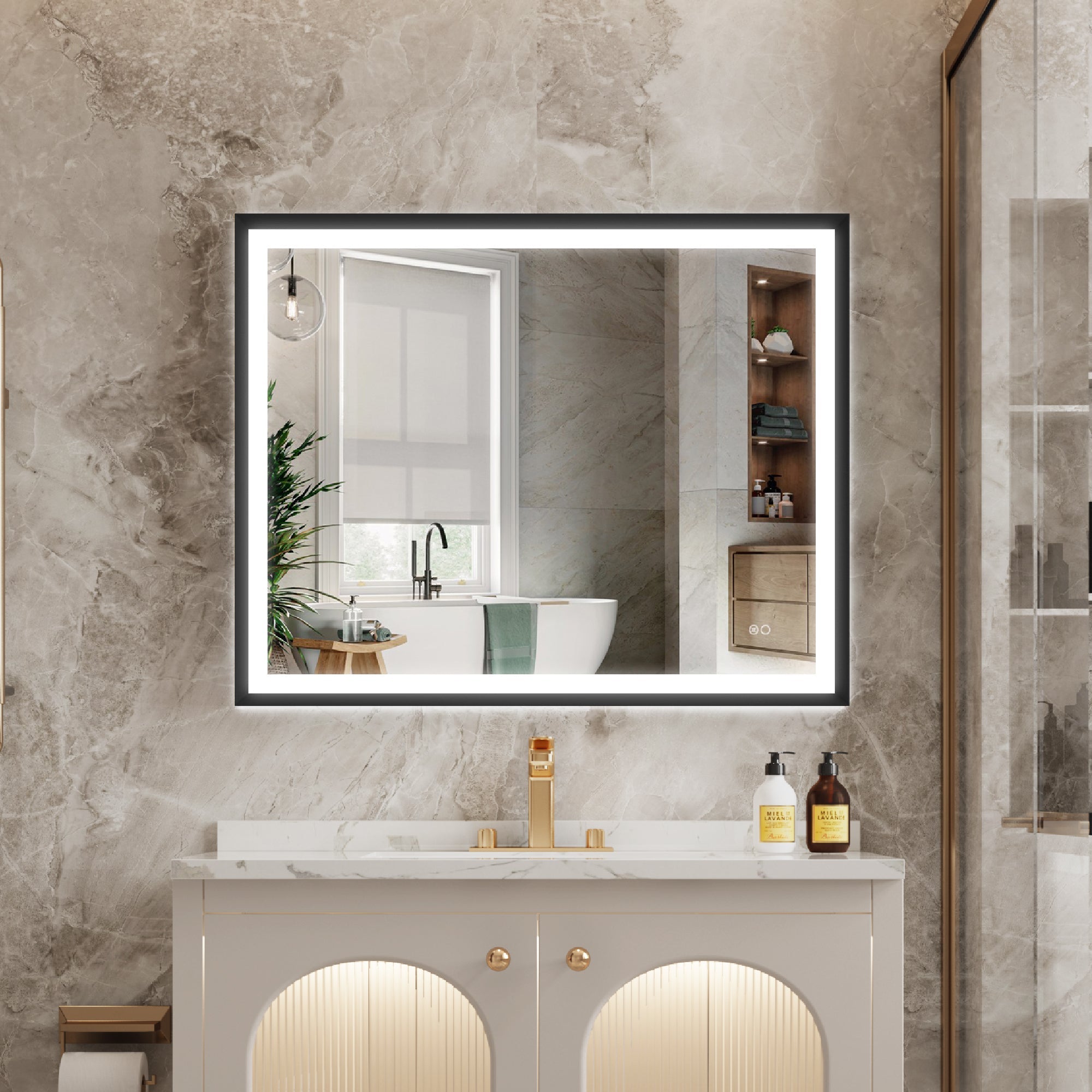
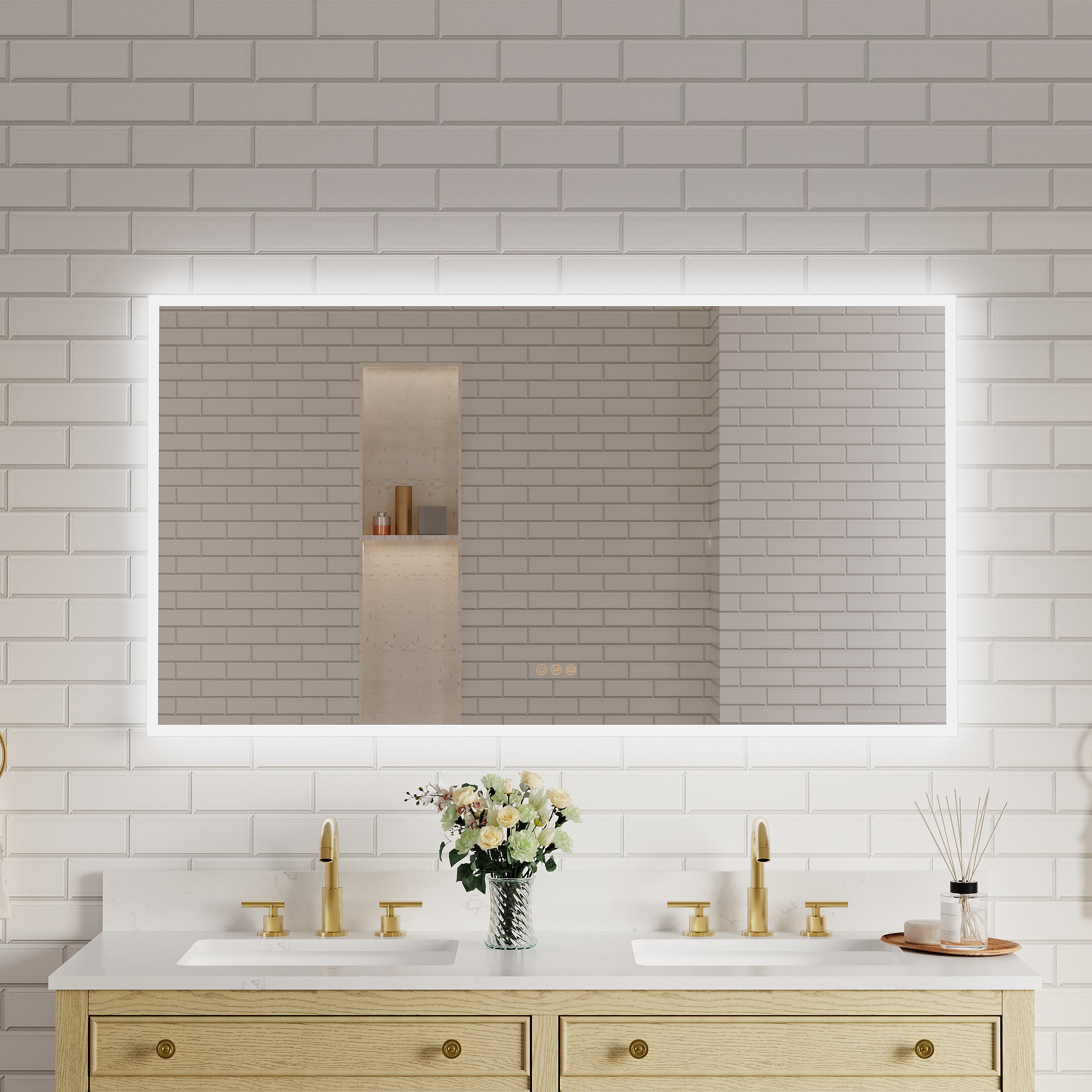
From industry application data, the overall effect is best when the mirror cabinet width is close to the bathroom cabinet below.
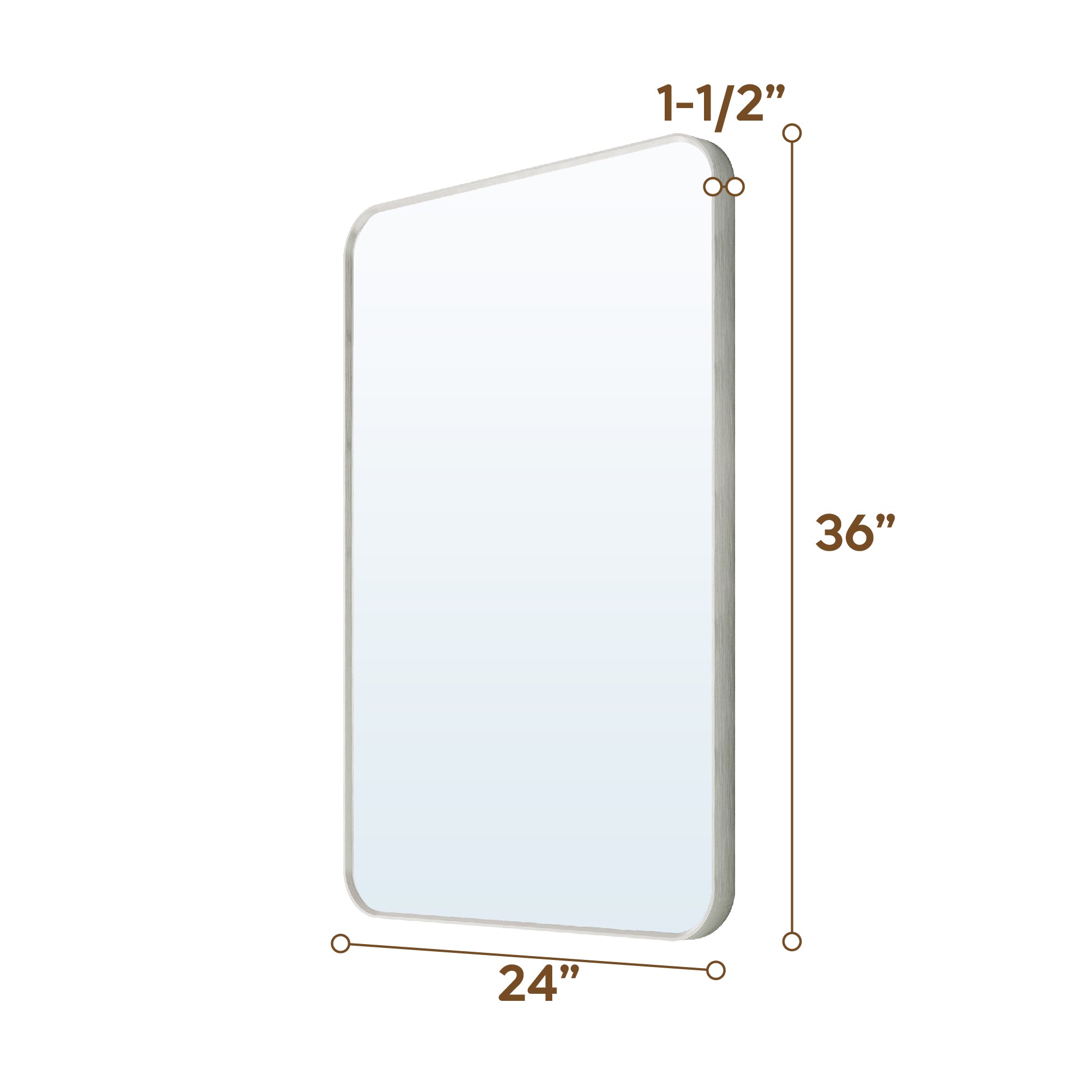
The most common width ranges are 24, 30, 36, and 48 inches.
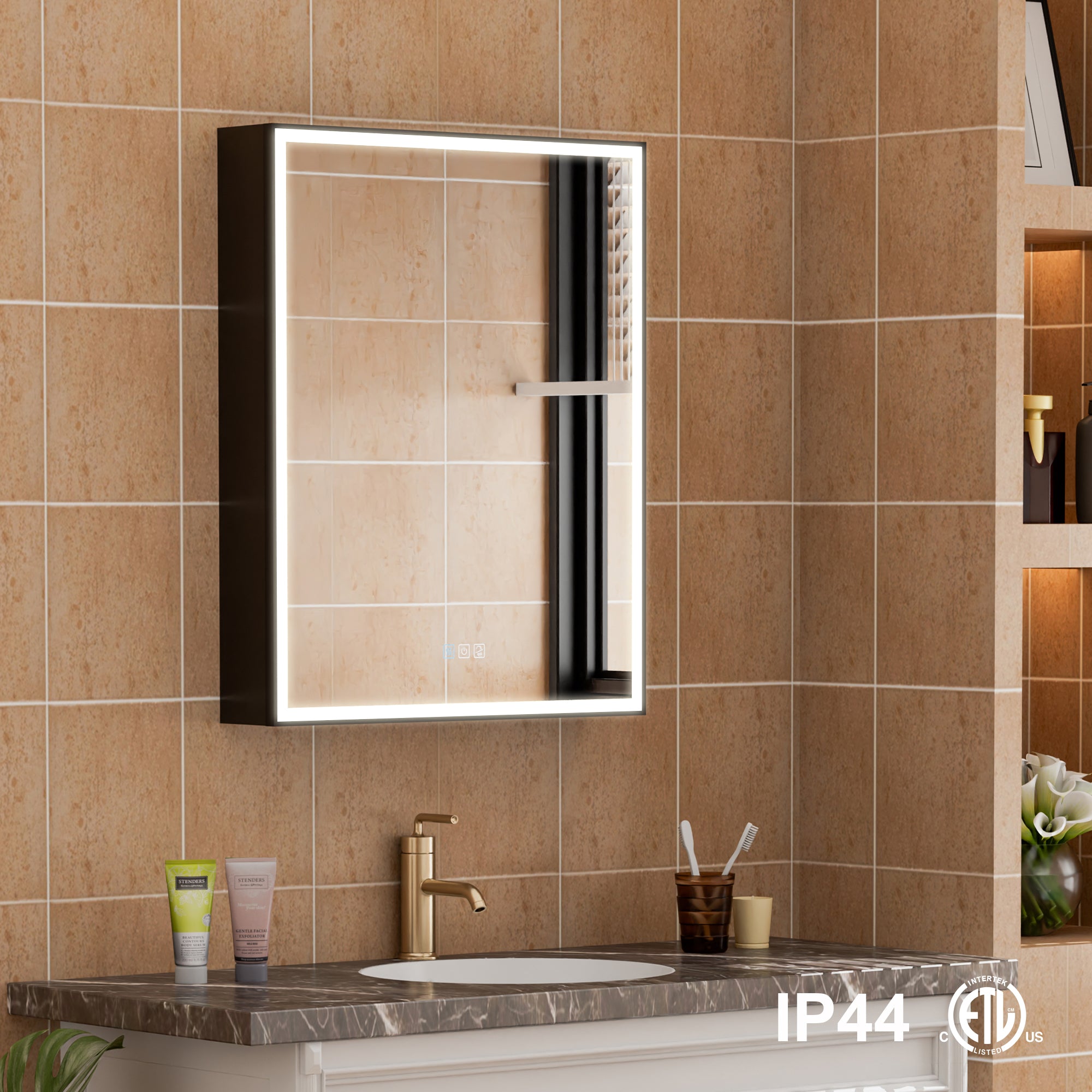
In a compact bathroom, a 24-inch mirror cabinet can already meet the daily needs of a single person while maintaining a lightweight feel on the wall.
30 inches is a widespread choice for achieving a better balance between space utilization and comfort.
Starting at 36 inches, it has entered the mid- to large-bathroom configuration range, which can significantly improve storage capacity and mirror visibility.
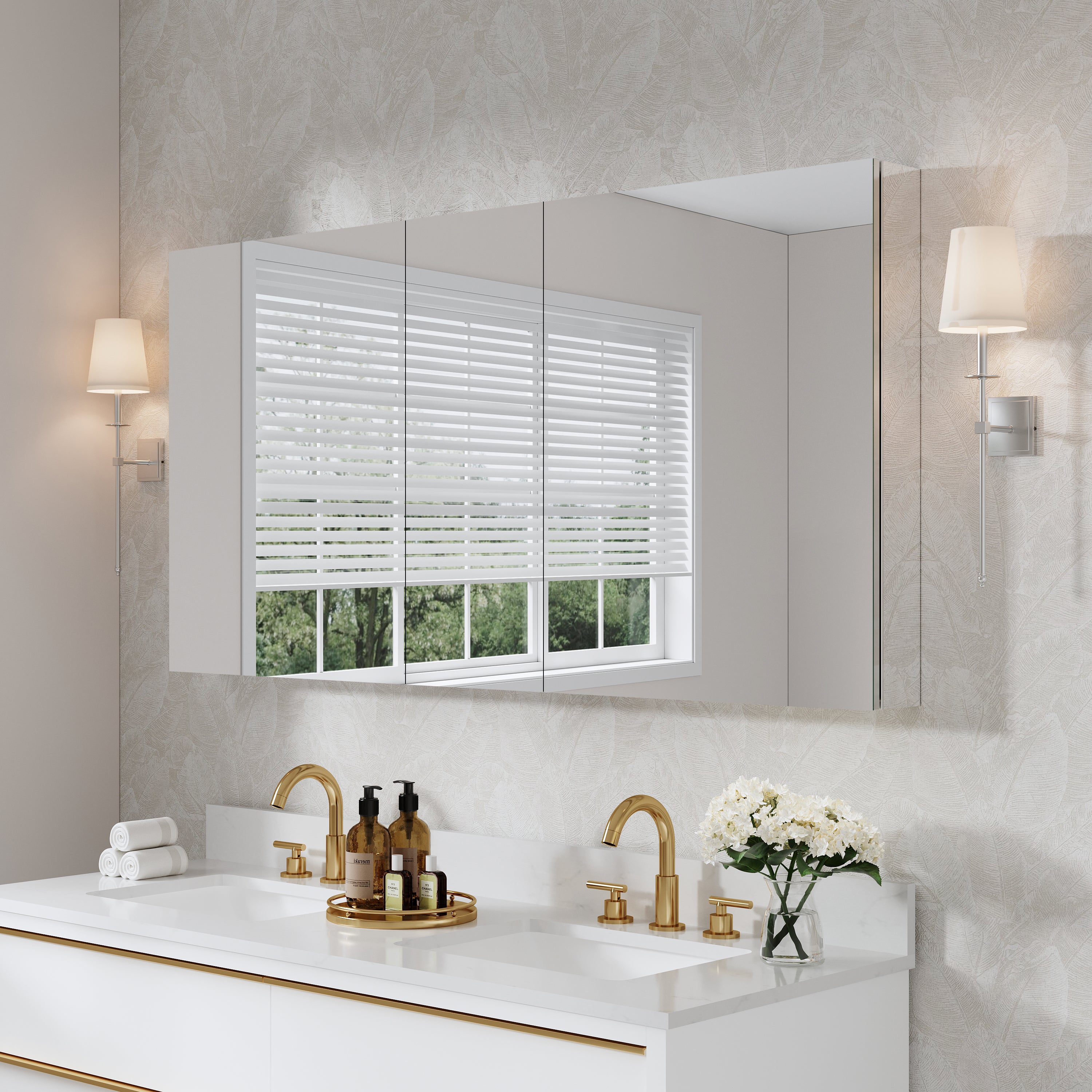
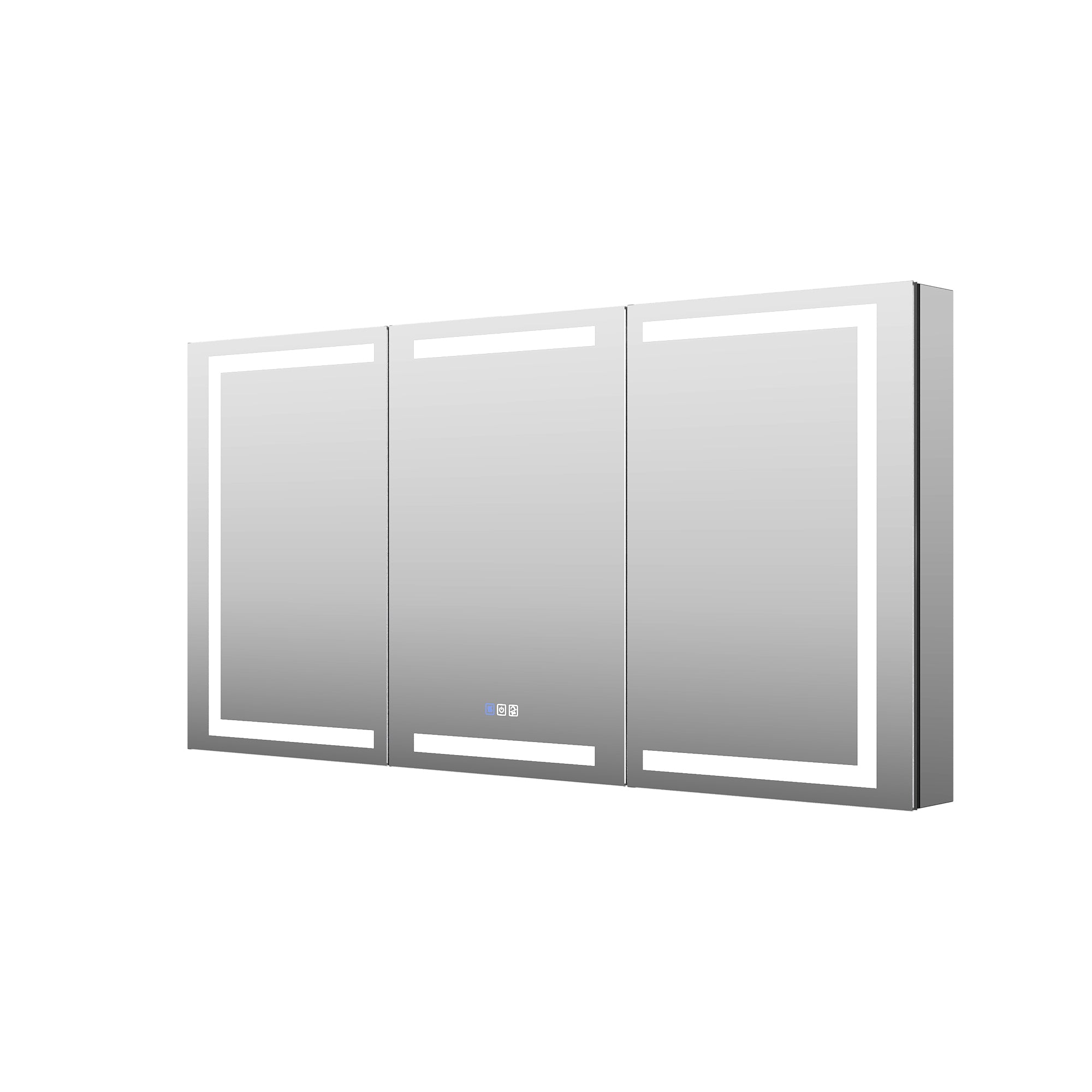
48 inches is better suited for wide-body bathroom cabinets or double-occupancy scenarios, offering a more complete visual experience overall.
Industry feedback shows that when the width of the mirror cabinet is significantly smaller than that of the bathroom cabinet, the space tends to appear scattered.
And slightly smaller or equivalent sizes are the most coordinated.
3. Height selection: hidden factors affecting user comfort
The height of the mirror cabinet is often underestimated, but it directly determines the visible range and the number of storage layers.
The industry is commonly highly concentrated in the 24-30 inch range.
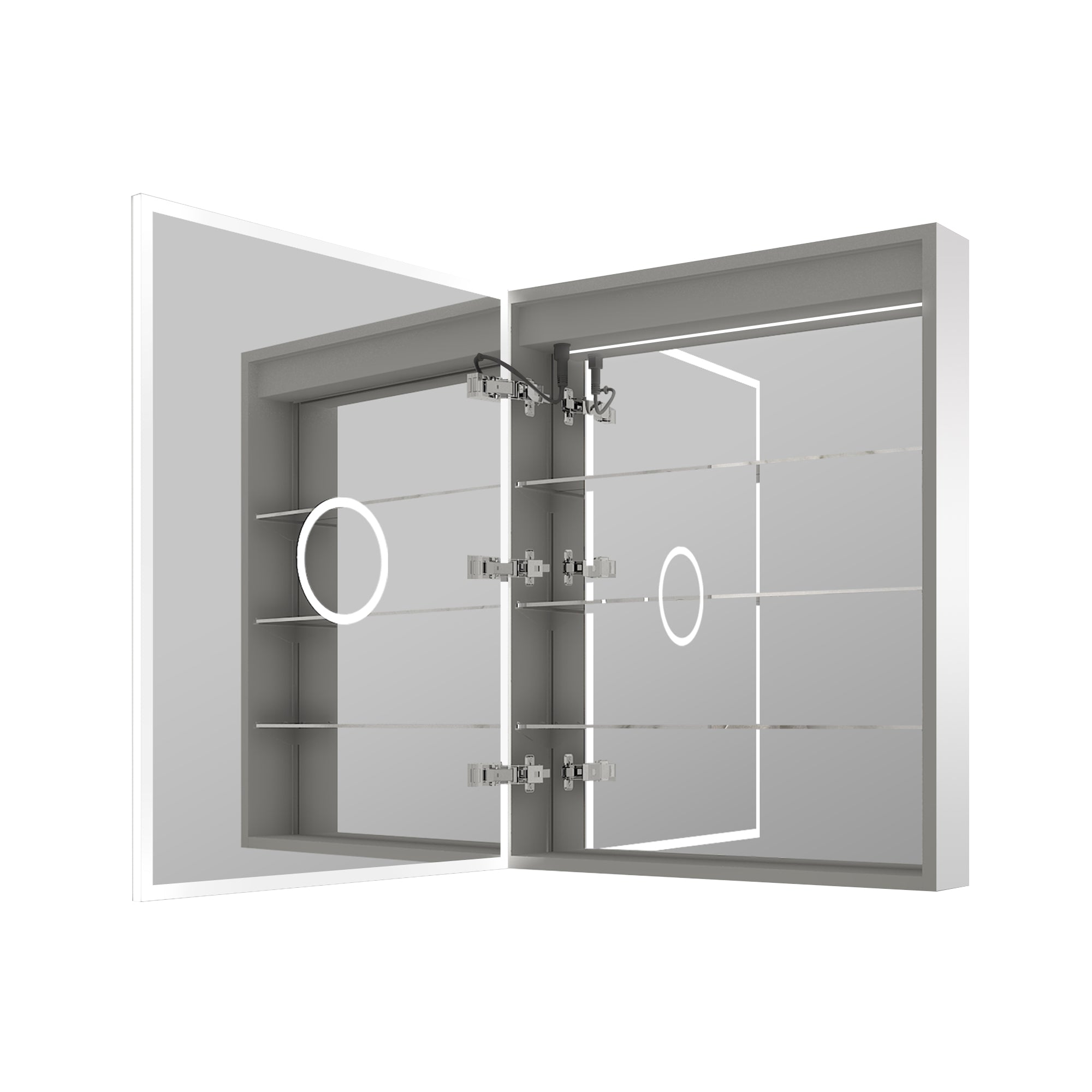
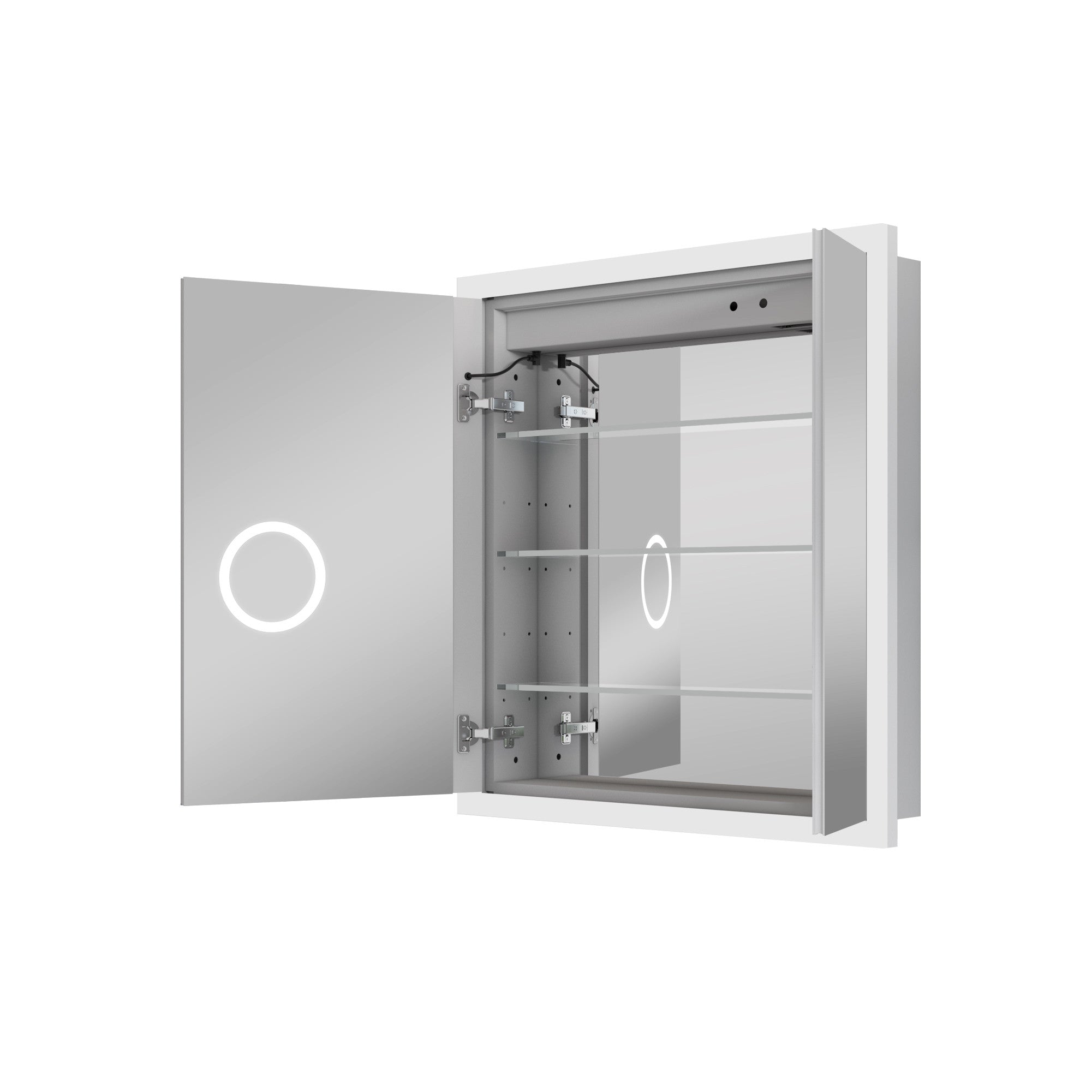
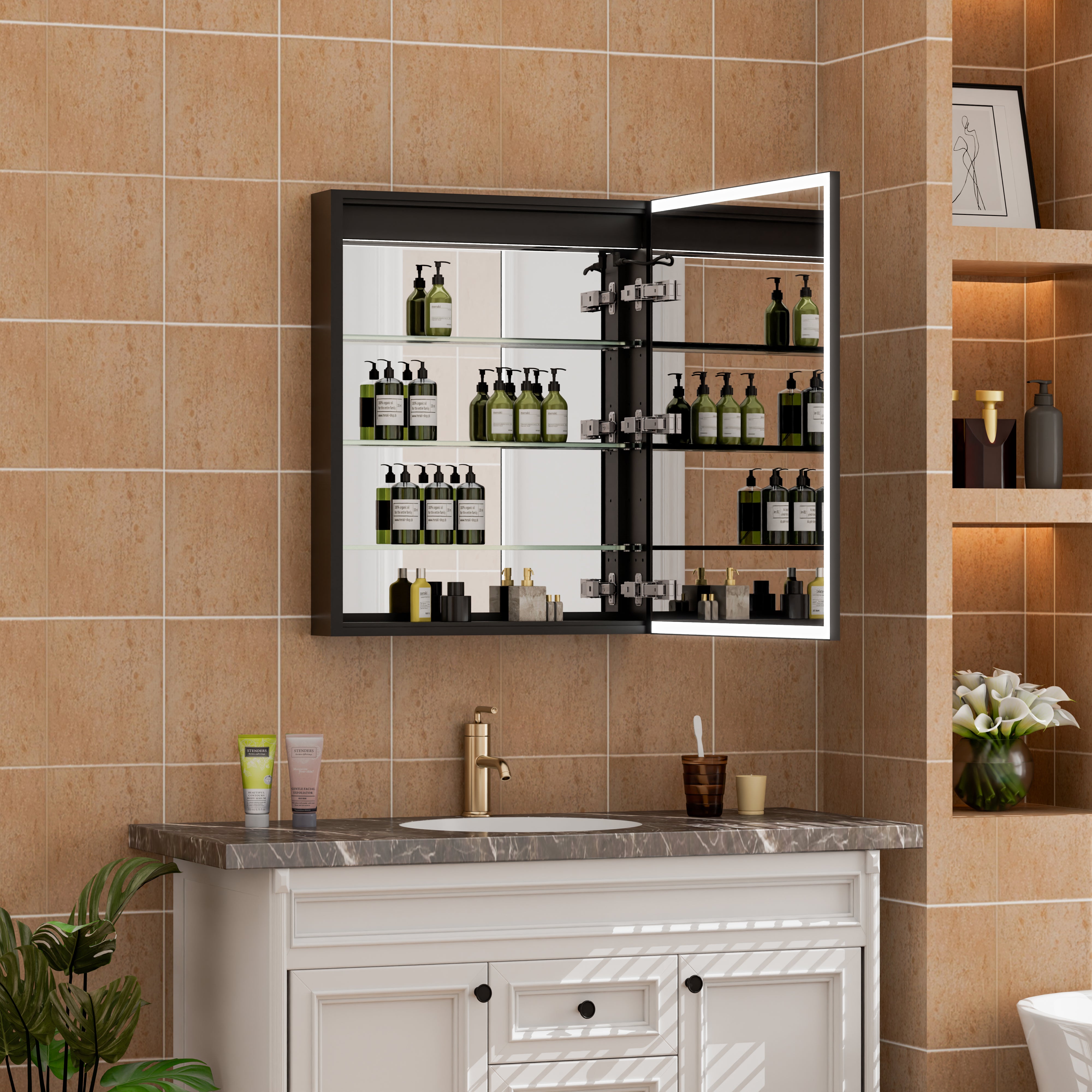
This height can cover the facial and neck usage areas, as well as allow for 2-3 adjustable partitions to be installed internally, suitable for bottles, jars, and supplies of different heights.
When space permits, mirror cabinets close to 30 inches often offer greater storage efficiency.
In small spaces, 24 inches can maintain a balance between functionality and lightness.
4. Depth: Small size, but significant impact
Although the depth of the mirror cabinet is usually only 4-6 inches, this parameter is crucial for the user experience.
Industry usage data shows that mirror cabinets smaller than 4 inches are prone to limitations when placing bottled products.
In comparison, those larger than 6 inches may create a noticeable sense of abruptness in the exposed structure.
A depth of about 5 inches is widely regarded as the ideal range for balancing capacity and space, especially suitable for daily storage needs with high-frequency use.
5. The number of family members directly affects the size requirements
In single-person or low-frequency bathrooms, a 24-30-inch mirror cabinet is usually sufficient.
In multi-person shared bathrooms, sizes of 36 inches or more can significantly reduce stacking and retrieval conflicts.
Industry surveys show that in household shared bathrooms, increasing the width of the mirror cabinet by one size step will significantly reduce countertop clutter and increase overall satisfaction with use.
6. Embedded and surface-mounted components have different size perceptions
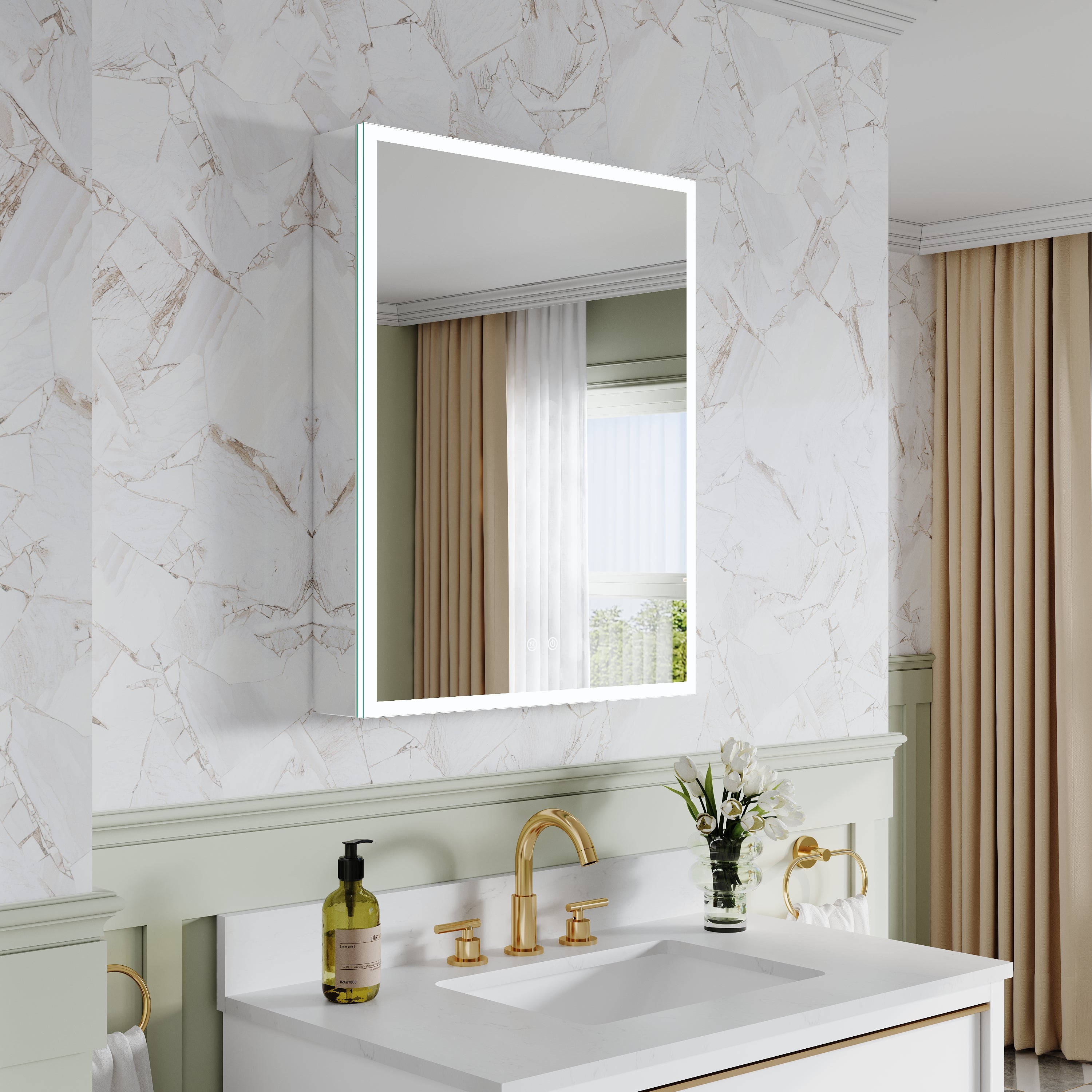
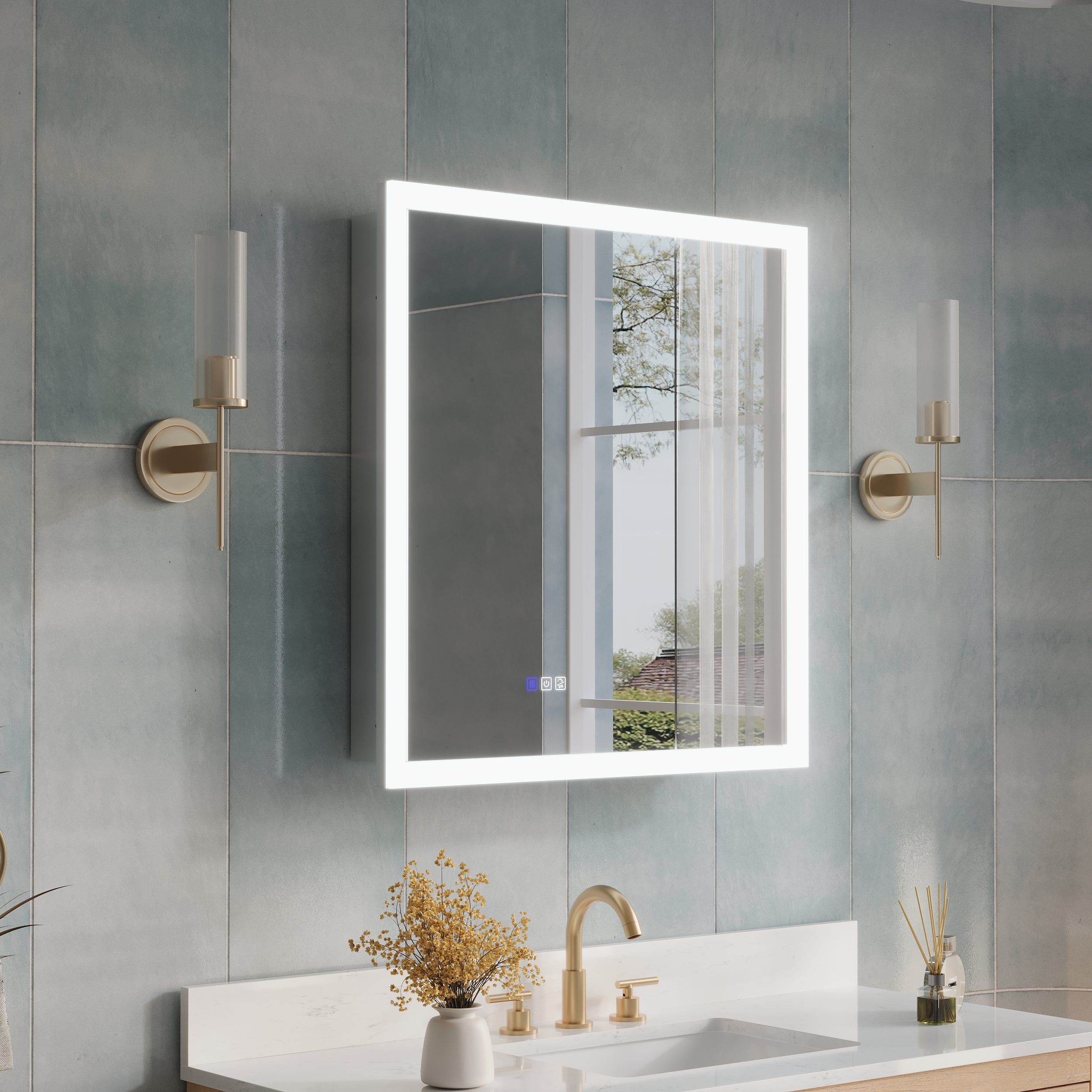
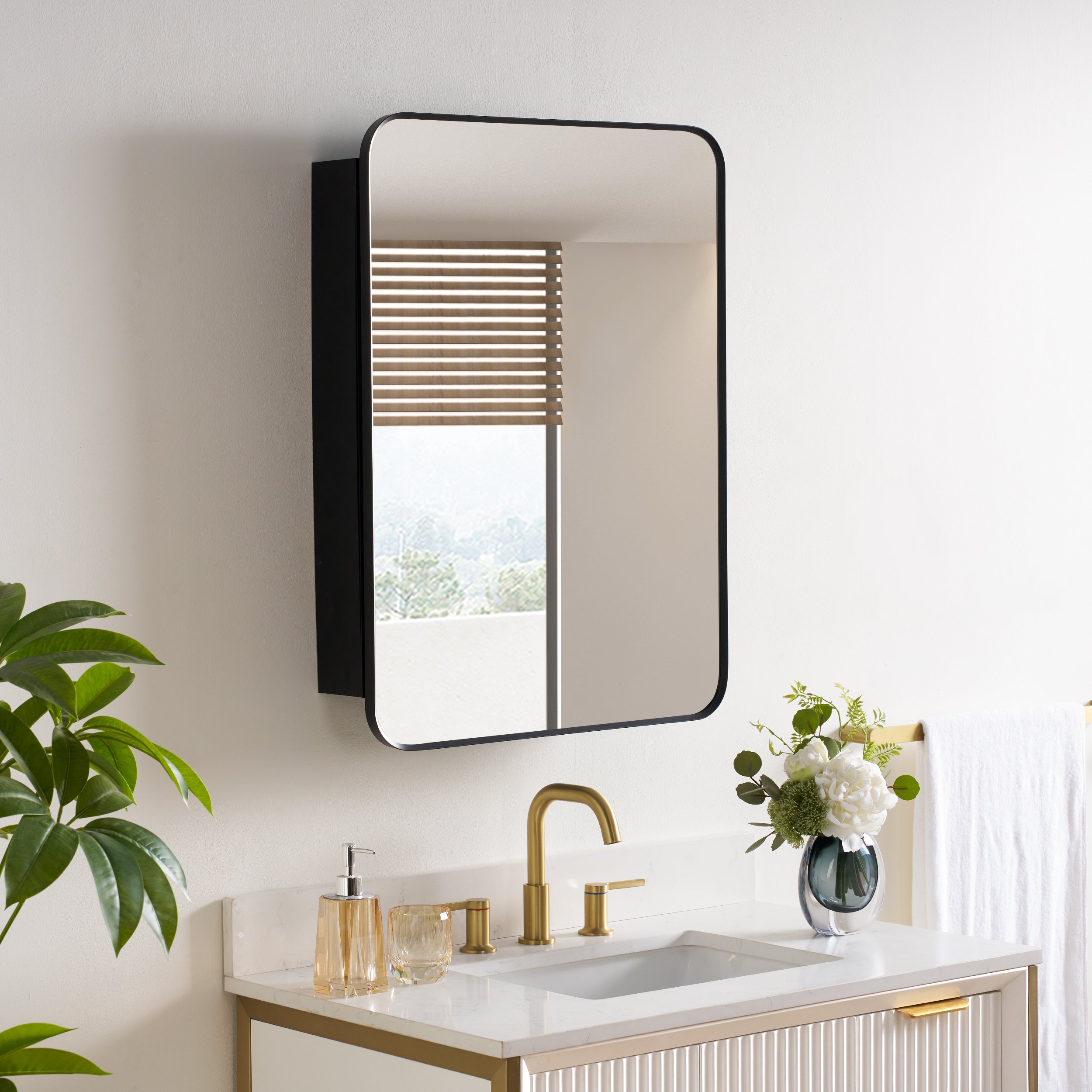
Embedded mirror cabinets have a lower visual presence because the main body is hidden inside the wall, allowing them to be relatively wider in small spaces without appearing crowded.
Surface-mounted mirror cabinets are more suitable for medium- to large-sized bathrooms, as their thickness and volume are more easily accommodated in the space.
This structural difference should also be considered in the logic of size selection.
7. Internal structure is more important than external dimensions
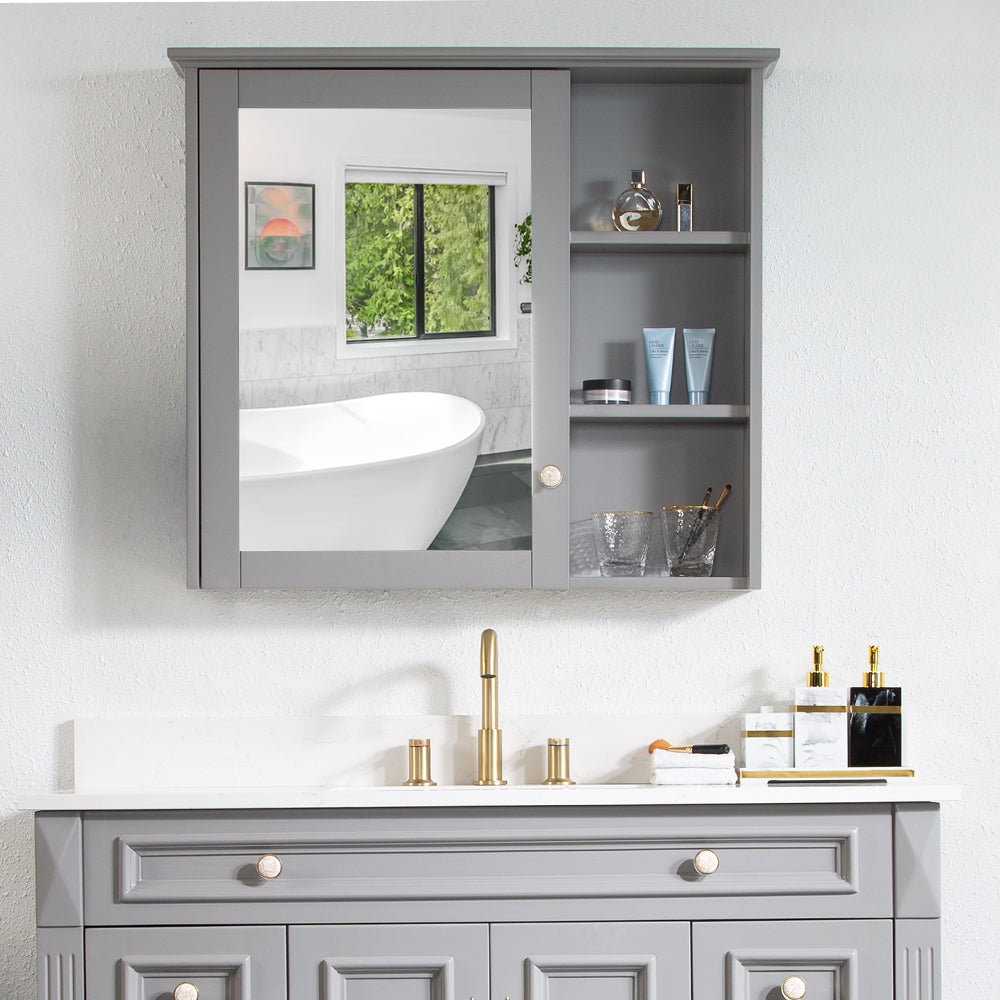
Even if the external dimensions are the same, the internal layout will significantly affect the actual capacity.
Industry experience shows that adjustable partitions, multi-layer structures, and hidden small-item storage areas can improve efficiency in the same space.
Compared to a single ample space, a clearly partitioned mirror cabinet is easier to maintain long-term cleanliness.
8. Common size misconceptions need to be avoided in advance
Narrow mirror cabinets lead to insufficient storage and clutter on countertops.
The extensive mirror cabinet compresses the wall ratio, making the space appear heavy.
A low height affects the mirror's field of view.
Shallow depth limits the placement of bottles and cans.
These issues are often detected only after installation is complete, but are difficult to adjust.

9. Conclusion: Ideal size is the balance of "just right."
Choosing the ideal size for a medicine cabinet for a bathroom is finding a balance between spatial proportion, usage requirements, and visual comfort.
When the width is coordinated with the bathroom cabinet, the height covers the core view, and the depth meets daily storage needs.
It is reasonably enlarged or reduced according to household use scenarios; every inch will be transformed into a more convenient, tidier user experience.
The perfect size of a mirror cabinet is never the largest, but the one that is most suitable for your bathroom.












Leave a comment
This site is protected by hCaptcha and the hCaptcha Privacy Policy and Terms of Service apply.