
















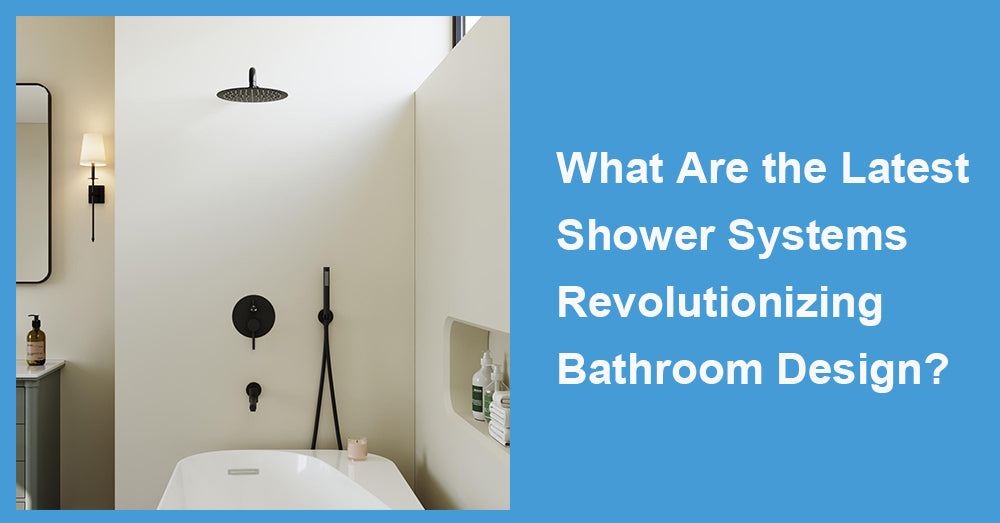
Today’s shower systems are changing bathroom design in a very practical way: they make showers easier to control, more personalized, and often more efficient—without forcing the room to look busier. The newest systems focus less on “more hardware” and more on smarter control, better temperature stability, multi-outlet flexibility, and even water reuse. If you’re planning a remodel or specifying fixtures for a new build, it helps to know which innovations are truly meaningful (and which ones are just marketing).
1. Digital Shower Controls That Replace Guesswork With Precision
One of the biggest shifts is the move from purely mechanical knobs to digital interfaces that control temperature and outlet selection more precisely. Instead of fine-tuning by feel every time, digital systems let you save presets and start the shower at a preferred temperature.
For example, Kohler’s Anthem digital control is designed to pair with an Anthem digital thermostatic valve for a customized showering experience (Kohler). The larger Anthem collection highlights features such as custom presets and app control, including configurations with multiple outlets (Kohler).
Moen’s U by Moen Smart Shower similarly emphasizes digital control, offering multiple ways to operate the shower (controller, app, voice) and allowing up to 12 customized presets (Moen).
Why this changes design: Digital control panels can reduce the need for multiple trim handles on the wall, keeping the shower area visually cleaner while still supporting complex outlet setups.
2. Thermostatic and Compensating Valves That Make Comfort More Consistent
Modern shower systems are also “revolutionizing” the experience behind the wall: better mixing valves reduce temperature surprises when other fixtures turn on.
ASSE 1016 is the performance standard for automatic compensating valves used in individual showers and tub/shower combinations; it explicitly notes these valves are used to reduce the risk of scalding and thermal shock (ASSE 1016-2017 standard text).
ASSE also publishes adjustment guidance referencing ASSE 1016 and describes how compensating valves help reduce scalding/thermal shock risk (ASSE guidance PDF).
Design takeaway: If you’re building a “spa-like” shower with multiple outlets, a thermostatic or advanced compensating valve isn’t a luxury detail—it’s the foundation that makes the system feel stable and premium.
3. Multi-Outlet Systems That Personalize the Shower Without Cluttering the Wall
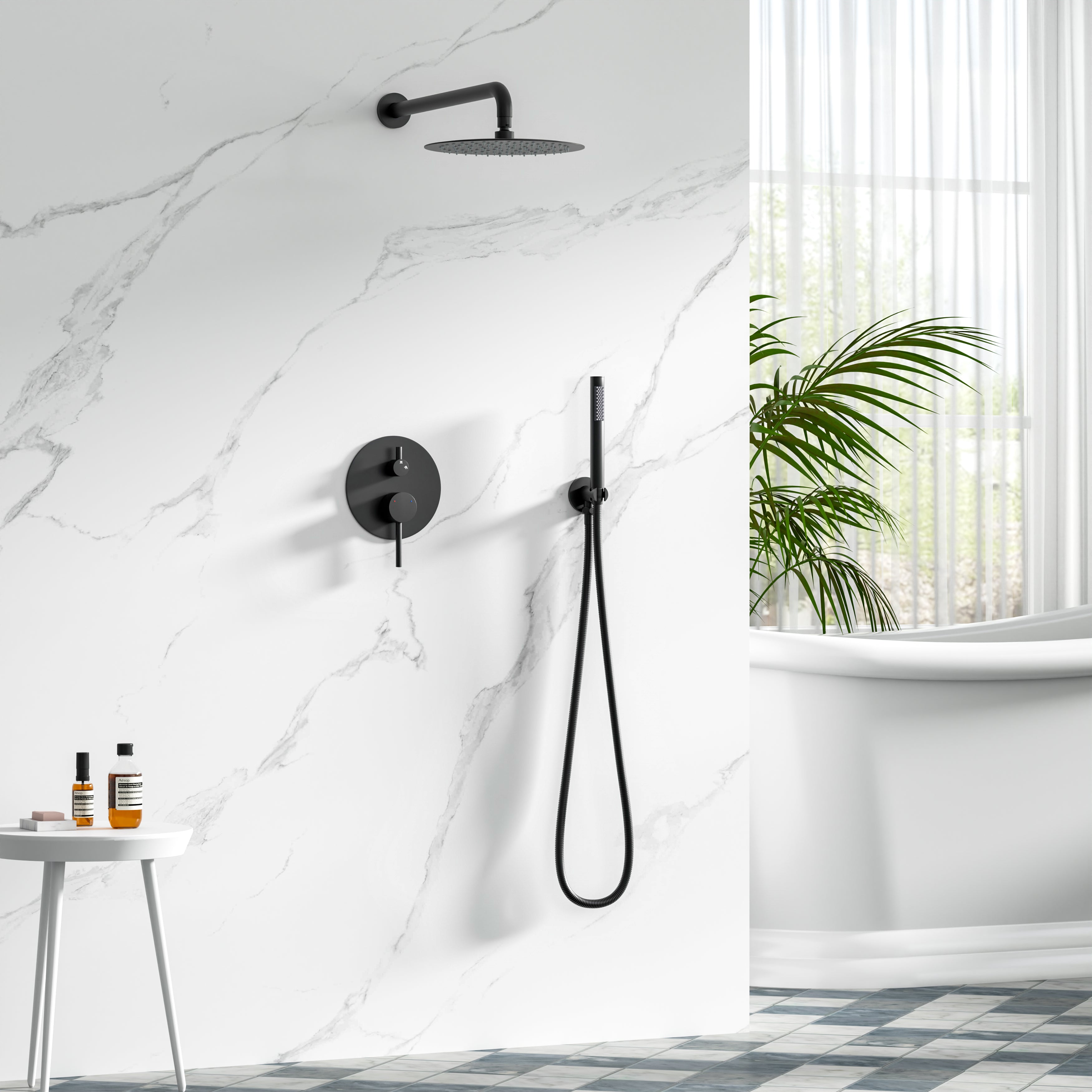
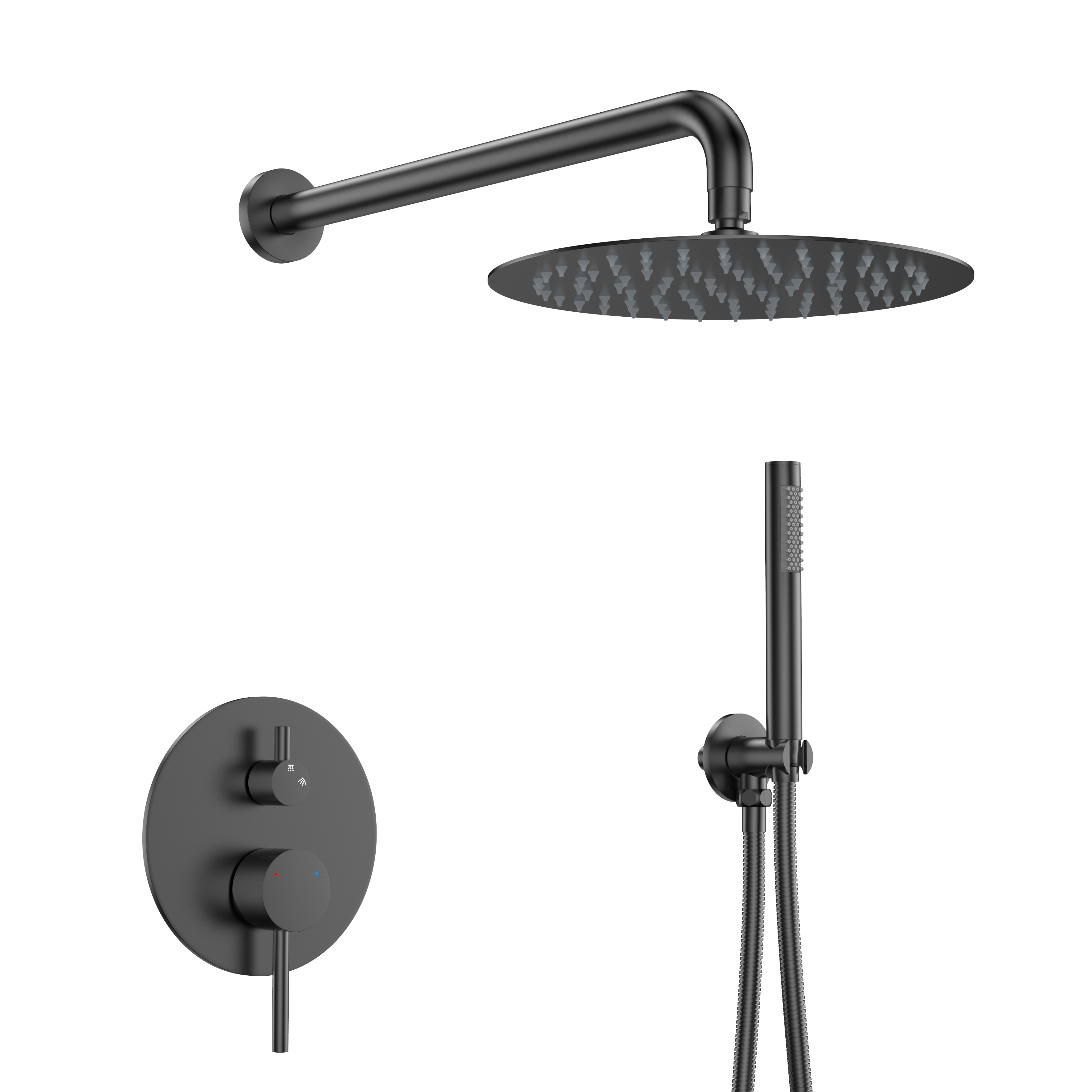
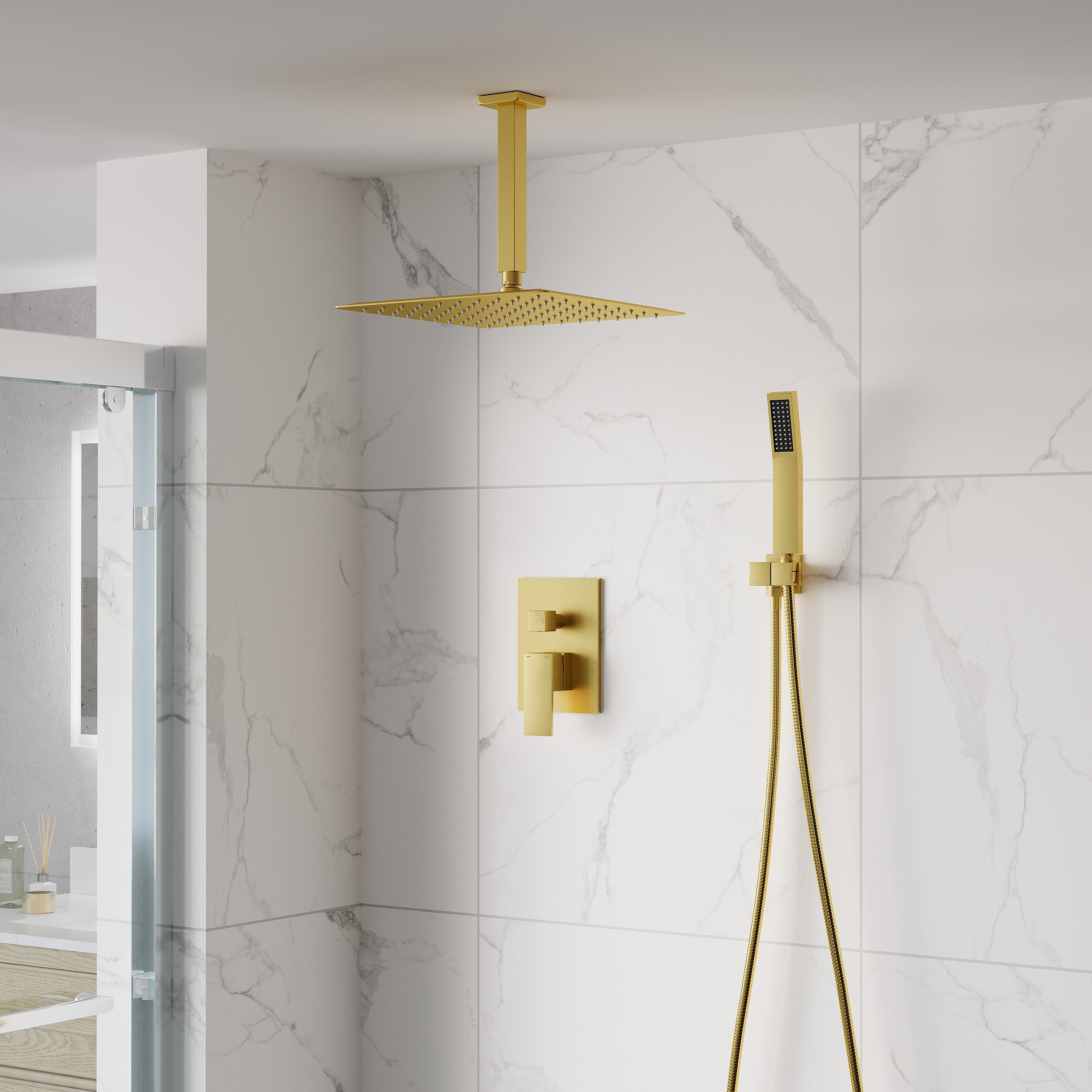
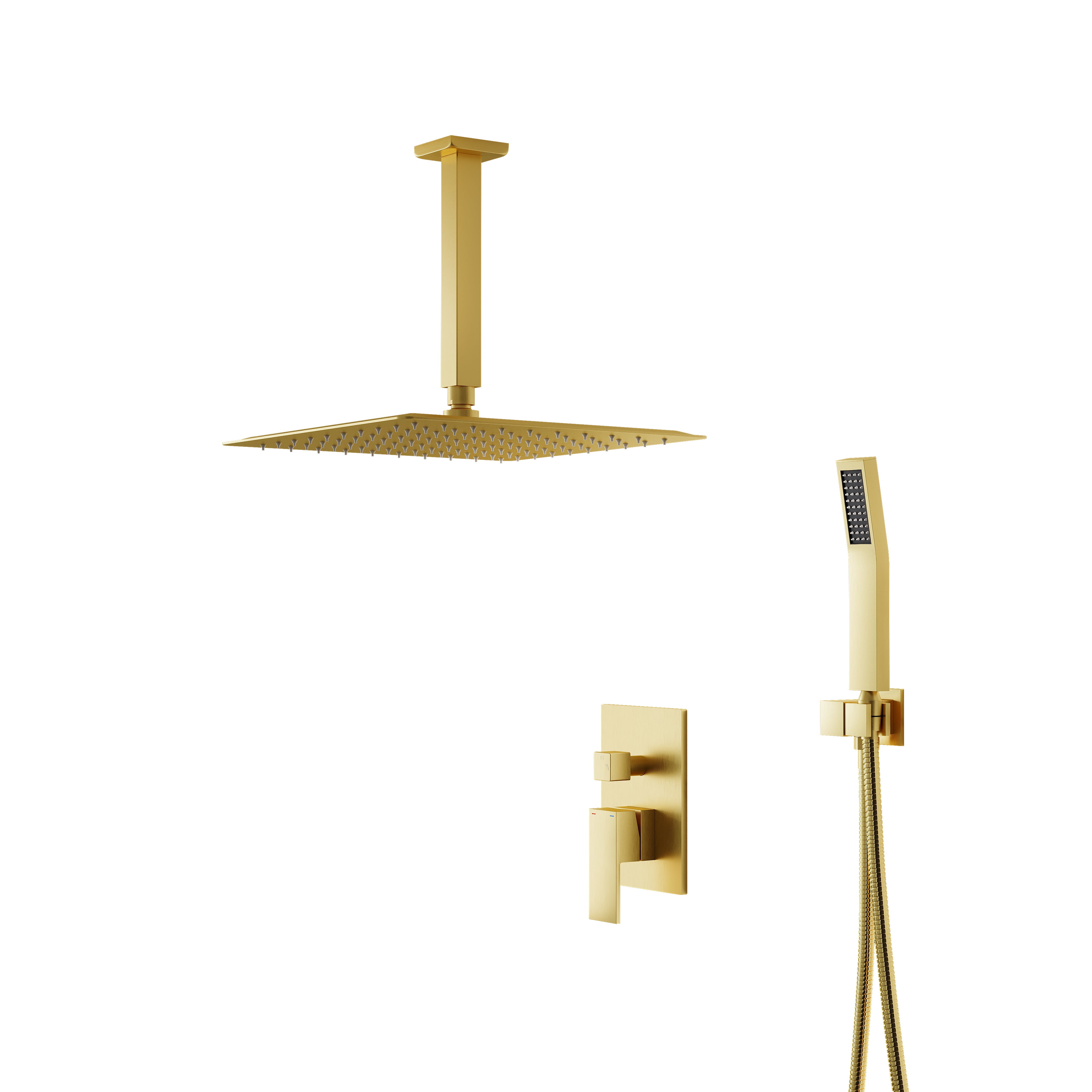
The newest shower systems increasingly support multiple outlets—rain heads, hand showers, body sprays, and sometimes steam—while using streamlined controls to keep the design minimal.
Kohler’s Anthem collection describes tailoring flow for up to 12 water and steam outlets and saving user presets (Kohler). Their smart showering overview also discusses Anthem+ configurations and multi-outlet personalization (Kohler).
Moen’s smart shower controller offerings include multi-outlet options and emphasize presets and digital operation (Moen product descriptions).
What’s actually new here: It’s not simply “more sprays.” It’s the combination of multi-outlet capability with cleaner interfaces, preset logic, and app-driven control that removes friction from daily use.
4. Water Monitoring and “Warm-Up-and-Pause” Features That Reduce Waste
Smart showers are increasingly adding tools that help manage water use without making the shower feel weak. Some systems let you start the shower remotely, pause after reaching temperature, and track usage.
Moen’s smart shower description highlights remote activation and a “warm up and pause” feature that can provide ease and potential water savings (Moen).
Kohler’s smart shower ecosystem also emphasizes remote operation and customized settings (Kohler).
Why this matters for real bathrooms: A lot of “wasted shower water” happens before someone even steps in, while waiting for temperature to stabilize. Warm-up features help reduce that waste while keeping comfort high.
5. Recirculating and Water-Reuse Shower Systems (A True Step-Change)
A more radical innovation is closed-loop water recycling inside the shower. This goes beyond flow restriction by filtering and recirculating water.
Kohler’s Anthem EvoCycle system is designed to conserve “up to 80% of water” by recycling and filtering used shower water, according to coverage of the product’s launch details and stated performance claims (The Verge). The same report notes the system uses a reservoir and filtration loop and offers different operating modes (The Verge).
Design implication: These systems may require additional space and infrastructure (power, base components), but they represent a fundamentally different approach—maintaining a satisfying shower experience while dramatically reducing water use.
6. Efficiency Trends Still Work Within Real Flow Rules
Even with premium systems, showerheads are still governed by flow limits. The federal standard states the maximum water use for showerheads is 2.5 gpm at 80 psi (10 CFR § 430.32).
For water-saving options, EPA notes WaterSense-labeled showerheads must use no more than 2.0 gpm while providing a satisfactory shower equal to or better than conventional products (EPA WaterSense).
Why modern systems still feel better: Newer showerheads and systems rely on spray engineering, distribution, and stable temperature control—not just higher flow—to deliver comfort inside the limits.
7. Wellness Features: Steam, Ambient Modes, and Integrated “Experience” Control
Beyond water delivery, some newer systems integrate wellness features like steam and ambient settings. Kohler’s Anthem collection describes steam settings and an “ambient mode” tied to smart lighting control, alongside app integration and presets (Kohler).
How this changes the bathroom: The shower is becoming a more complete experience zone—where water, temperature, steam, and atmosphere are designed together, often with fewer visible components.
8. Bathroom Value: Why Shower System Upgrades Are Getting More Attention
Shower upgrades tend to have strong “daily touch” value—people feel them immediately. Renovation benchmarks also show bathrooms remain a meaningful category for resale value. The 2025 Cost vs. Value Report lists “Bath Remodel | Universal Design” at 61% cost recouped, with published job cost and resale value estimates (JLC).
A shower system alone isn’t a full remodel, but a well-specified shower (stable temperature, clean design, smart controls, and efficient performance) often contributes to the overall perception of a modern, high-function bathroom.
How to Choose Among “Latest” Systems Without Regret
Use this quick filter:
· Start with the valve strategy: prioritize thermostatic/compensating performance aligned with scald/thermal shock reduction principles (ASSE 1016).
· Decide outlet logic: one outlet at a time vs. simultaneous multi-outlet capability (check specs carefully).
· Choose controls you’ll use daily: presets and intuitive operation matter more than flashy screens (Moen; Kohler).
· Stay realistic on flow: 2.5 gpm at 80 psi is the legal ceiling for showerheads; WaterSense is 2.0 gpm with performance criteria (eCFR; EPA).
· Consider next-gen water tech if it fits your project: recirculating systems can be transformative, but require planning (The Verge).

Conclusion
The latest shower systems revolutionizing bathroom design aren’t just about looking modern—they’re about better control, better comfort, and smarter resource use. Digital controls and presets reduce friction (Kohler; Moen). Advanced valves improve temperature stability and safety (ASSE 1016). Multi-outlet systems deliver personalization without cluttering the wall (Kohler; Moen). And emerging water-reuse systems point to a future where high comfort and major water savings can coexist (The Verge).













Leave a comment
This site is protected by hCaptcha and the hCaptcha Privacy Policy and Terms of Service apply.