
















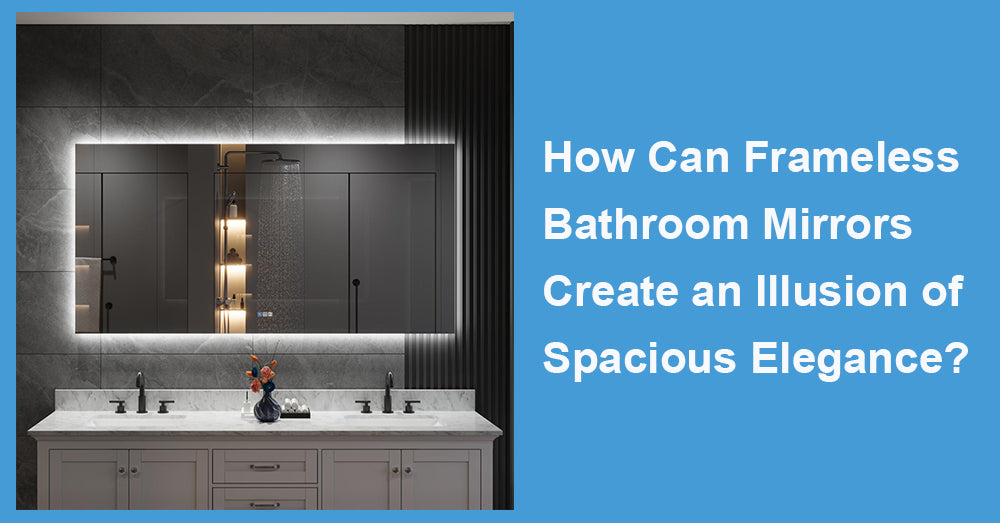
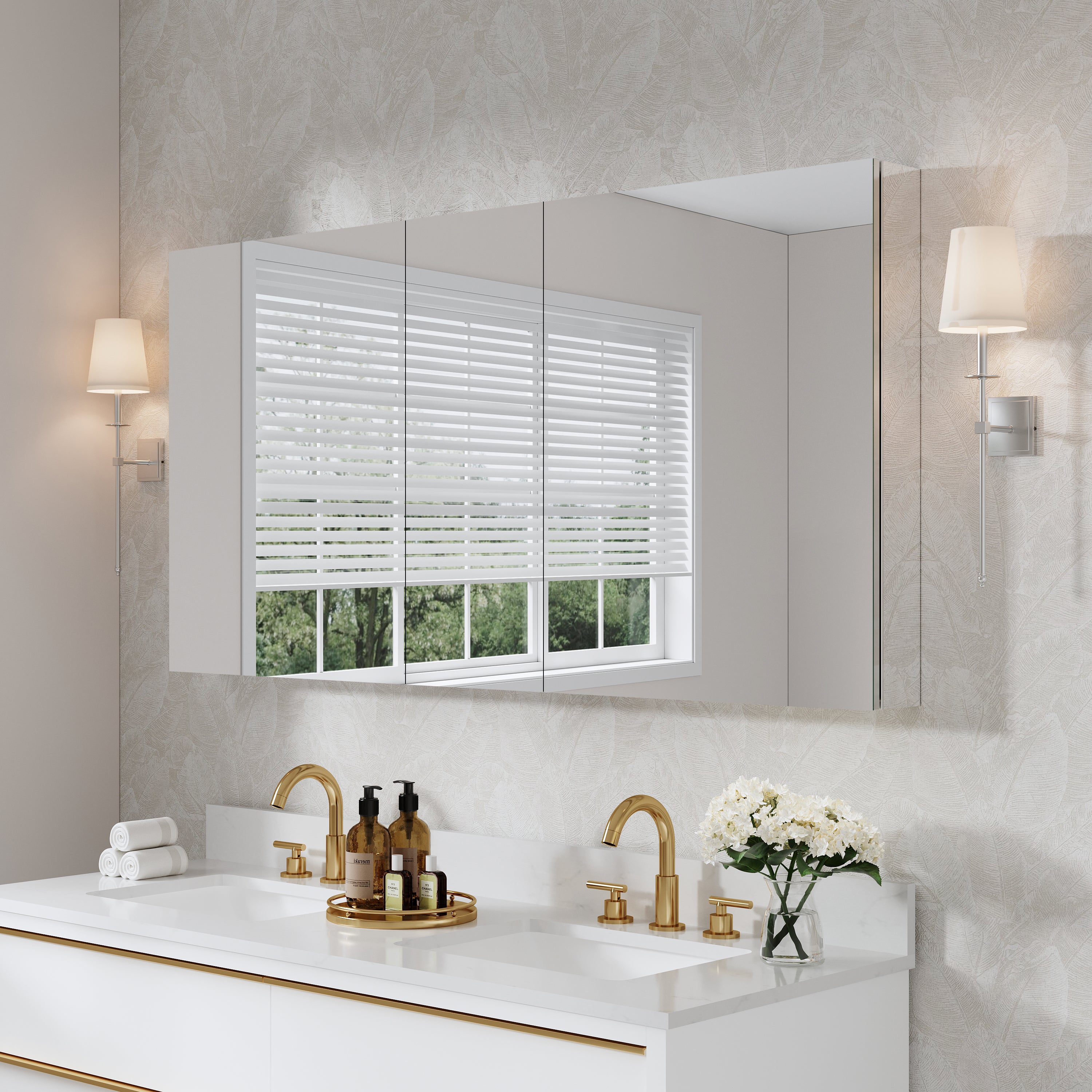
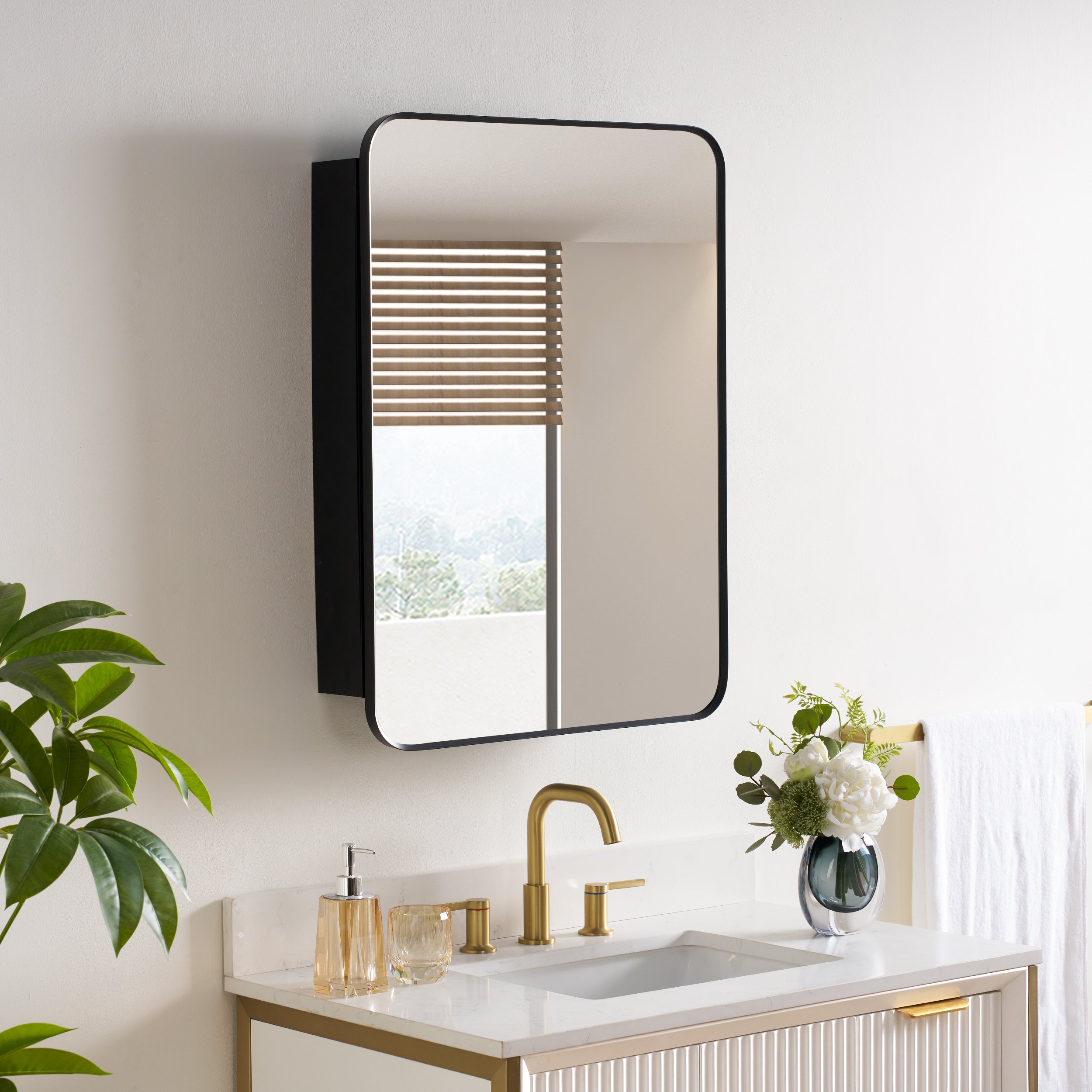
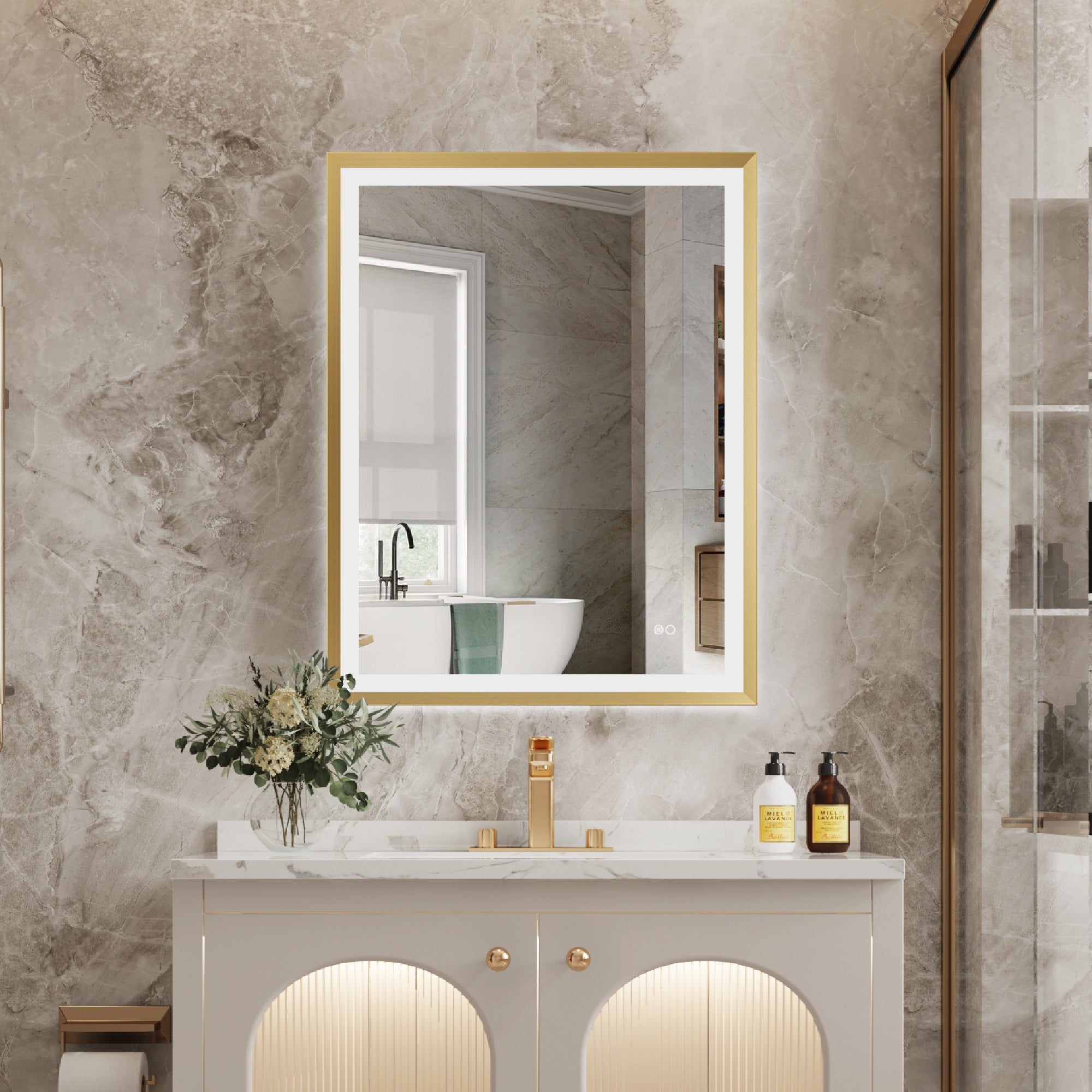
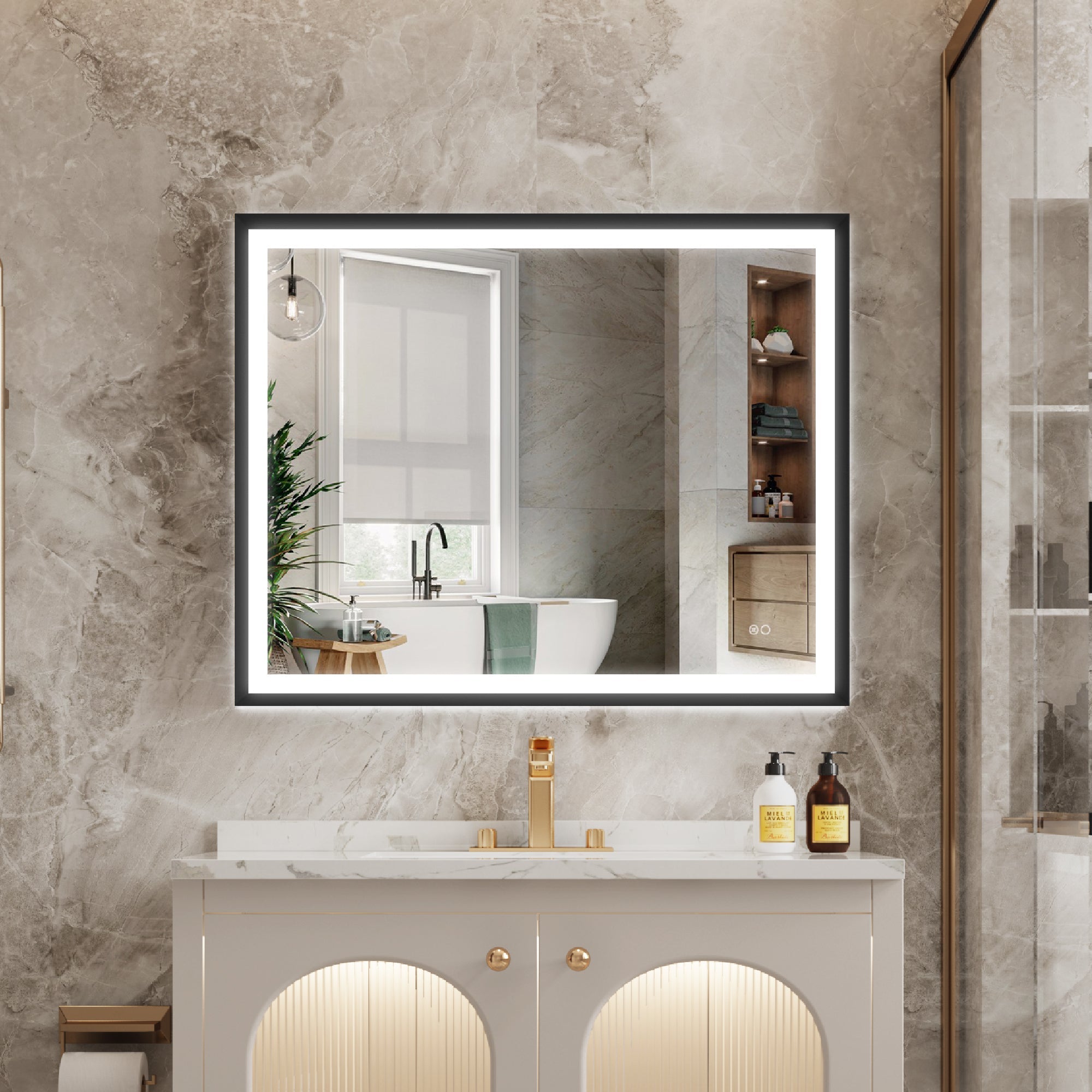
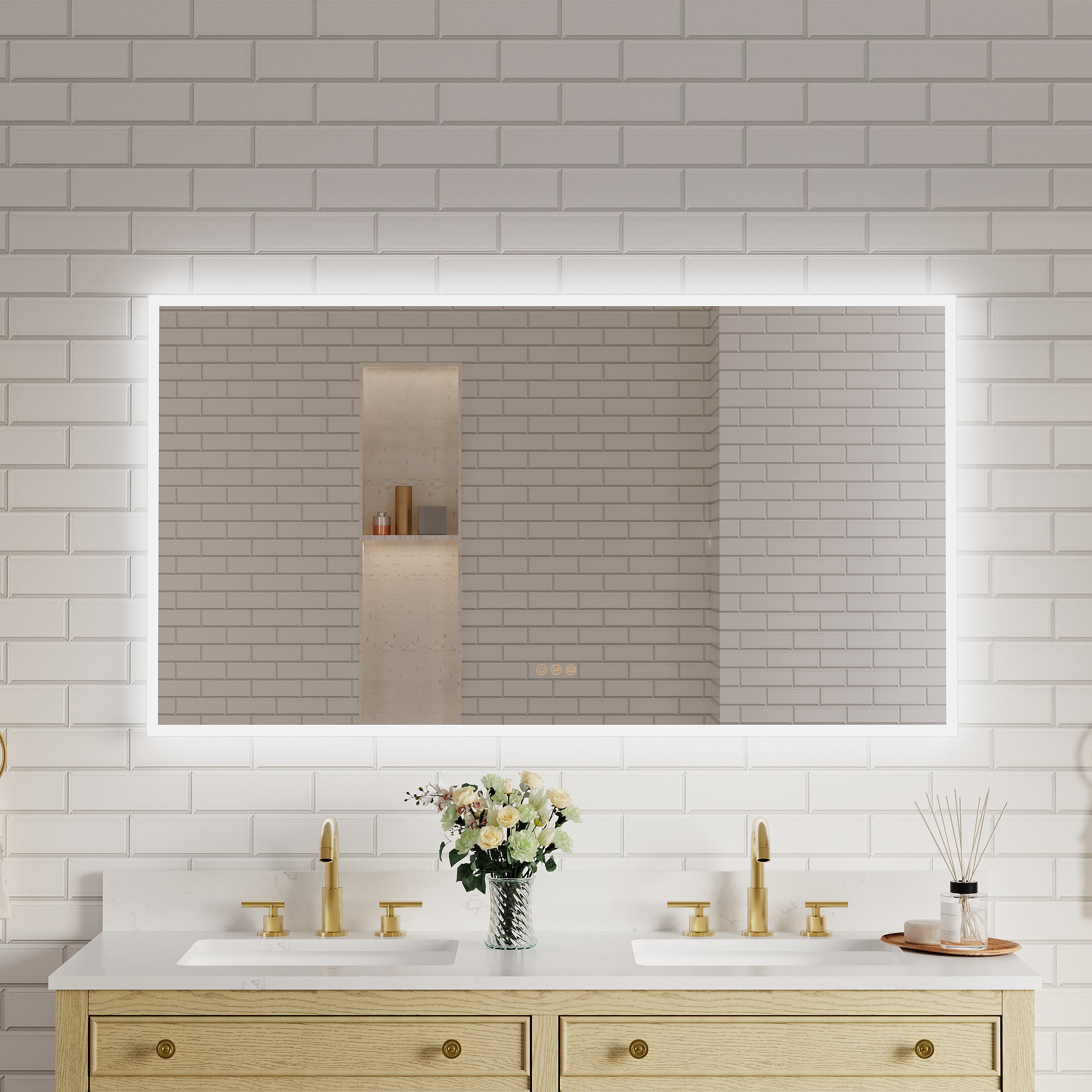
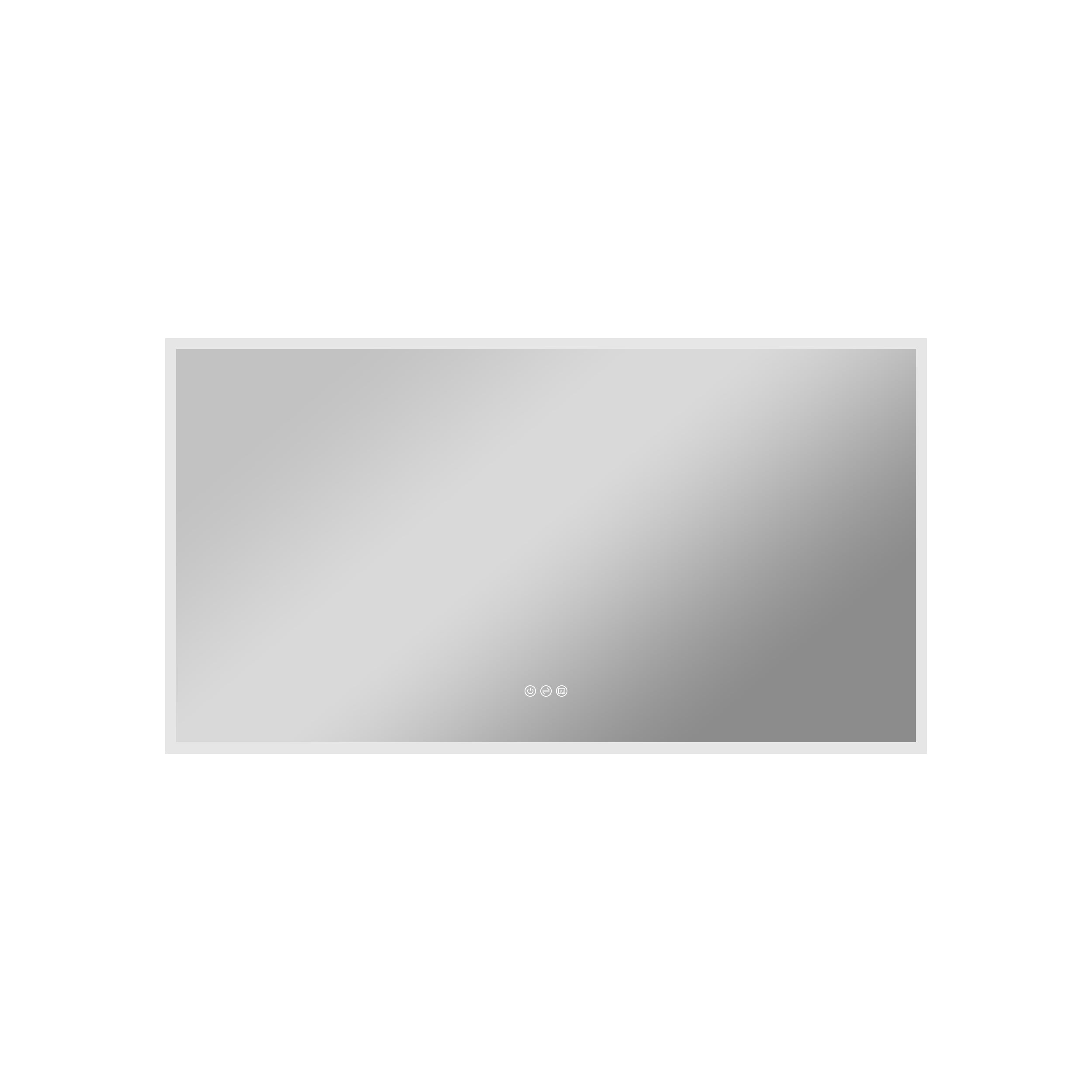
A frameless bathroom mirror can make a bathroom feel larger and more refined because it removes visual “boundaries” and turns the wall into a clean plane of light and reflection. Without a heavy frame interrupting the edges, the mirror reads like part of the architecture—expanding sightlines, bouncing light, and reducing clutter around the vanity. The result is an illusion that feels both spacious and elegant, especially when the mirror is sized, placed, and lit with intention.
1. The “Spacious” Effect Starts With Fewer Visual Edges
Bathrooms often feel smaller than they are because of hard visual stops: dark frames, thick trim, busy backsplash lines, and lots of small objects on the vanity. A frameless mirror reduces these interruptions. The eye travels farther across the wall because there’s no bold border telling you where the mirror “ends,” which makes the room feel more open.
This is why frameless mirrors are common in modern interiors: they create a quiet backdrop that lets other elements (tile, lighting, hardware, stone) look more intentional. The mirror becomes a clean, reflective surface rather than a decorative object competing for attention.
2. Reflection = Brightness (When the Mirror Reflects the Right Things)
A mirror doesn’t generate light, but it can increase perceived brightness by reflecting existing light sources and bright surfaces. Mirror coatings are highly reflective: aluminum-coated mirrors reflect roughly about 90% of visible light, while silver-coated mirrors can reflect about 95% (Source: Photonics.com, “Mirrors: Coating Choice Makes a Difference”). That reflectance is why a larger frameless mirror can make a bathroom feel brighter even if you don’t change the light fixtures.
To maximize this effect, aim the mirror toward something worth reflecting:
· bright walls (light paint or light tile)
· a well-placed vanity light
· an open doorway or window light (when privacy allows)
A frameless mirror helps here because the reflection reads “edge-to-edge,” creating a broader luminous surface without dark frame borders that visually shrink the reflective area.
3. Proportion Is the Secret to “Elegant,” Not Just “Big”
A bigger mirror can look luxurious—or awkward. The difference is proportion.
Width relative to the vanity
A frameless mirror looks most elegant when it relates clearly to the vanity and sink zone. Many designers use simple proportional rules such as keeping the mirror somewhat narrower than the vanity so the wall feels balanced (often leaving a few inches of margin on each side). This prevents the vanity from looking top-heavy (mirror too small) or chaotic (mirror too wide for the wall constraints like sconces, tile borders, or door trim).
Height and vertical presence
Taller mirrors often feel more “architectural,” especially in bathrooms with higher ceilings. A tall frameless mirror visually stretches the wall and can make the room feel more vertical and open—one of the easiest ways to create a spa-like impression without changing the layout.
4. Placement Matters: A Mirror Mounted Too High Shrinks the Room
When mirrors are installed too high, they don’t reflect the space effectively—and they don’t feel comfortable for daily use. A practical reference point comes from accessibility standards:
· For mirrors above a lavatory or countertop, the bottom edge of the reflecting surface should be 40 inches max above the finished floor.
· For mirrors not above a lavatory/countertop, the bottom edge should be 35 inches max.
(Source: 2010 ADA Standards for Accessible Design, Section 603.3)
Even if you’re not designing to accessibility requirements, these numbers are useful “comfort guardrails.” A mirror positioned for real eye-level use tends to reflect more of the room and more of the person—both of which enhance that spacious, elegant effect.
Practical method: stand at the sink, mark eye level, and aim for eye level to land around the upper-middle of the mirror. This improves usability and reduces glare.
5. Lighting Pairing: Frameless Mirrors Make Light Look Cleaner
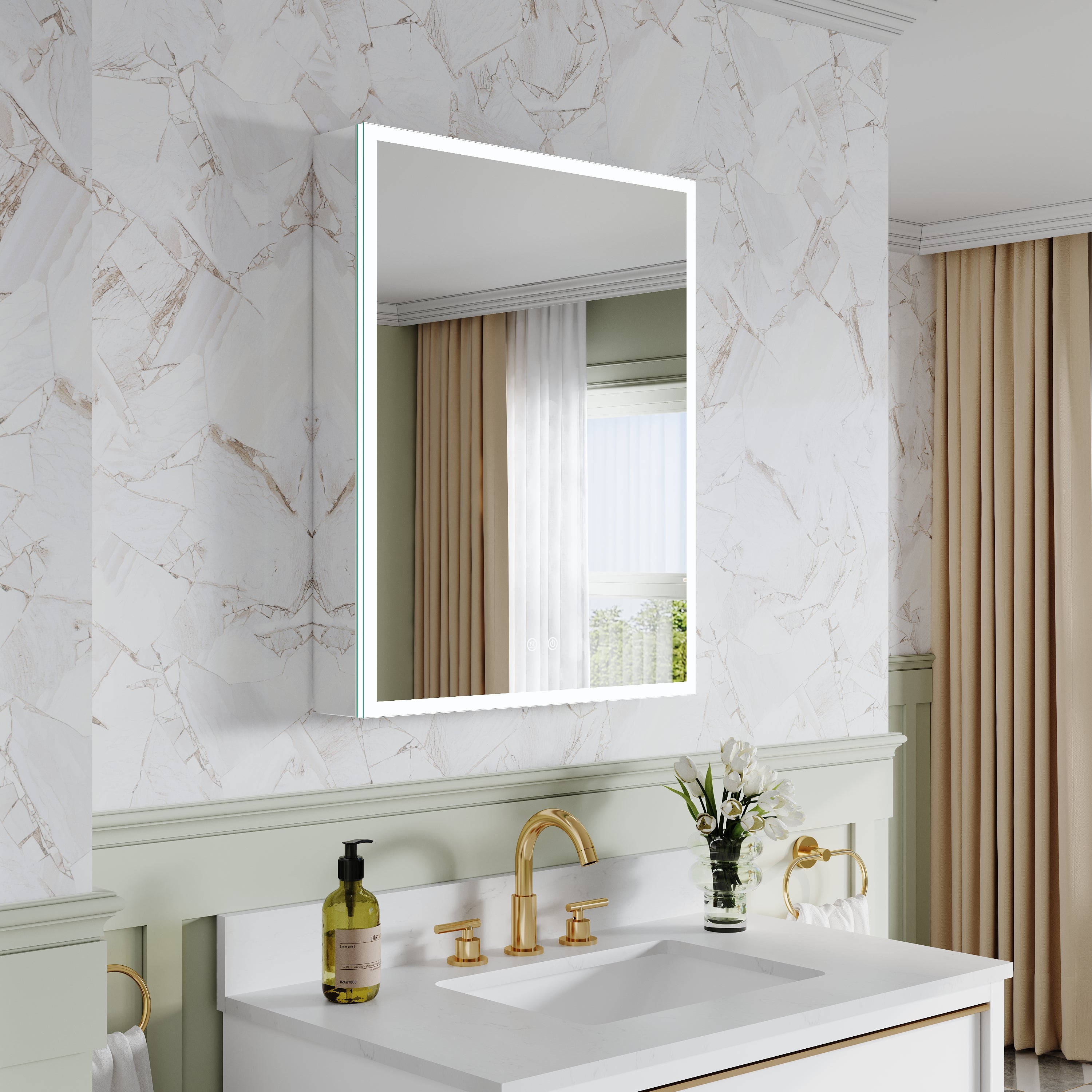
A frameless mirror can make lighting look more refined because it doesn’t add extra lines competing with fixtures.
Best pairings for flattering light
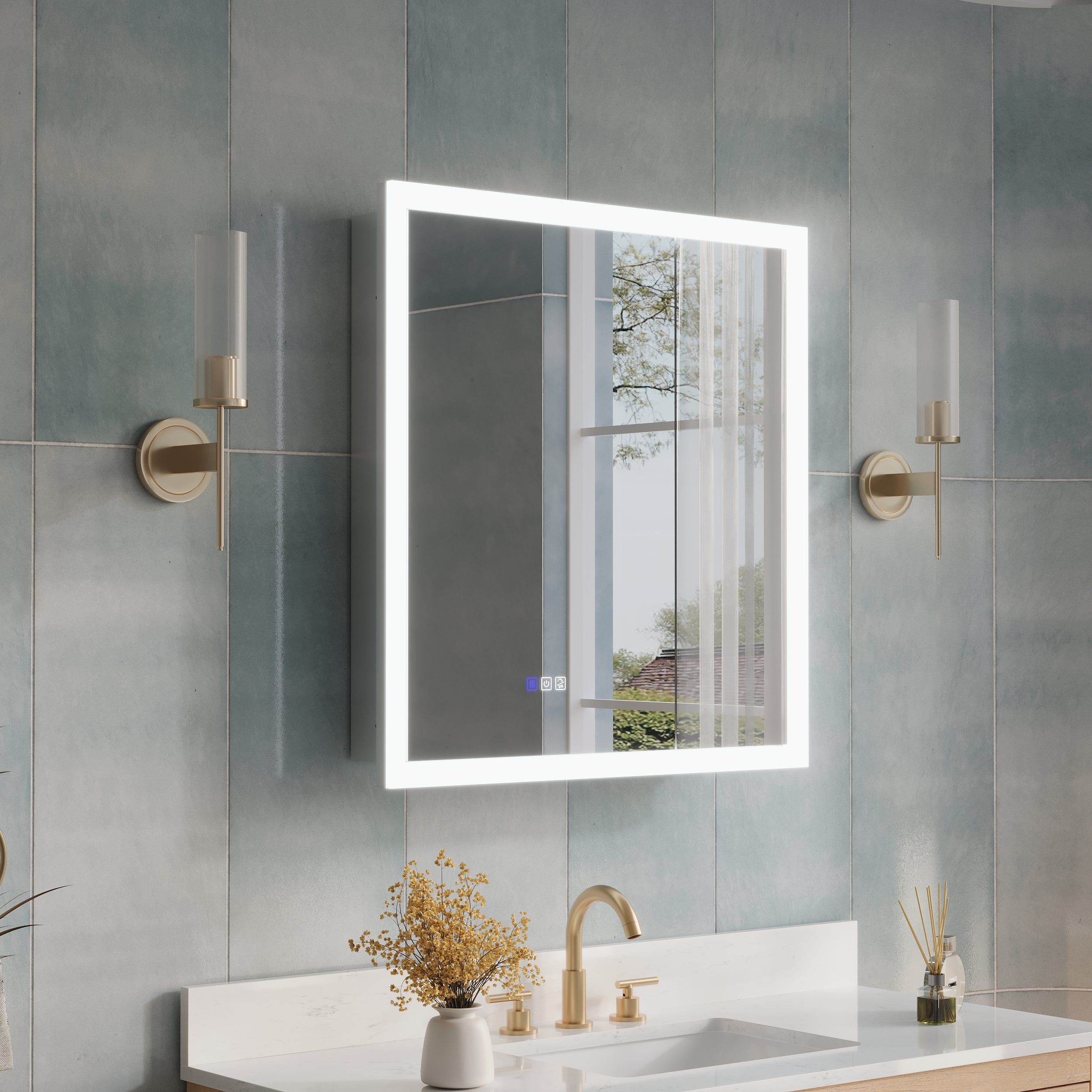
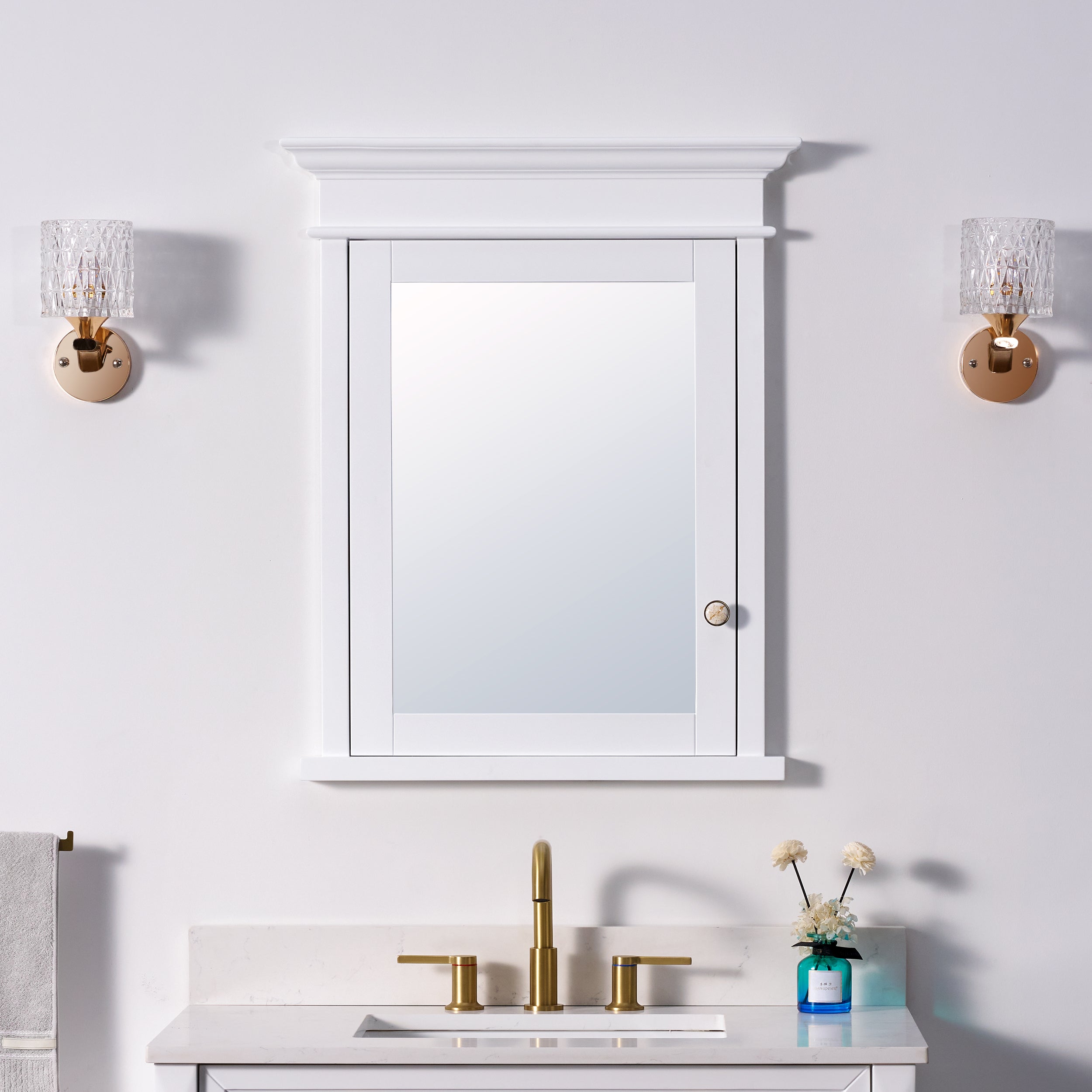
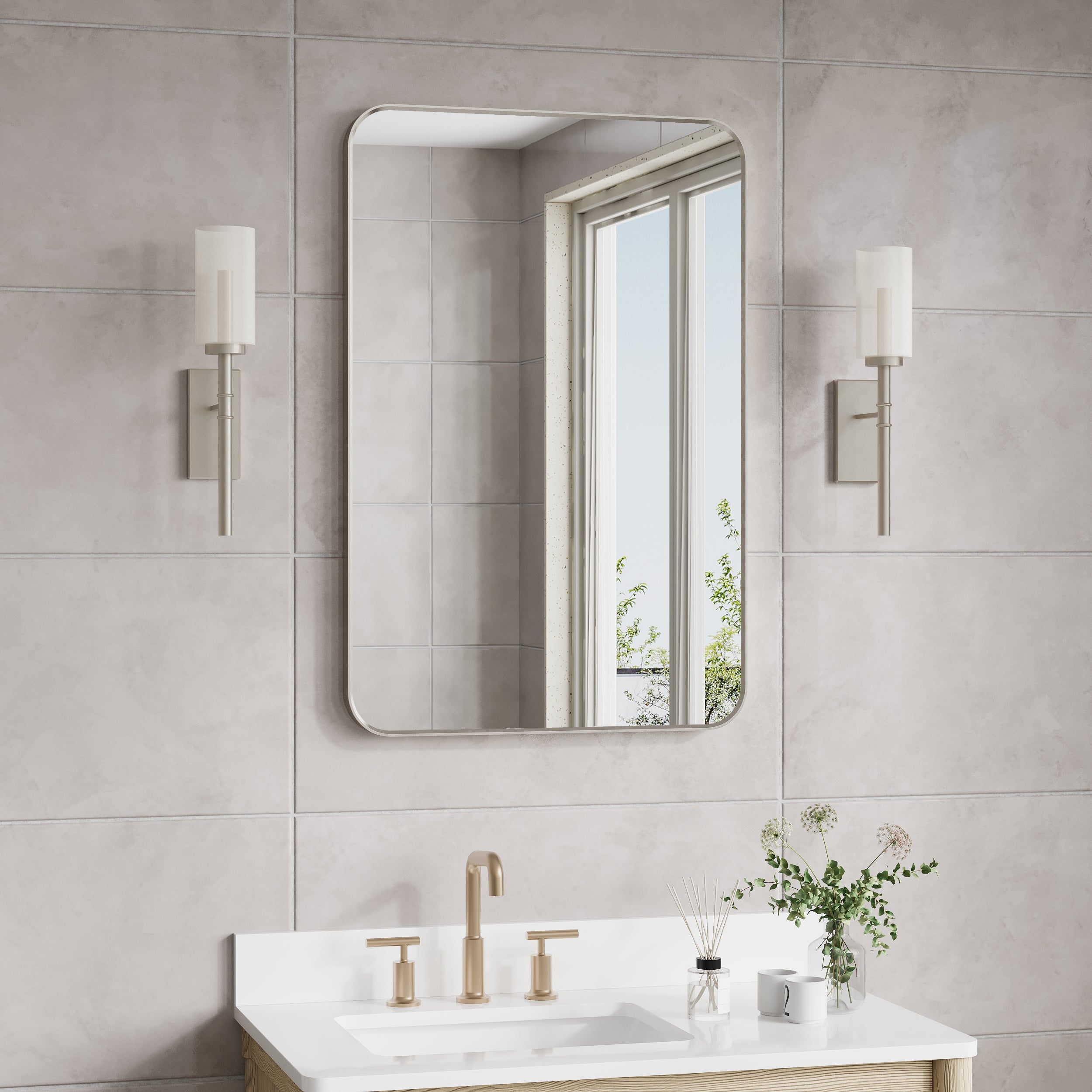
· Side sconces placed near face height often create more even facial lighting than overhead-only fixtures, which can cast shadows under brows and chin.
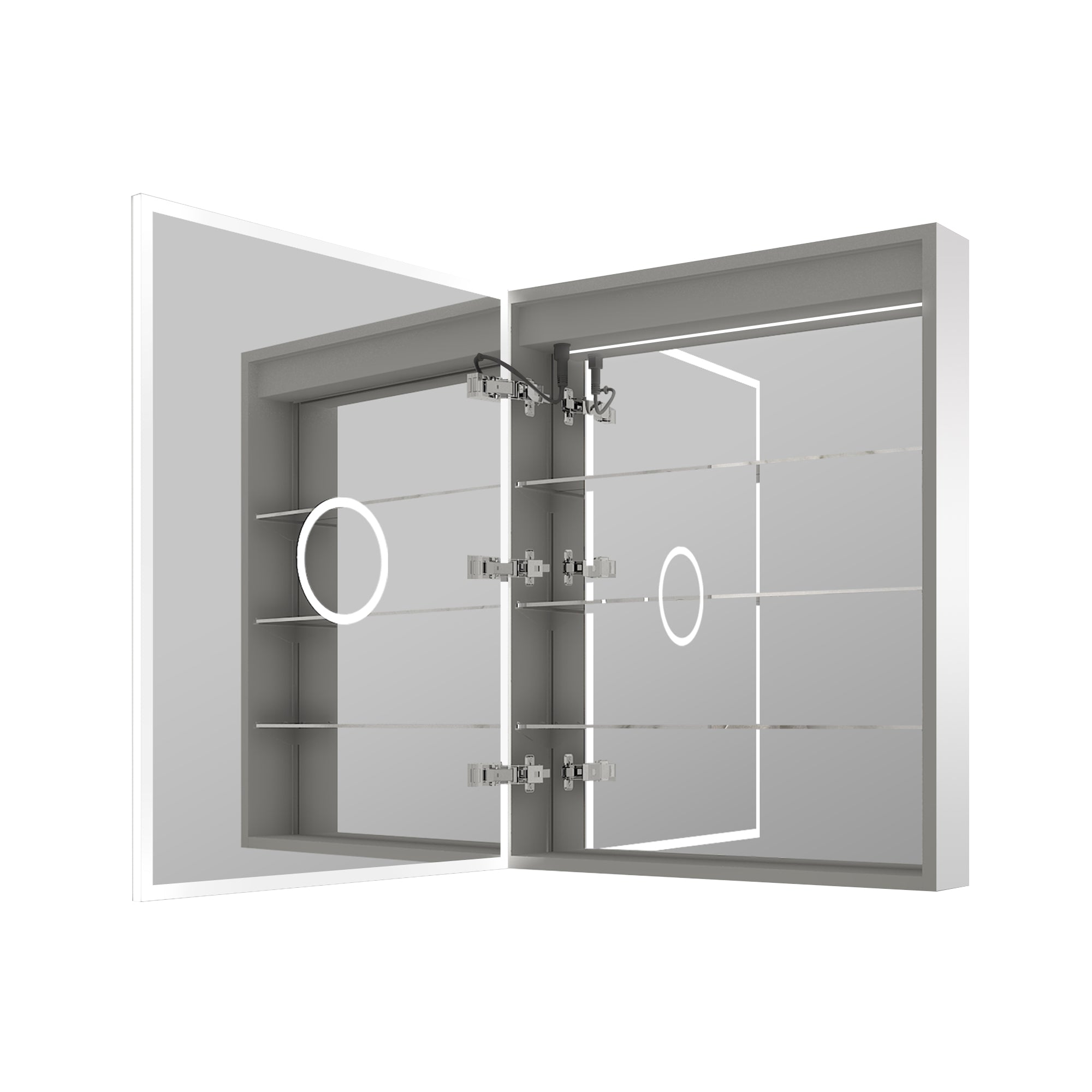
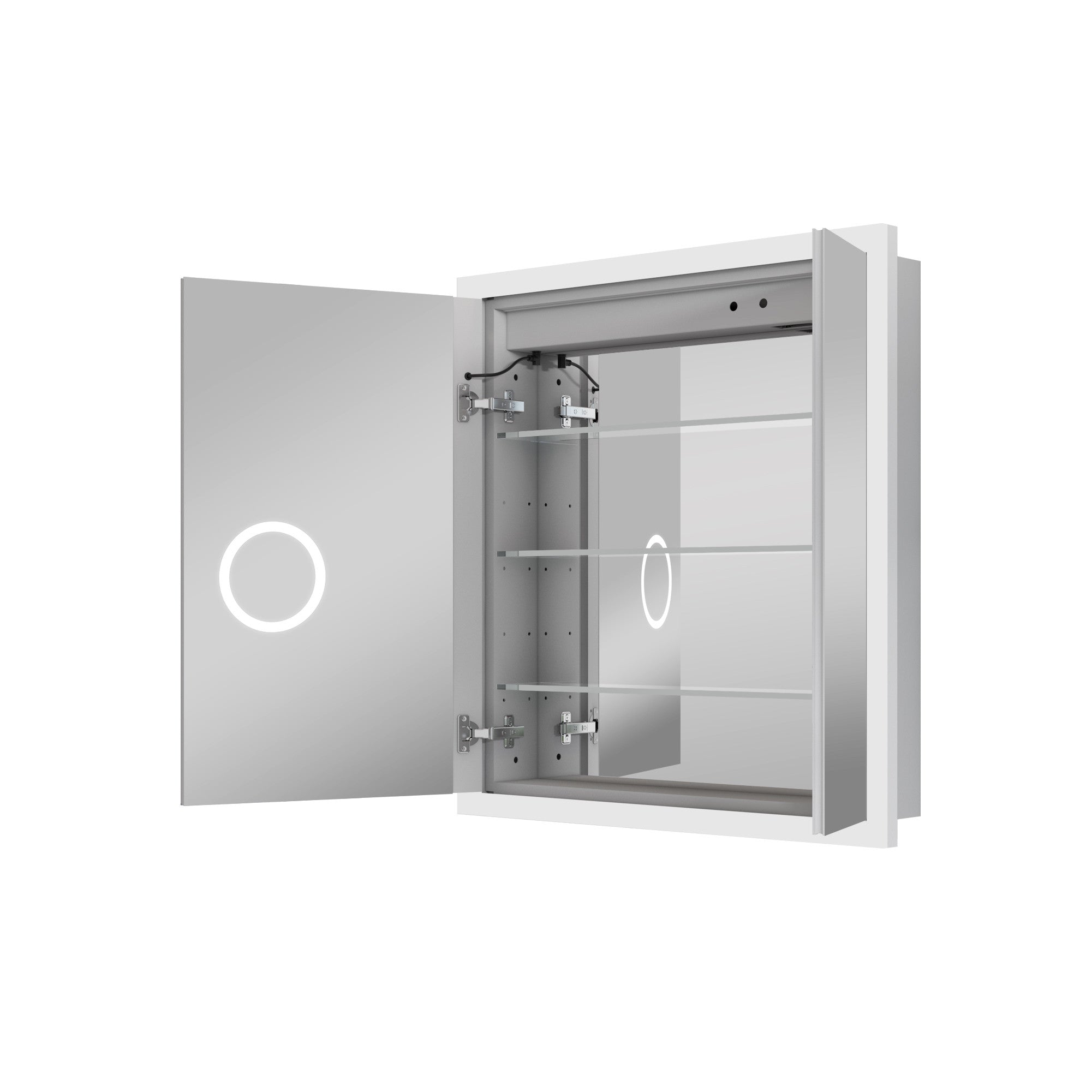
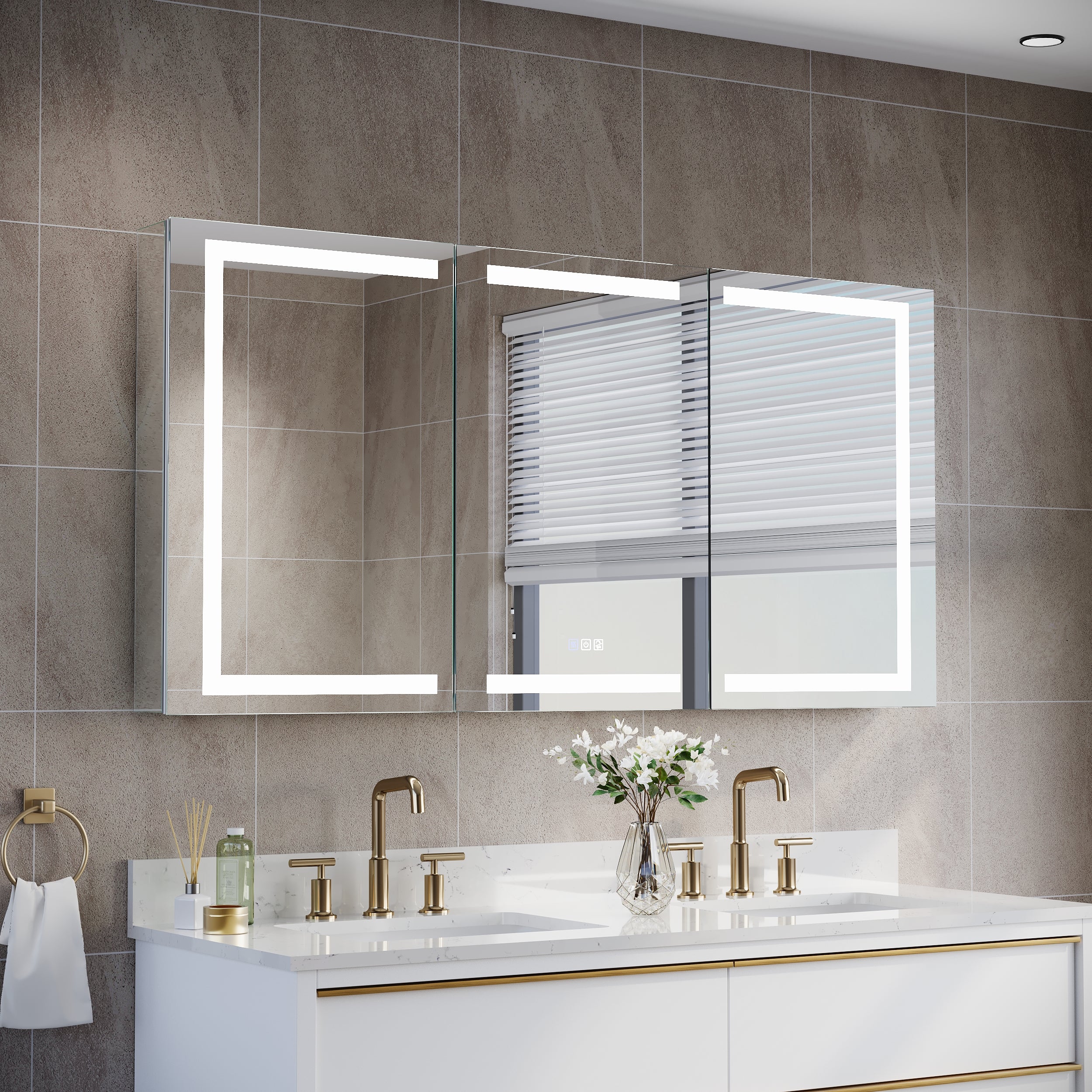
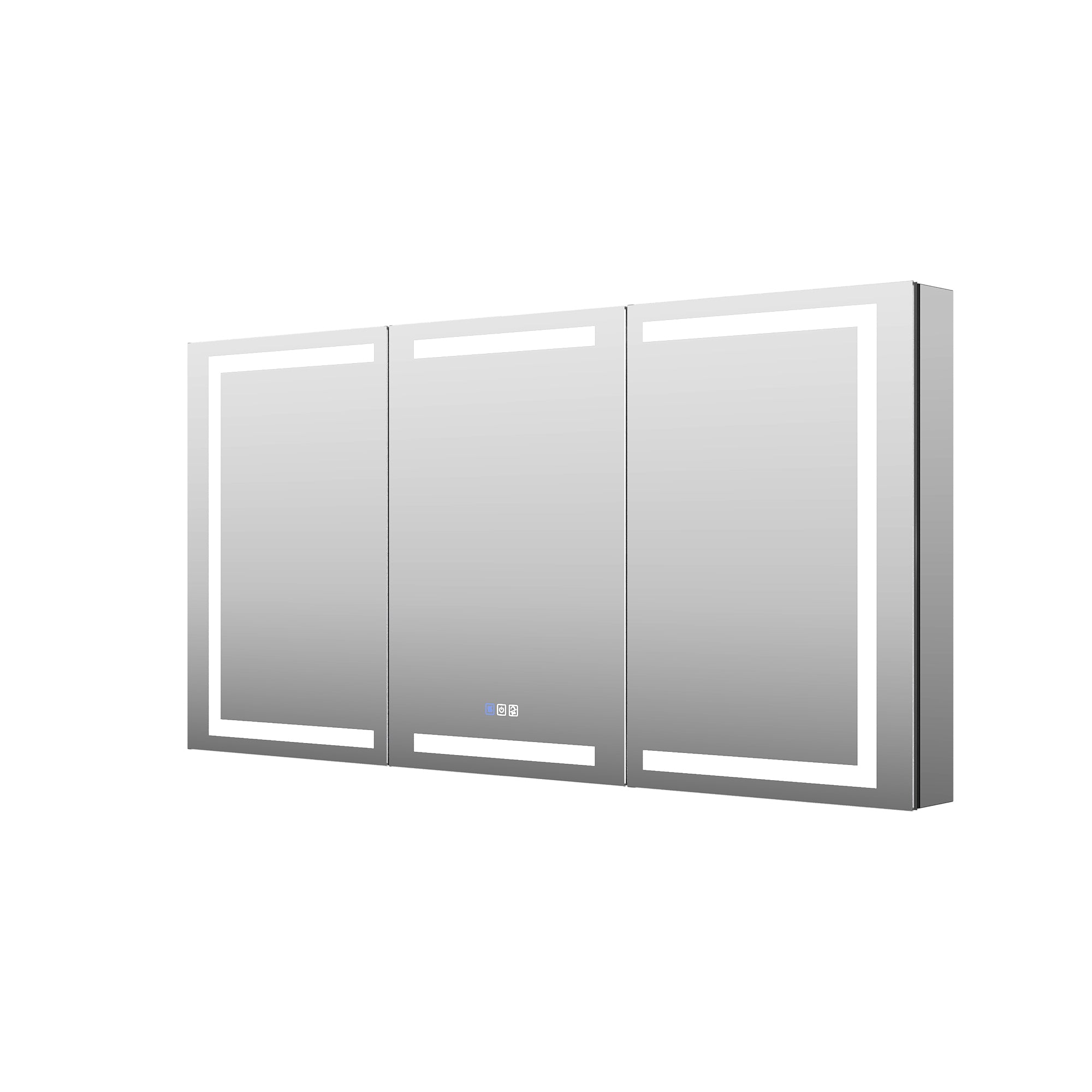
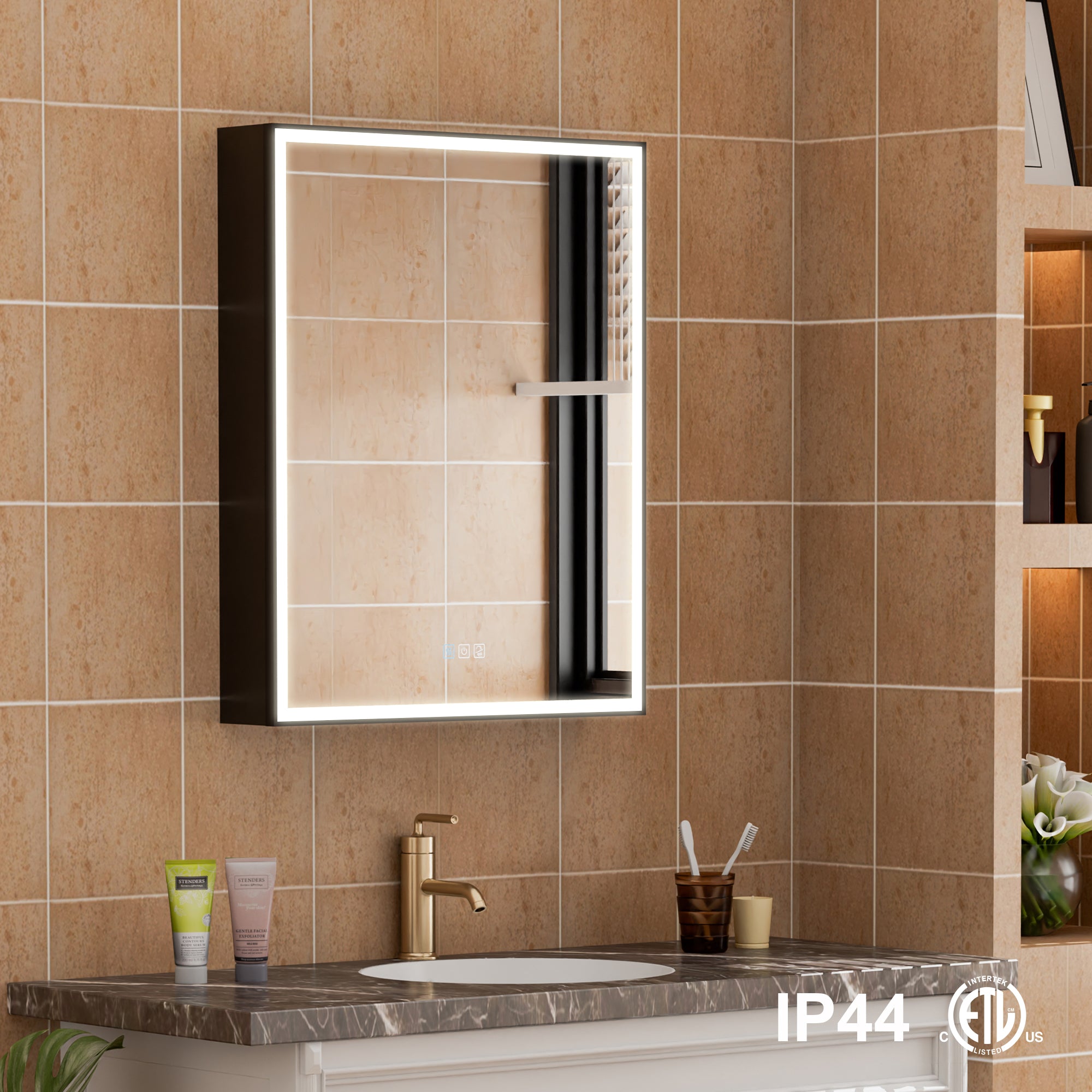
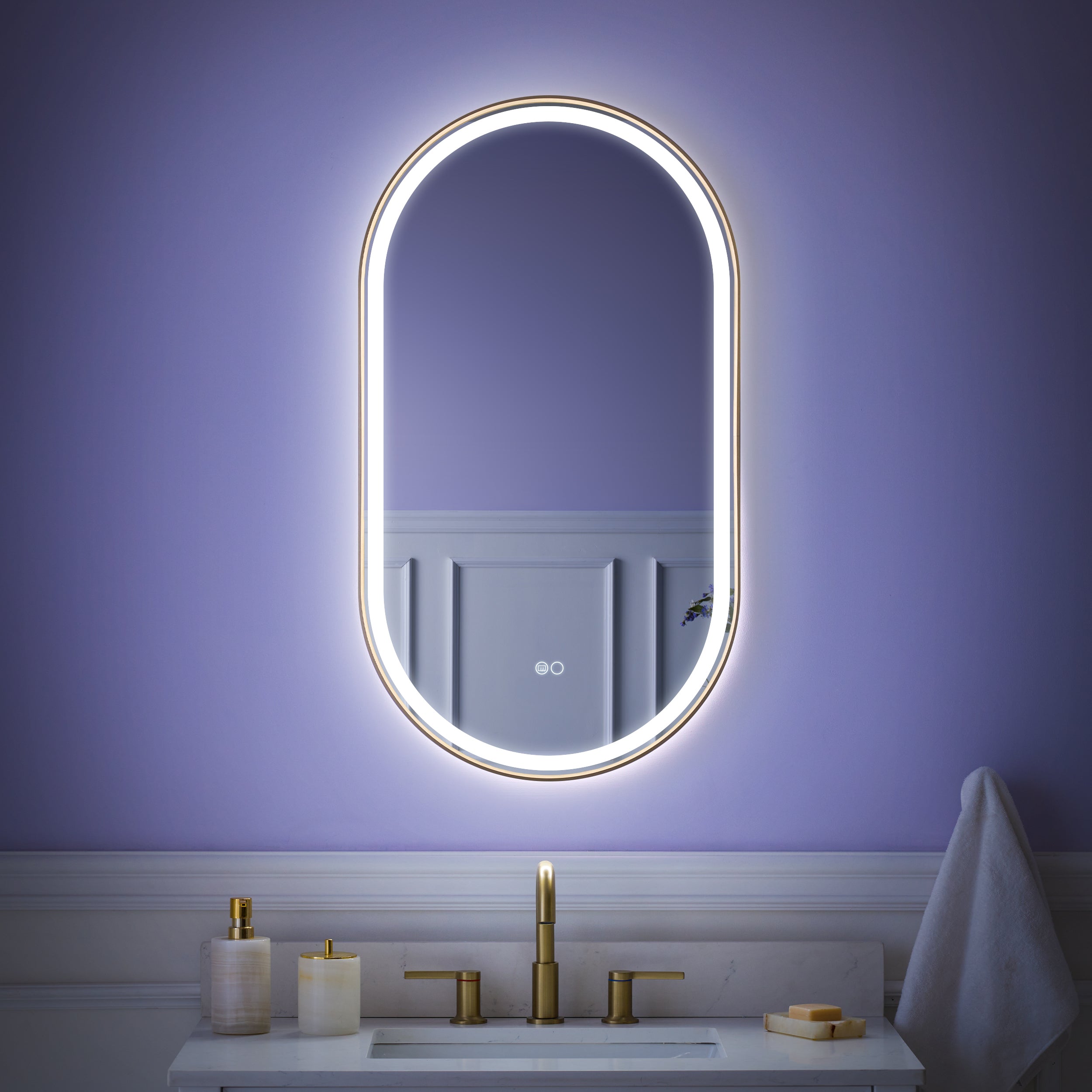
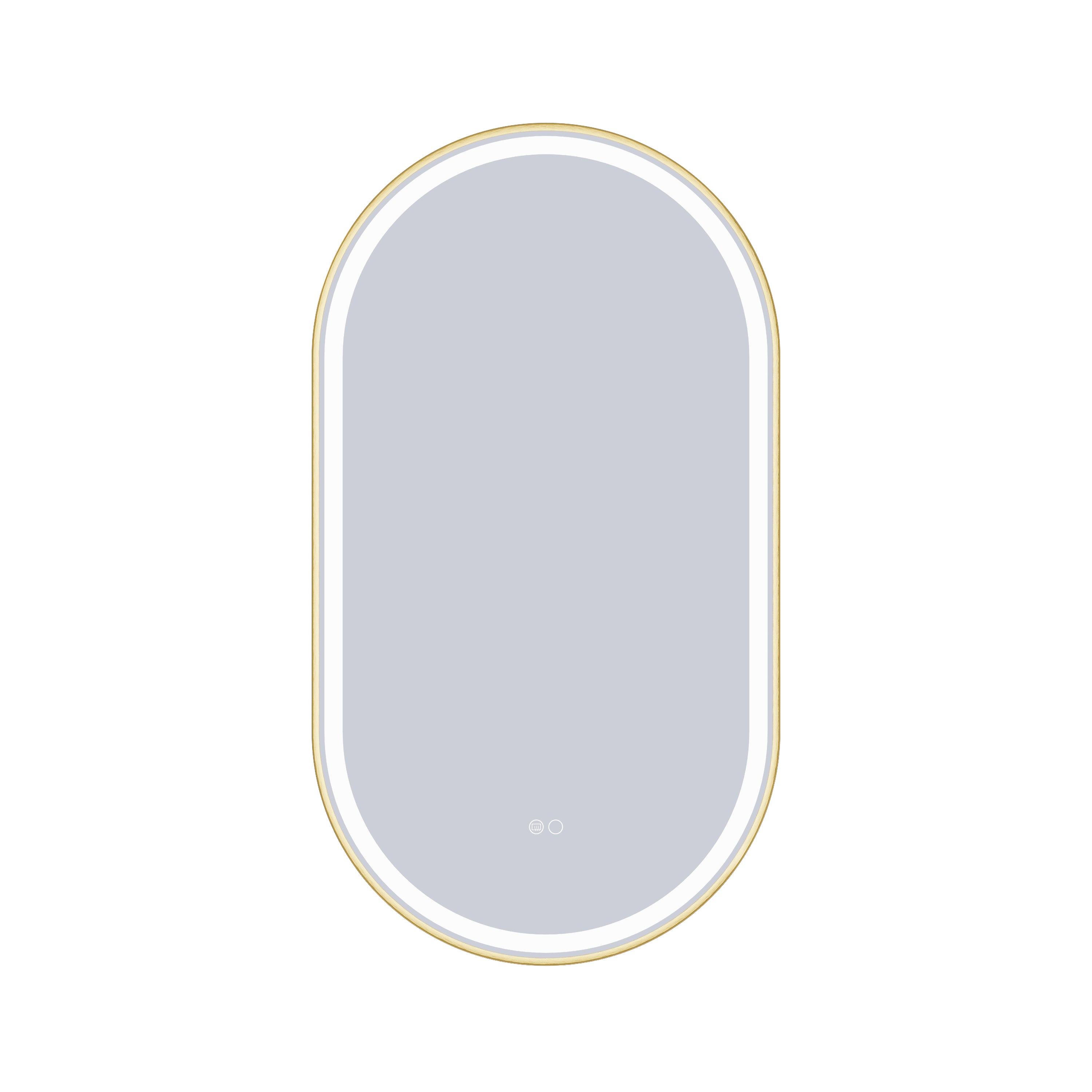
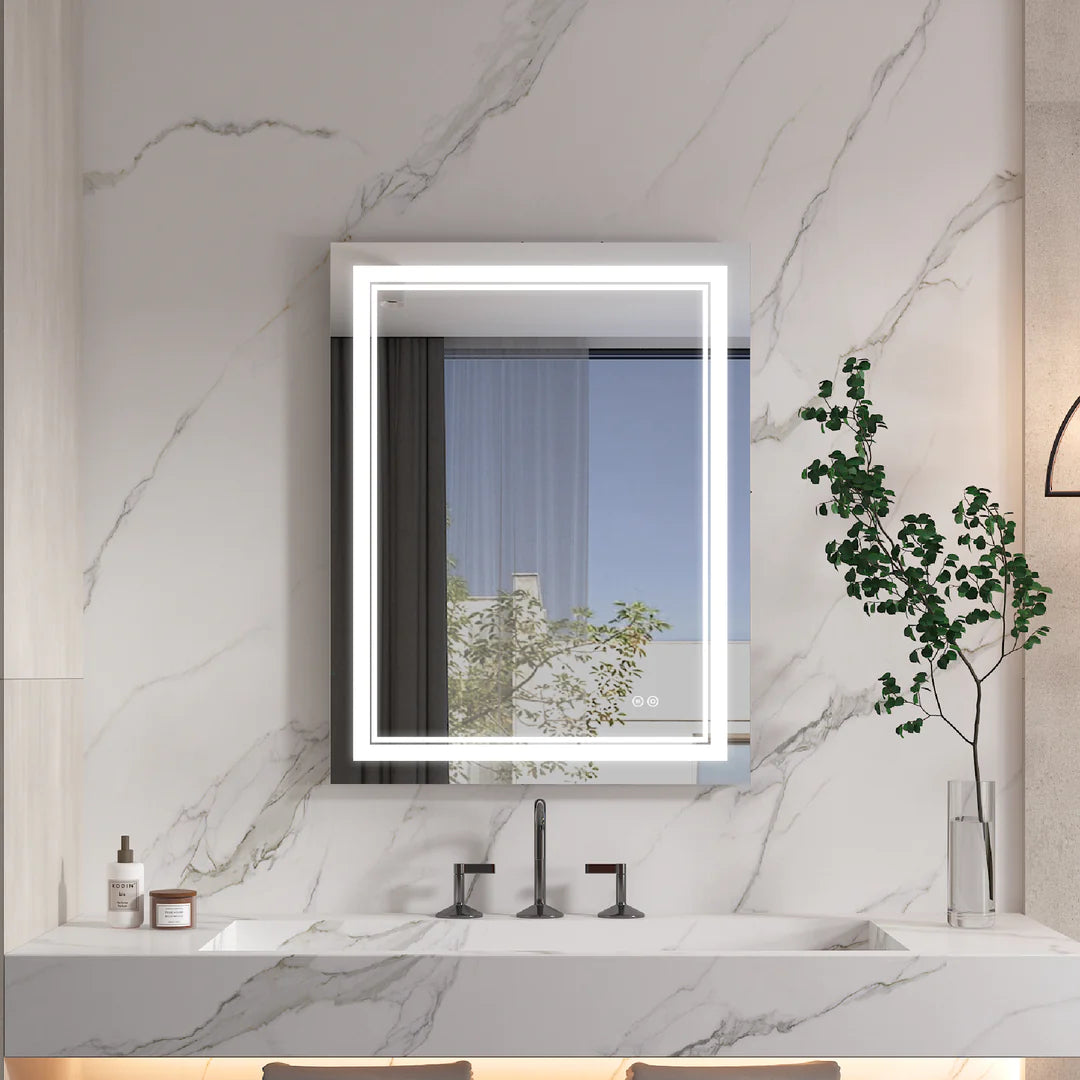
· Integrated LED mirrors can work well when the diffusion is smooth and the light is controllable (dimming and color temperature tuning).
A frameless mirror also makes the wall composition cleaner: fewer decorative elements around the vanity means the lighting and tile details look more intentional.
6. Material and Edgework: Durability Is Part of “Elegance”
Elegance isn’t just appearance—it’s how the mirror looks after years of humidity and cleaning. Frameless mirrors expose the edges, so edge finishing matters more than it does on framed mirrors.
Edge quality signals
· Cleanly finished edges (polished or well-seamed) resist chipping better and look more premium up close.
· Neat corners and consistent edge clarity matter in a bathroom because you’re often viewing the mirror from short distance.
Thickness and stability
A frameless mirror that’s too thin can feel less substantial, especially on uneven walls. Weight also affects mounting requirements. A glass weight reference lists typical weights per square foot:
· 1/4" glass ≈ 3.27 lb/sq ft
· 3/16" glass ≈ 2.45 lb/sq ft
(Source: Noxtat “Weights-Dims” glass reference PDF)
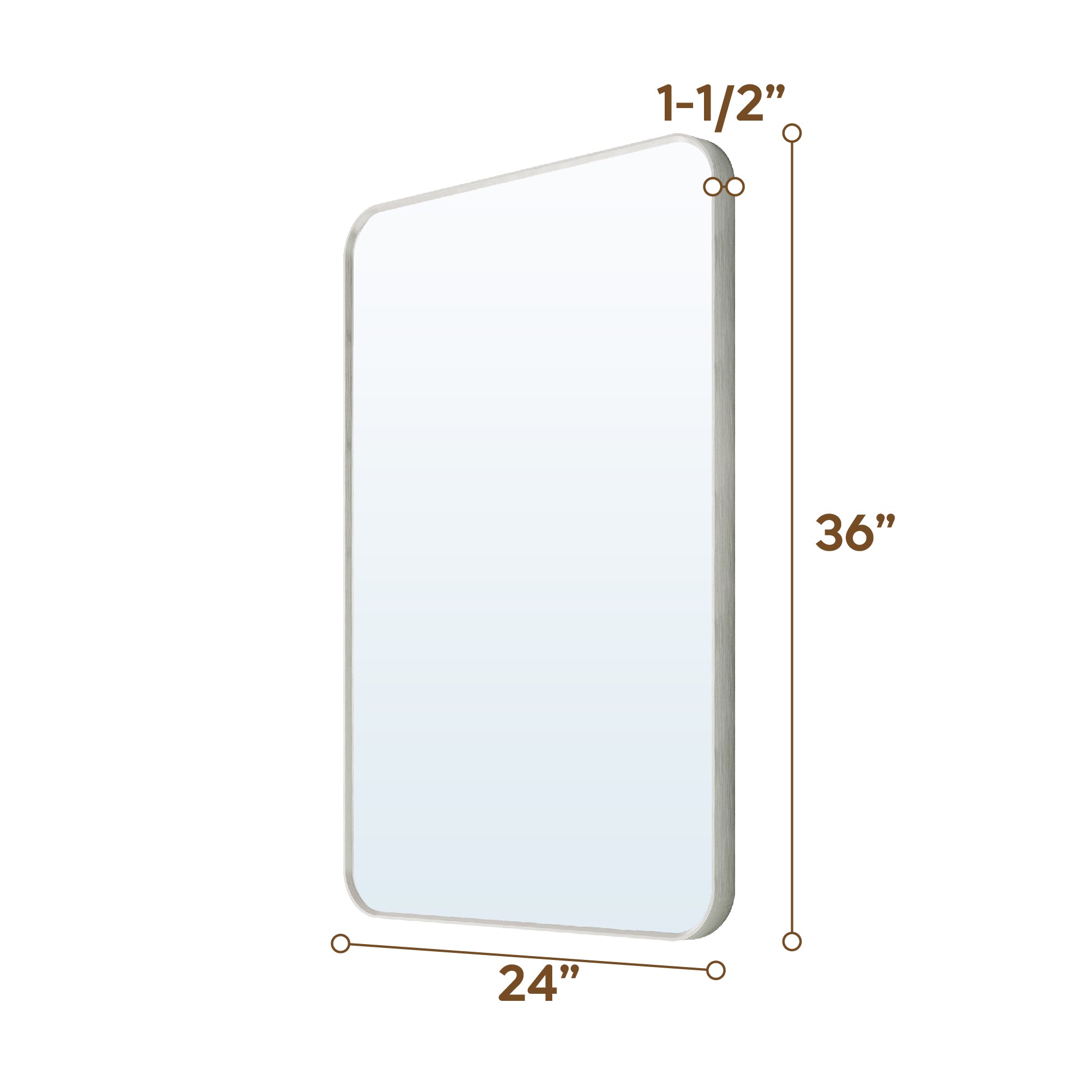
For example, a 30" × 40" mirror is about 8.33 sq ft. At 1/4", that’s roughly 27 lb of glass (8.33 × 3.27), before considering mounting hardware (Source: Noxtat weight chart). That’s why secure mounting is not optional—especially for larger mirrors.
7. Installation: The Invisible Detail That Prevents “Cheap” Results
A frameless mirror looks elegant only when it’s:
· perfectly level
· evenly spaced from adjacent lines (tile joints, backsplash, vanity top)
· securely mounted without visible wobble
For larger mirrors, mechanical support (clips, rails, or channels) combined with correct adhesive practices is often more durable than adhesive-only methods. The goal is to avoid stress points that can lead to shifting or long-term edge damage.
8. Humidity Control Protects the Mirror’s Finish and Edges
Bathrooms regularly experience humidity spikes, and prolonged moisture can contribute to mirror edge deterioration over time. Moisture-control guidance recommends keeping indoor relative humidity below 60%, ideally between 30% and 50% when possible (Source: U.S. EPA Mold Course, Chapter 2). While showers will spike humidity, ventilation helps the room return to a safer baseline.
Simple habits that protect a frameless mirror
· Run the exhaust fan during showers and after.
· Avoid leaving standing water along the backsplash or on the mirror’s bottom edge.
· Use gentle cleaners and wipe edges dry; repeated chemical residue at the bottom edge can accelerate deterioration.
Durability supports elegance: a mirror that stays crisp at the edges keeps the whole bathroom looking “newer” for longer.
9. Design Moves That Maximize the “Spacious Elegance” Illusion
If your goal is a bathroom that feels bigger and more premium, these choices work reliably:
1. Go wider or taller (but not random): match the mirror to the vanity zone and the wall’s lines.
2. Keep the wall calm: minimize clutter and let the mirror become the clean visual plane.
3. Reflect light intentionally: aim the mirror so it reflects bright surfaces and well-placed lighting.
4. Choose crisp edges and proper thickness: edgework and stability matter up close.
5. Control humidity: ventilation protects the mirror’s backing and edges (Source: EPA humidity guidance).

Conclusion
A frameless bathroom mirror creates an illusion of spacious elegance by removing heavy borders, expanding reflections edge-to-edge, and amplifying existing light. With highly reflective coatings—roughly 90% for aluminum and about 95% for silver (Source: Photonics.com)—a frameless mirror can noticeably brighten the room’s visual feel. When you combine correct proportion, comfortable placement (40-inch/35-inch reflecting-surface references are useful guardrails; Source: ADA 603.3), secure installation (glass weight is real; Source: Noxtat), and humidity control (below 60% RH, ideally 30–50%; Source: EPA), the result is a bathroom that looks cleaner, larger, and more refined every day.










Leave a comment
This site is protected by hCaptcha and the hCaptcha Privacy Policy and Terms of Service apply.