

















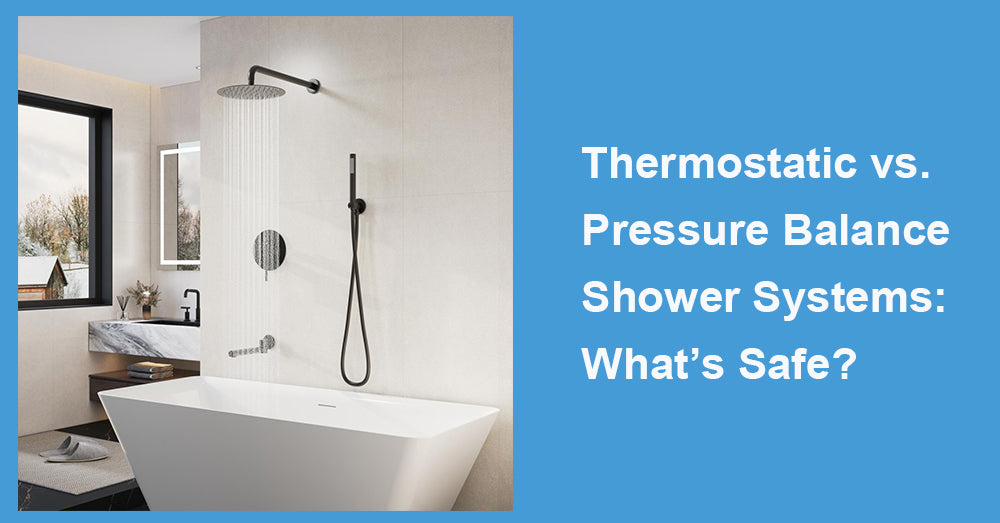
In modern bathroom upgrades, the safety performance of shower systems is receiving increasing attention.
Especially in cases where family members include children or older people, fluctuations in water temperature may pose a risk of burns.
The current mainstream shower control systems are mainly divided into two types: Thermostatic and Pressure Balance.
Both serve to prevent sudden changes in water temperature, but there are significant differences in their working principles and safety performance.
Understanding the structural logic and applicable scenarios of these two systems is an important prerequisite for ensuring safe use.
1. Working principle of the pressure balance system
The Pressure Balance valve adjusts the flow ratio by monitoring changes in the pressure of hot and cold water.
When the pressure of cold water suddenly drops (such as when someone flushes the toilet or turns on the washing machine), the valve core will automatically reduce the flow of hot water to maintain a balanced ratio of cold and hot water.
This type of system typically sets the maximum outlet temperature at around 120 ° F.
Data shows that under normal water supply pressures ranging from 40 PSI to 60 PSI, the pressure balancing valve can control water temperature changes within approximately 2 ° F to 3 ° F during pressure fluctuations.
However, it should be noted that the Pressure Balance system adjusts the "pressure ratio" rather than the precise temperature.
If the inlet water temperature changes, for example, due to a rise in the water heater temperature, the system cannot automatically correct the target temperature.
2. Working principle of the constant temperature system
The Thermostatic system directly monitors water temperature using built-in temperature-sensing elements, rather than simply monitoring pressure.
When the outlet temperature deviates from the set value, the valve core automatically adjusts the ratio of hot and cold water to restore the temperature to the target range.
Test data show that the thermostatic valve can maintain an outlet temperature difference of 1 °F under changes in water pressure or fluctuations in inlet water temperature.
This precise control provides greater safety and comfort.
In addition, most temperature control systems are equipped with a safety lock button that is set by default to 100 ° F to 104 ° F to prevent excessive water temperature from misoperation.
3. Safety comparison
From a safety perspective, both systems comply with modern burn prevention standards.
Most bathroom regulations require that the upper limit of shower water temperature not exceed 120 °F.
The Pressure Balance system can prevent "instant scalding" from sudden pressure changes, which is its core safety advantage.
Data shows that in traditional, unprotected valve systems, when cold water is suddenly interrupted, the water temperature may rise by more than 10 °F within 2 seconds. In contrast, pressure-balancing valves can control the temperature rise to within 3 °F.
The Thermostatic system performs more stably under dual changes in pressure and temperature, especially when the water supply temperature is unstable or when using multi-outlet shower systems.
4. Differences in Multifunctional Shower Systems
In a 60-inch standard shower room with only a single showerhead, a pressure-balancing system is usually sufficient.
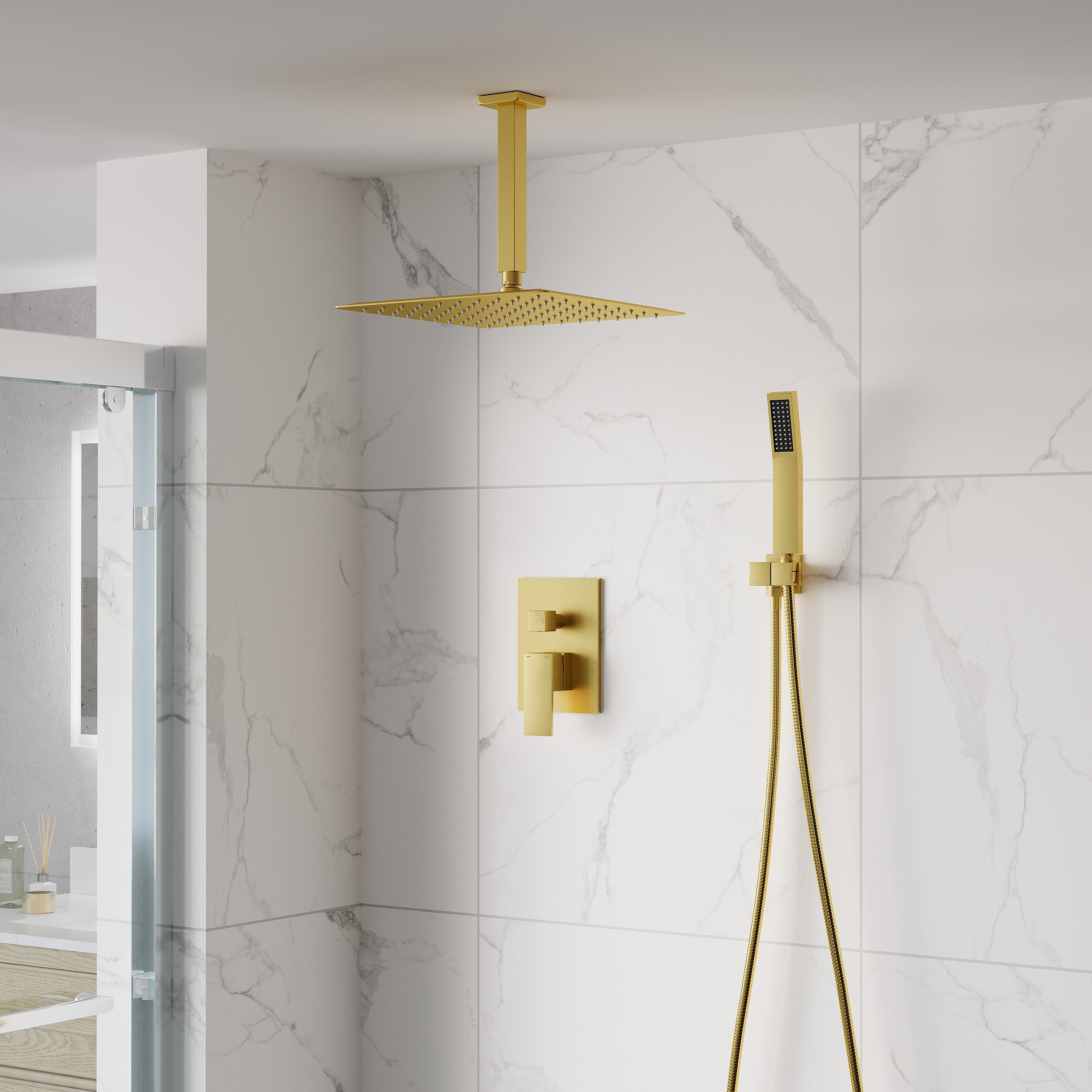
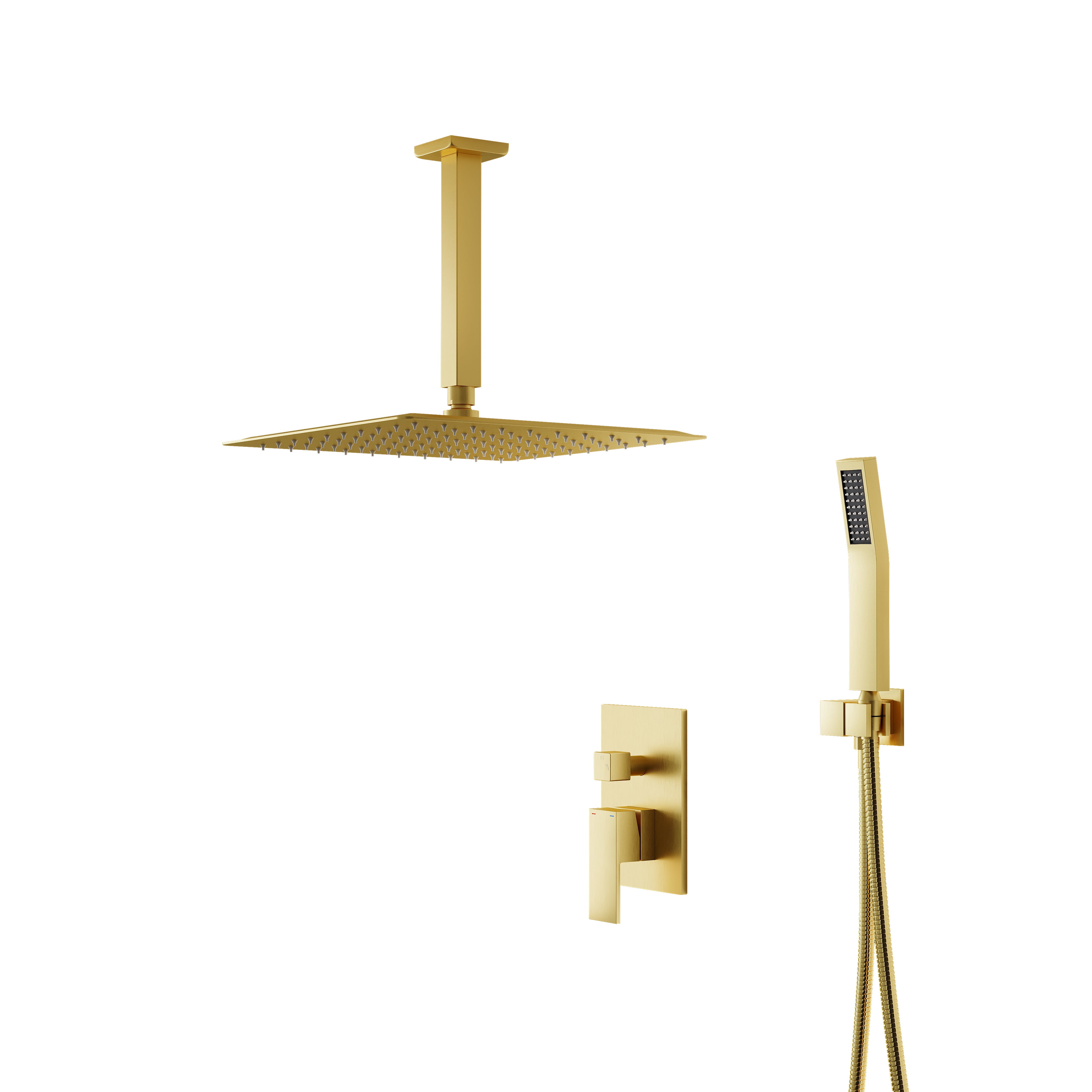
But in walk-in shower spaces above 72 inches, if a top spray, handheld showerhead, or body spray head is used simultaneously, multiple water outlets require higher water pressure and temperature stability.
Data show that in a dual-outlet system, a thermostatic valve reduces water temperature fluctuations by more than 30% compared to a pressure-balancing valve.
Therefore, multifunctional systems are more suitable for thermal control.
5. The influence of water pressure and water supply structure
The standard residential water supply pressure is usually between 40 PSI and 60 PSI.
If the pressure is below 30 PSI, both systems may affect the water outlet experience, but it will not directly reduce safety.
In high-pressure environments (exceeding 80 PSI), it is recommended to install pressure-reducing valves to protect the system's lifespan.
The data show that the wear rate of valve cores operating in high-pressure environments for extended periods is significantly accelerated.
Thermostatic valves require higher water quality due to their complex structure.
If the water contains a lot of mineral deposits, regular maintenance is particularly important.
6. Comfort and Operating Experience
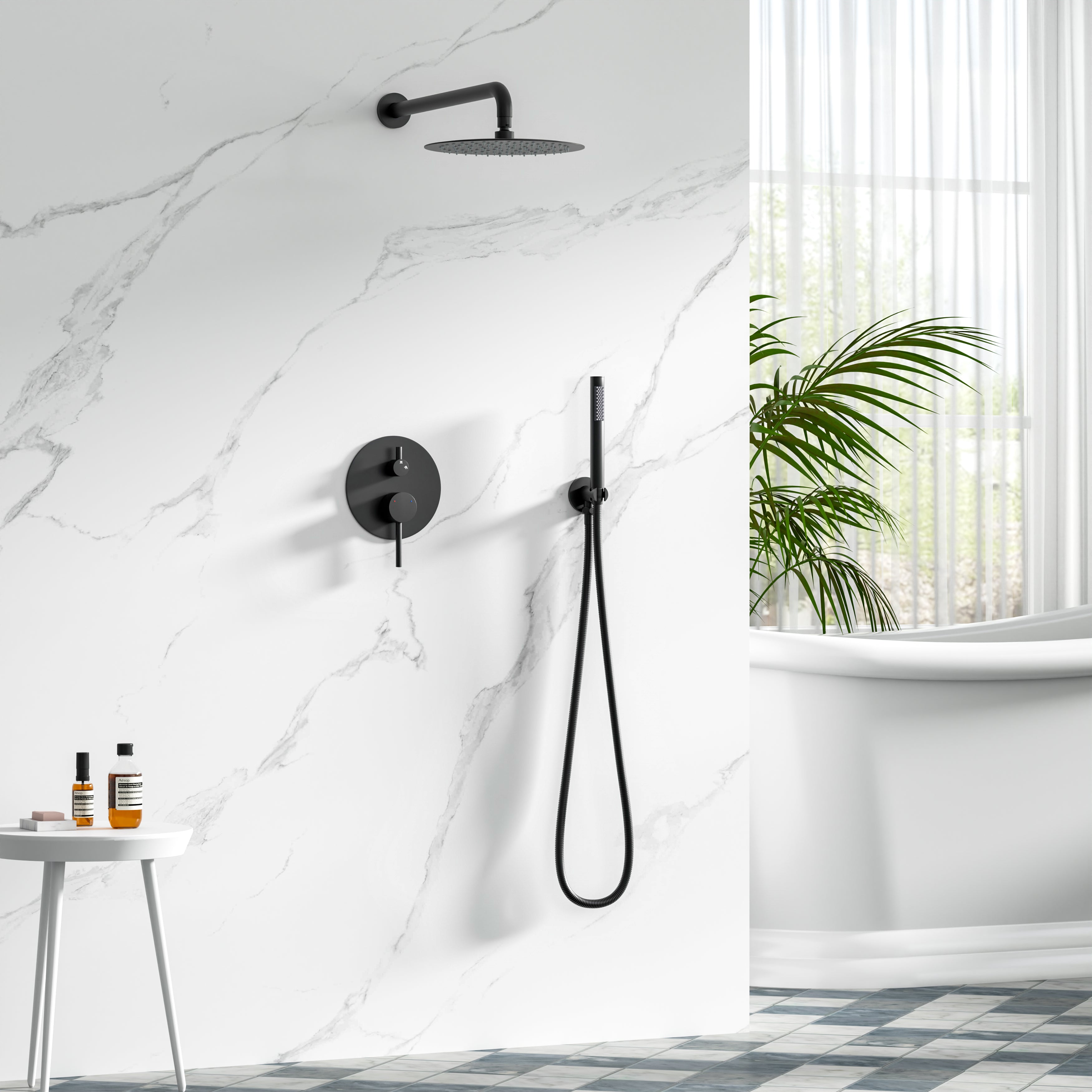
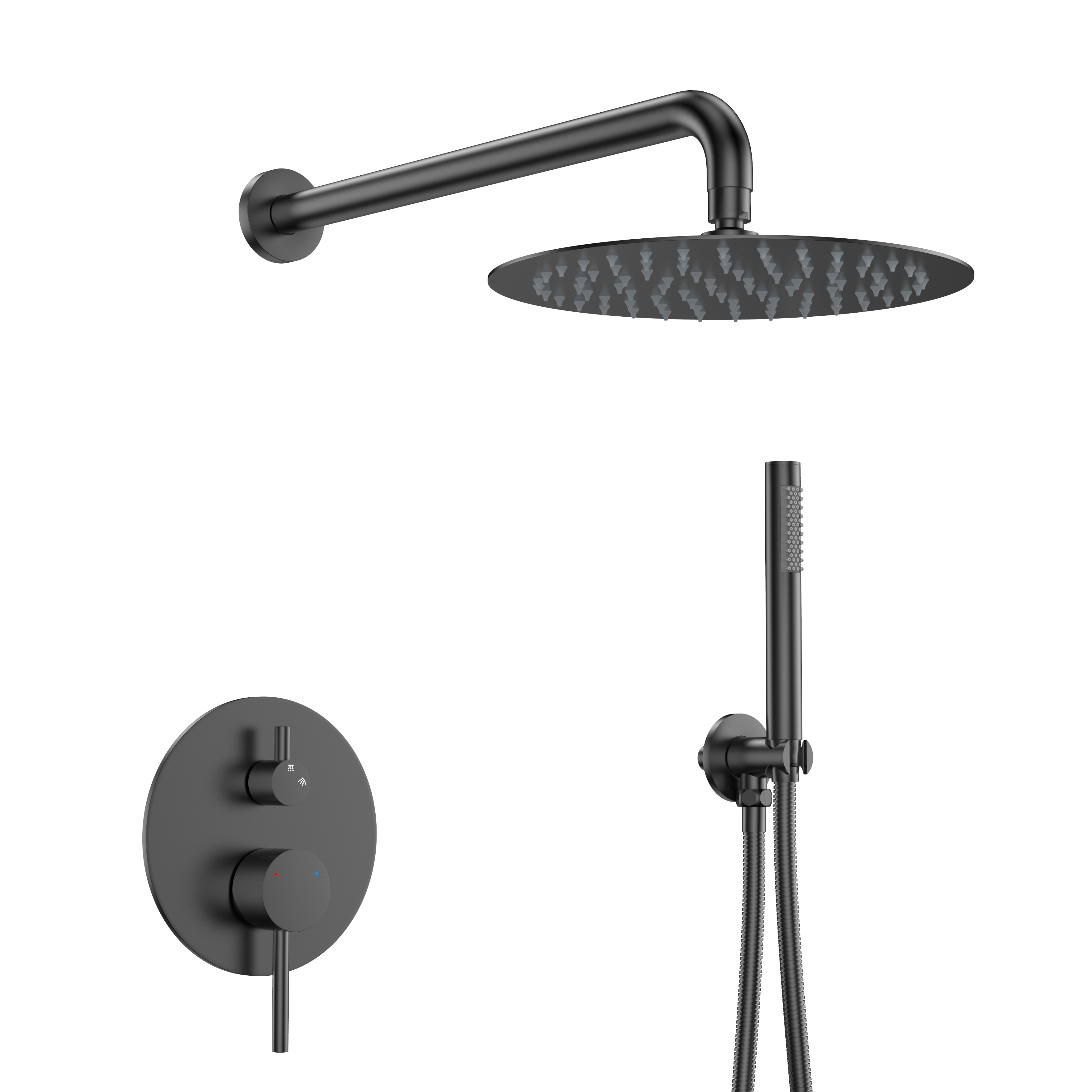
Pressure Balance systems typically use a single handle control, which is easy to operate, but adjusting temperature and water volume is often done on the same knob.
Thermostatic systems typically have a dual control structure:
One knob controls temperature
The other controls water volume
Users can preset a fixed temperature, such as 100 °F, which automatically reaches the target temperature each time it is turned on.
Survey data shows that over 70% of users of constant-temperature systems believe the stability of water temperature has significantly improved, especially in winter water supply systems with large temperature differences.
7. Cost and maintenance differences
The Pressure Balance system has a relatively simple structure, lower cost, and easier maintenance.
Thermostatic systems have a more complex internal structure and are typically priced 20% to 40% higher.
But in the long term, its stability and comfort advantages are obvious.
Over a usage period of more than 10 years, if properly maintained, the durability difference between the two systems is not significant.

8. Conclusion
In terms of safety, both Thermal and Pressure Balance shower systems can effectively prevent sudden changes in water temperature, far superior to traditional unprotected valves.
The pressure balance system performs stably in terms of basic safety and cost-effectiveness.
The constant-temperature system offers greater advantages for precise control and multi-outlet environments.
For a standard 60-inch60-inch shower space, pressure balance is sufficient.
In large multifunctional systems above 72 inches, constant-temperature control provides greater stability.
Understanding the working logic and applicable scenarios of the two structures is necessary to make the most reasonable choice between safety and budget.



















Leave a comment
This site is protected by hCaptcha and the hCaptcha Privacy Policy and Terms of Service apply.