


















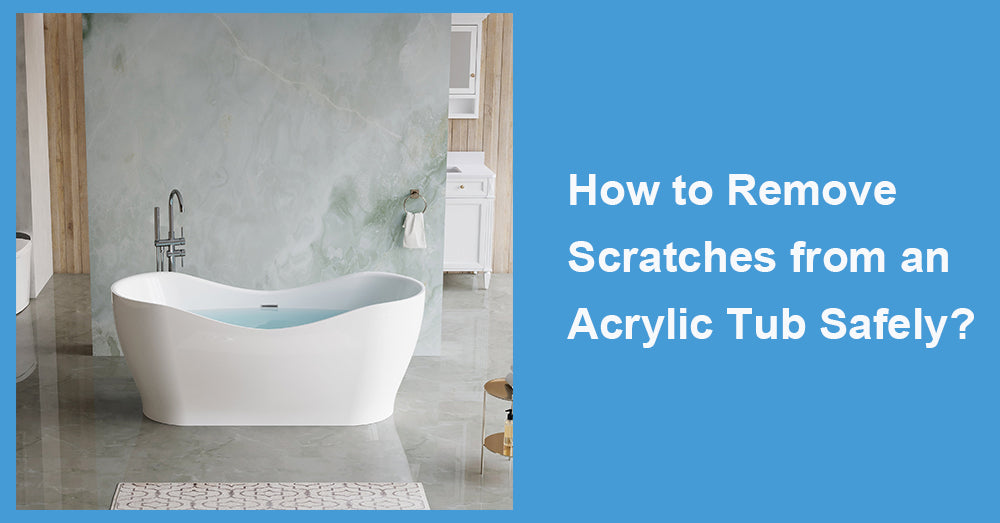
An acrylic tub is no longer just a basic fixture. It sits at the center of a larger bathroom-upgrade cycle, where owners are spending more to improve comfort, durability, and long-term livability. Recent remodeling data shows that the median spend for a primary bathroom renovation reached $15,000, while overall homeowner remodeling spending is projected to hit a record $524 billion in early 2026. In that context, protecting a tub surface from scratches is not a small housekeeping issue. It is part of preserving a finish that people are actively investing in.
Why Scratch Repair Matters More Now
Bathroom work continues to command serious attention in the remodeling industry. Harvard's Joint Center for Housing Studies reports that bath remodels accounted for about $33.7 billion in expenditures in 2023, with an average spend of $9,032 per project. Houzz also found that more than 4 in 5 renovating homeowners hired professionals for bathroom projects, a sign that bathrooms are increasingly treated as high-value spaces rather than quick cosmetic updates. When spending is this substantial, even surface maintenance becomes part of asset protection.
The broader housing backdrop reinforces that point. Census reporting based on the American Housing Survey shows the median age of owned homes was 41 years in 2021, and about 61% of owners of older homes launched at least one home improvement project between 2019 and 2021. The same Census analysis notes that additions or replacements of plumbing fixtures were among the most common interior improvements in older homes. In plain terms, bathrooms are aging, projects are continuing, and fixture care matters because replacement and renovation remain active cost centers.
Why Acrylic Surfaces Need a Different Approach
The reason scratch repair on an acrylic tub deserves care is simple: it's acrylic. Manufacturer guidance consistently warns that abrasive pads, abrasive cleansers, and strong solvents can damage acrylic surfaces. Kohler's care instructions say not to use abrasive cleansers or solvents on acrylic surfaces, and Sterling, a Kohler brand, specifically says never to use a brush or scouring pad. American Standard gives similar guidance, recommending warm water with mild liquid dishwashing detergent and warning against abrasive cleaning products or undiluted strong detergents formulated for harder surfaces. That consistency across major brands matters because it shows scratch damage is often caused by maintenance mistakes, not just heavy wear.
This is also why scratch removal should begin with restraint. Many marks that look serious are actually dulling, haze, or light surface abrasion created by the wrong sponge, powdered cleaner, or repeated scrubbing. When the repair method is too aggressive, the finish can become more uneven than the original scratch. The safest path is to assume the surface needs polishing before it needs heavy correction. That approach aligns with current manufacturer care language and avoids turning a minor cosmetic issue into a refinishing problem.
What a Safe First Step Looks Like
For light scratches, the most defensible starting point is simple cleaning followed by careful polishing. American Standard recommends mild liquid dish soap and warm water for general cleaning of high-gloss acrylic surfaces. Sterling then goes a step further and says dull or scratched units can be restored with white automotive polishing compound applied with a clean cloth, followed by wiping off the residue. That means the safest mainstream approach is not to use harsh sanding first. It is gentle cleaning, surface inspection, and then compound-based polishing.
That sequence makes practical sense in a bathroom environment where residue often masks the true condition of the surface. Soap film, hard-water haze, and residue from strong cleaners can exaggerate the appearance of a scratch. Cleaning first lets the finish reveal whether the damage is shallow enough to polish out. If the mark softens or disappears after polishing, there is no reason to escalate. For a visible but shallow line, working with a soft microfiber cloth in small circular motions is usually the lowest-risk choice because it targets gloss recovery without introducing fresh abrasion.

When the Scratch Goes Beyond Surface Dulling
Not every scratch will respond to polish alone. If a mark still catches light after cleaning and compounding, the finish may need more careful correction. Manufacturer guidance stops short of encouraging aggressive DIY abrasion, which is useful in its own right. The absence of sanding-intensive instructions from major brands is a signal for homeowners to be conservative. If the scratched area is broad, visually deep, or spread across multiple inches of the tub floor or rim, the smarter decision is often controlled spot repair or professional refinishing rather than improvised heavy sanding. That is especially true in a category where 83% of bathroom renovators already work with professionals.
There is also a long-term use case behind that caution. Houzz reports that 64% of renovating homeowners addressing special needs in the bathroom are making accommodations, and nearly half cite the future needs of aging household members. Separate Census reporting found only 1 in 10 homes were aging-ready, meaning bathrooms are carrying more importance as comfort and accessibility zones. In that setting, a tub surface is not just decorative. It is part of the everyday safety and usability story, so preserving traction, finish integrity, and cleanability matters more than chasing a fast cosmetic fix.
Prevention Is the Real Industry Trend
The biggest lesson from the data is that scratch prevention is cheaper than corrective work. Census reporting shows older-home owners spent a median of $4,100 on home improvement projects over the 2019 to 2021 period, while Harvard's remodeling research shows bathrooms remain a durable source of expenditure and remodeling activity. Against that backdrop, avoiding needless surface damage is simply good maintenance economics. A soft cloth, non-abrasive cleaner, and prompt rinse after use cost very little compared with refinishing, repair service, or early replacement.
Sterling recommends wiping the bath after each use with a soft, damp sponge or cloth, and Kohler's care sheet echoes that acrylic baths should be wiped with a soft cloth after use. Those are small habits, but they matter because they reduce buildup that later tempts people to scrub too hard. The pattern is straightforward: less residue means lighter cleaning, lighter cleaning means fewer abrasives, and fewer abrasives mean fewer scratches. In practical maintenance terms, the safest scratch-repair strategy begins before any scratch appears.
The Bottom Line for Brands, Installers, and Homeowners
The current bathroom cycle is being shaped by bigger investment, older housing stock, and a stronger focus on long-term comfort. That makes acrylic tub care more relevant than it may have seemed a few years ago. The safest correction path is clear from the guidance now available: clean with mild detergent, avoid abrasive products, start with polishing compound for light scratches, and be cautious about anything more severe. In a remodeling environment where bath spending remains high and future-proofing is gaining priority, careful maintenance is not just about appearance. It is part of protecting the life, finish, and daily function of one of the room's most used surfaces.


















Leave a comment
This site is protected by hCaptcha and the hCaptcha Privacy Policy and Terms of Service apply.