
















1. Humidity is becoming a bigger buying factor
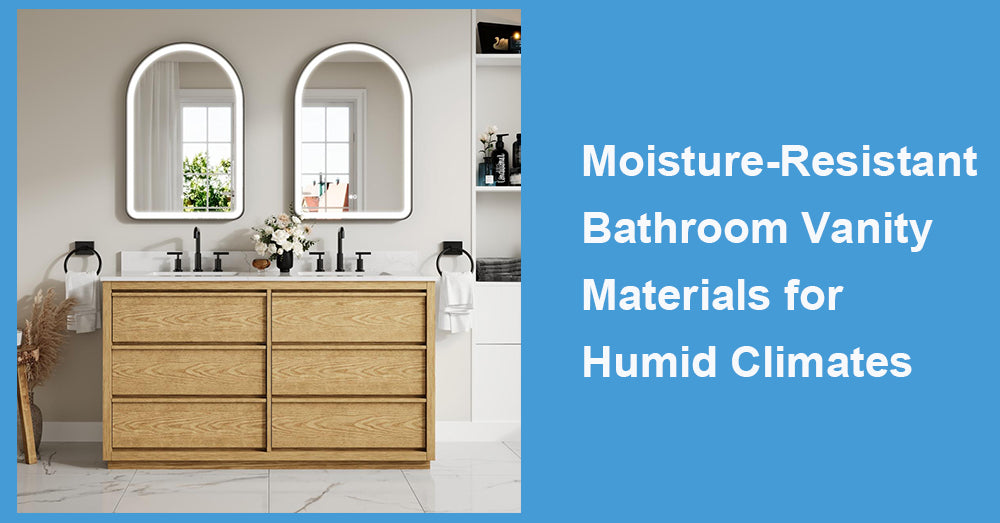
In humid climates, bathroom vanity materials are no longer just a style decision. They are a durability decision. Daily steam, weak ventilation, wet towels, and small plumbing leaks can quickly expose weak cabinet construction.
The Environmental Protection Agency recommends keeping indoor relative humidity below 60%, ideally between 30% and 50%, to help reduce mold and moisture problems. Source: EPA. Bathrooms often rise above that range after showers, especially when the exhaust fan is weak or rarely used.
For buyers, the better question is not simply, “Is this cabinet wood?” It is, “How will this vanity handle years of moisture cycles?”
2. Solid wood looks right, but it still moves
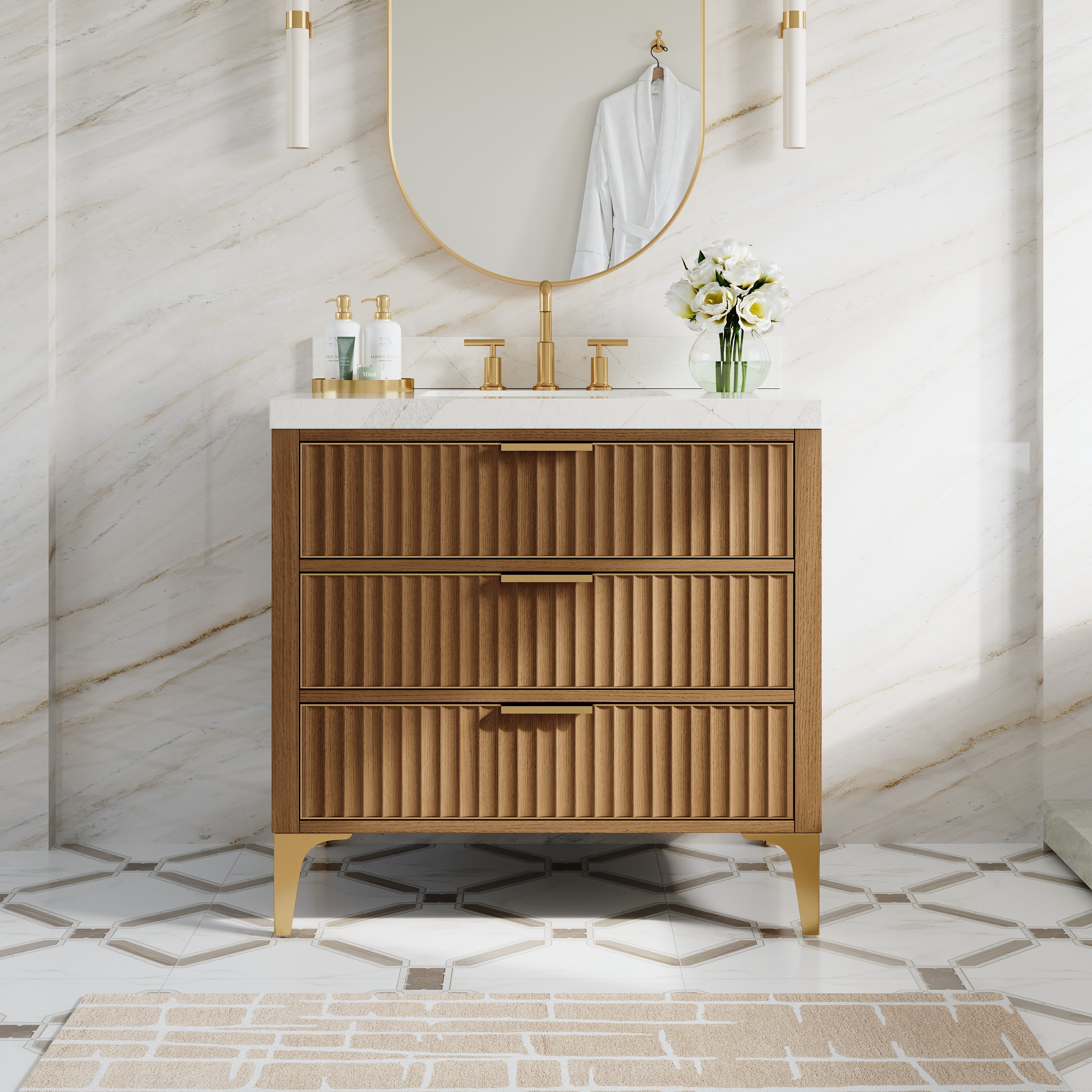
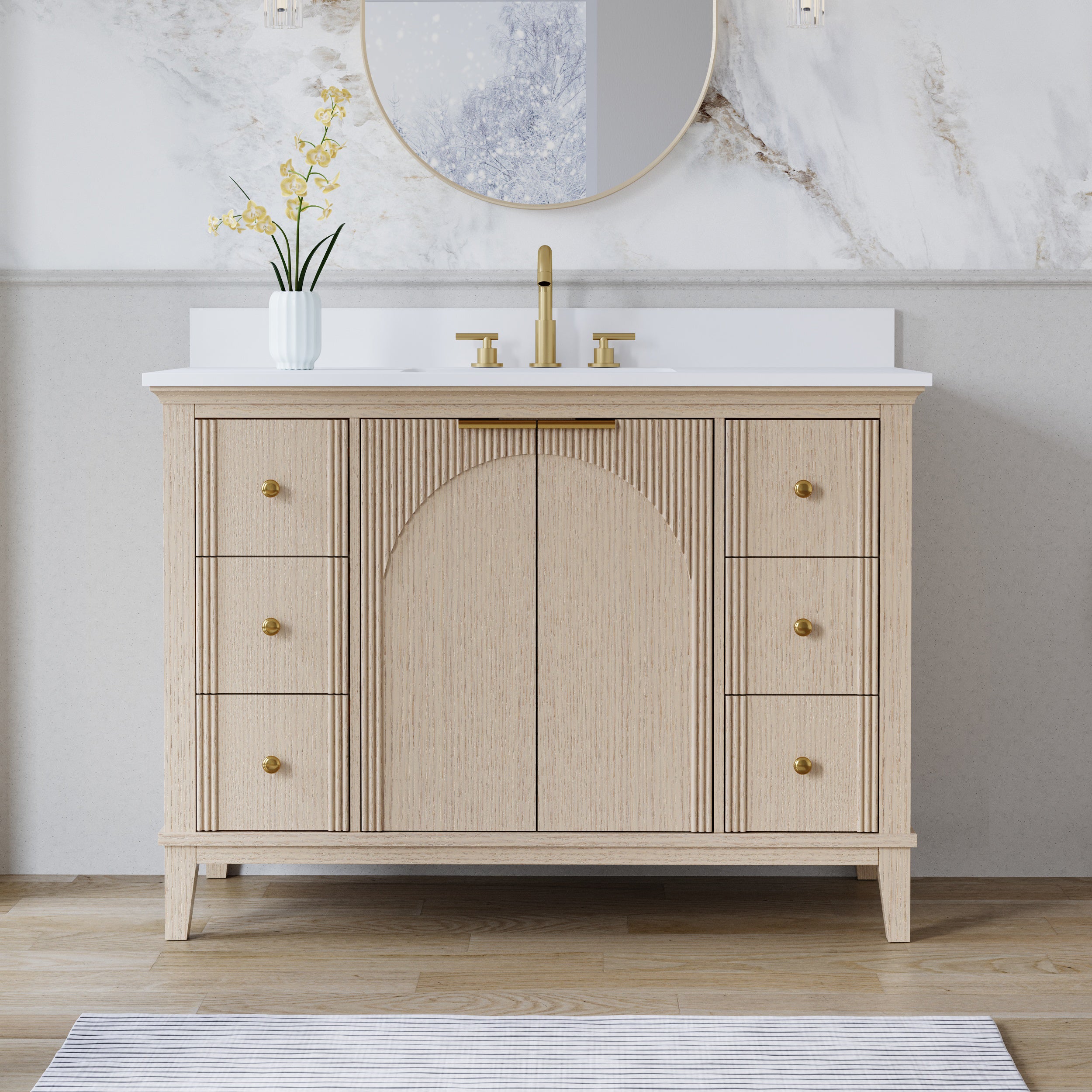
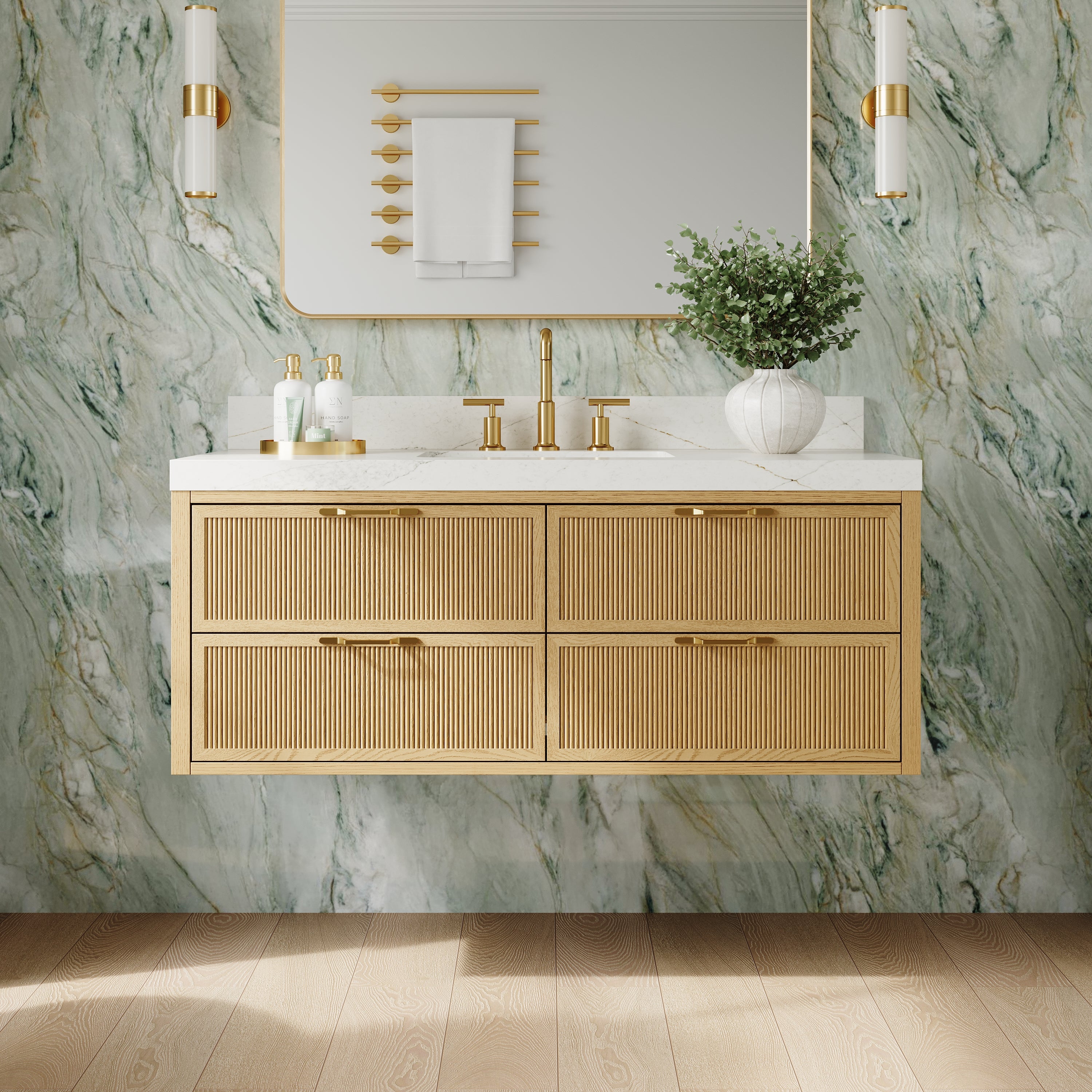
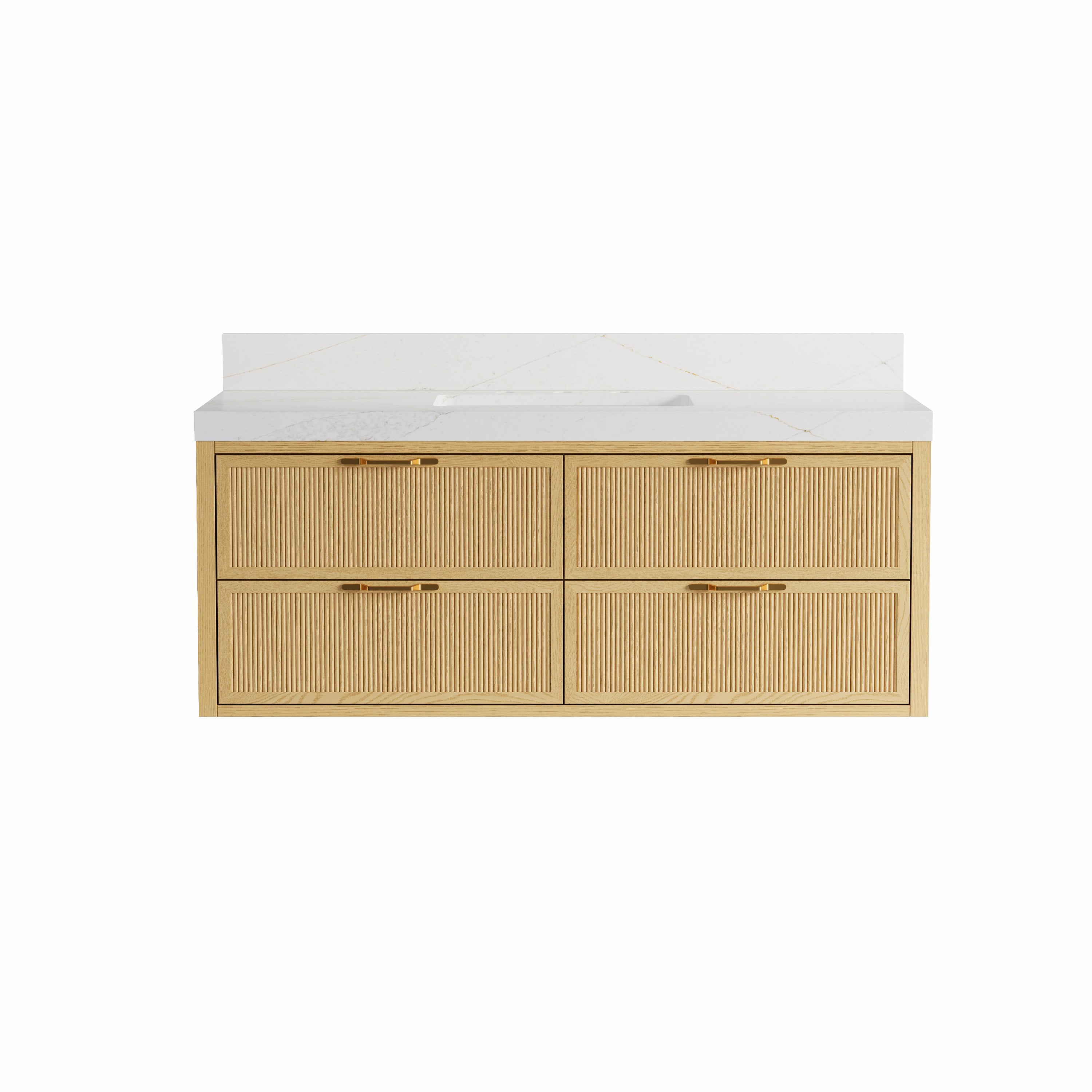
Solid wood remains popular because it feels substantial and brings warmth into bathrooms. It pairs naturally with quartz tops, brushed hardware, soft tile colors, and spa-style layouts. Houzz bathroom trend reporting has also shown continued interest in wood vanities and warmer natural finishes—source: Houzz.
But solid wood is not moisture-proof. It expands and contracts as humidity changes. In a humid bathroom, that movement can show up as tight drawers, small gaps, swelling, or cracking in the finish around the edges.
That does not make solid wood a bad choice. It means sealing, joinery, and ventilation matter.
3. Plywood is often the smarter cabinet-box material
For humid bathrooms, plywood is one of the most practical vanity materials. It is made from layered wood veneers, with alternating grain direction to improve stability. That structure helps plywood resist warping better than a single solid board.
APA, the Engineered Wood Association, notes that Exposure 1 panels are designed to resist moisture during short-term exposure, though they are not intended for permanent wet exposure—source: APA.
Plywood is moisture-resistant, not waterproof. Standing water still needs to be wiped up. In vanity construction, a 3/4 in plywood box is usually a safer long-term choice than a thin, low-density panel in a bathroom that sees daily steam.
4. MDF depends heavily on finish quality
MDF has a complicated reputation in bathrooms. It paints smoothly and creates a clean, flat surface, which is why many manufacturers use it for doors and decorative panels. The weak point is the edge.
Once water reaches an unsealed edge, MDF can swell and may not return to its original shape. That is why MDF should be judged by finish quality, not by the material name alone.
Look closely at bottom edges, sink-side corners, drawer fronts, and inside seams. If the finish looks thin, raw, or uneven, that vanity is not ideal for a humid room.
MDF can work in a powder room or a well-ventilated bath. For a high-use family bathroom, plywood is more forgiving.
5. Particleboard is where buyers need to be careful
Particleboard is common in budget vanities because it is flat and affordable. Standard particleboard, however, does not handle moisture abuse well. Once swelling begins, the surface can bubble, laminate can separate, and screws may lose grip.
Not all particleboard is the same. The ANSI A208.1 standard includes moisture-resistant categories such as MR10 and MR50. Under that standard, MR10 and MR50 panels must not exceed 5.5% thickness swell after a 24-hour water submersion test—source: ANSI A208.1.
Moisture-resistant particleboard is better than standard low-grade particleboard, but it still does not match plywood for long-term bathroom durability.

6. PVC and aluminum are gaining ground in wet spaces
In very humid bathrooms, wood-based cabinets are not the only option. PVC and aluminum vanities are becoming more common in wet rooms, coastal areas, and compact bathrooms where water exposure is harder to control.
PVC does not swell like wood-based panels. It can be practical near showers or where splashing is expected. The trade-off is appearance. Some PVC vanities still look less furniture-like than wood, although newer finishes have improved.
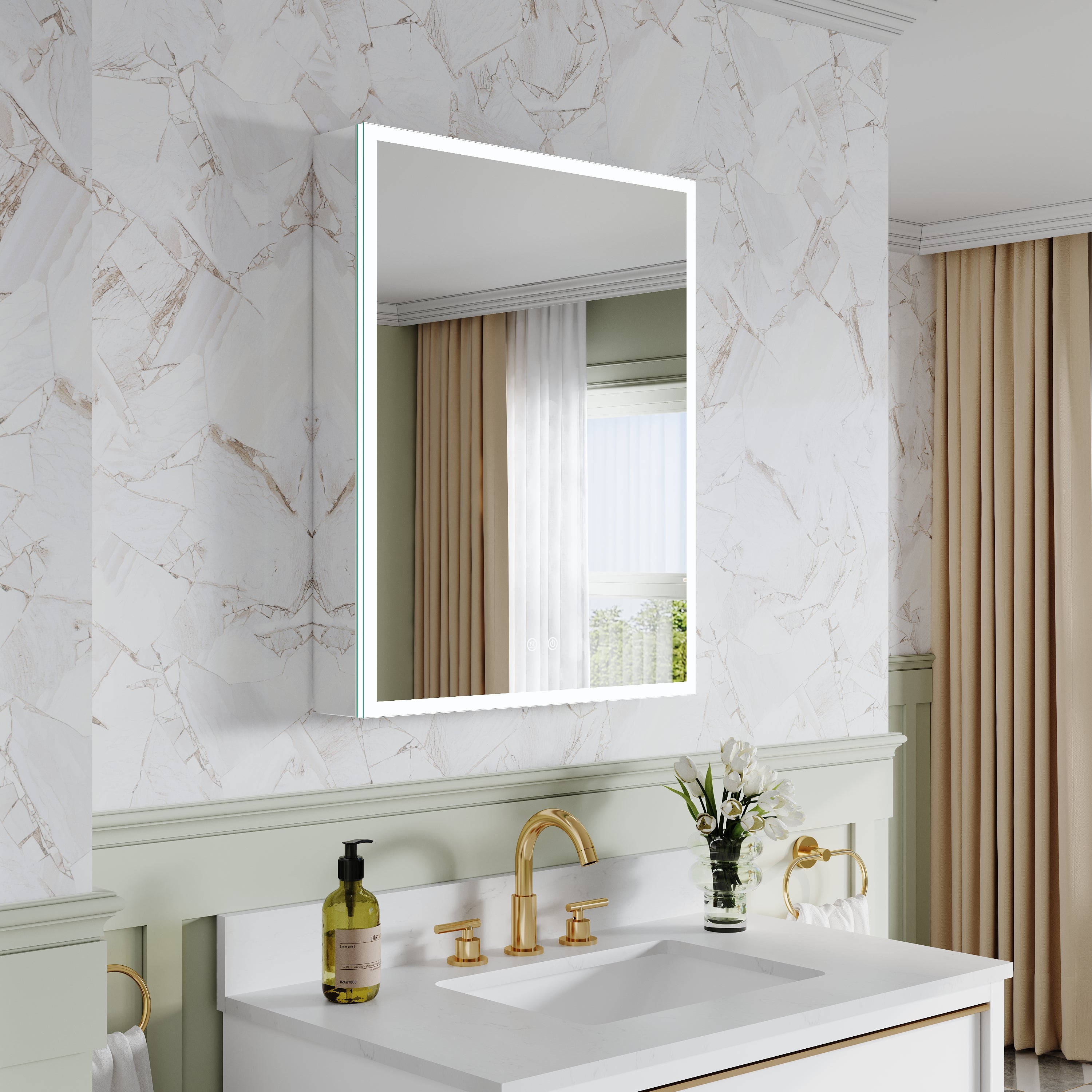
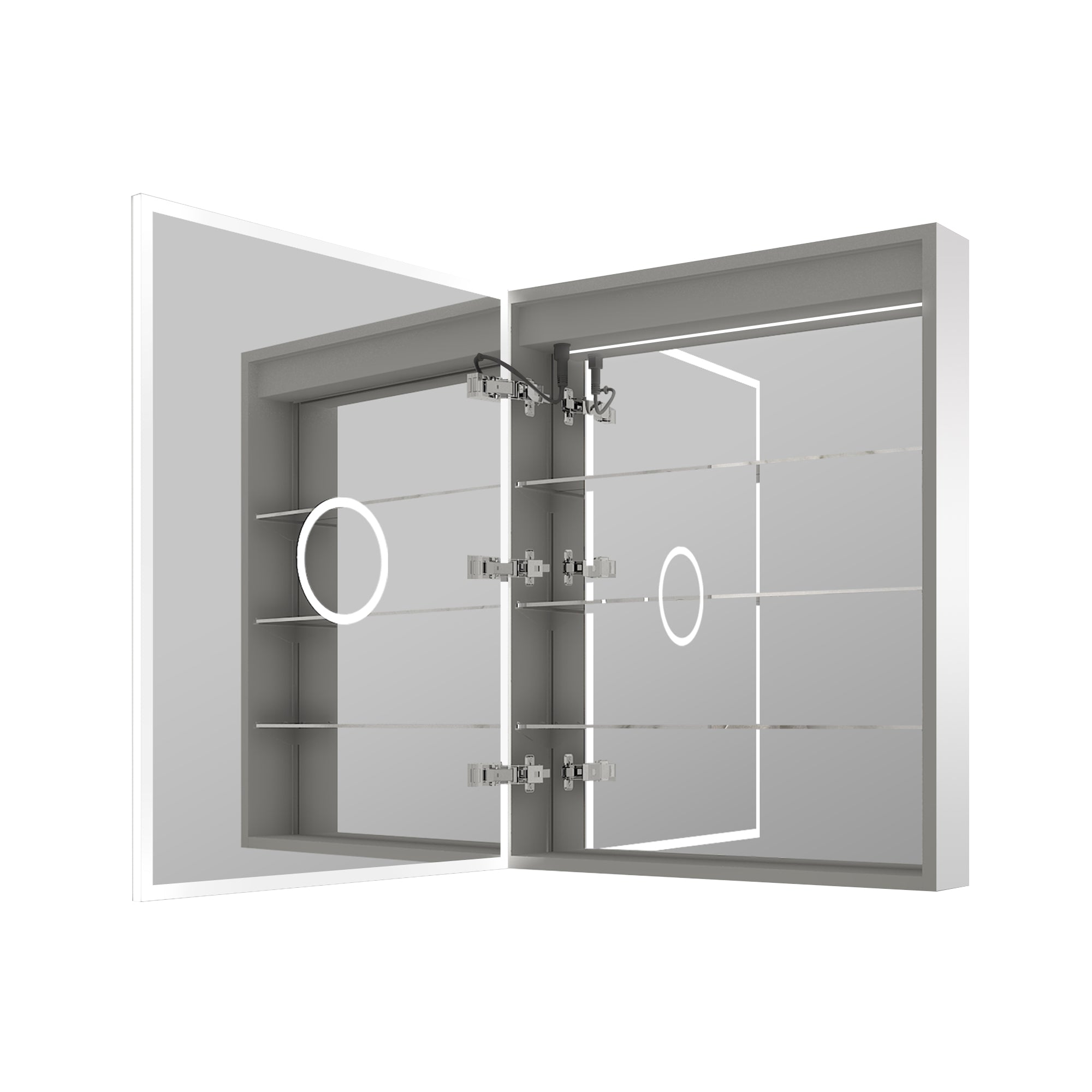
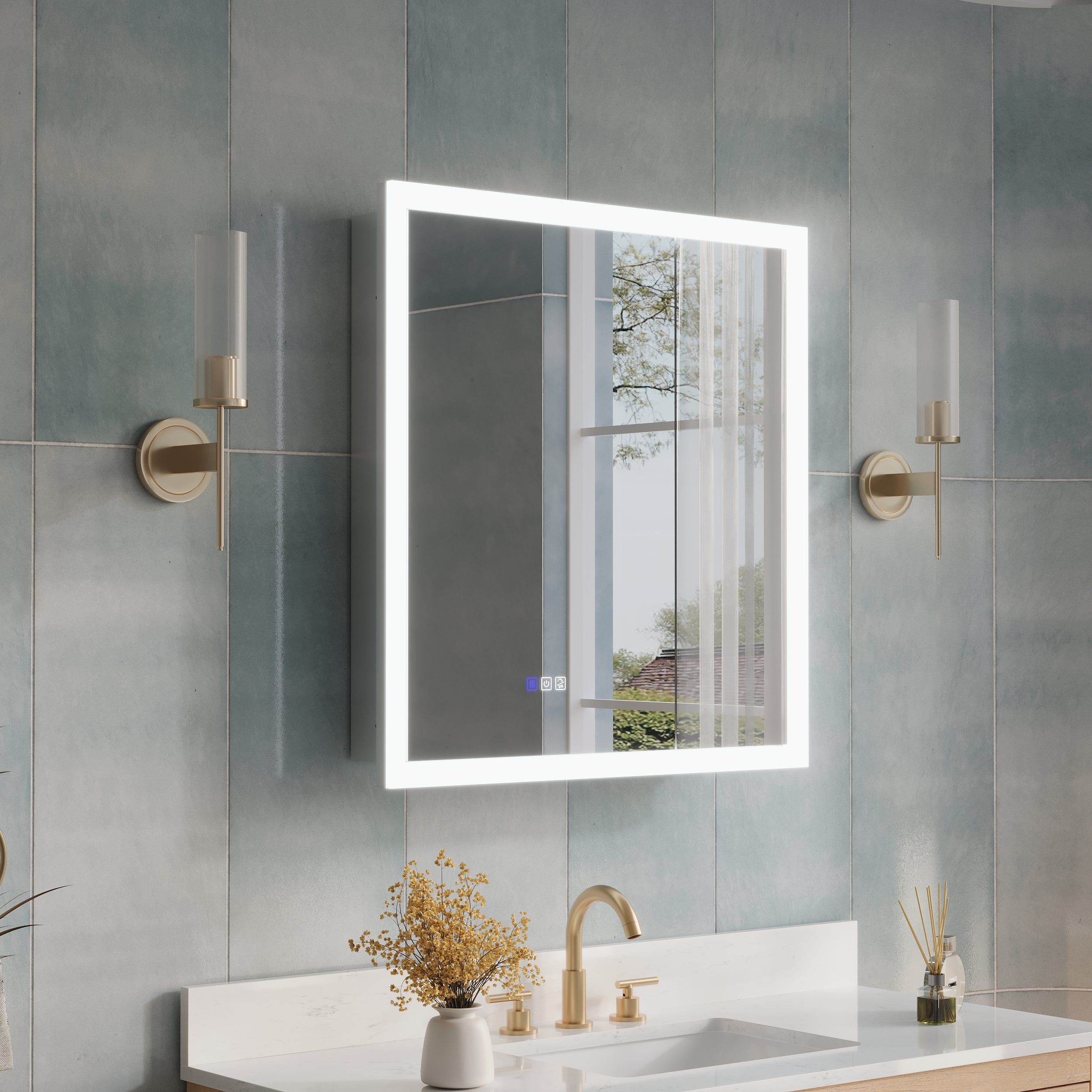
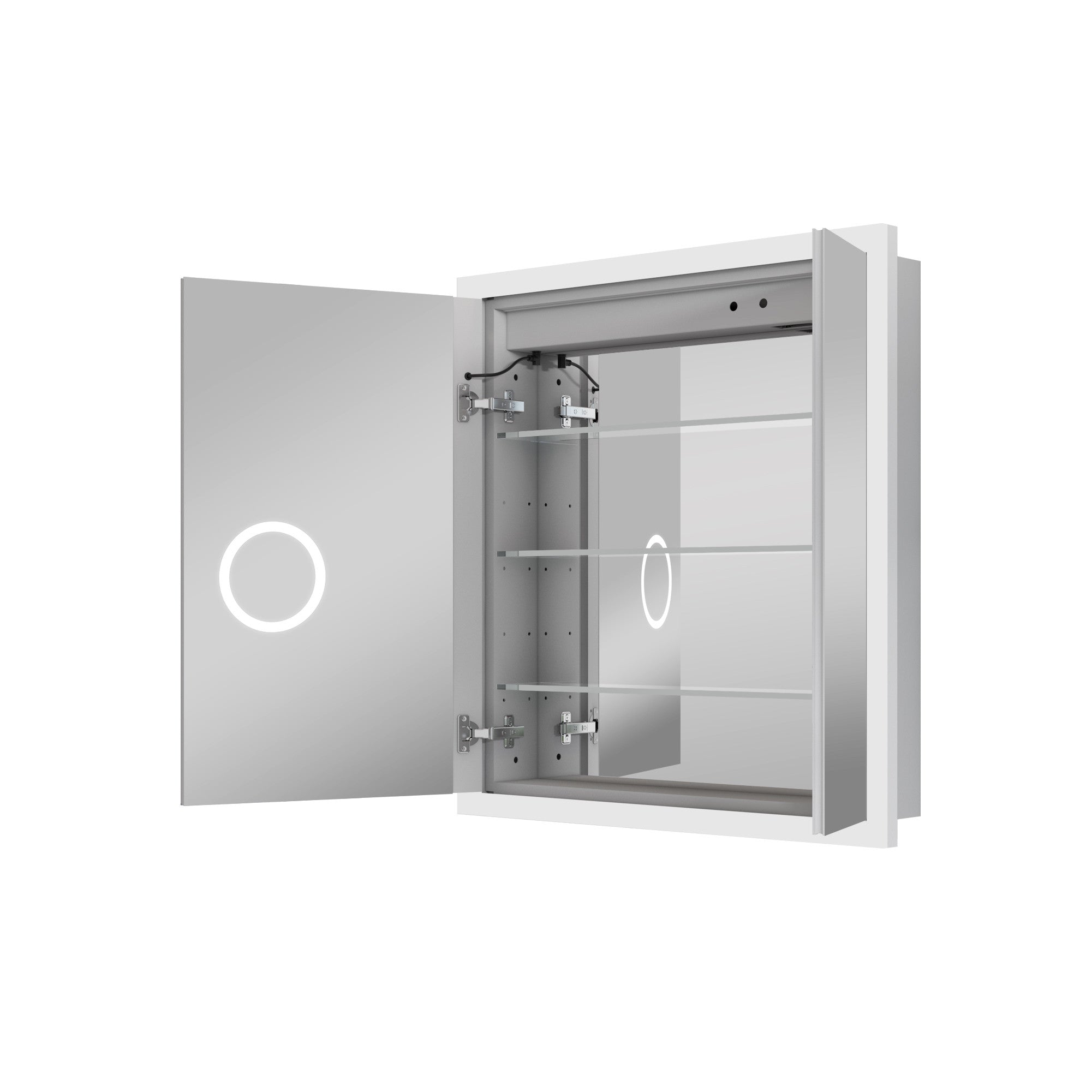
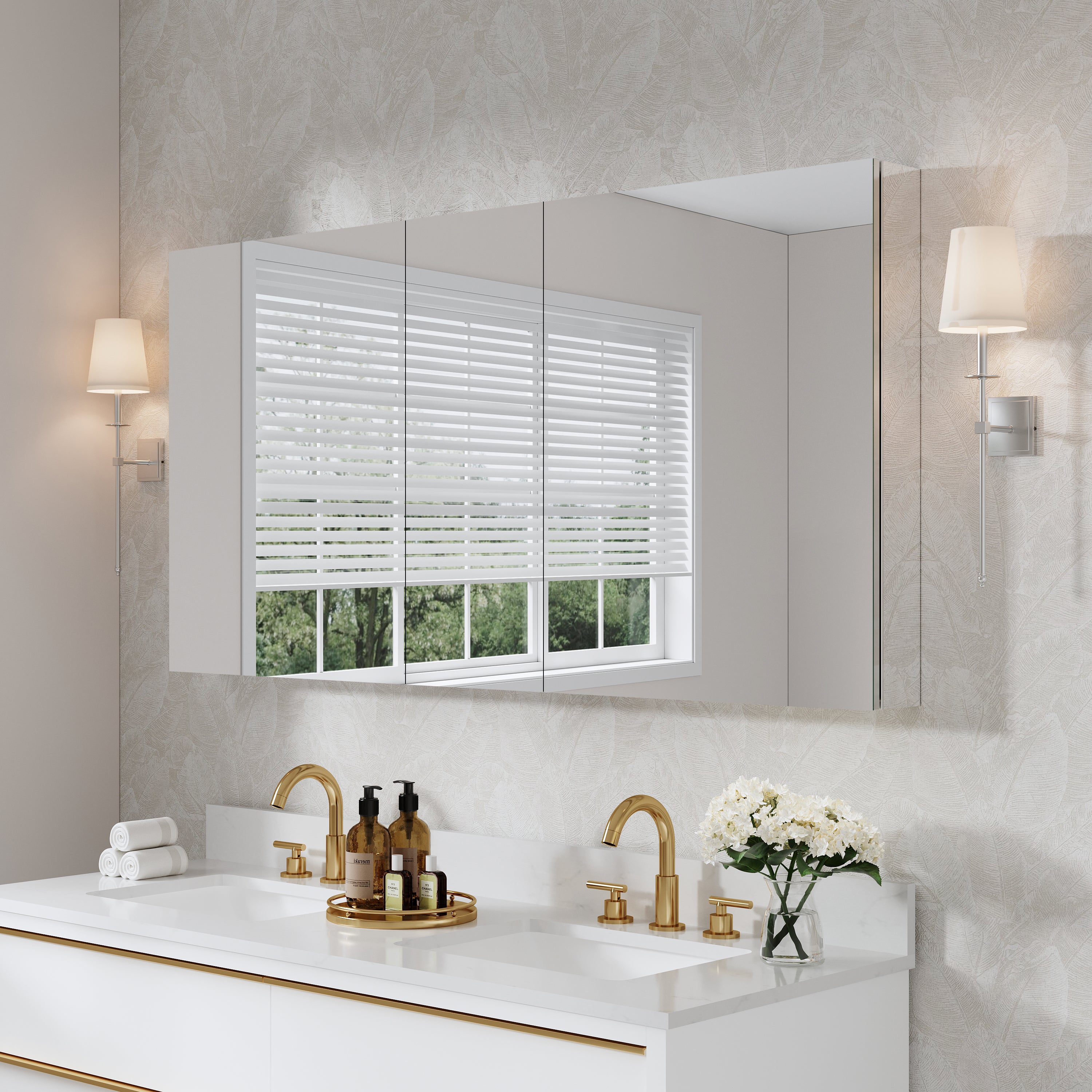
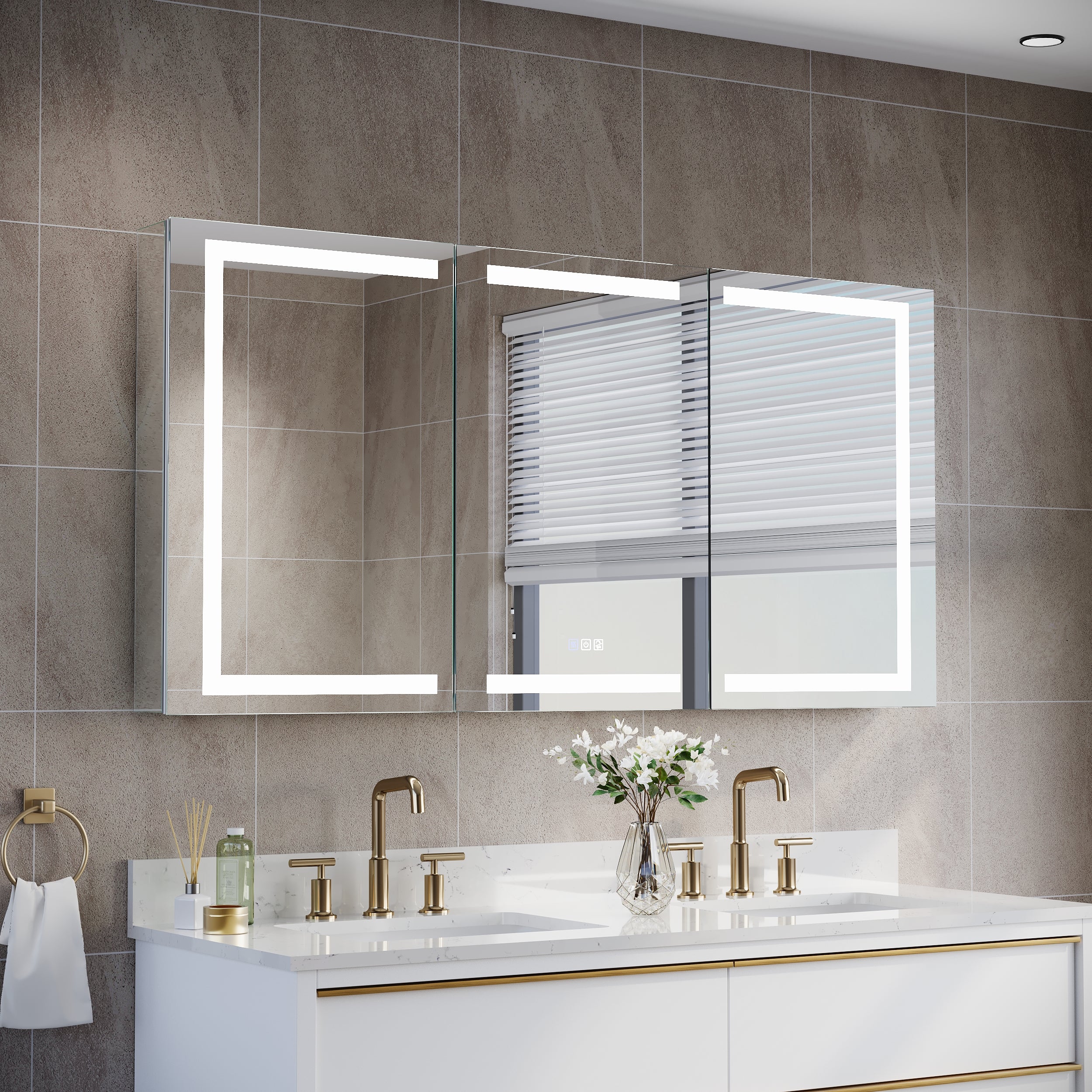
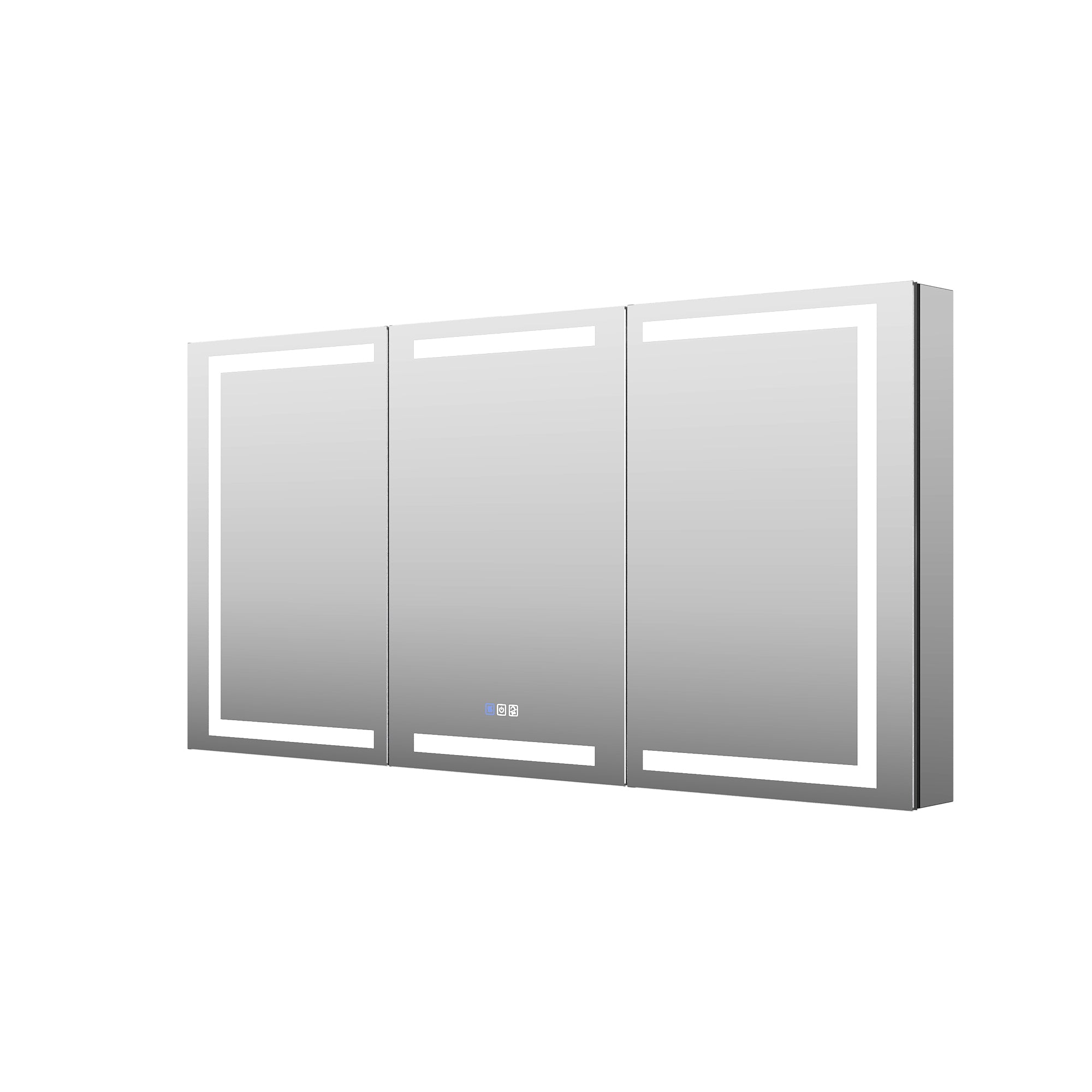
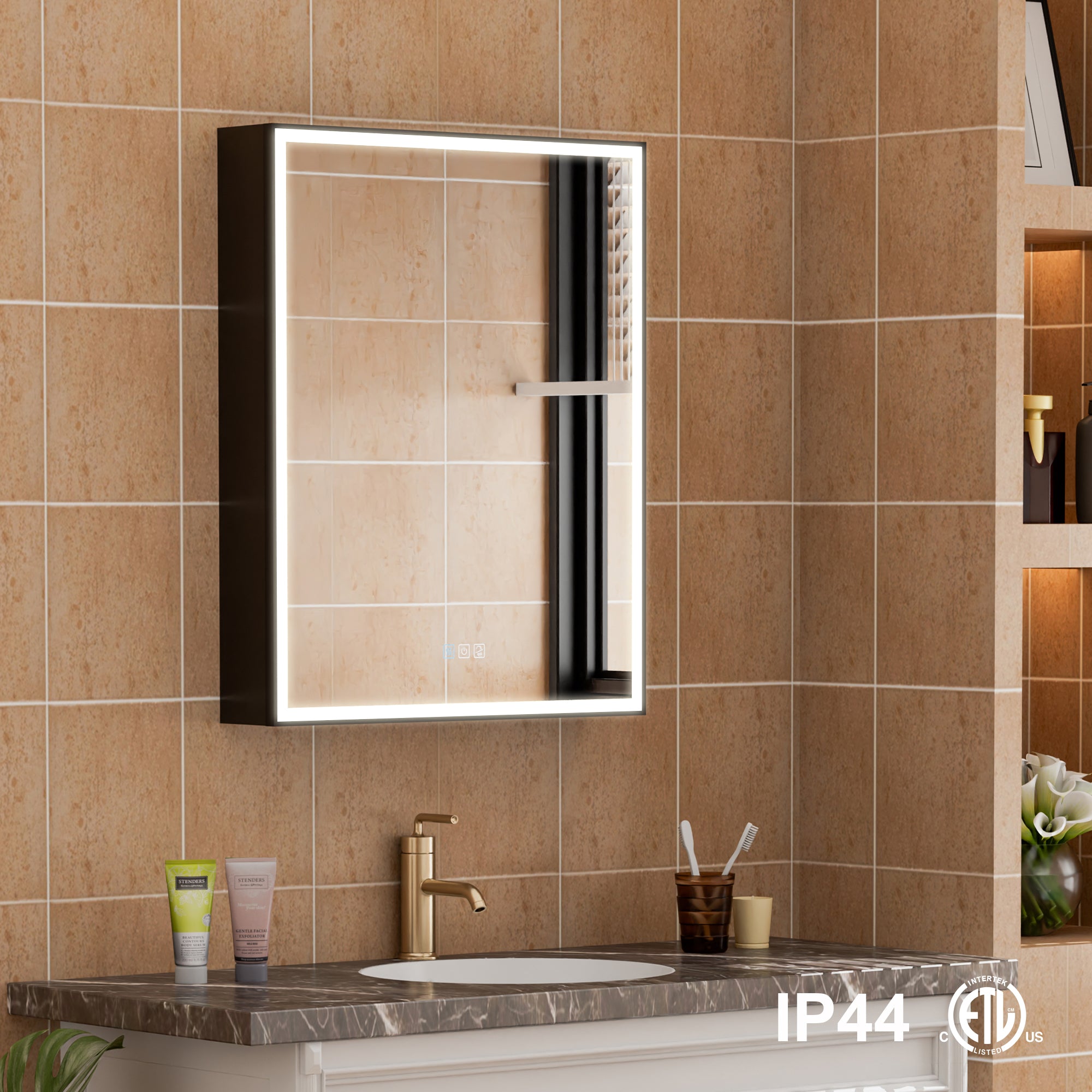
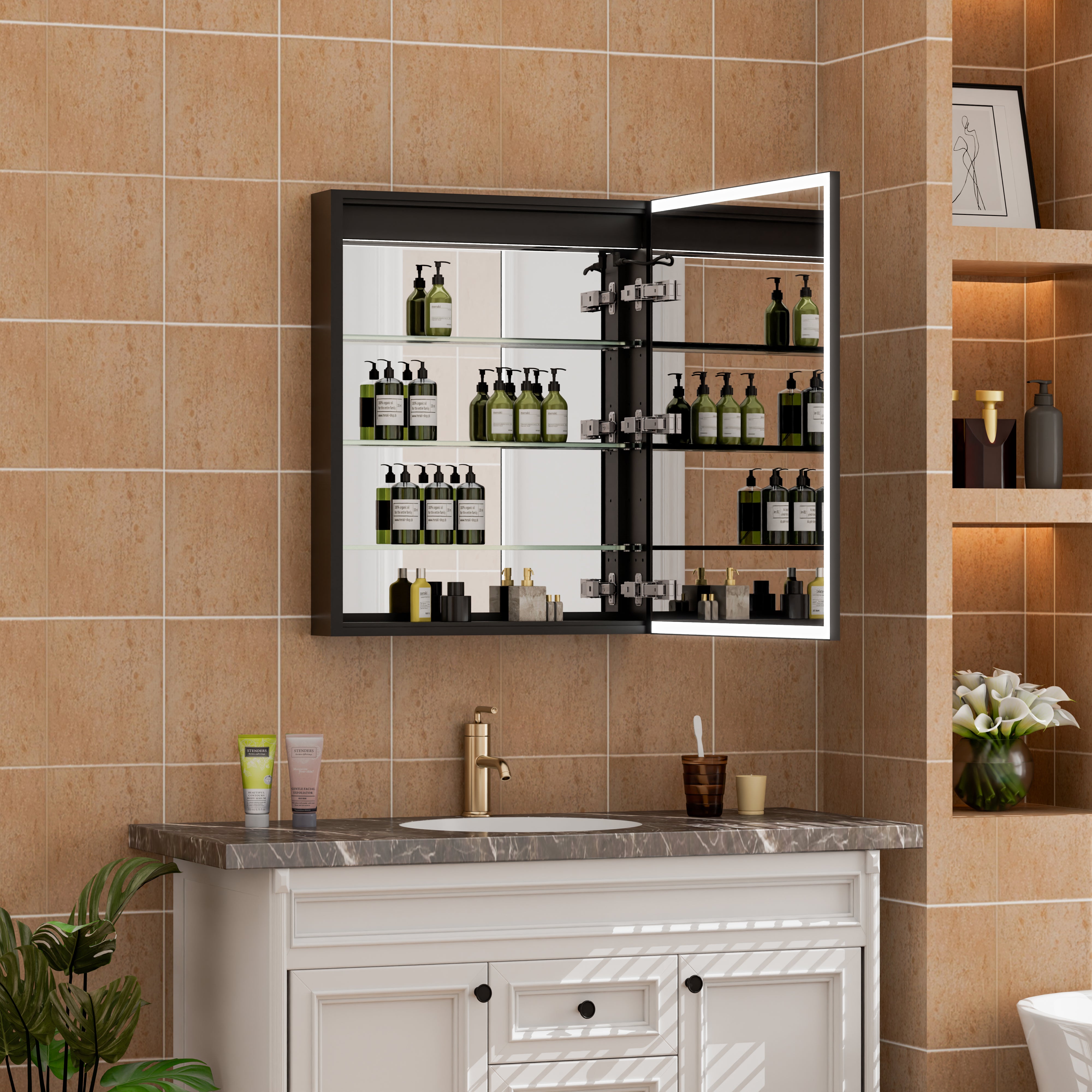
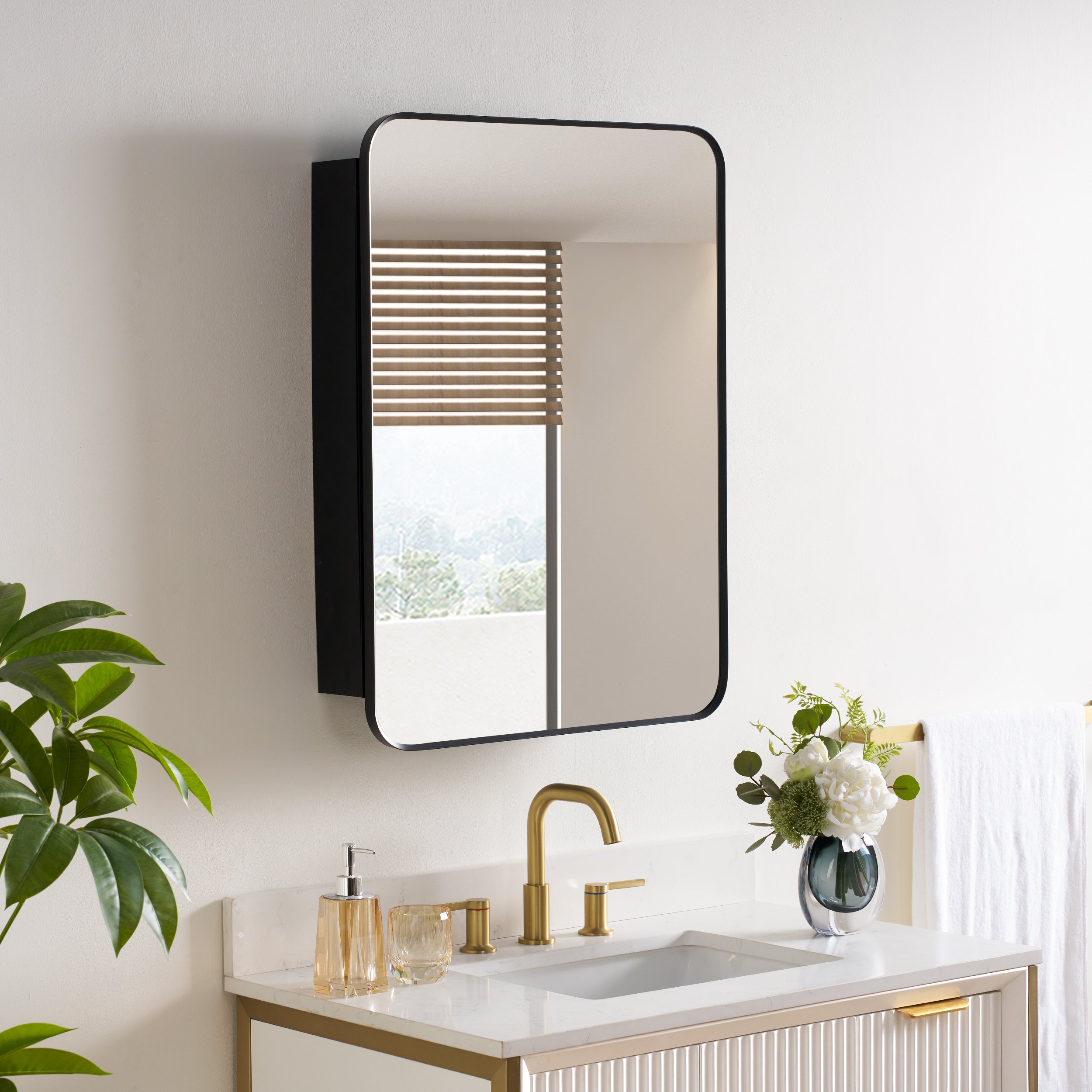
Aluminum is another moisture-resistant route. It is already widely used in medicine cabinets and mirror cabinets, and it fits modern bathroom designs well. For full vanities, it works best in cleaner, minimal interiors.
7. The countertop helps protect the cabinet
A moisture-resistant vanity is not only about the base cabinet. The top matters because it controls how much water reaches the structure below.
Houzz’s 2025 Bathroom Trends Study found engineered quartz was the leading vanity countertop material at 45%. Source: Houzz. That makes sense in humid bathrooms because quartz is non-porous, easy to clean, and does not require sealing.
Marble and other natural stones can still look beautiful, but they need more care. For humid spaces, a plywood vanity paired with a quartz top is one of the most practical combinations.
8. Finish quality is the hidden difference
Two vanities can list the same material and perform very differently. The hidden difference is finish quality.
Moisture usually enters through exposed bottom edges, unfinished backs, sink cutouts, drawer-front seams, screw holes, and poorly sealed corners. Once water finds an opening, even a decent material can start to fail.
A good vanity for a humid climate should have sealed edges, a finished interior, a water-resistant coating, and stable hardware. Raising the legs or installing a floating installation can also help, as the cabinet dries faster after mopping or splashing.
9. Ventilation is part of the material decision
No vanity material can compensate for a bathroom that stays damp all day. ASHRAE guidance places habitable-space relative humidity around the 30% to 60% range, which supports the basic goal of keeping indoor moisture under control—source: ASHRAE.
That makes the exhaust fan part of the vanity’s protection system. It should run during showers and stay on long enough afterward to clear steam. In bathrooms that feel damp or smell musty, a small humidity meter can be more useful than guessing.
10. What to choose in humid climates
For long-term performance, the safest vanity materials are usually plywood, properly sealed solid wood, PVC, aluminum, or hybrid construction that uses wood where it is visible and plywood where stability matters.
Avoid raw edges, thin laminate skins, and vague claims like “waterproof wood” without material details. Wood-based vanities can be moisture-resistant, but they are rarely truly waterproof.
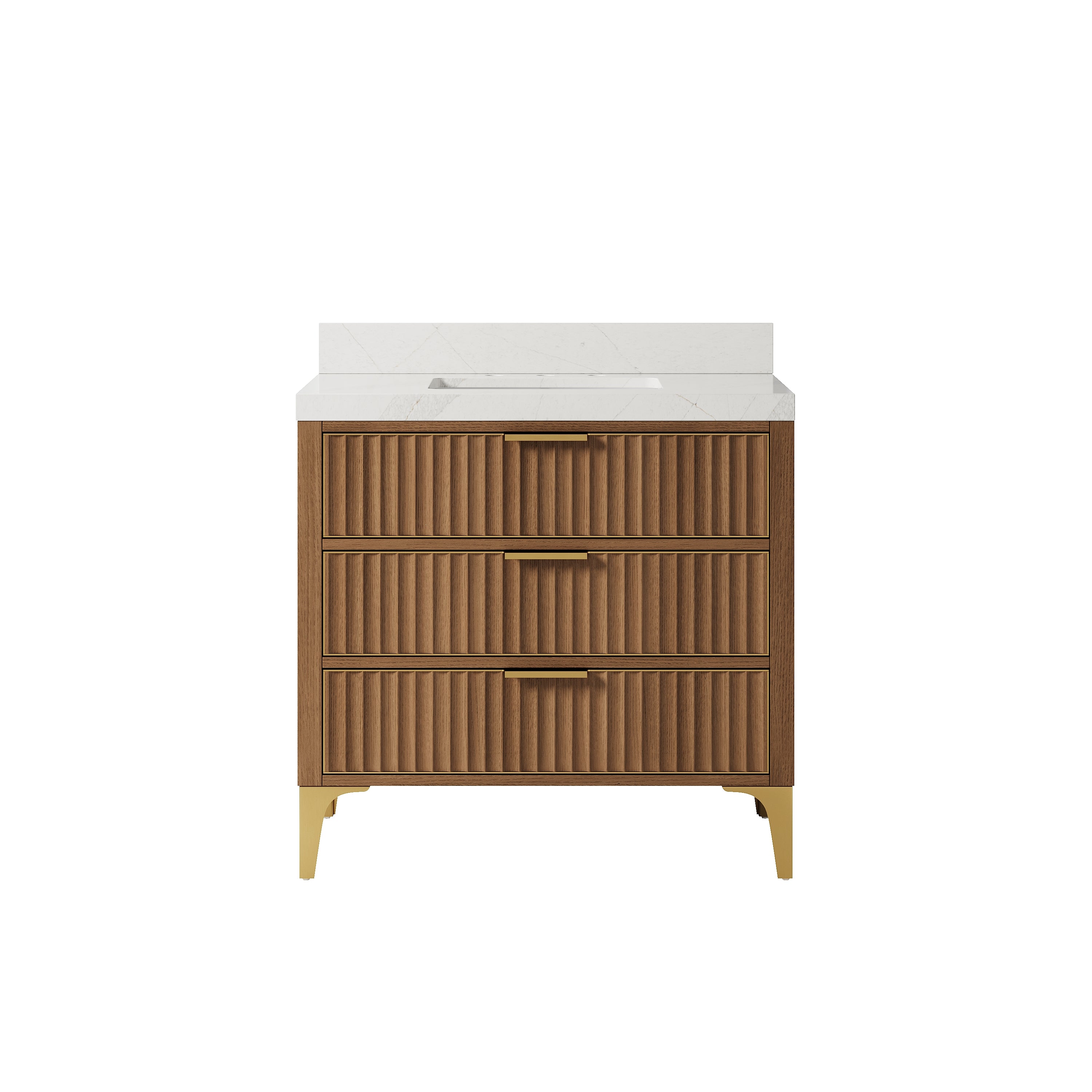
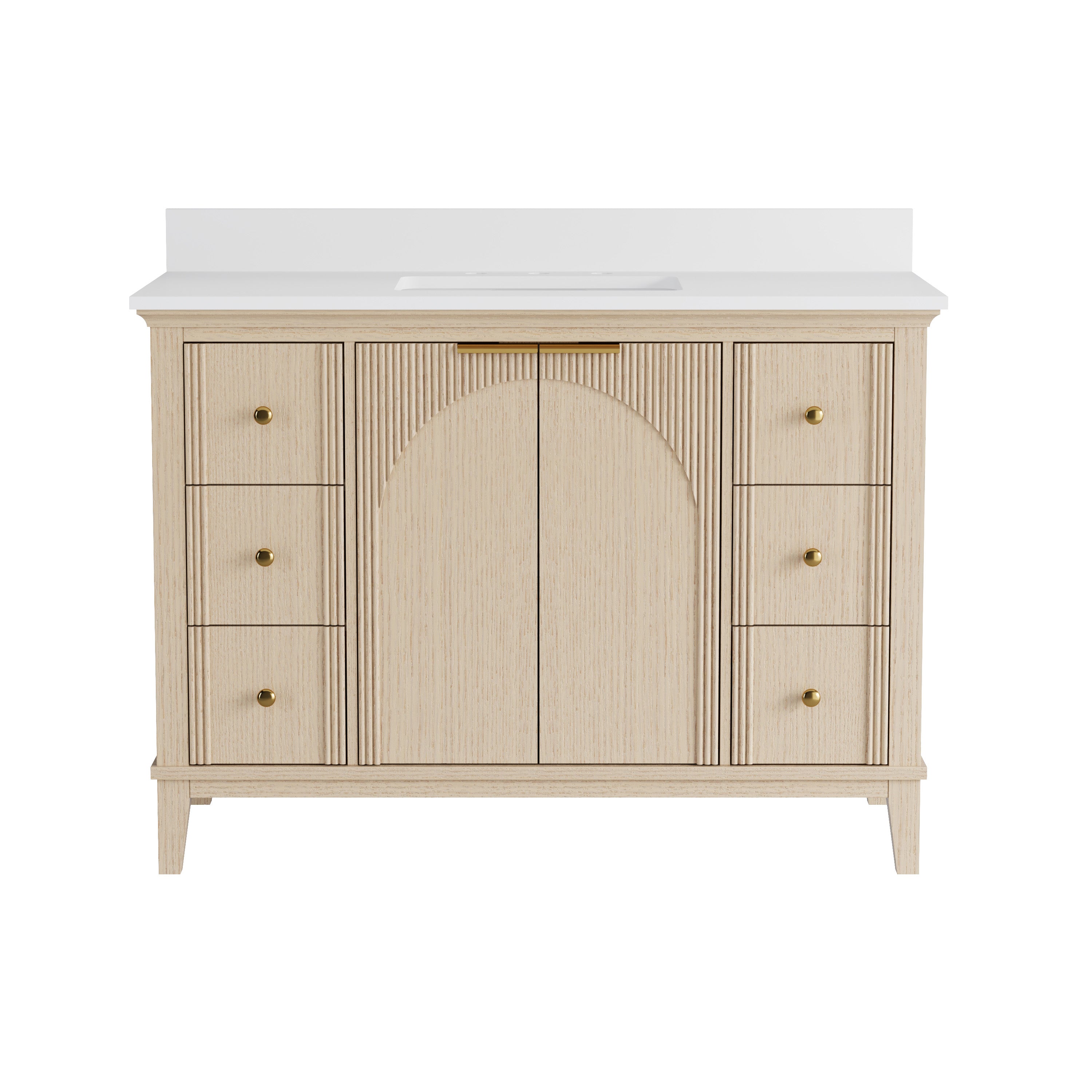
For most humid bathrooms, the strongest balance is a 3/4 in plywood cabinet box, sealed wood or high-quality painted fronts, a quartz top, raised legs or wall-mounted installation, and strong ventilation.
That combination is not flashy, but it works. A good bathroom vanity should still open smoothly, stay square, and keep its finish after years of steam, splashes, and daily cleaning.









Leave a comment
This site is protected by hCaptcha and the hCaptcha Privacy Policy and Terms of Service apply.