
















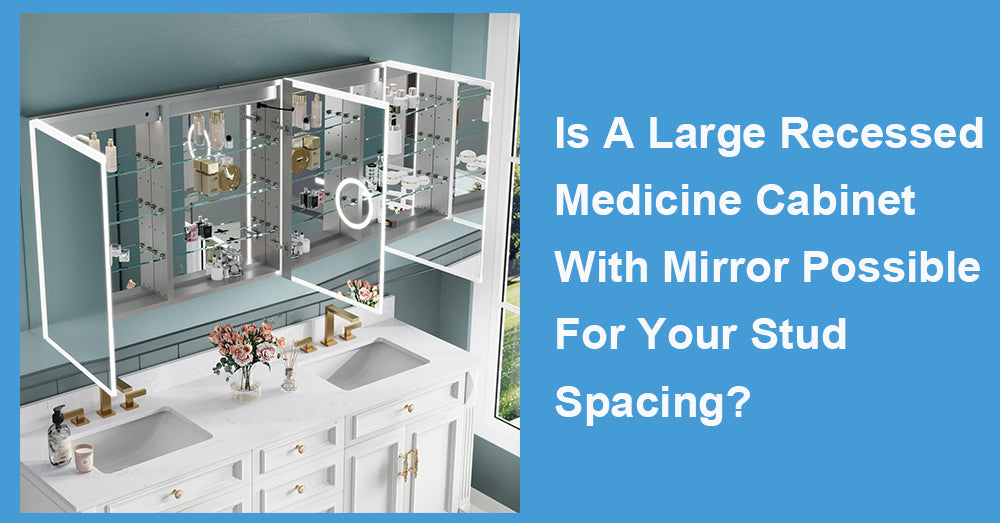
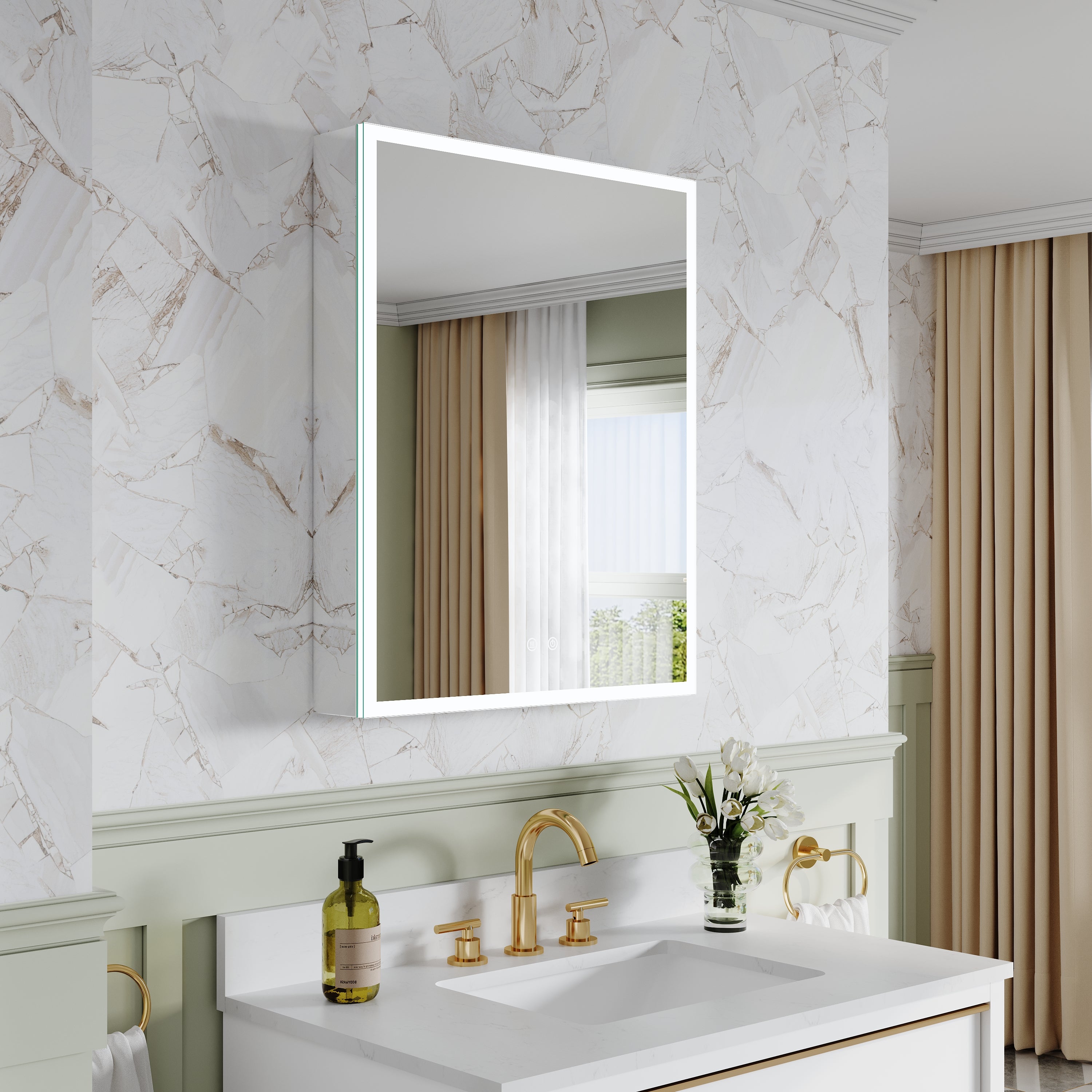
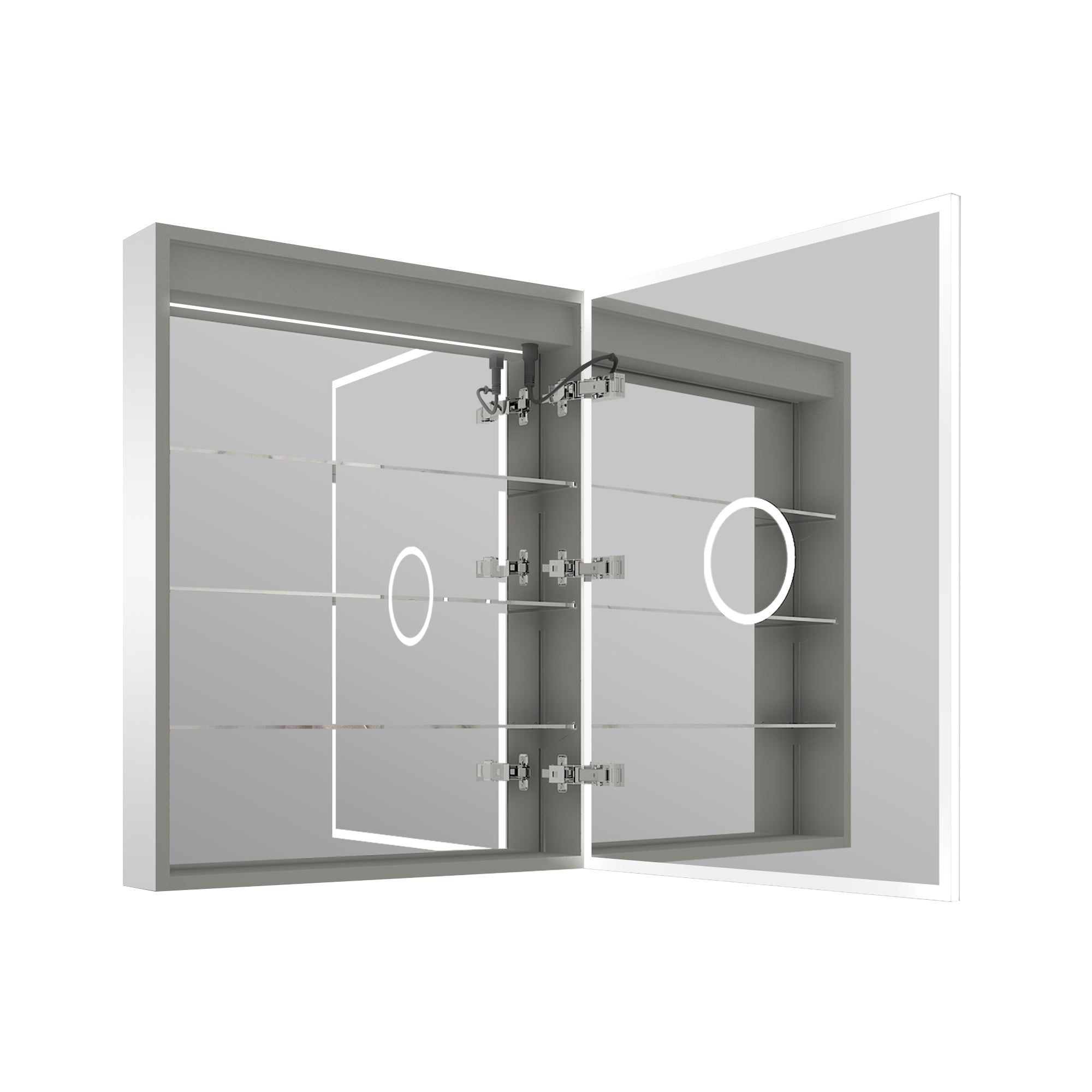
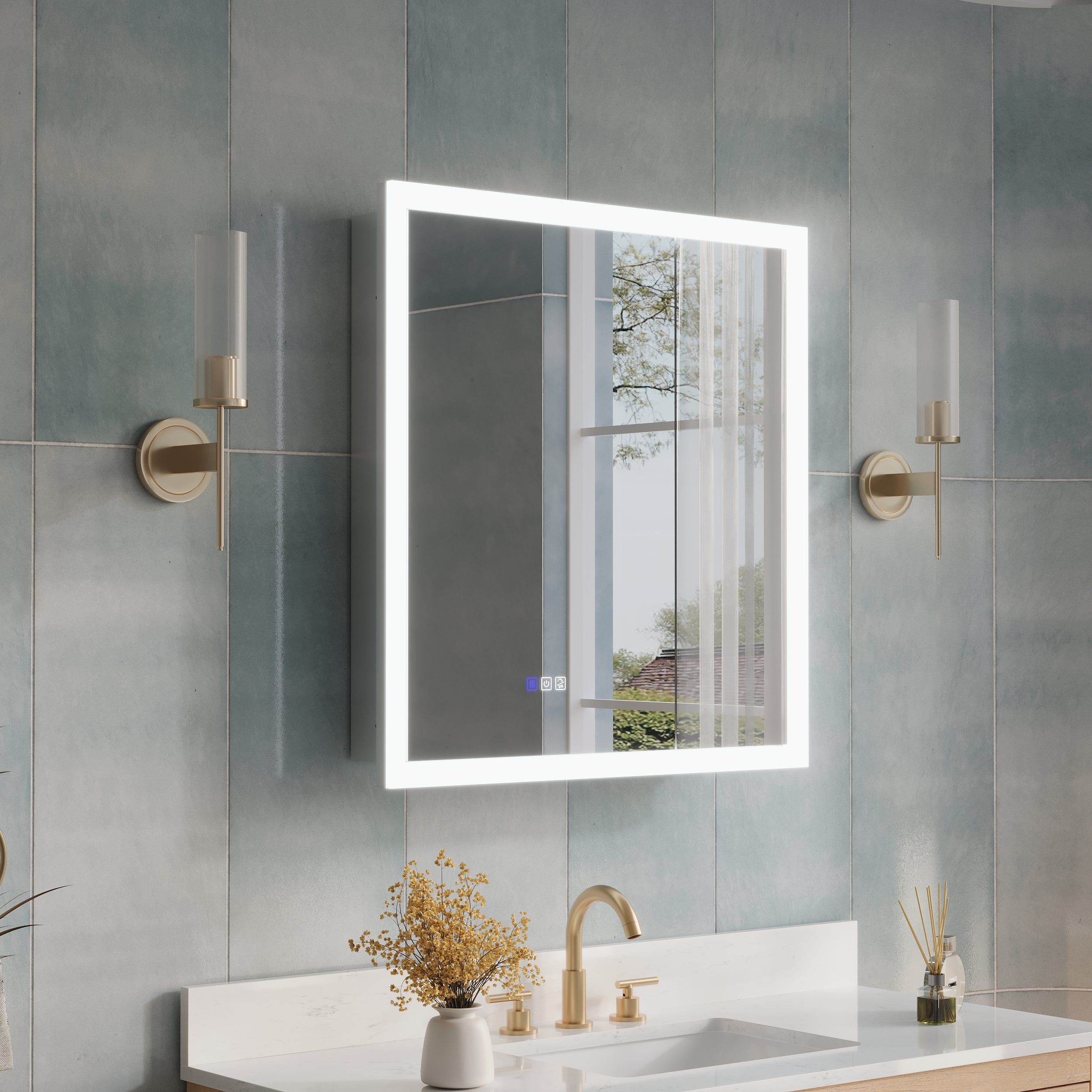
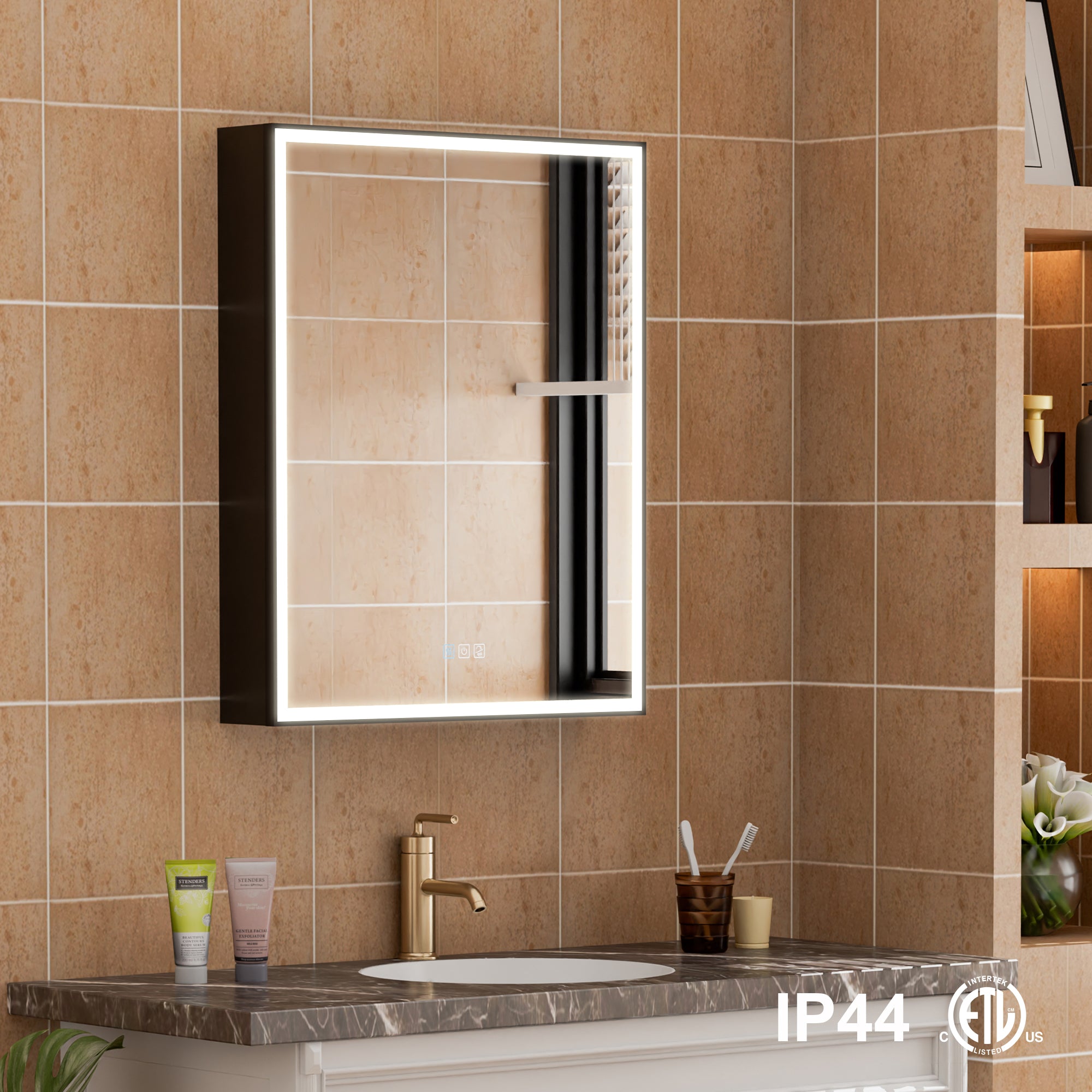
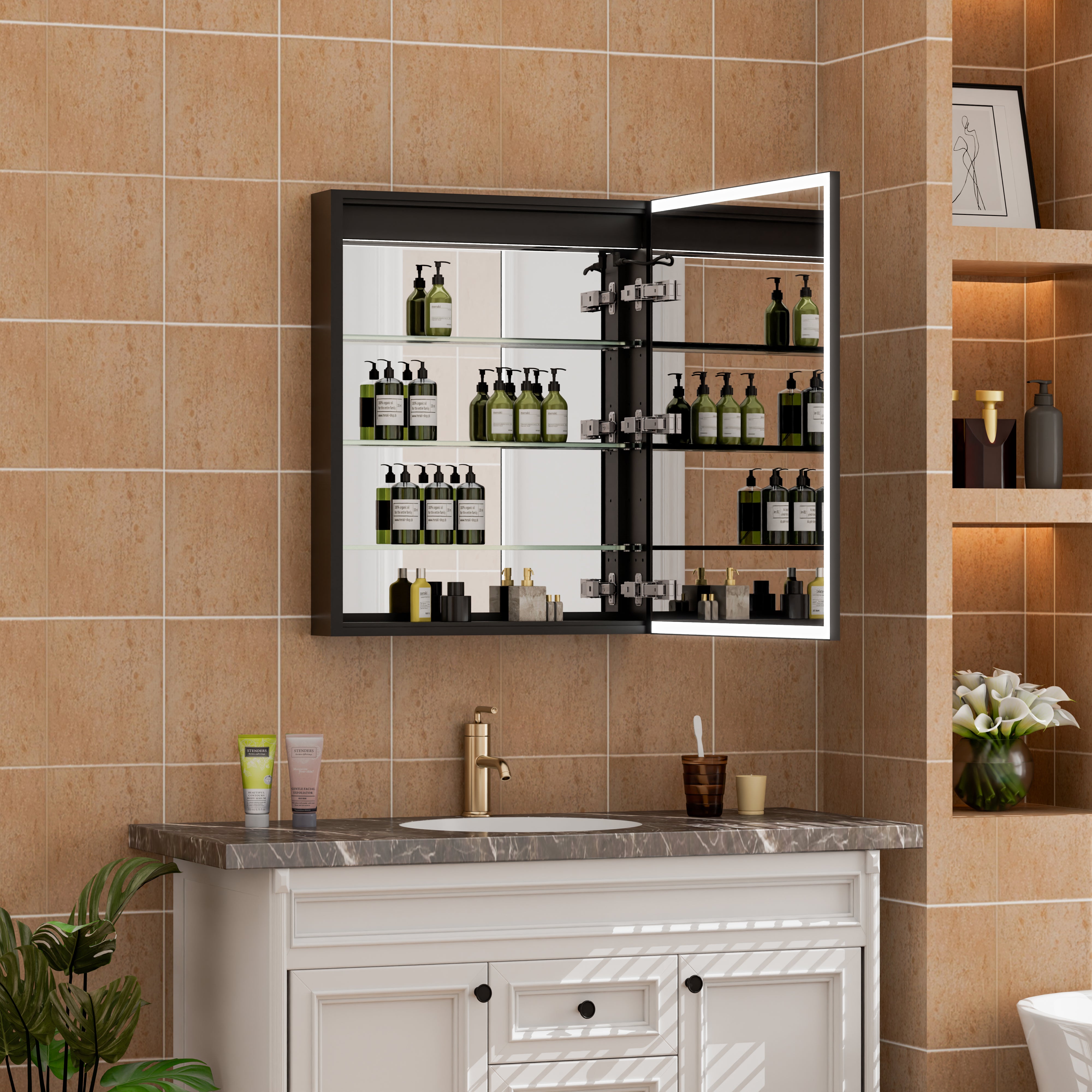
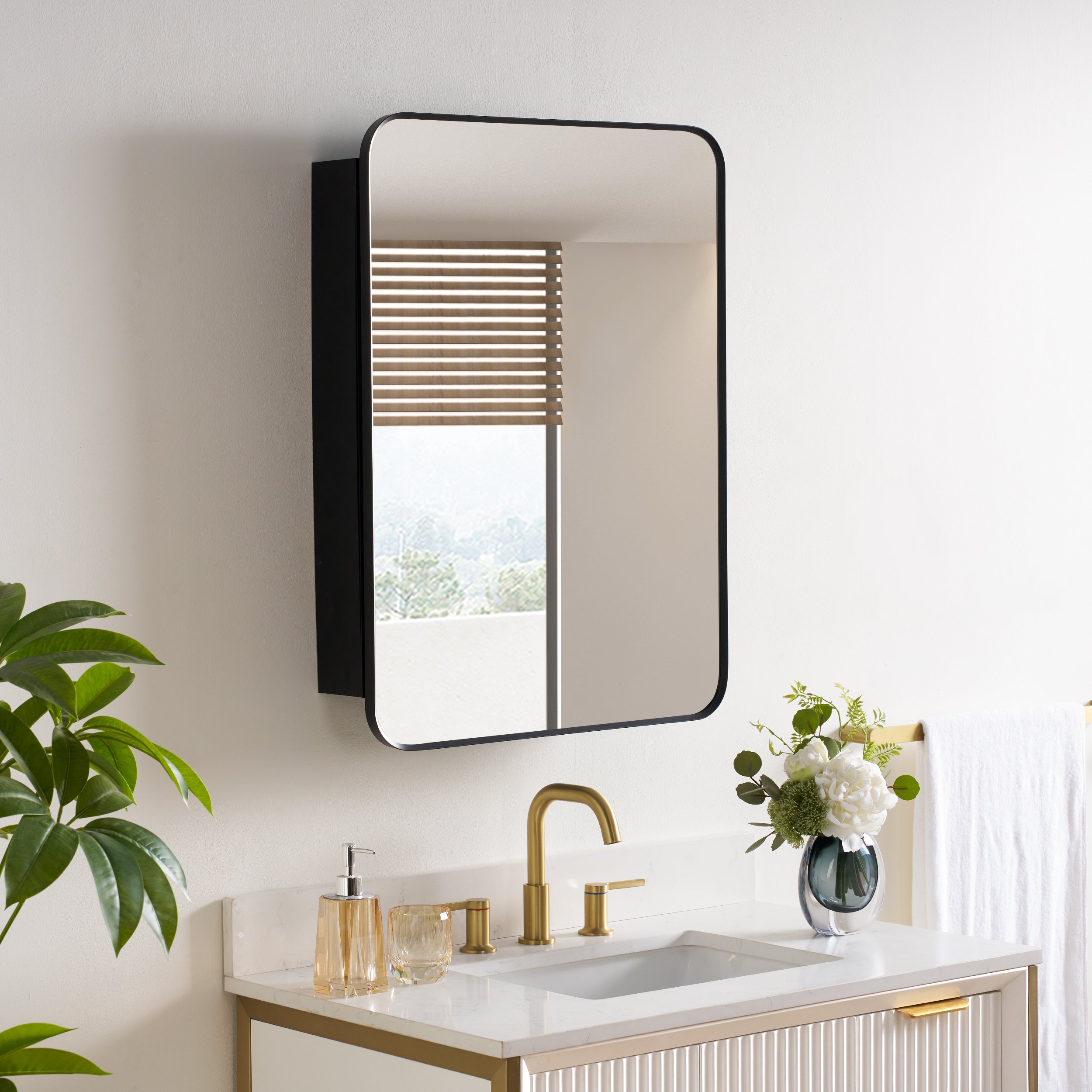
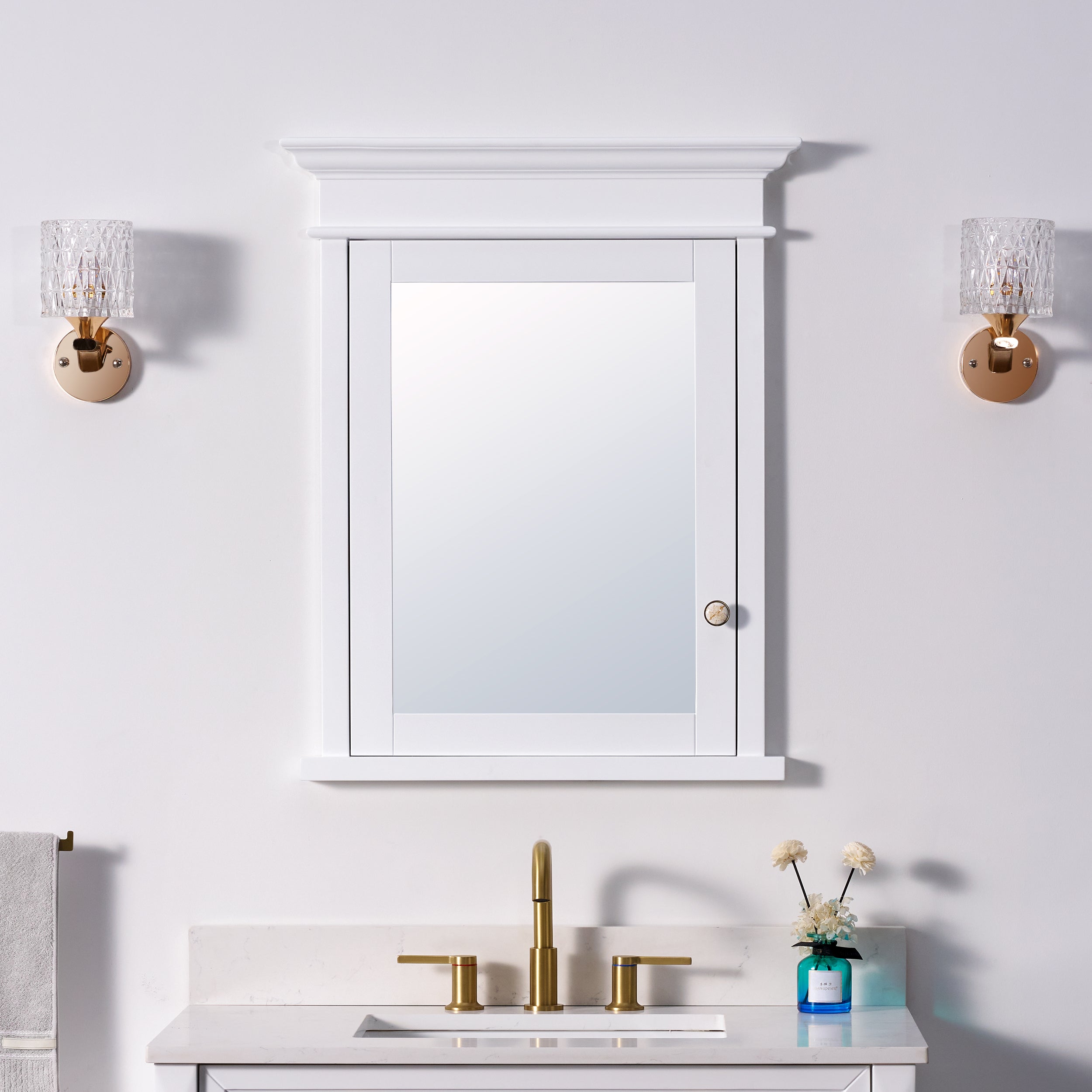
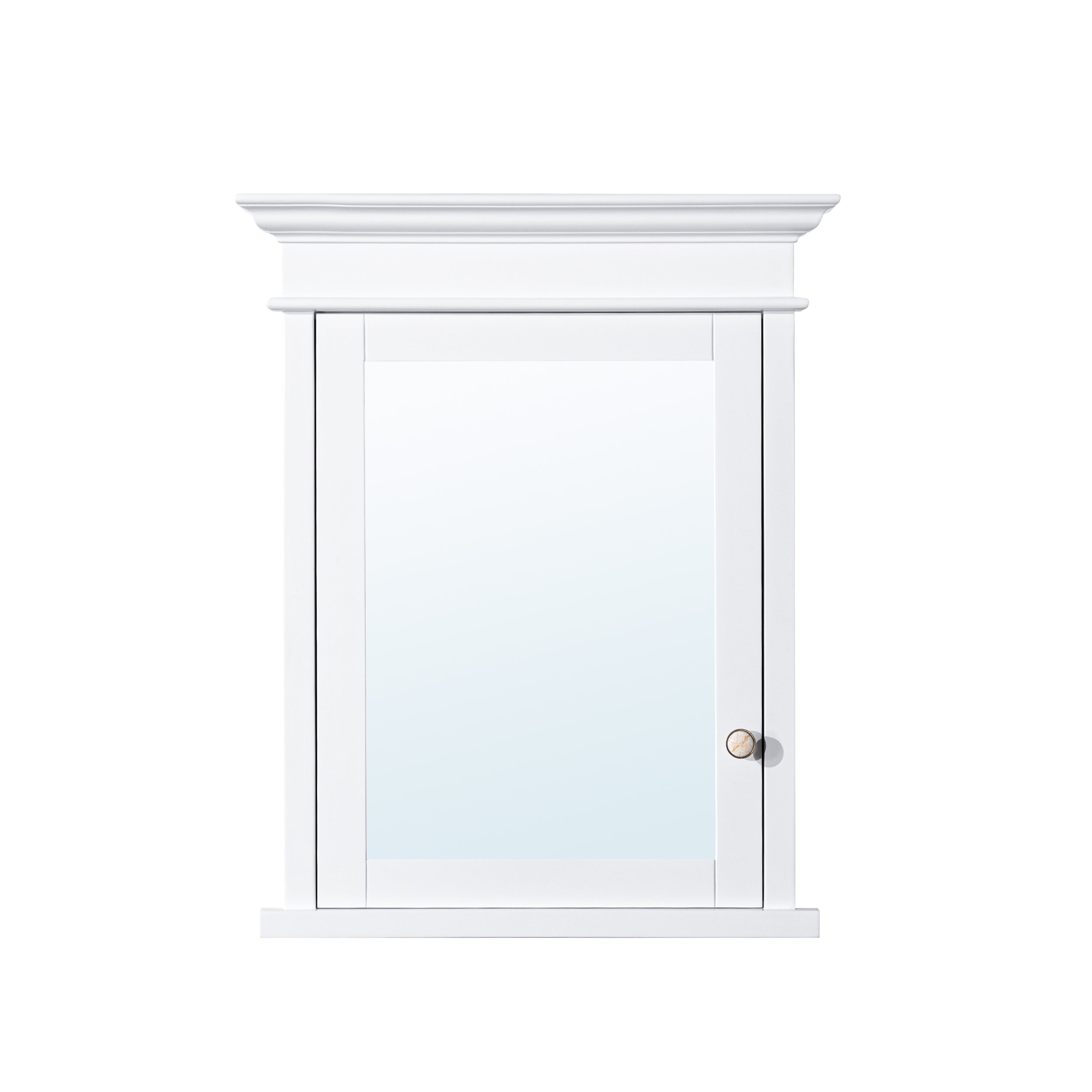
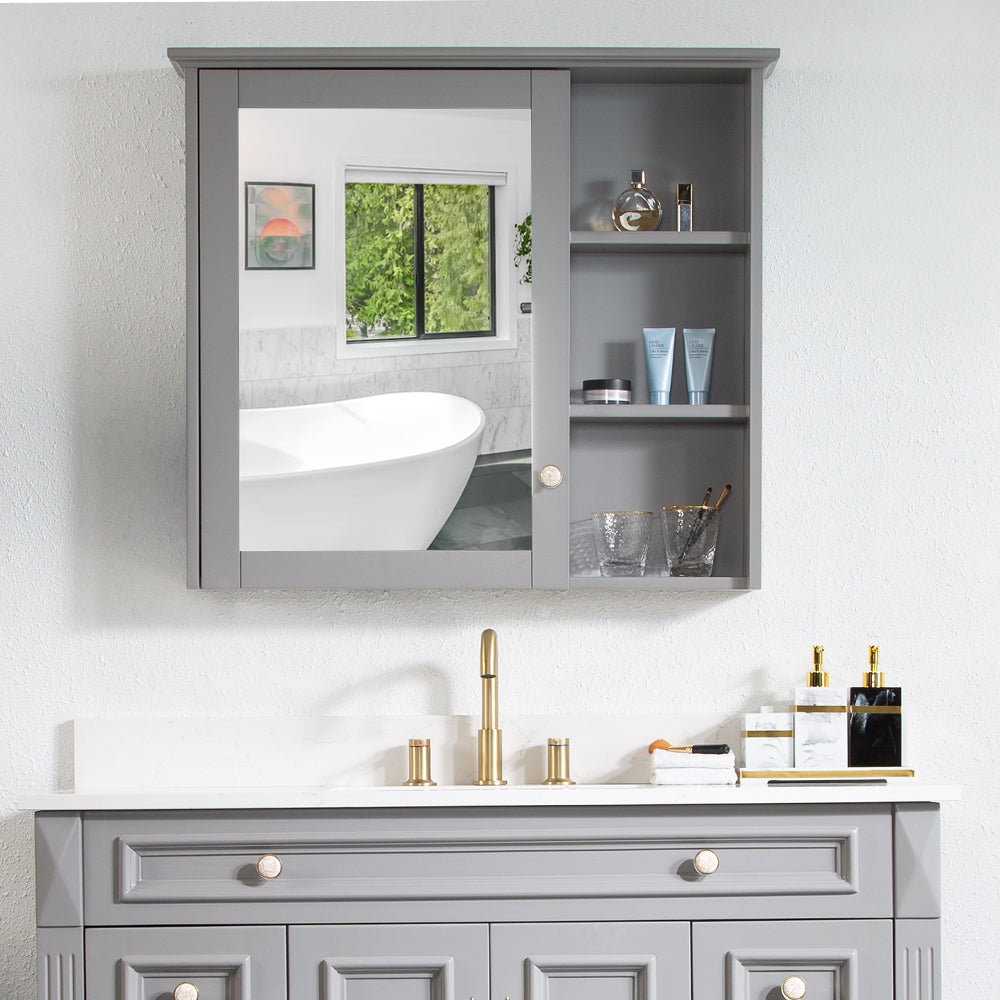
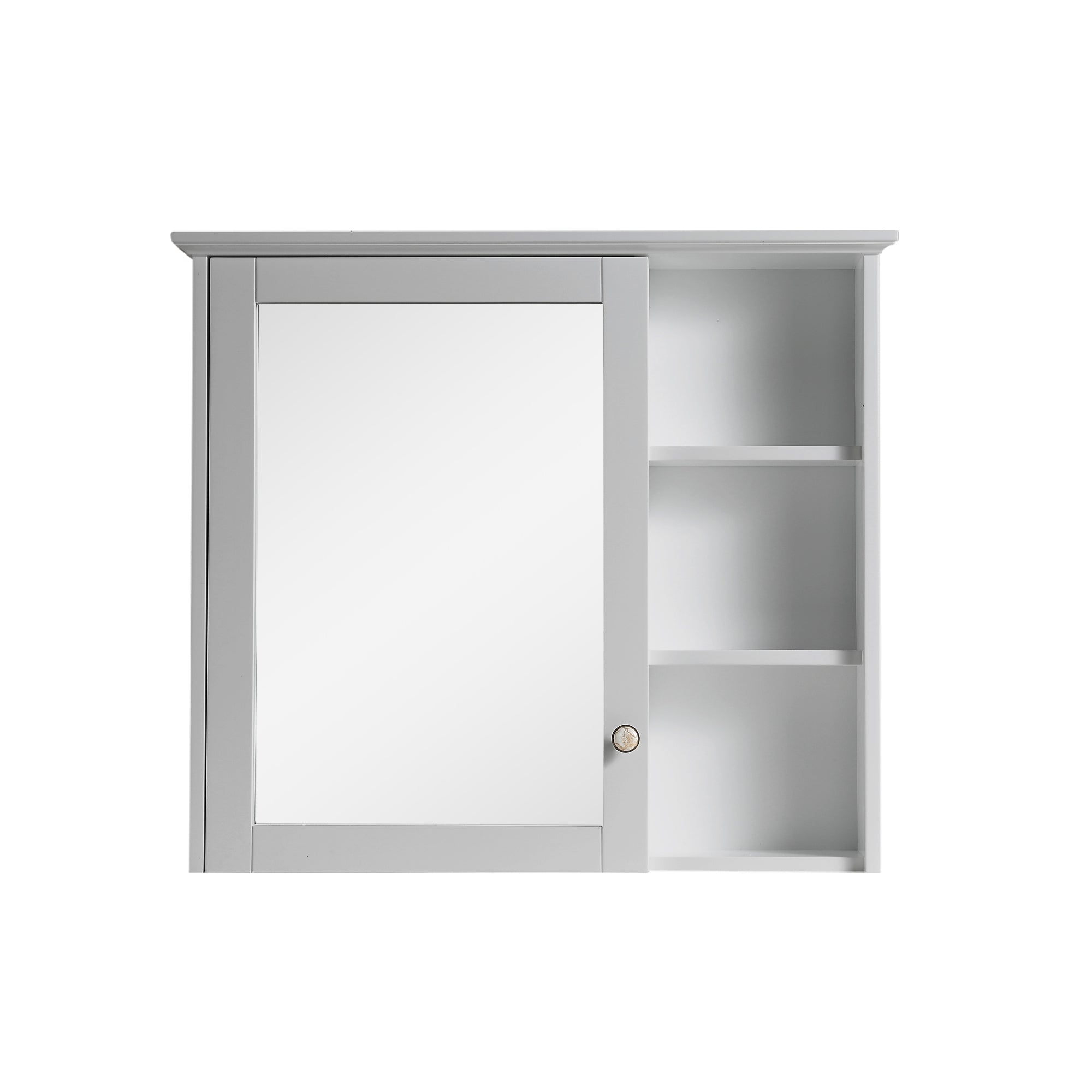
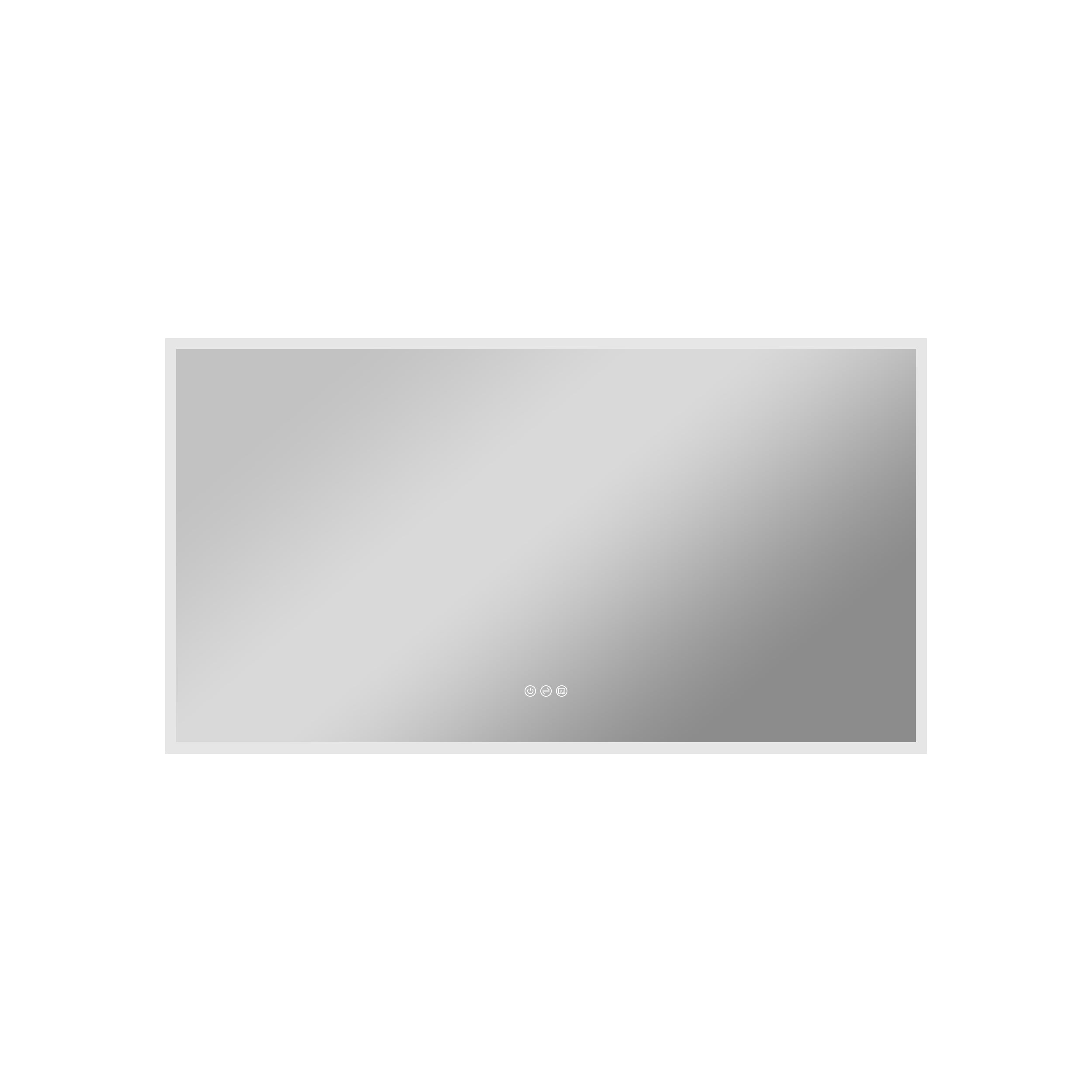
In bathroom renovations, large recessed medicine cabinet with mirror are often considered an ideal choice to enhance storage capacity and visual cleanliness. Compared to the surface-mounted mirror cabinet, the embedded structure can hide the cabinet inside the wall, greatly reducing the exposed depth and making the space look flatter. However, as the mirror cabinet size increases, a key question arises: Is the spacing between the wall bolts sufficient for installation? The wall structure determines the maximum feasible width of the embedded mirror cabinet, so it is necessary to fully evaluate the structural limitations and construction feasibility during the design phase.
1. Understand the standard wall Stud spacing
In most residential structures, the spacing between vertical wooden keels (screw columns) on the walls is usually 16 inches from the center, with some also being 24 inches from the center.
The so-called 16-inch center distance means that the actual clearance between keels is usually slightly less than 14.5 inches. If the keel's width is about 1.5 inches, the embedding space is significantly limited.
The data show that in the standard 16-inch spacing structure, the unmodified embedded mirror cabinet width usually does not exceed 14.5 inches, which is why the common embedded mirror cabinet width is concentrated in the range of 14 to 15 inches.
2. The realistic challenge of large-sized mirror cabinets
When considering installing embedded mirror cabinets that are 30 inches, 36 inches, or even wider, a single-stud spacing cannot meet the requirements.
For example, a mirror cabinet with a width of 30 inches needs to span at least two stud spaces. If the stud spacing is 16 inches center-to-center, theoretically, it is necessary to cut off the middle keel and reinforce it.
Data shows that in installation projects that require changes to the wall structure, the average construction cost and time increase by about 20% to 30%.
Therefore, before deciding to install large-sized embedded mirror cabinets, it is necessary to confirm the type of wall structure.
3. The difference between load-bearing walls and non-load-bearing walls
Whether a wall is load-bearing is a key factor in determining whether a stud can be cut.
In non-load-bearing walls, it is usually possible to redistribute structural loads by adding crossbeam heads and lateral supports to accommodate wider mirror cabinets.
In load-bearing walls, structural modifications are more difficult and require professional structural evaluation.
The data shows that the success rate of installing 36-inch embedded mirror cabinets in non-load-bearing walls is significantly higher than in load-bearing wall environments.
4. Wall thickness and embedding depth
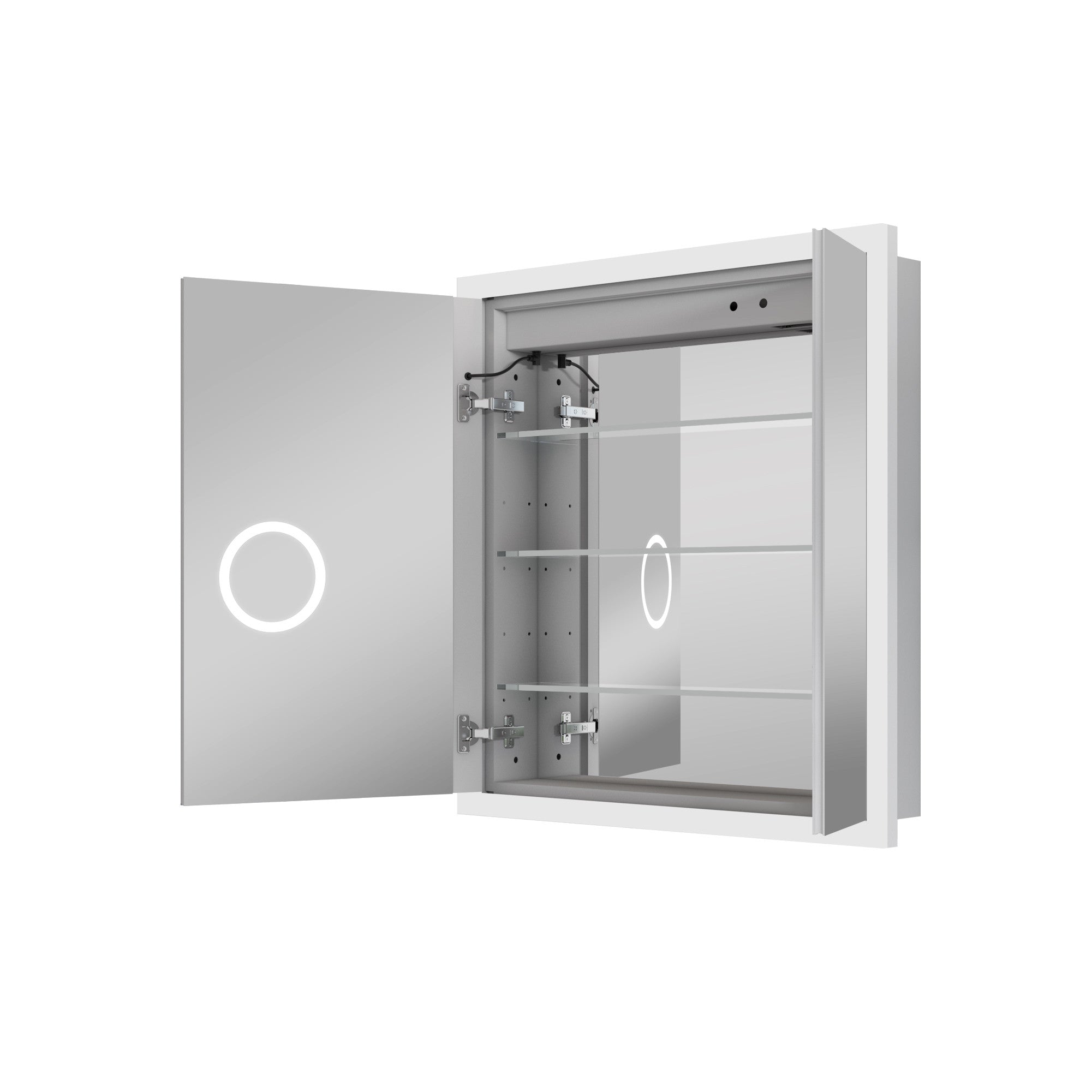
The actual depth of the standard 2x4 wall structure is approximately 3.5 inches. Most embedded mirror cabinets are designed to be 3.5 inches deep for complete embedding.
If the depth of the mirror cabinet exceeds 4 inches, it may protrude from the wall.
The data show that when the embedding depth is kept at 3.5 inches or less, the visual cleanliness score improves by about 18%.
If the wall is a 2x6 (approximately 5.5 inches deep), it can accommodate deeper storage.
5. Width planning and Stud alignment strategy
If the spacing between wall studs is 16 inches from the center, a single-door mirror cabinet with a width of about 14 inches can be considered, or a double-door structure can be chosen, with each door 14 inches wide and retaining structural support in the middle.
For example, in a 36-inch countertop layout, two 14-inch to 15-inch embedded mirror cabinets can be installed, leaving a gap of approximately 2 to 4 inches in the middle.
Data show that in the dual-mirror structure, practical satisfaction is about 12% higher than in a single wide-mirror cabinet.
This approach avoids large-scale structural changes.
6. Reinforcement method after cutting the stud
If a 30-inch or wider mirror cabinet is installed, it is usually necessary to cut the middle double-headed bolt and add a horizontal reinforcement beam above.
This structure redistributes the load to keep the wall stable.
The data show that after professional reinforcement treatment, the structural stability is not significantly different from the original state. But the construction complexity has significantly increased.
Therefore, this approach is more suitable for comprehensive renovation projects rather than partial replacement.
7. Matching spatial scale and proportion
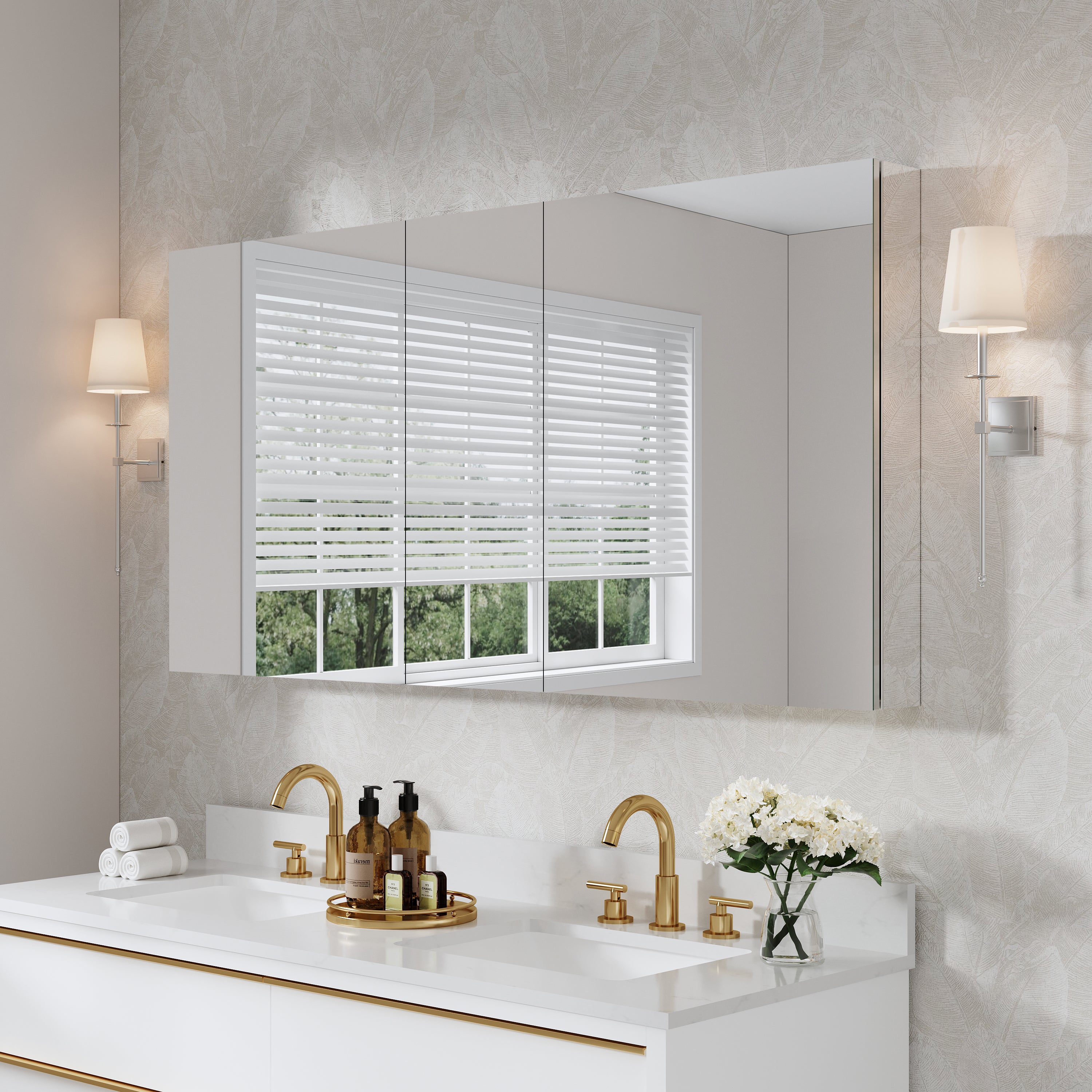
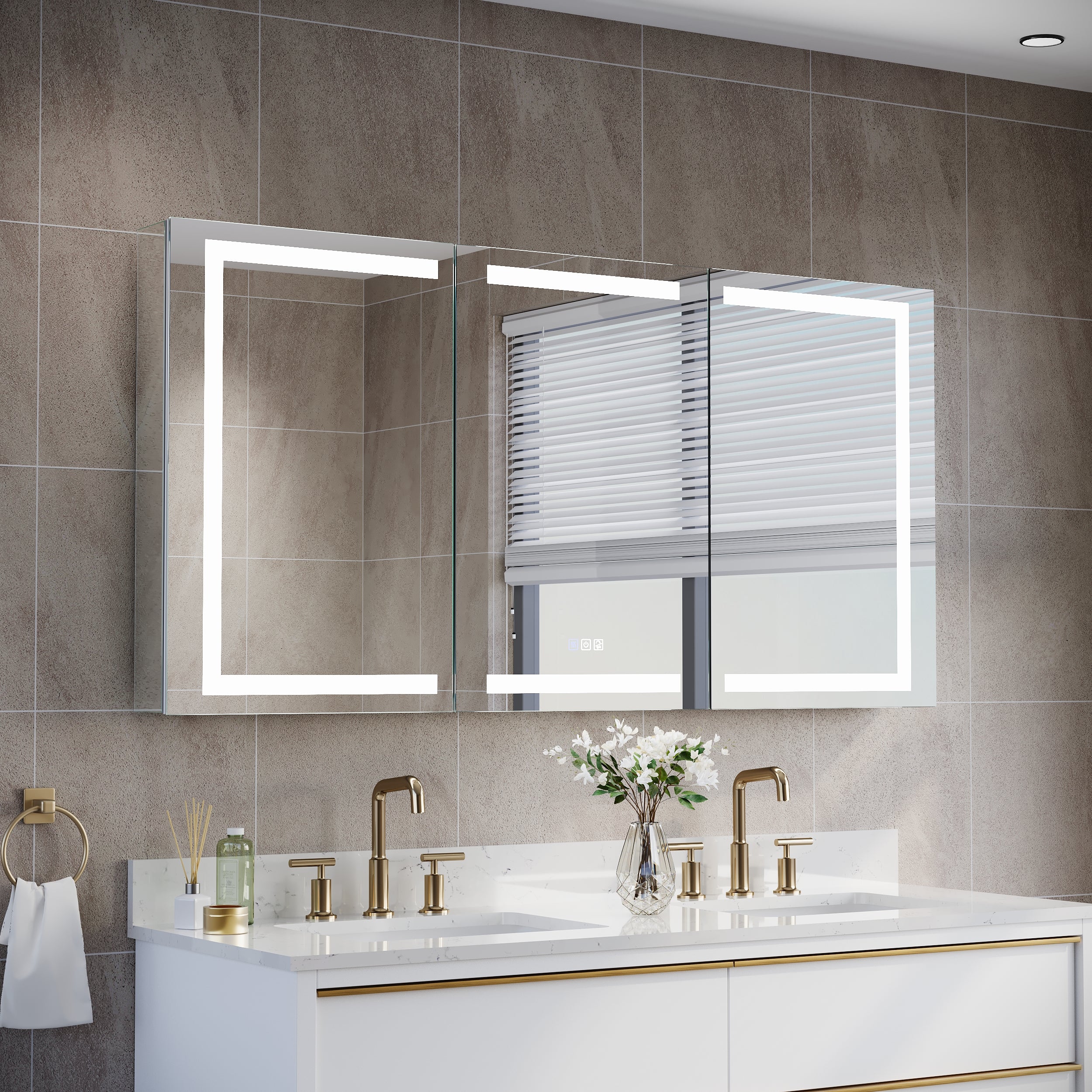
In a 60-inch dual-basin layout, installing a 36-inch or 48-inch-wide embedded mirror cabinet can enhance overall unity.
The lower edge of the mirror is usually set between 60 and 65 inches from the center of the table, with a distance of 5 to 10 inches.
Data show that when the mirror cabinet width accounts for 70% to 90% of the tabletop width, the spatial coordination score increases by about 18%.
Proportional design remains the core principle.
8. Pipeline and electrical factors
There may be wires or pipes inside the wall, especially above the water basin.
Before deciding to install an embedded mirror cabinet, use detection tools to confirm the internal structure.
Data shows that in projects that undergo structural and pipeline assessments in advance, the rework rate is reduced by approximately 25%.
Structural planning takes priority over size selection.
9. The trade-off between embedded and surface-mounted systems
If the stud spacing is too large, surface-mounted mirror cabinets may be a more realistic choice.
Surface-mounted models typically protrude 4 inches to 5 inches without being limited by stud spacing.
Data shows that in spaces with an area of less than 90 square feet, embedded design improves the opening width score by approximately 18%; But if the cost of modifying the wall is too high, the open installation still has a cost-effectiveness advantage.
The selection should be based on the budget and the construction phase.
10. Long-term design value
Large embedded mirror cabinets can provide greater storage capacity and reduce countertop clutter.
Reasonable structural planning can improve storage efficiency by approximately 25% across a width range of 30 to 60 inches.
Industry data shows that the adoption rate of embedded mirror cabinets continues to increase in renovation projects that emphasize cleanliness and hidden design.
But its feasibility always depends on the spacing between the bolts and the structural conditions.

11. Conclusion
The feasibility of a large embedded medicine cabinet with mirrors depends on the spacing between wall studs, structural type, and construction conditions. In a standard 16-inch center-to-center distance structure, the maximum unmodified embedded width typically does not exceed 14 inches to 15 inches. If a 30-inch or wider mirror cabinet is to be installed, structural reinforcement and professional evaluation are required. From a 3.5-inch wall depth to a 60-inch countertop ratio, every inch of structural detail will affect the final feasibility. By confirming wall conditions and planning for a reasonable size in advance, large embedded mirror cabinets can still be an effective solution that balances storage and aesthetics.









Leave a comment
This site is protected by hCaptcha and the hCaptcha Privacy Policy and Terms of Service apply.