














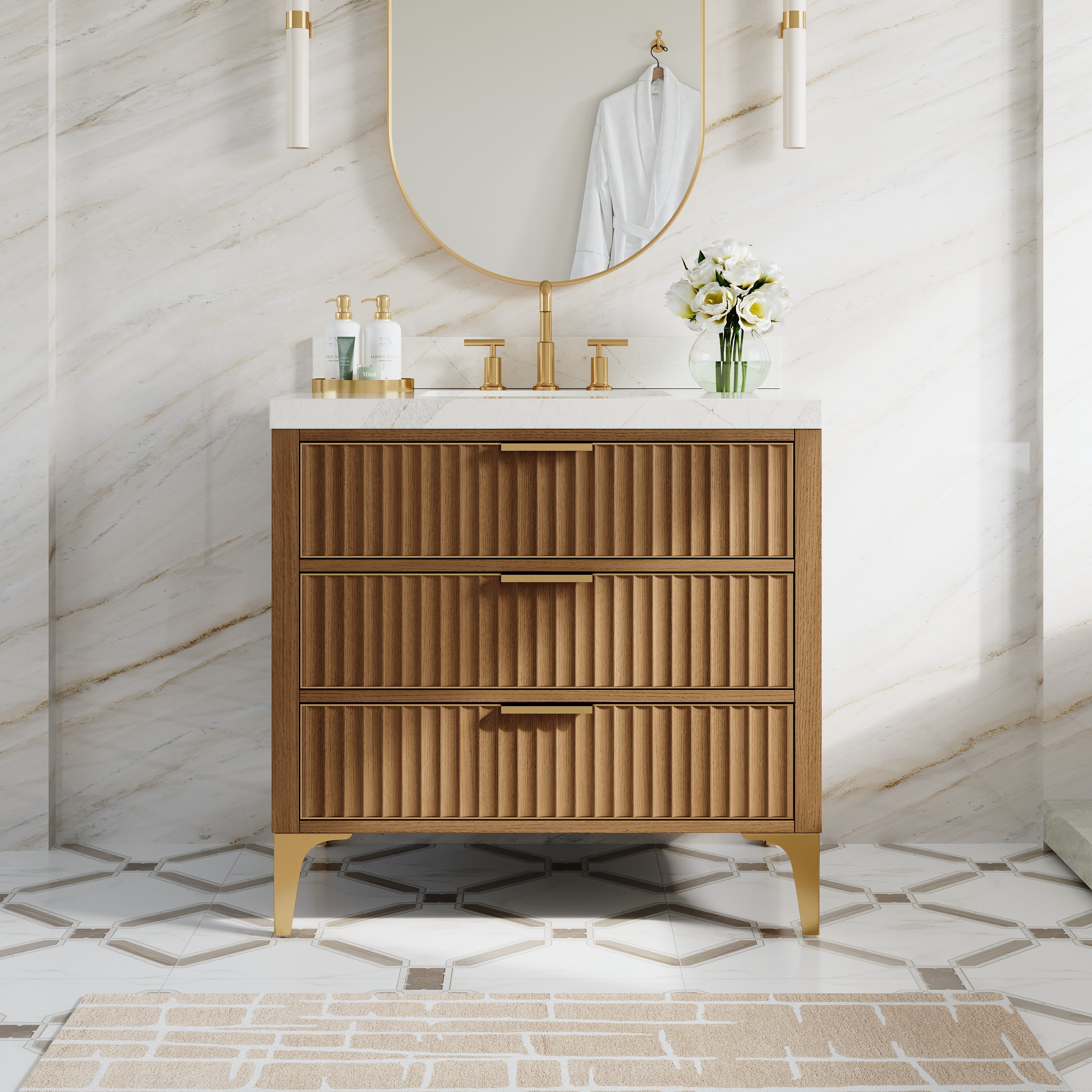
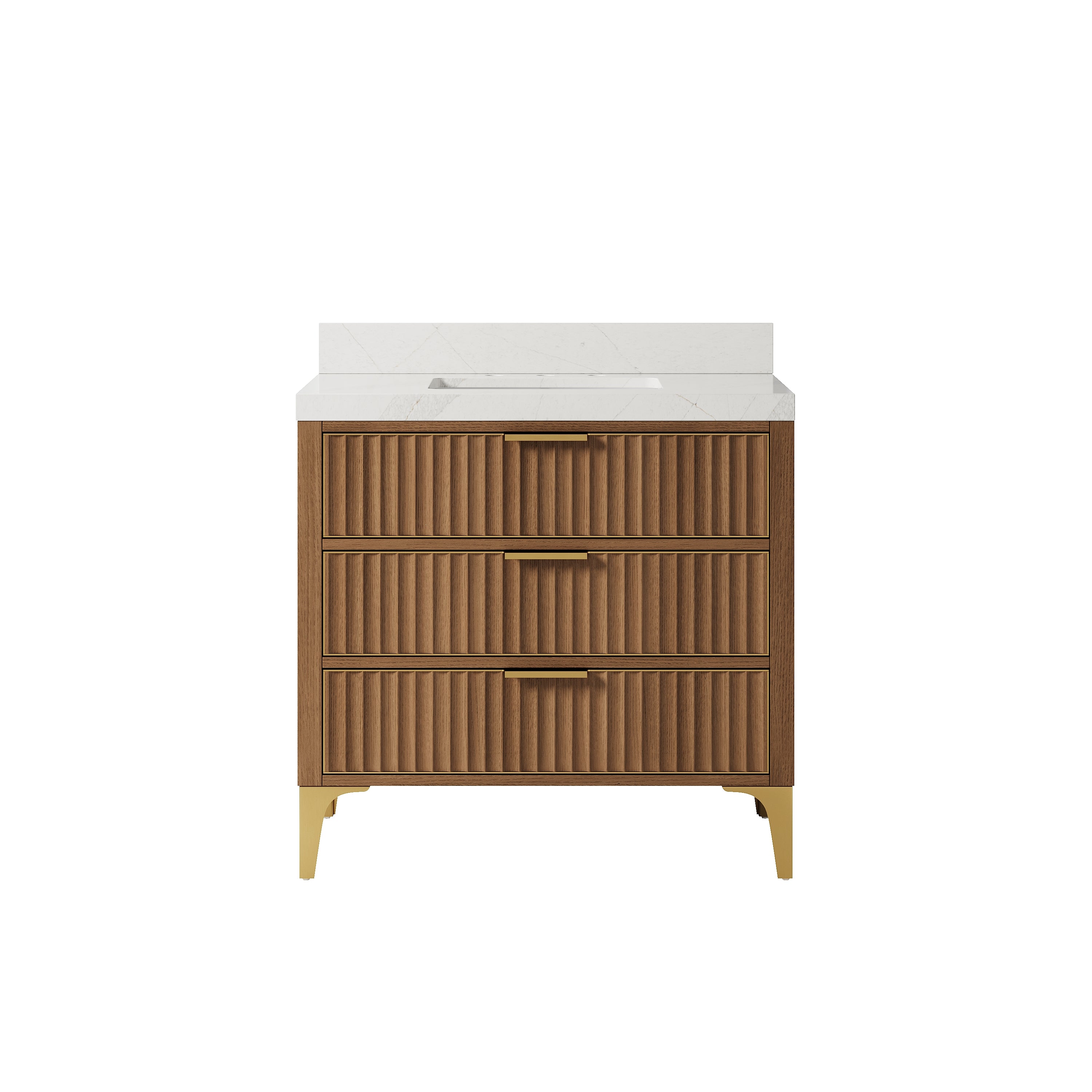
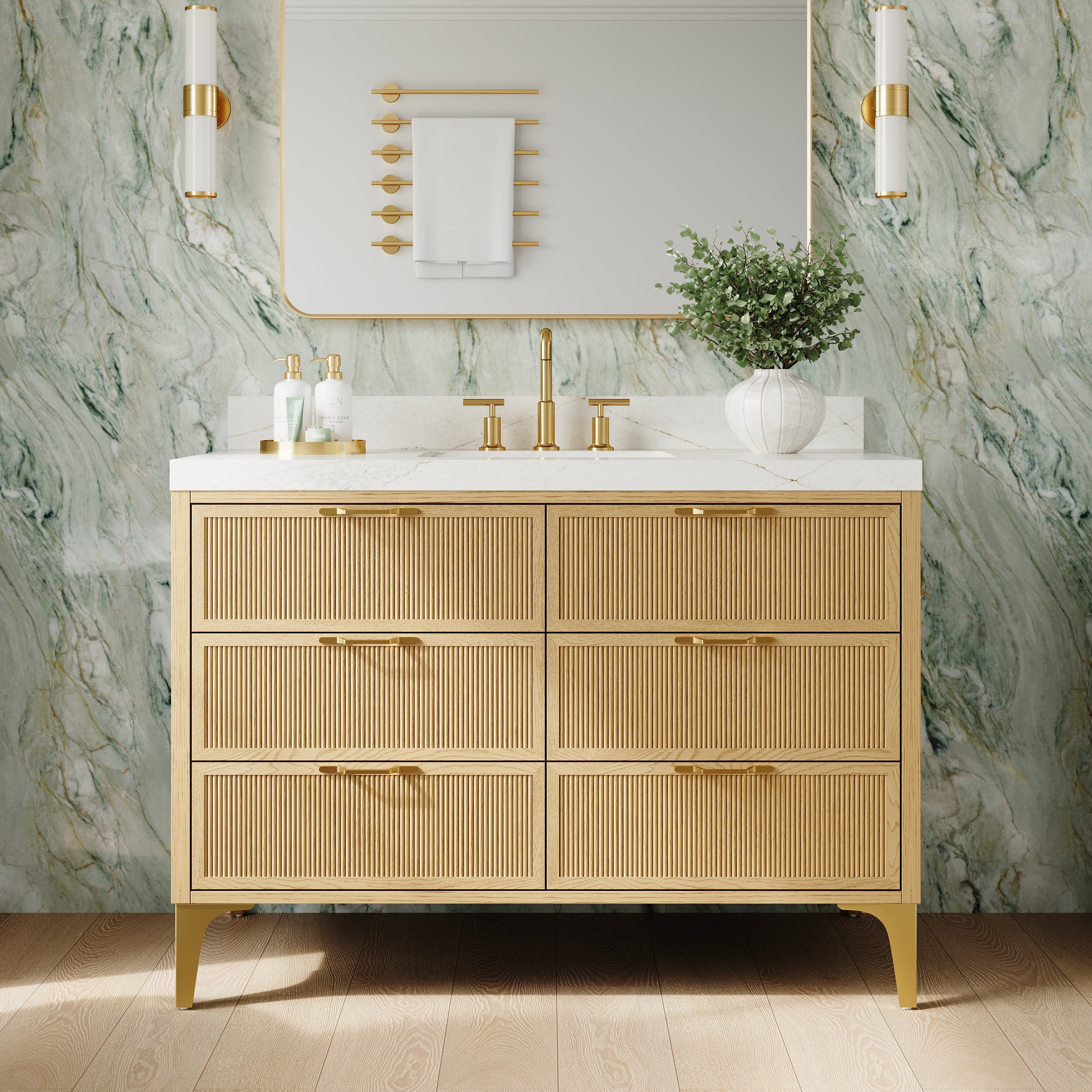
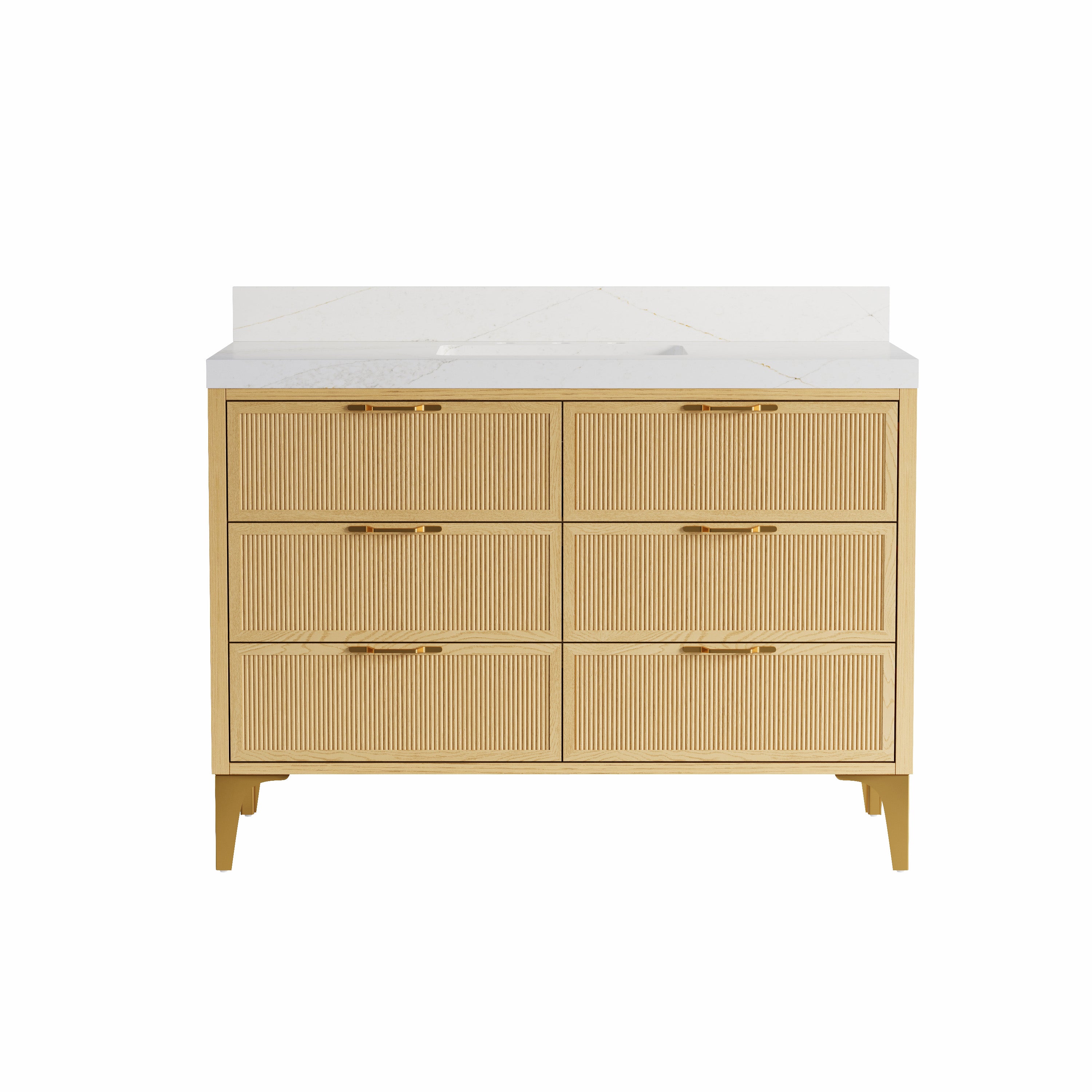


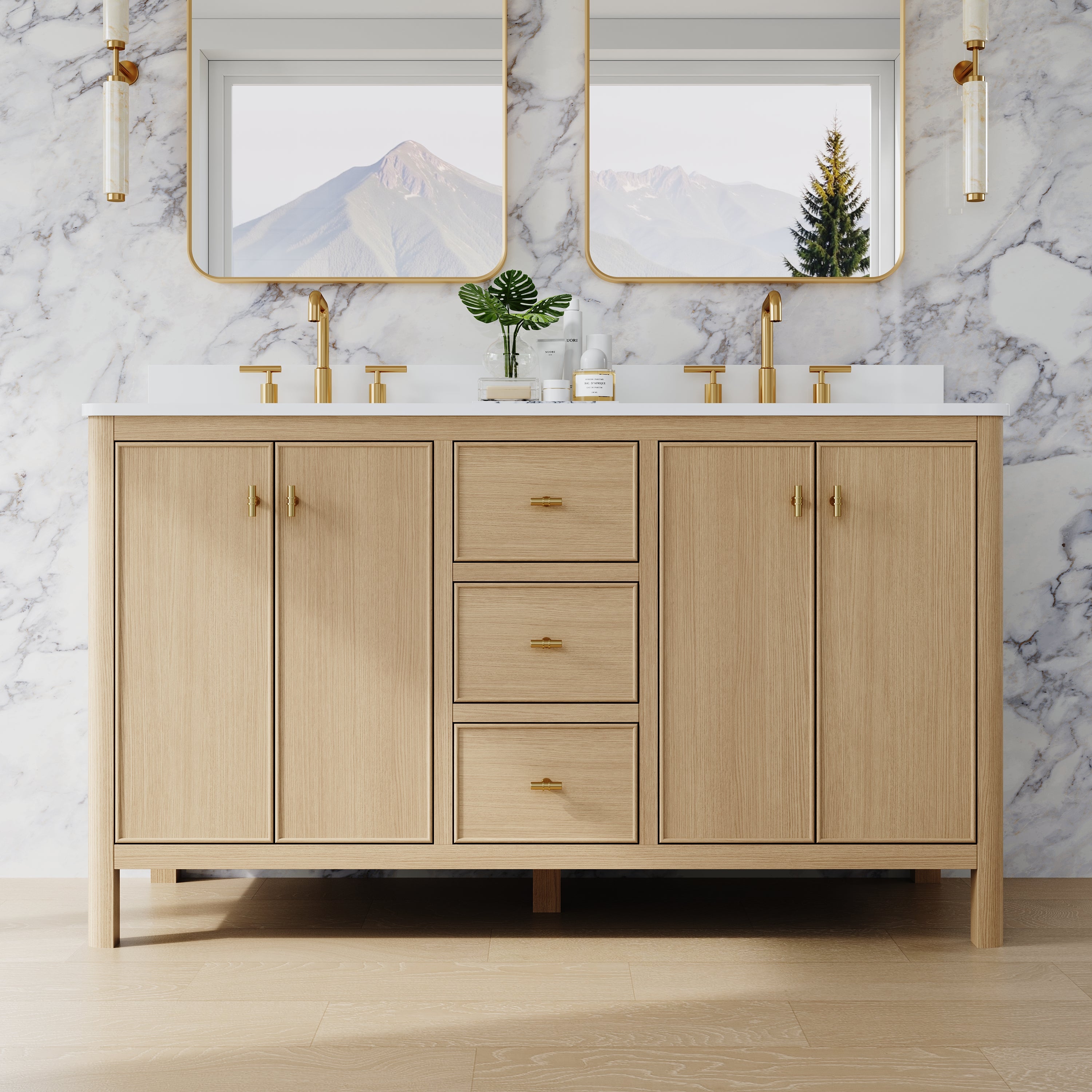
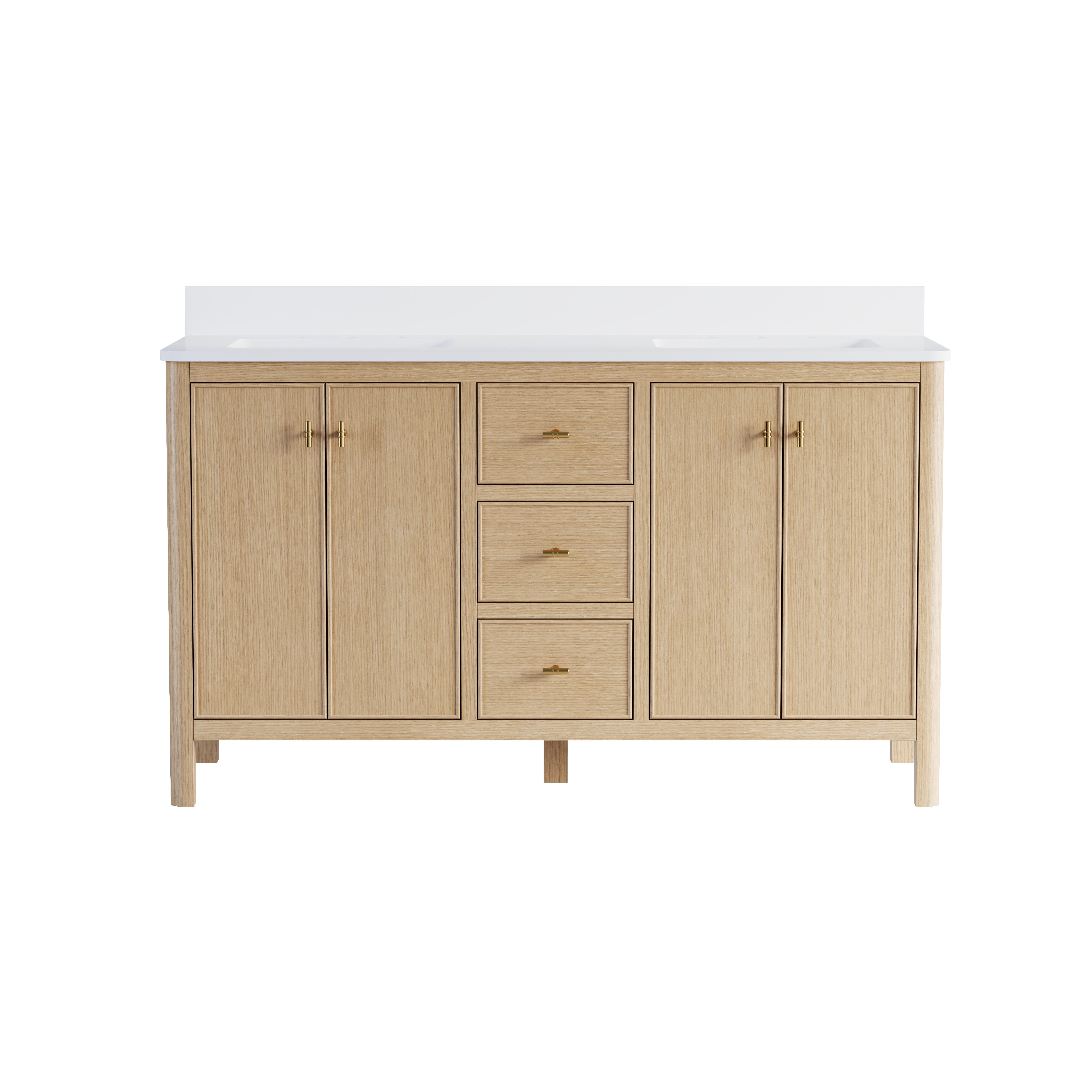

In contemporary bathroom design trends, modern wood bathroom vanities are becoming an important element that connects natural textures with modern functionality. Wood has its own warm texture and layered character, while the bathroom emphasizes moisture resistance, durability, and efficient storage. How to strike a balance between "temperature sensitivity" and "practicality" when using natural materials in high-humidity environments has become a core design issue. Industry data shows that in recent years, the proportion of wooden cabinets used in high-end bathroom renovation projects has continued to increase, especially in mainstream countertop layouts ranging from 30 inches to 60 inches. This trend is not simply a return to style, but the result of continuous improvement in material craftsmanship and structural optimization.
1. Material selection determines the durability of the foundation
Modern wooden bathroom cabinets typically use a solid wood frame combined with a multi-layer board structure, with a common board thickness of 3/4-inch to enhance stability.
Natural wood performs best in environments with humidity controlled between 40% and 55%. Data shows that under reasonable ventilation conditions, the service life of high-quality solid wood cabinets can exceed 15 to 20 years.
Compared to low-density boards without sealing treatment, the water absorption rate of wood treated with multi-layer waterproof coating or polyurethane edge sealing is significantly reduced. Material upgrade is the first step in balancing functionality and texture.
2. Structural design enhances moisture resistance performance
The bathroom humidity often exceeds 70% after showering. If ventilation is insufficient, the wood may expand or deform slightly.
Modern wooden cabinets typically adopt a base structure that is 4 inches to 6 inches above the ground, or a suspended design (8 inches to 12 inches above the ground) to reduce the impact of bottom moisture.
The data show that in layouts with ground clearance greater than 4 inches, the risk of bottom moisture is significantly reduced. The suspended structure also enhances visual lightness, making wooden materials appear more modern in space.
3. Complementary to the functionality of stone countertops
Wooden cabinets are usually paired with quartz or natural stone countertops, typically 1 inch thick.
The stone's surface is waterproof, effectively preventing water from seeping into the cabinet's interior. The data shows that with complete joint sealing treatment, the risk of water leakage is reduced by about 30%.
This material combination complements the warm texture of wood with the functional durability of stone.
4. Proportional control maintains visual balance
In a 36-inch single pot layout, the width of the wooden cabinet is usually controlled at 70% to 85% of the wall proportion.
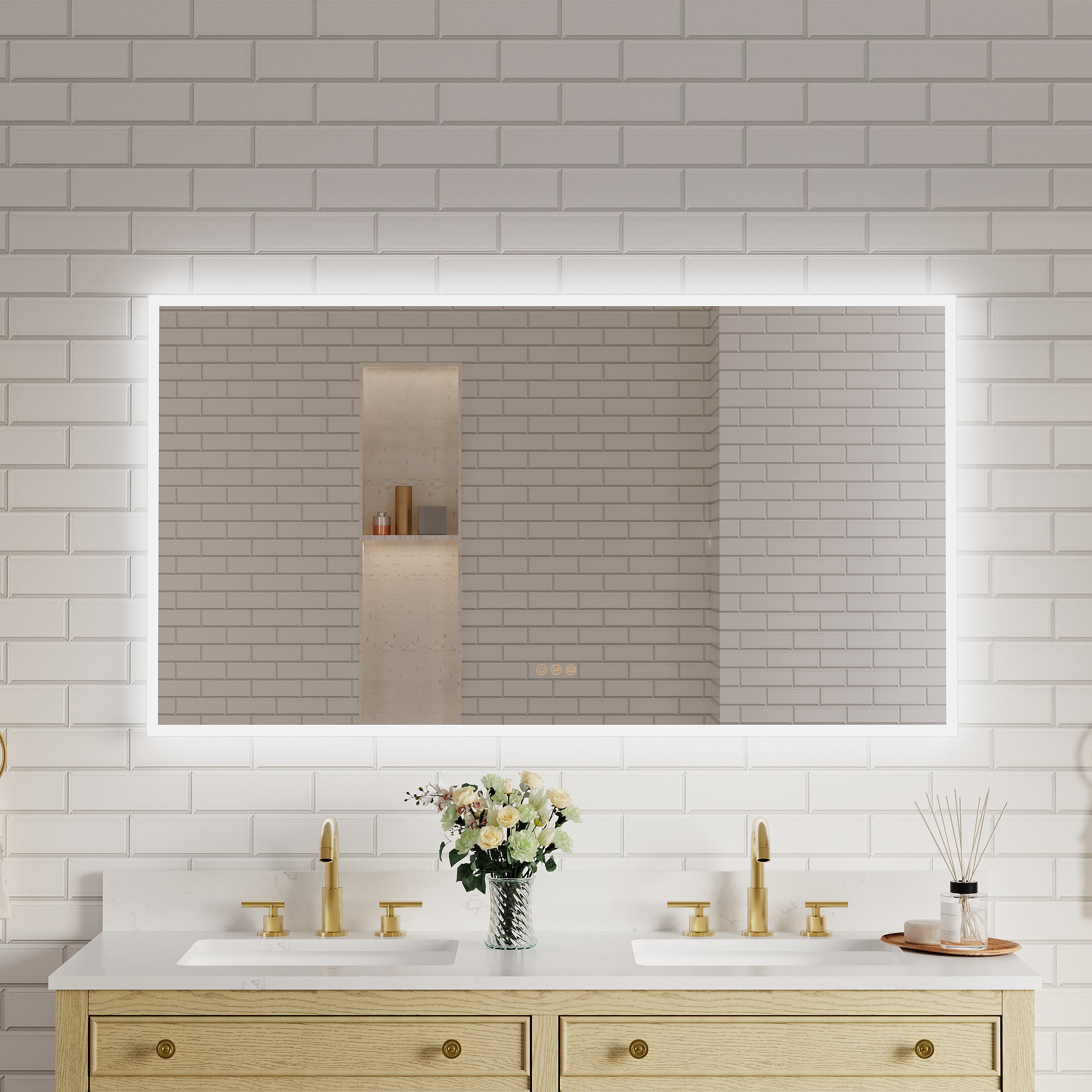
In the 60-inch double pot structure, the wood texture can enhance the sense of lateral extension. The data shows that when the cabinet width is coordinated with the mirror ratio, the spatial coordination score increases by about 18%.
The visual weight of wood is more pronounced than that of dark materials, so proportion control is particularly important.
5. Storage efficiency and internal planning
Functionality is the core of modern design.
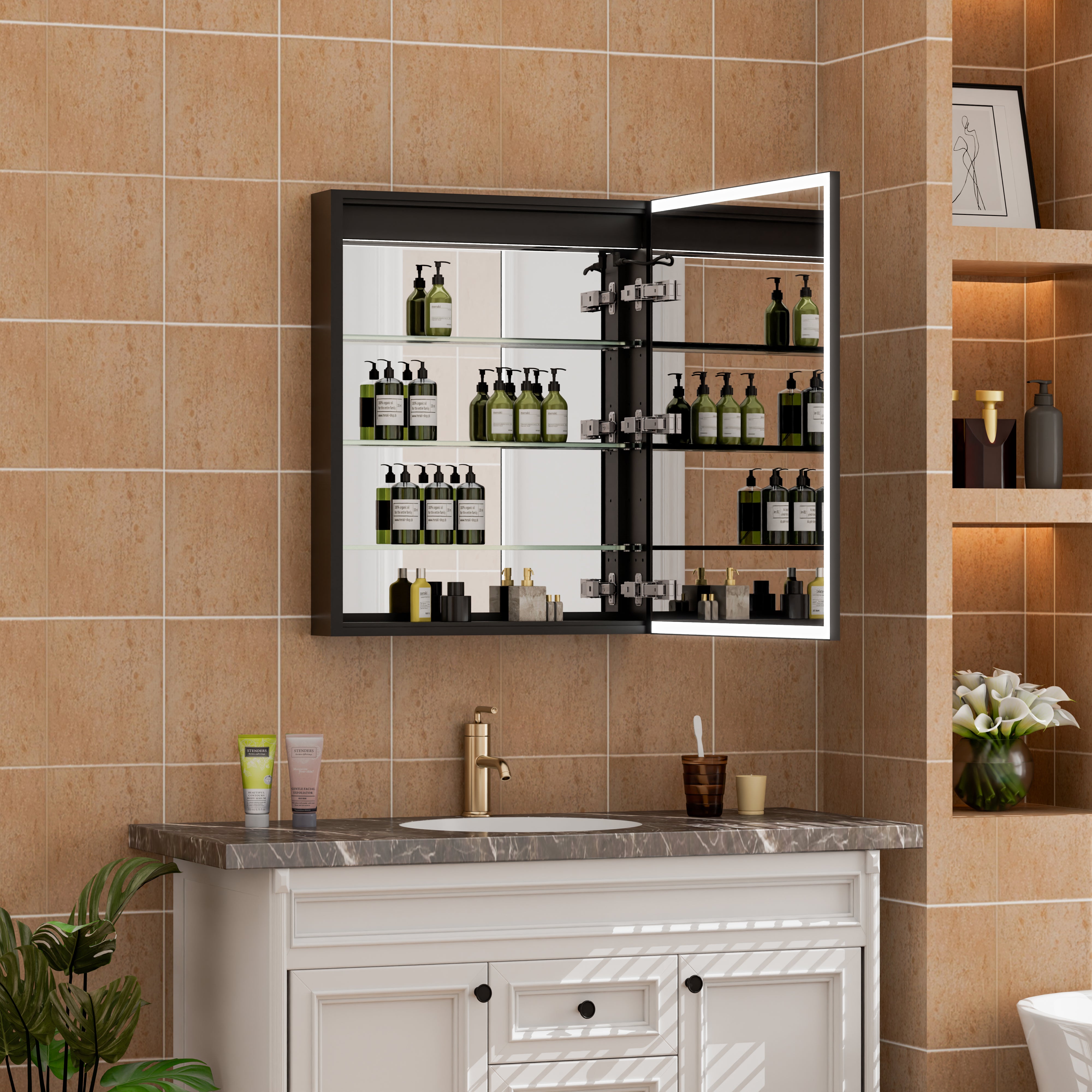
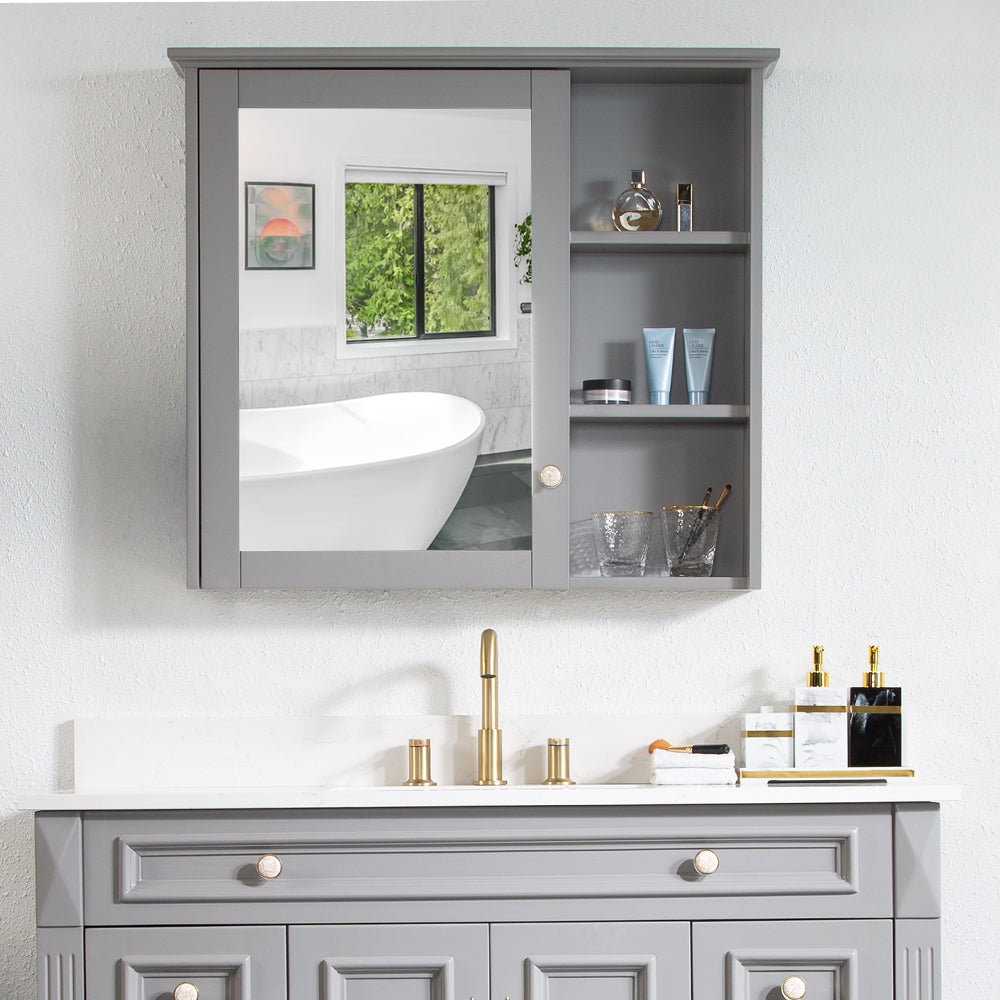
A 36-inch-wide cabinet can usually accommodate 2 to 3 drawers and a set of cabinet doors. A reasonable layered design can accommodate more than 20 daily necessities.
Data show that in a structure with clear drawer partitions, the number of countertop items is reduced by about 25%, and overall cleanliness is significantly improved.
The warm texture must be built on the basis of efficient storage.
6. Surface technology and long-term maintenance
Modern wooden cabinets are often treated with wear-resistant paint or matte sealing.
Data show that under multi-layer closed-coating protection, surface water resistance improves by about 20%.
Regular wiping and maintaining ventilation can significantly reduce the risk of mold formation. The reparability of wood is also one of its advantages, as minor scratches can be repaired by polishing and repainting.
7. Interaction with Light
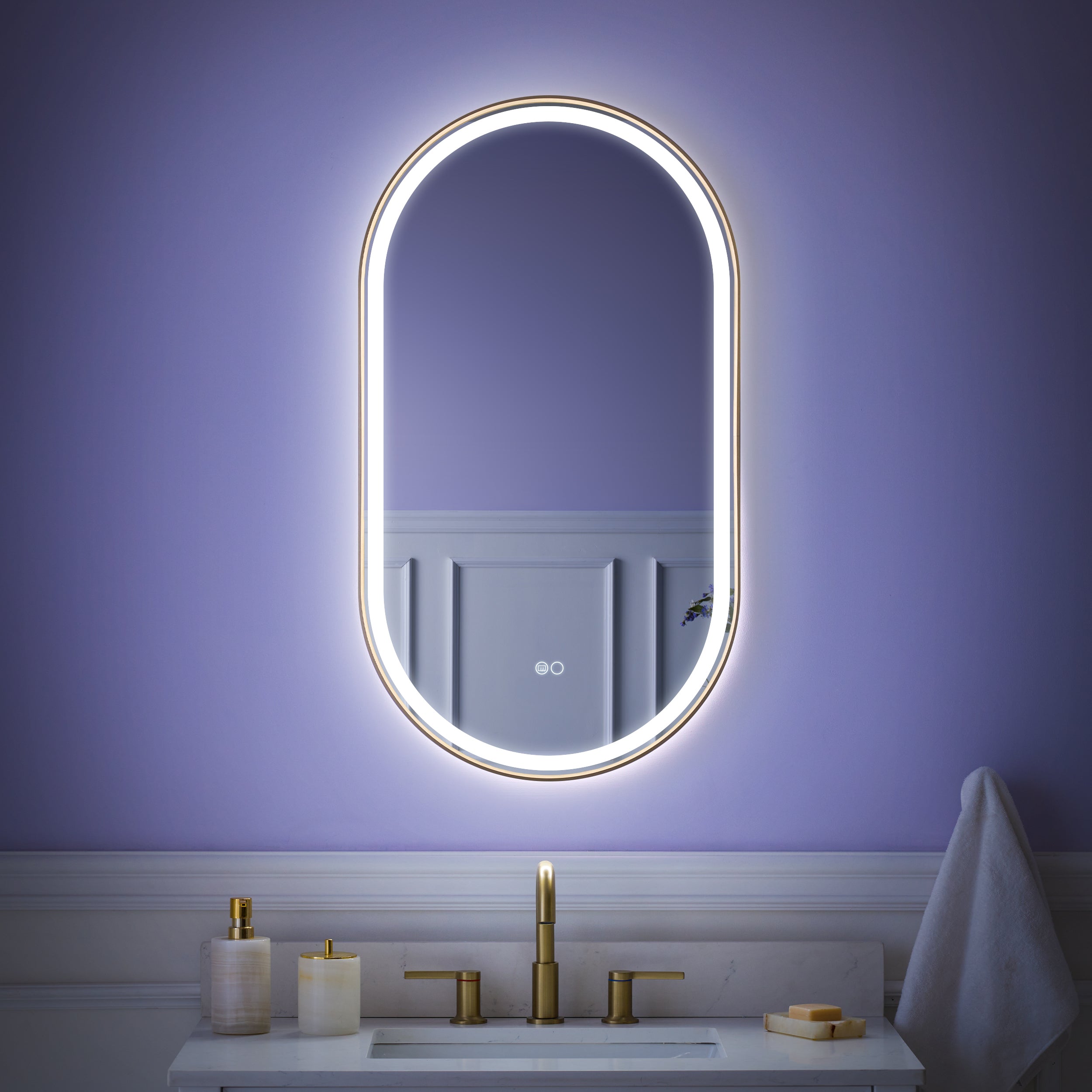
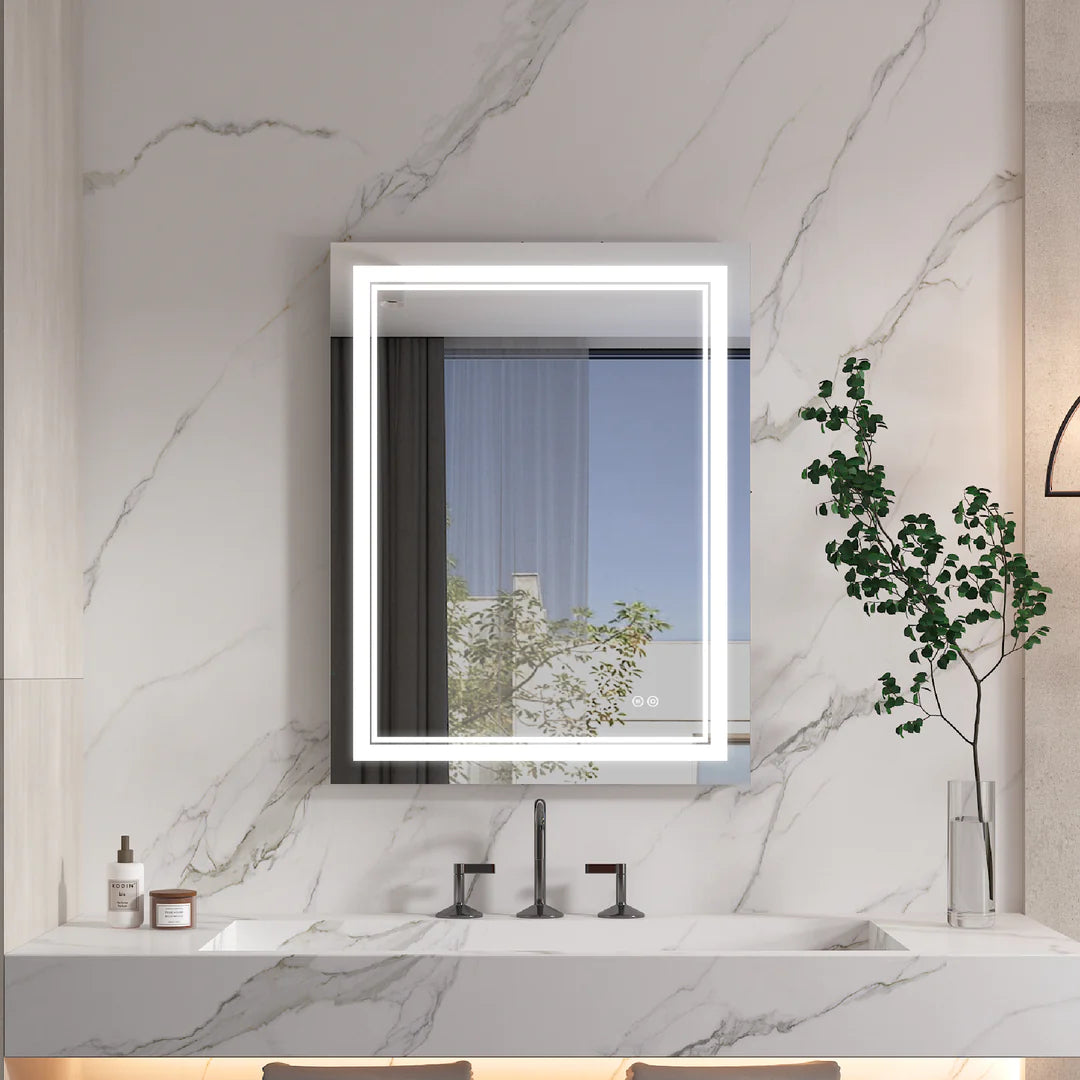
The absorption rate of light on wooden surfaces is higher than that of white cabinets, so sufficient lighting support is needed.
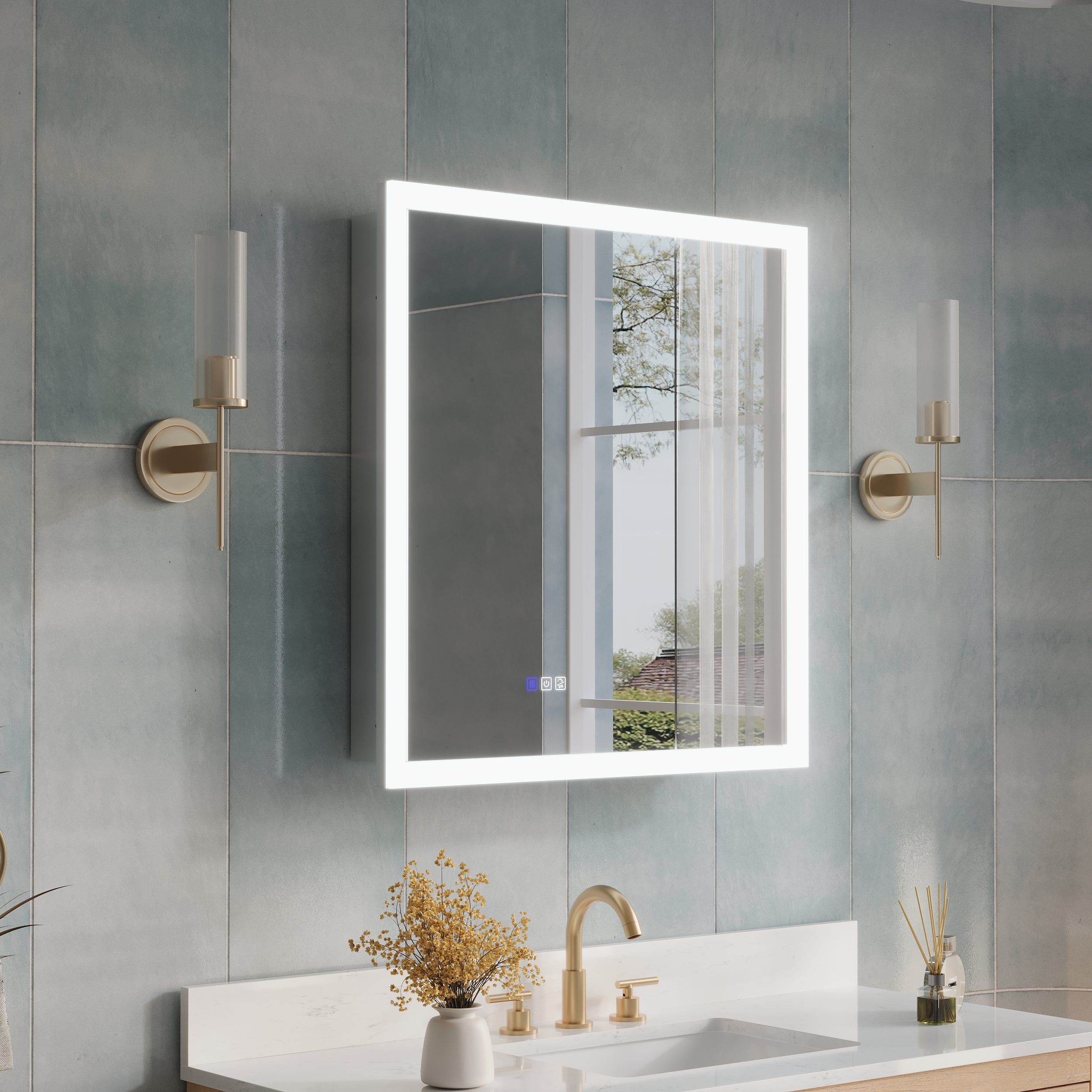
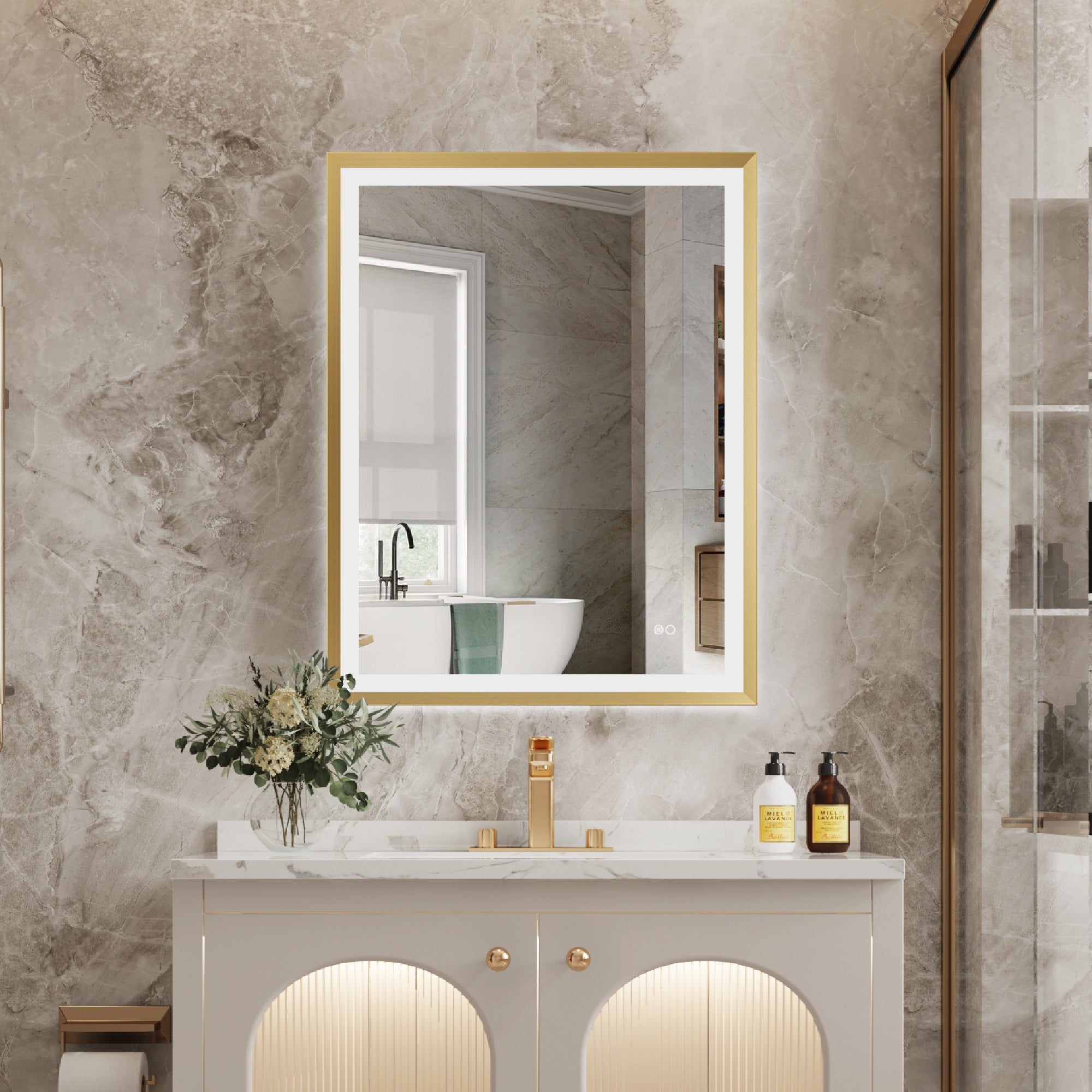
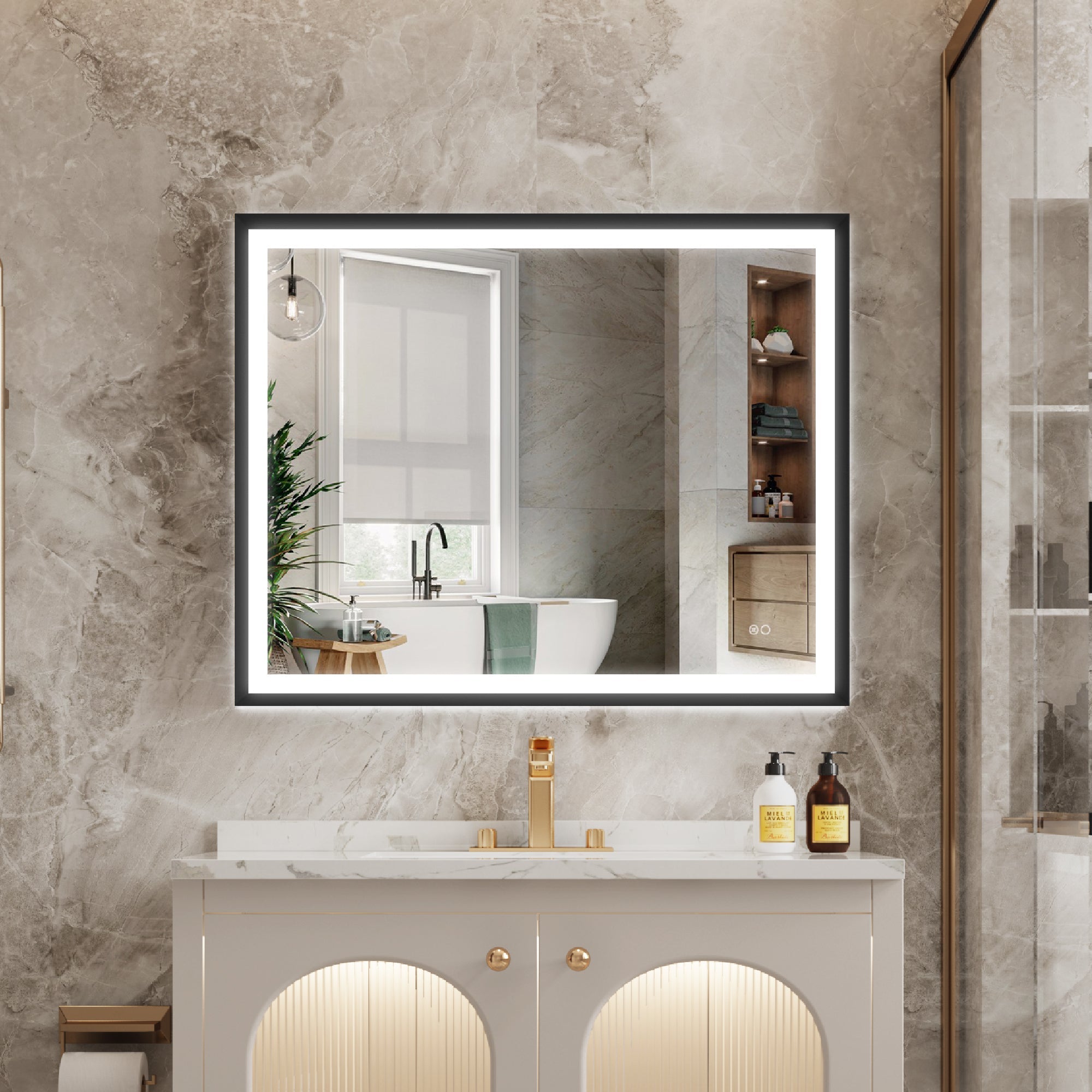
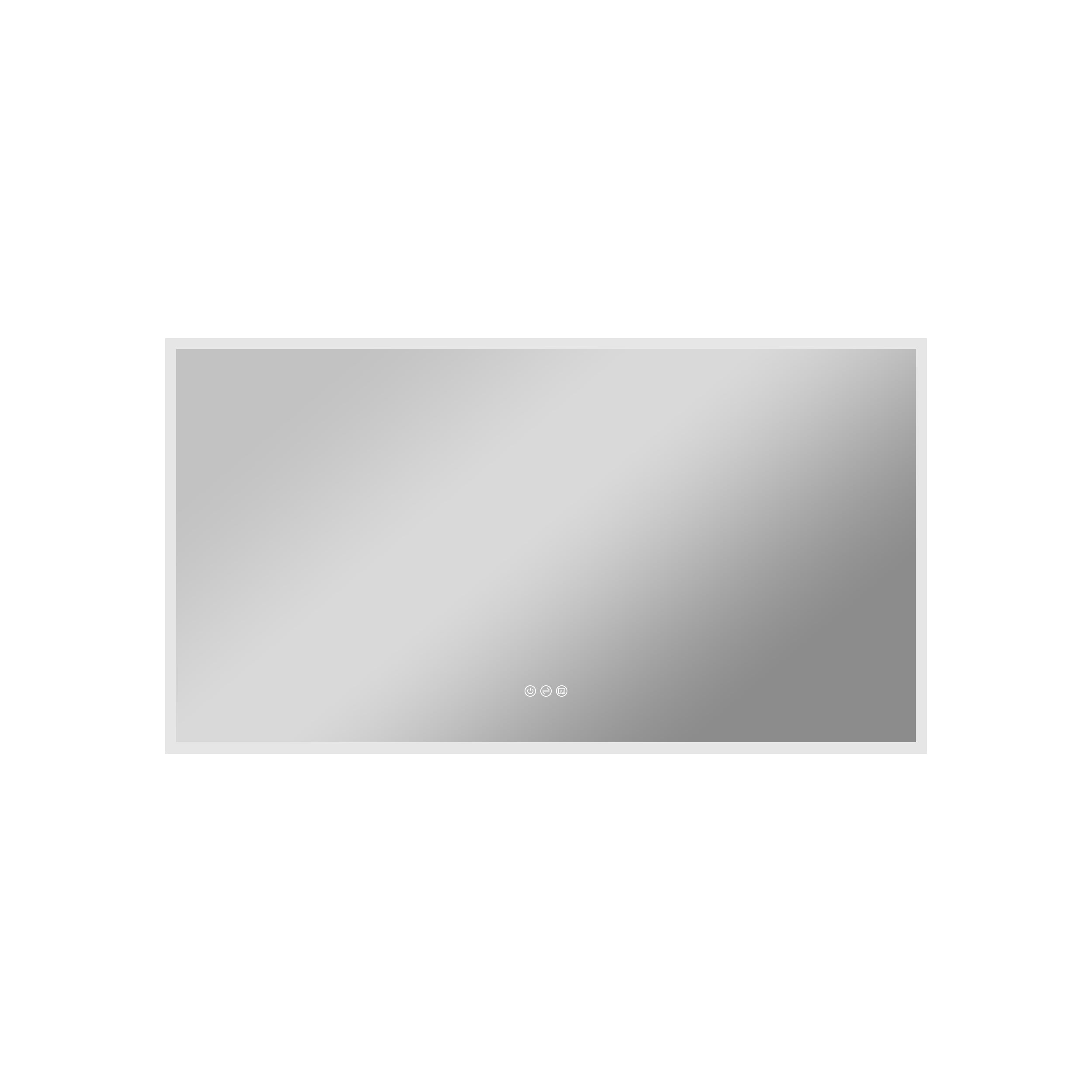
In a 36-inch layout, the LED mirror's brightness is typically 1500 to 2000 lumens; models above 48 inches can reach 2500 lumens or more.
Data show that in a well-lit environment, the color hierarchy of wooden cabinets is more pronounced, and the spatial warmth score improves by about 15%.
Light amplifies wood texture.
8. Color tone selection and spatial atmosphere
Light colored wood grain is more suitable for spaces with an area of less than 90 square feet, which can reduce visual pressure.
Dark wood has a stronger presence in the main bathroom space with an area exceeding 120 square feet.
The data show that when color tone and spatial scale are matched, overall design satisfaction increases by about 20%.
Color selection also affects spatial balance.
9. Integration of modern style and natural elements
Modern design emphasizes simple lines and realistic materials.
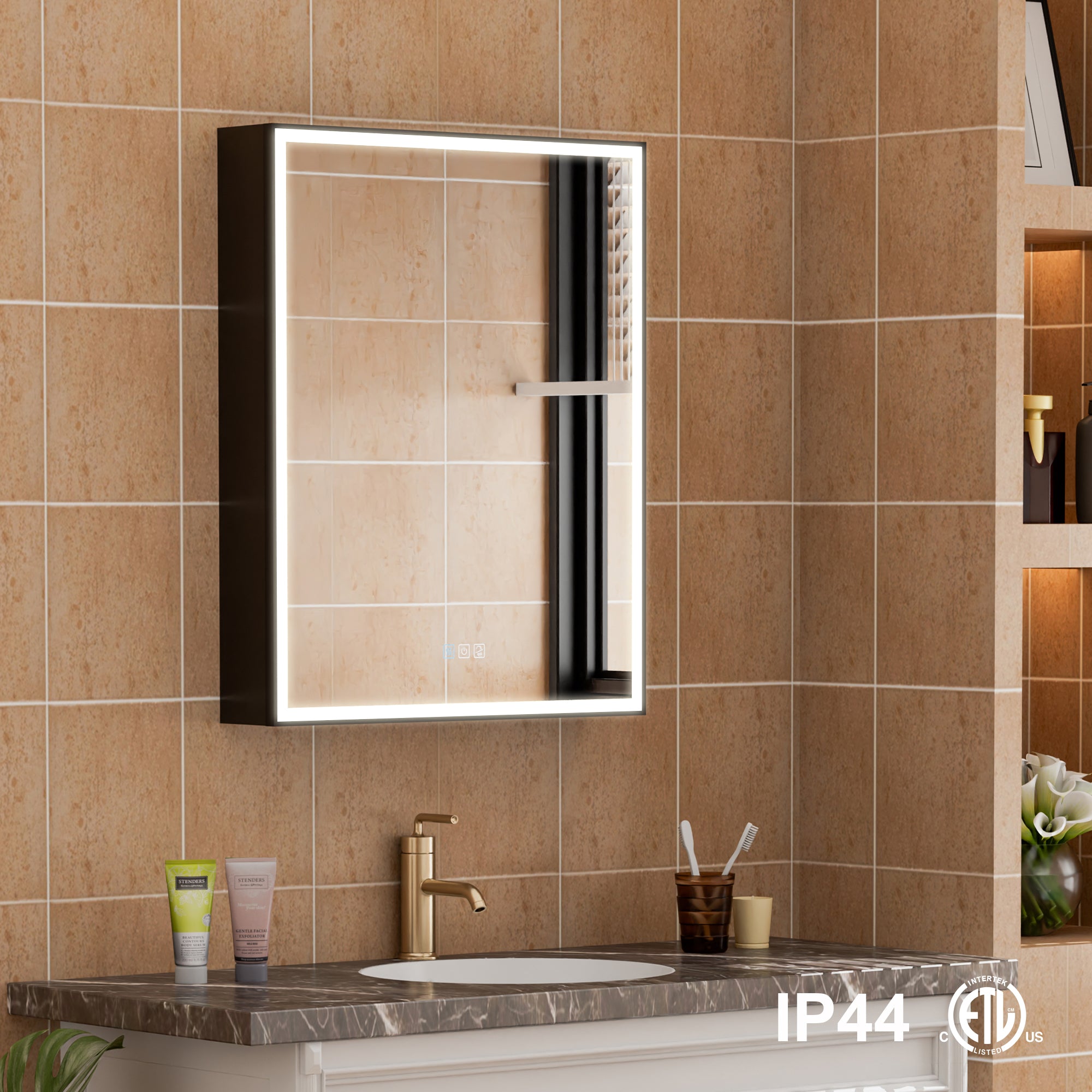
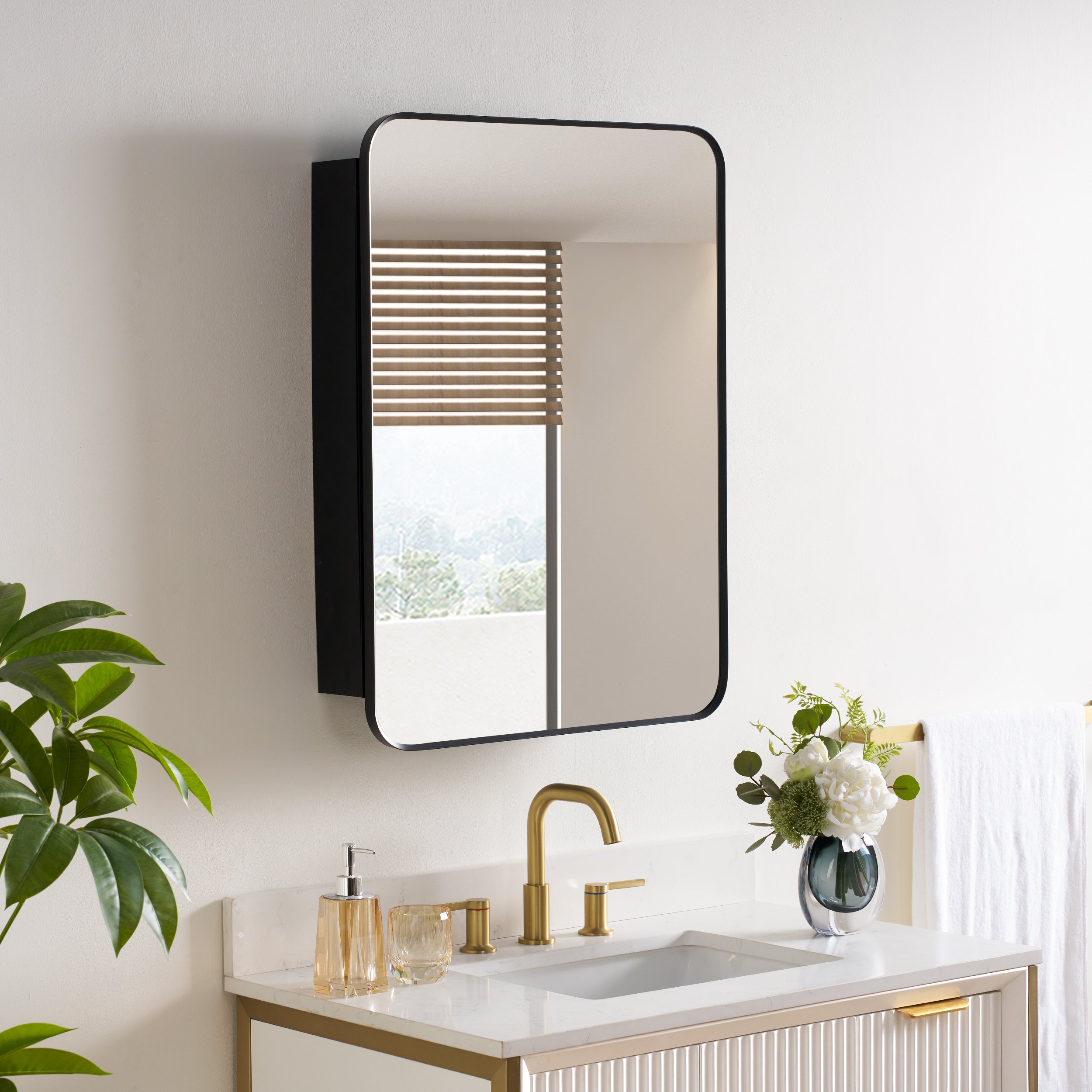
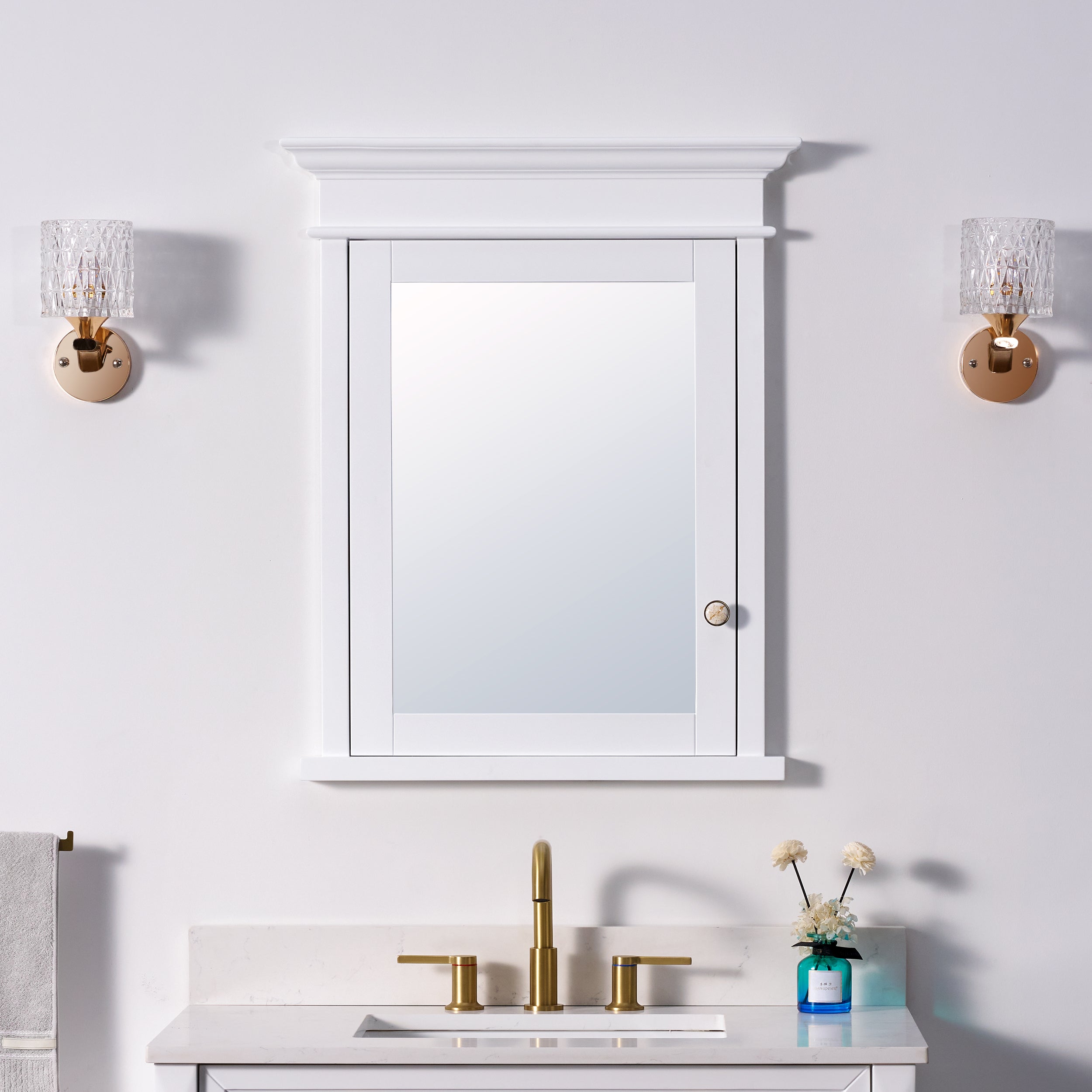
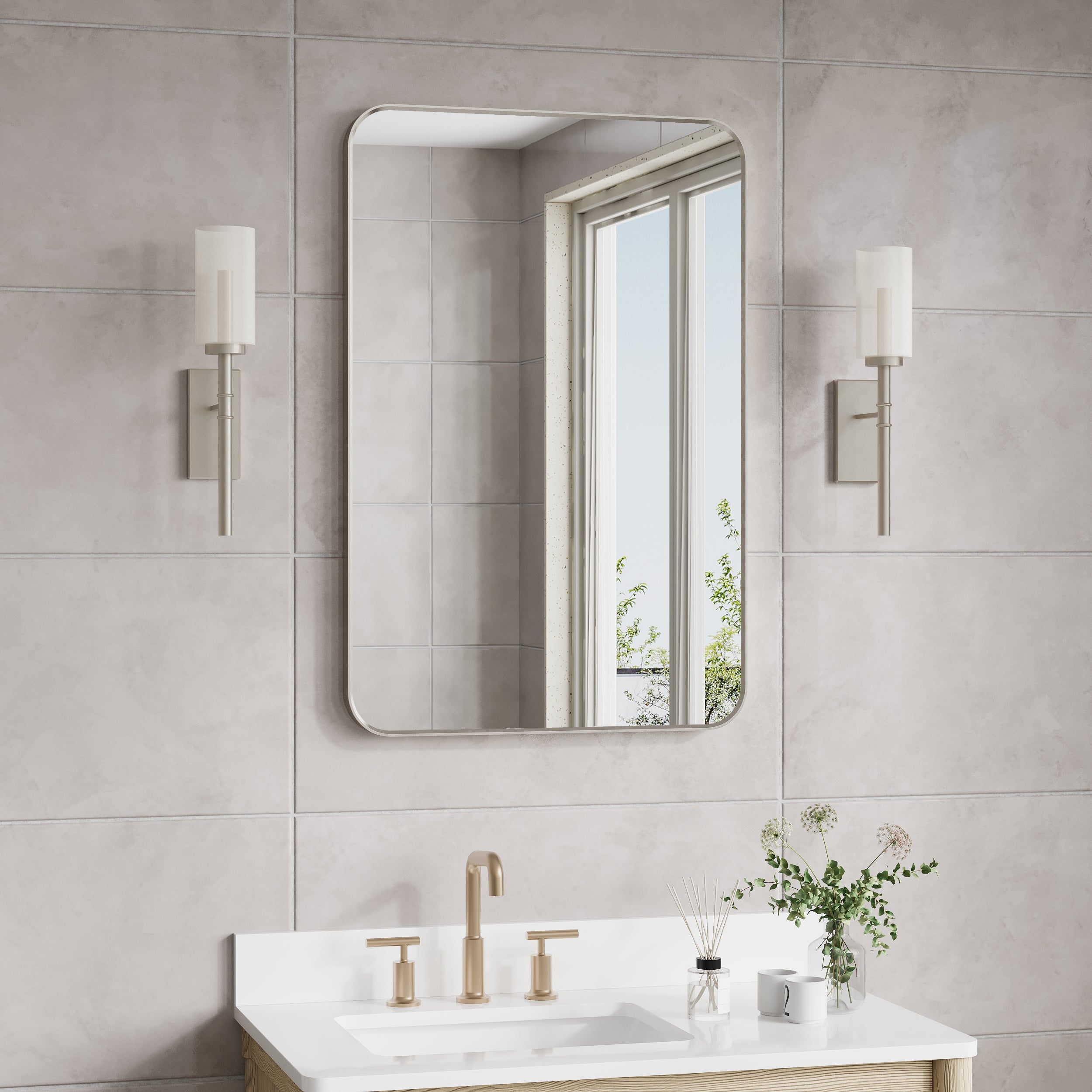
Wooden cabinets paired with frameless mirrors or narrow framed LED mirrors can enhance a modern feel. The data show that in spaces where natural materials are combined with minimalist lines, the design coordination score improves significantly.
This fusion reflects the dual pursuit of functionality and emotion in contemporary design.
10. Long-term value and adaptability
Wooden cabinets have strong style compatibility and can maintain coordination when replacing mirrors or lighting fixtures in the future.
Industry data shows that in renovation projects, the continuous use rate of natural wood is higher than that of some high-saturation decorative materials.
From a 30-inch compact layout to a 60-inch-wide structure, each inch affects long-term stability and spatial proportions.

11. Conclusion
Modern wood bathroom vanities achieve a balance between warmth and functionality through comprehensive advancements in material upgrading, structural optimization, and proportional control. From the 3/4-inch-thick plate structure to the 8-inch suspended design above ground, every inch of detail affects the final performance. With proper ventilation, sealing, and lighting that match, wooden cabinets not only adapt to high-humidity environments but also visually and emotionally infuse the space with natural warmth. In line with the trend of emphasizing long-term design value and practical efficiency, modern wooden bathroom cabinets have become an important bridge between nature and technology.












Leave a comment
This site is protected by hCaptcha and the hCaptcha Privacy Policy and Terms of Service apply.