
















Introduction: Hidden Risks in the Smart Home Trend
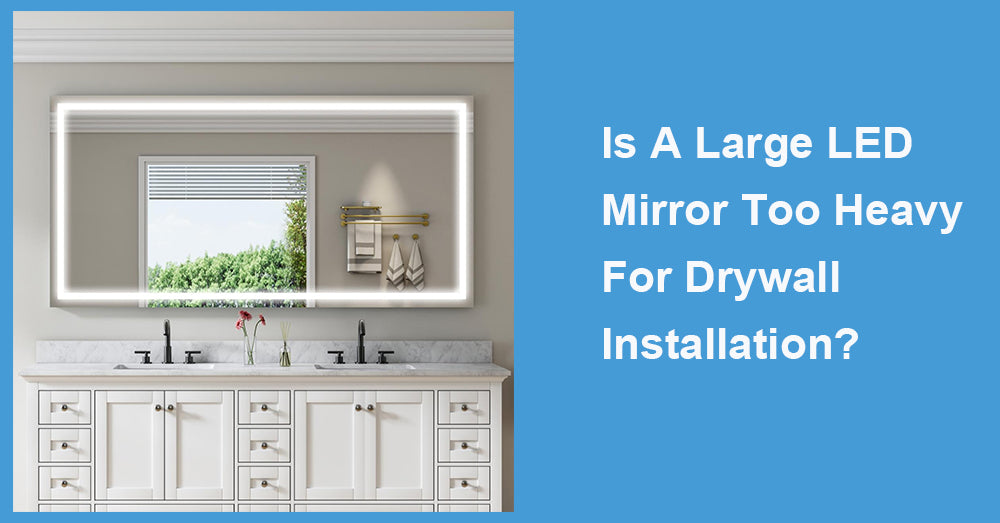
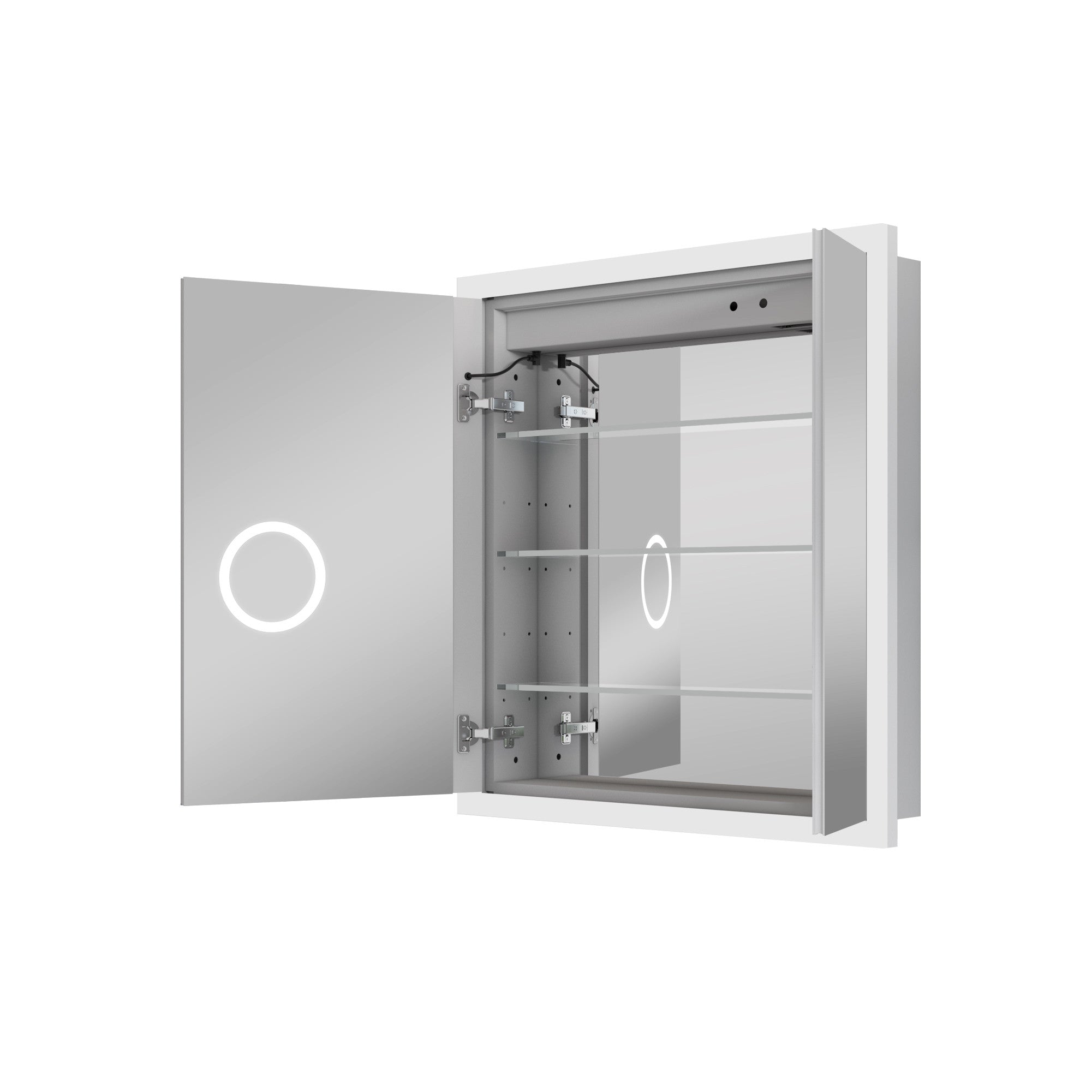
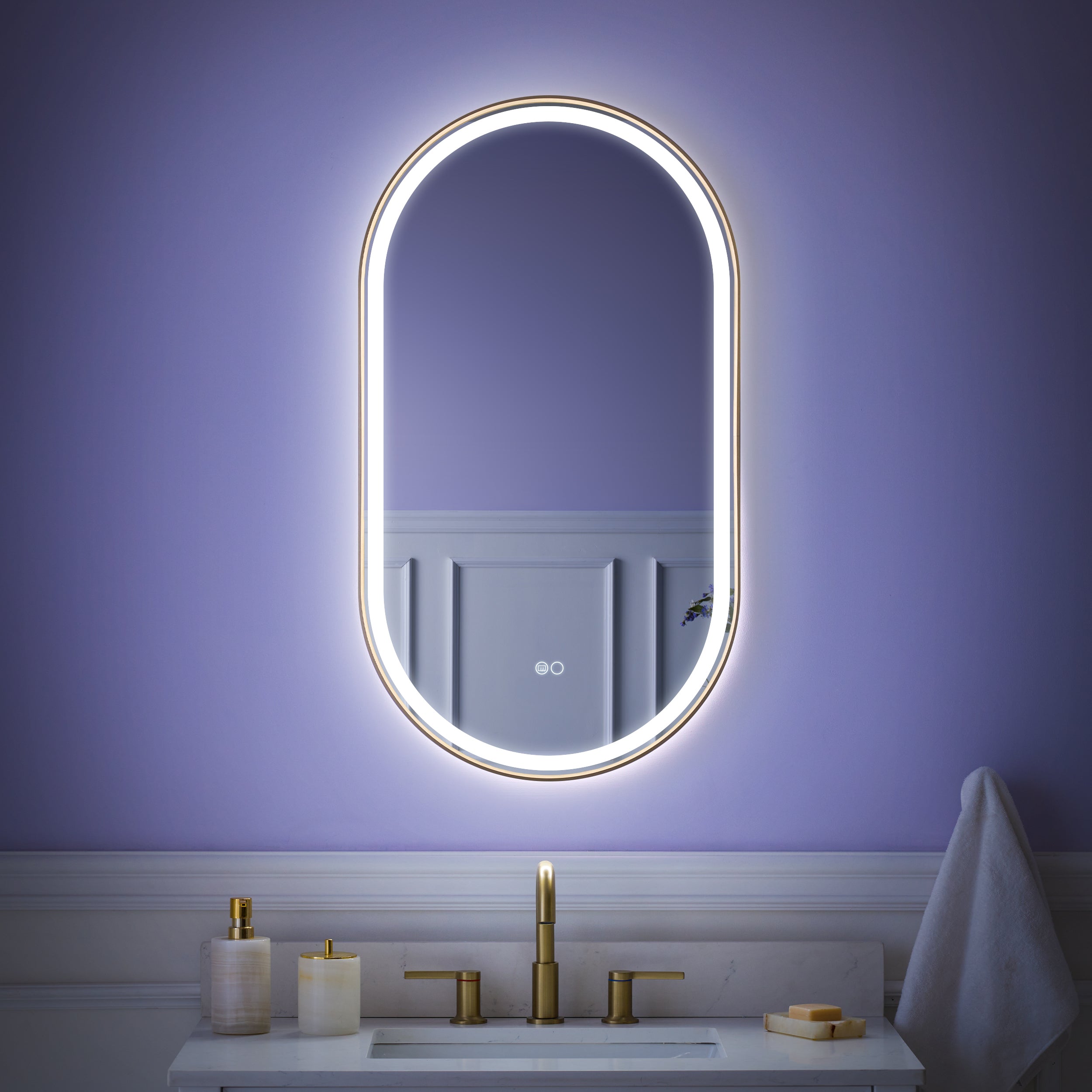
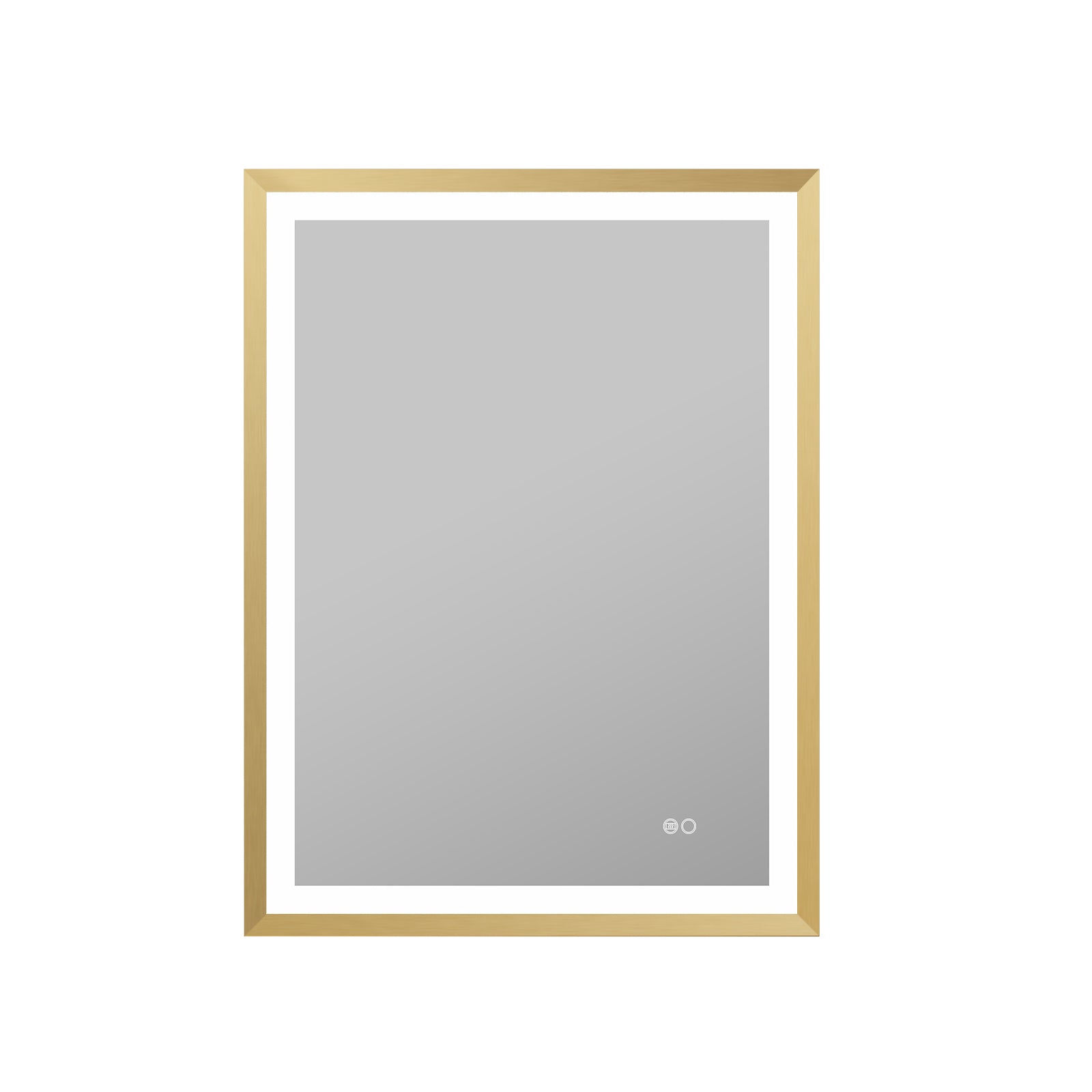
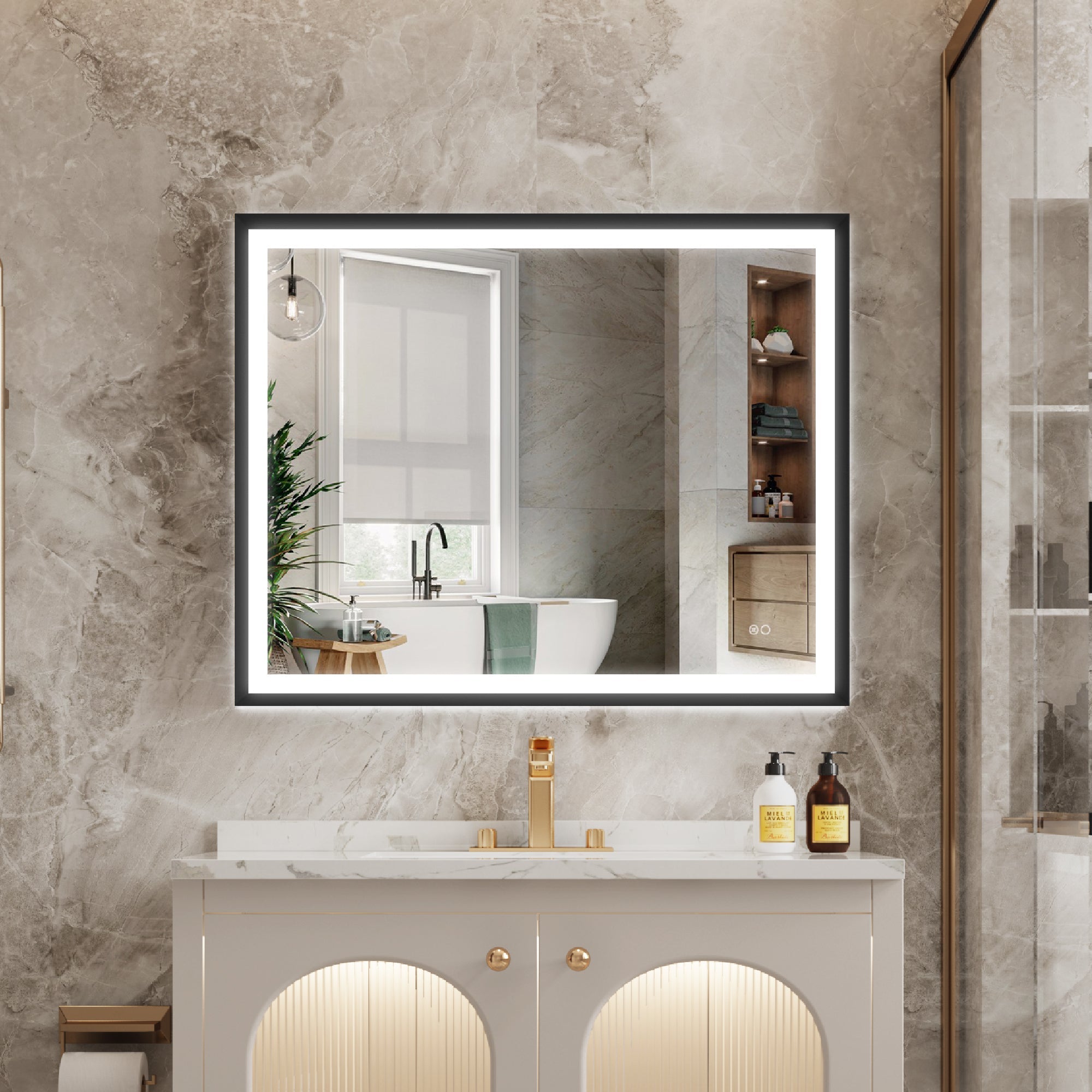
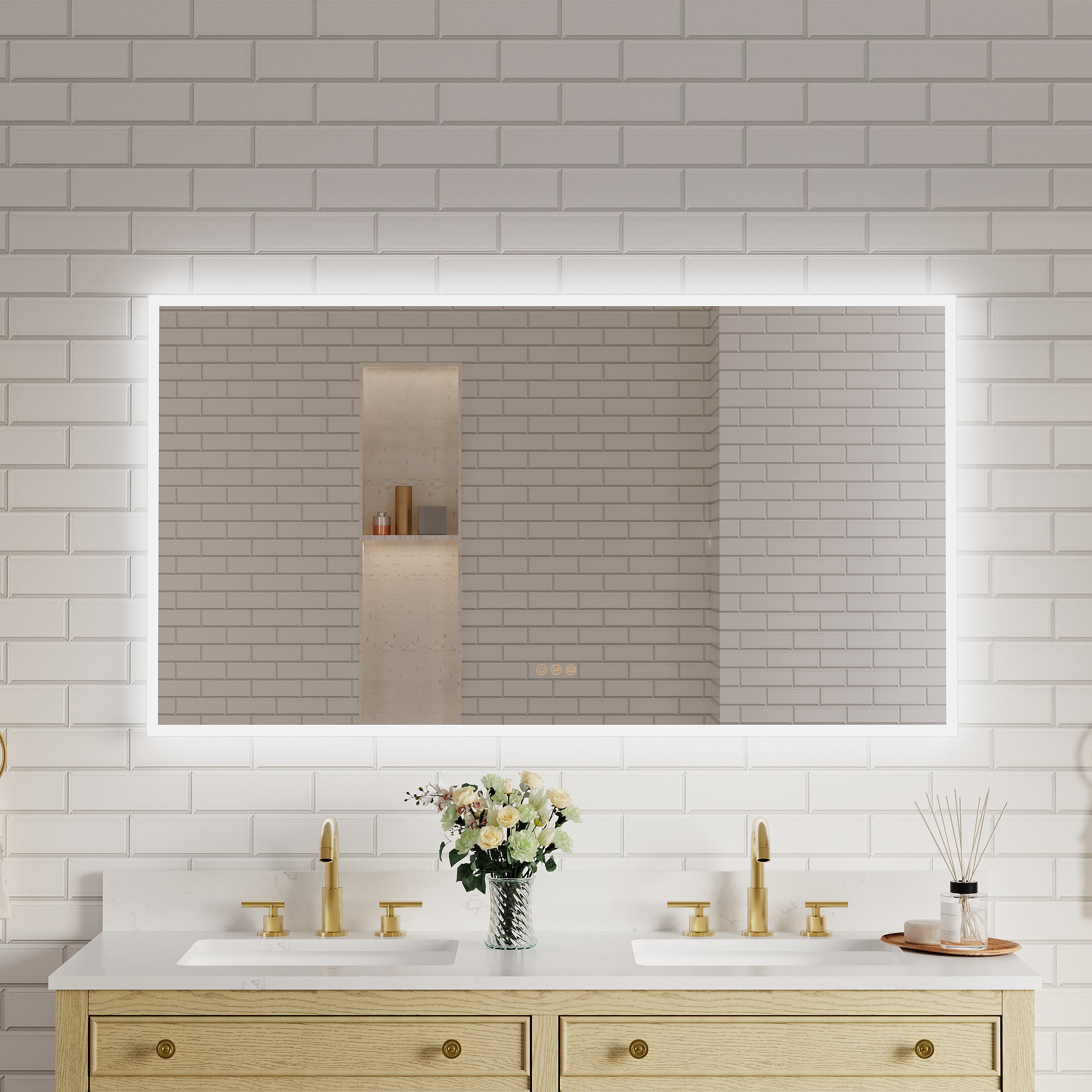
In recent years, the large LED mirror has become increasingly popular in residential and commercial spaces and is widely used in bathrooms, hotels, apartments, and gyms. This type of product integrates lighting, defogging, touch, and Bluetooth functions, but also raises a problem that the industry has long overlooked for a long time: the contradiction between the weight of the product and the load-bearing capacity of gypsum board walls.
According to the latest technology report on the construction and decoration industry, the average weight of LED mirrors has been steadily increasing. At the same time, the load-bearing capacity of standard gypsum board walls has remained almost unchanged. This "structural mismatch" is becoming one of the core sources of installation safety hazards.

1. The increasing trend of LED mirror weight: from "decoration" to "structural burden."
Industry data shows that the weight of large LED mirrors is composed mainly of three parts: the glass body, the metal frame, and the LED and electrical systems.
Based on data from the building materials industry, it is estimated that:
Ordinary 6mm mirror: about 15 kg/m ² (about 3 lb/ft ²)
After adding the LED system and backplane, the overall weight can increase by 20% -60%
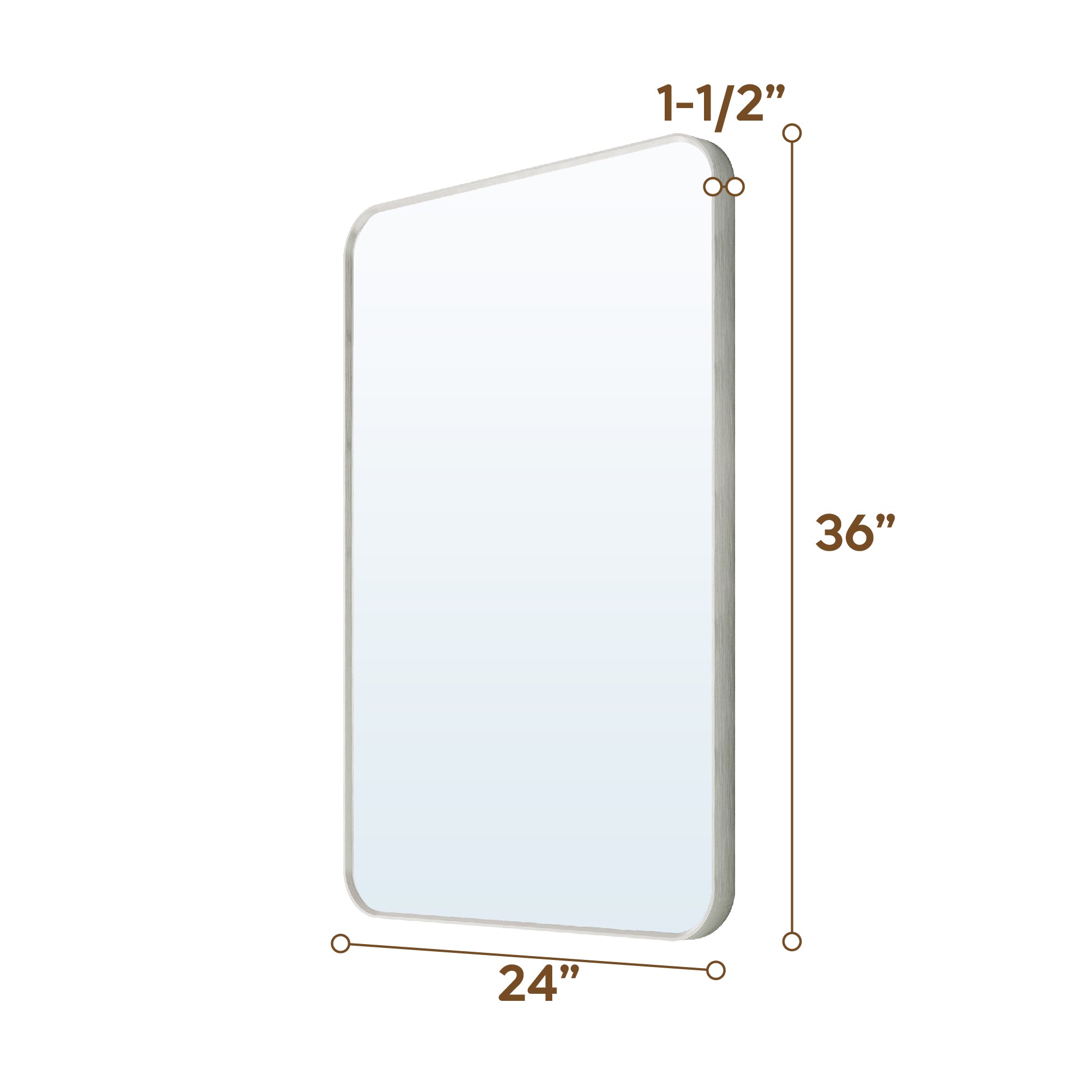
A standard bathroom LED mirror (23.6 × 31.5 inch):
About 30-50 pounds (14-23 kg)
Large full-body LED mirror (70.9 × 31.5 inch or more):
Commonly reaching 80-150 pounds (36-68 kg)
Industry installers point out that in high-end hotel projects, it is not uncommon for the entire wall LED mirror to weigh over 200 pounds (90kg).
2. The true load-bearing capacity of gypsum board walls: an underestimated 'weak structure.'
The most common wall structures in residential buildings are:
1/2 inch gypsum board
Wooden or light steel keel (spacing 16-24 inches)
But the key issue is that gypsum board itself is not load-bearing.
Engineering data shows that:
Simple gypsum board load-bearing capacity: approximately 1.6-2 lb/ft ²
Single point ordinary screw load-bearing capacity: approximately 5-10 pounds (2-4.5 kg)
When relying on stud fixation:
Can be lifted to over 50-100 pounds
However, industry reports point out a practical issue:
“Many LED mirrors cannot be aligned with the keel, forcing the weight to be borne by the gypsum board and expansion screws.”
3. The core controversy in the industry is not about whether it can be suspended, but about how to suspend it
The decoration industry generally believes that large LED mirrors cannot be installed on gypsum board walls, but the installation method determines safety.
1. Directly fix the keel (the safest solution)
Engineer's suggestion:
Use structural screws to drive into the keel directly
Or use a transverse load-bearing board (backing board)
This method can distribute weight to the wall structure and withstand loads of 75-150 pounds or more.
2. Use high-strength hollow wall anchors (medium risk solution)
including:
Toggle bolts
heavy-duty molly bolts
Industry testing shows that:
High-quality anchor bolts can support a weight of 40-100 pounds per point
But long-term vibration (opening and closing doors, humidity changes) may cause looseness
3. Directly relying on gypsum board (high-risk solution)
The building safety agency pointed out that:
The 'naked hanging capacity' of gypsum board is usually less than the safe range of 25-30 pounds
Overweight LED mirrors pose a risk of slow detachment
Residential accident statistics show that:
About 38% of mirror-falling accidents are related to the failure of gypsum board anchoring
4. The 'hidden risk' of LED mirrors: not just weight
Industry experts point out that the risks of LED mirrors not only come from weight, but also include:
1. Continuous vibration load
Closing the bathroom door and causing slight vibrations in the walls can result in:
The screws gradually loosen
Expansion of gypsum board holes
2. Weakened structure due to a humid environment
Bathroom humidity may cause:
Localized softening of gypsum board
Corrosion of metal anchor bolts
3. Electrical integration increases maintenance risks
LED mirrors typically require:
Pre-embedded power cord
Wall junction box
Once detached, it may cause:
A short circuit caused by pulling the wire
Glass breakage causes secondary injury
5. Industry trend: shifting from "hanging" to "structural reservation."
New trends are emerging in the construction industry:
1. Pre-embedded backboards (blocking) for new residential buildings
Adding wooden boards between the keels to enhance the structure, allowing the LED mirror to be fixed in any position.
2. Modular wall system
Some high-end apartments are starting to adopt:
Load-bearing metal wall panel system
Integrated hanging point structure
3. Manufacturer's standard installation system
More and more LED mirror brands are starting to offer:
Z-bar hanging rail
French clean
These systems can distribute weight horizontally along the entire line, significantly reducing single-point pressure.
6. Engineer's conclusion: The key is not 'gypsum board', but 'whether there is structural support'
Based on comprehensive building codes and industry practices, structural engineers generally come to the following conclusions:
✔ Small LED mirror (<30 pounds): can safely use high-quality gypsum board anchors
✔ Medium-sized LED mirror (30-75 pounds): must be at least partially fixed to the keel
✔ Large LED mirrors (>75 pounds): Must use keel or structural reinforcement system
❌ It is not recommended to rely solely on the gypsum board body to install large LED mirrors
Conclusion: Intelligent products are challenging traditional wall design logic
The popularity of large LED mirrors is driving a seemingly simple but far-reaching issue:
Residential wall systems are not yet designed for the era of electronically integrated heavy loads.
In the construction industry's view, this is not only an installation issue, but also a systematic mismatch between structural standards and the evolution of smart home products.
In the future, as LED mirrors continue to develop towards "full wall, ultra-thin, and intelligent", gypsum board walls and traditional anchoring methods may gradually be replaced by "structural embedding+system load-bearing design".








Leave a comment
This site is protected by hCaptcha and the hCaptcha Privacy Policy and Terms of Service apply.