


















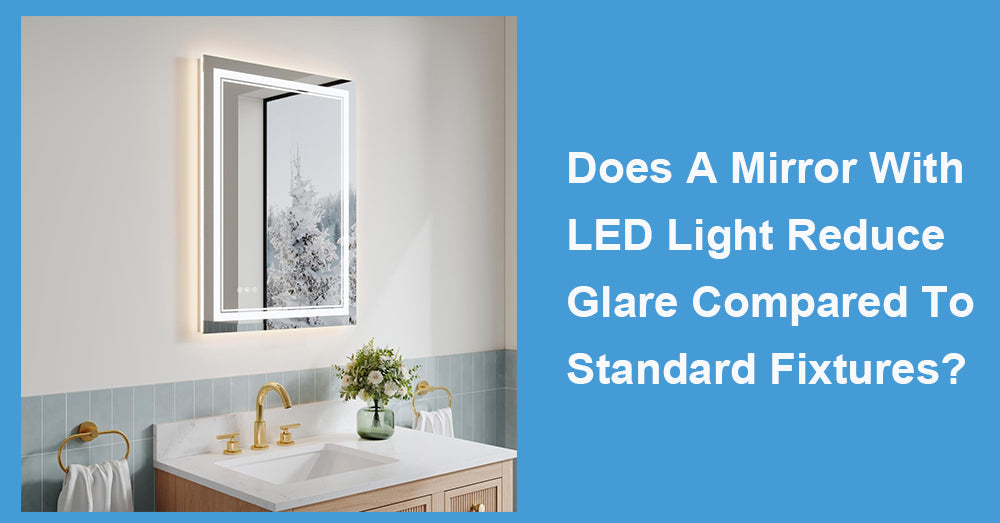
In the residential and commercial lighting market, bathroom and makeup mirror lighting are undergoing continuous upgrades. According to multiple lighting industry research and manufacturer technology white papers, the mirror with LED light is gradually replacing the traditional "top light+ordinary mirror" combination, with "whether it can reduce glare" becoming one of the most pressing performance issues for consumers.
The industry generally believes that LED mirrors are more effective at reducing glare in structural design, but their effectiveness depends heavily on product quality and optical design.
1. Industry conclusion: LED mirrors have more structural advantages in glare control
Glare usually comes from direct exposure of light sources to the eyes, high local brightness, and strong contrast between light and dark. Traditional bathroom lighting often uses top or single-sided light sources, which can easily create uneven lighting and noticeable shadows on the face.
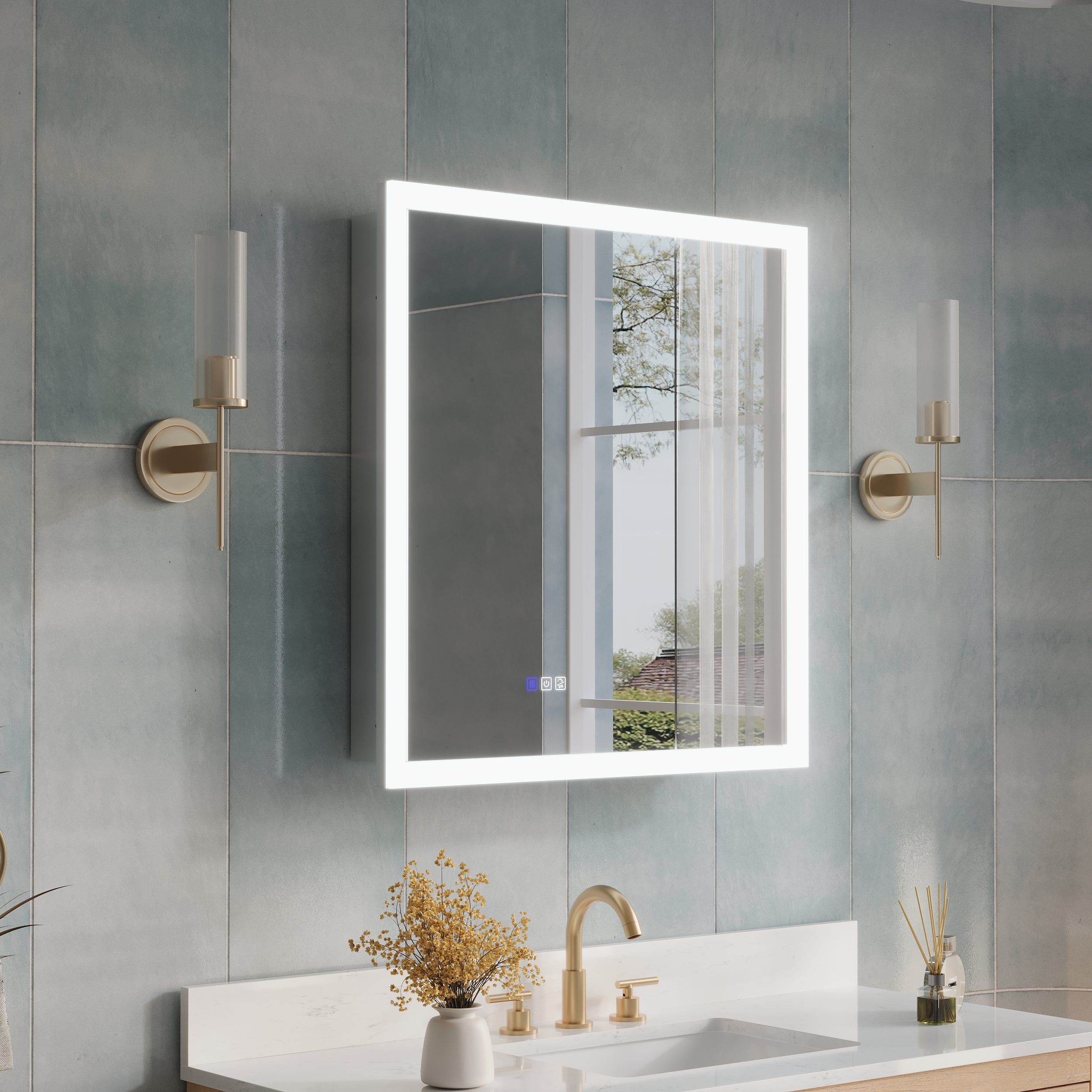
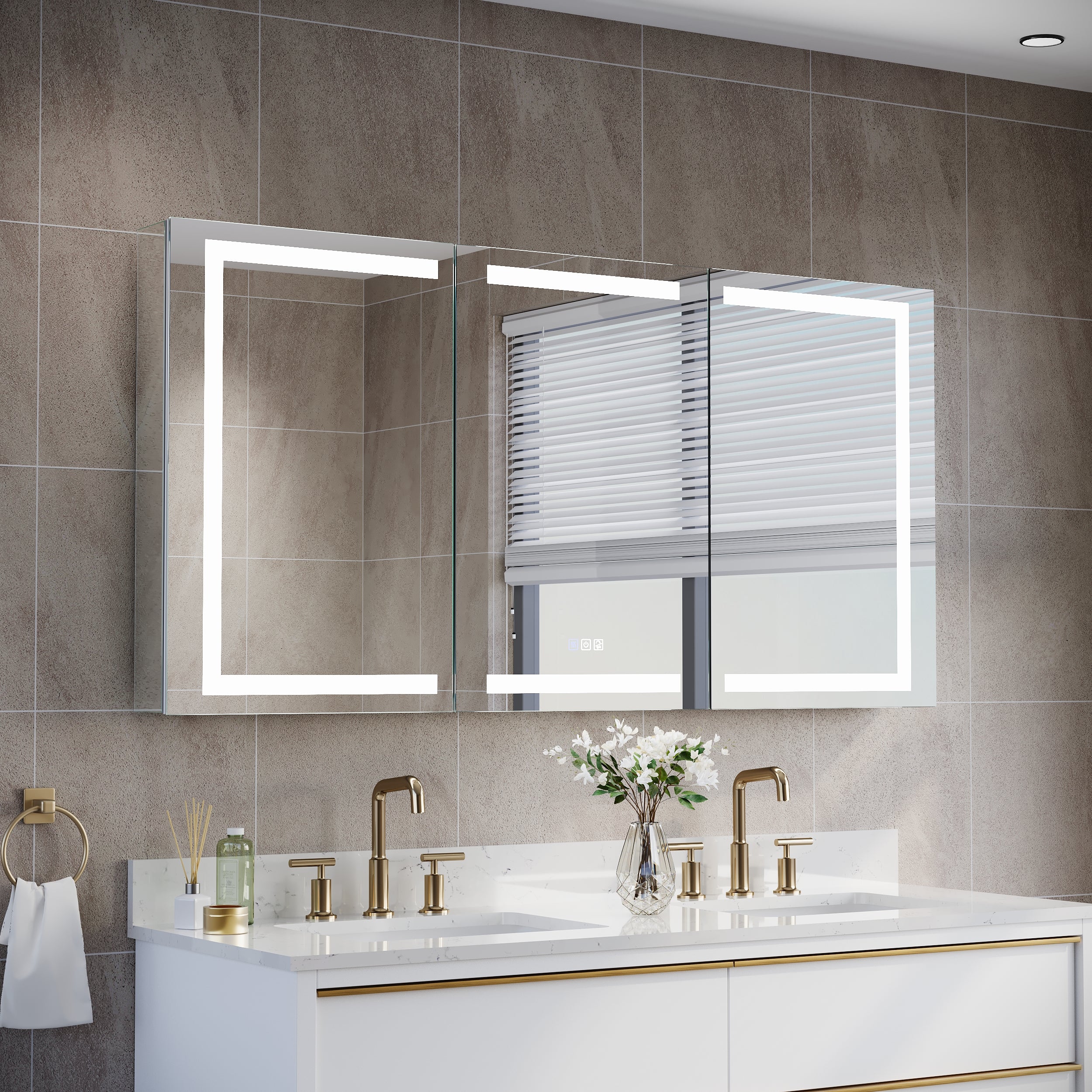
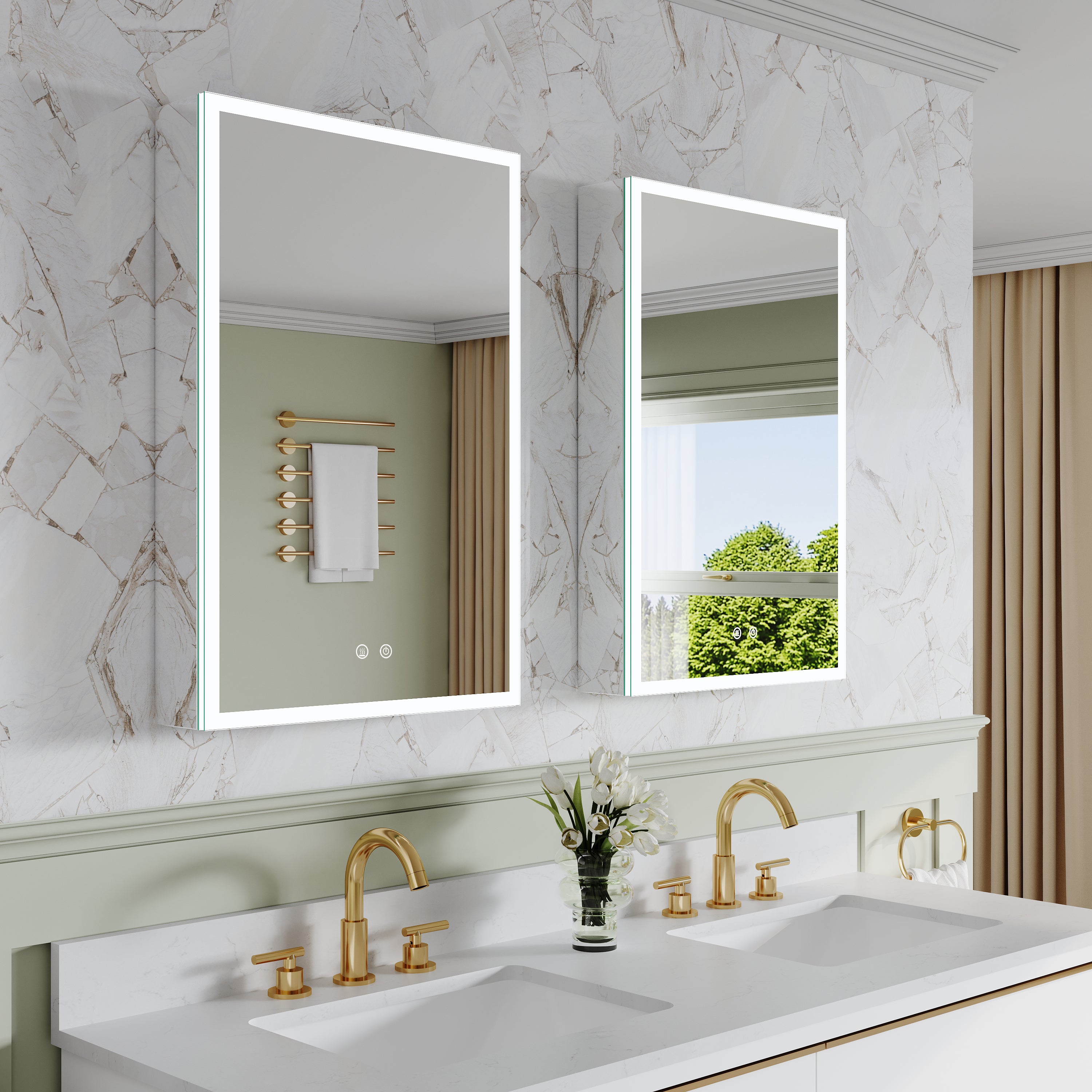
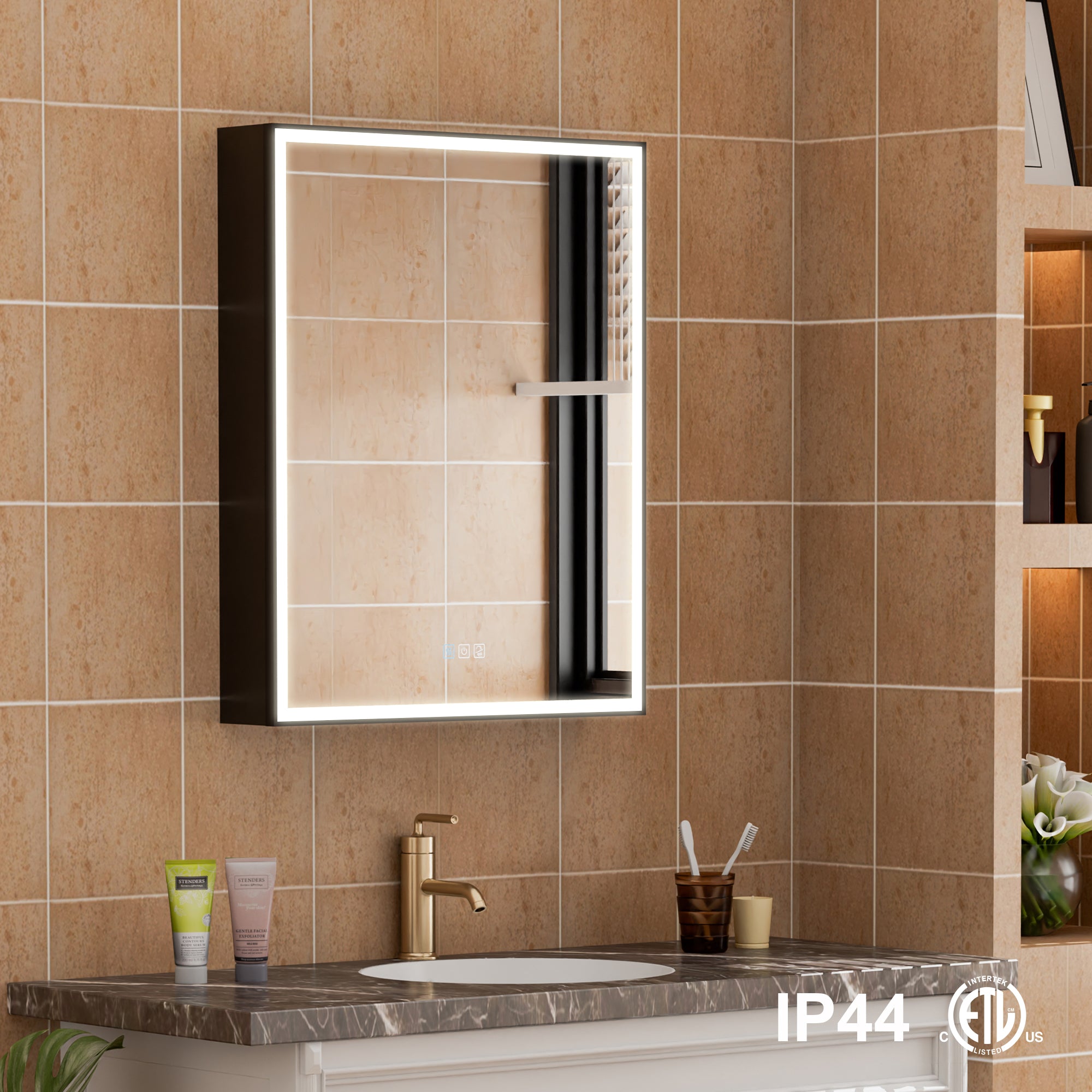
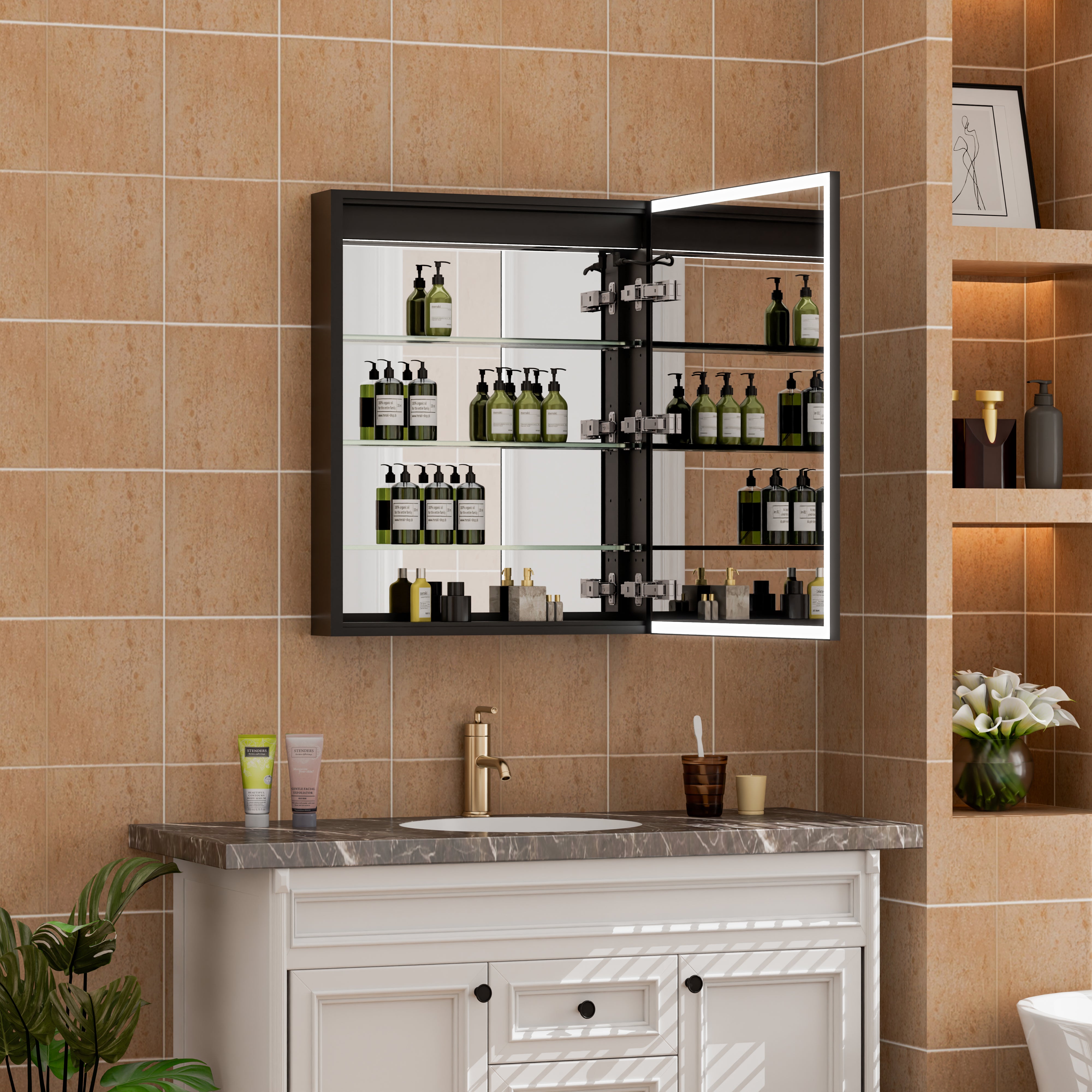
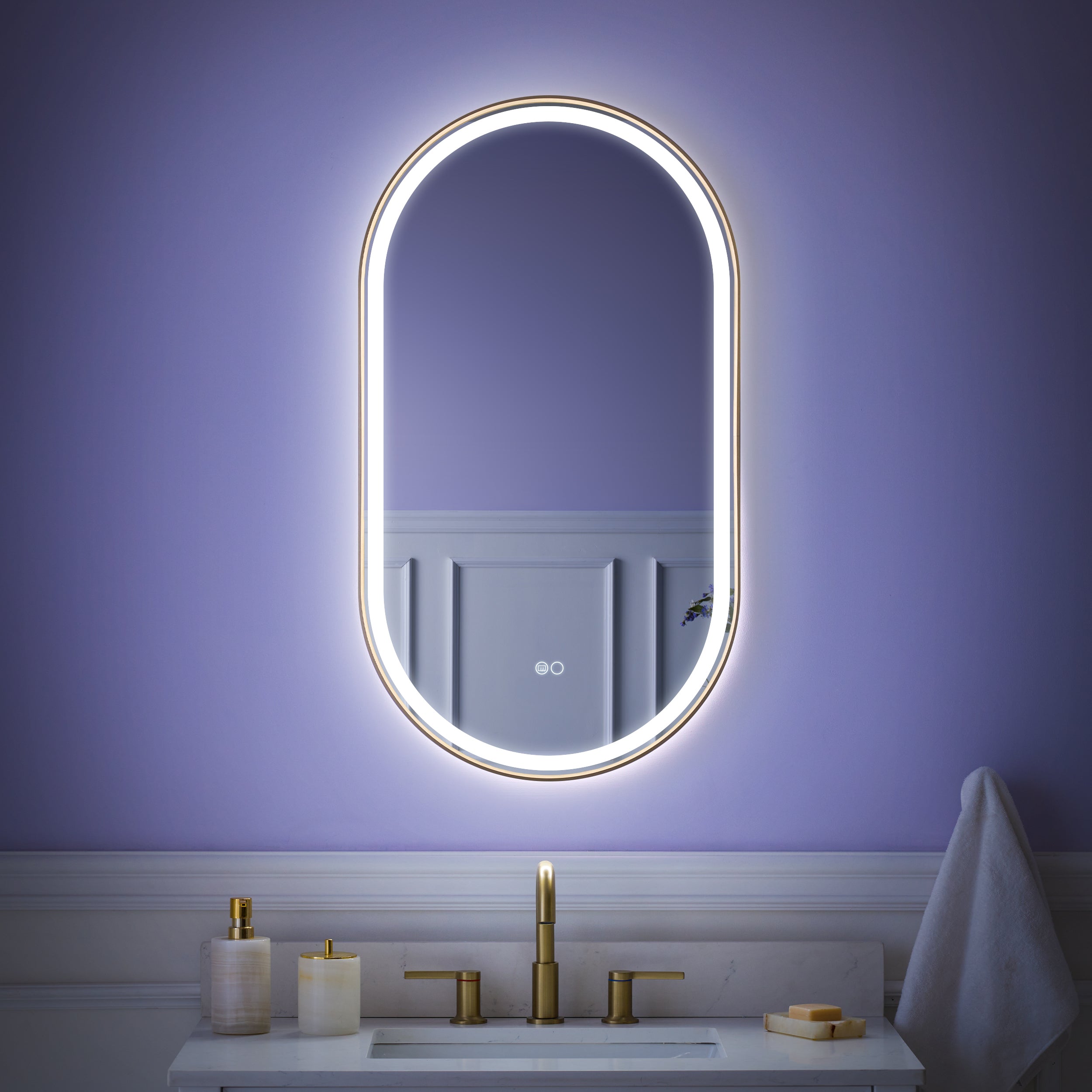
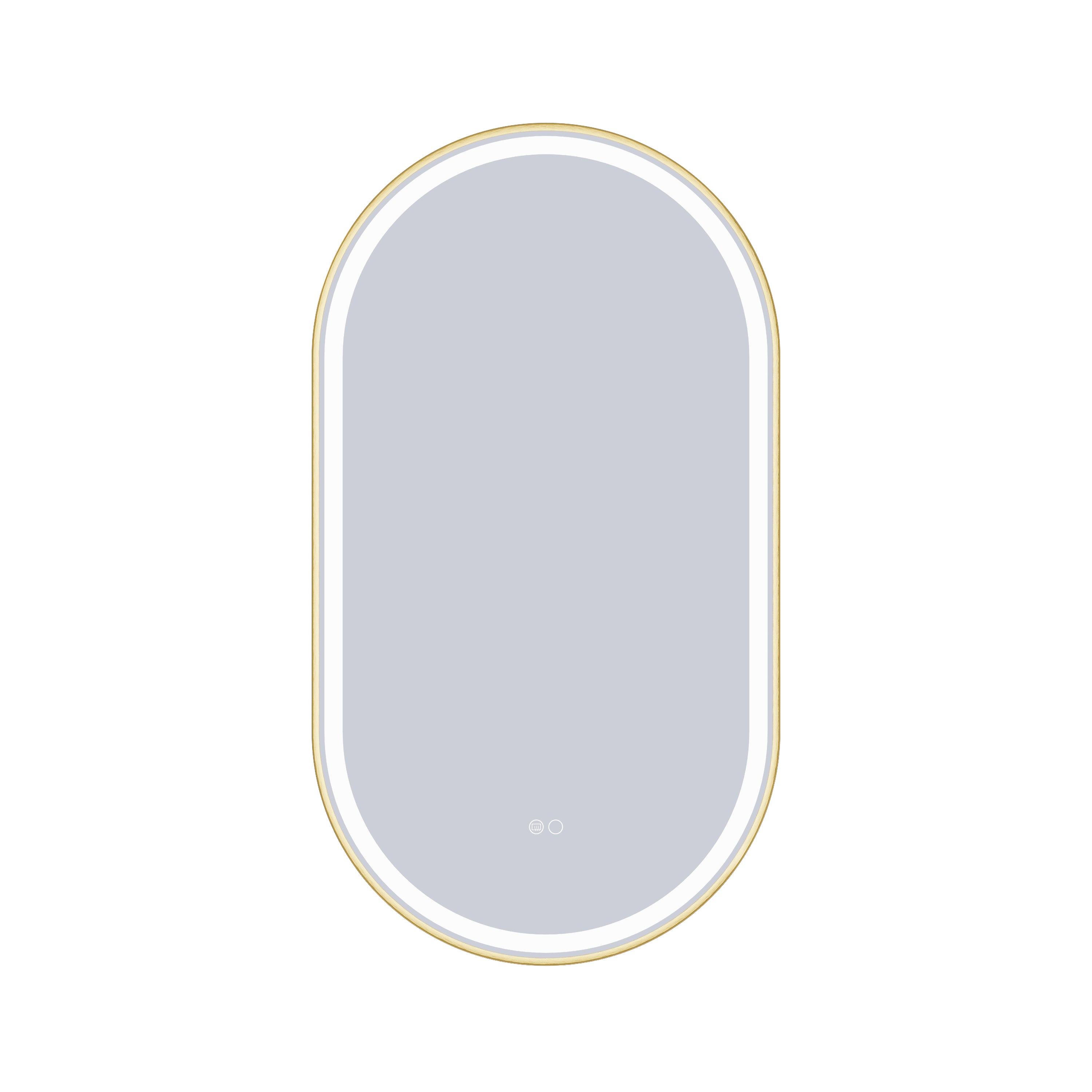
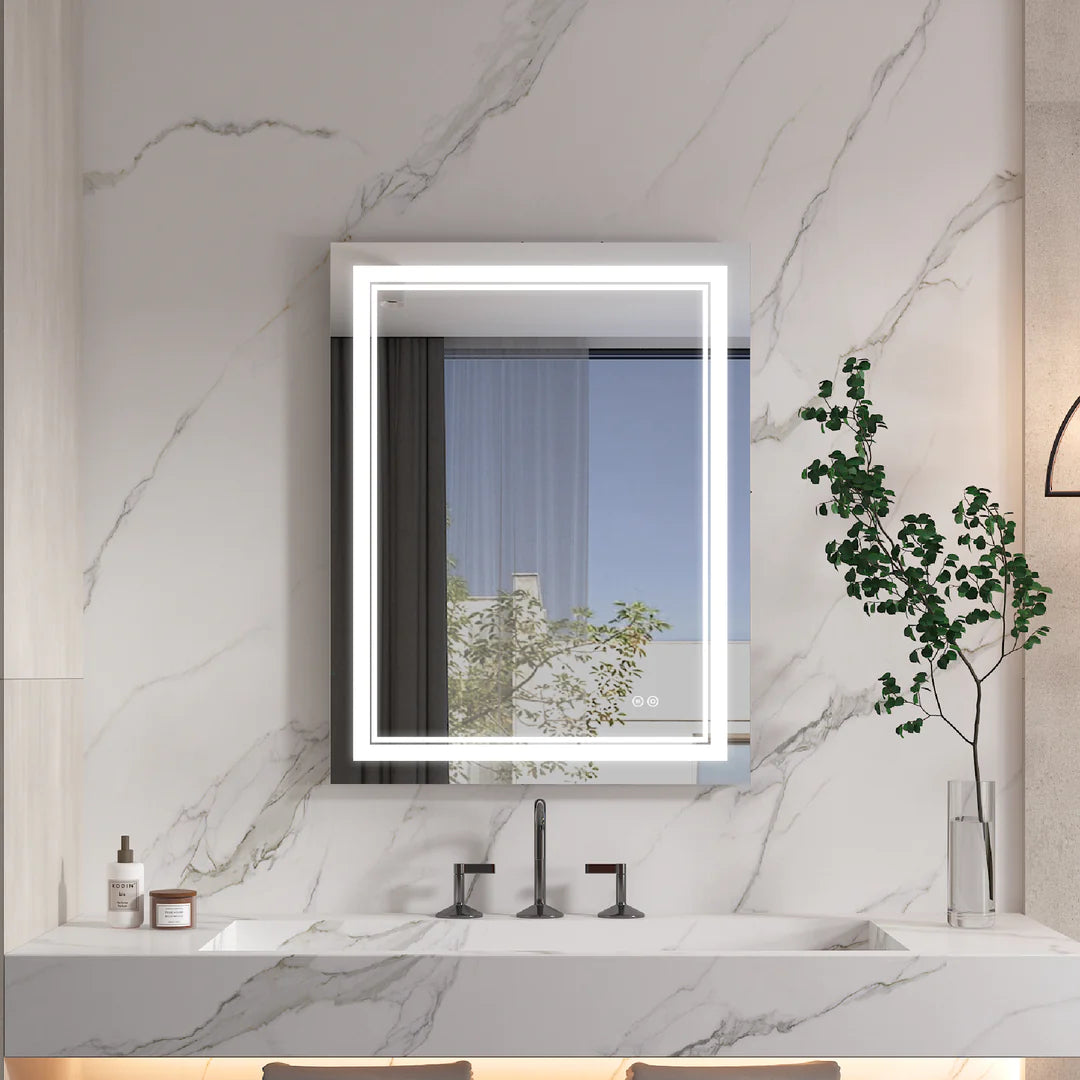
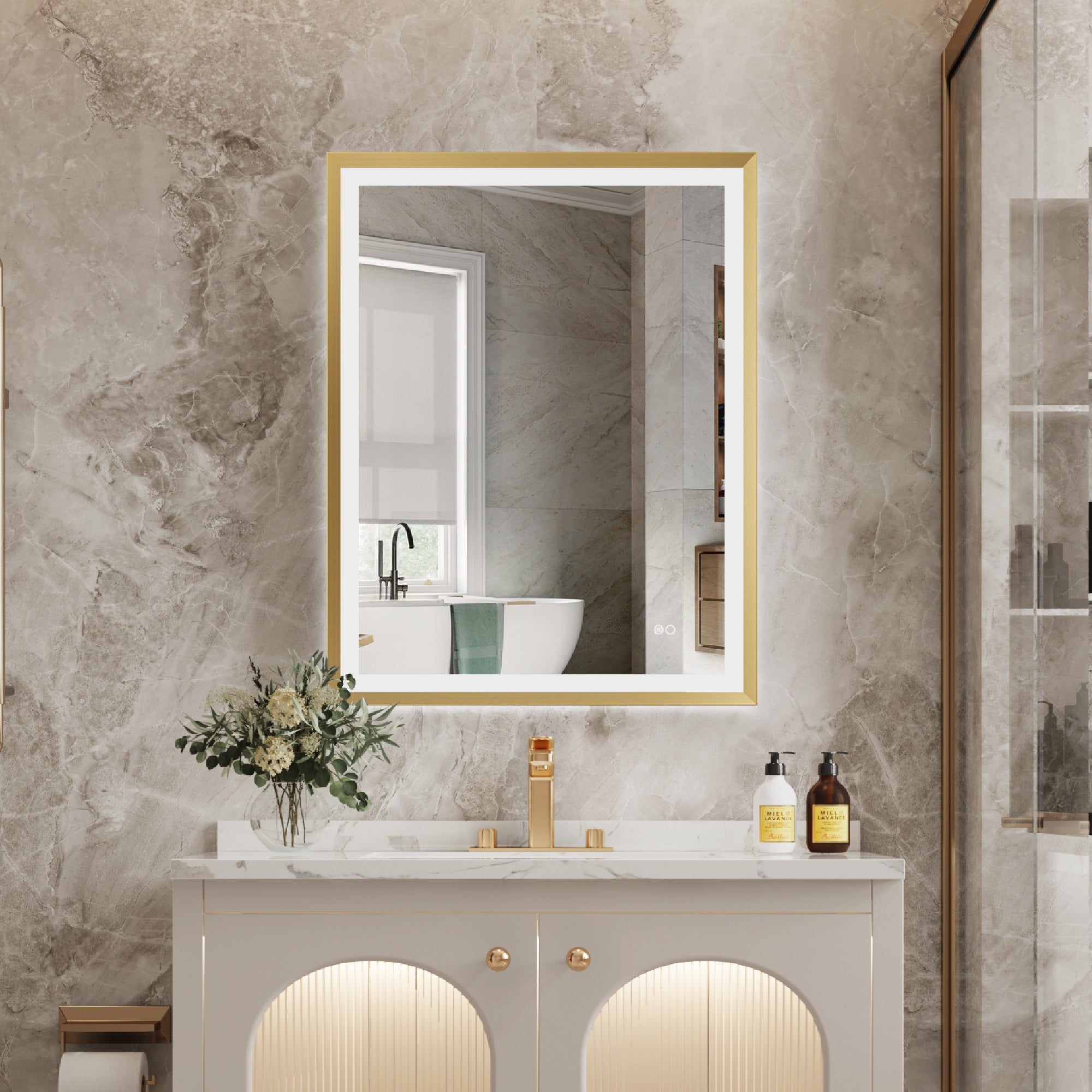
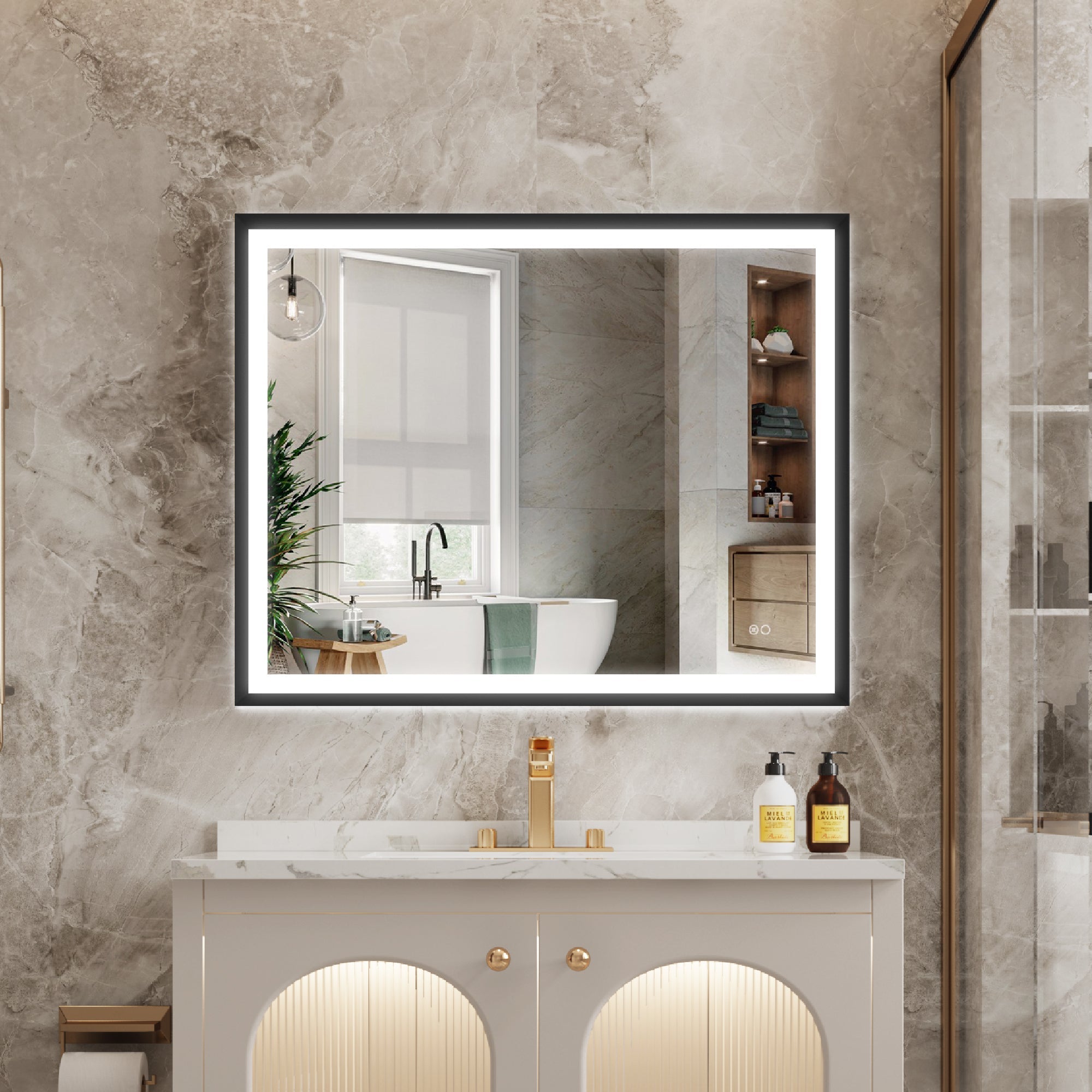
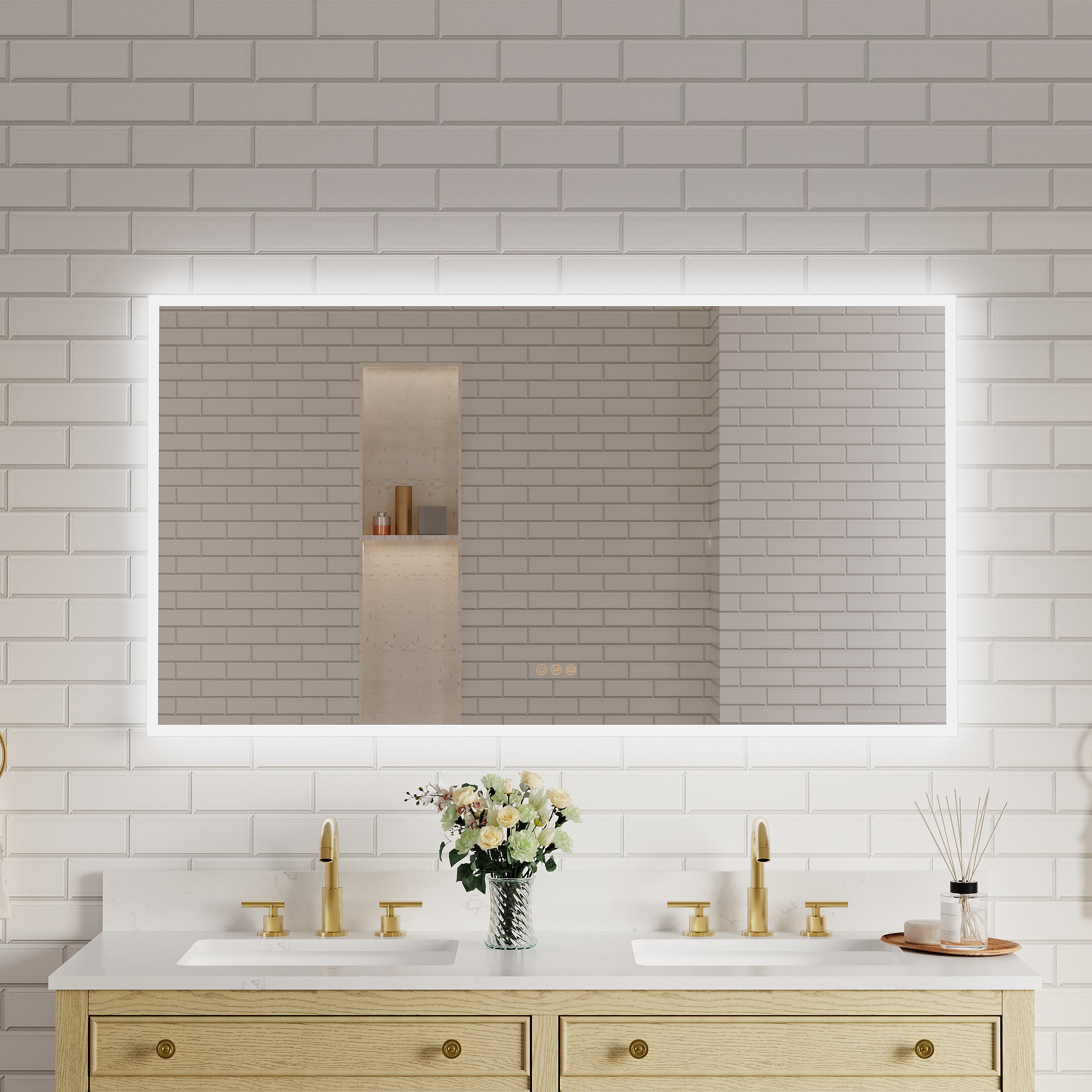
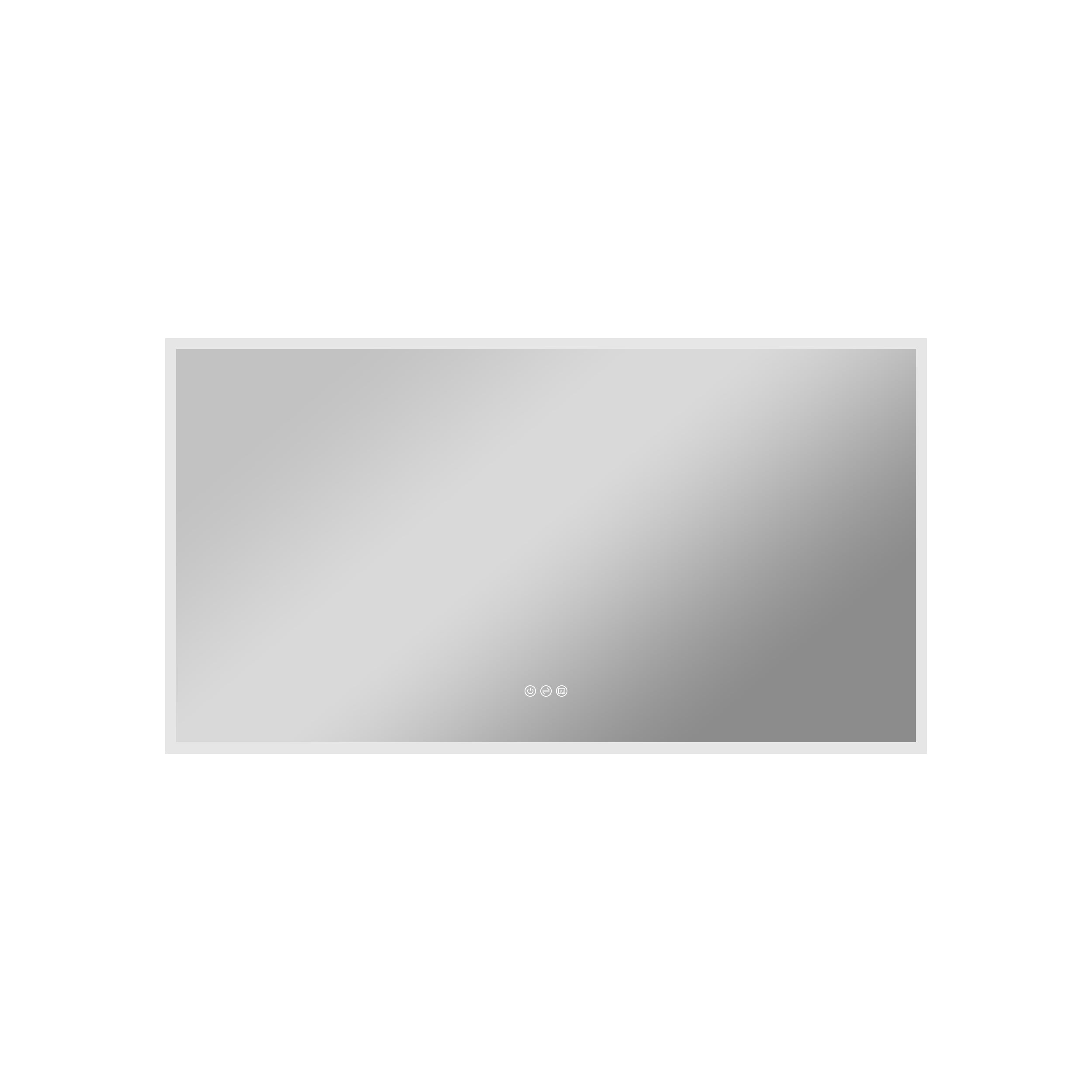
In contrast, LED mirrors integrate light sources around or behind the mirror surface, transforming light from point-like to planar distribution and reducing the likelihood of direct light entering the eyes, thereby structurally reducing glare.
2. Core mechanism: Why are LED mirrors less prone to glare?
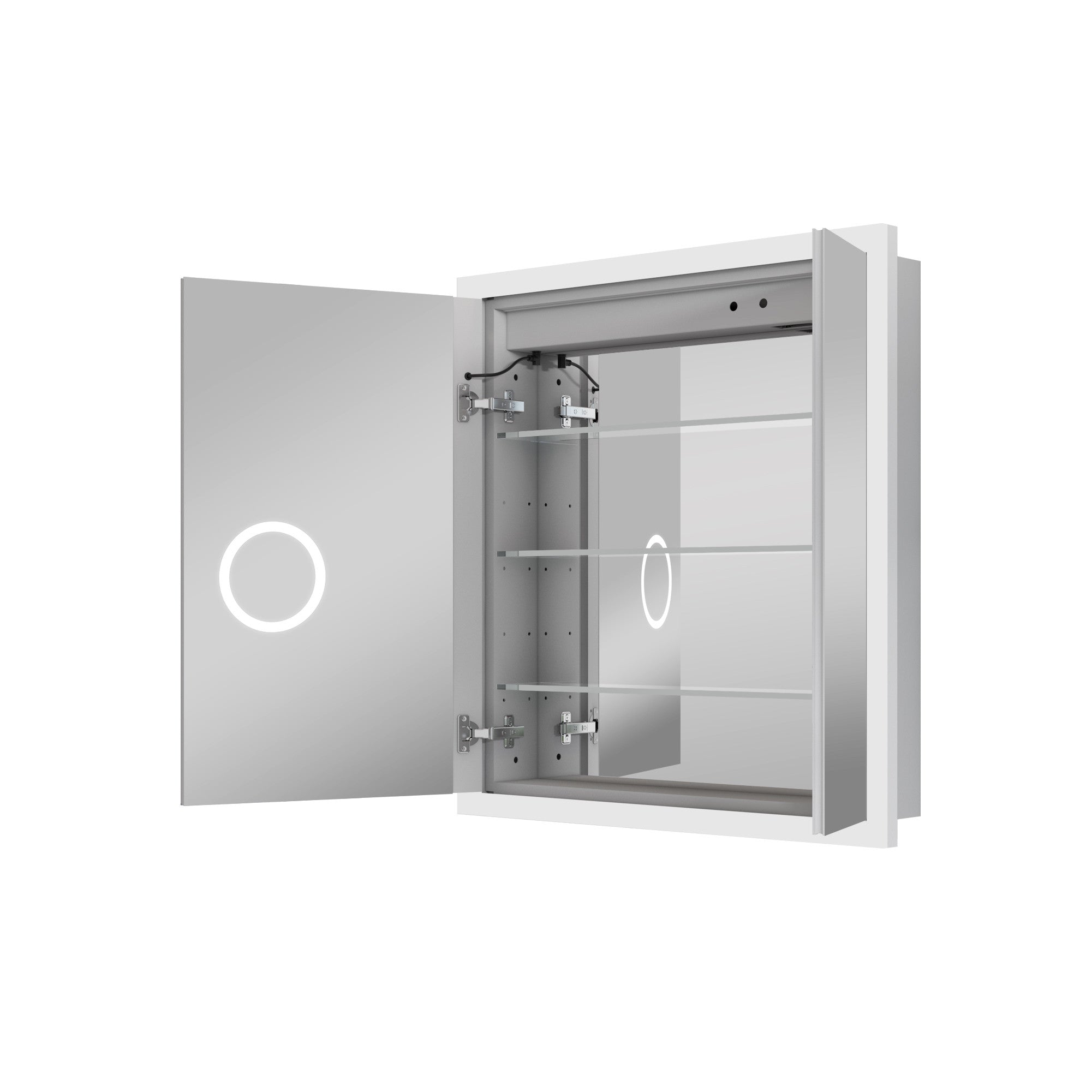
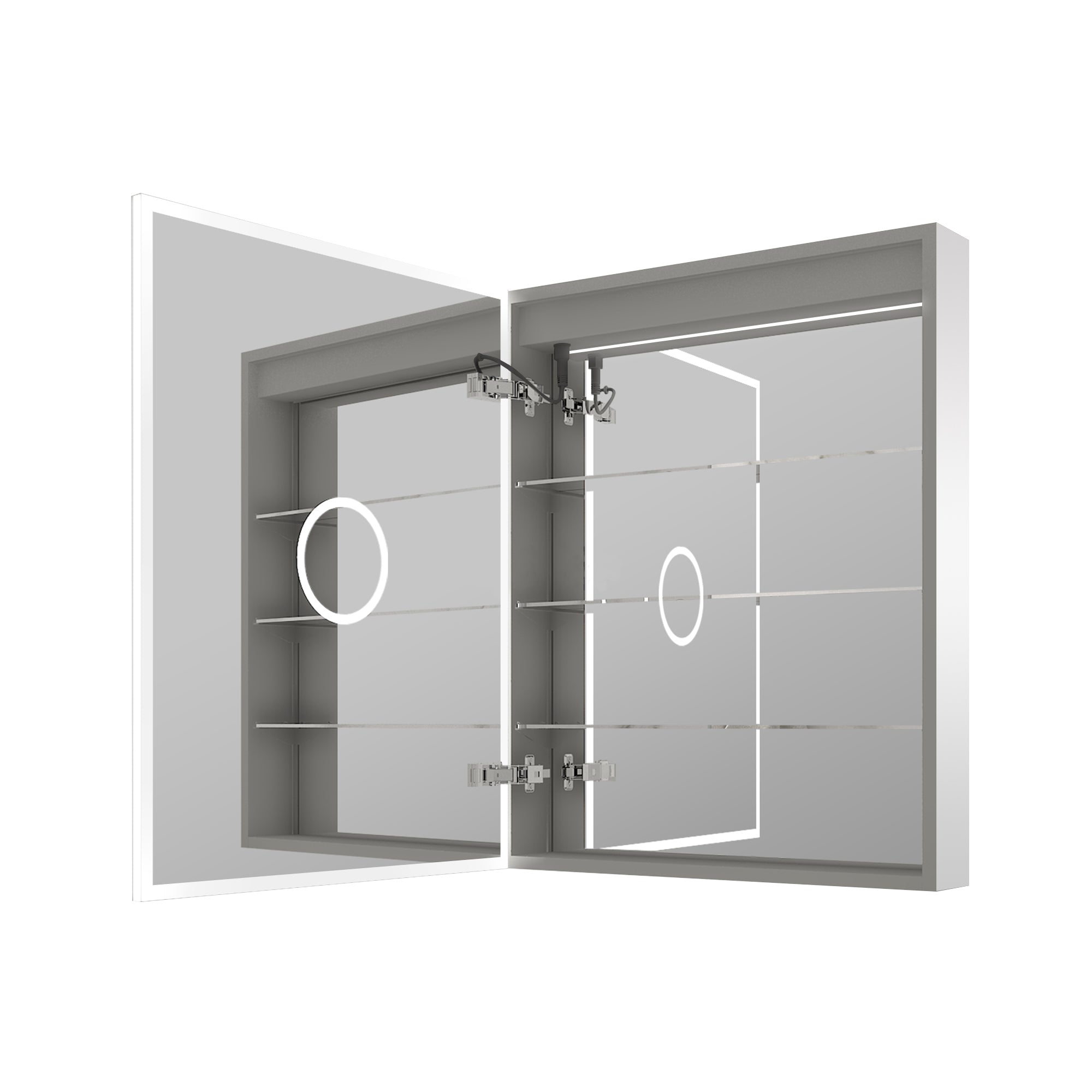
Firstly, LED mirrors usually use circular light strips or backlight diffusion plates to "scatter" the originally concentrated light source into a more uniform, smooth surface, thereby reducing local bright areas.
Secondly, some backlight structures allow light to first pass through the diffusion layer or wall reflection before entering the user's field of view. This "indirect lighting" method can significantly reduce direct stimulation.
In addition, the LED mirror's light source is usually in the same plane as the human face's line of sight, which is more in line with the comfortable visual angle of the human eye than top lighting fixtures, thereby reducing discomfort caused by the up-and-down light difference.
3. Data comparison: ordinary lamps vs LED mirrors
According to industry testing data, the differences between the two primarily manifest in four areas.
In terms of illumination uniformity, traditional bathroom lighting fixtures have uneven distribution of facial light due to single-point or top lighting structures, with a uniformity usually only 0.3 to 0.4, which can easily lead to local over-brightness or over-darkness. LED mirrors, with their circular or backlit designs, allow light to cover the face more evenly, increasing uniformity to over 0.6 and resulting in a more balanced overall visual experience.
In terms of glare performance, traditional lighting fixtures are more prone to producing a dazzling sensation due to direct exposure of the light source to the eyes, especially in high-brightness environments; LED mirrors convert point light sources into surface light sources through soft light diffusion, significantly reducing the likelihood of glare.
In terms of shadow control, traditional lighting fixtures are prone to creating deep shadows in areas such as the nose and eye sockets, while LED mirrors, due to their multi-directional fill light, can effectively reduce facial shadows and make details clearer.
In terms of visual fatigue, traditional lighting is more prone to eye fatigue due to its strong contrast between light and dark, and prolonged use; LED mirrors provide a more uniform and less stimulating lighting, resulting in a more comfortable overall user experience.
4. Consumer Experience: The market is undergoing a transformation

In a residential renovation project in Los Angeles, a couple changed the bathroom lighting from "ceiling light+mirror front wall light" to a smart mirror with a circular LED strip.
Before the renovation, they reported that the overhead light was directly shining into their eyes, causing significant glare in the morning. At the same time, there were heavy facial shadows, which affected their judgment of shaving and makeup.
After the renovation, the LED mirror changed the light from "single point illumination above" to "uniform illumination around", significantly reducing glare, no longer exposing the eyes to strong light, and significantly reducing facial shadows.
The designer's measurements show that the illuminance remains within a comfortable range of 350-450 lux. Still, with a more uniform distribution of light, the subjective glare for the user is significantly reduced.
This case reflects a trend: consumers are shifting from "pursuing brighter" to "pursuing a more uniform and comfortable lighting experience".
5. Industry expert opinion: Not all LED mirrors can reduce glare
Although LED mirrors have obvious overall advantages, experts also note that their effects exhibit significant layering.
If the diffusion design of low-end products is insufficient, it may still form light bands or local highlights, and even new glare problems may occur. In addition, excessively high color temperature (such as cool white light above 6000K) may also increase visual fatigue.
The lighting design industry generally emphasizes that the key to reducing glare is not only the LED light source itself, but also the comprehensive result of diffusion structure, brightness control, and color temperature design.
6. Industry Trend in 2026: Intelligence Further Optimizes Visual Experience
The latest generation of LED mirrors is adding more intelligent lighting features, including automatic dimming, ambient light sensing, neutral color temperature default mode, and zone brightness control.
Some high-end products even use algorithms to automatically adjust the output based on user distance and environmental brightness, further reducing visual stimulation and making the lighting experience closer to that of natural light.
7. Conclusion: LED mirrors can indeed reduce glare, but it depends on the design level
Based on comprehensive industry data and user feedback, it can be concluded that:
LED mirrors are naturally more effective at reducing glare in structures than traditional lighting fixtures, and their core advantage lies in changes to light distribution rather than simply increasing brightness.
But this advantage is not absolute, and the final effect depends on diffusion design, color temperature control, and manufacturing quality.
In other words, LED mirrors are not "non-glare", but "easier to design for low glare".












Leave a comment
This site is protected by hCaptcha and the hCaptcha Privacy Policy and Terms of Service apply.