














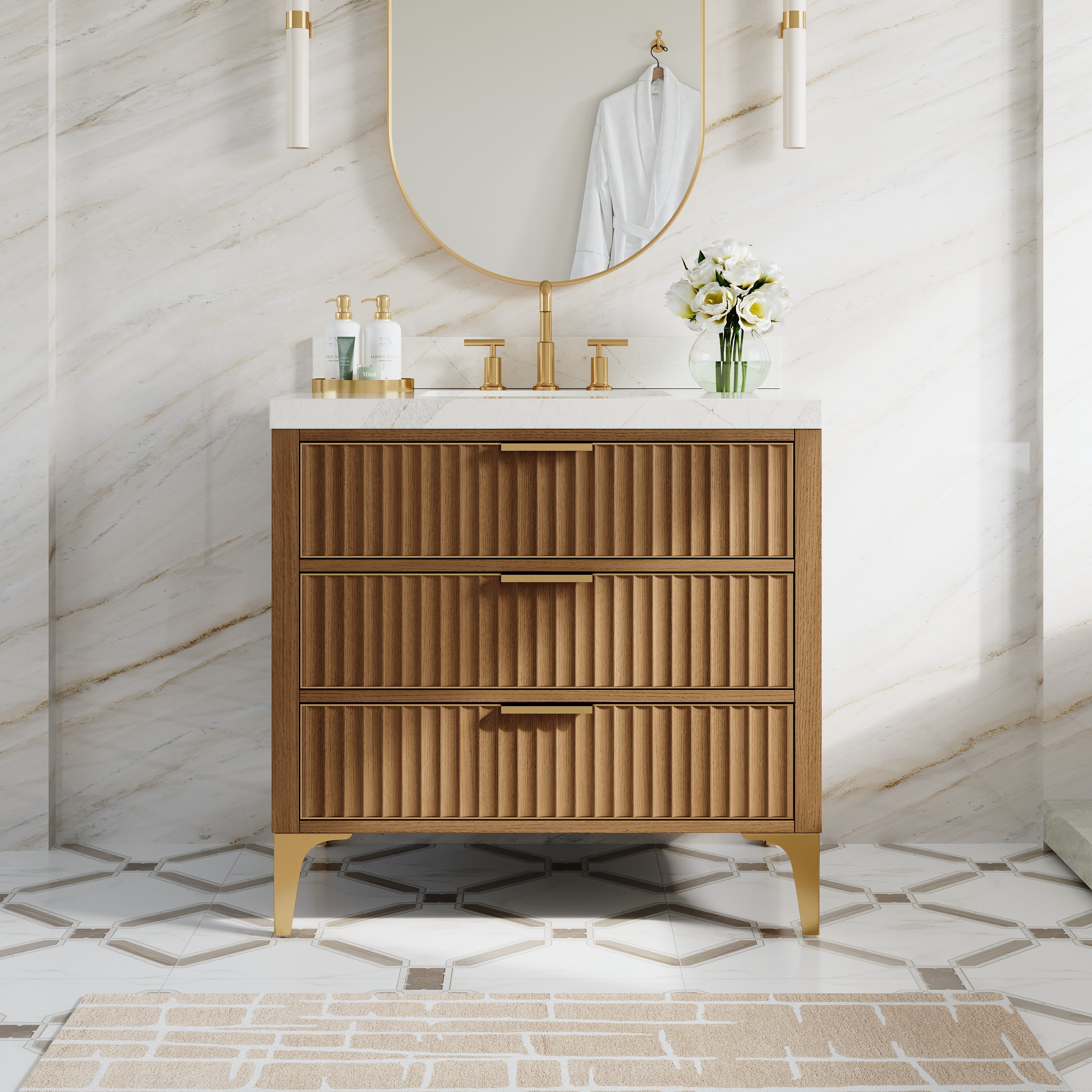
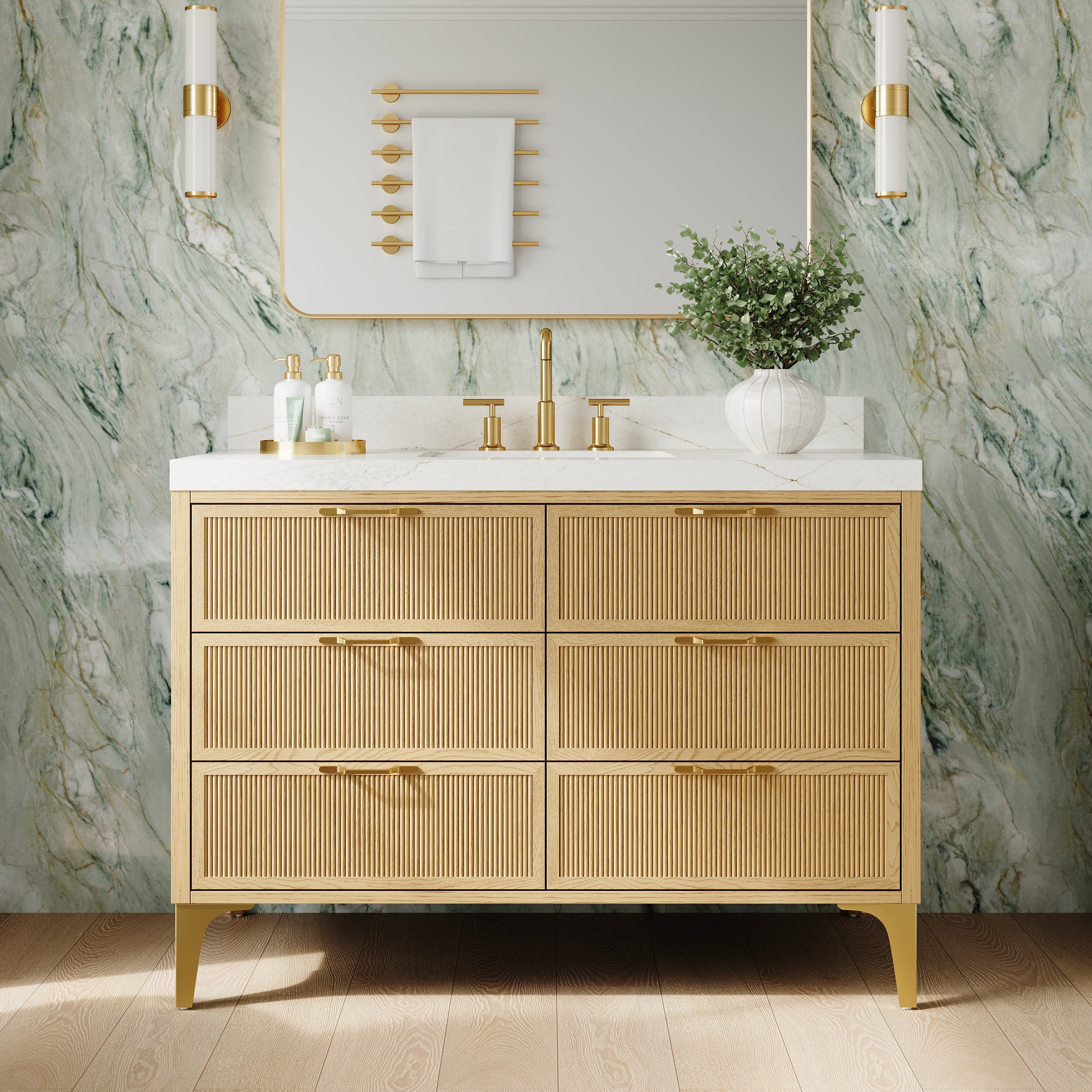


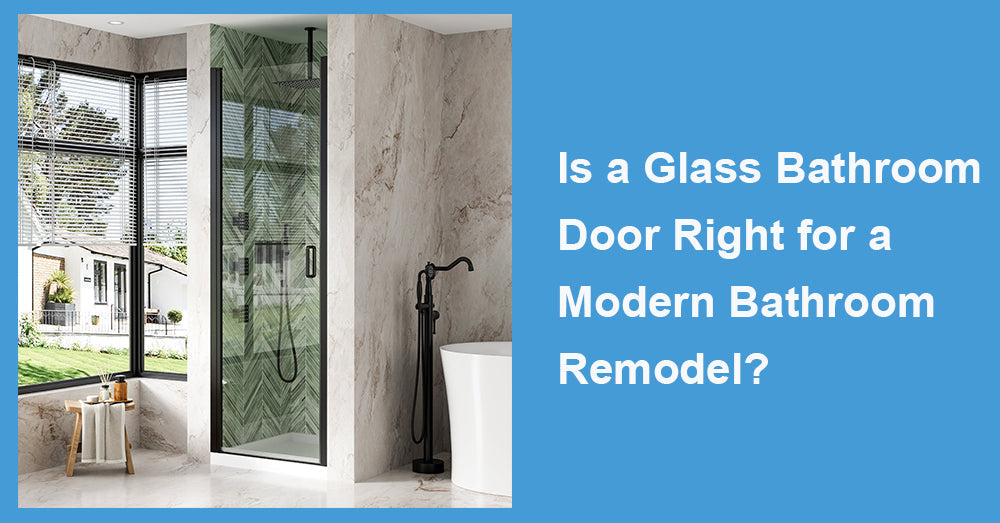
The glass bathroom door has become a signature move in modern remodels because it changes how a bathroom feels before you touch a single tile: it borrows light, makes tight footprints read larger, and can turn an everyday room into something that feels designed. But glass at a bathroom entry is also a performance material, not just a style choice. Privacy, moisture control, safety glazing requirements, and day-to-day maintenance decide whether it’s a smart upgrade or an expensive annoyance.
The trend signal: why glass doors keep showing up in remodel plans
Remodeling budgets help explain why homeowners scrutinize “small” choices, such as doors. The 2025 Houzz Bathroom Trends Study reports a median spend of $13,000 for bathroom renovations in 2024, while major remodels rose to $22,000. When budgets reach that level, finishes that change the room’s perceived quality, like a glass door that increases brightness and visual openness, become more appealing because they deliver a noticeable “before/after” without requiring extra square footage.
Design-wise, glass doors also align with the same forces driving other bathroom choices: cleaner sightlines, fewer visual breaks, and a more continuous flow from bedroom to bath. If your remodel includes a larger mirror, lighter wall colors, or minimal hardware, a glass entry door can reinforce that direction.
Choose the “right” glass: clear, frosted, fluted, or patterned
Not all glass bathroom doors behave the same. The selection is less about aesthetics alone and more about what you want the door to do.
· Clear glass maximizes light transfer and makes a narrow hallway bath feel less closed-in, but it requires confident privacy planning (sightlines matter).
· Frosted or acid-etched glass is the most common functional compromise: it diffuses light while blocking detail.
· Fluted, reeded, or patterned glass adds texture that hides water spots and fingerprints better than perfectly smooth glass, while keeping a modern look.
· Tinted glass can feel high-end, but it reduces brightness and can make a small bathroom feel heavier if the room has limited natural light.
A practical rule: if the door faces a bedroom or hallway with direct lines of sight, frosted or textured glass usually wins. If the bathroom is already private (for example, a dedicated primary suite layout), clear glass can be a clean, architectural statement.
The safety baseline: what “safety glazing” actually means
A glass bathroom door must use safety glazing, not standard annealed glass. At the federal level, CPSC 16 CFR Part 1201 covers safety standards for architectural glazing materials used in doors, as well as bathtub and shower doors/enclosures. In plain terms, the glass must meet impact-performance requirements designed to reduce the risk of severe injury if the panel breaks.
Building codes also treat glass indoors as a hazardous location and typically require it to be safety-glazed. A common rule of thumb in wet areas is that glass near tubs and showers needs safety glazing if it’s within 60 inches of the wet edge and low enough that a fall could hit it; trade explanations of the IRC’s approach often cite that 60-inch distance framework.
What to do with this information: when you spec a glass bathroom entry door, confirm the product is labeled as compliant safety glazing (tempered or laminated), and don’t allow substitutions on-site that downgrade the glass type. The door should be treated like a code item, not décor.
Moisture and ventilation: glass doesn’t fix humidity problems
A glass door can improve perceived openness, but it does not address moisture, fogging, or odor. Modern bathrooms still need proper exhaust, and the “modern look” often encourages tighter envelopes, making ventilation even more important.
The International Residential Code is commonly summarized as requiring local bathroom exhaust capacity of 50 cfm intermittent or 20 cfm continuous. If your remodel involves a glass door (especially a tighter-fitting design with better seals), prioritize the fan spec and the quality of the ducting. Good ventilation reduces condensation on glass, minimizes the risk of mildew, and helps keep hardware finishes looking new.

Privacy is a layout problem first, a glass problem second
Before choosing glass, stand in the most public sightline and imagine the door open and closed. Then decide whether privacy should be “guaranteed by material” or “protected by layout.”
Material guarantees privacy when you select frosted or textured glass. Layout protects privacy when the door is angled away from the hallway, the bathroom entry is recessed, or a small vestibule blocks direct views. If your layout has unavoidable straight sightlines, relying on clear glass plus “we’ll just keep the door closed” usually fails over time.
Also, think about night use: a bright vanity light behind clear glass can spill into the bedroom or hallway. Frosted glass softens that spill; clear glass broadcasts it.
Maintenance and durability: what you’ll notice after month two
Glass doors are easy to love on day one. The long-term experience depends on three details:
· Smudges and water spotting: Clear glass shows fingerprints and mineral deposits more readily; textured glass hides both better.
· Hardware quality: Hinges, pivots, and latches get exposed to humidity cycles. Choose finishes and mechanisms that feel solid, and confirm replacement parts are available.
· Cleaning routine: If you want “wipe once, done,” choose glass that forgives. If you’re fine with a quick weekly clean, a clear glass can stay pristine.
The biggest regret scenario is a door that looks premium but becomes high-maintenance because it’s clear, glossy, and paired with hard water plus weak ventilation.
Clearance and usability: don’t let the door create a daily pinch point
Modern bathrooms often chase a clean look, but usability still rules. Planning guidance commonly recommends keeping at least 30 inches of clear floor space in front of fixtures for comfortable use. At the same time, code minimums can be tighter in some cases, such as 21 inches in front of lavatories and toilets and 24 inches at shower entries.
Why mention this in a door article? Because the door swing and the path around it can steal that clearance fast. A swinging door that collides with a vanity corner, towel bar, or toilet paper holder becomes a constant friction point. If clearance is tight, consider a pocket door with glass (where allowed), or a swing direction change that protects the main walking path.
A decision checklist: when glass is the right call
A glass bathroom door is a strong choice when:
· The remodel goal is a brighter, calmer, more modern visual flow.
· The layout can support privacy, or you can choose frosted/textured glass to guarantee it.
· The door is specified as safety glazing compliant for doors and wet-area risk conditions.
· Ventilation is sized and installed to reduce condensation, commonly 50 cfm intermittent or 20 cfm continuous, as a baseline reference.
· Clearances and door swing avoid compromising the daily “work zones.”
It’s usually the wrong call when:
· The bathroom entry has direct sightlines from public areas, and you insist on clear glass
· Ventilation is weak, and you already struggle with condensation
· The layout is so tight that any swing door creates collisions and frustration













Leave a comment
This site is protected by hCaptcha and the hCaptcha Privacy Policy and Terms of Service apply.