














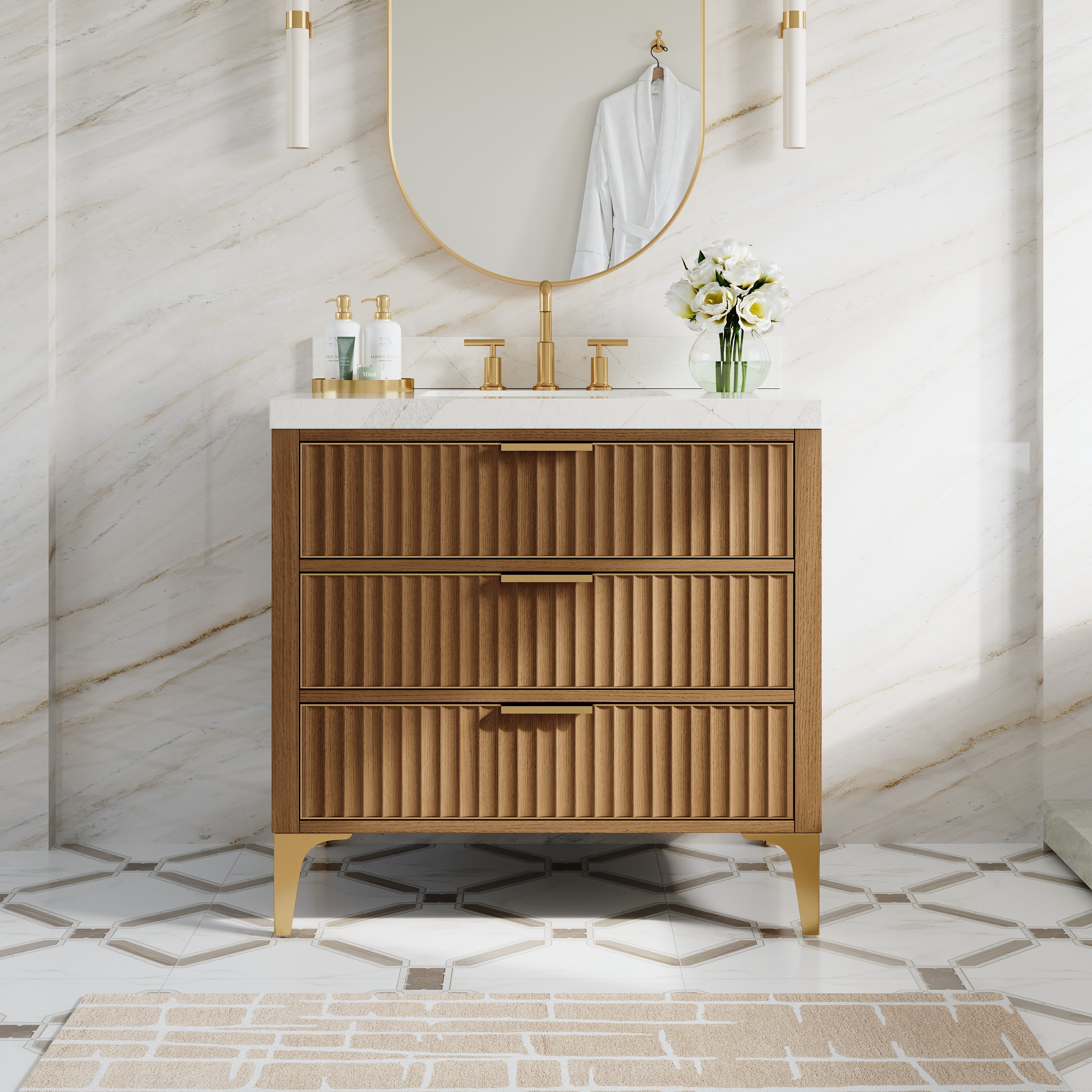
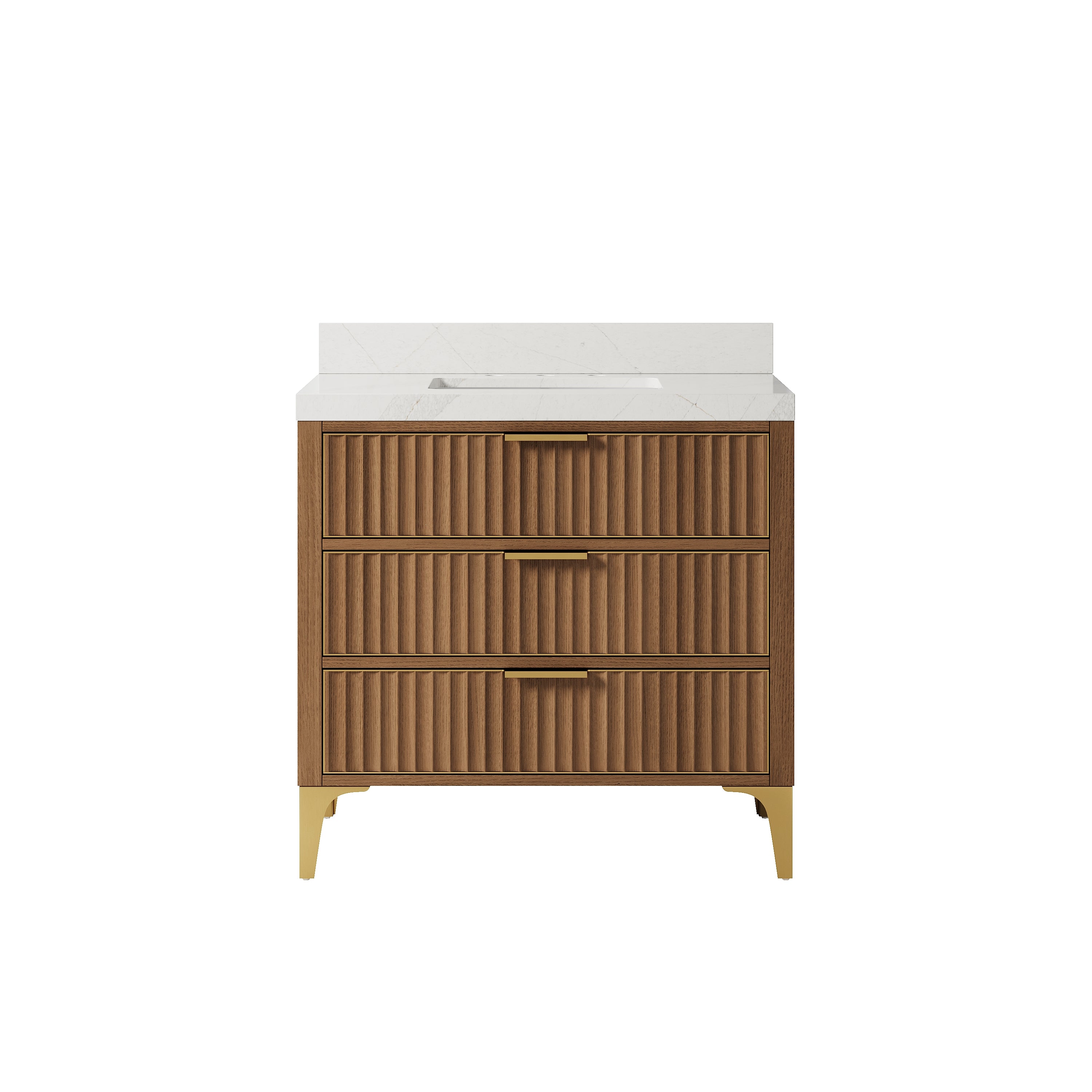
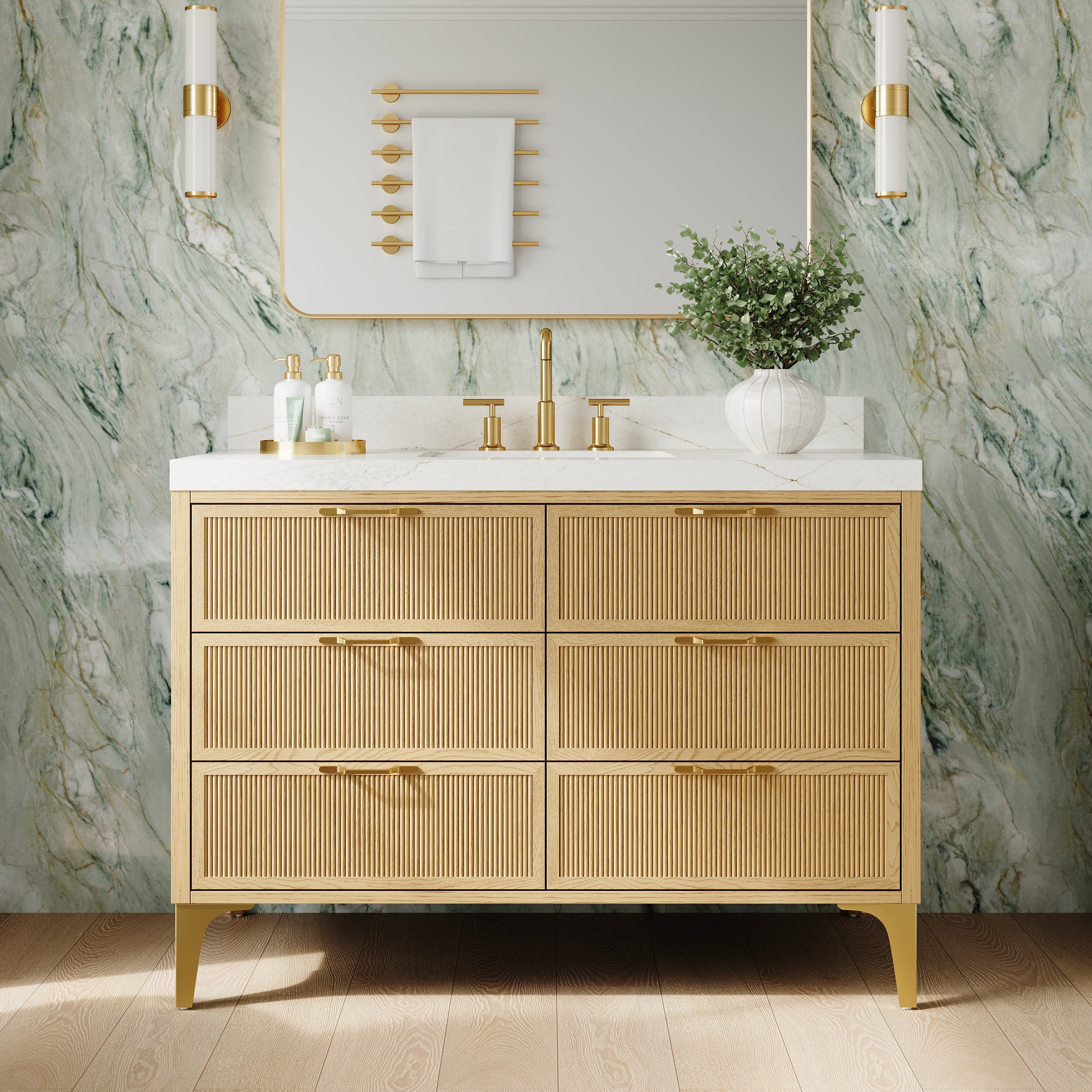
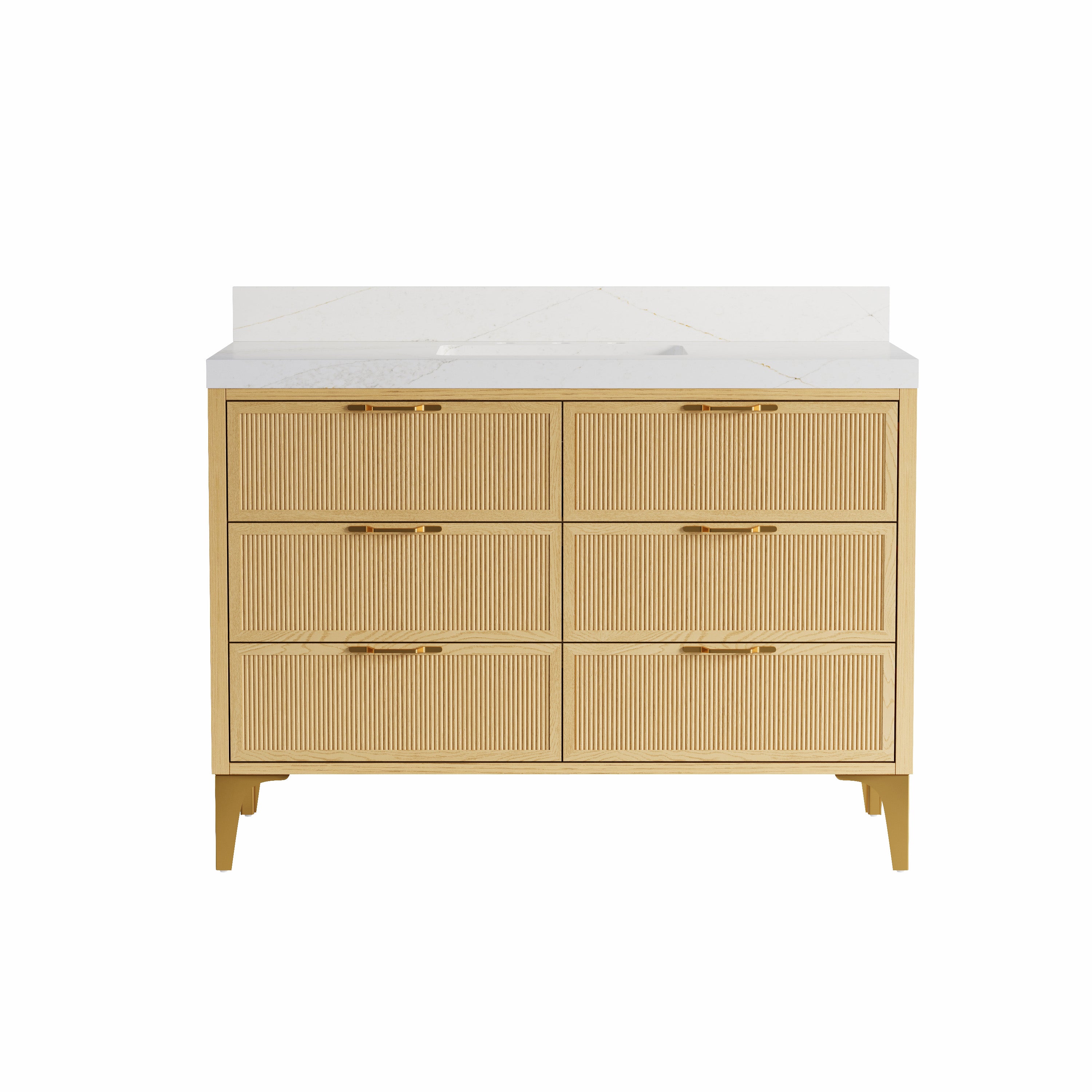


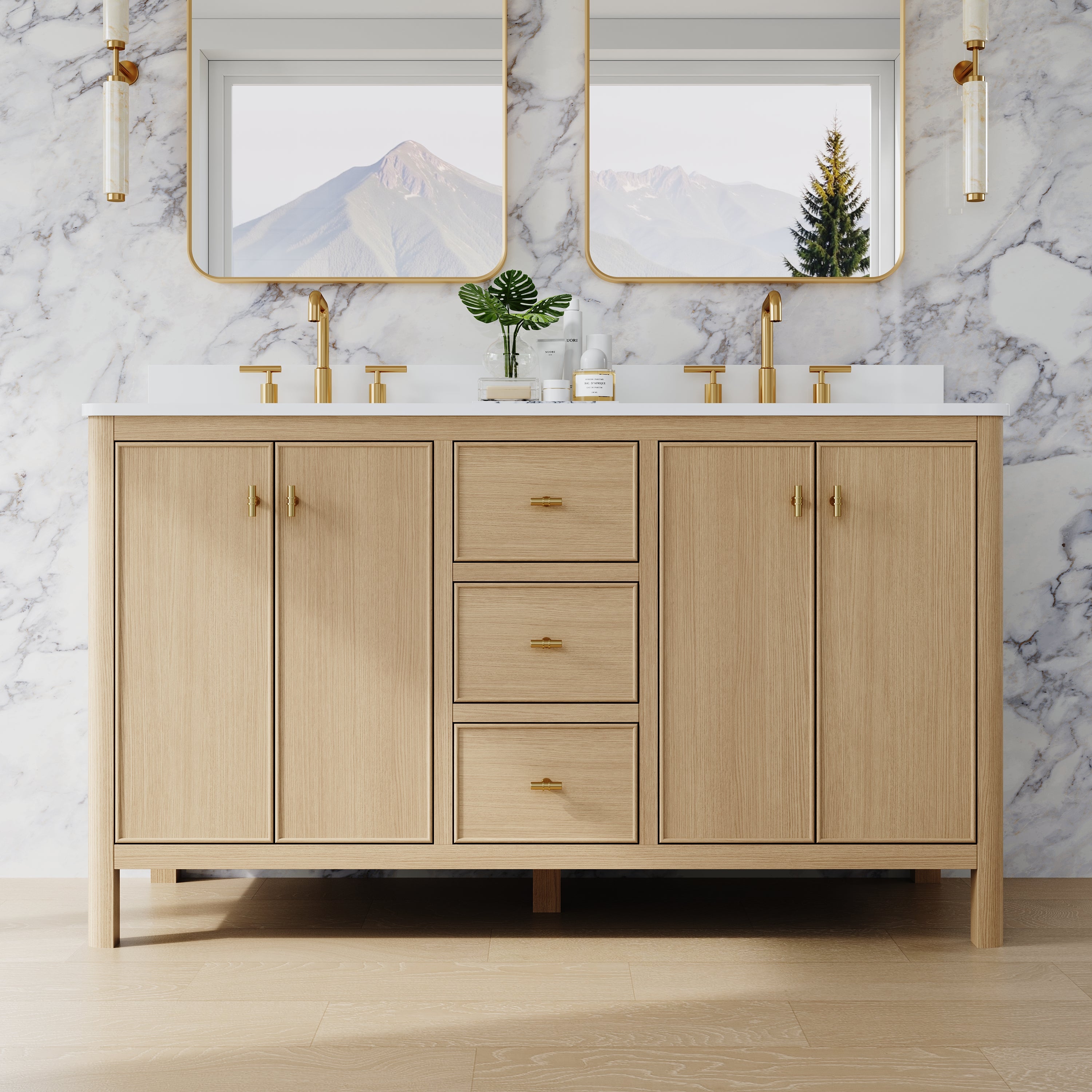
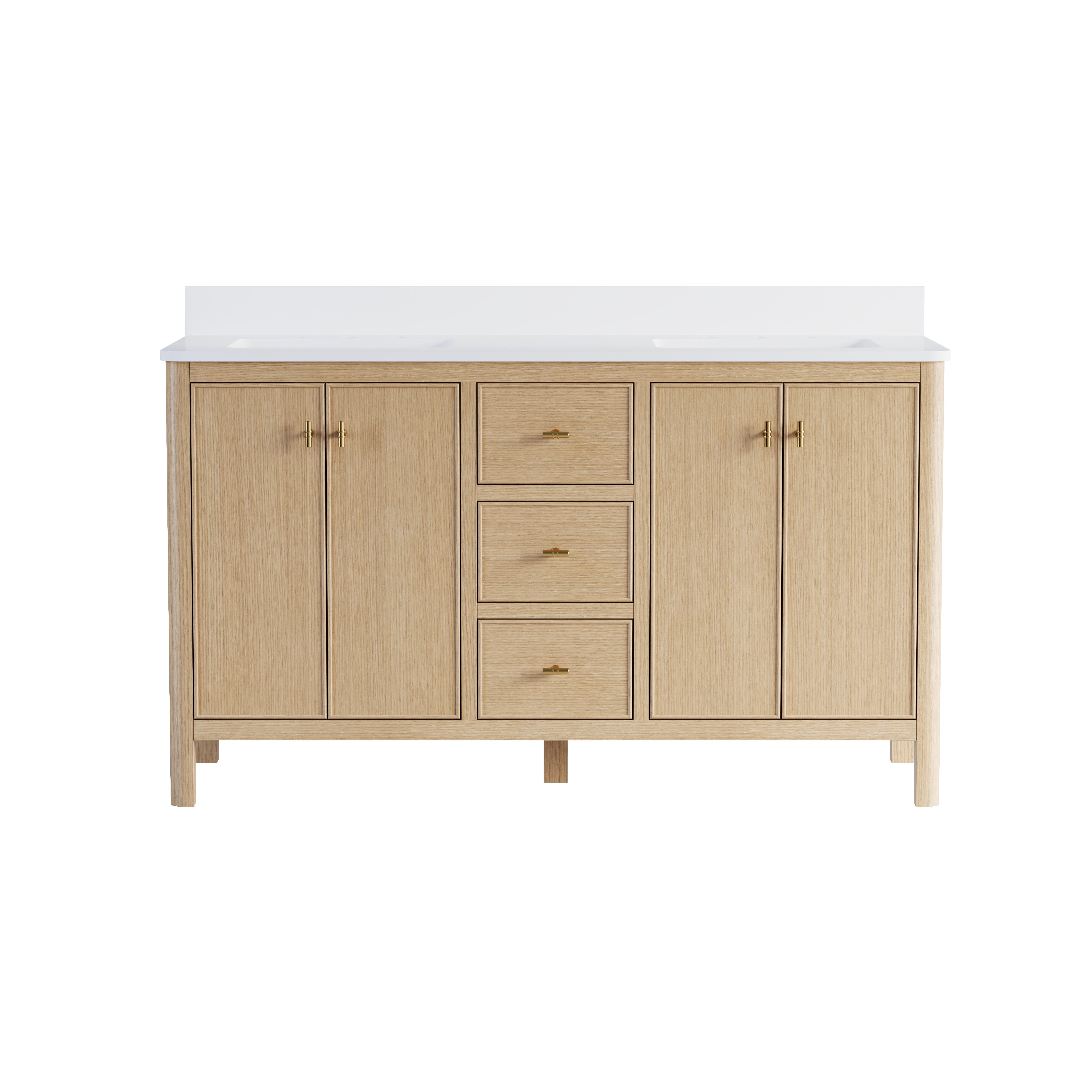
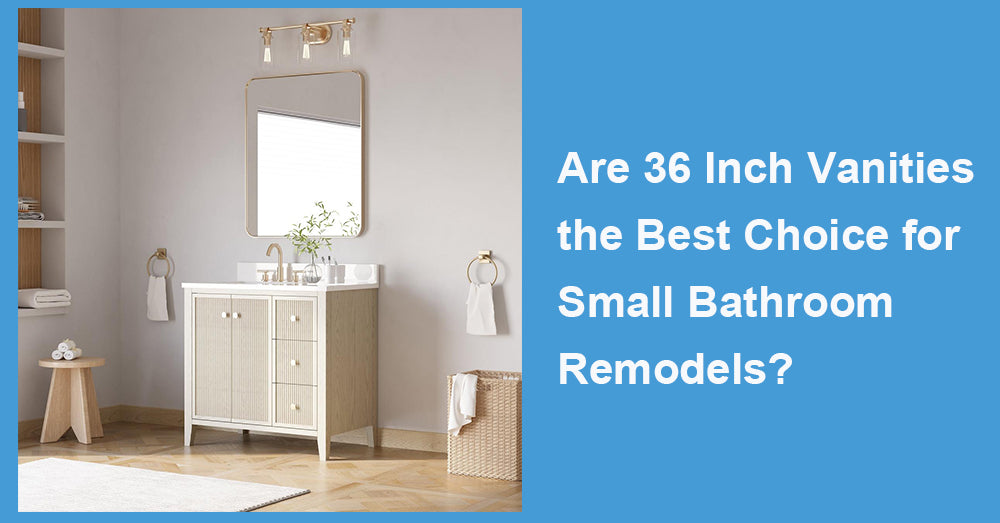
For many compact remodels, 36 inch vanities feel like the “just right” option: more counter space and storage than 30-inch models, without the footprint and visual bulk of 42-inch-plus cabinets. But “best choice” depends less on a trend and more on fit: circulation clearances, door swings, plumbing constraints, and how much storage you actually need day to day. The smartest approach is to treat 36 inches as a strong baseline, then validate it against measurable planning rules and real-world budget trade-offs.
Start with clearances, not the vanity catalog
Small bathrooms rarely fail because the vanity is too narrow; they fail because the room becomes hard to move through. NKBA bath planning guidance recommends planning a clear floor space of at least 30 inches from the front edge of fixtures (lavatory, toilet, tub, shower) to any opposite fixture, wall, or obstacle. It also notes that building code minimums can be tighter in some cases, such as 21 inches in front of a lavatory/toilet/tub and 24 inches in front of a shower entry.
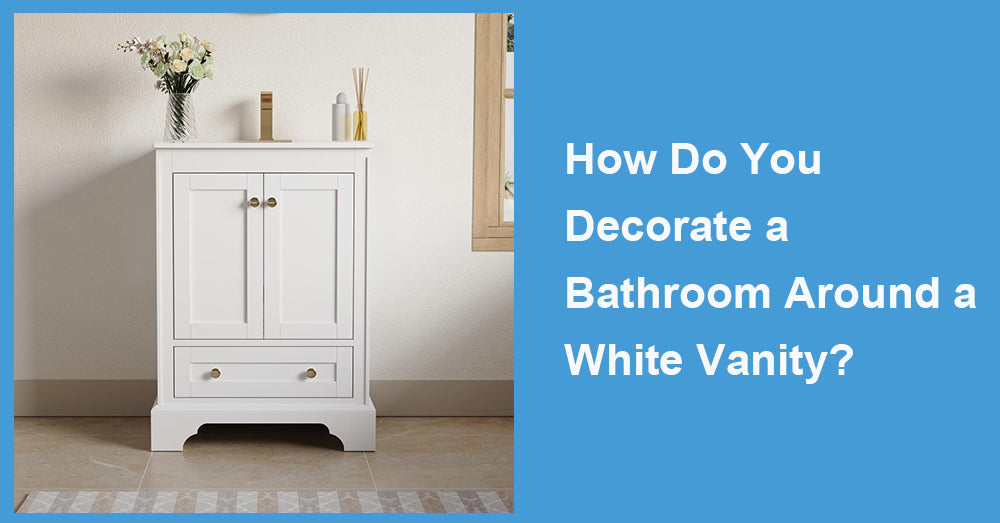
Translation for remodel decisions: a 36-inch-wide vanity can be perfect on paper, but if it steals the standing “work zone” in front of the sink, you’ll feel that pinch every single day. Before you fall in love with a style, measure the distance from the vanity front to the opposing surface (often a tub apron, shower glass, or the toilet line). If that number is already tight, the right move might be a shallower vanity depth, a wall-hung design, or stepping down to 30 inches.
Why 36 inches often works in small baths
When 36 inches fits, it tends to outperform smaller sizes in two practical ways:
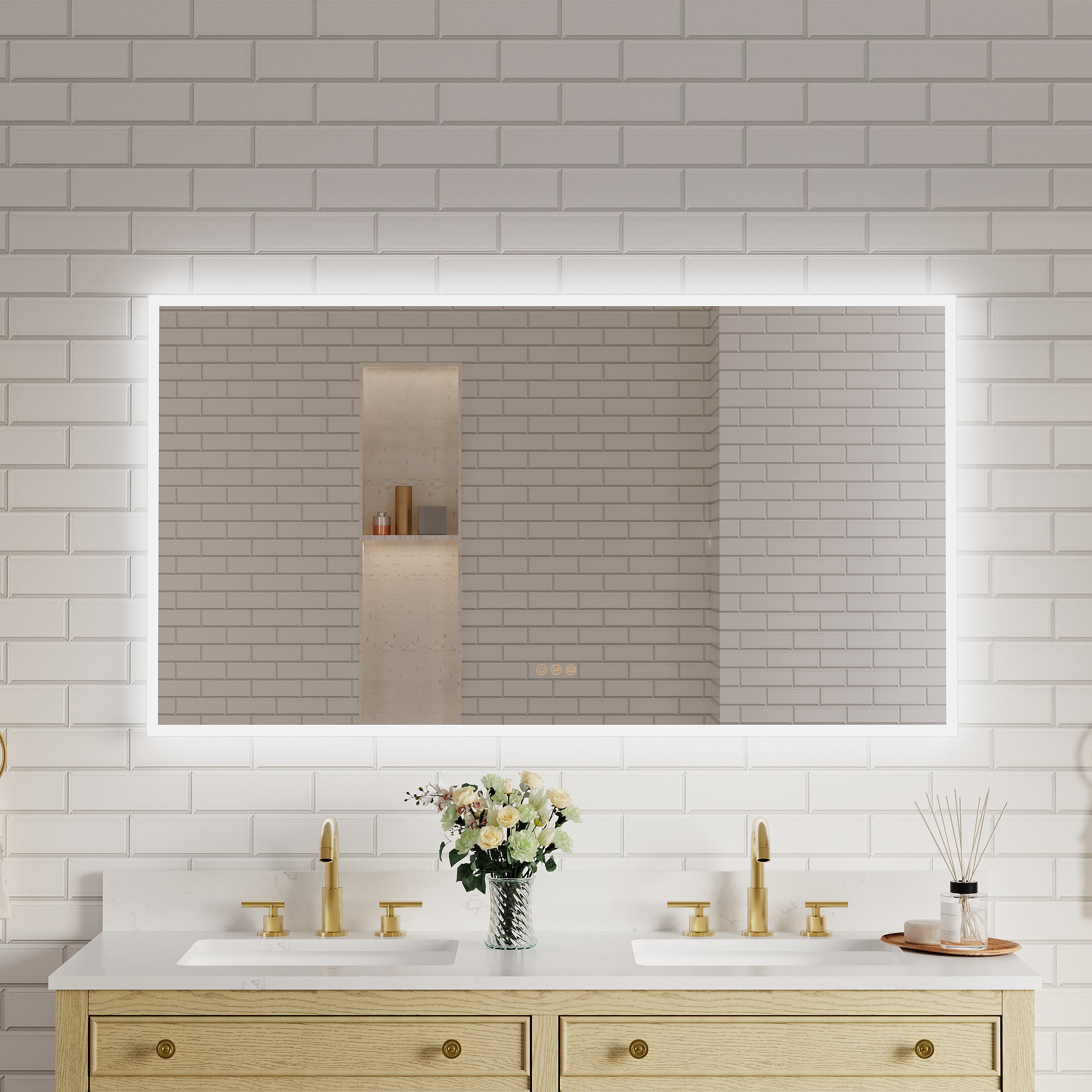
First, it delivers a more usable landing area. Soap, toothbrush holders, skincare, and a small tray all need “safe zones” that don’t crowd the sink edge. A 30-inch vanity can handle the basics, but a 36-inch vanity gives you breathing room—especially with a single-bowl top and an offset faucet line.
Second, it improves storage efficiency. At 36 inches, manufacturers can more comfortably build a mix of drawers and doors (instead of mostly doors). That matters because drawers convert depth into accessible organization, especially in bathrooms where you’re constantly reaching for small items.
If your bathroom is used daily (a guest bath, a shared hall bath, or a compact primary), that extra functional surface and storage can be worth more than a larger mirror or a flashier faucet.
The budget reality: Small bathrooms don’t always mean small spending
A common misconception is that a small bathroom remodel is automatically “budget-friendly.” The fixed-cost parts of a remodel—plumbing work, waterproofing, ventilation, tile labor, and fixture upgrades—don’t scale down neatly. Houzz’s 2025 Bathroom Trends Study reports a median spend of $13,000 on bathroom renovations in 2024, while major remodels came in at a $22,000 median. The same study notes that major remodel spending for smaller bathrooms (under 100 square feet) rose to $17,000, a year-over-year increase.
Why does this matter for vanity sizing? Because the vanity decision often sits at the intersection of layout and scope. If you’re keeping plumbing in place and focusing on a refresh, a 36-inch vanity can be a high-impact upgrade. If you’re doing structural or waterproofing-heavy work, you may decide to optimize layout first and choose the vanity size that preserves clearances and reduces costly changes.

When 36 inches is not the best choice
A 36-inch vanity is not a universal answer. It can be the wrong choice in several common conditions:
l Door swing conflicts. If a bathroom door opens inward and its swing overlaps the vanity face, you’ll live with dents, chipped paint, and frustration. In tight rooms, even a small knob or pull can become a constant collision point.
l Toilet adjacency crowding. If the toilet sits close to the vanity, extra width can reduce elbow room and make cleaning more difficult. The result is a bathroom that feels cramped even if everything technically fits.
l Tight “work zone” in front of the sink. If adding width forces you to compromise the standing clearance in front of the vanity, the room becomes uncomfortable. NKBA guidance sets a clear expectation for usable floor space and acknowledges code minimums that can be notably tighter. A remodel that merely meets a minimum can still feel bad in daily use.
l Accessibility priorities. If your project includes aging-in-place goals or mobility considerations, the “best” size may be the one that protects maneuvering space and reach ranges, even if that means choosing a smaller or wall-mounted vanity.
If you choose 36 inches, these details matter more than the width
Many remodelers focus on “36 inches” as the headline number, but the success of the installation depends on four deeper specs:
l Depth. A 36-inch vanity that’s 22 inches deep behaves very differently from one that’s 18–19 inches deep. In compact layouts, a reduced depth can preserve standing space without sacrificing width.
l Sink bowl placement. A centered sink is the safe default, but an offset bowl can create a more generous landing zone on one side—useful for shared bathrooms where the counter becomes a staging area.
l Storage architecture. Look for drawers (especially the top ones) with U-shaped cutouts that accommodate plumbing. Drawers often outperform doors in small spaces because they expose the full footprint without bending or rummaging.
l Top overhang and hardware. Thick countertop overhangs and chunky pulls can intrude into passage zones. In tight rooms, slim hardware and restrained overhang reduce the risk of constant bumping.
The takeaway: “36 inches” should be the starting point, not the final decision.
A practical decision rule for small-bath remodels
If you want a simple framework, use this rule:
Choose a 36-inch vanity when it improves daily function (counter + storage) without compromising circulation (door swing + front clearance + toilet spacing). If you must sacrifice comfortable standing room or create door conflicts, the best choice is usually not “forcing 36”—it’s adjusting depth, going wall-hung, or selecting a smaller width that keeps the room easy to use.
And remember: budget and scope often decide what’s “best.” The same Houzz study that cites 2024 median spending also reflects how frequently homeowners invest meaningfully, even in bathroom projects that aren’t huge by square footage. That’s a good reminder to prioritize the outcomes you feel every day: usability, ease of cleaning, and long-term comfort.
If you share three measurements—available wall width for the vanity (inches), the distance from the vanity front to the opposite obstacle (inches), and your preferred vanity depth (inches)—I can tell.













Leave a comment
This site is protected by hCaptcha and the hCaptcha Privacy Policy and Terms of Service apply.