














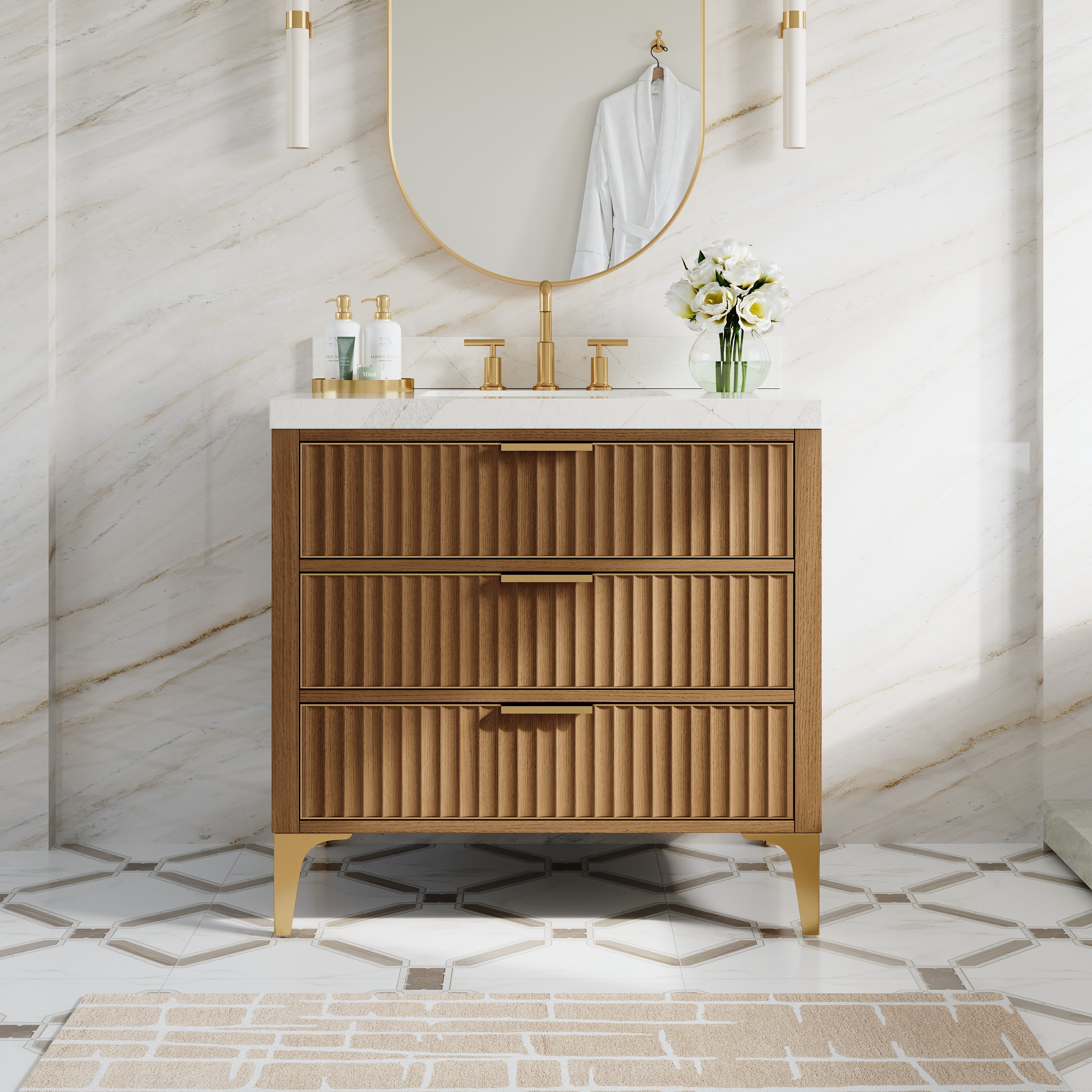
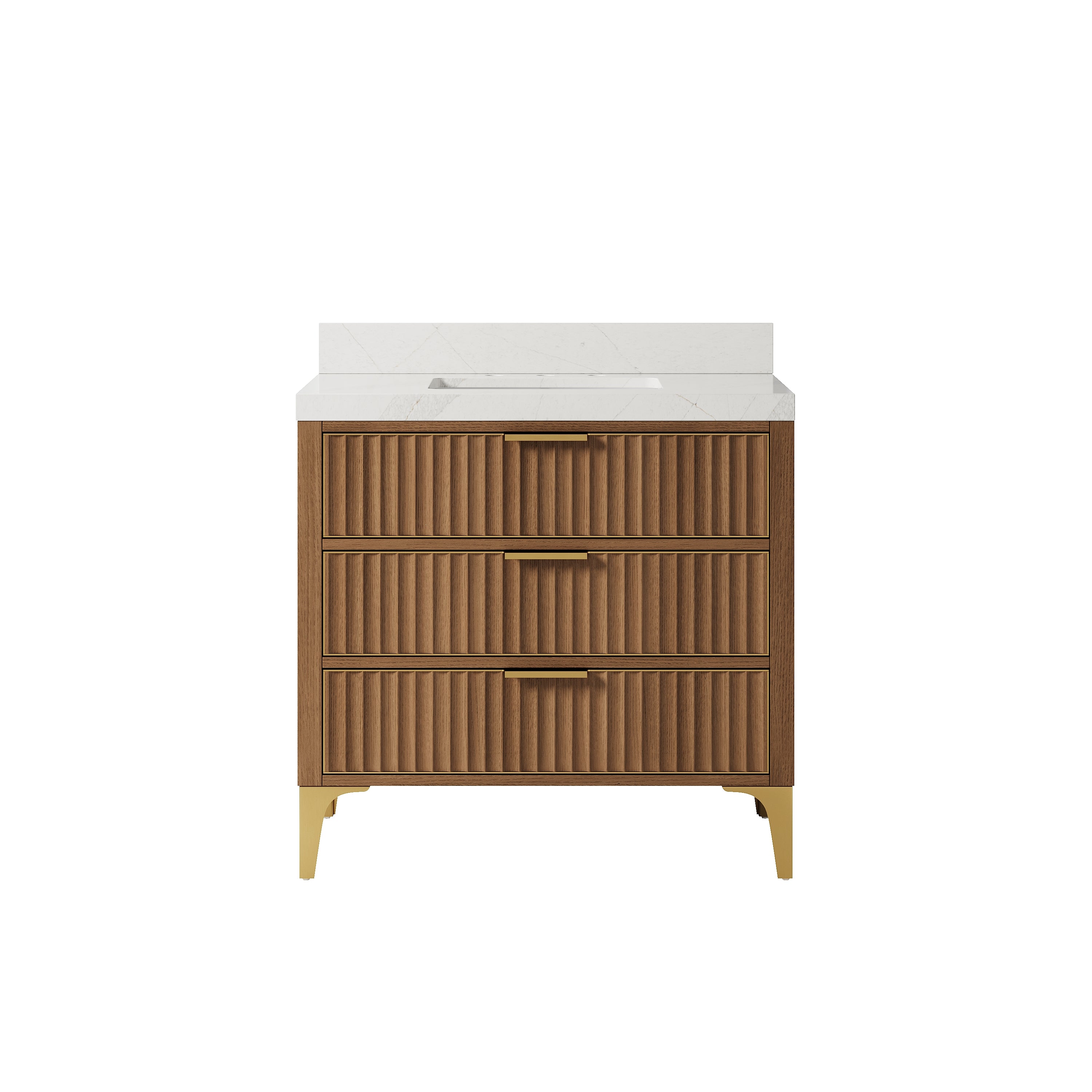
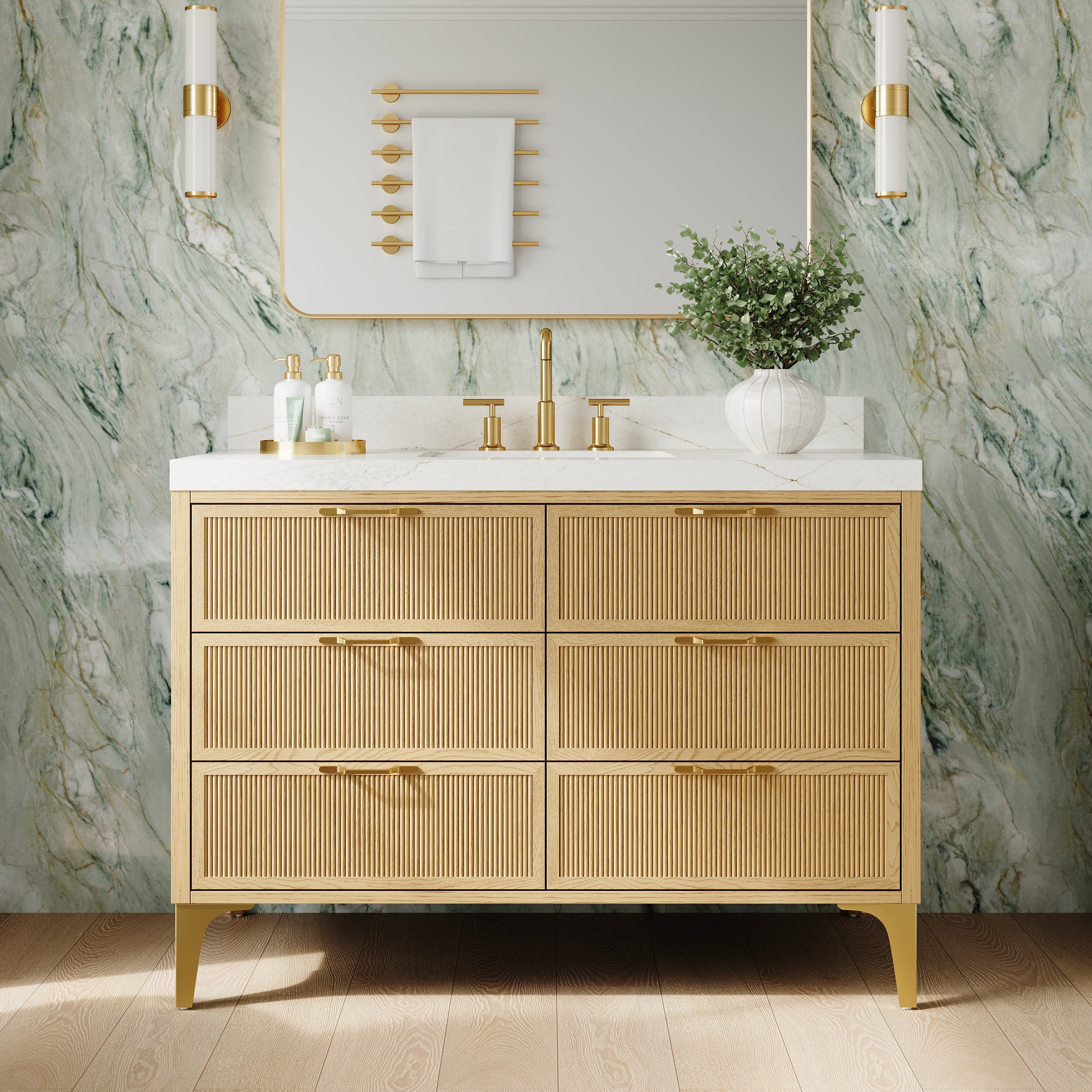
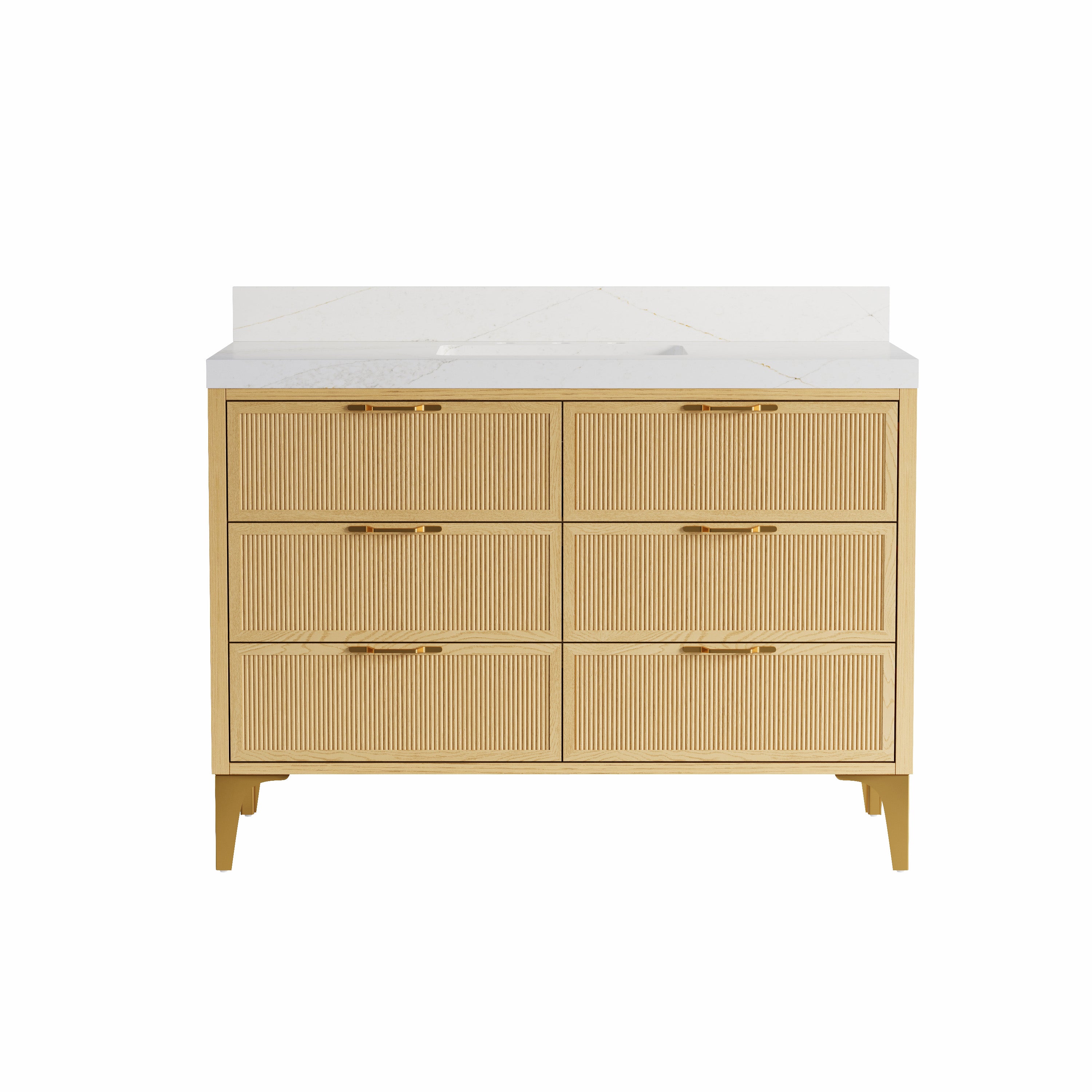


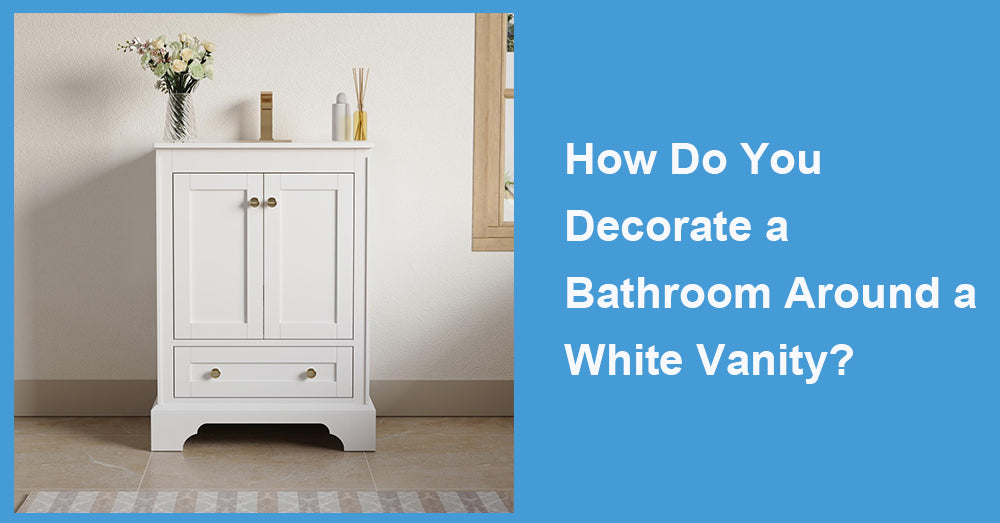
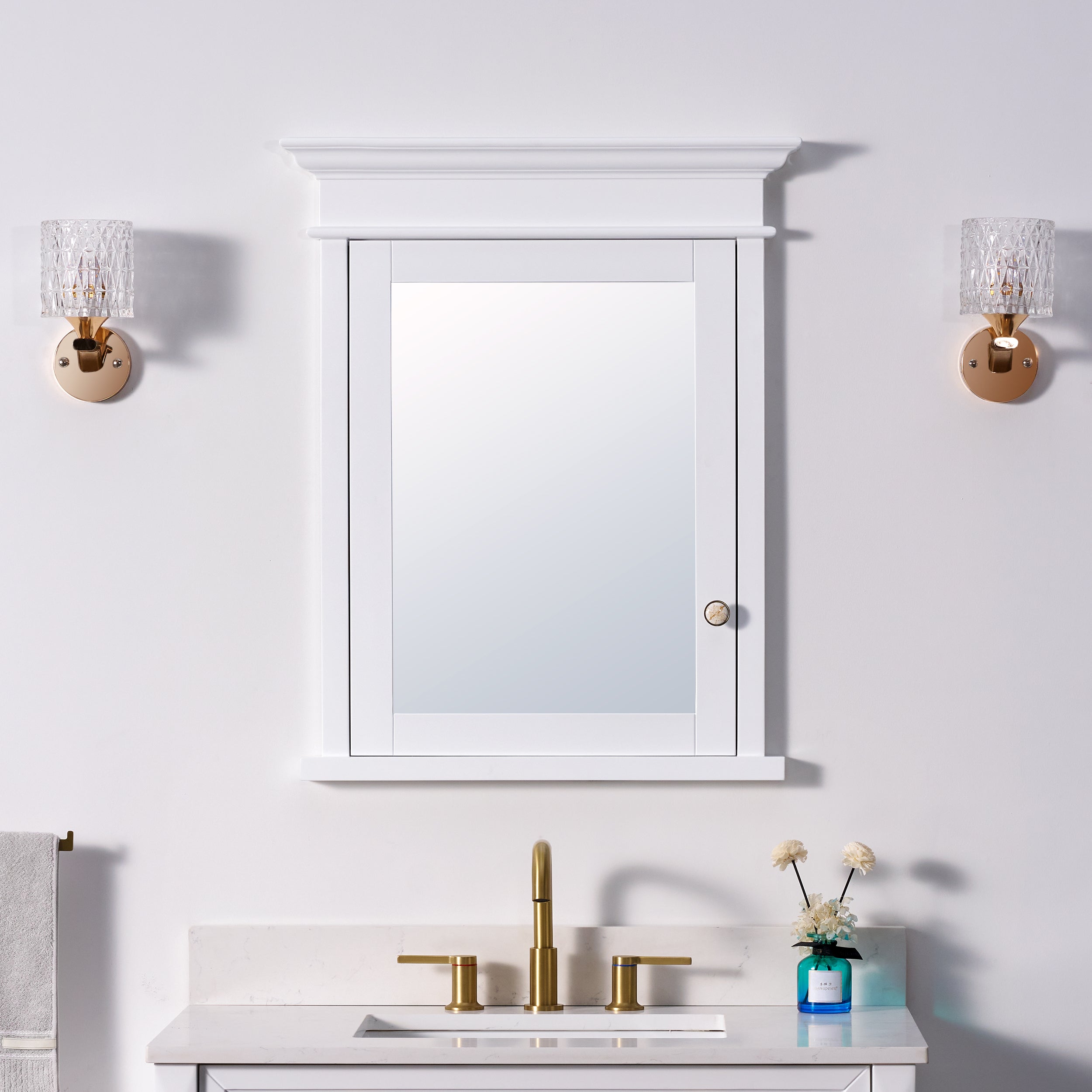
A white vanity remains one of the most dependable anchors in bathroom renovation because it is both flexible and current. Recent Houzz data shows white is still a leading vanity finish, chosen in 20% of new vanities in 2025 and 22% in 2024, while white and off-white also dominate countertop and wall selections. That matters for decoration strategy: a white vanity already gives you a clean visual base, so the smartest move is not to keep adding more plain white, but to layer warmth, texture, contrast, and better lighting around it. In a remodeling environment that Harvard’s Joint Center for Housing Studies says is still growing, thoughtful bathroom upgrades are being treated as long-term value decisions rather than quick cosmetic swaps.
1. Use the White Vanity as the Room’s Neutral Foundation
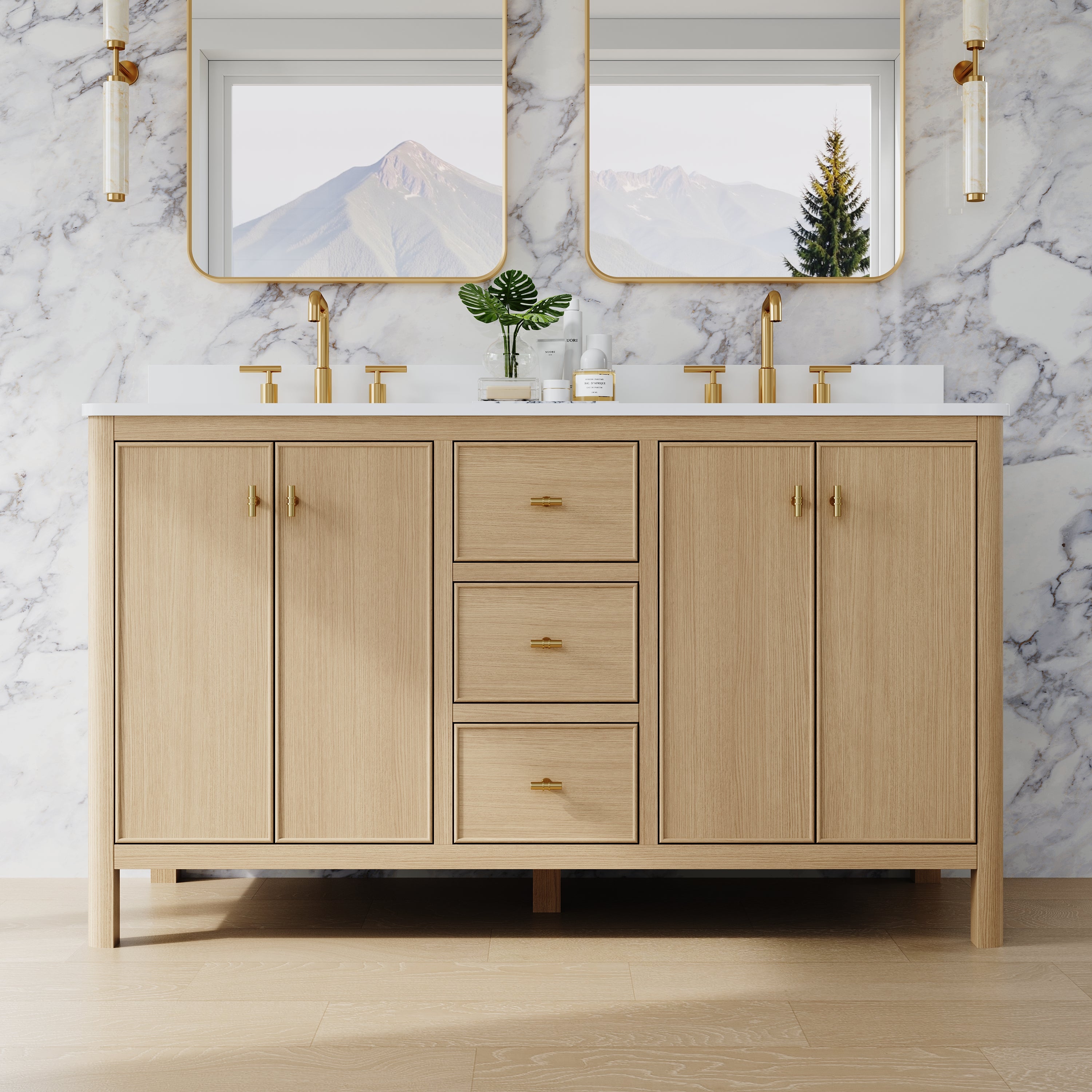
The biggest decorating mistake is treating a white vanity as the entire design rather than the starting point. Current renovation data suggests white works best when it supports other materials rather than competing with them. Houzz found that wood has edged ahead as the top vanity color choice, while white stays close behind, which is a strong signal that warmer, more layered bathrooms are resonating. The takeaway is simple: if your vanity is white, bring in natural wood tones through shelving, mirror frames, stools, or storage accents so the room feels intentional rather than sterile. That is not a trend guess; it is a practical inference from the fact that white remains popular while warmer finishes are gaining ground.
2. Warm Up the Color Palette Instead of Matching Everything to White
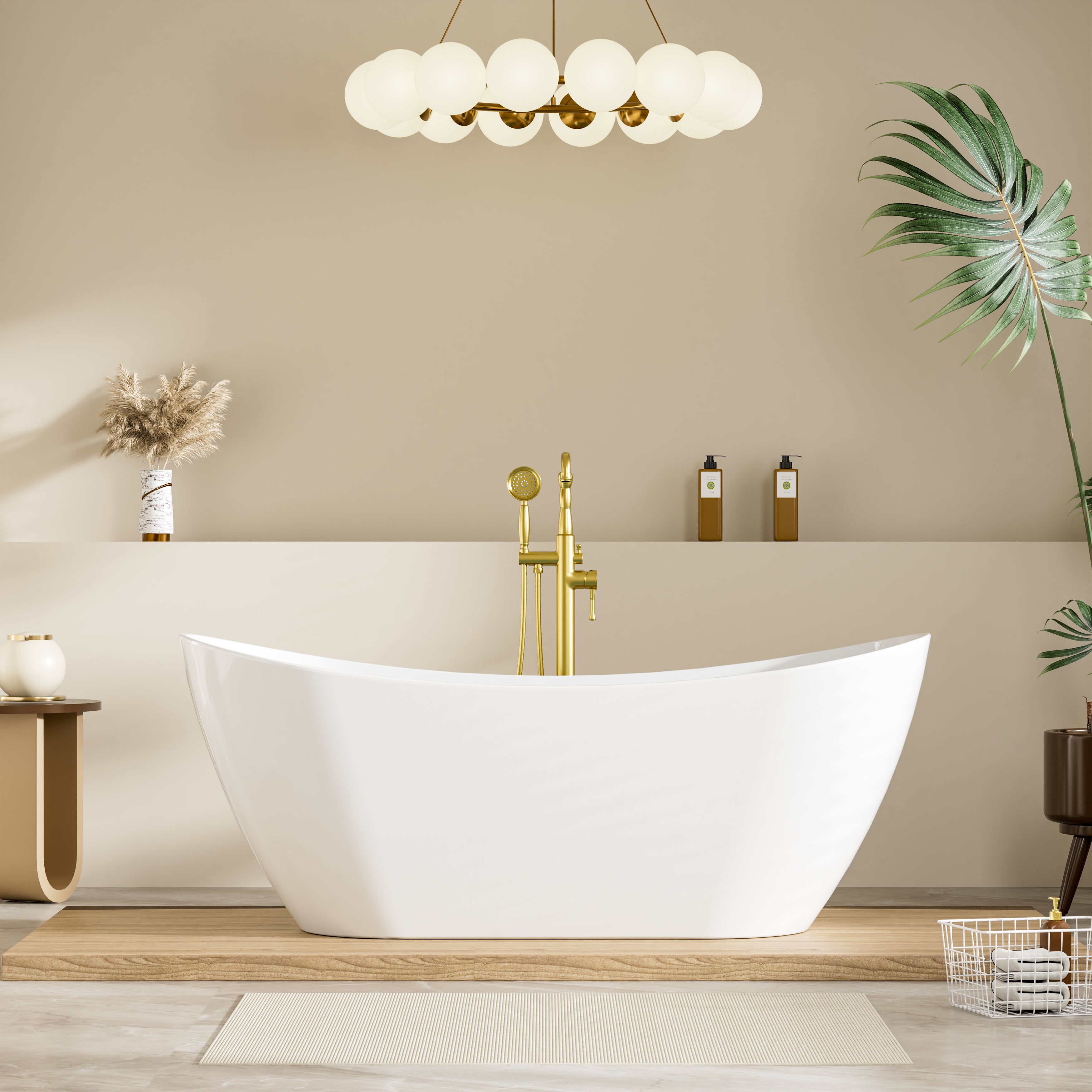
A white vanity gives you freedom, but it also makes every surrounding finish more visible. Houzz reports that white and off-white are leading wall and countertop choices, yet accent walls are shifting toward blue and green. That tells you where the category is moving: soft contrast beats flat sameness. Around a white vanity, pale greige, warm beige, muted blue, or gentle green can make the room feel calmer and more dimensional than bright builder white on every surface. If the vanity top is also white, decoration becomes even more important because wall color, towels, hardware, and art have to do more of the visual work.
3. Let Lighting Do More Than Brighten the Sink Area
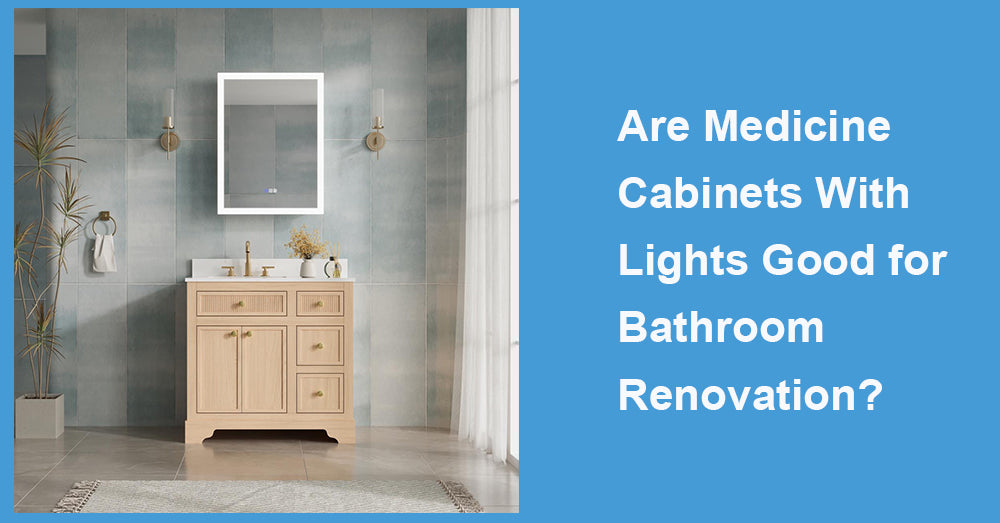
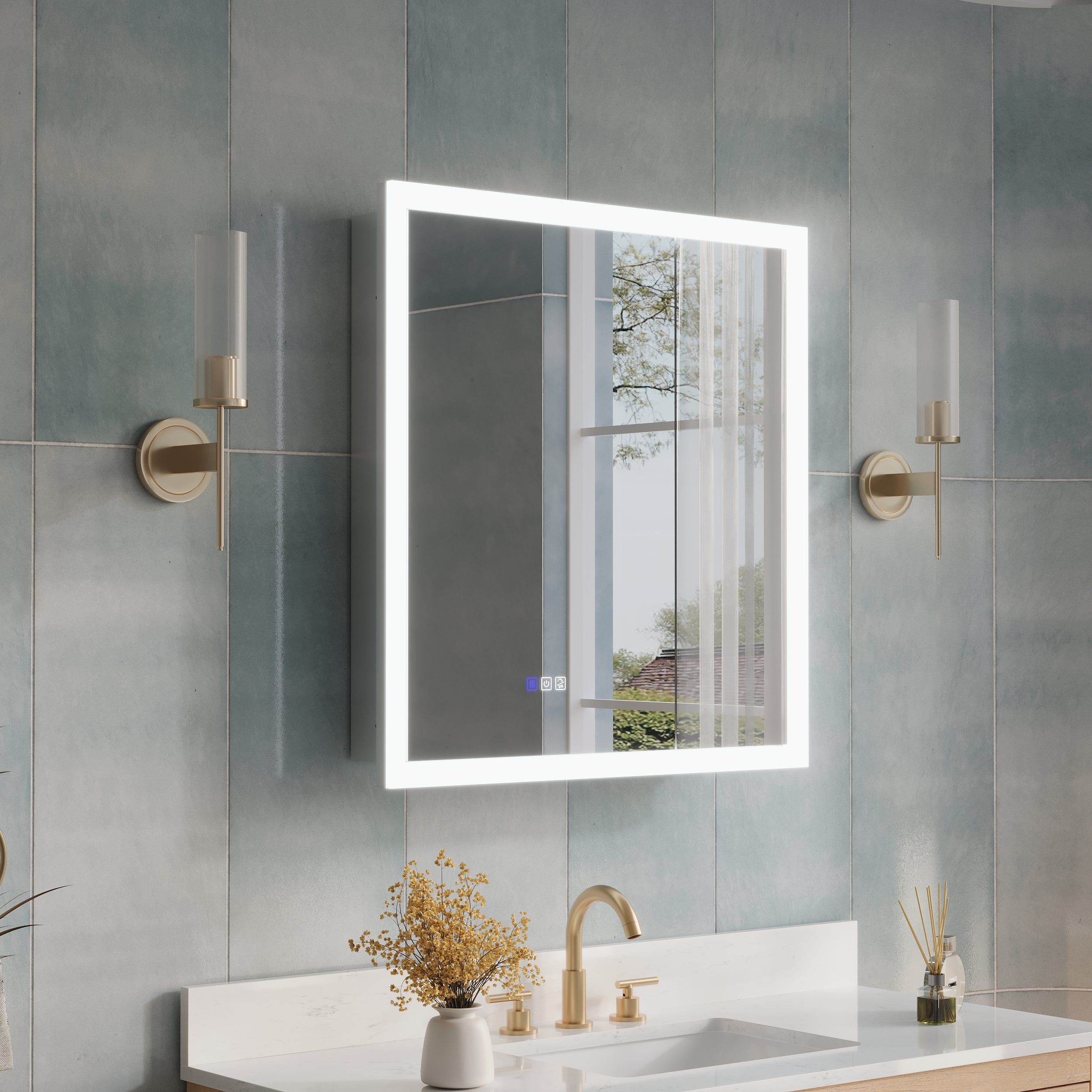
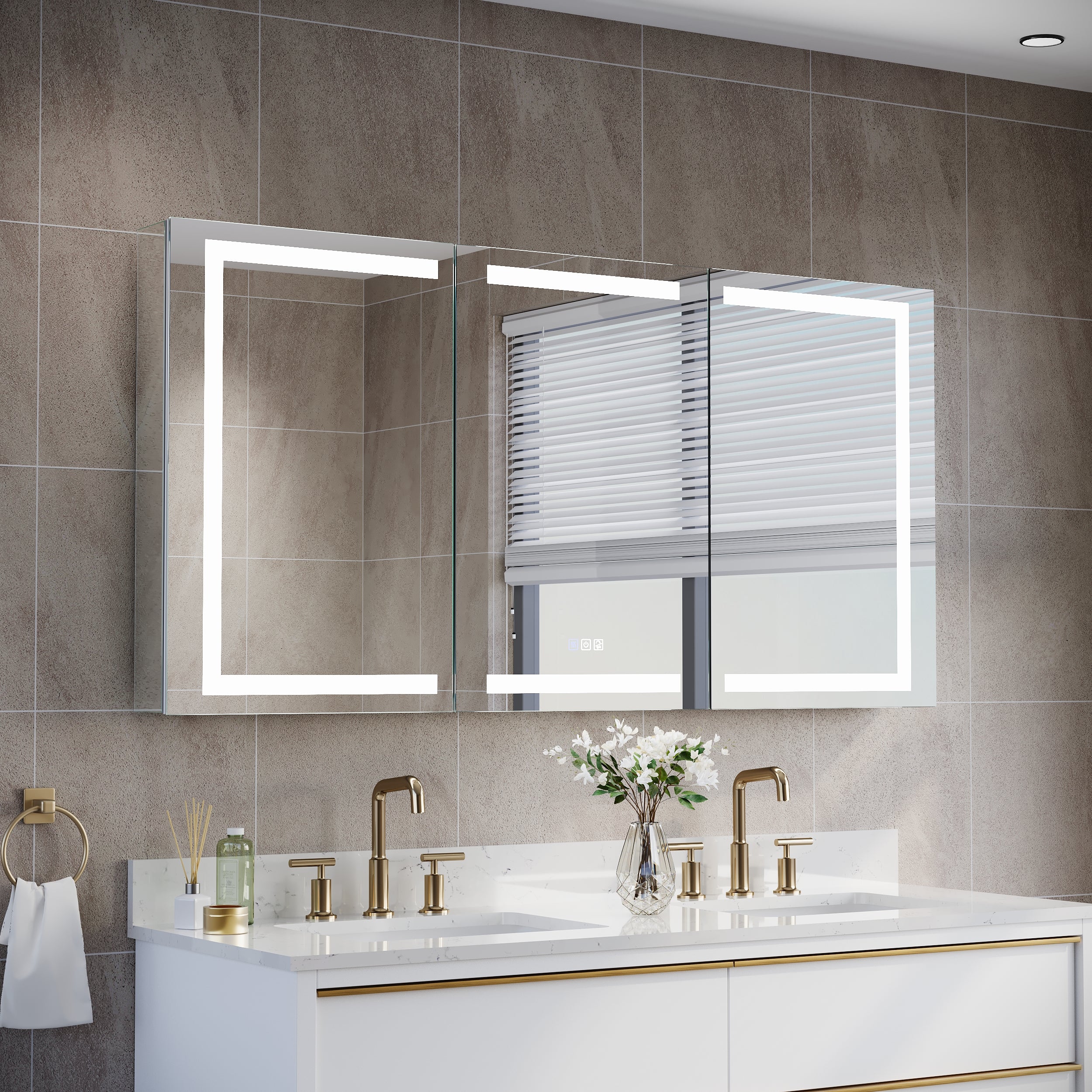
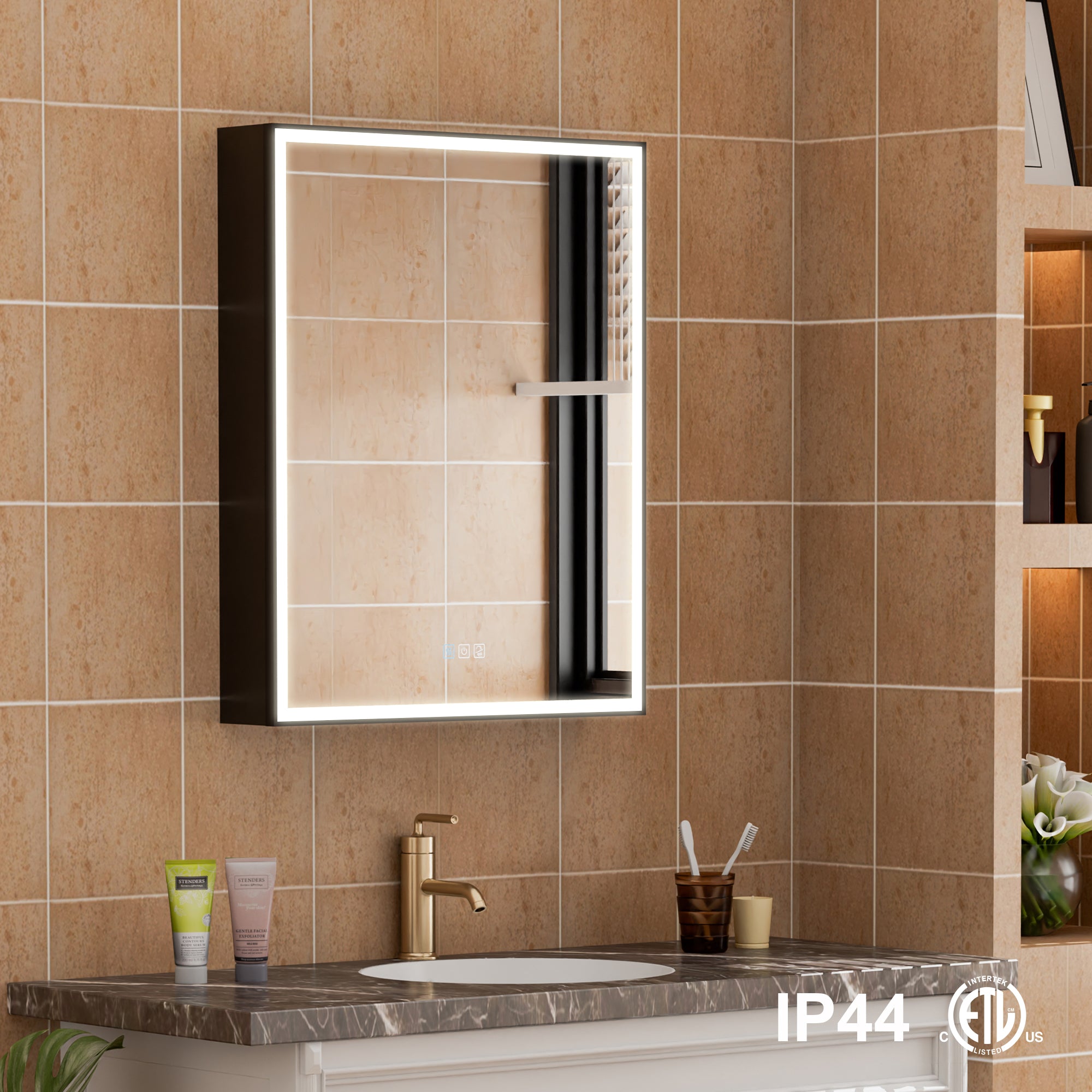
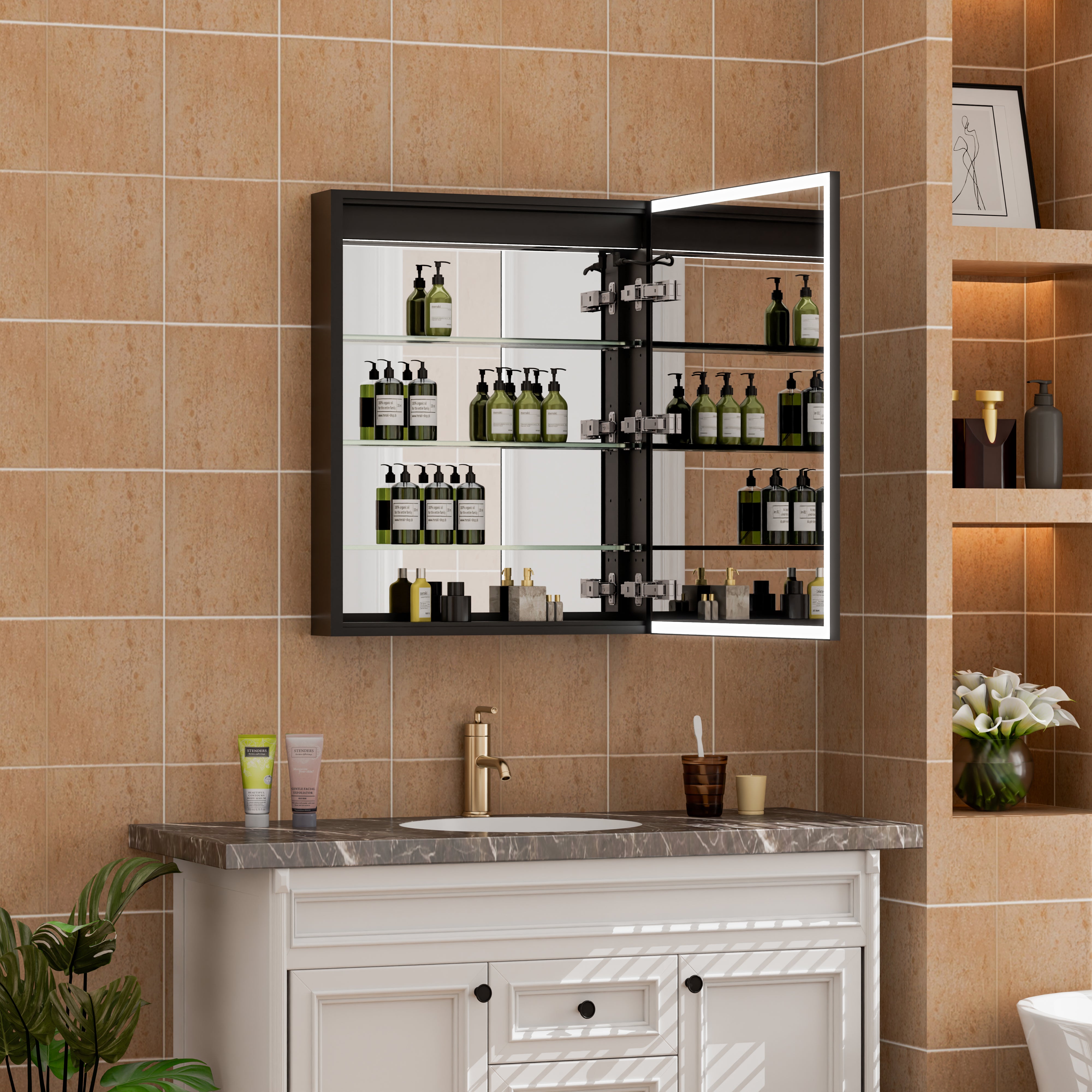
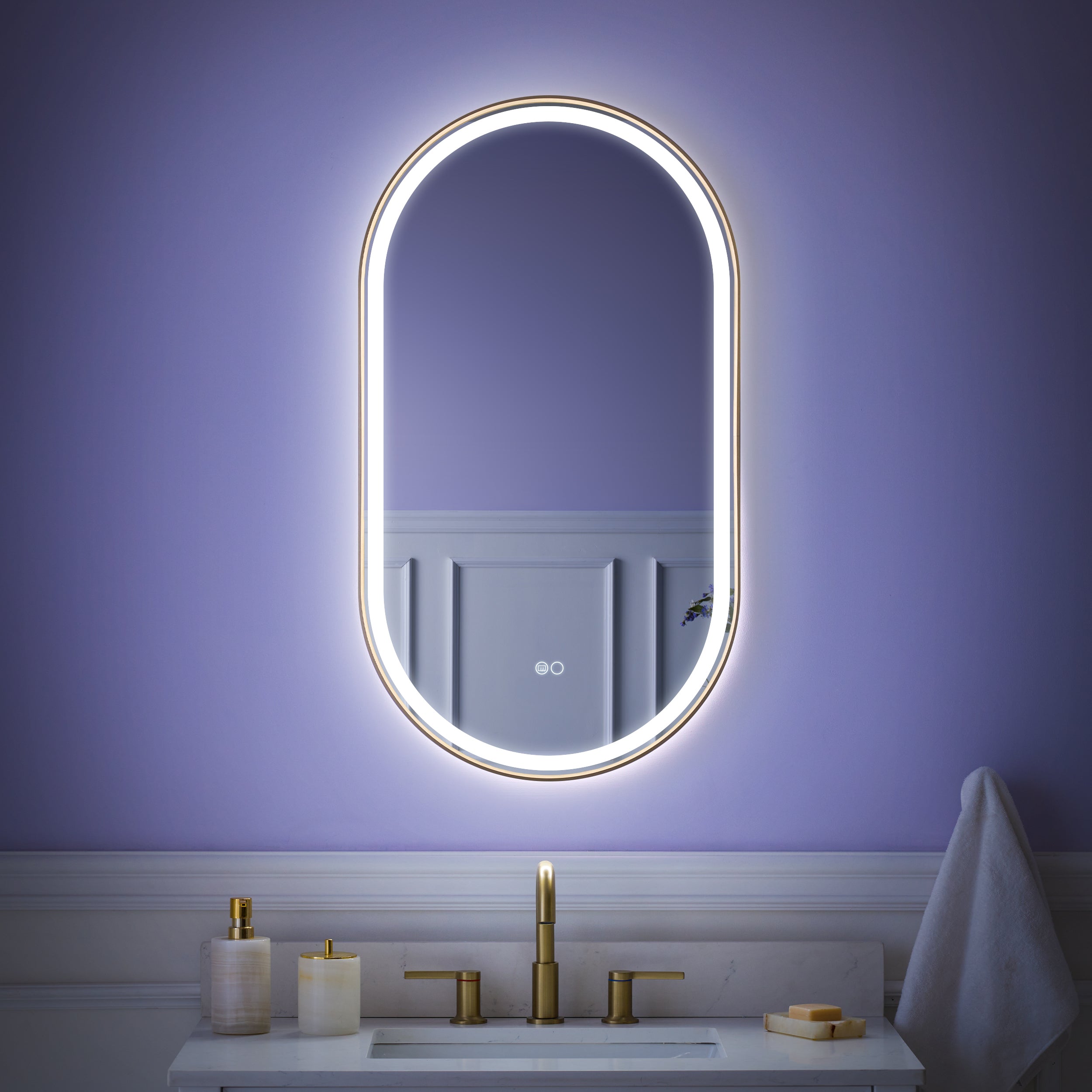
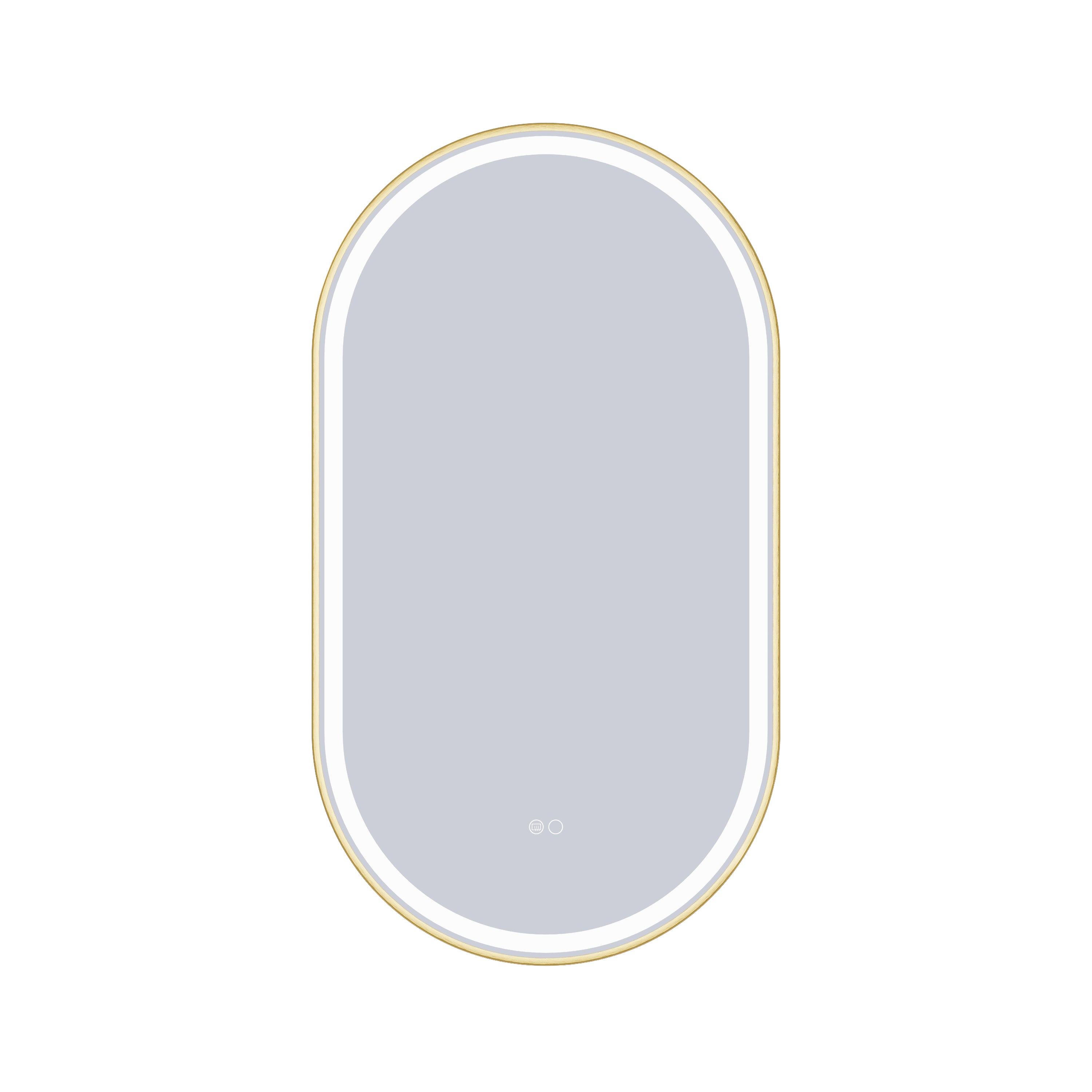
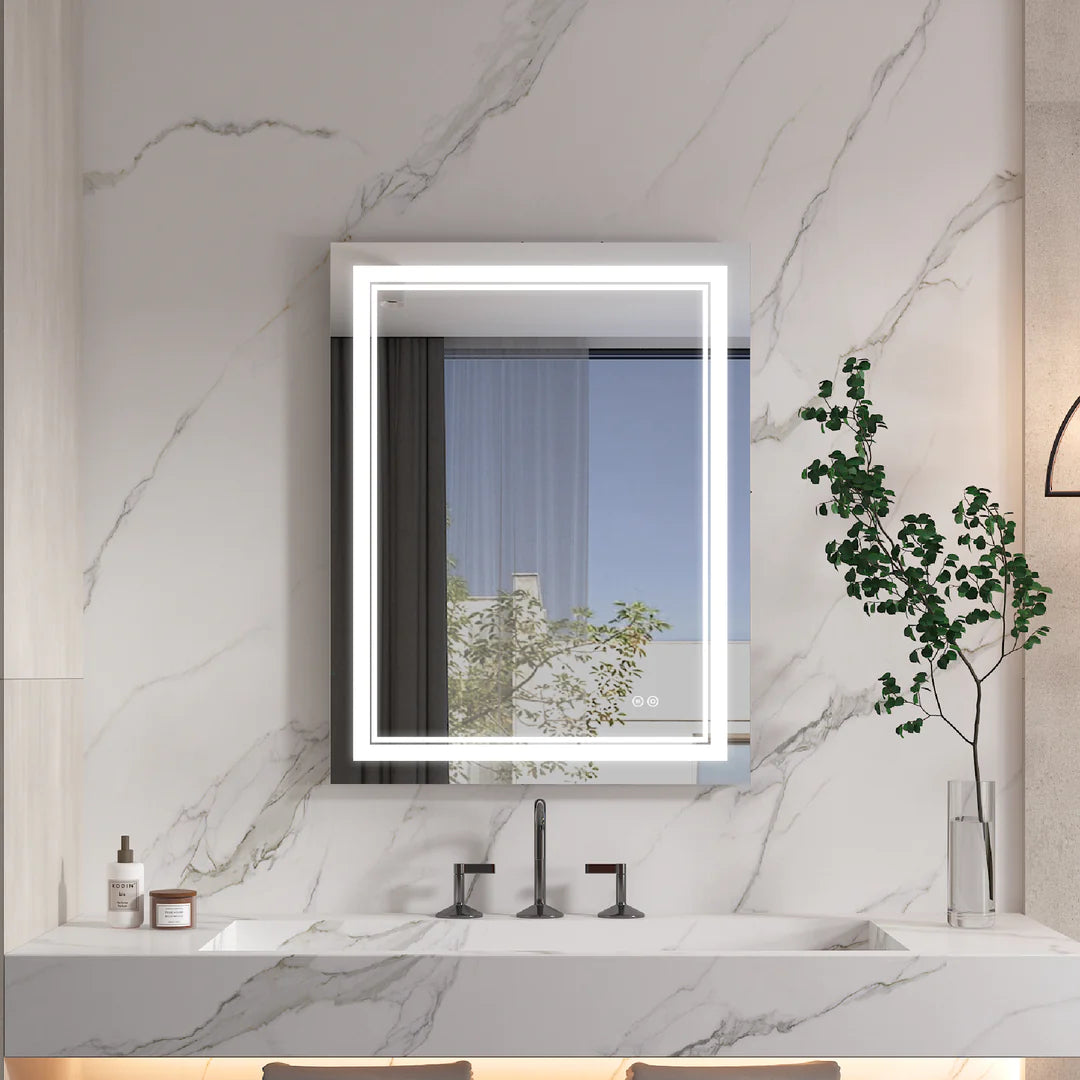
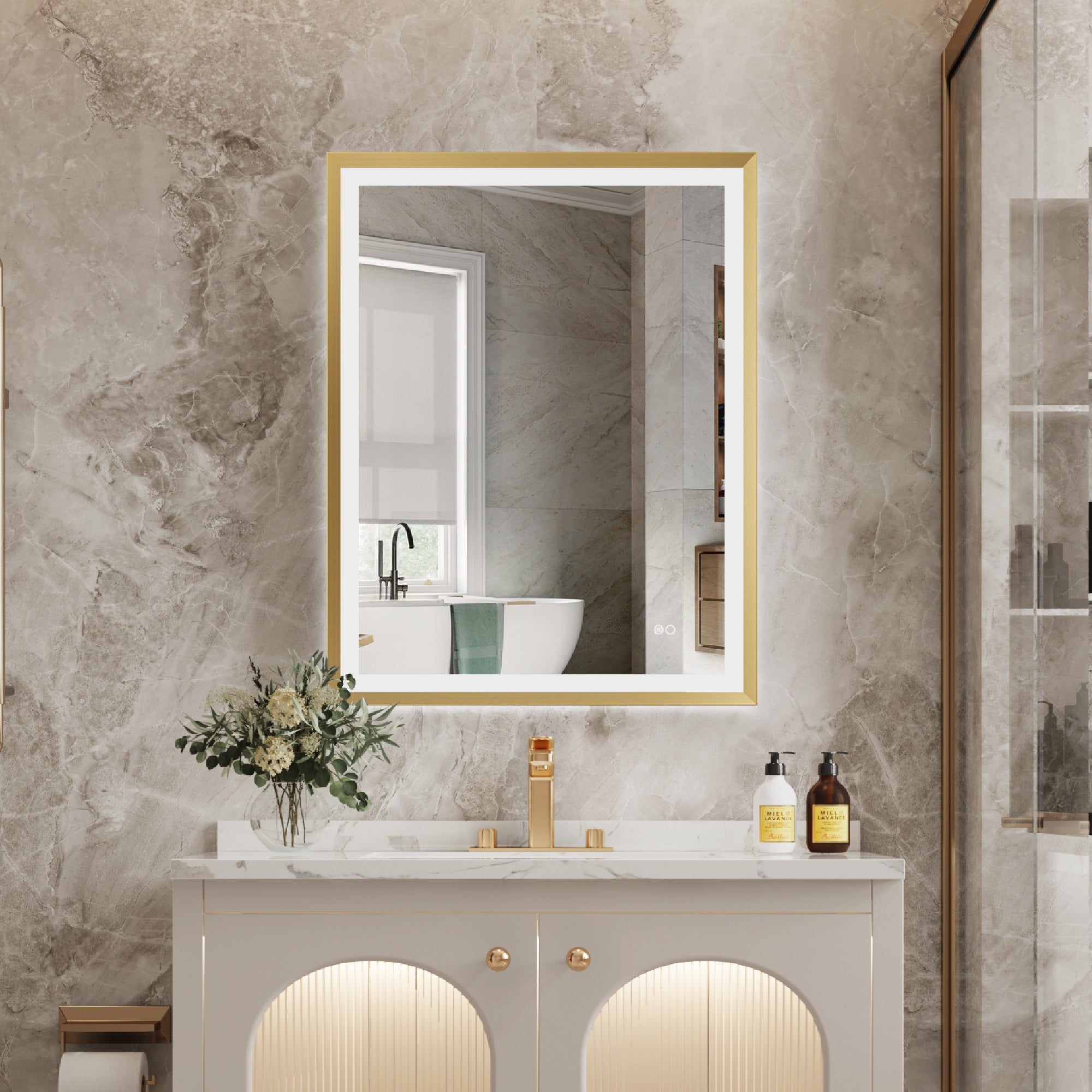
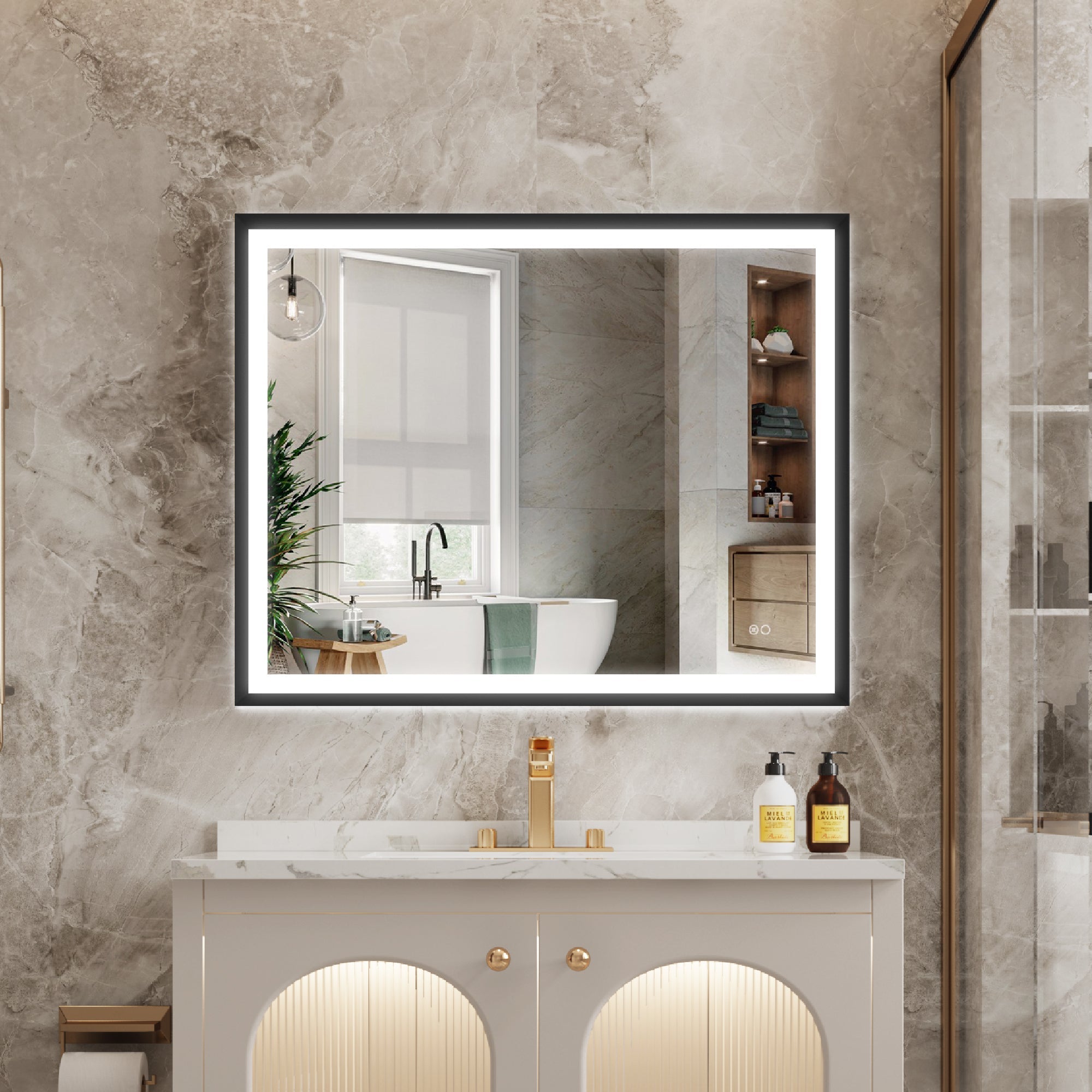
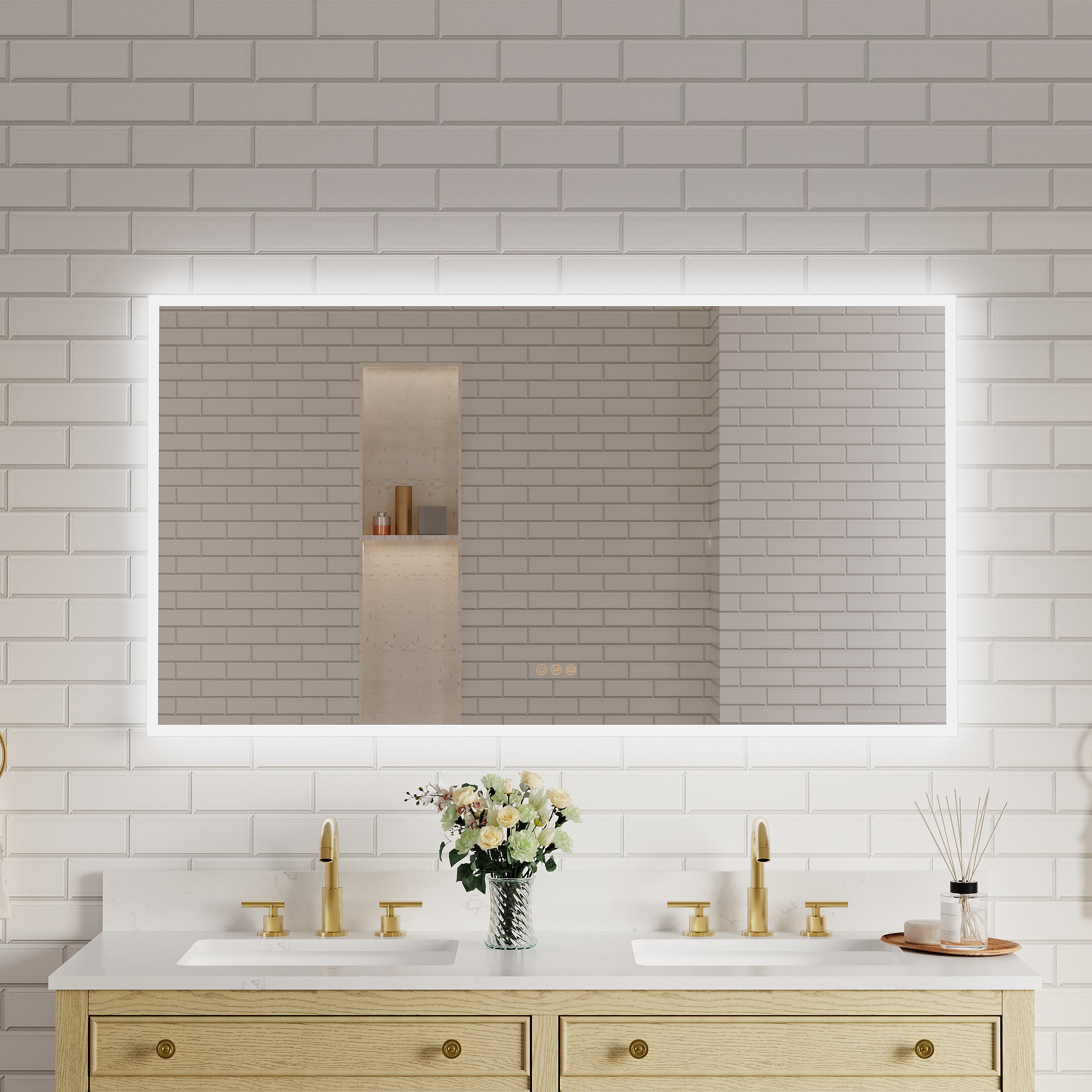
Lighting is no longer a secondary decision in bathroom design. Houzz says lighting fixtures are upgraded in 82% of bathroom renovations, and 39% of renovators name dimmable lighting as a factor that helps the space feel more relaxing. NKBA’s 2025 Bath Trends Report also highlights the importance of curating a variety of lighting to accommodate different needs. For a bathroom built around a white vanity, use lighting to soften the room and add depth: a backlit mirror, sconces in a warmer finish, or dimmable layered light can keep white cabinetry from feeling flat or clinical. White surfaces reflect light easily, so the goal is balance, not maximum brightness.
4. Add Texture So the Space Feels Finished, Not Generic
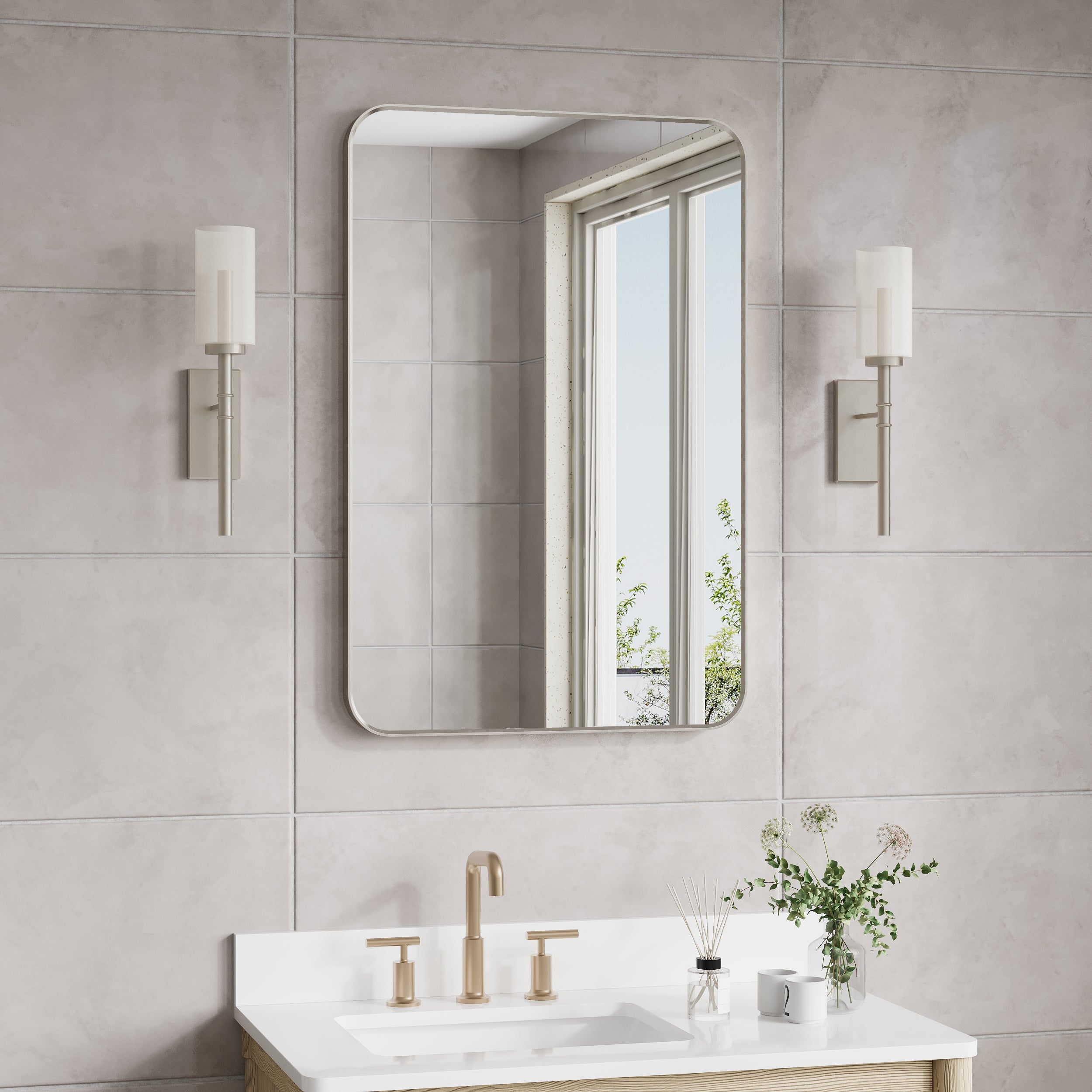
Because a white vanity is visually quiet, texture becomes the detail that makes the room feel designed. Current bathroom style data still places transitional, contemporary, and modern among the most common renovation directions, and all three styles rely heavily on material contrast rather than excessive ornament. That is why textured tile, ribbed glass, woven baskets, natural-look stone, brushed metal, or a framed mirror can do more for the room than adding louder color. Texture is especially useful when the room already has white walls or a white countertop, since it creates separation without breaking the clean look that many renovators still want.
5. Keep the Countertop Cleaner Than You Think You Need To
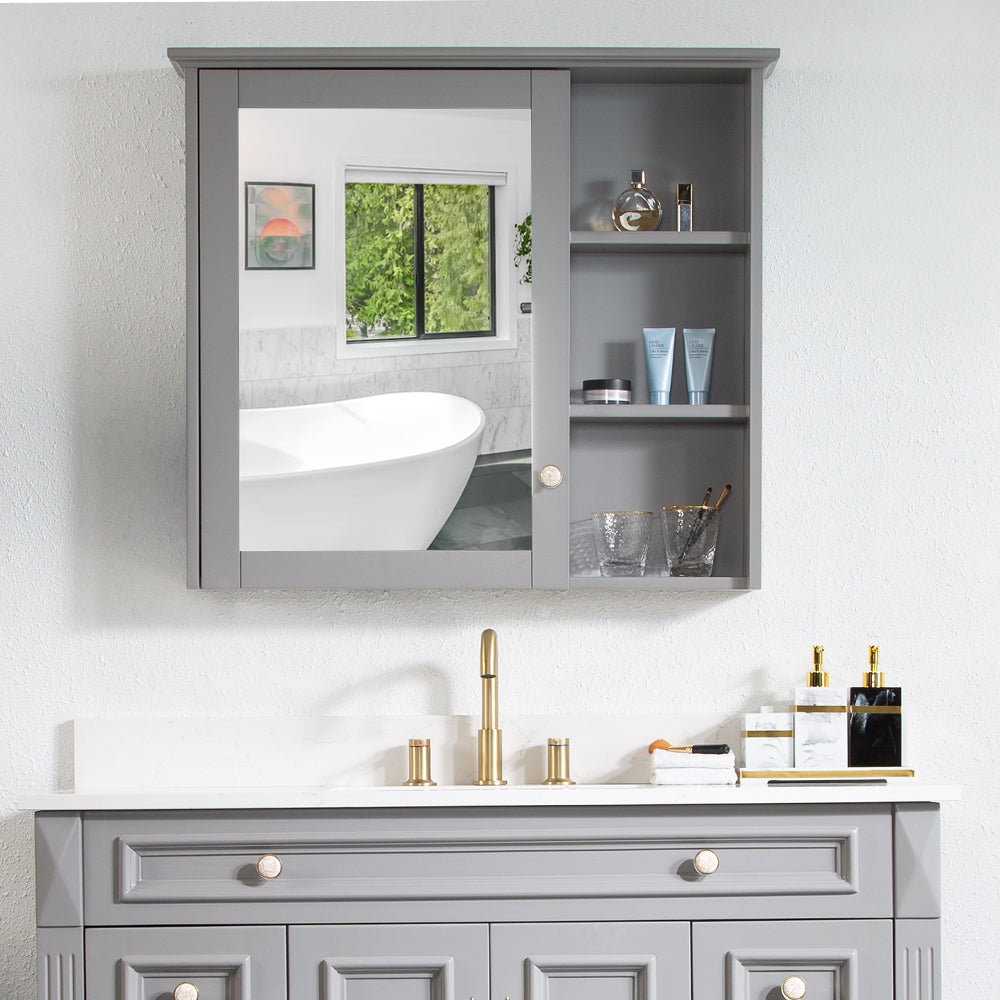
Decoration around a white vanity should not bury the vanity itself. Houzz found that 59% of renovators associate organized storage with a more relaxing bathroom, and 74% say cleanliness is a major contributor to how restorative the room feels. That is a strong argument for editing the vanity top. A tray for daily essentials, one ceramic vase, folded hand towels, and concealed storage usually look better than a crowded spread of bottles and accessories. White cabinetry shows clutter quickly because it reads as a crisp backdrop, making every extra item more visually obvious. Good decorating here is really controlled styling.

6. Choose Hardware and Mirror Finishes That Add Contrast
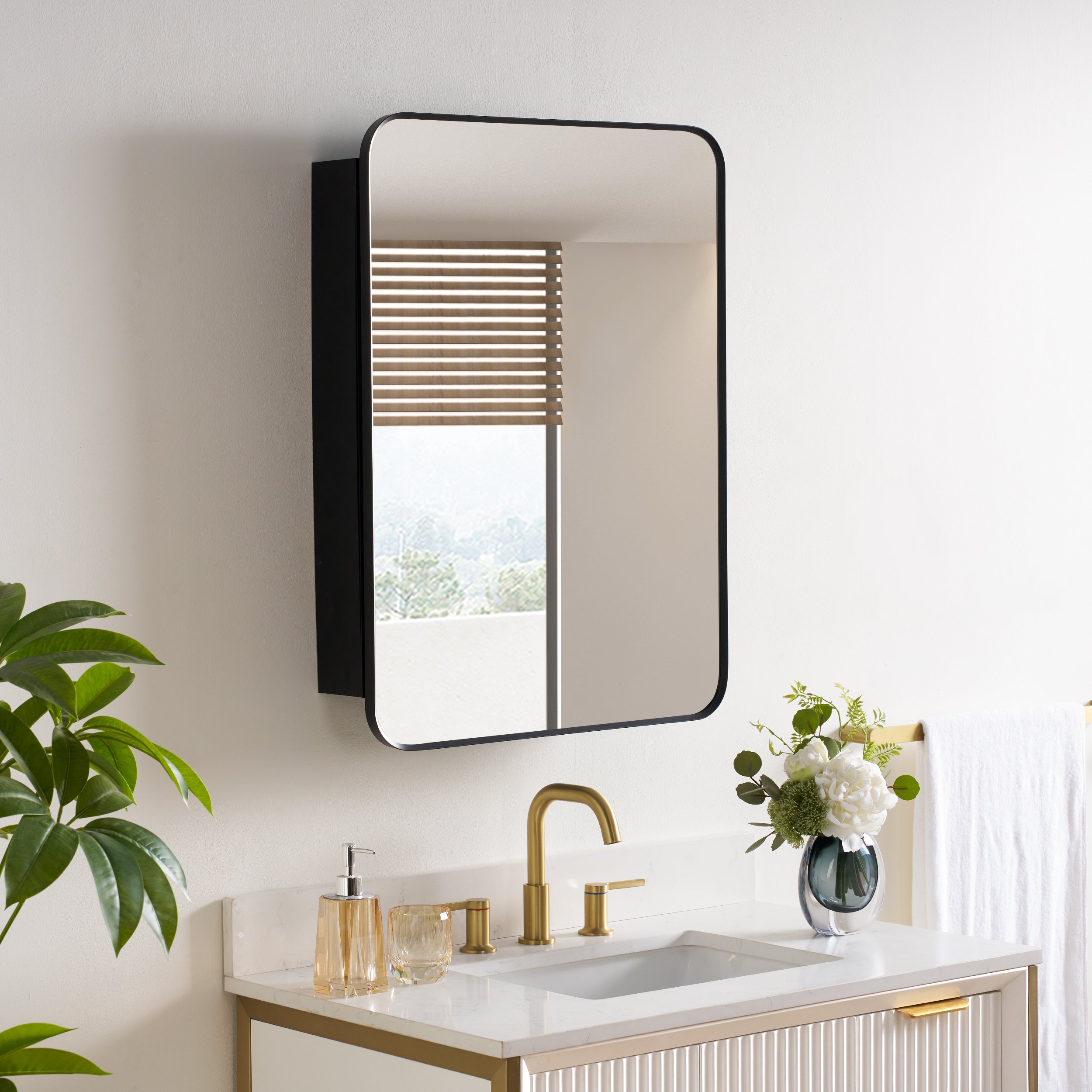
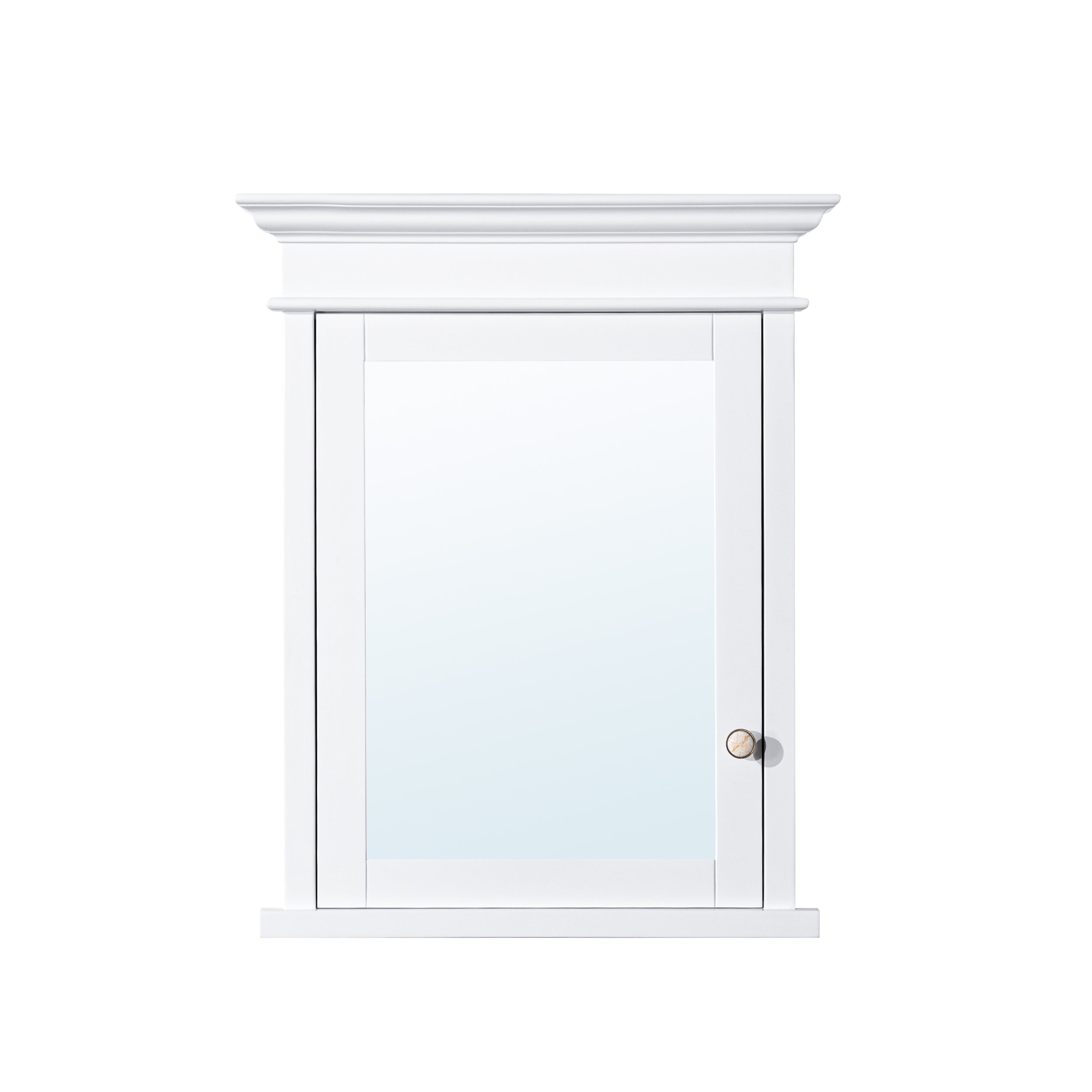
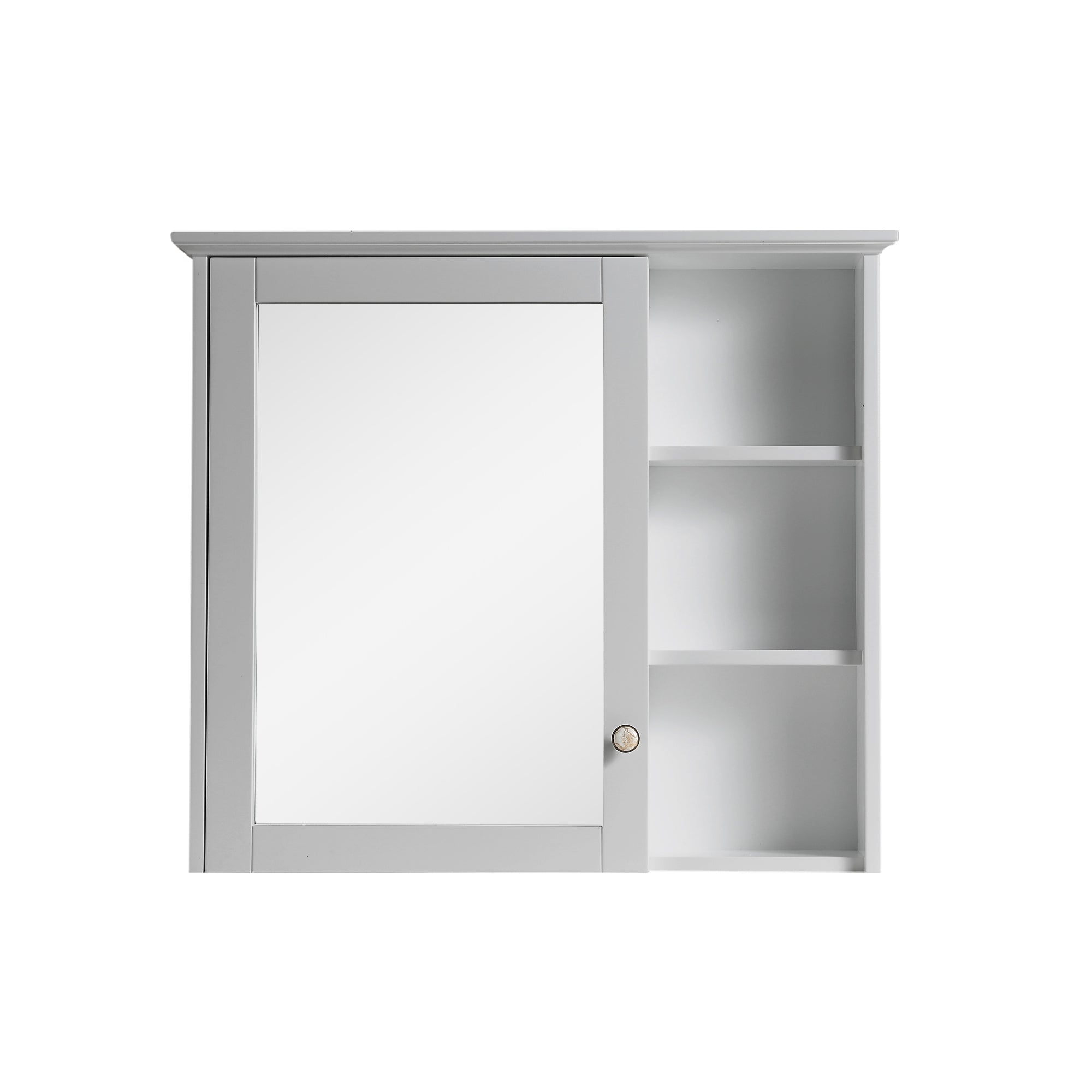
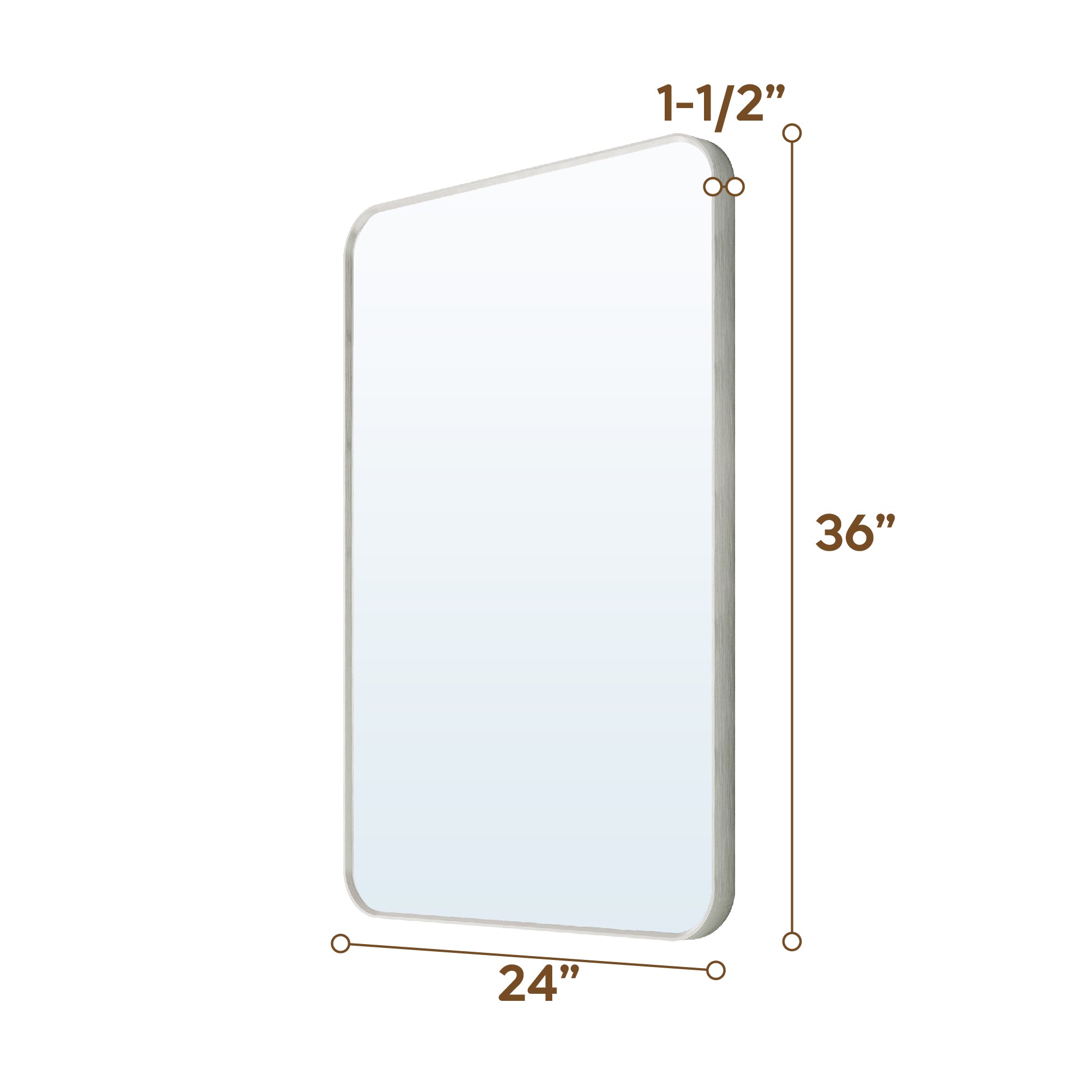
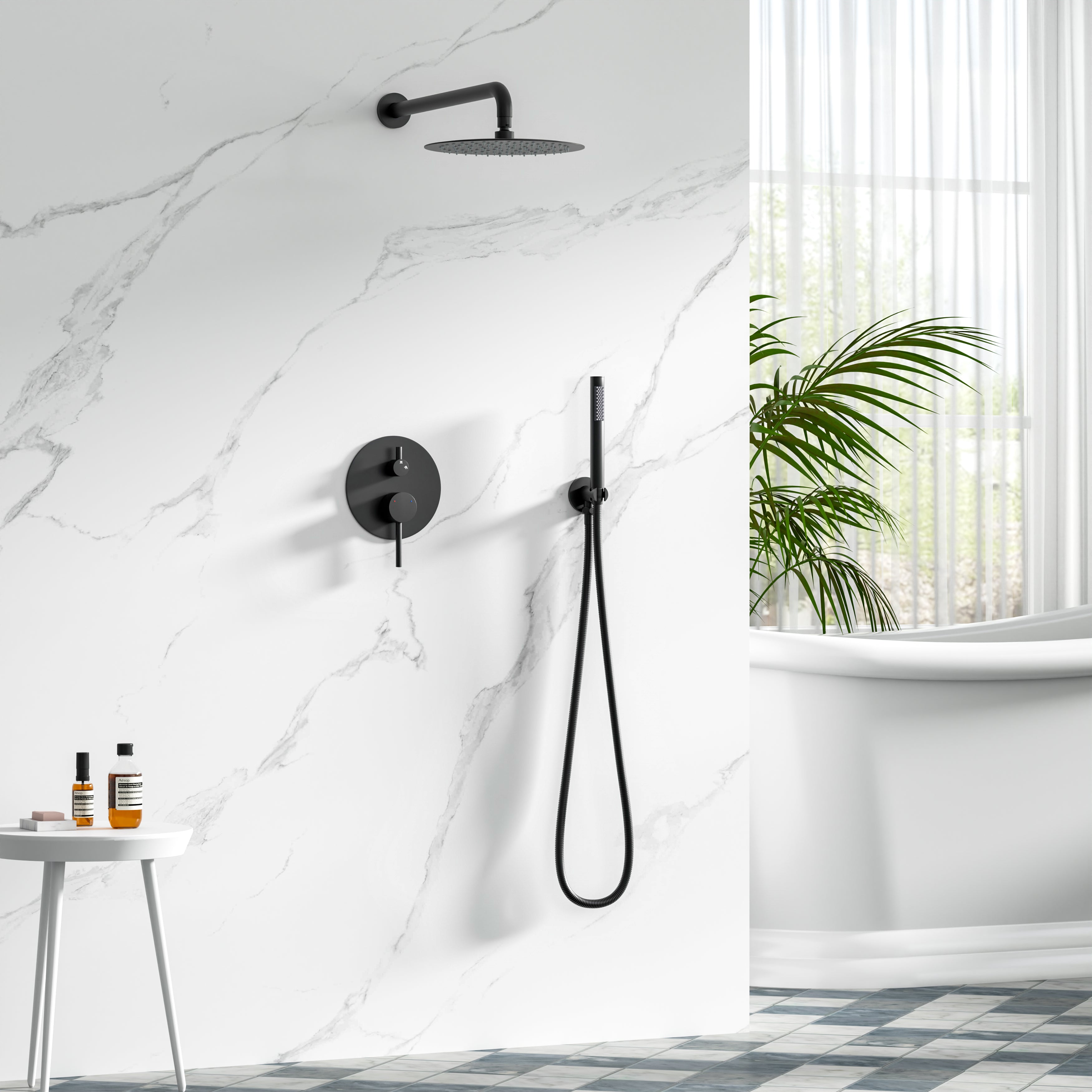
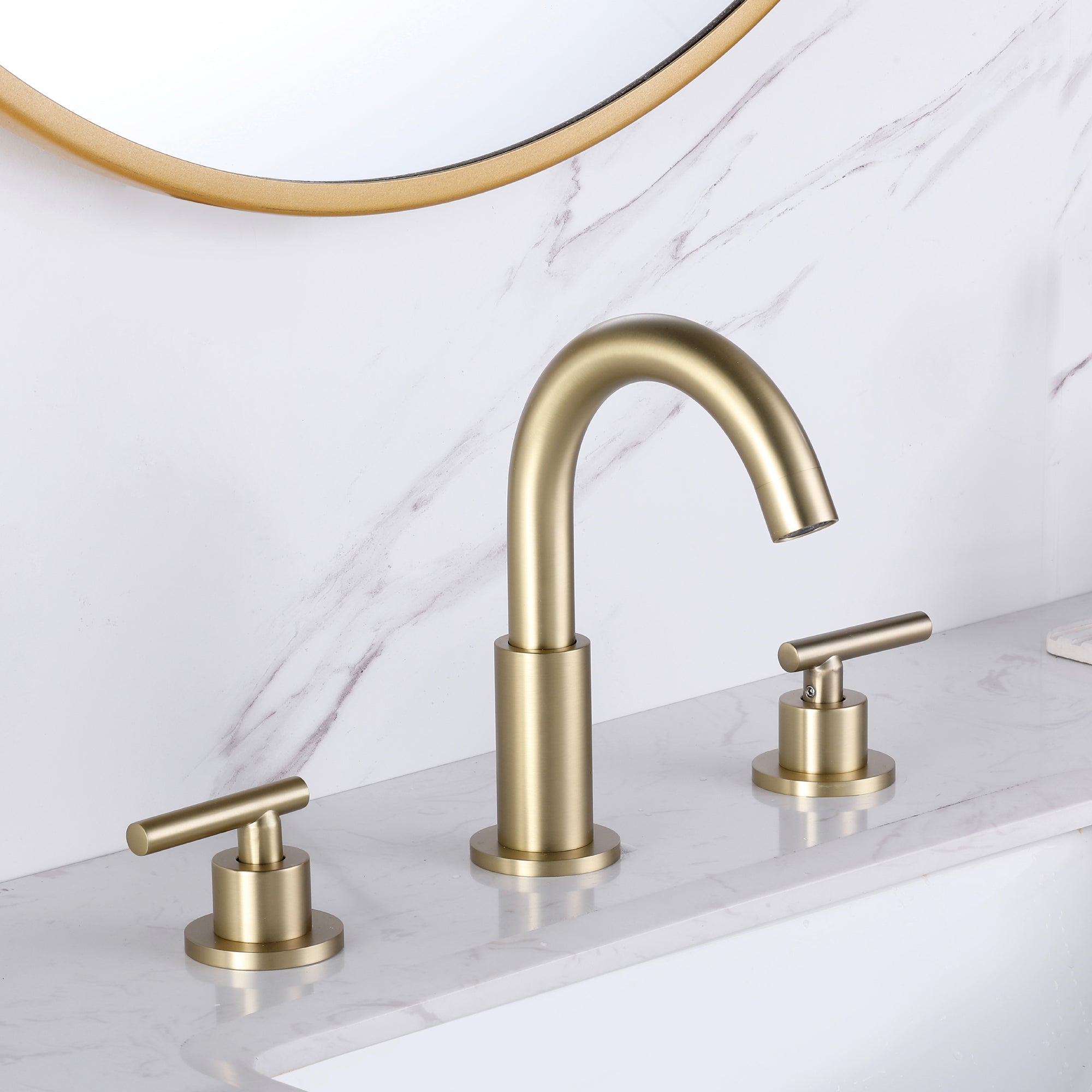
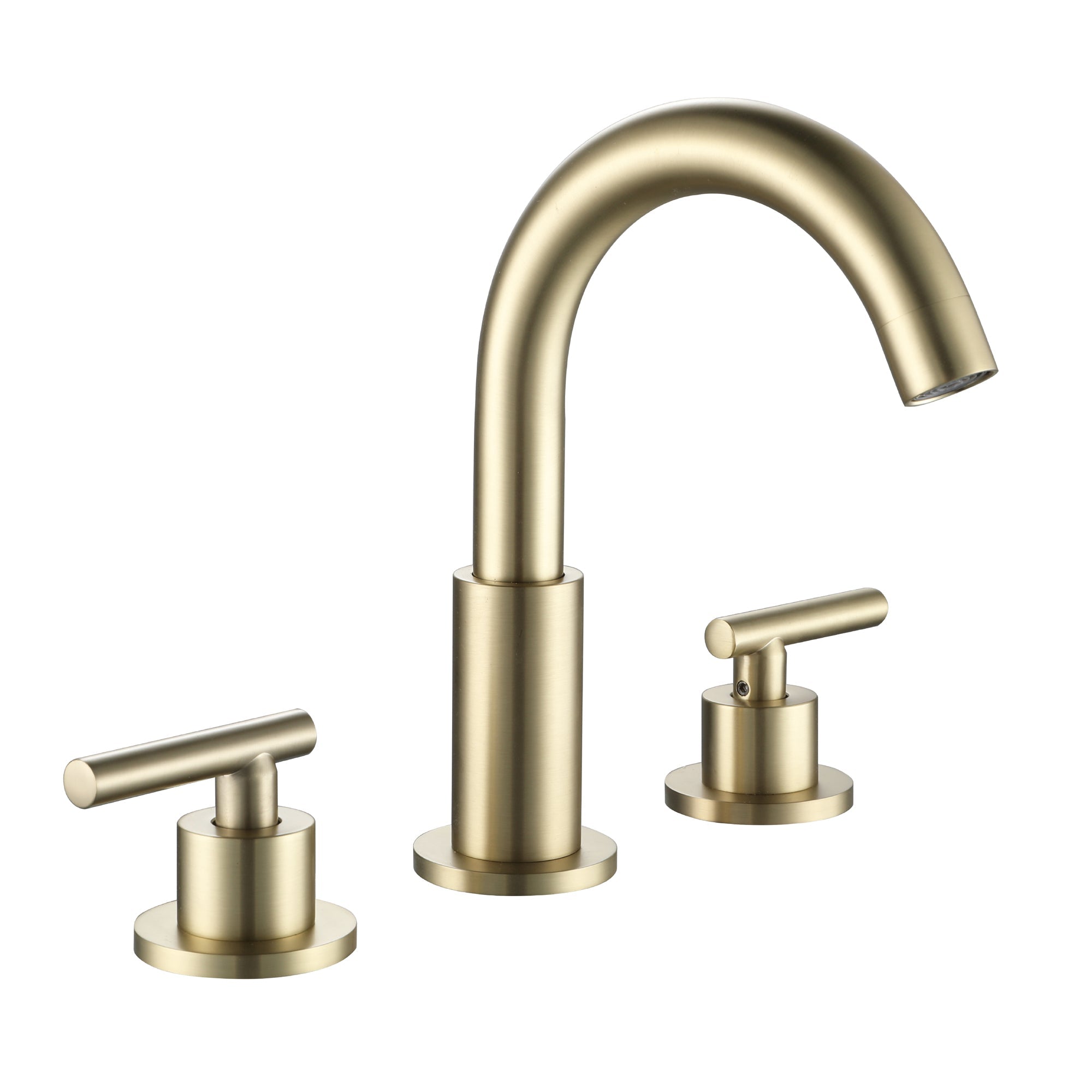
A white vanity often needs a stronger outline. One of the easiest ways to create that is through metal and mirror choices. Black, brushed nickel, and warm metallic accents can all work, but they should be repeated with discipline so the bathroom does not look pieced together. This approach aligns with the broader shift toward bathrooms that feel calm, warm, and natural while still looking polished, a major design direction identified by NKBA. In other words, the mirror frame, faucet finish, pulls, and light fixtures should help define the white vanity rather than disappear into it.
7. Think About Mood, Not Just Resale
Bathroom decoration is often discussed as a resale exercise, but the latest data shows personal enjoyment is a major part of the equation. NAR’s 2025 Remodeling Impact Report gives bathroom renovations a 9.8 Joy Score, ranking them among the most satisfying remodeling projects. Houzz also reports that many renovated bathrooms are now used for rest, relaxation, and beauty routines, with natural light, dimmable light, and organized storage all helping support that experience. So when decorating around a white vanity, the right question is not only what looks fresh in a photo, but what makes the room feel calm at 7 a.m. and restful at 10 p.m.
8. The Best White Vanity Bathrooms Feel Layered, Not All-White
The strongest bathrooms built around a white vanity are usually the ones that resist overmatching. Industry data shows white is still highly relevant, but it performs best when paired with warmer materials, better lighting, organized storage, and selective color contrast. That is why the most successful formula today is simple: treat the vanity as the neutral base, then build the room with texture, warm accents, restrained styling, and lighting that flatters both the space and the person using it. A white vanity still works very well in renovation, but only when the rest of the room gives it something to play against.














Leave a comment
This site is protected by hCaptcha and the hCaptcha Privacy Policy and Terms of Service apply.