

















In a complete bathroom renovation, the bathtub is often the core element that determines spatial positioning and a comfortable experience. From a 60-inch standard embedded structure to a 67-inch or 72-inch independent design, different sizes and materials not only affect the budget, but also determine the comfort and maintenance difficulty of daily use. Industry data shows that in bathroom renovation projects, more than 55% of the main bathroom space still retains a bathtub, and in high-end renovations, the proportion of independent bathtubs continues to rise. Striking a balance among size, material, structure, and spatial proportions is a key consideration when choosing a bathtub.
1. First, determine the spatial dimensions and layout constraints
The first step in choosing a bathtub is to confirm the available space and the width of the flow line. Traditional embedded bathtubs typically measure 60 inches long and 30 to 32 inches wide, making them suitable for compact spaces.
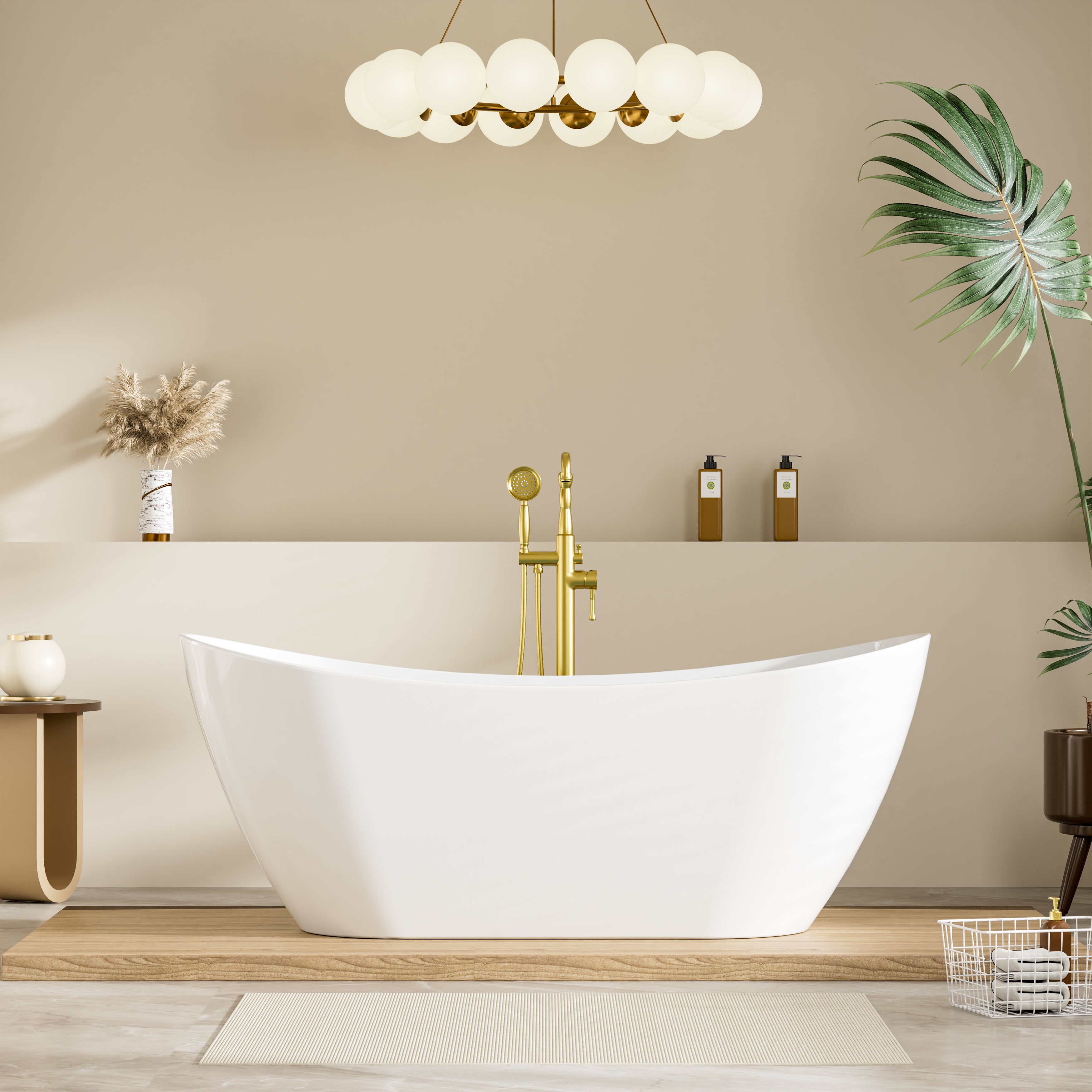
If the space is 70 inches or wider and retains at least 30 inches of passage area, a 67-inch or 72-inch freestanding bathtub can be considered. Data shows that in bathtubs longer than 66 inches, the comfort score for body stretching increases by about 18%.
In terms of depth, common water depths range from 14 inches to 18 inches. A deeper structure can enhance the soaking experience, but it is necessary to confirm whether the hot water capacity matches.
2. Embedded or standalone?
Embedded bathtubs are suitable for wall-mounted installation, offer relatively controllable construction costs, and are easy to use with showers. The 60-inch alcove structure is still a common choice in refurbishment.
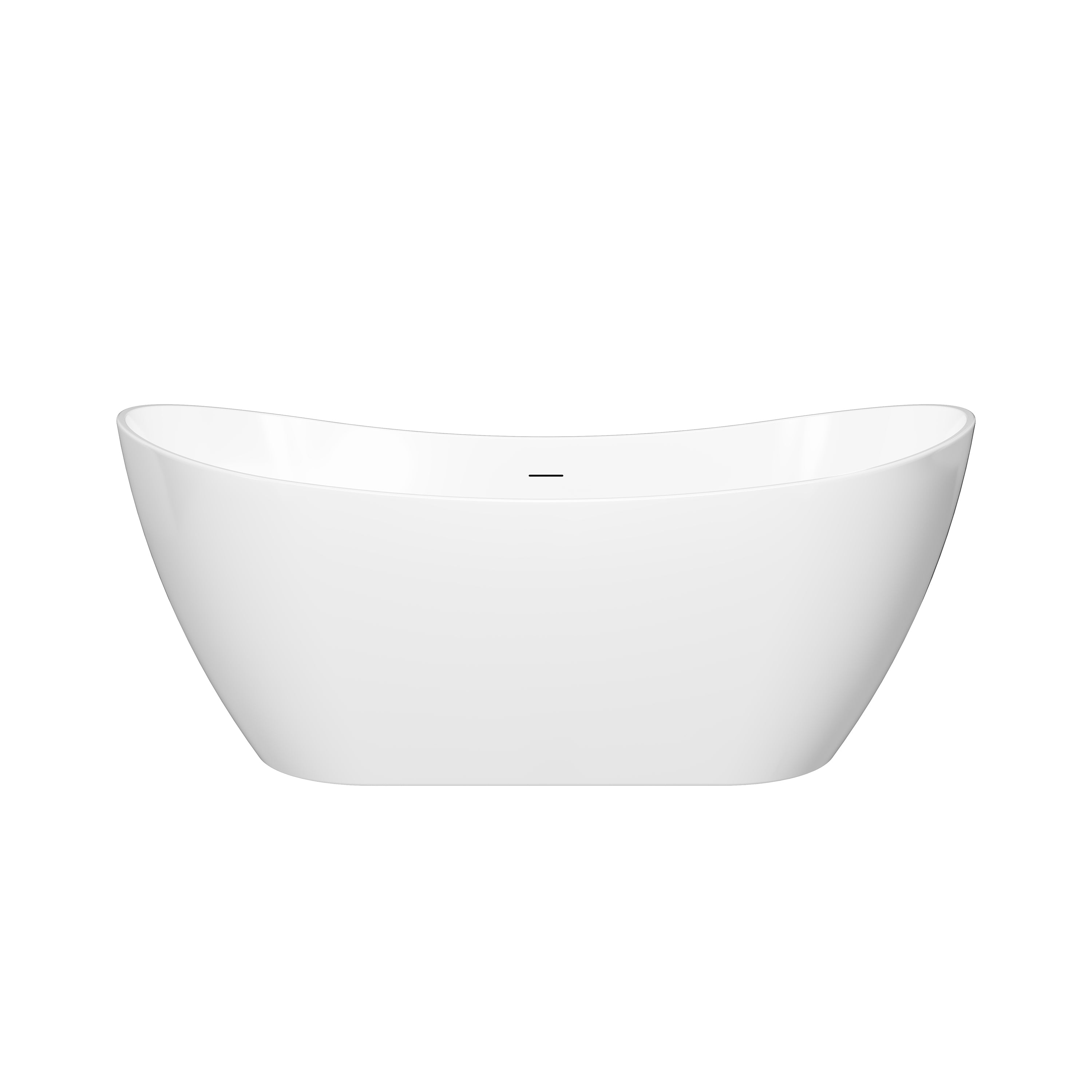
Independent bathtubs emphasize visual focus and spatial expression, typically requiring at least 4 to 6 inches of clearance for cleaning and maintenance.
Data show that in master bathroom spaces with an area exceeding 120 square feet, the proportion of independent bathtubs is significantly higher than in small bathrooms.
3. Material selection affects insulation and durability
Common materials include acrylic, cast iron, and composite stone.
Acrylic is lightweight, provides stable insulation, and has low maintenance costs. Test data show that under the same water-temperature conditions, the water temperature in the acrylic bathtub drops by about 3 °F to 5 °F within 30 minutes.
Cast iron bathtubs are heavy, sturdy, and highly insulated. The rate of water temperature drop is usually about 1 °F to 2 °F lower than that of acrylic, but installation requires higher ground load-bearing requirements.
Composite stone bathtubs have received attention in recent years, combining insulation and design, but their prices are relatively high.
4. Ergonomics and Comfort
The inclination angle inside the bathtub and the design of the back support directly affect the comfort experience. The common inclination angle of the back is between 110 ° and 125 °.
Data show that in structures with a tilt angle greater than 115°, user comfort ratings increase by approximately 12%. In addition, the bottom anti-slip design is equally important as the edge height.
The edge height is usually between 21 inches and 24 inches. Excessive levels may affect the convenience of entry and exit, especially for families with elderly or children.
5. Matching the drainage position with the pipeline
The drainage hole is divided into two rows, left and right, which must match the existing pipeline positions.
If different drainage directions are chosen, it may increase additional construction costs. The data show that in renovation projects, the rework rate due to misaligned drainage directions is about 10%.
Confirming the drainage location during the planning phase can effectively reduce budget risks.
6. Do you need a massage or additional functions?
Some bathtubs are equipped with bubble or water massage functions. Such systems typically require additional power and maintenance.
Data show that use frequency in bathtubs with a massage function is higher in the first 3 years, but the long-term usage rate gradually decreases. Therefore, when budgets are limited, priority should be given to the quality of infrastructure and materials.
7. Hot water capacity and energy consumption assessment
The standard 60-inch bathtub has a capacity of approximately 40 to 50 gallons. If a deeper or longer structure is chosen, the capacity may exceed 60 gallons.
When the home water heater's capacity is insufficient, a large bathtub may not provide continuous hot water. Data shows that in bathtubs with a capacity exceeding 60 gallons, the incidence of insufficient hot water supply has increased by about 15%.
Before making a selection, confirm whether the hot water system is compatible.
8. Long-term maintenance and investment value
High-quality bathtubs can last for over 15 years under normal use and reasonable humidity control.
Industry data shows that, across surveys conducted over five years of use, satisfaction with high-quality material bathtubs is significantly higher than with low-priced models. Especially in the renovation of the main bathroom, the long-term value from comfort and visual improvements often exceeds the initial investment difference.

9. Conclusion
Choosing the most suitable bathtub is not simply about comparing size or price, but about making a comprehensive judgment based on spatial layout, material performance, and household usage habits. From a 60-inch embedded structure to a 72-inch independent design, every inch affects comfort and visual proportion. Only through precise measurement and reasonable evaluation of hot water capacity and load-bearing conditions can truly rational decisions be made during the renovation process, making the bathtub a core element in improving the quality of life.
















Leave a comment
This site is protected by hCaptcha and the hCaptcha Privacy Policy and Terms of Service apply.