














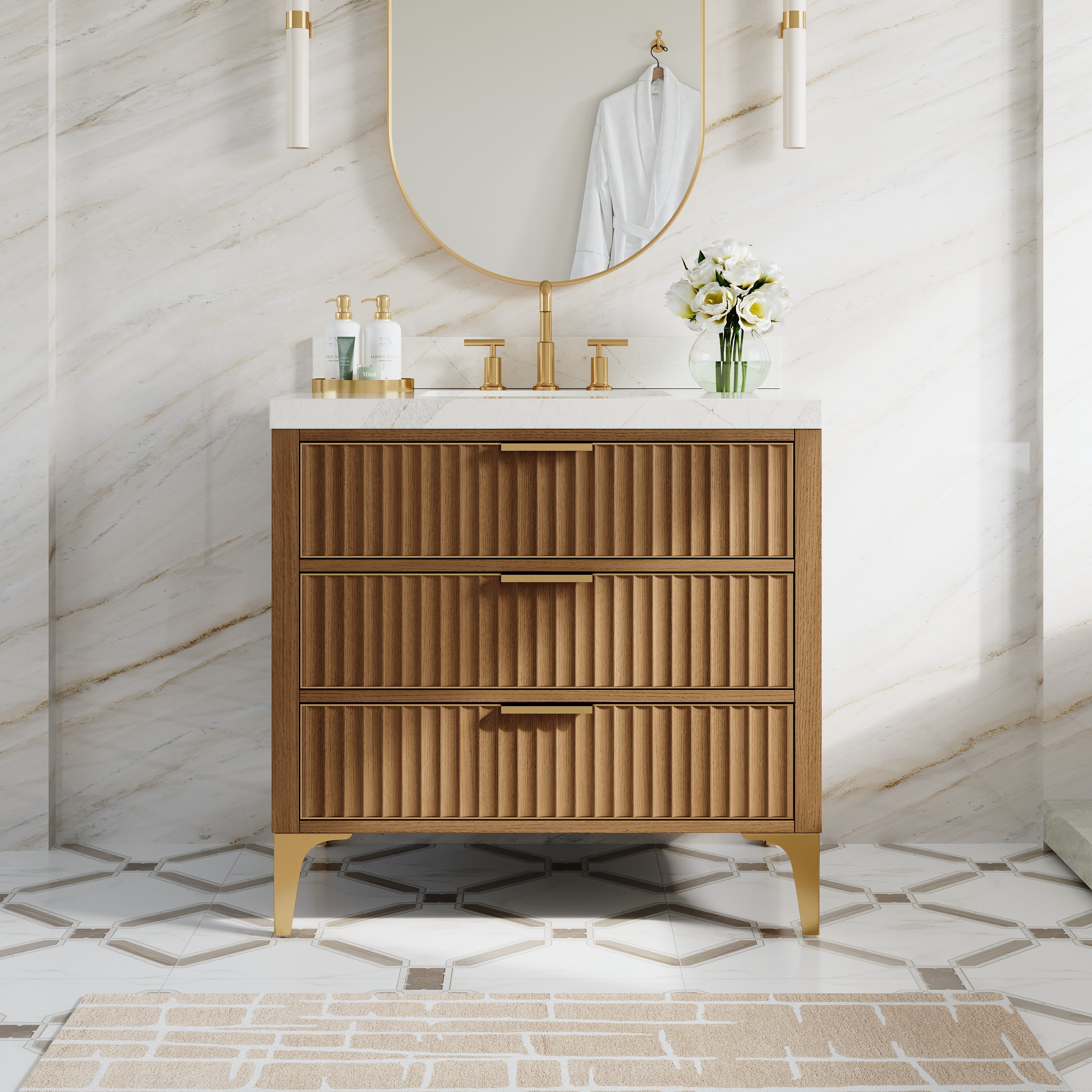
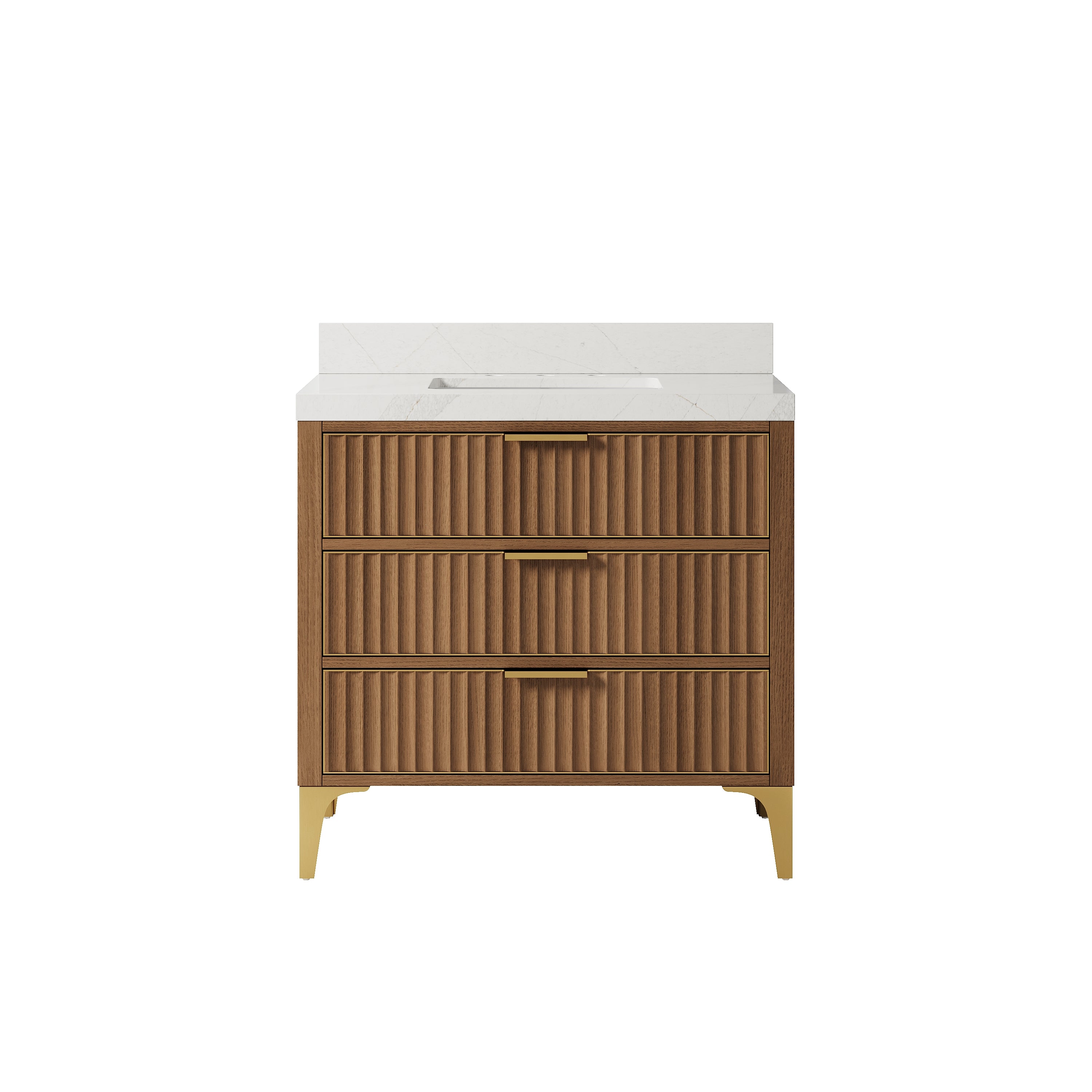
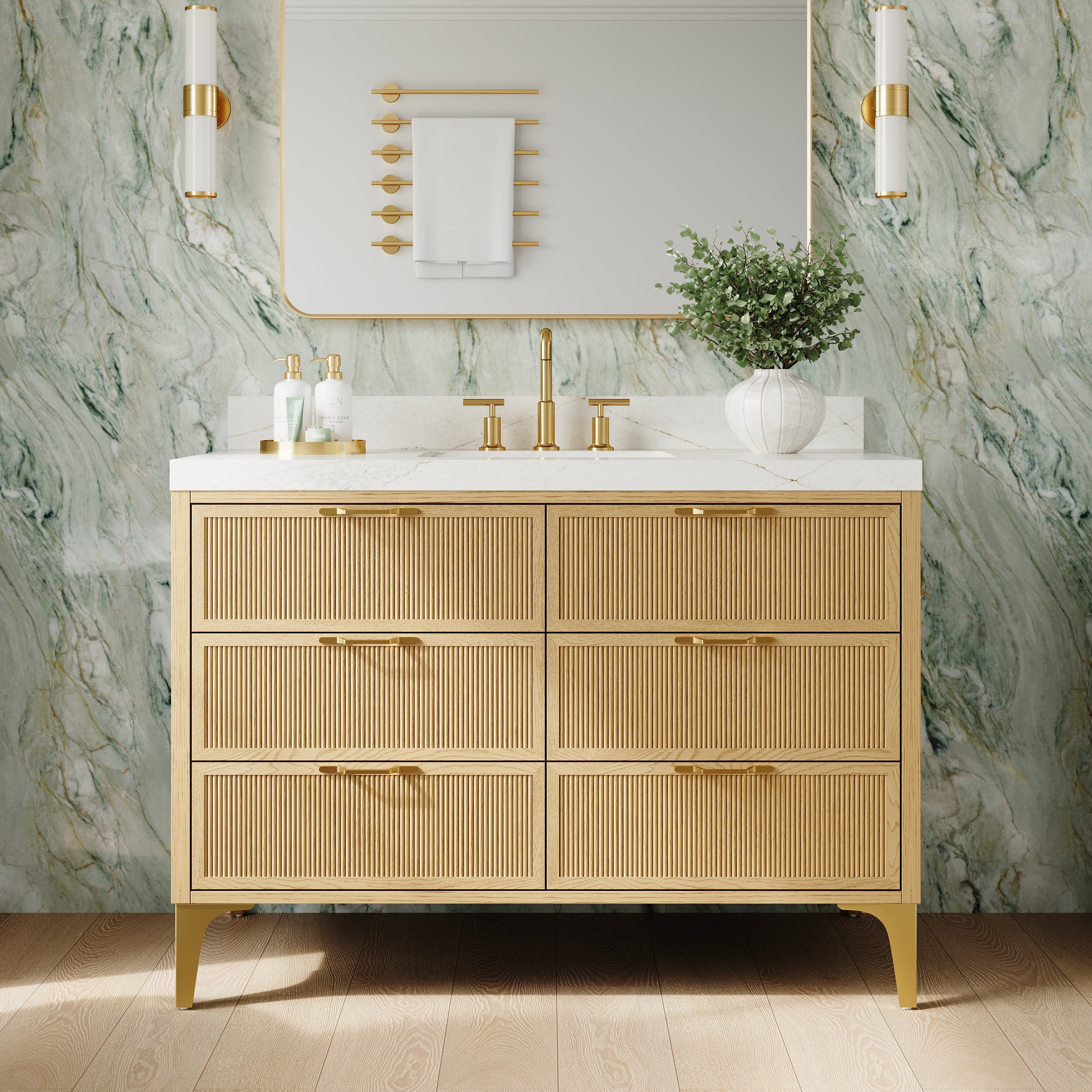
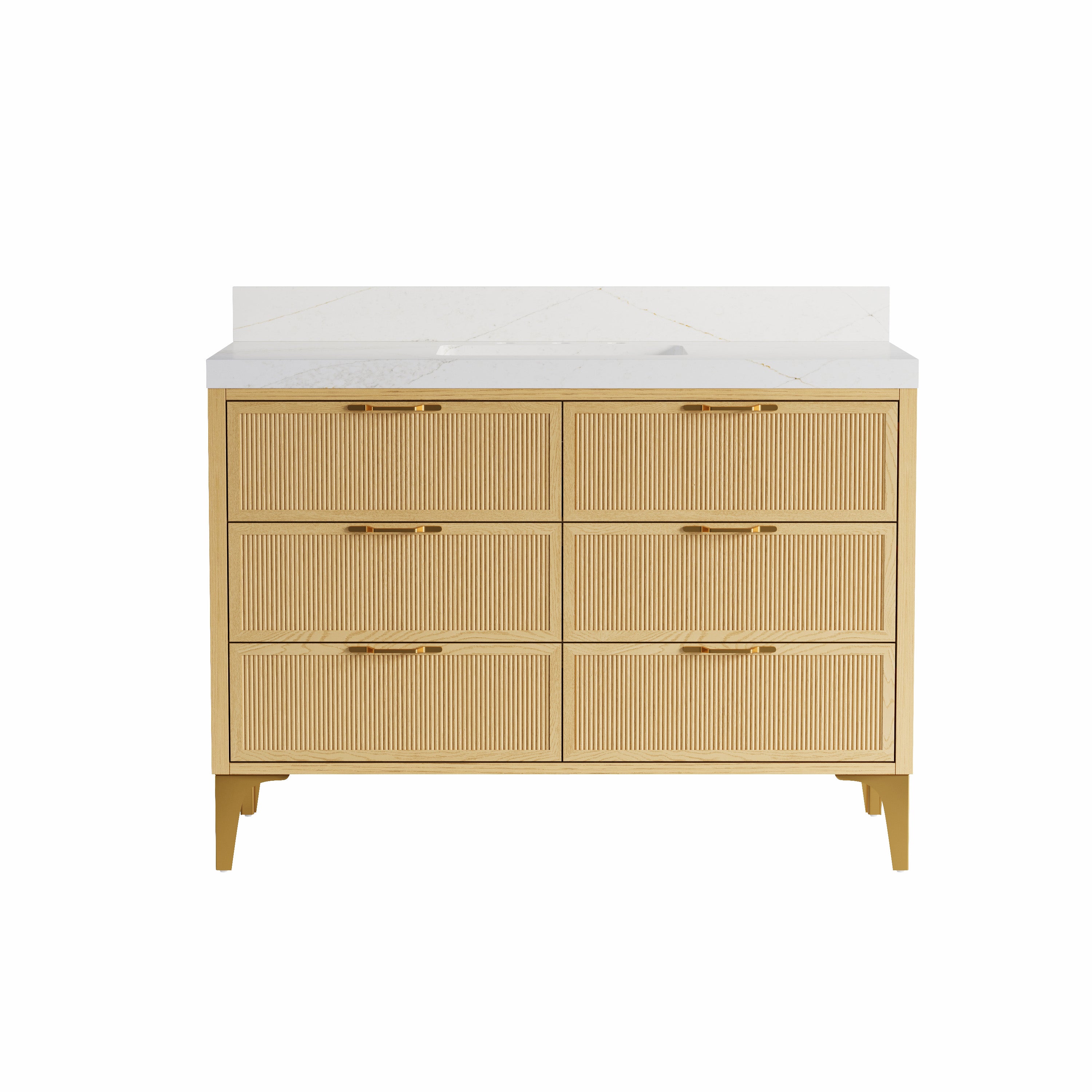


In a complete bathroom renovation, the bathroom vanity is often the visual focus and functional core. It not only performs washing, storage, and countertop operations, but also determines the spatial proportions and style direction. From 24-inch compact structures to 60-inch or even 72-inch dual-basin layouts, different sizes and structures offer completely different user experiences. Industry data shows that in bathroom renovation budget allocation, Vanity and its countertop and basin systems typically account for 15% to 25% of the overall investment, making it a high-impact project. Therefore, a systematic evaluation of size, structure, and material before renovation is crucial to ensuring long-term satisfaction.
1. Starting from spatial dimensions and flow lines
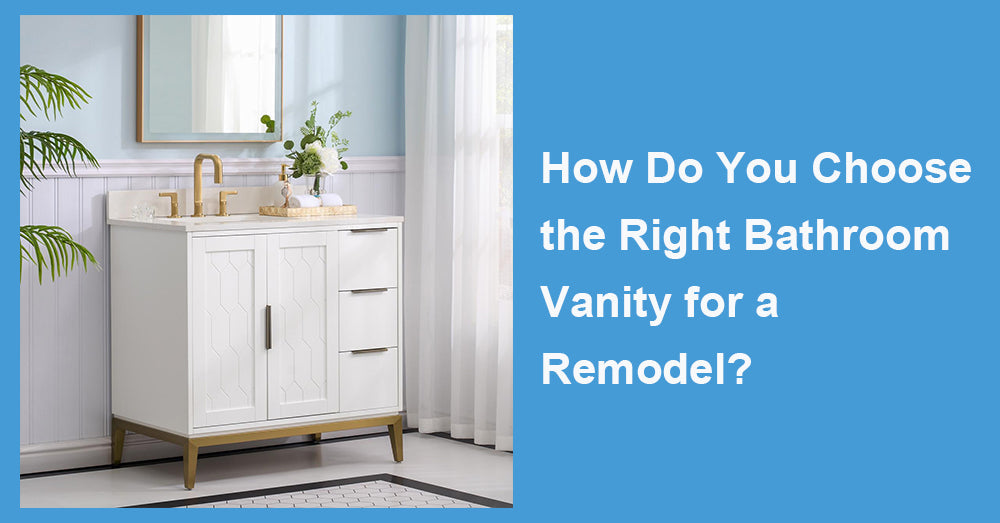
The first step in selecting the appropriate Vanity is to accurately measure the wall width and traffic space. Common single pot sizes include 24-inch, 30-inch, and 36-inch. If the bathroom area is less than 60 square feet, a 24-inch or 30-inch is more conducive to maintaining a passage width of at least 30 inches.
When the space is 80 to 120 square feet, a 36-inch single-basin sink is usually more comfortable. In the main bathroom, a 60-inch double-basin sink has become a common choice. Data shows that in a shared environment for two people, the satisfaction rate with a 60-inch or larger layout is about 20% higher than with a single basin.
In terms of depth, the standard size is 21 to 22 inches; if space is compact, an 18-inch shallow design can be considered to improve the smoothness of the flow line.
2. Installation form: floor standing or suspended?
Traditional floor-standing vanities provide greater storage capacity and stability, making them suitable for households that emphasize storage. Floating structures are usually 8 to 12 inches above the ground, which enhances the sense of lightness in the space.
Data shows that in bathrooms with an area of less than 80 square feet, the visual width rating of suspended design increases by about 15%. However, suspended structures have higher requirements for wall fixation, and during installation, it is necessary to ensure that the bolts are fixed on the columns by at least 1 inch.
If wall conditions are limited or storage demand is high, floor-standing is still a more reliable choice.
3. The material determines the service life
Common materials for cabinets include solid wood, plywood, and MDF. Solid wood structures perform excellently in terms of texture and load-bearing capacity. After multiple layers of sealing treatment, they can be used reliably for more than 15 years in environments with normal humidity.
Plywood is a choice that balances cost and durability due to its strong laminated structure, stability, and good moisture resistance. High-quality MDF has cost advantages, but edge sealing and waterproof treatment are crucial.
The data show that in environments with humidity above 65% for extended periods, the aging rate of inadequately sealed boards is significantly accelerated. Maintaining indoor humidity between 40% and 55% can help extend the lifespan of the cabinet.
In terms of countertops, quartz stone ranks high in satisfaction surveys due to its outstanding resistance to dirt and scratches.
4. Single basin or double basin?
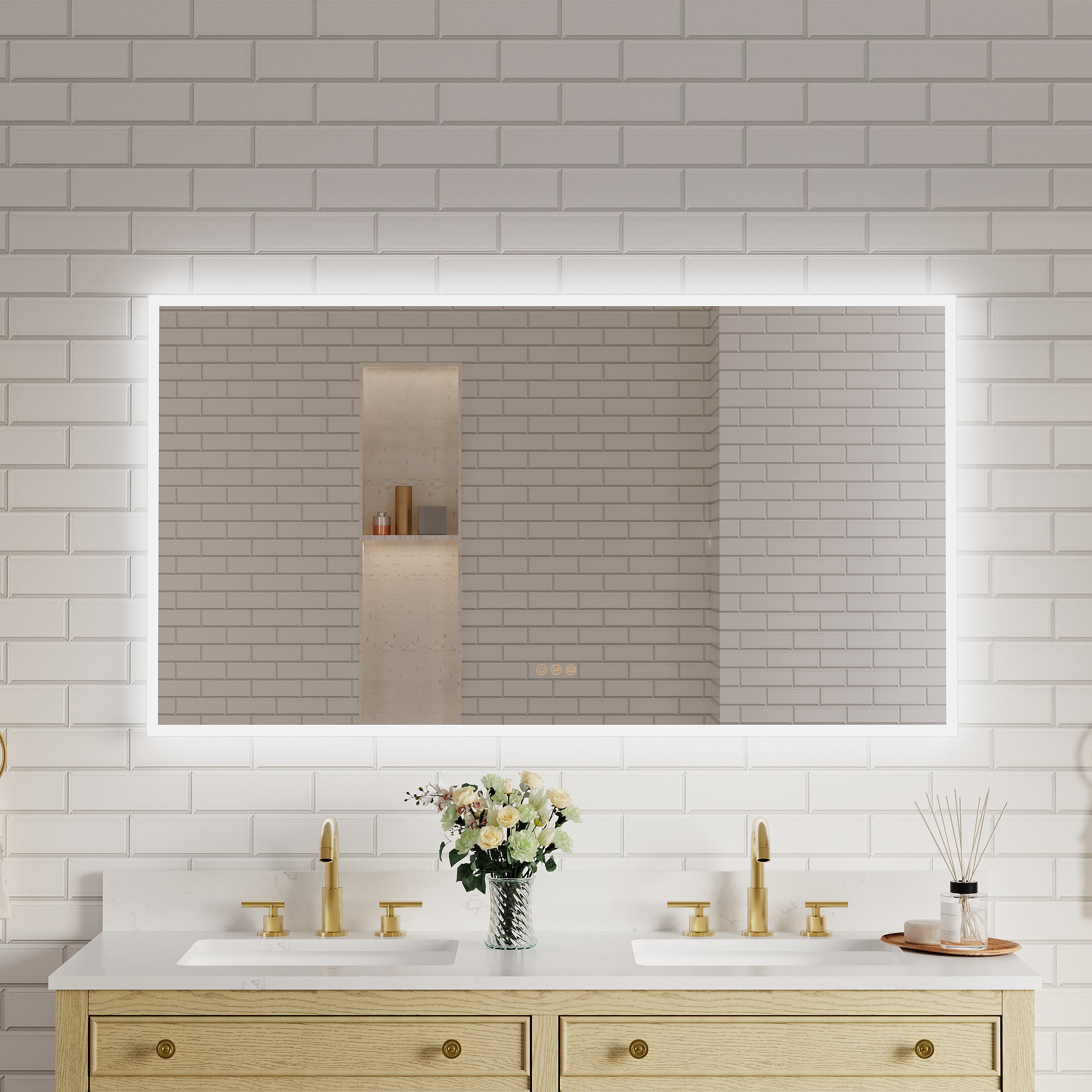
The single-pot structure saves space and is suitable for layouts 36 inches or less. Double pots typically appear in 60-inch- or 72-inch-wide structures.
Data show that in daily-use scenarios with two people, the double-basin structure can reduce waiting time during the morning and evening rush hours by about 30%. But double basins can also reduce drawer space, so it is necessary to plan the storage area reasonably.
If the space is less than 60 inches, forcibly installing double basins may reduce the countertop's operating space.
5. Drawer design and storage efficiency
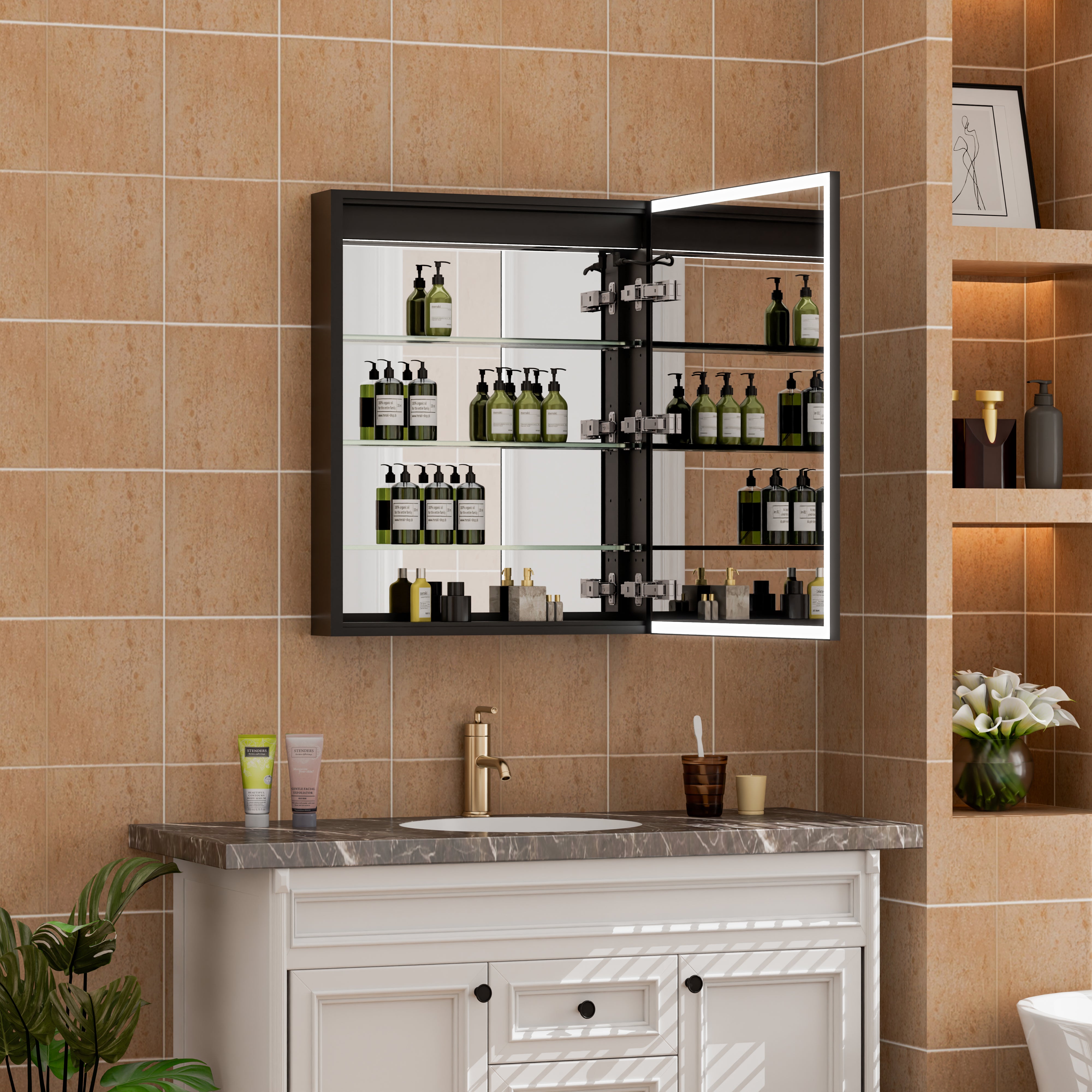
The traditional cabinet-door structure is suitable for storing high-bottled supplies, but modern designs emphasize drawer partitioning.
Data shows that in structures 36 inches or larger, a multi-layer drawer design increases storage efficiency by about 20%. The soft-close slide rail and fully pull-out design can enhance daily use comfort.
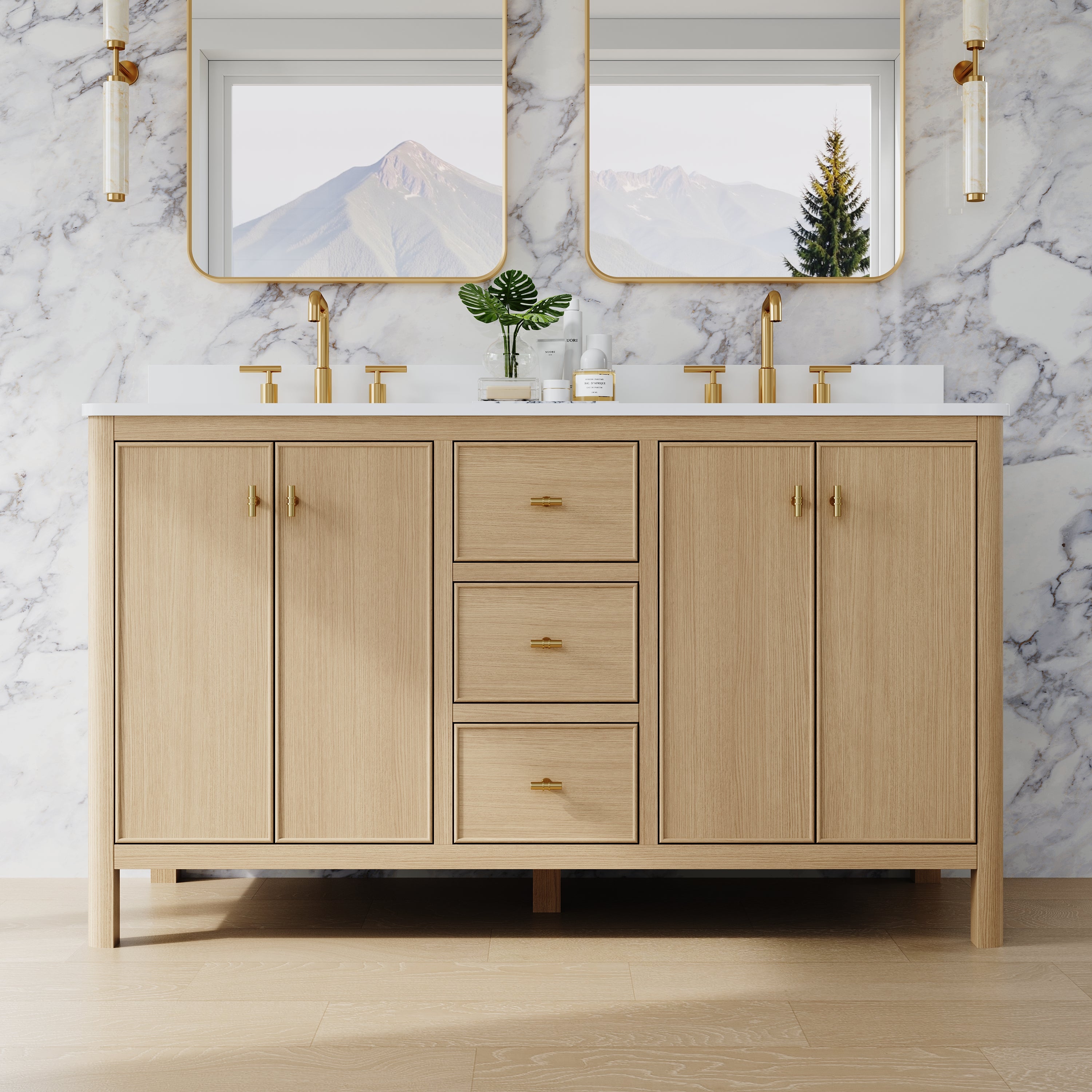
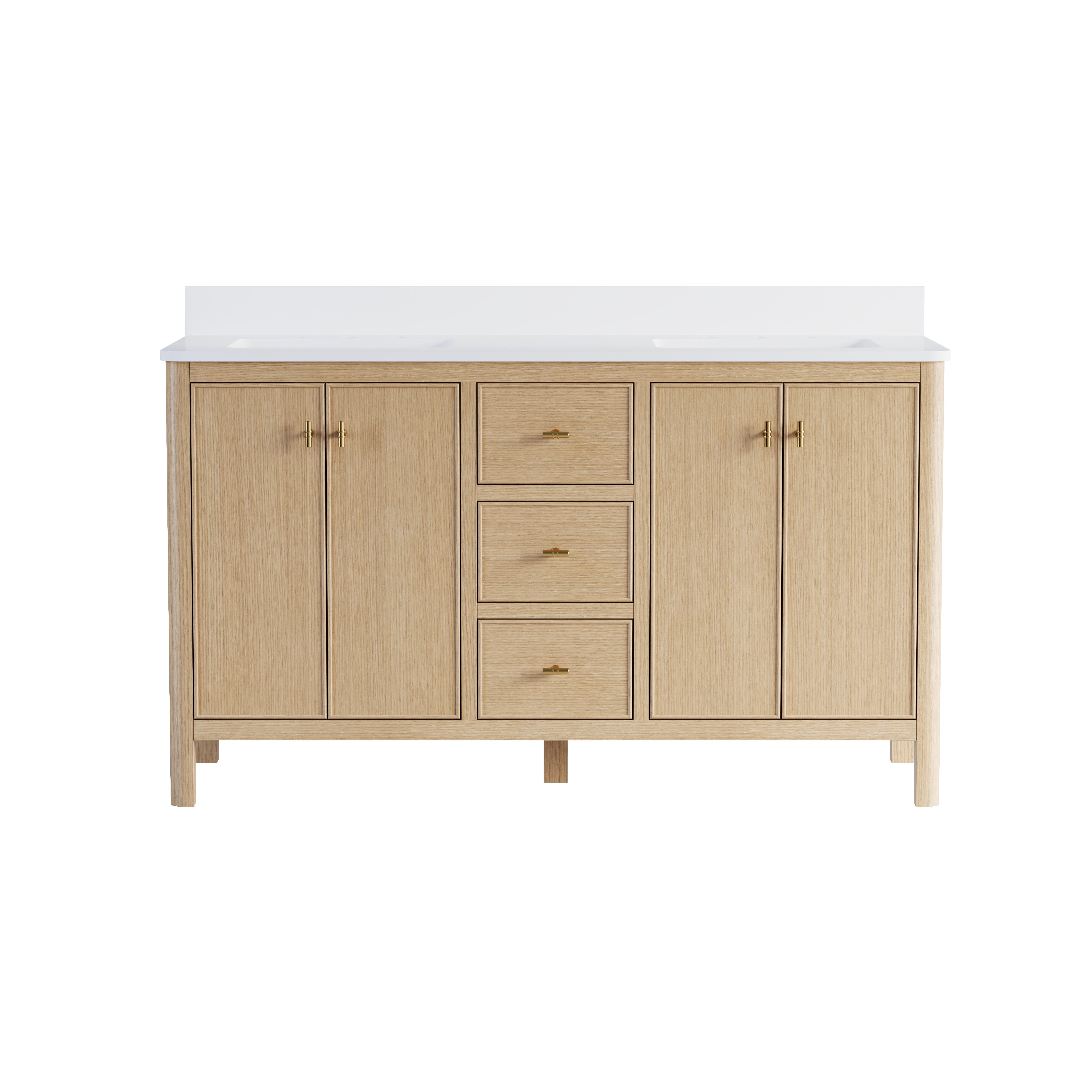
In a 60-inch dual-basin layout, a common configuration is to pair the cabinet doors on both sides with a central drawer to balance plumbing space and storage needs.
6. Proportion and mirror matching
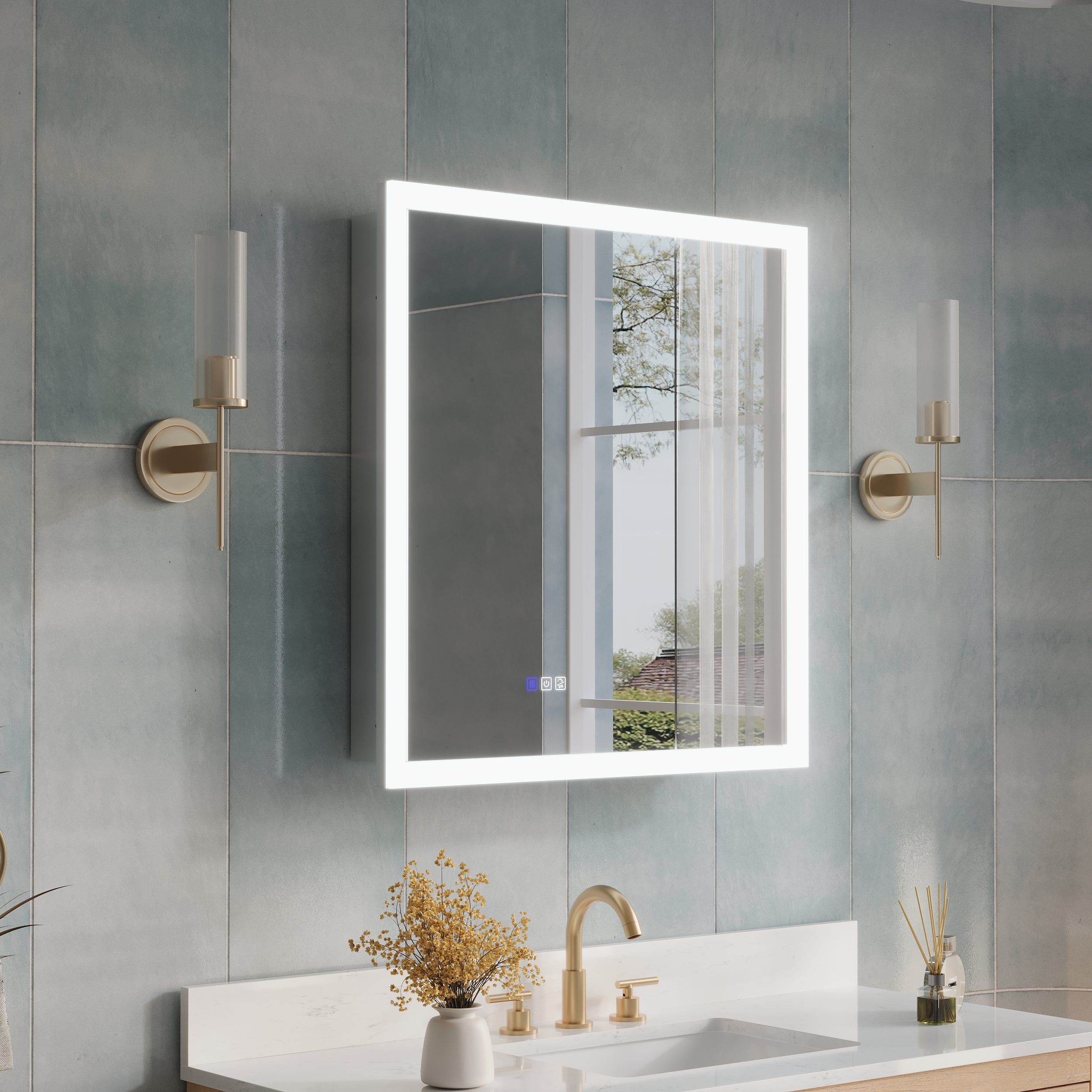
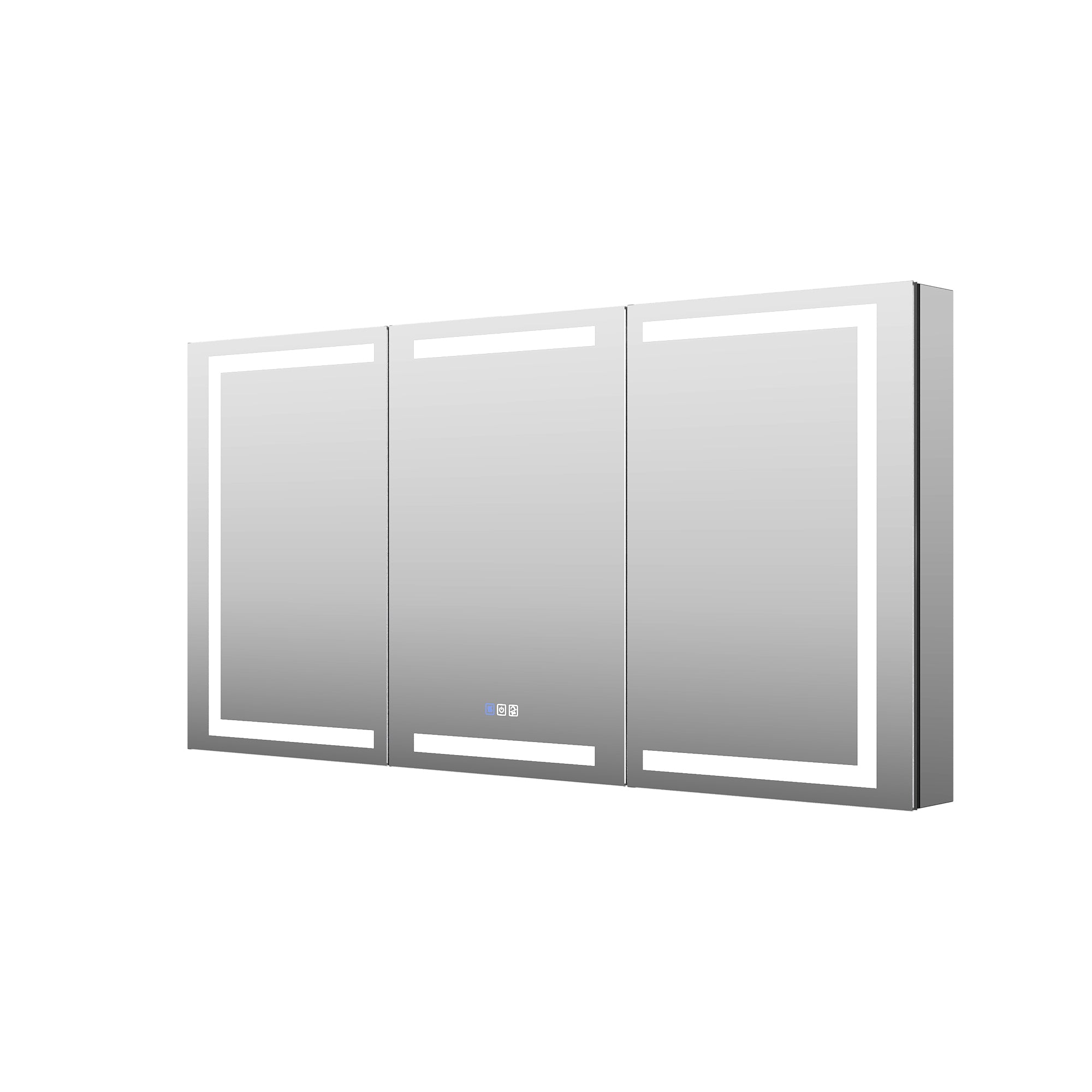
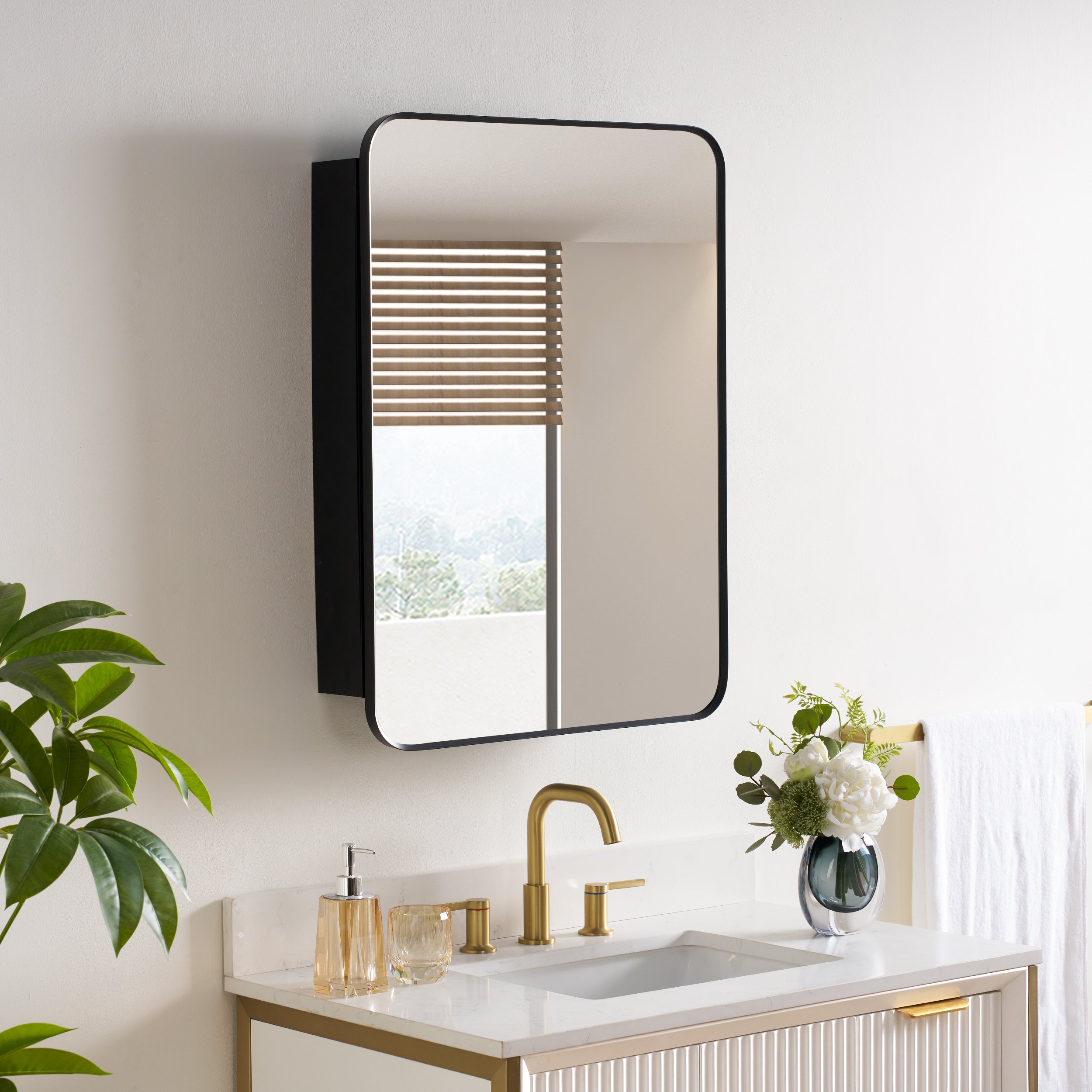
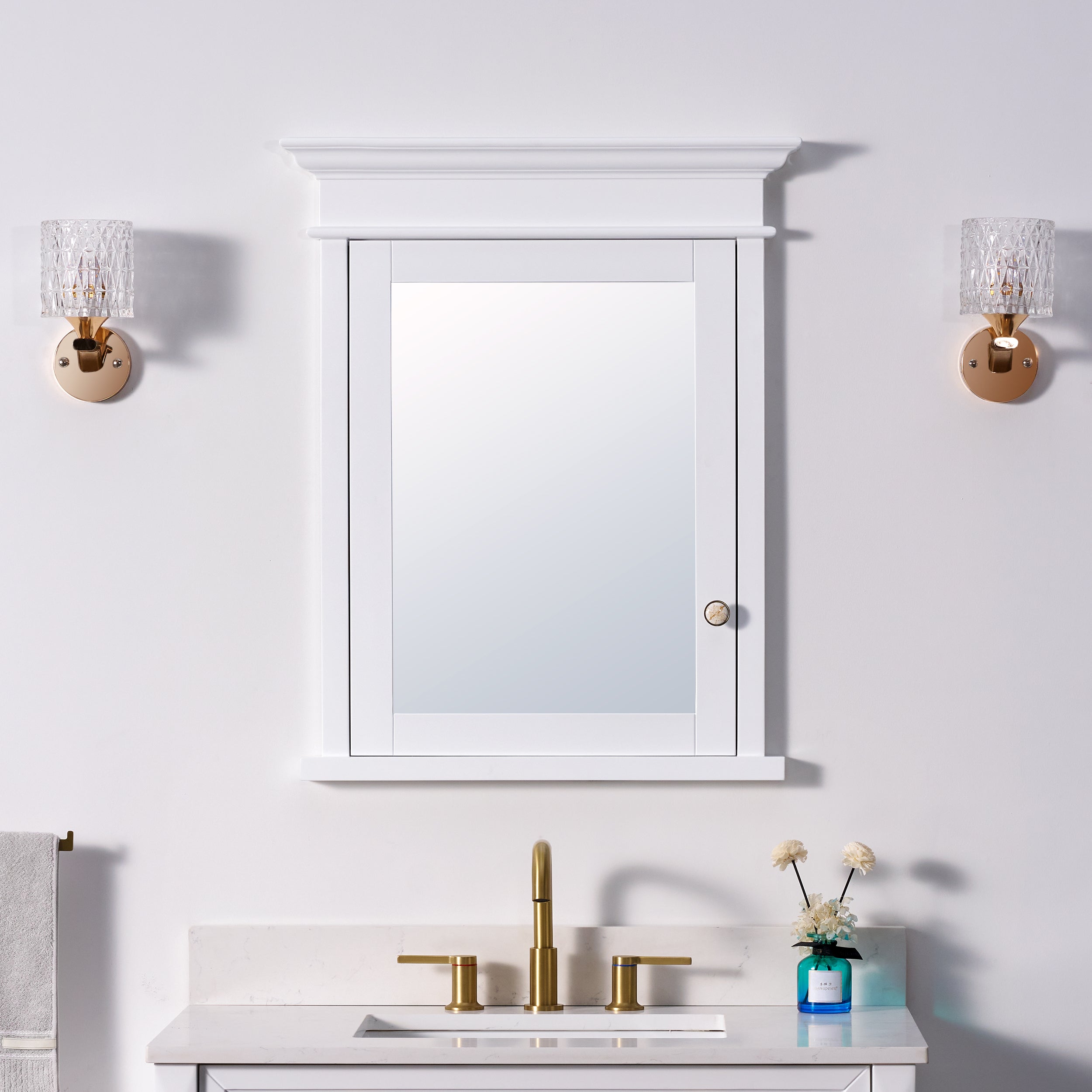
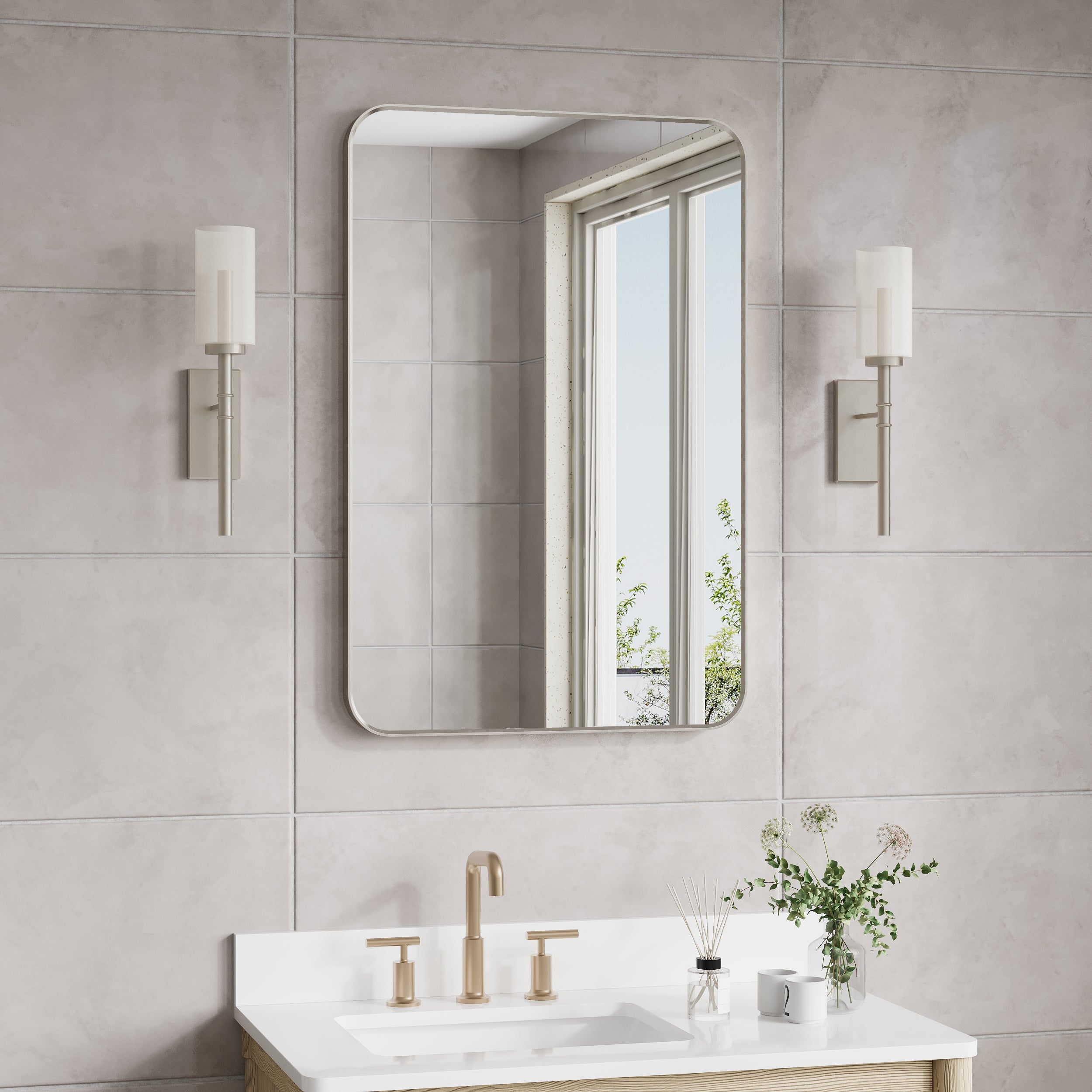
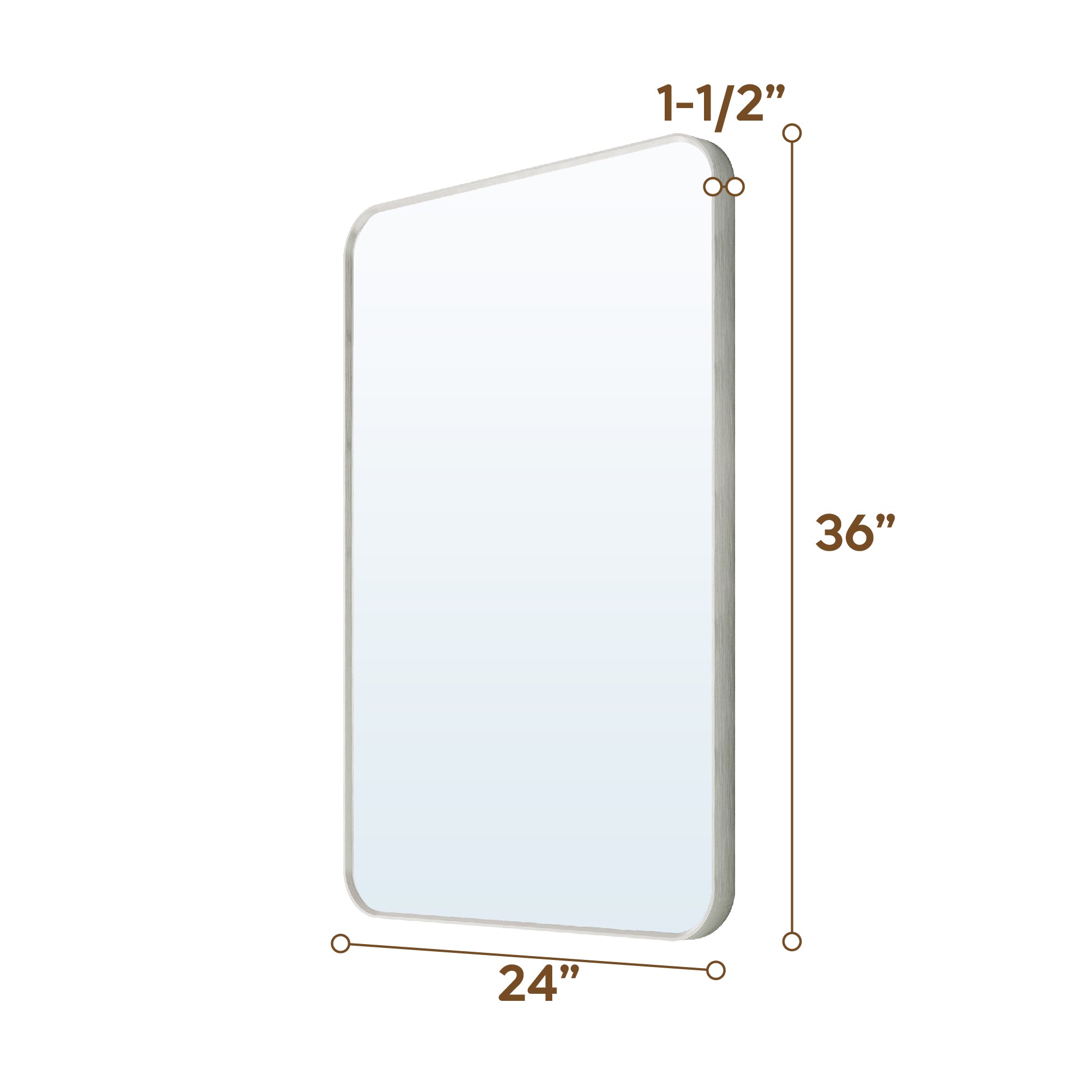
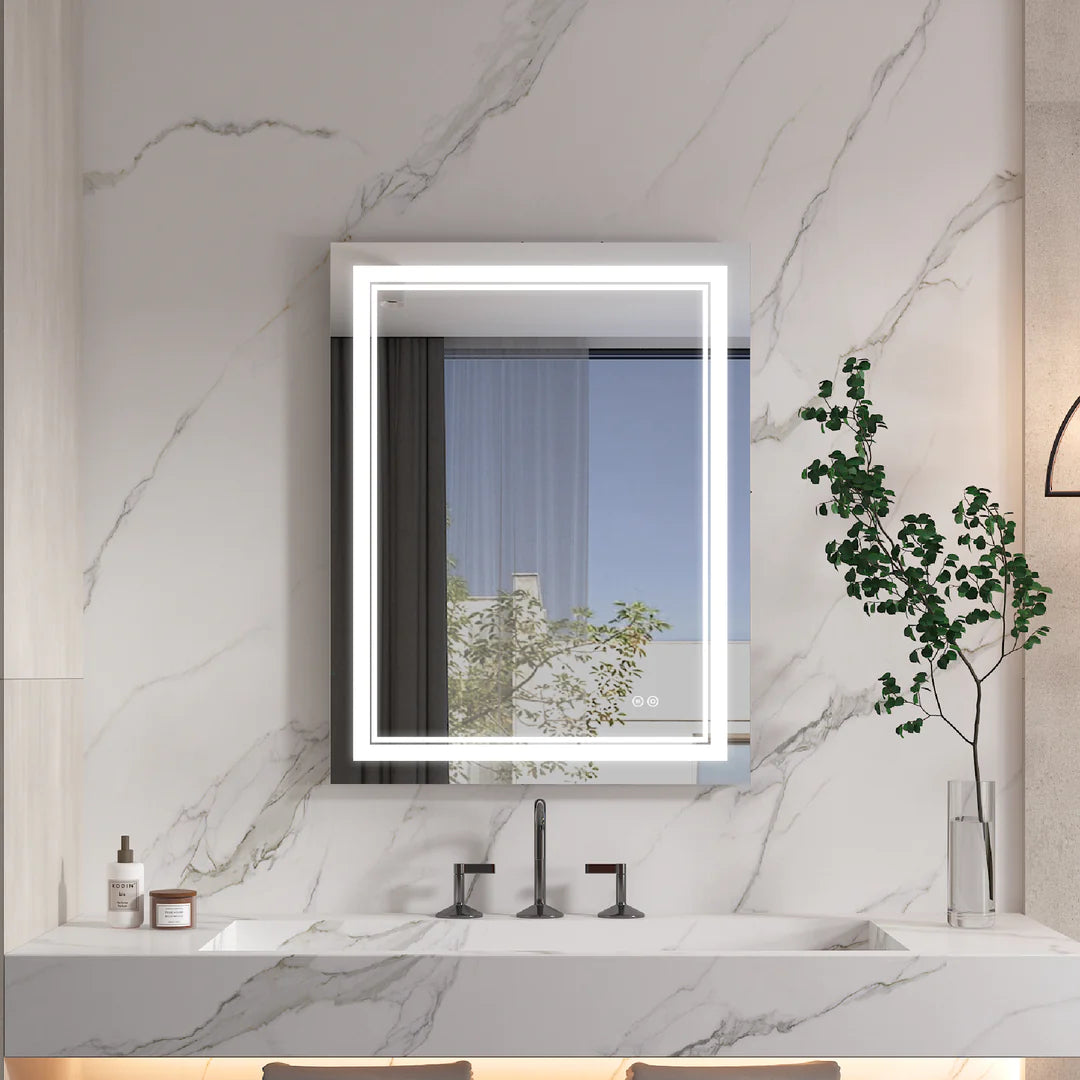
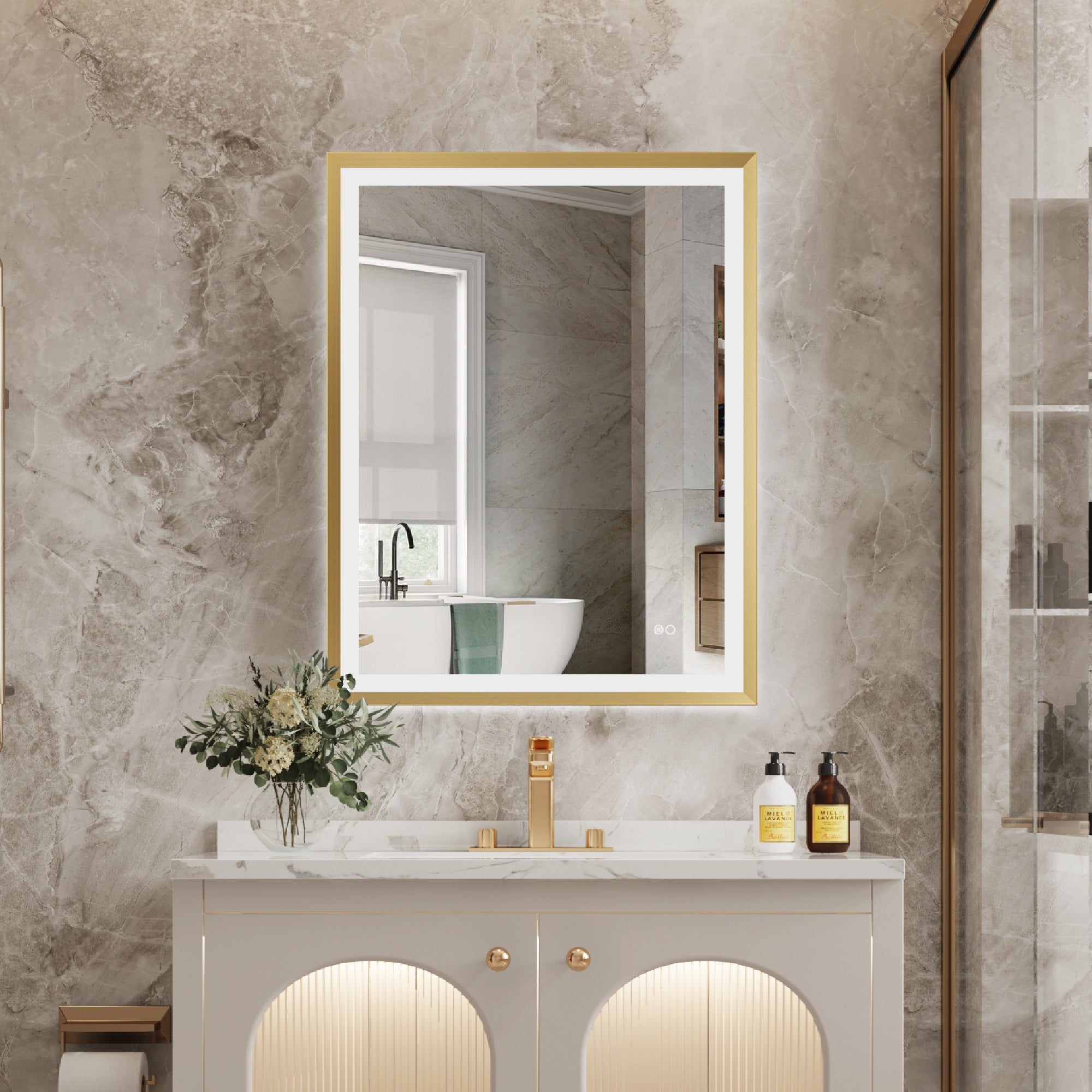
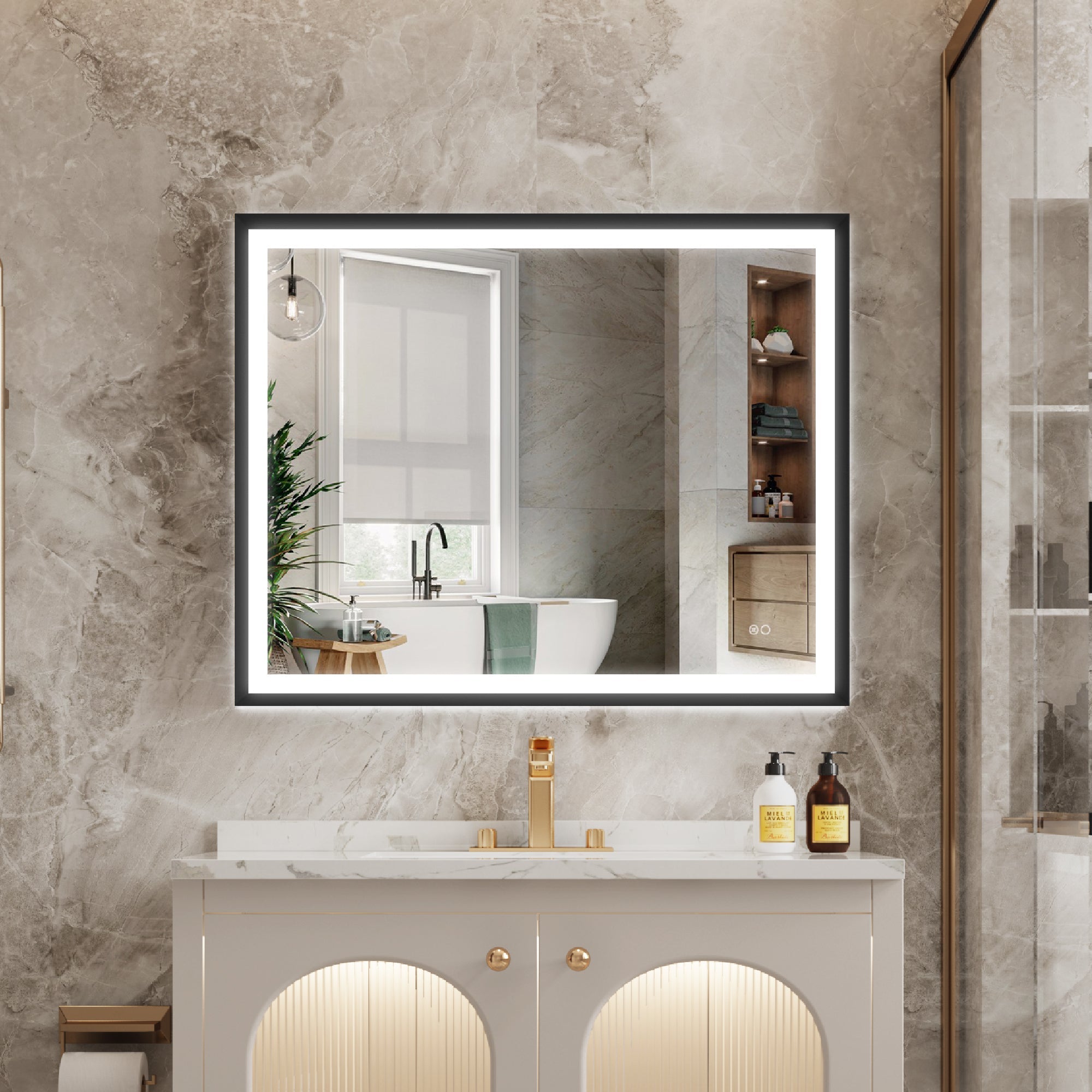
The proportional relationship between vanity and mirrors affects the overall coordination. It is usually recommended that the mirror width be 70% to 90% of the countertop width. For example, a 36-inch countertop can be paired with a 28-inch to 32-inch mirror.
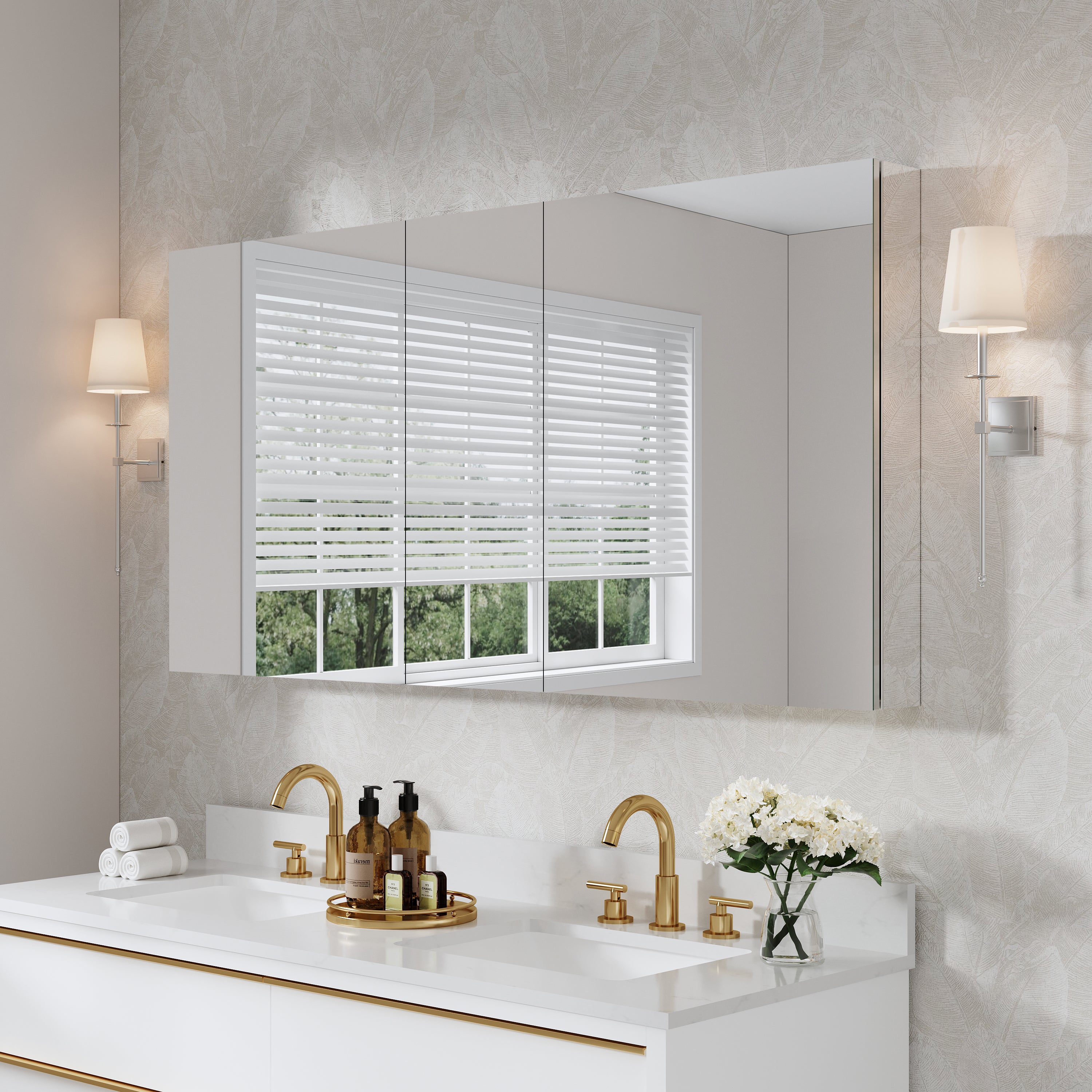
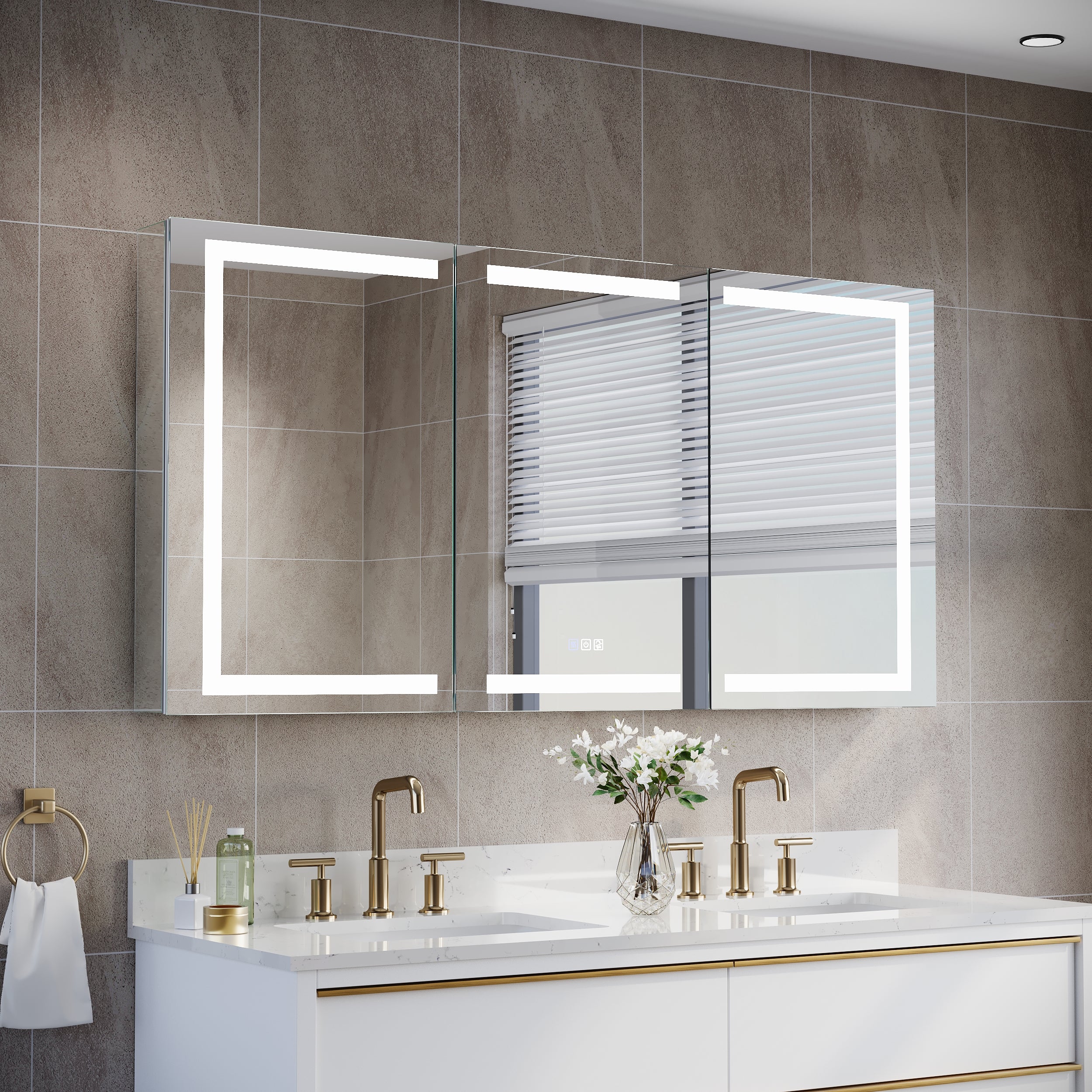
In a 60-inch dual basin layout, two 30-inch mirrors or one 54-inch to 60-inch integral mirror can be selected.
The data shows that when the imbalance of mirror proportion exceeds 10%, the spatial coordination score significantly decreases.
7. Integration of lighting and functionality
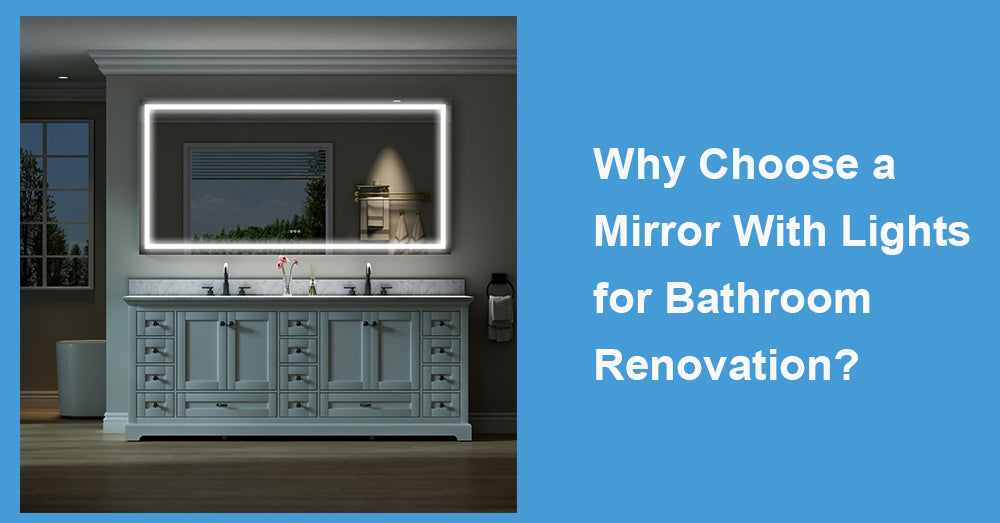
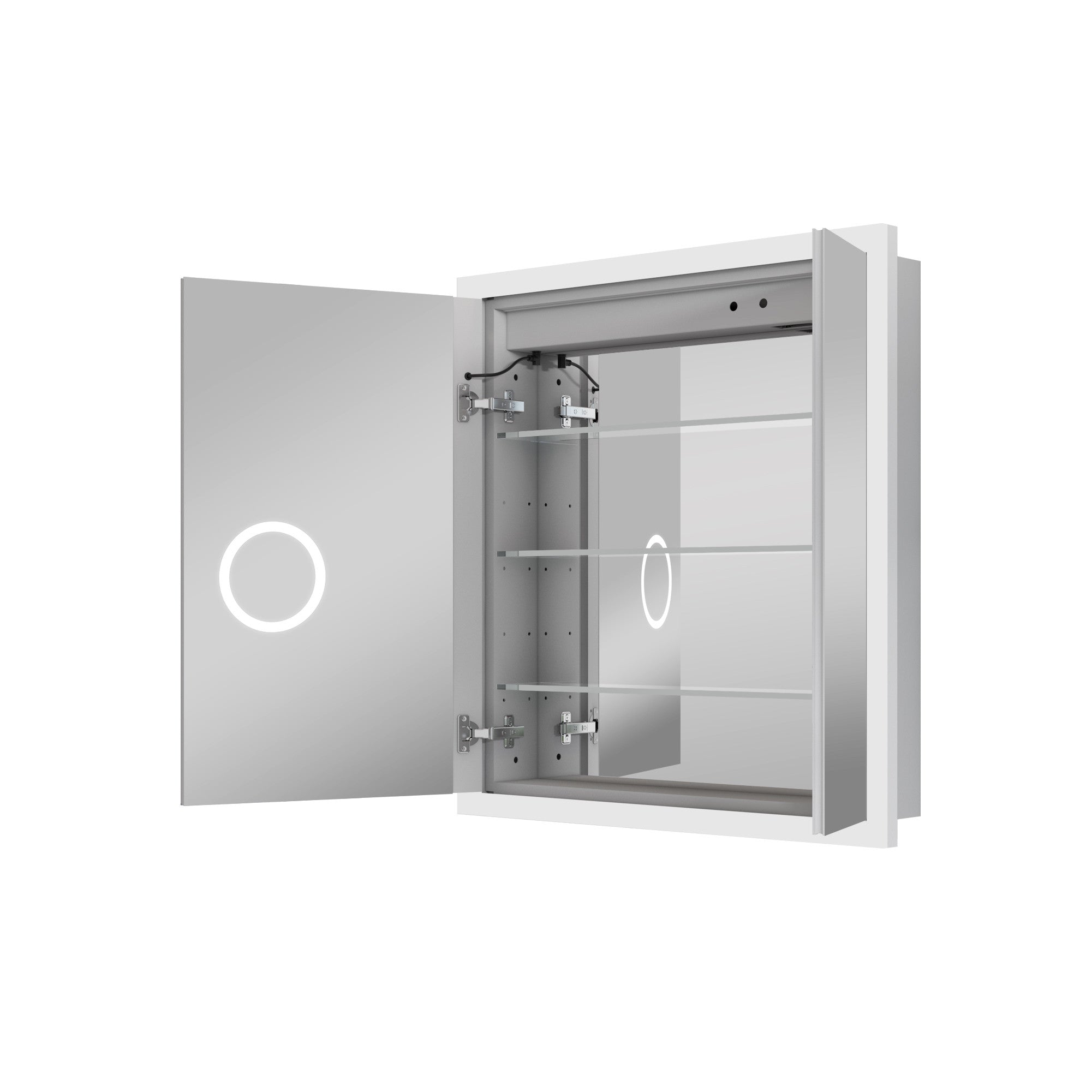
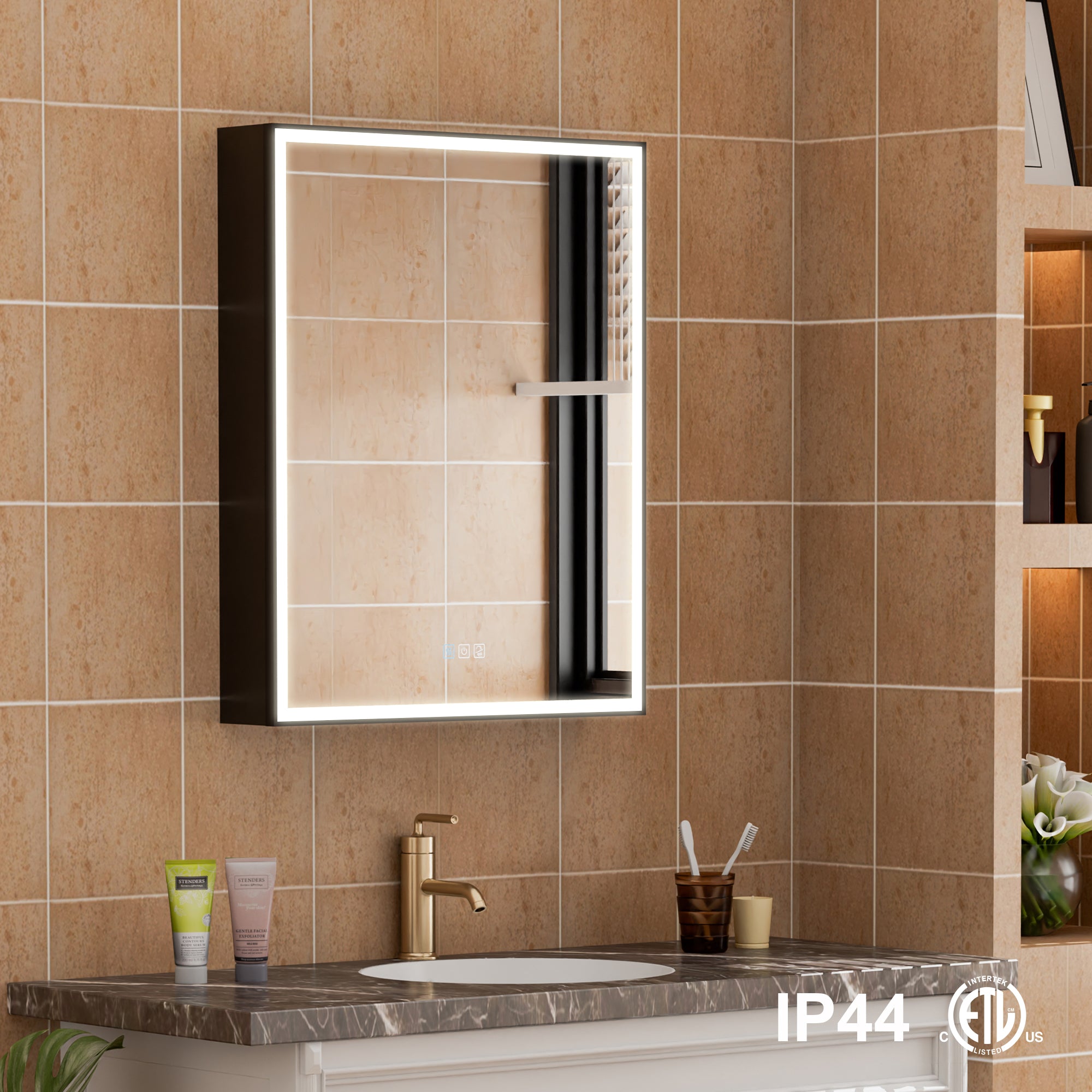
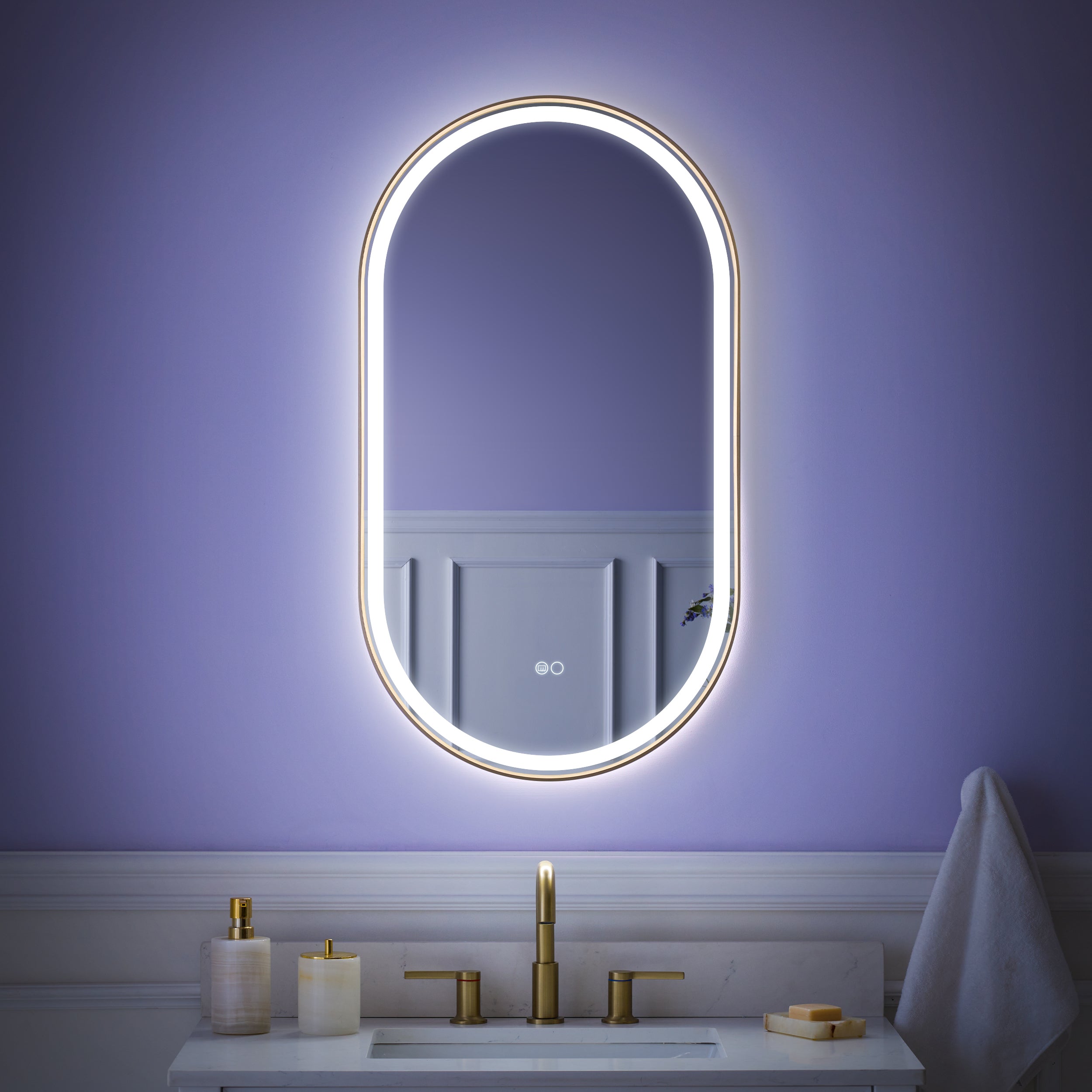
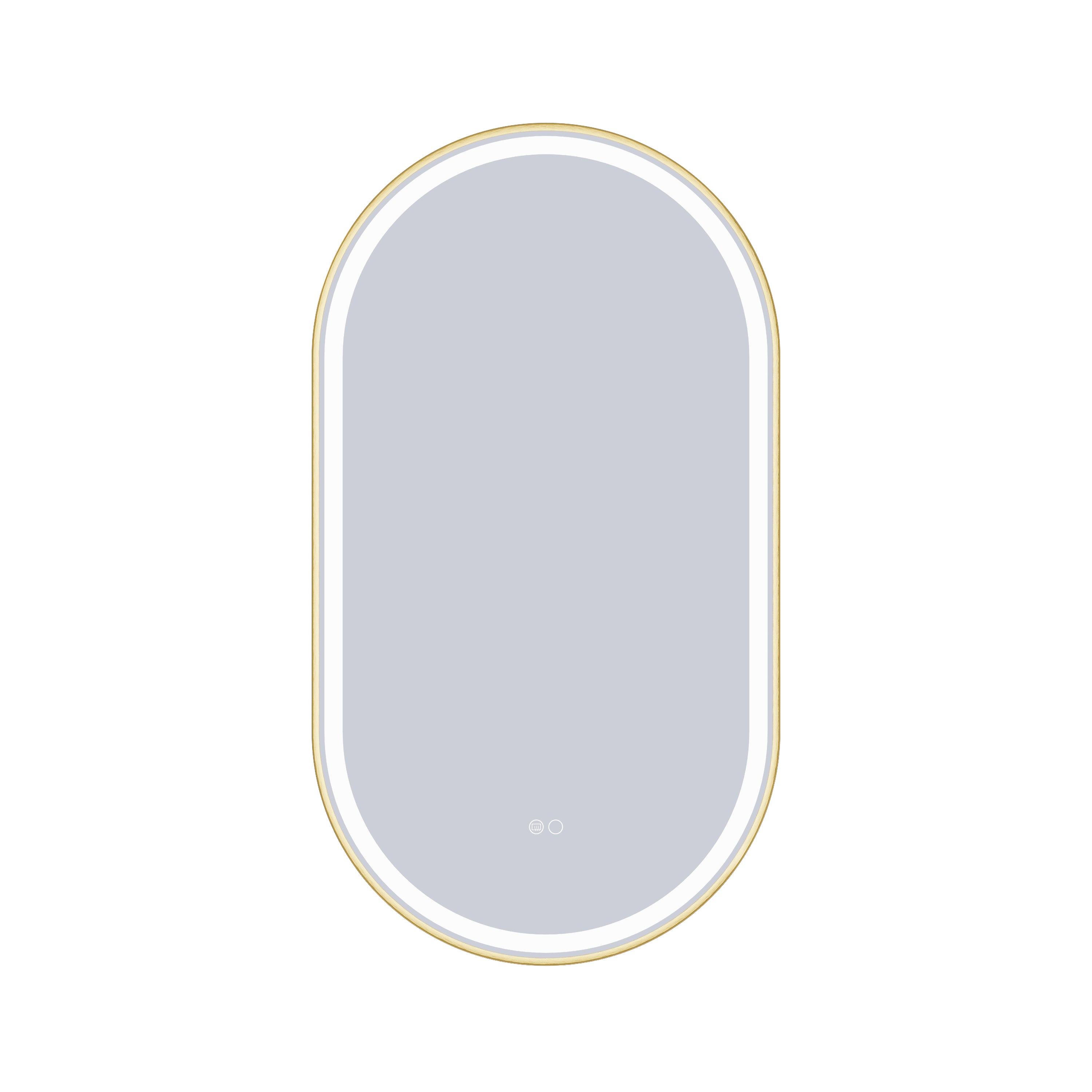
Modern bathroom design emphasizes layered lighting. 36-inch illuminated mirror typically outputs 1200 to 2000 lumens; The wider model can reach over 3000 lumens.
When the color rendering index (CRI) reaches 90 or above, facial shadows decrease by about 20%. In the layout combining double-sided wall lamps and mirror light sources, illumination uniformity improves by about 25%.
Reasonable lighting not only affects functionality but also directly enhances spatial texture.
8. Budget and Long-Term Value
The price range of a vanity varies greatly. The combination of solid wood and quartz countertops is usually about 20% to 40% higher than MDF and artificial stone structures. But if the usage cycle exceeds 10 years, the average annual cost of high-quality materials is actually lower.
Industry data shows that, in satisfaction surveys conducted more than 5 years after renovation, high-quality cabinets receive significantly higher ratings than low-priced products.
In the renovation process, choosing durable structures often has more long-term value than pursuing short-term savings.

9. Conclusion
Choosing the appropriate bathroom luxury is not simply about pursuing size or appearance, but rather about carefully considering space ratio, storage requirements, material durability, and lighting layout. From a 24-inch compact structure to a 72-inch double-basin width, every inch of size affects the user experience. Only through precise measurement, reasonable configuration, and long-term planning can a balance be achieved between functionality and aesthetics, delivering lasting, stable value in bathroom renovations.














Leave a comment
This site is protected by hCaptcha and the hCaptcha Privacy Policy and Terms of Service apply.