
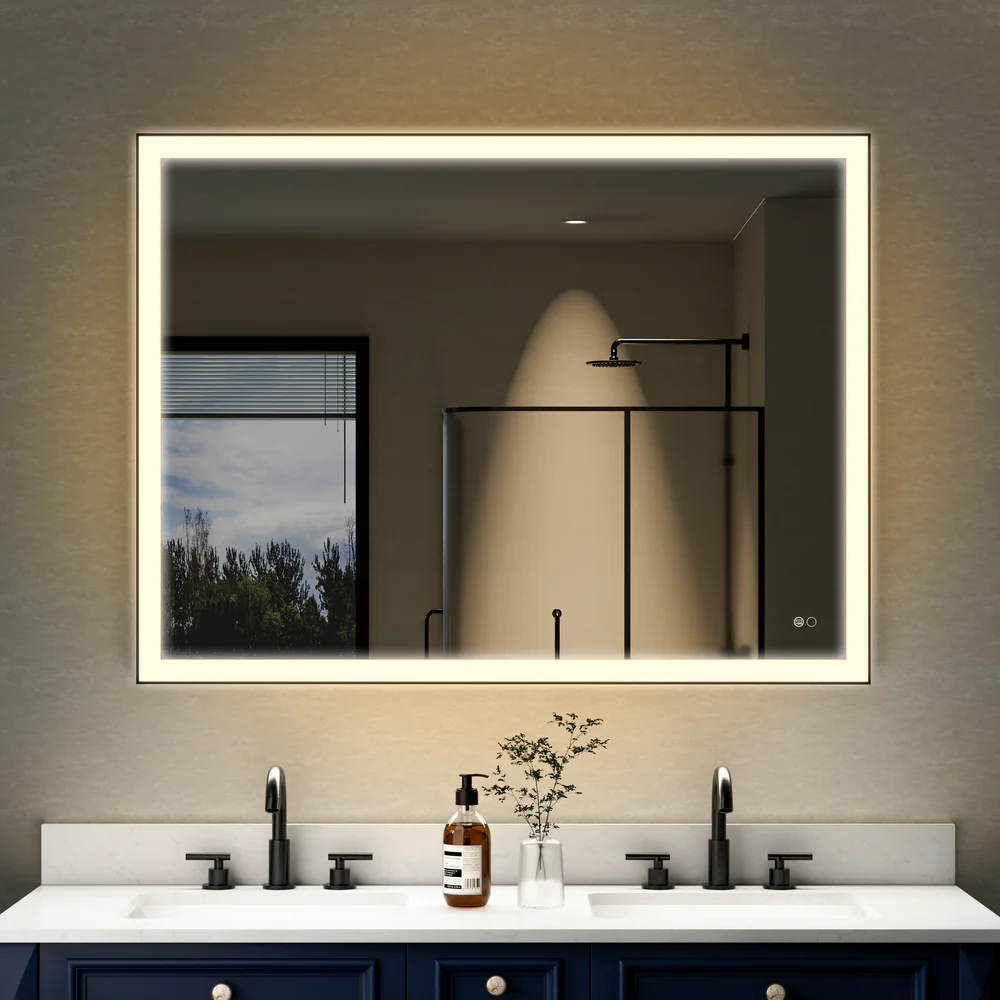
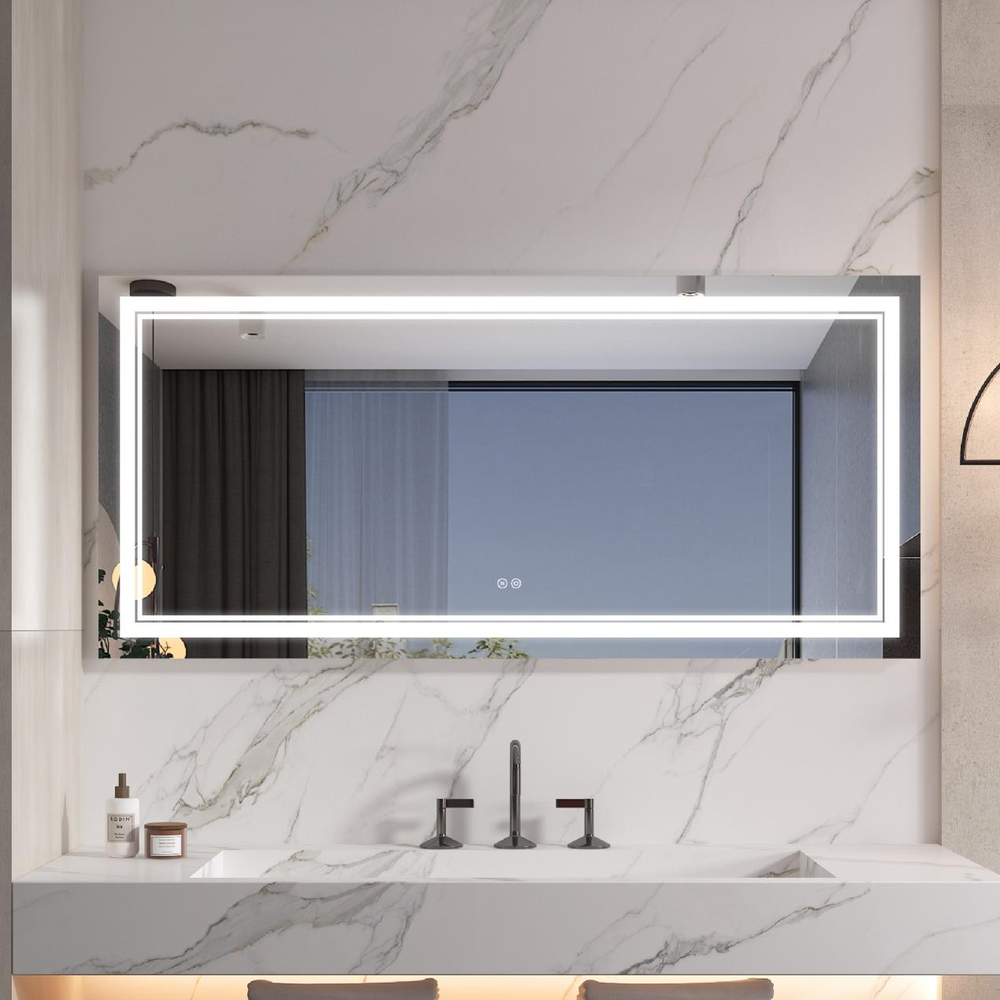
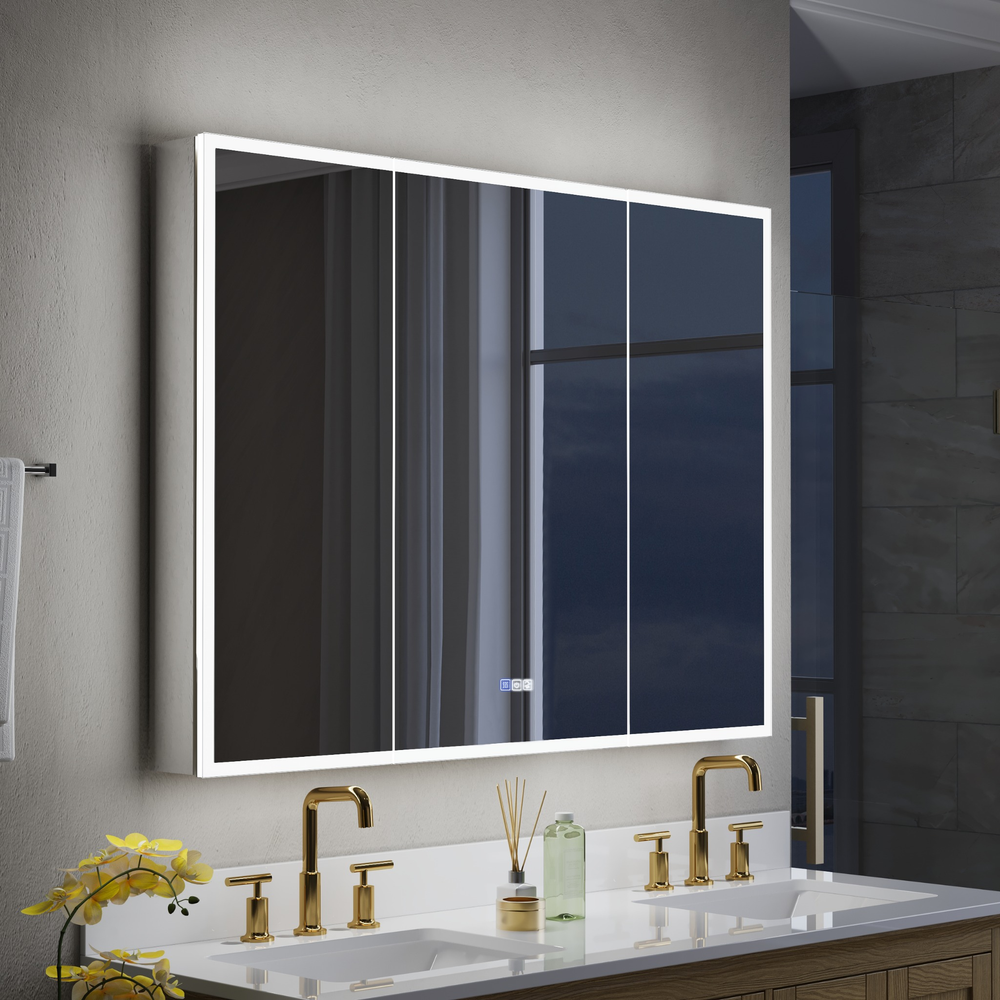
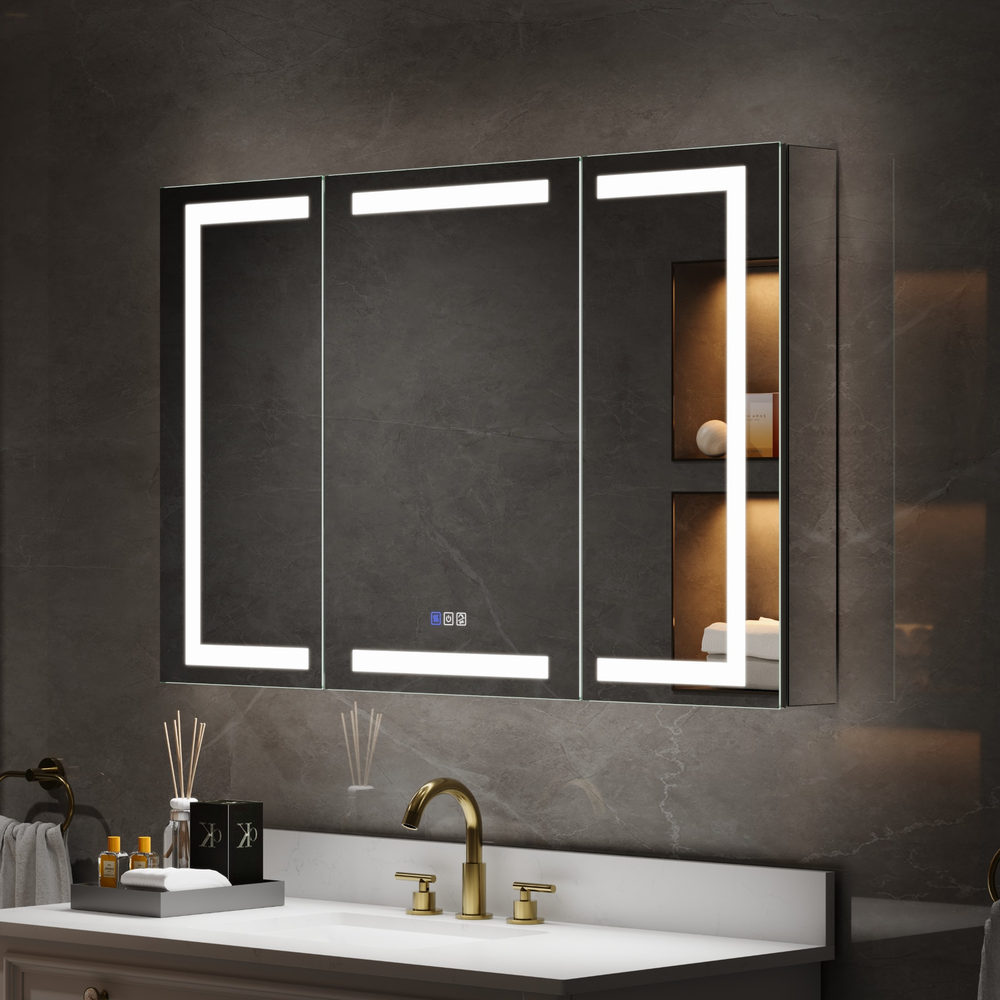


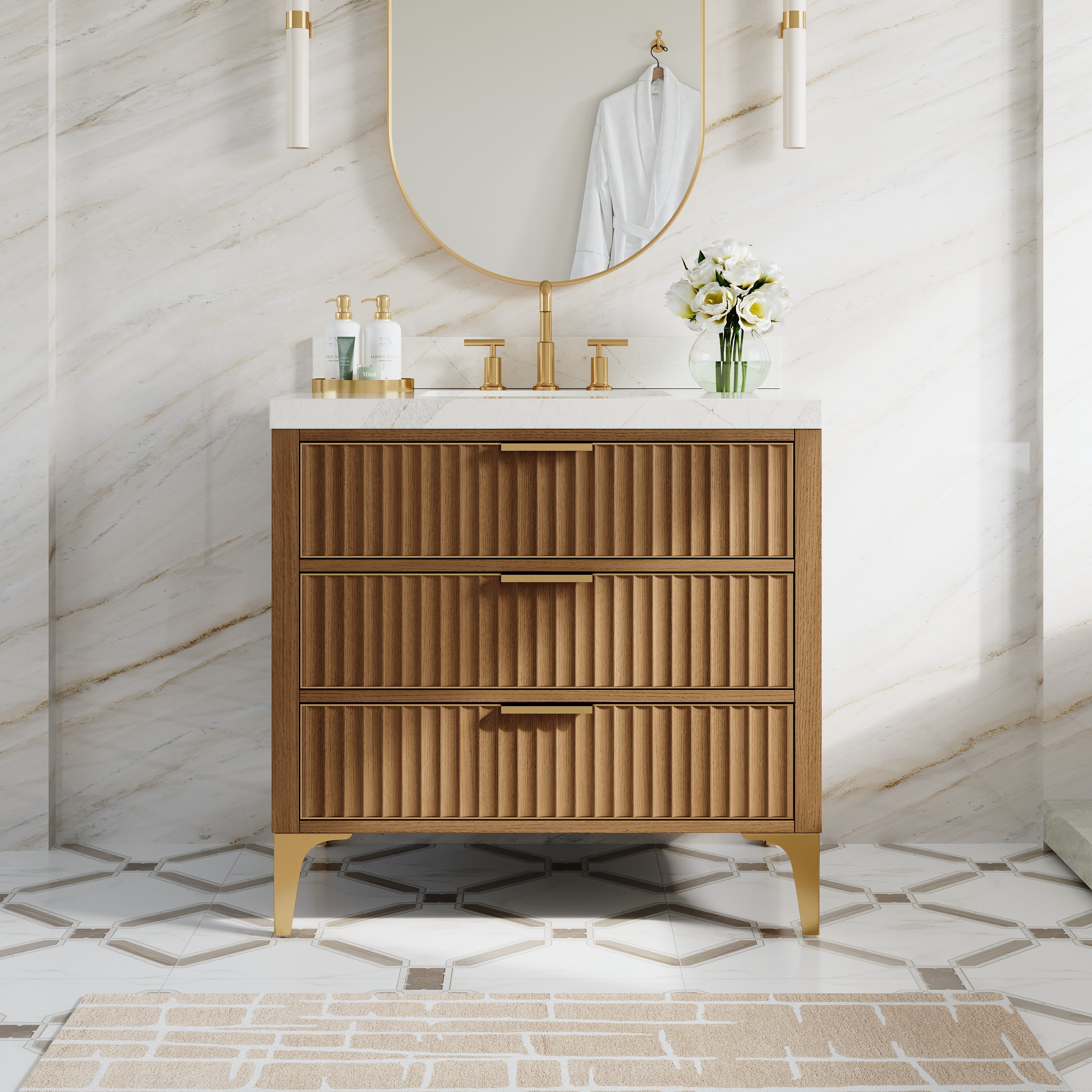
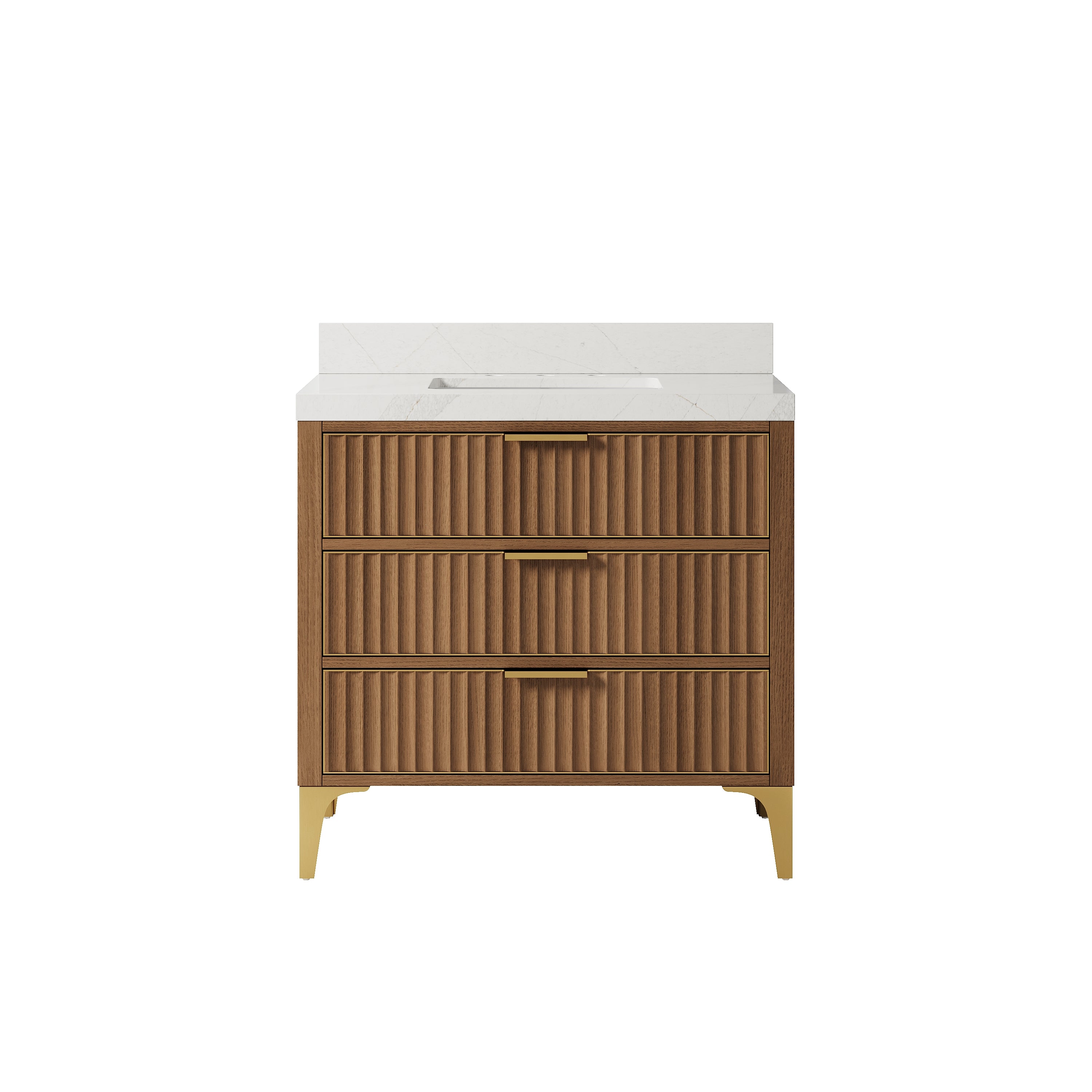
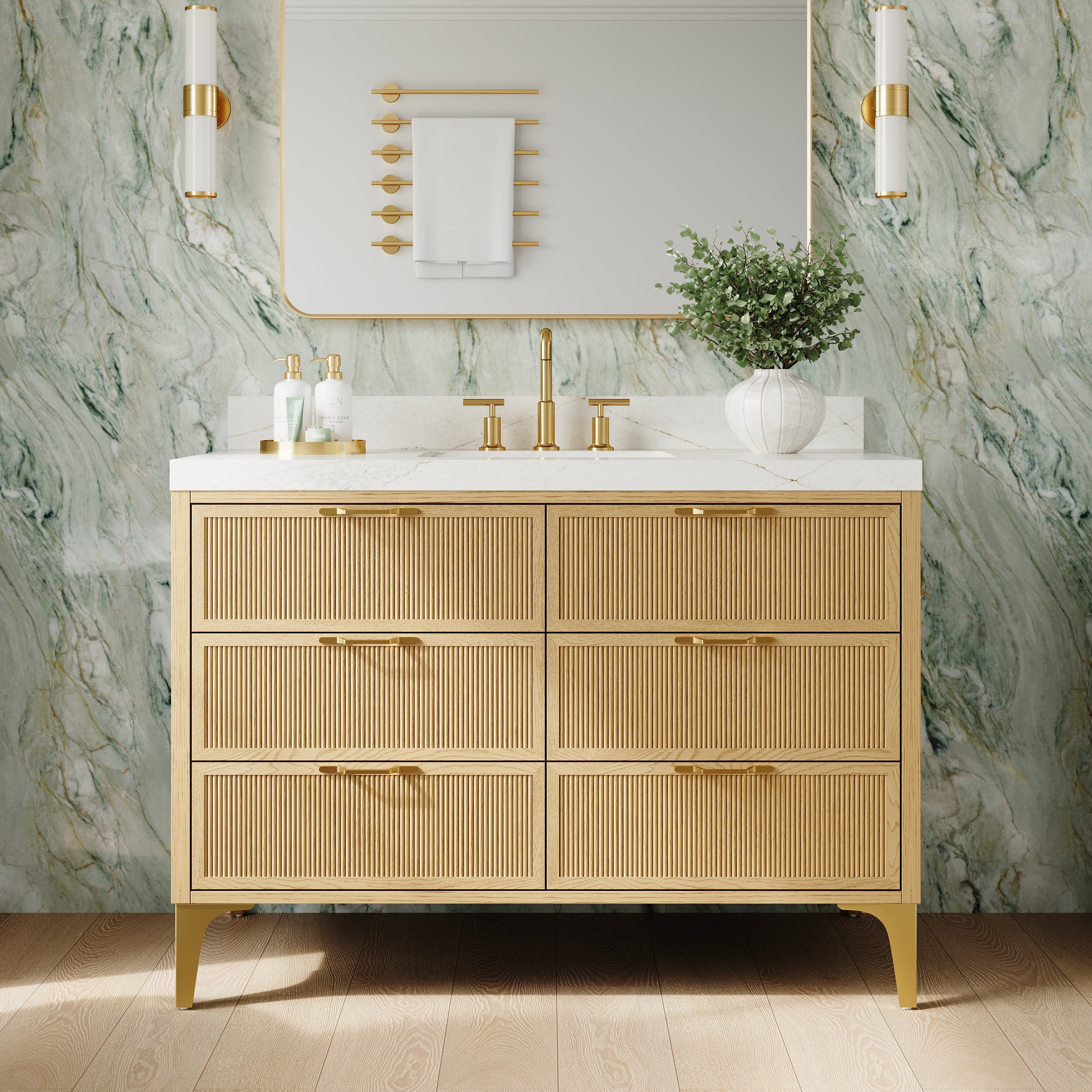
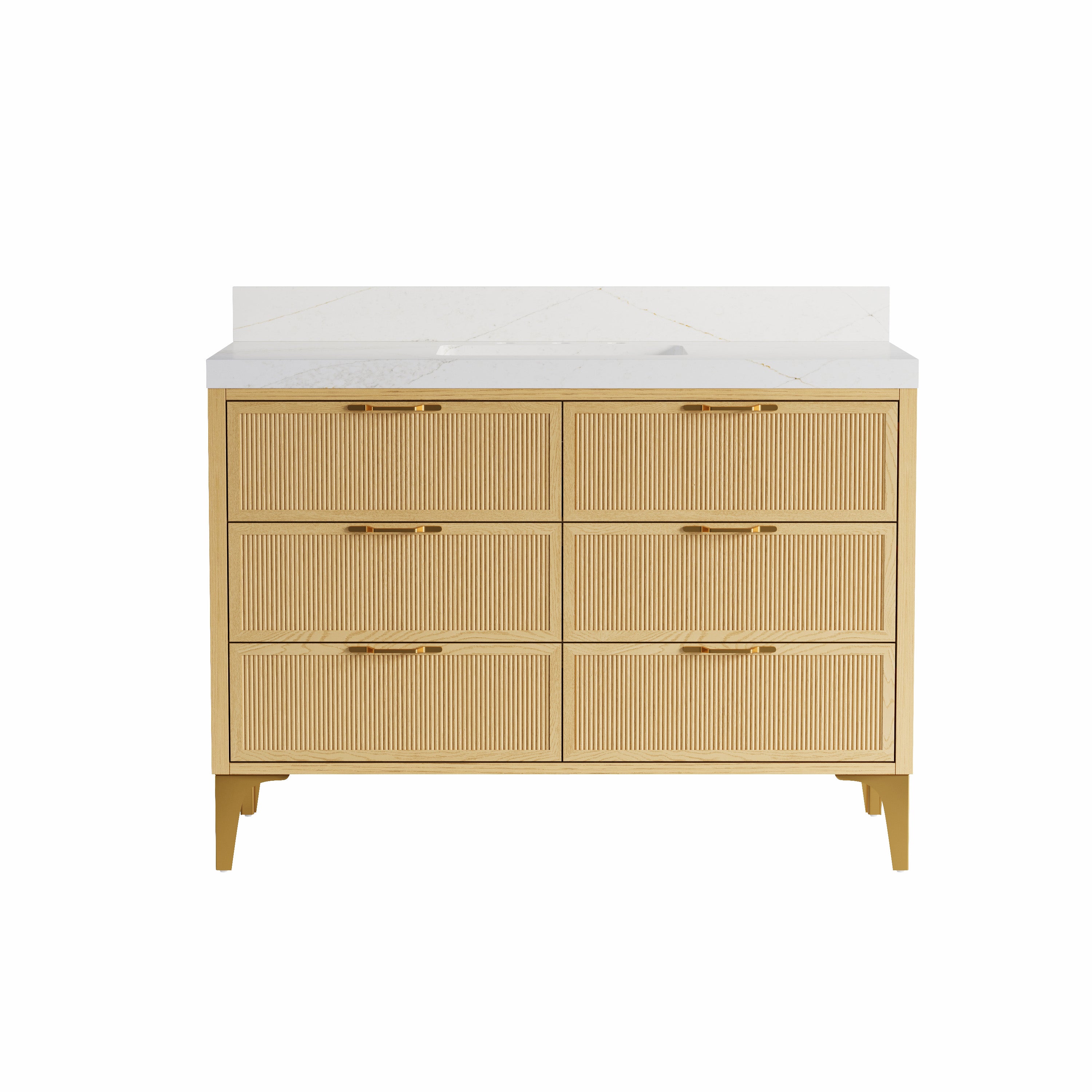
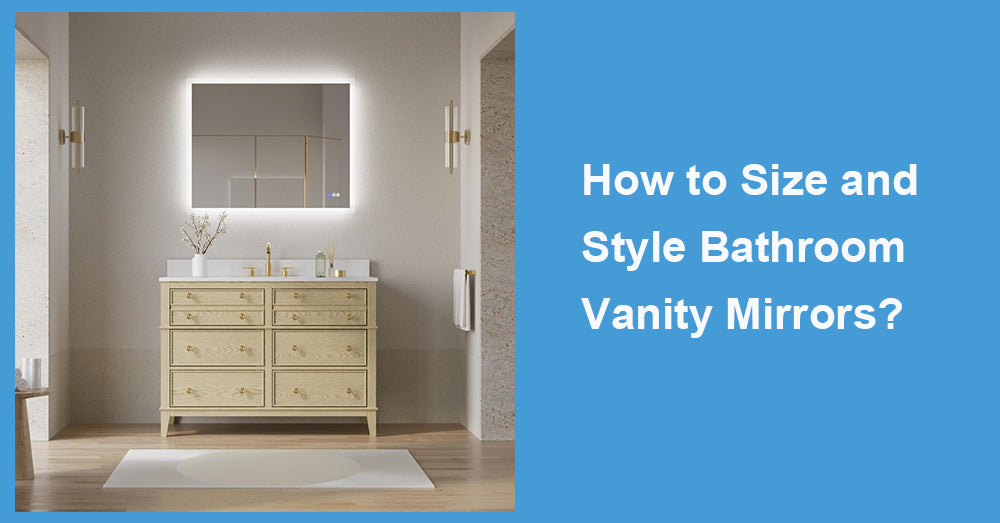
In modern bathroom design, bathroom vanity mirrors are no longer just simple functional components, but core elements that determine spatial proportions and visual hierarchy. From a 24-inch single-basin layout to a 60-inch or 72-inch double-basin structure, the size and style of mirrors directly affect spatial comfort, lighting effects, and overall coordination. Data shows that in bathroom renovation projects, over 70% of homeowners upgrade their mirrors synchronously when replacing the vanity, but about 30% of the space has a "size ratio imbalance" issue. Understanding the proportions between mirrors and countertops is key to achieving a balance between aesthetics and practicality.
1. Mirror width: proportion takes precedence over absolute size
In design practice, a common principle is to control the mirror width to 70%-90% of the vanity width. For example, in a 36-inch single-basin vanity, the mirror width is usually 26 to 32 inches. If the mirror is the same width as the countertop, the visual effect may appear crowded; if it is narrower by more than 8 inches, it may result in a proportional imbalance.
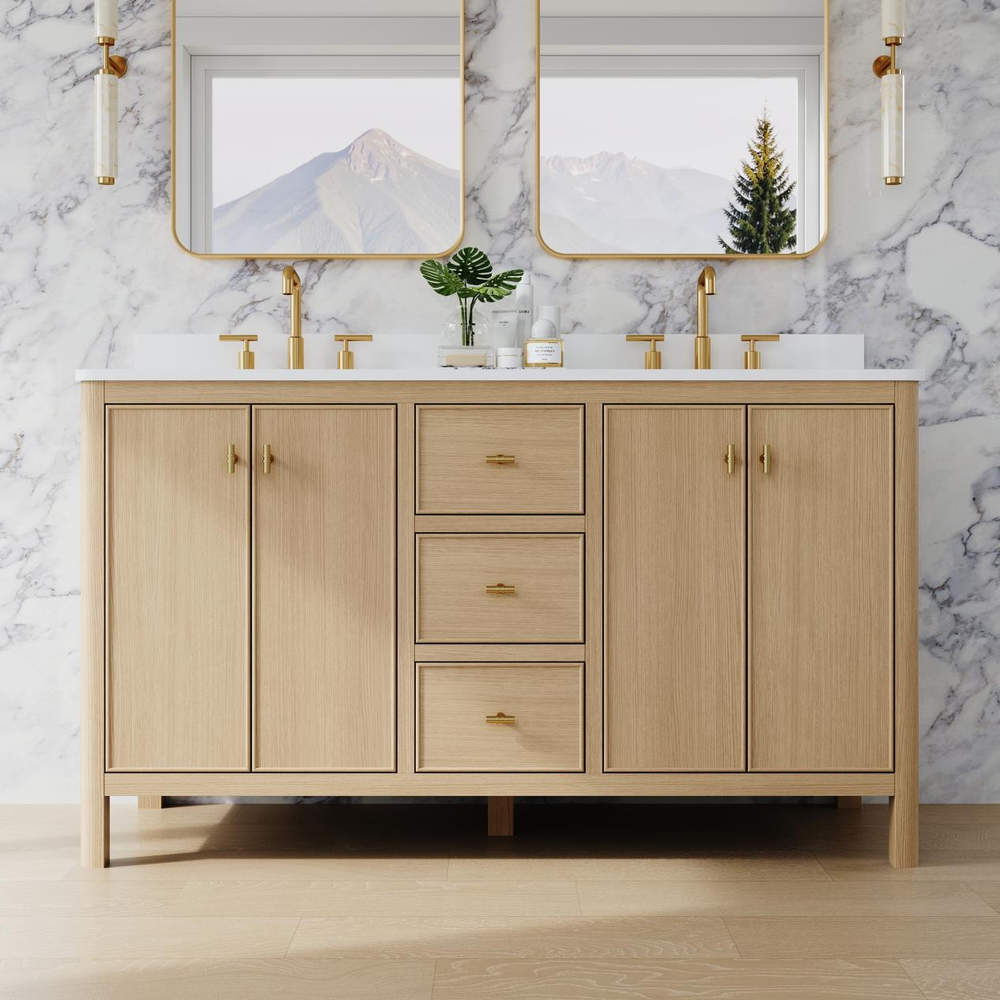
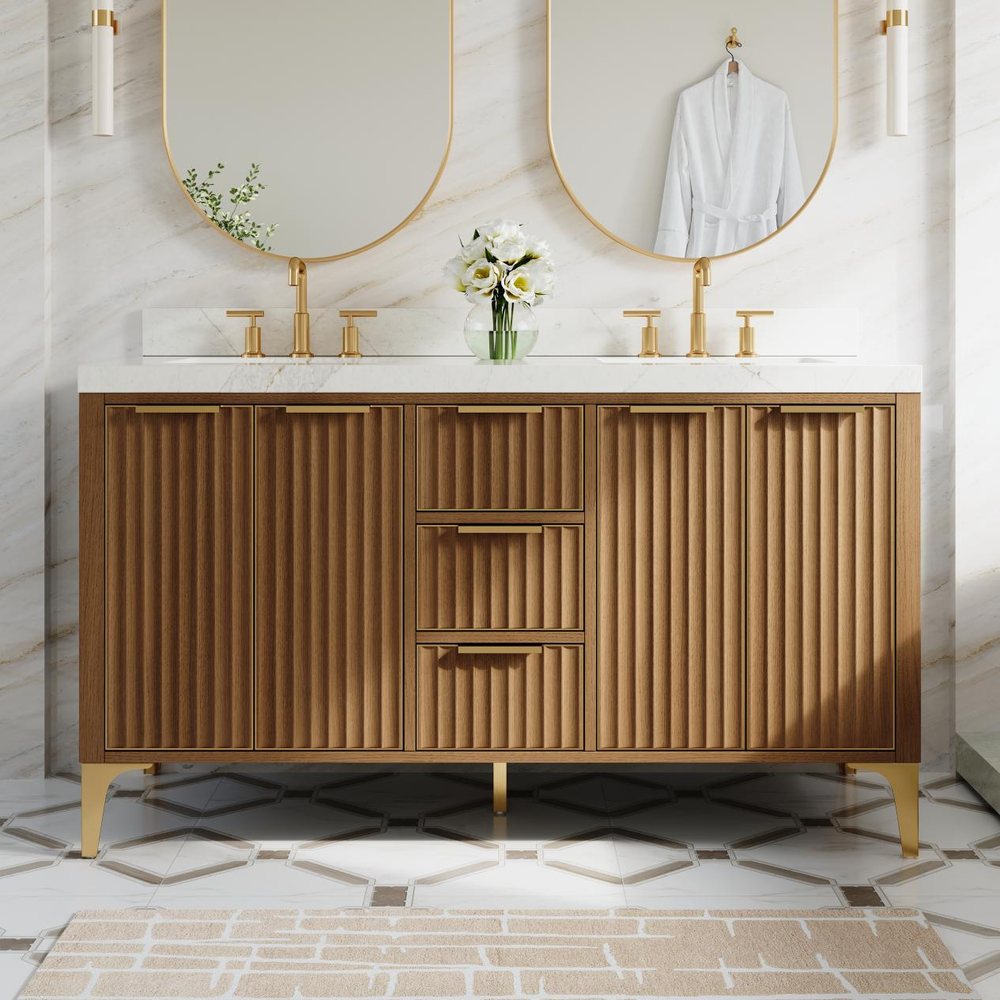
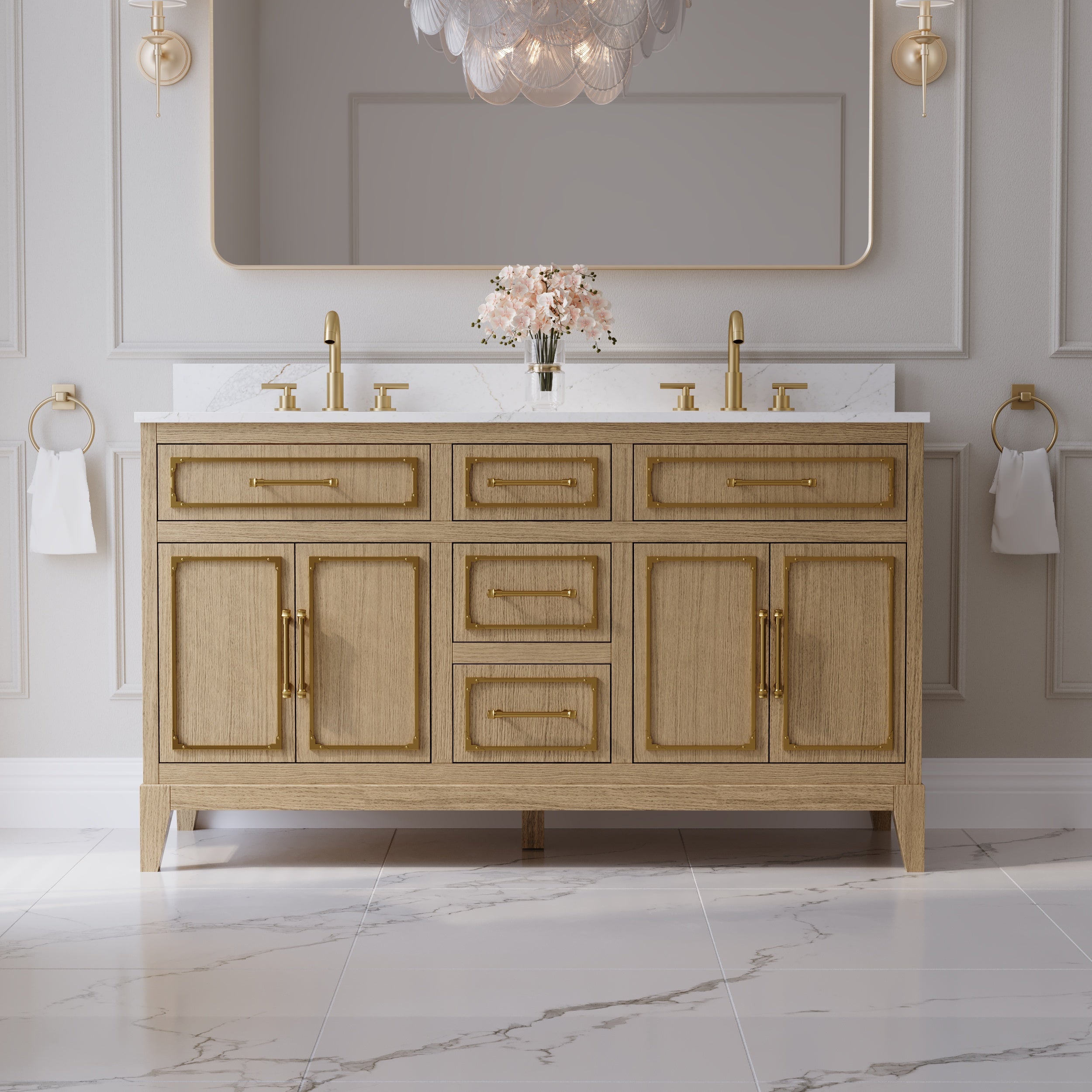
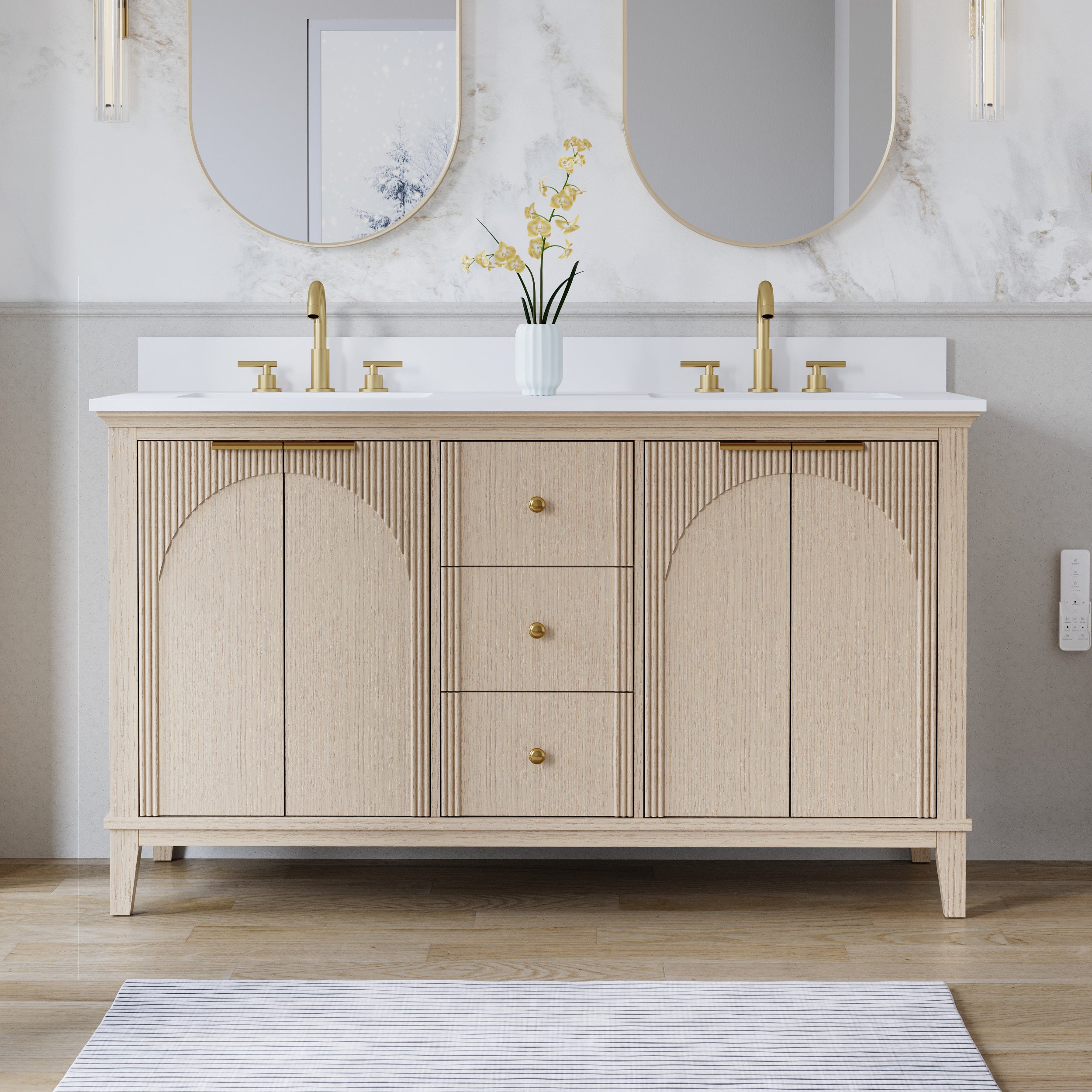
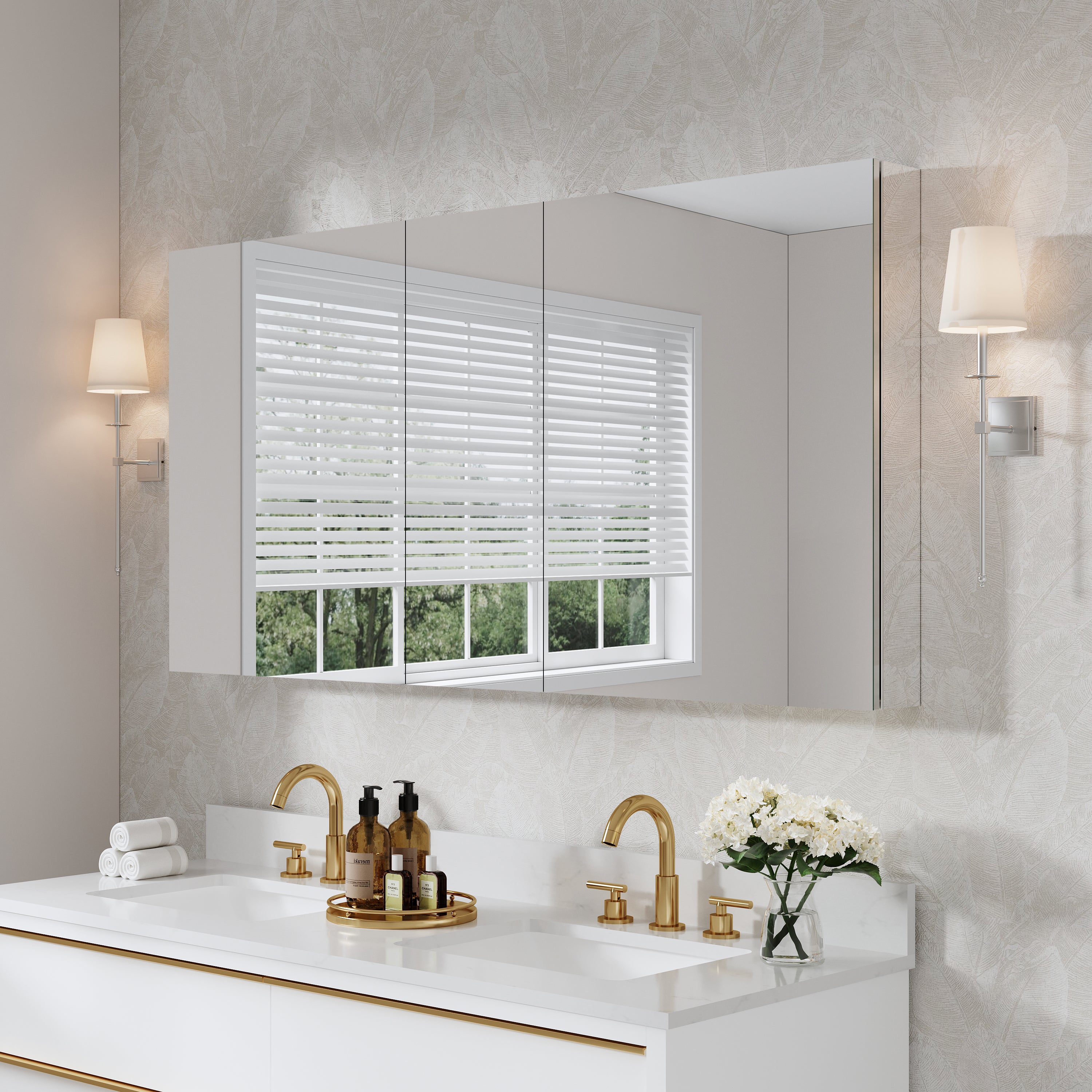
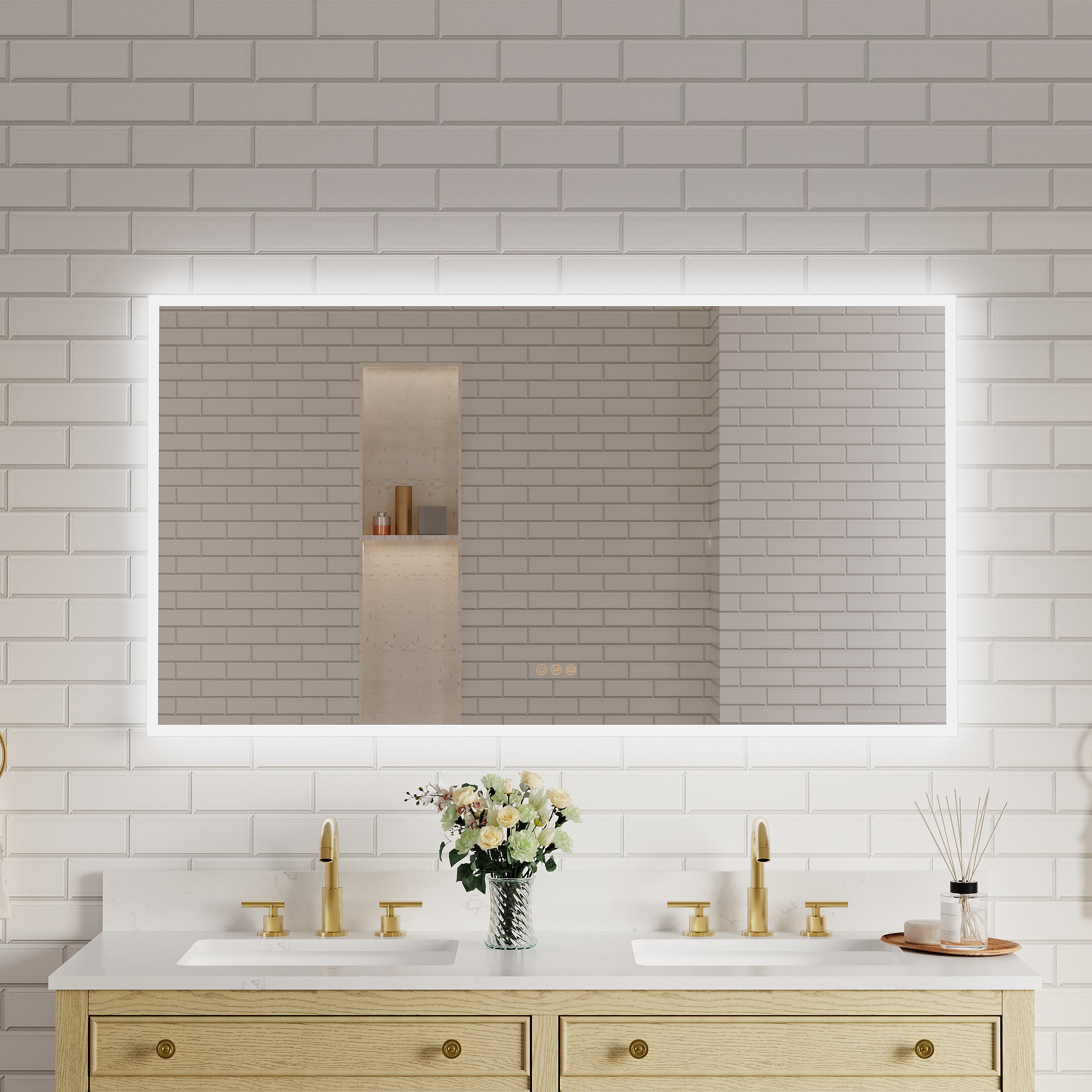
In the 60-inch double bowl structure, there are two mainstream methods: one is to choose a 54-inch54-inch to 60-inch integrated mirror to create continuous vision; the second is to install two 24-inch to 30-inch independent mirrors, corresponding to two handwashing areas.
Data show that in a dual-person shared main guard, the satisfaction rate of a dual mirror layout is about 18% higher than that of a single large mirror, mainly due to clearer zoning and greater independence in use.
2. Mirror height and installation position
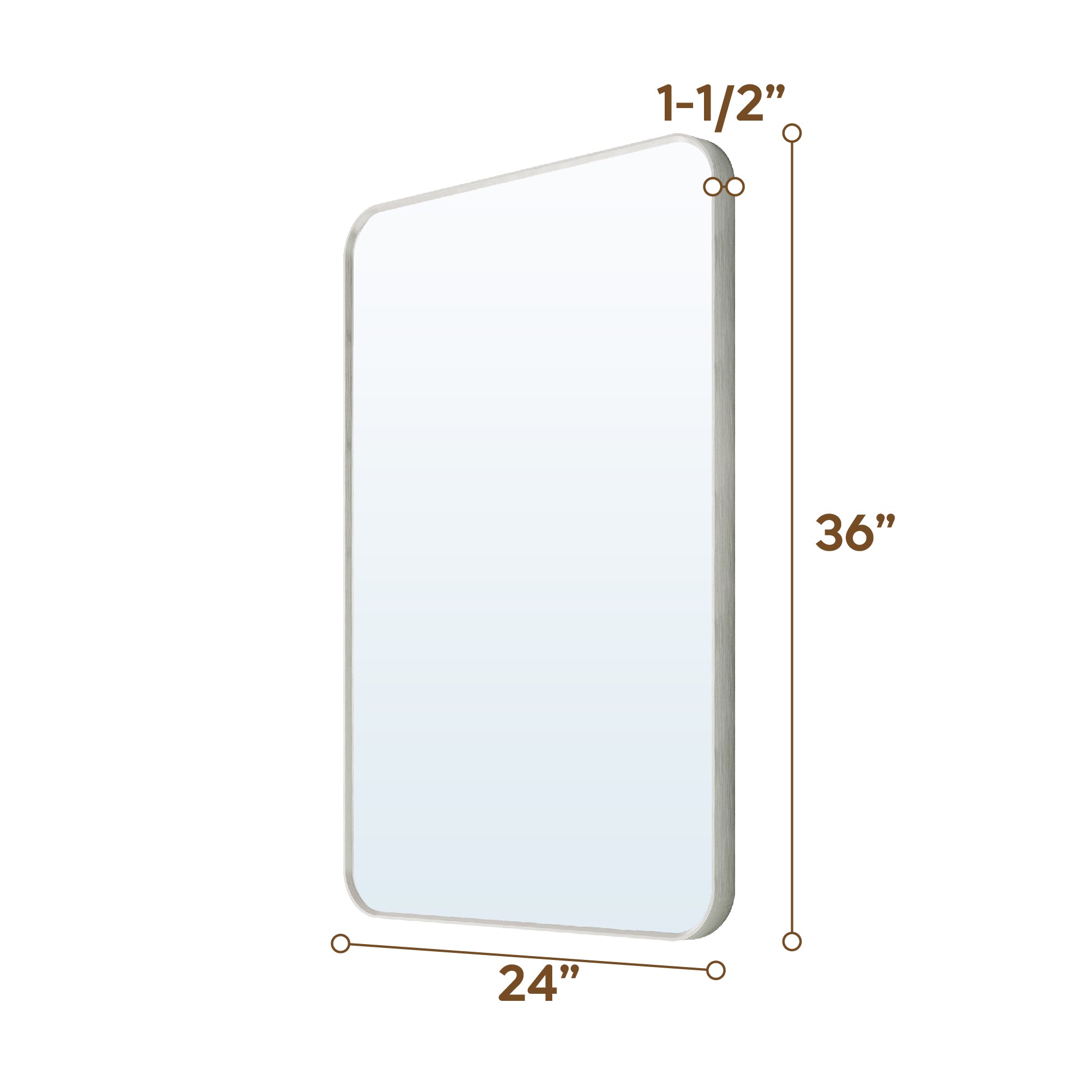
The mirror's height is equally crucial. Common mirror heights range from 30 inches to 36 inches. Two principles are usually followed during installation:
• Firstly, the center of the mirror is approximately 60 inches to 65 inches from the ground.
• Secondly, the distance between the lower edge of the mirror and the tabletop is about 5 inches to 10 inches.
For example, on a 36-inch-high Vanity, if the mirror height is 32 inches, install the lower edge 6 inches above the tabletop, and the upper edge is approximately 74 inches. This ratio is more coordinated in 8-foot high floor spaces.
The data show that when the distance between the lower edge of the mirror and the tabletop is less than 4 inches, the water-stain adhesion rate increases by about 15%; exceeding 12 inches affects visual coherence.
3. The size logic of small space and large space
In compact bathrooms with an area of less than 70 square feet, mirrors should not be too wide. It is recommended to control the width at around 75% of the countertop width to preserve the breathing sensation of the wall.
In the main bathroom, where the space exceeds 120 square feet, large mirrors can create a sense of visual extension. Especially in 9-foot-high floor spaces, choosing mirrors 40 inches or taller can enhance the vertical proportion.
Design data shows that on walls with a width exceeding 100 inches, the proportion of mirror vision remains most balanced between 40% and 60%.
4. Size difference between illuminated mirrors and traditional mirrors
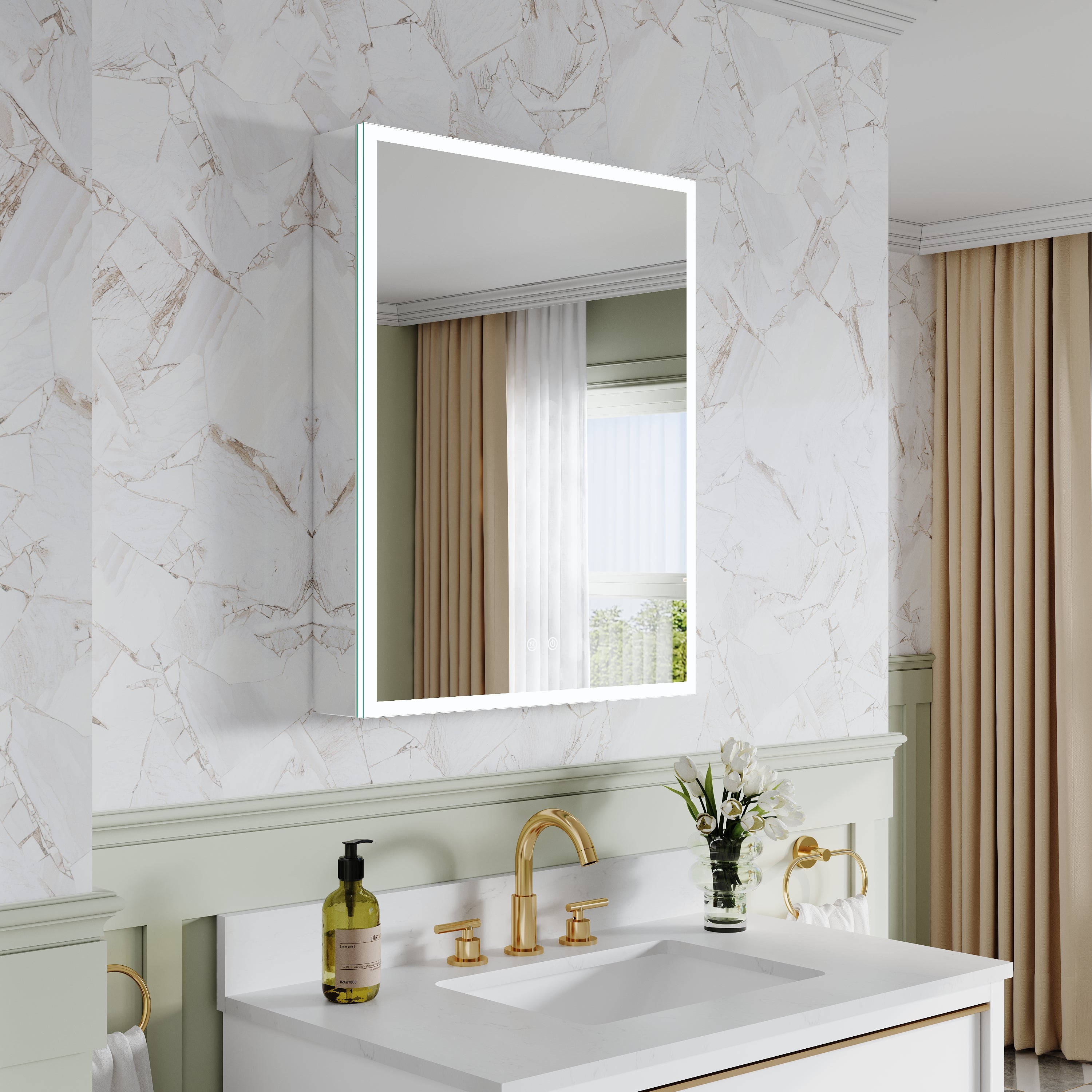
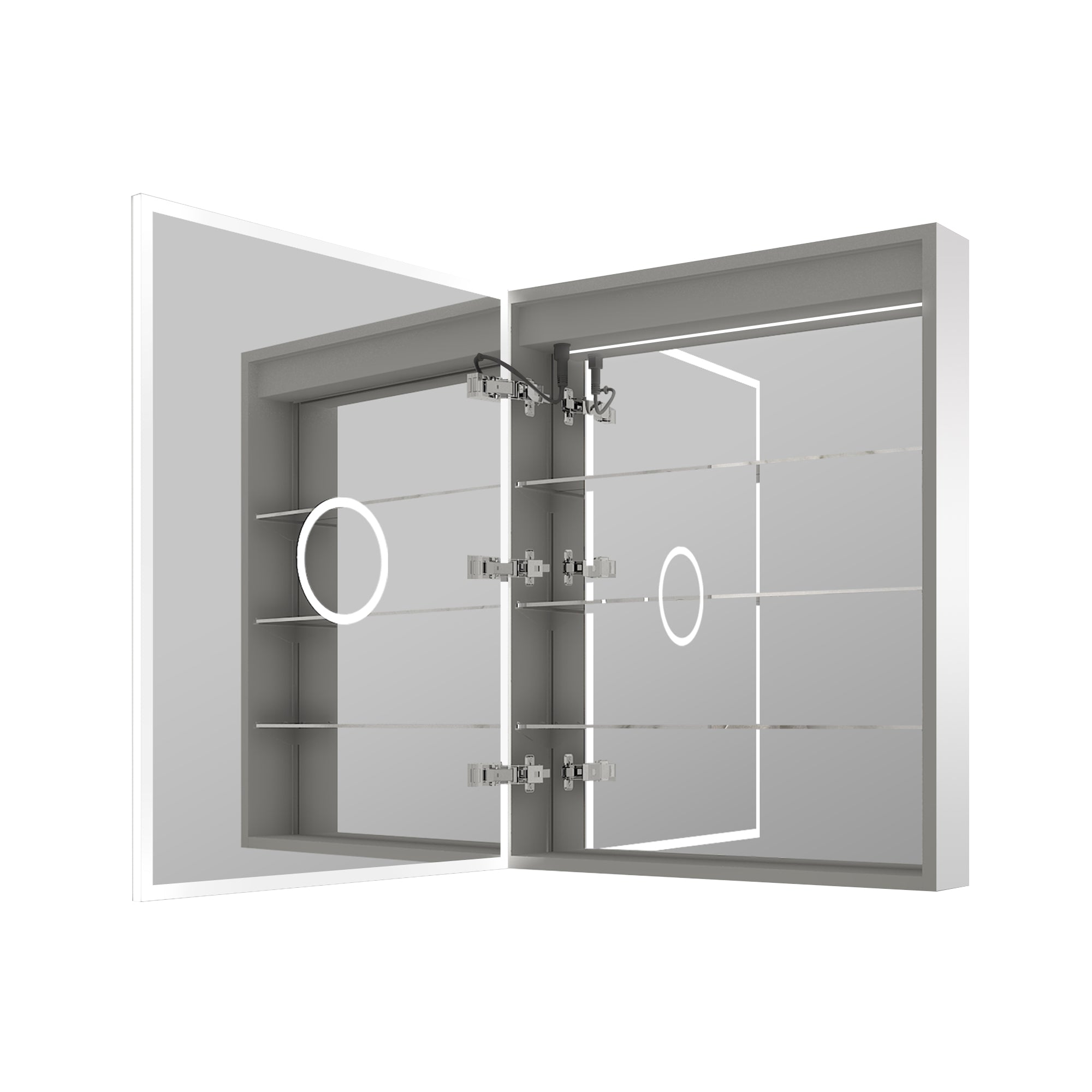
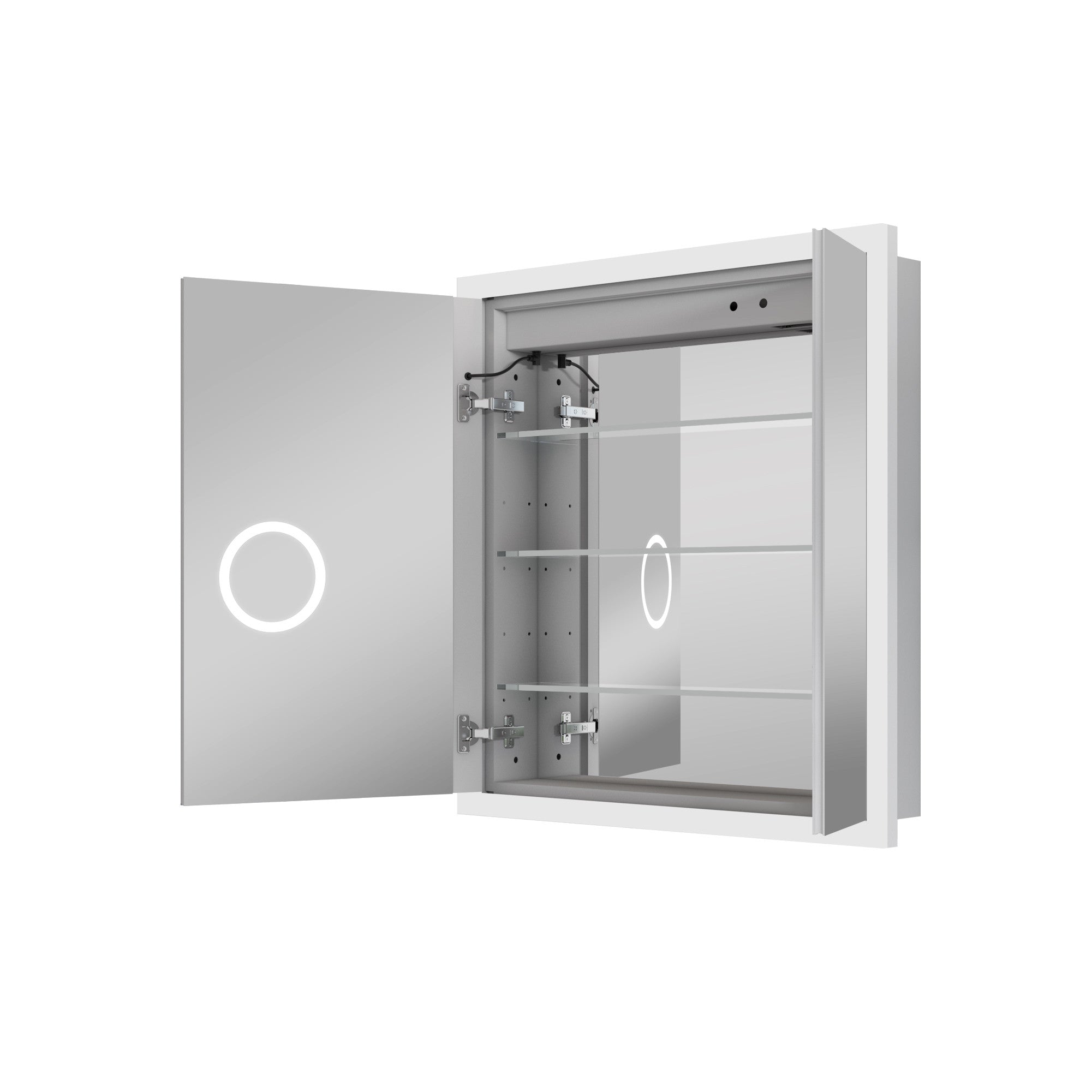
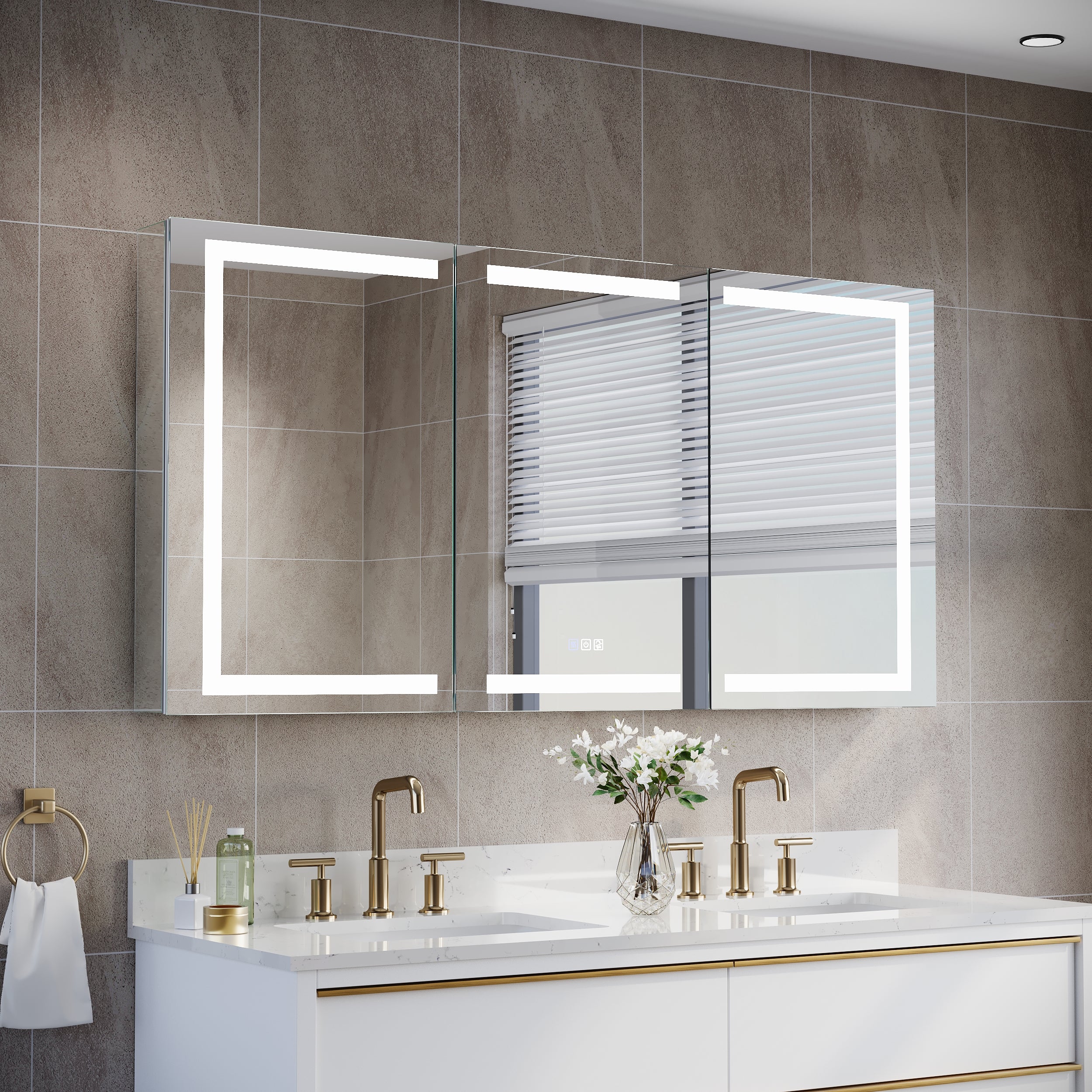
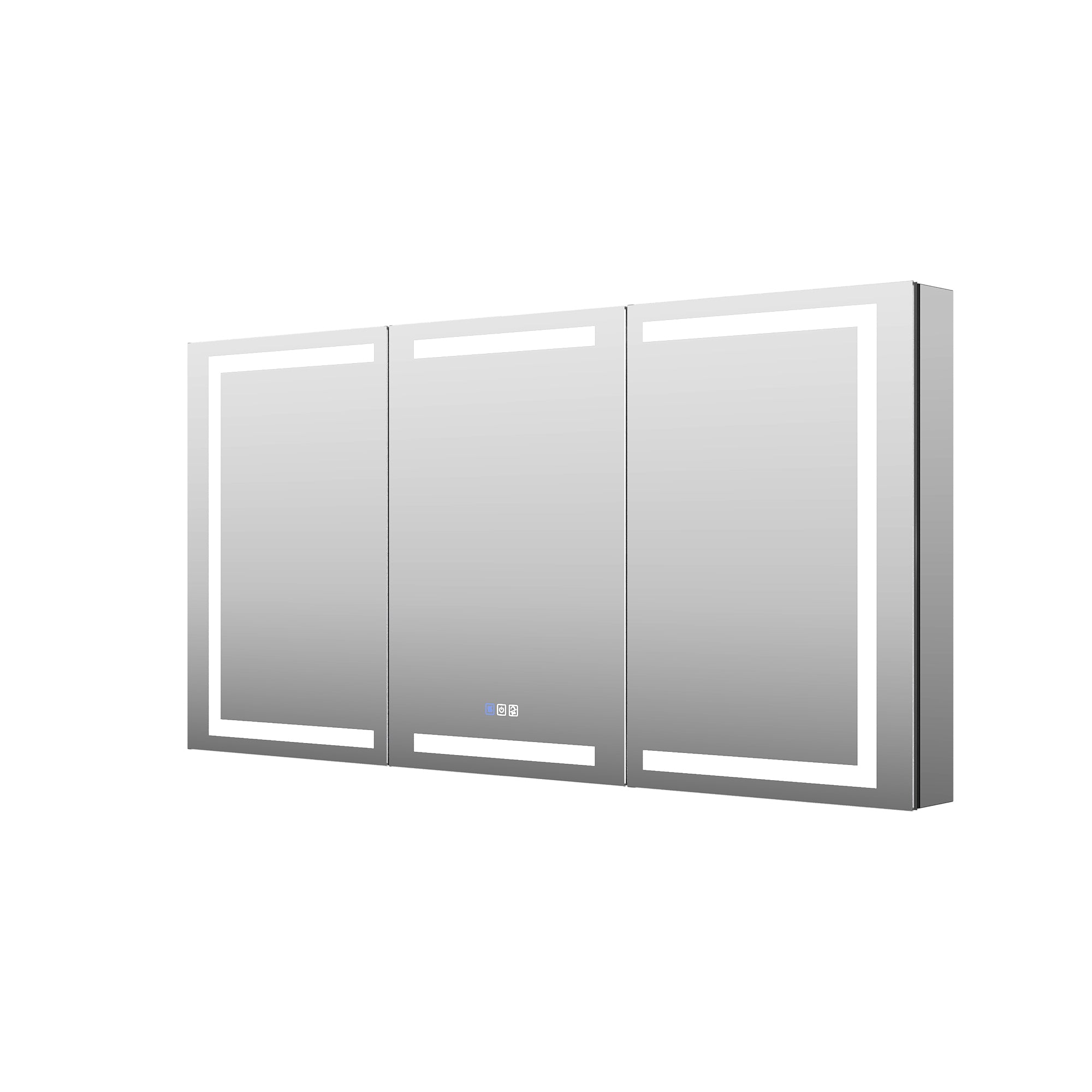
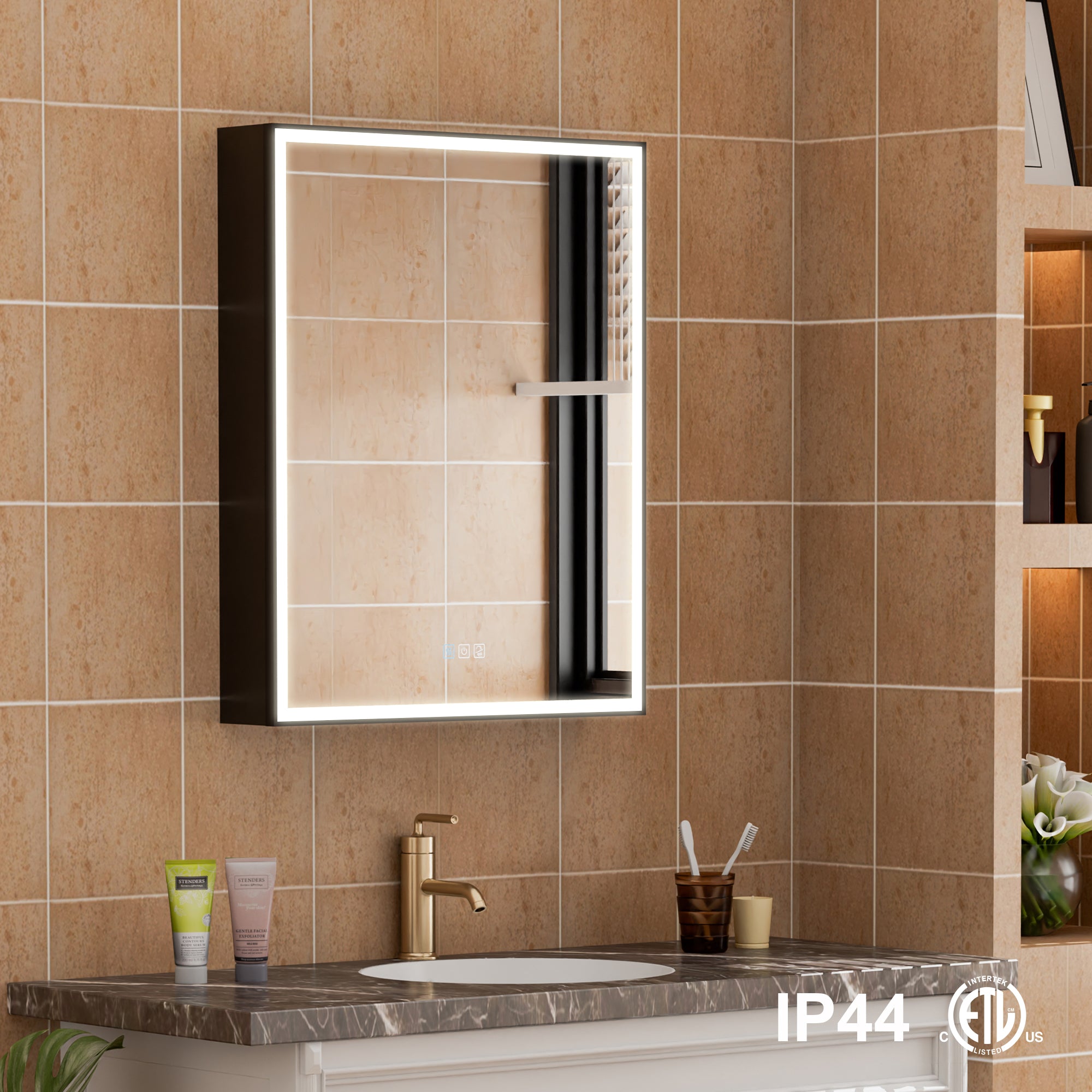
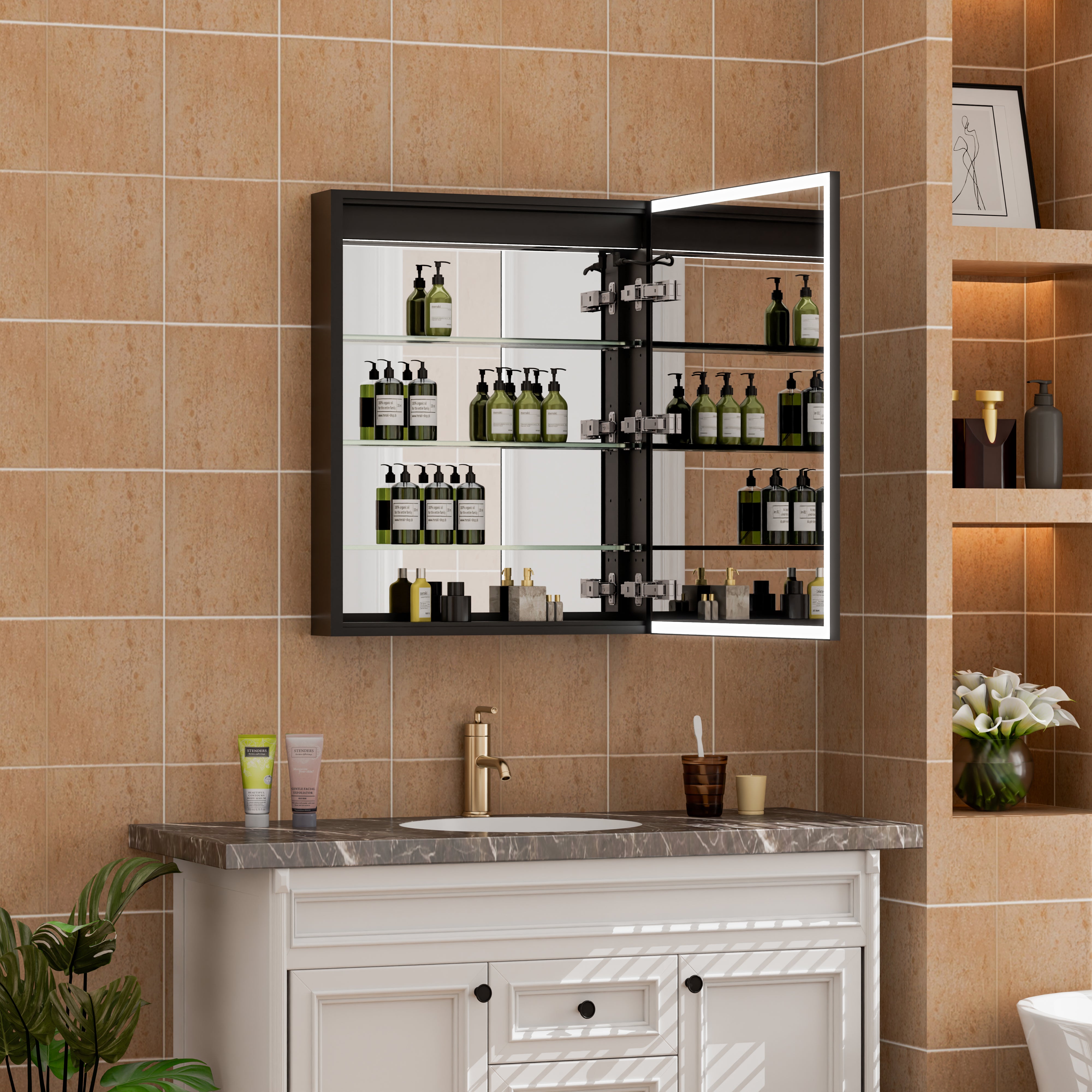
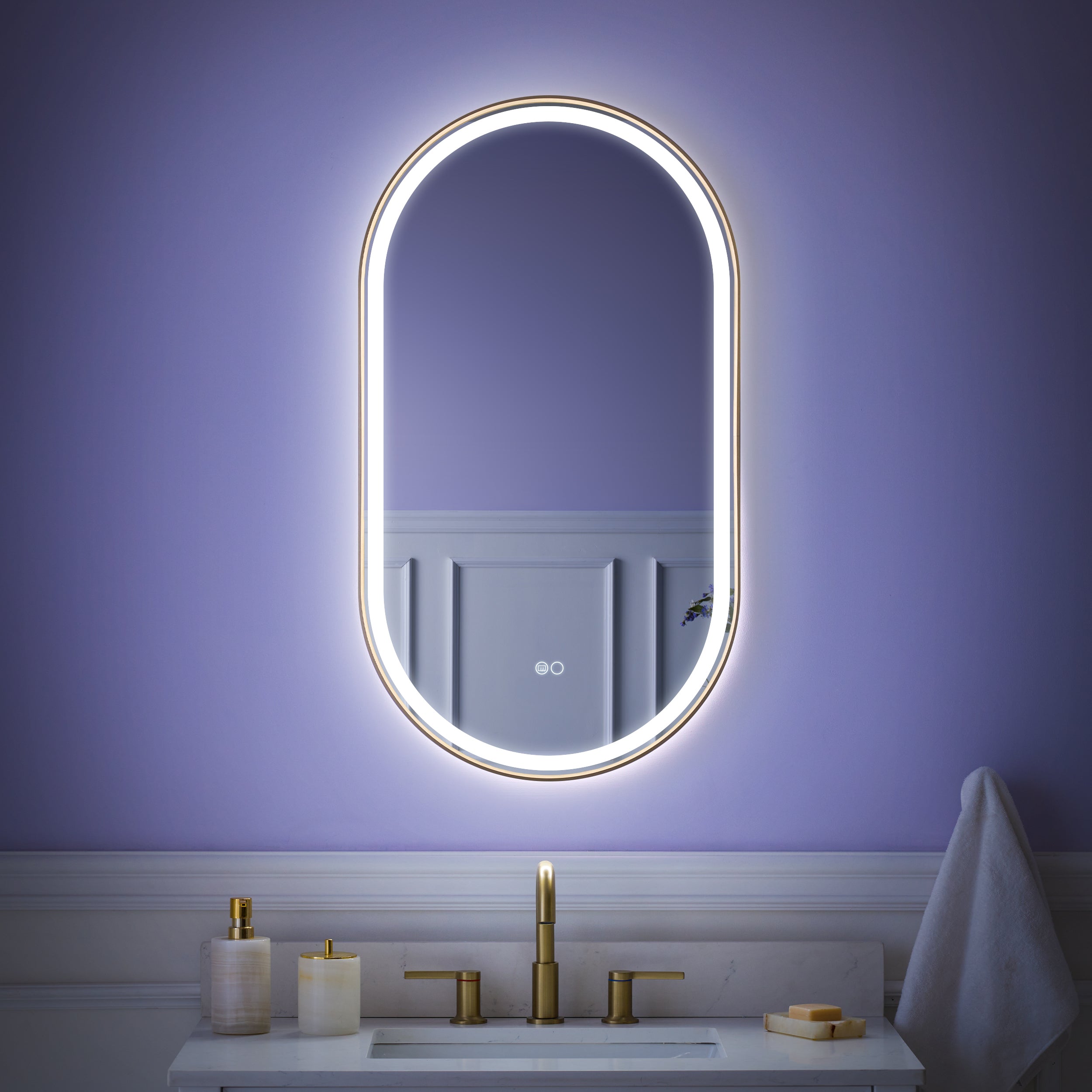
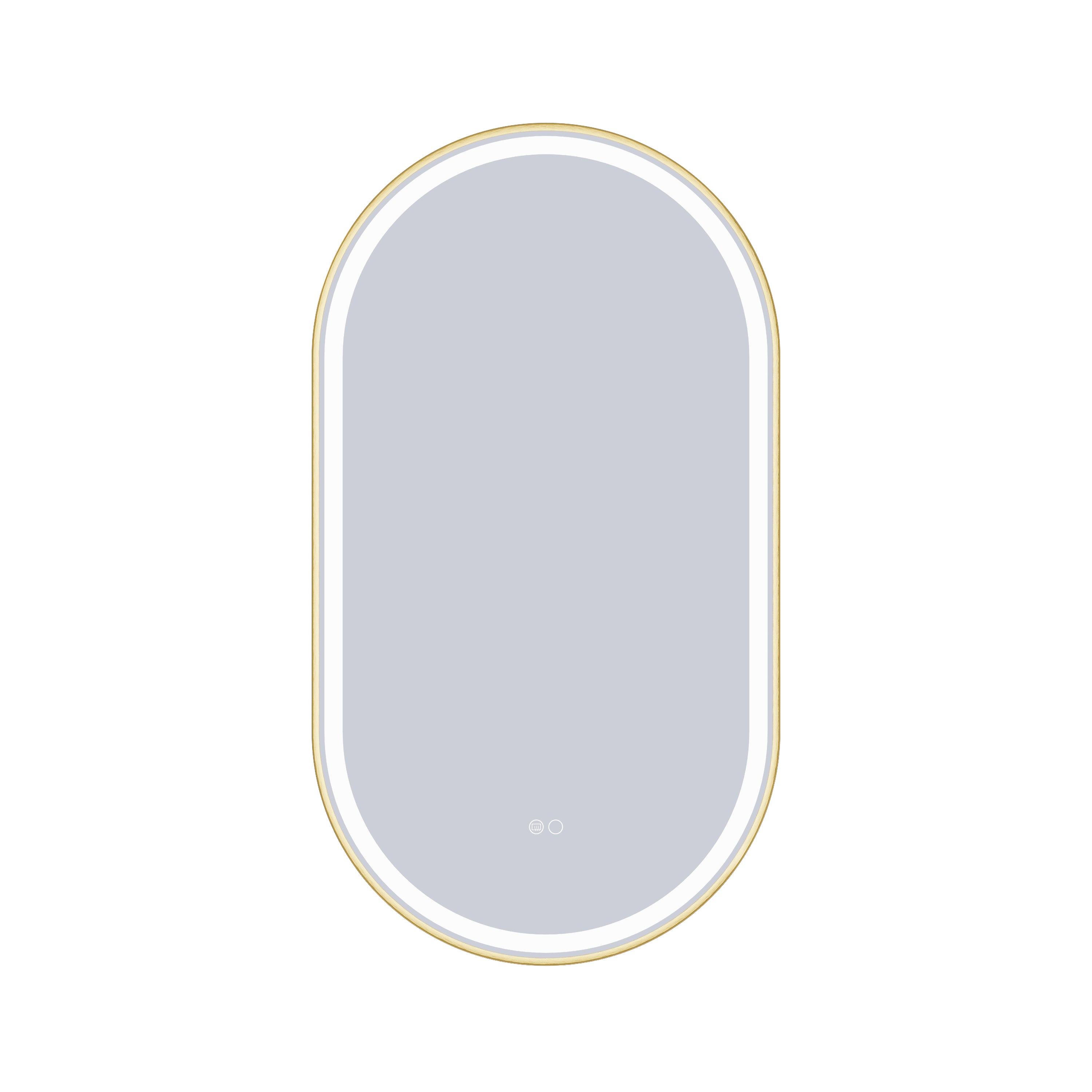
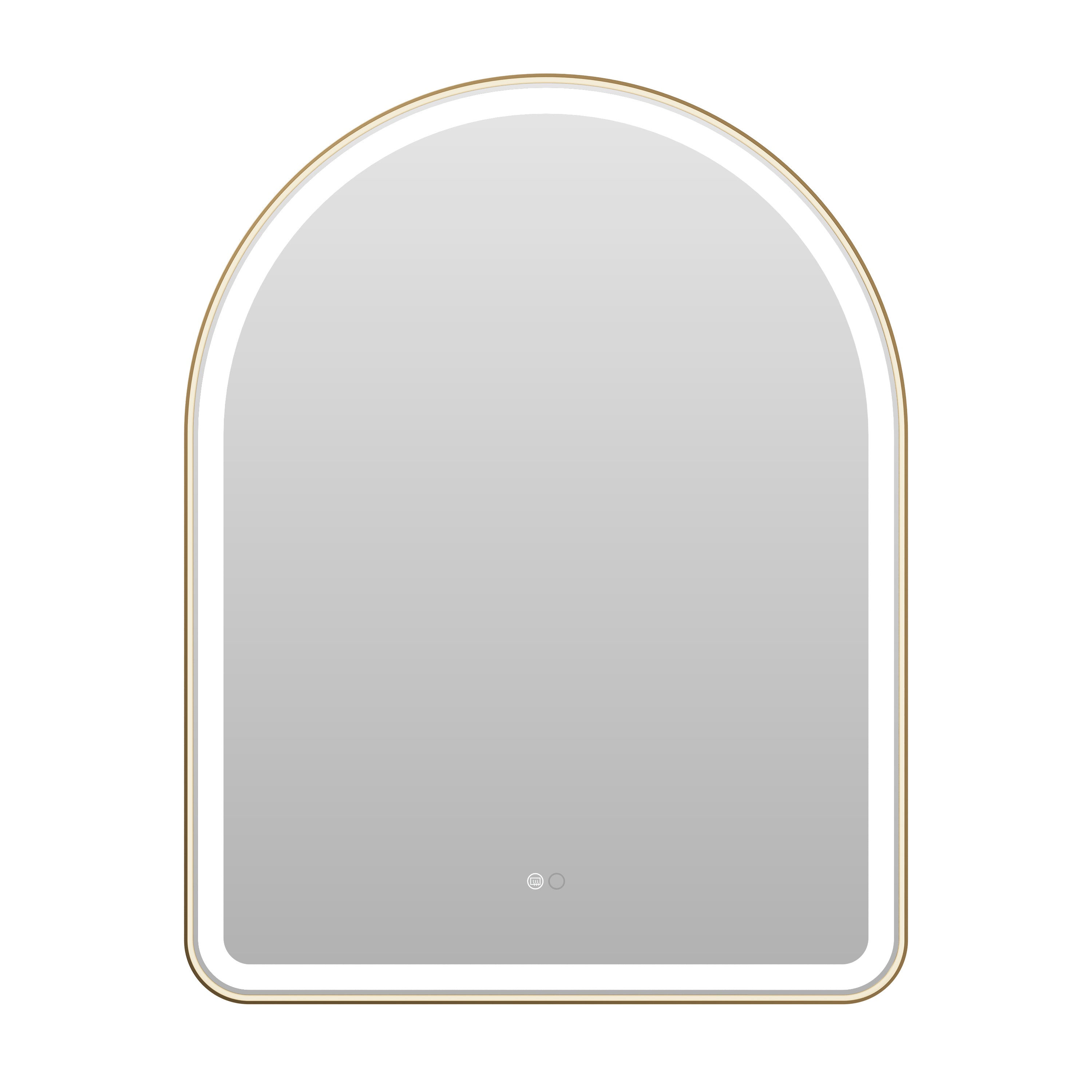
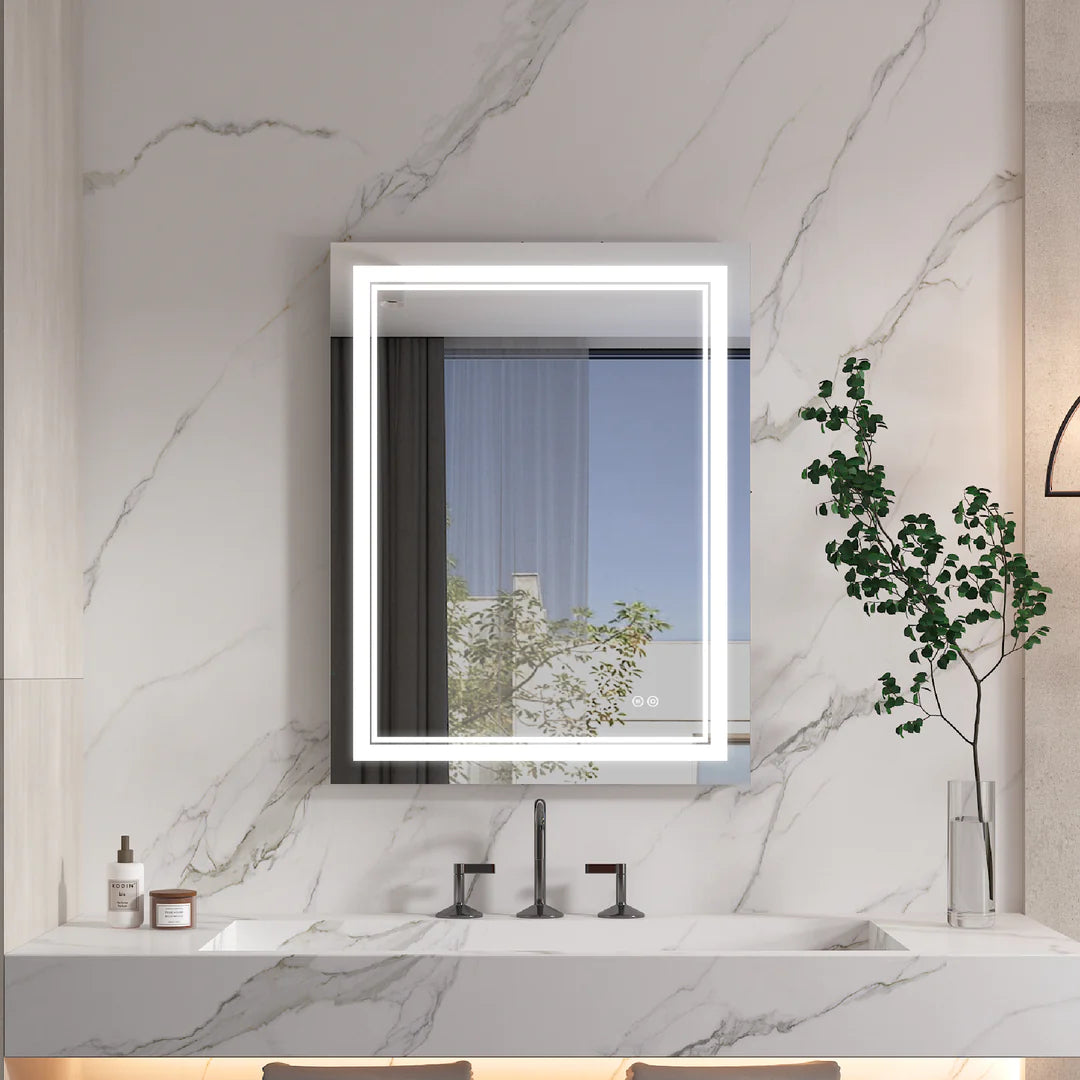
With the widespread adoption of LED technology, illuminated vanity mirrors have become the mainstream choice. Common 36-inch-wide LED mirrors output 1200 to 2000 lumens; models ranging from 48 to 60 inches can reach over 3000 lumens.
In terms of size selection, the illuminated mirror is usually slightly narrower than the tabletop by 2 inches to 4 inches to avoid overcrowding at the edges of the light.
Data show that in mirrors equipped with side-light or backlight structures, facial shadows are reduced by about 20% to 30%, and when the color rendering index (CRI) reaches 90 or above, the skin tone restoration effect is better.
5. Frame style and visual weight
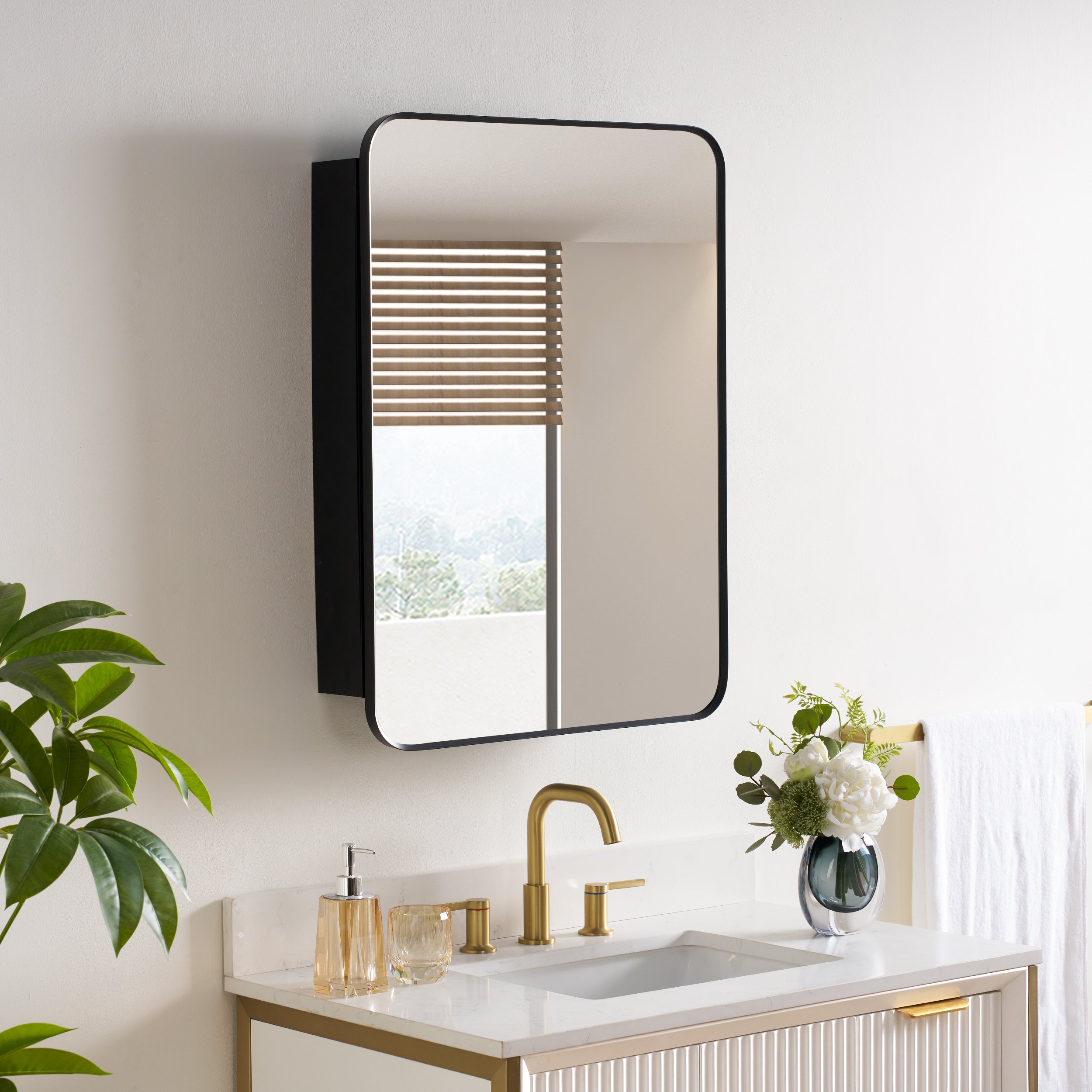
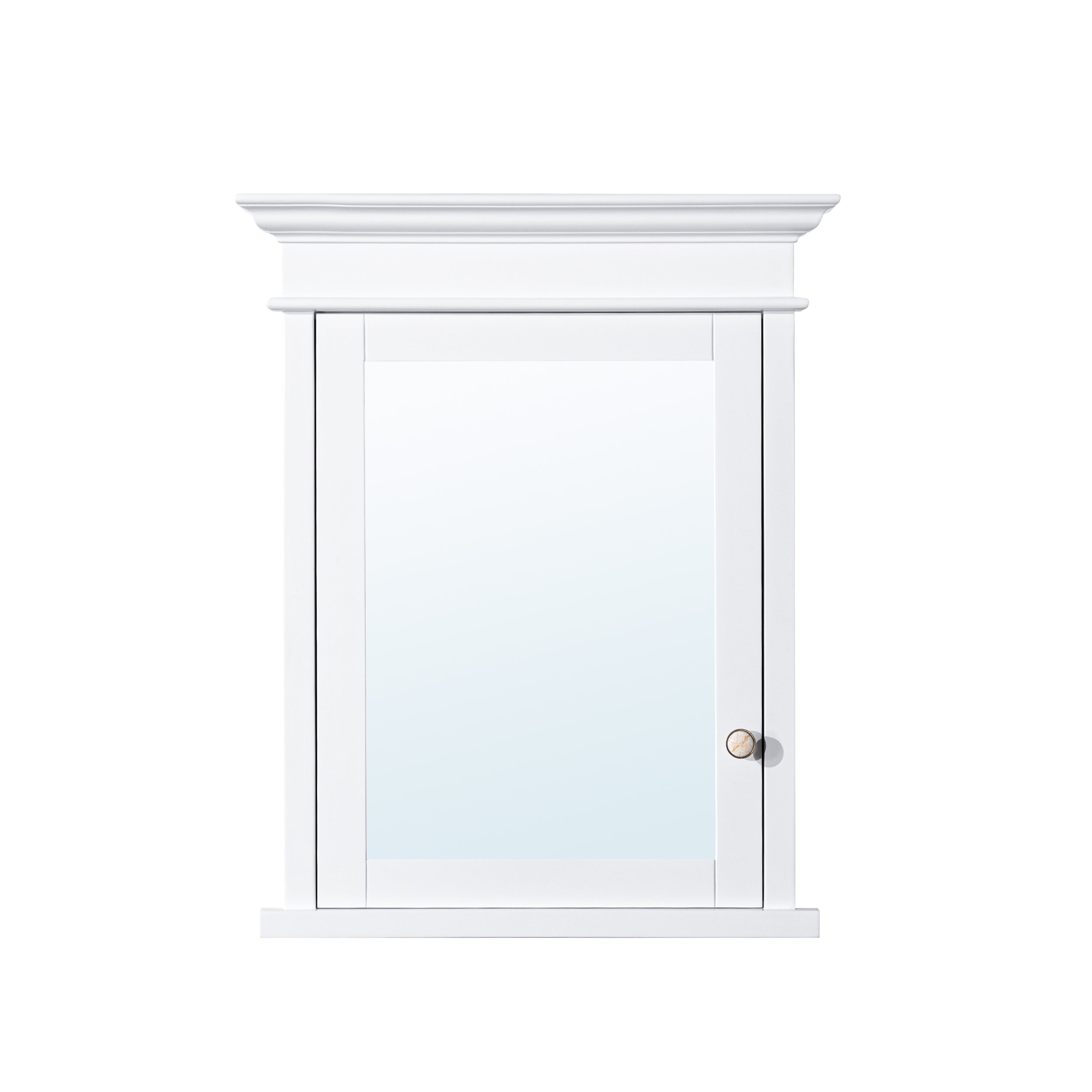
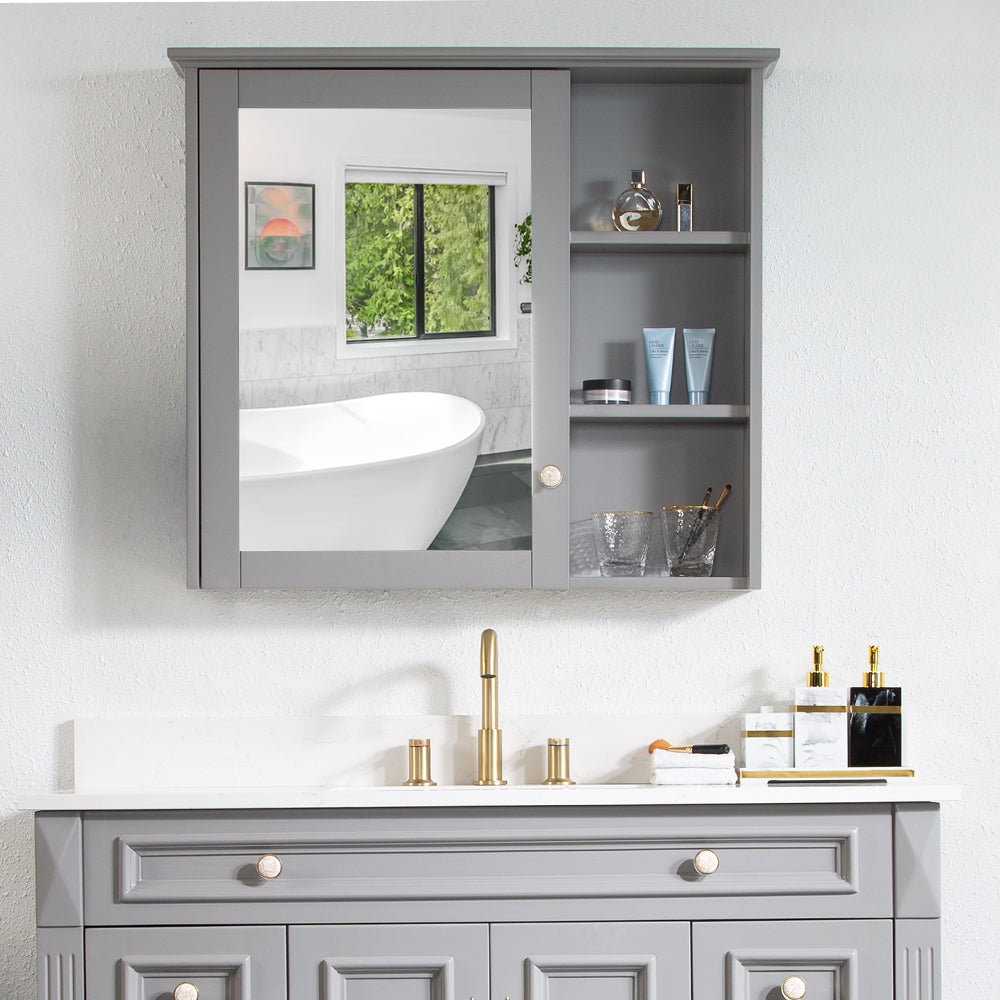
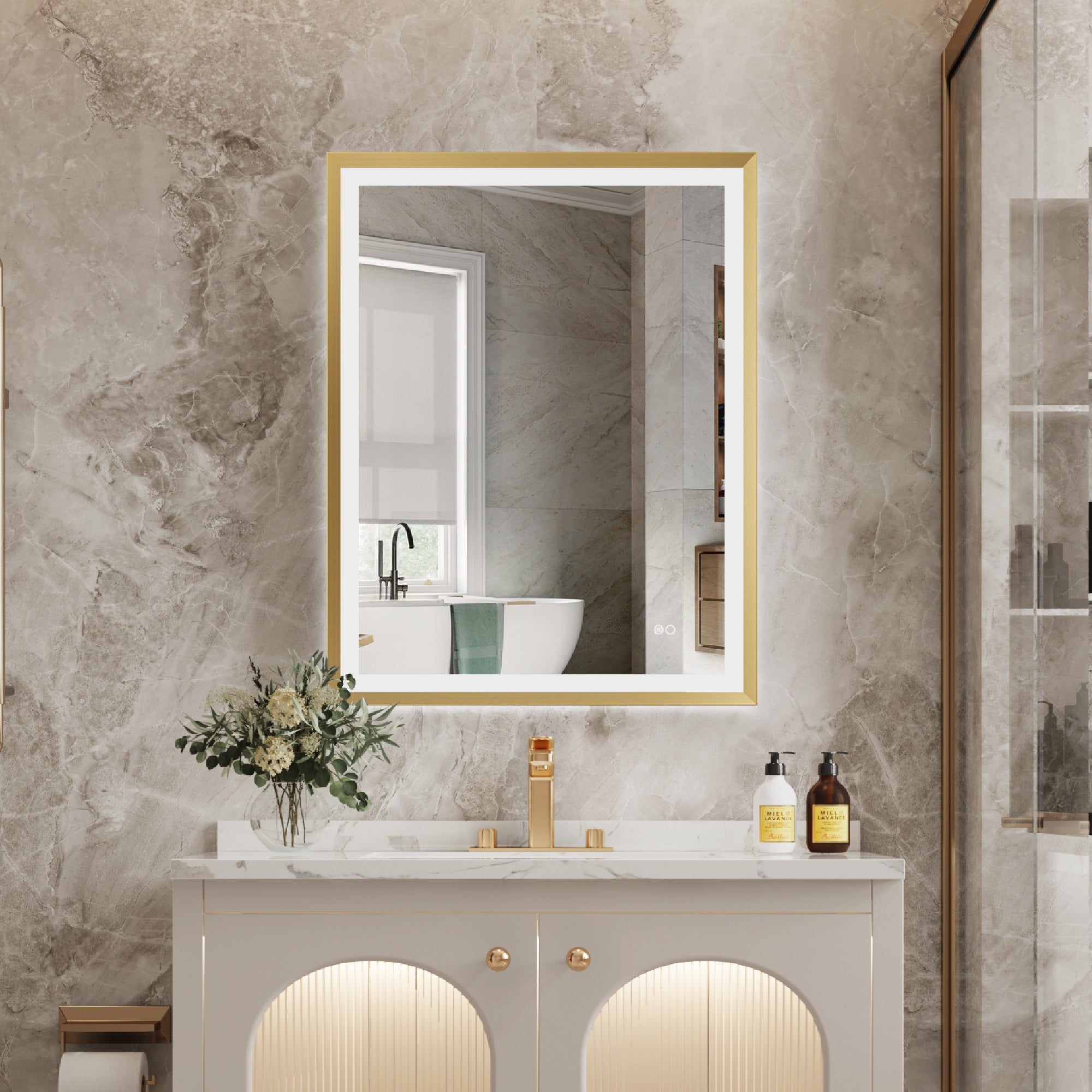
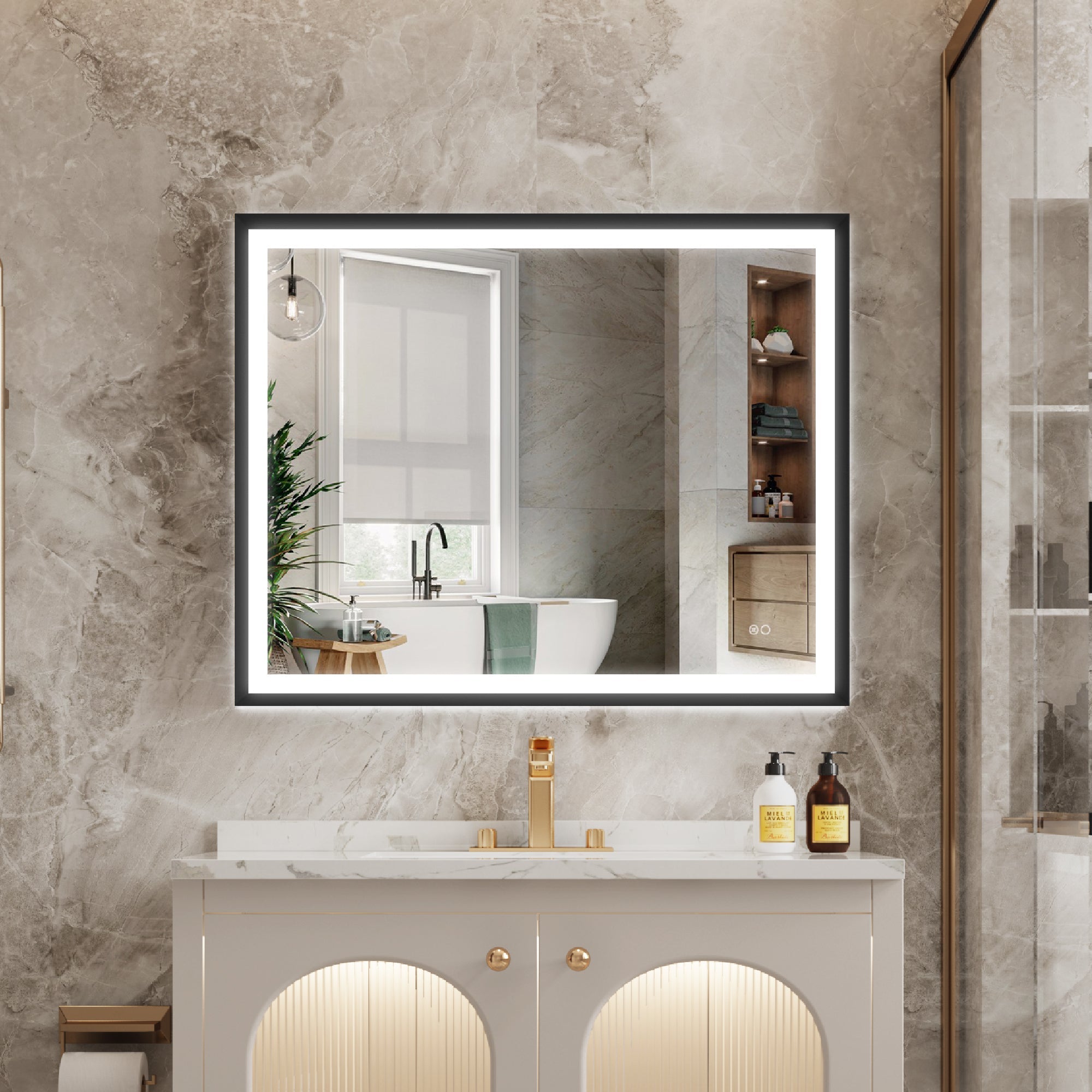
The mirror style directly affects the spatial temperament. Frameless mirrors offer a strong visual extension and are suitable for modern or minimalist design; mirrors with frames increase visual weight and are more suitable for traditional or transitional styles.
On a 36-inch countertop, if choosing a wide-bezel mirror, it is recommended to reduce the mirror width by 2-3 inches to balance the visual expansion caused by the bezel's thickness.
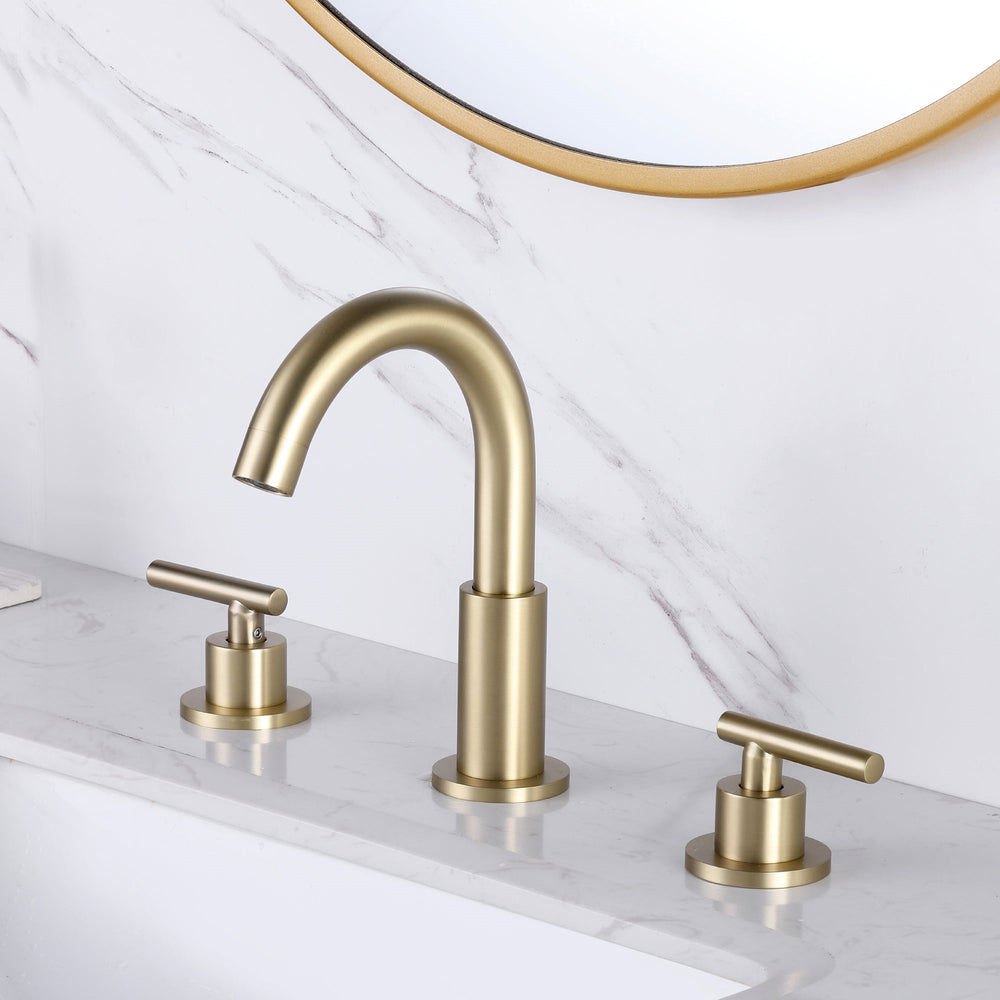
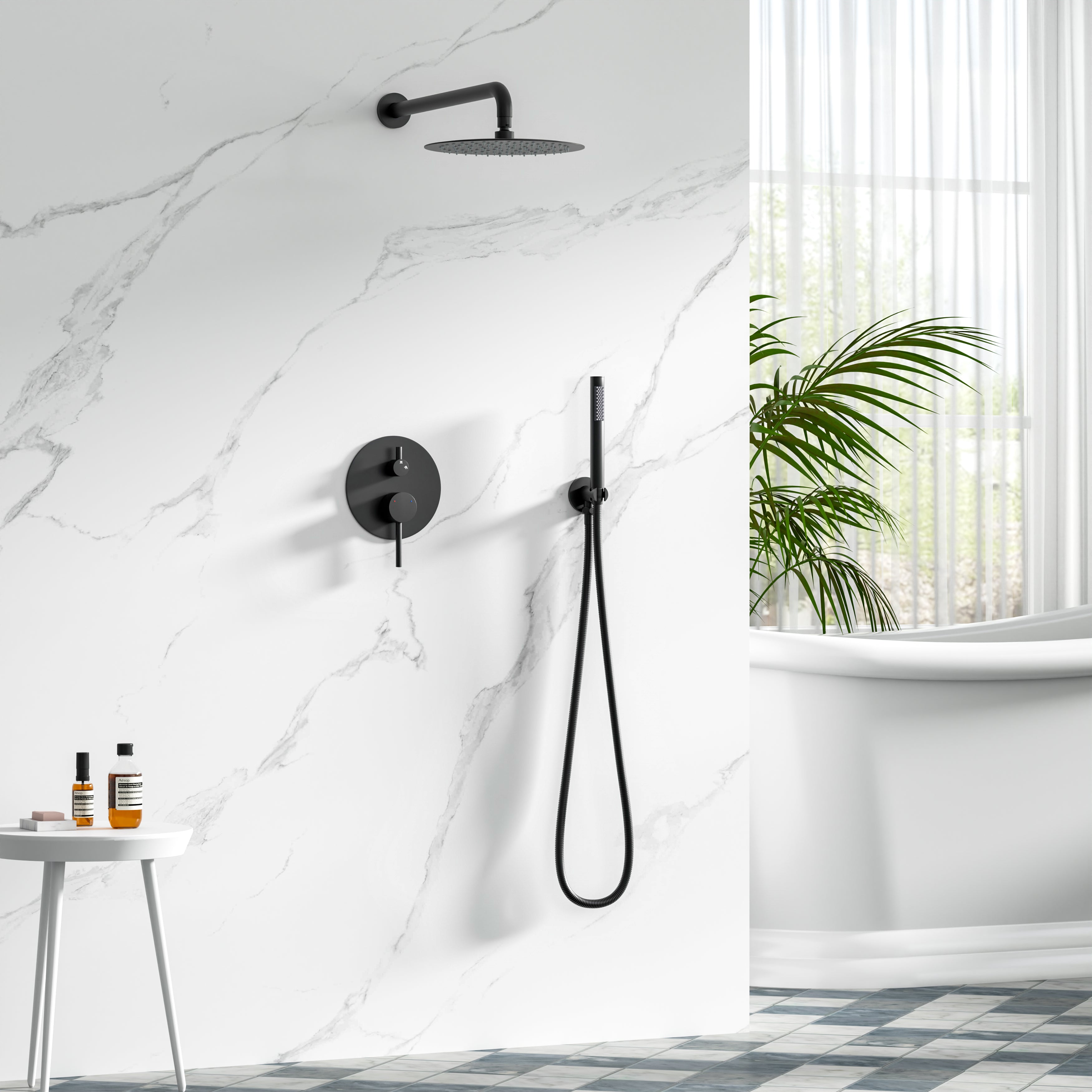
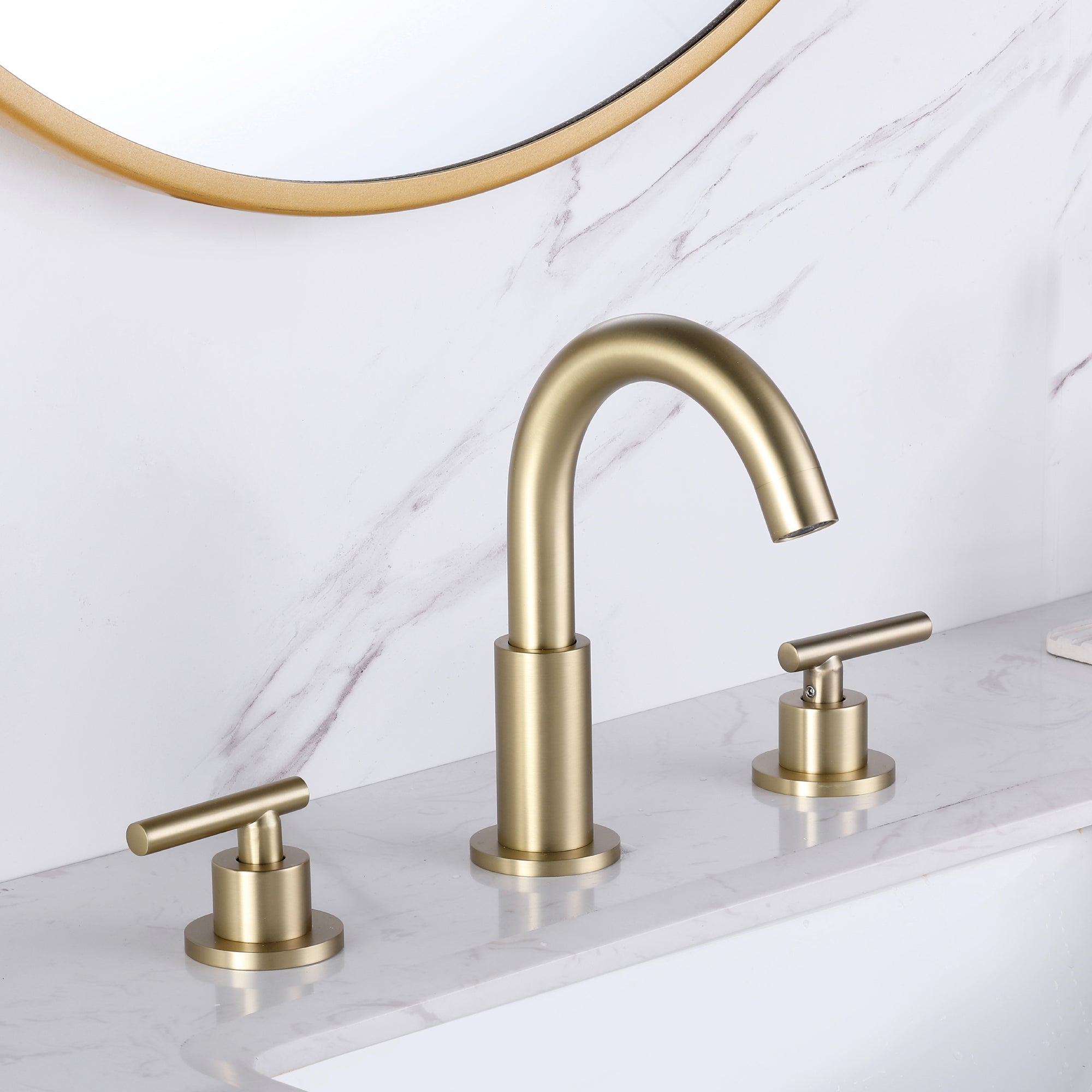
Black or brushed metal frames have become popular in recent years, especially in the 60-inch double-basin configuration, which echoes the material of the faucet and showerhead.
Data shows that in modern style spaces, the proportion of frameless mirrors has exceeded 60%.
6. Single mirror or dual mirror?
In the double-basin structure above 60 inches, the dual-mirror layout has gradually become mainstream. The width of each mirror is usually between 24 inches and 30 inches, and the height is between 30 inches and 36 inches.
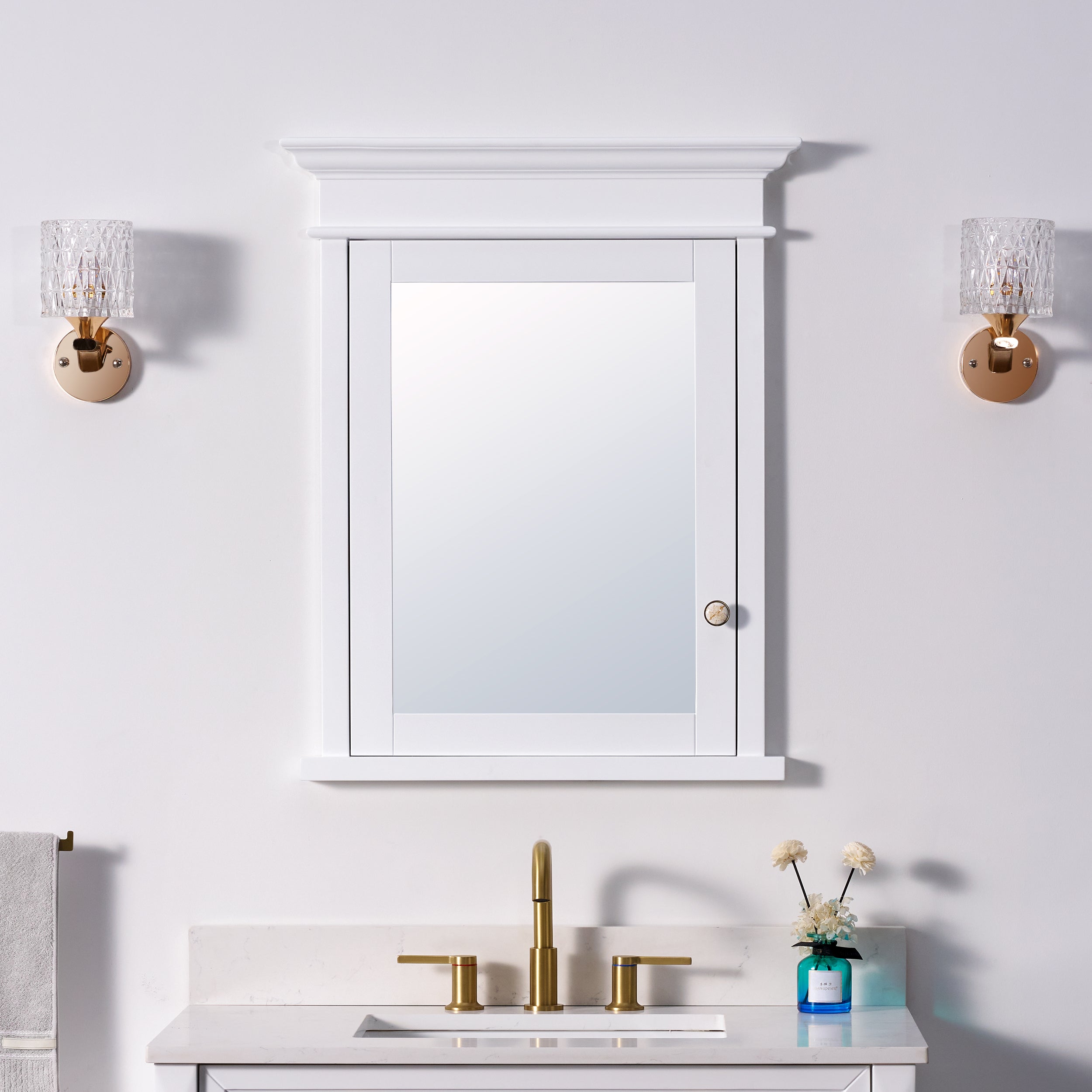
Leave 8 to 12 inches of wall space between the dual mirrors, which wall lamps or decorative elements can flank to enhance the sense of hierarchy.
A survey shows that in main bathrooms with an area exceeding 100 square feet, overall satisfaction with the dual-mirror design is significantly higher than with the single-mirror design.
7. The relationship between lighting and mirrors
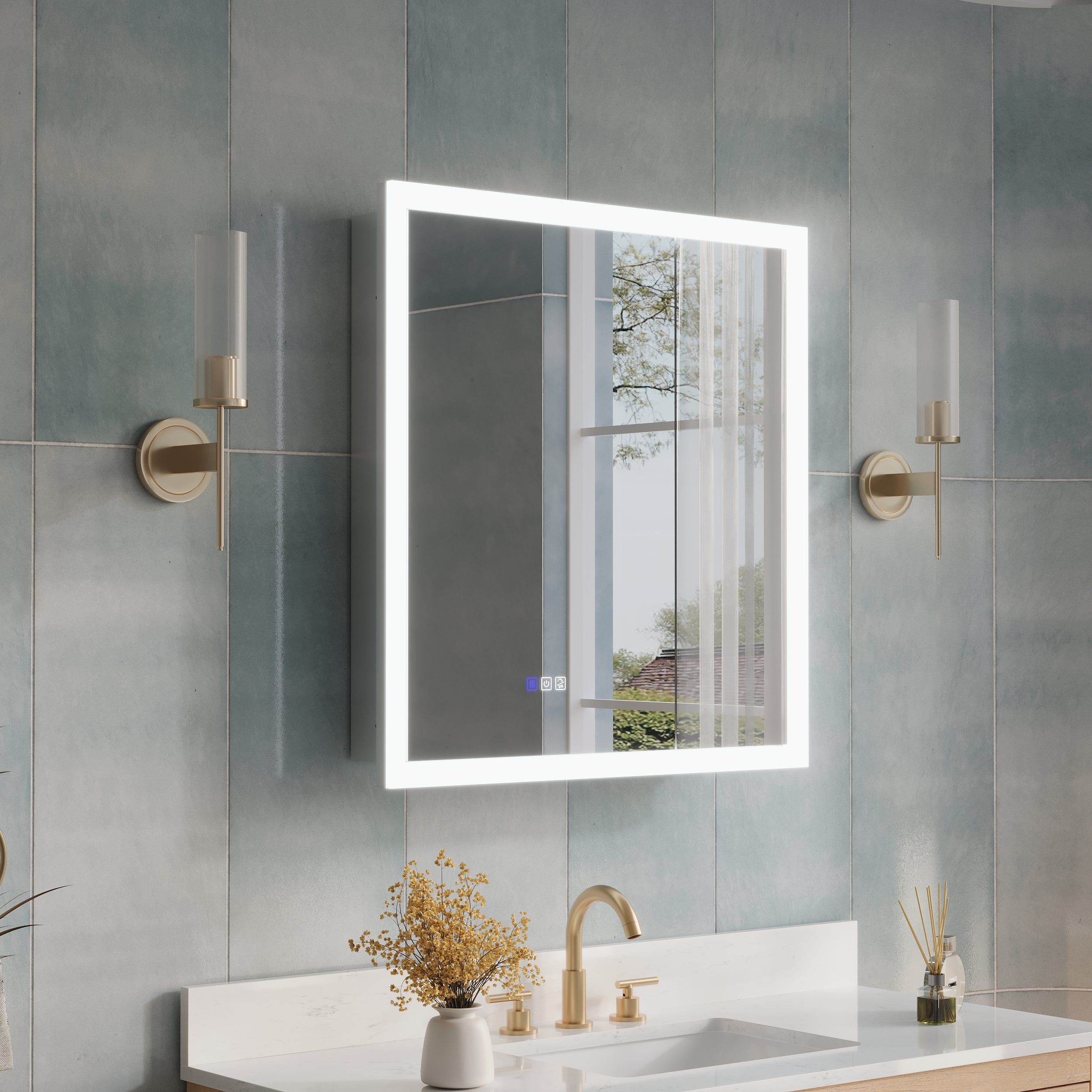
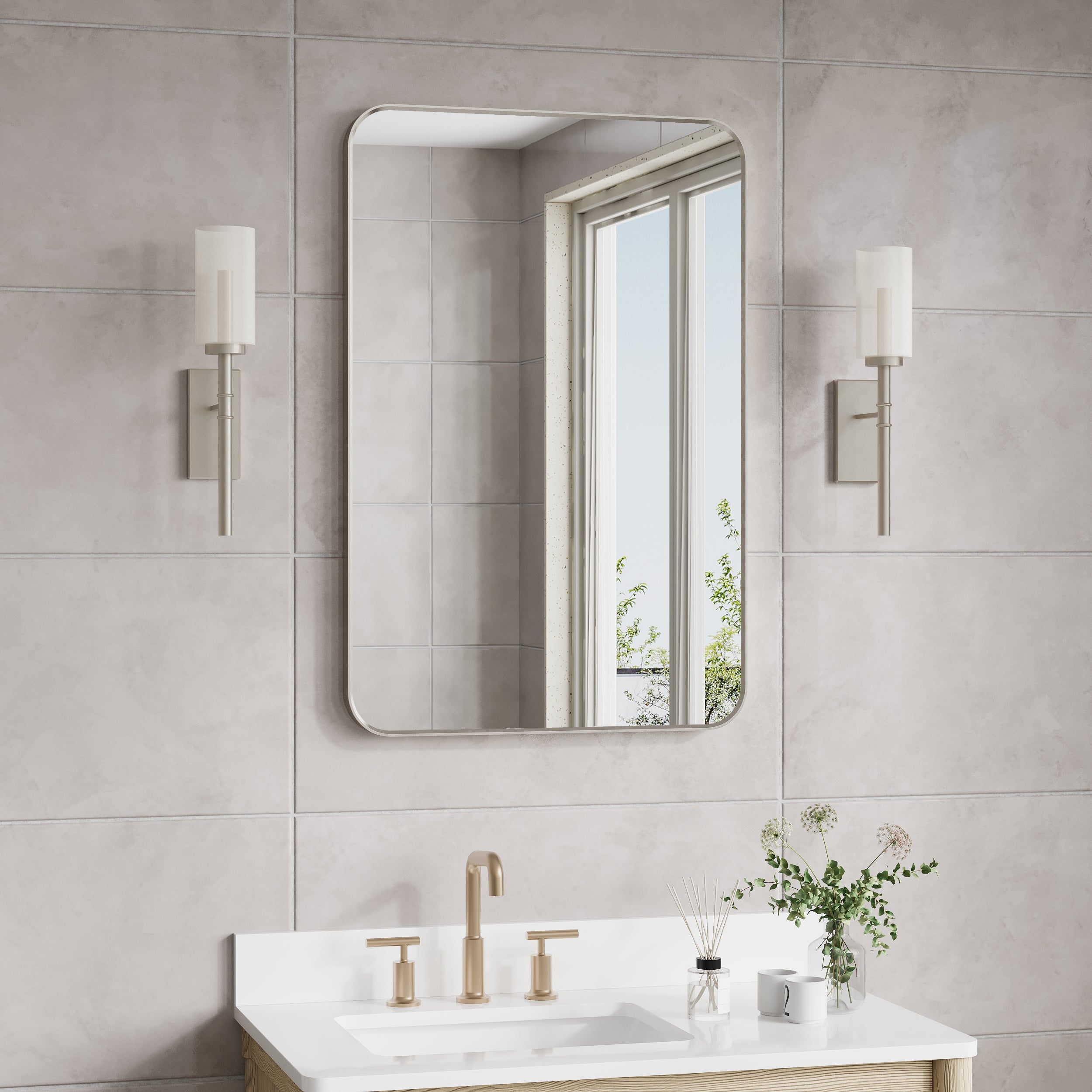
The mirror's size should be coordinated with the lighting arrangement. If using a top single lamp, the mirror should not be too wide to avoid uneven light distribution; if using double-sided wall lamps, the mirror can be close to the countertop width.
For a 36-inch countertop with two side wall lights, the mirror width is usually 28 to 32 inches.
Data show that in structures with wall lights installed on both sides of the mirror, and with the light center close to eye height, the uniformity of facial illumination improves by about 25%.
8. Color and spatial reflectance
Light colored walls and large mirrors can enhance spatial reflectivity. Test data show that in light-colored wall environments, mirror reflections can increase overall brightness by about 15%.
In dark spaces, oversized mirrors may create a sense of pressure, so it is recommended to reduce the width or use light colored borders.

9. Conclusion
The selection of size and style for bathroom vanity mirrors is a comprehensive balance of proportion, lighting, and spatial structure. From a 24-inch compact layout to a 72-inch-wide double-basin structure, every inch affects visual and functional performance. Understanding the design logic of a 70% to 90% width ratio, combined with mirror height, lighting layout, and style positioning, is necessary to achieve a truly coordinated and practical effect. Accurate measurements and overall alignment during the planning phase are key to creating high-quality bathroom spaces.












Leave a comment
This site is protected by hCaptcha and the hCaptcha Privacy Policy and Terms of Service apply.