


















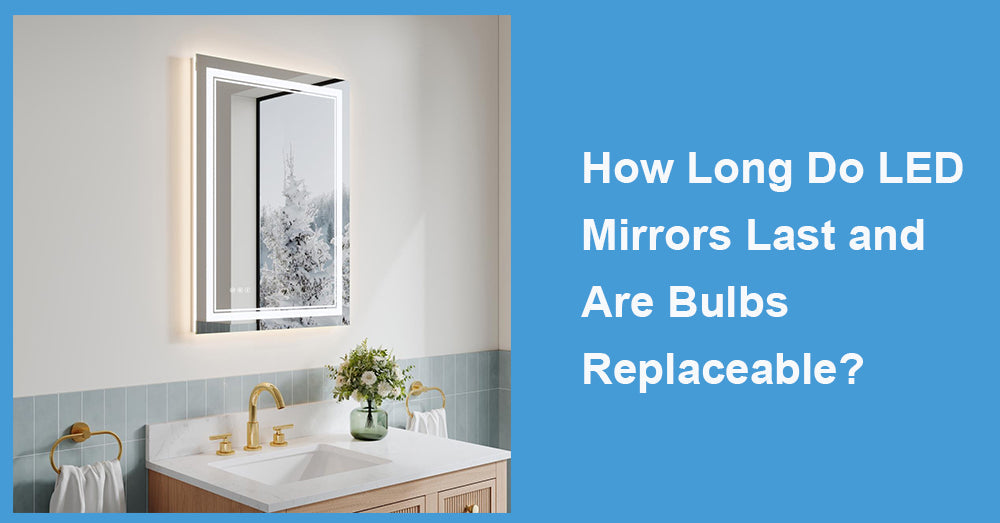
The big question around LED mirrors isn’t just “Will it turn on?”—it’s “How long will it stay bright, evenly lit, and trouble-free?” Unlike older fixtures where a single bulb burns out, most LED mirrors are integrated systems where light output slowly declines over time, and the parts that fail first are often the electronics rather than the LEDs themselves.
1. What “Lasts” in an LED Mirror: Light Output vs. Total Failure
1. LED end-of-life usually means “dimmer,” not “dead.” Many LED products are evaluated by how long they maintain an acceptable percentage of their initial brightness. In lighting, a common reference point is L70—the time to 70% of the original light output.
2. The mirror can stop working even if the LEDs are still fine. Drivers, power supplies, touch controls, defogger circuits, connectors, and moisture-related issues can cause a full shutdown (catastrophic failure) before LEDs reach their projected lumen-maintenance life. This is why reliability is more than just LED chip life.
3. Heat and build quality decide the real lifespan. LEDs emit less heat than older technologies, but they still need proper thermal management. Poor heat sinking and cramped electronics shorten life and can accelerate brightness loss.
2. Typical Lifespan: What the Most Credible Numbers Actually Say
1. A practical baseline is 25,000 hours for quality LED systems. Guidance and specifications commonly reference lifetimes in this range, and ENERGY STAR lamp requirements include lifetime claims tied to lumen maintenance and standardized projection methods (including TM-21).
2. How many years is that? It depends on daily usage:
1. At 3 hours/day, 25,000 hours ≈ 22.8 years (25,000 ÷ (3 × 365)).
2. At 4 hours/day, 25,000 hours ≈ , 17.1 years.
3. At 6 hours/day, 25,000 hours ≈ , 11.4 years.
3. Be skeptical of extreme claims. The Illuminating Engineering Society (IES) notes limits on how far lifetime projections can be extended when using LM-80/TM-21 methods; for example, projections based on 10,000 hours of LM-80 data should not exceed 60,000 hours when done correctly. This matters because “100,000-hour” marketing claims can be unsupported depending on the underlying test data.
3. The Standards Behind the Sticker: LM-80, TM-21, and Why You Should Care
1. LM-80 tests LED lumen maintenance. It measures how LED packages/modules maintain light output over thousands of hours under controlled conditions.
2. TM-21 projects long-term performance from LM-80 data. It provides a standardized method to extrapolate future lumen depreciation from the measured data set, which is why it’s referenced in program requirements for lifetime claims.
3. What this means for mirrors: If a brand can point to LM-80/TM-21-backed projections for the LED light engine (or uses components with that support), the lifetime claim is usually more grounded than a generic “50,000 hours” printed on a box.
4. Are the “Bulbs” Replaceable? Usually No—But Parts Sometimes Are
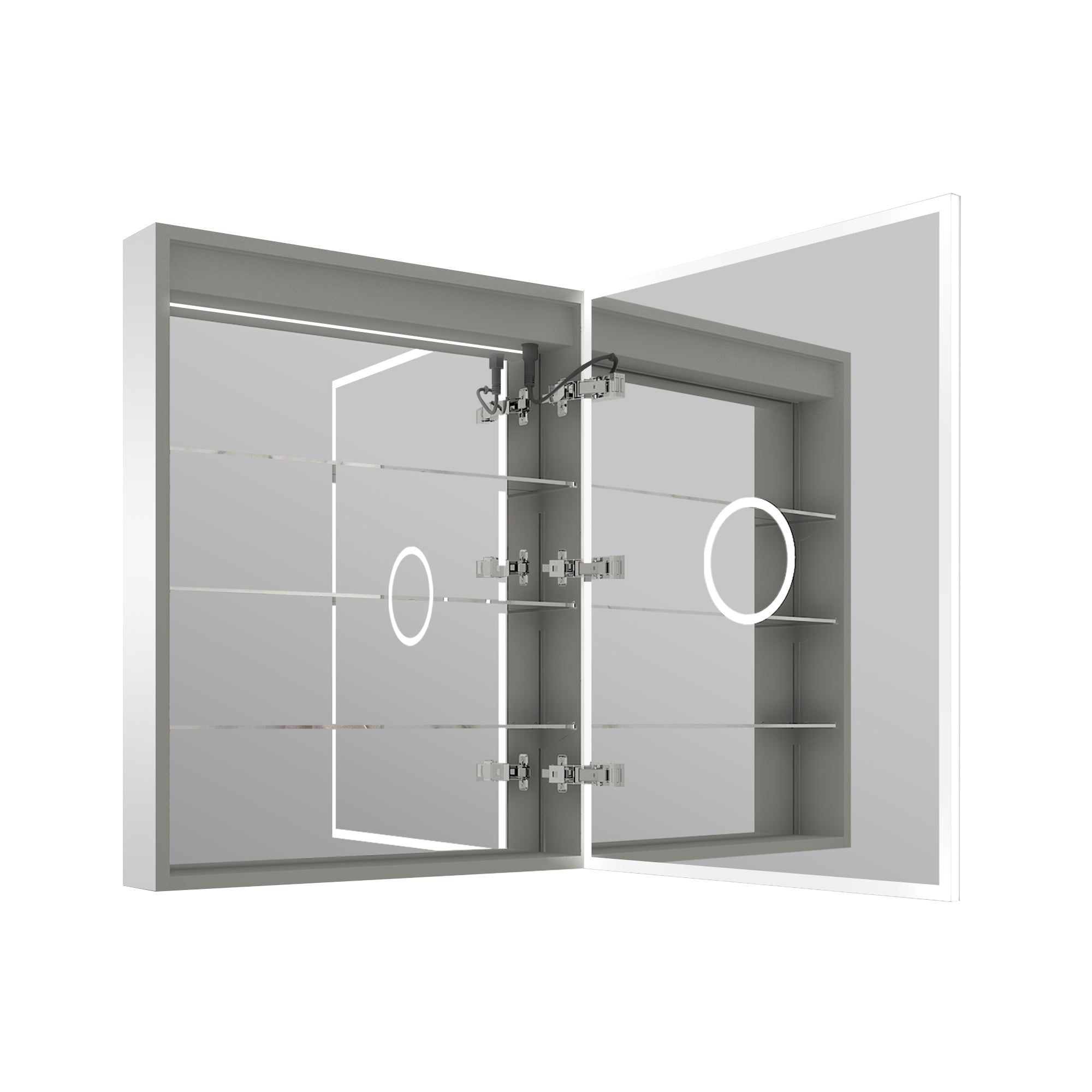
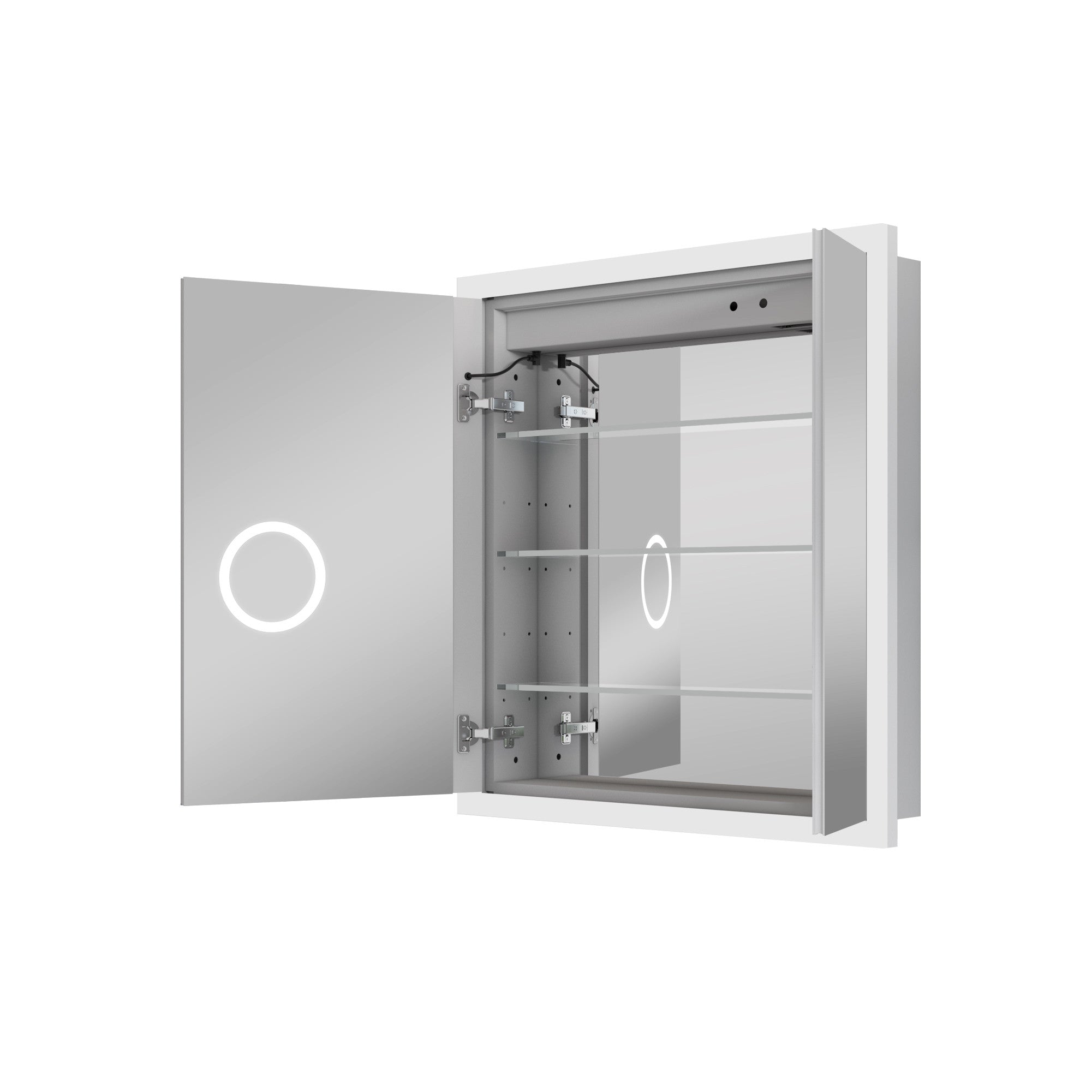
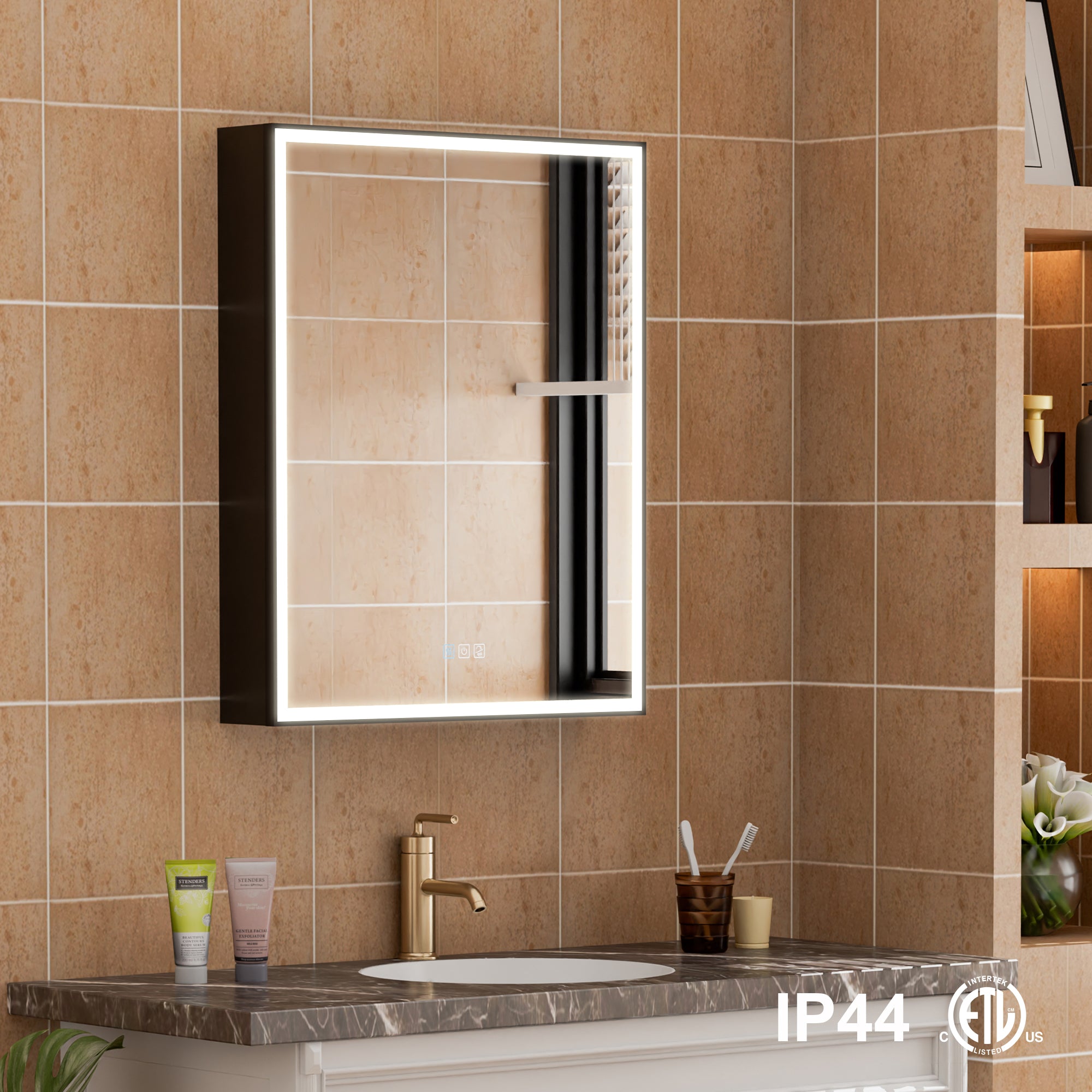
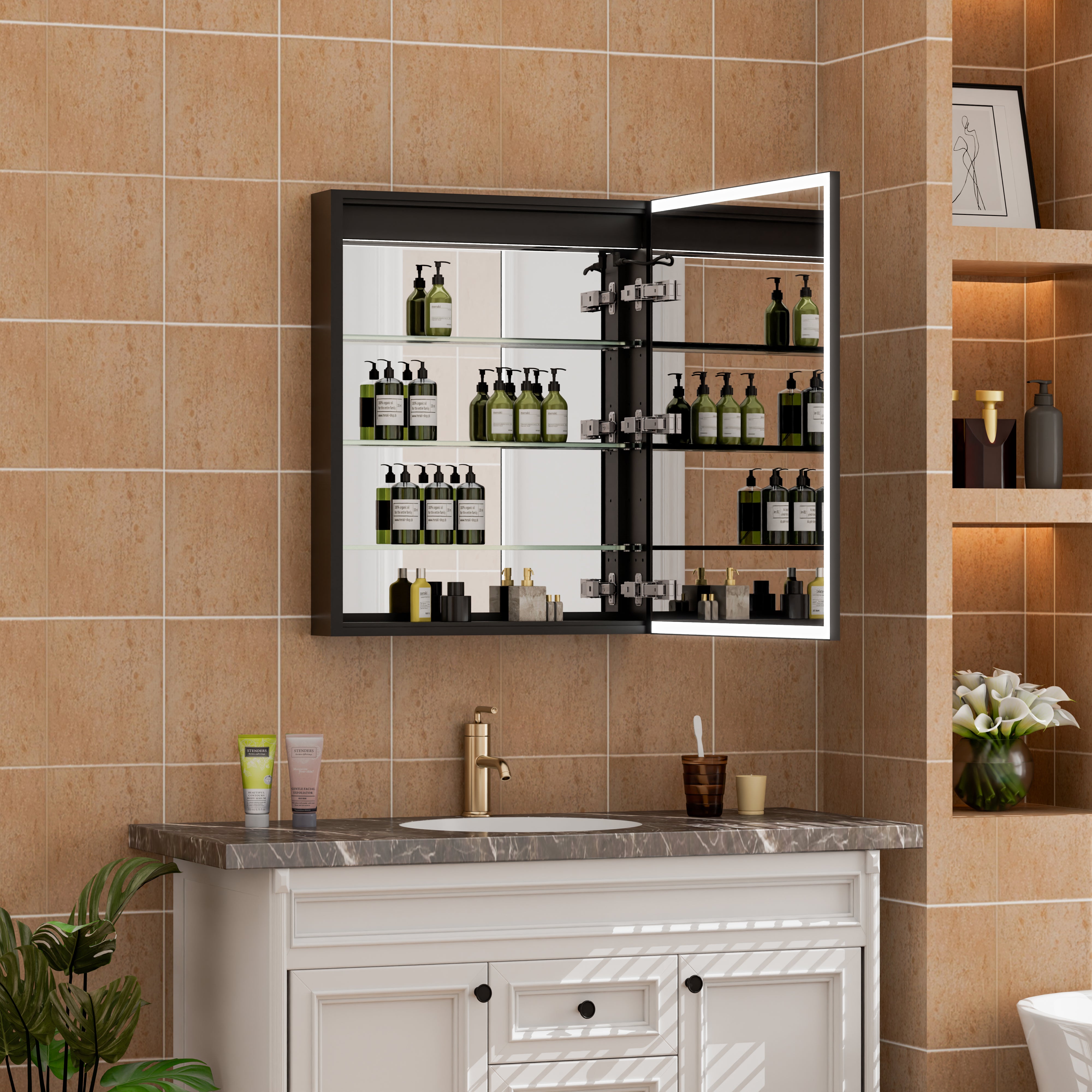
1. Most LED mirrors do not use traditional bulbs. They typically use integrated LED strips or boards, so there is no screw-in bulb to swap like an A19 lamp. When the light engine is integrated, replacement is more like servicing a component than replacing a bulb.
2. What may be replaceable (depends on the design):
1. LED driver/power supply: Often the most serviceable part if the mirror is designed with access. A failing driver can cause flicker, dimming, or no power.
2. Touch sensor or control module: If the mirror uses a separate control board, some manufacturers can provide replacements.
3. Defogger pad or heater module: Sometimes replaceable, though not always simple.
3. What’s rarely replaceable in the field:
1. The LED strip/board is bonded, potted, or sealed into the mirror assembly.
2. Optical diffuser layers that are permanently integrated.

5. How to Tell If a Mirror Is Serviceable Before You Buy It
1. Look for language like “replaceable driver” or “serviceable power supply.” If the documentation explicitly mentions driver replacement, that’s a strong sign the product was designed for maintenance rather than disposal.
2. Check the warranty structure. Longer warranties often indicate more confidence in the electronics, and some brands will stock drivers/control modules for warranty repairs.
3. Pay attention to safety certification and retrofit language (when applicable). In broader lighting, UL standards address safety requirements for LED retrofit/converted systems and components, such as drivers and power supplies. While mirrors are not “retrofit kits,” the takeaway is simple: properly evaluated components and clear instructions correlate with safer, more consistent builds.
6. What Fails First in Real Bathrooms and How to Extend Life
1. Moisture and heat stress electronics. Steamy bathrooms challenge drivers, connectors, and touch controls more than the LEDs themselves.
2. Power quality matters. Frequent on/off cycling, voltage spikes, or incompatible dimming controls can shorten the driver's lifespan and cause flicker.
3. Practical habits that help:
1. Use the defogger only as needed (it adds heat load near electronics).
2. If the mirror has a vented design or installation clearance requirement, follow it exactly.
3. Avoid enclosing a mirror designed for plug-in use inside a tight, unventilated recess unless the instructions allow it.
7. The Bottom Line: What to Expect and What to Ask
1. Expect a quality LED mirror’s light output to remain usable for many years, commonly anchored by lifetime ranges around 25,000 hours and supported by standardized lumen-maintenance projection methods when manufacturers do it right.
2. “Bulbs” usually aren’t replaceable because there aren’t bulbs. The realistic question is whether the driver and controls are replaceable—and whether the brand will actually supply those parts.
3. Ask two direct questions that cut through marketing:
1. “Is the LED driver replaceable, and can I order it as a spare part?”
2. “Is your lifetime claim based on LM-80/TM-21 data for the LED light engine?”











Leave a comment
This site is protected by hCaptcha and the hCaptcha Privacy Policy and Terms of Service apply.