














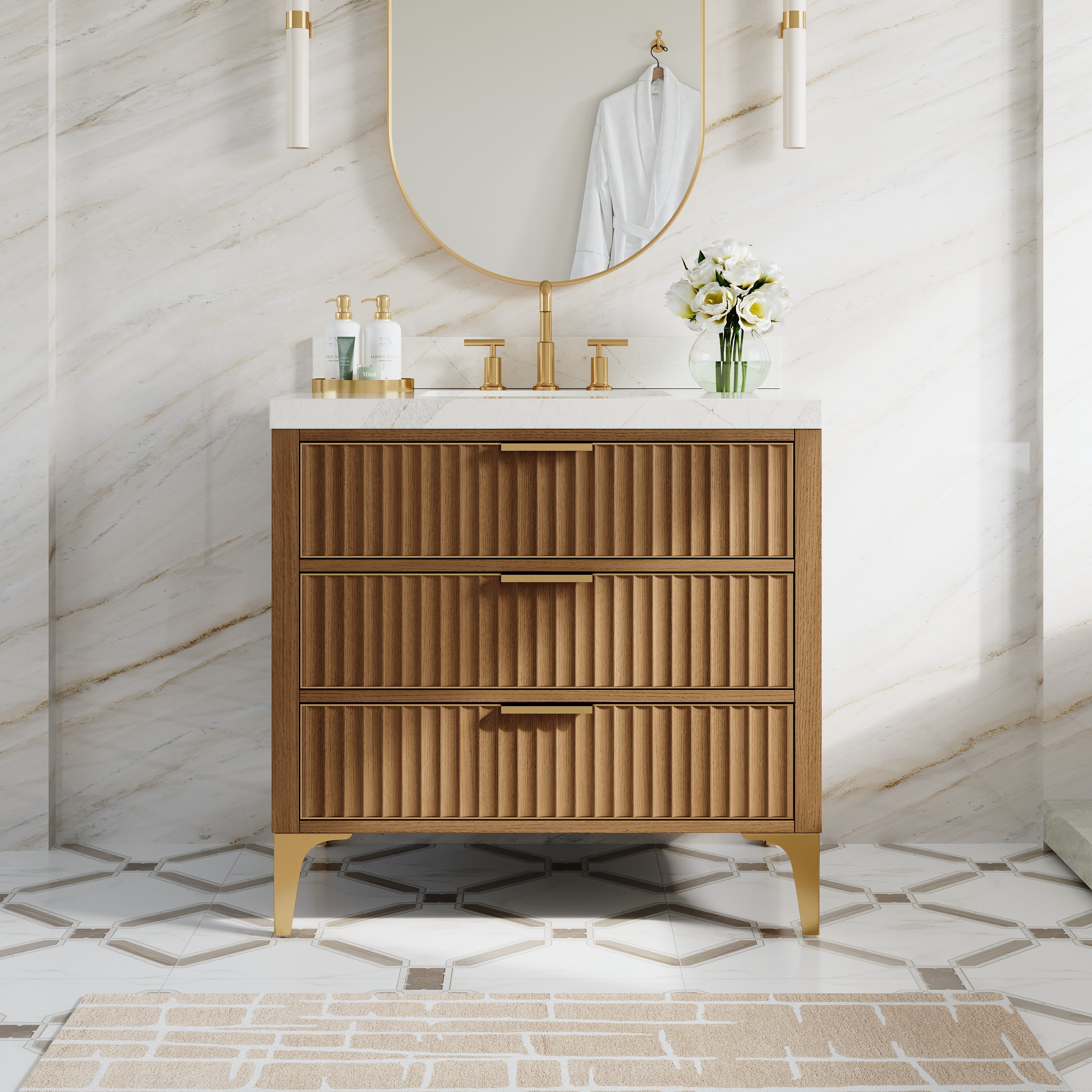
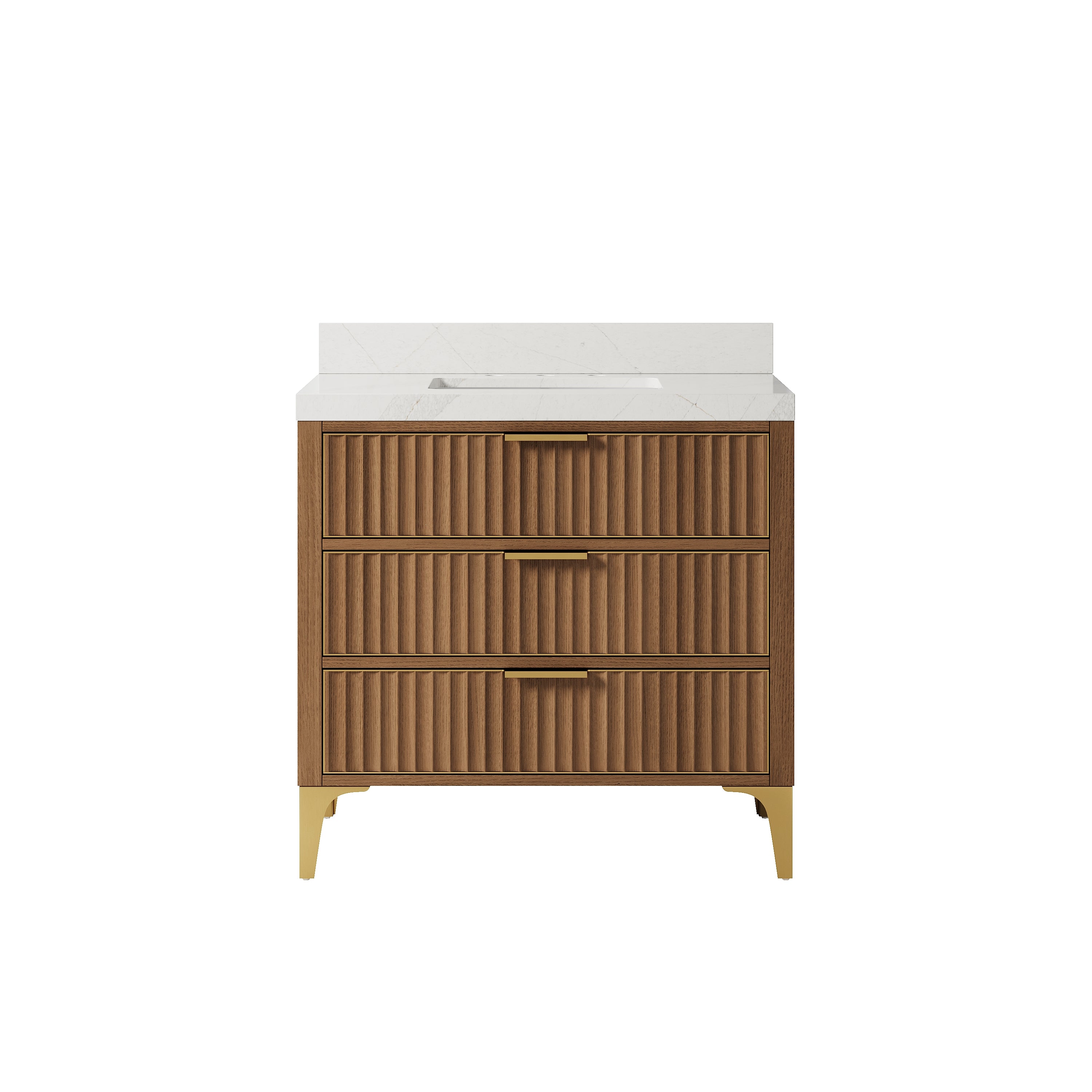
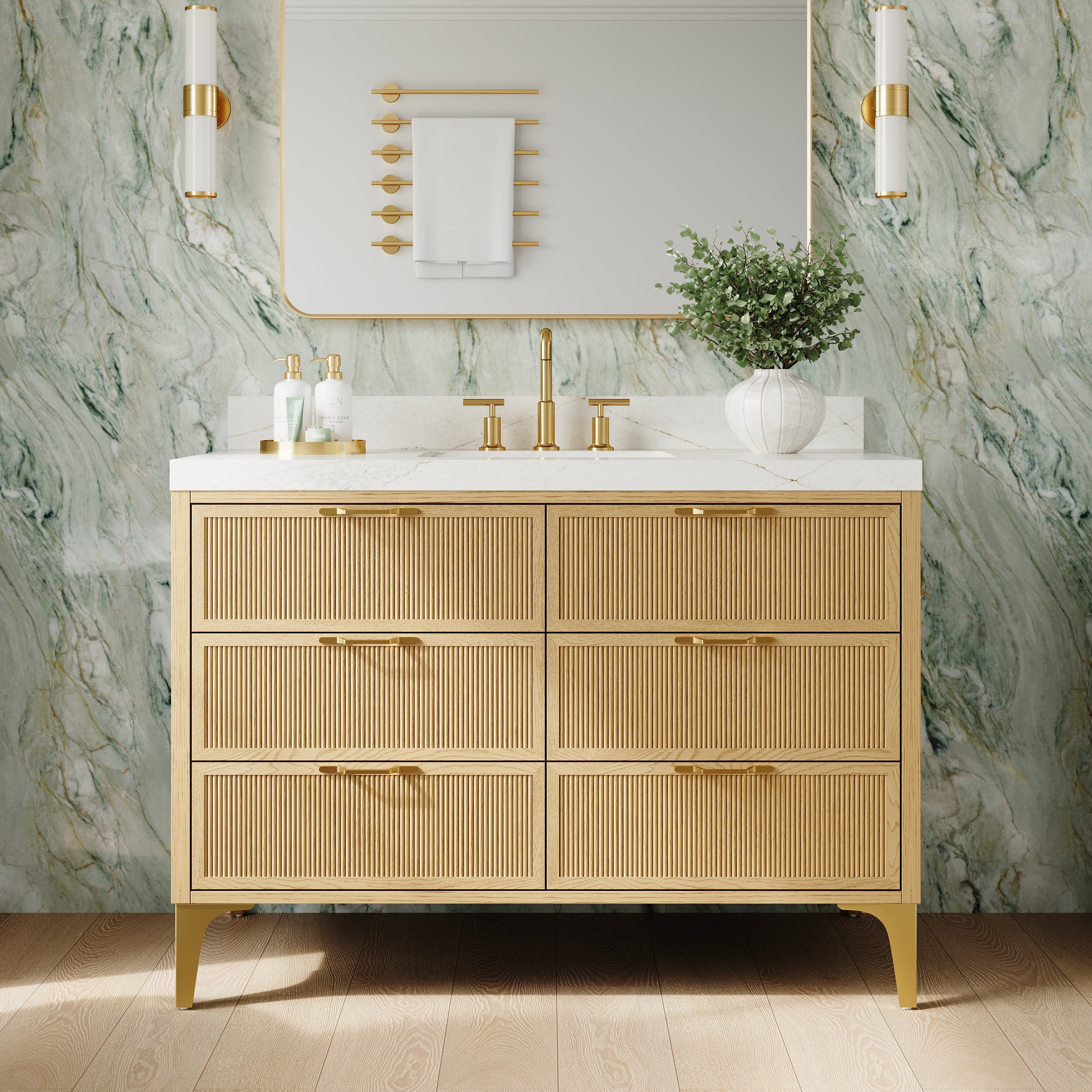
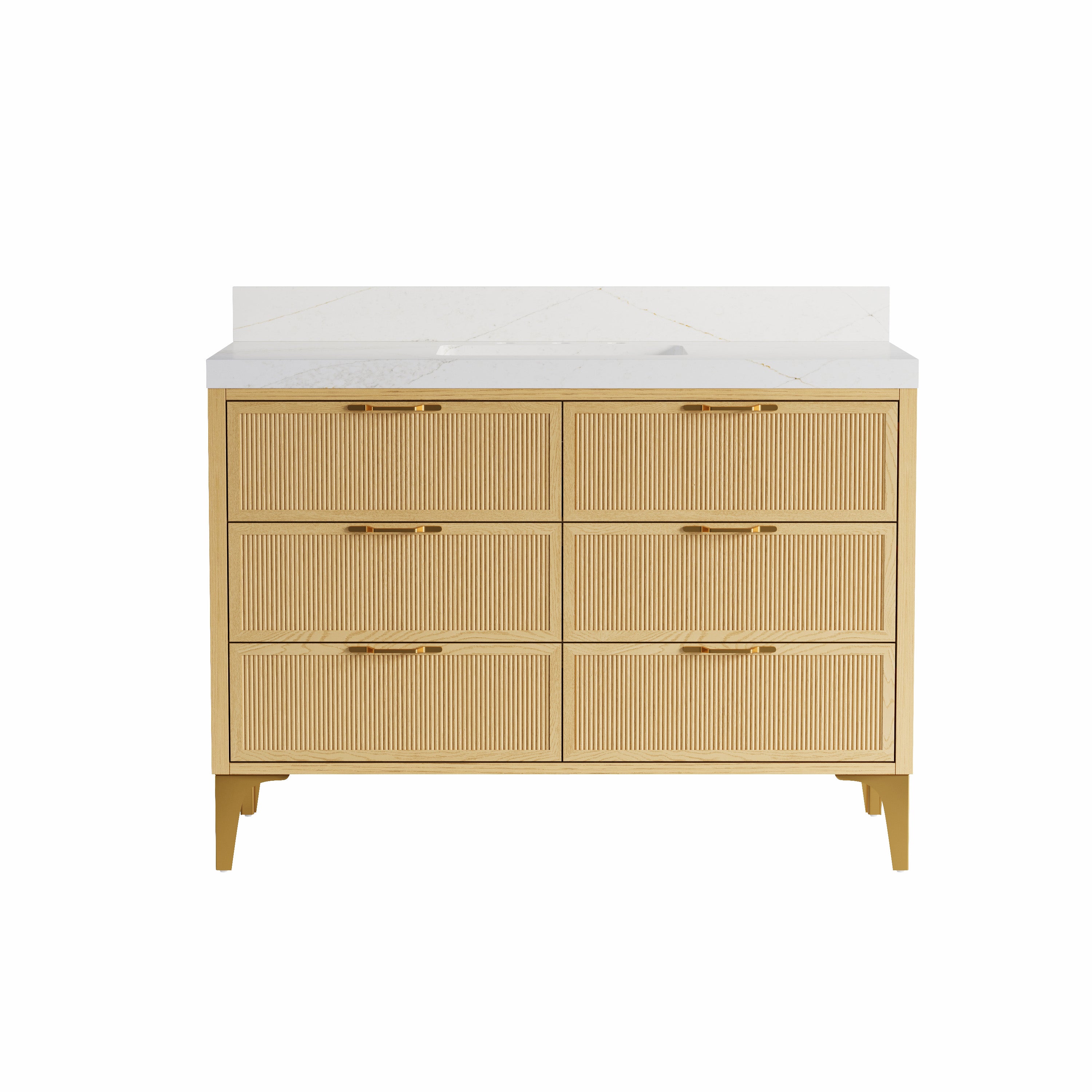


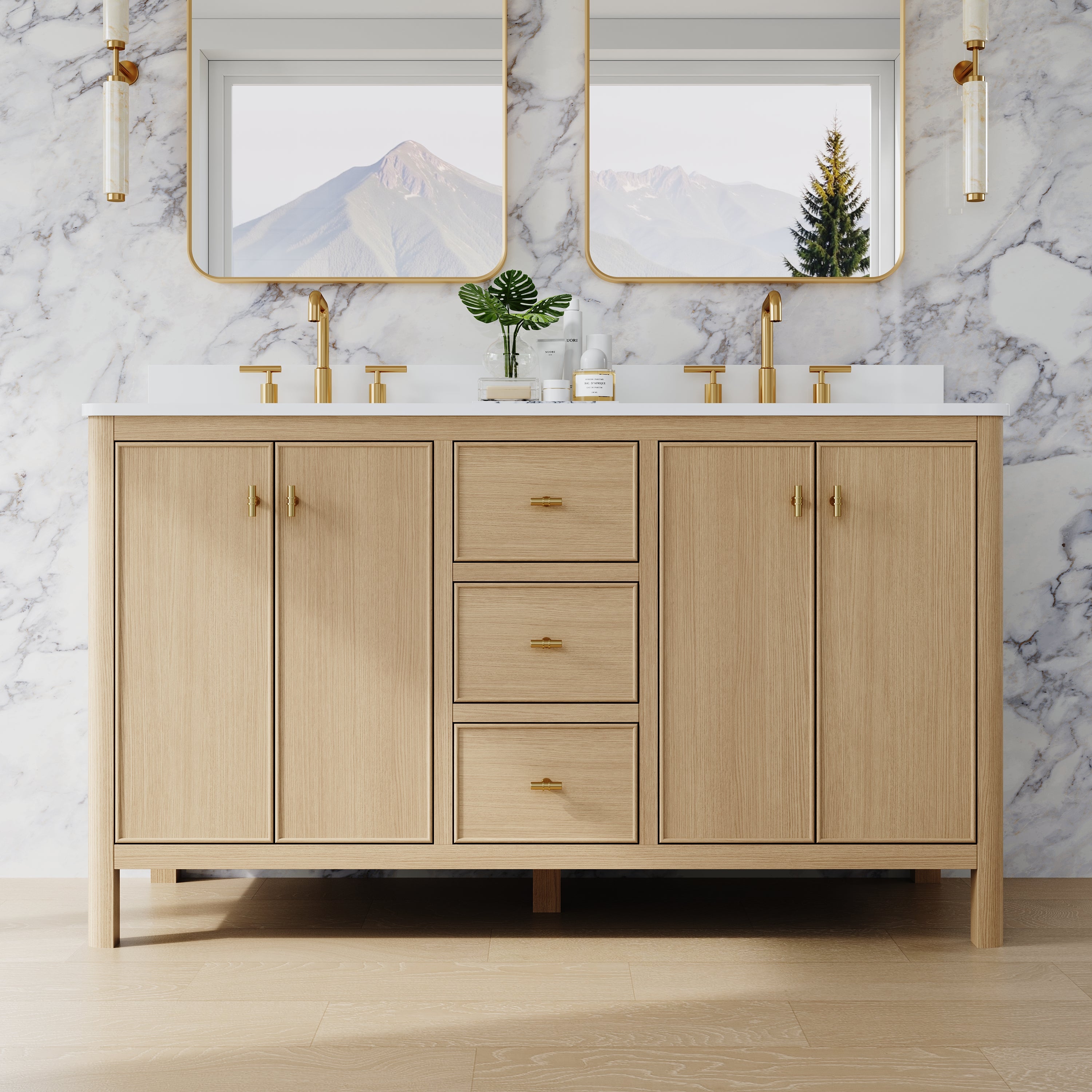
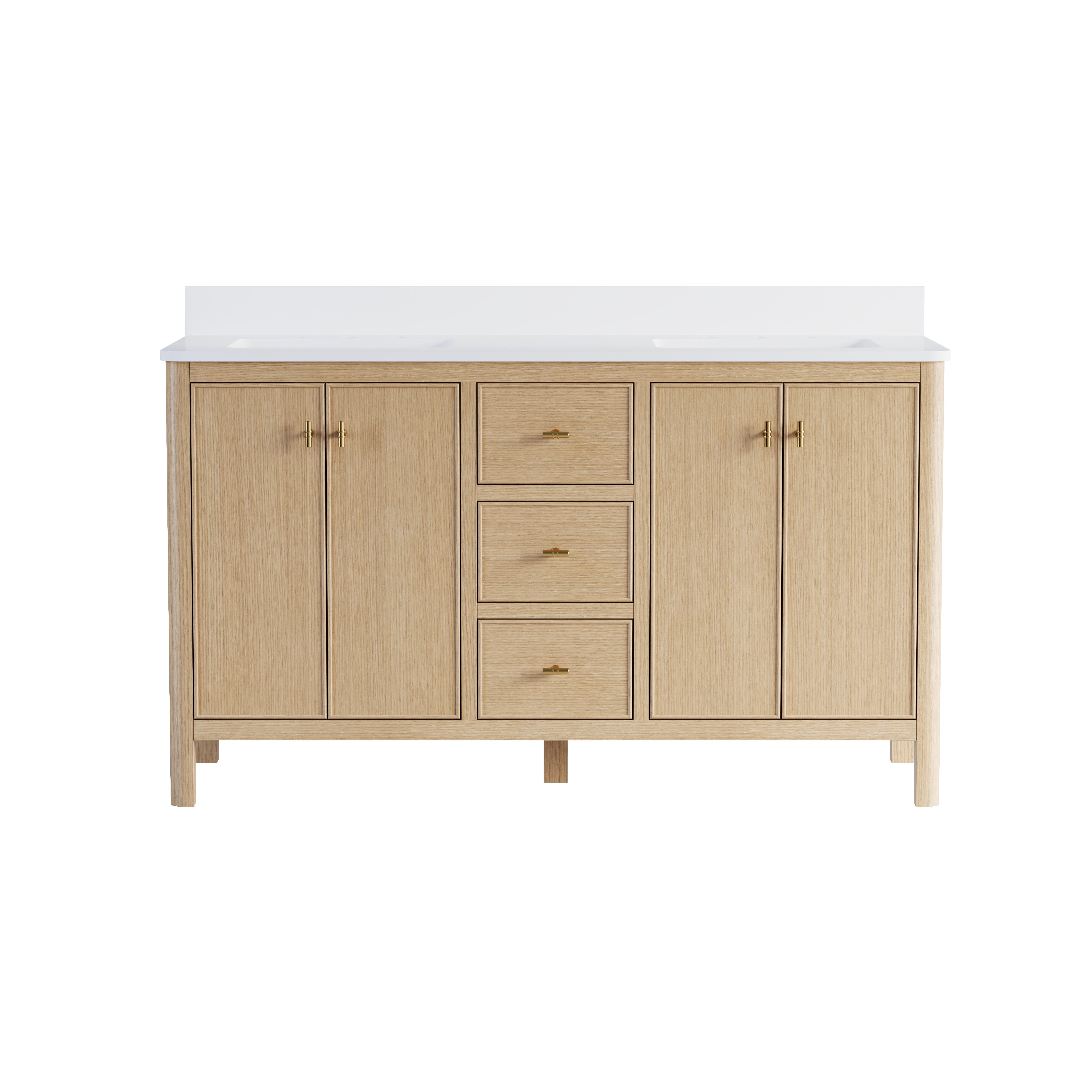
Space Extreme Challenge: The Engineering and Aesthetic Game of Whether 36 inch Vanities Can Carry Dual Sinks in a 36-inch Bathroom Cabinet
Introduction: The ultimate desire to achieve "washing freedom" in a small space
In urban residential design in 2026, the utilization rate of bathroom space has become a key indicator for measuring the quality of housing. With the acceleration of modern family life pace, the demand for morning "off-peak washing" is becoming increasingly urgent, making a double sink a coveted standard for many homeowners. However, the reality is that the main bathroom space in most compact apartments can accommodate only bathroom cabinets with a width of 36 inches (about 91 centimeters).
In traditional decoration concepts, 60 inches or 72 inches is the comfort zone for dual sinks. So, can a 36 inch cabinet accommodate dual sinks? This is a complex proposition that combines the limits of ergonomics, installation engineering challenges, and trade-offs in spatial aesthetics. This article will delve into 7 core considerations for challenging a dual-sink layout within a 36-inch-wide space from a professional industry perspective.
1. Hard core computing in physical space: millimeter level precision birth and death lines
Firstly, we must return to the most fundamental mathematical calculations. A standard medium-sized tabletop or mid-table basin typically measures 14 to 18 inches wide.
Sink occupancy: If two of the most compact 12-inch (approximately 30 cm) sinks are installed side by side, a total of 24 inches will be consumed.
Key margin: A minimum of 4 inches should be left between two sinks for installing faucets and drainage pipes, and each sink should be at least 4 inches from the left and right edges of the cabinet to ensure structural stability.
Conclusion: In theoretical calculations, 36 inches can indeed accommodate two extremely small sinks, but this means you will completely sacrifice all countertop storage space. Within the industry, this is known as the 'extreme layout' and is typically recommended only for extremely cramped, double-occupancy guest restrooms.
2. The game of installing faucets: side-mounted or wall-mounted?
Within the 36-inch width limit, a conventional rear-faucet installation will further compress the countertop depth, making the space feel more cramped.
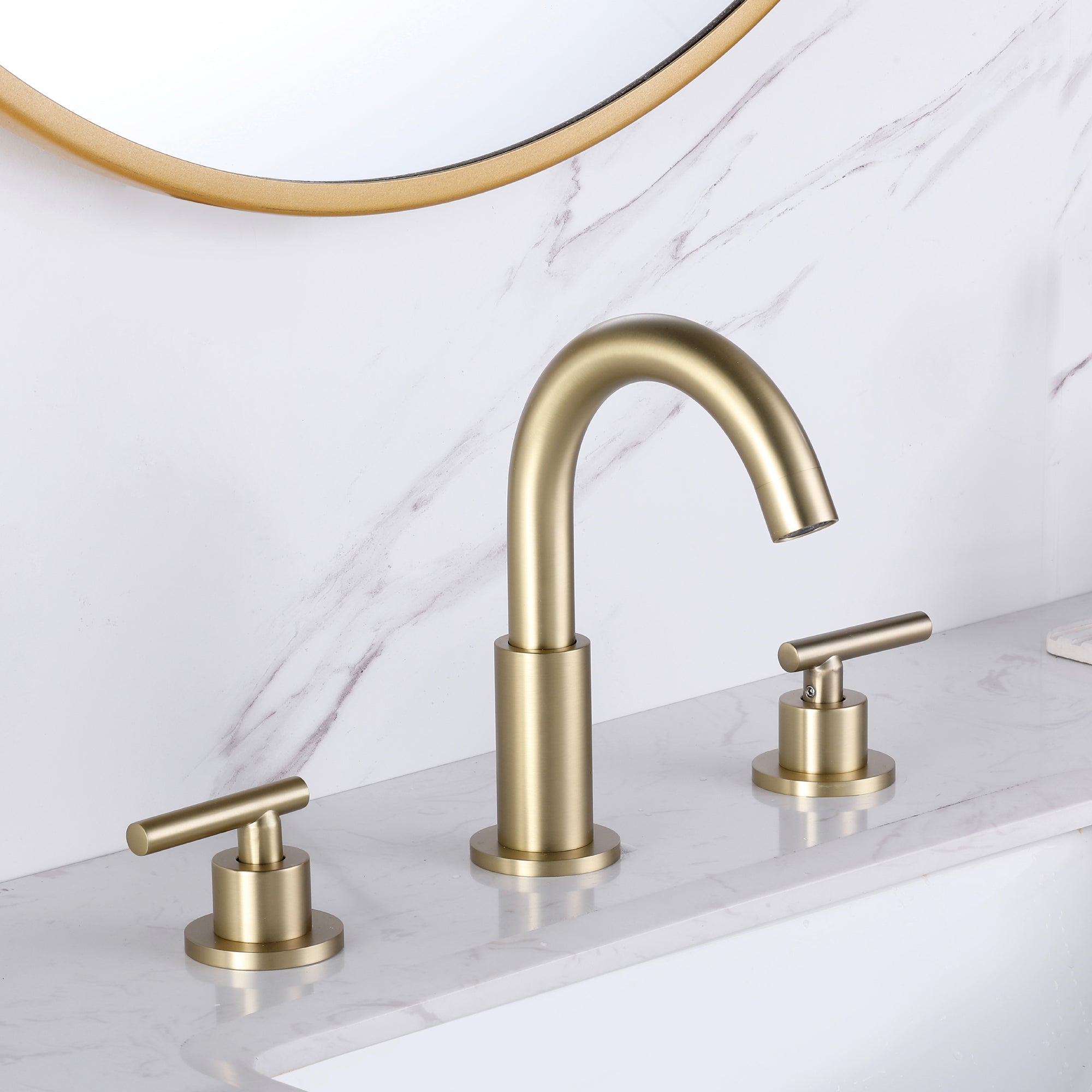
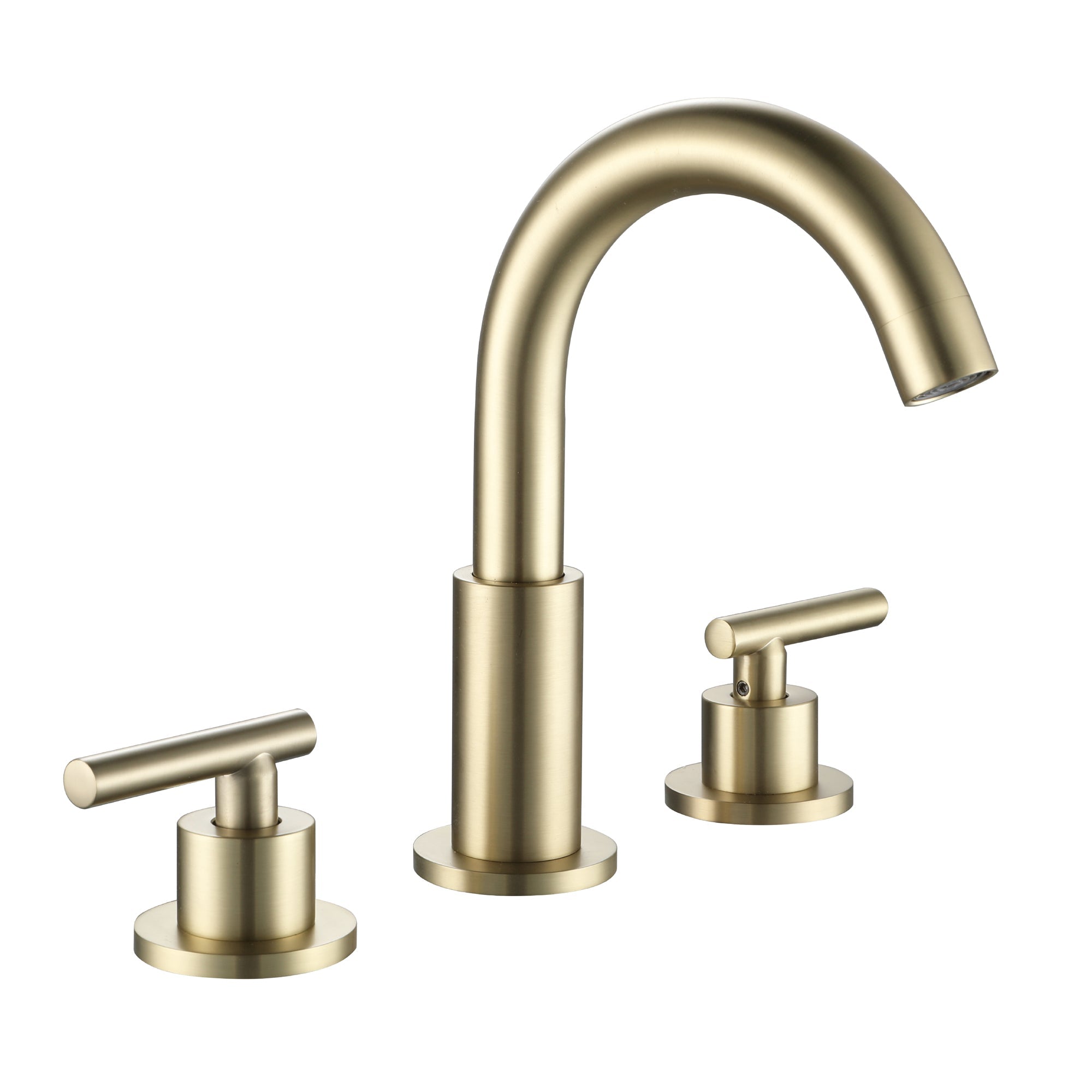
Avoid traditional positions: Industry experts suggest that, in a 36-inch dual-sink layout, wall-mounted faucets should be given priority. By embedding the water distribution system into the wall, approximately 3-5 inches of depth can be saved behind the surface, allowing the sink to be positioned slightly back and leaving valuable storage edges in front.
Side installation: Another innovative solution is to install the faucet on the sink's side. Although this changes the operating habits, on the 36-inch narrow cabinet, this layout effectively utilizes the corner space and prevents two users from having a violent elbow collision while washing.
3. The 'Internal War' of Drainage System: Sacrifice of Storage in Cabinets
Many people only focus on the aesthetics of the countertop, but overlook the complexity inside the cabinet.
Double drain structure: The interior space of the 36-inch cabinet is very limited. Two sinks mean two sets of P-Rap drainage pipes and two sets of inlet angle valves are required. If your bathroom cabinet is drawer-style, at least 60% of the drawer space will be cut or removed to avoid pipes.
Engineering suggestion: For a 36-inch double sink, it is recommended to choose an "open door" cabinet instead of a full drawer, or customize a specialized U-shaped drawer. At the same time, the reserved position of the drainage pipe (coarse horse pipe) inside the wall must be precise to the millimeter, otherwise there will be no room for adjusting the pipe misalignment later within the limited cabinet width.
4. The conflict of ergonomics: elbow collision and psychological boundaries
Aesthetics can be compromised, but ergonomics cannot.
The core issue with the 36-inch dual sink is the 'shoulder width conflict'. The average shoulder width of adults is between 16 and 20 inches. When two adults stand side by side in front of a 36-inch cabinet, their bodies fill the space.
Washing experience: This means that when both parties brush their teeth or wash their faces, their elbows will inevitably come into contact. This layout is more suitable for "one big and one small" (such as parent-child use) or as a backup plan in emergencies, rather than a long-term comfort master bathroom plan.
Visual suppression: Dense components can make the already small washing area appear cluttered, reducing the bathroom's relaxation.
5. The Rise of Alternative Solutions: The Dimension Reduction Strike of Trough Sinaddress. Solve the embarrassment of not being able to fit "two independent sinks" in 36 inches, a smarter approach was advocated in the industry in 2026: a single basin dodragonhead head trough sink.
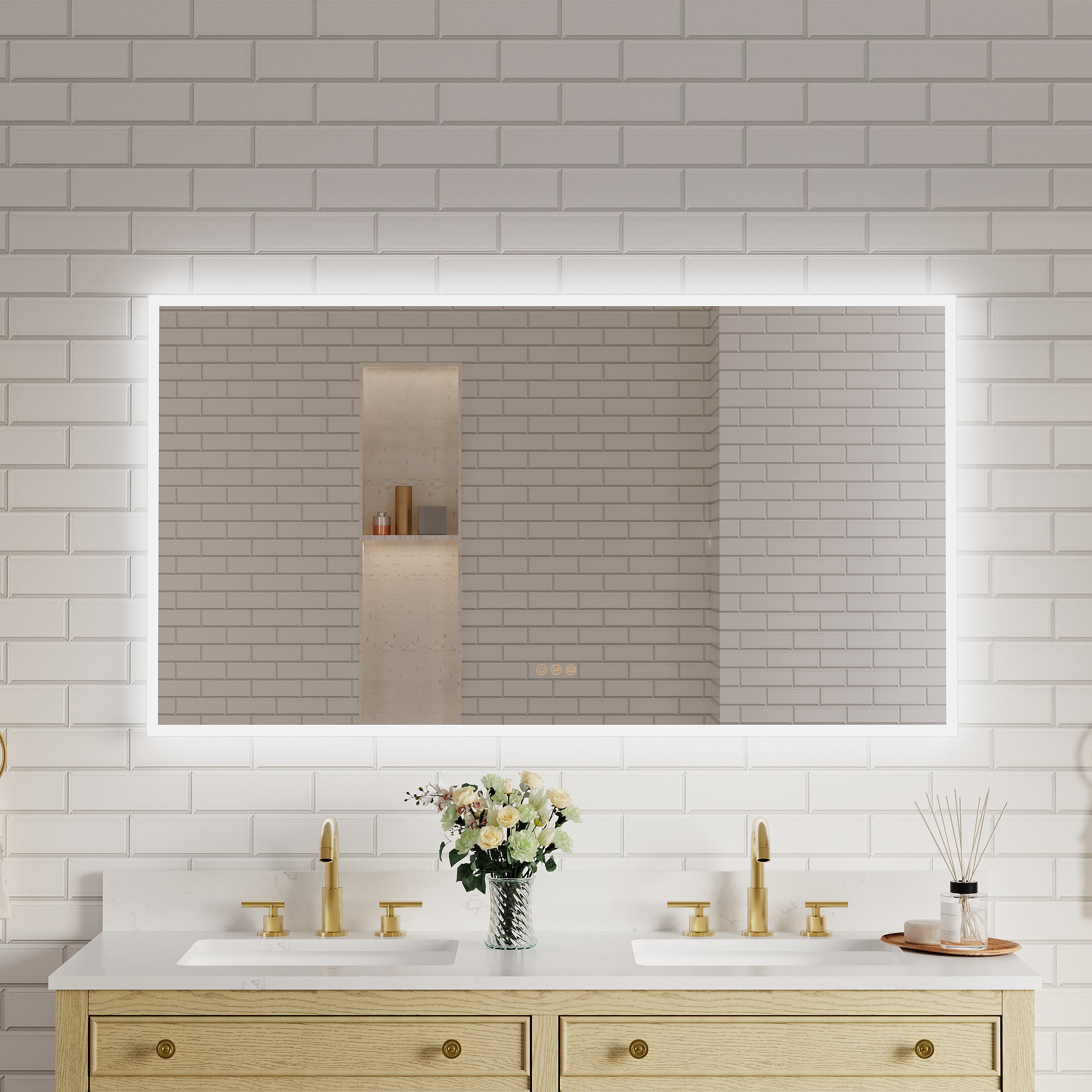
Visual unity: A long rectangular sink approximately 30 inches wide, paired with two independent wall-mounted or countertop faucets.
The advantages are obvious: this design avoids the visual fragmentation caused by the middle partition, and the drainage system can be simplified to a single set, greatly freeing up storage space inside the cabinet. Most importantly, it allows two users to use the water flow simultaneously without appearing crowded, like two independent circular pots placed side by side.
6. Material and Visual Deception: Transparency and Lightness
If you insist on installing two independent basins in a 36-inch36-inch cabinet, the choice of material will determine whether it succeeds or fails.
Light colored power: Use the White Bath Vanity mentioned earlier with a light colored quartz countertop. White has a natural tendency to expand, which can alleviate the heaviness caused by dense components.
Embedding method: Priority should be given to selecting Undermount Sinks. The edge of the lower sink is hidden under the countertop, visually refreshing and more spacious than the Vessel Sinks.
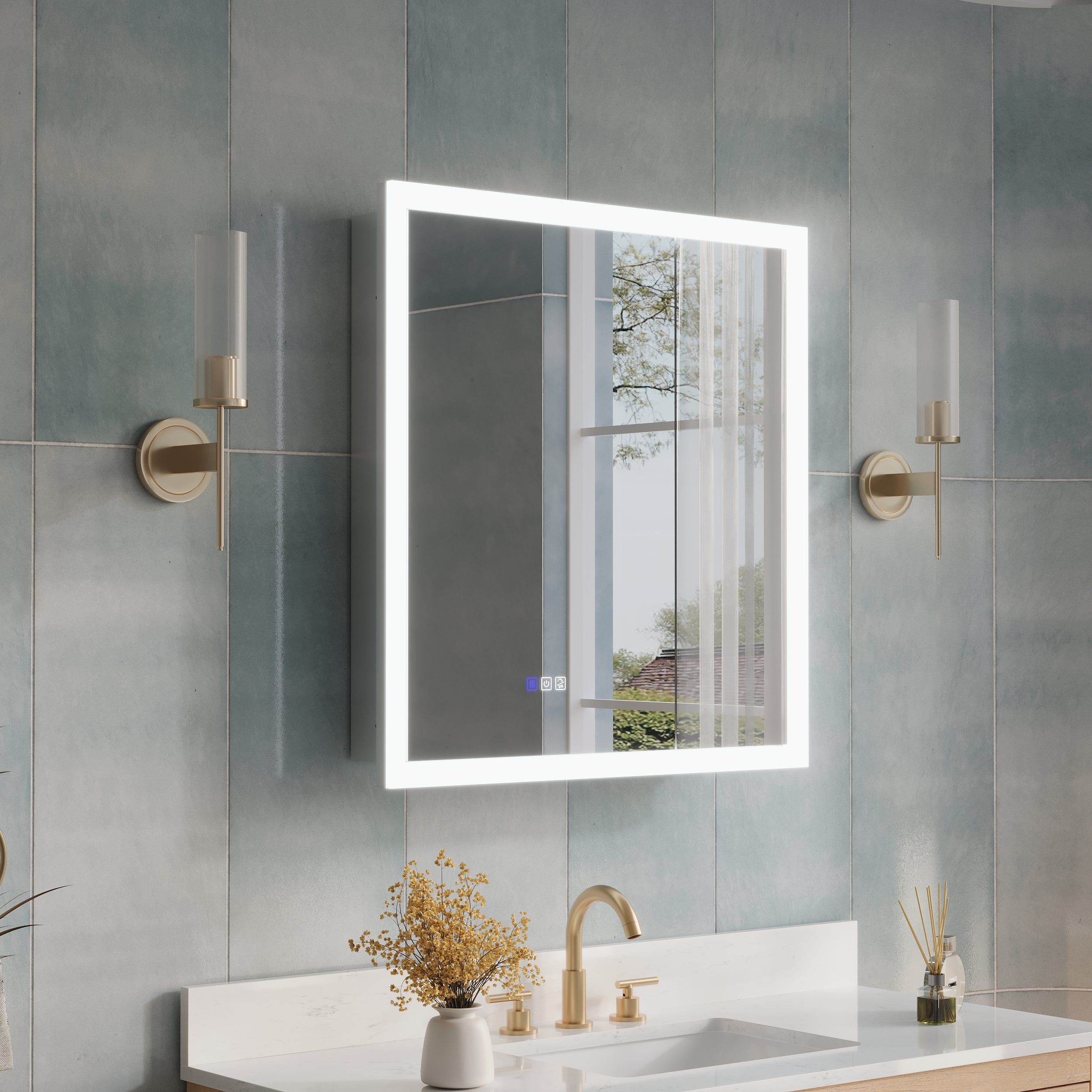
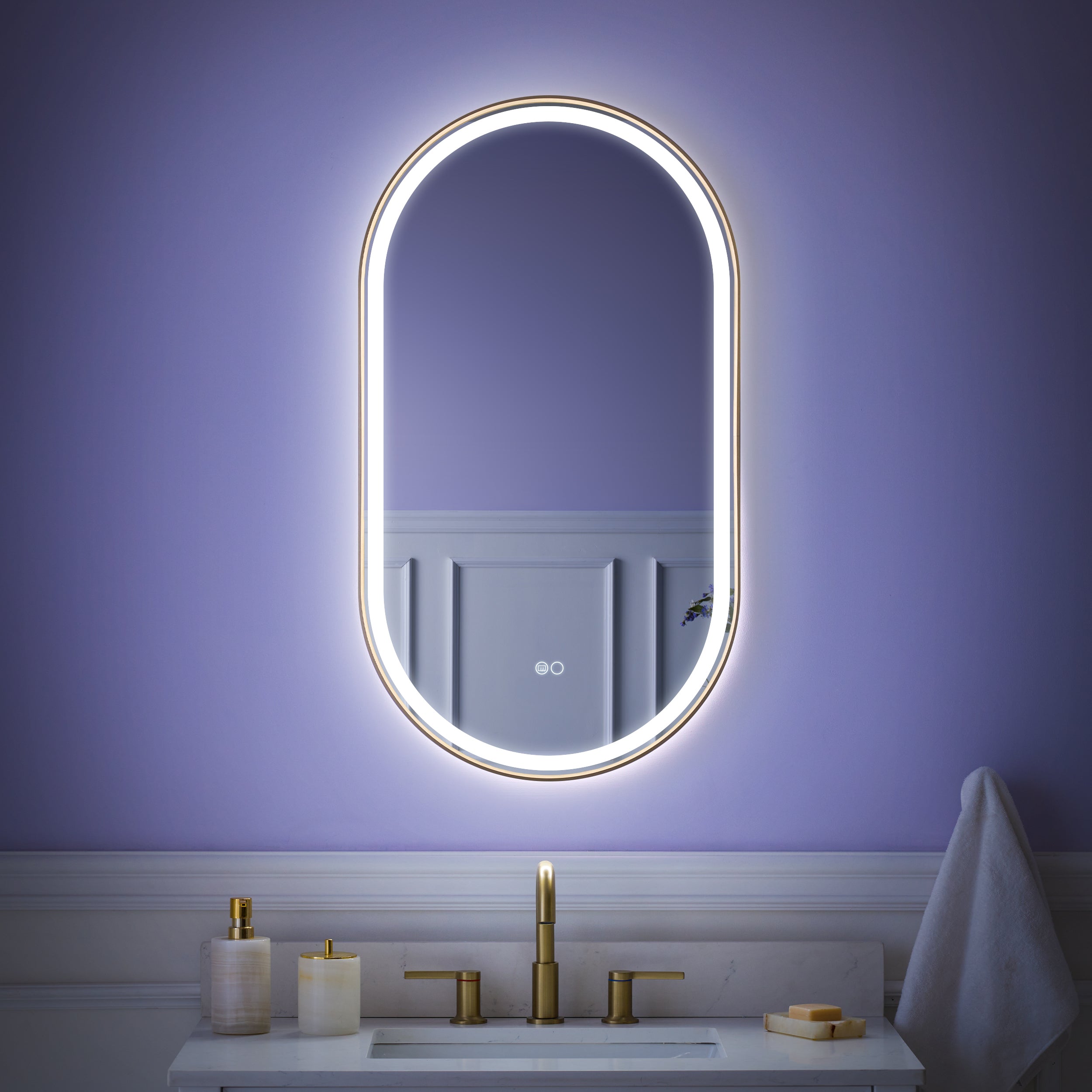
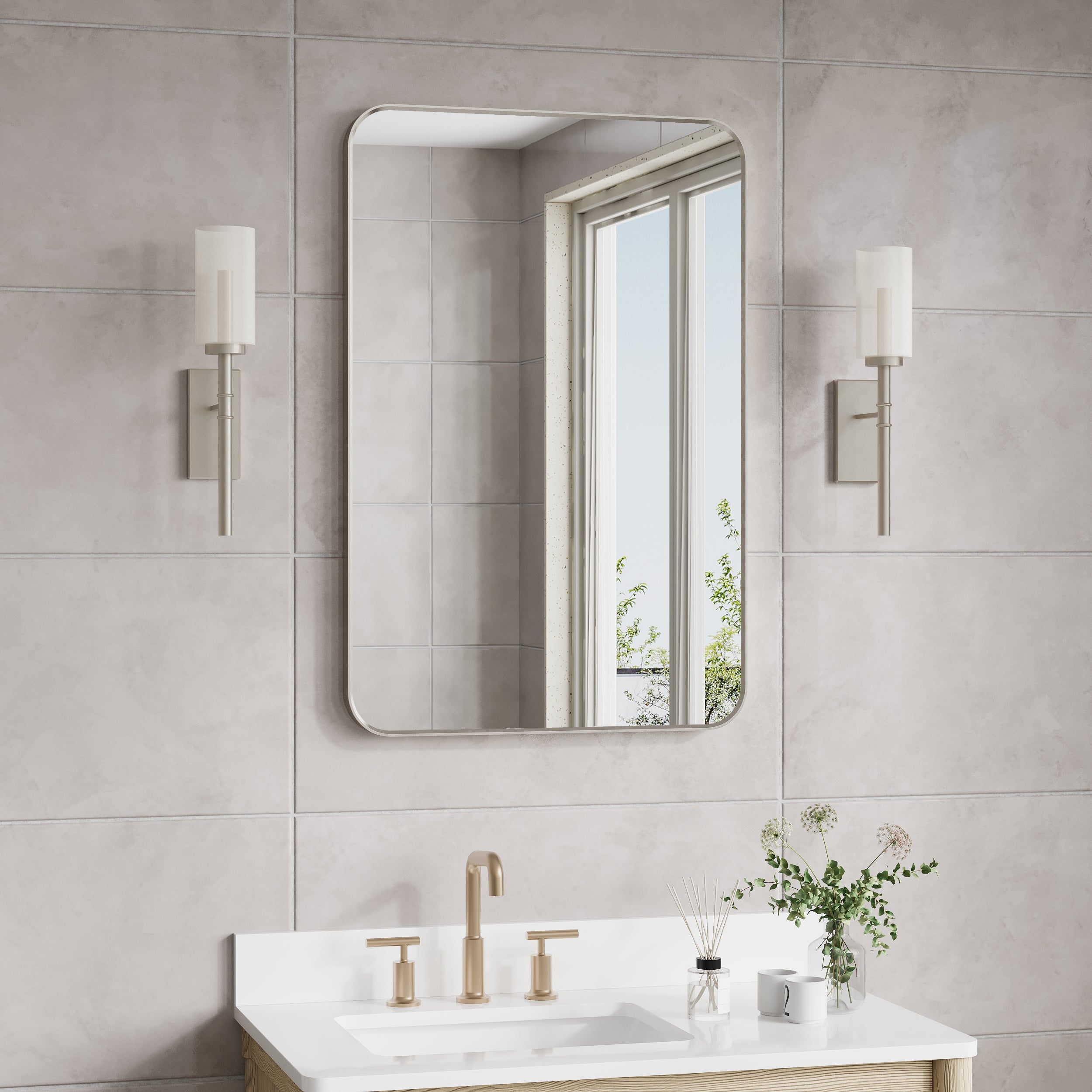
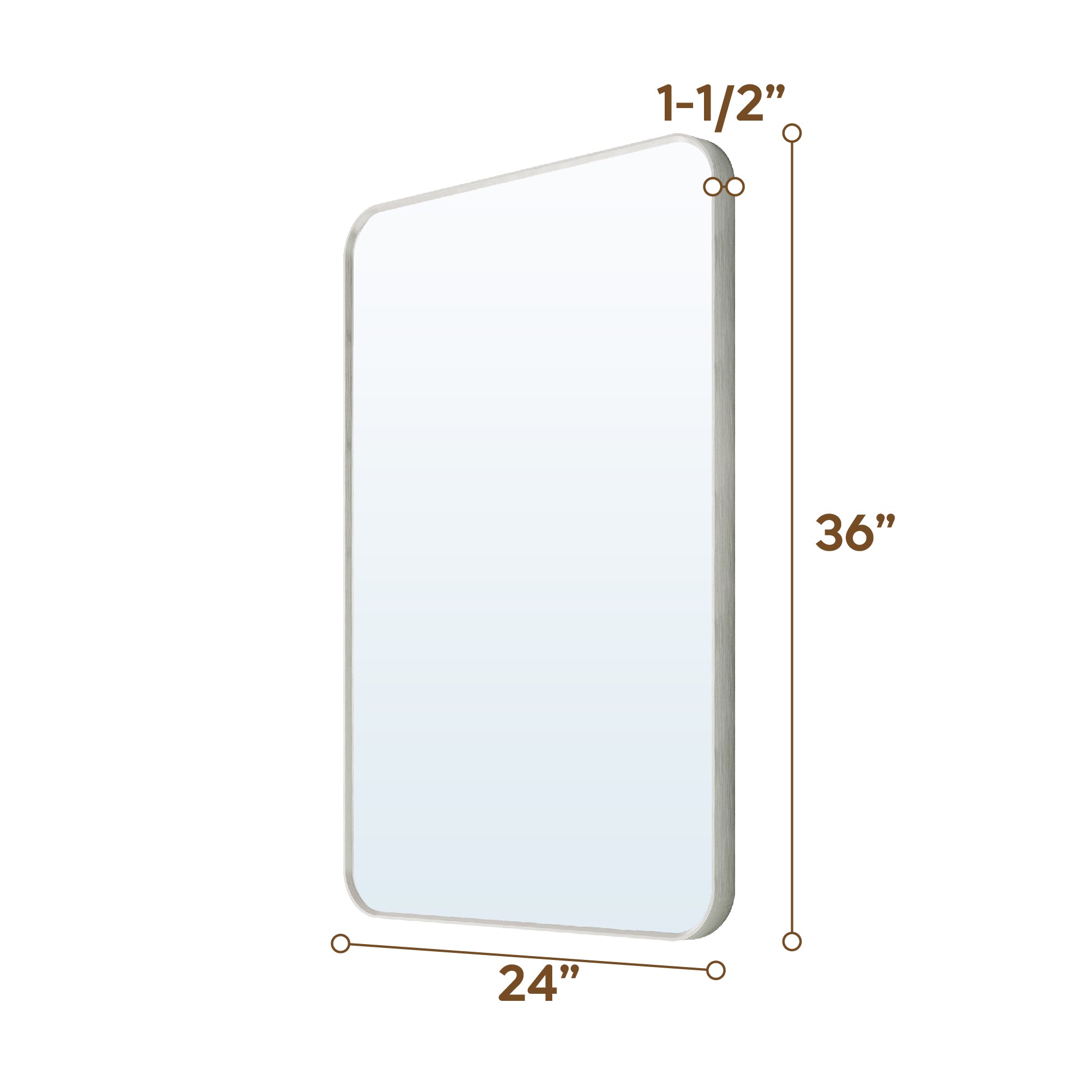
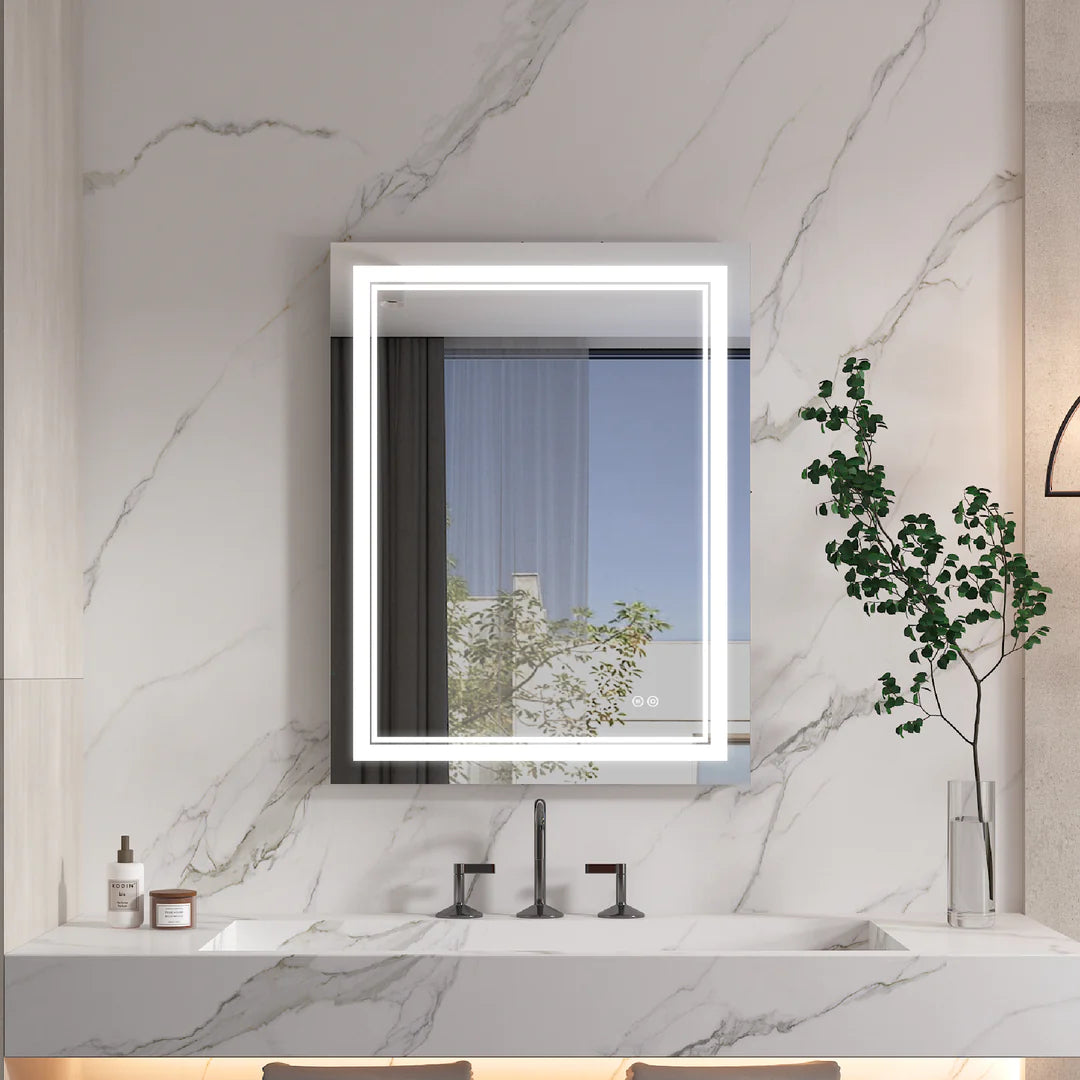
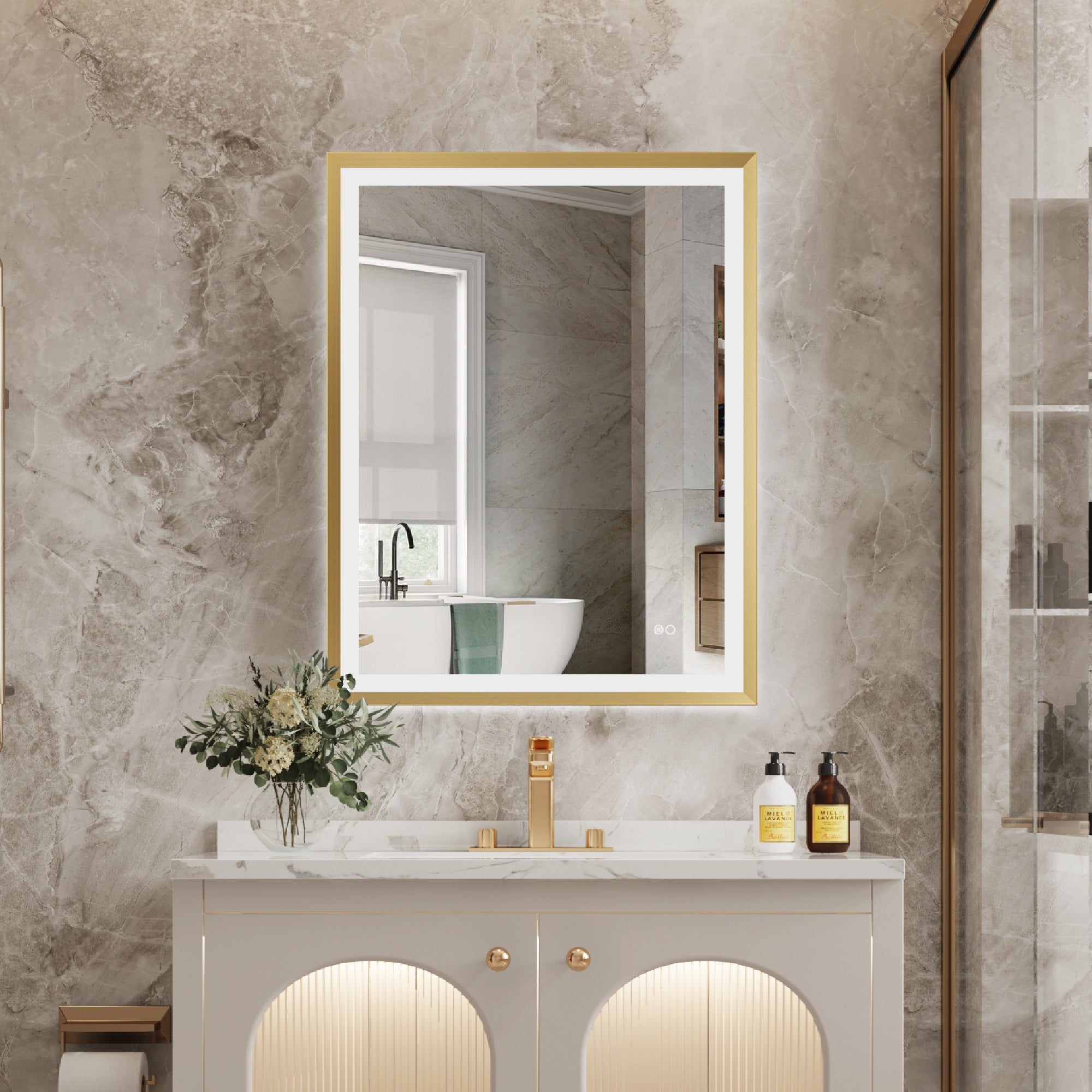
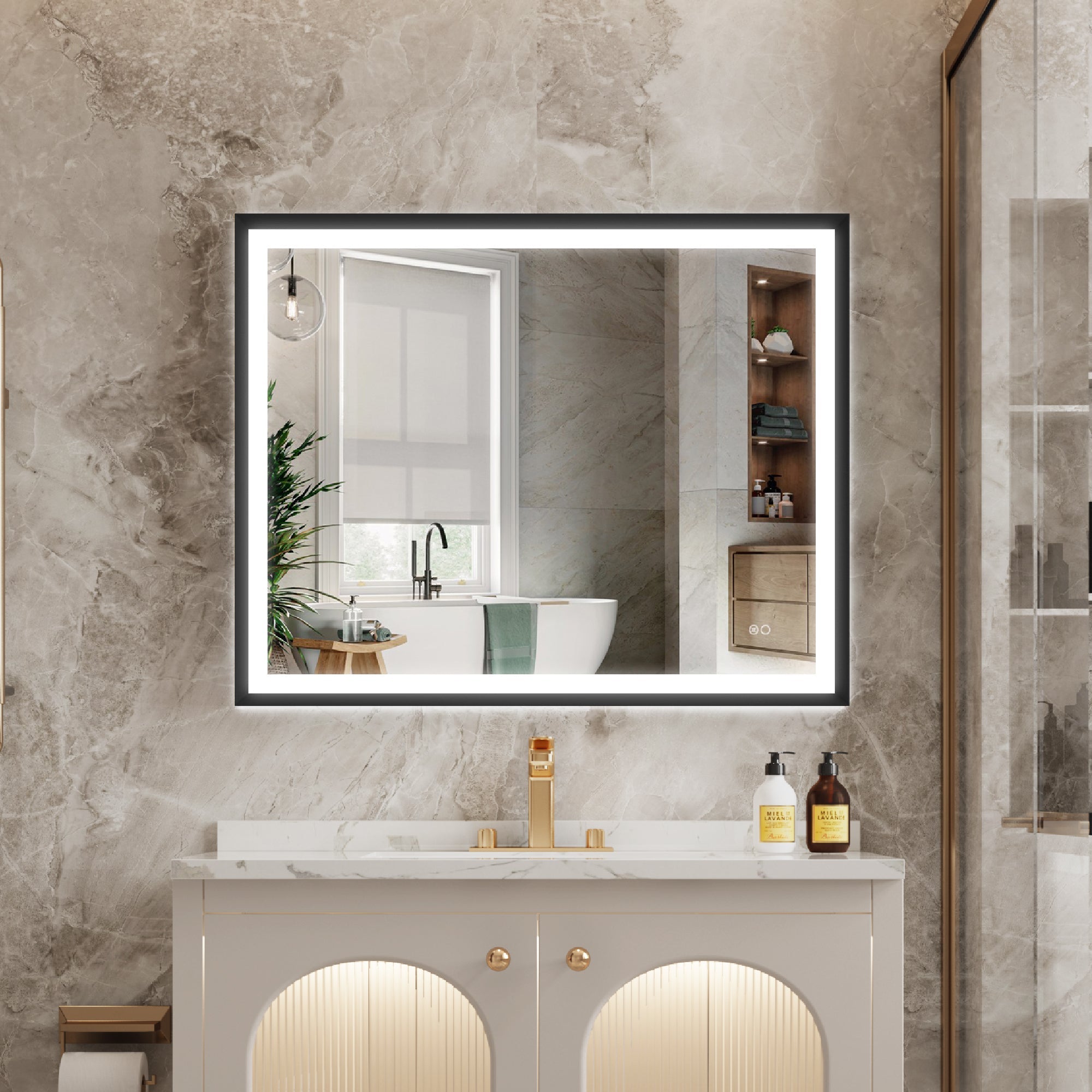
Mirror coordination: Paired with a rectangular mirror that spans the entire width of the cabinet, compensating for the lack of physical space through mirror reflection.
7. Market value assessment: bonus or discount items for resale?
From the perspective of the real estate industry, a 36-inch double sink is a controversial investment.
Bonus point: In some small apartment markets, having a "double sink" is a strong selling point (USP) that can attract young buyers who pursue functionality.
Deduction: Senior home decor assessors may consider this design "overdesign" due to sacrificing all countertop space and a limited user experience, which actually lowers the bathroom's practical rating.

Summary: 36-inch Dual Sink - Feasible Challenge, Rational Choice
Returning to the original question: Can a 36-inch bathroom cabinet accommodate dual sinks?
The answer is yes, but it is extremely demanding in engineering. It requires you to simultaneously meet the following requirements: use wall-mounted faucets, sacrifice cabinet storage, choose compact, small basins, and accept almost zero countertop storage space.
If your original intention is to improve life efficiency, the consensus recommendation from industry experts is: instead of forcefully installing two sinks within a 36-inch-wide space, it is better to choose a high-quality, large basin with a dual-faucet solution. This approach not only retains the function of dual use but also maintains the elegance and orderliness that the bathroom space should have.














Leave a comment
This site is protected by hCaptcha and the hCaptcha Privacy Policy and Terms of Service apply.