
















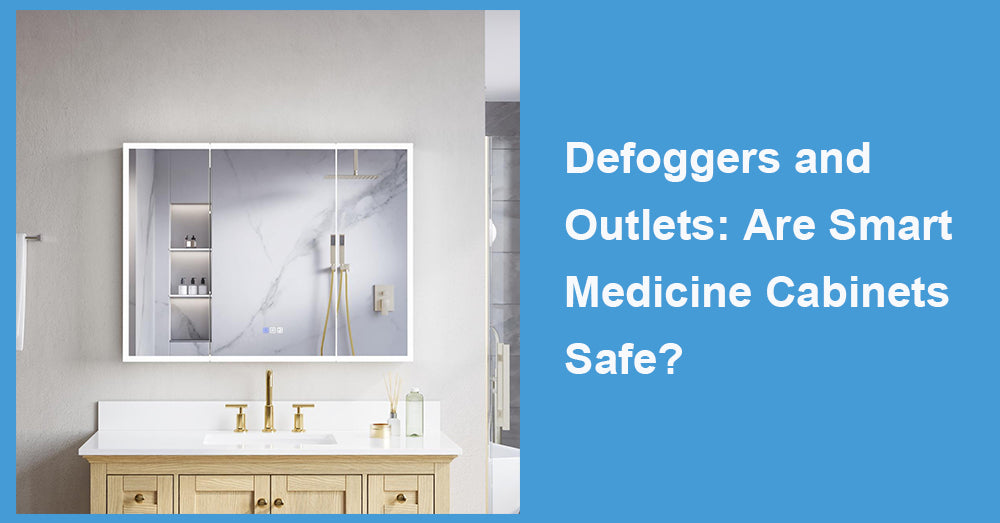
Introduction: The "Intelligent Brain" of Bathroom Space and Its Safety Red Line
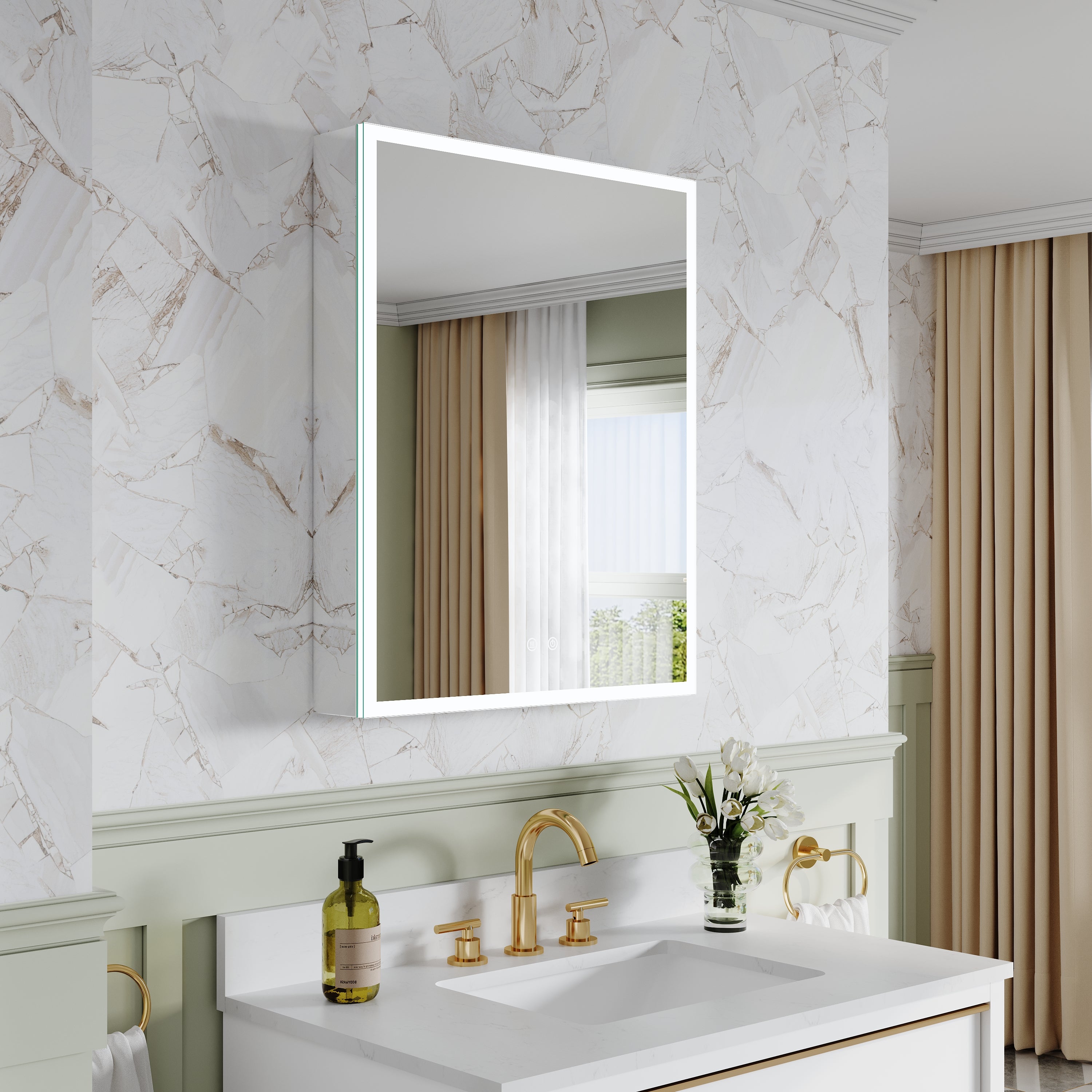
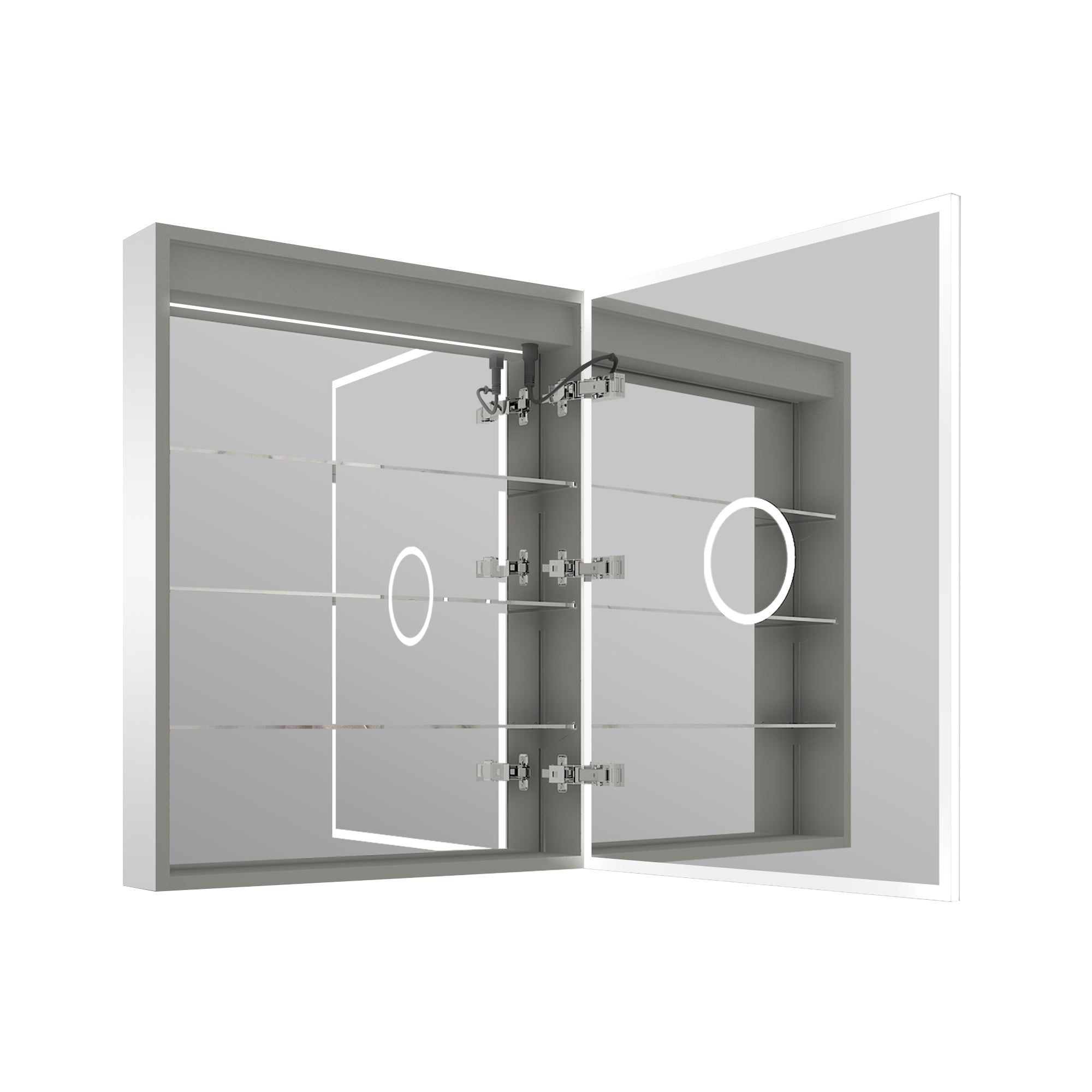
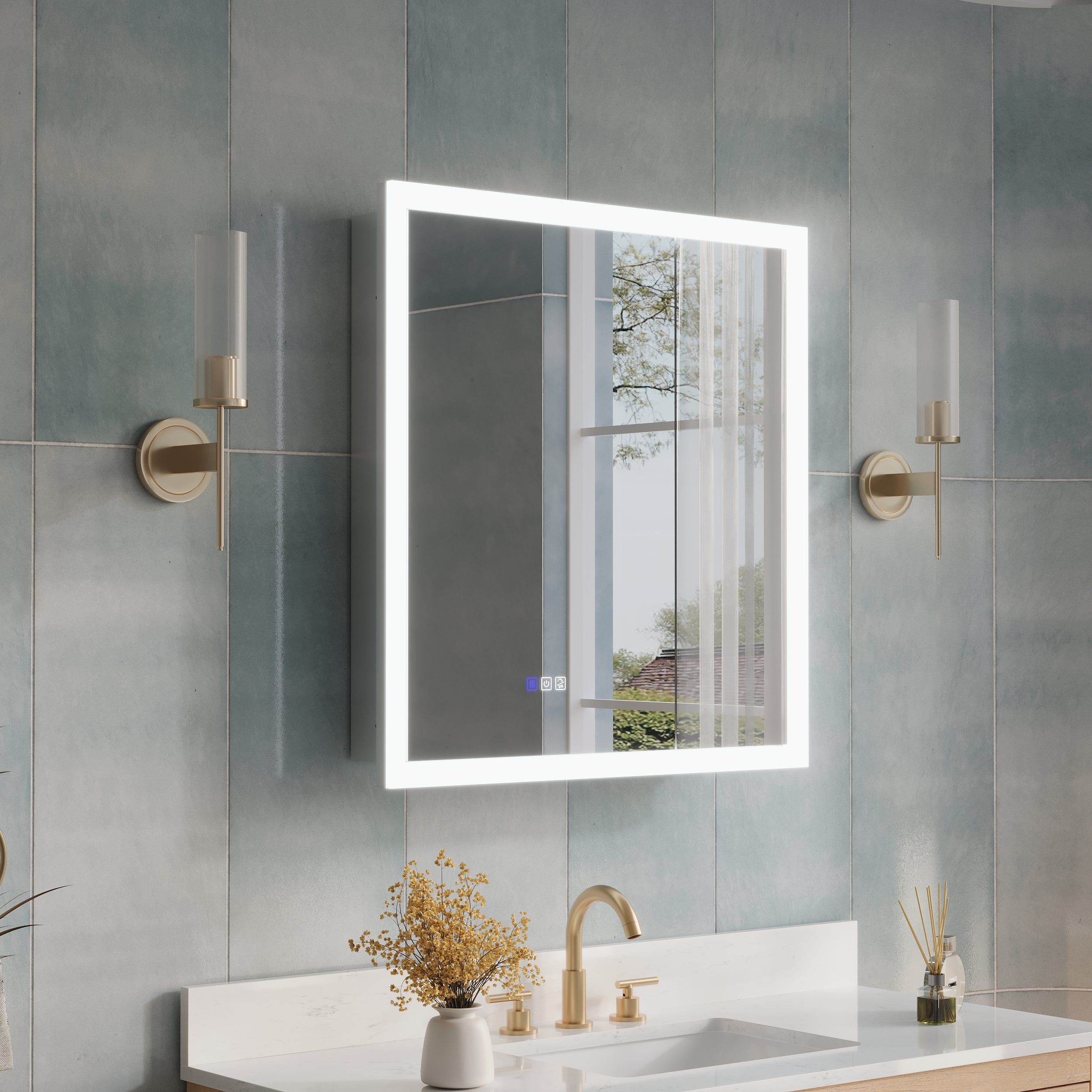
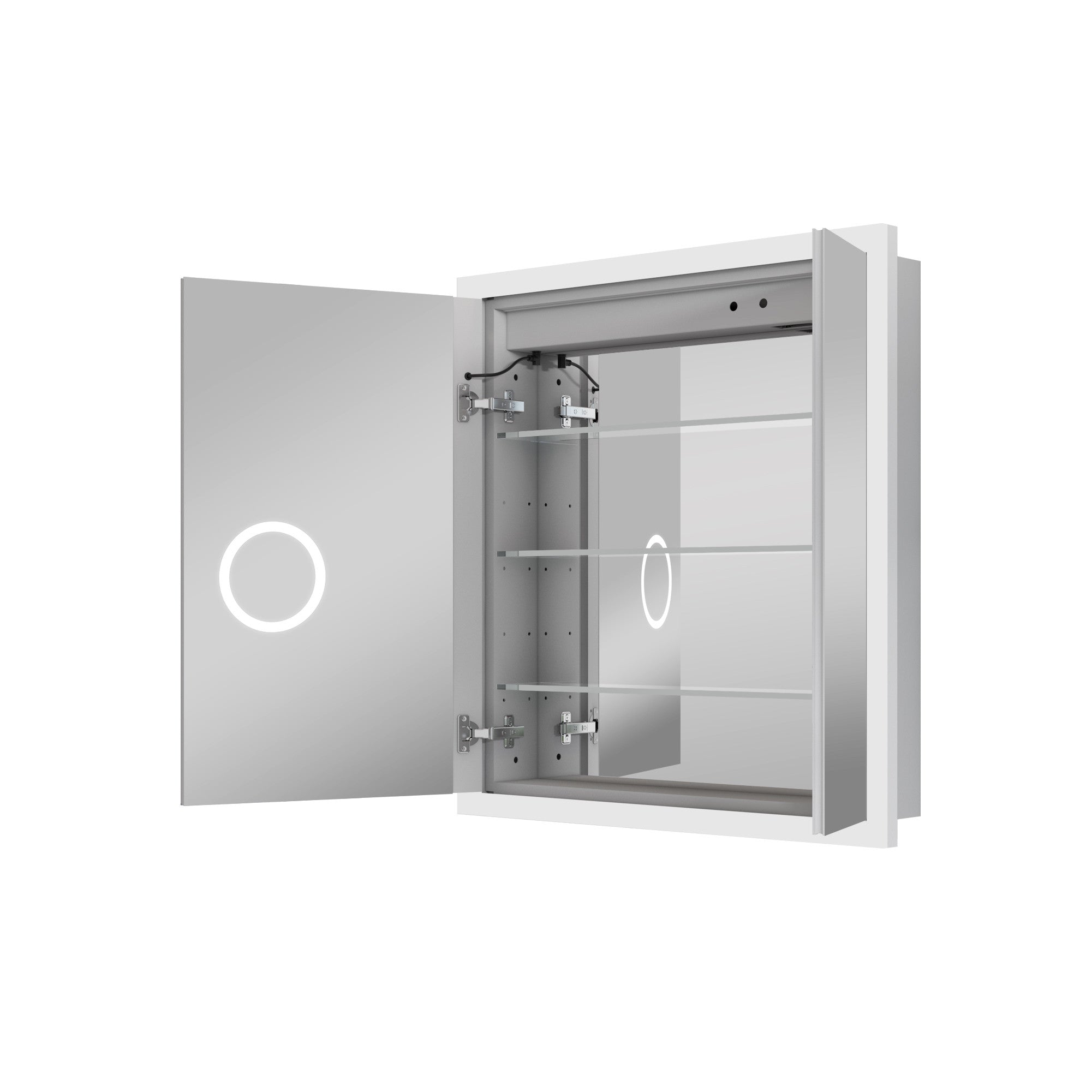
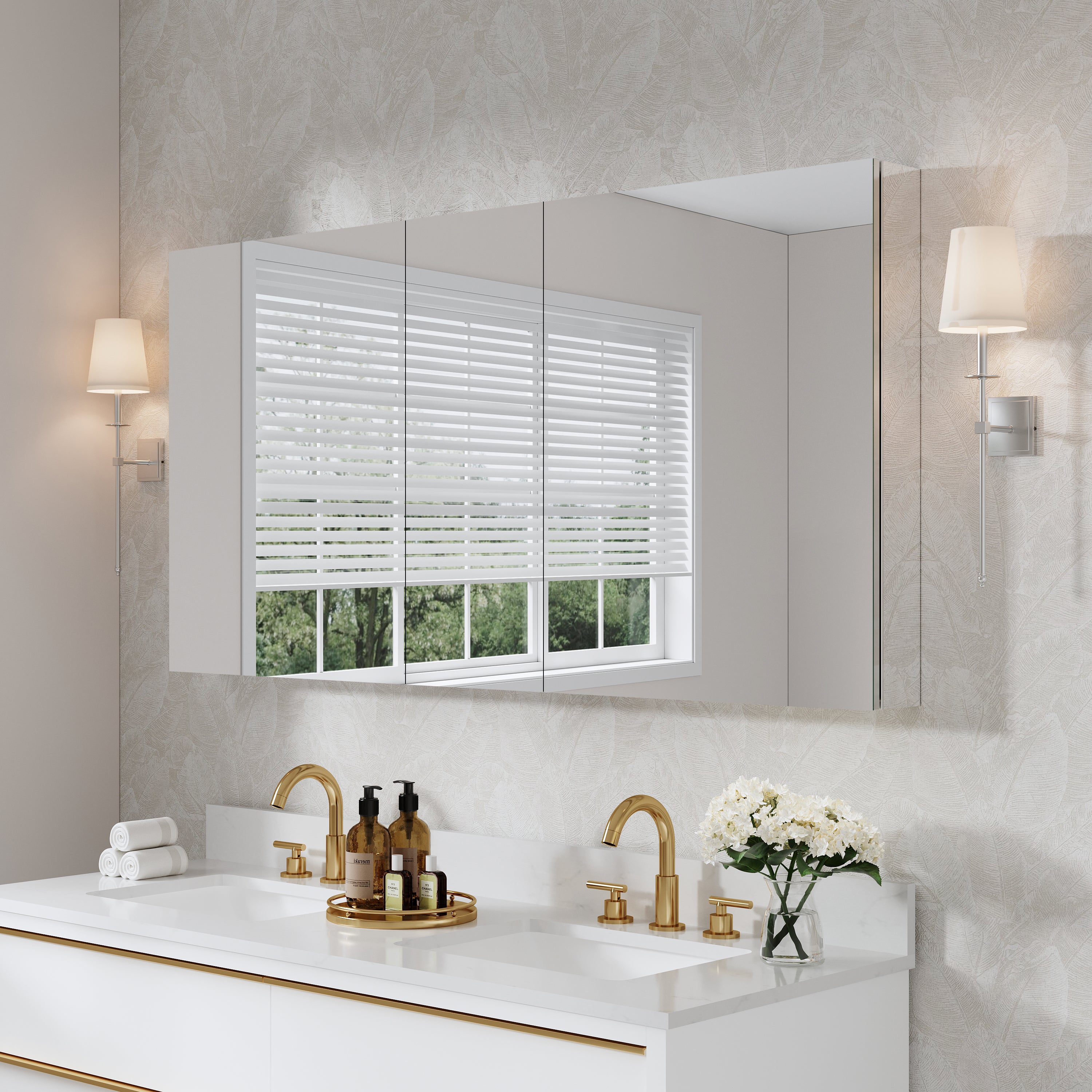
With the extension of smart homes from living rooms to private bathrooms, smart bathroom medicine cabinet are no longer just wooden boxes for storing toiletries, but a "smart brain" that integrates a high-definition display, intelligent defogging, a built-in power supply, and skin monitoring. According to market data, in 2026 the penetration rate of mirror cabinets with defogging and built-in socket functions in high-end furnished residences exceeded 60%.
However, in a humid bathroom environment and with high-voltage current, consumers' doubts persist: Is the smart mirror cabinet safe? Especially when the heating module (defogging) and the power interface (socket) appear simultaneously above the steaming sink, this doubt is further amplified. This article will deeply dissect the safety technology moat of intelligent mirror cabinets across six dimensions: industry engineering, electrical safety standards, and daily-use logic.
1. The essence of anti-fog technology: low-temperature heating and material thermal stability
The defogging function is the core selling point of the intelligent mirror cabinet. The physical principle is to heat the PET electric anti-fog film on the back of the mirror, raising the mirror surface temperature slightly above the indoor dew point, thereby preventing water vapor condensation.
Temperature control safety: Industry standard smart mirror cabinets typically control the heating temperature within a temperature rise range of 15 ° C-20 ° C (with a final temperature of approximately 40 ° C-45 ° C). This temperature is much lower than the ignition point of the material, and even lower than the water temperature during human bathing, so there will be no burns or mirror explosions.
Automatic power-off mechanism: High-end products in 2026 are equipped with a "delayed automatic shutdown" function. The system will automatically power off 30-60 minutes after starting defogging, effectively preventing continuous power consumption and potential overheating risks caused by users forgetting to turn it off.
2. Electrical safety of built-in sockets: "multiple insurances" for waterproofing and leakage prevention
Setting up sockets inside the mirror cabinet is to solve the charging pain points of devices such as electric toothbrushes, razors, hair dryers, etc. But this does place extremely high demands on electrical insulation.
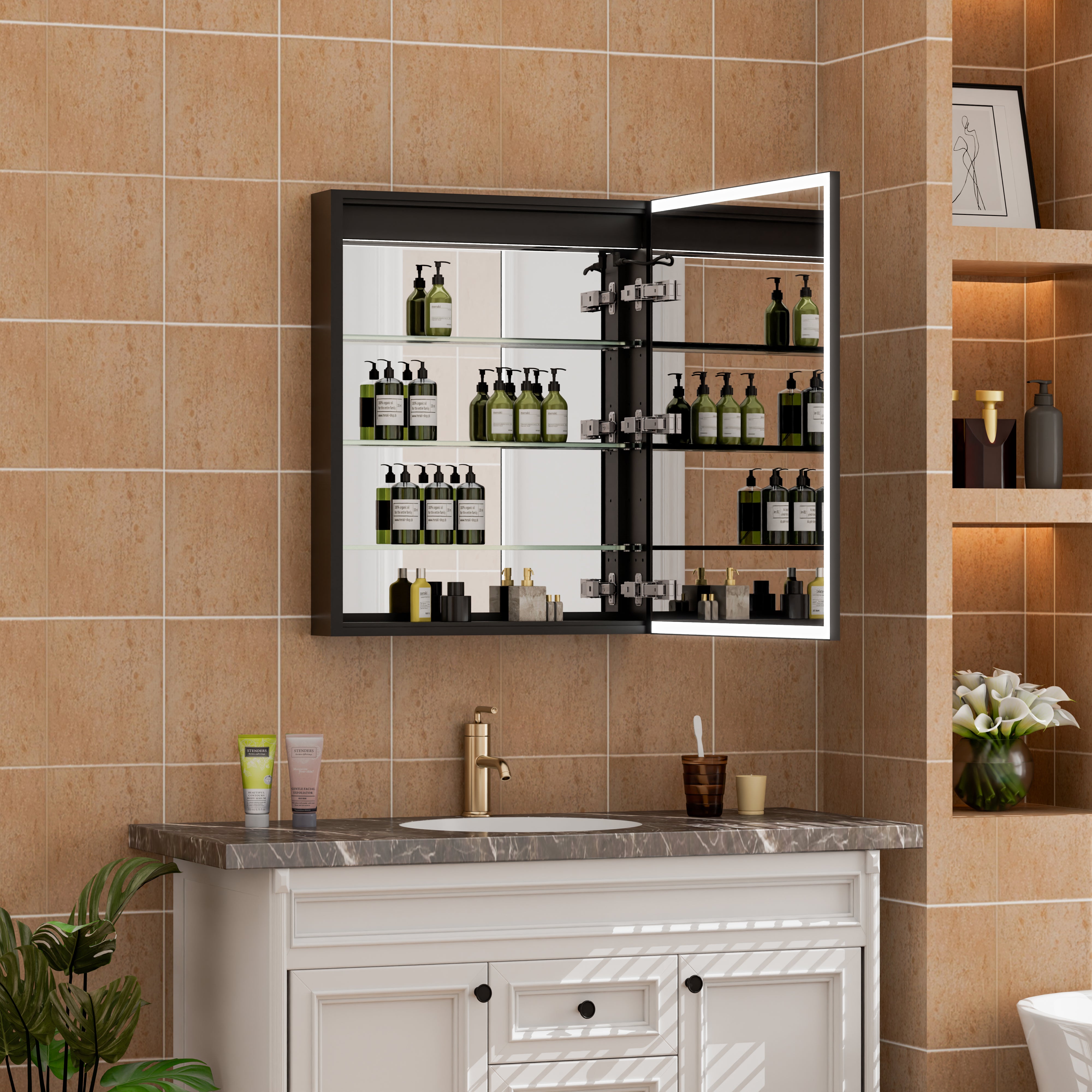
Dry-wet separation structure: Qualified intelligent mirror cabinets feature strict chamber isolation. The circuit board, driver power supply, and socket module are sealed in separate waterproof boxes, physically isolated from the storage area for wet facial cleansers and toothbrushes.
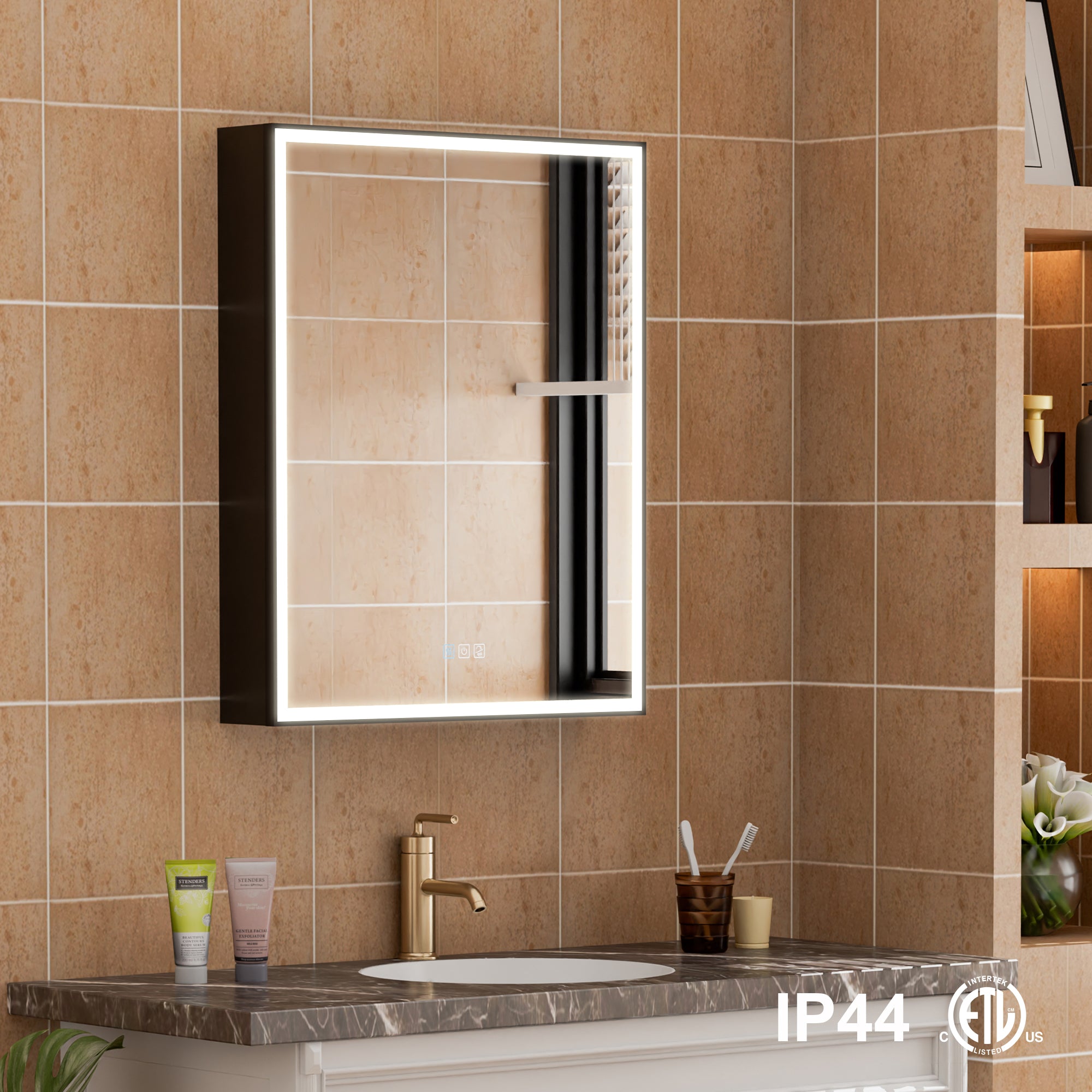
Waterproof rating: Industry-standard socket modules must achieve at least an IP44 waterproof rating, which means they can withstand splashing water from any direction.
GFCI (Ground Fault Protection): Top brands will integrate GFCI sockets. Once a small current leakage (such as water droplets splashing in) is detected, the system will cut off the power within 0.025 seconds, much faster than the main switch of the home distribution box, providing ultimate electric shock protection.
3. Structural stability: load-bearing, moisture-proof, and glass explosion-proof
Smart mirror cabinets are heavier than traditional mirror cabinets because they integrate electronic components and thicker mirror surfaces.
Hanging system security: Industry news points out that high-end mirror cabinets must use * * French Cleat * * or reinforced expansion anchoring systems. The installation of the wall must be carried out on load-bearing walls or reinforced lightweight partition walls to prevent the mirror cabinet from falling off due to long-term heavy loads.
Explosion-proof glass process: The mirror surface should be made of 5mm environmentally friendly, copper-free mirror and pasted with explosion-proof film. Even if the mirror is severely impacted and broken by external forces, the fragments will adhere to the film and will not splash and injure people, which is particularly important in families with children.
4. Driver power and flicker: visual health is also a 'safety' factor
Many people overlook the safety of the lighting environment in smart mirror cabinets.
Constant-current drive: Poor-quality LED mirror cabinets can produce flicker invisible to the naked eye, and long-term use can lead to eye fatigue and even migraines. Industry safety standards require drivers to have constant current conversion capability to ensure smooth optical output.
Low voltage operation: Most internal LED strips are powered by 12V/24V low voltage. This means that even in the event of severe physical damage that exposes the circuit, low voltage cannot penetrate human resistance, eliminating the possibility of fatal electric shock from the source.

5. Environmental adaptability: P2 level environmentally friendly board and circuit anti-corrosion
The bathroom is exposed to high humidity and high acidity (residual cleaning agents) for a long time, and electronic components are prone to oxidation.
Anti-corrosion coating: The circuit board of the smart mirror cabinet is usually coated with three anti-corrosion paints (moisture-proof, anti-salt spray, anti-mold).
Formaldehyde safety of panels: The interior of the smart mirror cabinet generates slight heat due to integrated circuits. If inferior panels are used, the heat will accelerate the release of formaldehyde. When choosing, it is necessary to identify ENF- or P2-grade environmentally friendly boards to ensure air quality and safety in enclosed bathroom spaces.
6. User Interaction Security: Wet Hand Operation and Intelligent Sensing
Bathroom operations inevitably carry water stains.
Capacitive touch: Modern intelligent mirror cabinets use capacitive touch technology, with the switch panel completely insulated from the internal circuit. Even if the fingers are operated with water, there will be no current backtracking.
Infrared hand scan sensing: The most recommended interaction solution for 2026 is "hand scan sensing". Users do not need to touch the mirror surface; they only need to wave in the sensing area to turn the lights on or off or defog. This "zero contact" not only protects the mirror surface from cleaning, but also eliminates the psychological burden of electric shock.
Summary: A 'safety checklist' for purchasing decisions
Is the smart mirror cabinet safe? The answer is yes, provided that you choose a compliant product. When purchasing a smart mirror cabinet with defogging and socket functions, please be sure to check the following "safety endorsement":
Certification mark: Whether it has ETL, UL, or CE certification.
Protection level: Whether the socket area has IP44 or higher waterproof certification.
Temperature control logic: Is there automatic shutdown protection?










Leave a comment
This site is protected by hCaptcha and the hCaptcha Privacy Policy and Terms of Service apply.