
















Introduction: Breaking the limitations of the "four walls."
In modern urban living environments, "small bathrooms" are often among the biggest challenges interior designers face. How to balance washing, storage, and visual transparency within a limited square meter? **As the most important visual element in the bathroom, the shape of a mirror is not just a personal aesthetic preference, but a scientific game about geometry, spatial fluidity, and psychological perception.
The 2026 bathroom decoration trend report shows that over 70% of compact apartment residents will be torn between "circular or rectangular" when decorating. Circles represent softness and visual extension, while rectangles symbolize efficiency and order. This article will analyze in depth six core dimensions that shape the true "spatial magician" in the small bathroom.
1. Visual Stretching: Vertical and Horizontal Potential of a Rectangle
A rectangular mirror is the most robust choice for small bathrooms, with its core advantage being the precise use of lines.
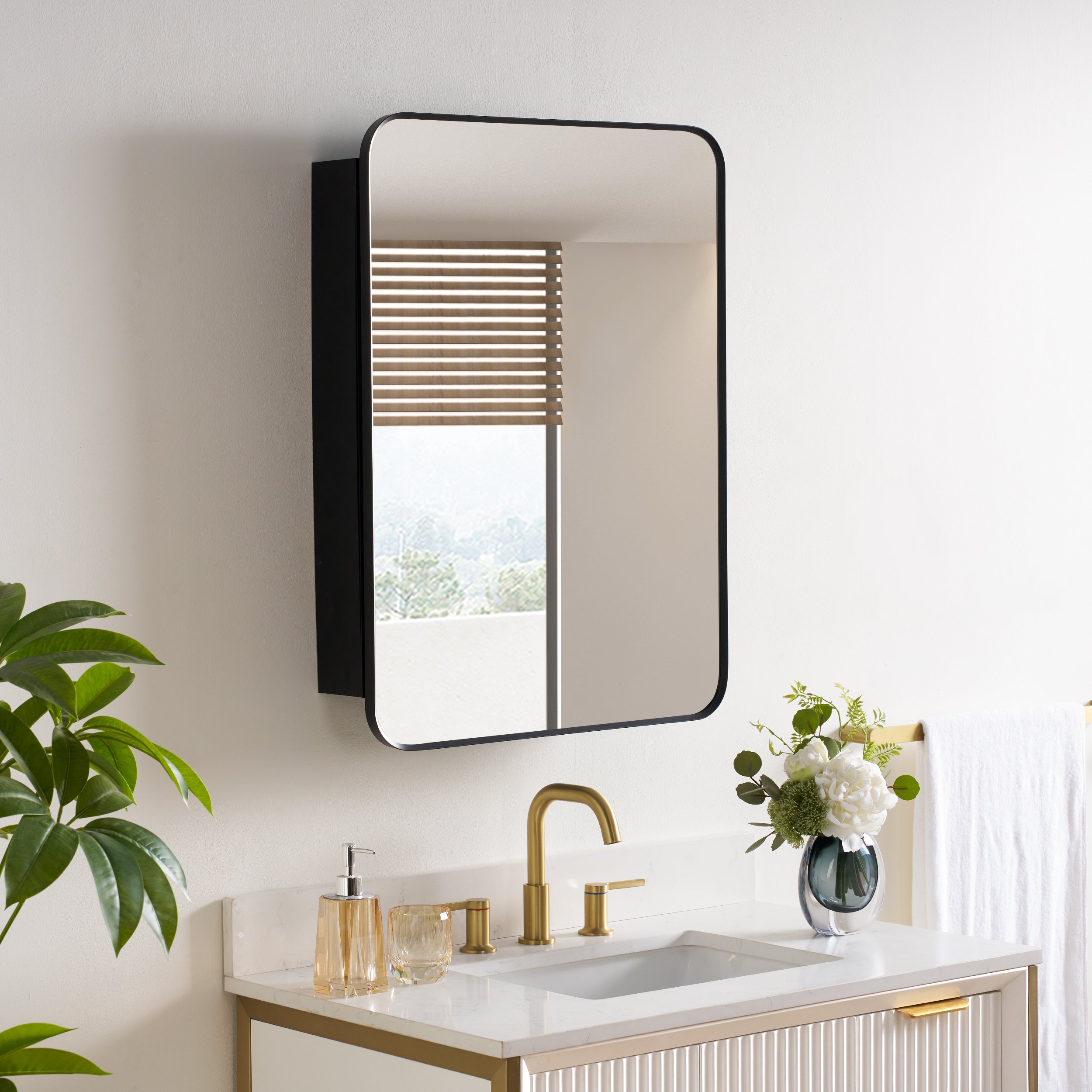
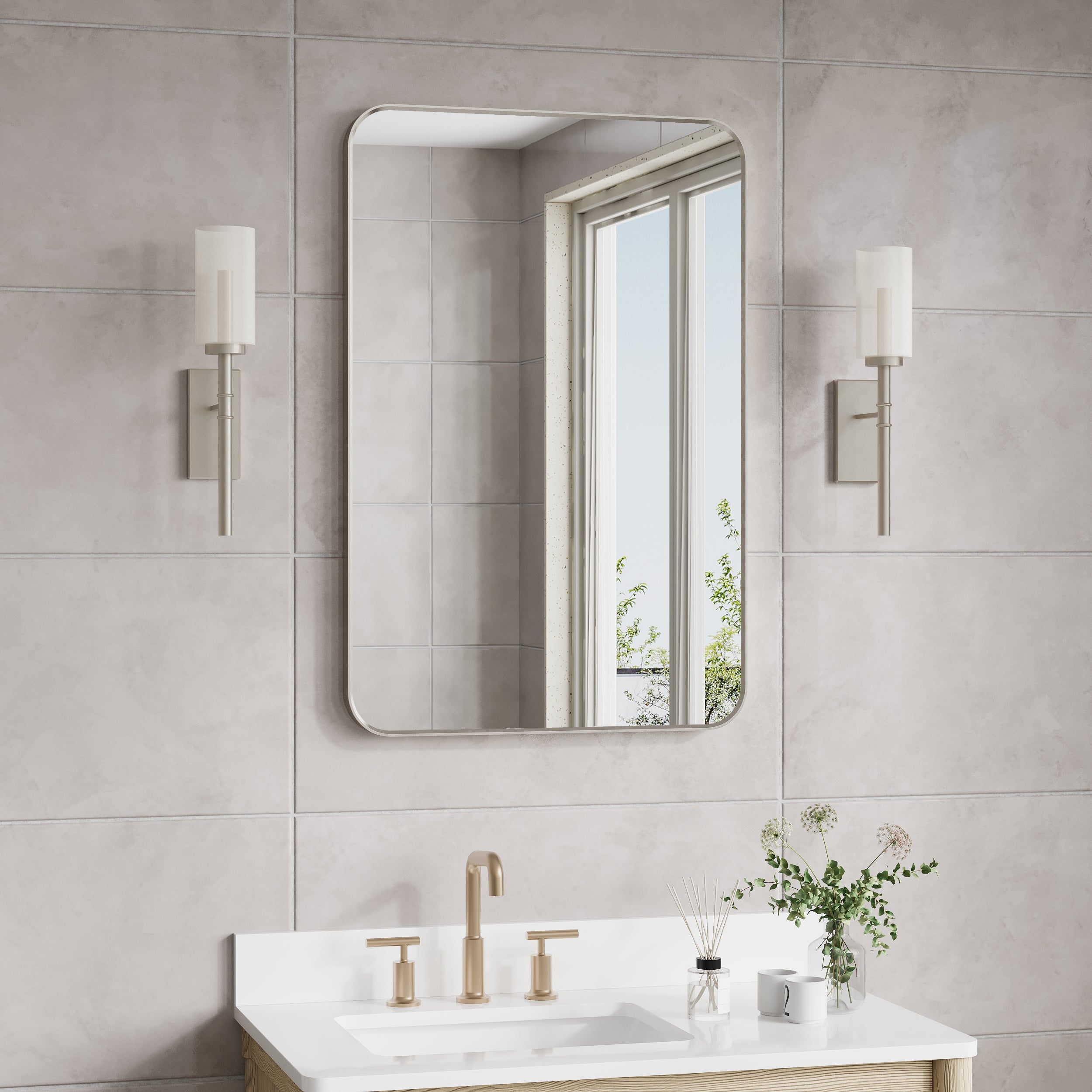
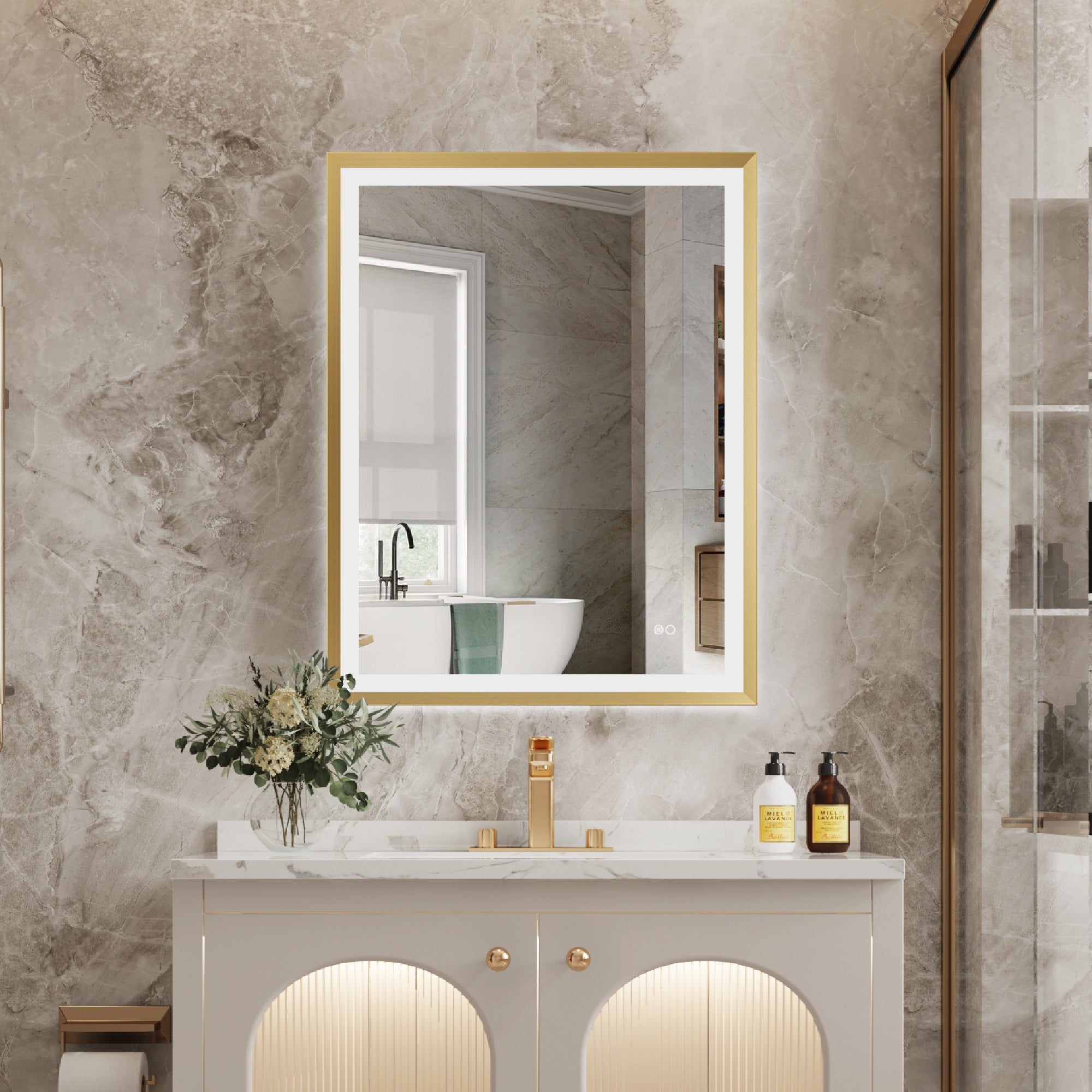
Vertical height stretching: If your small bathroom has a low ceiling, hanging a rectangular vertical mirror can guide the line of sight upward, using vertical lines to raise the ceiling and eliminate a sense of oppression psychologically.
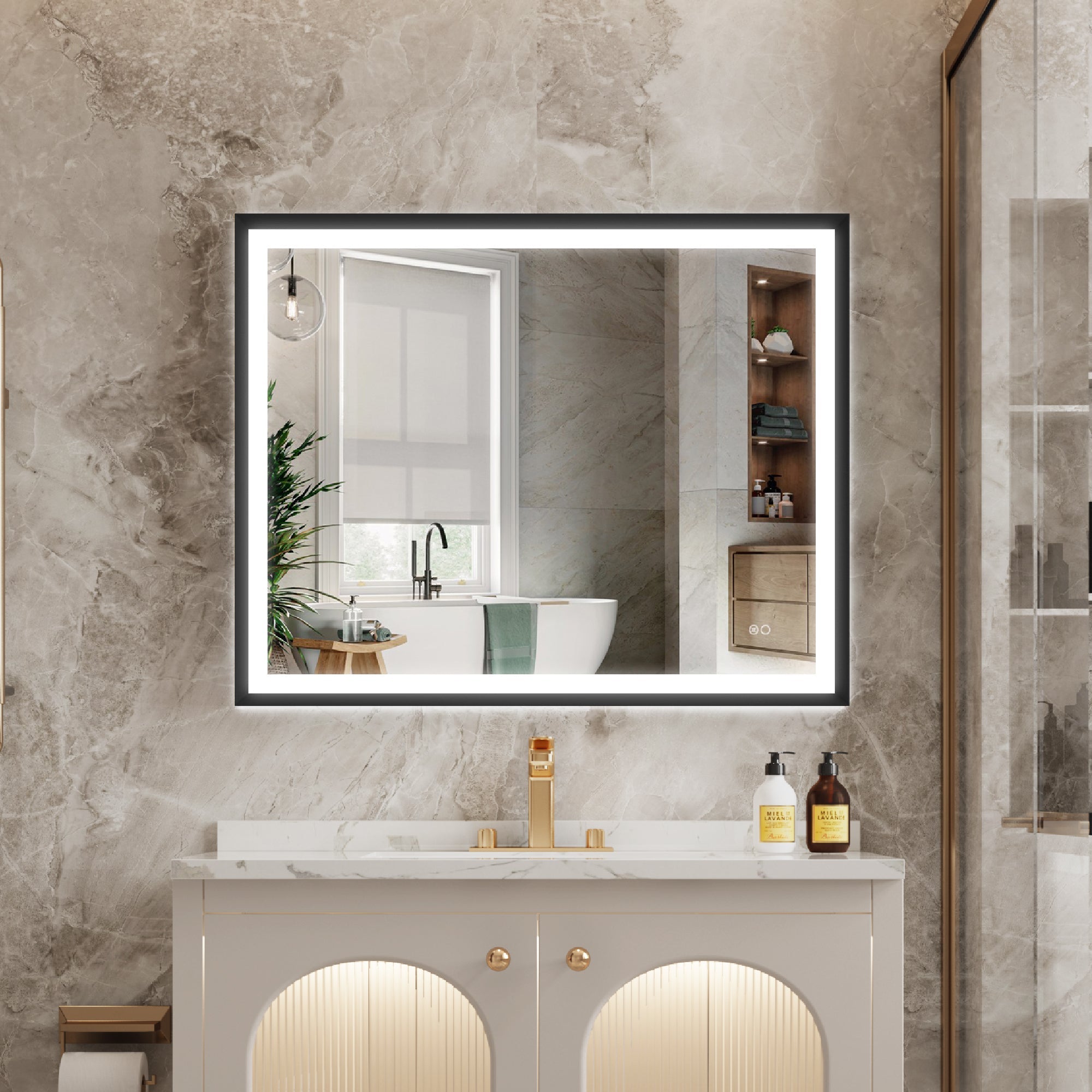
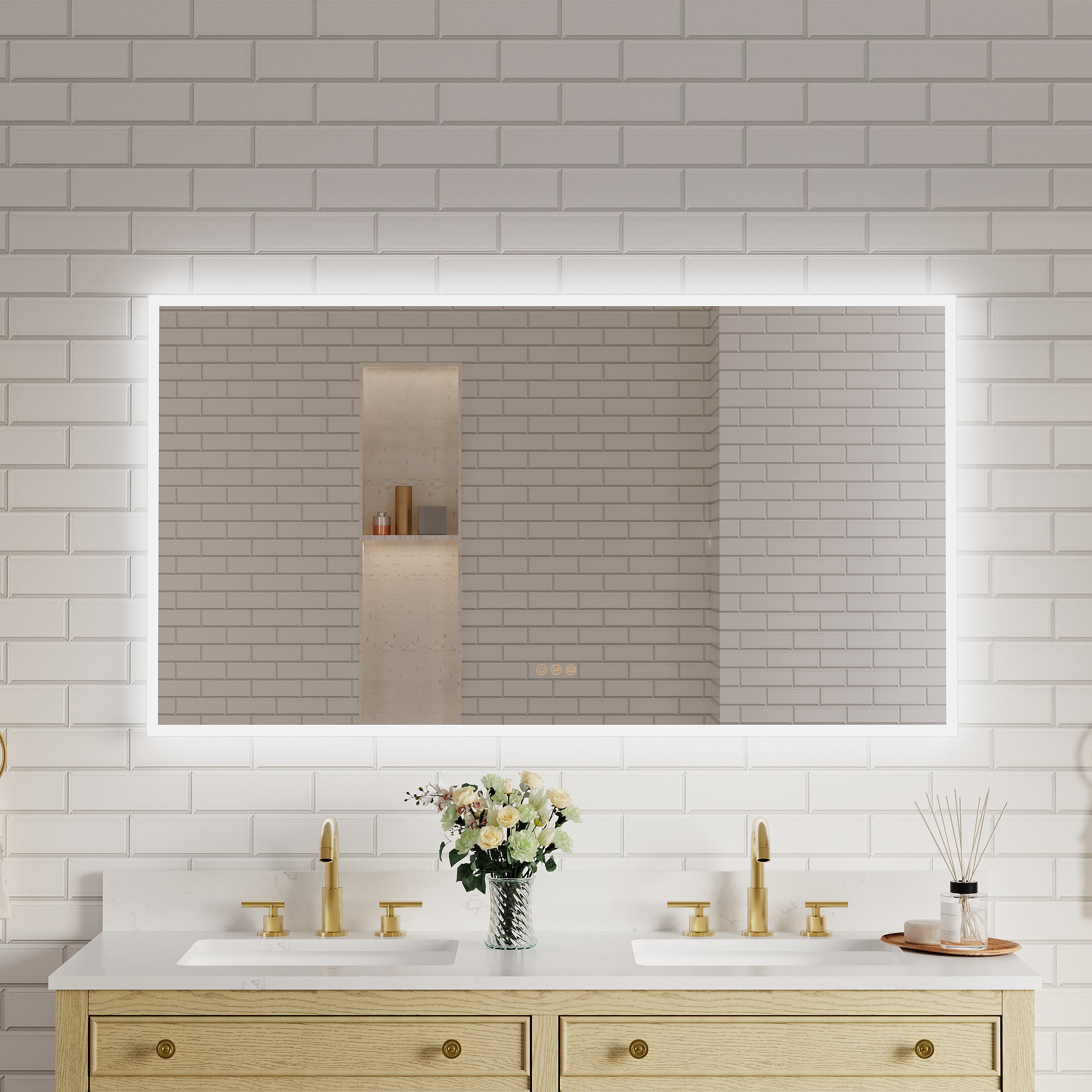
Horizontal expansion: For narrow and elongated "corridor style" bathrooms, horizontally arranged rectangular mirrors can reflect the opposite wall, creating a visual double-width effect.
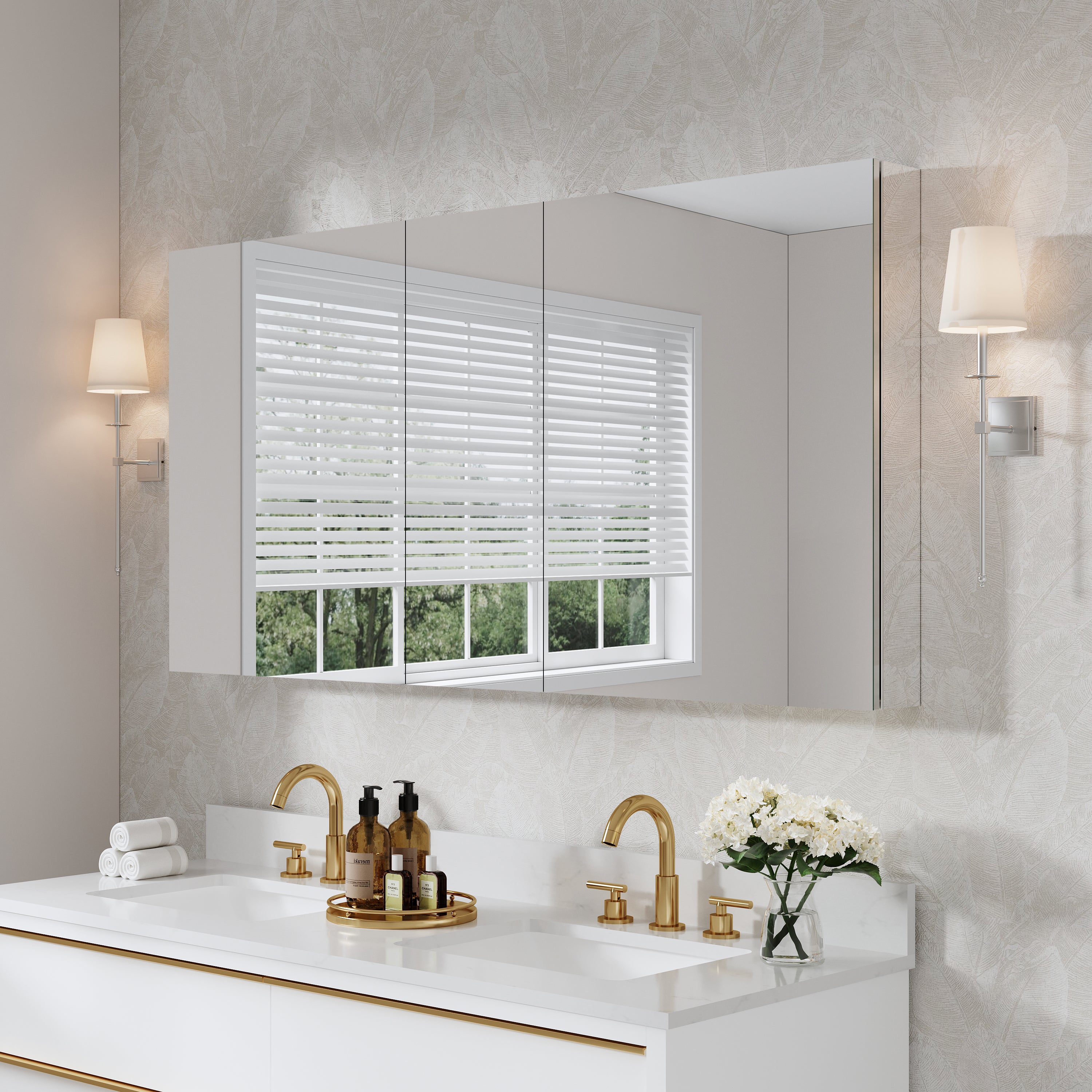
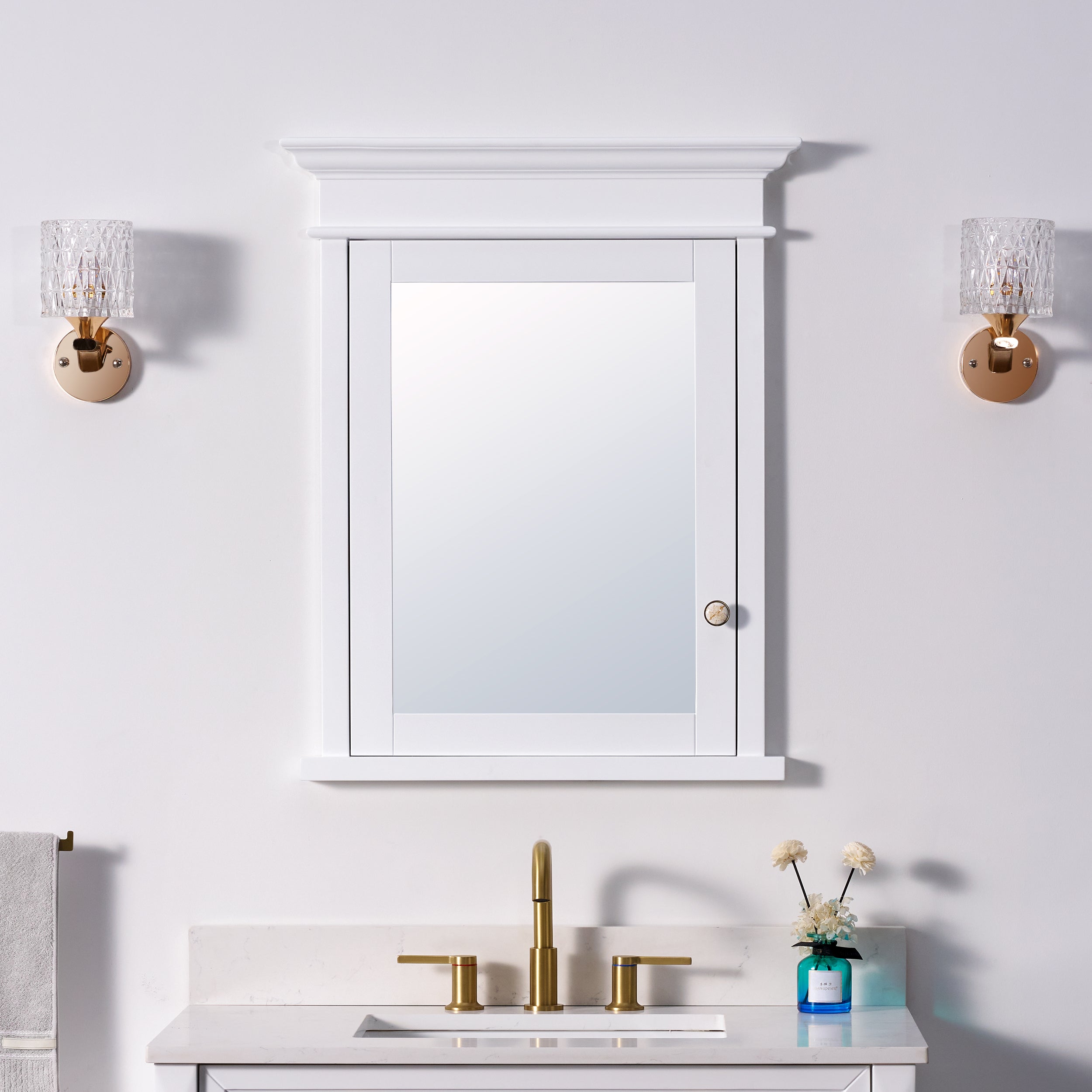
Industry insight: In 2026 design projects, rectangular mirrors are often paired with "frameless" designs that integrate their edges with the wall. This seamless connection is a common way to create modern, minimalist small bathrooms.
2. The Art of Visual Flow: The "Breaking Wall" Effect of Circular Mirrors
Compared to the rigidity of rectangular mirrors, circular mirrors serve as "softeners" in small bathrooms.
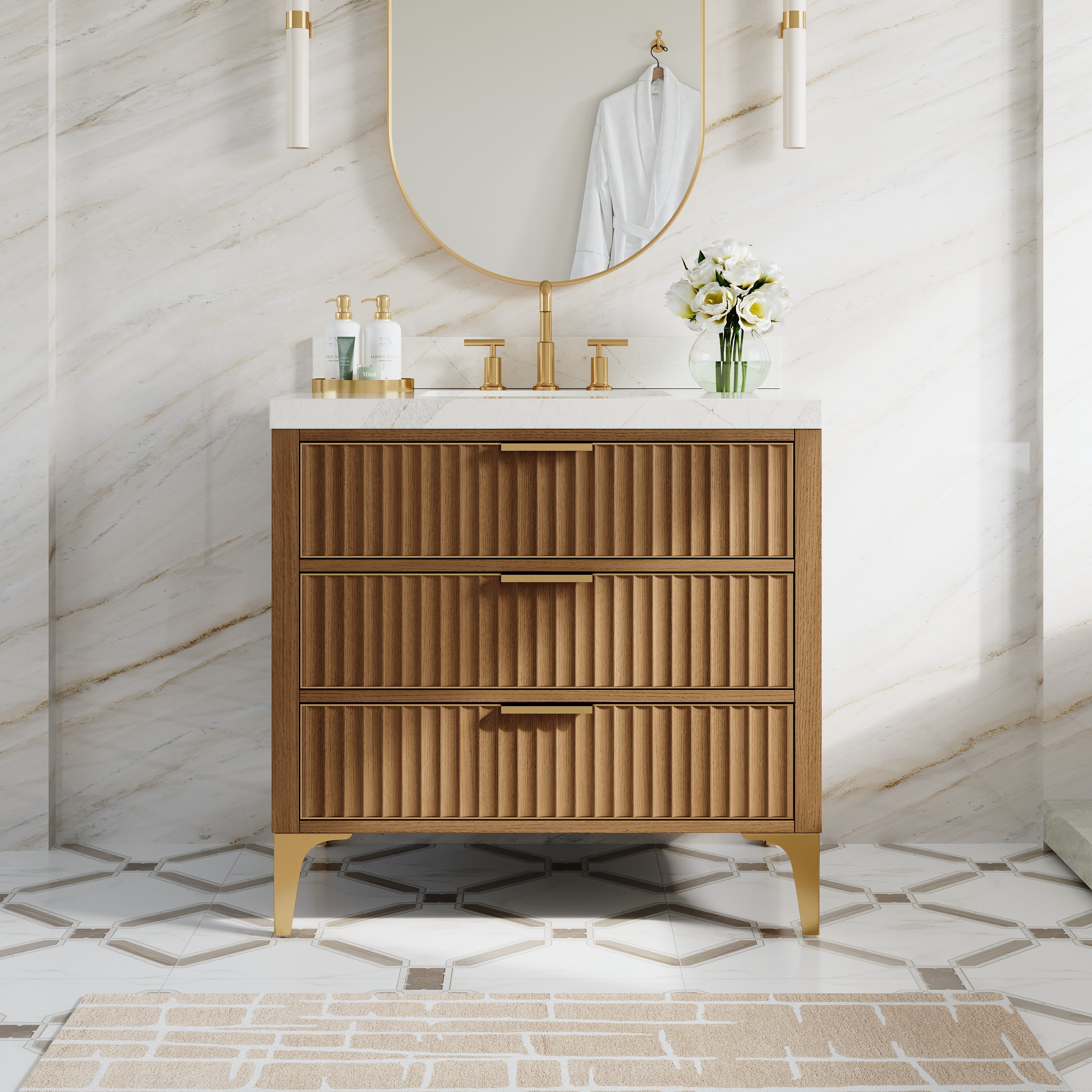
Breaking hard lines: The bathroom is filled with a lot of straight lines - tile gaps, cabinet edges, and shower doors. A round mirror for bathroom can break this monotonous linear logic and inject an organic feeling into space.
Create visual focus: Circles inherently possess centripetal force. In a small space, a round mirror can quickly lock the line of sight, allowing people's attention to focus on the washbasin area and ignore the cramped surroundings.
3. Balancing Function and Storage: Realistic Constraints of Medicine Cabinet
In small bathrooms, storage is often the top priority. This directly affects the choice of shape.
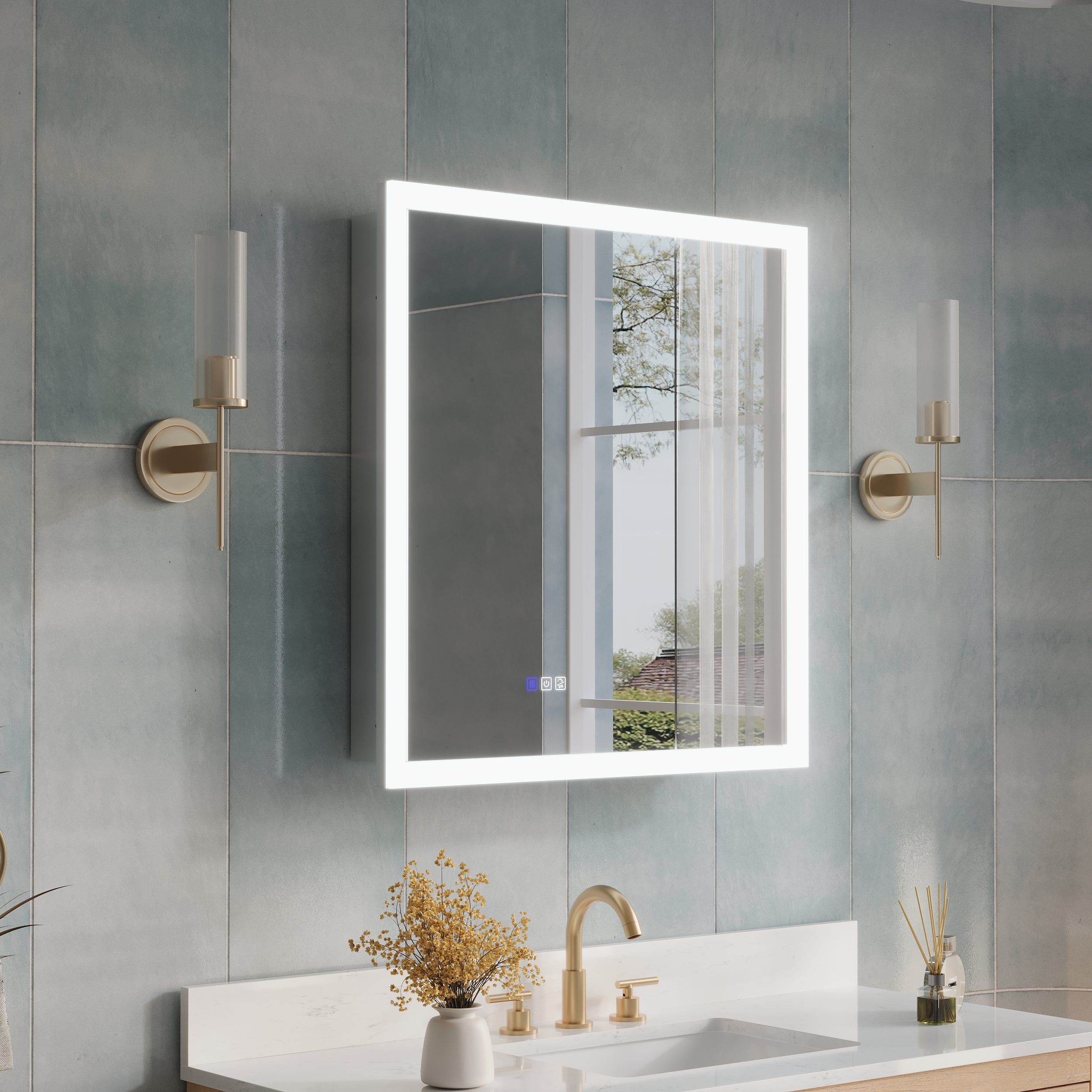
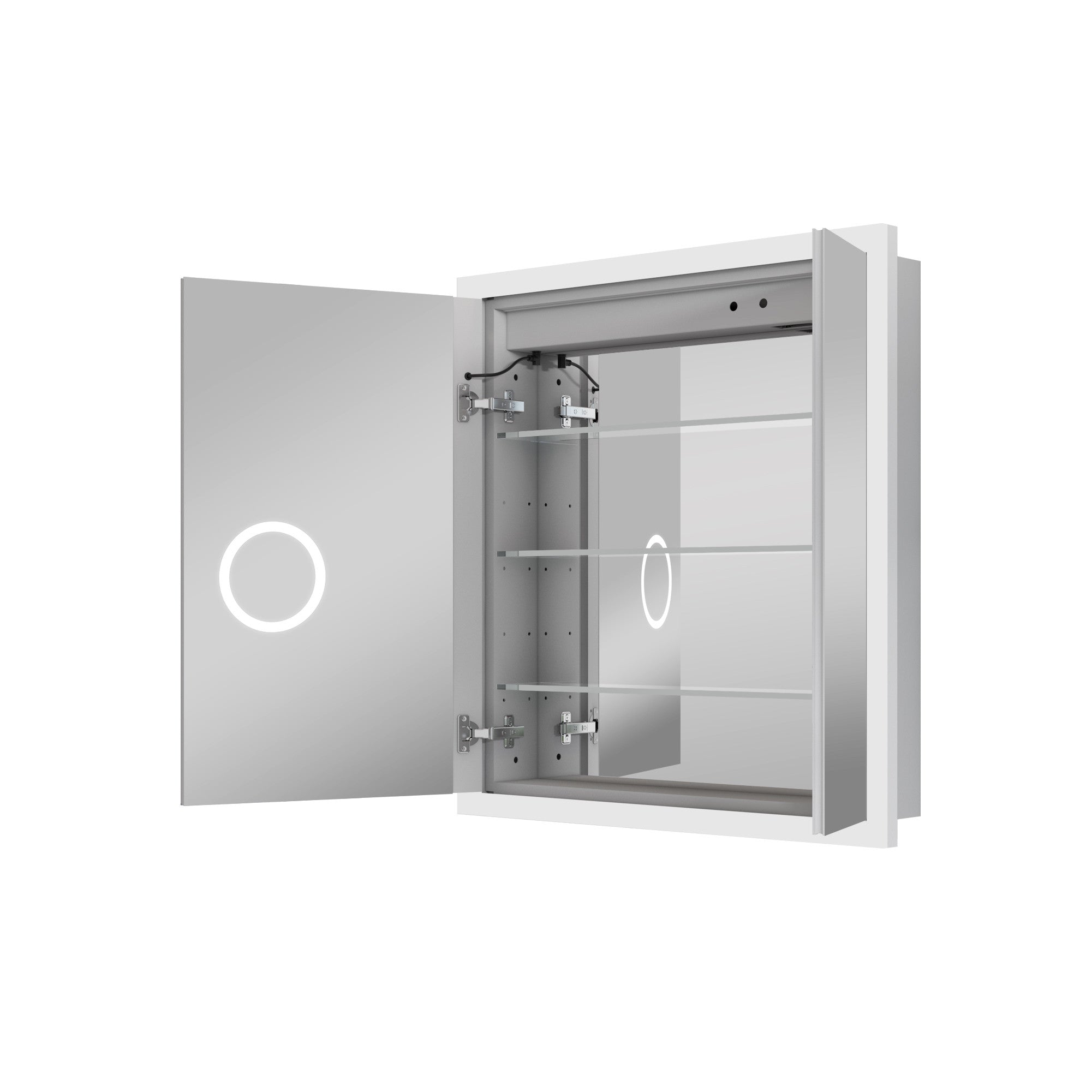
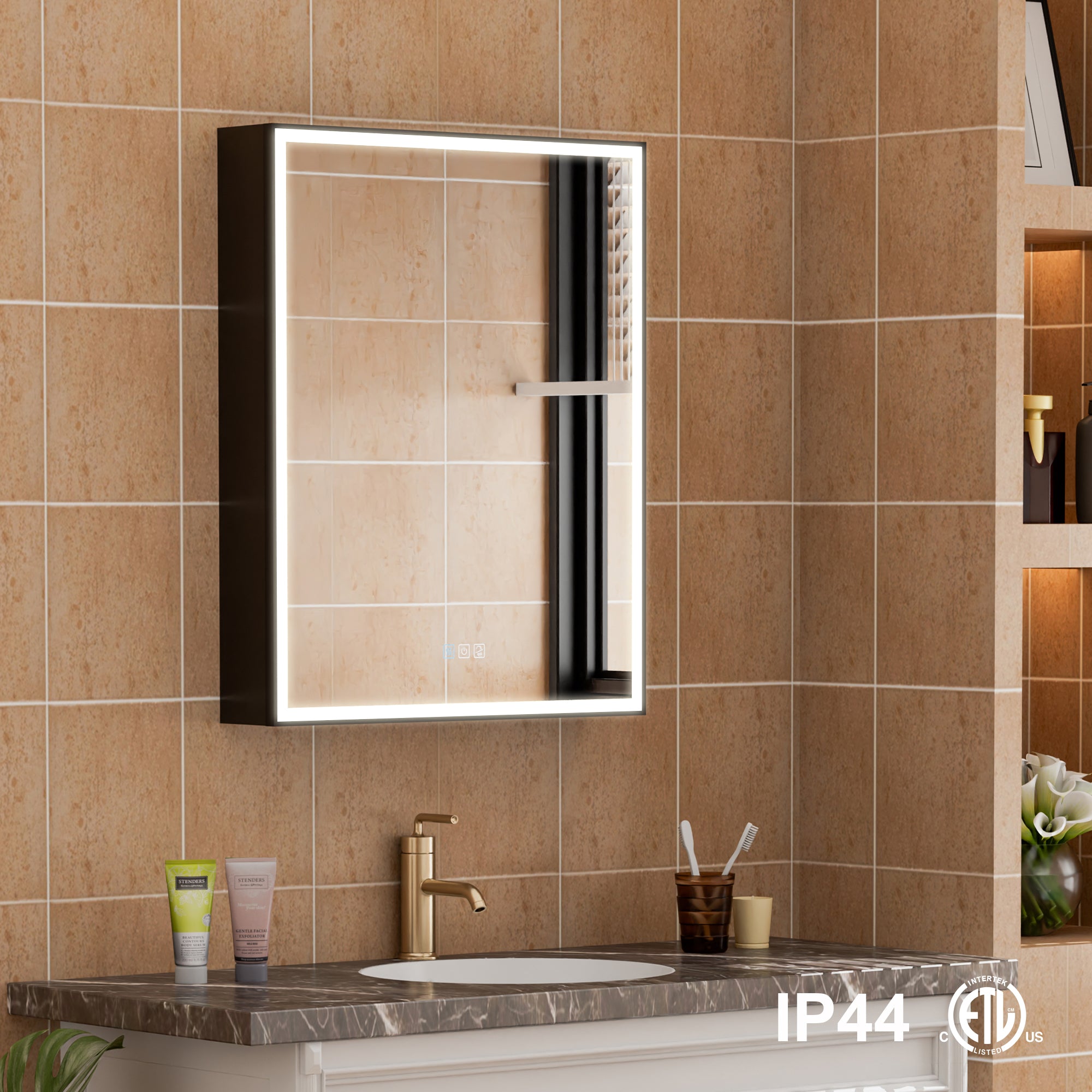
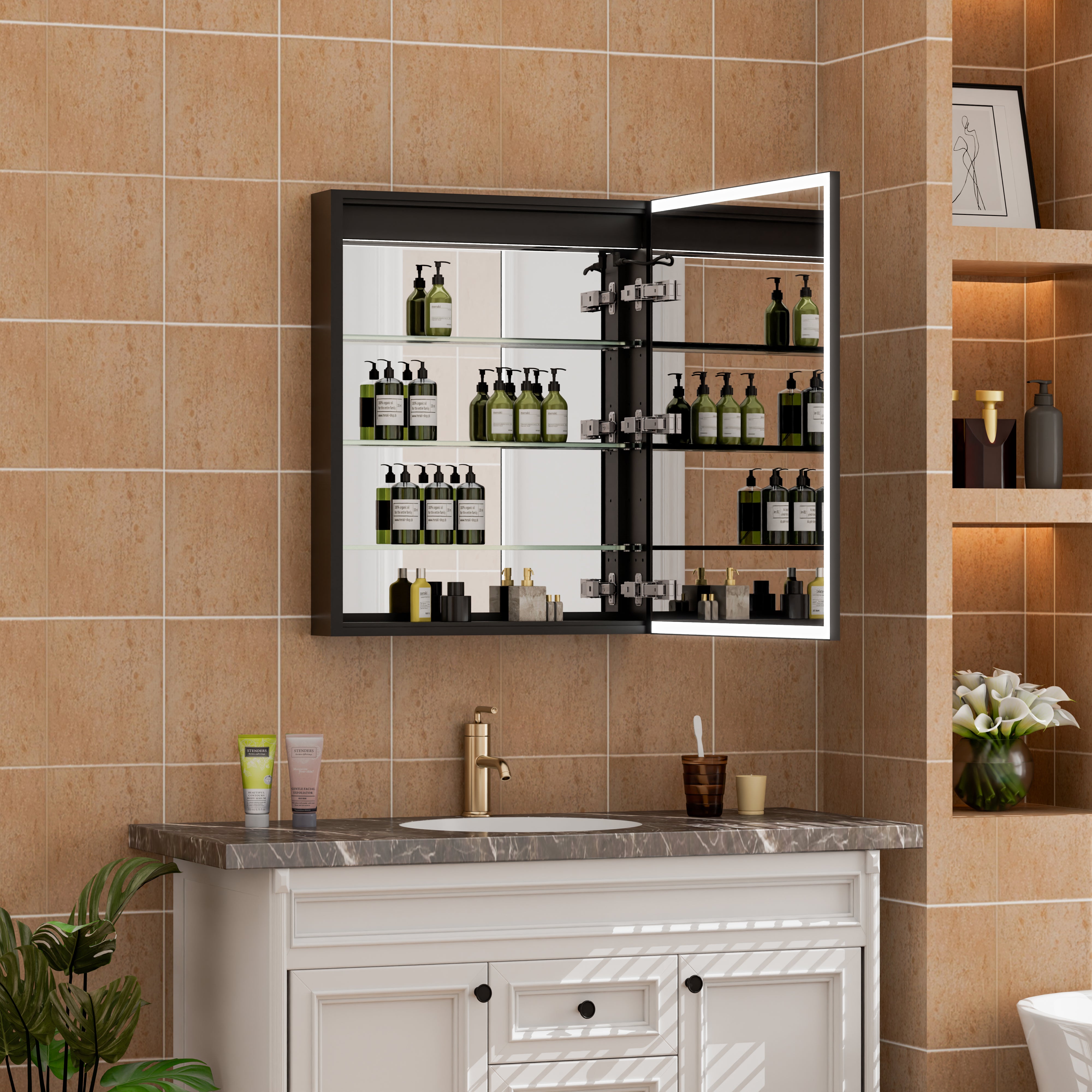
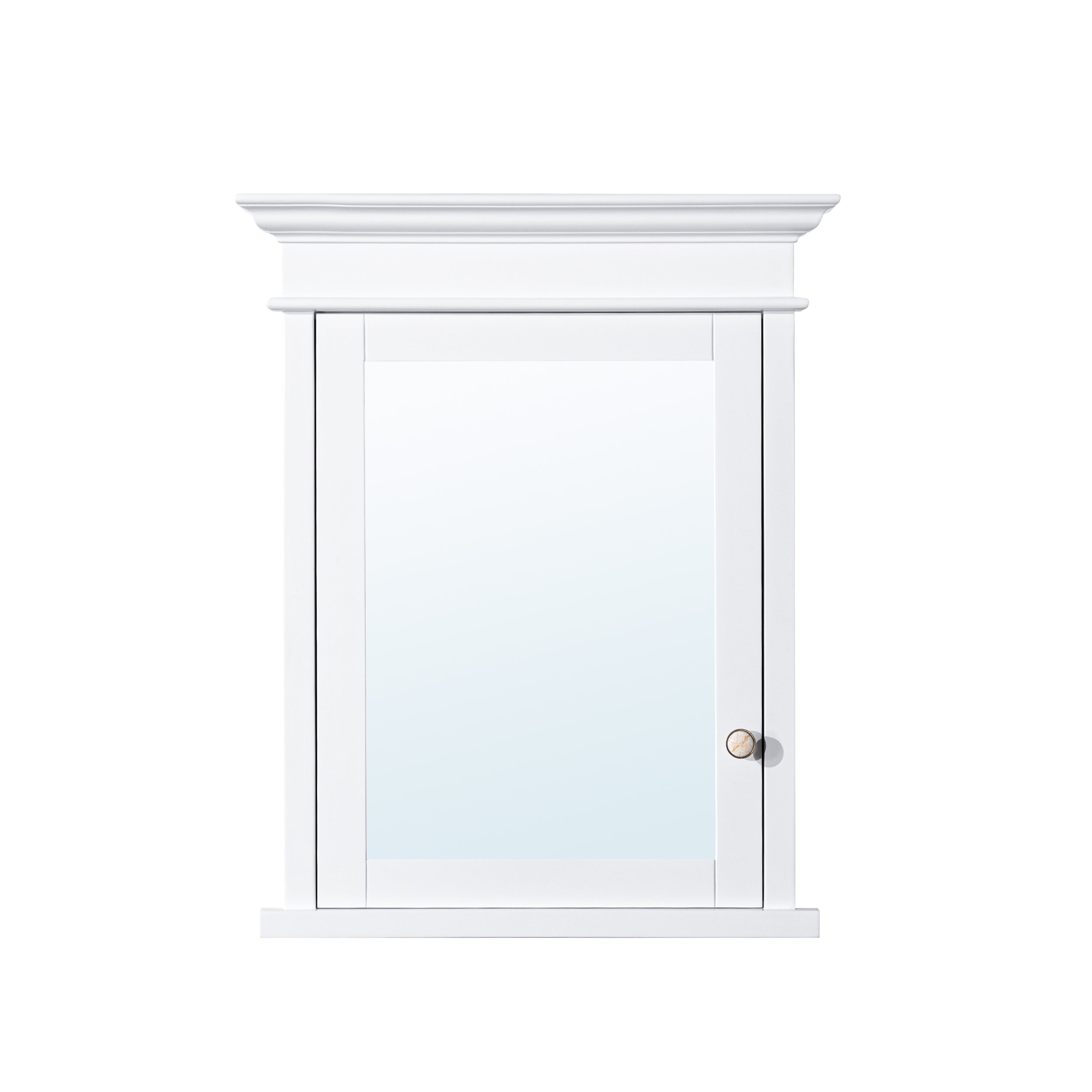
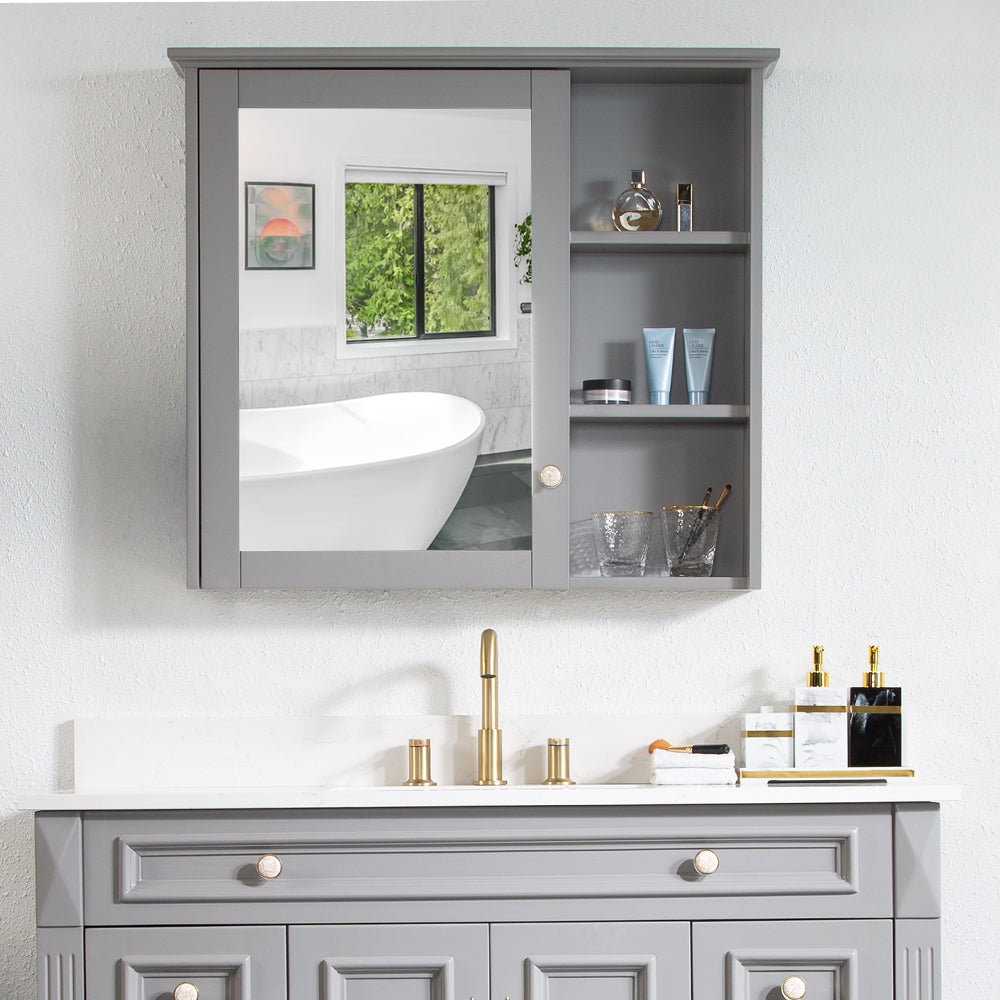
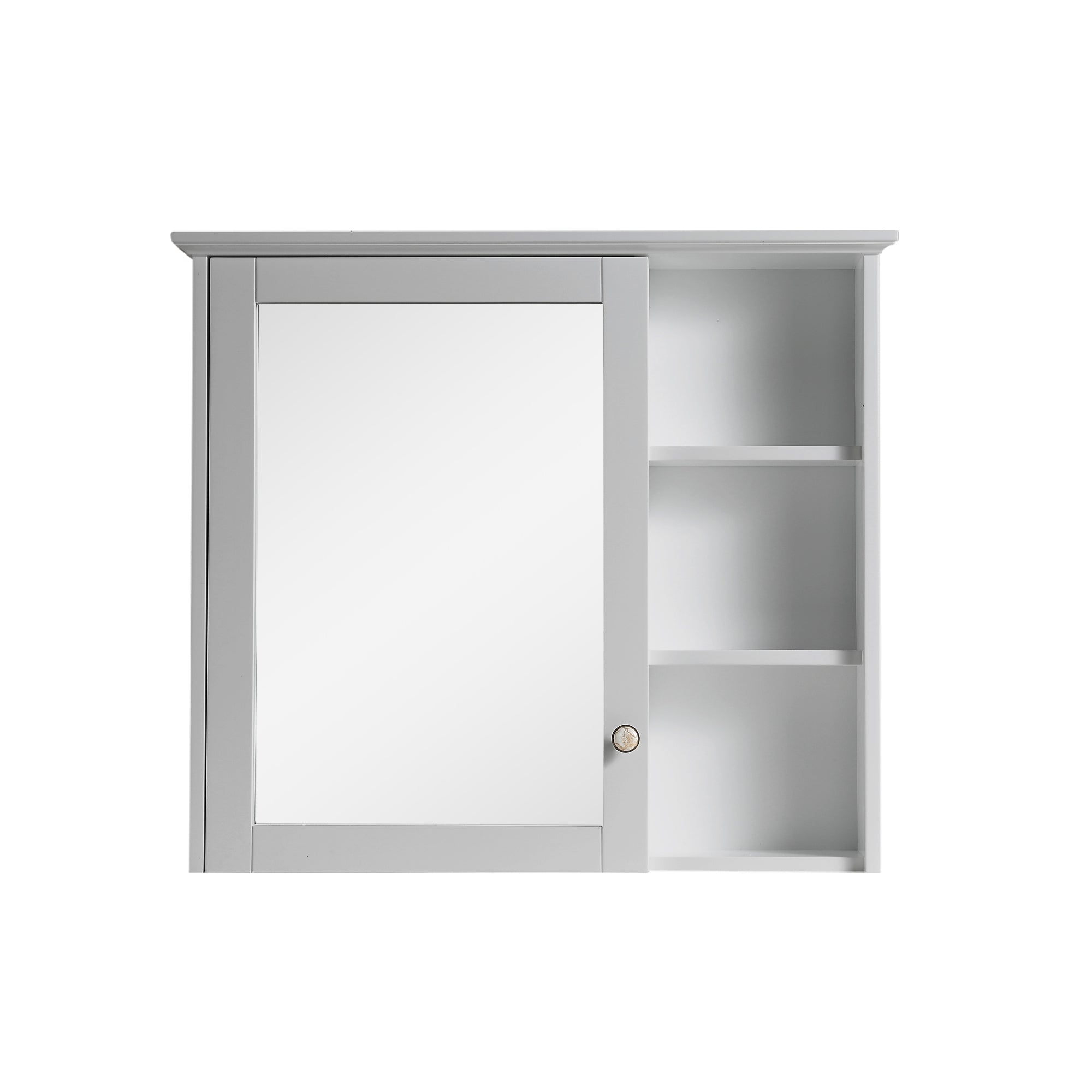
The dominance of rectangles: The vast majority of Smart Medicine Cabinets adopt a rectangular structure. This is not only to maximize internal storage space but also to ensure the stability of hinges and door-opening mechanisms.
The challenge of a circular mirror cabinet: Although it is aesthetically pleasing, due to its curved edges, the effective use of space inside is usually 20%- 30% less than that of a rectangular cabinet. If you have extremely high requirements for storage, rectangular mirror cabinets are still the first choice for functionalists.
4. Distribution of Light and Shadow: Differences in the Effect of LED Integrated Lighting
When choosing a mirror with LED Lights, the shape will affect the light's coverage range.
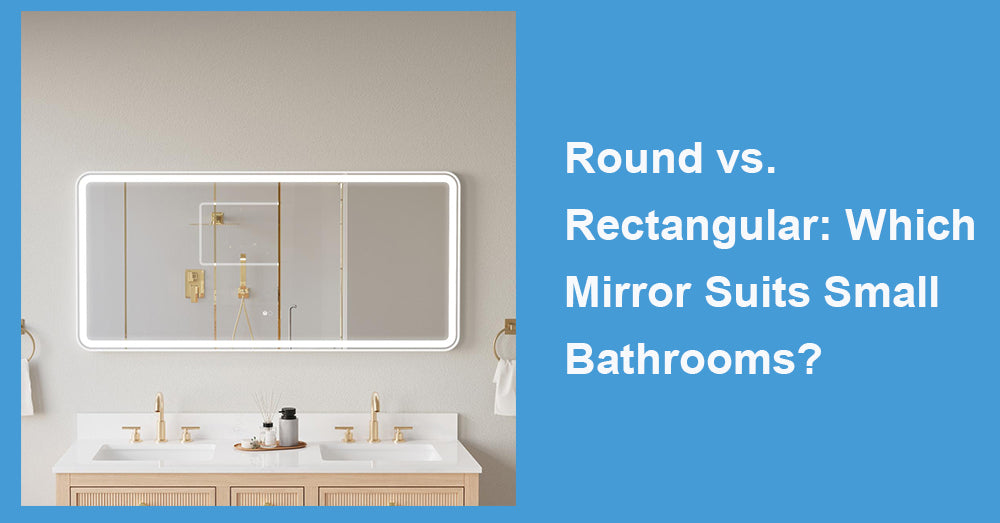
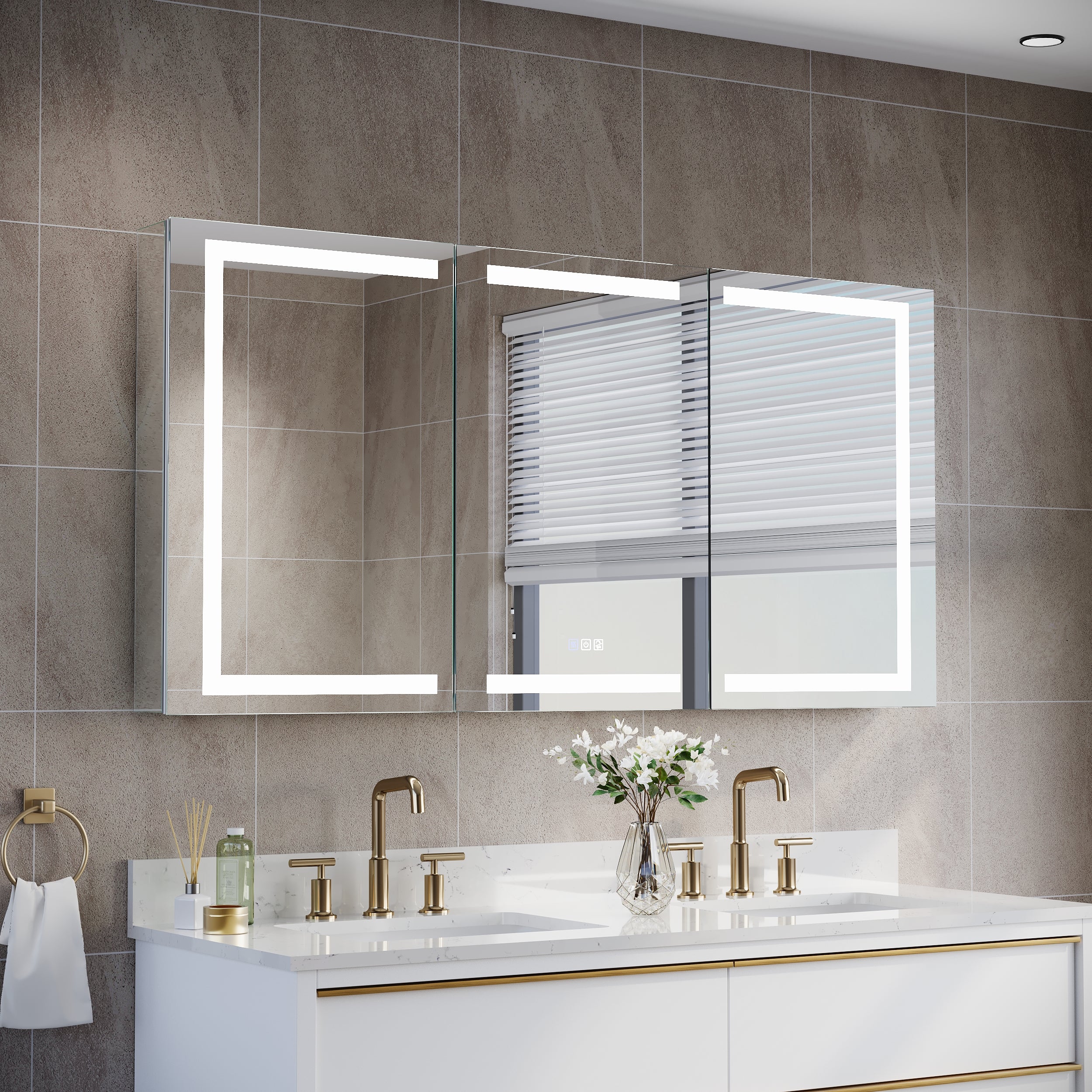
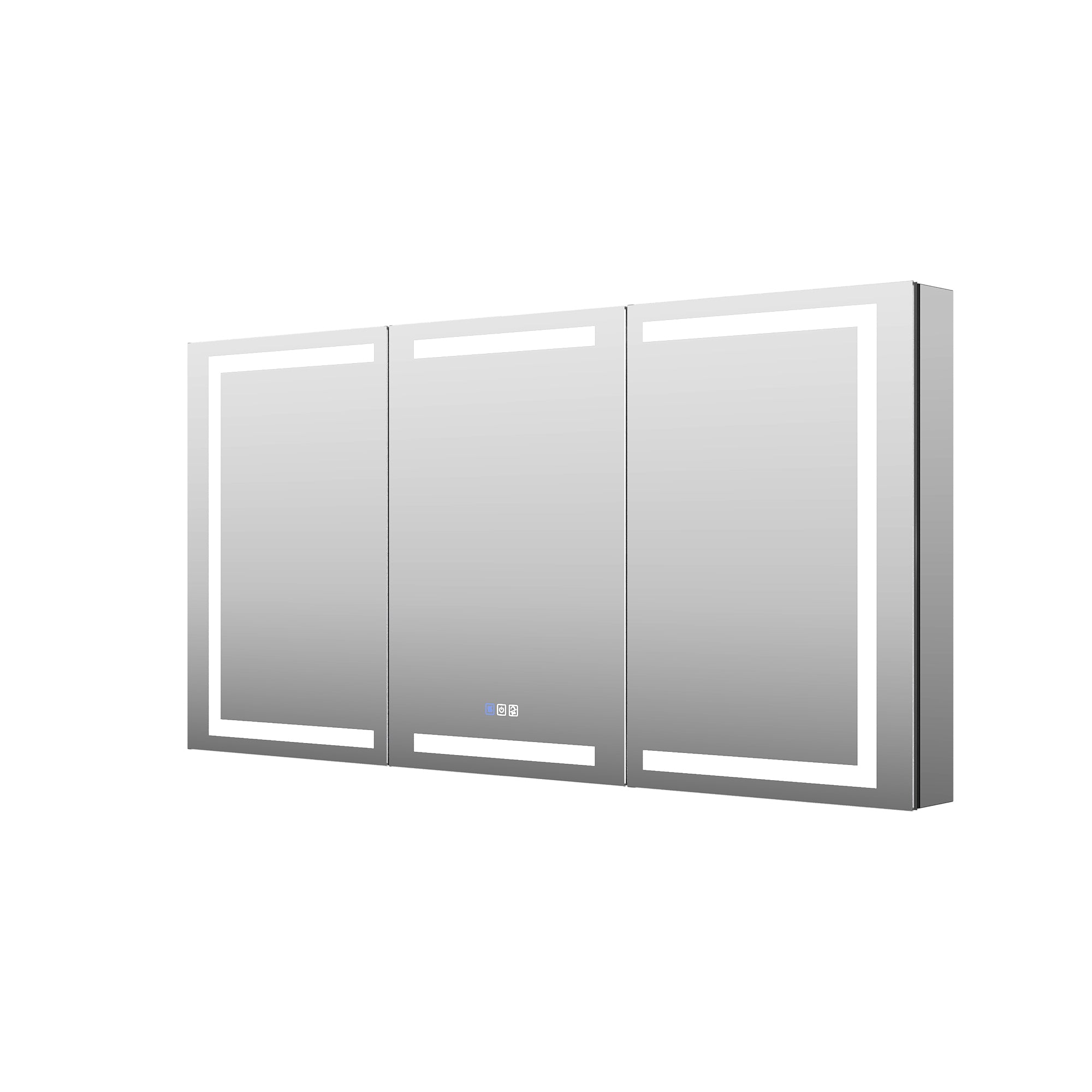
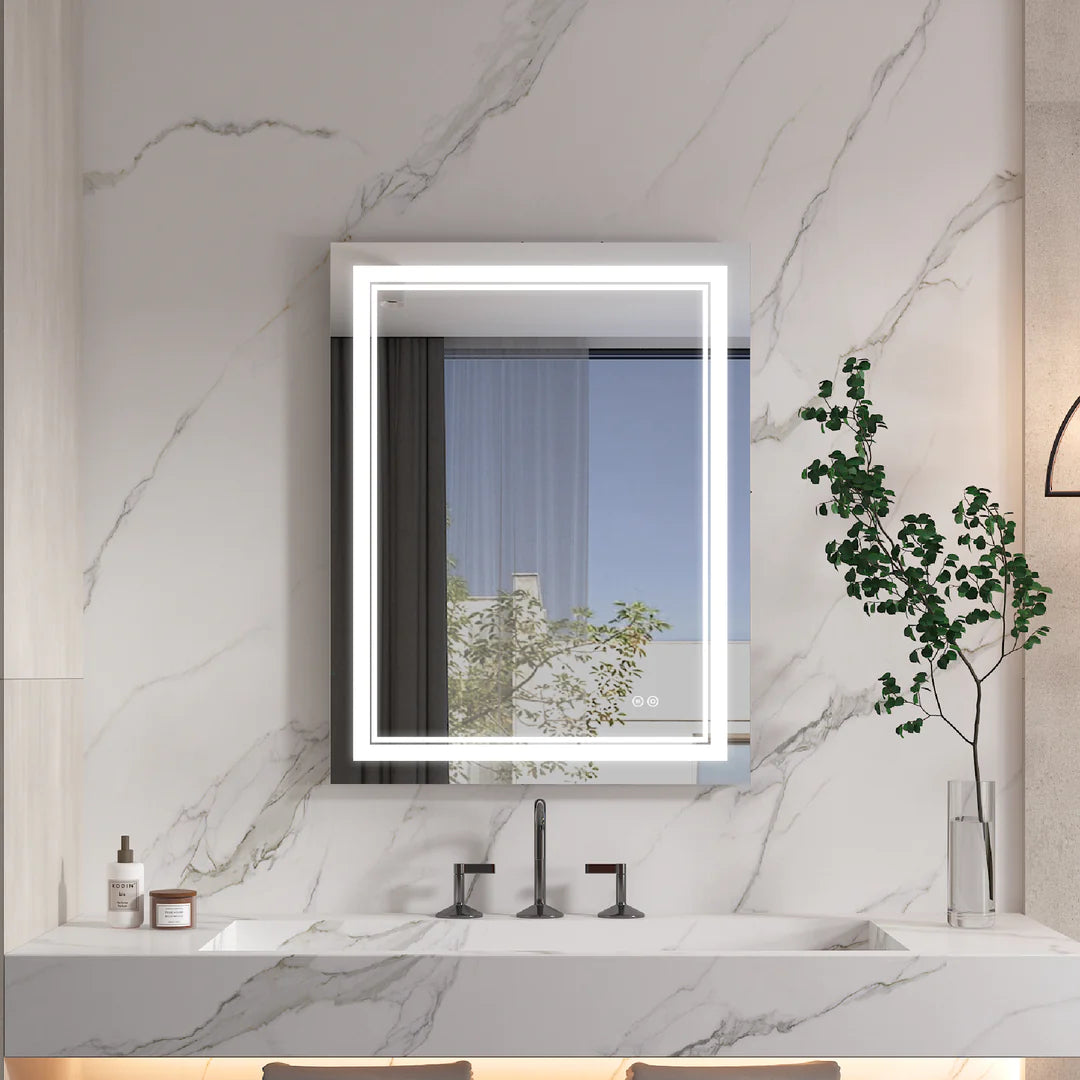
Rectangular mirror: The light strip is typically arranged along all four sides, providing longer, more continuous illumination. This is very advantageous for grooming tasks in small bathrooms that require all-around lighting, such as shaving and makeup.
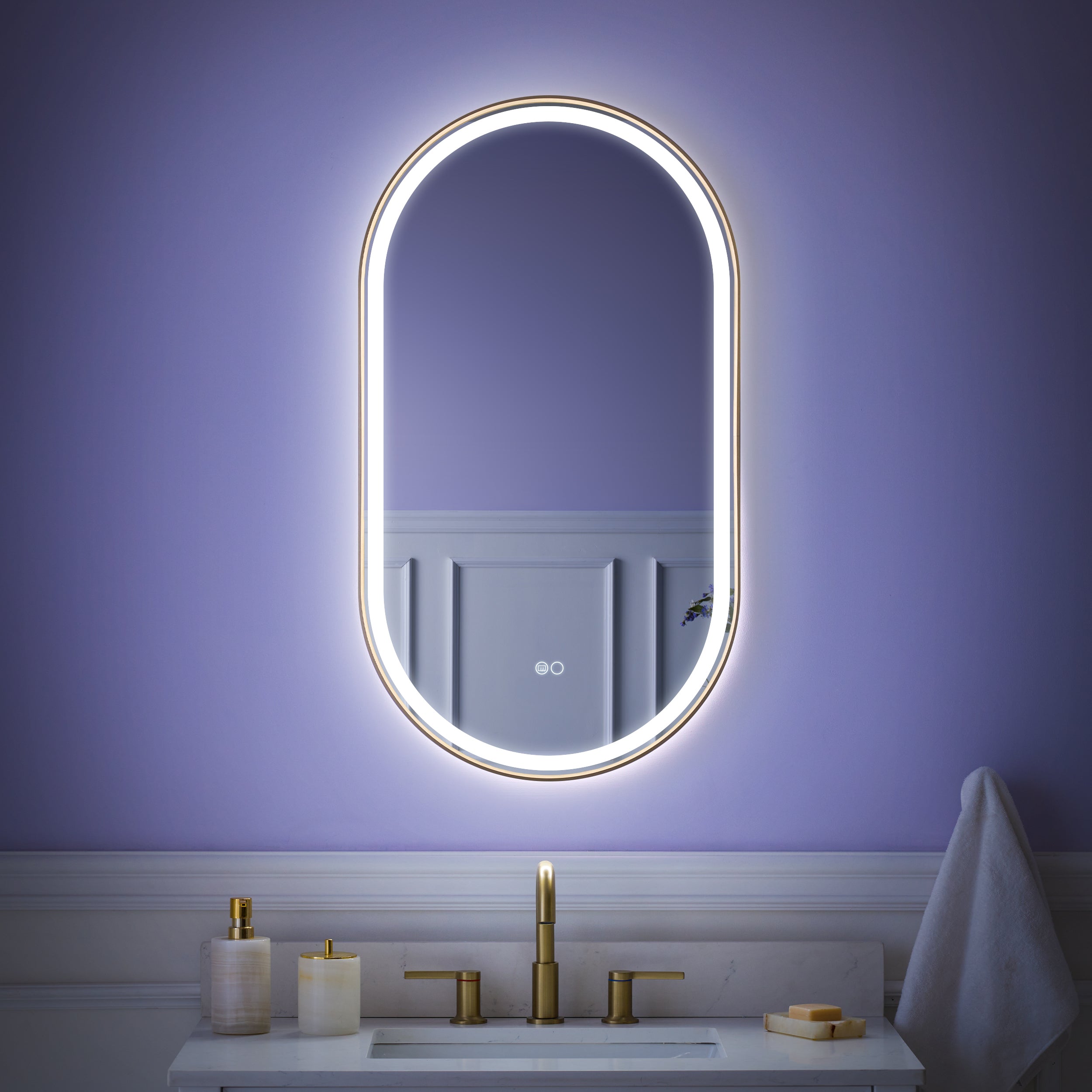
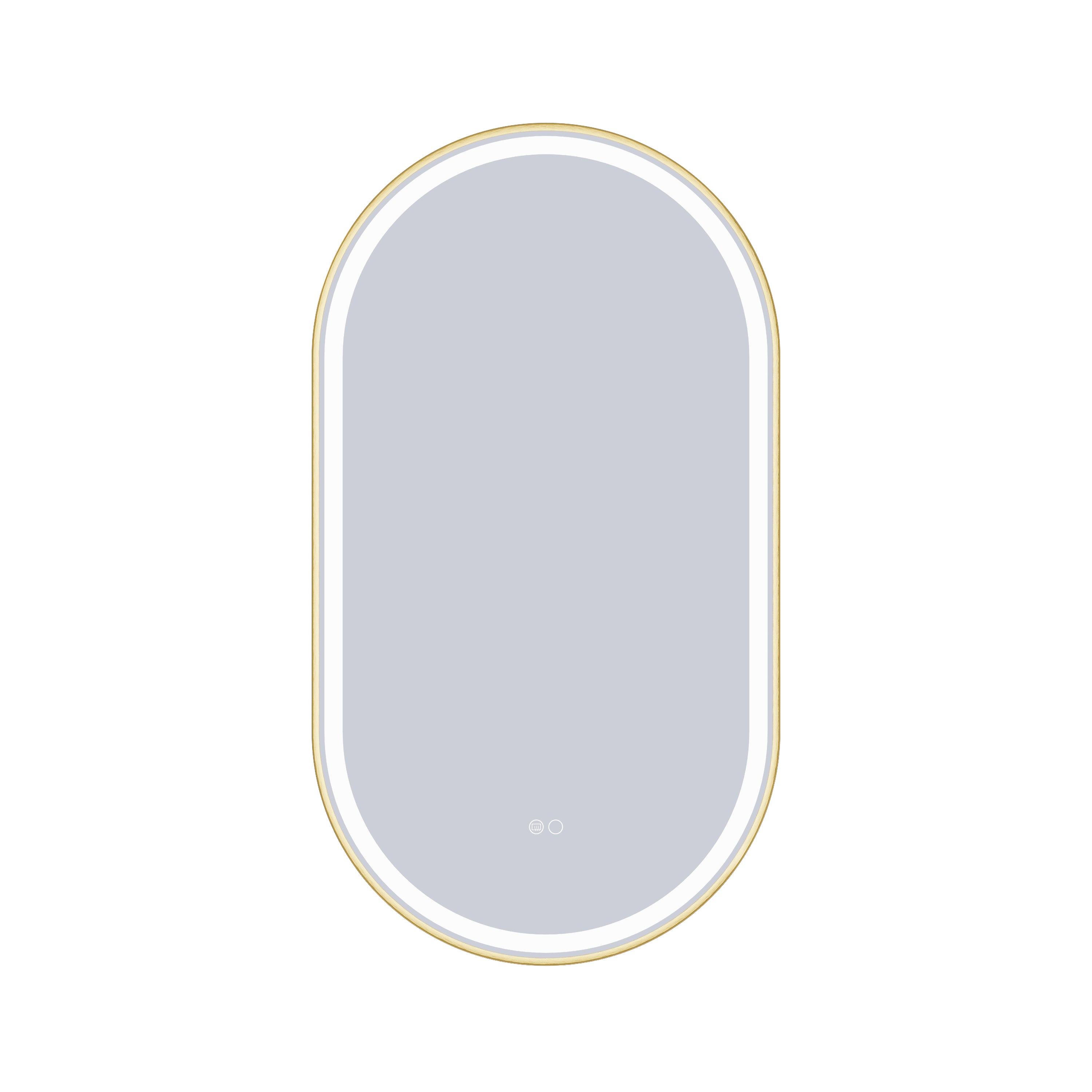
Circular mirror: The circular light strip can provide extremely uniform "circular light", effectively eliminating facial shadows (similar to the fill light of professional anchors). Visually, circular ambient lighting is more aesthetically pleasing and can create a warm "halo" atmosphere for small bathrooms.
5. The Art of Leaving White Space on Walls: Proportion and Gap
The biggest taboo in a small bathroom is the feeling of crowding.
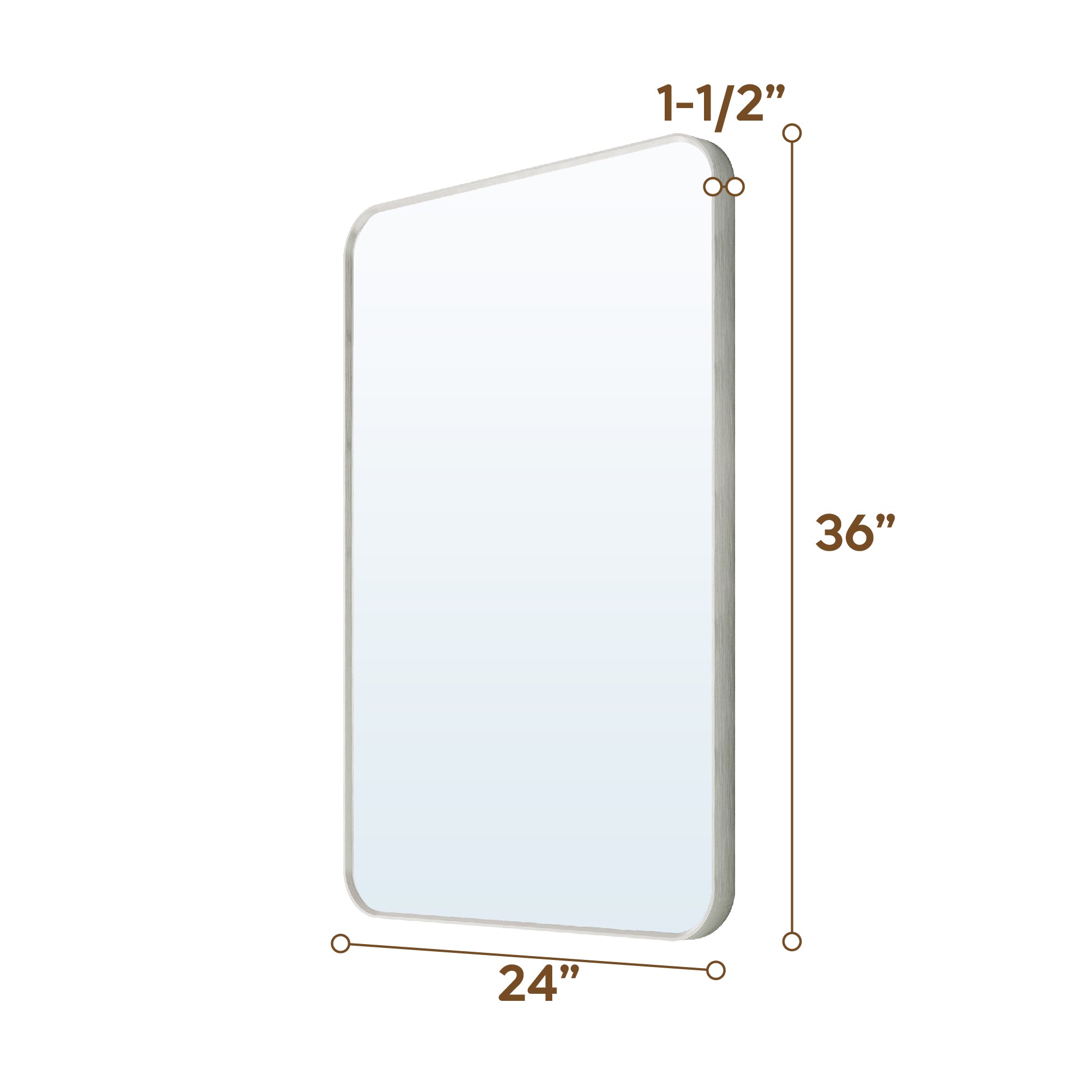
Proportional control: If the rectangular mirror is selected too large, it will appear as if the entire wall is occupied, creating a sense of heaviness.
Gap aesthetics: The negative space left by the circular mirror at the four corners is its winning weapon. These additional wall spaces give the visual a chance to breathe, making the space appear more open and transparent than it actually is.

6. Style adaptability: from modern farmhouse to minimalist industrial
The shape of the mirror must serve the overall decoration style:
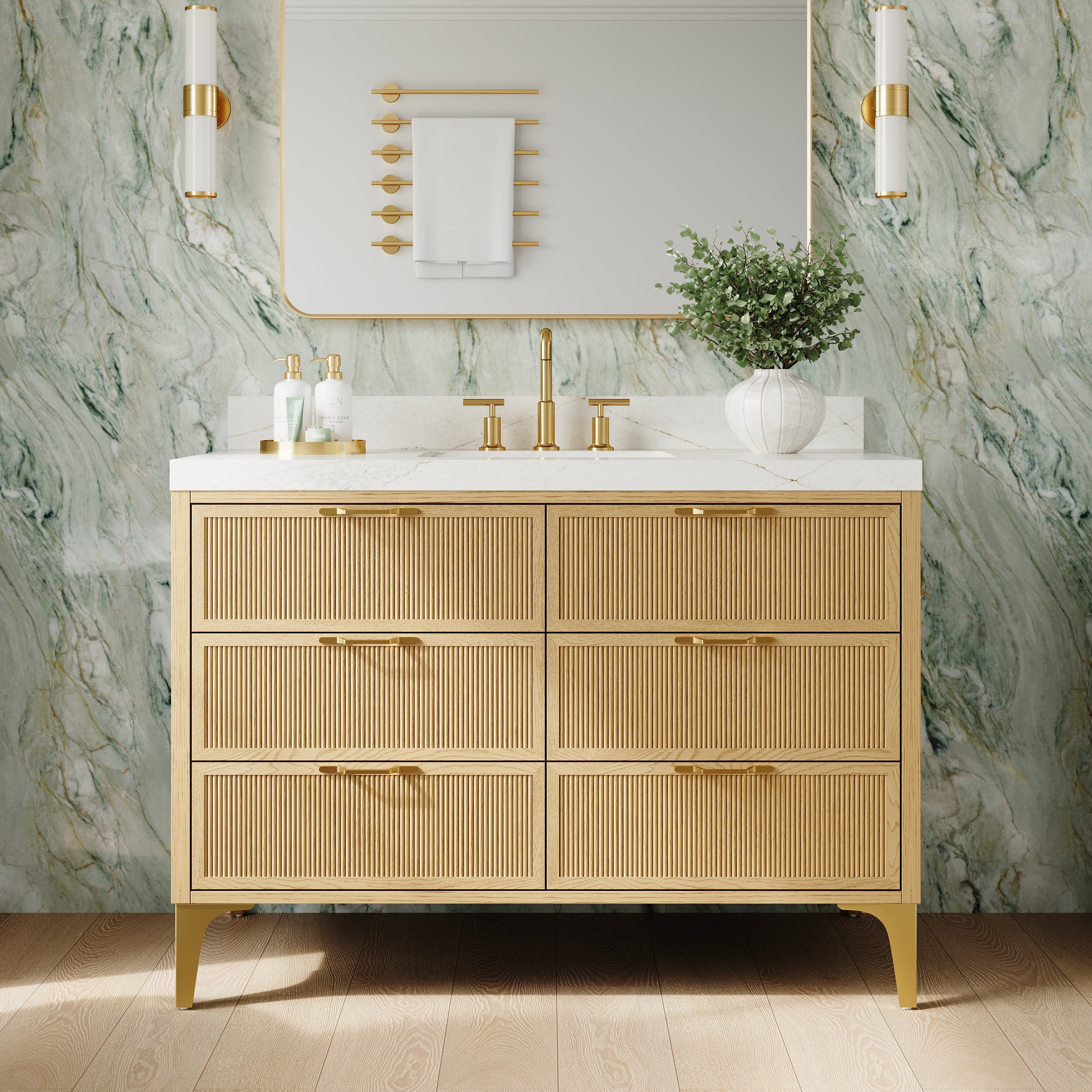
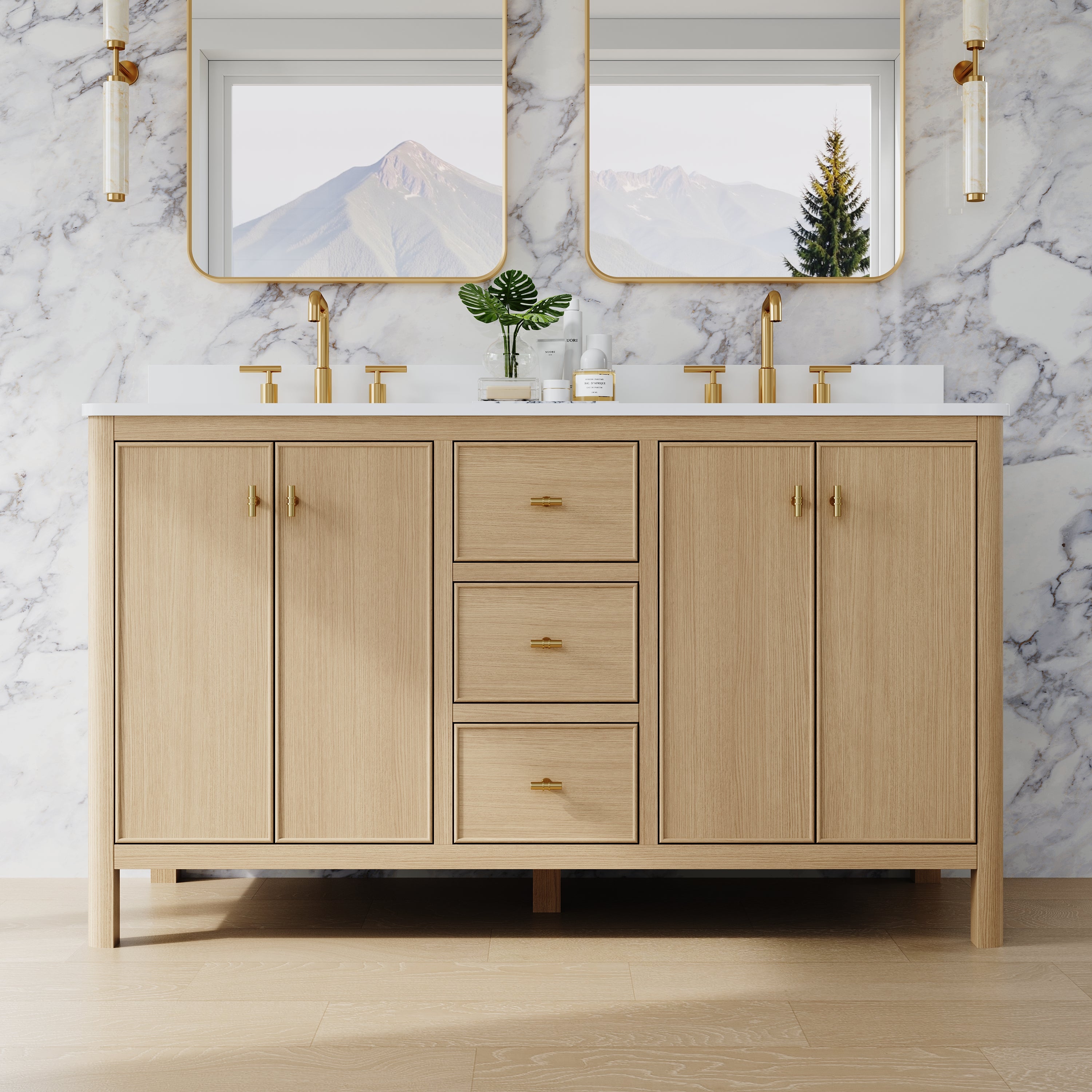
Modern Farmhouse style: Rectangular mirrors with black borders or round mirrors with wooden frames can be well adapted. The rectangle appears neat, while the round mirror adds a touch of retro warmth.
Industrial style: Rectangular mirrors paired with metal frames can enhance the sense of strength in the lines.
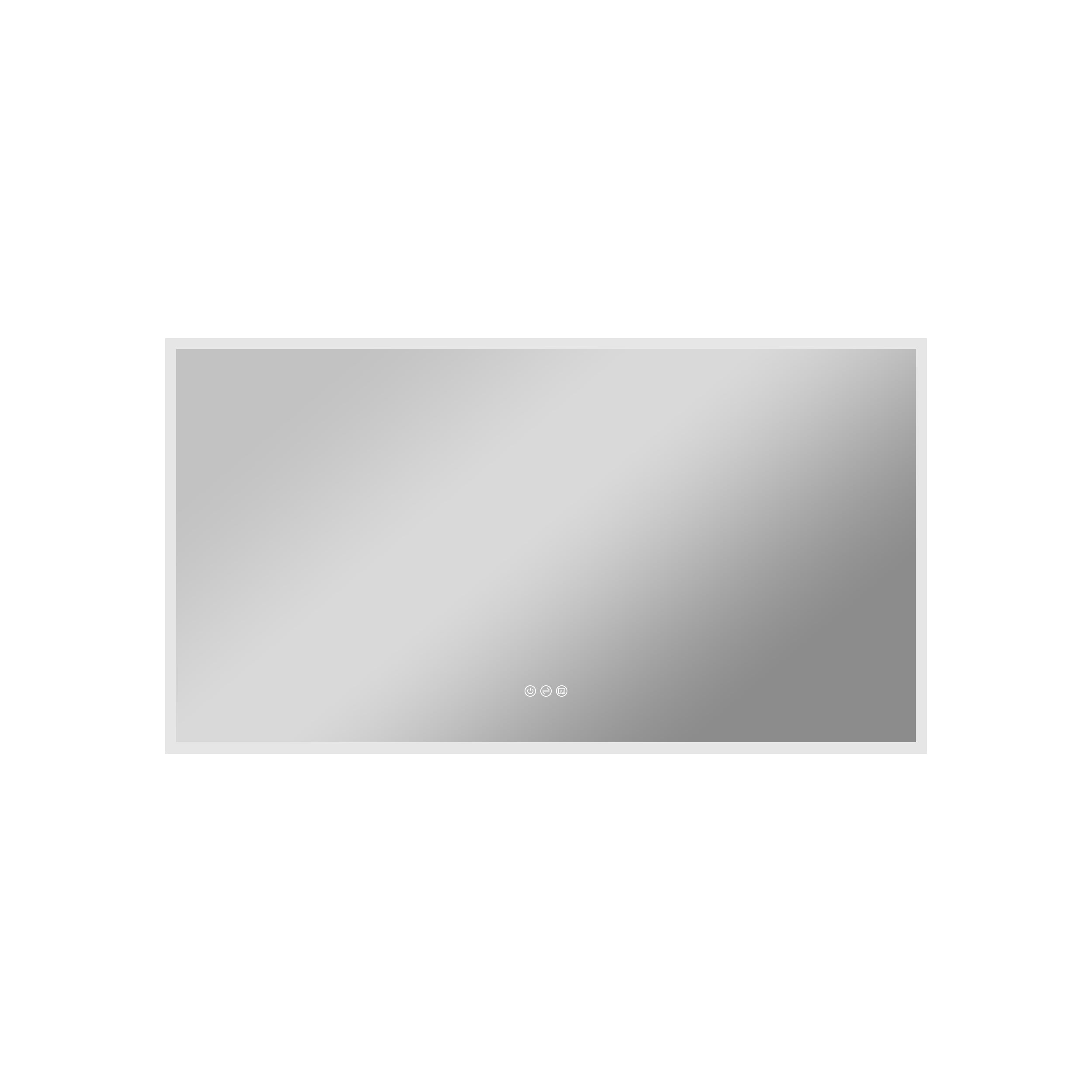
Minimalism: Large, frameless rectangular mirrors are almost standard, resembling a 'disappearing wall'.
Summary: Final recommendation
From a spatial logic perspective, rectangular mirrors are undoubtedly a representative of "expansionism". It utilizes rigorous linear geometry to visually forcibly stretch the depth and height of the space through parallel echoes with bathroom baseboards, ceiling lines, and tile gaps. For compact bathrooms that are extremely narrow and even oppressive, rectangular mirrors are like a "virtual image window" carved out of the wall, using large areas of reflection to eliminate the heaviness of the physical wall and providing the highest physical error tolerance for the integration of smart mirror cabinets, ensuring the ultimate storage efficiency.
However, the circular mirror represents another artistic scheme called "visual breathing". It plays a crucial balancing role in the wash area, which is filled with straight lines and tough materials such as tiles, metal, and tempered glass. The centripetal force of a circle can create a focusing effect, weakening the cluttered visual background and guiding the gaze to the core focal point of the grooming area. More importantly, the circular mirror leaves valuable "negative space" at the four corners, avoiding the cramped feeling of the mirror completely sealing off the wall. This white space aesthetic endows small bathrooms with valuable transparency and spirituality. Combined with evenly distributed LED soft light, it can significantly alleviate the claustrophobia caused by small spaces and transform the boring grooming process into a ritualistic home experience.














Leave a comment
This site is protected by hCaptcha and the hCaptcha Privacy Policy and Terms of Service apply.