














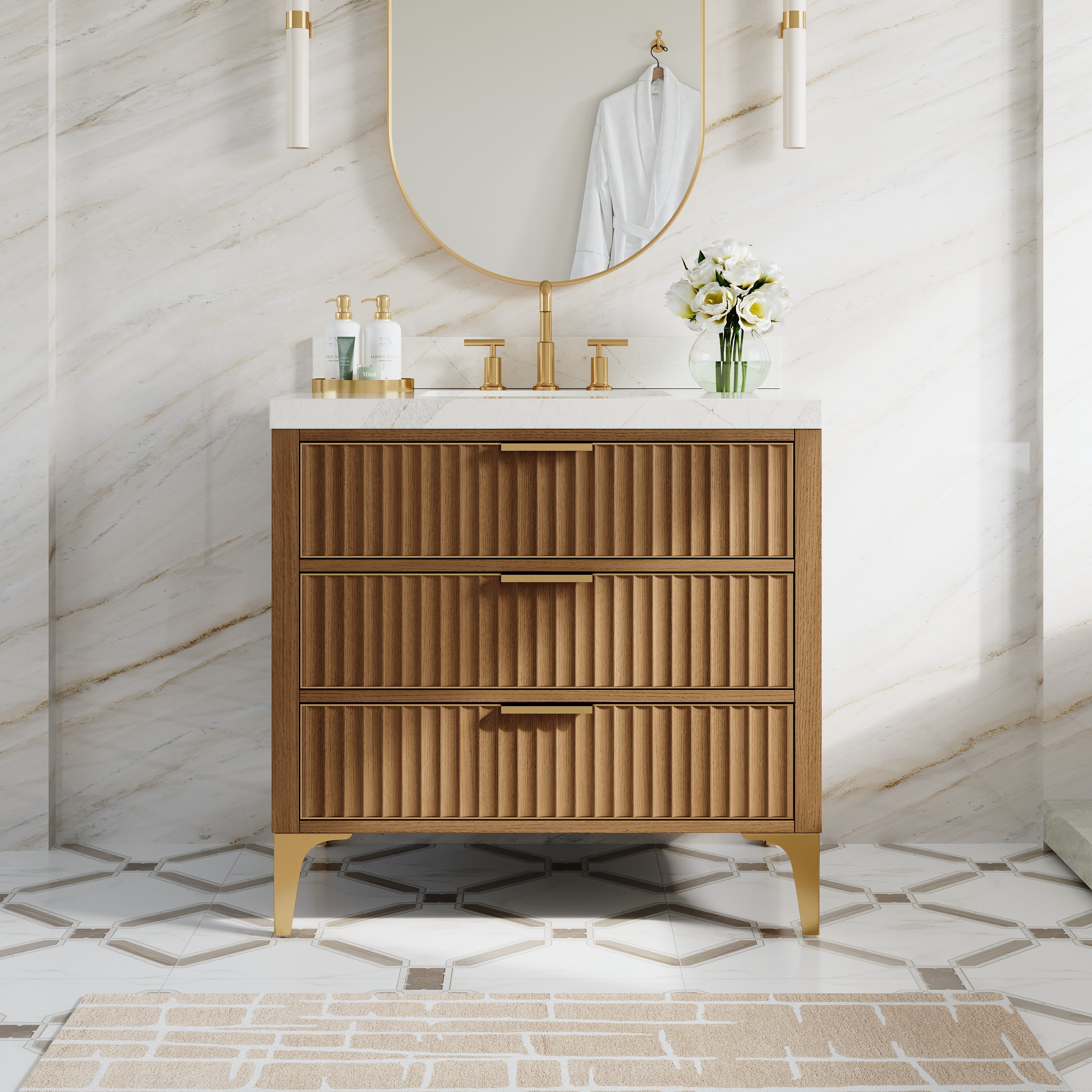
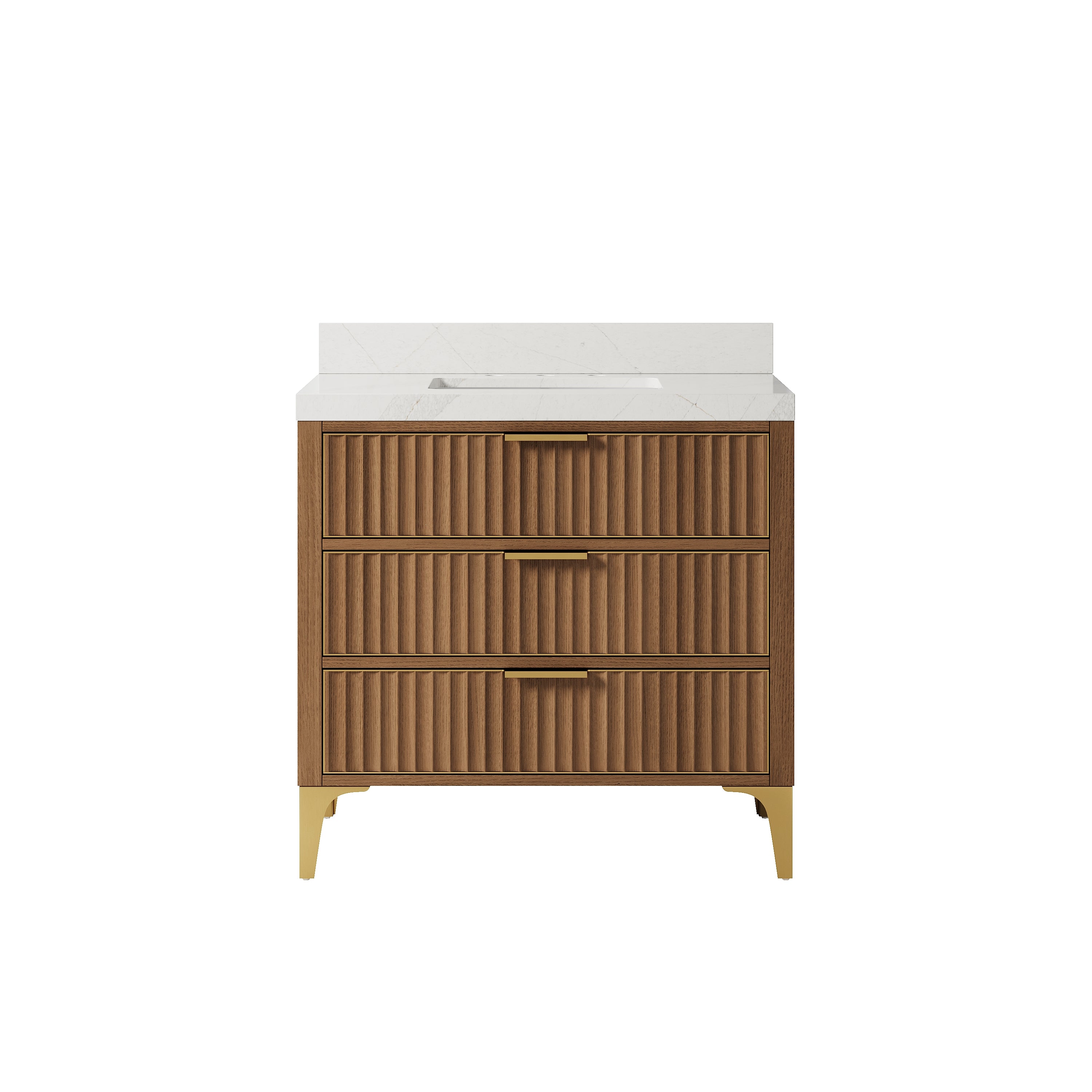
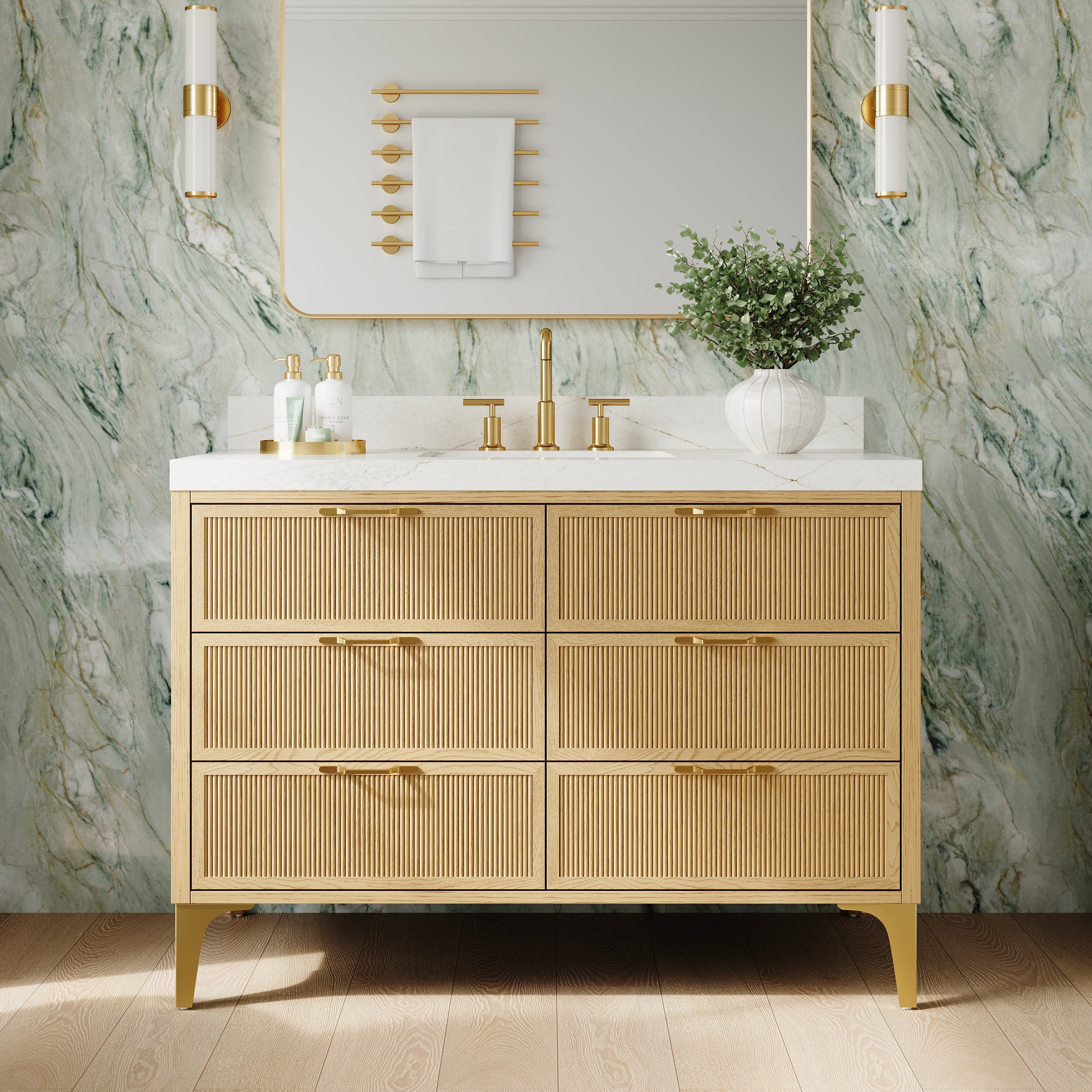
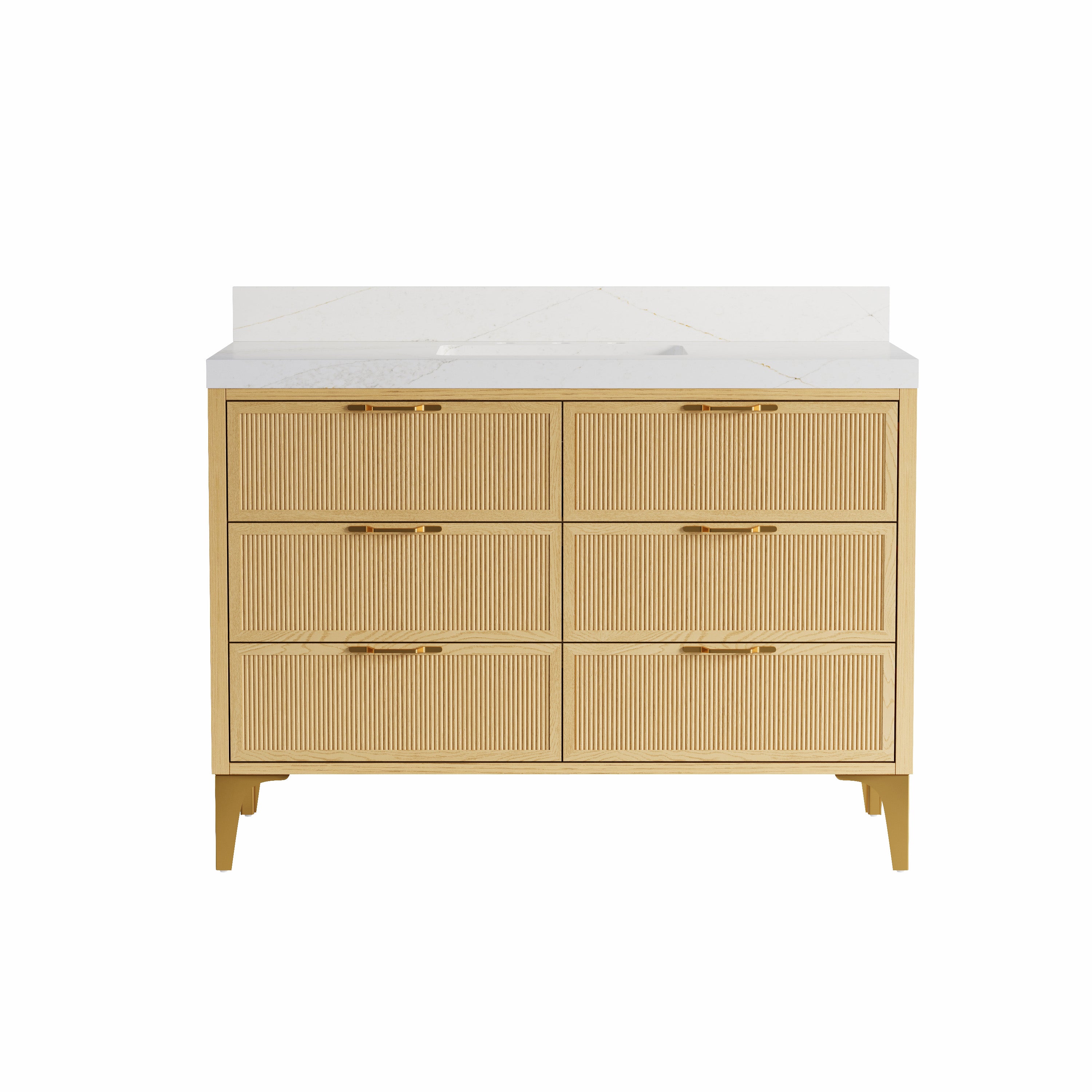


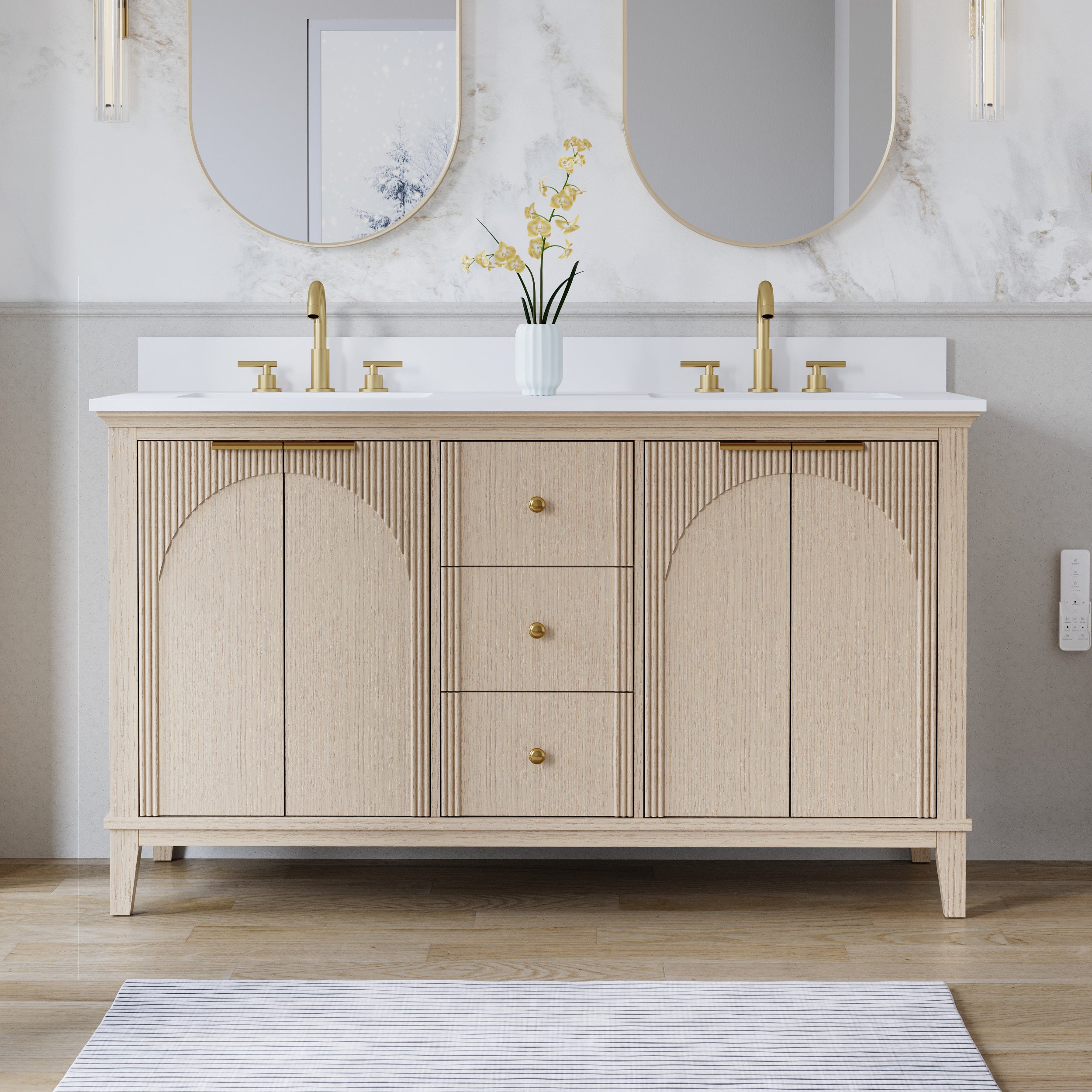
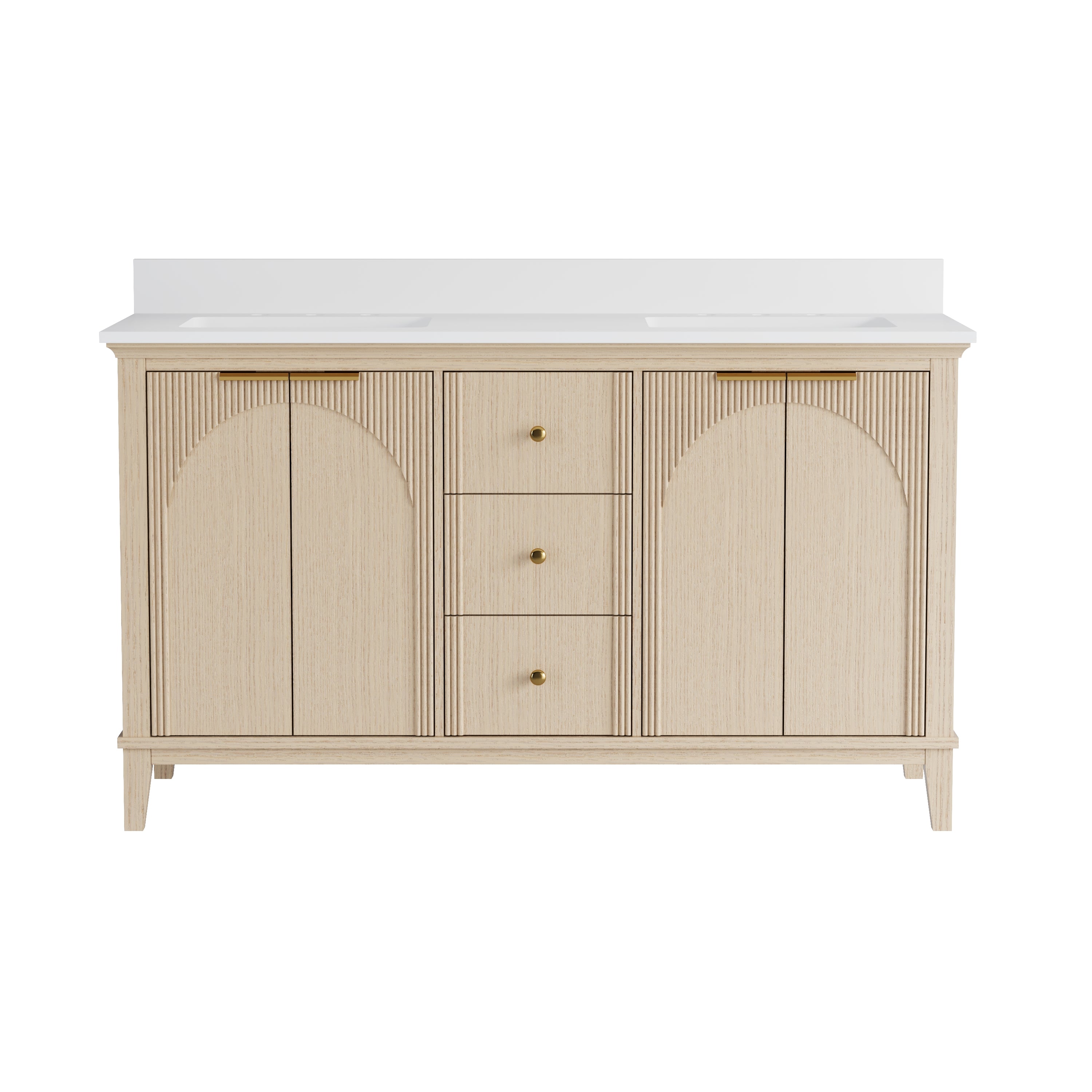
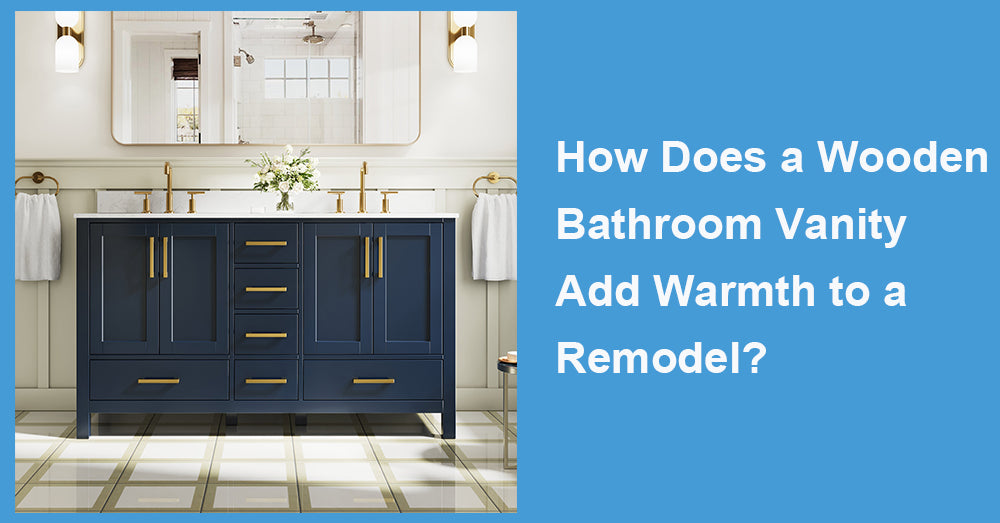
A wooden bathroom vanity adds warmth to a remodel by changing the room’s “temperature” visually and physically: wood grain softens hard surfaces like tile, stone, and metal, and it breaks up the all-white, high-gloss look that can feel sterile under bright task lighting. That warmth is not only an aesthetic preference. It also ties directly to current remodeling priorities—comfort, wellness, and longevity—at a time when bathrooms remain a high-investment space.
Why “warmth” became a top bathroom design goal
Bathrooms used to be purely utilitarian. Recent remodeling research shows they are treated more like daily-reset spaces, which is one reason finishes are being judged by how they make the room feel, not just how they photograph. In the 2025 Houzz Bathroom Trends Study, the median spend for bathroom renovations in 2024 was $13,000, and major remodels had a median spend of $22,000—numbers that push homeowners to prioritize choices that feel meaningfully better every day.
Wood finishes fit that “better every day” test. They make the room read calmer and more lived-in, especially when paired with matte hardware, warm lighting, and minimal grout lines.
Natural materials are rising, and wood vanities are leading the shift
Industry trend reporting has been explicit: natural materials are doing the heavy lifting in making modern interiors feel less cold. NKBA’s trend coverage notes that wood-grain cabinetry has overtaken painted finishes, and highlights white oak as a dominant species in current design direction. It also points out that wood-faced vanities surpassed painted finishes in bath aesthetics, reinforcing an organic, timeless look rather than a purely bright-white palette.
This matters for remodel planning because it changes what “modern” looks like. Modern no longer means glossy and stark. It often means clean lines plus natural texture—exactly where a wooden vanity performs best.
The warmth effect is mostly about contrast, not color
The easiest way to explain why wood feels warm is contrast:
· Texture contrast: Grain patterns add movement against large-format tile or stone
· Sheen contrast: A satin wood finish offsets polished chrome or glossy ceramics
· Color temperature contrast: Wood’s undertones (honey, caramel, cocoa, or neutral oak) balance cool whites and grays
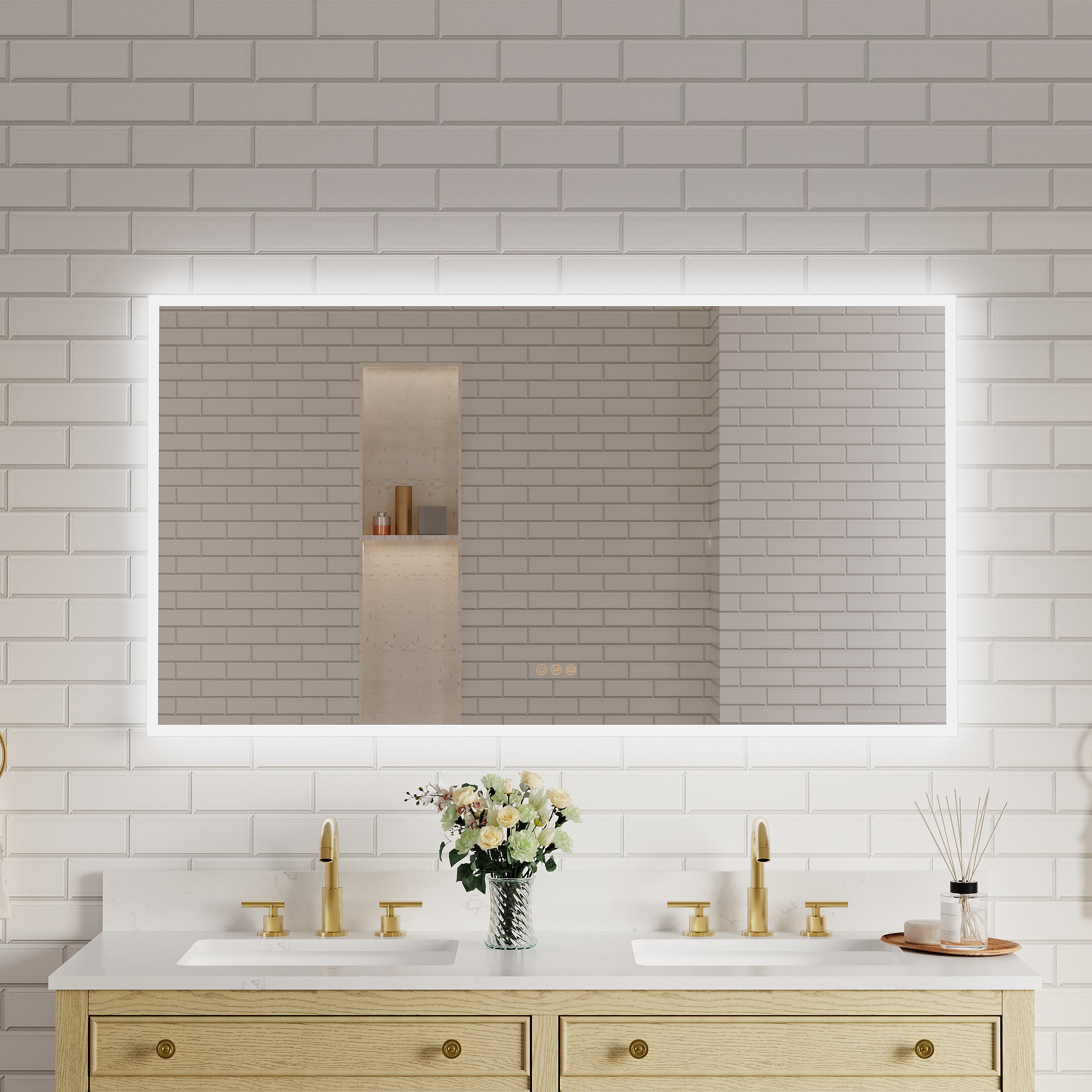
Even in a very modern layout—floating shelves, frameless glass, linear lighting—a wood vanity can keep the space from feeling clinical. If you want a crisp look, lighter woods (oak, ash tones) are the way to go. If you want a richer, boutique-hotel vibe, walnut-like stains and deeper brown tones do it.
Size and proportion: where wood helps small bathrooms feel bigger
Warmth is emotional, but sizing is practical. In many remodels, the vanity is the largest visual “block” in the room, so choosing the right width and depth matters as much as the finish.
Common vanity widths include 24 inch, 30 inch, 36 inch, 48 inch, and 60 inch, and typical depths are around 21 inch to 22 inch (with compact options closer to 18 inch to 19 inch). In a tight plan, a shallower wood vanity can maintain comfortable clearance while still delivering warmth through the face frame and doors.
Wood is also forgiving visually: it can appear lighter than a painted cabinet of the same size because the grain reads as detail rather than mass. That’s one reason designers often use wood vanities in bathrooms that need to feel open without sacrificing storage.
Durability and moisture: how to keep warmth from turning into warping
The biggest objection to wood in a bathroom is its susceptibility to humidity. The good news is that modern wood vanities typically rely on engineered construction, veneer panels, and sealed finishes that handle normal bathroom conditions well—if the room is ventilated correctly.
EPA guidance recommends keeping indoor humidity generally between 30% and 50% to reduce mold risk. In practical remodel terms, that means:
· Use an exhaust fan consistently (especially during and after showers)
· Choose a vanity finish that’s sealed on all sides, including edges
· Wipe standing water near sink rims and faucet bases
· Avoid placing an unsealed wood toe-kick where it routinely gets wet from bathmats
If you want “wood warmth” with easier maintenance, look for a durable top (quartz, sintered stone, or sealed stone) and a cabinet finish that’s designed for humid environments.

Storage feels warmer when it’s smarter
A wooden vanity not only changes how a bathroom looks; it changes how it functions. Warmth, in real life, often means less clutter: fewer items left on the counter, fewer bottles around the sink, fewer awkward stacks under the basin.
When evaluating a wooden vanity, prioritize storage architecture:
· Full-extension drawers (better visibility and access)
· Drawer organizers sized for grooming items
· U-shaped drawers that work around plumbing
· A dedicated “daily-use” drawer near the top
This functional upgrade matters because bathrooms remain a high-priority investment category. Houzz’s findings on spending signal that many remodelers are paying for improvements that feel like a lifestyle upgrade, not just a cosmetic refresh.
Resale and “buyer appeal”: warmth can be a strategic choice
Warmth is personal, but it can also be strategic. Real estate research often frames remodel decisions in terms of cost recovery and buyer appeal. NAR’s 2025 Remodeling Impact coverage highlights estimated cost recovery percentages for various upgrades; for example, it lists a bathroom addition at 56% return on investment (based on upfront cost) among the top projects discussed in its summary.
A wooden vanity isn’t a full addition, but the takeaway is useful: bathrooms are scrutinized, and choices that read “high quality” can influence perceived value. Wood grain tends to communicate craftsmanship and material richness—especially when paired with solid hardware, clean installation lines, and a coordinated mirror and lighting plan.
How to choose the right wooden vanity for a modern remodel
If you want the warmth without losing the modern edge, use these selection rules:
· Pick the grain first, then the stain: Oak-like grains feel contemporary and calm; tighter grains can read more formal
· Keep the door style simple: Flat-panel or slim Shaker profiles feel modern without being trendy.
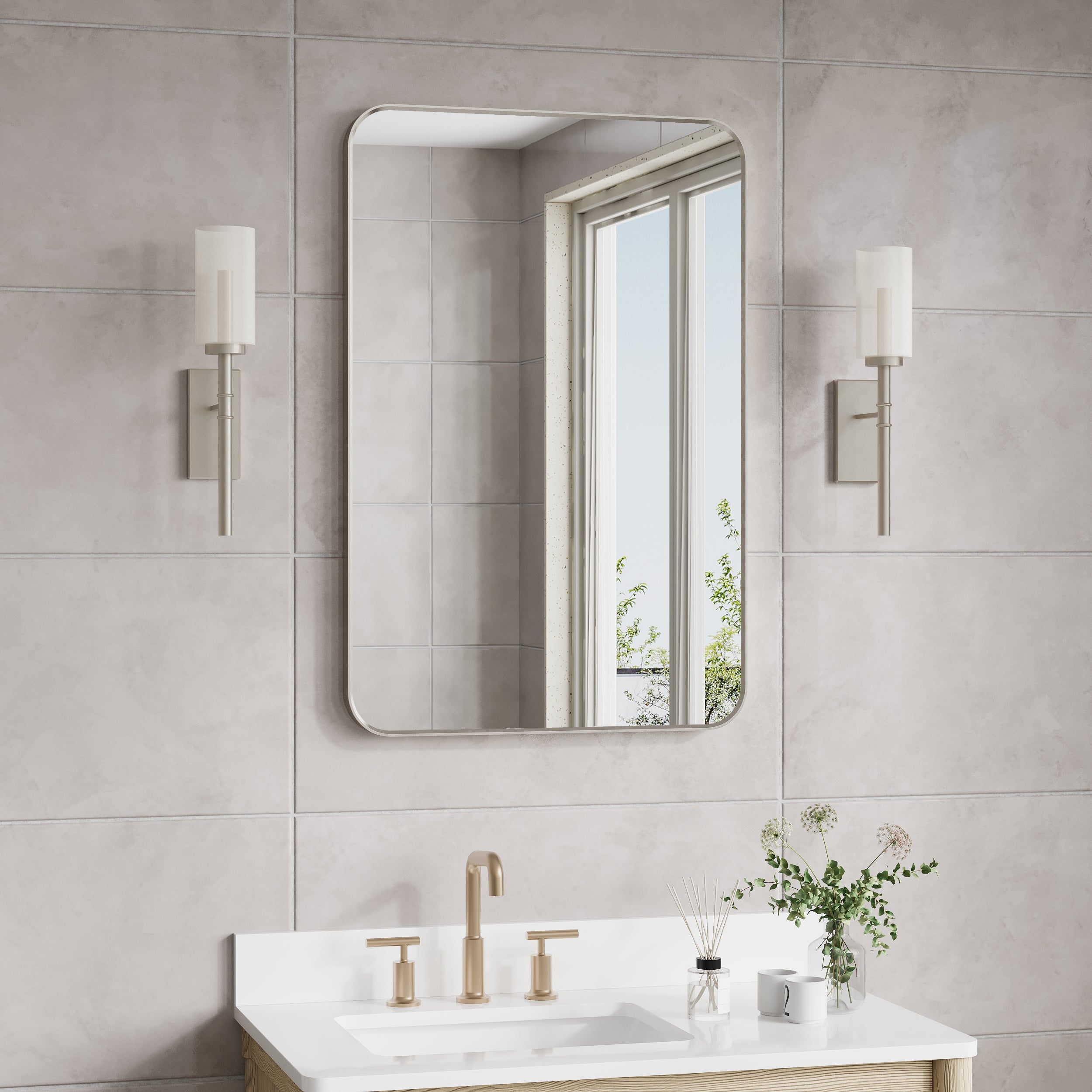
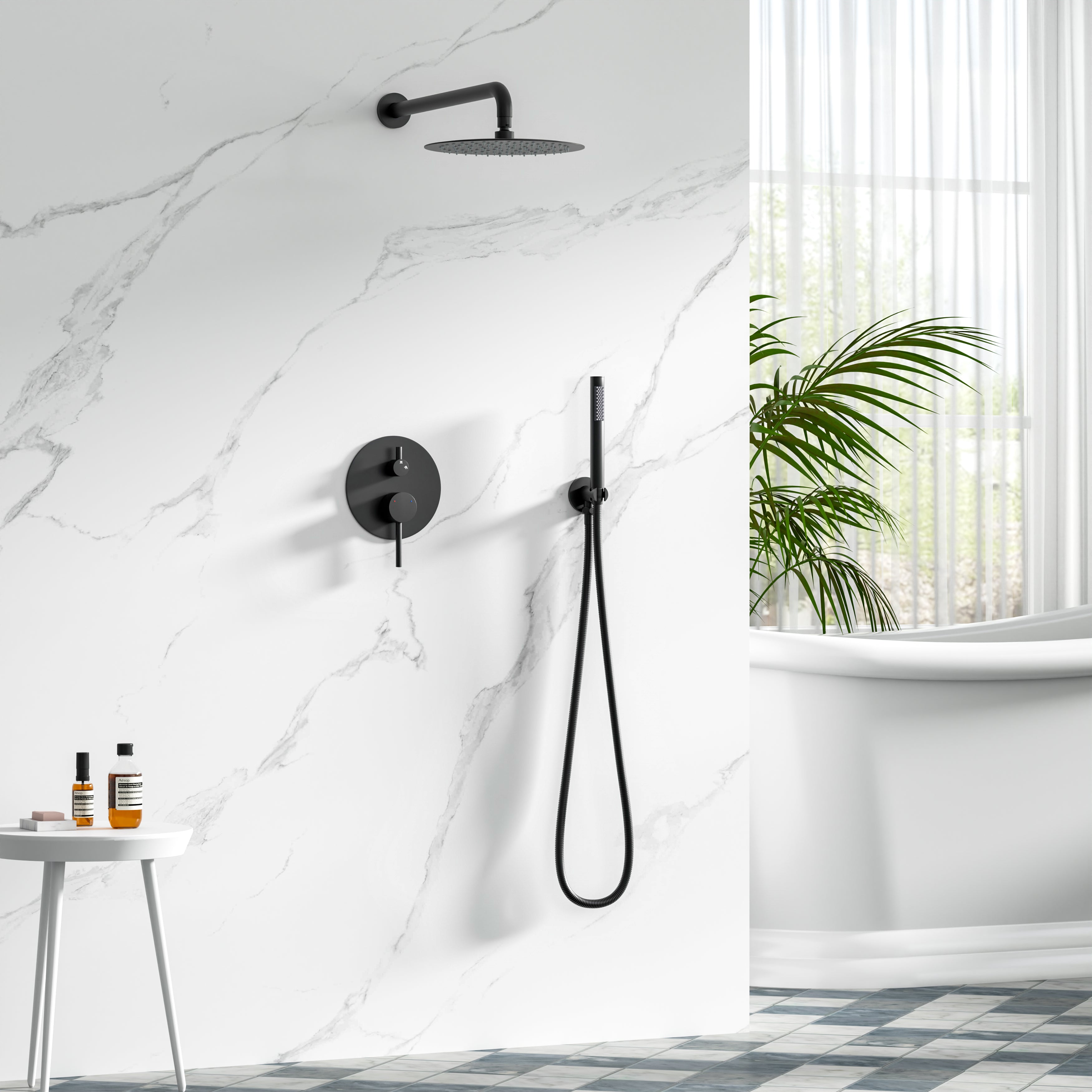
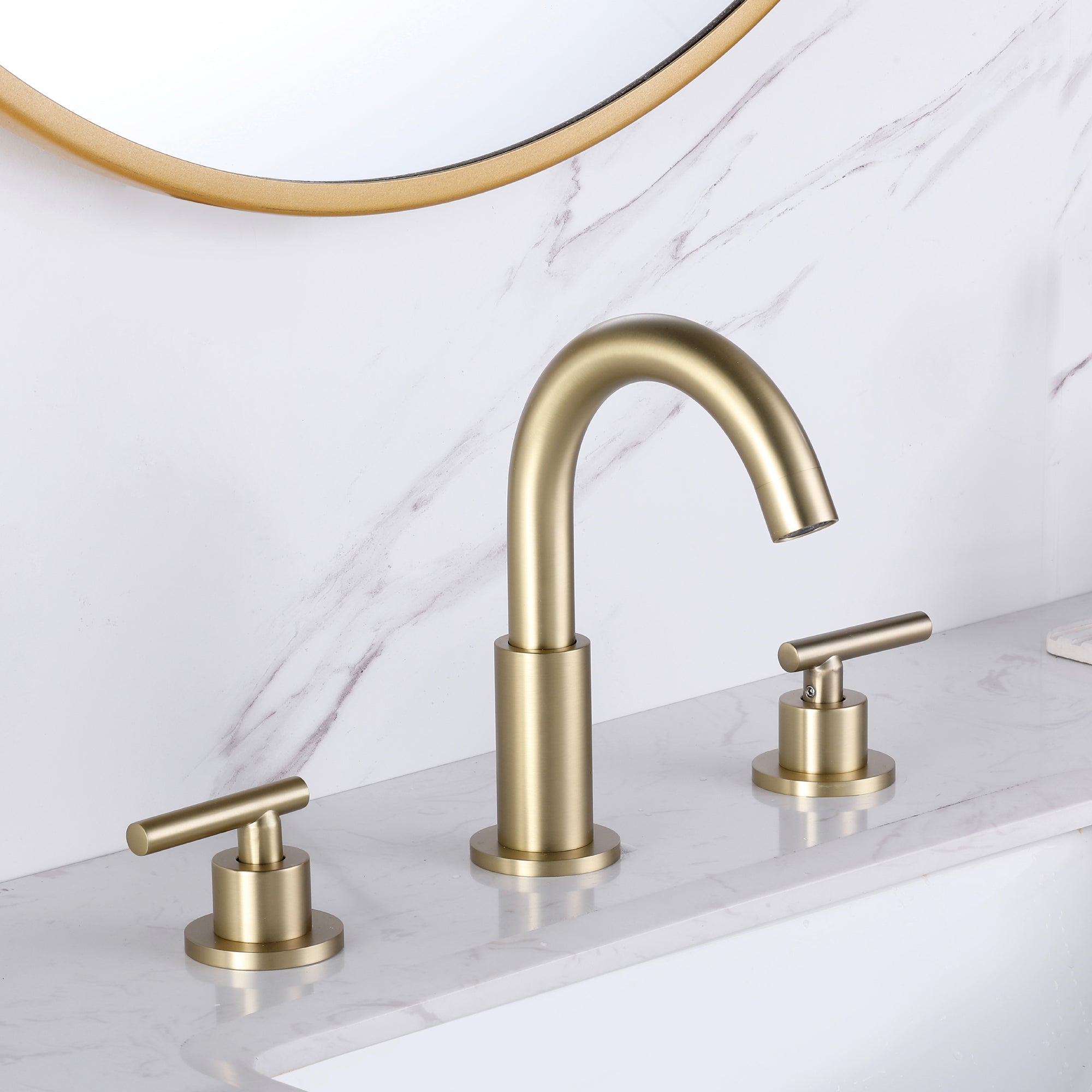
· Balance with matte finishes: Matte black, brushed nickel, or soft brass often pairs well with wood (and hides wear better than high polish)
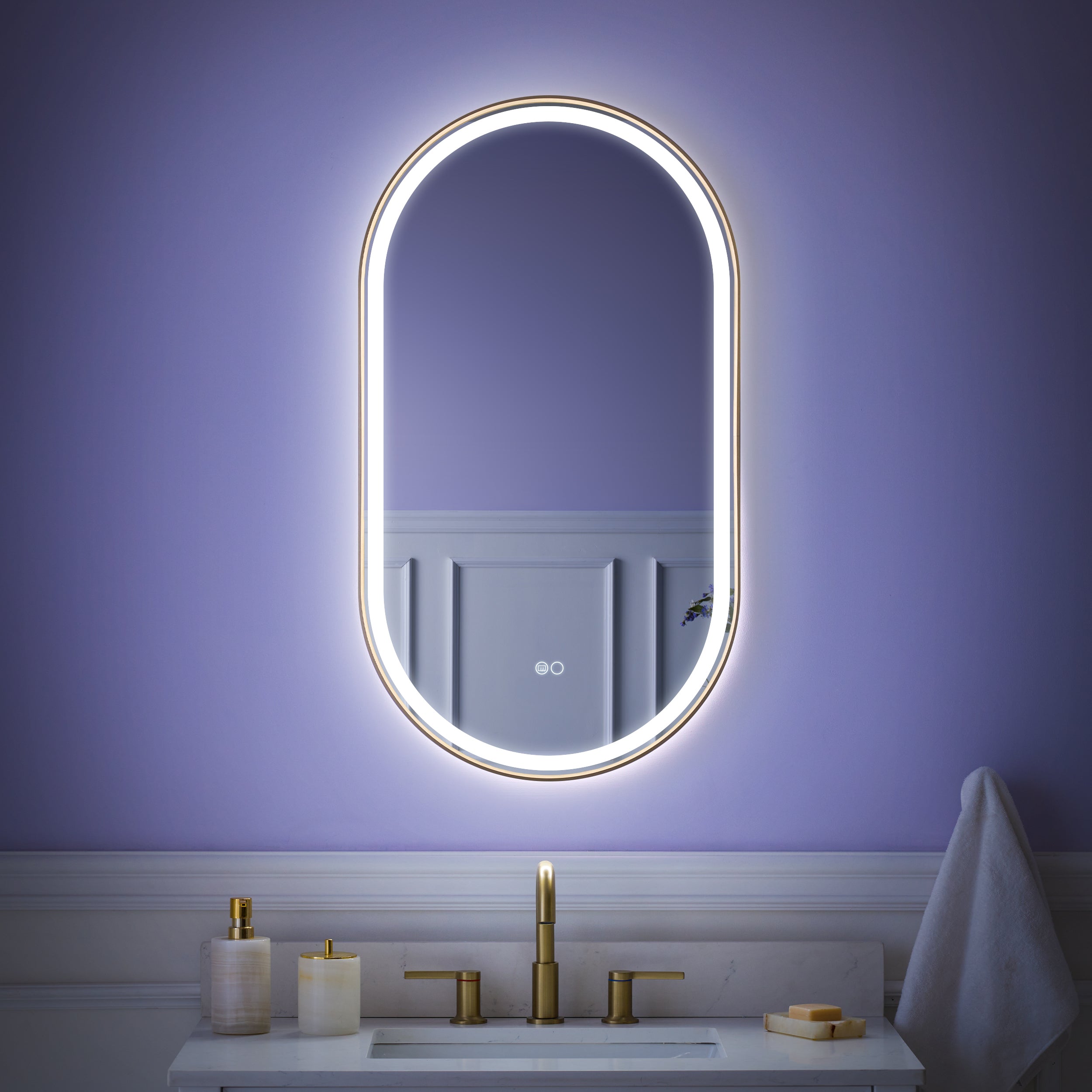
· Use warm white lighting: A warm-neutral light makes wood look richer and less orange.
· Protect the “wet zone”: Choose a backsplash and countertop edge that reduces splash-back onto cabinet joints.
A wooden bathroom vanity adds warmth when it’s treated as part of a system—lighting, hardware sheen, countertop, and ventilation—not as a standalone statement piece. Done well, it delivers that modern “clean but inviting” feel that many remodels aim for now, and it tends to stay attractive long after trend colors rotate out.













Leave a comment
This site is protected by hCaptcha and the hCaptcha Privacy Policy and Terms of Service apply.