














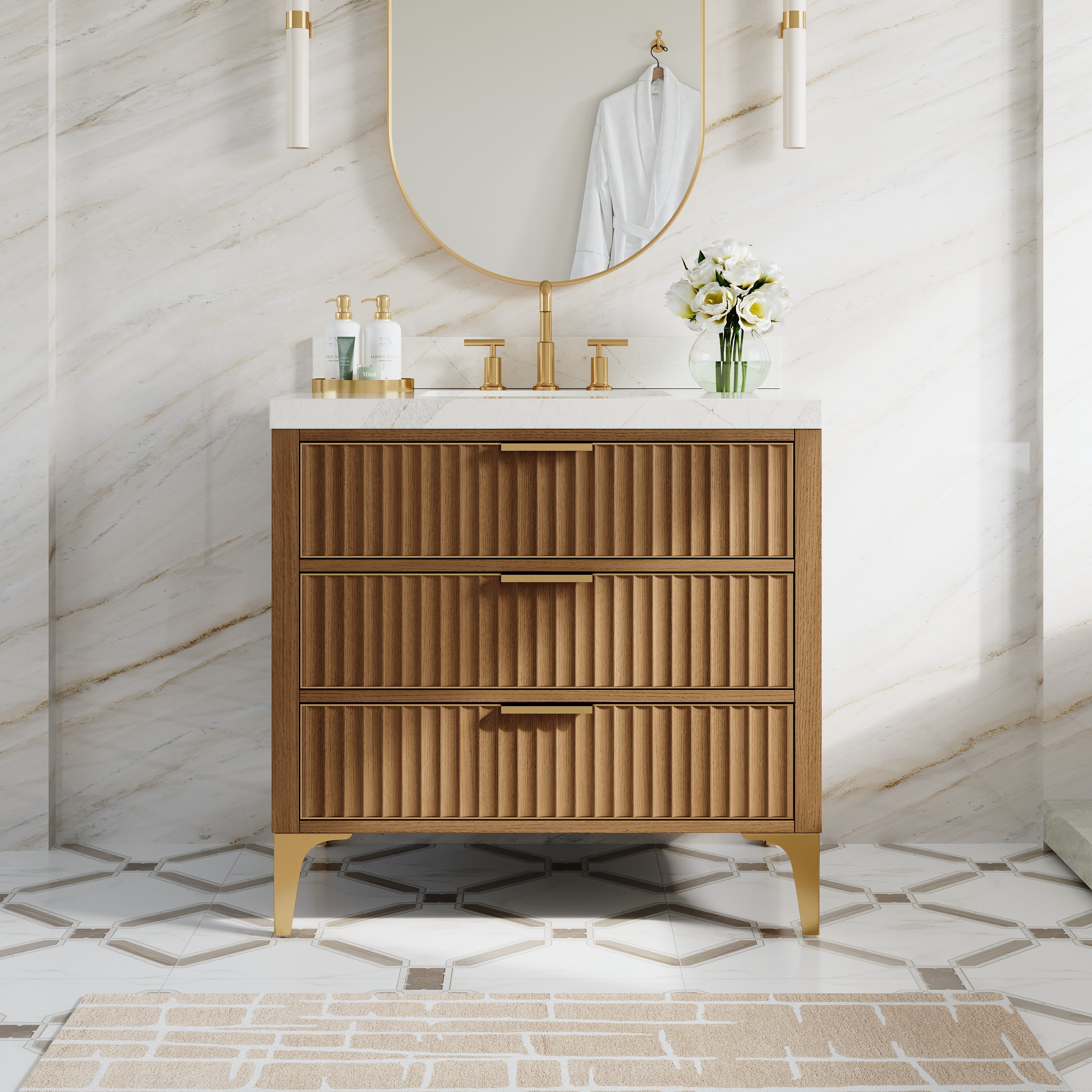
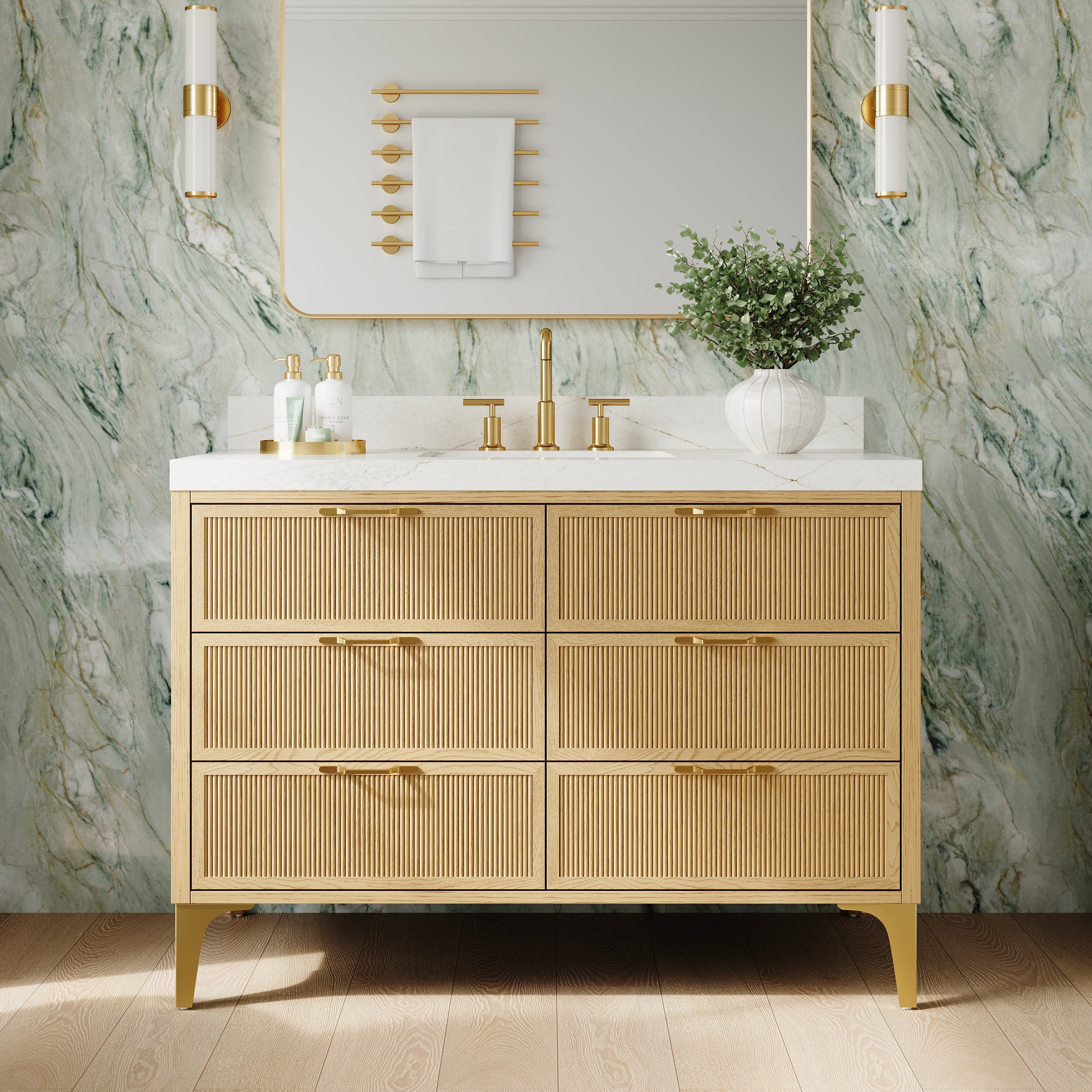


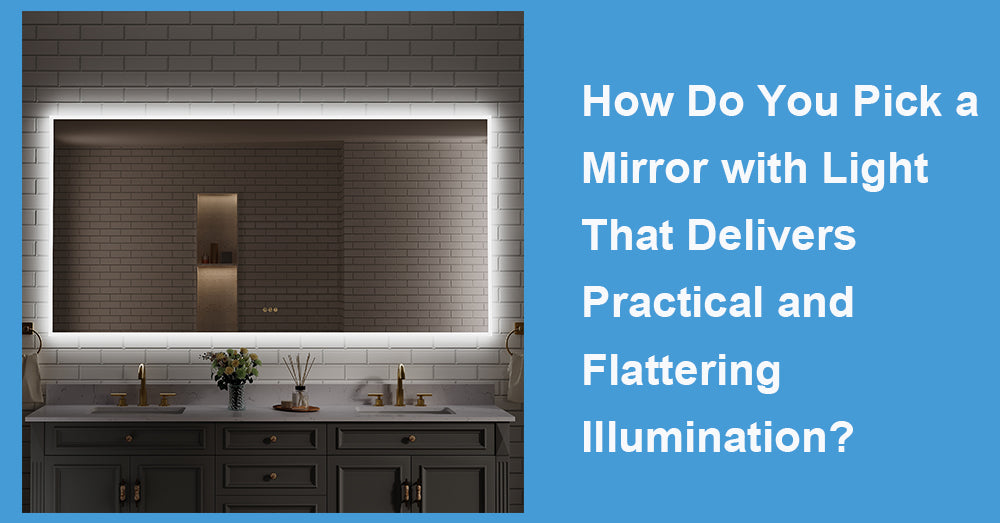
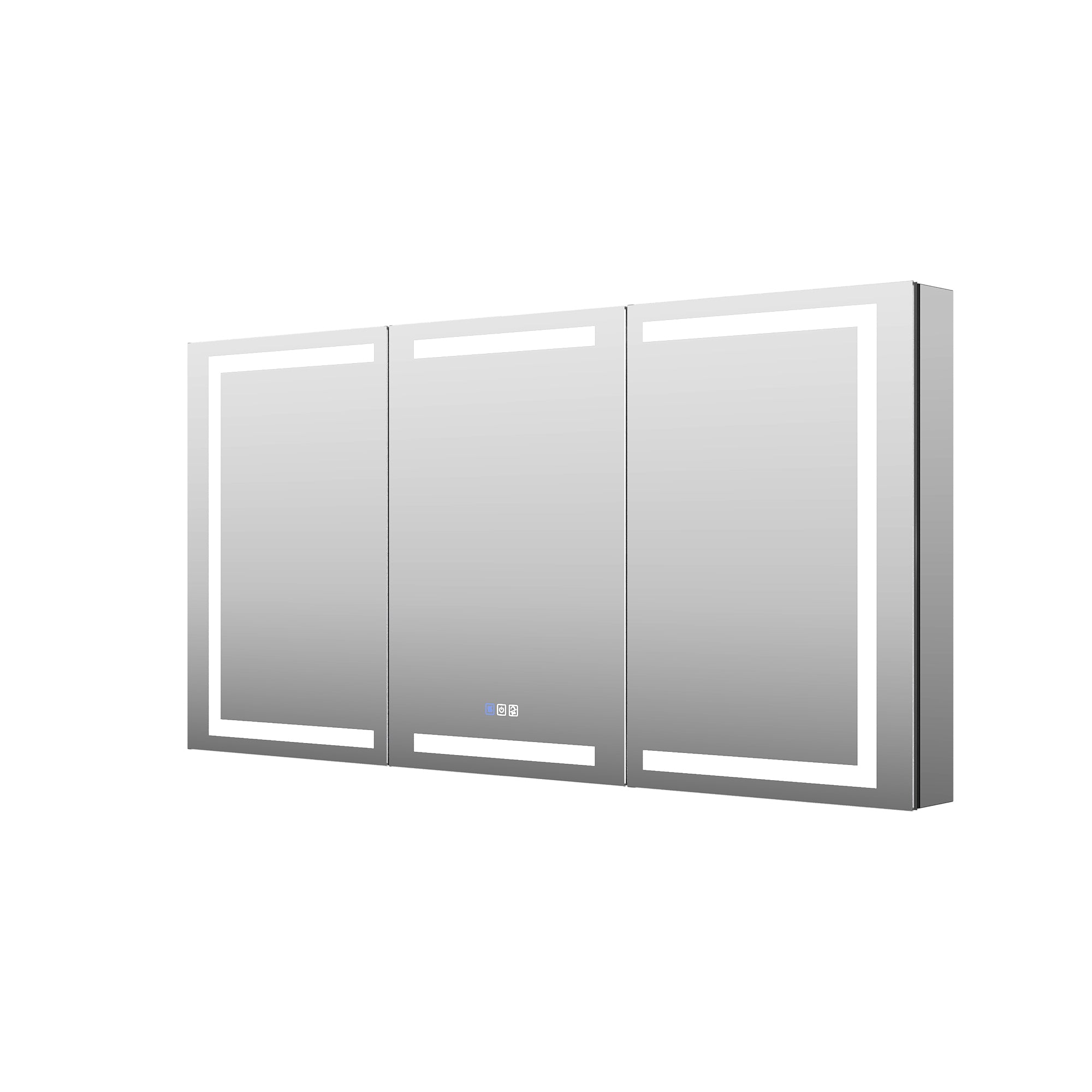
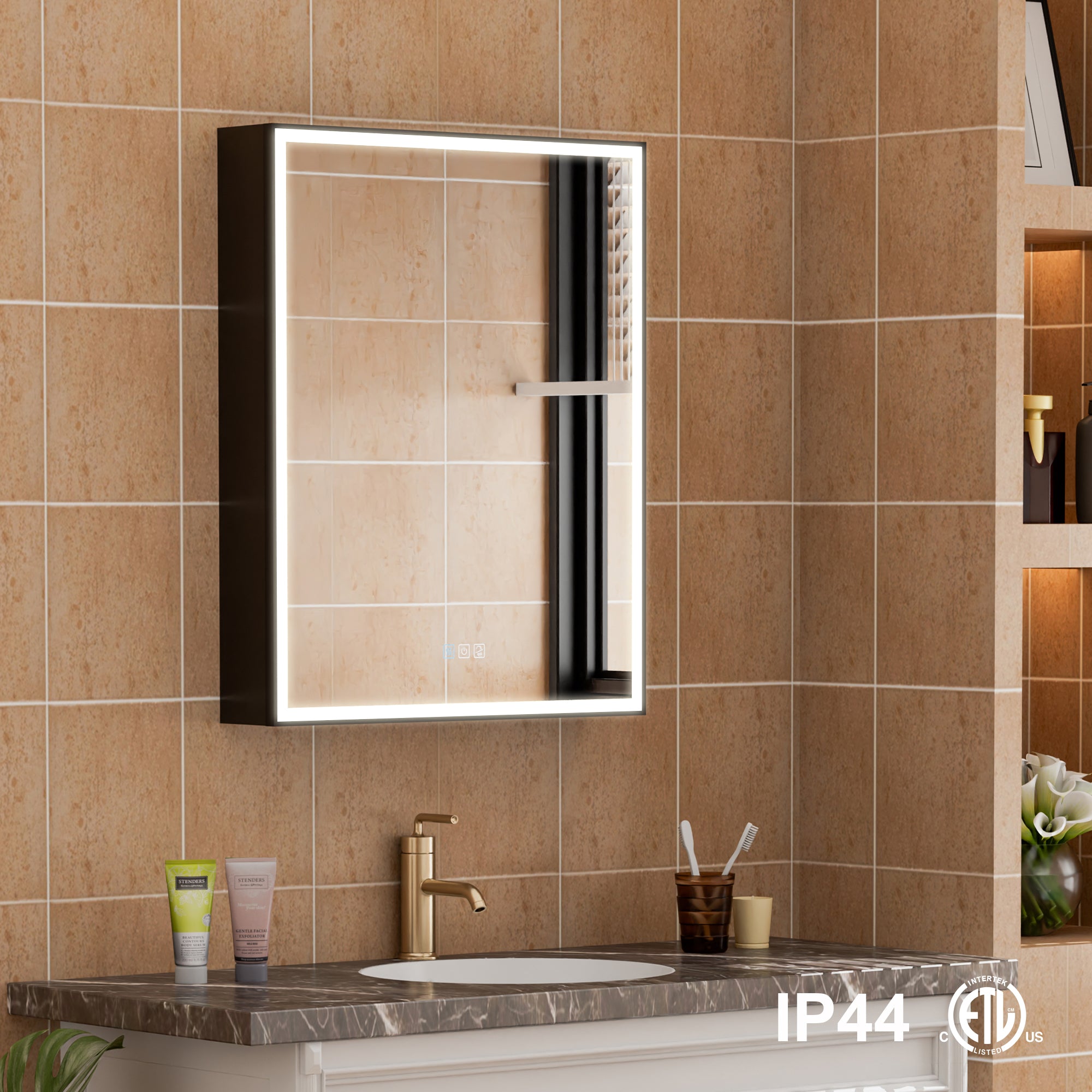
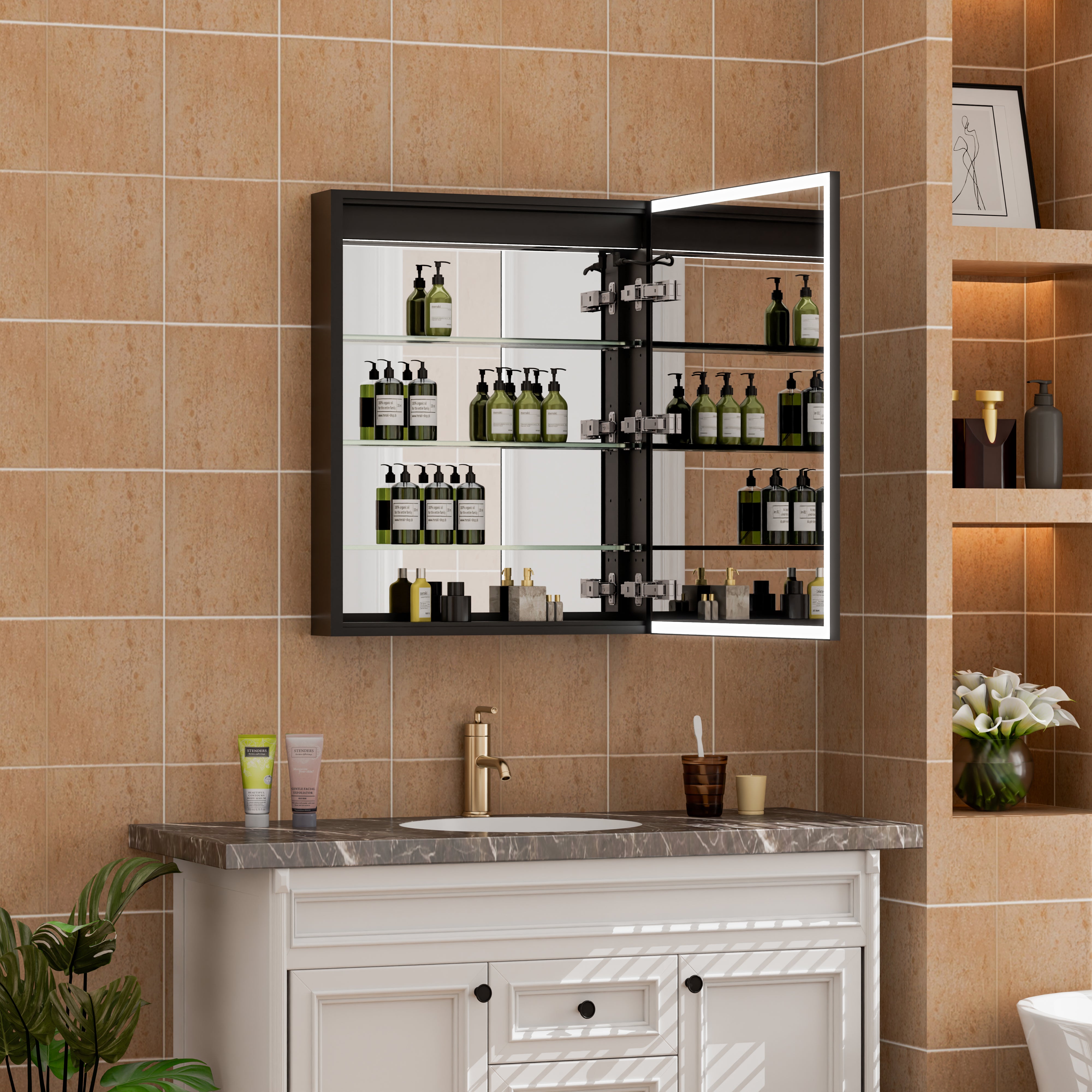
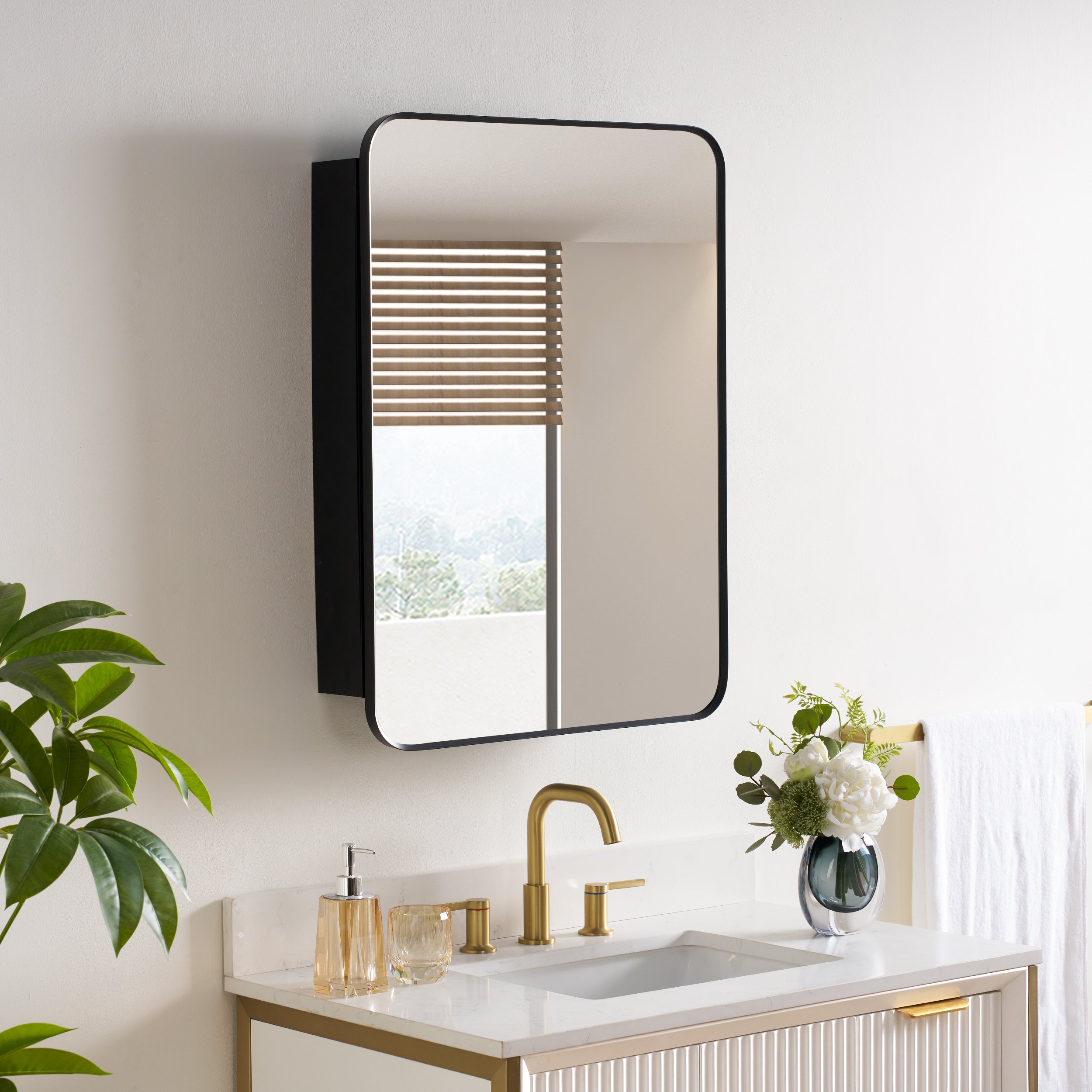
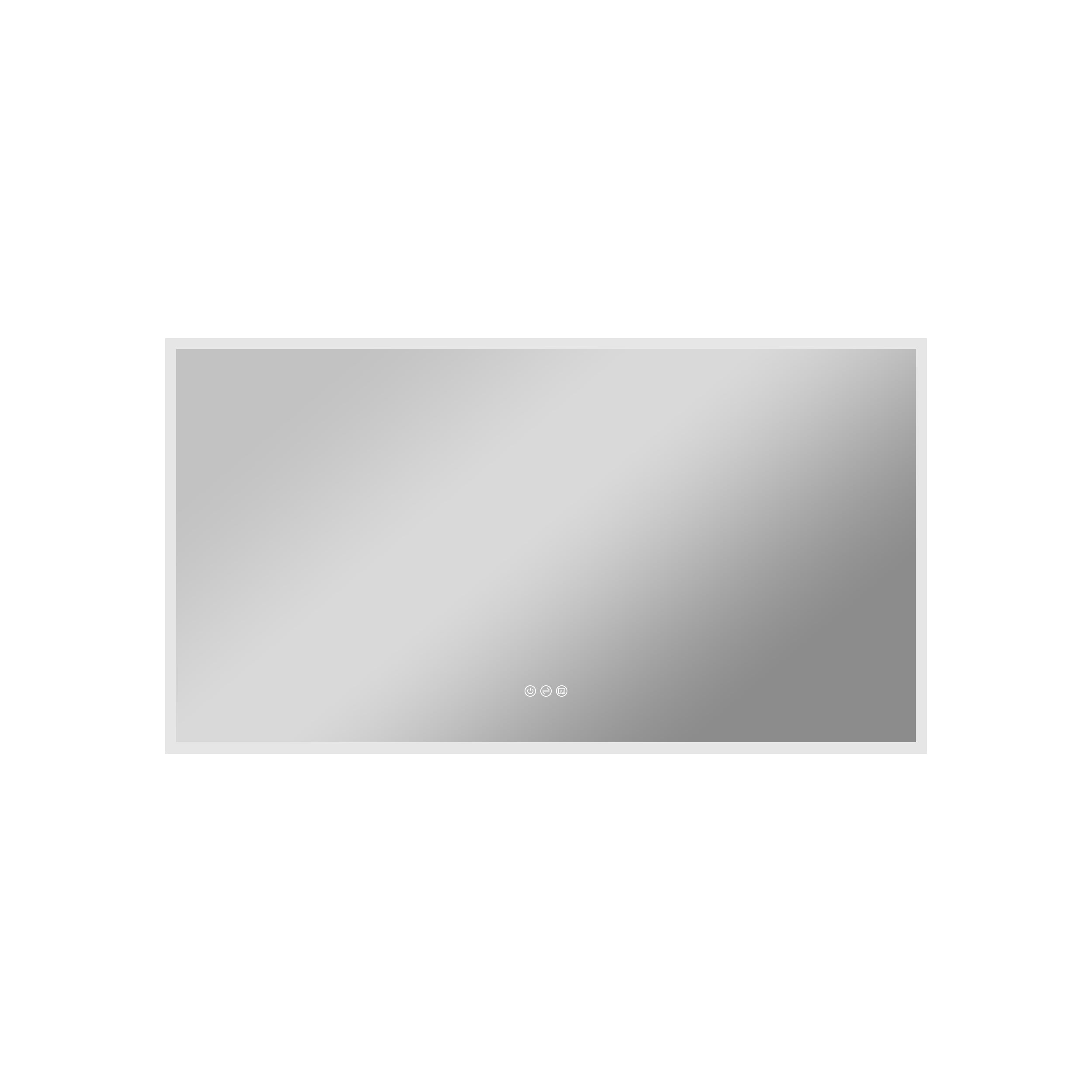
A mirror with light can either become the best “daily-use” upgrade in your bathroom—or a source of glare, weird shadows, and constant second-guessing. The difference comes down to measurable lighting basics (brightness, color quality, and distribution), plus real-world details like moisture ratings, dimming behavior, and how the light is positioned relative to your face. This guide walks you through a reliable way to choose a lighted mirror that looks good, works for grooming, and stays dependable over time.
1. Start With the Task: What Does “Good Light” Need to Do?
Before you compare styles, define the mirror’s job. Lighting that feels flattering in a staged photo can still be impractical at 6:30 a.m. A great lighted mirror should help with:
· Accurate grooming (shaving lines, skincare, makeup blending)
· Comfortable viewing (no harsh hotspots or “raccoon eye” shadows)
· Consistent results across time of day (morning vs. evening)
A quick truth: “bright” is not automatically “better.” The goal is even illumination on the face, not a glowing frame that blasts your eyes.
2. Understand the Brightness Numbers That Actually Matter
Lumens vs. foot-candles: why specs can feel confusing
· Lumens describe how much light a source produces.
· Foot-candles (fc) describe how much light actually reaches a surface.
A foot-candle is defined as one lumen per square foot (Source: Lighting Design Lab “Footcandle Light Guide” PDF).
This matters because a mirror can list impressive lumens, but if the light is poorly aimed or poorly diffused, the useful light on your face can still be mediocre.
A practical target range for grooming
For detailed tasks, many lighting references cluster “detailed task areas” around roughly 50–100+ foot-candles, depending on the task and environment (Source: LED Lighting Supply foot-candle guide; LED Light Expert foot-candle overview).
How to use this in a bathroom: you want your face area at the mirror to land in a “comfortable detailed task” zone—without glare. If you can, measure with a light meter or a decent phone app to sanity-check results after installation.
3. Choose Light Placement That Flatters Faces (Not Just the Wall)
The most common complaint about lighted mirrors is unflattering shadows. This usually happens when light is concentrated only at the top edge or too far behind the mirror.
The most reliable face-lighting geometry
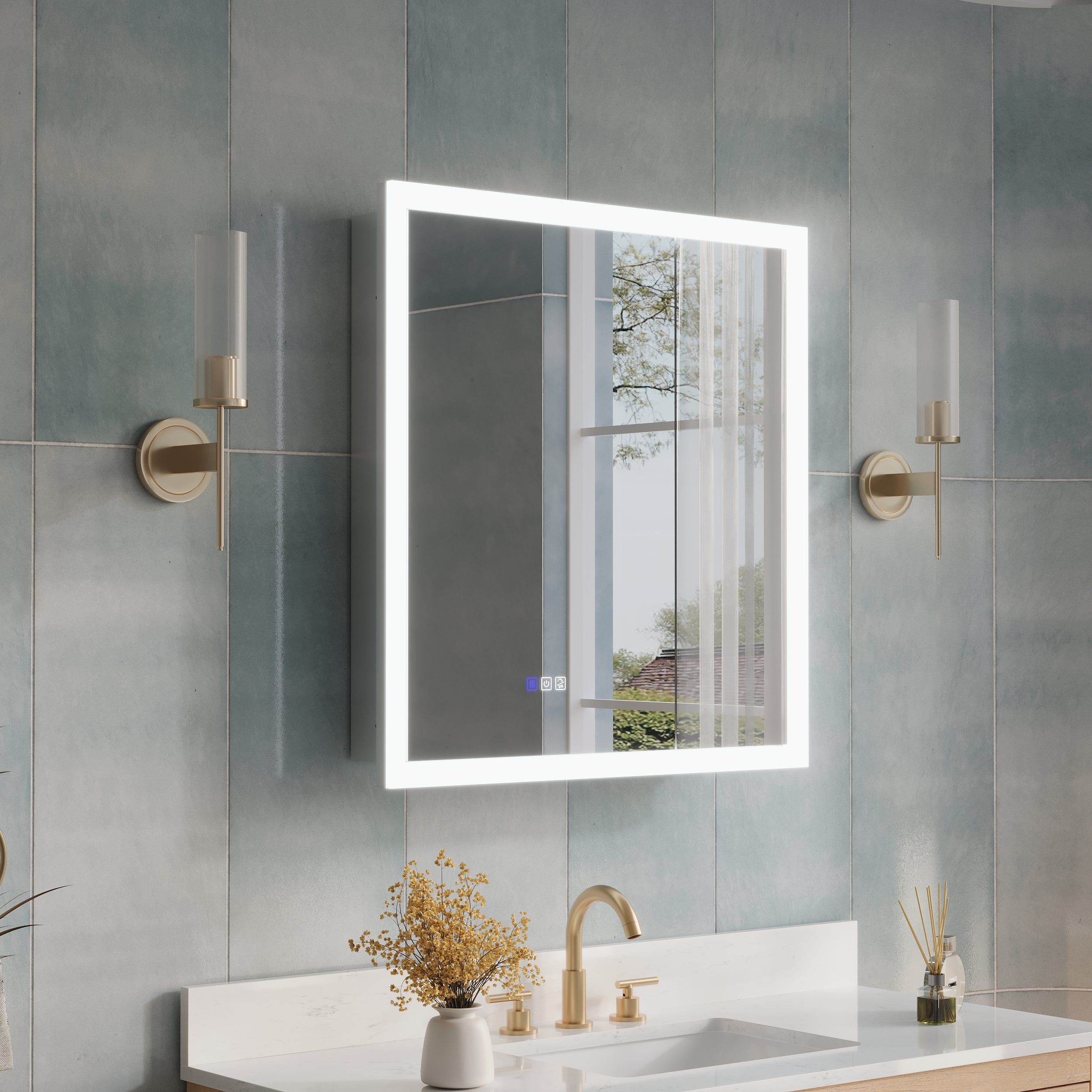
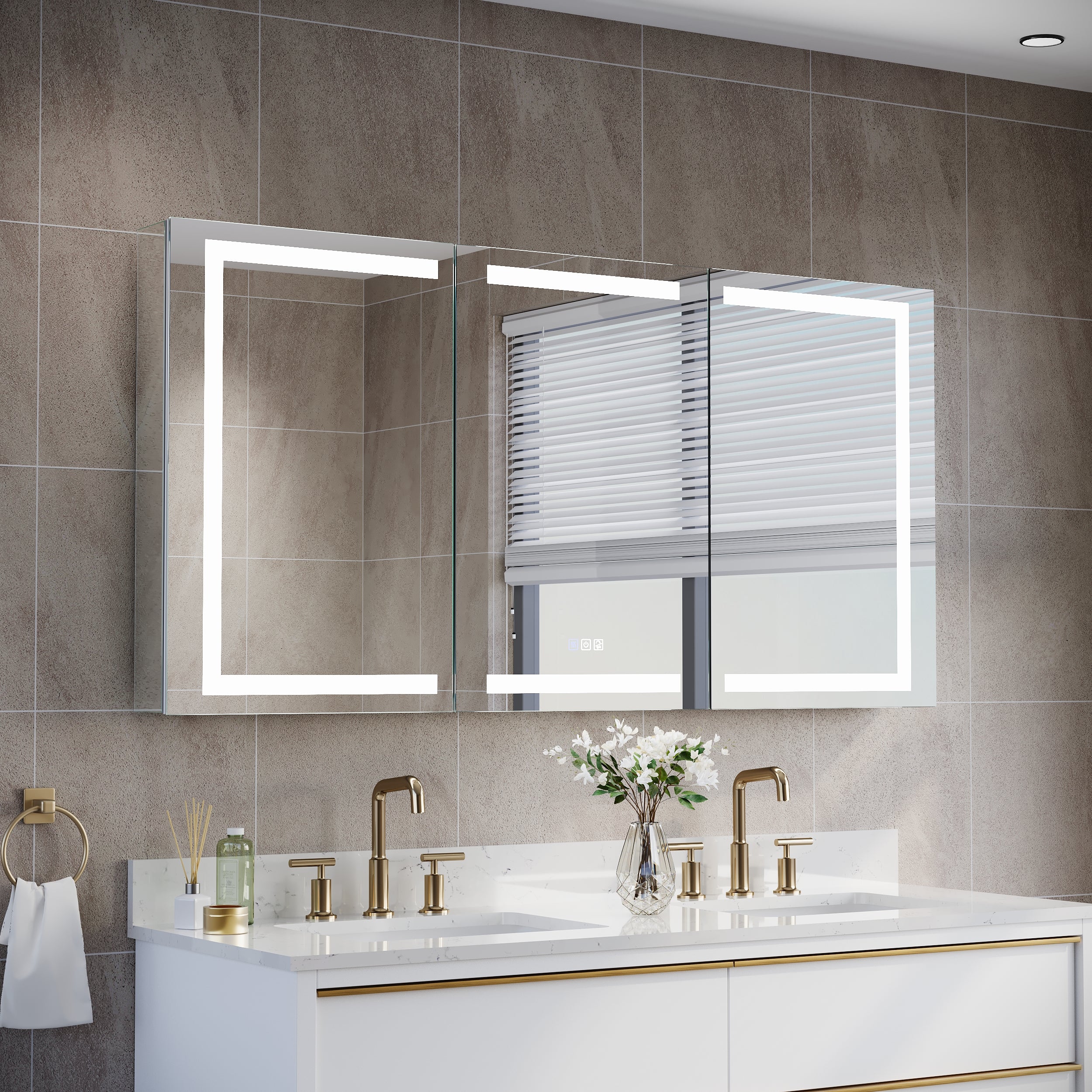
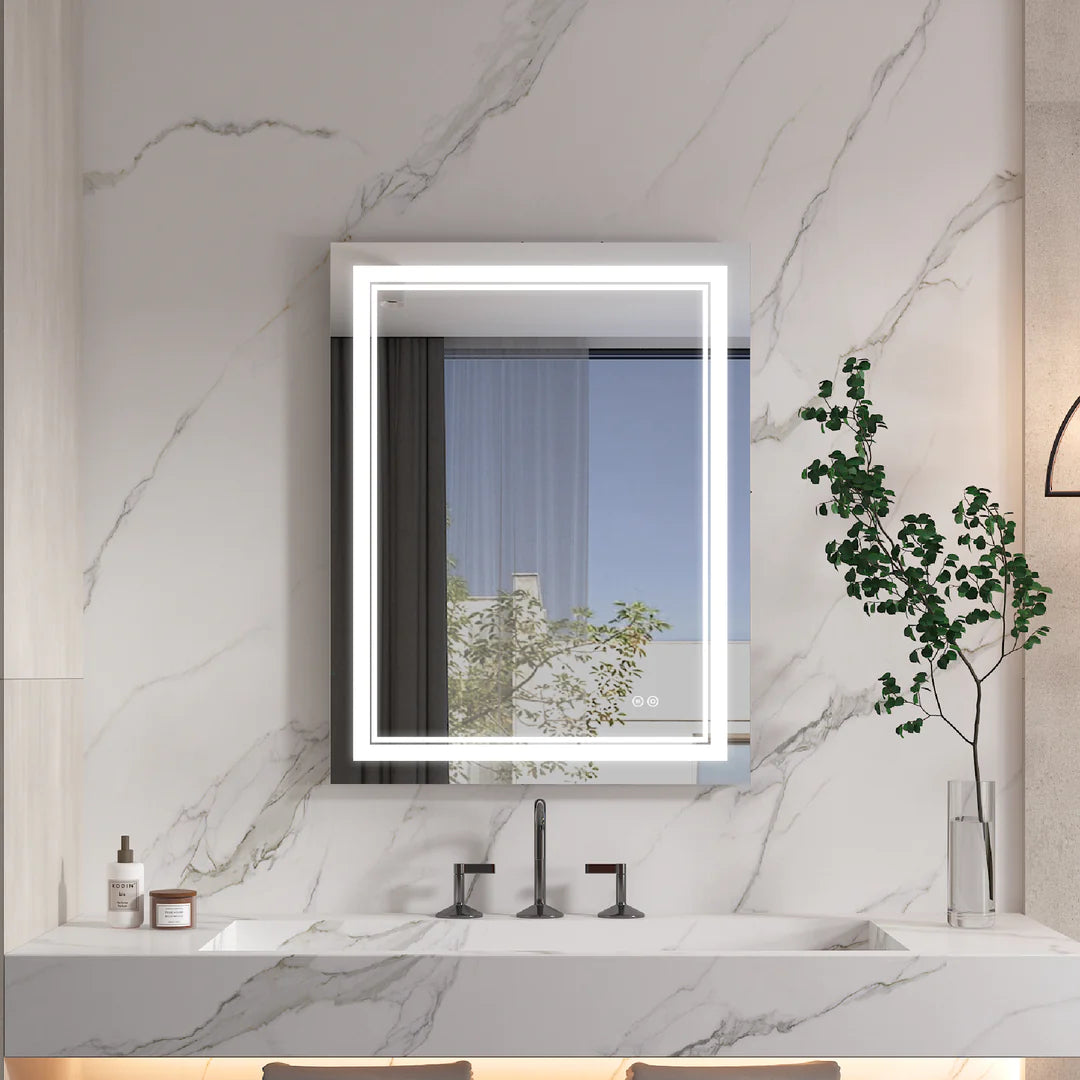
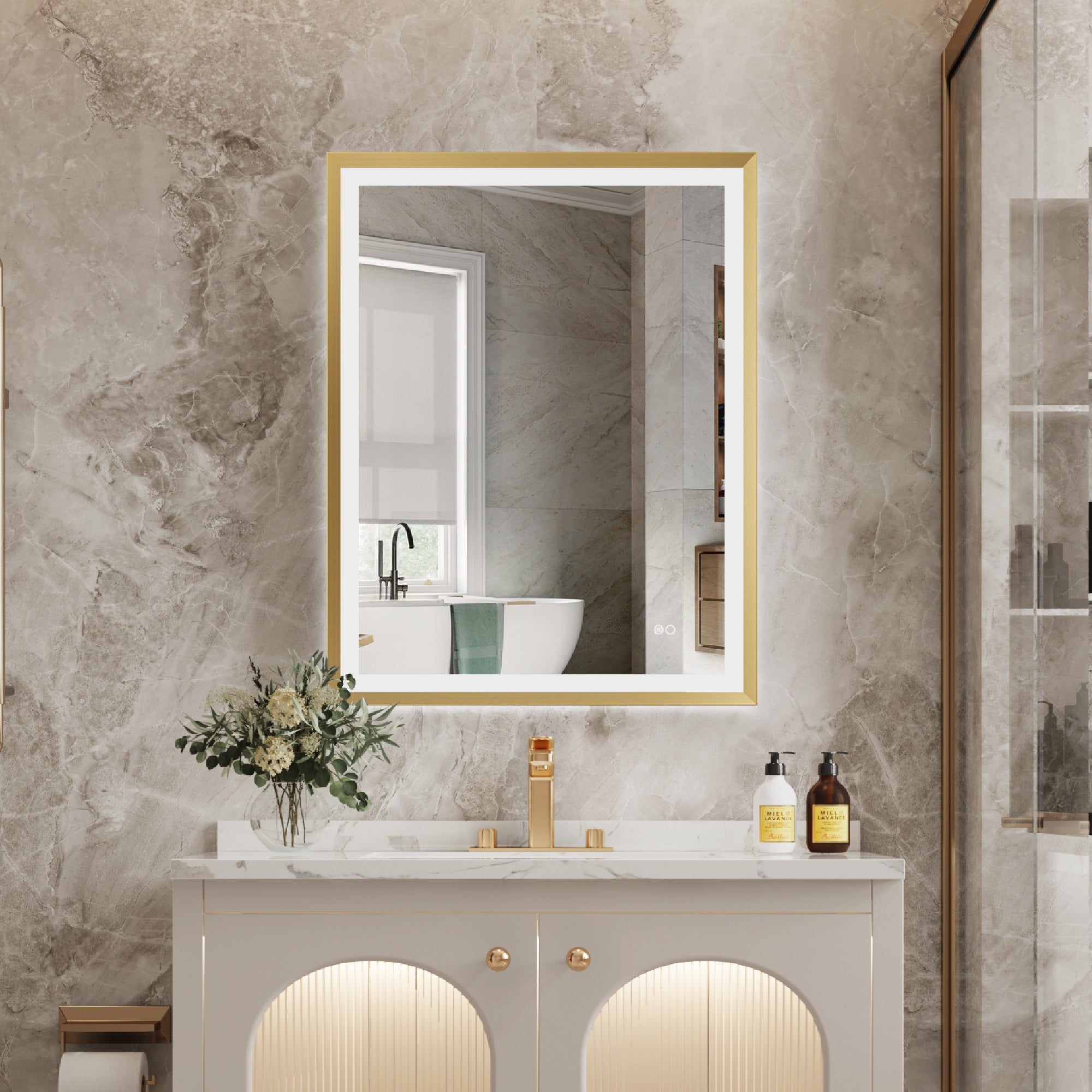
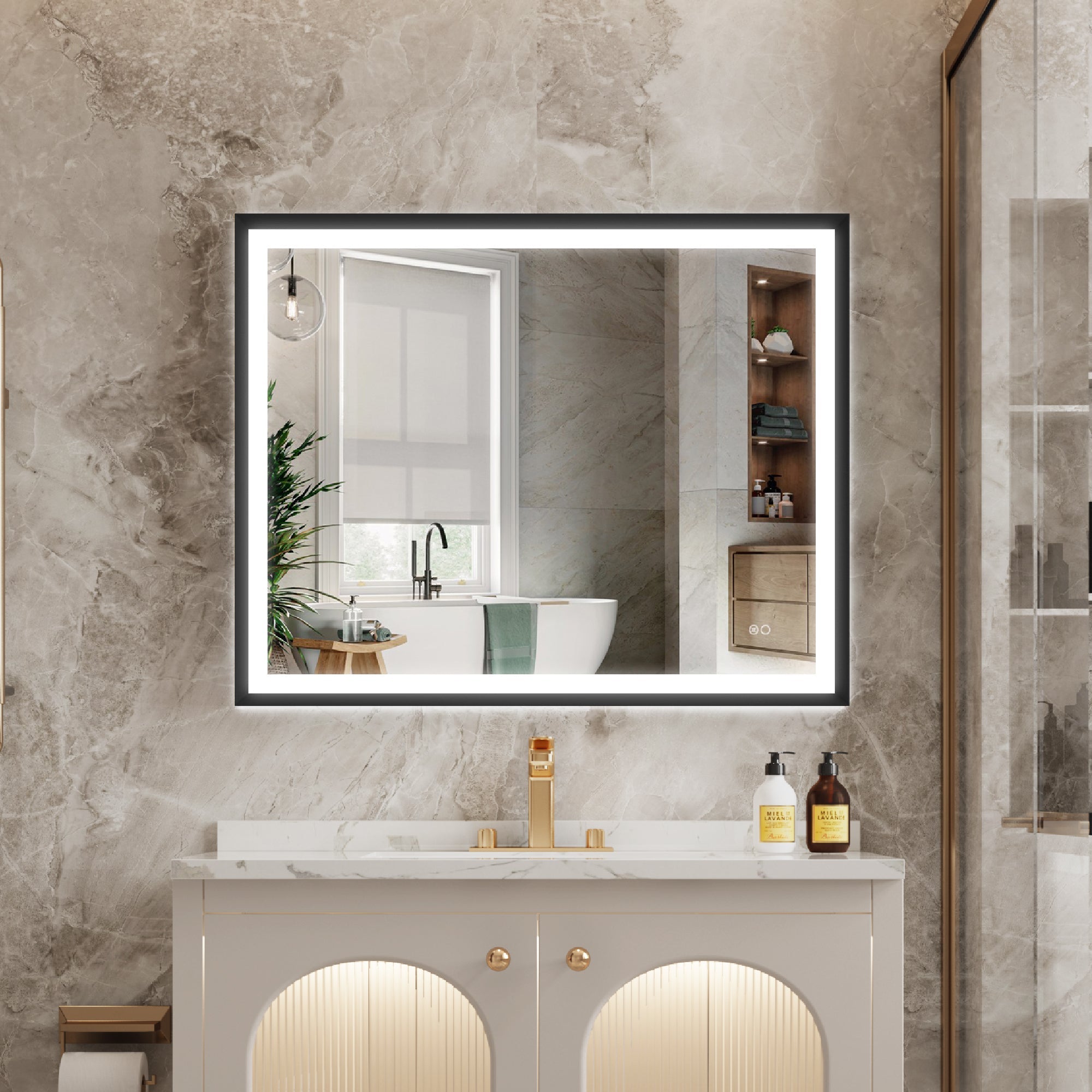
· Front-directed, diffused light around the perimeter tends to reduce shadows.
· Side-weighted light (left/right emphasis) helps reduce shadows under eyes and chin better than top-only light.
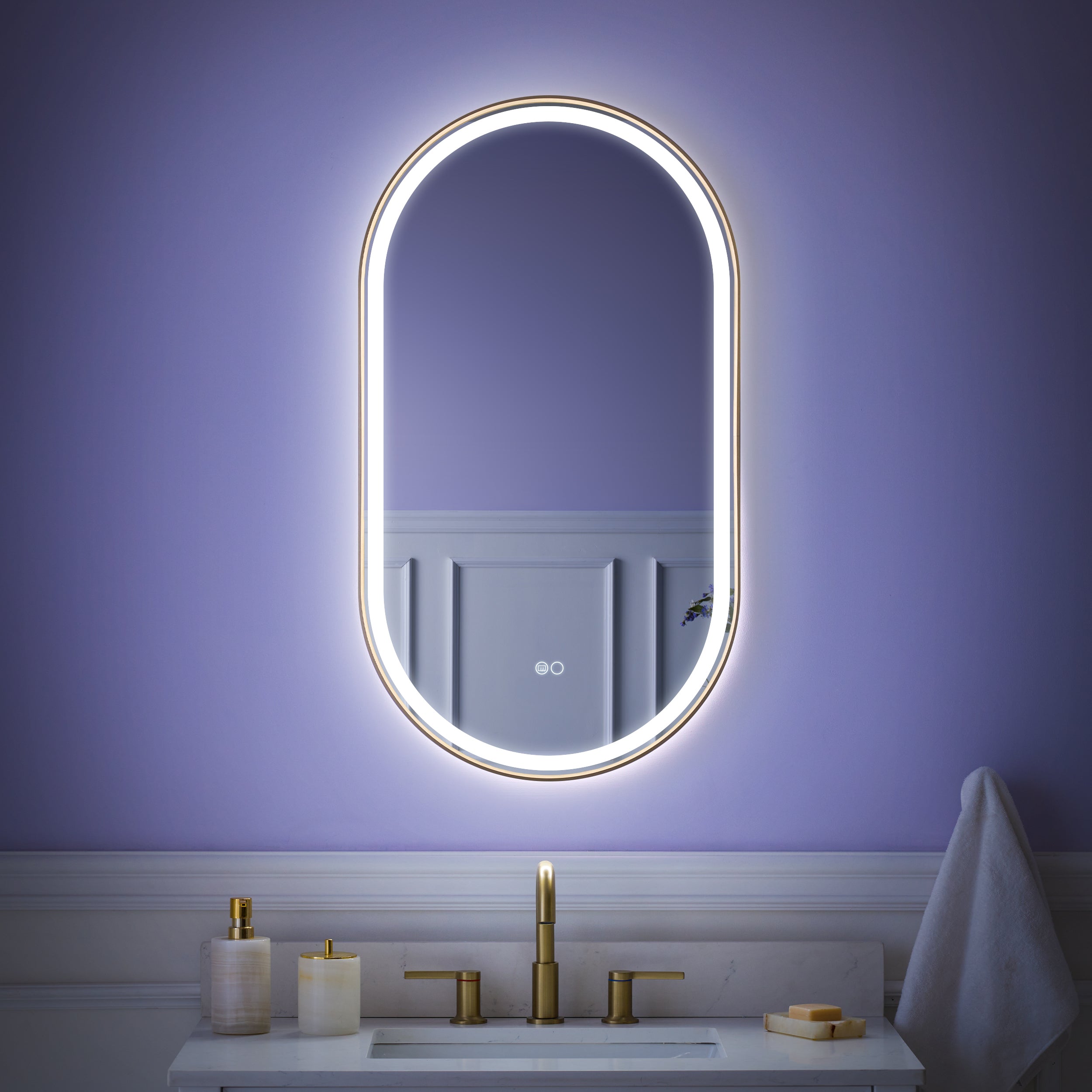
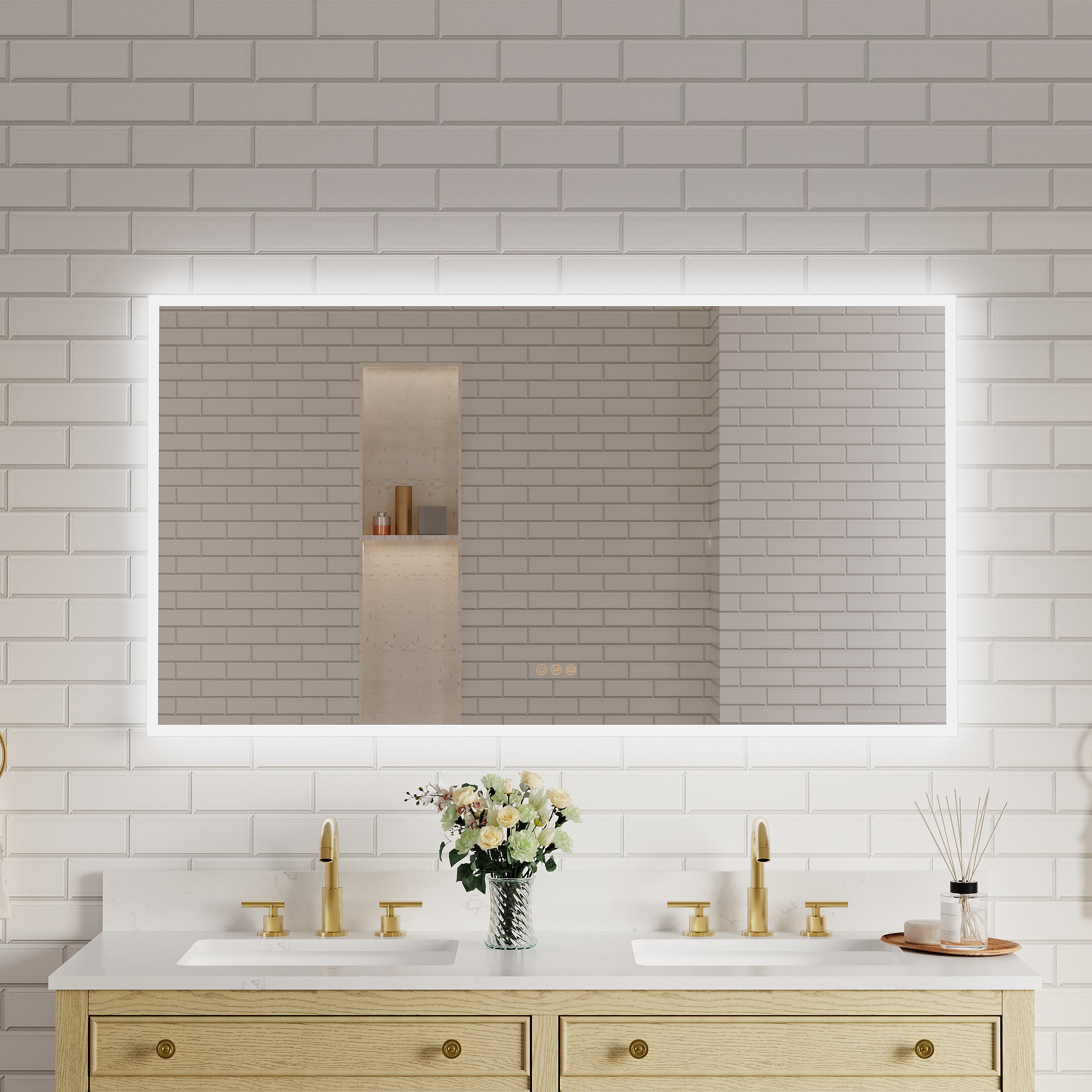
Backlit “halo” mirrors look elegant, but they often function more like ambient lighting unless the output is strong and the wall color/finish helps bounce light forward.
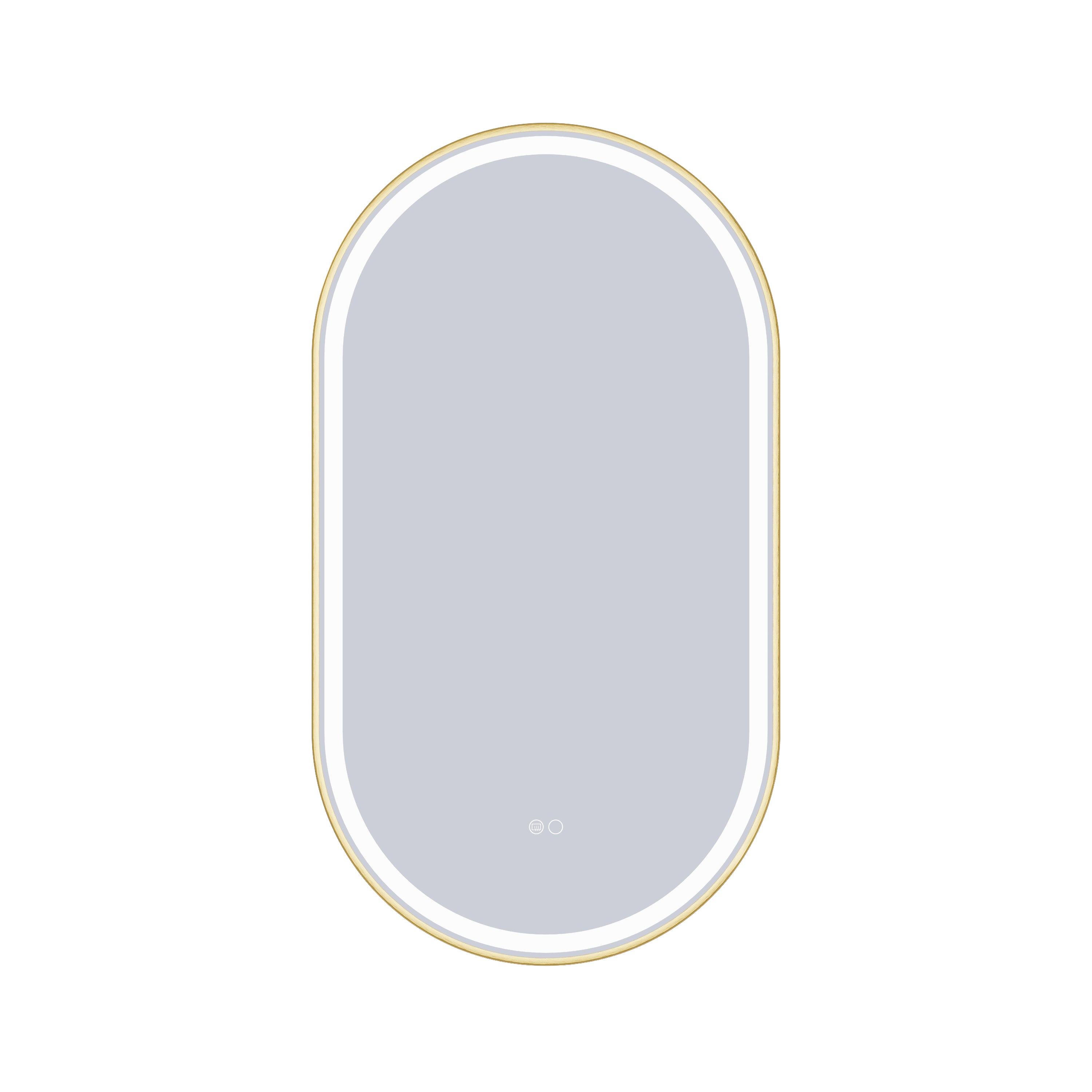
Tip: If you see individual LED dots or a hard “hot strip,” that’s a diffusion problem. A quality mirror with light should hide point sources behind a diffuser so the light reads as smooth.
4. Pick a Color Temperature That Looks Natural for Skin
Color temperature is measured in Kelvin (K). In bathrooms, the most useful range is typically neutral-to-warm neutral, because it balances clarity with comfort.
A lighting manufacturer guide suggests 3000K to 4000K works well for bathrooms for grooming tasks without feeling overly harsh (Source: Feit Electric color temperature guide).
Practical choice:
· 3000K: warmer, softer, relaxing (can look more forgiving)
· 3500K–4000K: cleaner, more neutral (often better for precise grooming)
If you’re unsure, prioritize a mirror that offers adjustable color temperature so you can tune it.
5. Don’t Ignore Color Quality: CRI (and Why 90+ Is a Safe Bet)
Color temperature tells you whether light is warm or cool. Color rendering tells you whether colors look true. This matters for skin tone, makeup matching, and even how “clean” the bathroom feels.
A common rule of thumb is CRI 90+ for excellent color quality in spaces where appearance matters (Source: Feit Electric CRI explanation and guidance).
If you want to go deeper than CRI, the lighting industry has more advanced metrics like ANSI/IES TM-30, which was developed to address known limitations of CRI (Source: U.S. DOE TM-30 tutorial PDF).
Shopping shortcut: If the mirror clearly states CRI and it’s 90+, that’s a strong baseline. If it doesn’t list CRI at all, treat that as a warning sign for grooming-focused bathrooms.
6. Make Dimming Non-Negotiable (It’s the “Flattering Switch”)
Even great lighting can feel wrong if it’s stuck at one intensity. Dimming lets you:
· reduce glare at night,
· keep the mirror usable when you’re half-awake,
· and adjust for different tasks (quick check vs. detailed grooming).
Also check whether the mirror supports smooth dimming (not step-only) and whether it’s compatible with the dimmer type you plan to use (if it’s wall-dimmer controlled).
7. Verify Moisture Ratings and Safety Listings for Bathrooms
Bathrooms are humid, and lighted mirrors are electrical products mounted near water sources. Reliability includes choosing the right safety rating for moisture exposure.
Damp vs. wet: what it means in plain terms
Fixtures “suitable for damp locations” are intended for areas regularly exposed to moisture and condensation (Source: Take Three Lighting “UL Listings: Dry vs. Damp vs. Wet”).
For areas in and around tubs/showers, code guidance emphasizes that luminaires allowed in the tub or shower area must be rated properly for damp or wet locations, depending on exposure (Source: NEC 410.10(D) preview commentary).
What to do when buying: Look for clear language like “damp location rated” (and “wet location rated” if it will be exposed to direct spray). If the listing is vague, don’t gamble—bathroom humidity is unforgiving over time.
8. LED Longevity and Efficiency: Why It Matters for Long-Term Ownership
A lighted mirror is often used daily. LED quality affects both performance consistency and maintenance headaches.
Residential LEDs—especially ENERGY STAR rated products—use at least 75% less energy and can last up to 25 times longer than incandescent lighting (Source: U.S. Department of Energy, “LED Lighting”).
That doesn’t mean every LED mirror is equal. It means a well-built LED system is capable of long life—if the driver and thermal design are decent. A cheap driver can cause flicker, early failures, or inconsistent dimming.
9. A Practical “Buy With Confidence” Checklist
When comparing mirrors, use this checklist to stay focused on real performance:
Illumination quality
· Smooth, diffused light (no visible LED dots)
· Even face lighting (not top-only glare)
Brightness
· Designed for detailed tasks; aim for face-area illumination that can reach a “detailed task” range (roughly 50–100+ fc as a reference) (Source: LED Lighting Supply foot-candle guide; LED Light Expert overview).
· Dimming available so you can tune intensity
Color
· Color temperature in a practical range (often 3000K–4000K) (Source: Feit Electric guide).
· CRI clearly stated, ideally 90+ (Source: Feit Electric CRI explanation).
Safety for bathrooms
· Damp-location rated at minimum for typical bathroom humidity (Source: Take Three Lighting UL listing overview).
· If near direct spray zones, confirm appropriate damp/wet rating expectations (Source: NEC 410.10(D) preview commentary).
Long-term reliability
· LED longevity/efficiency baseline is strong in quality designs (Source: DOE LED Lighting).
· Warranty and replacement support are clearly stated (driver/LED module coverage matters)

Conclusion
The best mirror with light is the one that makes daily routines easier and more accurate—without glare, harsh shadows, or “mystery color” that changes how your skin looks. Prioritize even diffusion, dimming, 3000K–4000K flexibility, and high color quality (CRI 90+), then confirm damp-location suitability for bathroom conditions. Finally, treat the LED system like a long-term appliance: a well-designed LED setup can be extremely efficient and durable, but only if the mirror is built with the right components and safety rating.













Leave a comment
This site is protected by hCaptcha and the hCaptcha Privacy Policy and Terms of Service apply.