














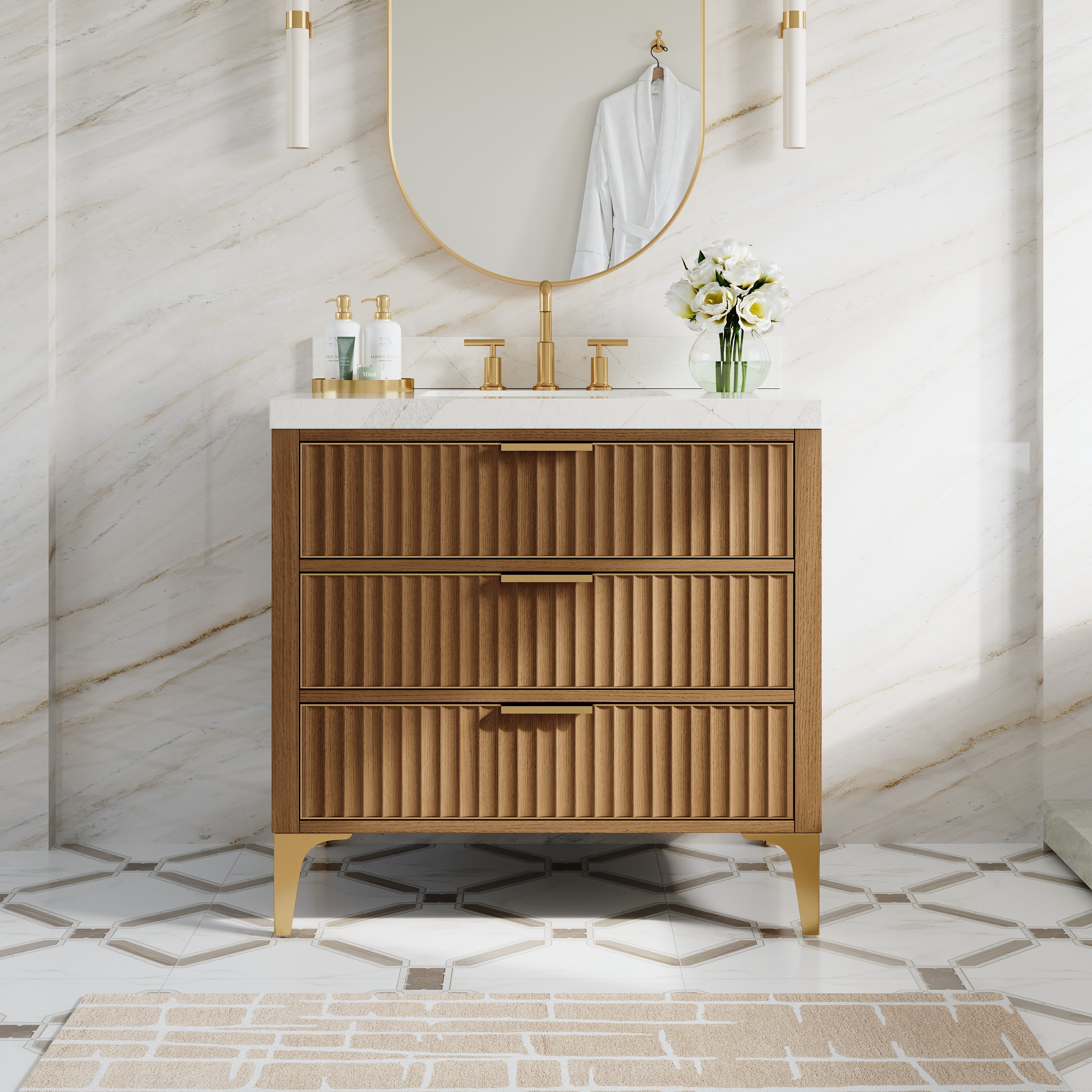
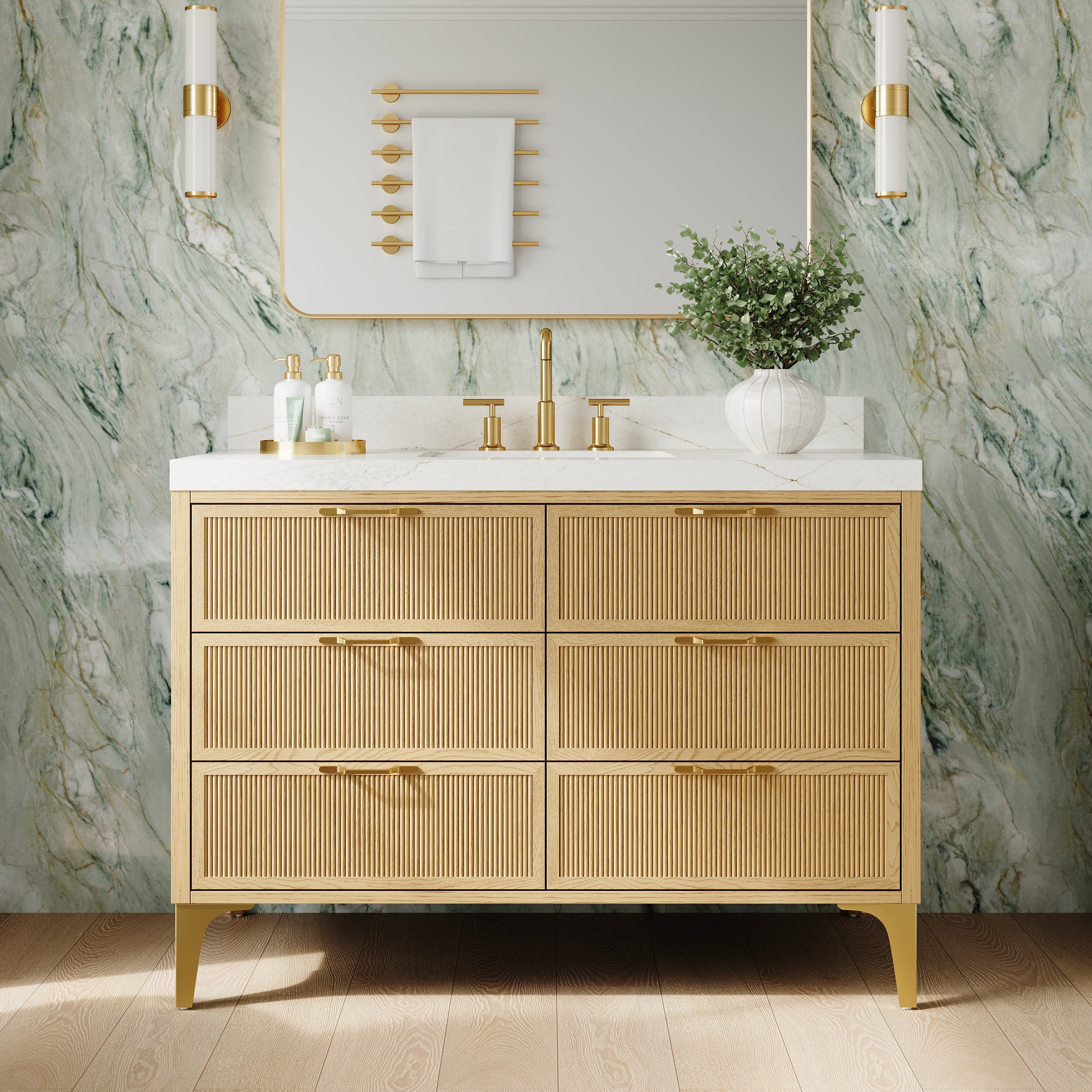


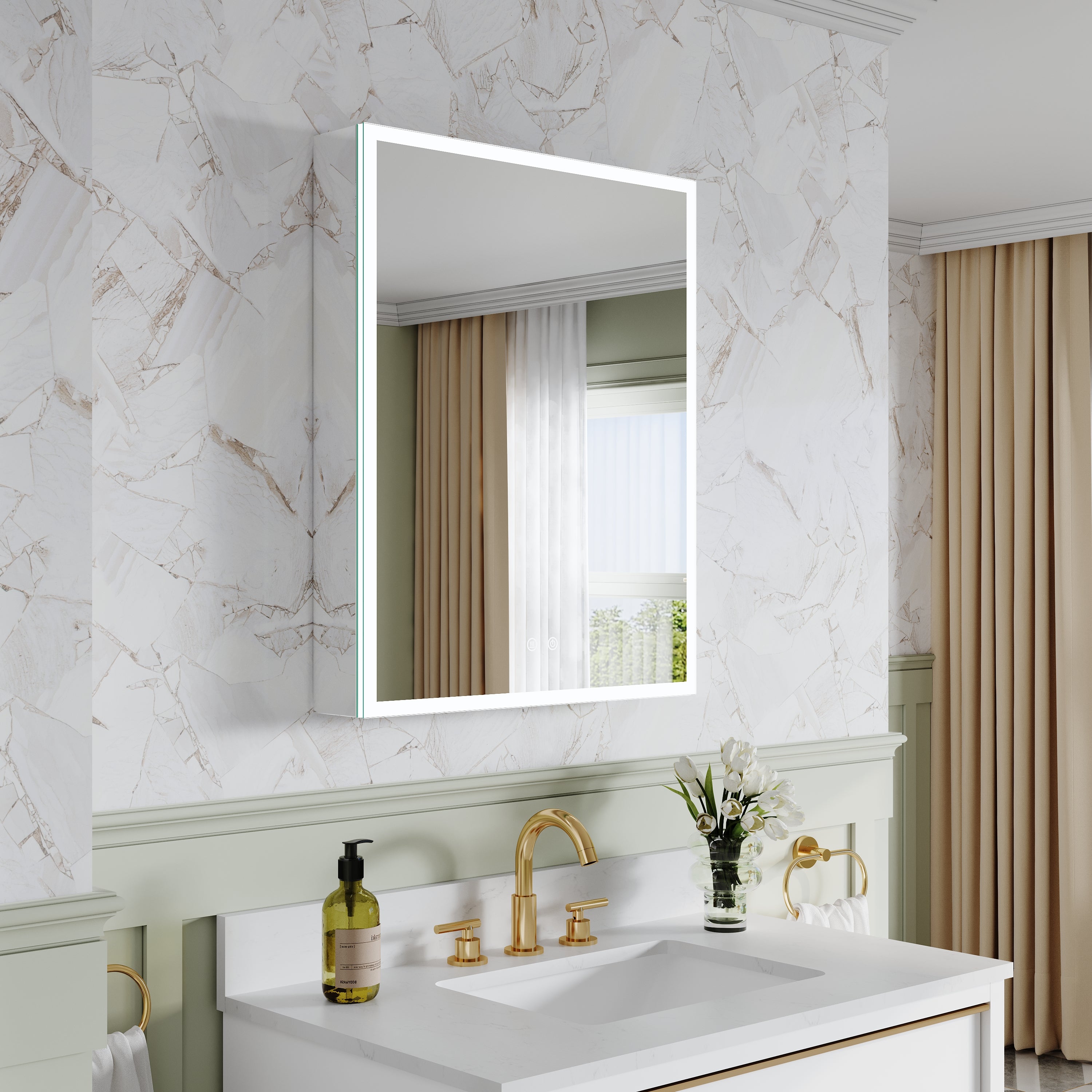
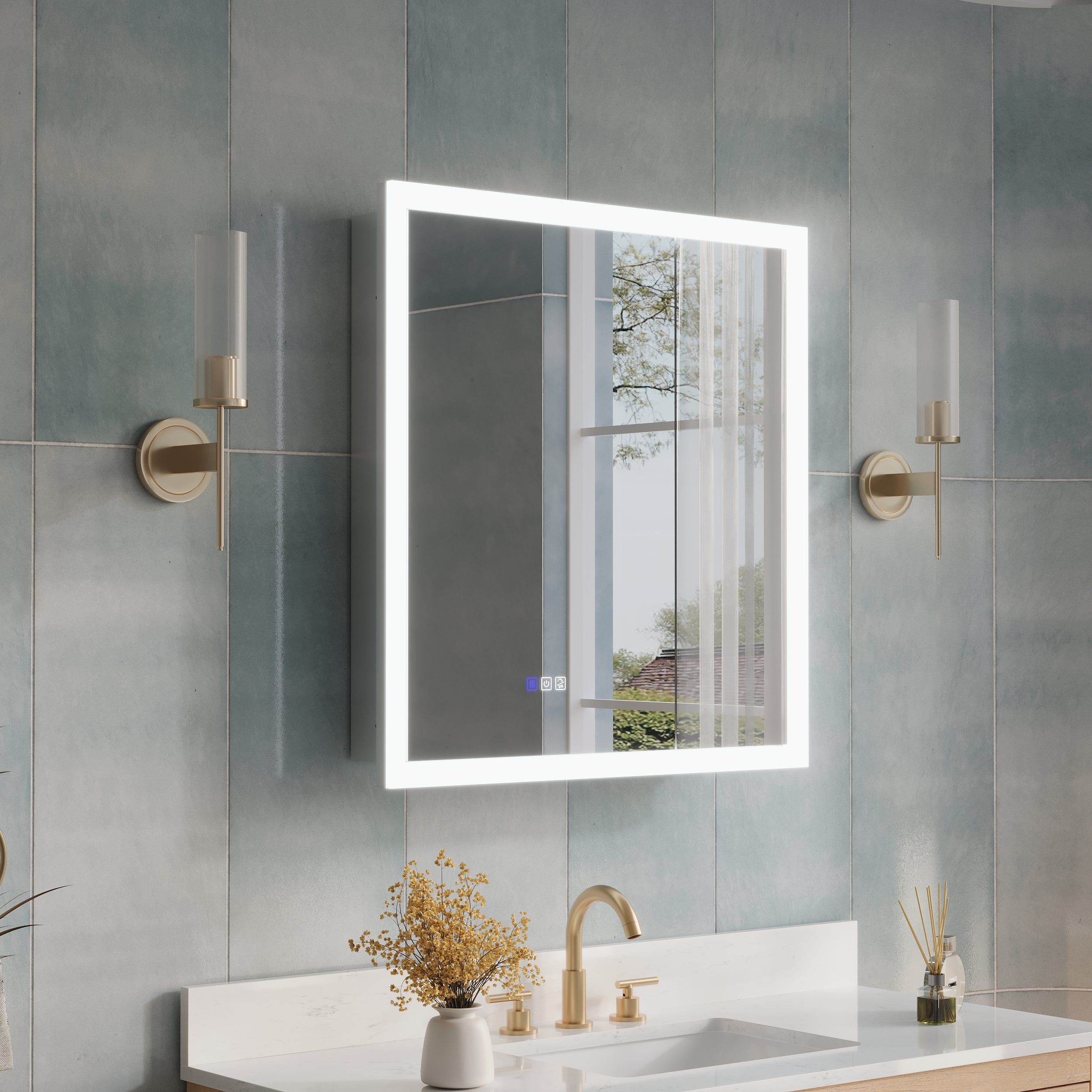
In bathroom renovation design, the vanity mirror for bathroom is not only a functional accessory, but also an important element that determines the spatial proportion and visual focus. The size, shape, and installation position of the mirror directly affect the sense of scale and overall balance of the bathroom. Industry data shows that improper selection of mirror size is a common problem leading to imbalanced spatial proportions in bathroom renovation projects in recent years. Especially in compact spaces with an area below 100 square feet, the proportion error of mirrors is often amplified. So, choosing the appropriate mirror size and shape based on the bathroom's actual scale has become a key design factor that cannot be ignored.
1. Based on the table width as the core proportion benchmark
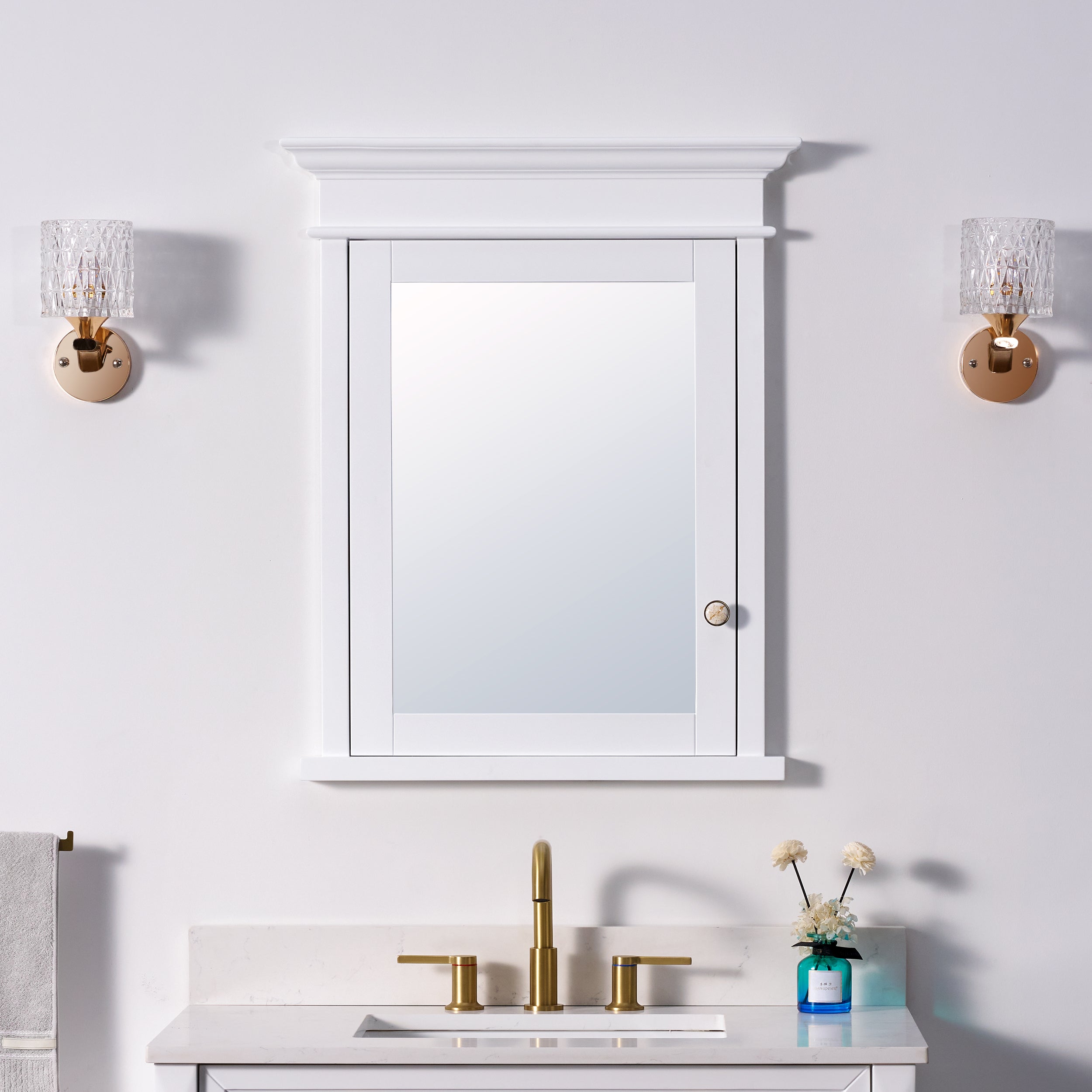
The first principle for selecting mirror size is to refer to the width of the tabletop.
It is usually recommended that the mirror width be 70% to 90% of the tabletop width. For example:
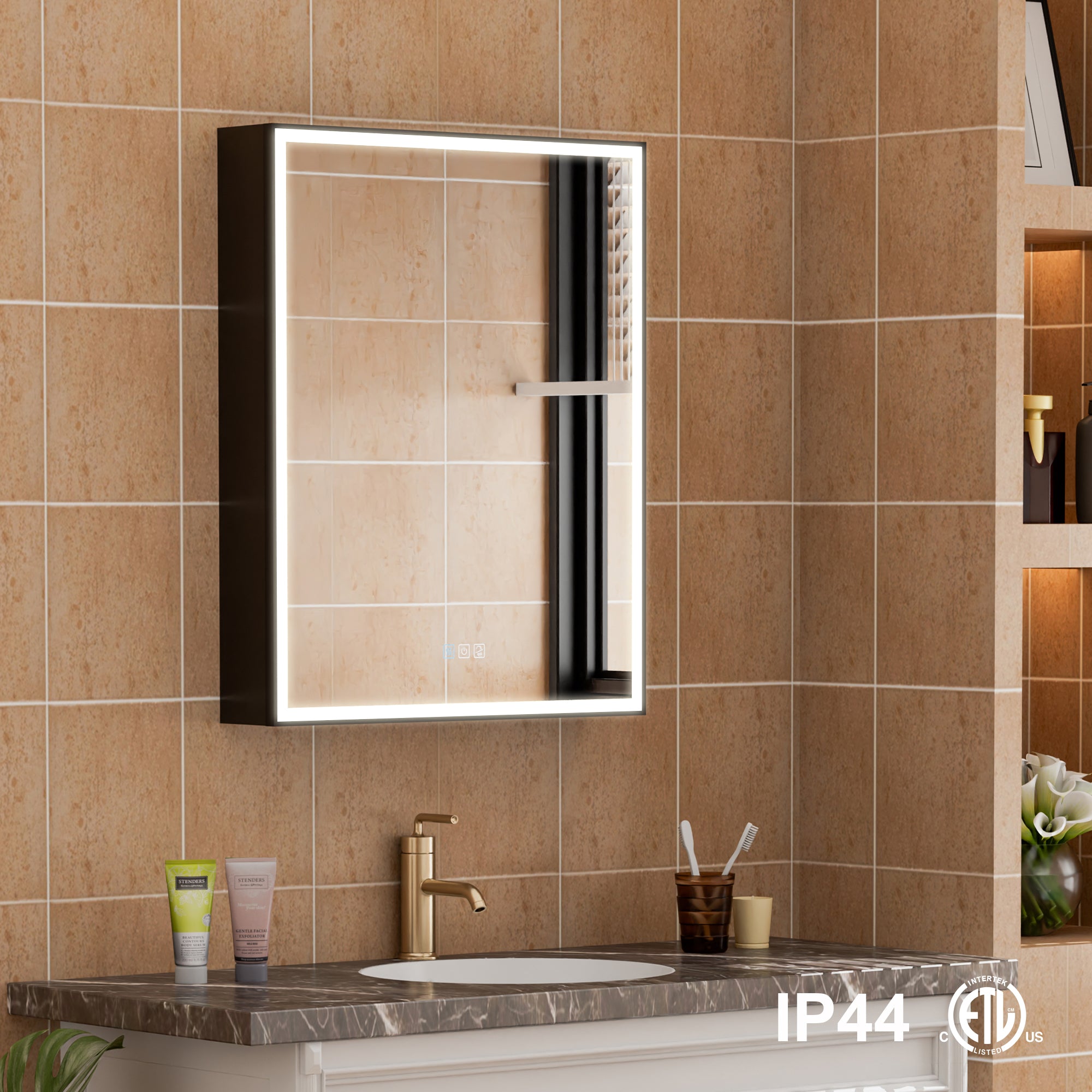
30 inch countertop suitable for 20 inch to 26 inch mirrors;
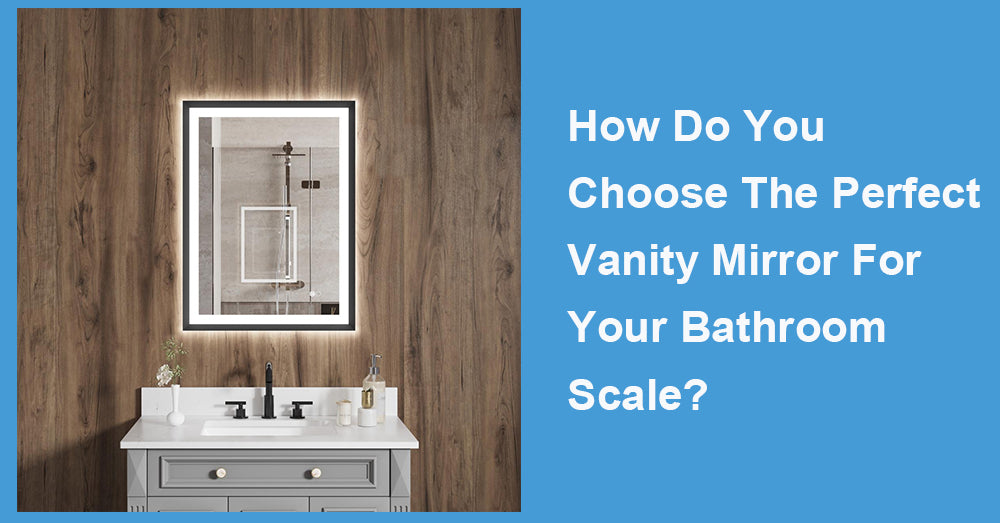
36-inch countertop suitable for 28 inch to 32 inch mirrors;
48-inch countertop suitable for 36-inch to 44-inch mirrors;
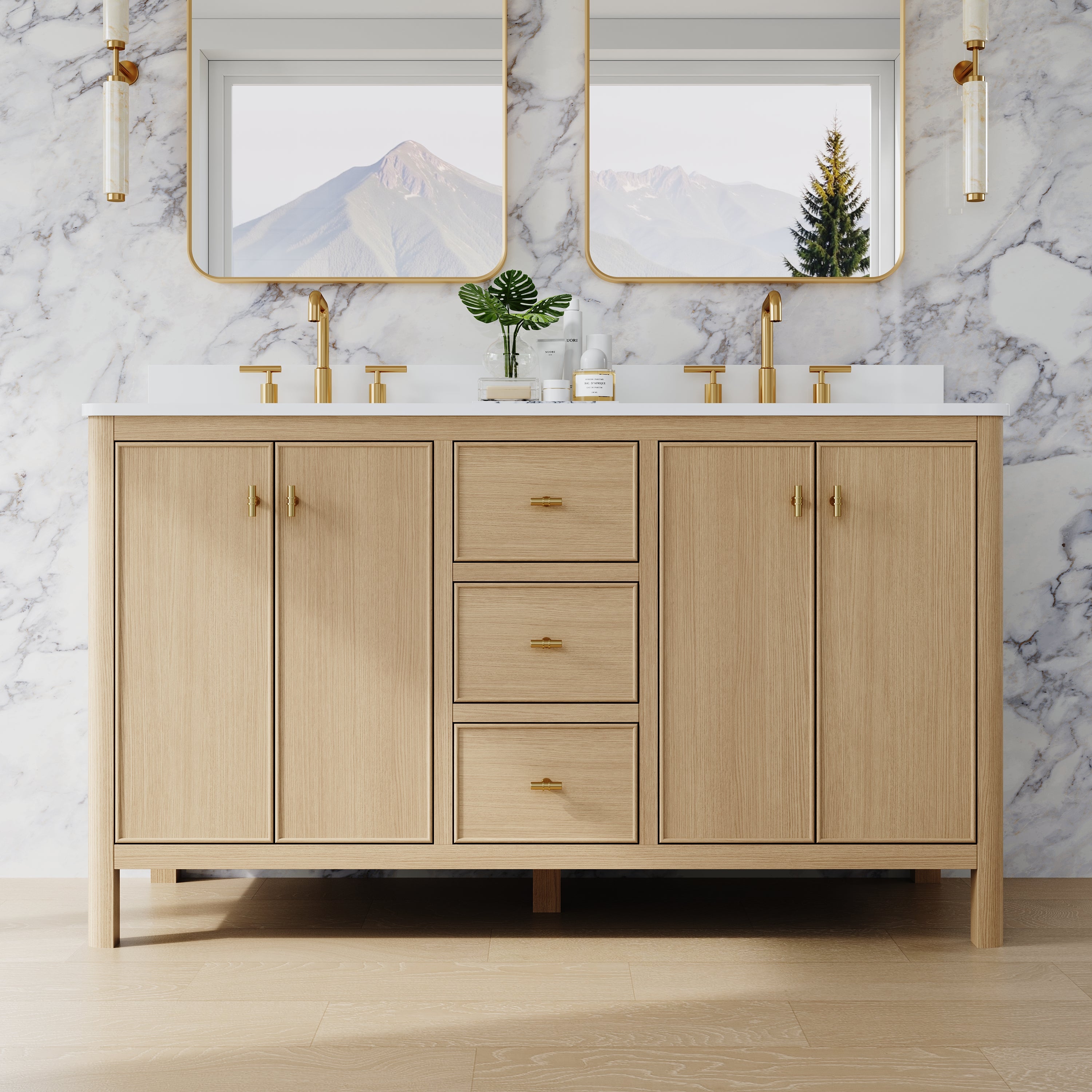
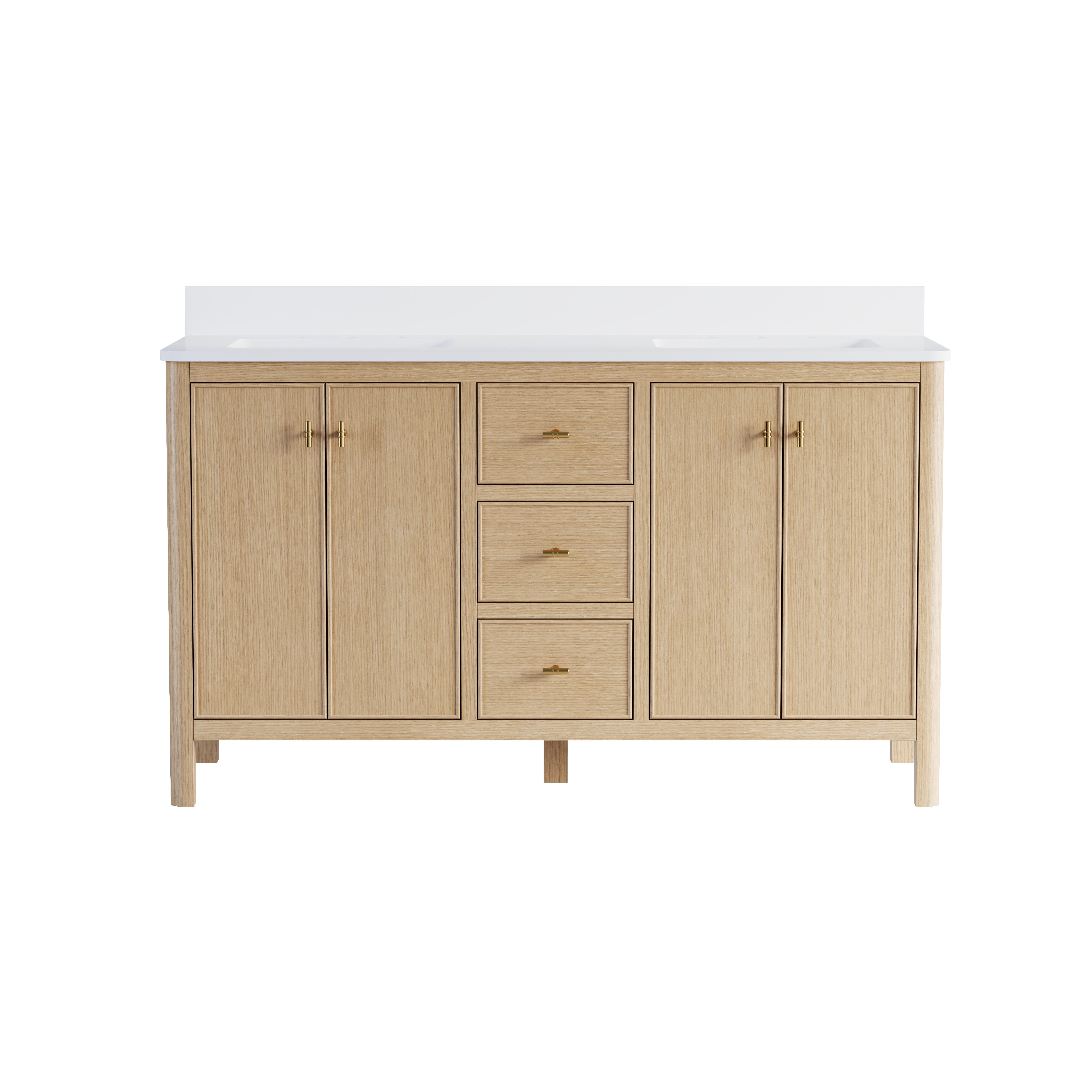
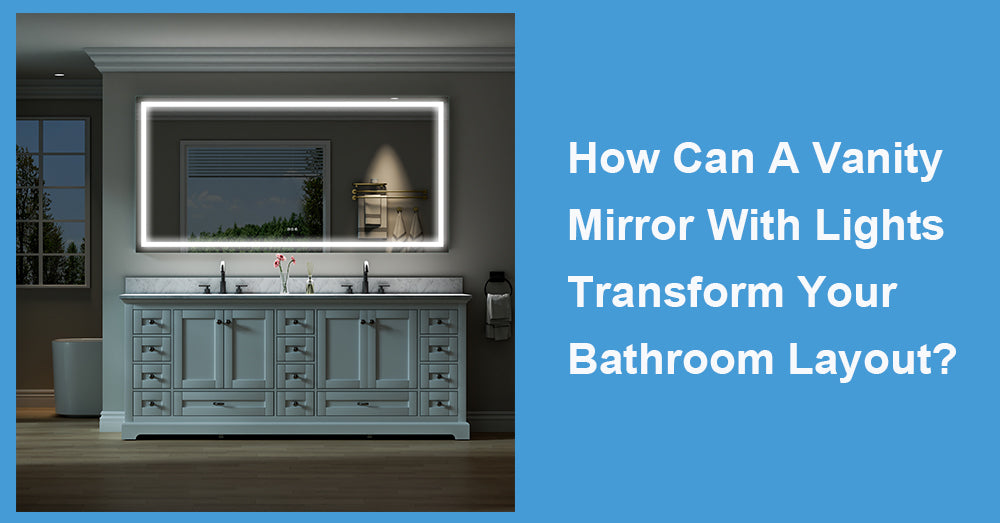
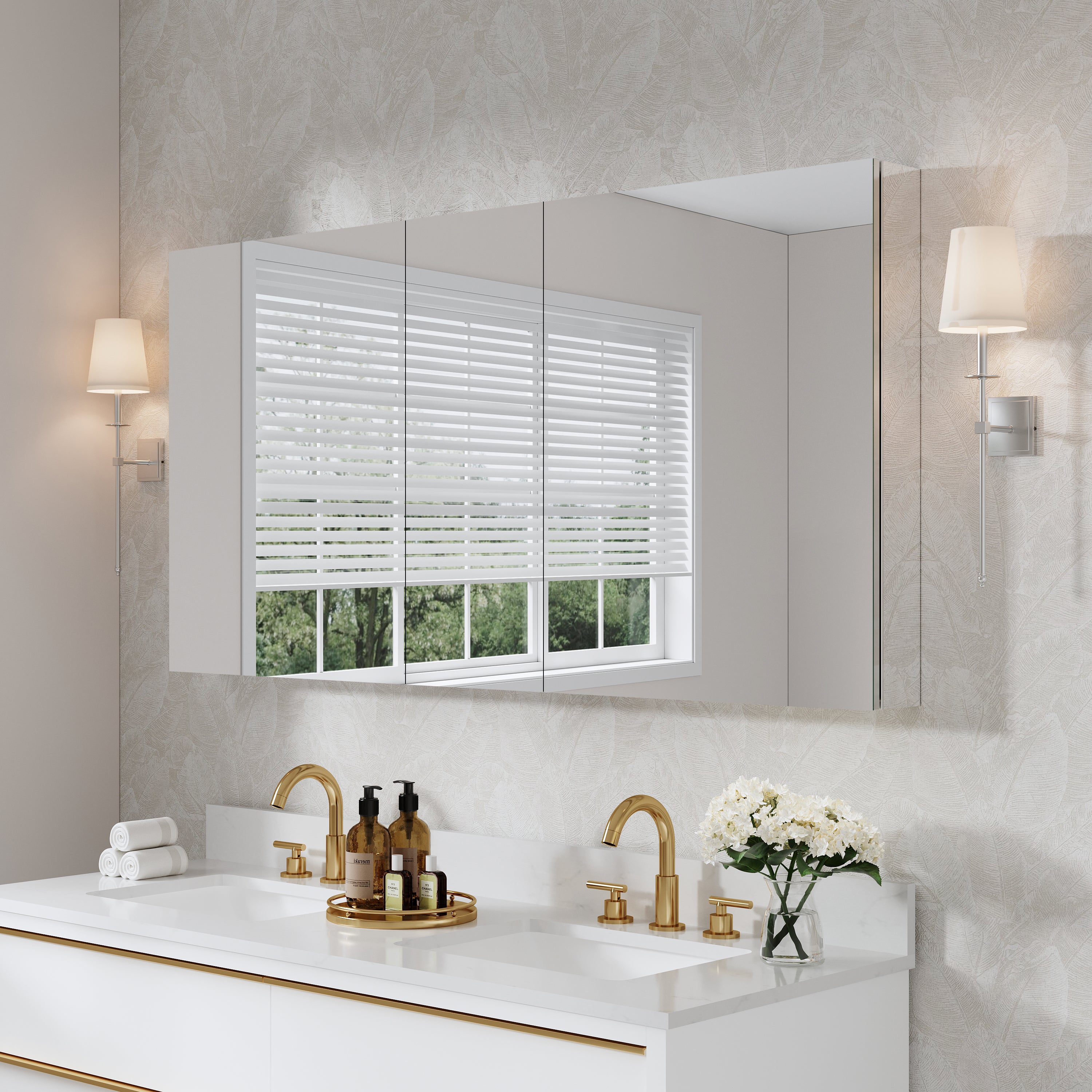
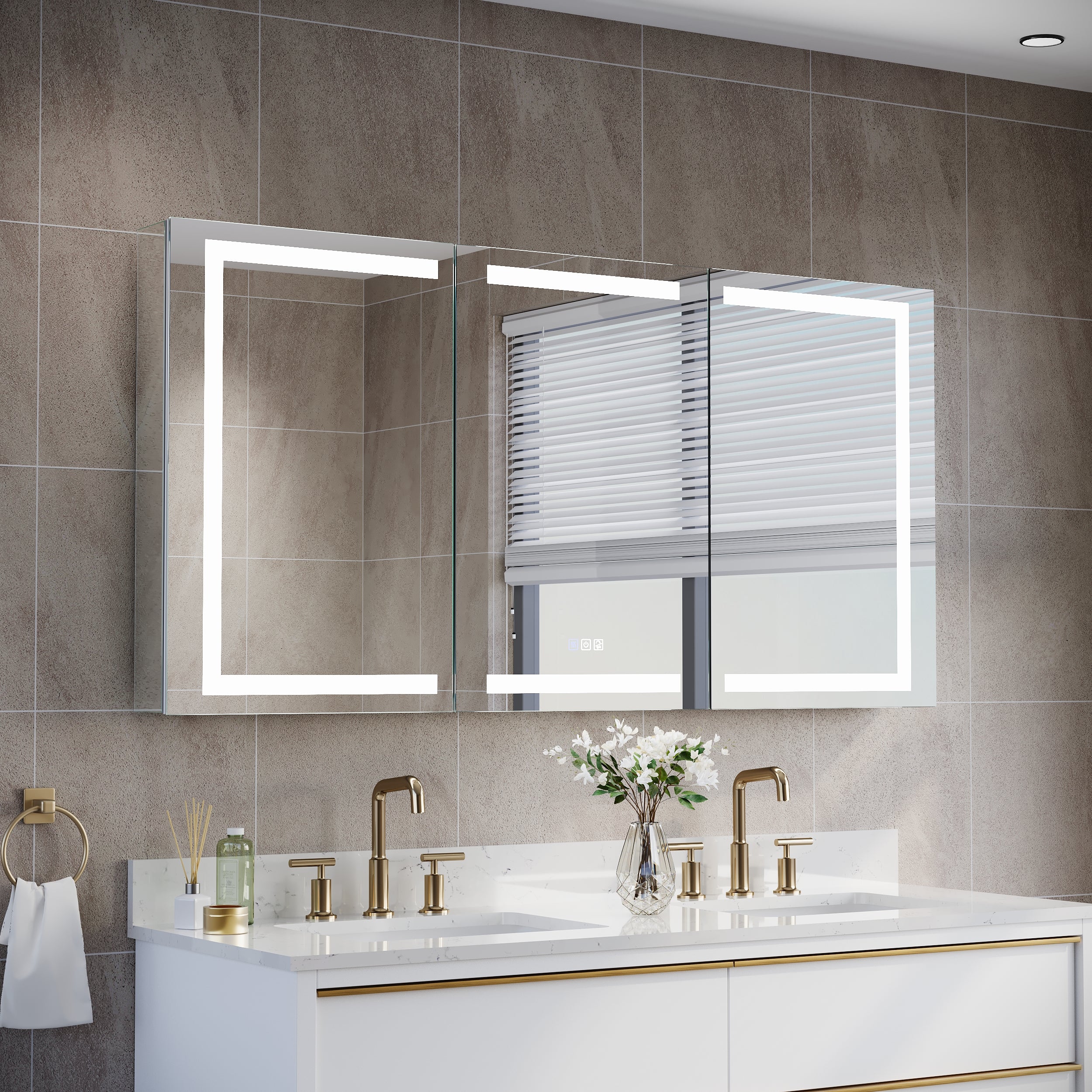
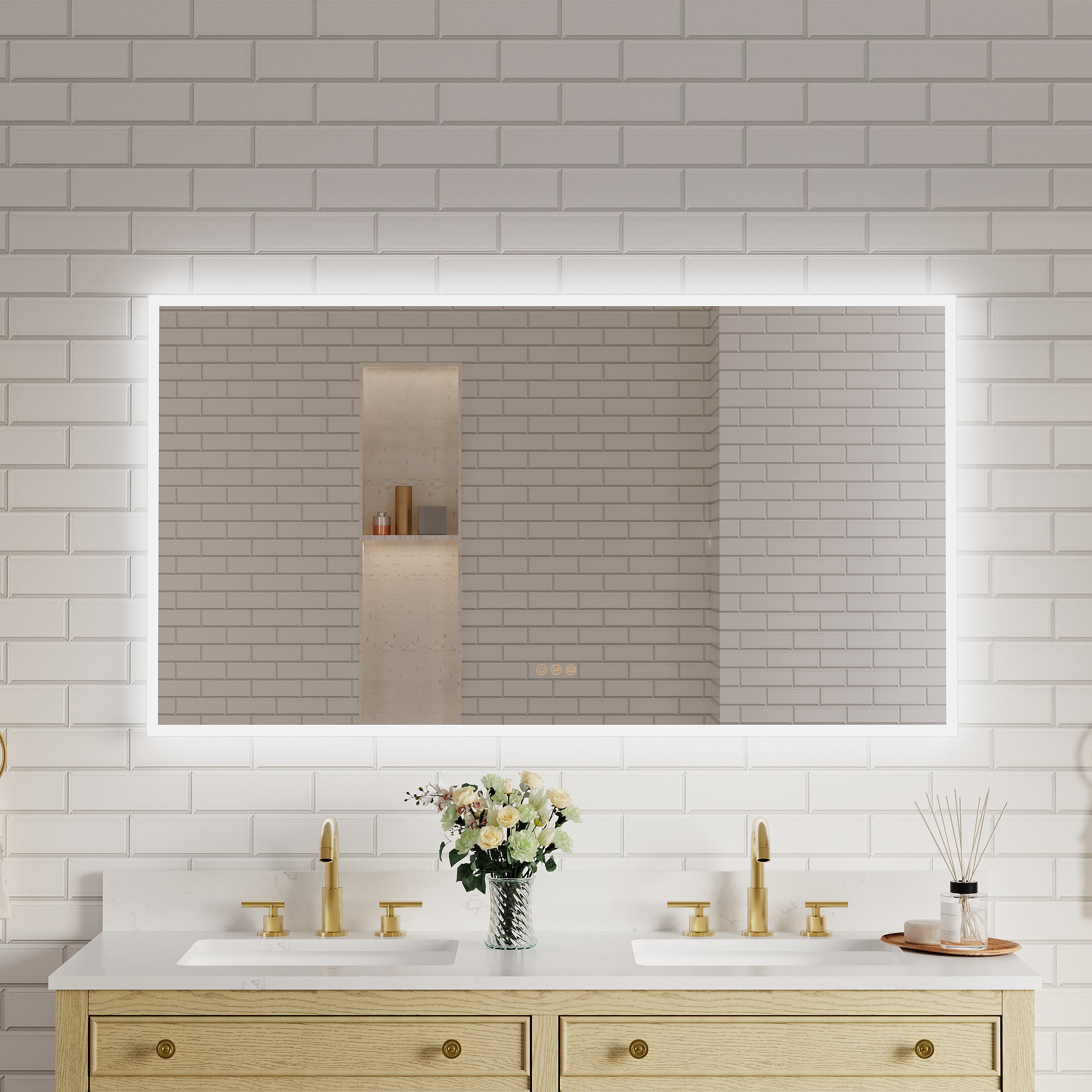
The 60-inch double basin countertop can be equipped with two 30-inch mirrors or one 54-inch to 60-inch integrated mirror.
The data shows that when the mirror width approaches 80% of the tabletop, the spatial coordination score increases by about 18%. If the mirror is less than 60% of the width, the wall appears spacious; if it exceeds 95%, it creates a sense of oppression.
2. Consider the spatial area and mirror volume
The bathroom area directly affects the mirror's visual weight.
In spaces with an area below 80 square feet, a 28-inch to 32-inch mirror is usually sufficient; In main bathroom spaces with an area exceeding 120 square feet, 48-inch to 60-inch mirrors provide better visual support.
Data shows that in large spaces, when the mirror width exceeds 48 inches, the spatial extension score increases by about 15%. In small spaces, overly large mirrors may actually weaken the proportional balance.
Mirror size should serve the spatial scale, rather than simply pursuing large dimensions.
3. The relationship between mirror height and floor height
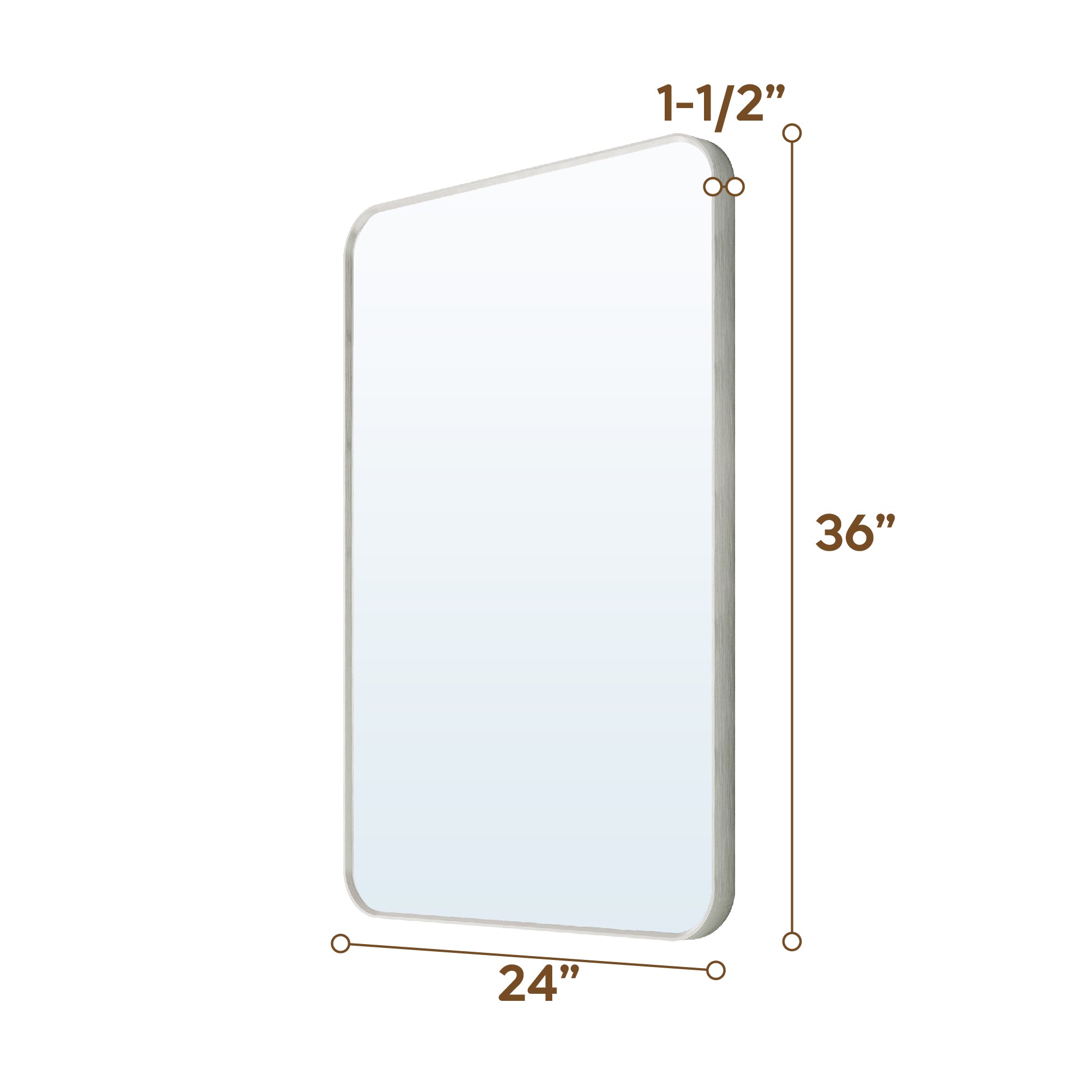
The standard mirror height is usually between 28 inches and 36 inches.
For 8-foot high floor spaces, heights ranging from 30 inches to 32 inches are more common. It is recommended to set the mirror center height between 60 and 65 inches from the ground, and the lower edge between 5 and 10 inches from the tabletop.
The data show that when the mirror height is coordinated with the floor-to-height ratio, the spatial comfort score improves by about 15%. If the mirror is too high, it will compress the top space; if it is too low, it will weaken the extension effect.
4. The difference between single pot and double pot structures
In a 36-inch single basin layout, a centered mirror is the most common.
In the 60-inch double-basin structure, two independent mirrors can be selected to align the water basin in the center; you can also choose a single mirror to enhance uniformity.
Data show that in the two-person use scenario, the practical satisfaction with the dual mirror structure is about 12% higher than that of the overall mirror; however, the overall mirror offers greater visual coherence.
The selection should be based on family usage habits and design style.
5. Match shape and style
The mirror shape also affects the sense of spatial scale.
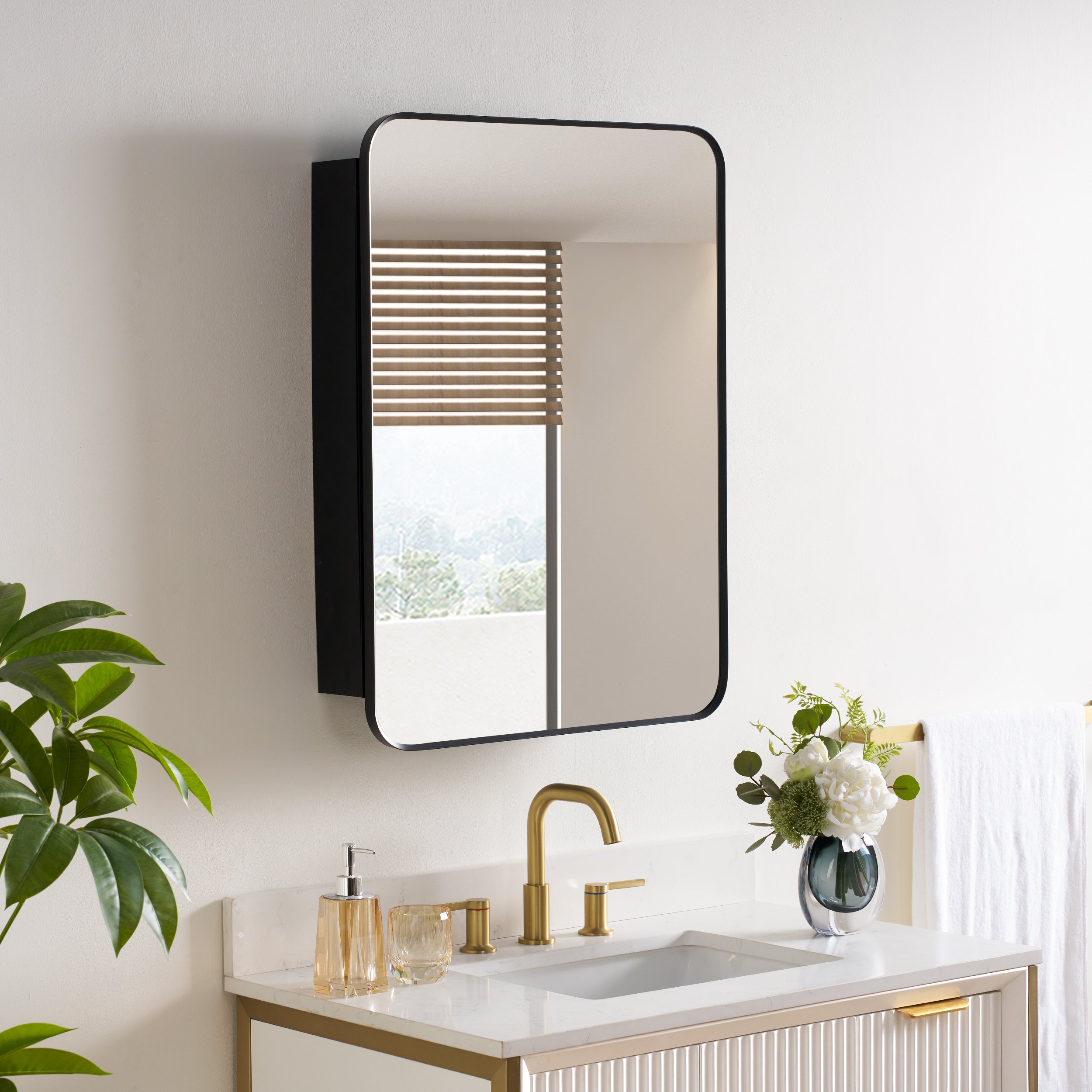
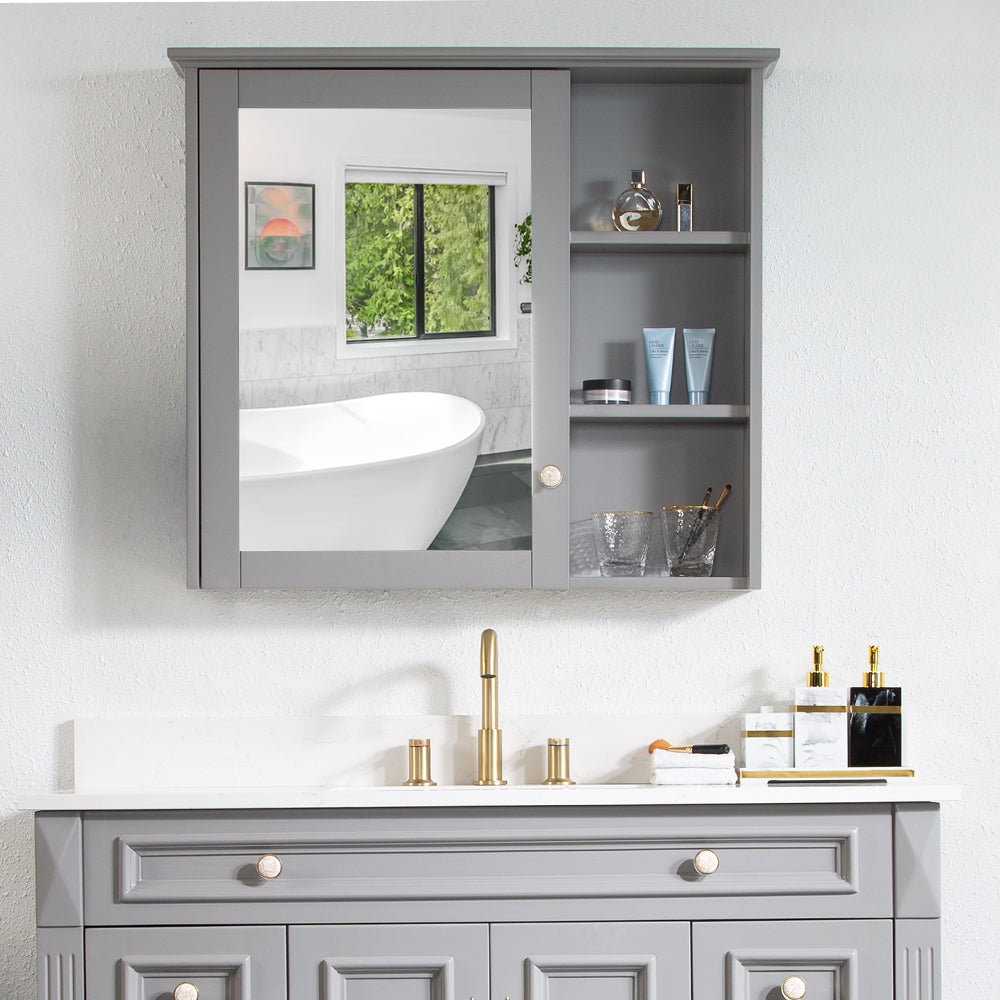
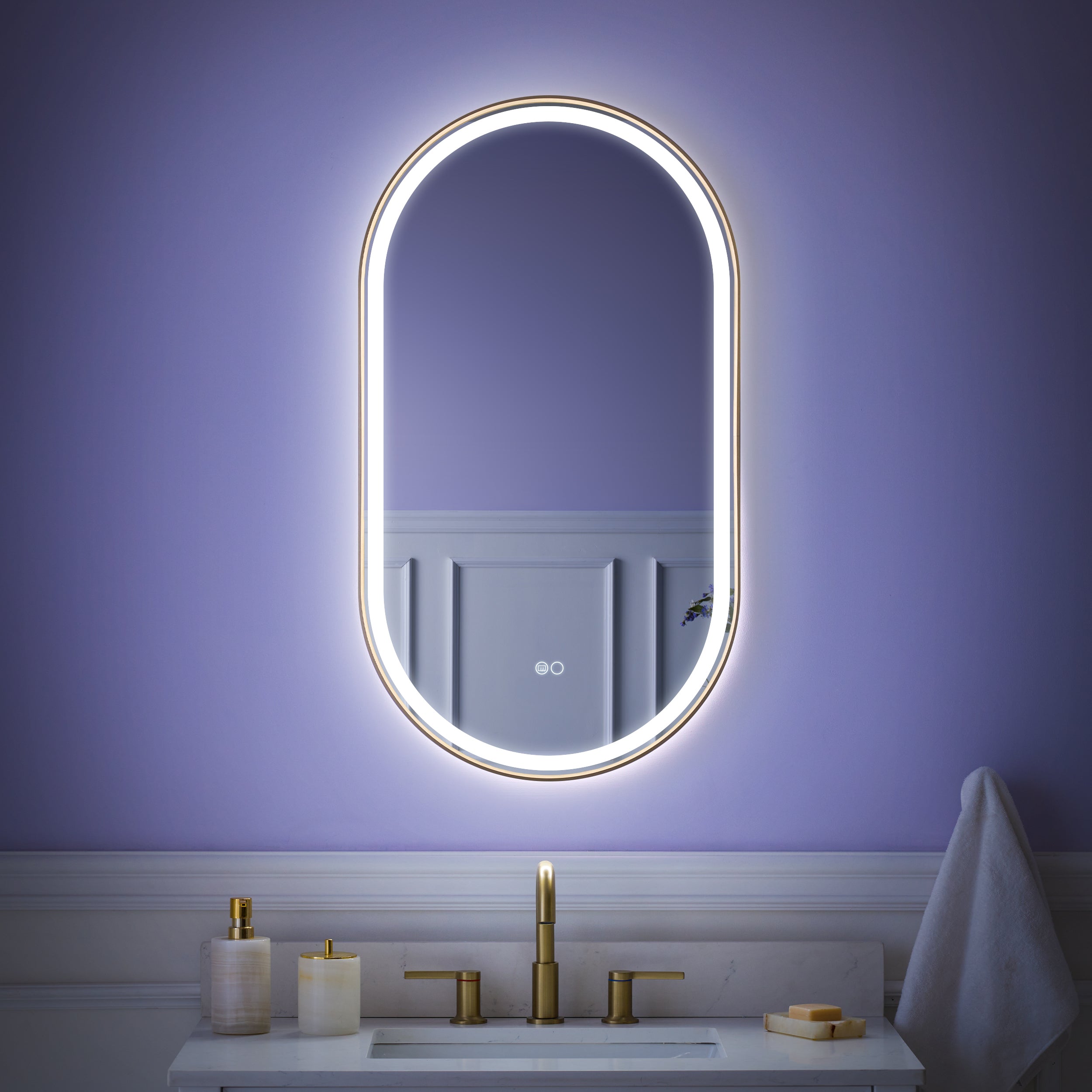
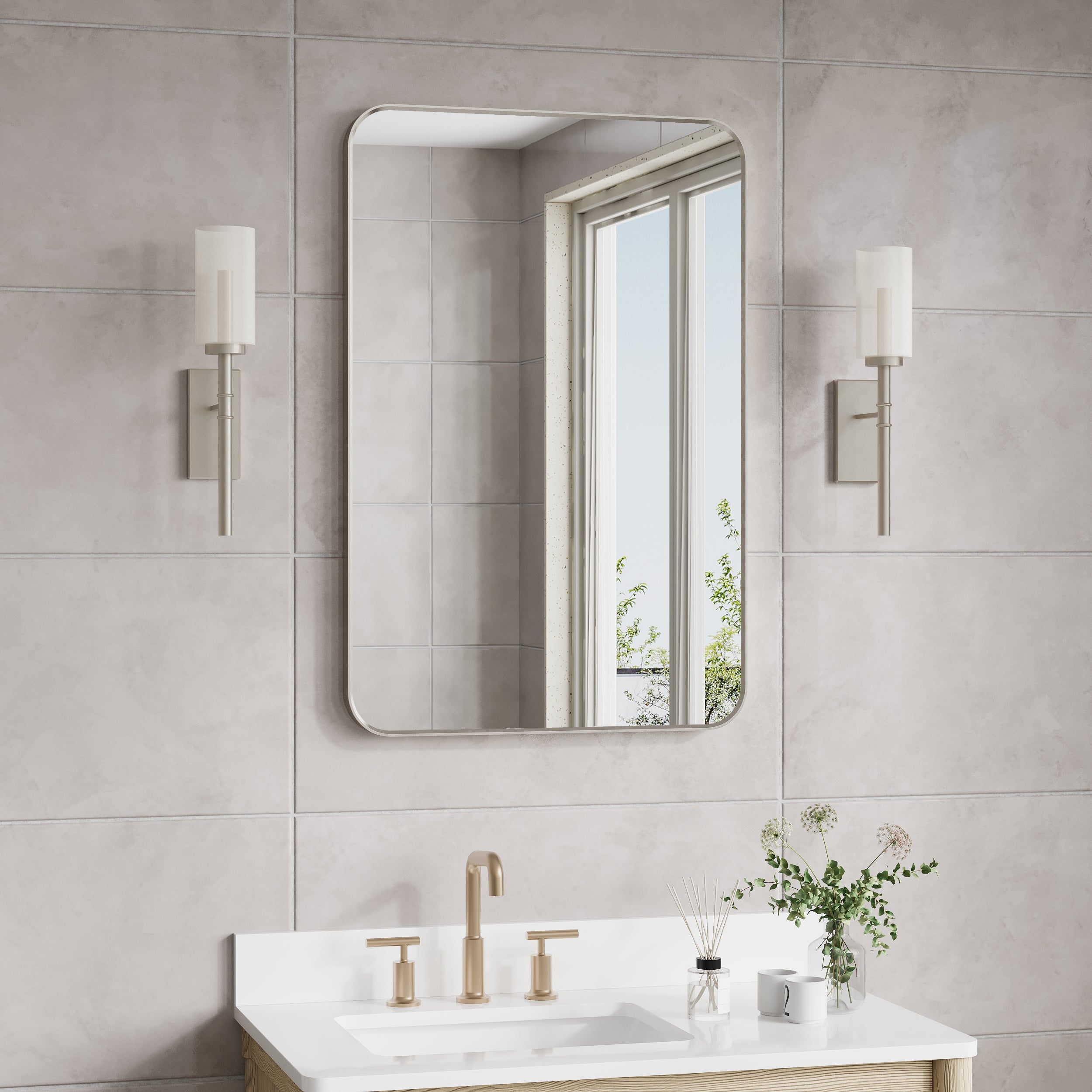
Rectangular mirrors emphasize order and proportion, making them suitable for a modern minimalist style; circular or elliptical mirrors soften spatial boundaries.
Data show that in compact spaces, circular mirrors can improve softness scores by about 10%, but in a dual-basin layout, rectangular mirrors are easier to maintain symmetry.
The shape selection should be consistent with the cabinet lines.
6. Border thickness and visual weight
The thickness of the mirror frame is usually between 0.5 inches and 1.5 inches.
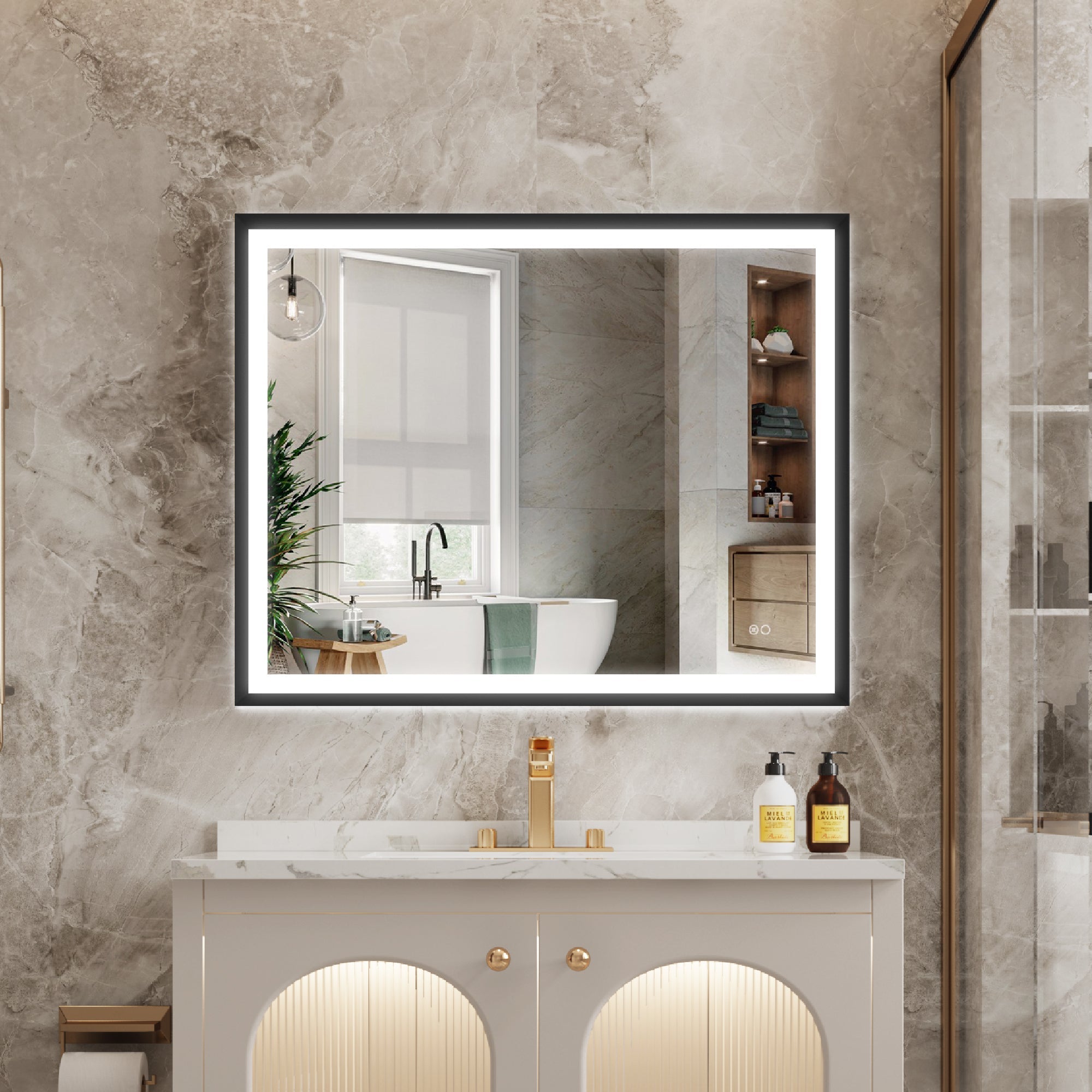
In smaller spaces, it is recommended to choose frameless or narrow-border designs to reduce visual clutter. Data show that in minimalist-style spaces, the matching score for frameless mirrors is about 20% higher than that for thick-framed mirrors.
Visual lightness is an important factor in proportion coordination.
7. Lighting requirements and mirror integration
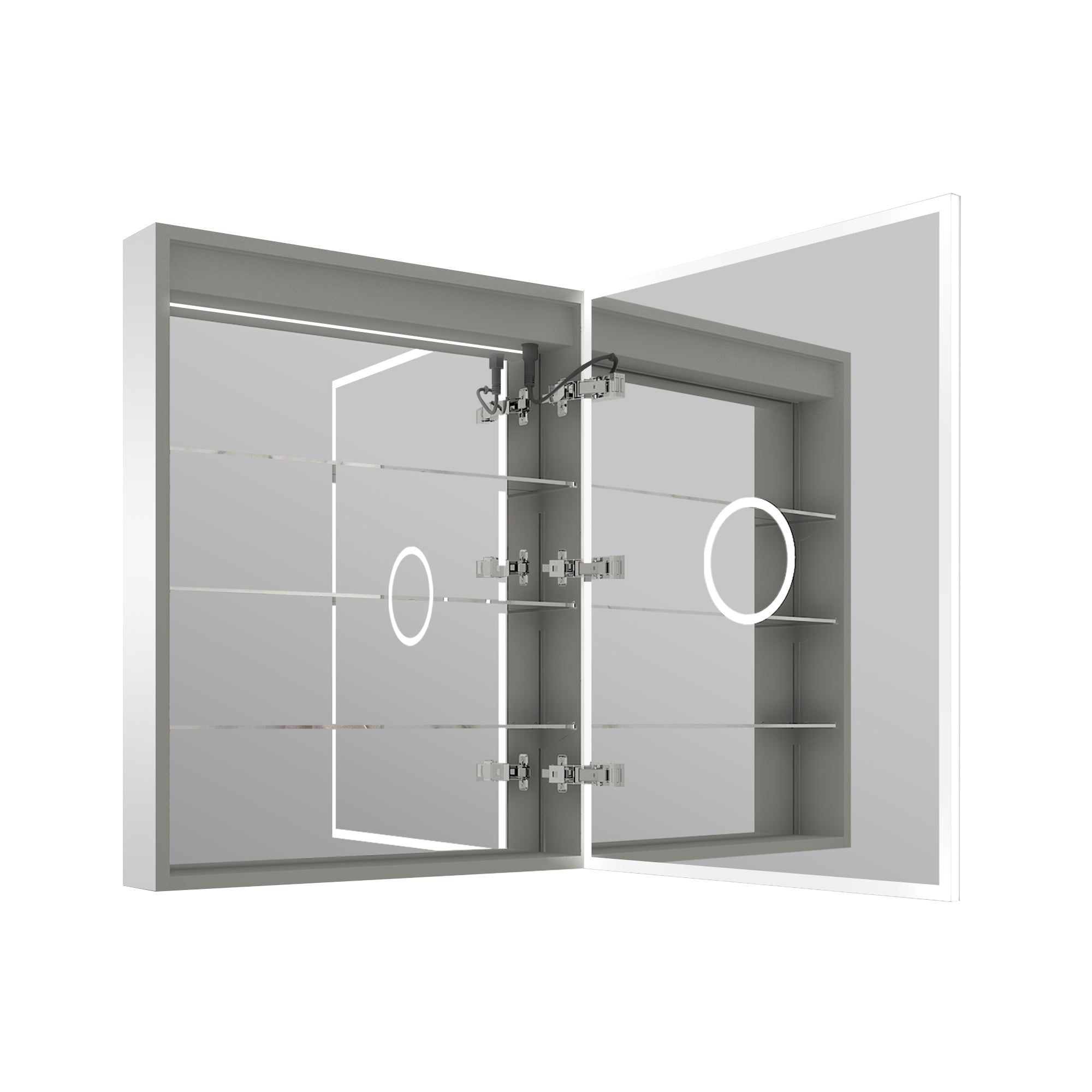
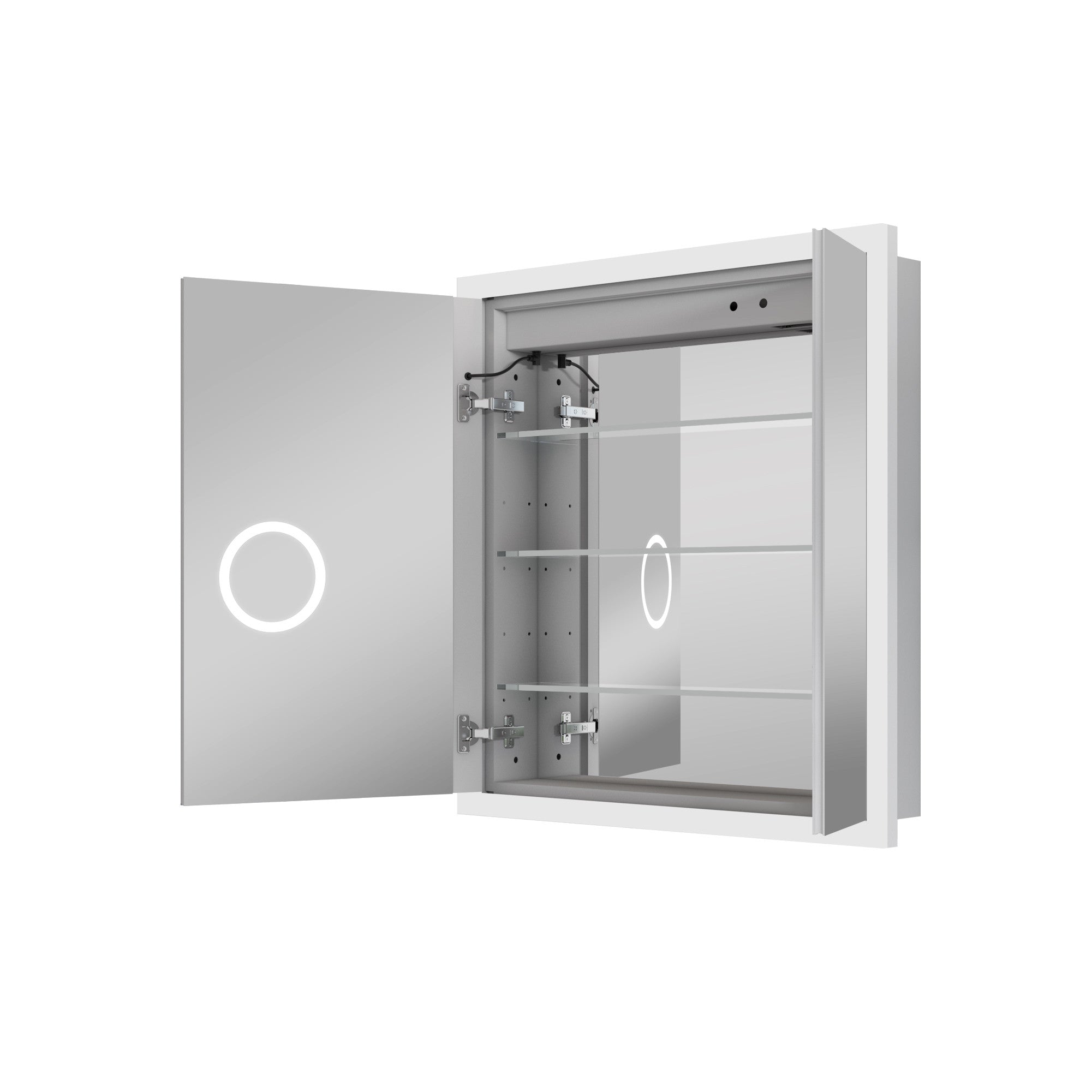
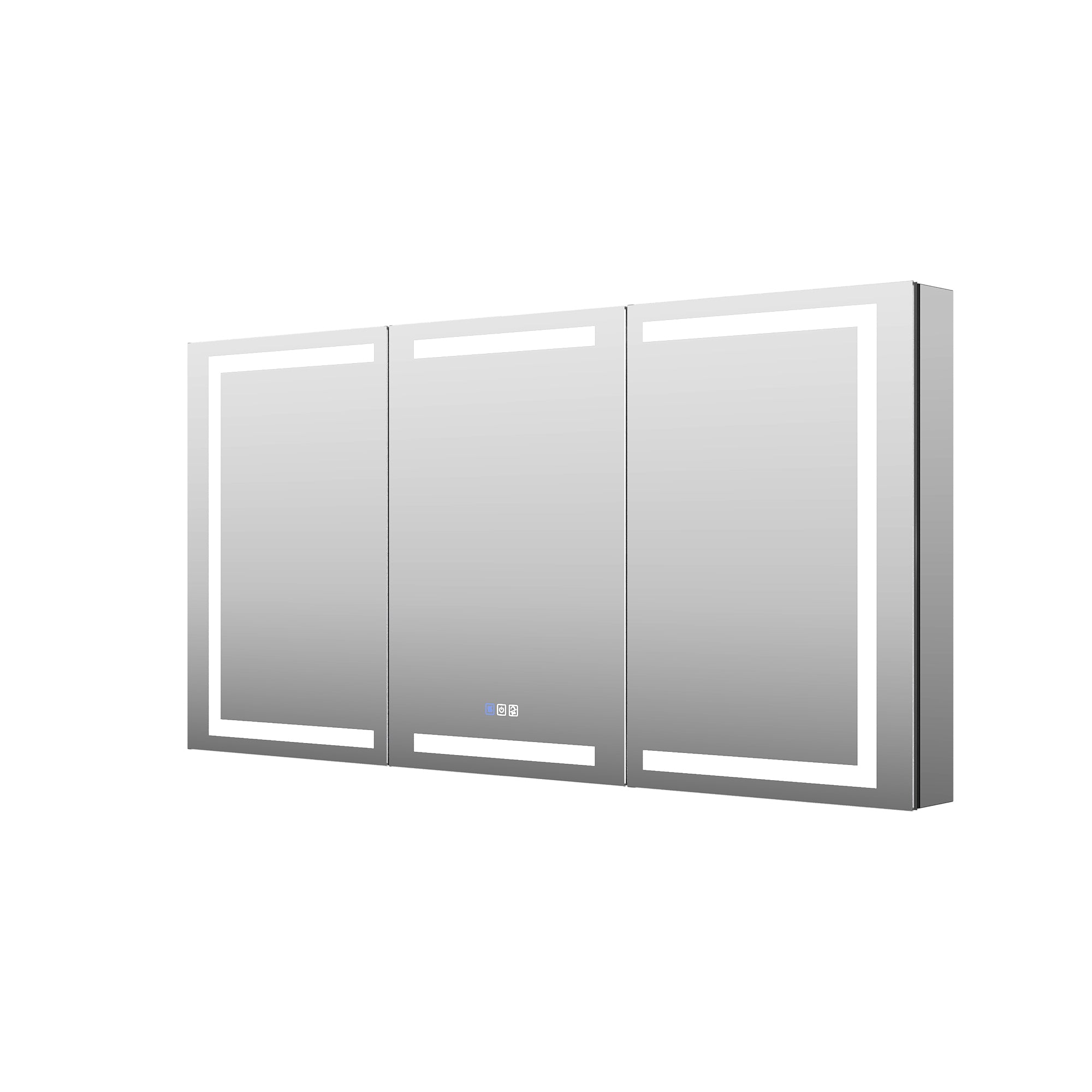
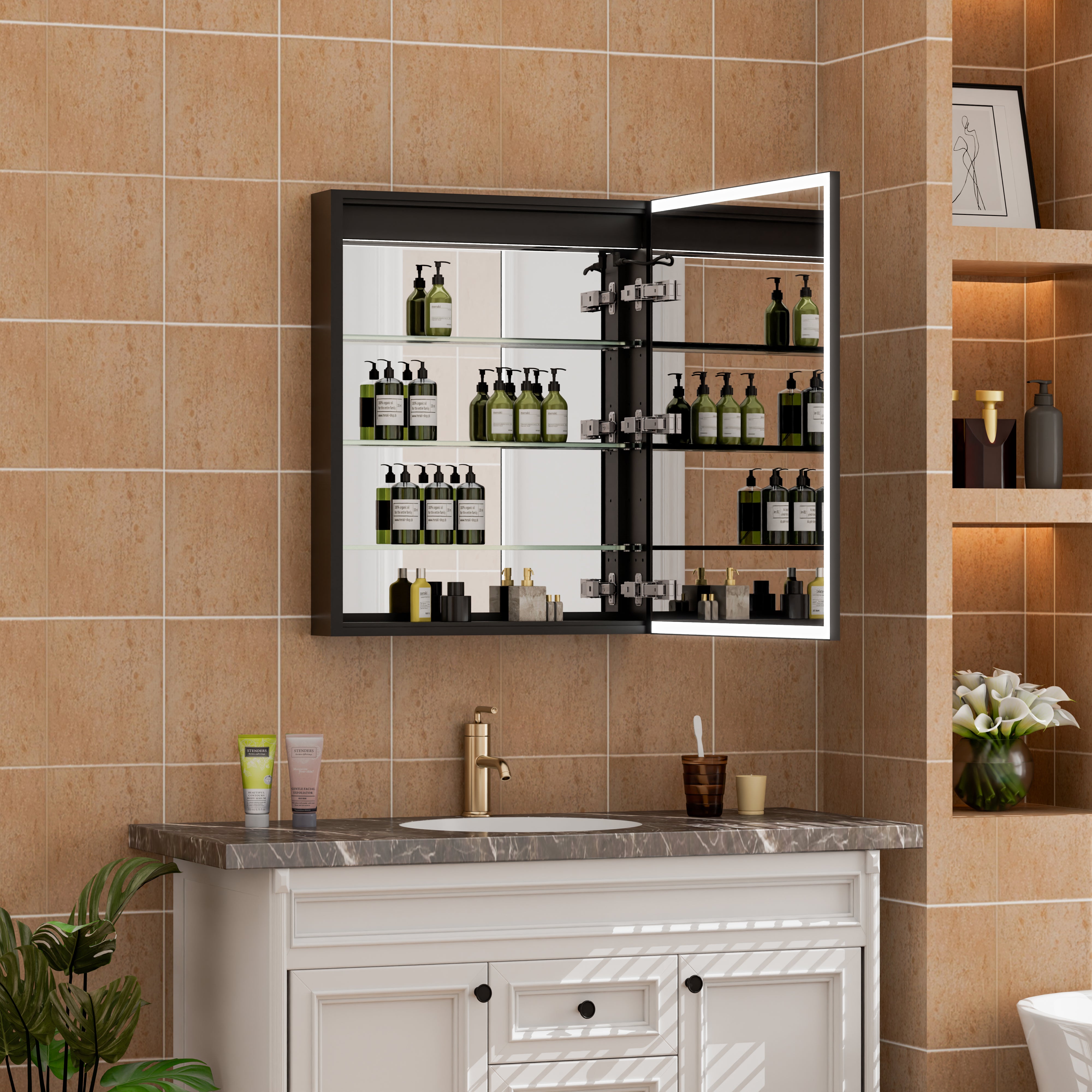
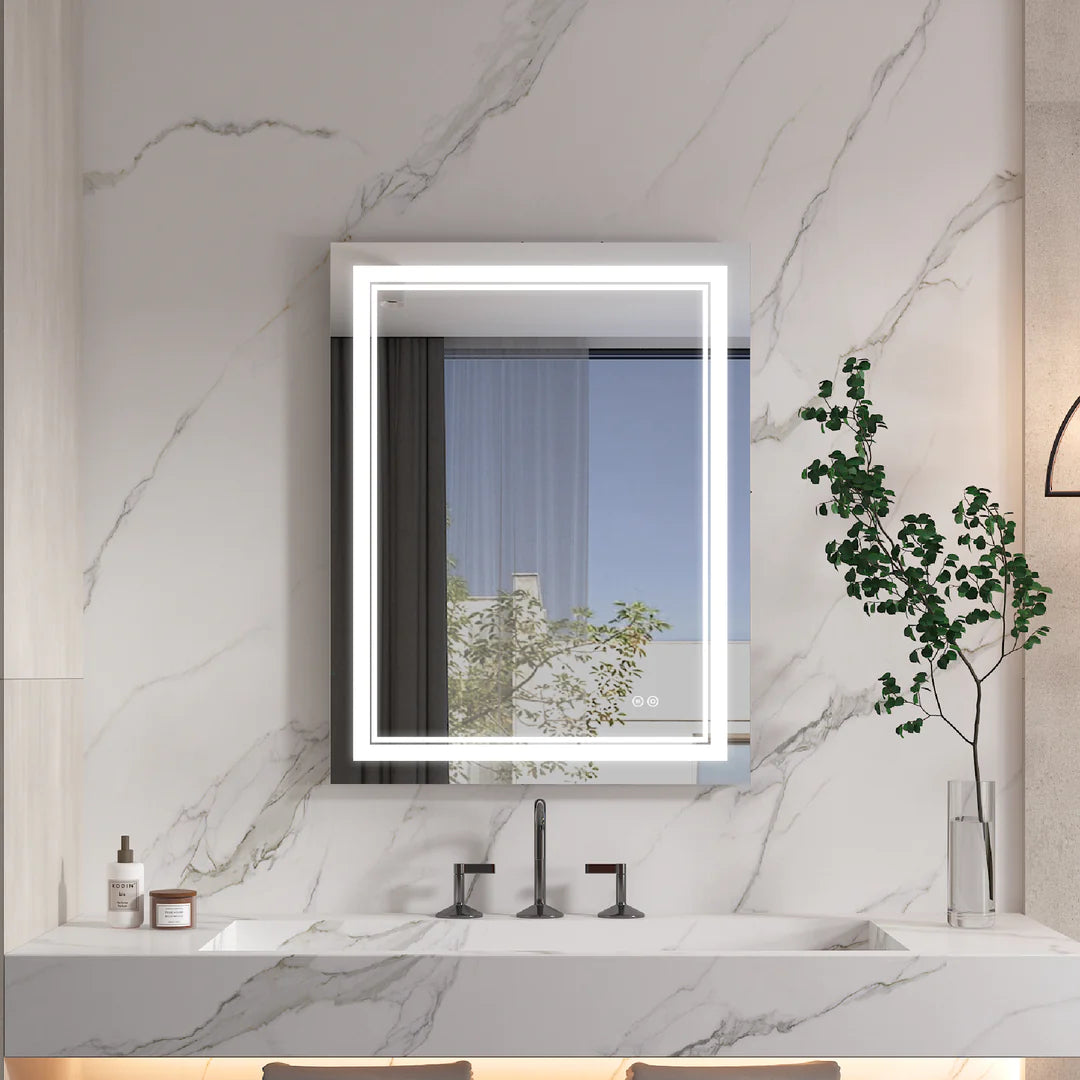
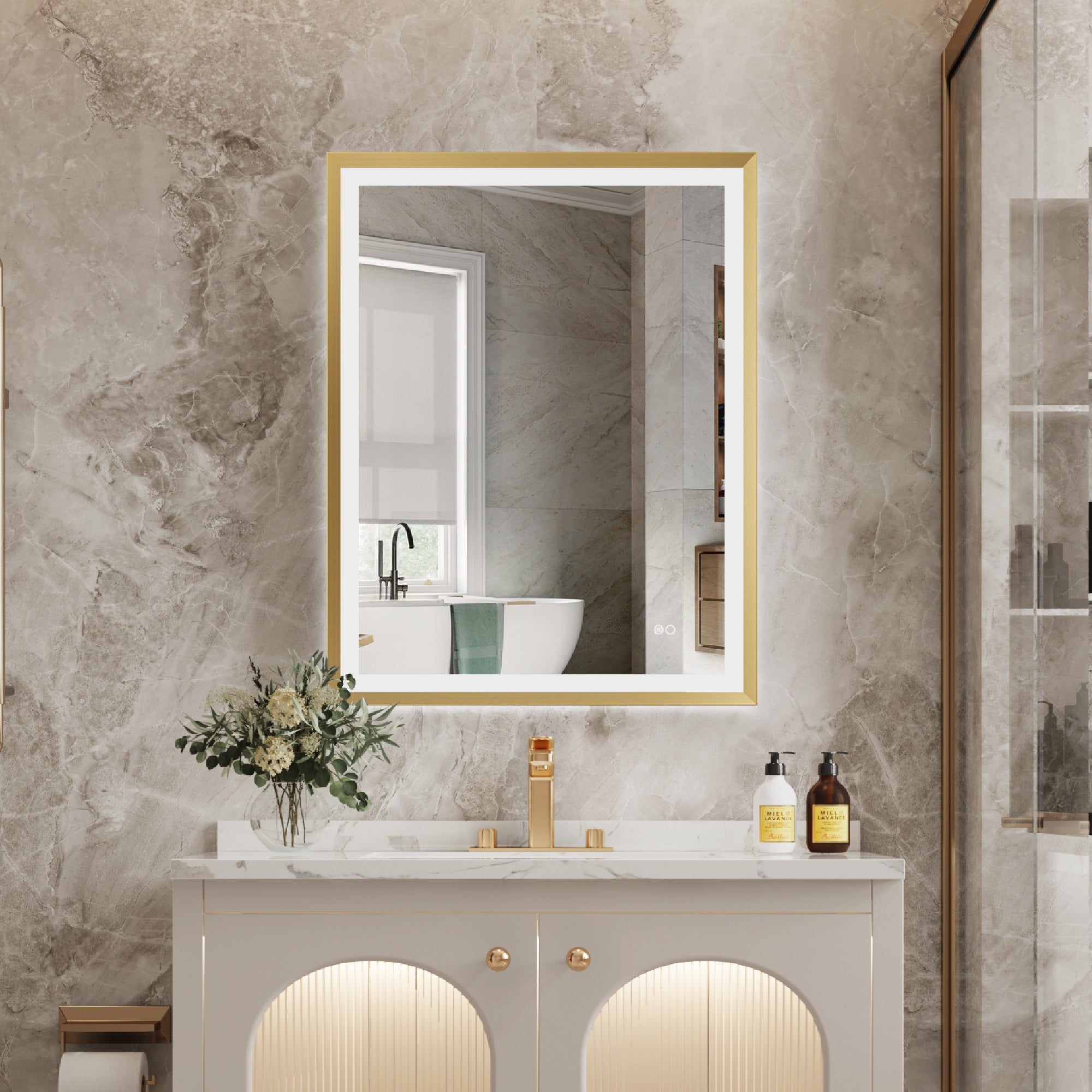
If choosing a mirror with LED lights, its size should also match the brightness.
28-inch to 32-inch models typically output 1200 to 1800 lumens; Models above 48 inches can reach 2500 to 3000 lumens.
The data shows that brightness of 2000 lumens or higher can meet the lighting needs for daily tasks. If the bathroom area exceeds 100 square feet, it is still recommended to pair it with a top auxiliary light source.
Size and brightness need to be considered in conjunction.
8. The spatial impact of embedded and surface-mounted systems
Embedded mirrors typically use a 3.5-inch cavity in the wall to keep the exposed depth to 1 inch.
Surface-mounted mirrors protrude approximately 4 inches to 5 inches. In spaces with an area less than 90 square feet, embedded design can improve the width rating by approximately 18%.
The installation method can also affect the overall performance.
9. Distance control with surrounding elements
A gap of 2 to 4 inches should be maintained between the mirror and the wall or lighting fixtures.
In a 60-inch dual-basin layout, the spacing between the two mirrors is typically 2 to 6 inches to maintain balance.
Data shows that in spaces with reasonable spacing, visual order scores increase by about 15%.
The spacing between details often determines the overall texture.
10. Long-term design adaptability
As a fixed wall element, mirrors should be considered for long-term use and style continuity.
Industry data shows that in renovation projects, mirrors with coordinated proportions and simple styles are more likely to adapt to future decoration changes.
From the 20-inch compact model to the 60-inch wide structure, each inch size affects the overall balance. Choosing the appropriate proportion can help enhance the long-term design value.

11. Conclusion
Choosing the appropriate vanity mirror for the bathroom requires careful consideration of countertop width, floor-to-ceiling height, and lighting requirements. Usually, the reference range is 70% to 90% of the tabletop width, and adjustments are made based on the center height of 60 inches to 65 inches. From a small mirror with 1200 lumens to a large design with 3000 lumens, every inch size affects the visual effect. Through precise proportional control and spatial matching, mirrors not only fulfill daily functions but also serve as the core element in shaping the scale and design order of the bathroom.












Leave a comment
This site is protected by hCaptcha and the hCaptcha Privacy Policy and Terms of Service apply.