














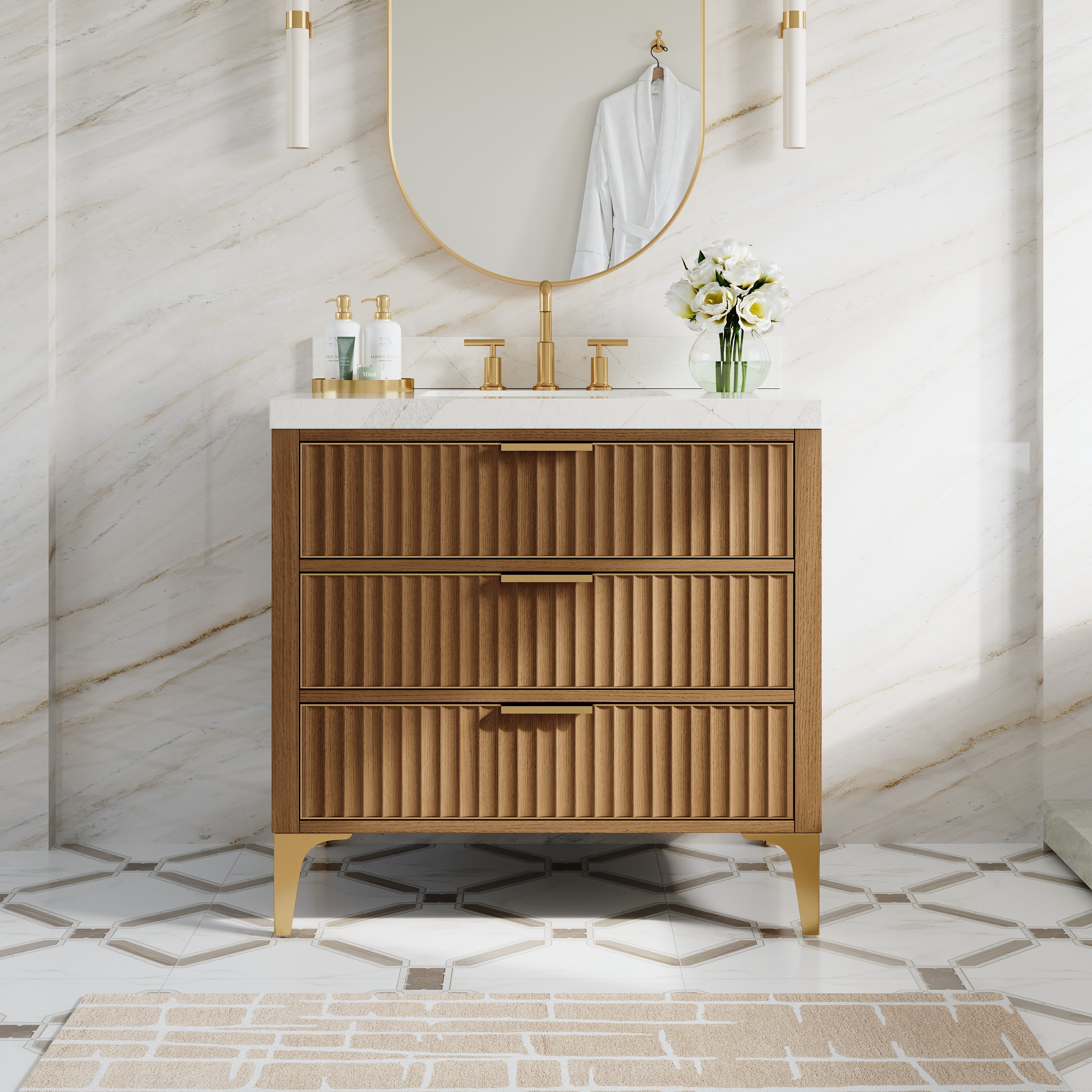
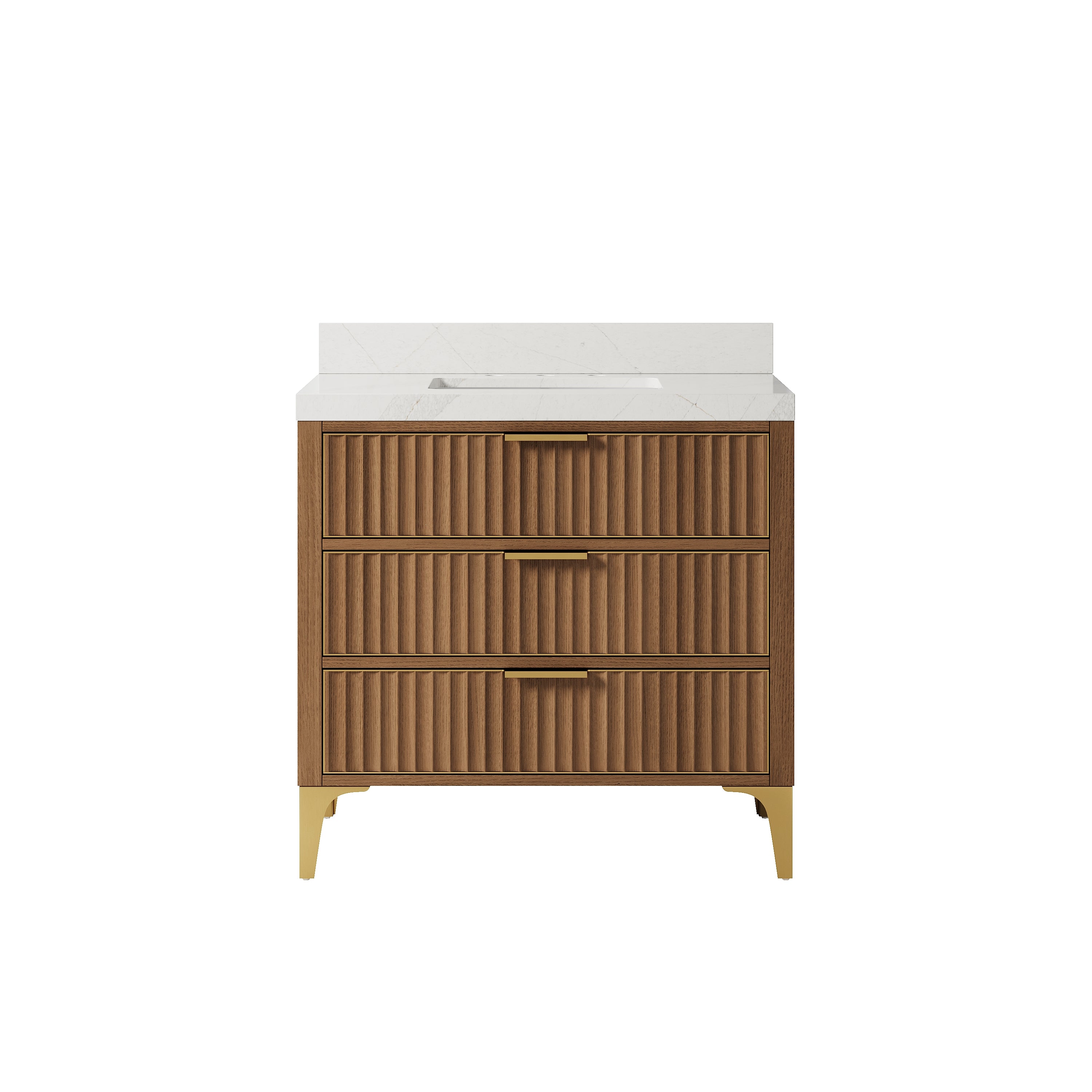
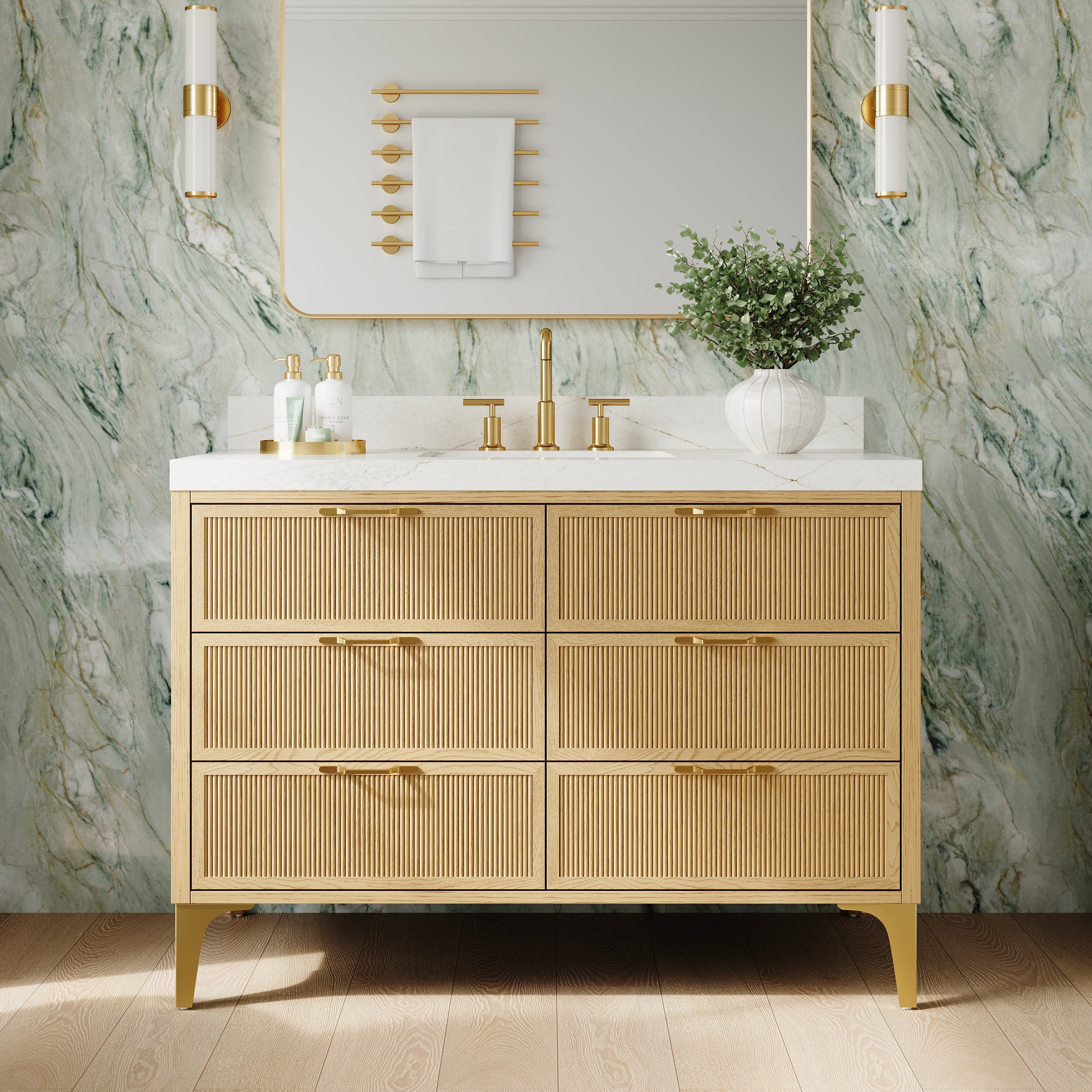
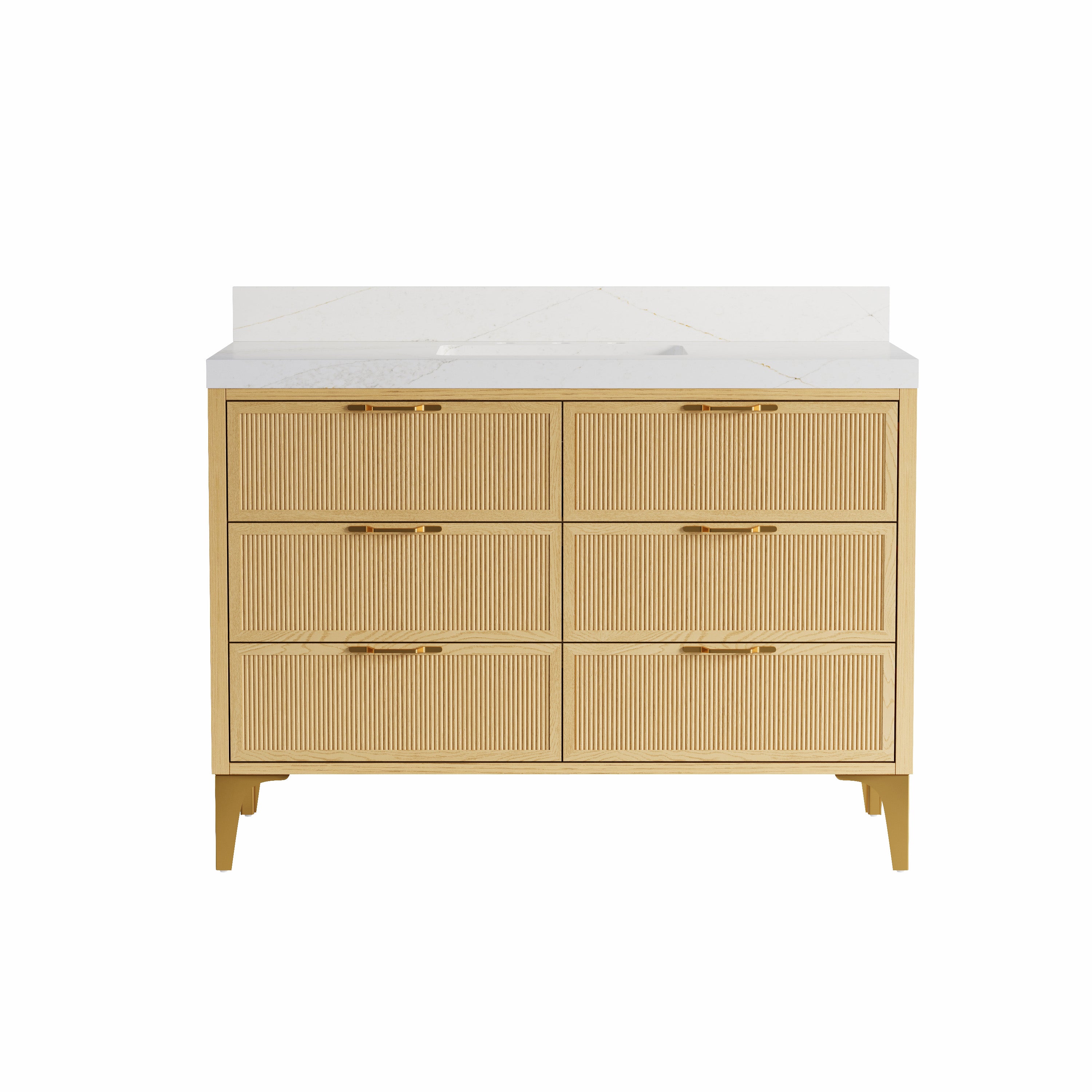


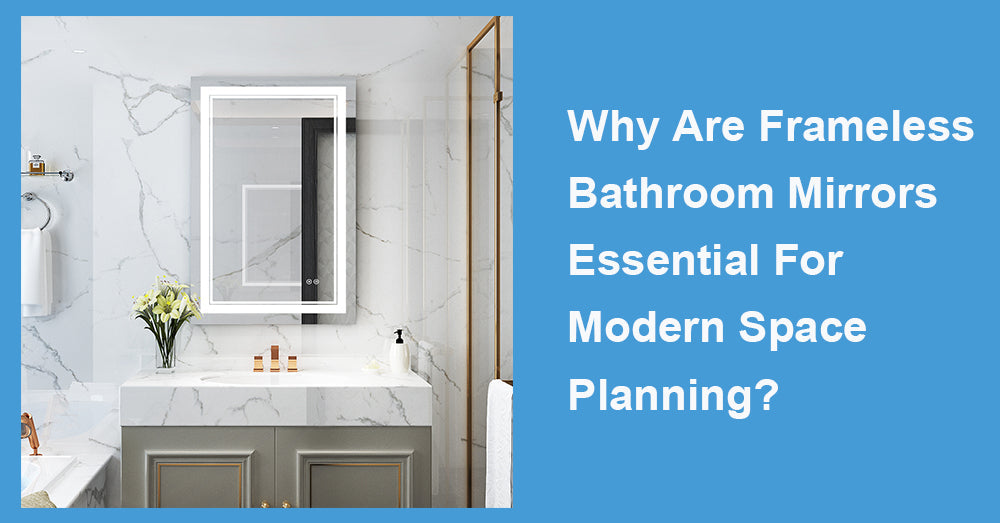
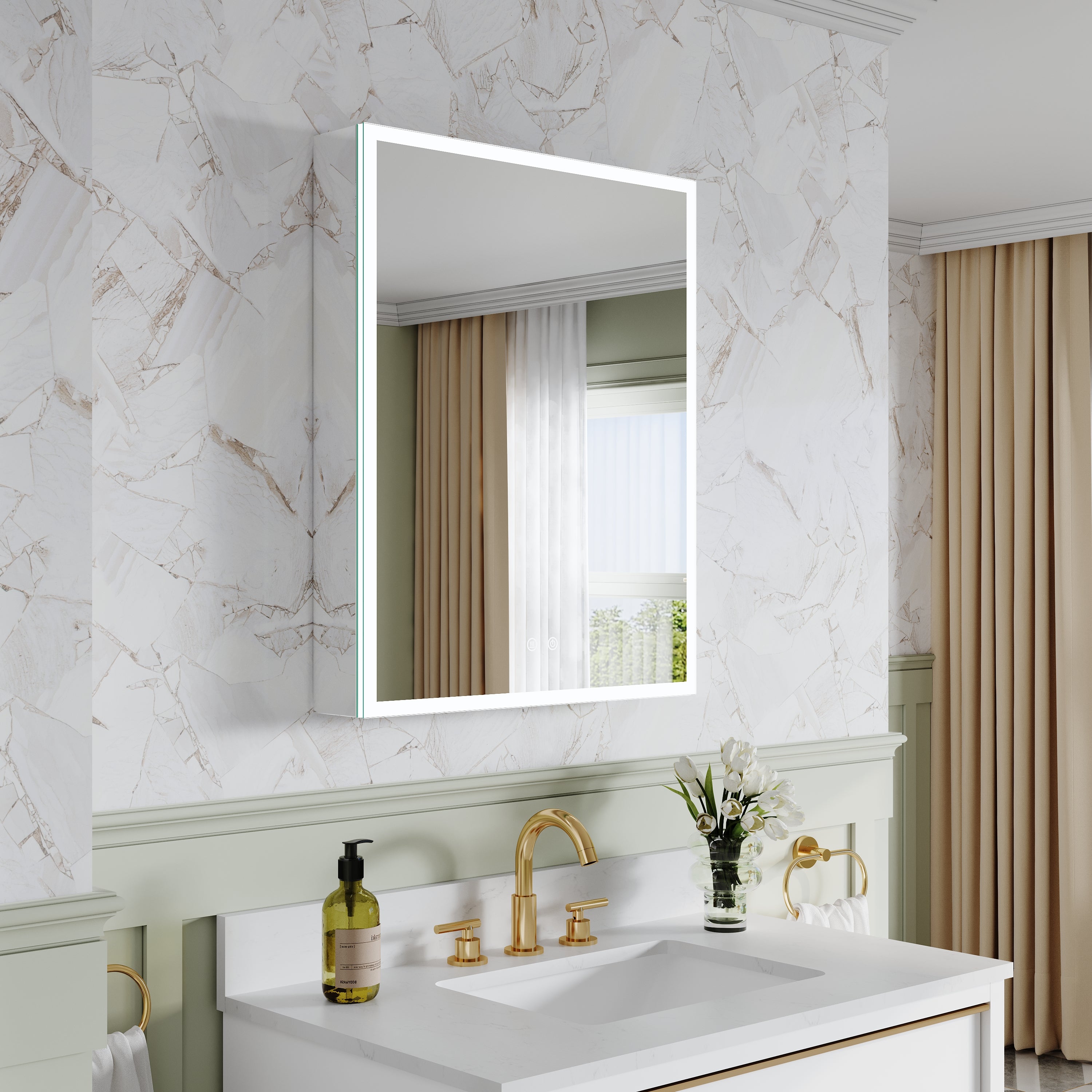
In contemporary bathroom design trends, frameless bathroom mirrors are becoming an important component of modern spatial planning. Compared to traditional mirrors with thick borders, frameless mirrors incorporate minimalist contours into the wall structure, enhancing visual extension while reducing design interference. Industry data shows that in recent years, the use of frameless mirrors has continued to increase in high-end bathroom renovation projects, with a usage rate of over 60% in modern and minimalist spaces. This trend is not simply an aesthetic choice but a careful consideration of spatial proportion optimization, light reflection efficiency, and wall layout integration.
1. Enhance visual extension and expand spatial perception
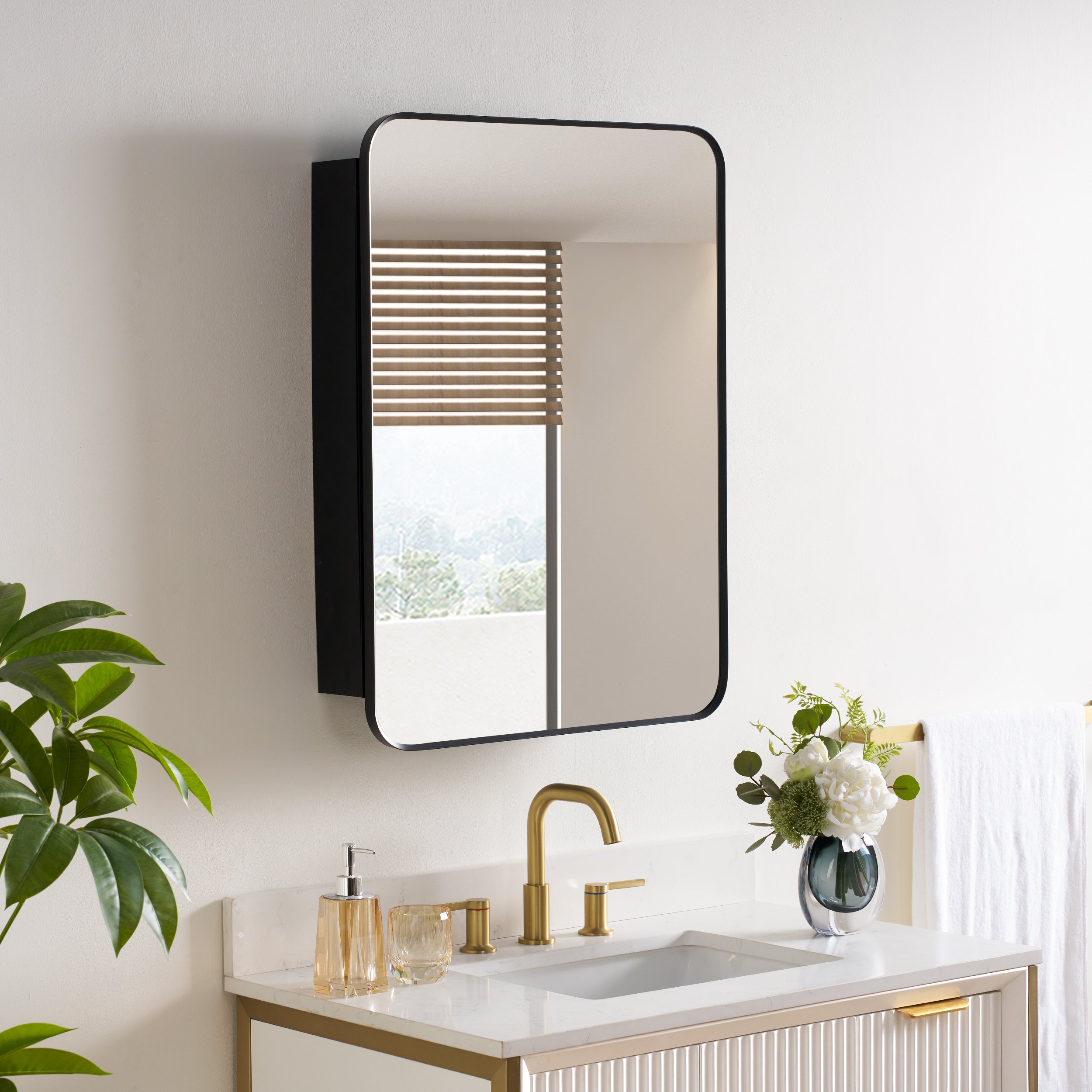
Frameless mirrors eliminate the border, making the edges of the mirror more naturally connected to the wall and visually reducing boundaries.
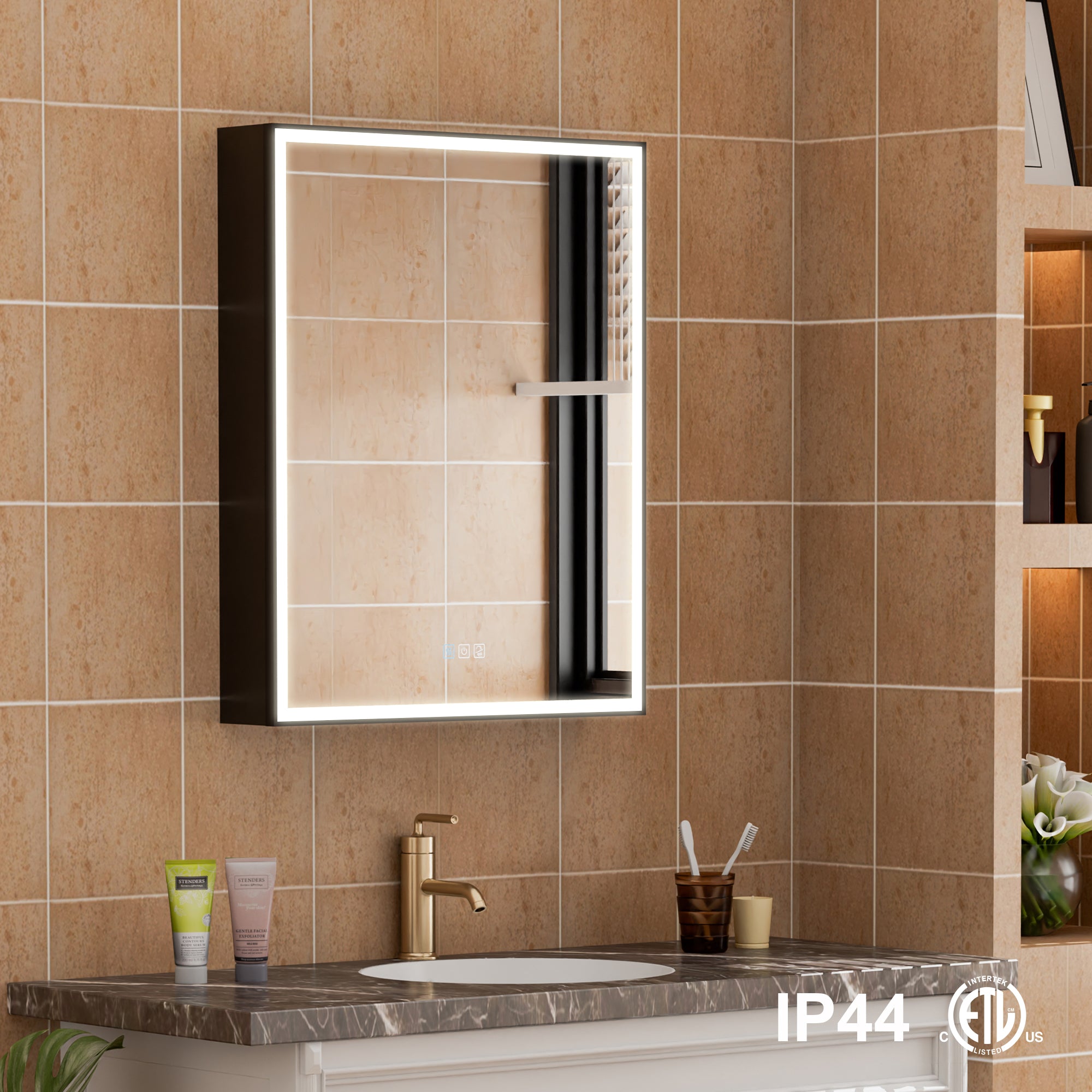
In bathrooms with an area less than 90 square feet, a mirror width of 28 to 32 inches can effectively increase perceived width. The data shows that when the mirror width reaches about 80% of the tabletop width, the spatial coordination score increases by about 15%.
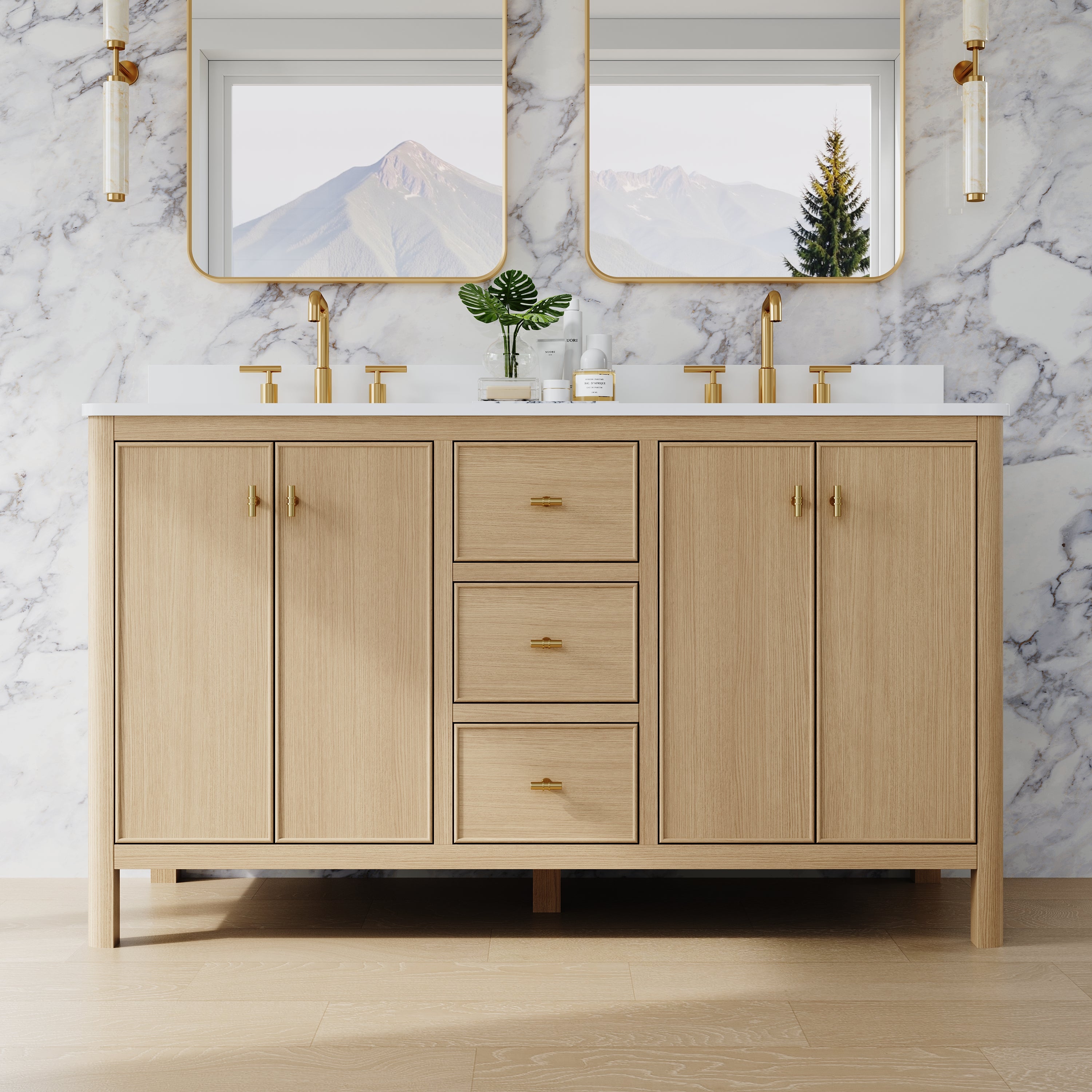
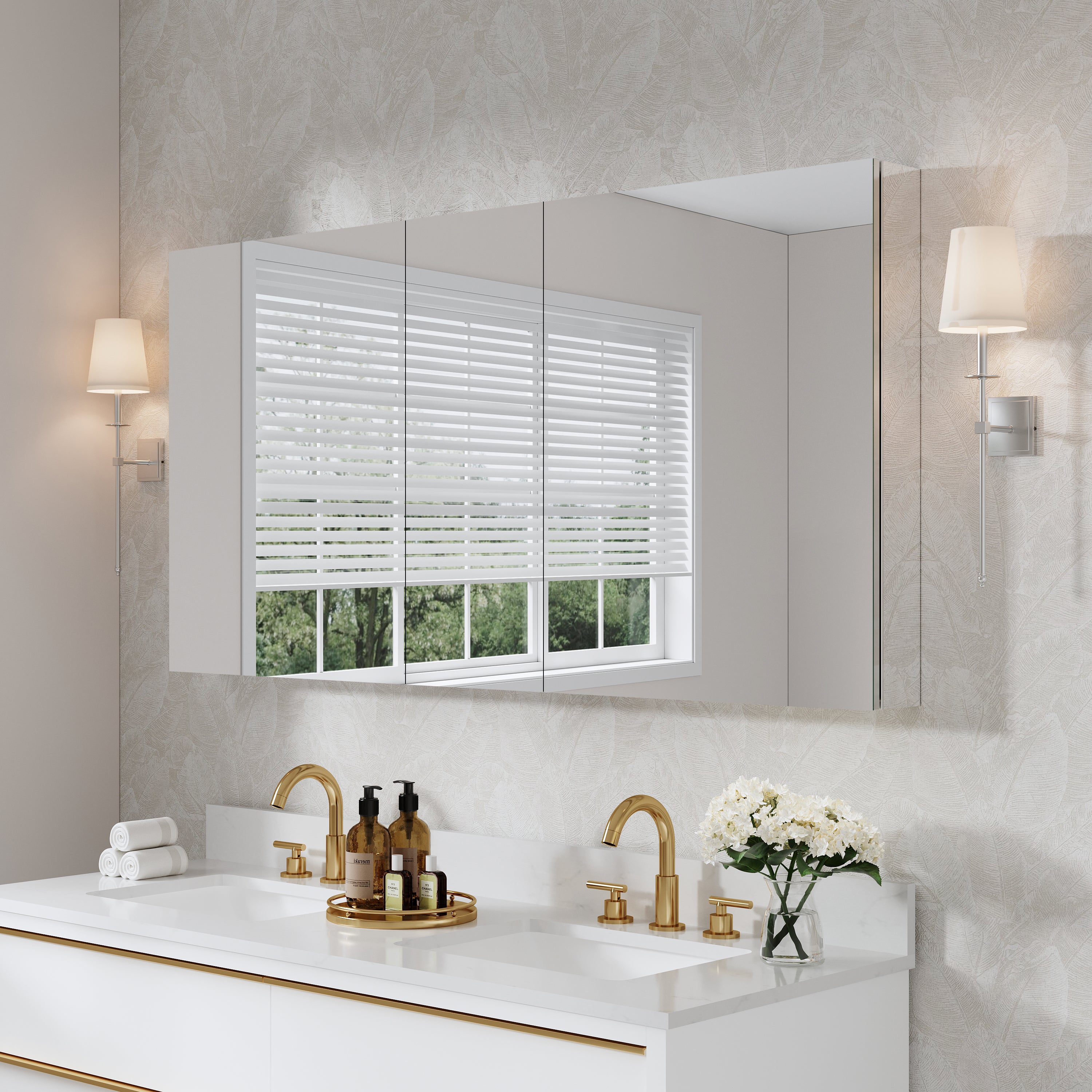
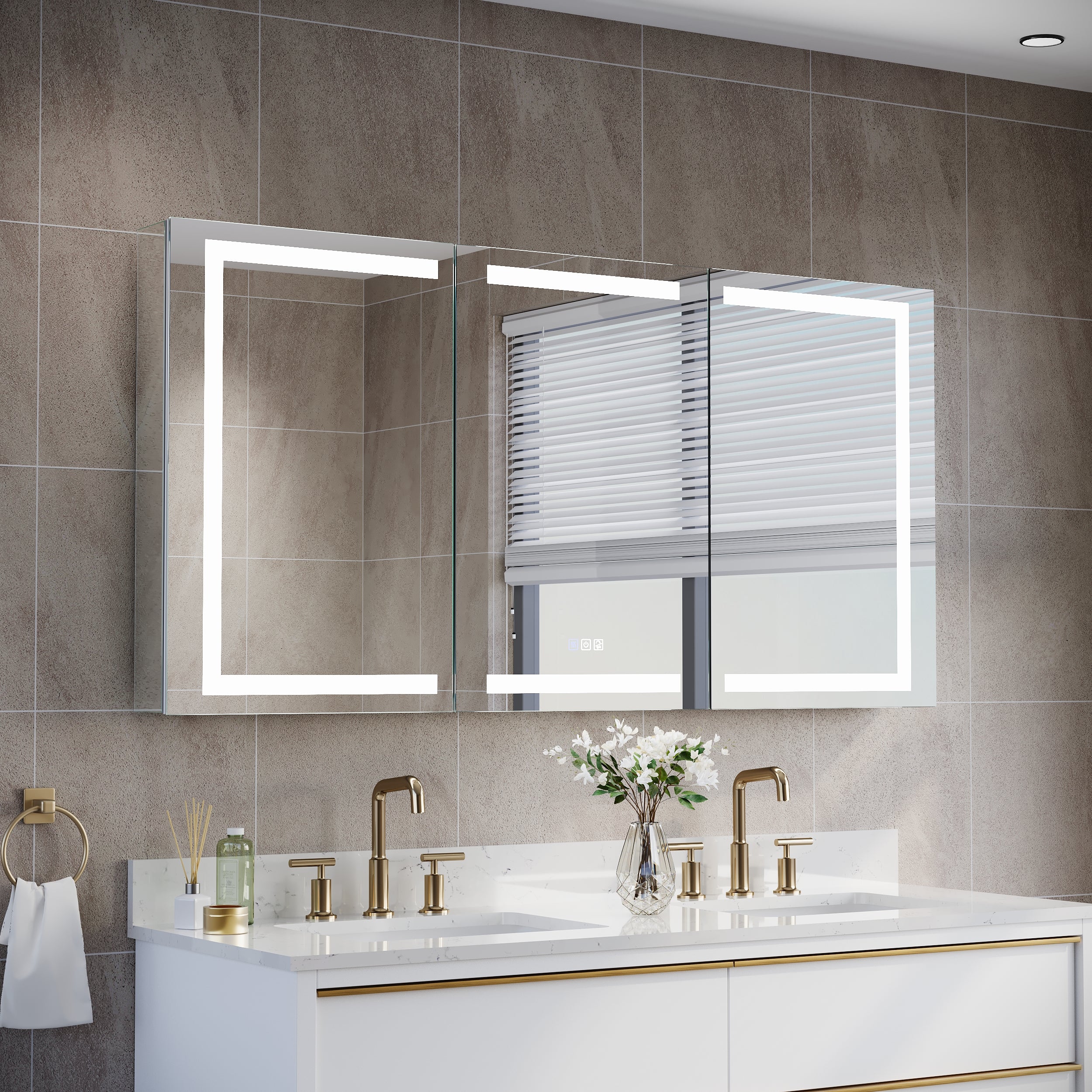
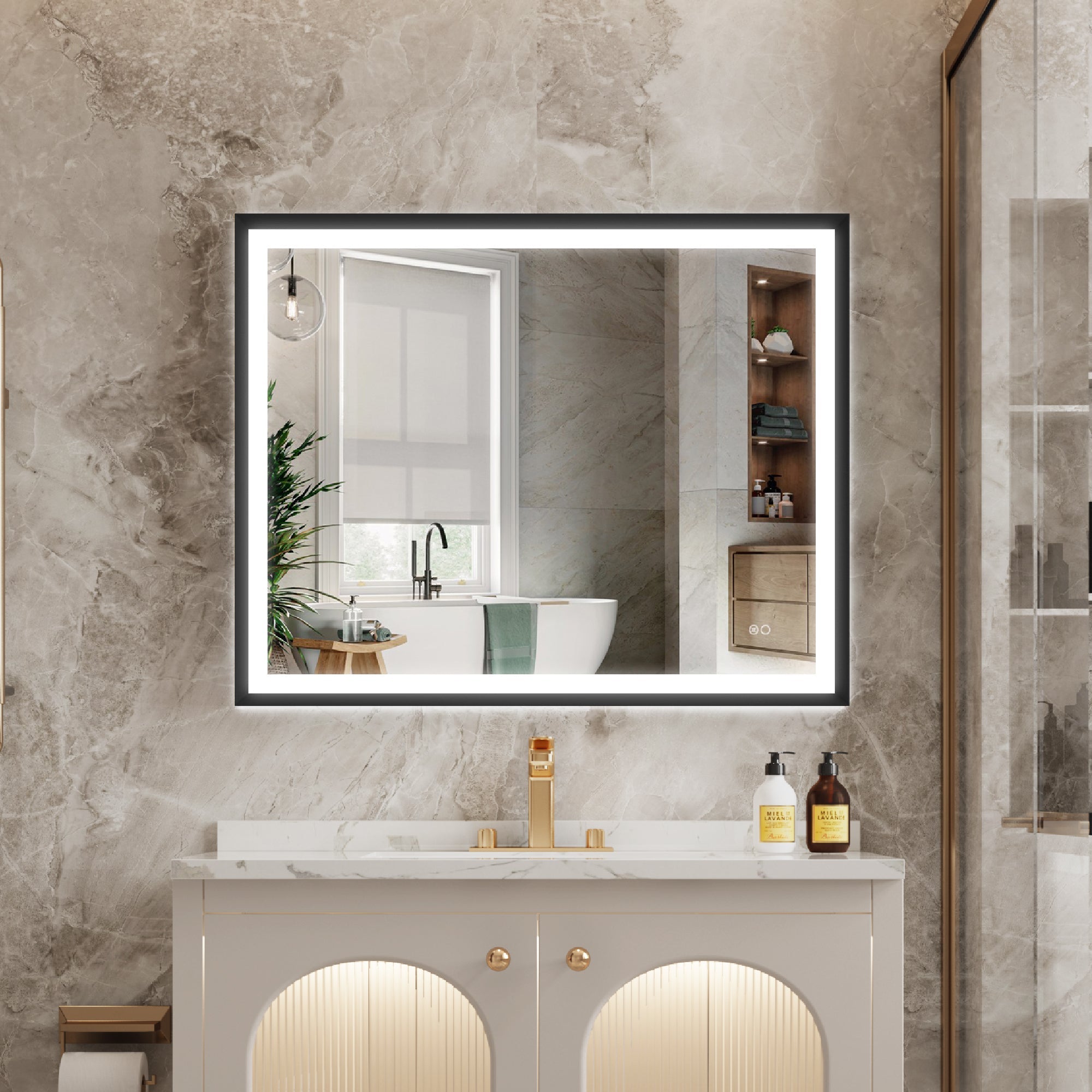
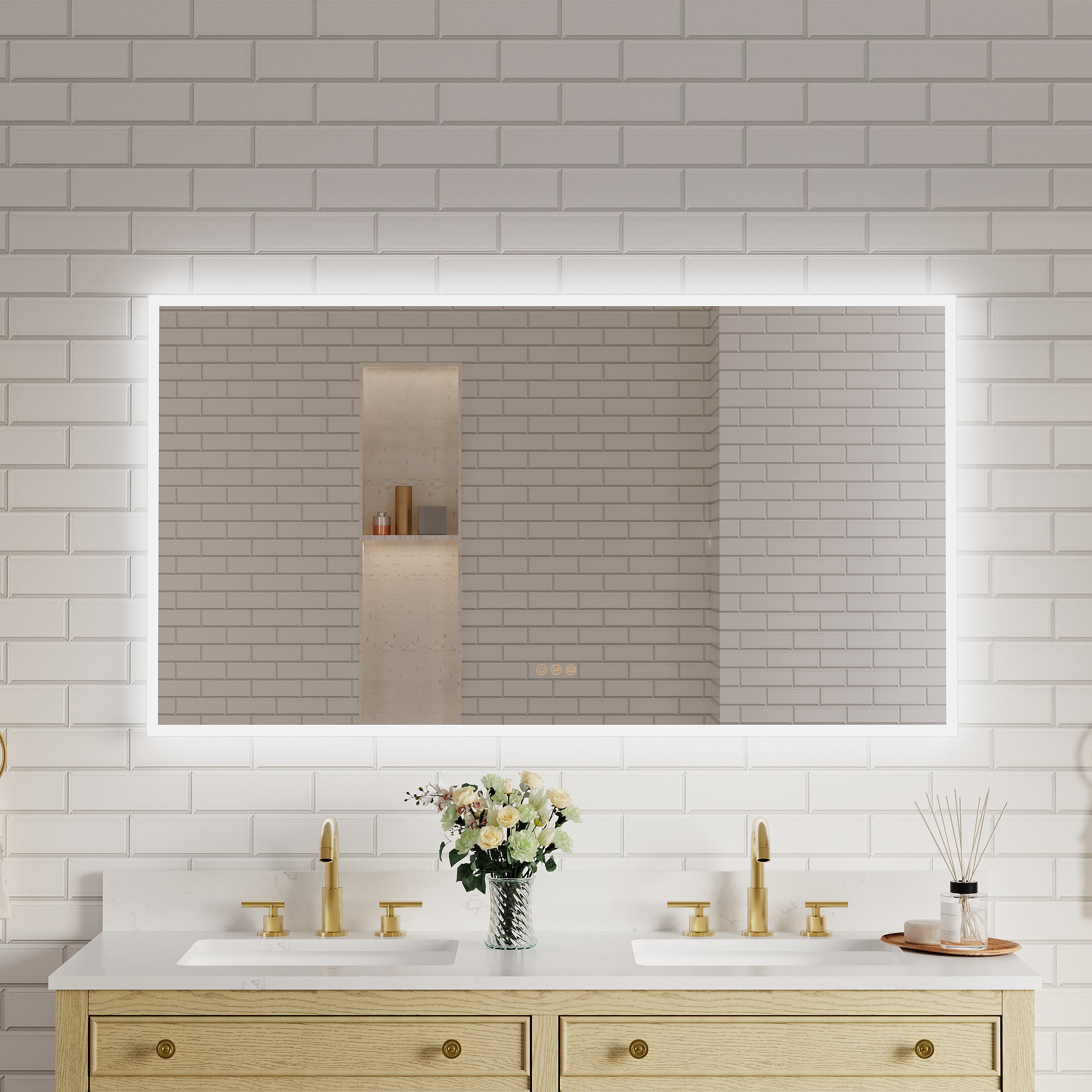
In a 36-inch single-basin layout, frameless mirrors can make the wall feel more concise; in a 60-inch double-basin layout, a long frameless mirror can create a continuous reflection effect, making the space appear wider.
2. Optimizing proportional relationships and spatial planning
Modern spatial planning emphasizes proportional balance. The mirror width is usually 70% to 90% of the tabletop width. For example, a 36-inch countertop can be paired with a 28-inch to 32-inch mirror; the 60-inch layout allows for the selection of 54-inch to 60-inch integral mirrors.
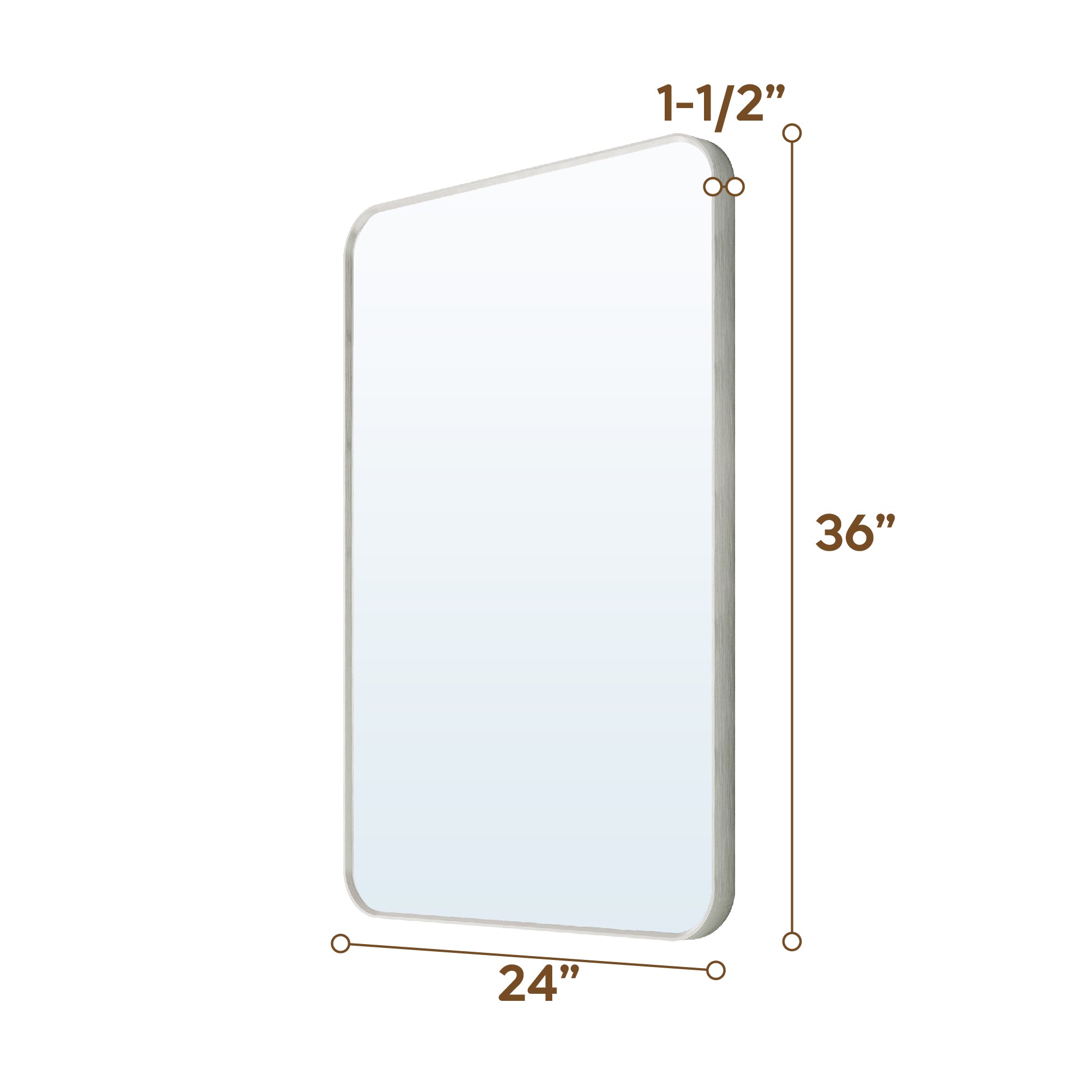
The mirror height is usually between 30 and 36 inches, with a lower edge distance of 5 to 10 inches from the tabletop and a center height of 60 to 65 inches.
The data shows that under reasonable proportions, the overall spatial coordination score increases by about 18%.
3. Improve light reflection efficiency
A mirror is an important medium for reflecting light in the bathroom. The frameless structure reduces border occlusion and maximizes the reflection area.
Research shows that in spaces with insufficient natural lighting, increasing the mirror area by 10% can improve wall brightness uniformity by 8% to 12%.
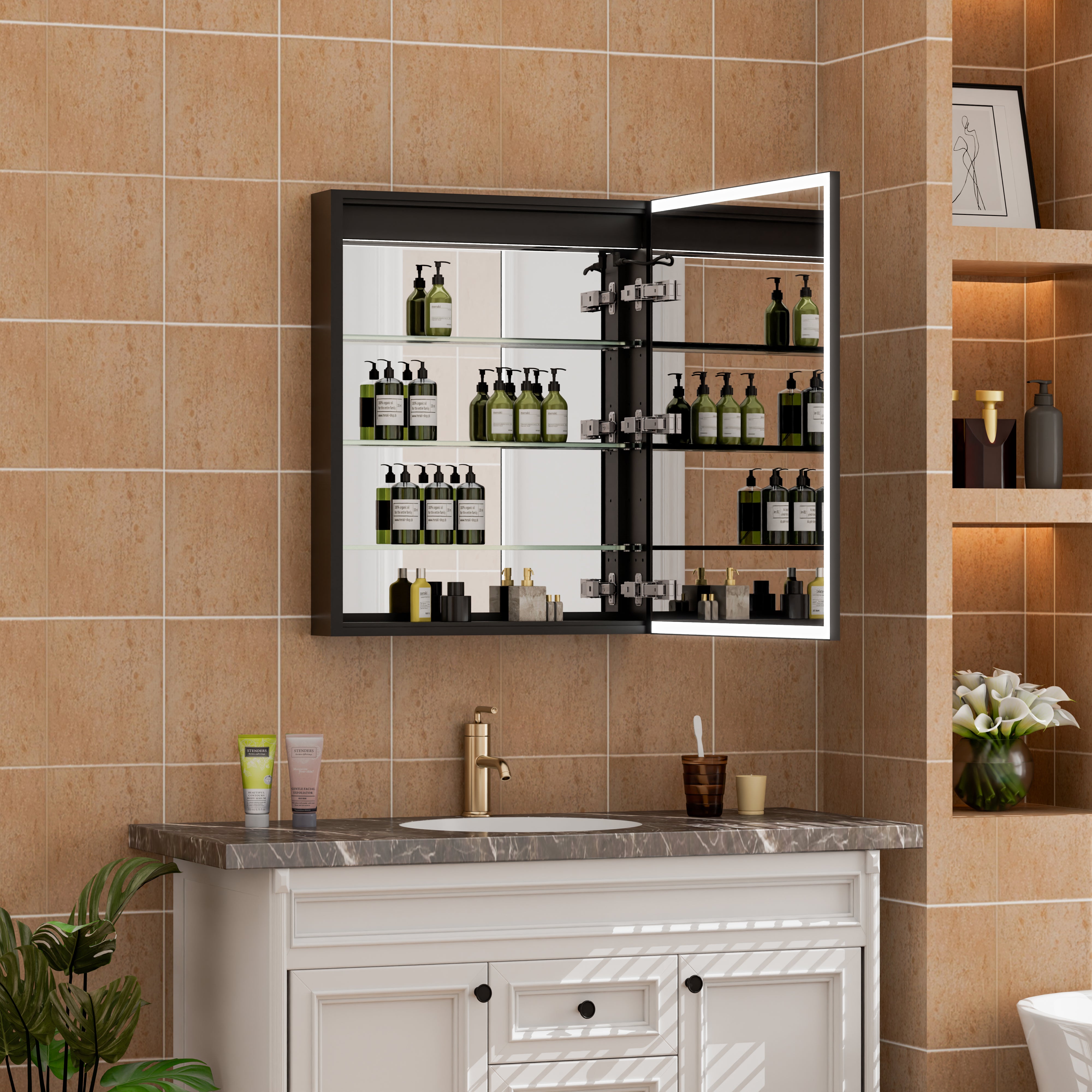
In an 8-foot-high floor space, frameless mirrors can be more easily integrated with top lighting fixtures or LED light sources to create a uniform reflection effect.
4. Enhance modern design language
Modern design emphasizes simple lines and pure materials. Frameless mirrors avoid interference from metal or wooden frames, making the space more unified.
The data show that in minimalist-style spaces, the design-matching score for frameless mirrors is significantly higher than that for framed structures.
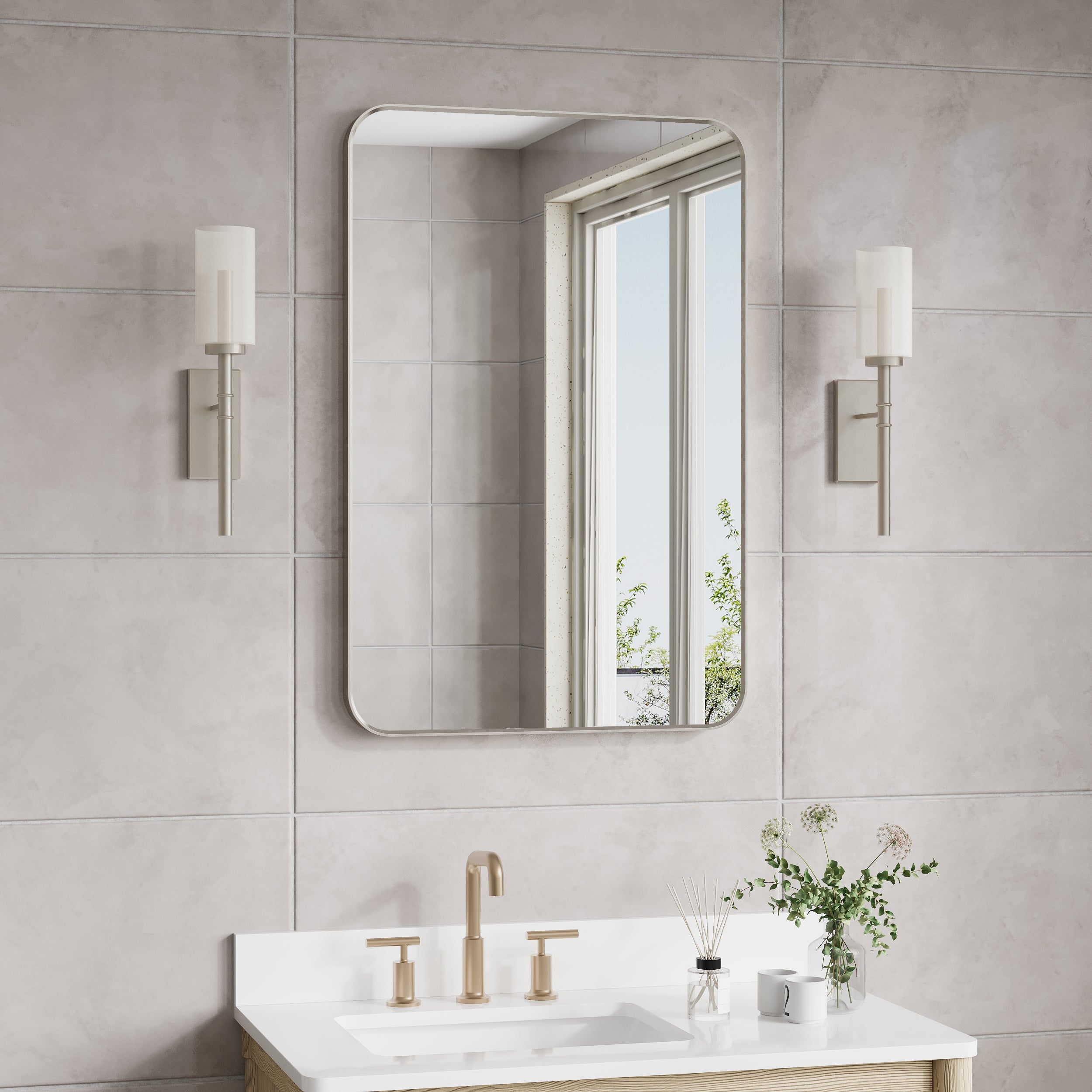
Especially in light-colored walls or large areas of ceramic tile backgrounds, frameless mirrors provide a more visually integrated feel.
5. Flexible combination of different installation methods
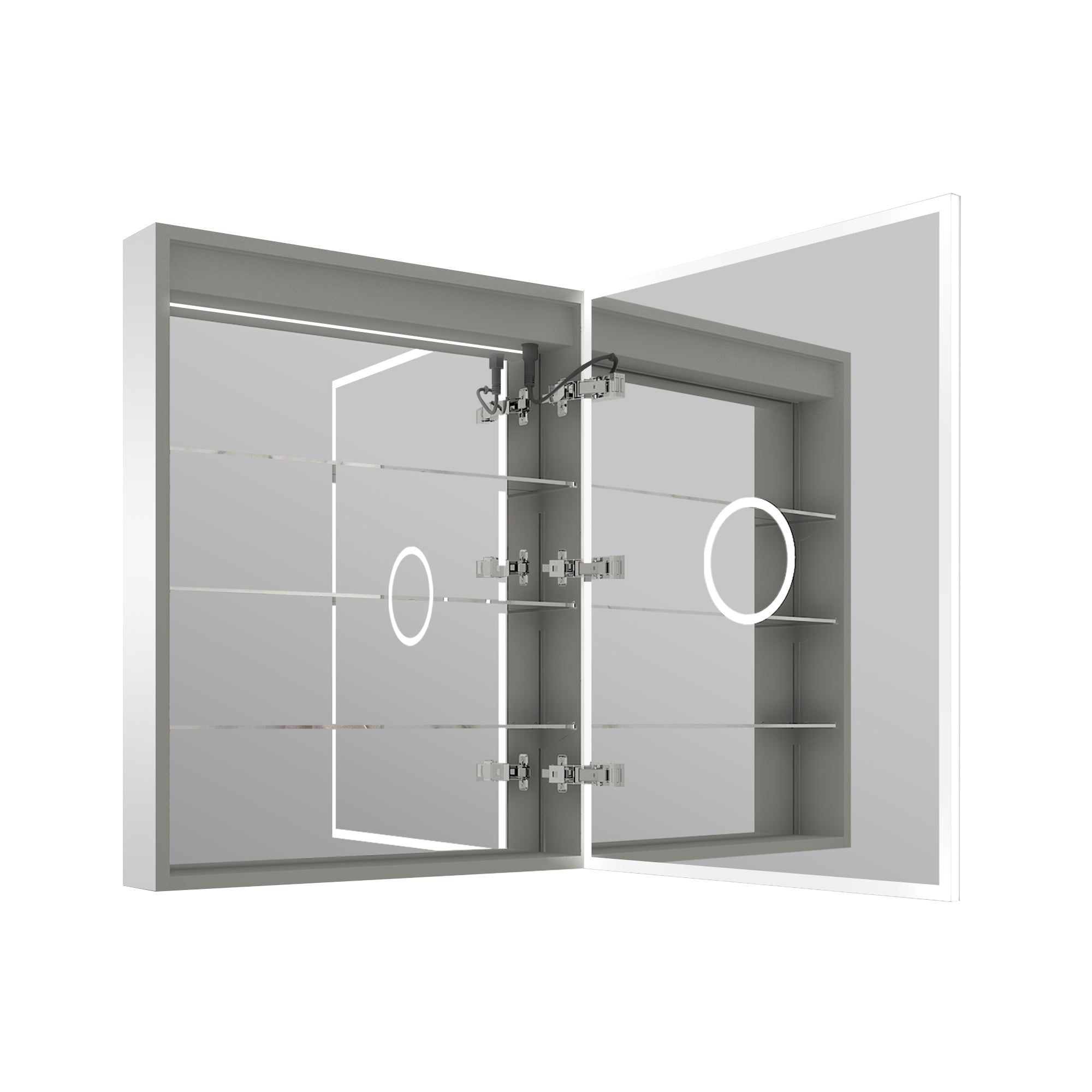
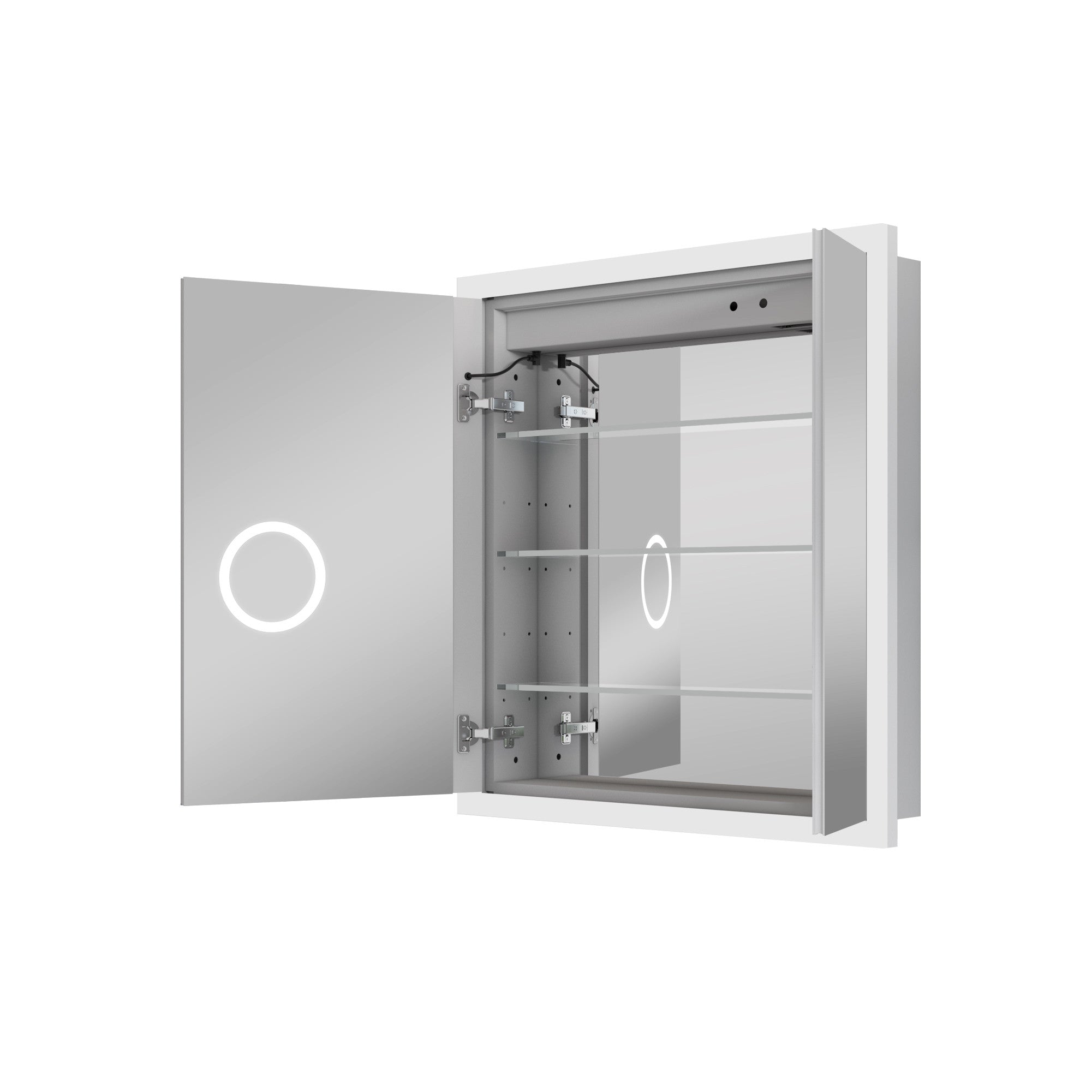
Frameless mirrors can be installed on the wall or have a hidden fixed structure. The thickness is usually between 1/4 and 1/2 inch.
Within the 36-inch to 48-inch mirror size range, installation flexibility is high. The data shows that under good wall conditions, the installation time can be controlled within a reasonable range.
This flexibility makes it suitable for a range of renovation scenarios.
6. Integration with the lighting system
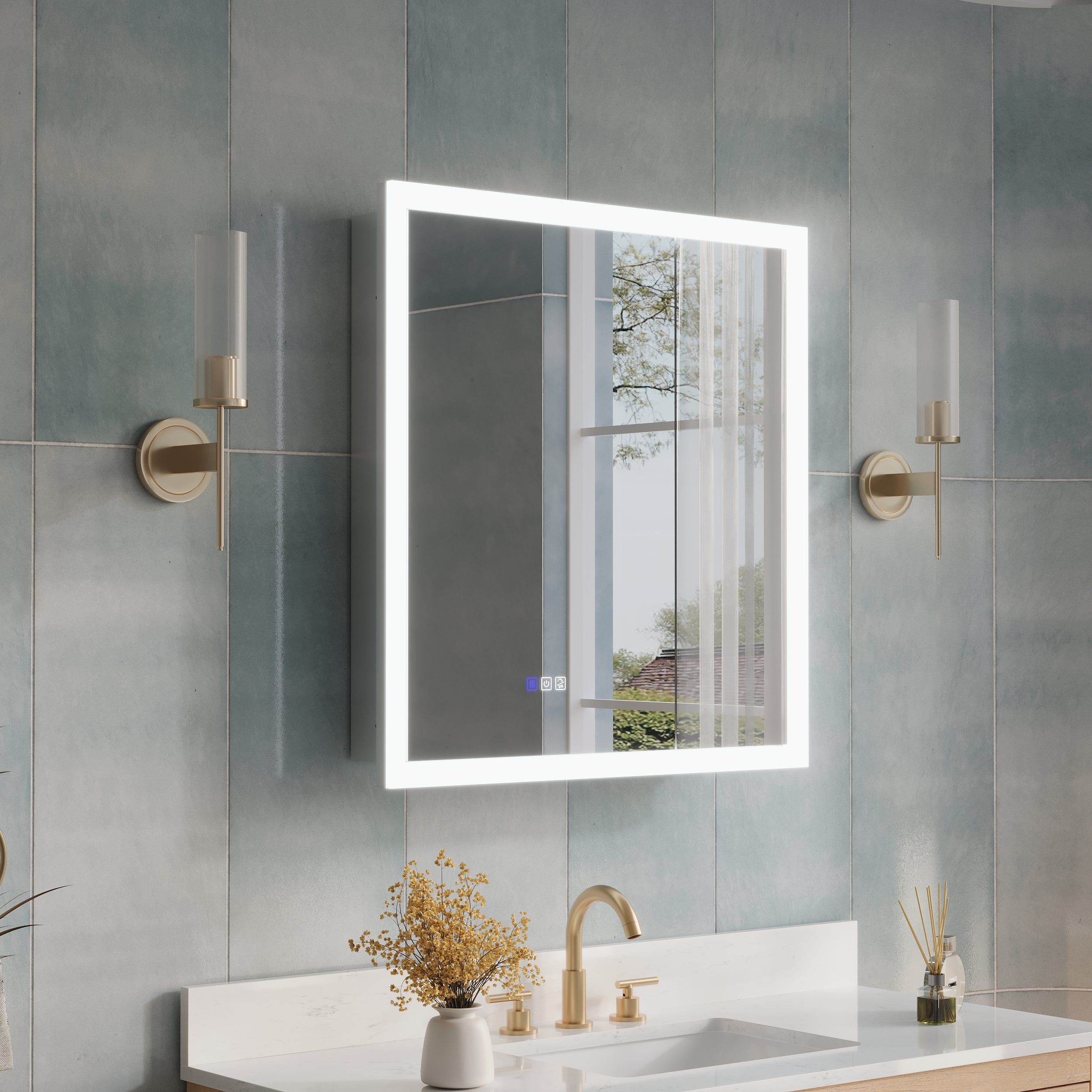
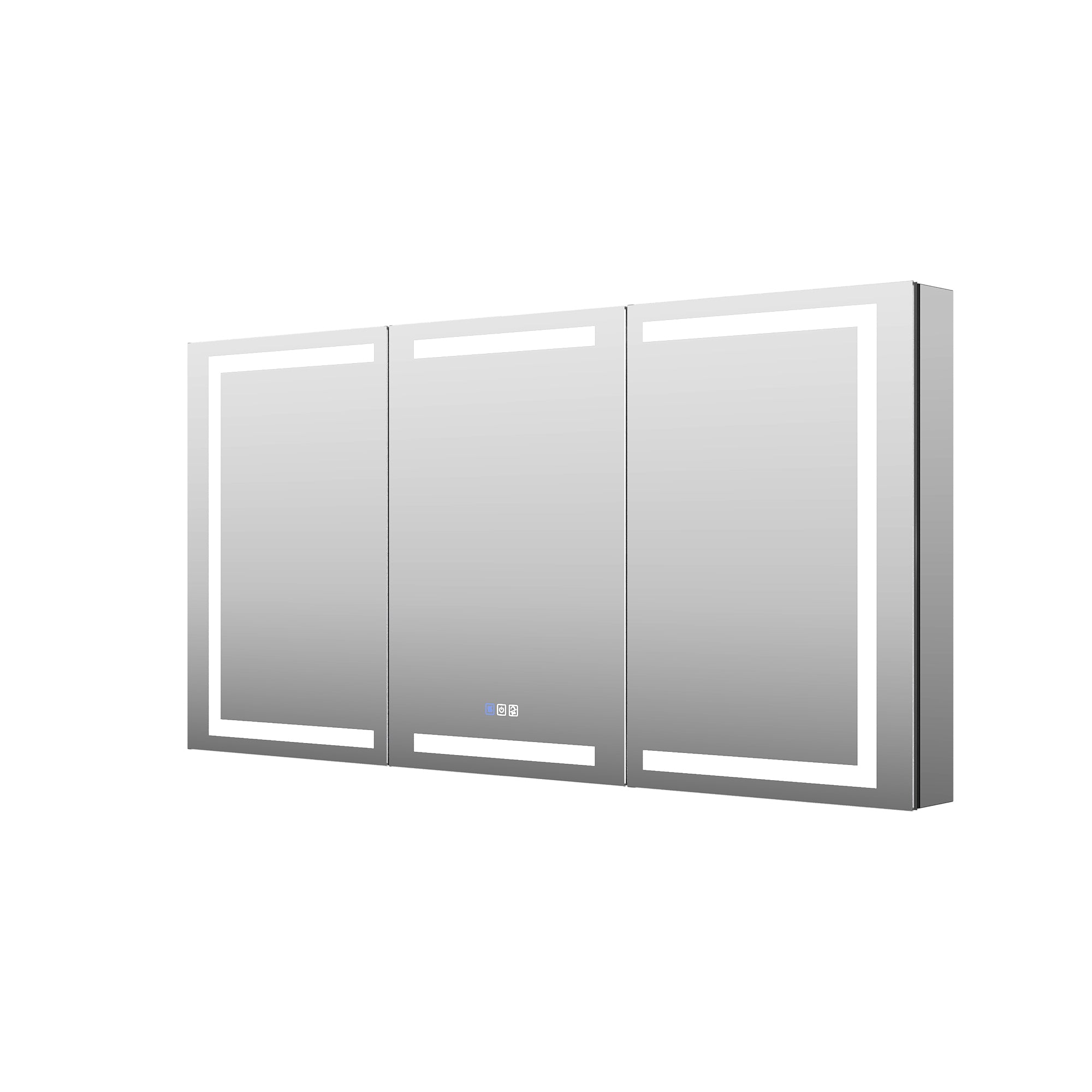
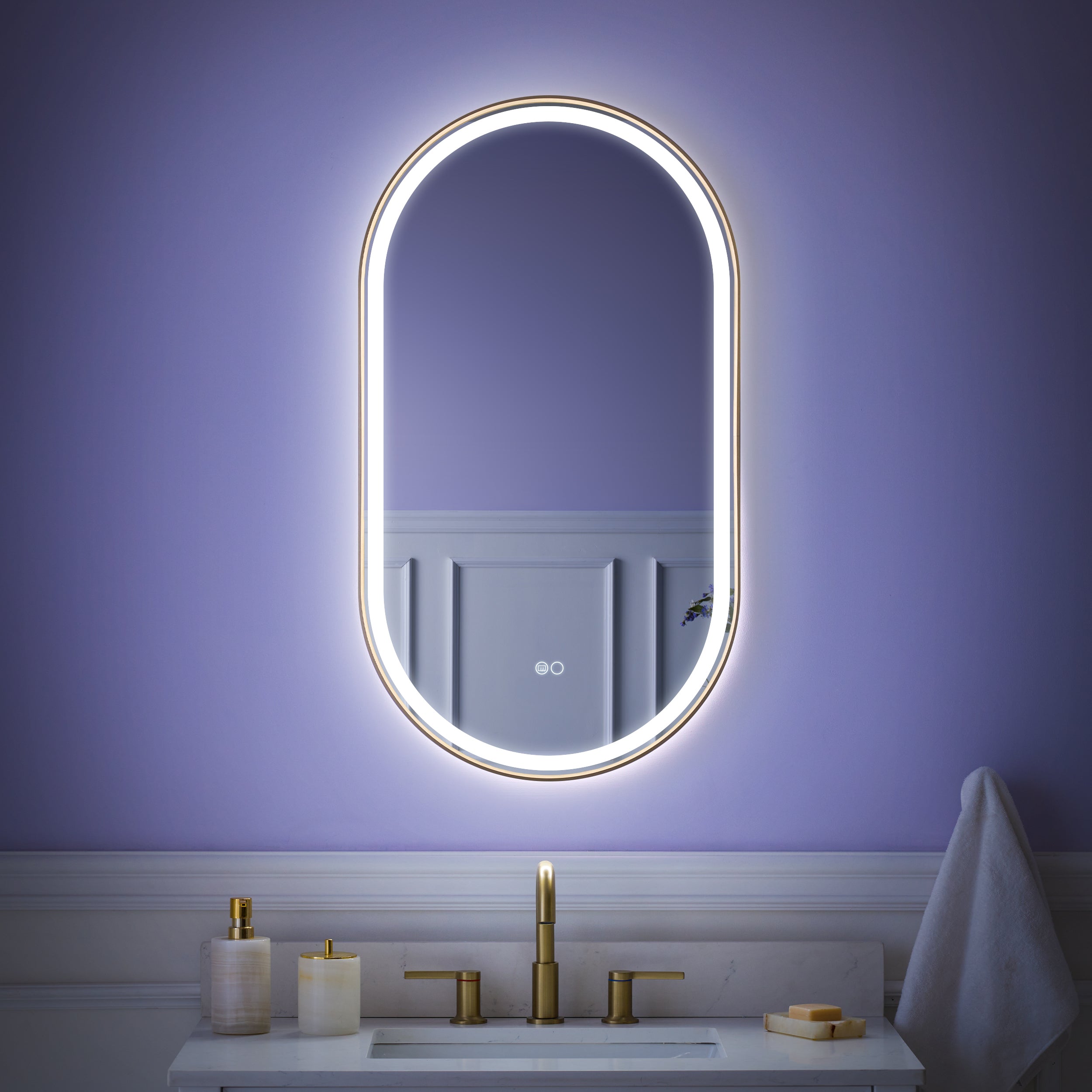
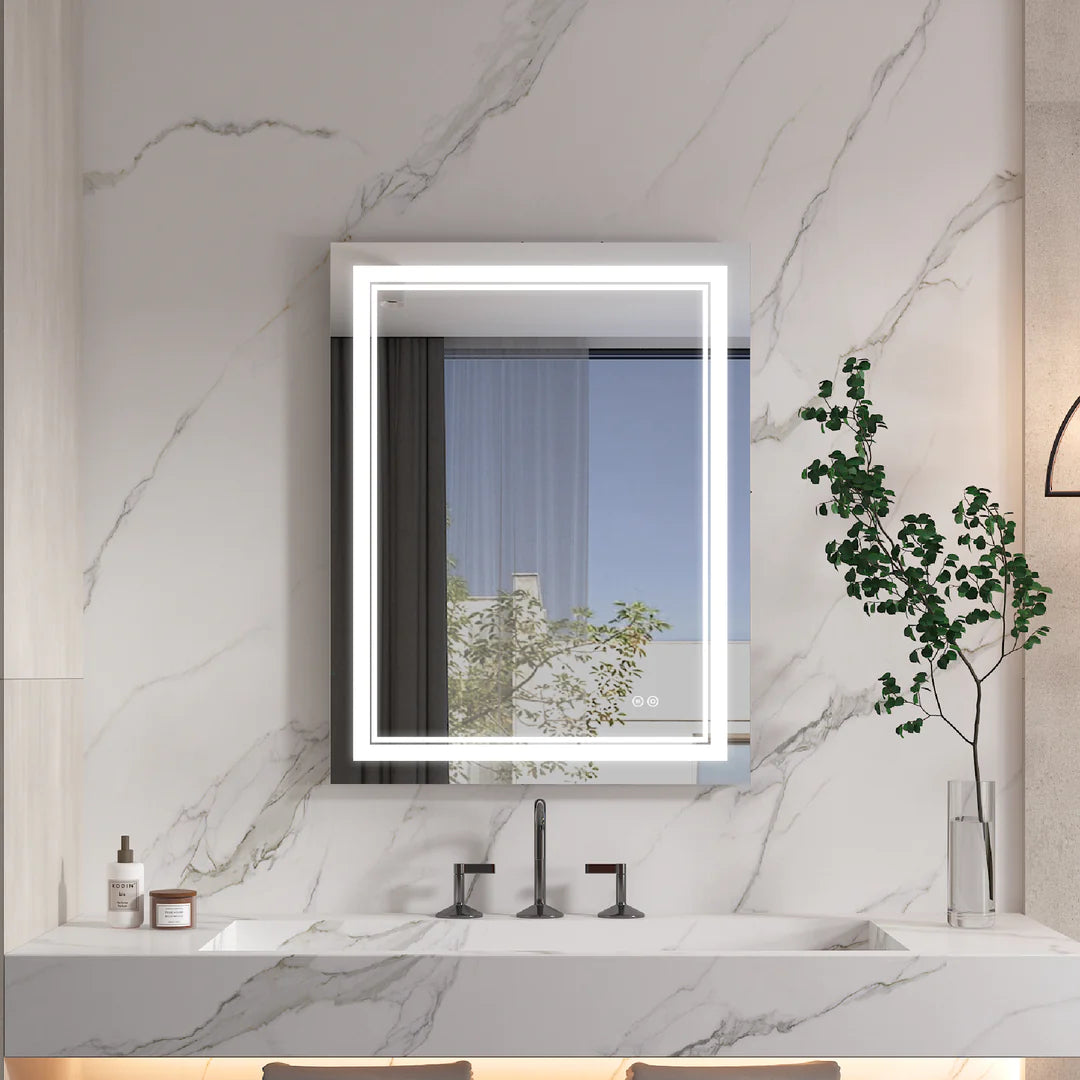
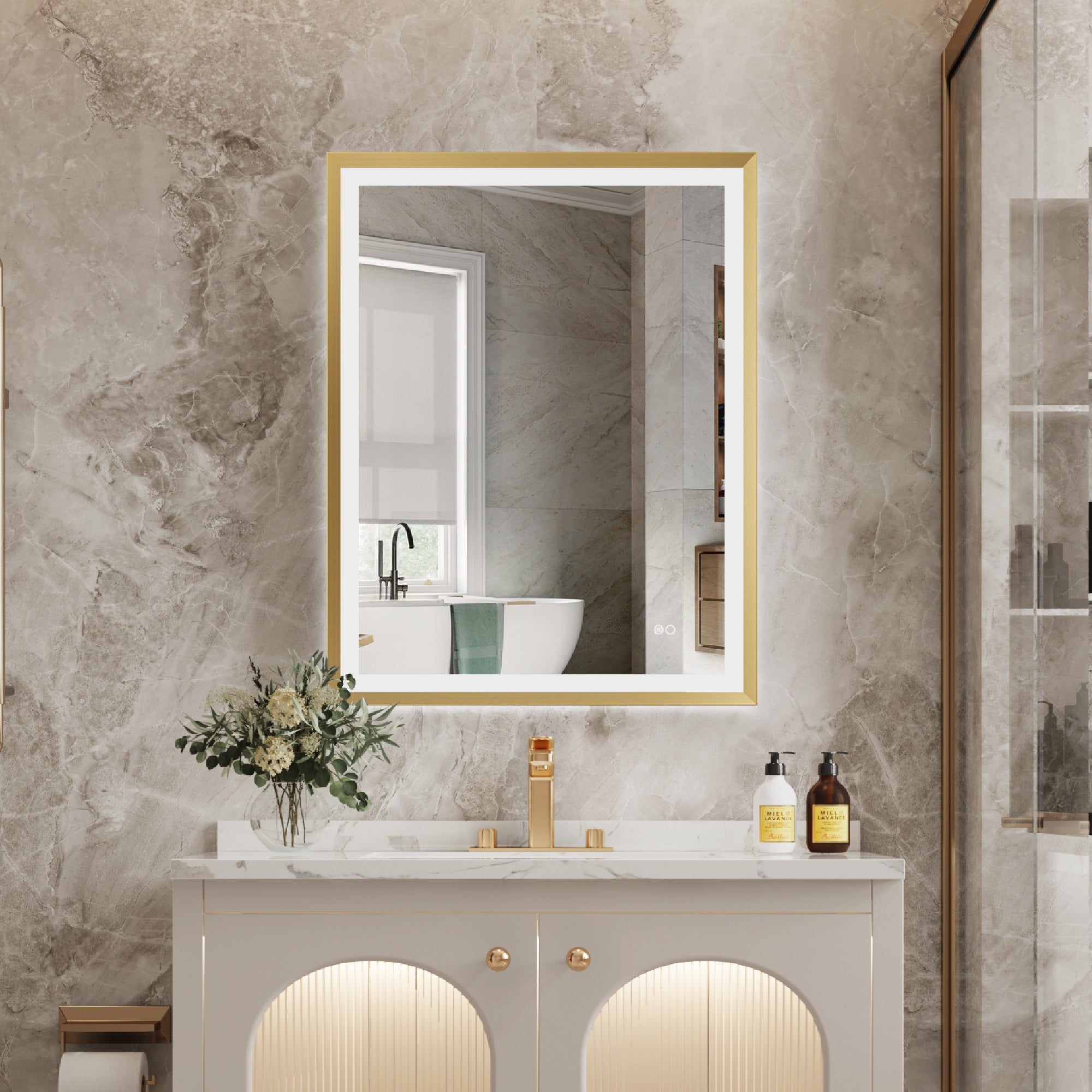
Frameless mirrors can be combined with top lights or side wall lights, as well as with backlit LED systems.
When paired with adjustable light sources ranging from 3000K to 5000K, the specular reflection effect becomes more natural. Data show that under uniform lighting conditions, satisfaction with spatial brightness increases by about 20%.
The combination of backlight design and frameless structure can further enhance the "floating" visual effect.
7. Maintenance and cleaning convenience
The frameless structure reduces gaps and dust accumulation from frames, making daily cleaning more convenient.
Data show that regular weekly wiping can reduce scale deposition by about 40%. Maintaining indoor humidity between 40% and 55% can help extend the mirror's lifespan.
Compared to complex border structures, frameless mirrors are easier to maintain a clean and tidy appearance over the long term.
8. Adapt to different spatial scales
In compact bathrooms, 28-inch to 30-inch frameless mirrors can avoid visual pressure; In large-scale main satellites, the 54-inch to 60-inch integral mirror can enhance symmetrical layout.
The data show that in the double-basin space, the spatial unity score of the integrated long mirror is about 10% higher than that of the double-mirror structure.
A reasonable selection of sizes is key to achieving spatial planning optimization.
9. Enhance the overall spatial value
Bathroom renovations are considered an important project for improving the quality of residential buildings. Frameless mirrors often become design highlights thanks to their simple, modern appearance.
Industry data shows that the proportion of frameless mirrors used in high-end renovation projects continues to increase. Its visual purity and spatial extension give the bathroom a more modern texture.
Under the design trend emphasizing spatial planning and proportional control, frameless mirrors have gradually become a standard configuration.

10. Conclusion
The importance of frameless bathroom mirrors in modern spatial planning stems from their comprehensive advantages in proportion optimization, light reflection, and visual simplicity. From a 28-inch compact layout to a 60-inch wide design, every inch size affects the spatial experience. By selecting appropriate sizes and matching lighting, frameless mirrors not only enhance the level of bathroom design but also bring a more coordinated and open visual effect to the overall renovation project.











Leave a comment
This site is protected by hCaptcha and the hCaptcha Privacy Policy and Terms of Service apply.