
















One of the key decisions when planning or remodeling a bathroom is choosing the right bathtub. Beyond style and comfort, space efficiency often defines the choice—especially in small dwellings or city apartments. Many homeowners are torn between two popular options: freestanding and built-in tubs.
Which tub actually uses less space? The answer depends on your space-saving definition and bathroom layout. This guide breaks down the differences and practical considerations to help you decide.
Learning the Two Types of Bathtubs for Bathrooms
First, let's clarify the differences between the two tub types before discussing space efficiency.
Freestanding Bathtubs
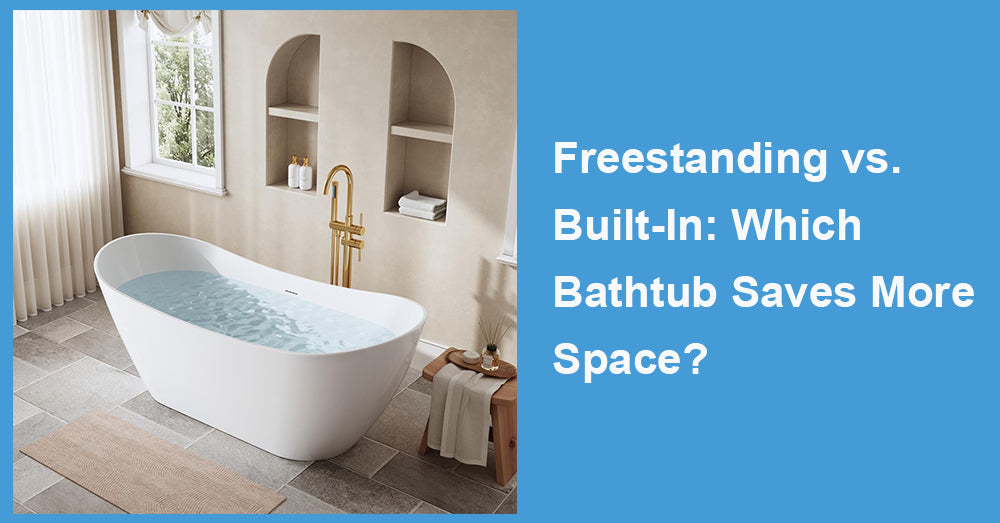
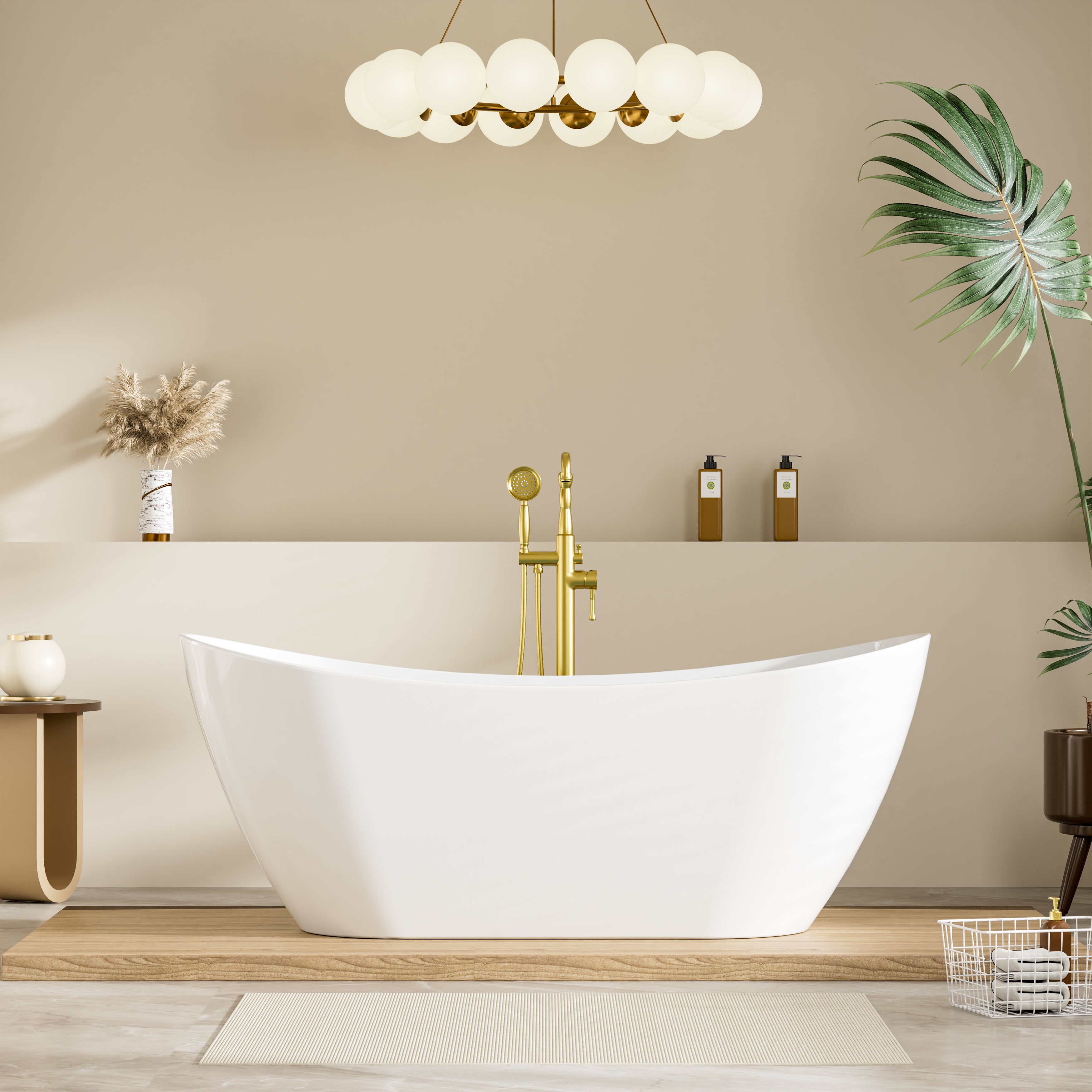
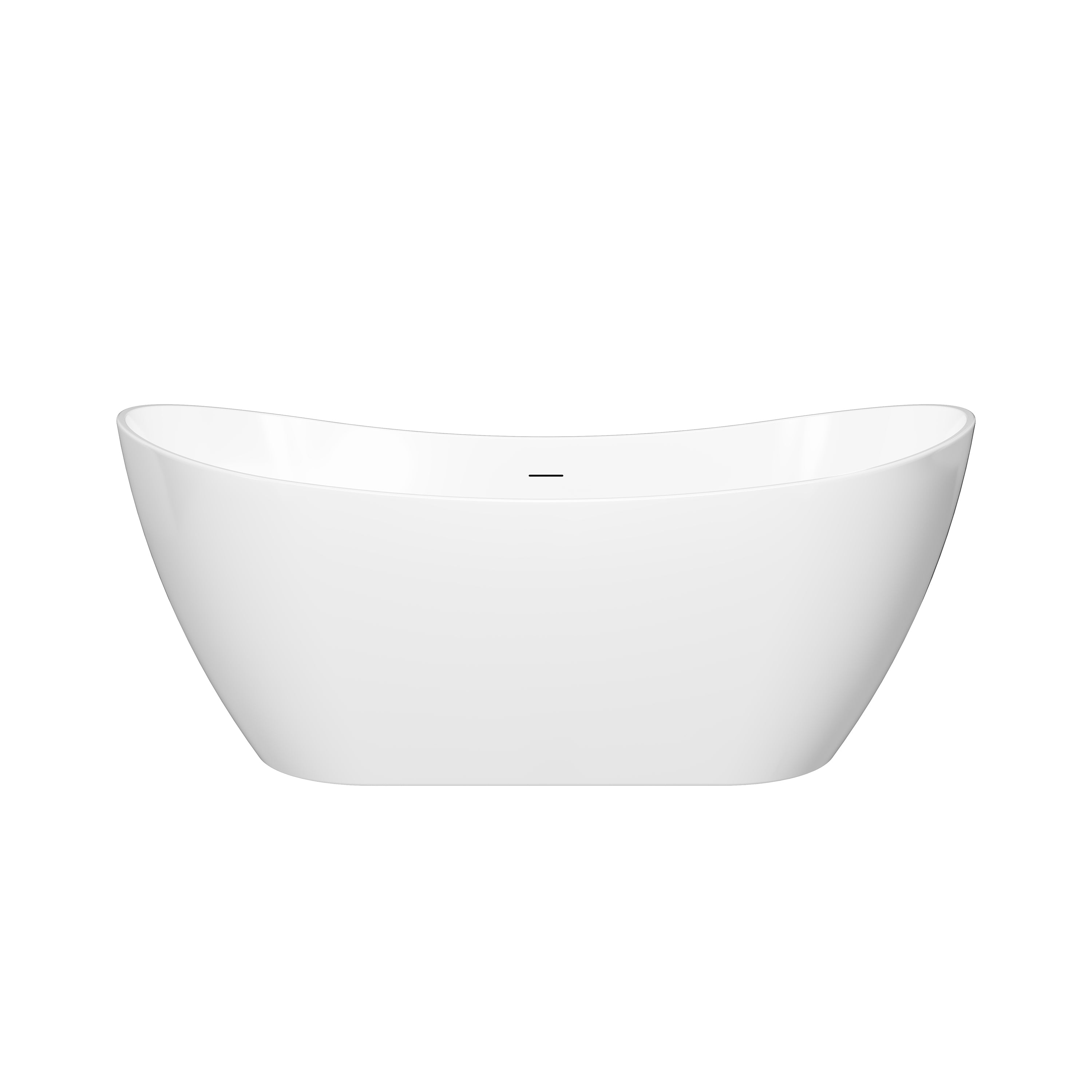
Freestanding bathtubs are not attached to walls or surrounded by built structures. They can sit in the room's center and come in various shapes, from traditional clawfoot to modern streamlined designs.
These tubs are commonly fitted with exposed or floor-mounted plumbing, and an open area around them is necessary to allow accessibility and maintain aesthetics.
Built-In Bathtubs
The bathtubs are installed as built-in items against one or more walls and are usually applied within a frame or alcove. They can be tiled, paneled, or built into a bigger shower-tub system.
The usual ones are alcove tubs, drop-in tubs, and corner tubs. These are made to achieve maximum functionality on a specified footprint.
So, what do we mean by 'Saving Space'?
When individuals inquire about which bathtub is more economical in space, they are actually referring to one or more of the following:
· Floor space usage
· Visual openness
· Storage integration
· Layout flexibility
A bathtub that literally takes up less space may not necessarily make your bathroom appear larger. This is the reason why practical and visual space efficiency should be considered.
In-Built Bathtubs: The Space Saver
Provided that the main objective is to maximize usable floor space, built-in bathtubs tend to be better.
Fits Into Existing Layouts
The built-in tubs are covered so they fit snugly between walls and are normally arranged in a three-wall configuration. This enables you to use the space that would otherwise remain unused while keeping the central floor open.
Ideal for Small Bathrooms
The inches count in a small bathroom. Integrated tubs help reduce space waste by fitting into the room's structure, which is ideal for cramped room designs.
Combines Functions
There are numerous inbuilt tubs designed to serve as showers, eliminating the need for an additional shower box, which is a significant space-saving tool in smaller houses.
Allows Storage Solutions
Since built-in tubs have walls or panels, you can design storage options, such as recessed shelves, niches, or cabinetry, to fit around them. They are the most effective for maximizing physical space.
Freestanding Bathtubs: Trendy vs. Space Economy?
It is often assumed that freestanding tubs are less space-efficient, but this is not necessarily true.
Needs Clearance on Both Sides
In contrast to built-in tubs, freestanding tubs require space surrounding them to clean, maintain, and establish visual equilibrium. This may turn them less useful in smaller bathhouses.
Greater Footprint in Practice
Although the tub itself may be small, the surrounding area required makes it larger in terms of footprint. This may limit placement options.
Better for Open Layouts
Freestanding tubs in larger bathrooms may even enhance the sense of space. They all serve as focal points, making it feel more open and airy.
Flexible Placement
Free-standing tubs do not necessarily have to be attached to walls. You may put them close to windows, in corners, or in the middle of the room, giving you more design freedom.
Summary: Freestanding tubs emphasize appearance and versatility but usually require additional space.
Visual Space vs. Physical Space
One of these differences is the gap between the space a tub occupies and the space it actually feels like it occupies.
· Built-in tubs conserve space and can make a bathroom feel smaller at times.
· Freestanding tubs are bulkier; however, they make the space look more open and luxurious.
In small bathrooms, even a carefully selected freestanding tub can create the impression of a larger space, particularly in minimalist designs.
Which One Should You Have in Your Bathroom?

1. Choose a Built-In Tub If:
· You have a little or a small bathroom.
· You must have a shower-tub combination.
· You prefer extreme efficiency and functionality.
· You want a sleek, built-in appearance.
2. Choose a Freestanding Tub If:
· You have a bigger bathroom with an open floor space.
· You desire a statement piece or spa experience.
· You appreciate the flexibility of design.
· It does not have to be used with a shower.
Practical Matters Beyond Space
Although space is the key consideration, a couple of additional considerations would be worth bearing in mind:
· Complexity during installation: Some built-in tubs are not as easy to install since they need the use of more structural work, whereas freestanding tubs might need special work when it comes to plumbing.
· Cost: Freestanding tubs are potentially more costly, particularly when factoring in installation.
· Maintenance: Built-in tubs are easier to clean around, whereas freestanding tubs require access on all sides.
· Resale value: Both alternatives have the ability to add value, based on your market and the general design of the bathroom.
Which Saves More Space?
In terms of maximizing usable floor space and efficiency, built-in bathtubs are clearly the most efficient. They can be easily incorporated into your design, can be multifunctional, and utilize the minimal square footage.
Nevertheless, in case you have the space available and wish to make your bathroom look more open and design-friendly, even a freestanding tub may be an excellent option.
Finally, the most appropriate bathtub is the one that suits your location, lifestyle, and design aspirations.
Only with the right bathtub can you create the optimal space-efficiency-comfort-style combination, regardless of your bathroom's size.















Leave a comment
This site is protected by hCaptcha and the hCaptcha Privacy Policy and Terms of Service apply.