














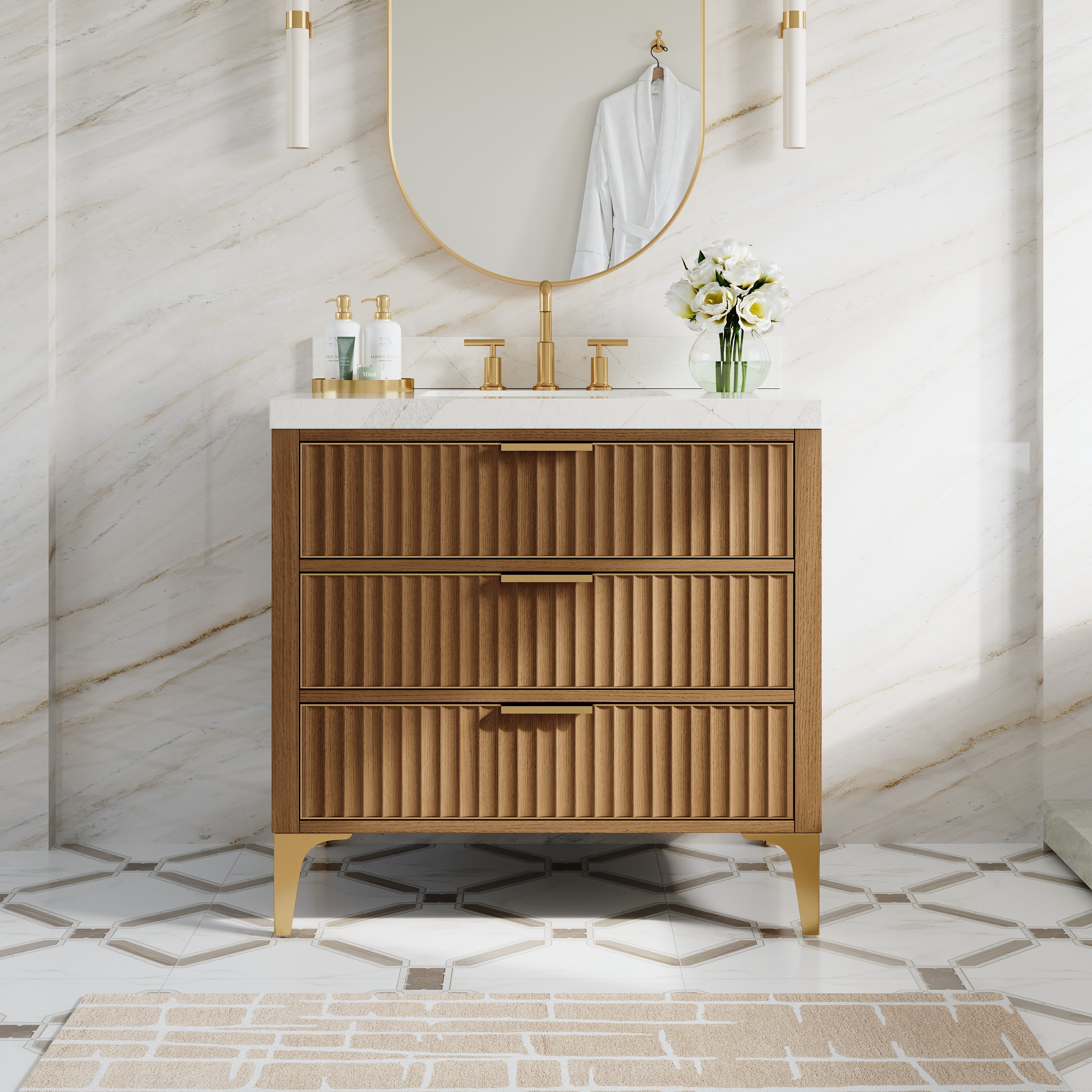
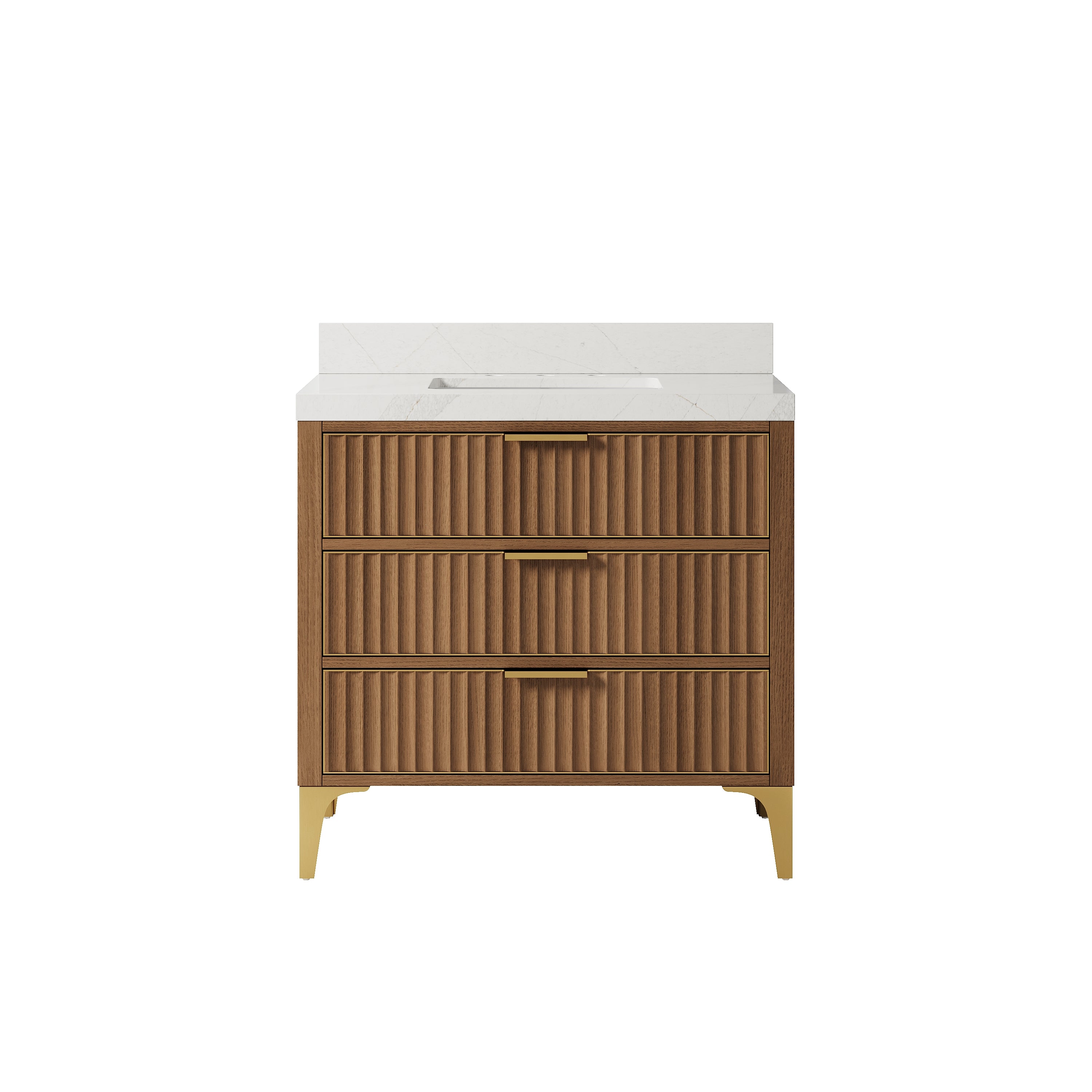
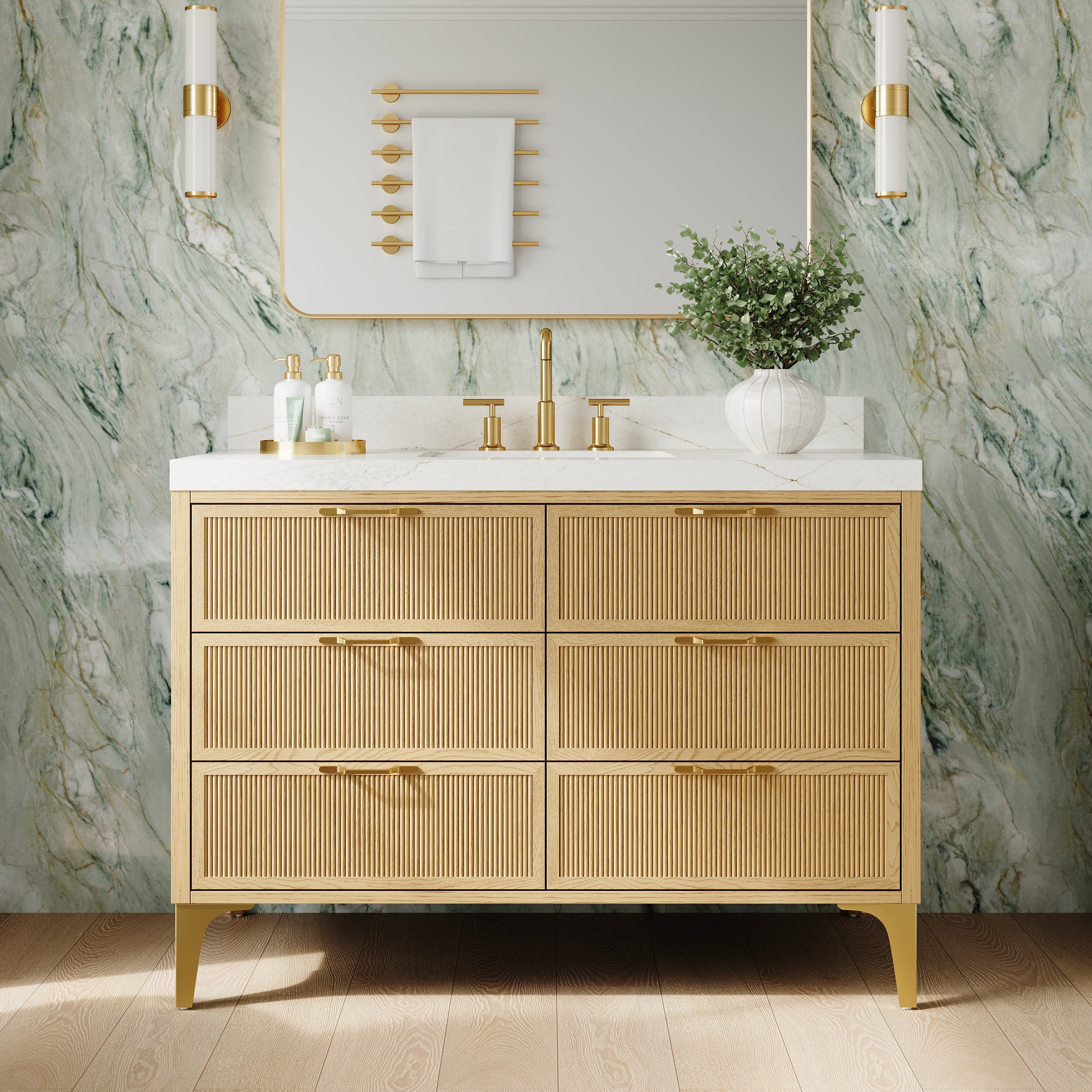
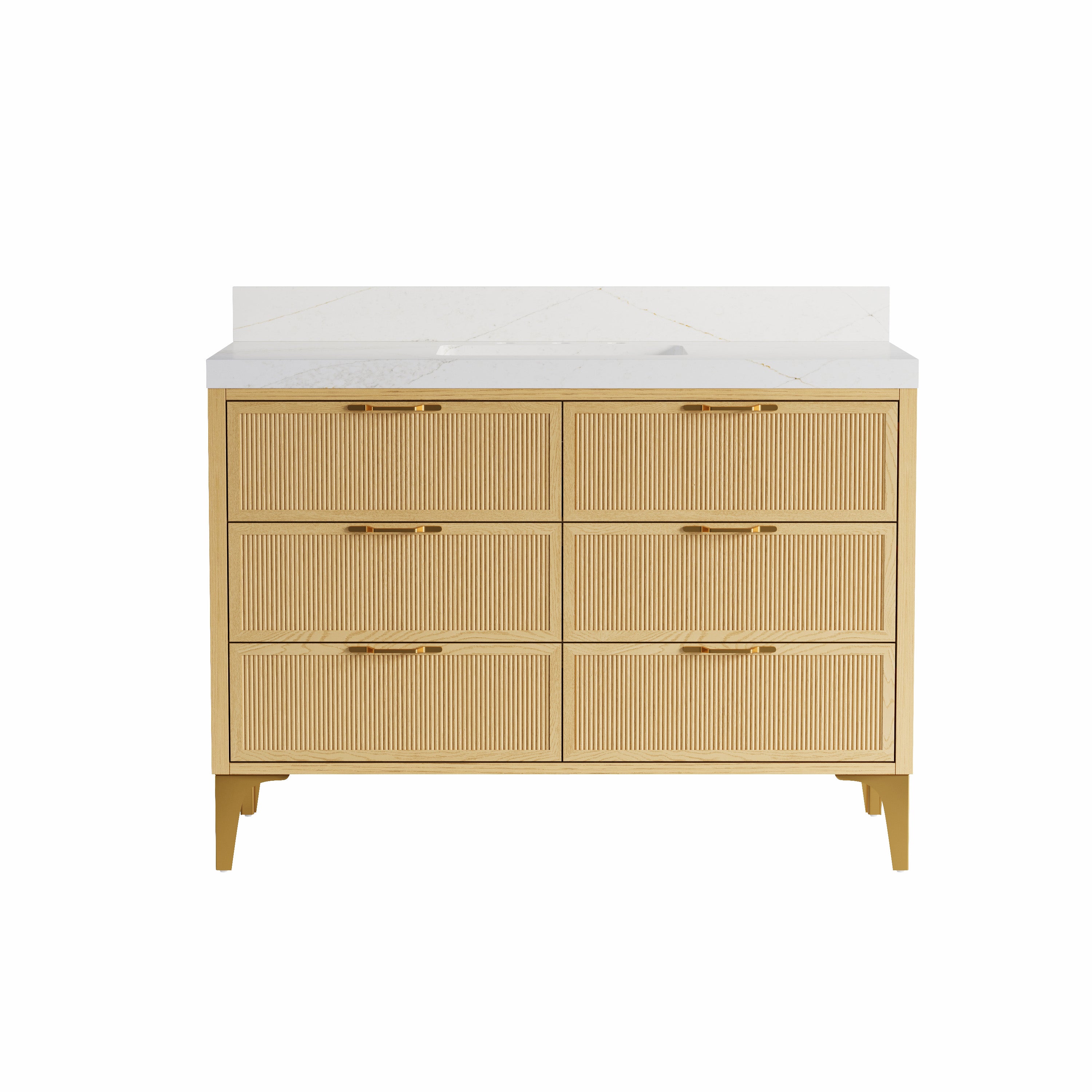


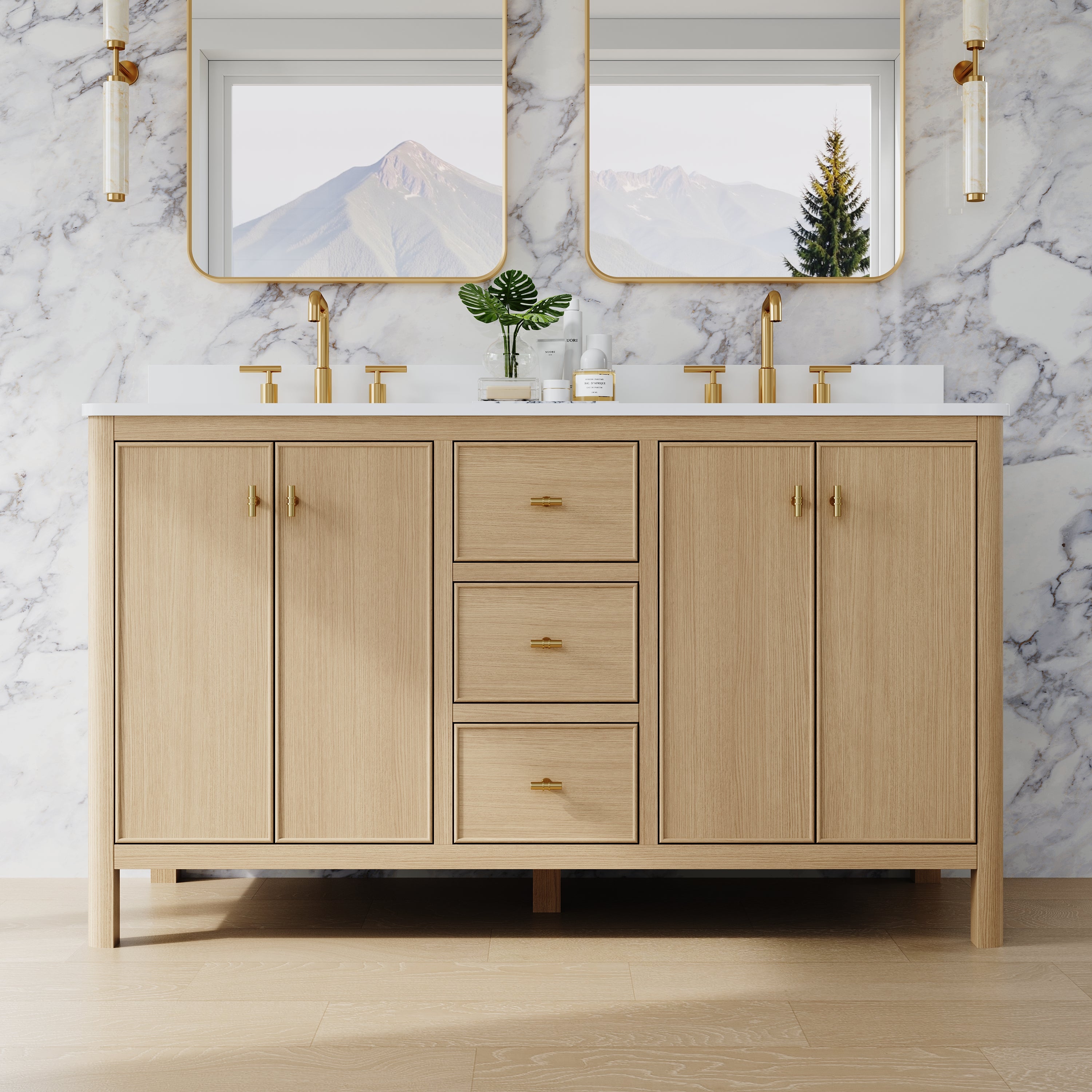
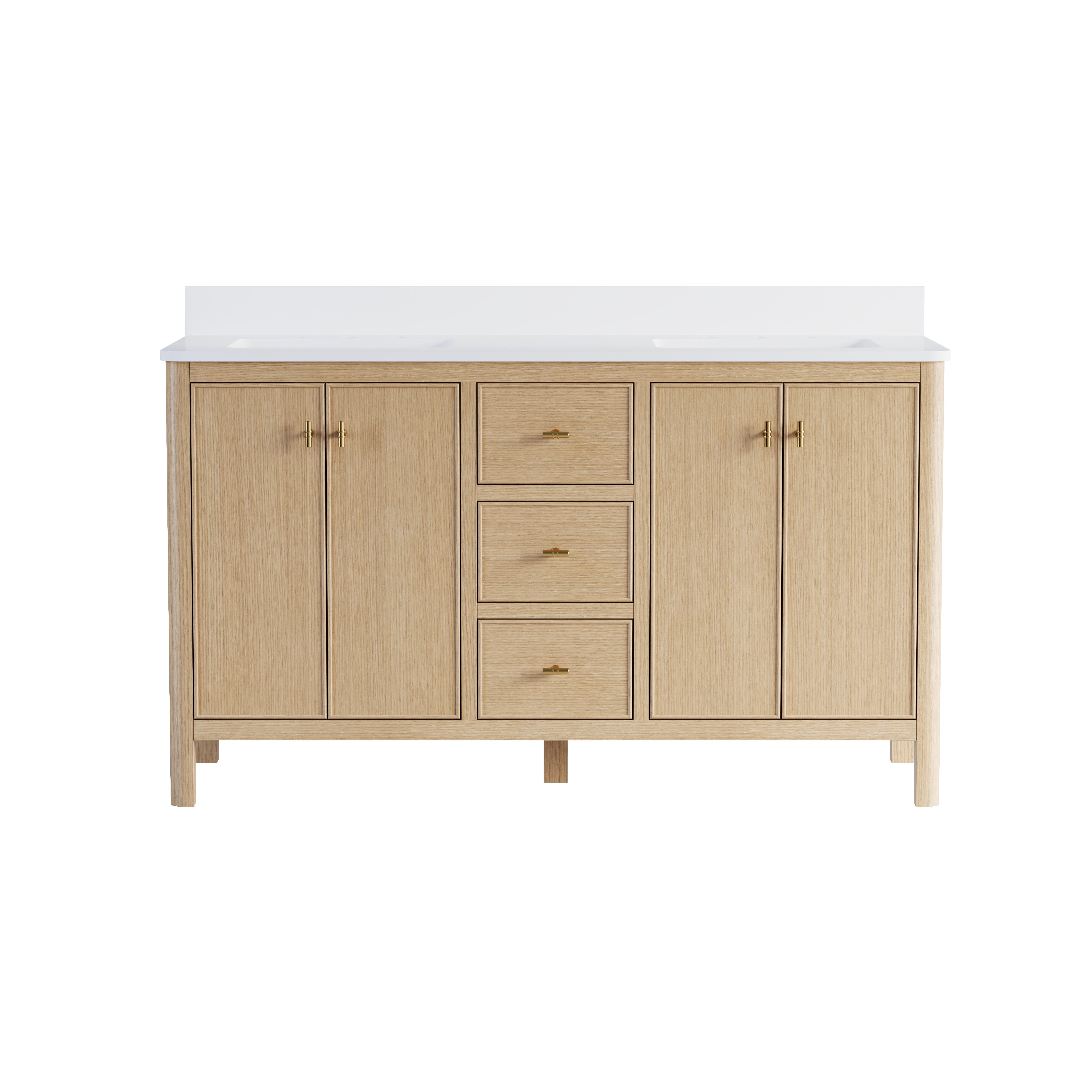
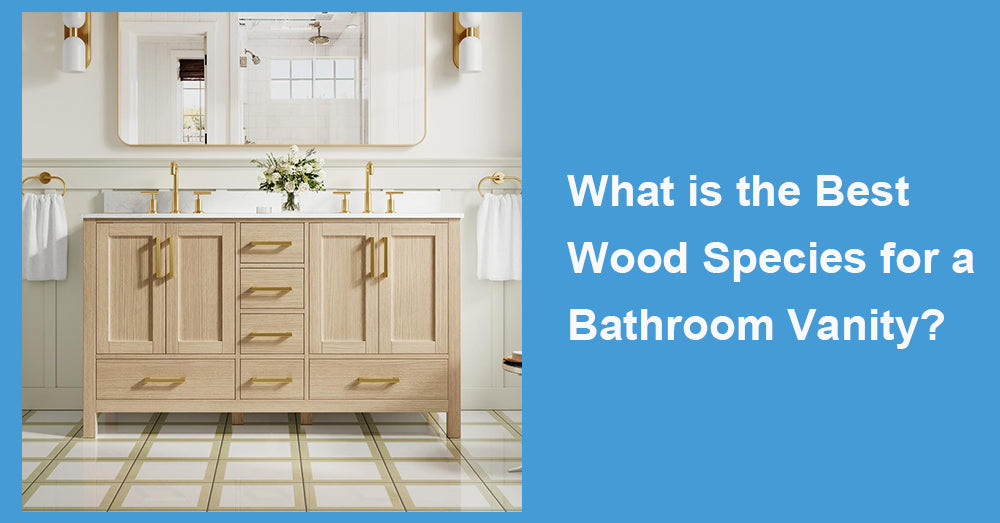
Against the backdrop of continuous growth in the residential renovation and new construction market, the design of bathroom spaces is becoming increasingly refined and personalized. Among them, the wooden bathroom vanity, as a core piece of furniture that combines storage and decorative functions, has become a focal point for consumers and manufacturers in material selection. Especially in high-humidity environments, the durability, moisture resistance, and environmental performance of wood directly determine the product's service life and user experience. Given current industry trends, which type of wood is most suitable for making bathroom cabinets?
1. Special requirements for wood in the bathroom environment
The bathroom is one of the spaces in the home where humidity changes most frequently. Hot water vapor, temperature differences, and long-term exposure to moisture can all cause wood to expand, crack, or mold. Therefore, wood suitable for bathroom cabinets usually needs to have the following characteristics:
Good moisture resistance
Stable structure, not easily deformed
Strong antibacterial and anti-corrosion abilities
Sustainable sources that meet environmental standards
Under these standards, the choice between traditional solid wood and engineered wood has become a focus of industry discussion.
2. Solid wood material: the first choice for the high-end market
In the high-end custom bathroom cabinet market, solid wood still dominates. Among them, oak, maple, and walnut are the three most common choices.
Oak is widely used in mid to high-end products due to its hardness, durability, and strong moisture resistance. Its texture is clear and suitable for various design styles, ranging from modern simplicity to traditional countryside. Industry data shows that the proportion of oak bathroom cabinets in the North American market remains stable, especially popular among middle-class homeowners.
Maple is known for its delicate texture and uniform color, making it more suitable for spray painting or light color treatment. Due to its high density, maple wood exhibits good stability after waterproof treatment and has become a standard configuration for many brands.
Walnut wood embodies luxury, with deep tones and natural textures that exude a strong sense of design. But due to high costs, it is usually only used for customization or designer projects.
However, solid wood also has obvious shortcomings: it is expensive, environmentally sensitive, and requires regular maintenance. Therefore, although it has an advantage in the high-end market, its share is being challenged in the mass market.
3. Engineering Wood: Balancing Cost Performance and Performance
With advances in manufacturing technology, the use of engineered wood in bathroom cabinets is growing rapidly. Among them, medium-density fiberboard (MDF), multi-layer board (Plywood), and particle board are the three mainstream choices.
Multilayer board is considered one of the most suitable engineered woods for bathroom environments. Its structure consists of multiple layers of thin wood sheets interlaced and pressed together, offering extremely high stability and resisting deformation from humidity changes. Many mid to high-end brands have adopted waterproof multi-layer boards as standard materials for cabinets.
MDF is known for its smooth surface and easy processing, making it suitable for making spray-painted or modern-style cabinets. But its waterproof performance is weak, and it must rely on high-quality edge sealing and waterproof coating, it is easy to absorb water and expand.
Particle board is the lowest cost option and is often used for entry-level products. But its durability and moisture resistance are poor, and it is gradually being phased out of the market, especially amid consumers' increasing demand for quality.
4. Waterproof treatment technology has become a key competitive point
Whether it is solid wood or engineered wood, the core competitiveness of modern bathroom cabinets increasingly relies on surface treatment technology. Manufacturers generally adopt the following processes:
Multi-layer waterproof coating
UV Curing Paint Technology (UV Finish)
Edge Sealing by Hot Pressing
These technologies can significantly extend the service life of wood in humid environments. Industry experts point out that the importance of materials themselves is gradually being flattened by process technology, and in the future, competition will focus more on manufacturing processes and environmental standards.
5. Environmental and sustainable trends influence material selection
In recent years, consumers' attention to environmental protection has continued to rise. Wood certified by FSC (Forest Stewardship Council) and low formaldehyde-emitting boards are becoming new market standards.
For example, multi-layer boards are gradually being seen as a more sustainable choice than solid wood due to their high wood utilization rate and stable structure. Meanwhile, products that use water-based coatings and non-toxic adhesives are also more likely to be favored by consumers.
Some brands have even begun exploring bamboo as an alternative material. Bamboo has a short growth cycle and high strength, and is considered one of the important directions for future bathroom cabinet materials.
6. Industry Trend: The Rise of Blended Materials and Customization
Currently, the bathroom cabinet market is showing a clear trend of "mixed materials". For example, the cabinet uses multi-layer boards to ensure stability, while the door panels are made of solid wood to enhance texture. This combination not only controls costs but also ensures appearance and durability.
In addition, the increasing demand for customization has also driven material diversification. Consumers are no longer satisfied with a single material, but are more concerned with design, color, and overall spatial coordination.

7. Conclusion: There is no 'only one best', only 'most suitable.'
Overall, there is no "absolutely most suitable" type of wood. The optimal choice varies for different budgets and usage needs:
High-end users: prefer oak or walnut wood, balancing texture and durability
Mid-end market: Waterproof multi-layer board is the most cost-effective choice
Limited budget: High-quality MDF with good waterproof treatment can still meet the demand
With advances in technology and greater environmental awareness, the competition for bathroom cabinet materials will become more diverse in the future. From a single material competition to a comprehensive competition of "materials+processes+environmental protection".
For consumers, understanding the characteristics of different woods and matching them to their budgets and usage habits is key to making rational choices.











Leave a comment
This site is protected by hCaptcha and the hCaptcha Privacy Policy and Terms of Service apply.