


















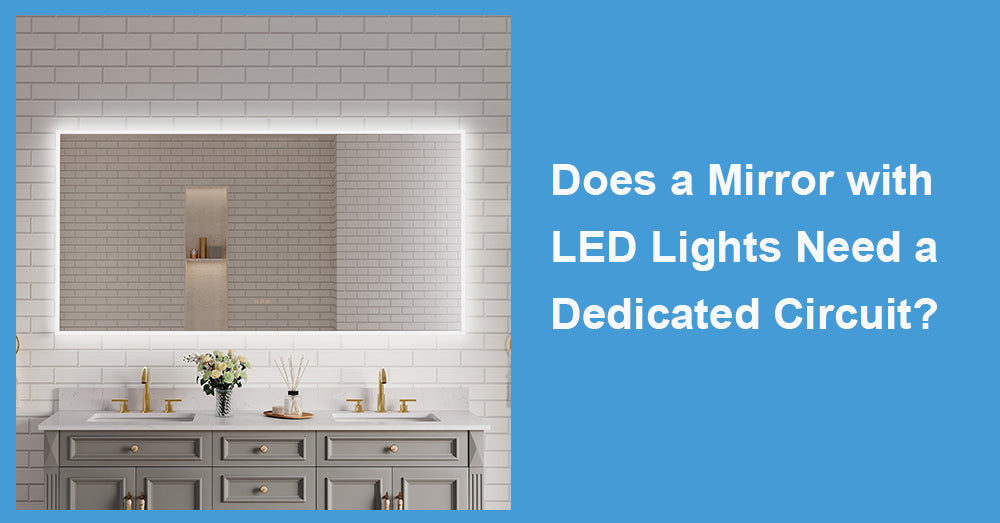
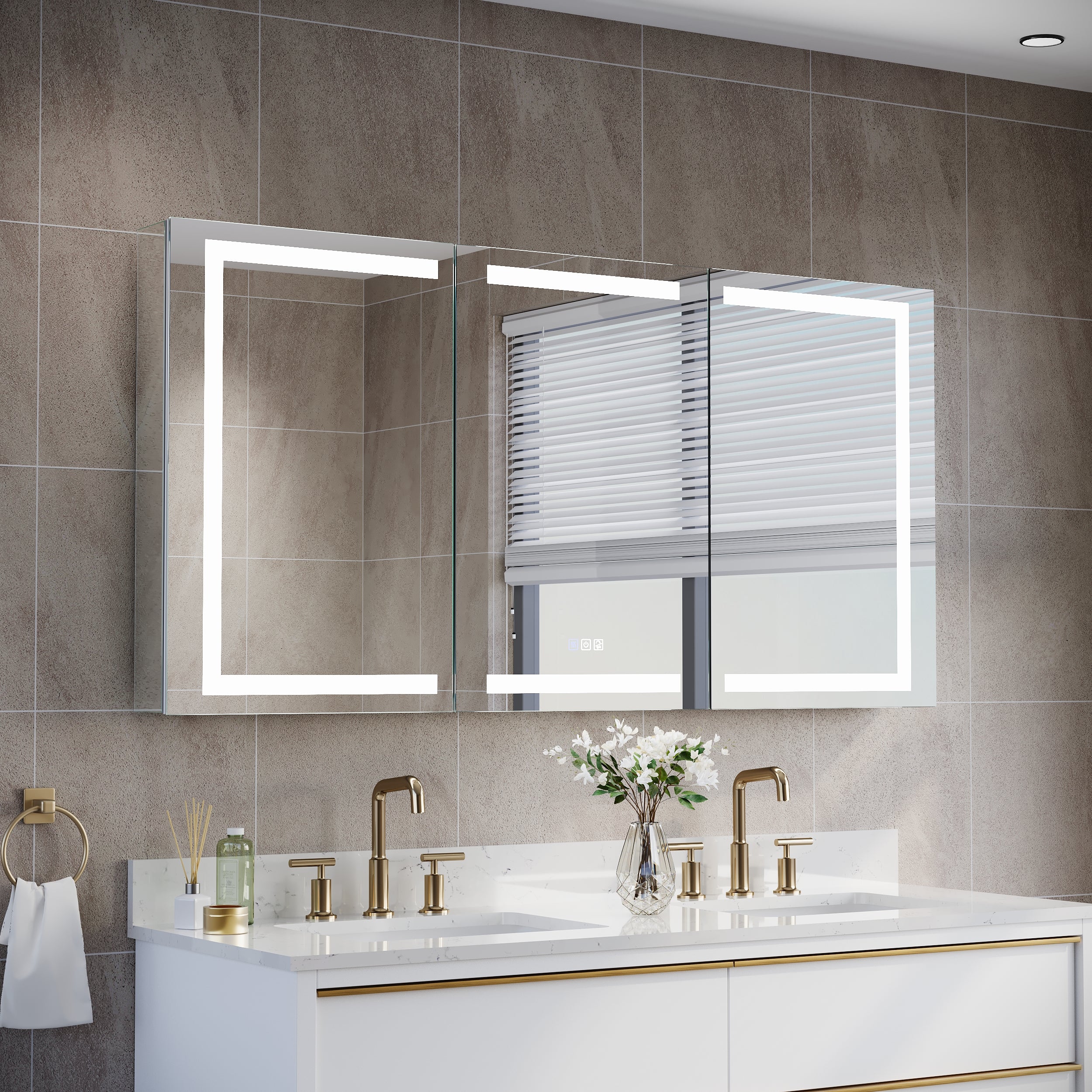
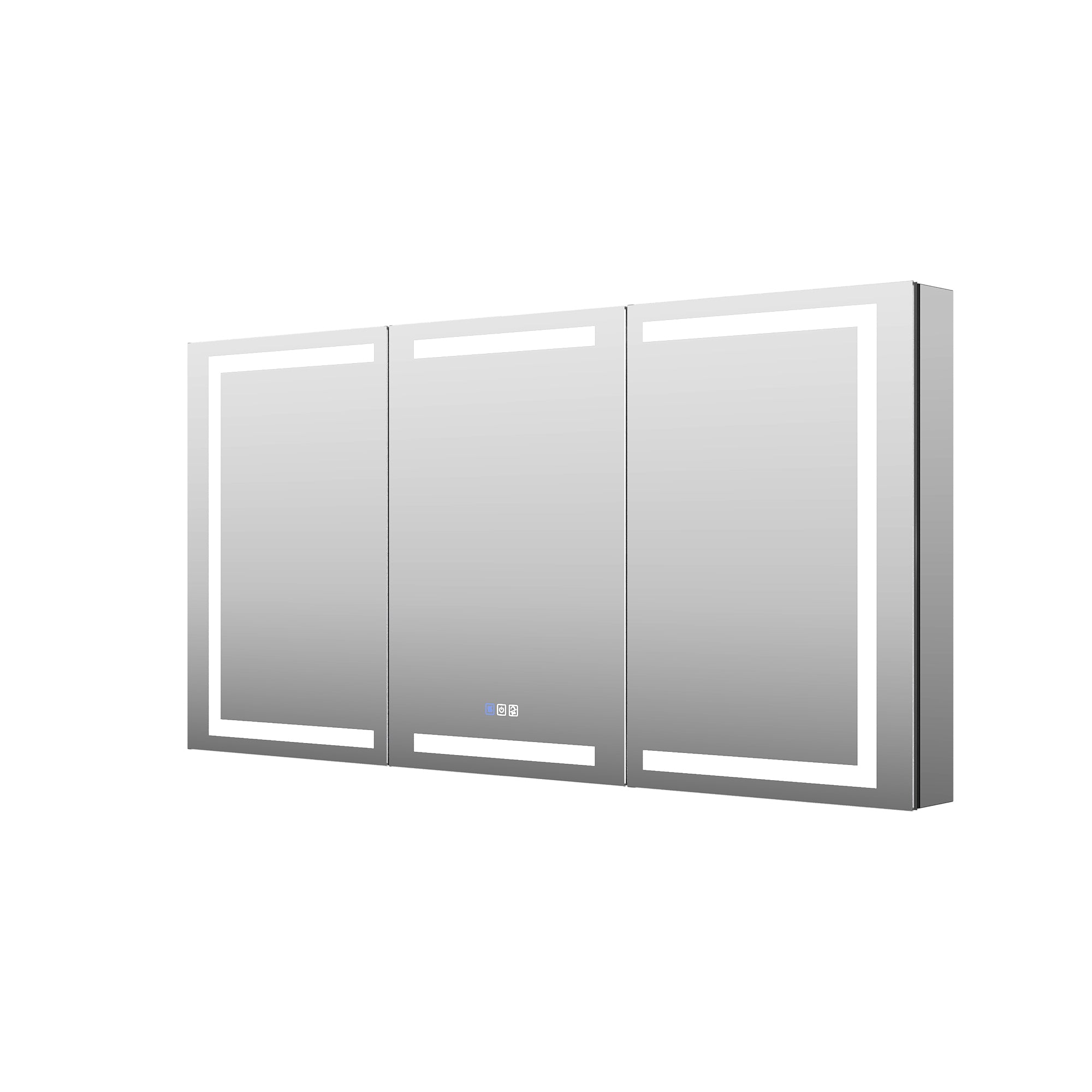
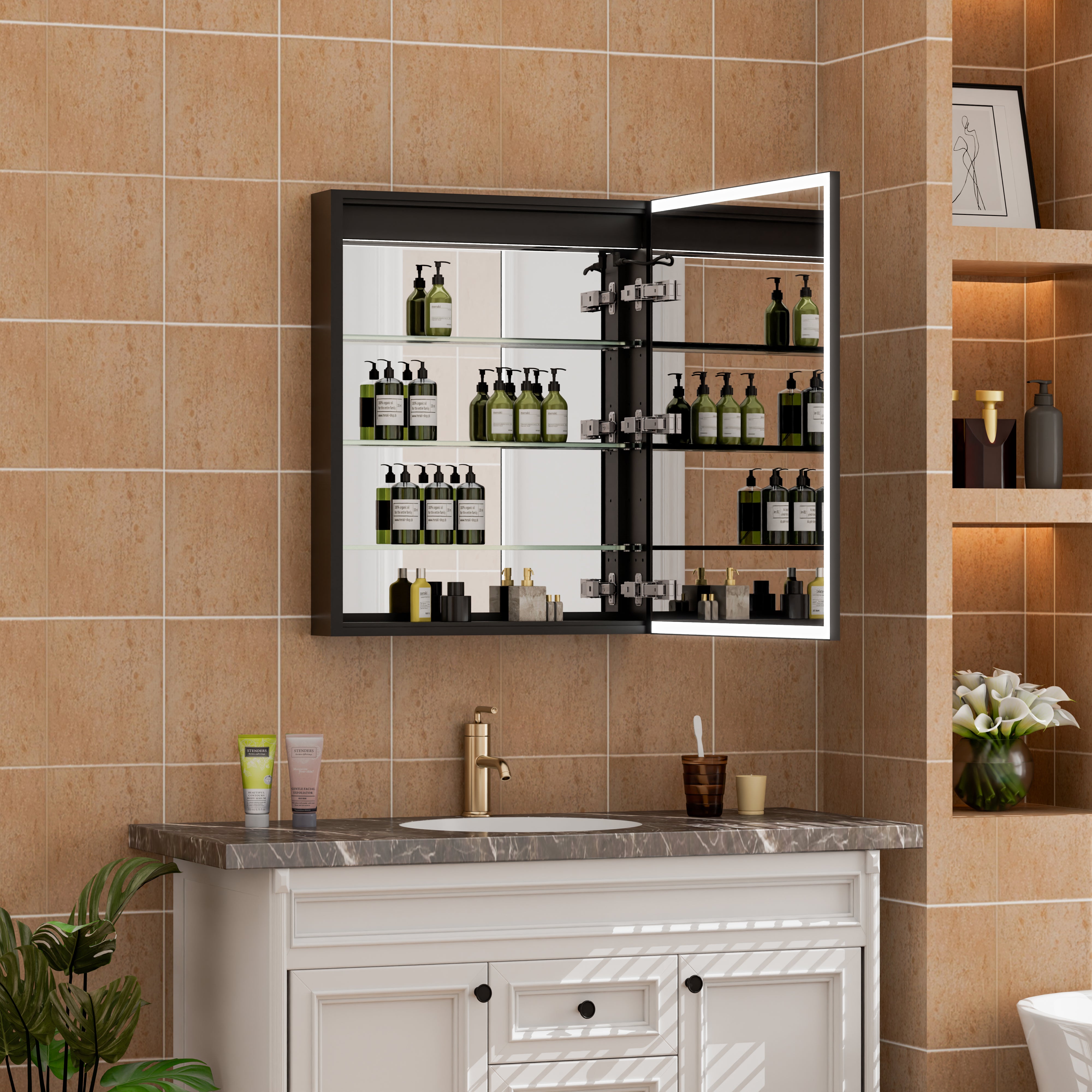
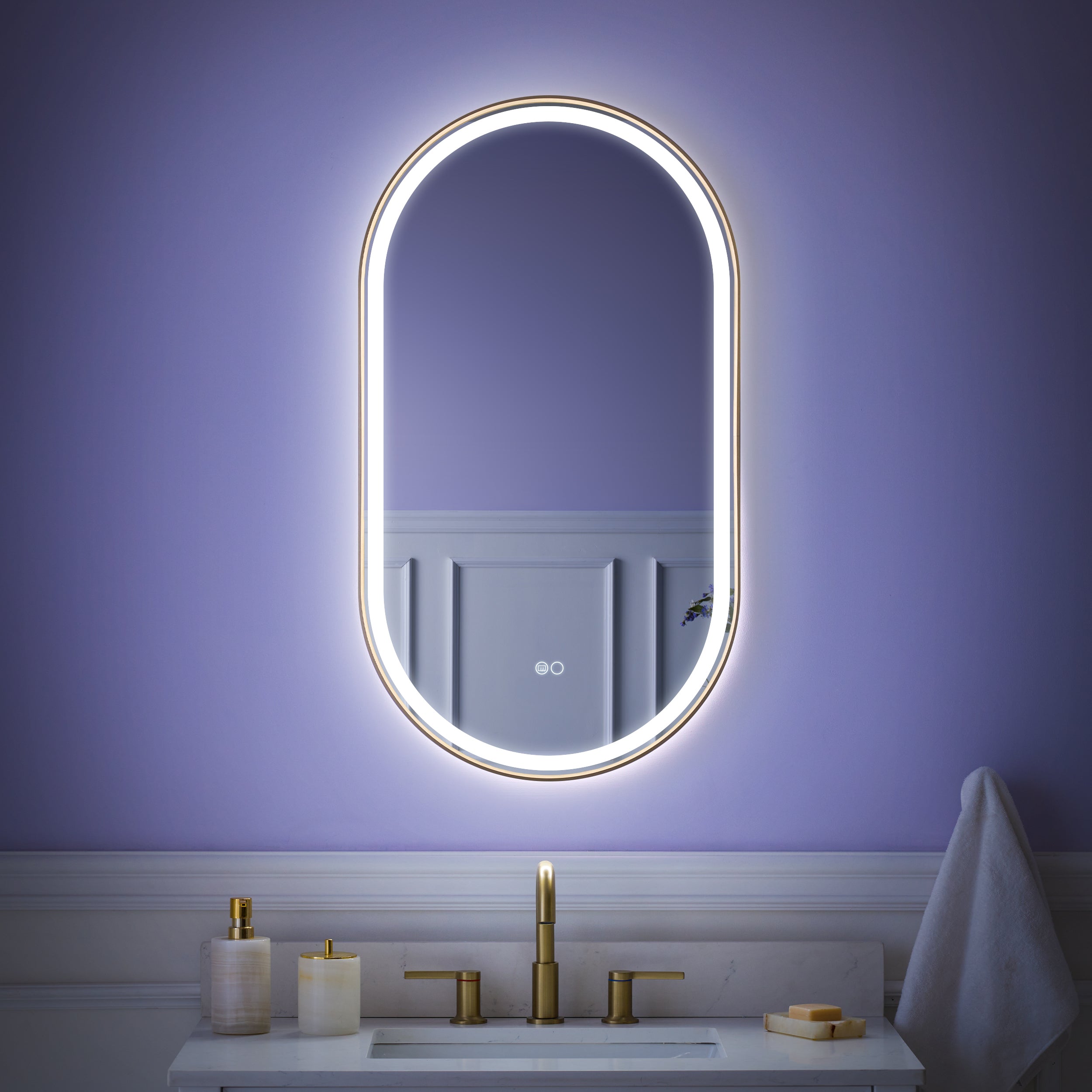
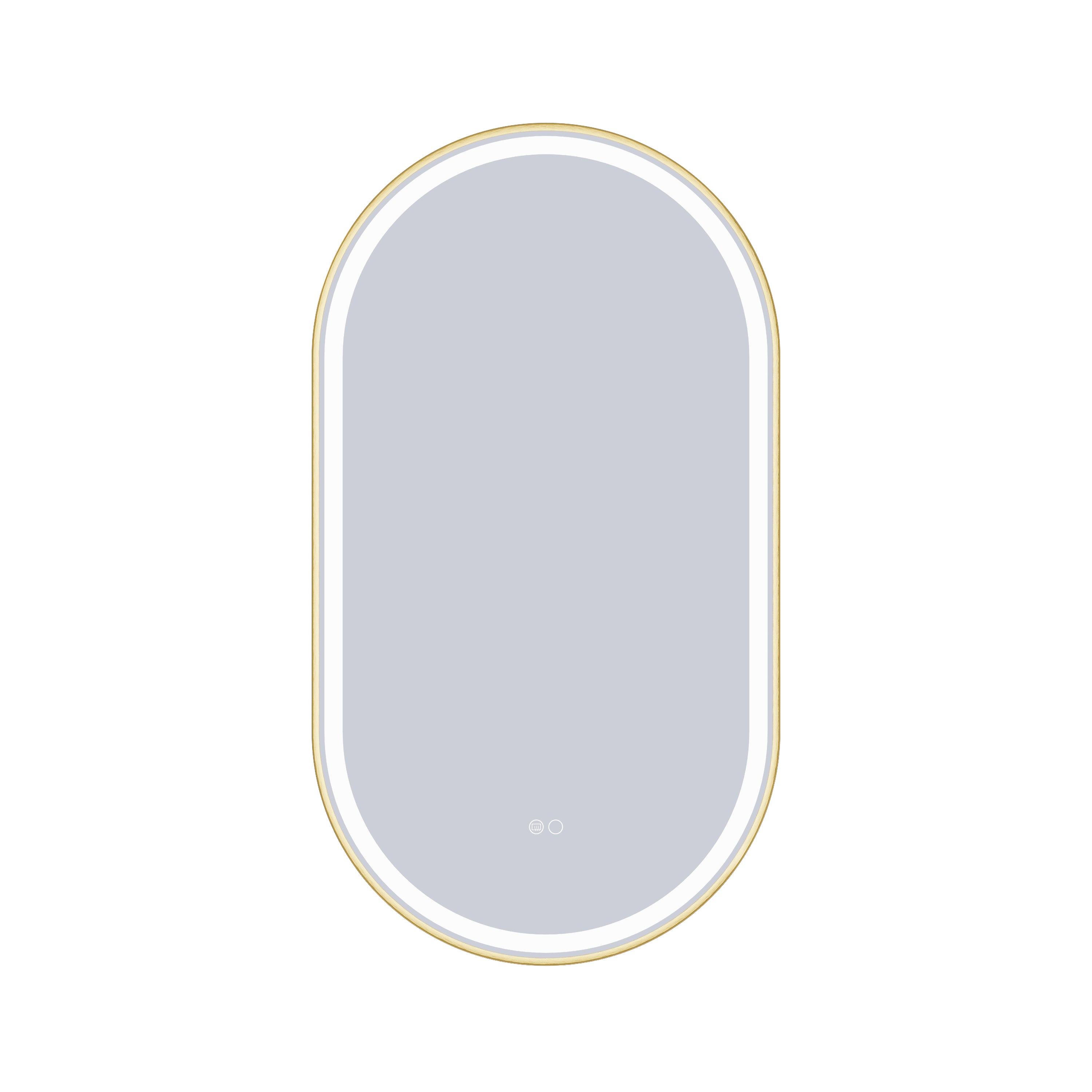
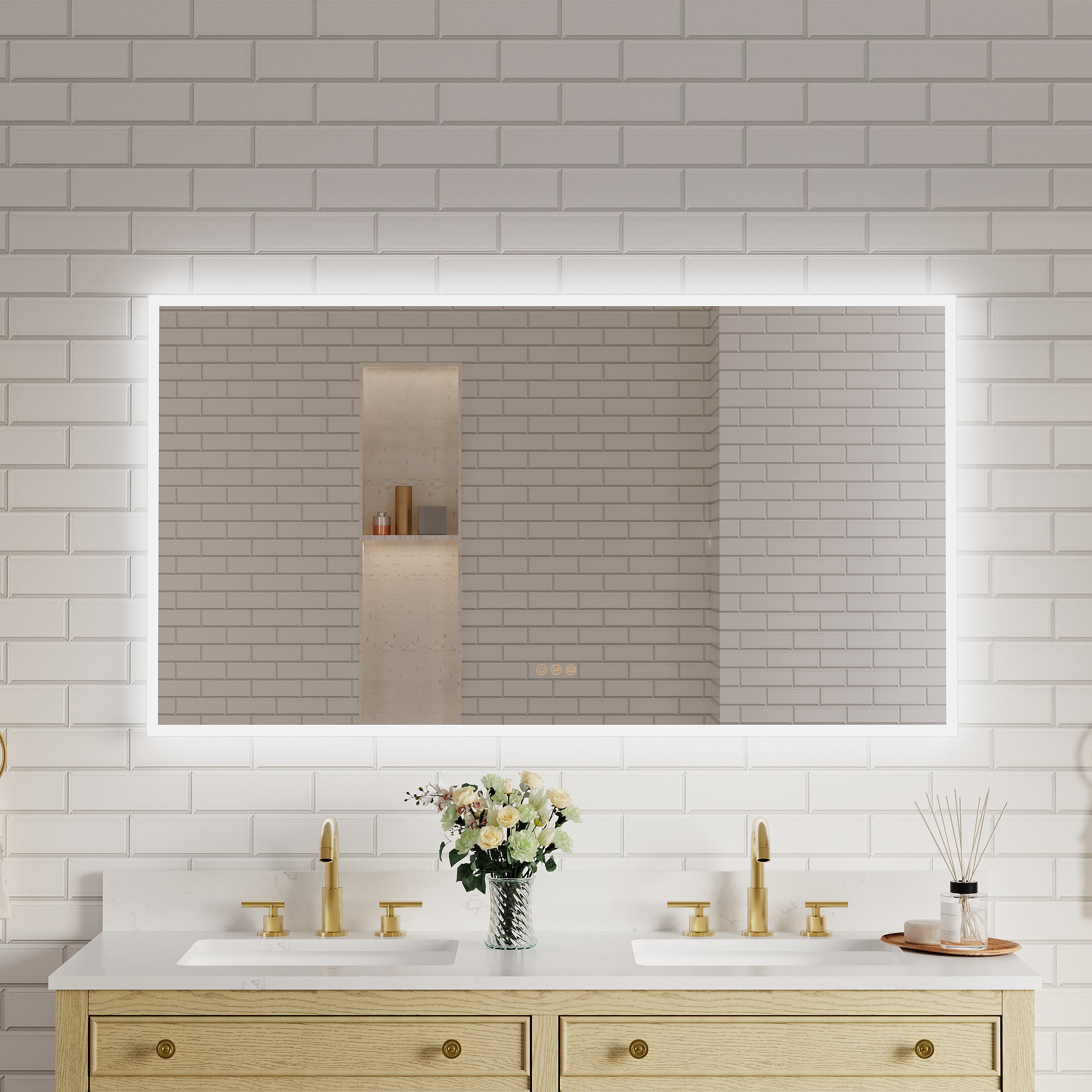
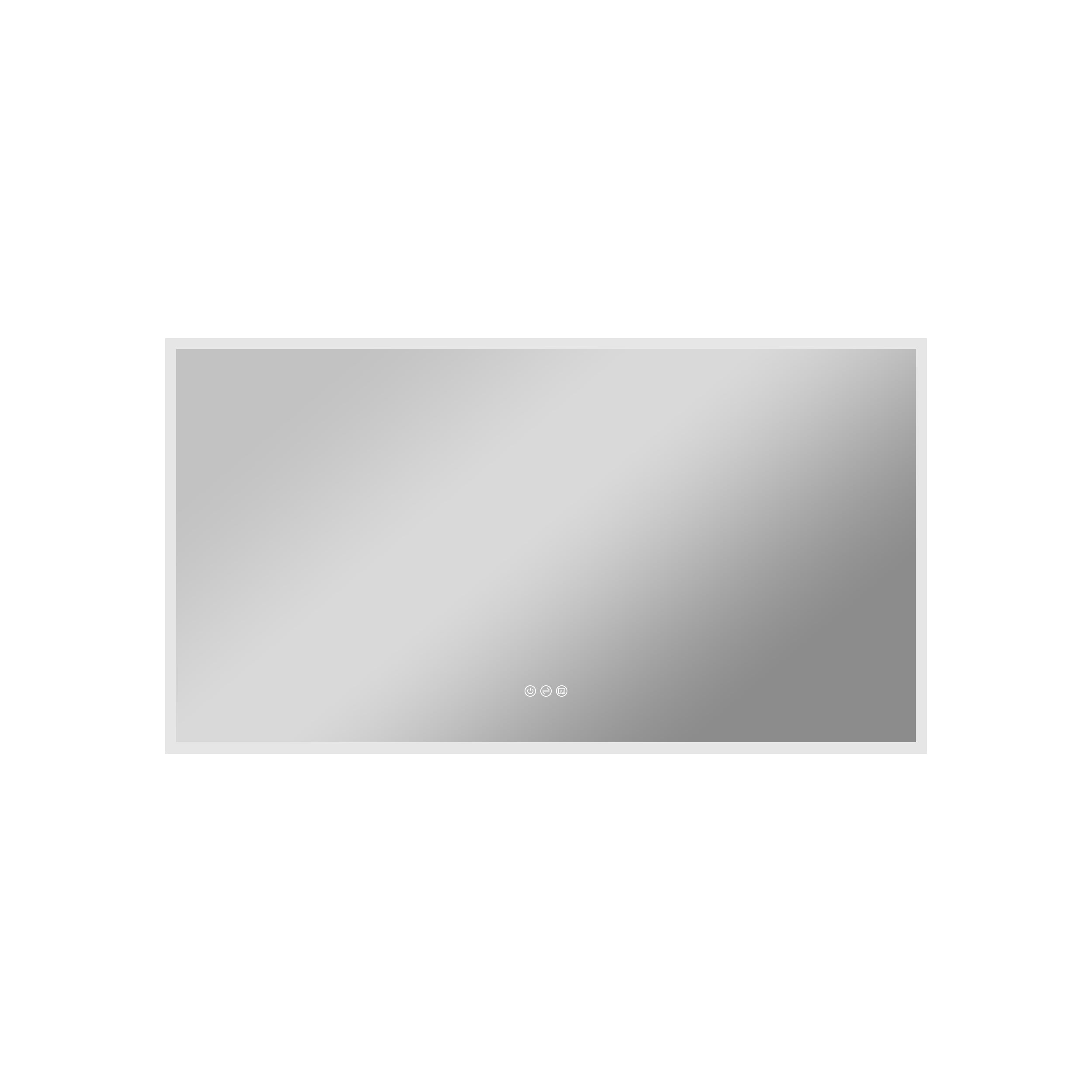
If you're shopping for a mirror with LED lights, one of the most common installation questions is: Do I need a dedicated circuit for this? In most cases, no: a standard LED mirror does not require a dedicated circuit. However, the right answer depends on the mirror's features (like an anti-fog pad or built-in outlet), how your bathroom is wired today, and how you actually use the space (hair dryer daily, multiple appliances at once, etc.).
This guide explains how to make the right call in plain language, so you can install safely and avoid nuisance breaker trips.
What "dedicated circuit" really means
l A dedicated circuit serves a single load (or piece of equipment) and nothing else. People often use the term loosely, so it helps to separate these two ideas:
l A bathroom receptacle circuit: commonly a 20A circuit intended primarily for bathroom outlets (where hair dryers and styling tools plug in).
l A mirror-only circuit: a truly dedicated circuit used only for the LED mirror.
Most LED mirrors do not need a mirror-only circuit. But many bathrooms are designed so that outlets and lighting loads are planned carefully, and that's where the "dedicated" confusion comes from.
The bathroom circuit rule that causes most confusion
In typical U.S. residential wiring practice, bathrooms commonly require a 20A branch circuit to supply bathroom receptacle outlets, and there are restrictions on what else that circuit can feed. The practical takeaway is:
l If a 20A circuit serves multiple bathrooms, it's often limited to receptacle outlets only (to keep loads predictable and reduce overload risk).
l If a 20A circuit serves only one bathroom, it may also supply other loads in that bathroom (depending on local code interpretation and how it's installed).
So, where does a mirror with LED lights fit?
l If your mirror is plug-in, it uses a receptacle, so it typically ends up on the bathroom receptacle circuit.
l If your mirror is hardwired, it's usually treated like a lighting load, often connected to a lighting circuit or a switched line.
This is why two homes can have different "correct" answers even with the same mirror.
When you usually do NOT need a dedicated circuit
Most homeowners do not need a dedicated mirror-only circuit if the mirror is a normal LED model and the bathroom circuit isn't already struggling.
You're typically fine if:
The mirror's wattage is modest (most are)
LED lighting is efficient, and many mirrors draw relatively low power for the light function.
The mirror is the only "extra" load you're adding
If your bathroom isn't packed with additional electrical add-ons, the mirror won't move the needle much.
You're not adding high-watt features
A basic LED mirror is very different from an LED mirror that includes a large defogger heater, integrated outlets, or multiple electronic features that can increase total load.

When a dedicated circuit (or a cleaner split) becomes a smart idea
Even if a mirror doesn't strictly require a dedicated circuit, there are situations where it's a great upgrade for reliability and peace of mind.
Your mirror includes a high-watt anti-fog pad
Defoggers are heaters. Some are low-watt and gentle, while others pull enough power to matter. If your mirror's defogger wattage is higher, it can significantly increase load, especially in the mornings when hair tools are also in use.
Your mirror has a built-in outlet, USB ports, or power features
If the mirror can power external devices, the load becomes unpredictable. In that case, a dedicated plan (or at least a well-separated circuit plan) helps prevent overload and nuisance trips.
Your bathroom breaker already trips sometimes
If you already experience trips when someone uses a hair dryer, adding anything else—even a modest load—can make the problem worse. In that scenario, the best solution is usually to separate loads, not to "hope it's fine."
You're remodeling, and the walls are open
If you're already doing electrical work, adding or adjusting circuits is far easier and cheaper now than later. This is the perfect time to do it right.
The most common best-practice setup
In many homes, the cleanest, most reliable approach looks like this:
l A 20A bathroom receptacle circuit for outlets (hair tools, chargers, grooming devices)
l A separate lighting circuit for overhead lights, fan, and often the hardwired LED mirror
This setup prevents a hair dryer from tripping a breaker and plunging the room into darkness. It also reduces flicker and dimming when large loads start up.
Do LED mirrors need GFCI protection?
In bathrooms, GFCI protection is a major safety layer because electricity and moisture share the same space. Plug-in mirrors benefit from the fact that bathroom receptacles are typically GFCI-protected.
For hardwired mirrors, requirements can vary by location and interpretation, and may depend on how and where the mirror is installed. Even when not strictly required in every scenario, many installers still prefer a solution that provides strong protection for bathroom circuits.
Bottom line: prioritize safety and follow local requirements and manufacturer instructions.
Don't skip safety certifications for bathroom mirrors
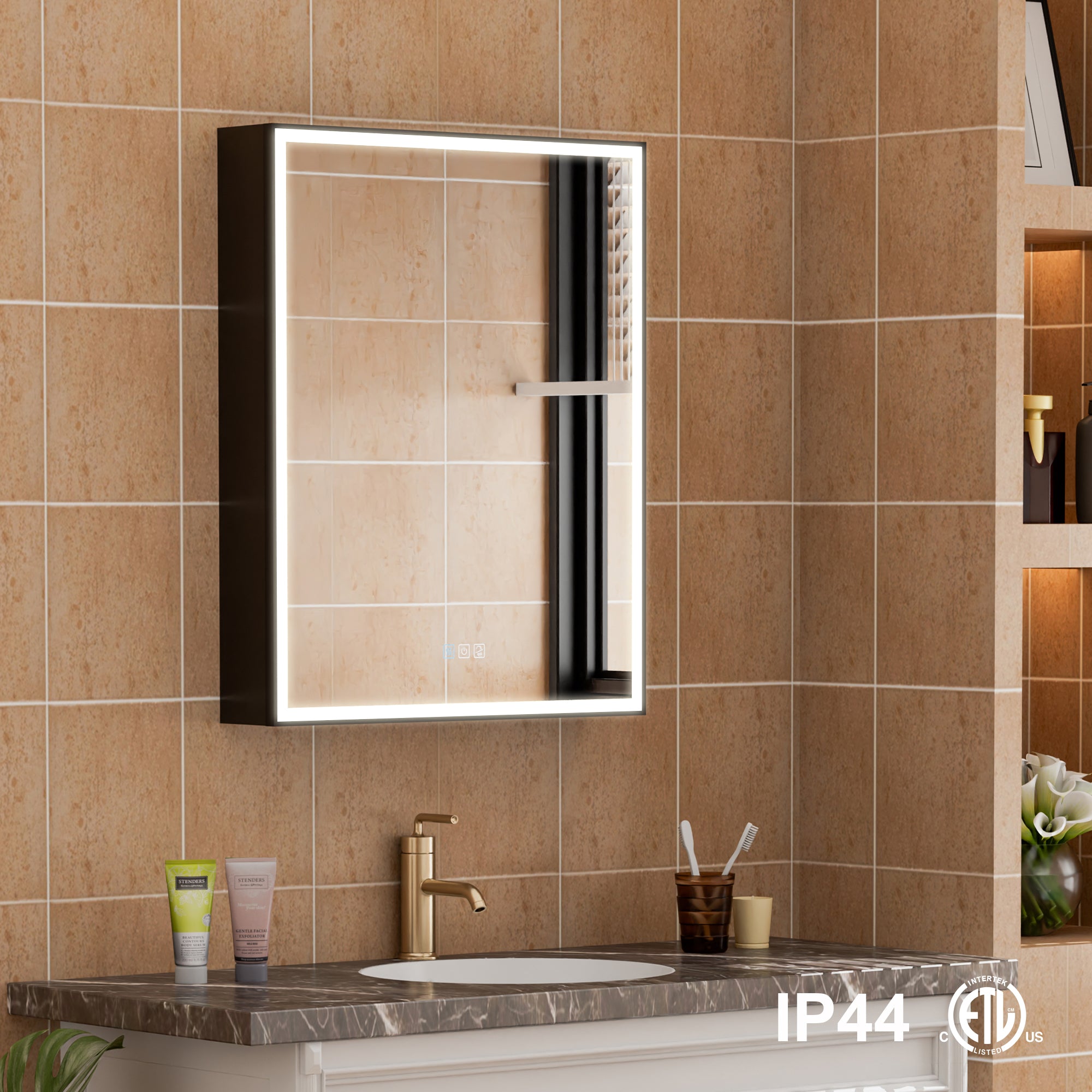
A mirror with LED lights is used in a humid environment, often near sinks and splashing water. You should look for products that are properly safety tested and listed by a recognized testing laboratory (for example, UL or ETL), especially for hardwired mirrors and mirrors with defoggers or outlets.
This is less about marketing and more about risk reduction: safer design, proper insulation, moisture considerations, and fewer surprises during installation inspections.
Final answer: Do you need a dedicated circuit?
Most of the time: No. A typical mirror with LED lights does not require a dedicated mirror-only circuit.
But you should consider a dedicated circuit or a better circuit split if:
l The mirror includes a high-watt defogger.
l You use hair tools frequently, and the breaker trips.
l The mirror includes built-in power features.
You're remodeling and want the most reliable long-term setup.
If you paste your mirror's electrical specs (LED wattage, defogger wattage, and whether it's plug-in or hardwired), I can help you write a clear, customer-friendly "Electrical Requirements" section for your product page that reduces installation confusion and increases buyer confidence.




















Leave a comment
This site is protected by hCaptcha and the hCaptcha Privacy Policy and Terms of Service apply.