














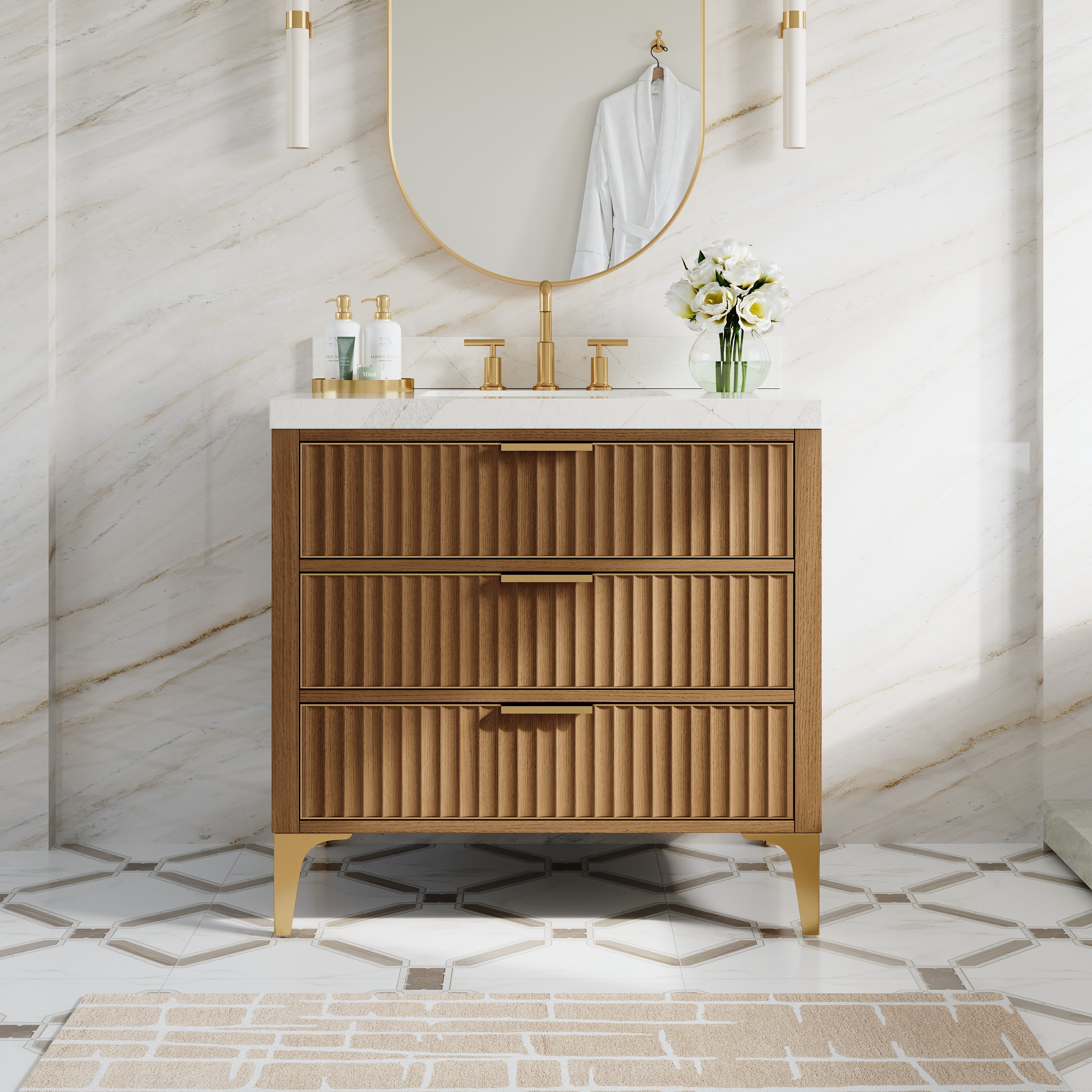
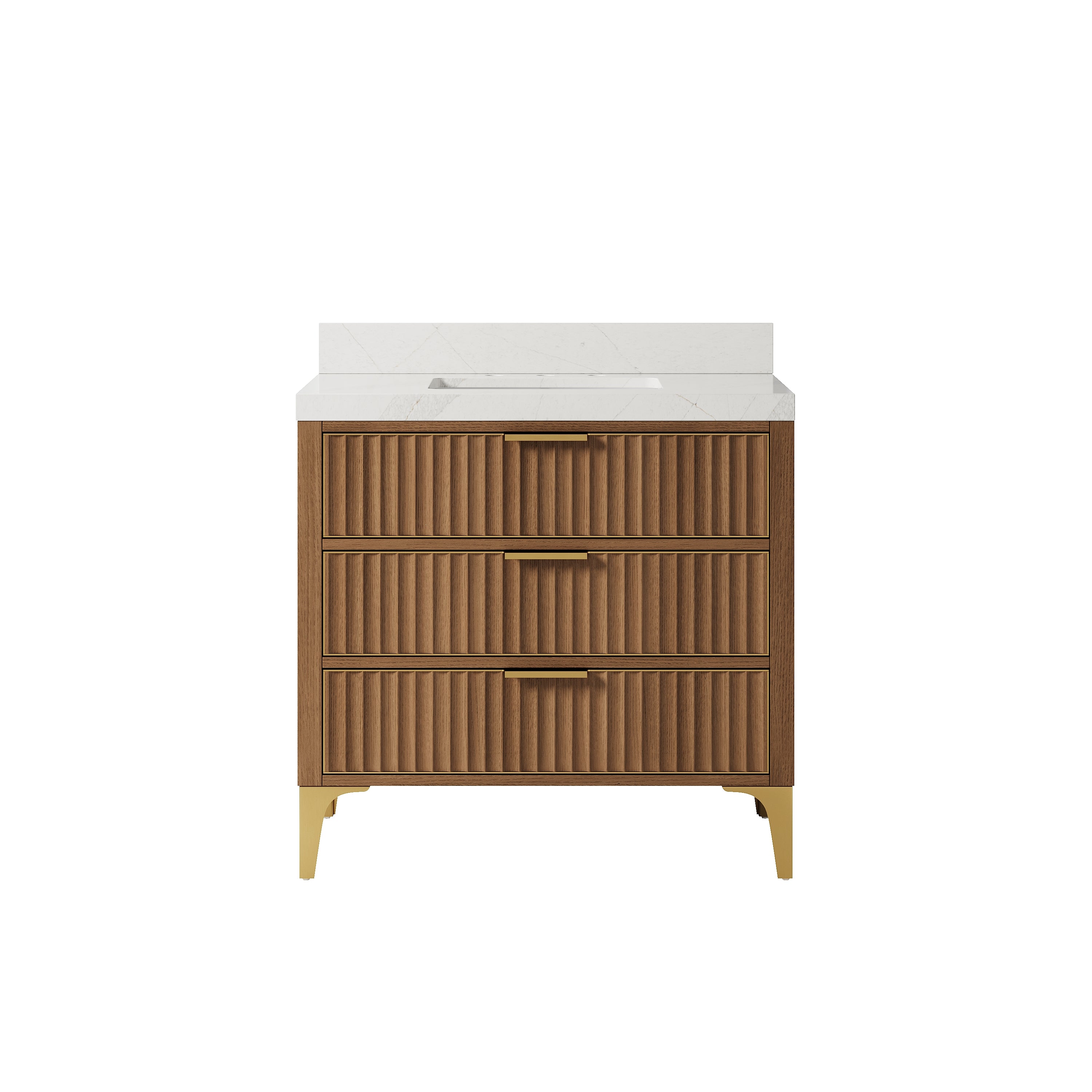
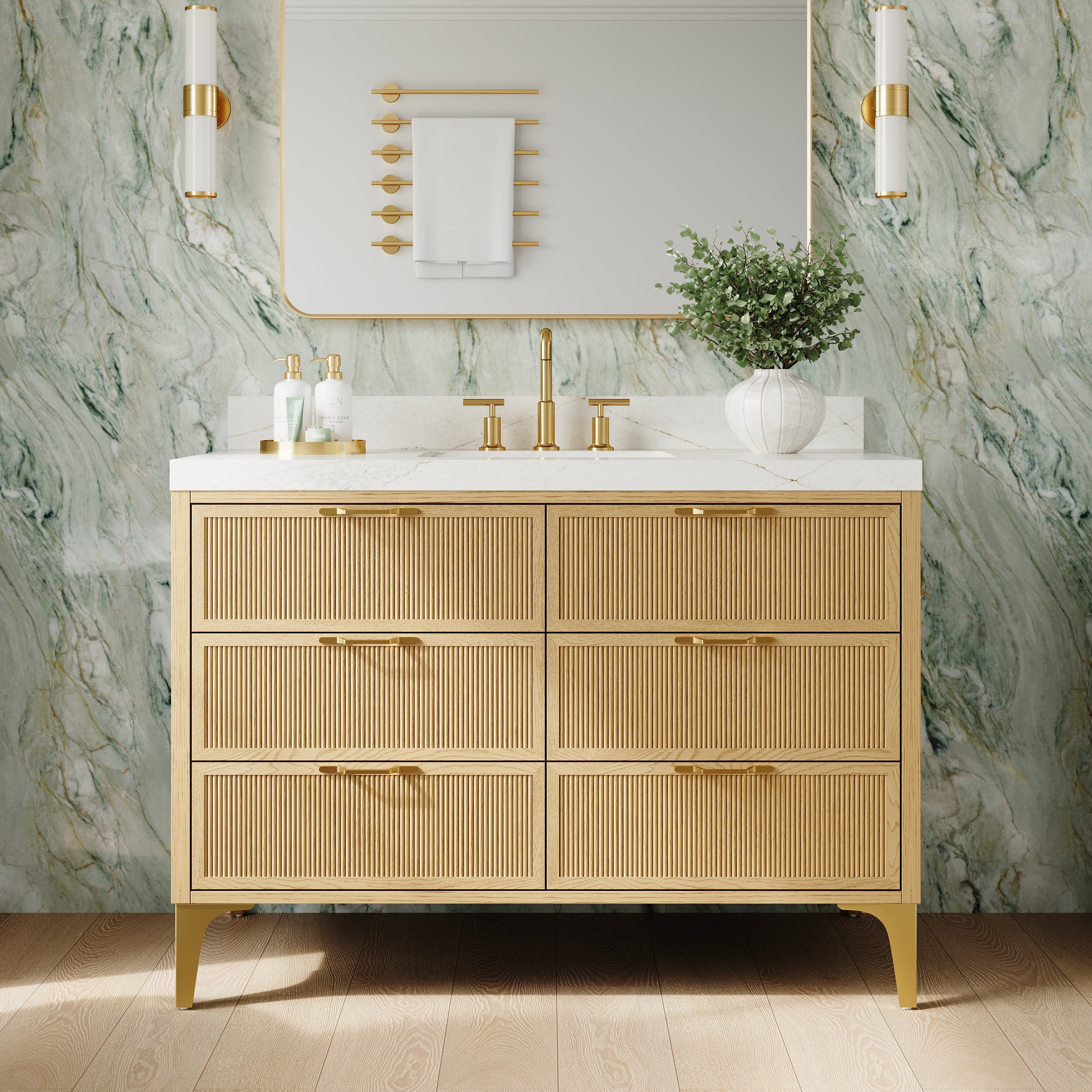
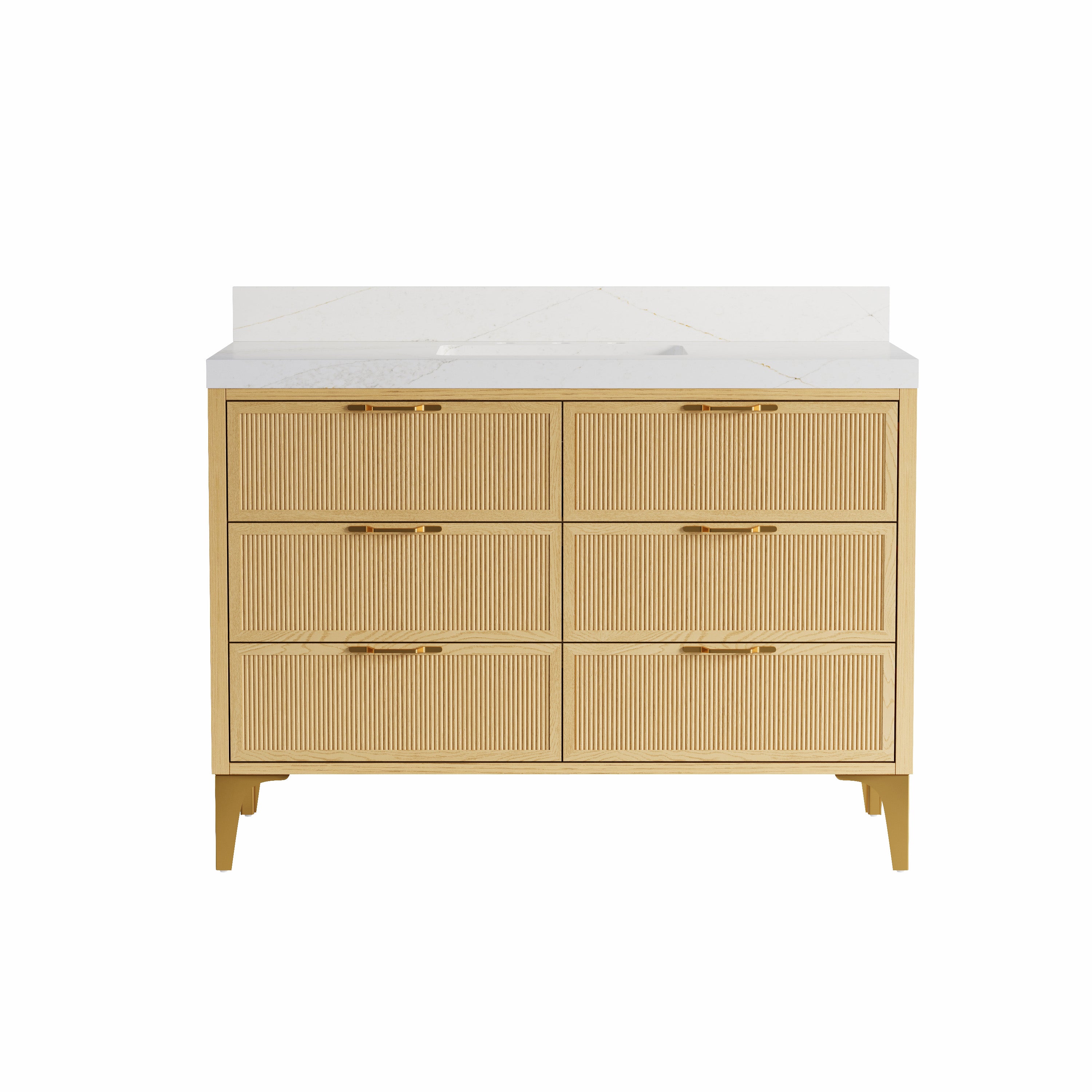


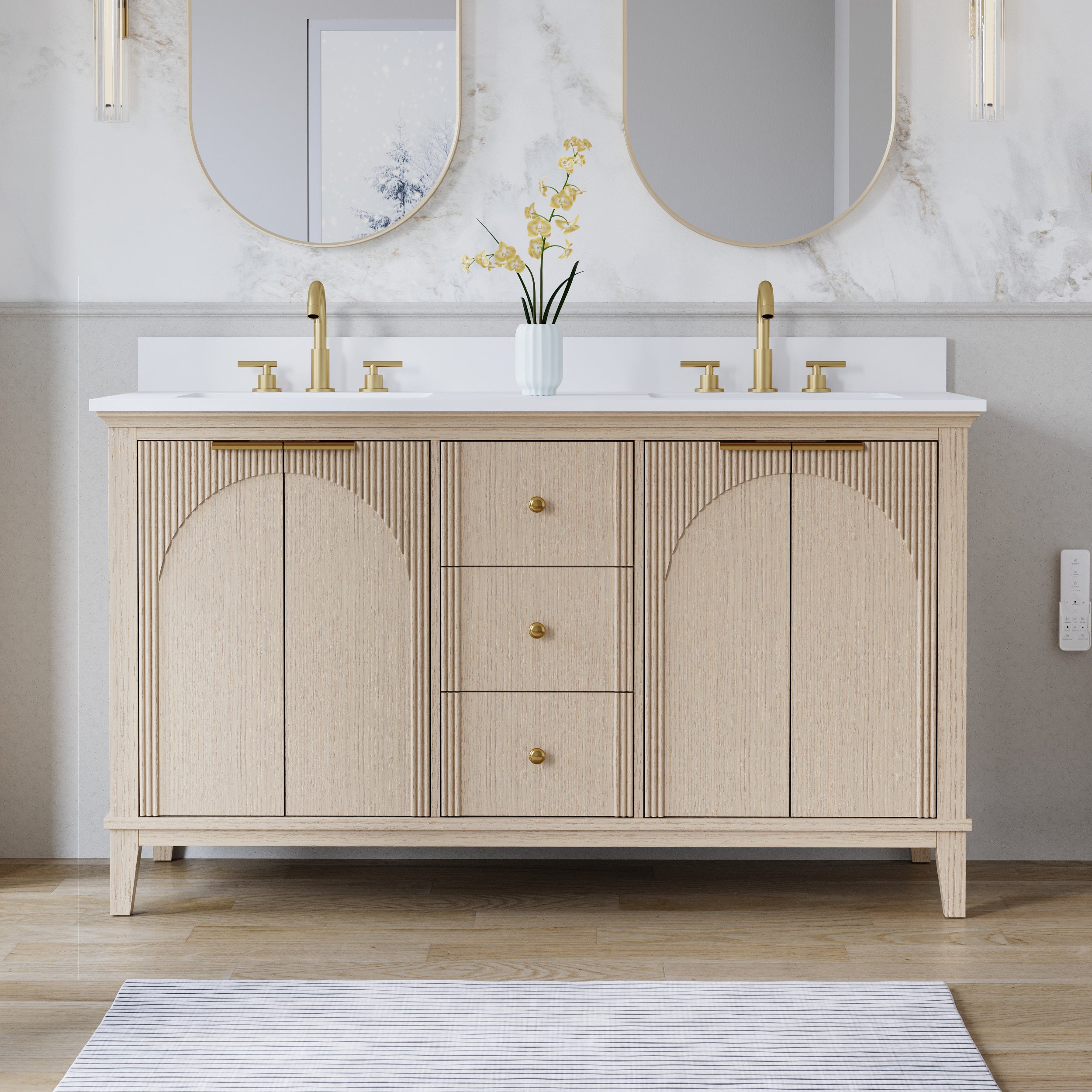
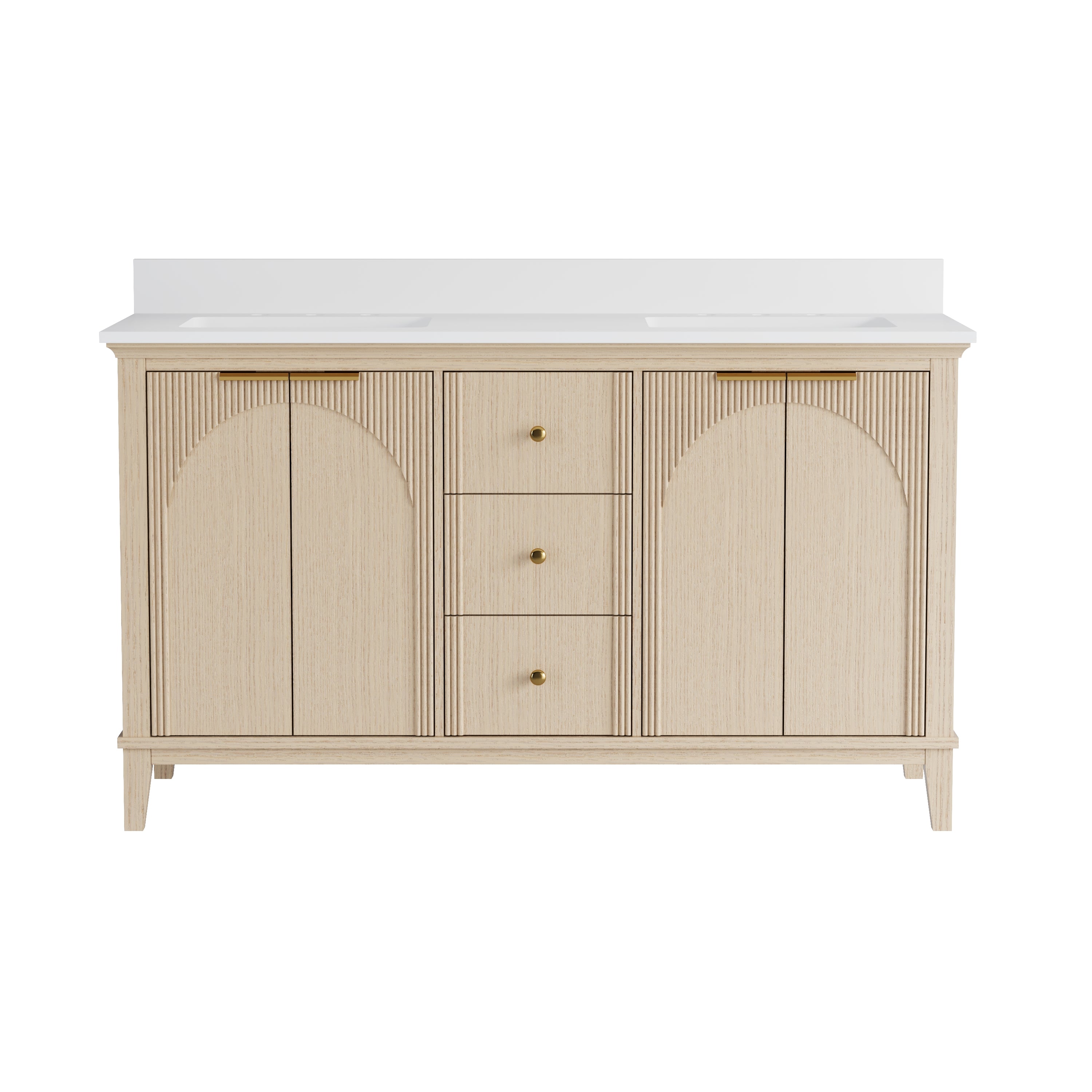
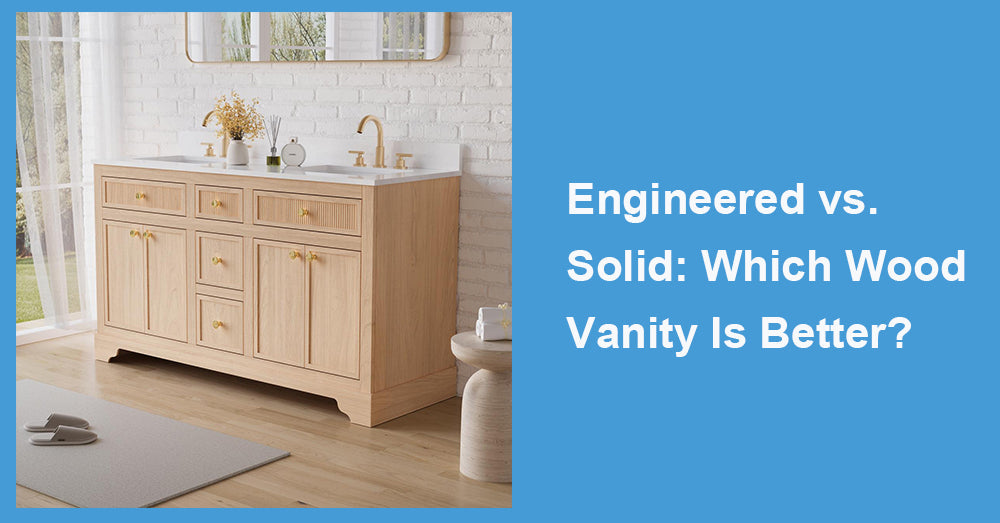
When shopping for wood bathroom vanities, one of the first—and most confusing—questions homeowners ask is this:
Should I choose an engineered wood vanity or a solid wood vanity?
At first glance, both options look similar. They can share the same finishes, colors, and styles. But beneath the surface, the construction methods, performance in humid bathrooms, long-term durability, and overall value can be very different.
Understanding the Two Main Types of Wood Vanities
Before comparing which is “better,” it’s important to understand what these terms actually mean.
What Is a Solid Wood Vanity?
A solid wood vanity is made primarily from natural lumber, such as:
· Oak
· Maple
· Birch
· Walnut
· Pine
The cabinet frame, doors, and drawer fronts are typically crafted from real wood boards, not layers or composites.
Key characteristics of solid wood:
· Natural grain patterns
· High structural strength
· Heavier weight
· Premium price point
What Is an Engineered Wood Vanity?
An engineered wood vanity is constructed using manufactured wood products, often combined with real wood veneers. Common materials include:
· Plywood
· MDF (medium-density fiberboard)
· HDF (high-density fiberboard)
These materials are designed to improve stability, reduce warping, and control costs—especially in moisture-prone environments like bathrooms.
Key characteristics of engineered wood:
· Consistent structure
· Smooth surfaces
· Often lighter than solid wood
· More affordable pricing
Bathroom Environment: Why Material Choice Matters
Bathrooms are not like kitchens or living rooms. They expose furniture to:
· High humidity
· Frequent temperature changes
· Splashes and condensation
· Limited ventilation (in some homes)
This environment plays a major role in determining which wood vanity performs better long-term.
Engineered Wood Vanities: Pros and Cons
Advantages of Engineered Wood Vanities
1. Superior Moisture Stability
One of the biggest advantages of engineered wood is its resistance to warping and cracking. Because materials like plywood and MDF are manufactured under controlled conditions, they expand and contract less than natural lumber.
This makes engineered wood especially suitable for:
· Small bathrooms
· Guest baths
· Homes in humid climates
· Bathrooms with limited ventilation
2. Smooth, Consistent Finishes
Engineered wood provides a uniform surface that’s ideal for:
· Painted finishes
· Modern and minimalist styles
· High-gloss or matte coatings
If you prefer clean lines and contemporary design, engineered wood vanities often deliver a more consistent look.
3. Cost-Effective Without Looking Cheap
High-quality engineered wood vanities can look just as refined as solid wood—at a more accessible price point. This allows homeowners to:
· Allocate more budget to countertops or fixtures
· Furnish multiple bathrooms affordably
· Achieve a luxury look without overspending
4. Eco-Friendly Options
Many engineered wood products are made using recycled wood fibers and sustainable manufacturing processes, which can reduce material waste compared to solid wood harvesting.
Disadvantages of Engineered Wood Vanities
1. Lower Repairability
Unlike solid wood, engineered materials:
· Can’t always be sanded or refinished multiple times
· Are more difficult to repair if damaged deeply
Once the surface veneer is compromised, replacement is often the best option.
2. Quality Varies by Manufacturer
Not all engineered wood is created equal. Low-quality MDF with poor sealing can swell if exposed to standing water. This makes brand reputation and proper finishing extremely important.
Solid Wood Vanities: Pros and Cons

Advantages of Solid Wood Vanities
1. Timeless Beauty and Natural Character
Solid wood offers unmatched natural grain variation. Each piece is unique, adding warmth and authenticity to your bathroom.
For homeowners who value:
· Traditional craftsmanship
· Organic textures
· High-end custom aesthetics
Solid wood is often the top choice.
2. Exceptional Structural Strength
Solid wood is naturally strong and durable. With proper care, it can last decades—even generations.
It’s especially appealing for:
· Large double vanities
· Heavy stone countertops
· High-traffic primary bathrooms
3. Refinish and Repair Potential
Scratches, dents, or wear marks on solid wood can often be:
· Sanded out
· Re-stained
· Refinished
This gives solid wood vanities a longer usable life if you’re willing to maintain them.
Disadvantages of Solid Wood Vanities
1. Sensitivity to Humidity
Natural wood expands and contracts with moisture. In bathrooms, this can lead to:
· Cracking
· Warping
· Joint separation
Without proper sealing and ventilation, solid wood may struggle in humid environments.
2. Higher Cost
Solid wood vanities typically cost more due to:
· Material sourcing
· Labor-intensive construction
· Heavier shipping weight
They are an investment, not a budget option.
3. Greater Weight
Solid wood is heavy. Installation may require:
· Extra wall support
· Professional installation
· Reinforced flooring for large vanities
Side-by-Side Comparison: Engineered vs. Solid Wood
|
Moisture Resistance |
Excellent |
Moderate |
|
Stability |
Very high |
Moderate |
|
Repairability |
Limited |
High |
|
Visual Consistency |
Very consistent |
Natural variation |
|
Weight |
Lighter |
Heavier |
|
Price |
More affordable |
Premium |
|
Best For |
Modern bathrooms, humidity-prone areas |
Traditional or luxury spaces |
Which Is Better for Different Bathroom Types?
Guest Bathroom or Powder Room
Best choice: Engineered wood
Lower usage, consistent appearance, and excellent moisture control make engineered wood ideal.
Primary Bathroom
Best choice: Depends on ventilation and style
· Good ventilation + classic style → Solid wood
· High humidity + modern style → Engineered wood
Kids’ Bathroom
Best choice: Engineered wood
More forgiving of moisture, spills, and everyday wear.
Luxury or Custom Remodel
Best choice: Solid wood
If properly sealed and installed, solid wood adds prestige and long-term value.
Maintenance Tips for Both Types
For Engineered Wood Vanities
· Wipe spills immediately
· Avoid standing water
· Use gentle, non-abrasive cleaners
For Solid Wood Vanities
· Maintain consistent humidity
· Ensure good ventilation
· Re-seal or refinish as needed over time
Proper care extends the life of either option significantly.
Cost vs. Value: What Are You Really Paying For?
Solid wood often commands a higher price due to craftsmanship and material costs. Engineered wood focuses on performance efficiency and affordability.
Neither is “cheap” or “inferior” by default—the value lies in matching the vanity to:
· Your bathroom conditions
· Your design goals
· Your budget expectations
Final Verdict: Engineered vs. Solid—Which Wood Vanity Is Better?
There is no one-size-fits-all answer.
Engineered wood vanities are better if you prioritize:
· Moisture resistance
· Stability
· Modern aesthetics
· Cost efficiency
Solid wood vanities are better if you value:
· Natural beauty
· Traditional craftsmanship
· Long-term refinishability
· Premium feel
For most modern American bathrooms, high-quality engineered wood vanities offer the best balance of durability, style, and value. However, solid wood remains an excellent choice for homeowners willing to invest in care and maintenance.
When choosing among today’s wood bathroom vanities, focus less on labels and more on how the vanity is built, finished, and supported. The right choice is the one that performs beautifully in your home—for years to come.










Leave a comment
This site is protected by hCaptcha and the hCaptcha Privacy Policy and Terms of Service apply.