
















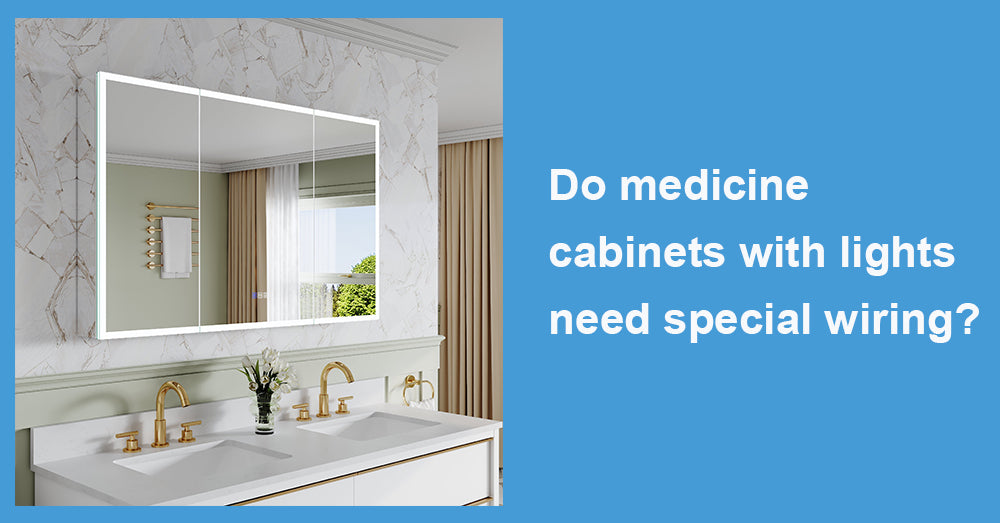
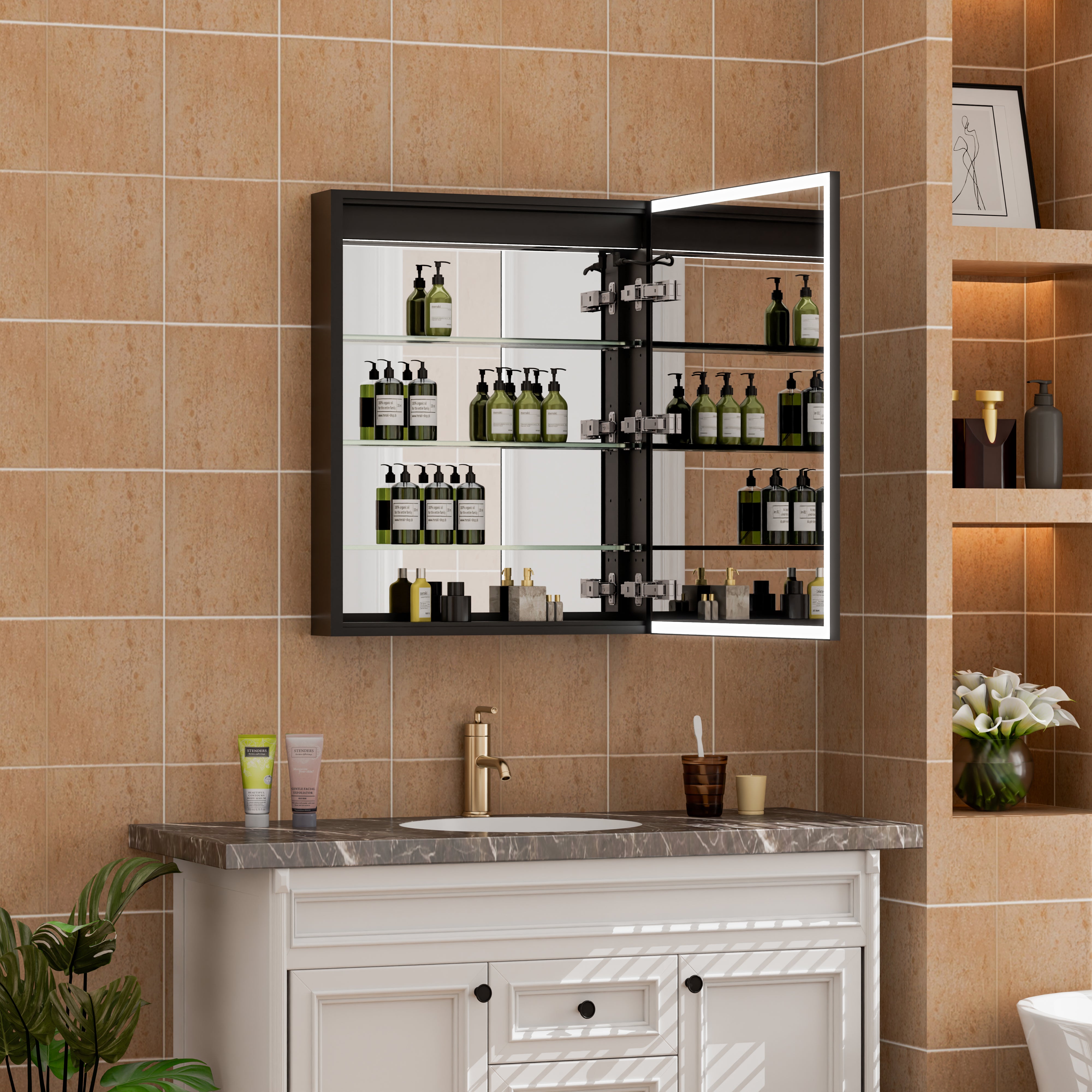
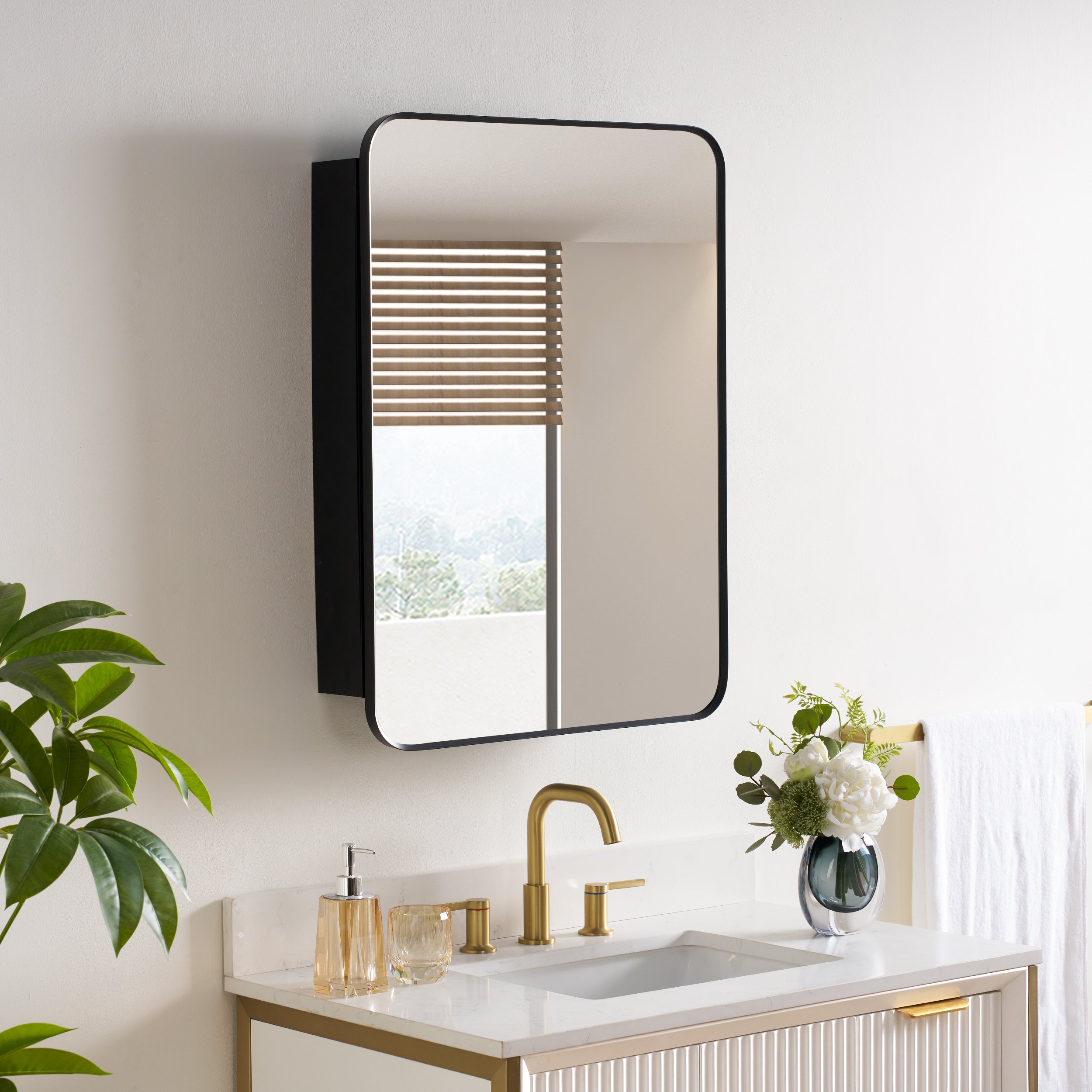
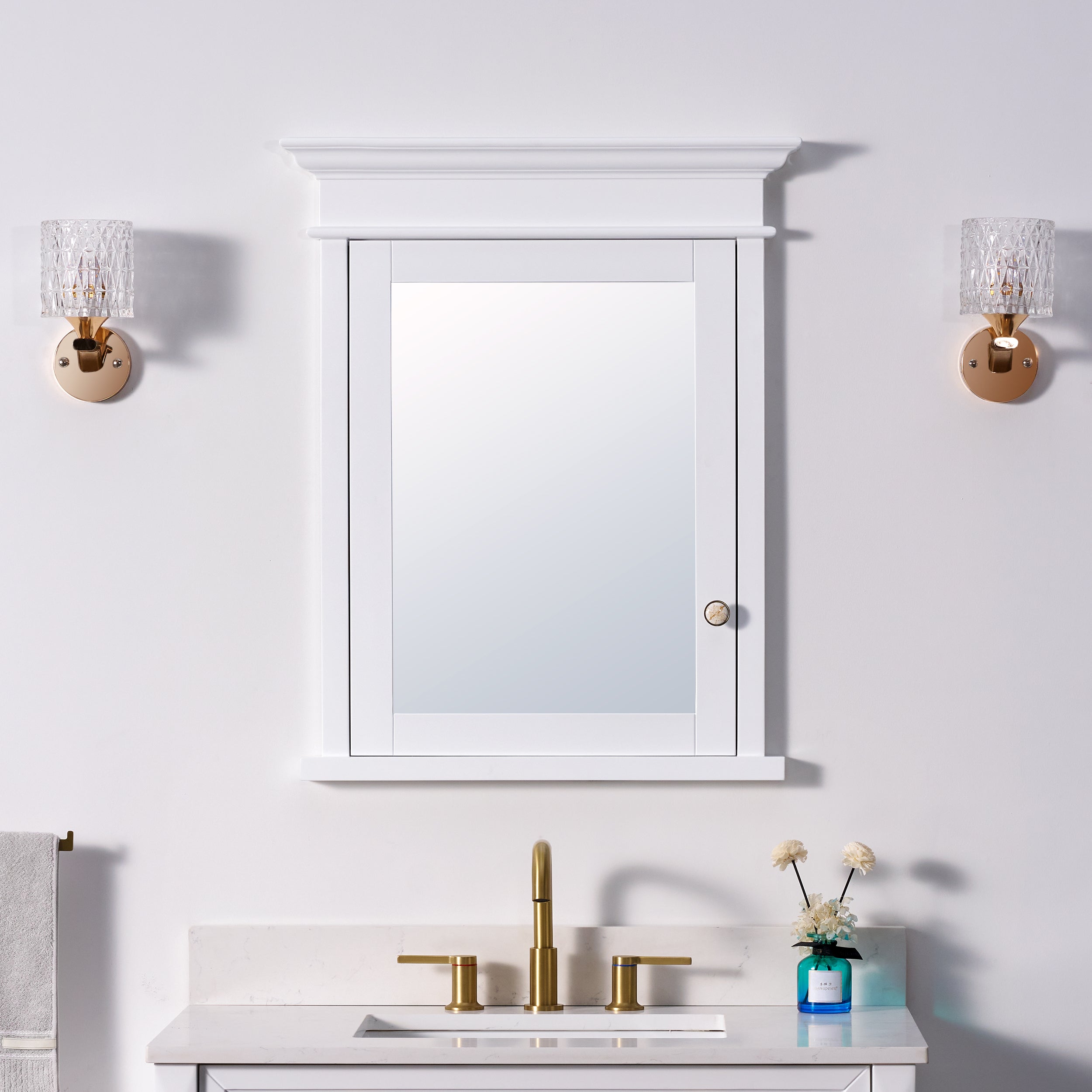
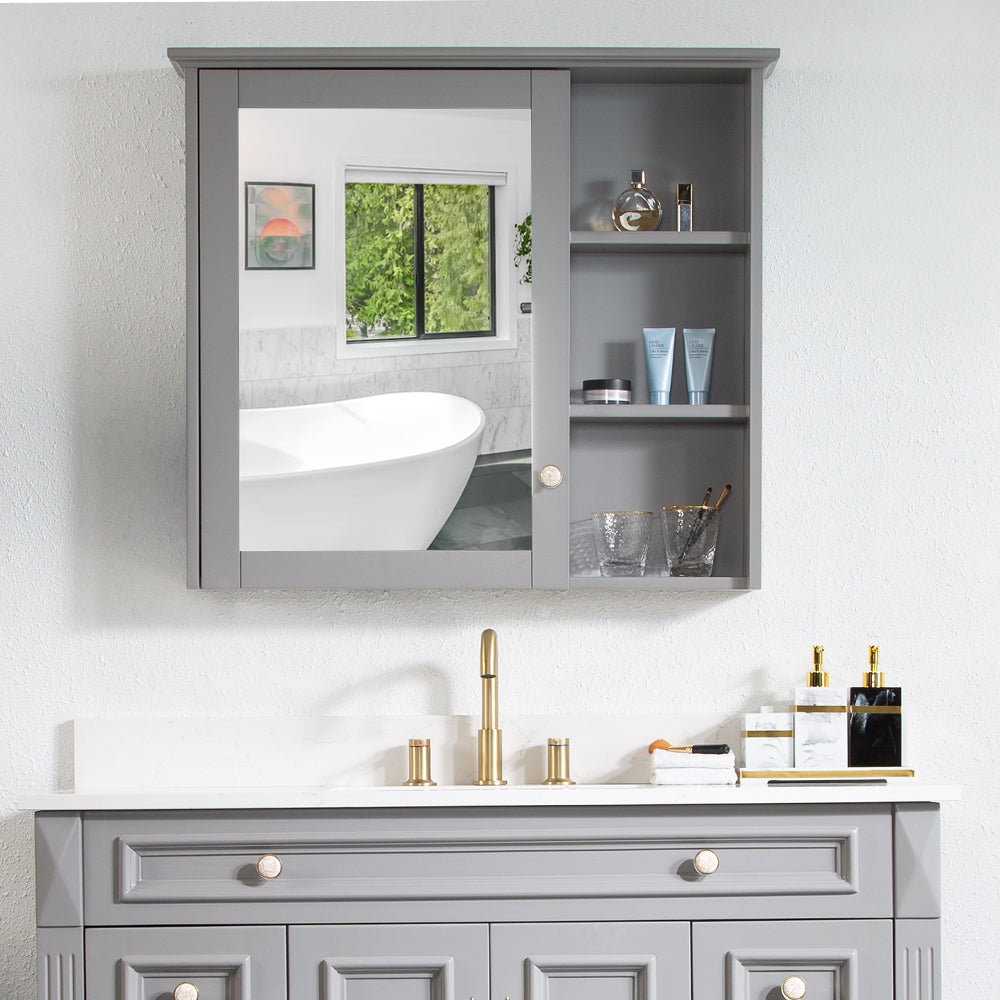
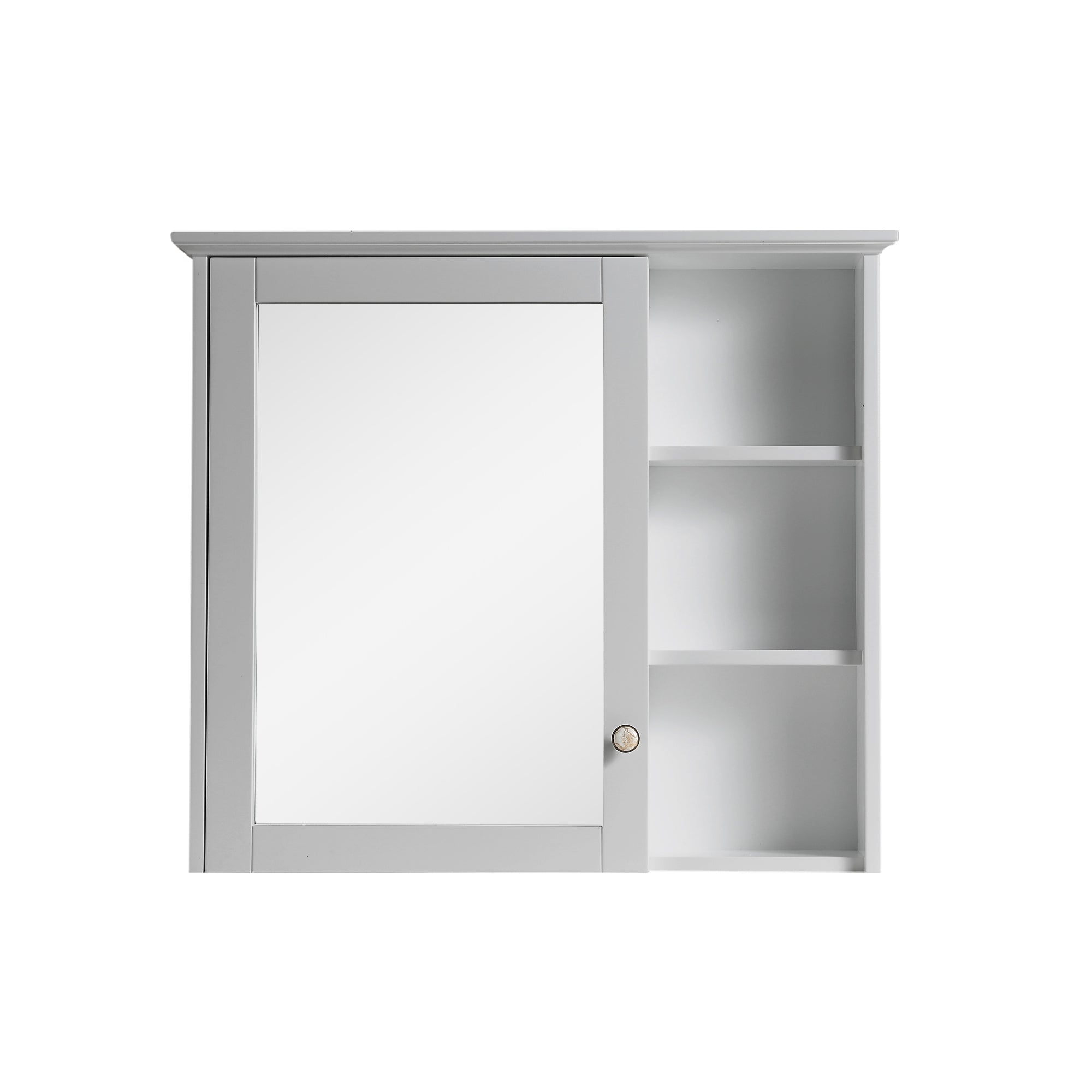
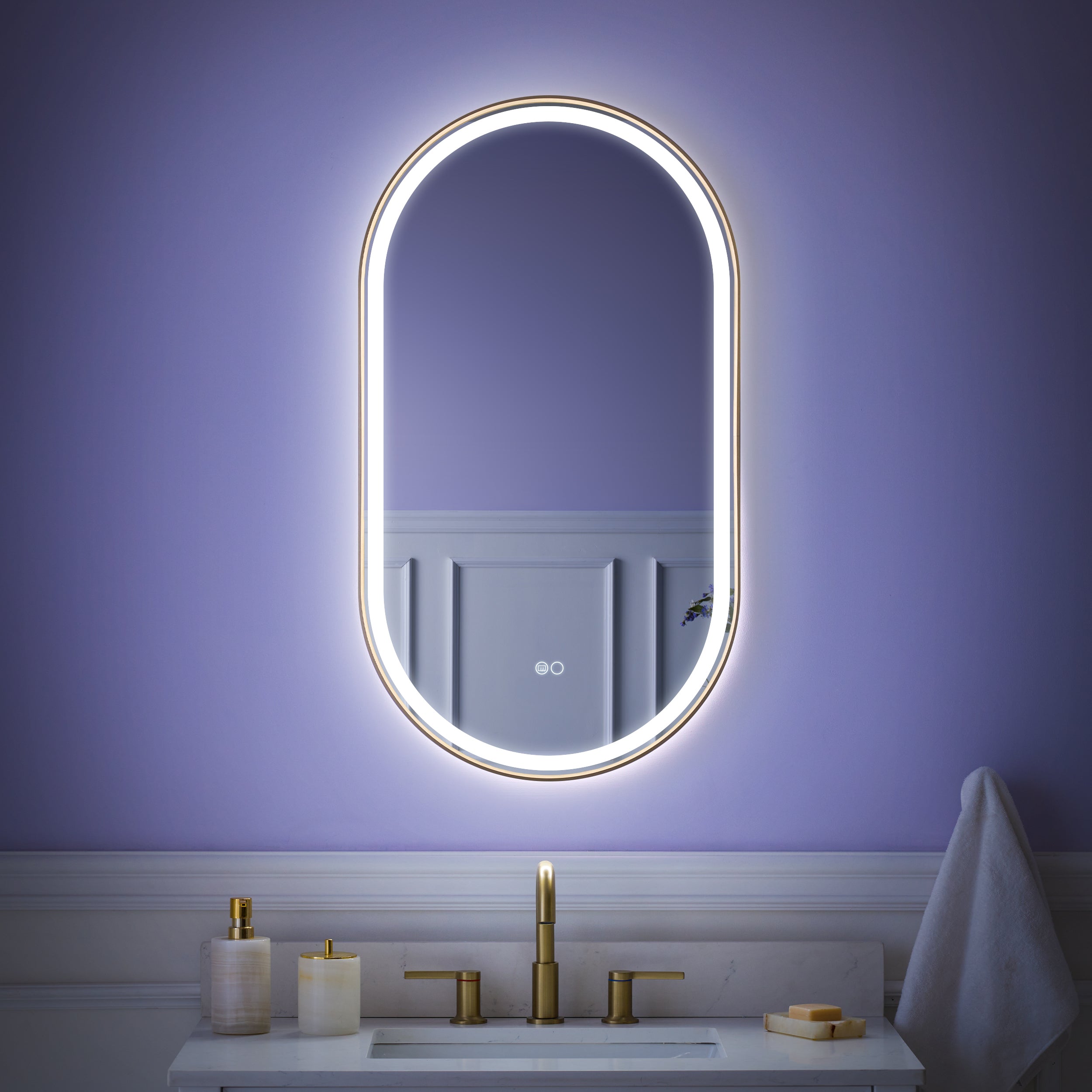
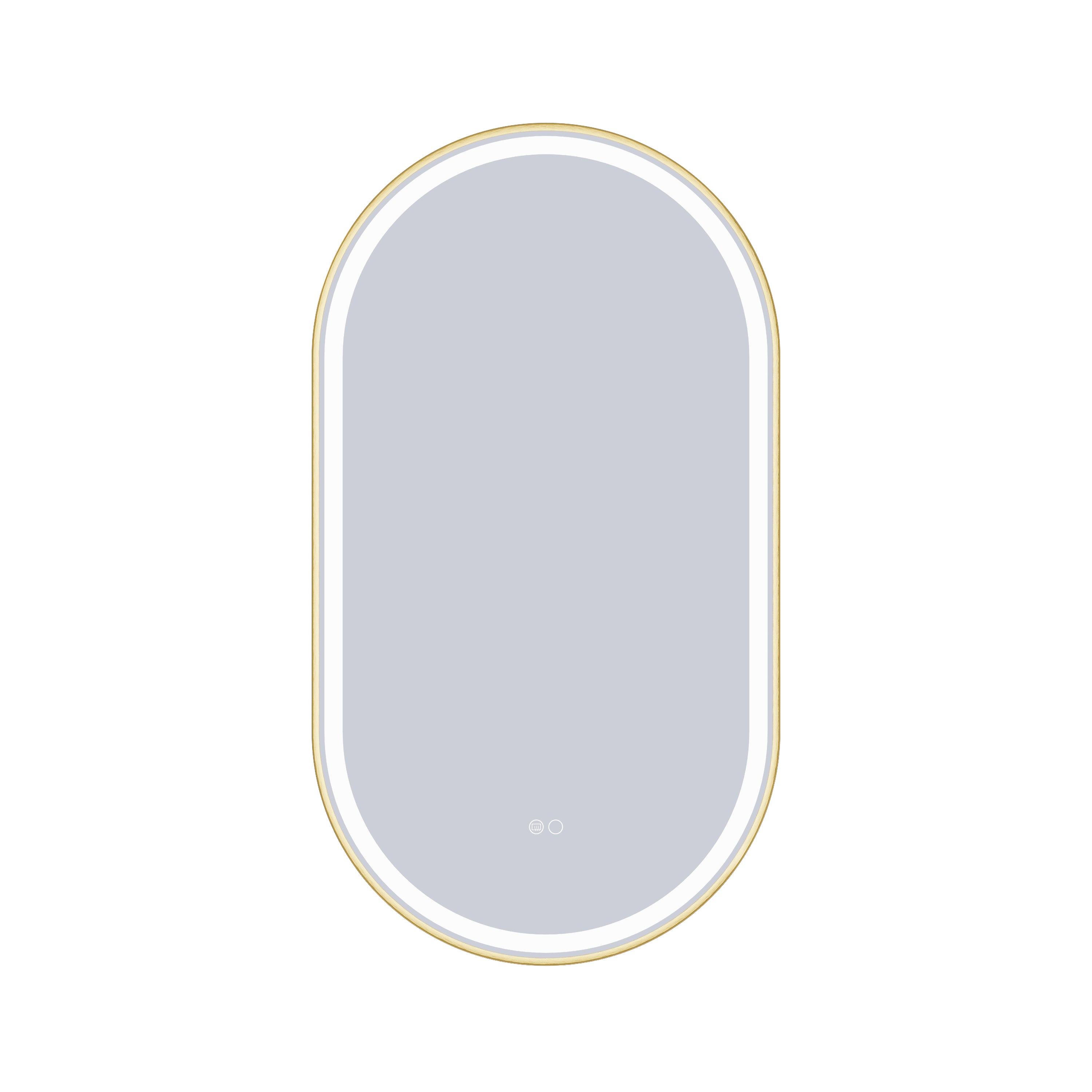
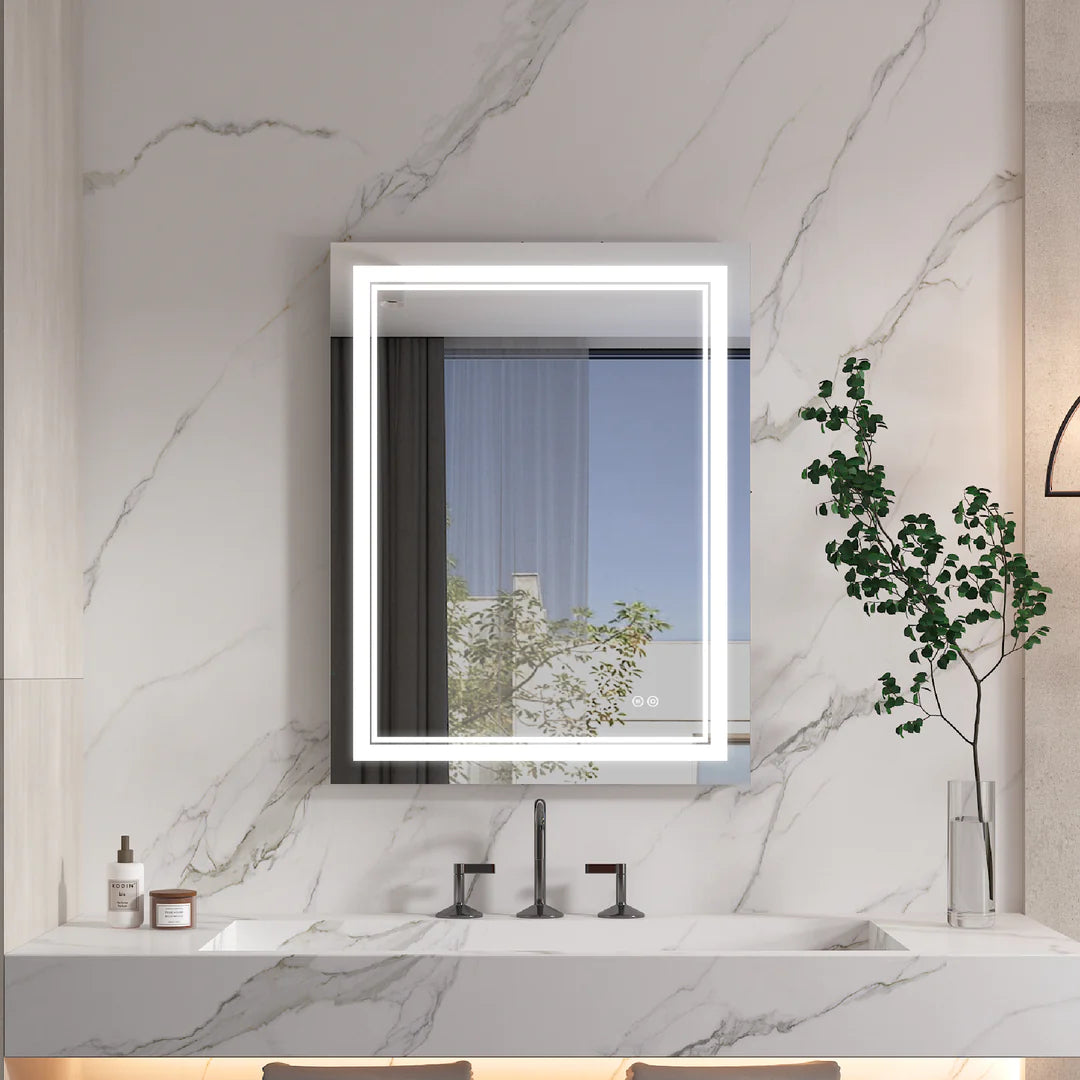
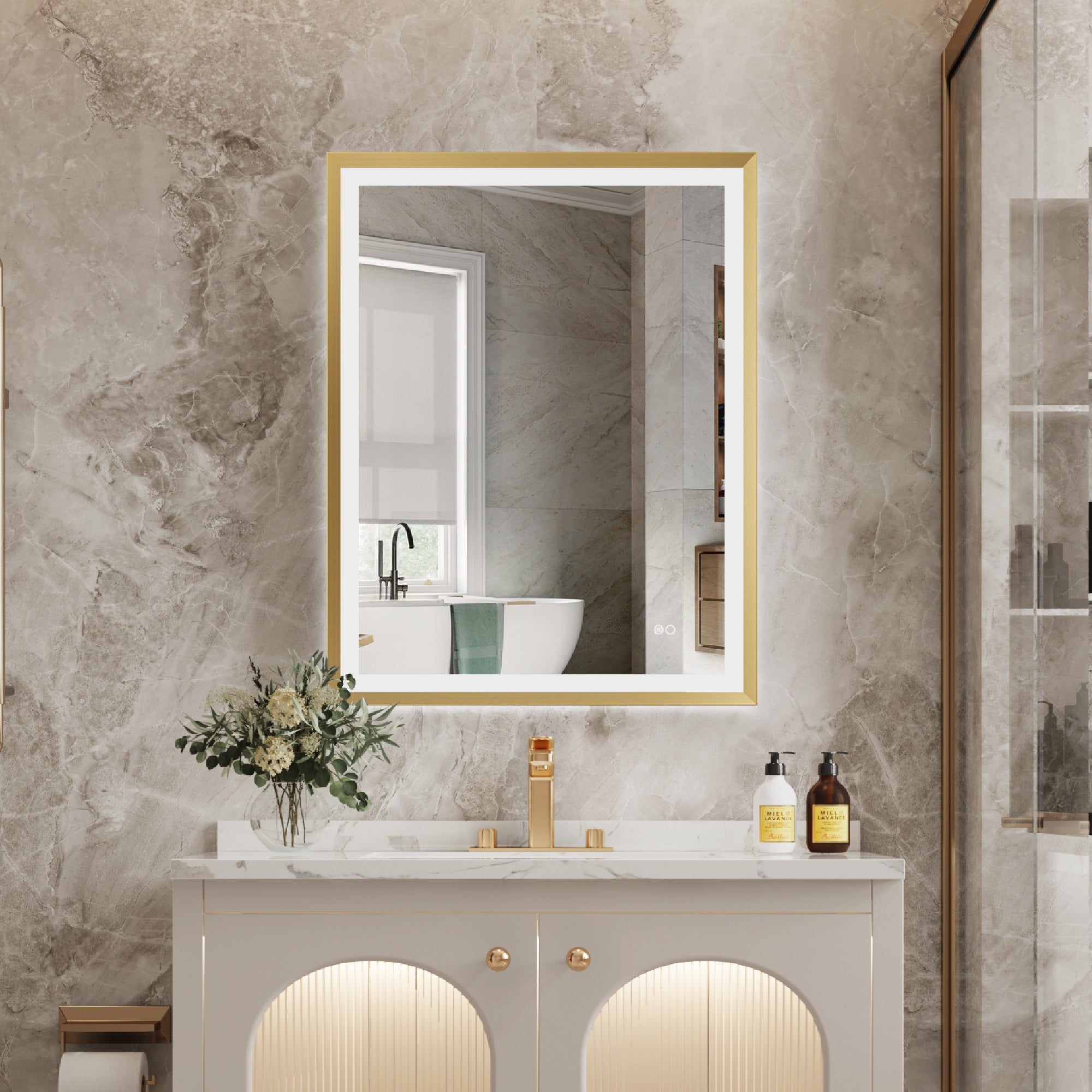
When choosing a medicine cabinet with mirror and lights, the main concern is usually electrical planning. Extra wiring isn't always required, but planning depends on whether you select a plug-in, hard-wired, or feature-rich model with outlets, defogging, or motion sensors.
Bathrooms are humid environments, and mirror cabinets are usually near water sources and steam zones. So the question “Is wiring special?” really boils down to: Are safety protections adequate? Is the power supply stable? Is the control logical? Can wiring be neatly concealed?
First, understand: Common power supply methods for lighted mirror cabinets
1. Plug-in
Features a power cord + plug on the back or top of the cabinet, plugging directly into a wall outlet.
Advantages: Low retrofit cost, faster installation
Best suited for: Surface-mounted installations, bathrooms with existing outlets near the mirror
Note: Plan cable concealment (cable channels/organization points/back routing space)
2. Hardwired
Power cables run from within the wall and connect directly to terminals inside the cabinet.
Advantages: Cleanest visual appearance, premium built-in effect
Best suited for: New construction, renovations involving wall openings, or pre-installed power points
Note: Align cutouts, cable entry, and wiring space with the cabinet structure.
3. Hybrid/Multi-Function Models
Lighting, defogging, night lights, door-sensor interior lights, and built-in outlets/USB ports may be combined.
Conclusion: More features demand higher power stability, more robust switch logic, and stronger circuit protection requirements.
Key Point: Don't just focus on “whether it lights up”; prioritize “whether it aligns with your usage habits.”
“Requires special wiring”typically refers to these aspects
Hearing 'special wiring' can sound intimidating if you like doing things yourself, but the reality is, most so-called 'special requirements' are just about being detail-oriented:
1. Especially noticeable for built-in mirror cabinets:
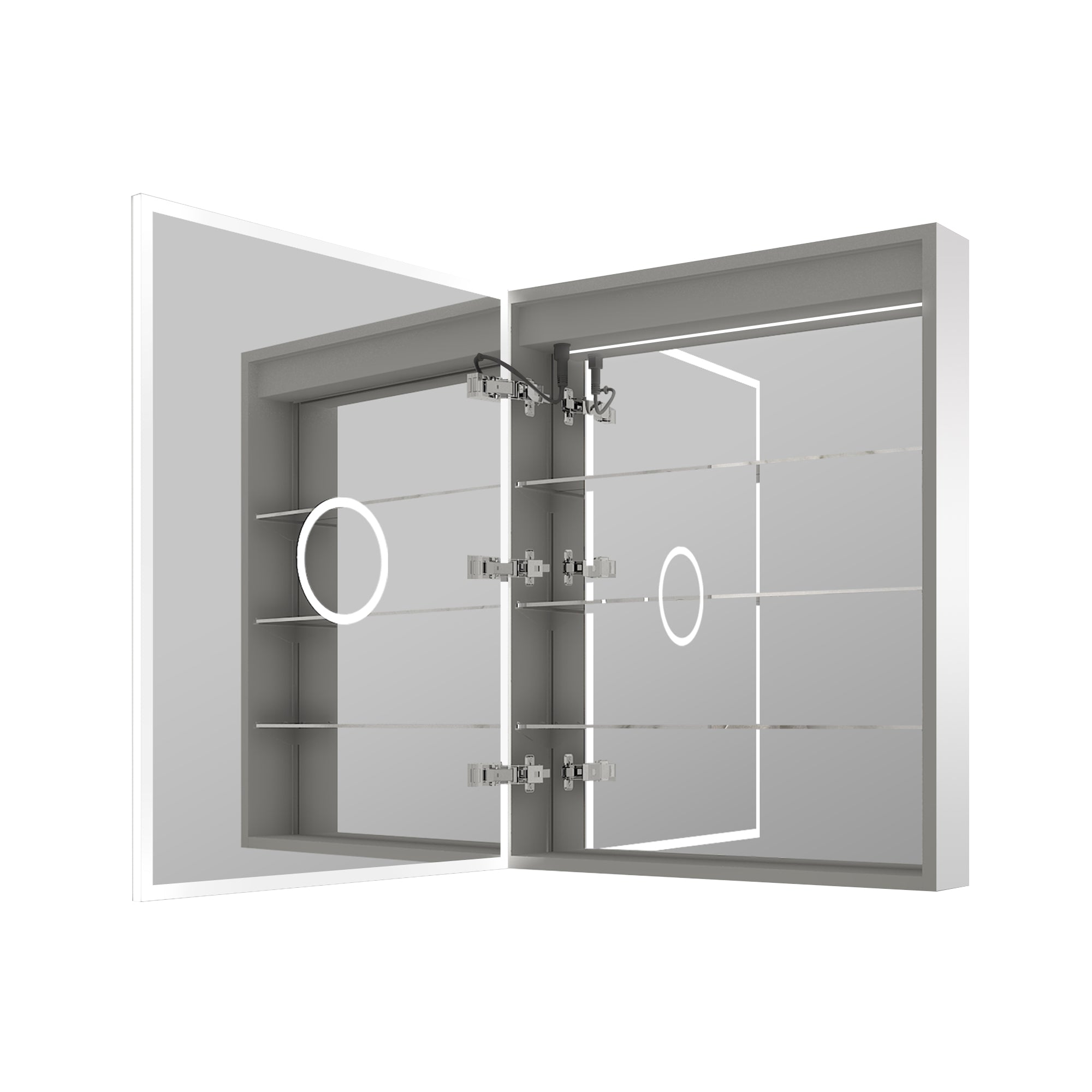
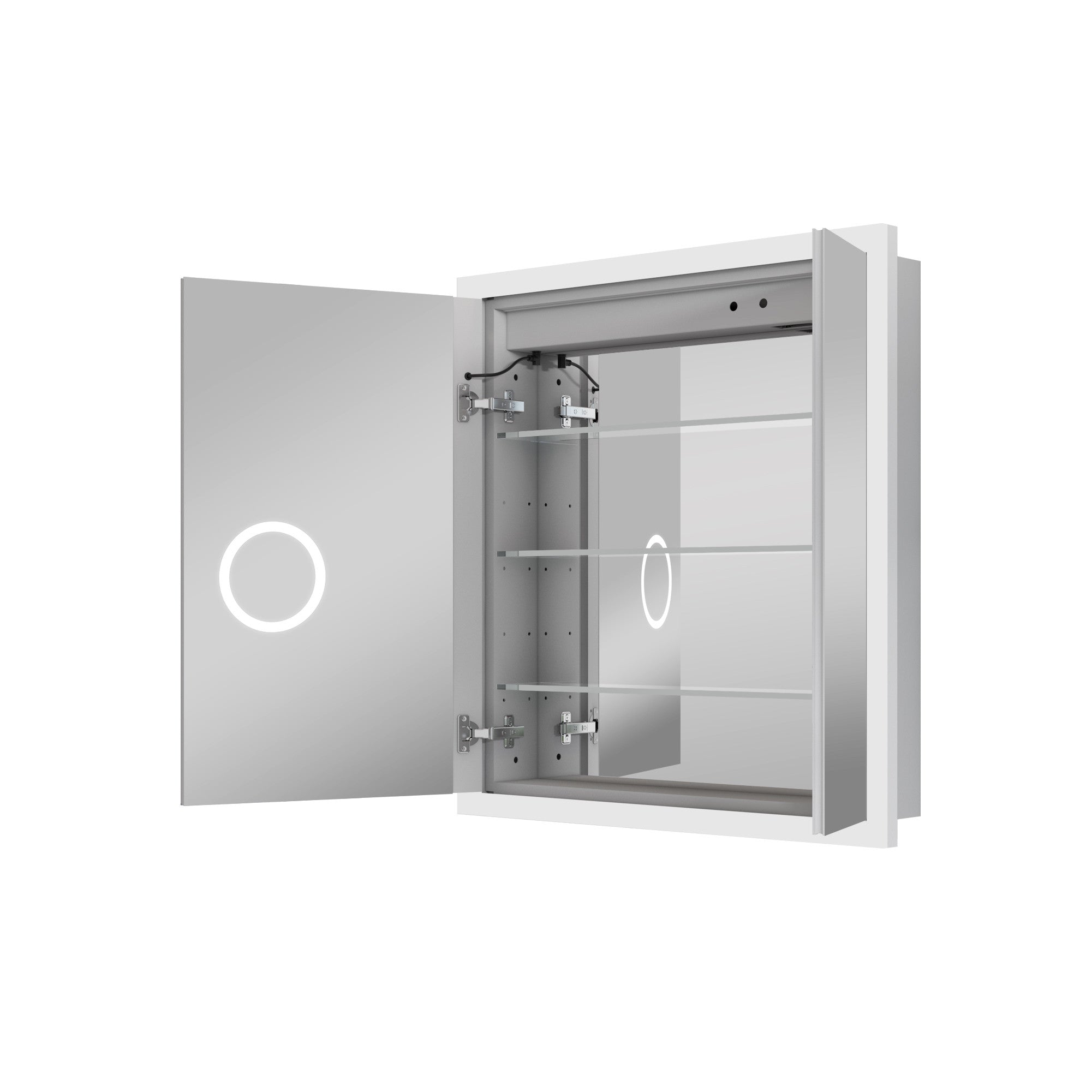
Should power enter from the top or back?
Is the wiring area on the left or right?
Will the cable entry obstruct shelves, hinges, or damping mechanisms?
Without checking the manual beforehand, you might end up in an awkward situation of discovering that “the wires are blocking the door” after installation.
2. Enhanced safety protection is essential (leakage protection/grounding)
Bathroom environments demand heightened electrical safety, especially for mirror cabinets combining metal, glass, and electronics:
Reliable grounding is critical.
Comprehensive circuit protection is equally vital.
This is particularly important for models with built-in outlets/USB ports, as they essentially “bring power points into the cabinet,” making foundational electrical conditions paramount.
3. Your desired “switching experience” dictates wiring methods
To synchronize lights with ceiling fixtures means wiring the cabinet so that both the cabinet and ceiling lights are controlled by the same wall switch, allowing them to turn on or off together.
Touch or motion-activated controls with a memory function typically require a continuous power supply to maintain settings and responsiveness.
Independent defogging control means having a separate circuit or switch for the defogging feature, so you can operate it independently of the mirror lights.
So, when are you most likely to need to do extra wiring?
These scenarios may change an easy installation to an electrical modification:
No compliant outlet near the mirror: Even plug-in models may require a new outlet
Desire for flush-mounted installation without exposed wiring: Typically requires pre-wiring power points within the wall, involving more complex wiring
Multiple functions (defogging/outlet/USB/door-sensor interior light): More demanding on circuit design
Renovating older homes: Circuit protection, grounding, or wiring capacity may be unclear. Prior assessment is recommended.

“Wiring Tips” for Different Installation Scenarios (Very Practical)
Scenario A: Surface Mount + Plug-in
Focus on “concealed wiring.”
Prioritize models with top cable outlets or rear cable management space.
Position outlets within mirror cabinet coverage (or behind side/mirror cabinets)
Scenario B: Flush-Mounted Installation + Minimalist Aesthetic
Focus on “PowerPoint Preparation”
Before you start demolishing the wall, use your mirror cabinet's structural diagram to double-check where the wiring zones are located.
Ensure sufficient wiring clearance to prevent cable compression or obstruction by shelves.
Scenario C: Defogging Function + Intermittent Use
Key point: “Control logic.”
Common pitfall: Turning on the light automatically activates defogging—inefficient and unnecessary
More reasonable approach: Frequent use of lighting, independent defogging activation as needed (touch control or separate switch)
Must-Check Points Before Installation (Avoid Rework)
Confirm voltage and frequency match (refer to manual/nameplate)
Verify power rating and load capacity (defogging/outlets increase requirements)
Confirm installation method (surface vs. recessed—significant difference)
Check wiring access points (top/back/side) and space.
Ensure moisture-proof construction and electrical protection (bathroom environments are more sensitive)
Confirm switch logic (constant power/wall switch/touch control/separate control)
Common Pitfalls (You Can Avoid Directly)
Focusing only on appearance without checking the back diagram: Power point misalignment occurs
Plug-in models without considering outlet placement: Exposed wiring compromises aesthetics
Using wall switches to power off touch-sensitive models: Memory function fails, sensor logic becomes erratic
Dehumidifier and light tied together: Uncomfortable to use and potentially wasteful
Wires blocking door gaps after installation: Improper closure, rattling noises, reduced lifespan
Hire an electrician if your project includes anything from this list:
Don't try to handle it yourself if any of these situations arise:
- Adding or relocating bathroom outlets
- Requiring in-wall hardwiring or cutting through walls to reroute wiring
- Installing “more complex loads” like built-in outlets, USB ports, or defoggers
- Renovating older homes with unclear circuit protection or grounding conditions
Bathroom electrical work carries high-risk costs: a single rework or safety hazard will cost far more than hiring a professional.
Conclusion: Not necessarily “special,”but always “more standardized.”
Lighted mirror cabinets don't always require special wiring. If it's plug-in and a compliant outlet is nearby, installation is straightforward.
But if you seek a cleaner look (recessed/no exposed wires), more features (defogging/outlets/sensors/multiple lighting zones), or if your home's electrical foundation is unclear, treat wiring, circuit protection, and switch logic as “mandatory planning.”











Leave a comment
This site is protected by hCaptcha and the hCaptcha Privacy Policy and Terms of Service apply.