
















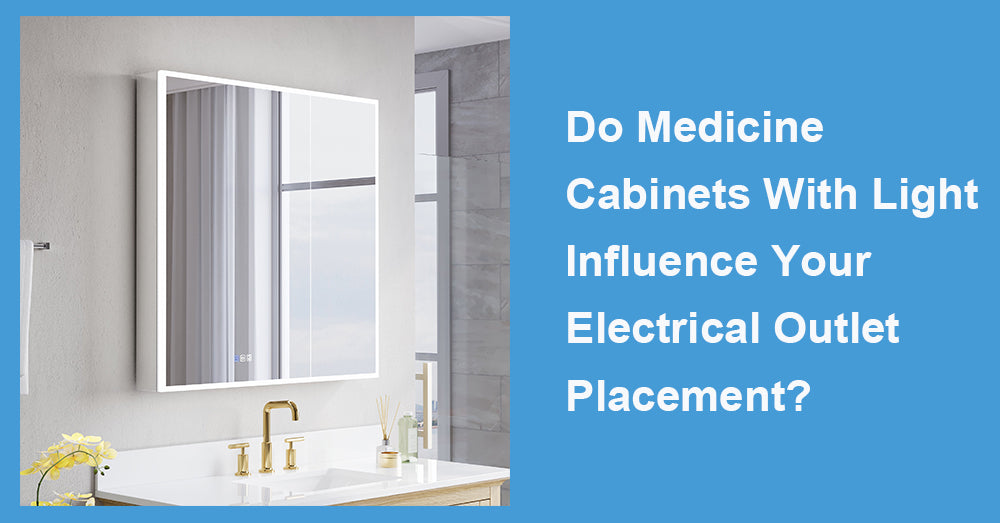
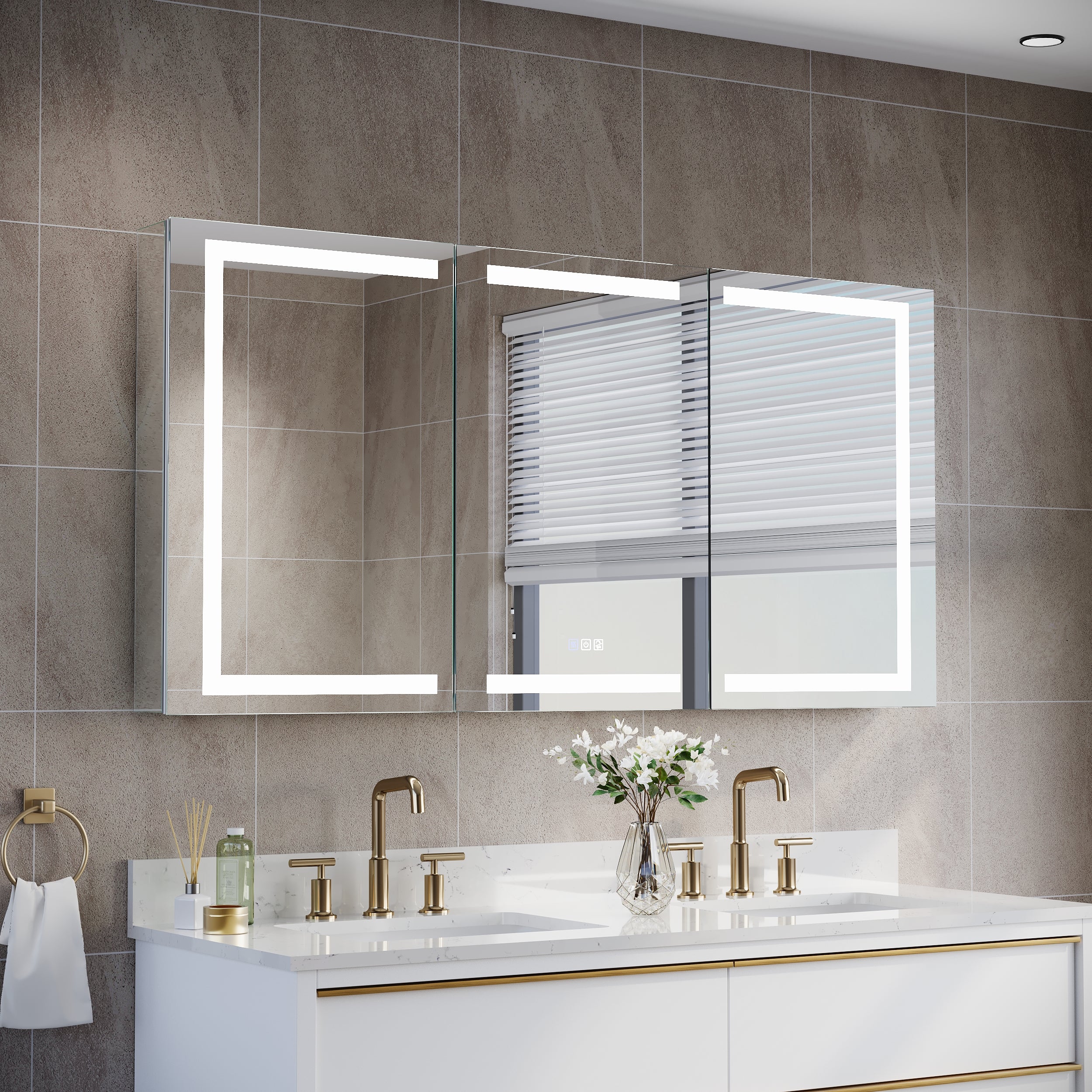
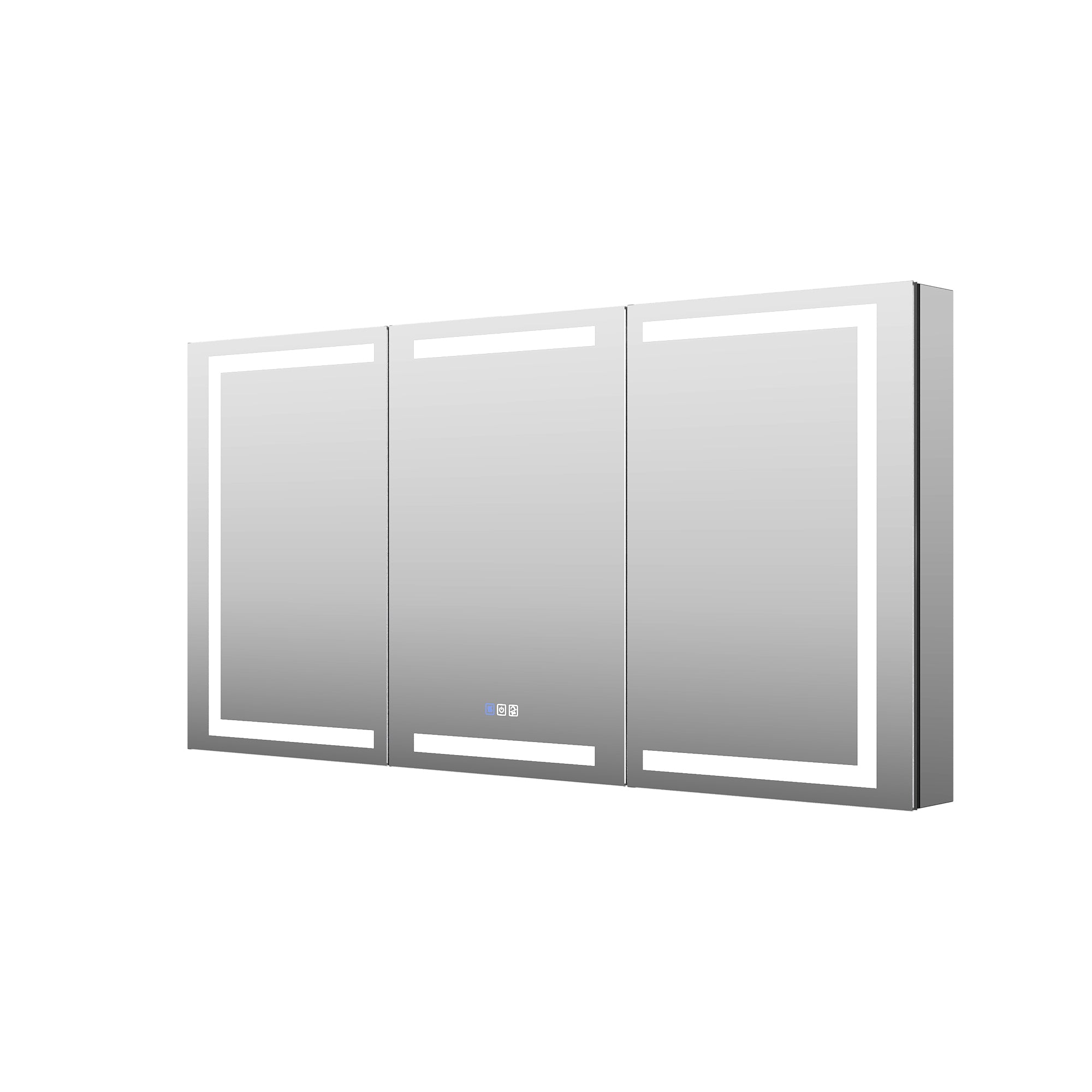
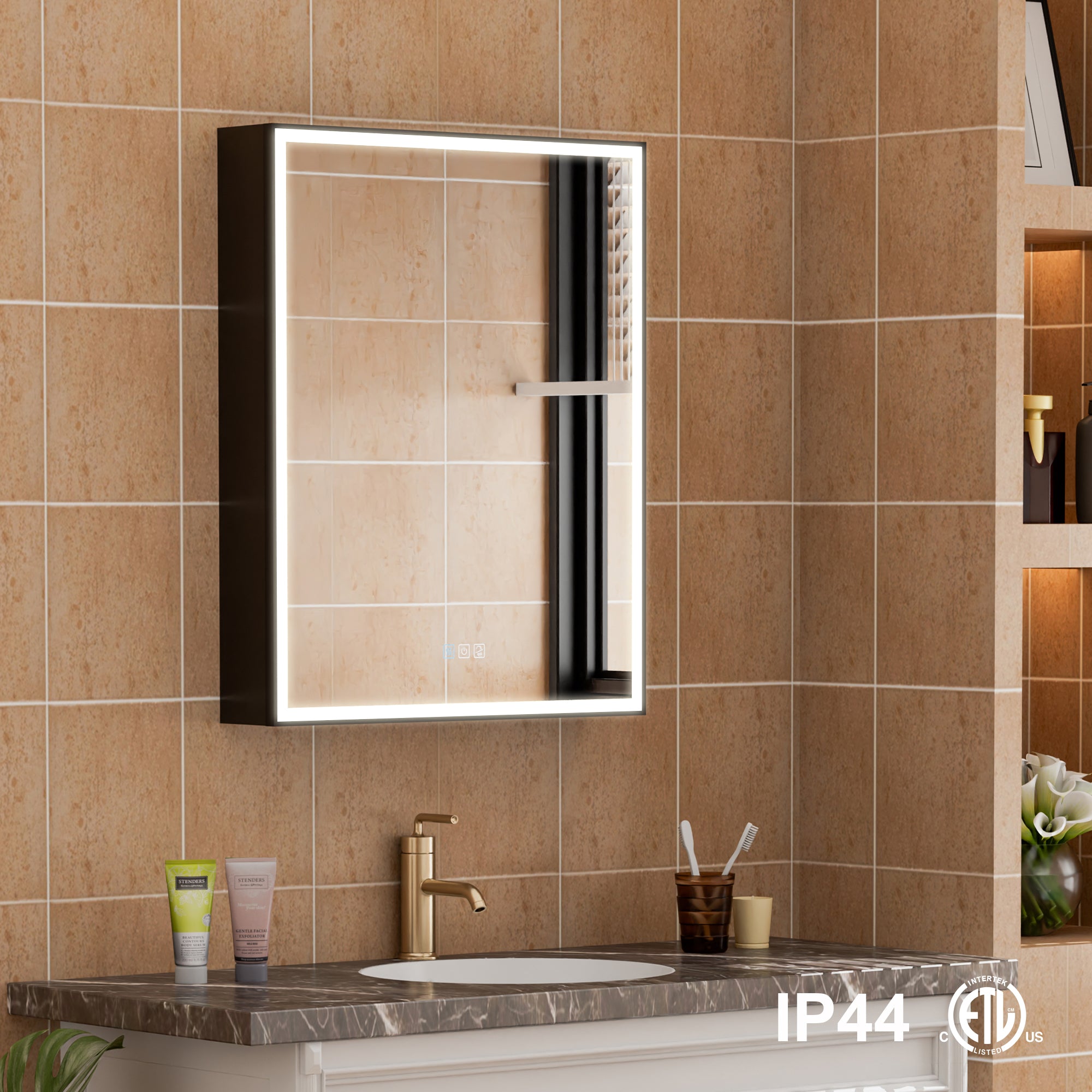
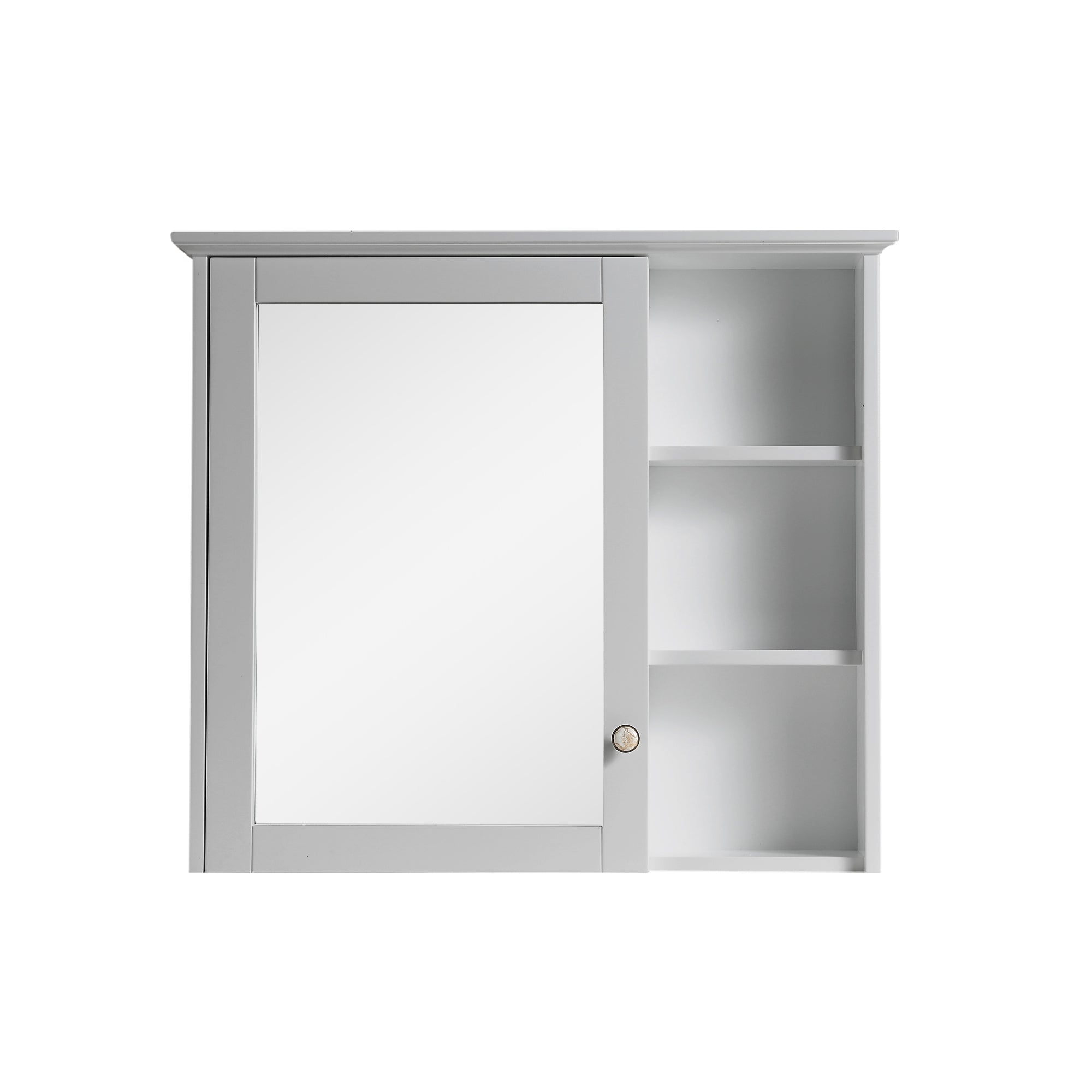
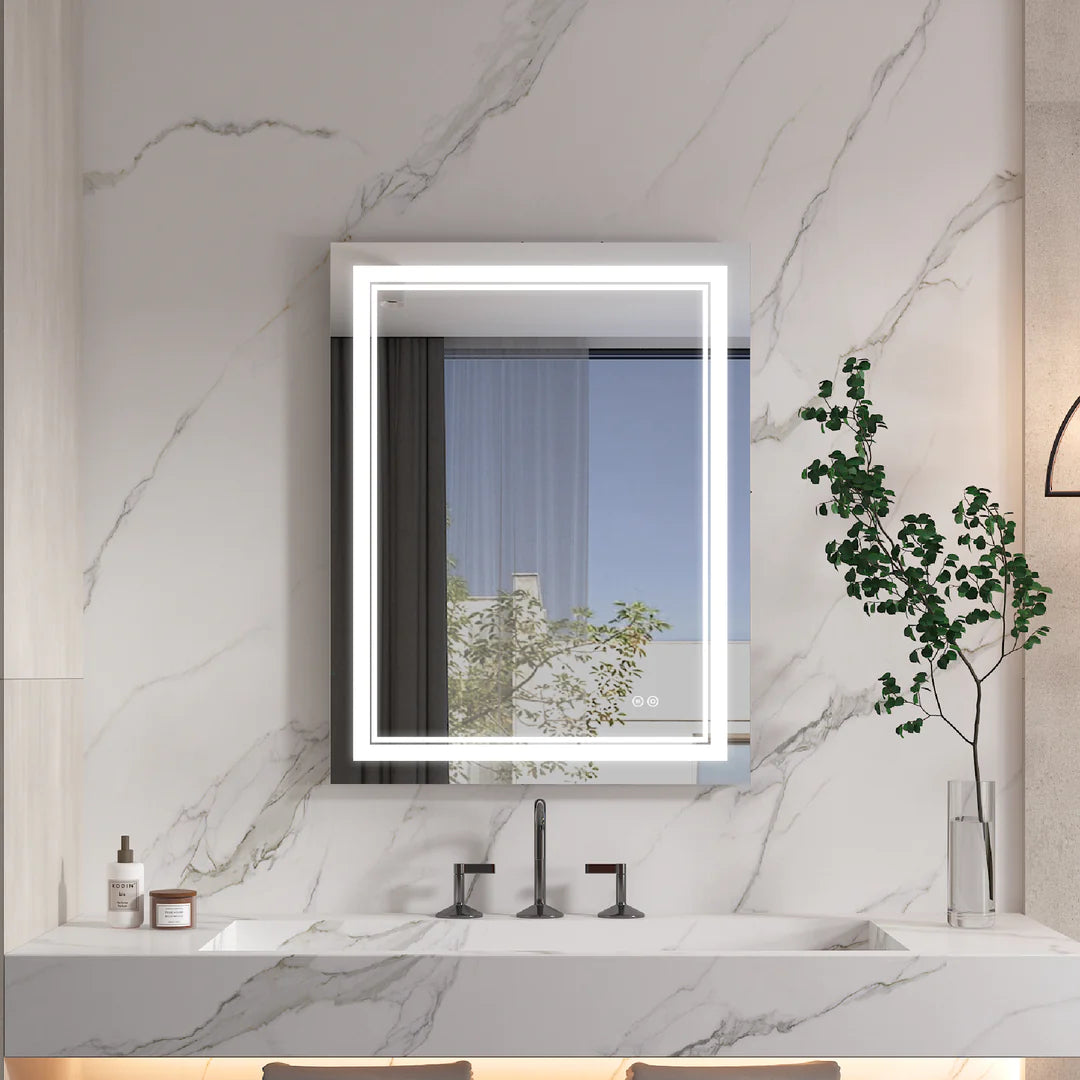
Medicine cabinets with light have moved from “nice-to-have” to a mainstream upgrade, especially as more people want cleaner countertops, integrated task lighting, and hidden charging. In one large renovation survey, 20% of upgraded medicine cabinets included outside lighting and 21% included inside lighting, while 24% offered hidden plugs as a top feature. Those numbers matter because once lighting and power move into the cabinet, outlet planning shifts from “one receptacle near the sink” to “a small electrical ecosystem” that must still stay code-aligned and service-friendly.
Why Outlet Placement Gets Revisited When the Cabinet Adds Power
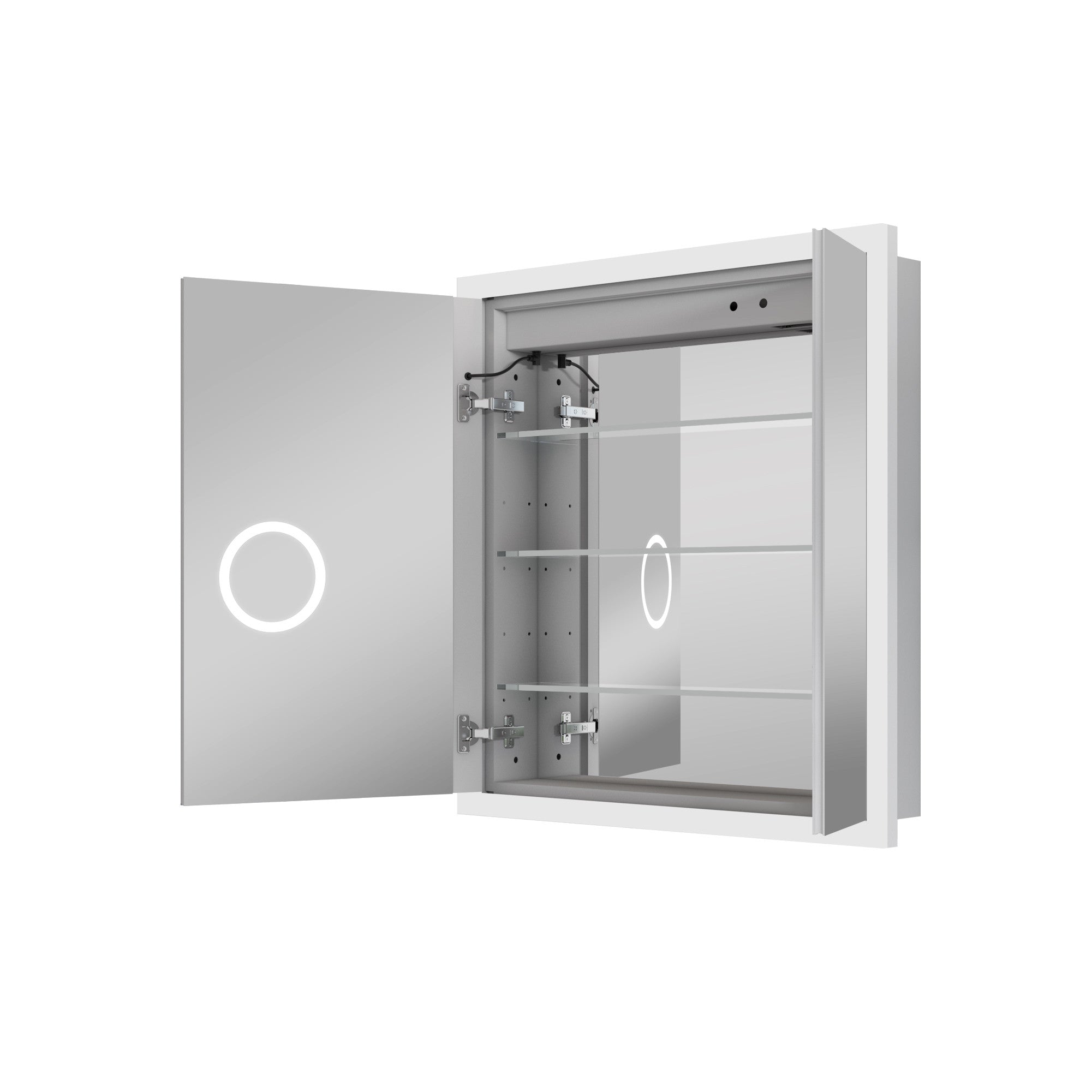
A standard mirrored cabinet is mostly carpentry. A lighted cabinet can be carpentry plus electrical: LED drivers, defoggers, touch controls, and sometimes internal outlets or USB modules. That combination changes what installers worry about:
· Where the cabinet’s power will come from (hardwired vs plug-in).
· Whether the cabinet’s internal outlets reduce the need for countertop outlets (often assumed, frequently wrong).
· How to keep everyday devices (hair dryer, toothbrush charger, shaver) convenient without creating cord clutter or nuisance tripping.
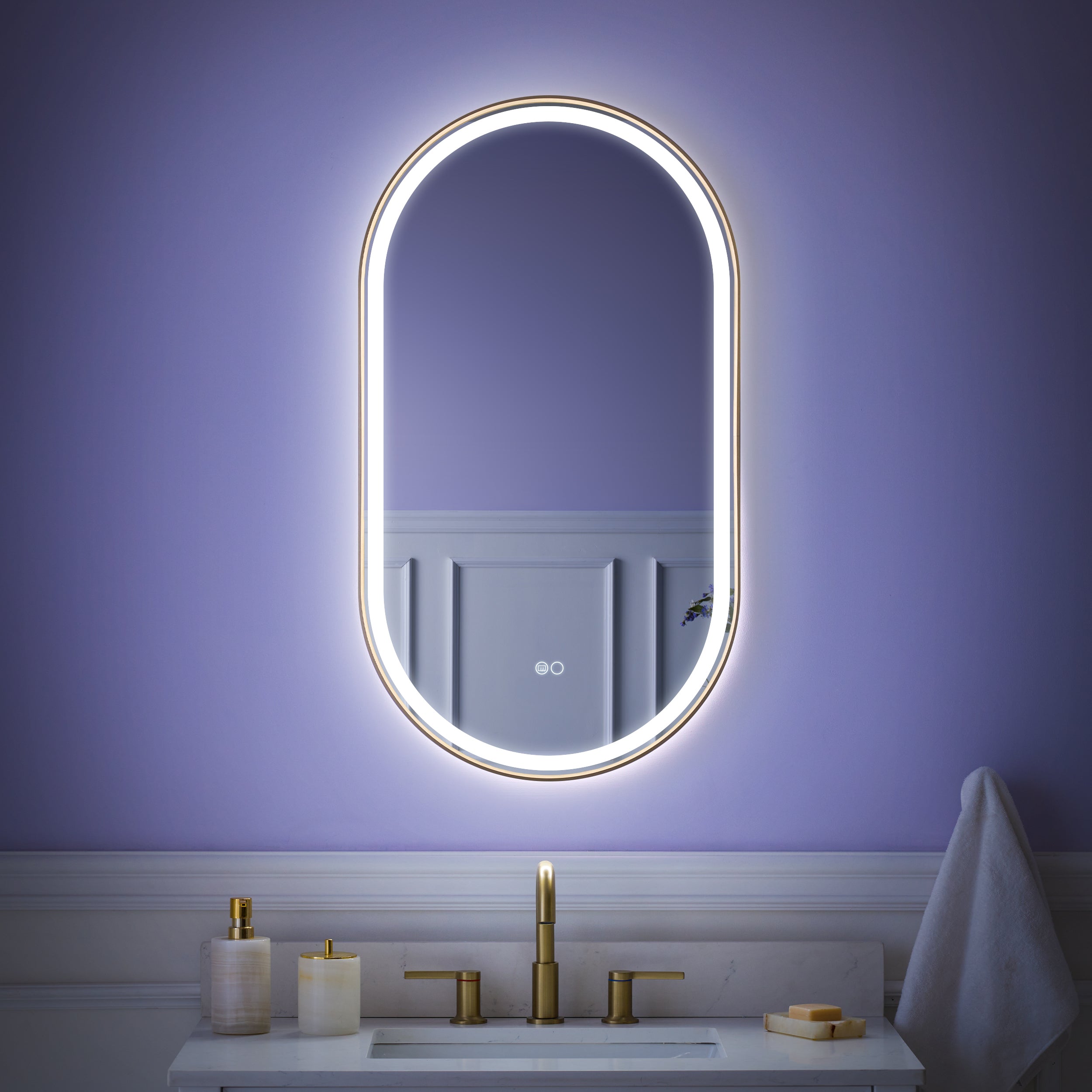
And the trend isn’t small. The same renovation data shows 73% of bathroom renovators install mirrors during upgrades, and 21% choose mirrors enhanced with LED lighting. As lighting and outlet placement become part of the mirror/cabinet decision, they, too, become part of the decision.
The Non-Negotiable Baseline: The Required Receptacle Near The Sink
No matter what you install in the medicine cabinet, bathrooms still need a receptacle placed where people actually use appliances.
NEC rules commonly cited for bathrooms include:
· At least one receptacle outlet must be installed within 3 ft of the outside edge of each sink.
· That receptacle must be on the wall/partition adjacent to the sink, on the countertop, or on the side or face of the sink cabinet, and it can’t be more than 12 inches below the top of the sink or countertop.
The key implication is practical: even if your medicine cabinet has hidden outlets, you still plan a dedicated, convenient receptacle at the vanity location because the code-required outlet is about safe, usable access for common plug-in tools right at the basin.
Lighted Medicine Cabinets Don’t “Replace” The Required Outlet
This is where many remodel plans get tripped up. People see an internal cabinet outlet and think, “Great, I can skip the wall outlet.”
Code commentary and industry interpretation push in the other direction. A commonly referenced explanation notes that the required bathroom receptacle is in addition to any receptacle that may be part of a luminaire or medicine cabinet.
In plain terms, a receptacle inside a medicine cabinet might be useful for toothbrush chargers or shavers. Still, it generally does not substitute for the required receptacle located within the specified distance to the sink. So yes, lighted cabinets influence planning, but they don’t eliminate the baseline outlet requirement.

Circuit And Protection: Why Integrated Lighting Changes “What Feeds What.”
Once you add powered features to the cabinet, you must think beyond placement and into circuits and protection.
Two points that come up repeatedly in NEC-based guidance:
· Bathrooms require at least one 20-amp branch circuit to supply bathroom receptacle outlets (and recent code clarifications explain how additional receptacles can be handled depending on what they serve).
· Bathroom receptacles are commonly required to have GFCI protection (and modern code cycles expanded GFCI scope across voltage ranges in multiple locations, including bathrooms).
Why this matters for a lighted medicine cabinet:
· If the cabinet is hardwired, it’s often tied into lighting circuits. If it also includes internal outlets, ensure the protection and circuit design match the intended use and local inspection requirements.
· If the cabinet is plug-in, you need a receptacle location that stays compliant and accessible while also not violating the “right next to the sink” usability goal for the required outlet.
Bottom line: integrated lighting doesn’t just change where you put outlets—it changes how you think about circuit loading, GFCI strategy, and what gets connected to which branch circuit.
Hidden Plugs And In-Cabinet Outlets: Convenient, But Plan Them Carefully
Hidden plugs are now a recognized “feature,” not a niche add-on: 24% of upgraded medicine cabinets list hidden plugs among top features, and 18% include an anti-fog system. That combination is exactly why outlet planning becomes more intentional.
Practical planning guidance:
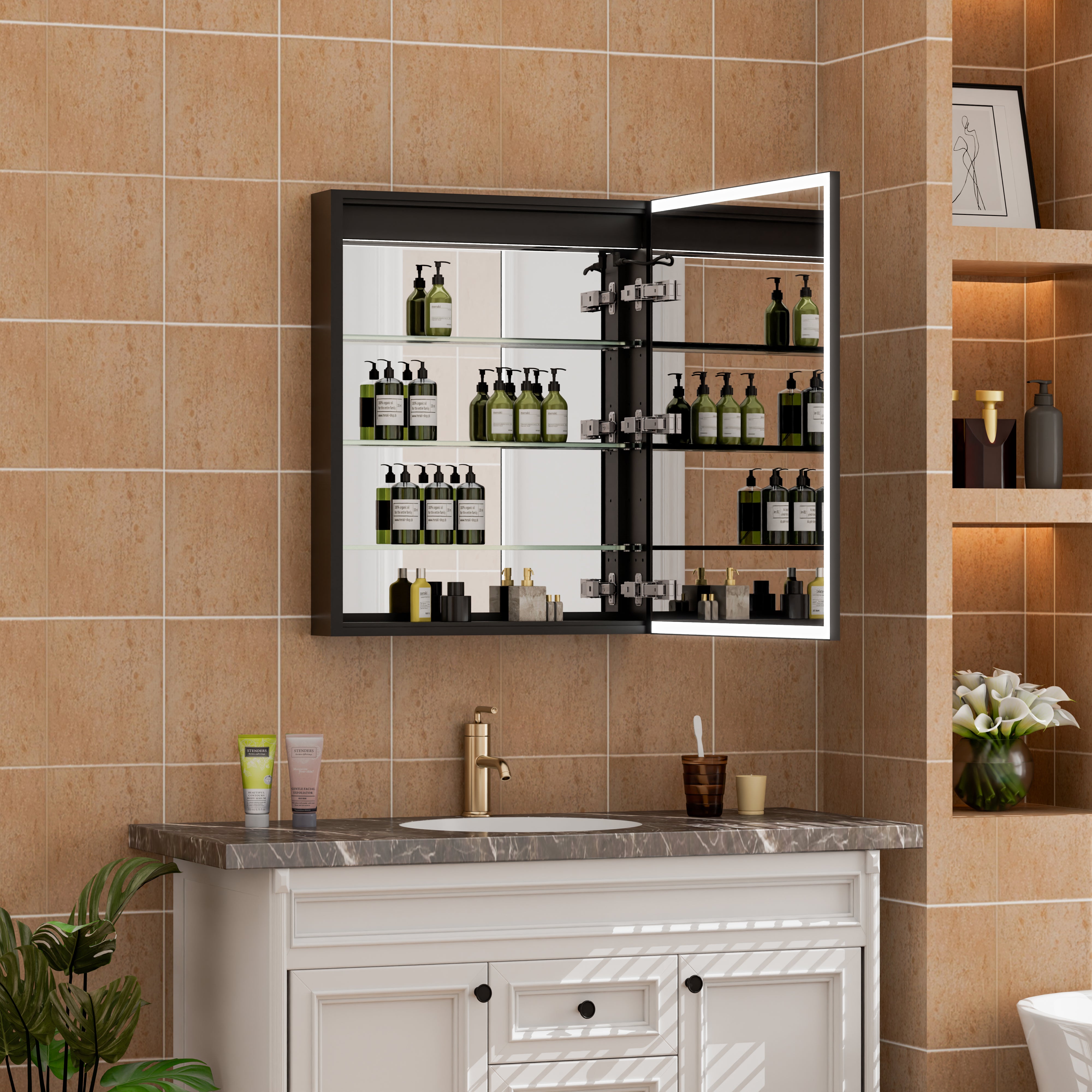
· Treat the in-cabinet outlet as a charging station (toothbrush, water flosser, shaver), not as the only place you’ll ever plug in a hair dryer.
· Make sure cords can route cleanly, and doors can close without pinching cables.
· Don’t design a cabinet outlet that requires leaving the door open all day to keep something powered—people will do it, and it will look messy.
If you’re adding power modules inside cabinetry (vanity drawers, cabinet sides, etc.), product safety standards frequently referenced for furniture-integrated power include UL 962A (Furniture Power Distribution Units). That’s one reason “hidden outlet” solutions often advertise UL 962A certification: it’s a common benchmark for power distribution built into furniture-like enclosures.
What A Good Layout Often Looks Like In Real Bathrooms
A clean, high-function vanity zone usually ends up with two “layers” of power:
1. The required receptacle near the sink
2. Place it so it satisfies the 3 ft rule and the height/below-counter constraints, and so a hair dryer cord can reach the mirror without crossing the faucet.
3. Optional convenience power is integrated into the cabinet.
4. This is where lighted medicine cabinets shine: internal outlets/USB for charging and hiding clutter, plus lighting that reduces the need for extra fixtures. Renovation data shows medicine cabinet lighting appears both inside (21%) and outside (20%).
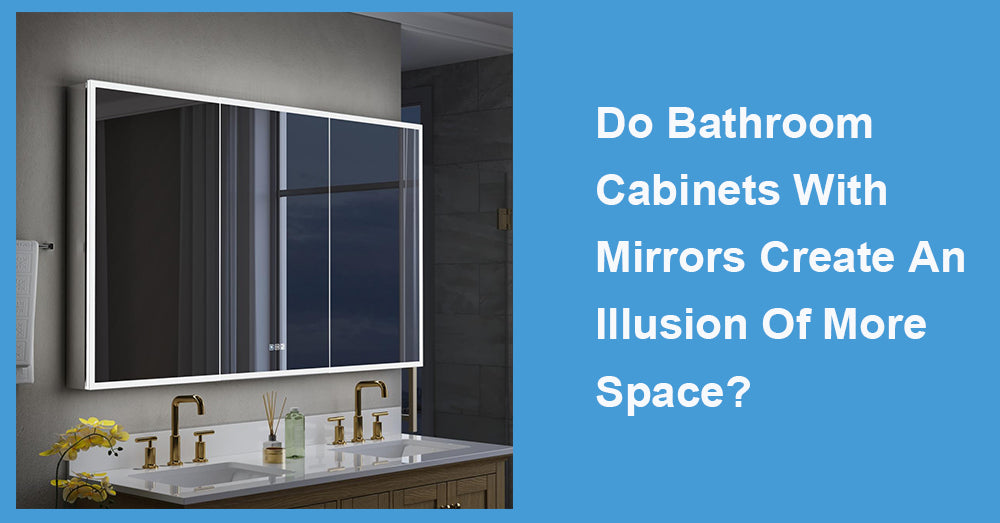
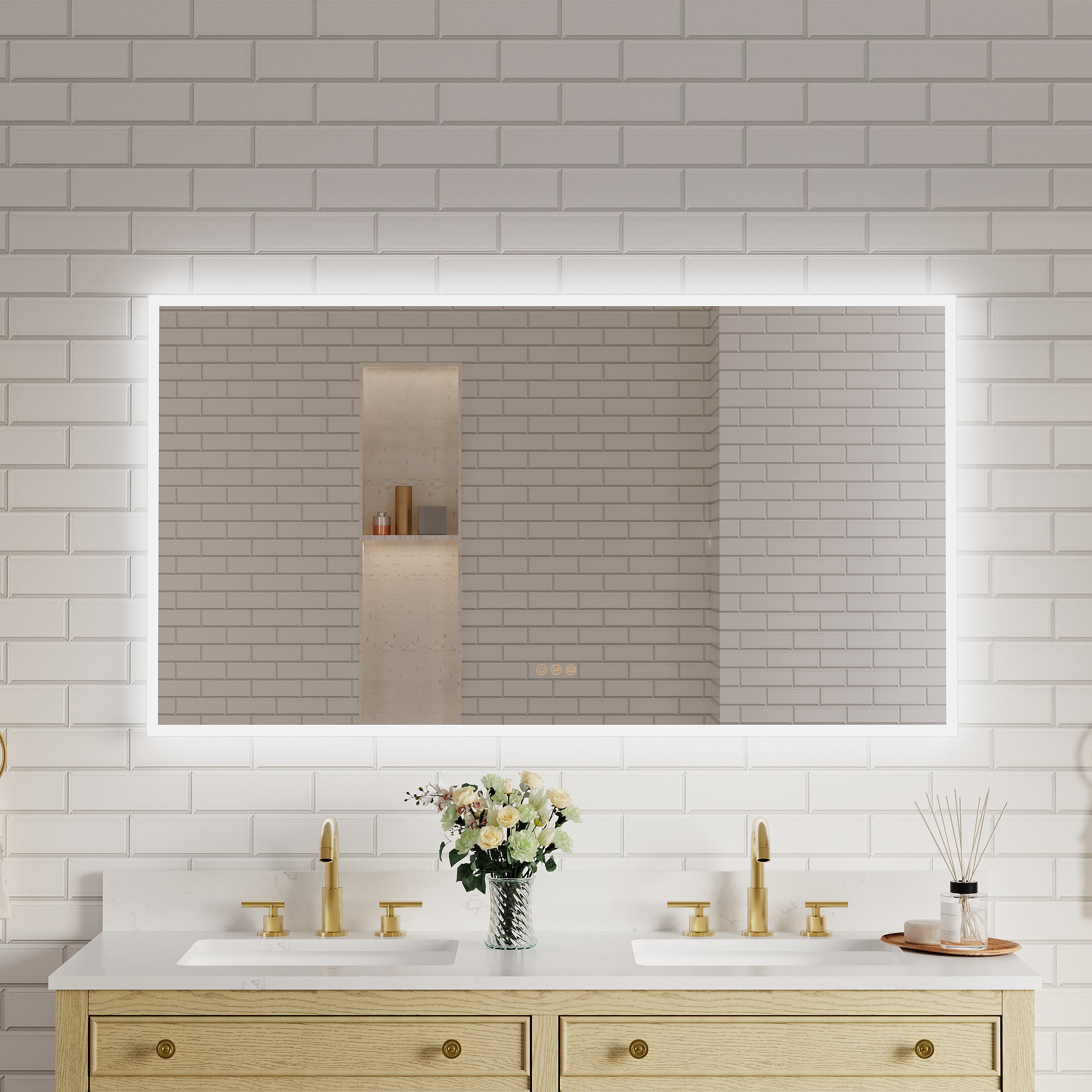
In double-vanity setups, remember that the rule applies to each sink. Many electricians and inspectors interpret “each basin” literally, so a single outlet between the sinks must still be within 3 ft of the outside edge of each basin to satisfy the requirement.
The Industry Takeaway
So, do medicine cabinets with light influence outlet placement? Yes—because they introduce new powered components, encourage hidden charging, and can reduce countertop cord clutter. But they don’t change the fundamentals: you still plan the code-required receptacle near the sink, and you treat any cabinet outlets as supplemental convenience power rather than a substitute.












Leave a comment
This site is protected by hCaptcha and the hCaptcha Privacy Policy and Terms of Service apply.