
















In modern urban life in 2026, the renovation of small bathrooms has become an art of making the most of limited space. How can you give a 5-square-meter bathroom a 10-square-meter sense of openness without changing the physical walls? This is a proposition that every designer and homeowner is exploring.
The bathroom cabinet with mirrors once popular at the end of the 20th century and now making a more intelligent return, is widely recognized as the "secret weapon" for bathroom expansion. It not only solves the pain point of storage but also uses the principle of light reflection to create a deep visual deception. So, how does it create the illusion of expanding space through the game of geometry and light? This article will reveal 7 core logics for you.
1. The 'Hidden' of Physical Depth: Visual Magic for Embedded Installation
For medicine cabinets, the first step in expansion is often "disappearance".
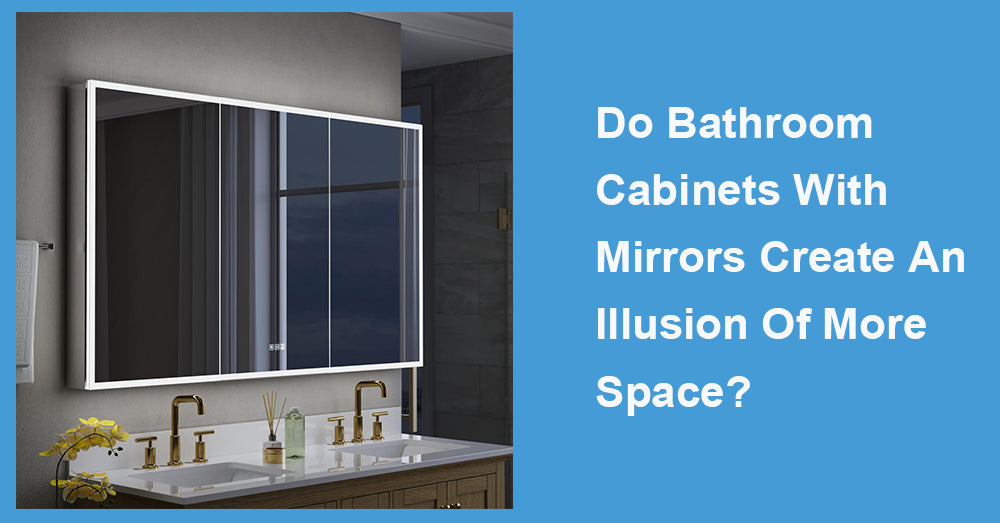
Recessed advantage: During renovation, if the wall conditions permit, the medicine cabinet can be embedded in the wall so that its mirror surface is flush with the tiles. At this point, it is no longer a protruding piece of furniture, but a part of the wall.
Breaking the sense of enclosure on the wall: The mirror reflects the space on the opposite side, creating a "pseudo window" visually. This illusion of depth can instantly dissolve the sense of oppression the wall creates. Research has shown that using embedded mirror cabinets in bathrooms smaller than 6 square meters can increase residents' average perceived spaciousness score by over 40%.
2. Doubling the Reflection Path: Creating a 'Second Space' Using Light
The core function of a mirror is to reflect light, and light is a key factor in defining the size of space.
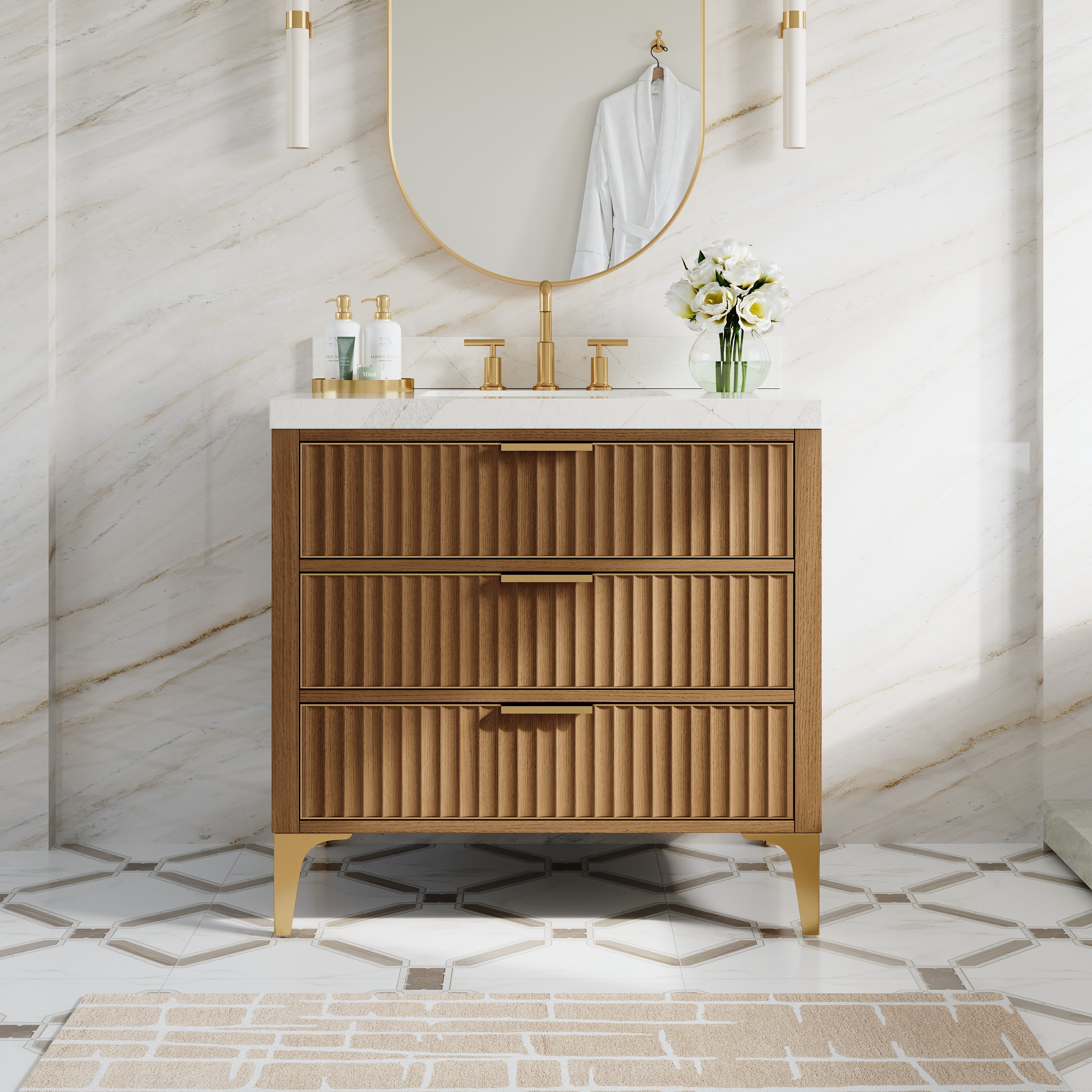
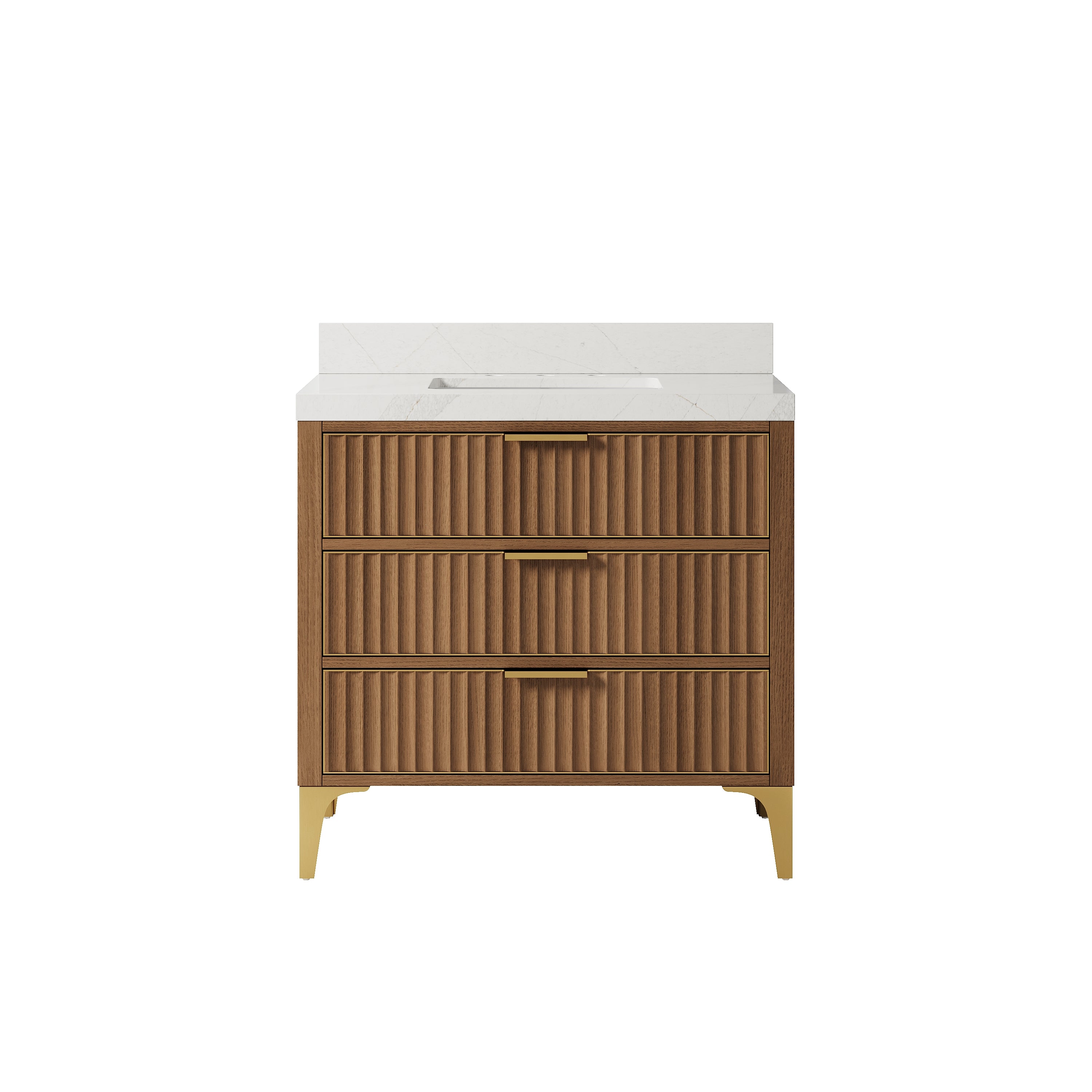
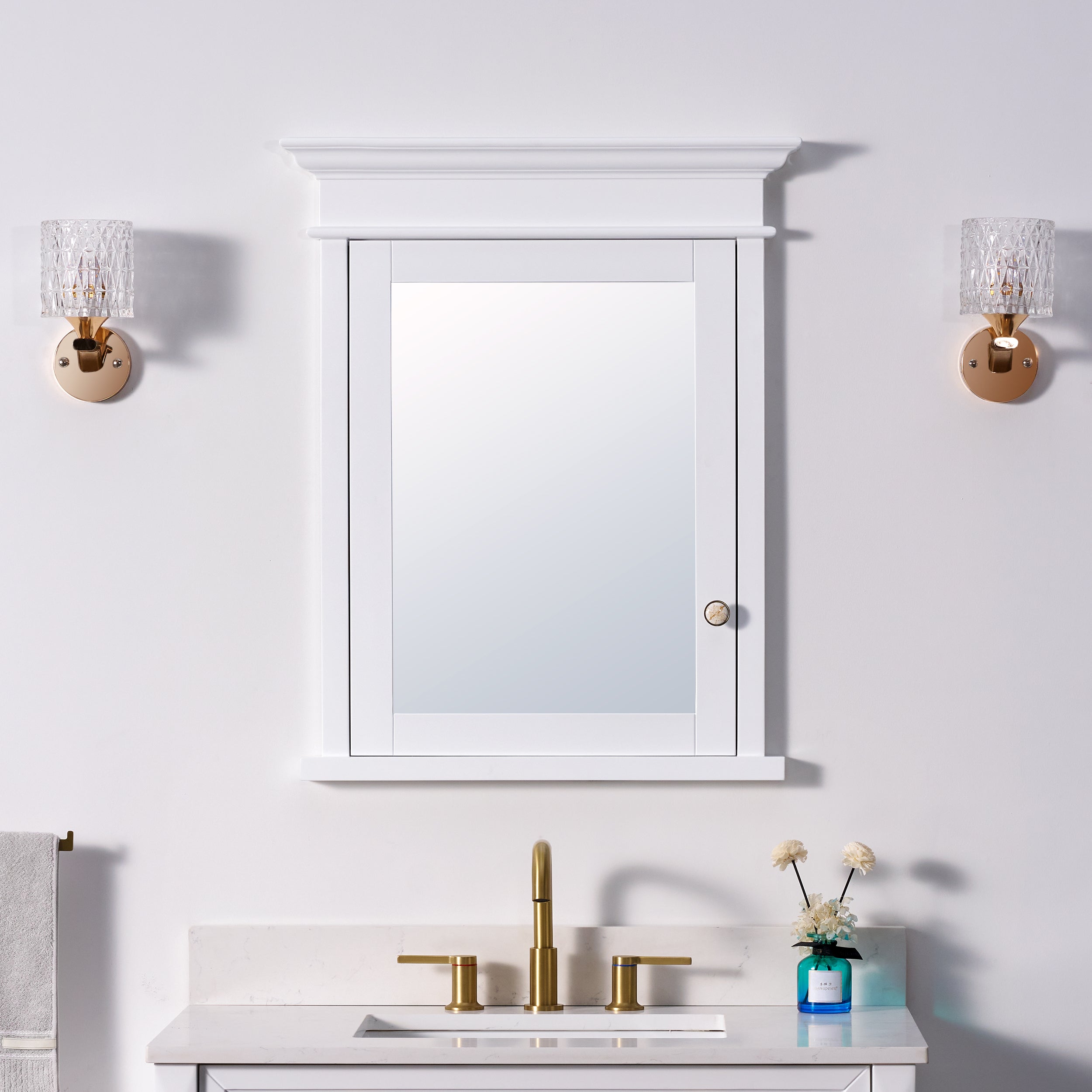
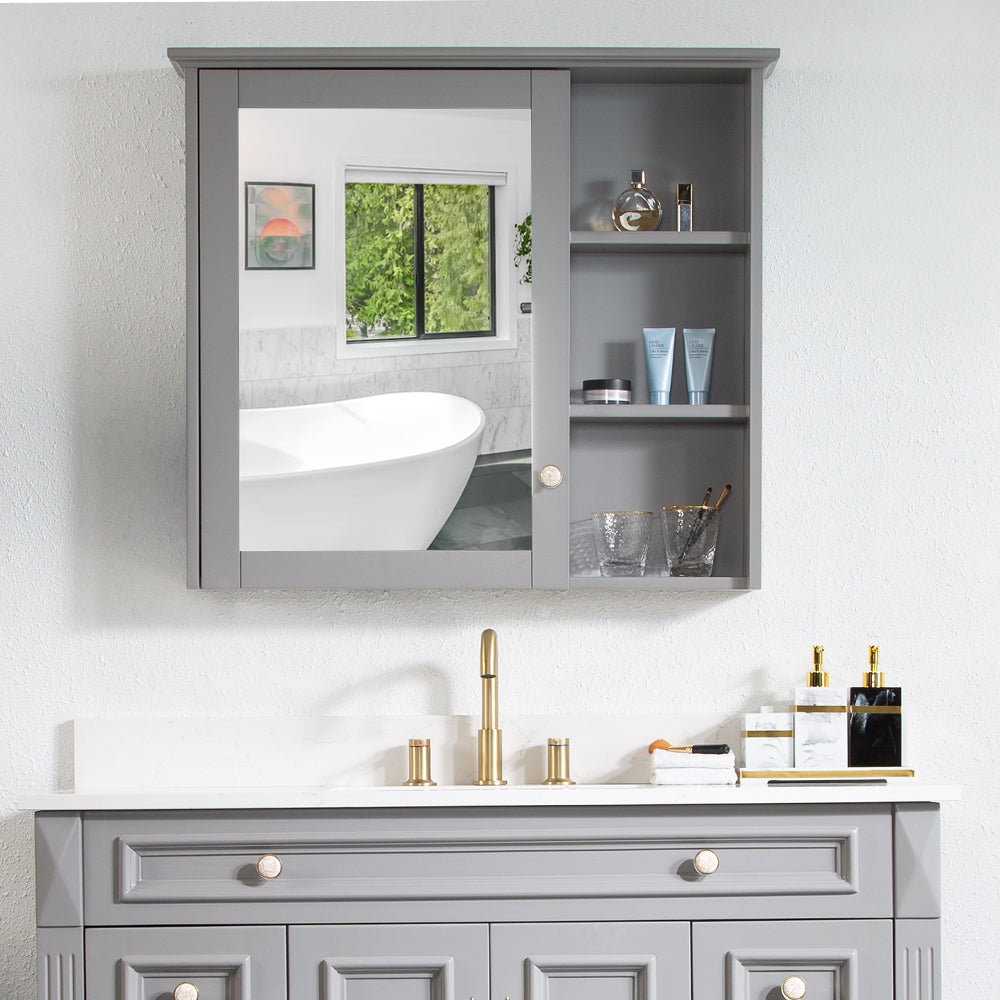
Geometric diffusion of light: When the medicine cabinet is installed above the 36-inch vanities, it can capture natural light from ceiling fixtures or windows and reflect it to dark corners.
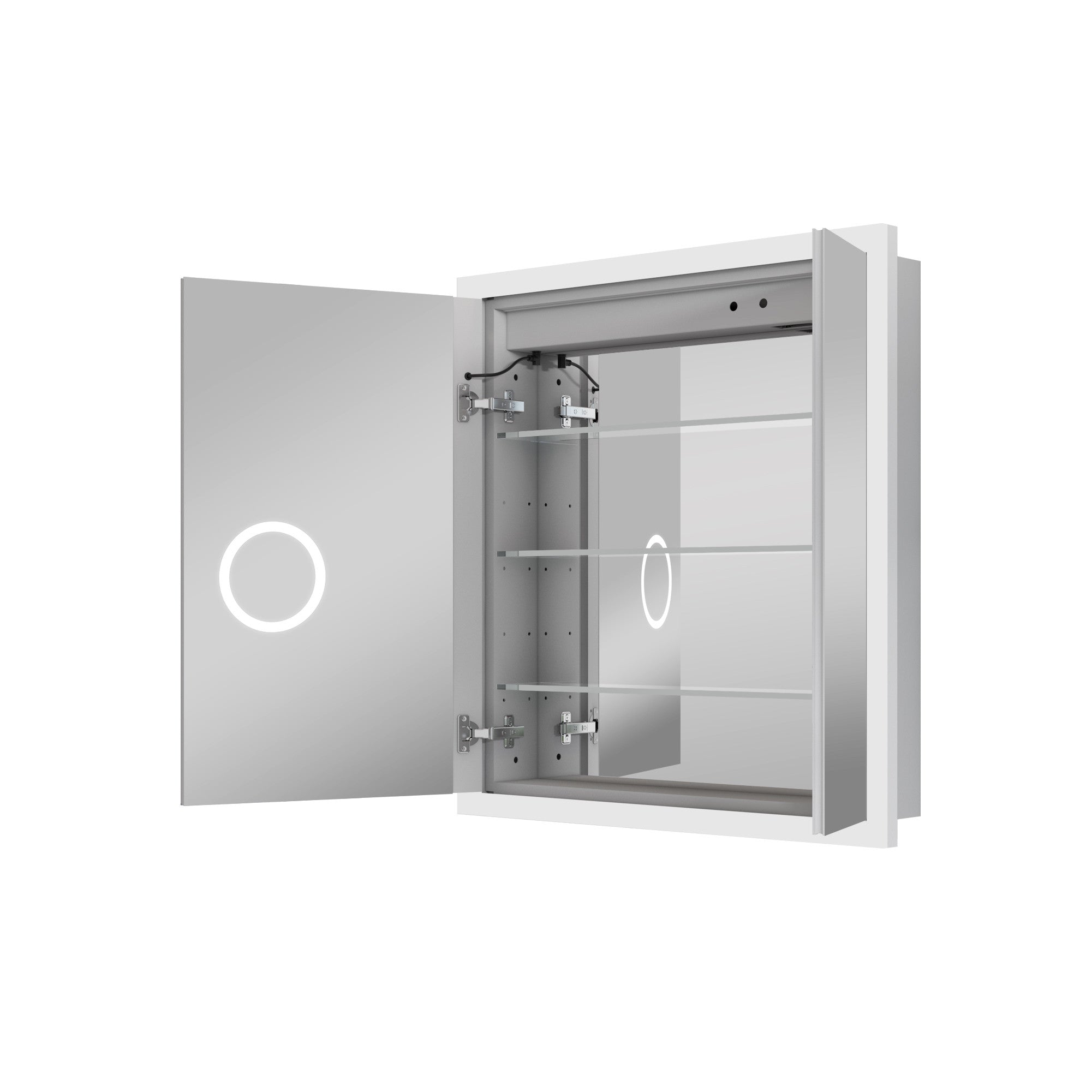
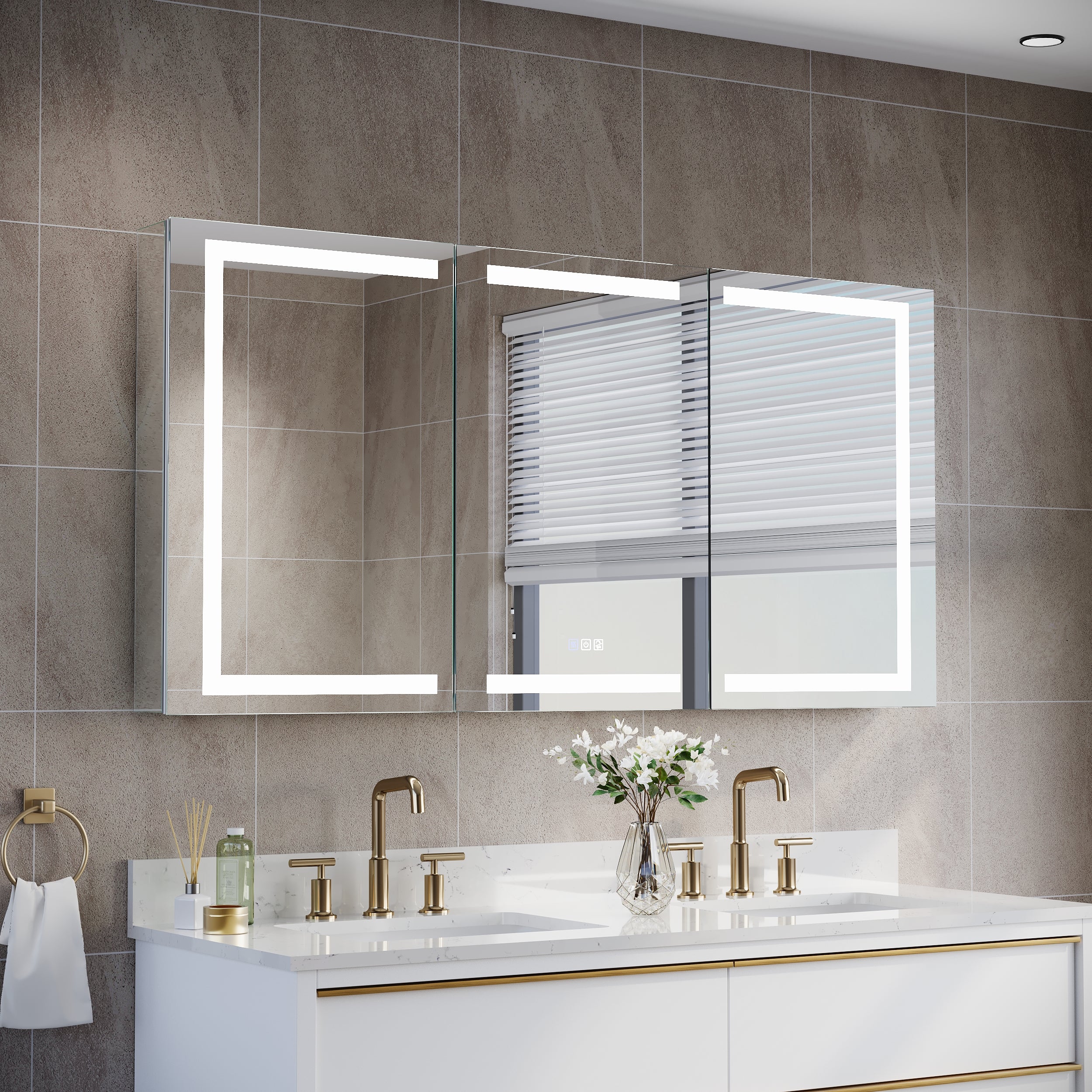
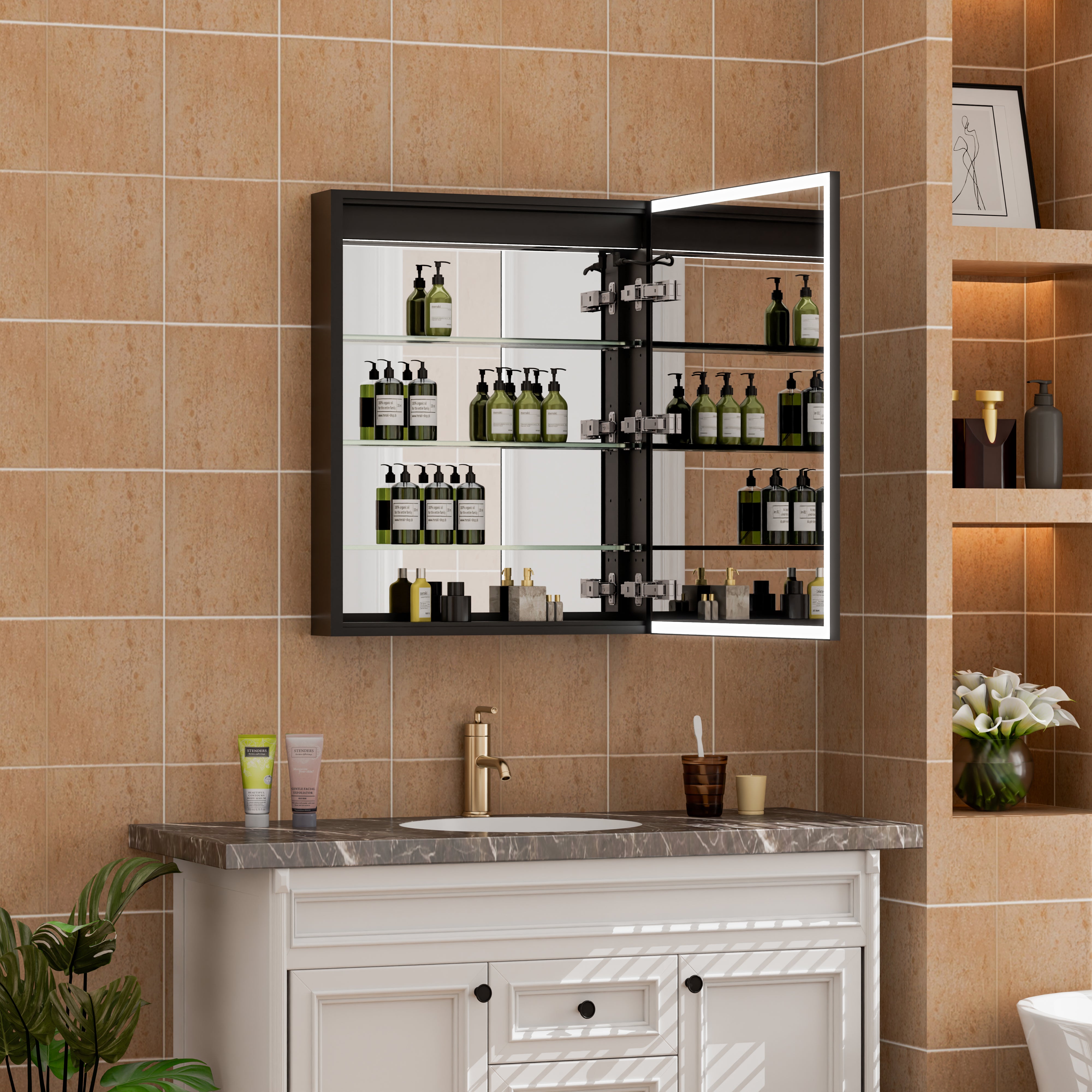
Mirror on Mirror: High-end medicine cabinets in 2026 are typically designed with both inside and outside mirrors. When the cabinet door is half open, multiple angles of reflection are formed between the mirrors, creating a layered sense of spatial depth, making the line of sight seem to penetrate the wall and extend infinitely.
3. Eliminating 'visual noise': tidy expansion brought by storage
The sense of space depends not only on light reflection but also on the visual clarity of the space.
Hidden order: The messy skincare products, toothbrushes, and razors on the bathroom countertop are the "visual noise" of the space. The medicine cabinet stores these trivial items invisibly, freeing up countertop space.
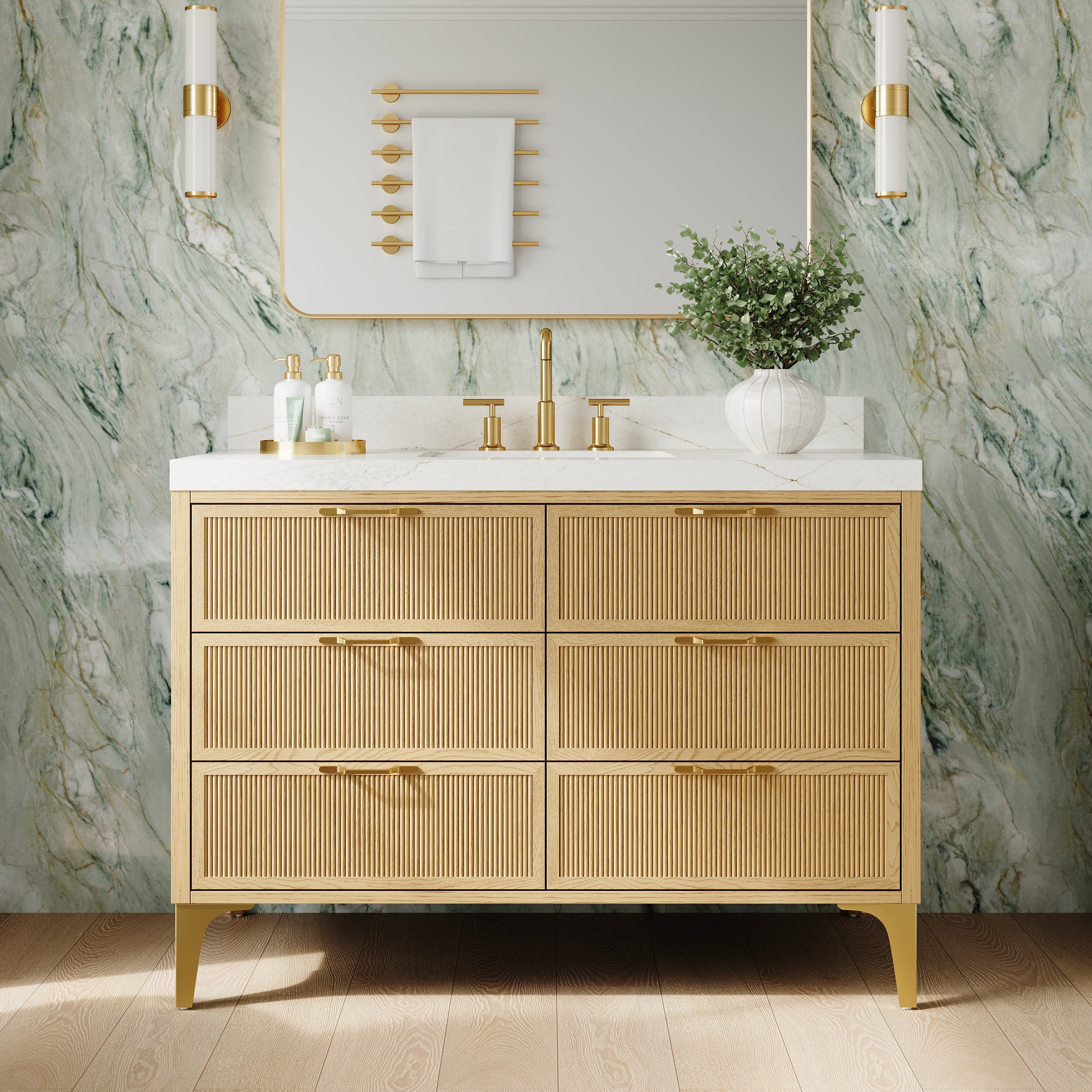
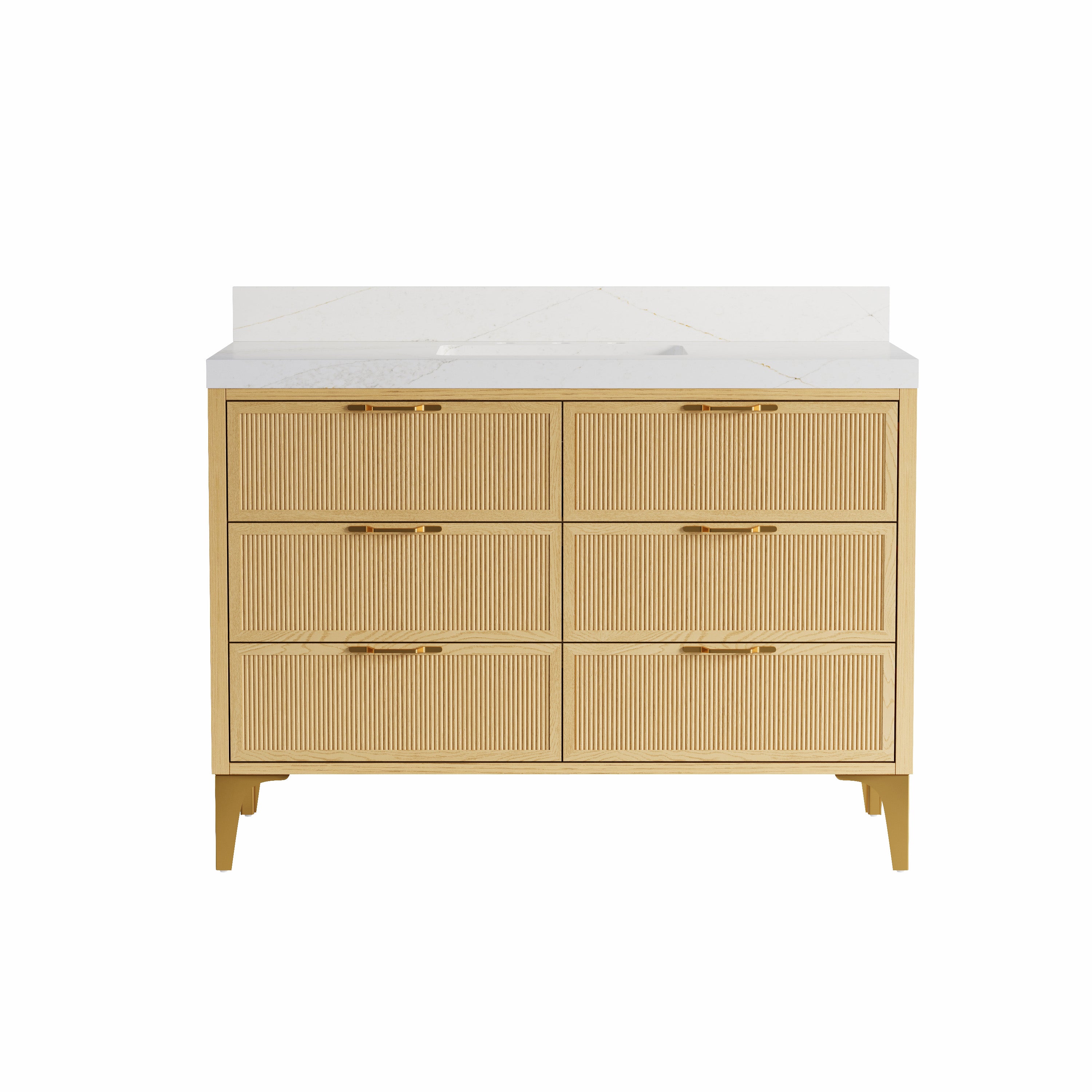
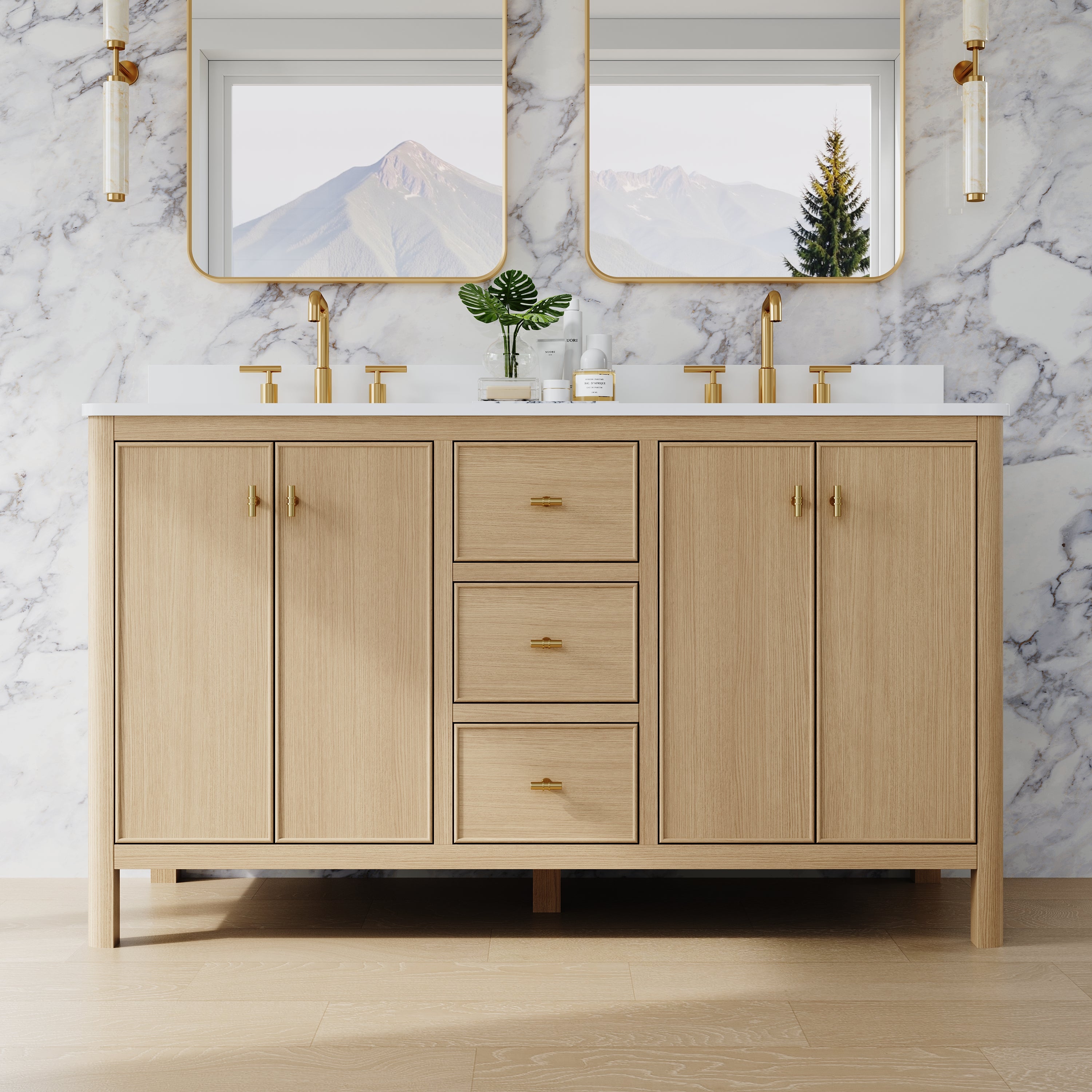
Coherent visual flow: An empty washbasin (White Bath Vanity) allows the line of sight to sweep smoothly, and this continuity is the psychological basis for creating the illusion of a large space. As the architect once said, "Cleanliness is the lowest cost solution for expanding space
4. The art of disappearing borders: the infinite extension of frameless design
The design trend of medicine cabinets in 2026 is evolving towards "borderlessness".
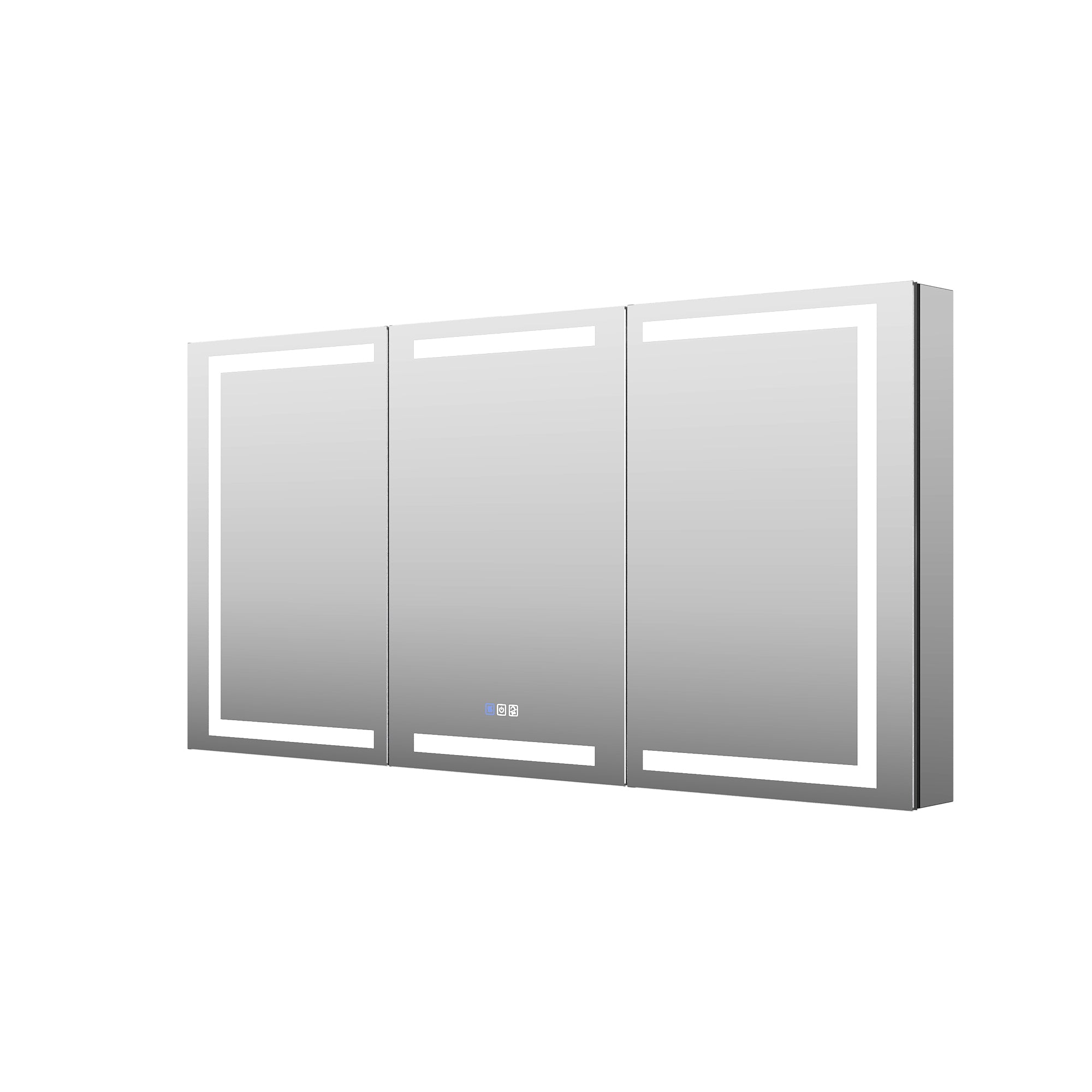
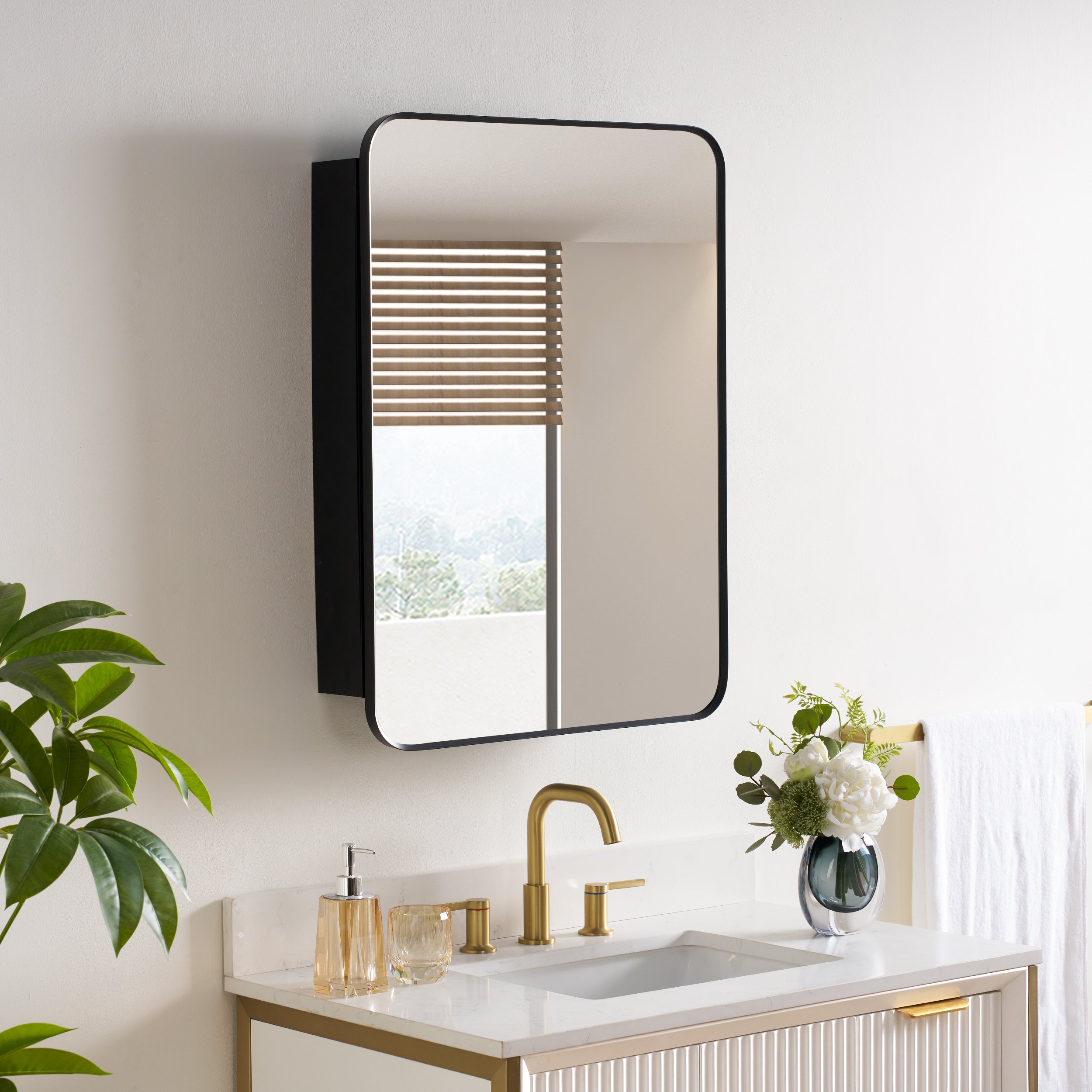
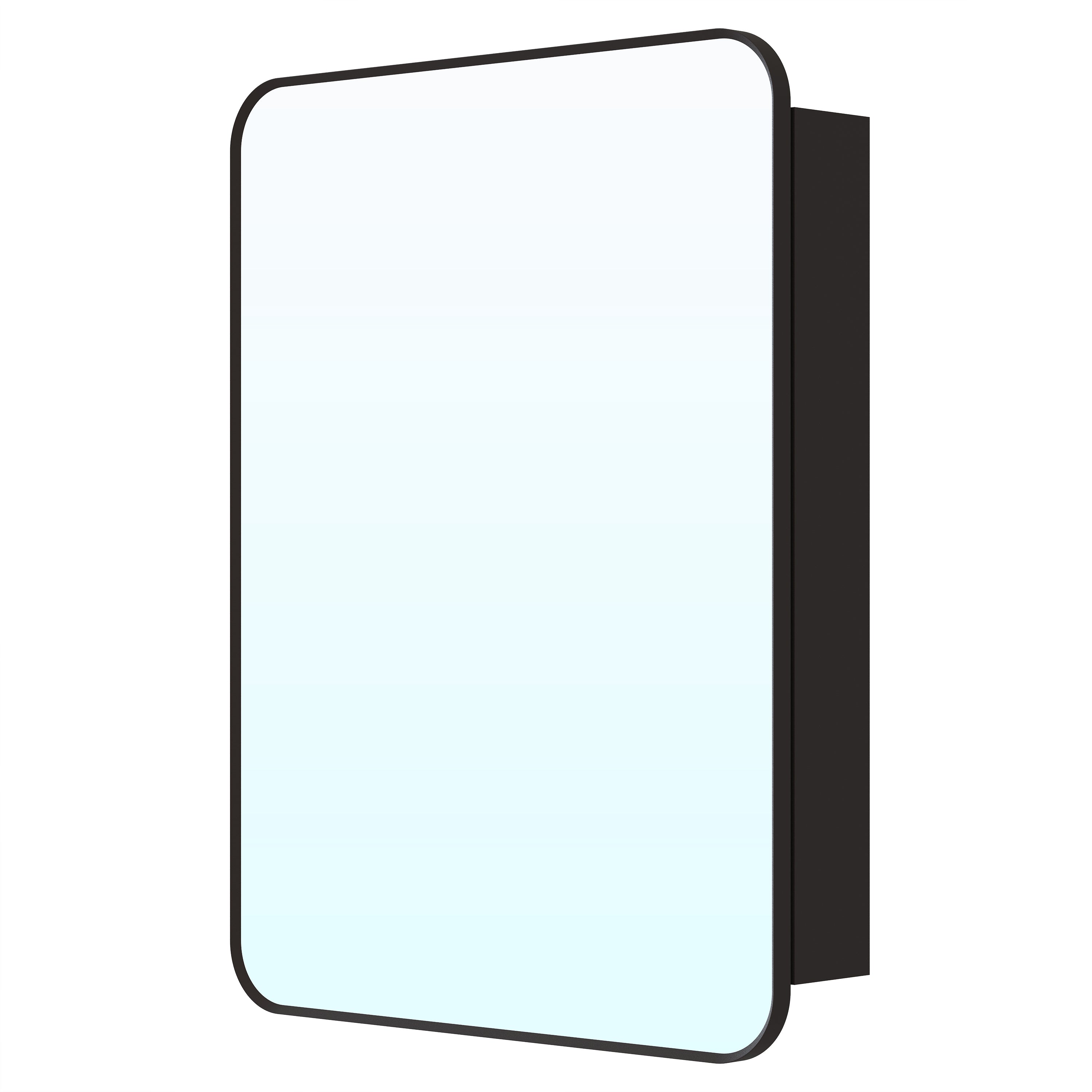
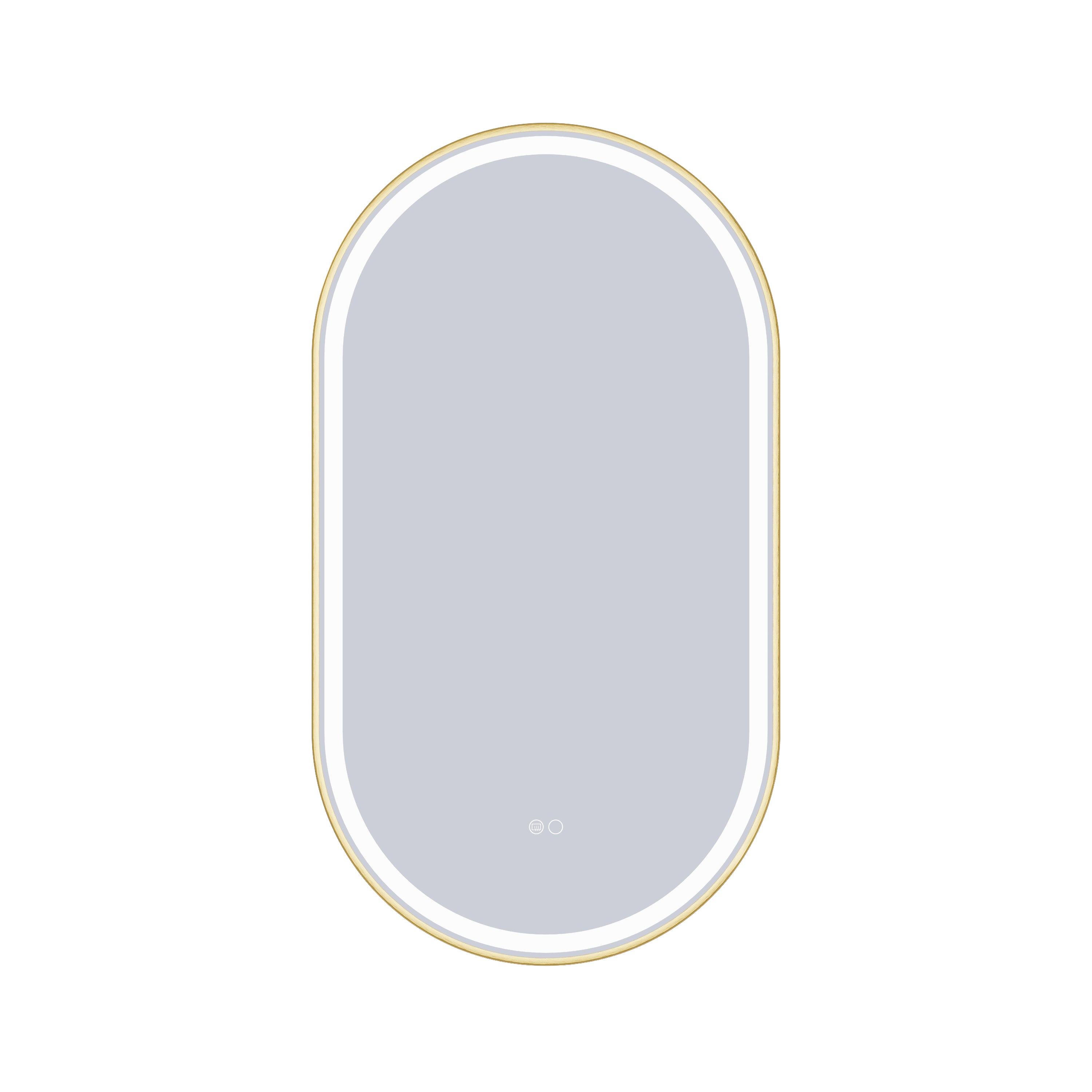
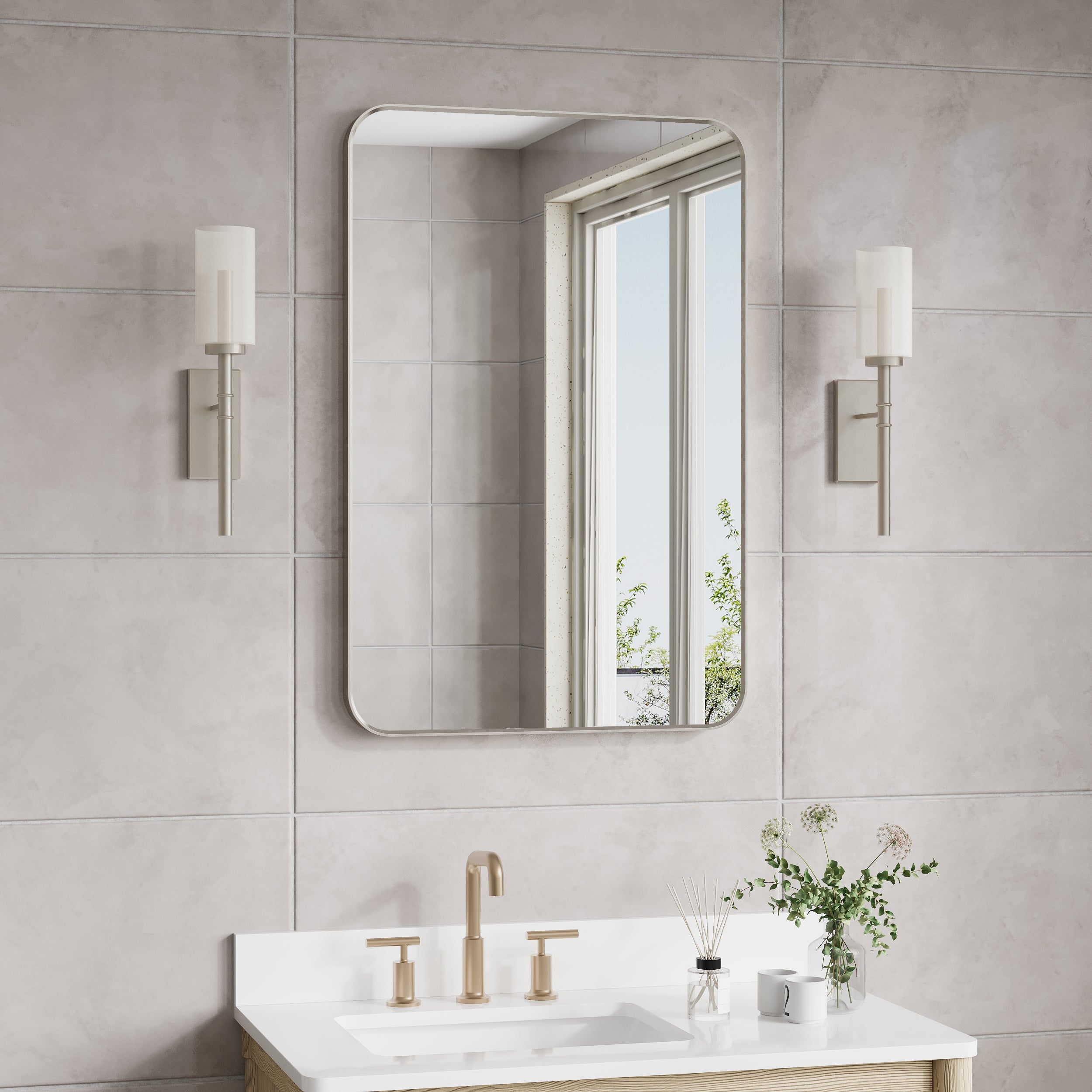
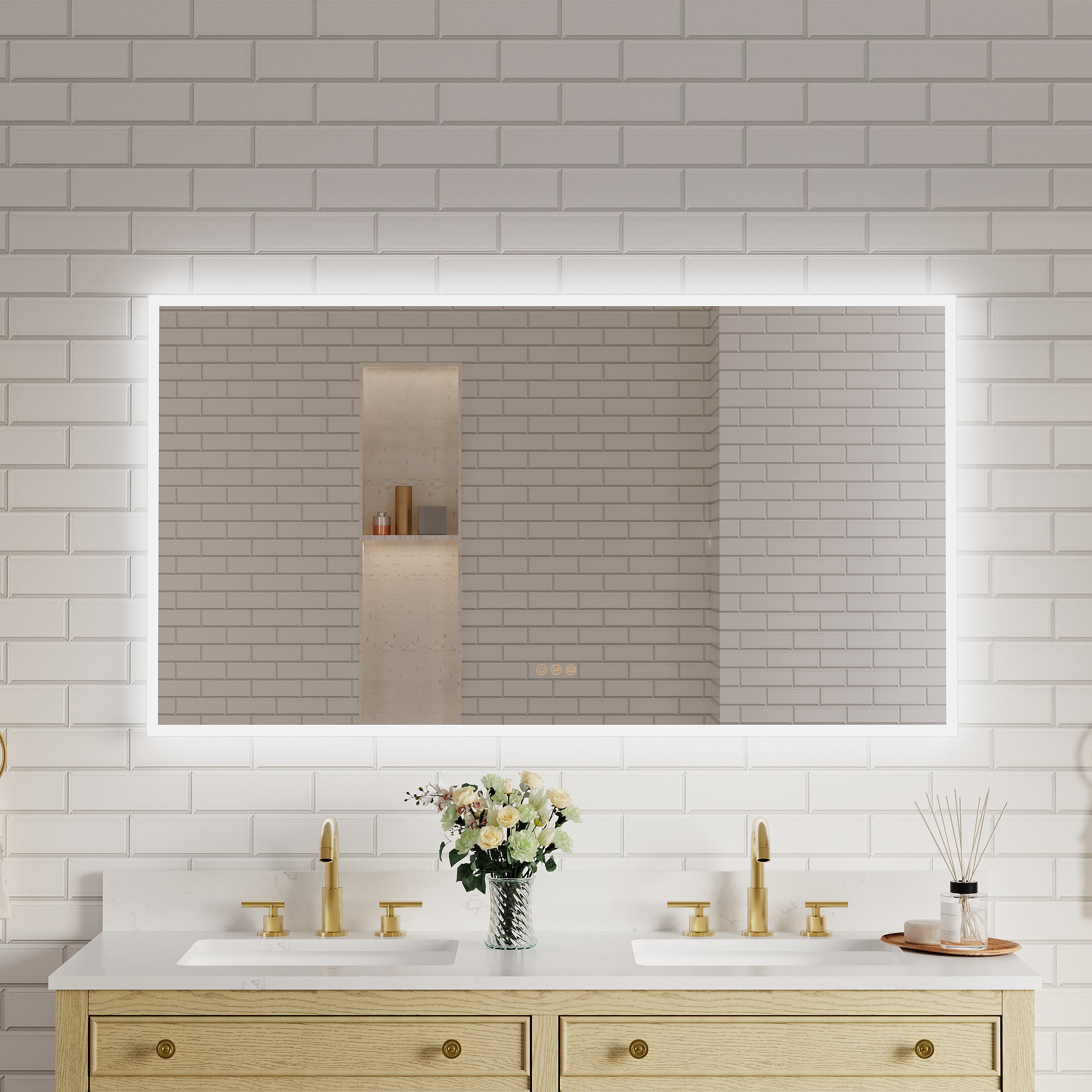
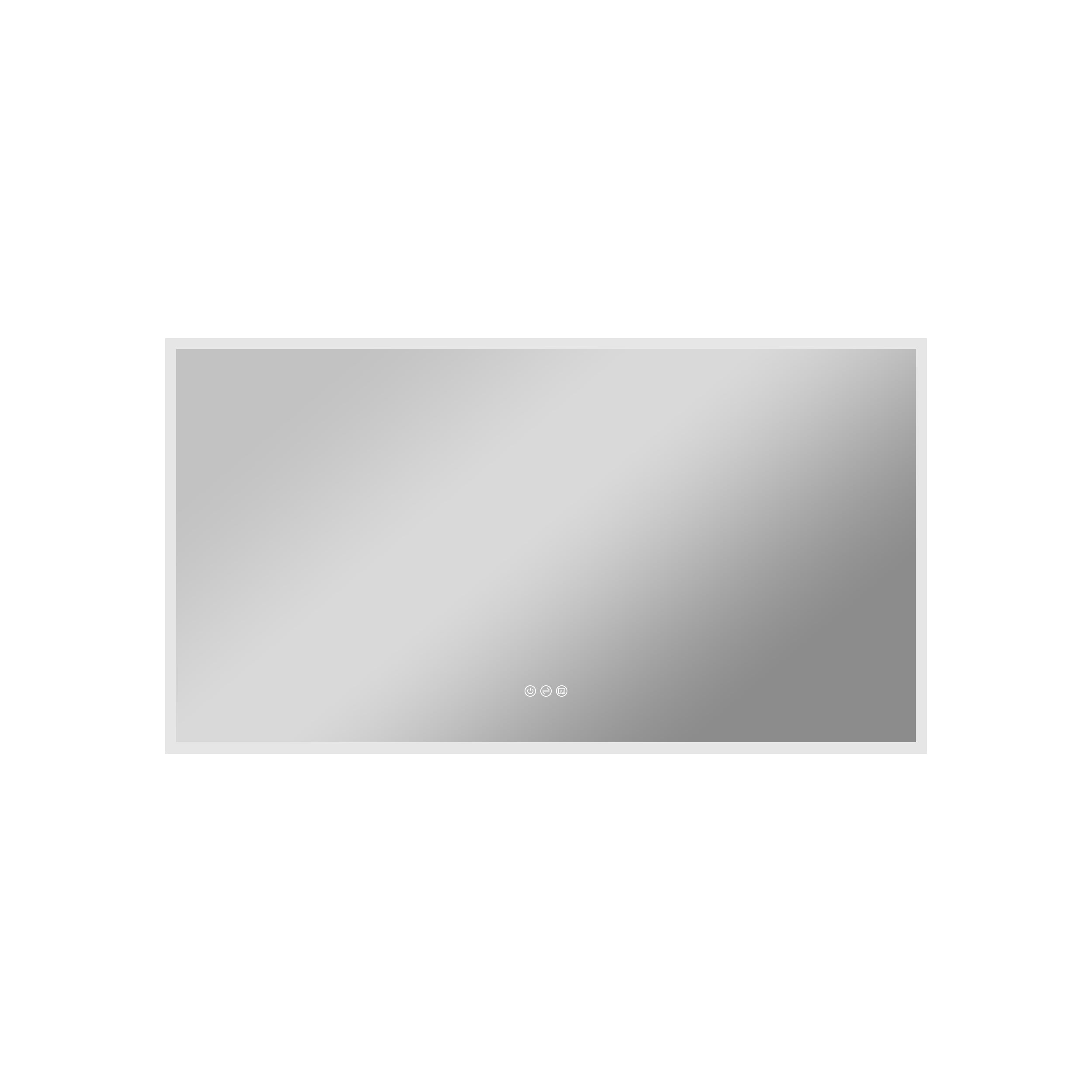
Frameless: Discard heavy borders and use beveled or minimalist polished edges instead. The frameless mirror cabinet can blend seamlessly with the background wall, with no clear visual boundaries, and the line of sight will naturally shift from the mirror to the wall, creating an illusion of infinite horizontal extension of space.
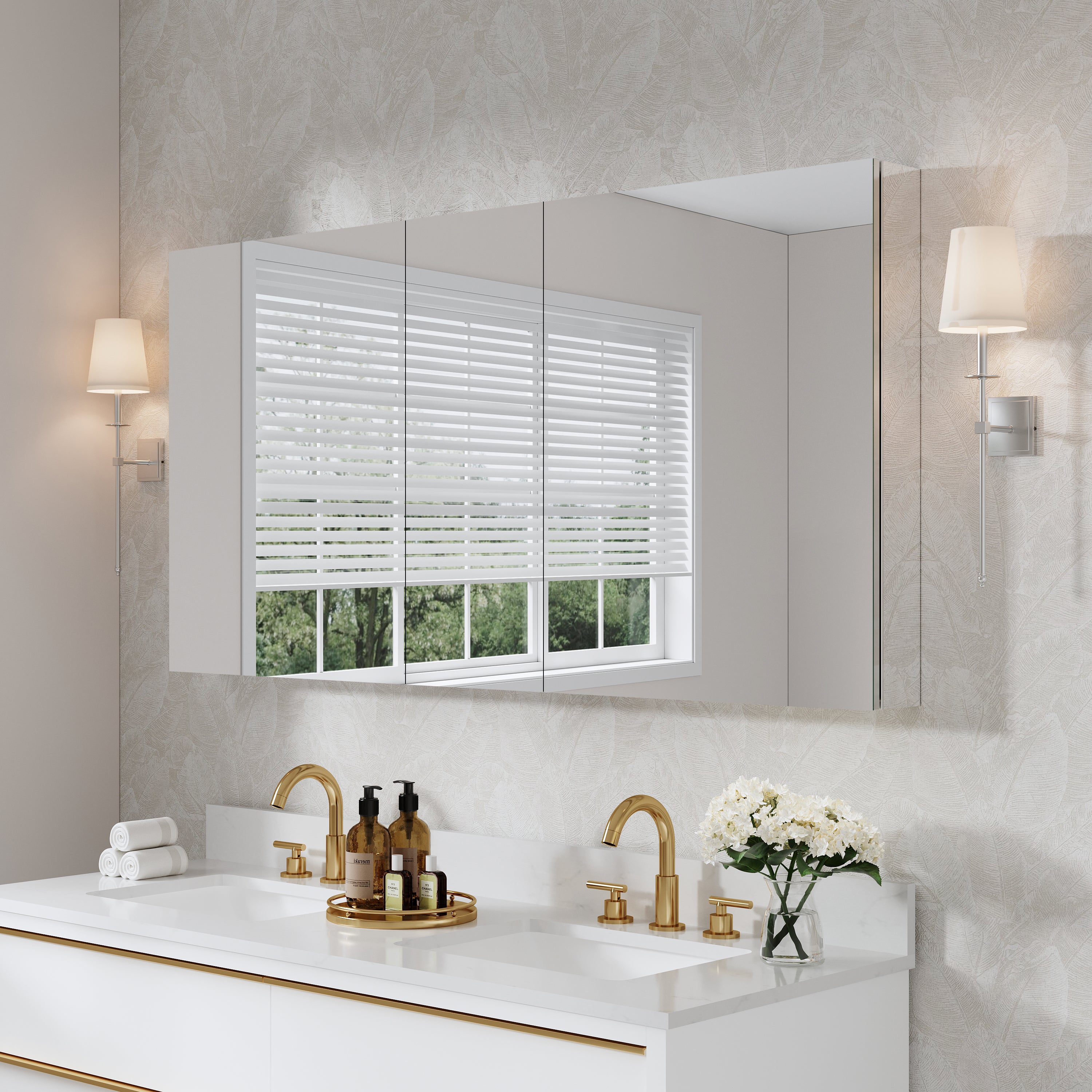
Mirrored Side Panels: For surface-mounted medicine cabinets, side-wrapped lenses can eliminate the heavy shadows on the side of the cabinet, allowing it to "hide" itself through reflection even from a lateral perspective.
5. Light and Shadow Collaboration: Resonance between LED Backlight and Suspension Sense
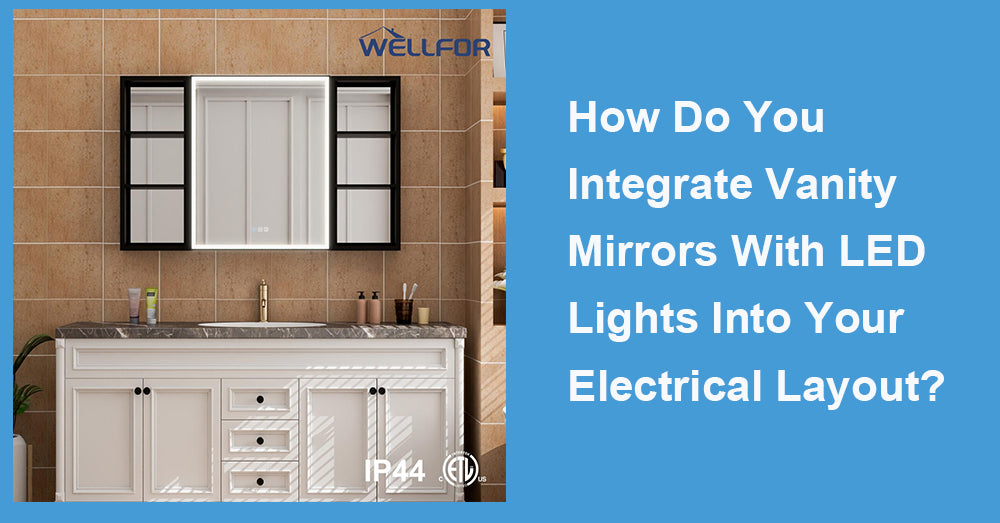
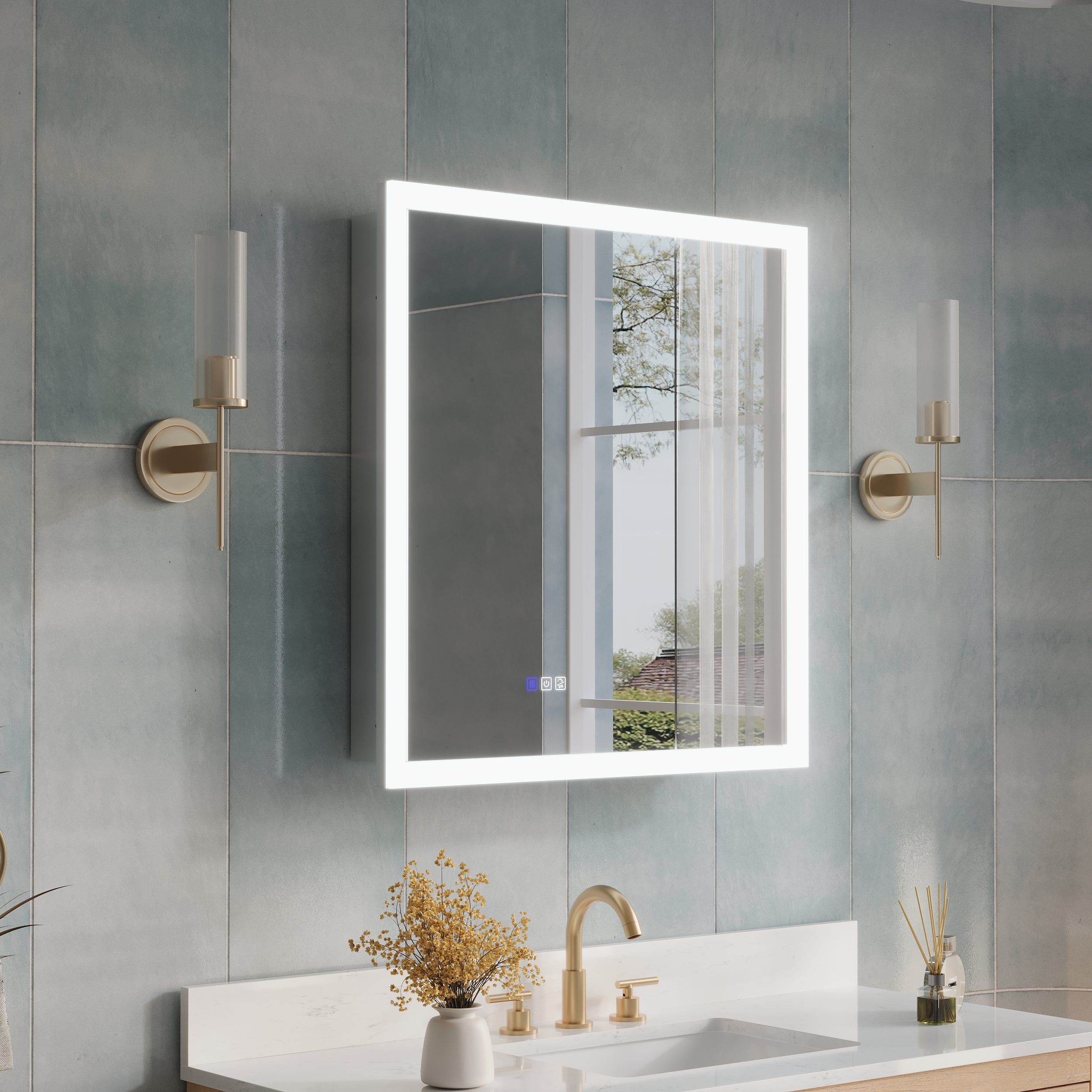
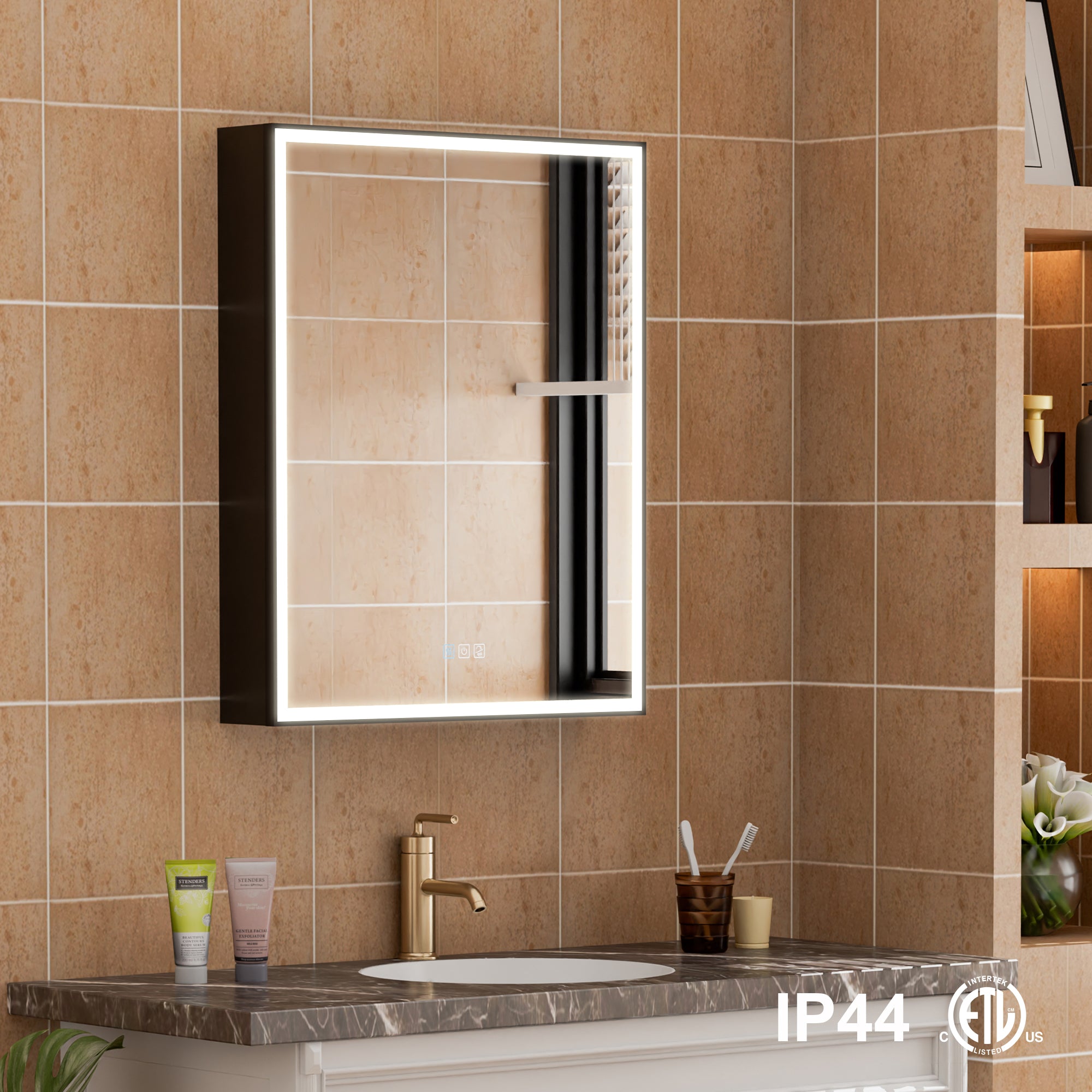
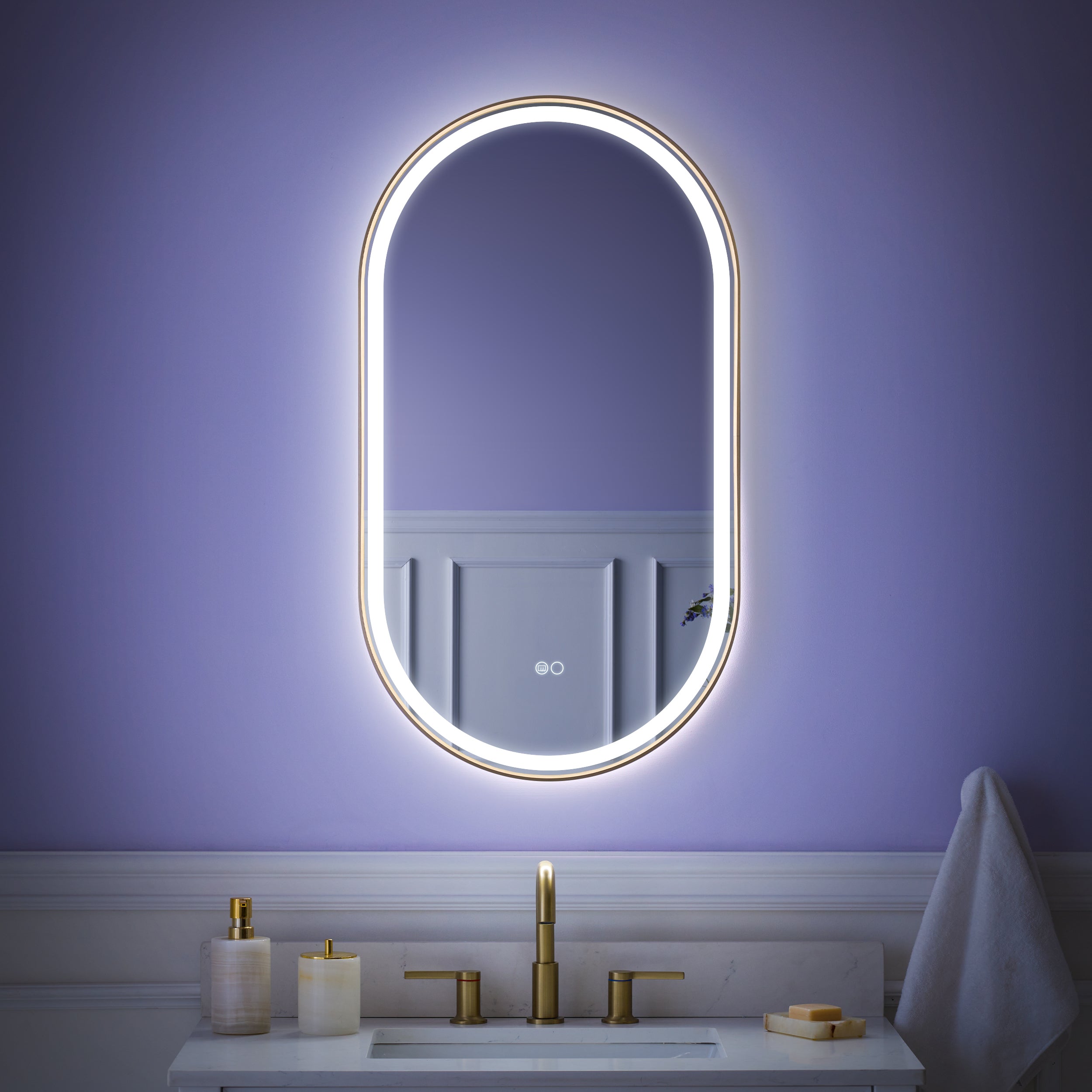
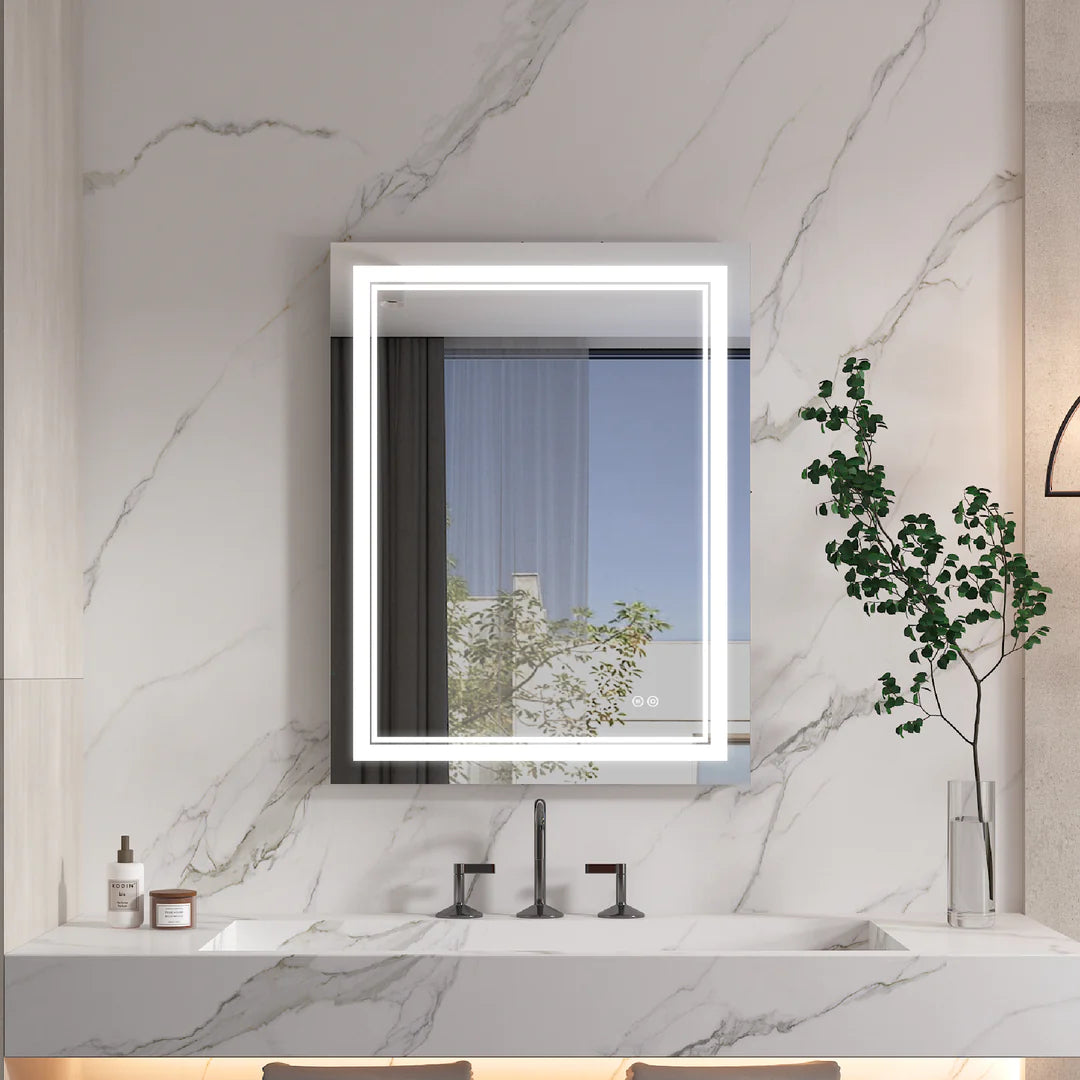
The popularity of smart mirror cabinets with LED Lights in 2026 provides technological support for space expansion.
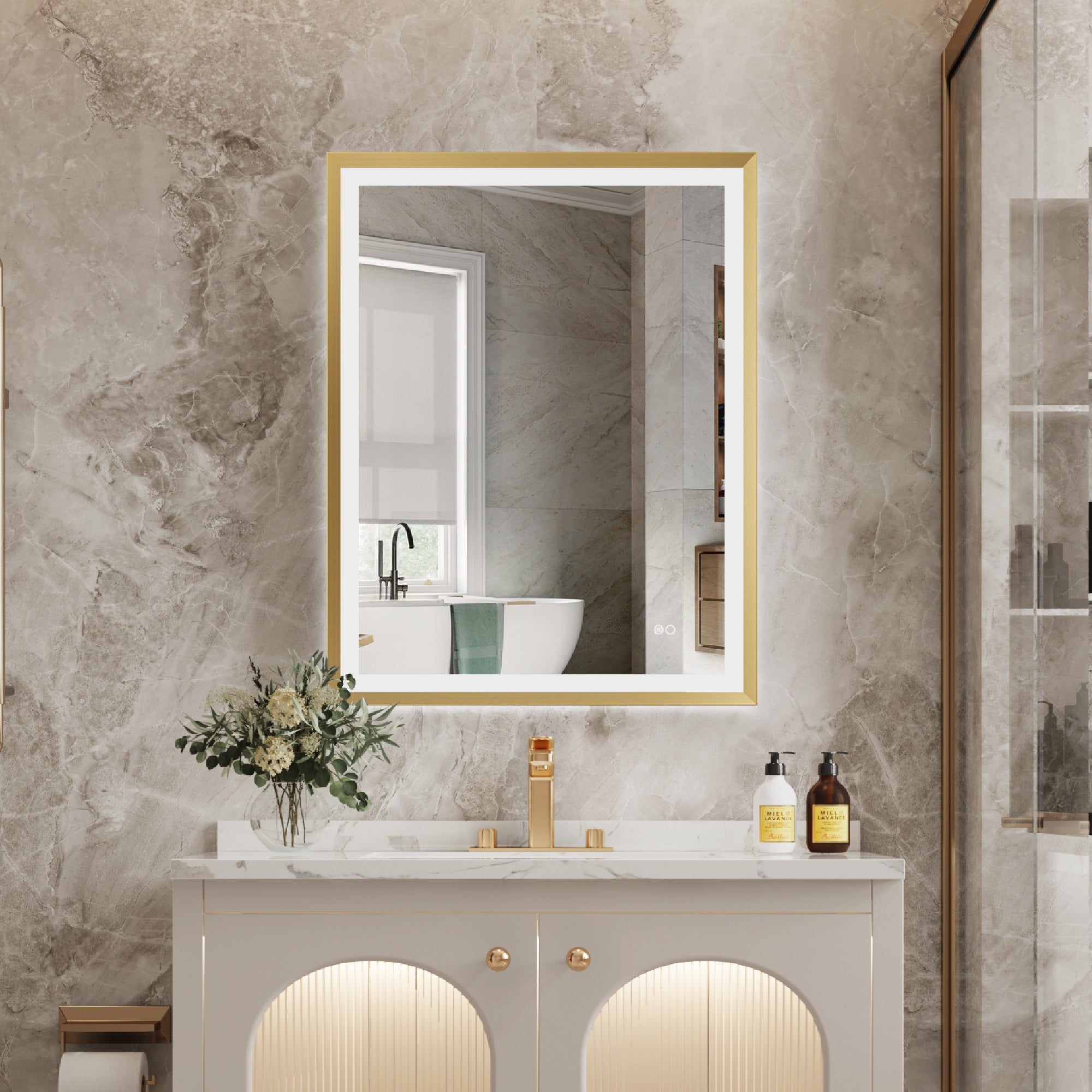
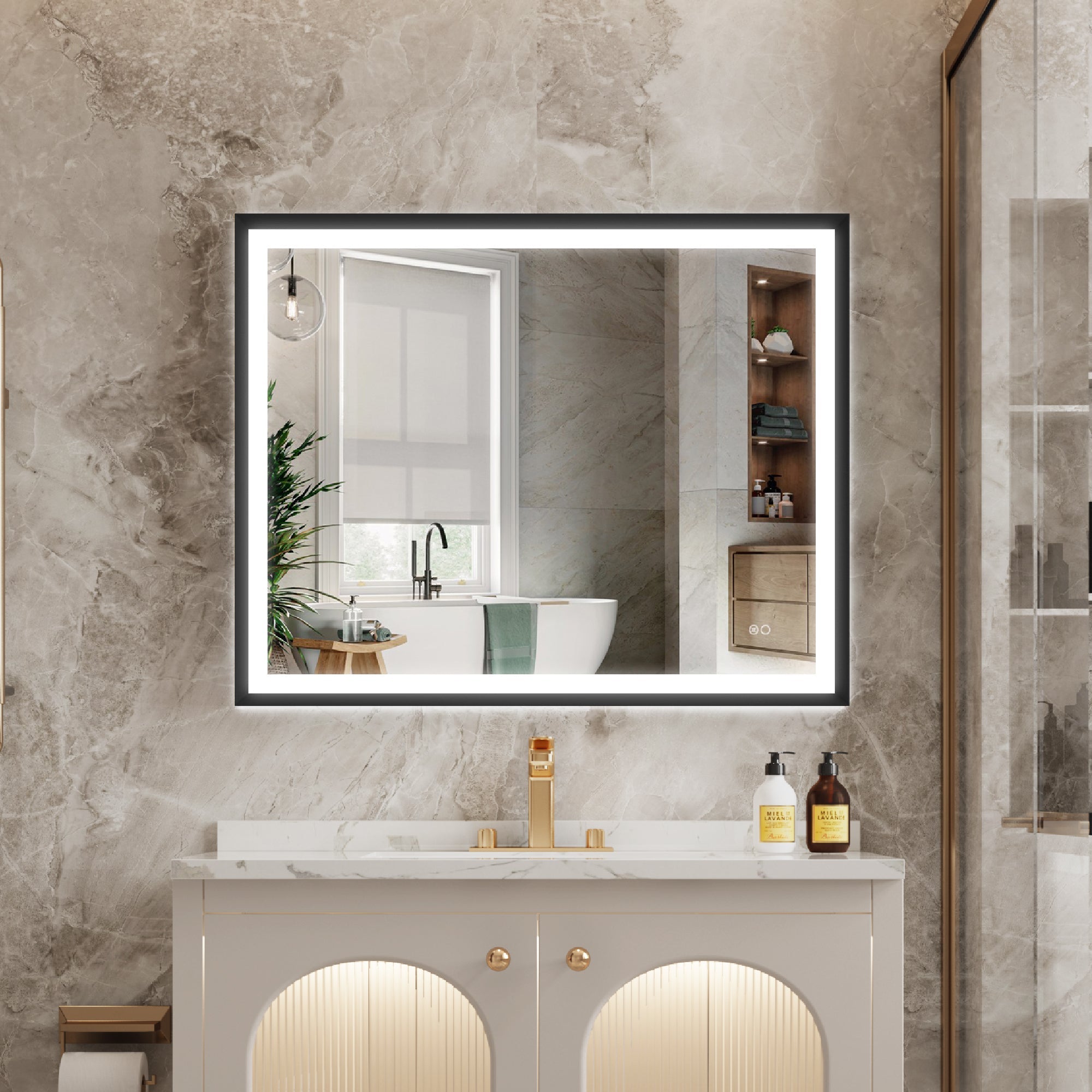
Environmental Lighting: When light is projected from the bottom or back of the mirror cabinet, it creates a halo on the wall. This design can eliminate the stiff shadows at the connection between the mirror cabinet and the wall.
Suspended illusion: Through the contrast of light and dark, the medicine cabinet appears to be "suspended" on the wall rather than "pressed" against it. This lightness is the key to reducing spatial oppression and creating a lightweight visual experience.
6. The game of scale proportion: the spillover effect of large-sized mirror cabinets
When paired with 36-inch vanities, the medicine cabinet's size selection shows a sense of proportion.
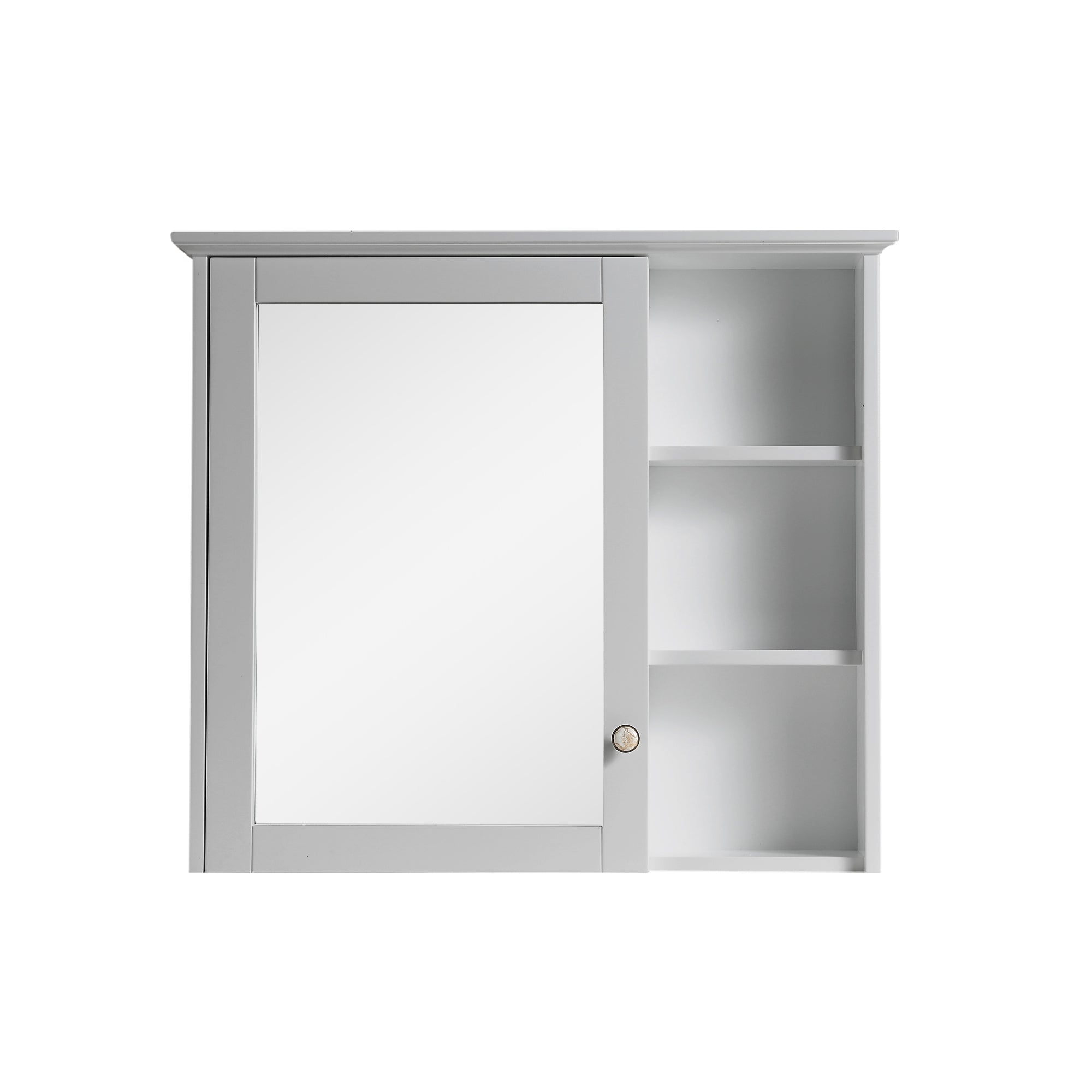
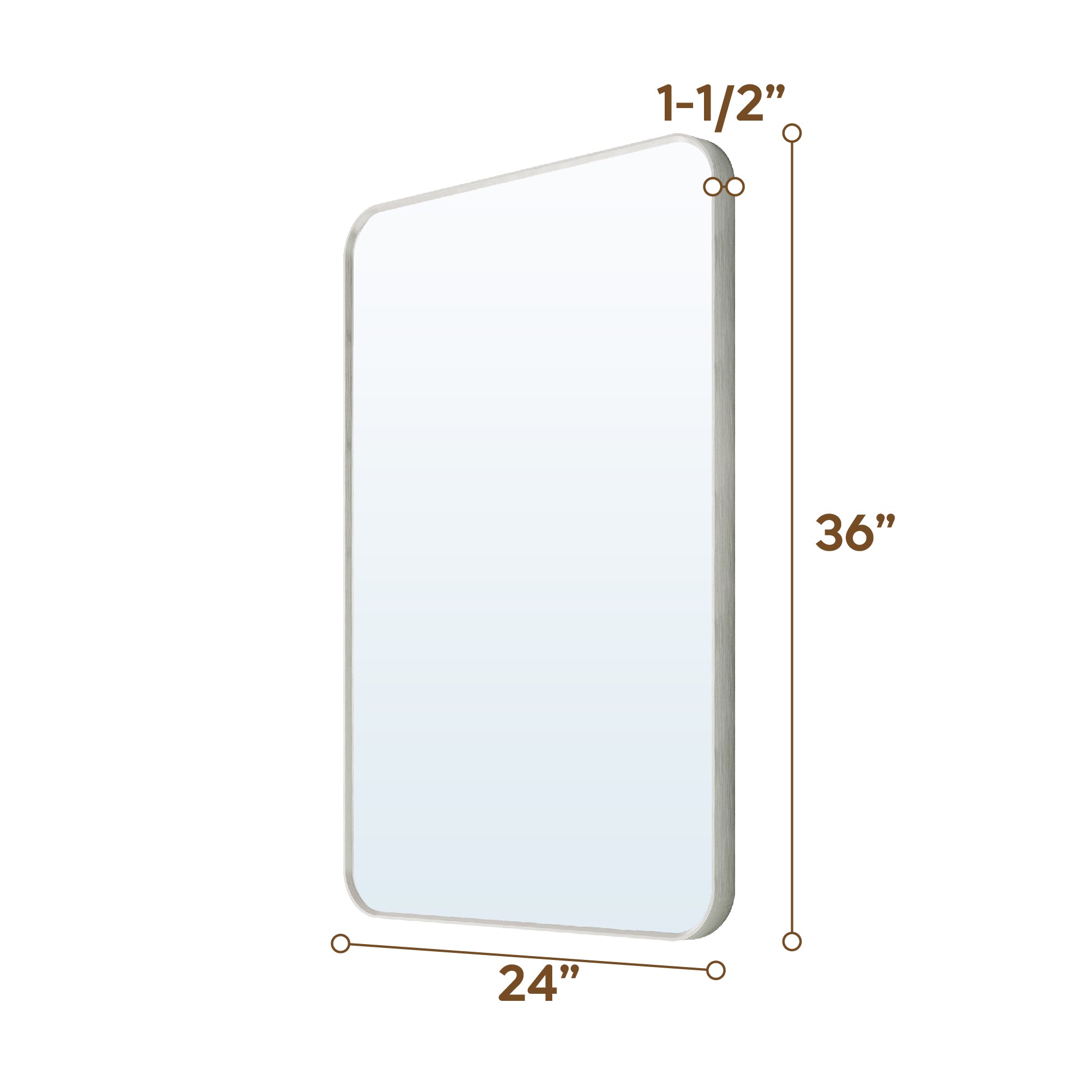
The industry recommends rectangular mirror cabinets for small bathrooms, slightly wider or as wide as the washbasin. A larger reflection area can capture more environmental information, and this "visual overflow" can lead the brain to make a positive misjudgment: "since the mirror is so big, the room must also not be small."
Vertical stretching: Using a medicine cabinet that extends longitudinally can guide the user's gaze upward, increase their perception of floor height, and alleviate a sense of tightness in a compact space.

7. Intelligent Interaction: Color Temperature Adjustment and Space Temperature Scaling
The smart mirror cabinet in 2026 allows users to change the spatial character by adjusting the Mirror Colors.
The expansion force of cool white light: 6000K cool white light has stronger reflection intensity and expansion feeling, suitable for morning grooming, making the bathroom appear bright and spacious.
Warm yellow light creates a deep sense of depth: 3000K warm light can use the layers of light and shadow to create a warm depth of field, suitable for creating a deep and relaxing atmosphere through the reflection of the edge of the Acrylic Bathtub during bathing.
Summary: Medicine cabinet - not only for storage, but also as a physical plugin for space
Can a medicine cabinet with a mirror create the illusion of expanding space? The answer is affirmative.
It is an efficient plugin that integrates optical reflection, structural invisibility, and visual psychology. In the renovation logic of 2026, the medicine cabinet has evolved from an isolated storage box to a "visual energy amplifier" for the grooming area. Through embedded installation, frameless design, and systematic configuration of intelligent backlighting, it can scientifically manipulate the path of light, eliminate visual clutter, and open up a vast "mirror space" for residents within limited physical boundaries.











Leave a comment
This site is protected by hCaptcha and the hCaptcha Privacy Policy and Terms of Service apply.