
















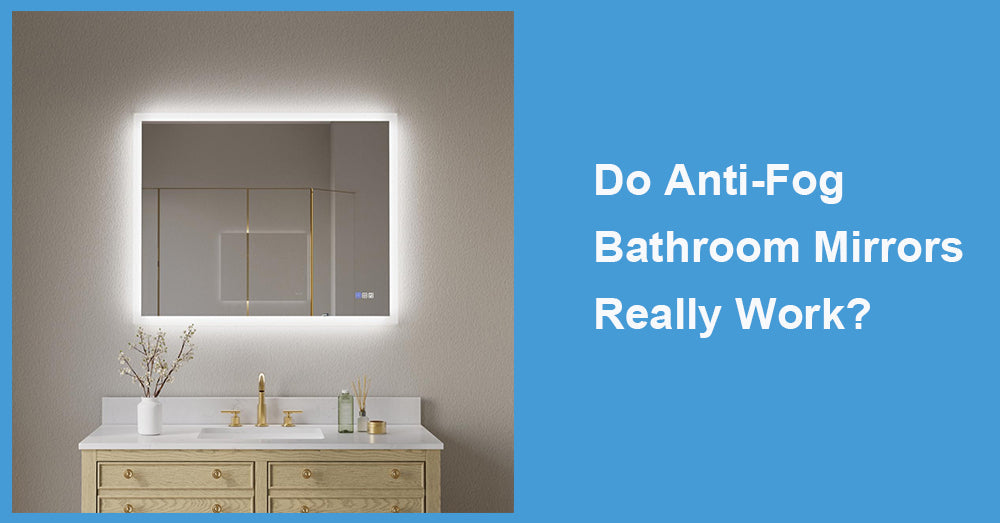
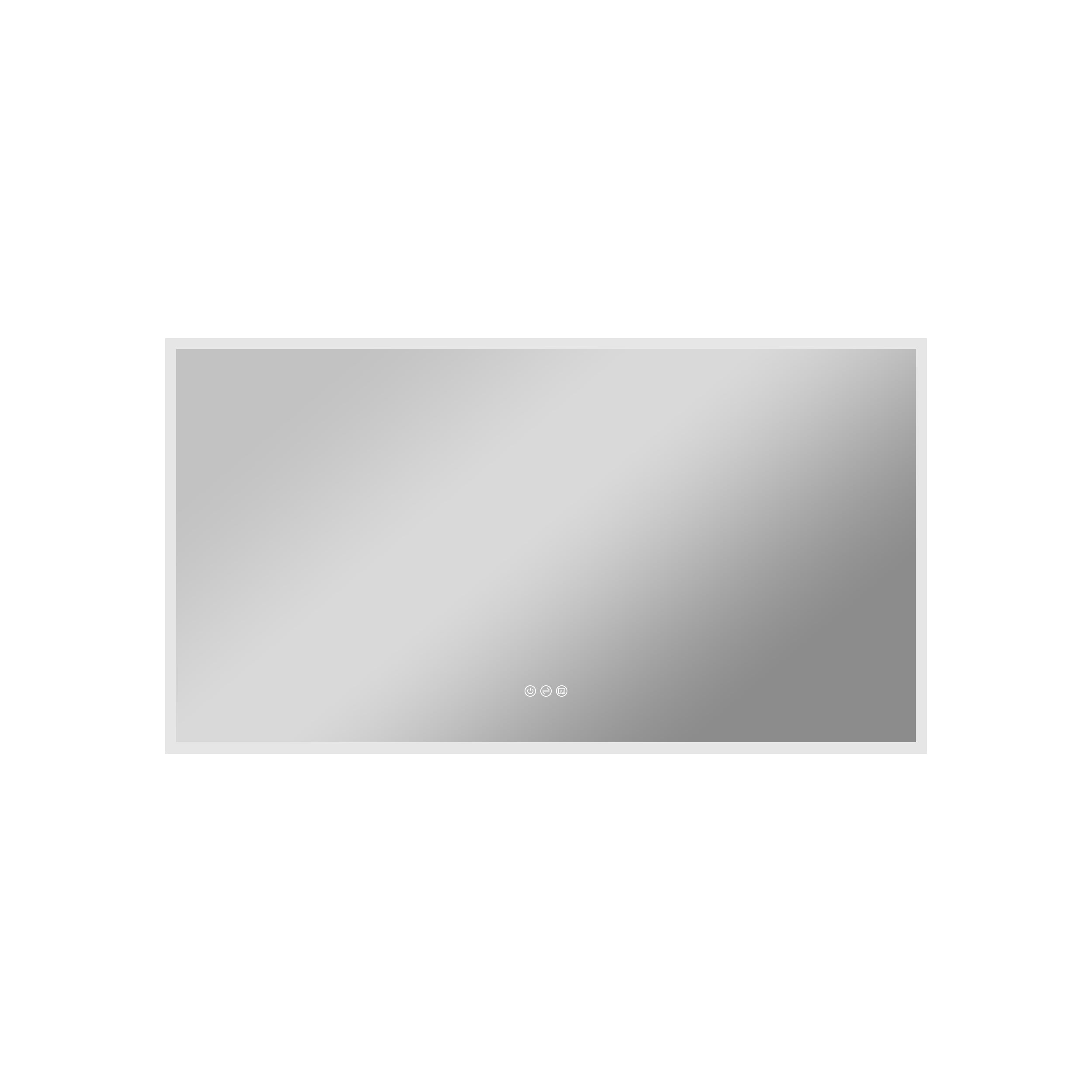
Yes, anti-fog bathroom mirror solutions can work, but the results depend on the technology used, how your bathroom handles humidity, and whether the mirror is treated as a standalone fix or part of a moisture-control plan. In plain terms, fog forms when warm, humid air hits a cooler mirror surface and water vapor condenses into tiny droplets. Anti-fog products either keep the mirror surface warmer than the dew point or change how water behaves on the glass so it does not form a visible mist. If you choose the right approach, you can get a mirror that stays clear through most showers. If you choose the wrong one, you may still be wiping steam off the glass every morning.
1. Why Mirrors Fog in the First Place
Fog is not “mystery steam,” it is condensation. After a hot shower, the bathroom air often becomes warm and moisture-loaded. When that moist air contacts a cooler surface like glass, the air next to the mirror cools and cannot hold as much water vapor, so moisture condenses. The greater the temperature difference between the air and the mirror, and the higher the humidity, the more fog you see.
For long-term comfort and moisture management, a commonly cited indoor range is 30% to 60% relative humidity. (Source: ASHRAE guidance on humidity in habitable spaces.) When a bathroom frequently exceeds that range during showers, condensation becomes more likely, especially in colder seasons or in bathrooms with weak ventilation.
2. The Two Main Anti-Fog Technologies
A. Heated mirrors and defogger pads (most reliable)
Heated anti-fog mirrors work by raising the mirror temperature so it stays above the dew point. This is the same basic idea as a car rear-window defroster: heat prevents condensation from forming on the surface.
In practice, most heated mirrors use a thin electric pad mounted behind the glass. Many systems are designed to run off standard household voltage and can be wired to a switch with the lights. (Source: Warmup mirror defogger submittal sheet describing a 120 Vac heating pad format and installation concept.)
Does it work? For most bathrooms, yes, especially on the area directly over the heating pad. The key limitation is coverage: if the pad covers only the center, the edges may still fog in extreme humidity. Coverage and wattage should match mirror size.
Manufacturers publish typical energy draw examples. One reference notes a large defogger size (30" x 40") at about 141 watts. (Source: WarmlyYours article discussing defogger energy use for a 30" x 40" pad.) That level of power is enough to keep the glass warm without feeling like a major electrical load, but it does mean you should treat defogging like a deliberate feature, not a “free” add-on.
B. Anti-fog coatings and sprays (works, but more variable)
Coatings and sprays usually work by changing surface tension so water spreads into a thin, transparent film instead of forming light-scattering droplets. In other words, the mirror may still get wet, but it looks clearer.
Does it work? Often, yes, but performance depends on:
· How evenly the product was applied.
· How frequently the mirror is cleaned (many cleaners strip coatings).
· How severe the humidity spike is.
· Water chemistry and residue buildup.
Coatings are best when you want a low-cost solution and are willing to reapply or maintain it. Heated solutions are better when you want consistent “set it and forget it” performance.
3. What “Really Works” Looks Like in Daily Use
A realistic expectation is not “zero fog anywhere at any time.” The more honest goal is:
· Clear visibility in the main viewing zone during and after typical showers.
· Minimal wiping and faster recovery time.
Heated pads are generally the most consistent for that goal, but they still need the right usage pattern. Some guidance recommends turning the defogger on a few minutes before showering so the mirror warms up first. (Source: WarmlyYours article describing typical warm-up timing and usage tips.)
4. Ventilation Still Matters More Than Most People Think
Even the best anti-fog mirror is working against physics if the bathroom traps moisture. Exhaust fan capacity standards are commonly referenced around 50 CFM intermittent or 20 CFM continuous for bathrooms. (Source: Fantech blog summarizing code and certification context for bath fans.) Broader building guidance also notes typical continuous exhaust settings around 30–50 CFM, with higher speeds often used during bathing. (Source: MNCEE homeowner guide on continuous running exhaust fans.)
If your mirror fogs heavily and stays foggy for a long time, that is a ventilation signal. A defogger may keep a small zone clear, but the room may still feel damp, and other surfaces may still condense.
5. How to Choose the Right Anti-Fog Option
Choose a heated solution if:
· You shower daily and want consistent performance.
· The bathroom has limited ventilation or the mirror fogs severely.
· You prefer a built-in, low-maintenance fix.
What to check before buying:
· Pad coverage area relative to mirror size.
· Whether it is designed to run on a lighting circuit and how it is switched.
· Wattage and safety certifications listed by the manufacturer.
Choose a coating or spray if:
· Fogging is occasional, not constant.
· You want a low-cost option with minimal installation.
· You are comfortable reapplying as needed.
What to watch out for:
· Cleaners that remove the coating.
· Uneven application leaving streaks.
· Reduced effectiveness over time.
6. Common Reasons Anti-Fog Mirrors “Fail”
1. The heating pad is too small for the mirror.
Center stays clear, edges fog.
2. The defogger is turned on too late.
If the mirror starts cold and humidity spikes quickly, condensation can form before the pad catches up.
3. Ventilation is weak, so humidity stays high.
Even if the mirror clears, the bathroom remains damp and uncomfortable.
4. Coatings are stripped by cleaning habits.
Many people unknowingly remove anti-fog films with strong glass cleaners.
5. The mirror is near the shower spray path.
Direct warm vapor and splash increases condensation load.
7. A Simple Home Test to Evaluate Performance
Try this practical test for any anti-fog mirror:
1. Start with a dry mirror.
2. Run a hot shower for 10 minutes with the door closed.
3. Observe: how fast does fog appear, where does it appear, and how long does it persist?
4. Repeat with the exhaust fan on and, if applicable, the defogger turned on 5–10 minutes early.
If the mirror stays clear in the main viewing area and recovers quickly after the shower, the anti-fog solution is doing its job.

Conclusion
Anti-fog bathroom mirrors can really work, especially heated defogger pads that keep the glass warmer than the dew point. Coatings and sprays can also help, but they are more sensitive to cleaning habits and extreme humidity spikes. For the most reliable outcome, treat anti-fog as part of a system: a properly sized defogger for the mirror, a ventilation strategy that clears moisture, and realistic expectations about coverage and warm-up time. When those pieces line up, you can stop wiping fog and start using your mirror the way it was intended.













Leave a comment
This site is protected by hCaptcha and the hCaptcha Privacy Policy and Terms of Service apply.